Flat Weave Geometric Rugs
Flat Weave Geometric Rugs bring a modern touch to any room with their striking patterns and versatile designs. Perfect for living rooms, bedrooms, or entryways, these rugs offer an easy way to refresh your space and complement a variety of decor styles. Explore a wide selection of sizes, colors, and geometric motifs to find the ideal accent for your home. With Flat Weave Geometric Rugs, adding visual interest and personality to your floors has never been easier.
Sort
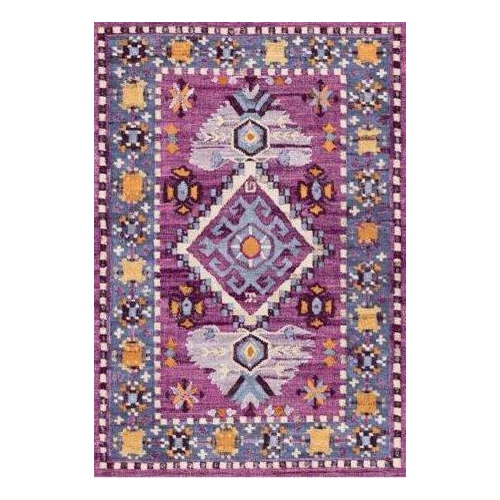
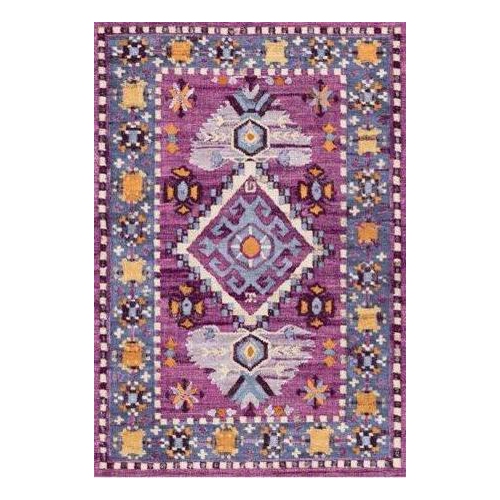
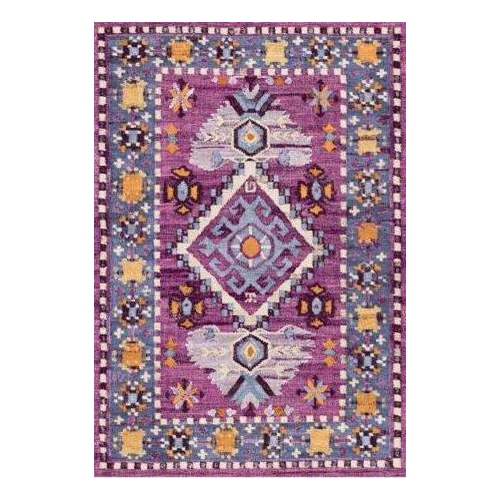


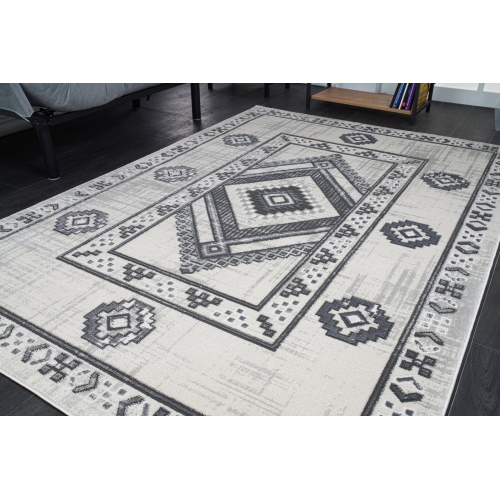


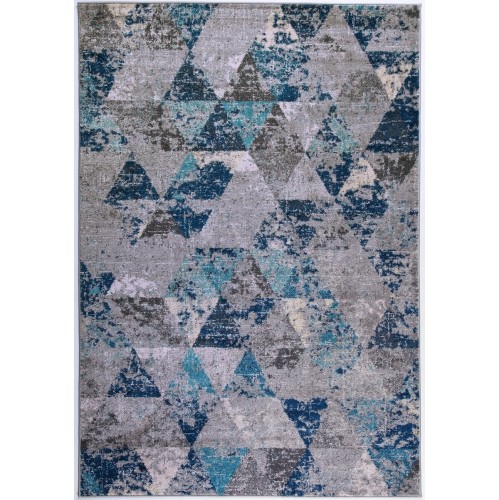


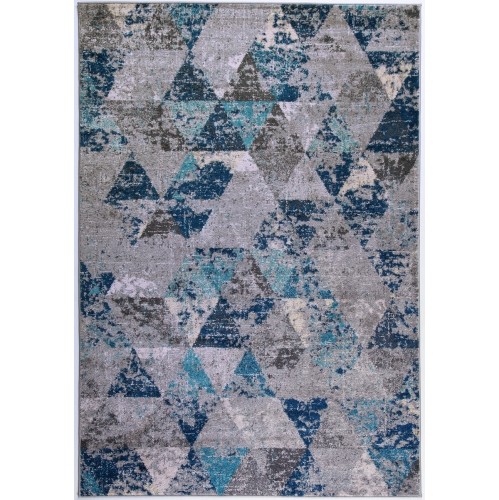


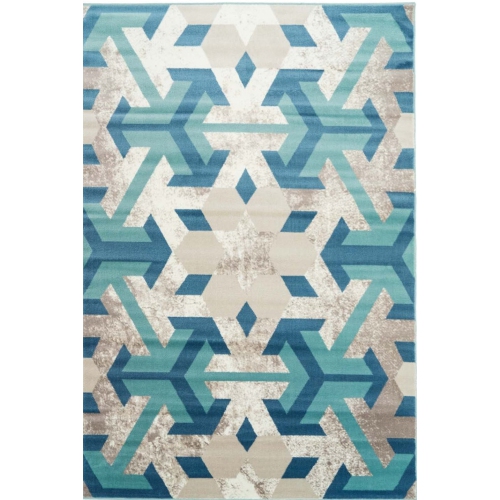


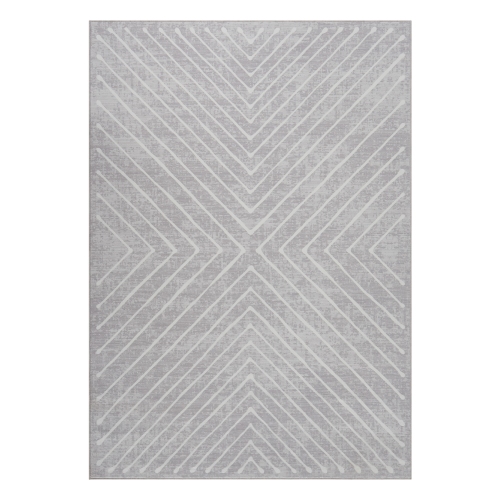
Defined patterns without the bulk of a deep pile
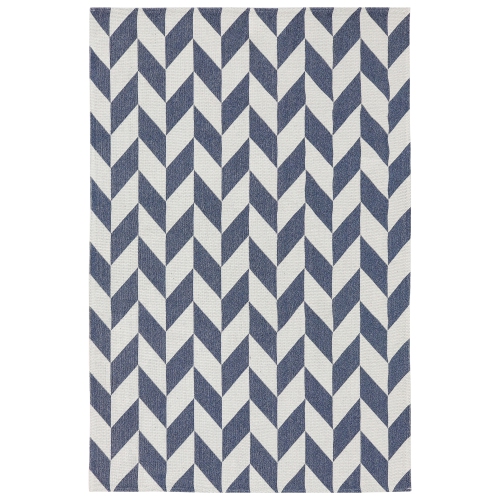
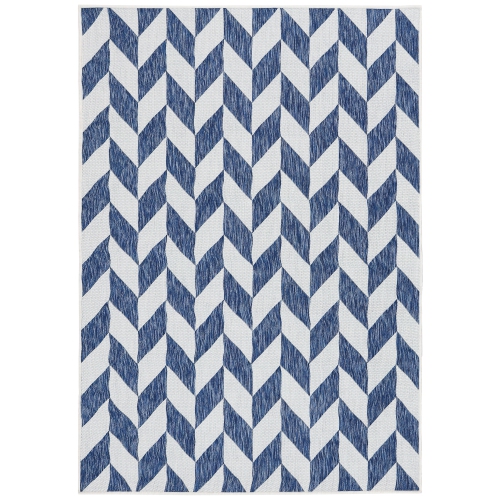
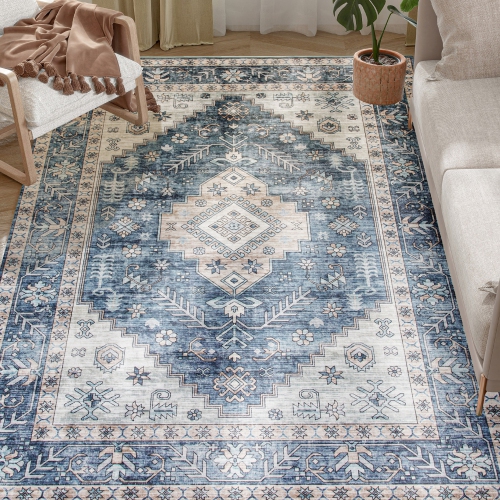
Flat weave geometric rugs combine a thin, woven construction with patterns built from shapes such as diamonds, triangles, checks, stripes, and interlocking lines. Unlike rugs with a raised, tufted pile, flatwoven designs have a comparatively level surface that keeps the pattern clearly defined. Their low profile can make them practical for dining areas, living rooms, bedrooms, and hallways, especially where a thicker rug would feel bulky or interfere with furniture placement. Thickness still varies, so clearance beneath a door matters even with a flat weave. The appeal is as much visual as practical: a diamond pattern can bring rhythm to a plain room, while a quiet grid adds structure without competing with artwork or upholstery. Colour and contrast make a considerable difference. Cream and charcoal lines create a crisp focal point, whereas closely matched beige, grey, or muted blue tones let the geometry sit more gently within the room. Small, repeating motifs tend to read as texture from a distance; larger shapes remain prominent and can help define a seating area in an open layout. A rug does not need to match every furnishing to feel connected to the space. Repeating one colour from a sofa, cushion, or wall print is often enough, leaving the pattern to provide the interest. In a room with patterned curtains or upholstered furniture, a simpler geometric design can keep the overall effect balanced. In a room furnished mainly with solid colours and clean lines, a more expressive pattern can become the main decorative feature. These rugs suit a range of interiors, from restrained, Scandinavian-inspired spaces to rooms layered with wood, woven baskets, and collected furniture. Their relatively slim construction also appeals to people who prefer a clearly defined floor covering without the deep, cushioned feel of a plush rug.
Material influences how a flat weave geometric rug feels underfoot, how it holds its shape, and how it responds to daily use. Wool offers a resilient fibre with a naturally textured appearance, making it appealing for living areas and bedrooms where comfort matters alongside a defined pattern. Some shedding can occur, particularly when a wool rug is new, and the amount varies with the yarn and construction. For a closer look at this material category, Flat Weave Wool Area Rugs brings the focus to wool in a low-profile format. Cotton generally provides a softer, flexible weave that can work well beside a bed or in a casual seating space, although lighter constructions may shift or wrinkle without suitable support underneath. Jute brings a more pronounced, earthy texture and is usually better suited to dry areas than places exposed to frequent spills or damp footwear. Synthetic fibres, including polypropylene and polyester, are also used in geometric flatwoven rugs, with performance depending on the fibre, weave, backing, and any treatments specified for the rug. Fibre content alone does not establish whether a rug is stain-resistant, machine washable, or suitable for outdoor use; those features need to be confirmed in its care and use information. For busy households, a firmly woven surface and neatly finished edges are useful details to consider. Families with children may favour a pattern that makes everyday crumbs and small marks less noticeable, while households with pets may prefer tightly woven textures without loose fringes that invite chewing or catching. A flat surface can be easier to vacuum than a deep pile, but it is not automatically resistant to claws or heavy wear. Some flatwoven rugs are reversible, which can offer flexibility in use, though this depends on the construction and finish. A backed rug should not be assumed to have a usable second side.
Size and placement determine whether a geometric rug feels integrated into the room or sits awkwardly between the furniture. In a living room, a common arrangement places at least the front legs of the sofa and nearby chairs on the rug, connecting the seating into one area. A small rug floating beneath only the coffee table can leave a larger room feeling disconnected, even when its colours are well chosen. Under a dining table, allow enough rug beyond the tabletop for chairs to remain supported when pulled out; roughly 60 to 75 cm on each side is a useful starting point, with more space sometimes needed for larger chairs. Measuring the chairs in their pulled-out position gives a better picture than measuring the table alone. In a hallway, leave a visible border of flooring along the sides and check that the runner will not obstruct doors, vents, or transitions between rooms. Beside a bed, position the rug where feet naturally land rather than choosing its placement solely around symmetry. Marking the outline on the floor with removable tape can help reveal how a pattern and size will work before furniture is moved. A compatible rug pad can add cushioning, reduce movement, and help protect the floor, but its material should be suitable for both the rug backing and the flooring finish. Flatwoven rugs are not necessarily non-slip on their own. For routine care, follow the care label and vacuum using a setting appropriate to the weave; strong rotating brushes can catch fibres, fringes, or raised details. Blot spills promptly with a clean cloth rather than rubbing them into the yarn, and test any permitted cleaning solution in an inconspicuous area first. Machine washing is appropriate only when expressly allowed, regardless of how lightweight the rug feels. Rotating the rug periodically can help distribute foot traffic and light exposure more evenly. With the right dimensions, material, and care routine, a geometric flat weave can provide a practical foundation for everyday rooms while giving the space a distinct sense of pattern and proportion.
Top selling and popular products
-
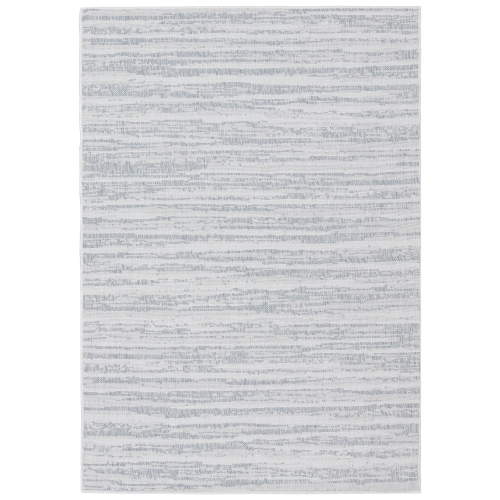 Your price for this item is $129.15
-
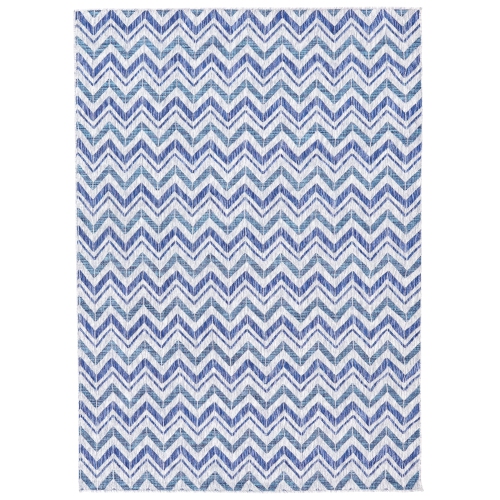 Your price for this item is $129.15
-
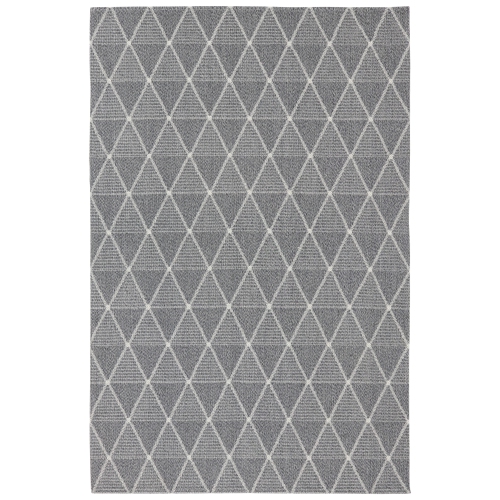 Your price for this item is $130.55
-
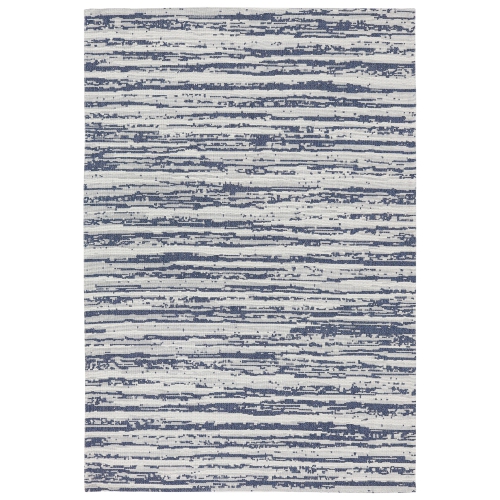 Your price for this item is $130.55
-
 Your price for this item is $130.55
-
 Your price for this item is $129.15
-
 Your price for this item is $111.99
-
 Your price for this item is $124.99
Discover more categories related to Flat Weave Geometric Rugs


Top Collections:
Pokemon Centers, Kindle Devices, Best Cameras for Sports Photography, Pokémon 30th Celebration Cards, Apple iPhones 16, Canon G7X Cameras, iPhone 15 Apple, Flip Phones, Samsung Galaxy Phones, Alarm Clock
Some products may be subject to Environmental Handling Fees
(EHF) depending on your province.
Learn more about EHFs.