Geometric Pattern Wool Rugs
Geometric Pattern Wool Rugs bring a modern touch and timeless elegance to any living space. Featuring bold shapes and intricate designs, these rugs are perfect for adding visual interest and texture to your home décor. Whether you're refreshing a living room, bedroom, or office, Geometric Pattern Wool Rugs offer a stylish foundation that complements a variety of interior styles. Discover the ideal rug to enhance your space and make a statement with vibrant patterns and luxurious comfort.
Sort








How wool texture and pattern shape a room
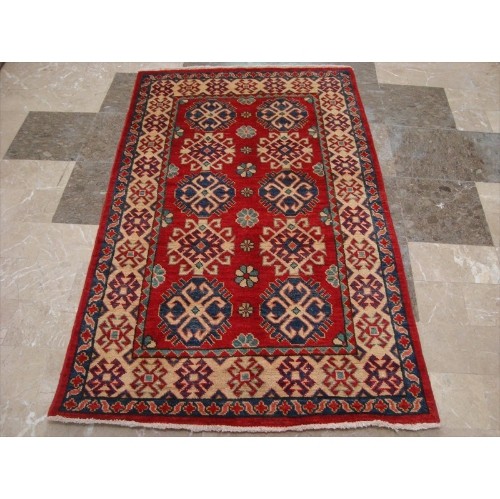
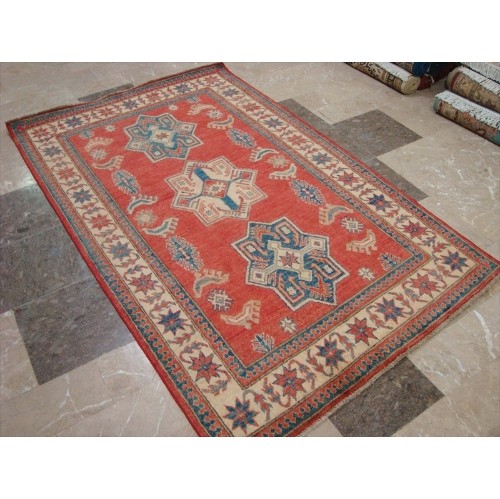
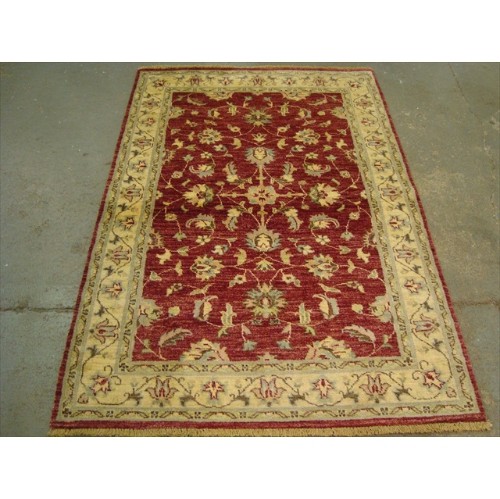
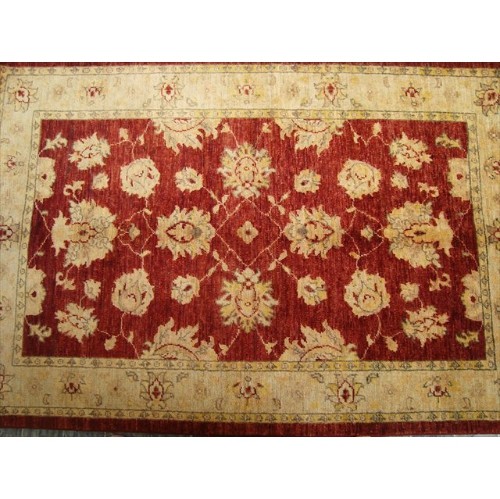
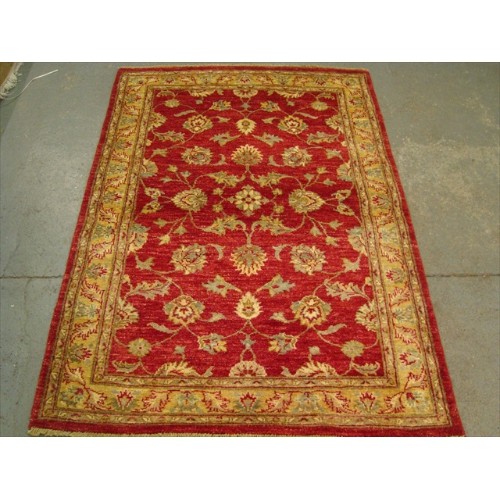
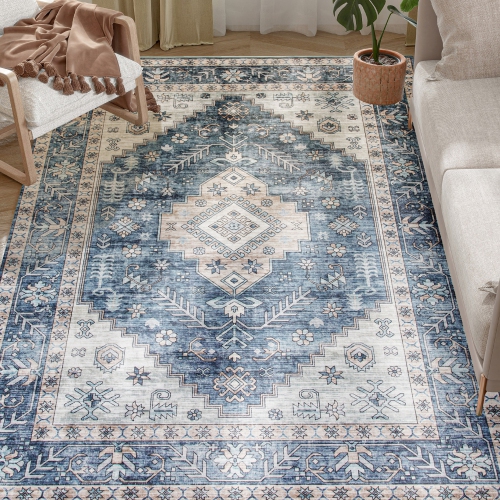
Geometric pattern wool rugs bring the softness and texture of wool together with the structure of diamonds, grids, chevrons, stripes, and repeating shapes. They can anchor a seating area, define a dining space, or give a bedroom a more finished appearance without adding another piece of furniture. The effect depends as much on the scale and spacing of the pattern as on its colour. Large, widely spaced shapes tend to read clearly across a room, while smaller repeats create a more textured impression when viewed from a distance. A cream rug traced with charcoal diamonds can sit comfortably alongside a plain sofa and wood coffee table; a multicoloured geometric design can connect the colours of cushions, artwork, and upholstered chairs. Muted patterns offer definition without dominating the space, while high-contrast layouts make the floor a stronger focal point. Wool adds another layer of character because its fibres reflect light differently across the pile, giving even a simple pattern depth. Wool is also naturally resilient: its crimped fibres can recover from compression, although heavy furniture may still leave indentations. Material descriptions matter, since a wool rug may have a wool surface with a separate cotton foundation or backing, while a wool-blend rug combines wool with other fibres. Construction affects how the rug feels and performs. Hand-knotted rugs are built by tying individual knots onto a foundation, hand-tufted rugs typically have yarn inserted through a backing and secured in place, and woven rugs vary in texture according to their weave. A dense pile can feel cushioned underfoot, whereas a lower-profile surface offers a firmer feel and clearer pattern edges. Neither a thick pile nor a handmade description alone guarantees durability; fibre quality, construction, finishing, and suitable care all contribute. Small variations in line, colour, or texture may be part of the character of a handmade rug, rather than a sign that its design is meant to be perfectly uniform.
Size and placement determine whether a geometric wool rug feels connected to the room or appears to float between the furniture. In a living room, a rug large enough to support at least the front legs of the sofa and nearby chairs usually creates a more cohesive seating arrangement than one that holds only the coffee table. The pattern remains visible around the furniture, giving the space a defined centre. Measuring the full seating area, rather than the table alone, helps establish suitable proportions. In a dining room, the rug should extend far enough beyond the tabletop for chairs to remain on it when pulled out; allowing roughly 60 to 75 centimetres on each side is a useful starting point, with the actual chair size and room layout determining the final fit. A lower pile generally makes chairs easier to move and leaves fewer places for crumbs to settle. Bedroom rugs can extend beyond the sides and foot of the bed to provide a soft landing, while smaller rugs placed beside the bed suit layouts where a larger piece would interfere with doors or other furniture. Check door clearance, floor vents, and any transition between flooring surfaces before settling on dimensions. Pattern direction deserves attention, too: a long chevron or stripe can emphasize the length of a room, while a centred diamond may look unbalanced if most of it disappears beneath a sofa. For frequently used spaces, a dense, well-constructed wool rug with a practical pile height can balance comfort and everyday wear. A home office needs particular consideration because rolling chairs may catch on pile or place repeated stress on the same area. A rug pad suited to both the rug and flooring helps reduce movement, adds support, and limits friction underneath; its edges should sit inside the rug’s perimeter. These rugs can also make thoughtful housewarming gifts when the recipient’s room dimensions and preferred colours are known, since fit and personal taste are central to their usefulness.
Routine care helps geometric pattern wool rugs retain their texture, colour, and clearly defined design. Some shedding is common with new wool rugs, particularly certain cut-pile or hand-tufted constructions, but the amount varies and should not be treated as a universal measure of quality. Gentle vacuuming removes loose fibres and grit before they work deeper into the rug. A suction-only setting is often appropriate, while rotating brushes and beater bars can pull at fibres or damage delicate edges; the manufacturer’s care instructions should determine the safest method. Fringe needs separate attention and should not be drawn into the vacuum head. Regular rotation spreads foot traffic and exposure to light more evenly, especially where one end sits near a window or the same route crosses the room each day. Spills are best addressed promptly by blotting with a clean, absorbent cloth rather than rubbing, which can spread the mark and disturb the pile. Use only a cleaning method approved for the rug, test any permitted cleaner on an inconspicuous area, and avoid saturating the wool or backing. Excess moisture can affect shape, dyes, and adhesives, so a rug should dry thoroughly before returning to normal use. Professional cleaning by someone experienced with wool rugs is appropriate when deeper cleaning is needed. For households with pets, dense, lower-pile surfaces may be easier to vacuum, while looped textures can be vulnerable to claws or snagging. Patterned rugs can make minor everyday marks less noticeable, but they still need regular cleaning. A geometric design does not have to mean a plush surface: Flat Weave Geometric Rugs offer a related construction style for spaces where a flatter profile is preferred. Flat weave describes the structure, not the fibre, so material composition remains worth checking. Across different constructions, the most comfortable fit comes from matching the rug’s texture, dimensions, and visual rhythm to the way the room is used, whether that means a quiet pattern beneath a busy family seating area or a bold arrangement of shapes in an otherwise pared-back space.
Top selling and popular products
-
 Your price for this item is $129.15
-
 Your price for this item is $130.55
-
 Your price for this item is $130.55
-
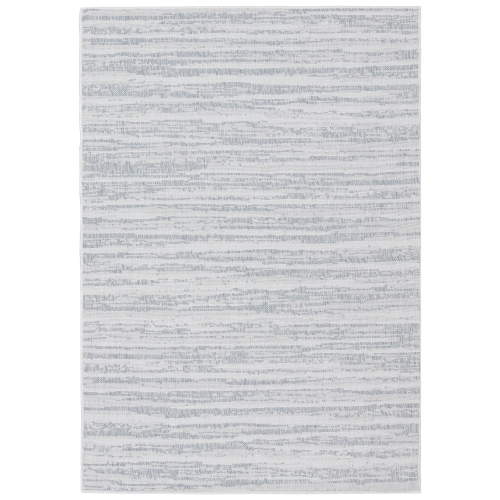 Your price for this item is $129.15
-
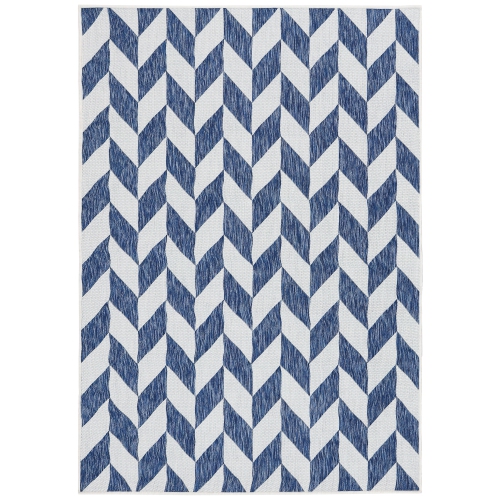 Your price for this item is $129.15
-
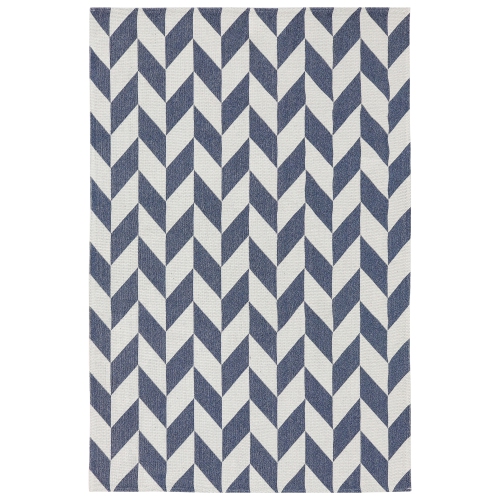 Your price for this item is $130.55
-
 Your price for this item is $111.99
-
 Your price for this item is $124.99
Discover more categories related to Geometric Pattern Wool Rugs


Top Collections:
Pokemon Centers, Kindle Devices, Best Cameras for Sports Photography, Pokémon 30th Celebration Cards, Apple iPhones 16, Canon G7X Cameras, iPhone 15 Apple, Flip Phones, Samsung Galaxy Phones, Alarm Clock
Some products may be subject to Environmental Handling Fees
(EHF) depending on your province.
Learn more about EHFs.