Floating Lamps
Floating lamps bring a touch of modern elegance and intrigue to any space, creating a captivating focal point that enhances your décor. With their innovative designs, floating lamps offer a unique way to illuminate your home or office while adding an element of visual interest. Perfect for those looking to make a stylish statement, floating lamps seamlessly blend functionality with contemporary aesthetics, making them an ideal choice for a variety of settings. Explore the selection of floating lamps to find the perfect addition to your lighting collection.
Sort

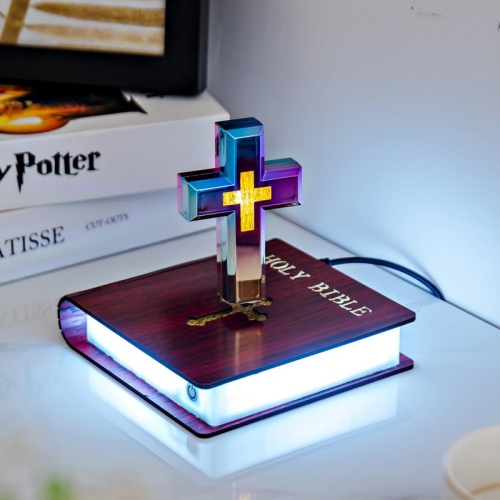
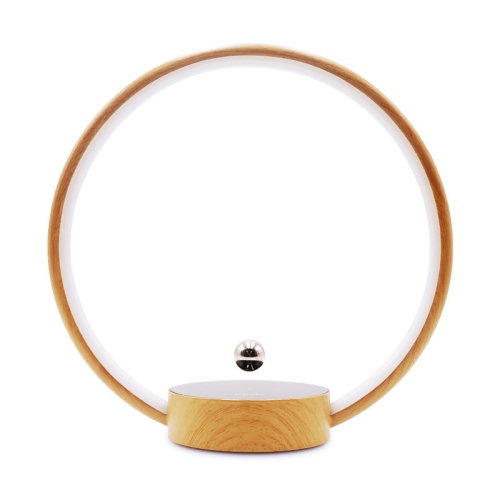
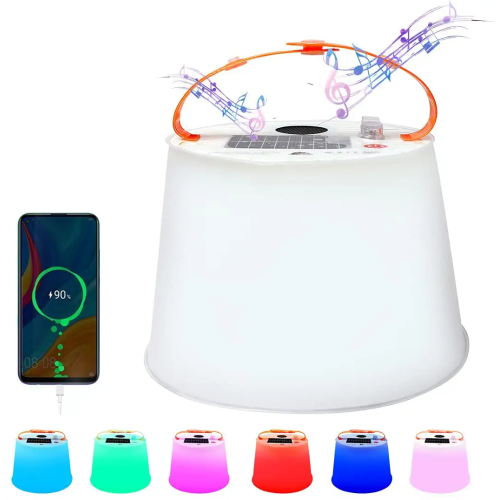
Light that hovers above desks or drifts across water
Floating lamps are decorative lights that either suspend an illuminated element above a base using magnetic levitation or float on the surface of water. Magnetic levitating lamps are usually intended for indoor tables, desks, and shelves, while floating pool and pond lights are designed for water-based settings. Although both create the impression of light hovering without a conventional stand, their construction, power requirements, and intended uses are quite different. In a levitating desk lamp, magnets hold a bulb or other illuminated shape above the base, leaving a visible gap between the two parts. Many designs use wireless power transfer to illuminate an LED within the floating element, so there is no cable running directly to the bulb. The base still generally needs an electrical connection; a wireless illuminated element does not necessarily mean the whole lamp is cordless. Some designs allow the floating part to rotate slowly, adding movement to the display, while others emphasize a steady, suspended appearance. The effect works particularly well on a side table beside a sofa, at the edge of a home office desk, or on a console where the space beneath the light remains clearly visible. These lamps are often best understood as accent lighting: they contribute atmosphere and a focal point rather than automatically providing enough brightness for reading, detailed hobbies, or a full work surface. Light output, shade design, and the direction of illumination all affect their usefulness. A softly glowing orb can bring a gentle wash of light to a room, whereas a more exposed LED may appear brighter or produce reflections on nearby screens. Where brightness adjustment or selectable light colours are offered, those controls can help the lamp suit different activities. For a workspace used for reading and video calls, a floating lamp can sit alongside a dedicated task light rather than taking on every lighting role itself.
The appeal of an indoor floating lamp depends as much on its proportions and finish as on the levitation effect. A compact base leaves more room for a keyboard, notebook, or bedside essentials, while a broader base needs a surface with enough depth to keep it away from the edge. Measure the complete display, including the suspended element and the clearance needed above it, rather than judging its fit by the base alone. Wood and wood-look finishes can complement textured furniture and softer interiors; metal, glass, and smooth plastic surfaces often suit cleaner, more geometric arrangements. A finish described as wood-look may be a coating or veneer rather than solid wood, so the material description matters when considering cleaning and wear. Glass can offer clarity but requires care around knocks, while acrylic and other plastics have different scratch resistance and cleaning requirements. Stability is especially important because a levitating lamp needs a level, stationary surface and correct positioning of the floating element. A frequently bumped desk, narrow shelf, or busy hallway table may be less suitable than a sturdy sideboard. Initial setup can take a little patience as the floating part is aligned with the magnetic field; follow the supplied directions rather than forcing it into position. Power-loss behaviour also varies, so any automatic catch or protective mechanism should be confirmed in the lamp’s specifications rather than assumed. For routine care, disconnect the power and remove the floating element as directed before wiping the base with a soft cloth. Avoid abrasive cleaners and keep liquid away from electrical components. Thoughtful cable placement preserves the uncluttered appearance without creating a snagging hazard. Floating lamps can make appealing gifts for design enthusiasts, technology lovers, or someone arranging a new home office, particularly when the recipient has a suitable display surface. For a compact decorative light without a levitating mechanism, Small Lanterns offer another way to add a contained glow to a tabletop or shelf.
Water-floating lamps create a different effect, with illuminated globes or other buoyant shapes drifting across a pool or resting on a pond’s surface. Their light can reflect across ripples, outline a seating area beside the water, or add colour to a gathering without a fixed installation. Unlike magnetic desk lamps, these lights rely on buoyancy, sealed construction, and a power source suited to their intended placement. Depending on the design, that source may be replaceable batteries, a rechargeable battery, or a solar charging system. Solar-powered lights need sufficient access to sunlight for charging, while rechargeable designs require attention to charging time, runtime, and whether the light must be fully dry before connecting a charging cable. Battery access and the condition of any sealing gasket are also important, since a poorly closed compartment can compromise water resistance. A floating light should be explicitly rated for its intended use; a general outdoor rating or splash-resistant enclosure does not by itself establish that a lamp can remain on water. Where an IP rating is supplied, read it alongside the manufacturer’s stated immersion limits and operating instructions. Suitability for chlorinated pools, saltwater systems, or ponds should likewise be confirmed rather than inferred from the lamp’s appearance. Size affects both the visual impact and the space the light occupies: a larger globe is easier to notice across a broad pool, while smaller shapes can provide scattered points of light. Gentle movement may carry an untethered lamp toward an edge, skimmer, or other equipment, making permitted placement and supervision worth considering. Colour-changing modes, steady white light, remote controls, and app-based settings are useful distinctions when offered, but decorative floating lights are not substitutes for pool safety lighting or supervision. After use, rinse and dry the housing as directed, inspect seals for damage, and store the light clean and dry. For pond placement, follow any restrictions concerning fish or other aquatic life. These lamps suit people who want decorative lighting on water, while magnetic floating lamps suit indoor display spaces; choosing between them starts with where the light will sit and what it needs to withstand.
Top selling and popular products
-
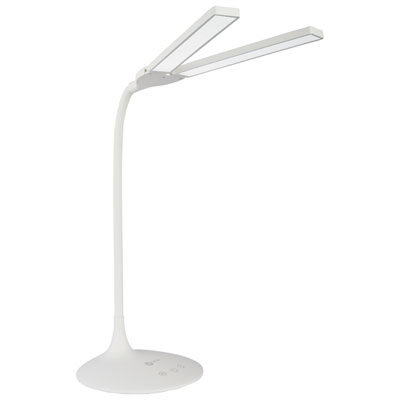 Your price for this item is $79.99
-
 Your price for this item is $79
-
 Your price for this item is $279.99
-
 Your price for this item is $59.99
-
 Your price for this item is $199.99
-
 Your price for this item is $119
-
 Your price for this item is $121.05
-
 Your price for this item is $185
Discover more categories related to Floating Lamps
Top Collections:
Best Black Friday Deals This Year, Best Black Friday Deals On Electronics, Kindle Devices, Best Black Friday Deals On Apple Products, Best Budget Office Chairs, Best Cameras for Sports Photography, Dyson Airwrap, Canon G7X Cameras, Best Laptops for Writers, Samsung Galaxy Phones
Some products may be subject to Environmental Handling Fees
(EHF) depending on your province.
Learn more about EHFs.