Floating Shelf Wall Mounts
Elevate your home décor and organization with a floating shelf wall mount. Perfect for adding storage and style to any room, these versatile shelves help you maximize space while displaying your favorite items. Whether you’re looking to showcase photos, books, or decorative pieces, a floating shelf wall mount offers a modern solution that complements any interior. Explore a wide range of options to find the ideal fit for your living room, bedroom, office, or entryway.
Sort

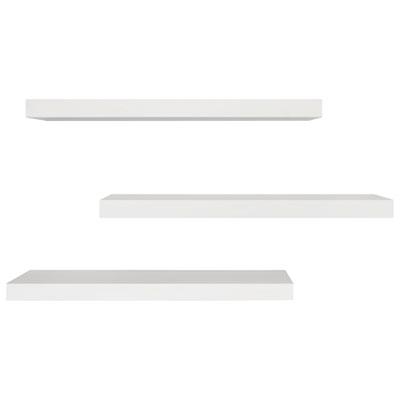
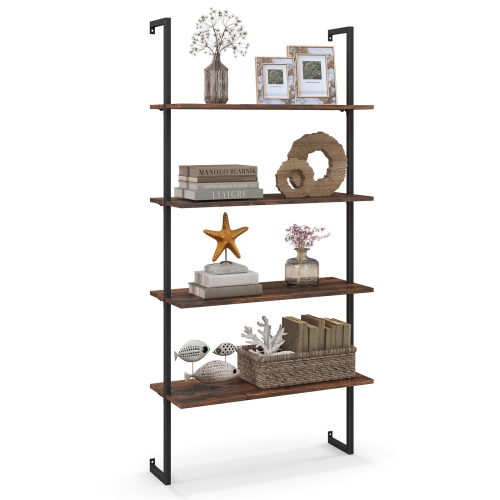
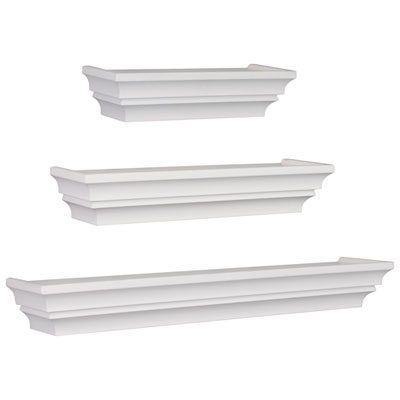
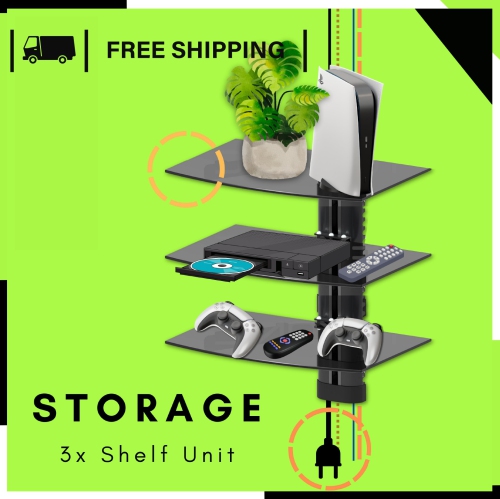
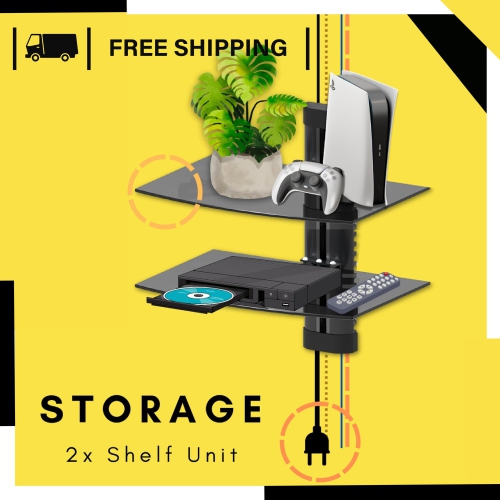
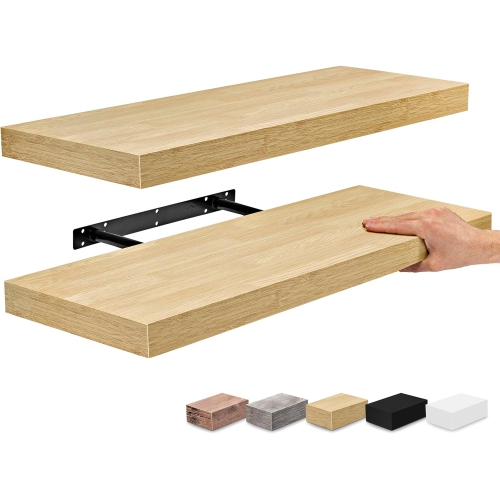
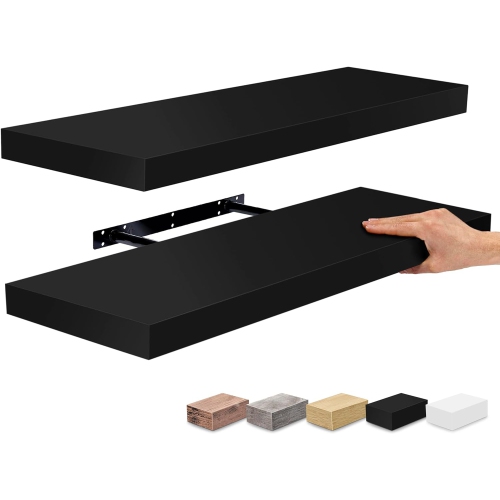
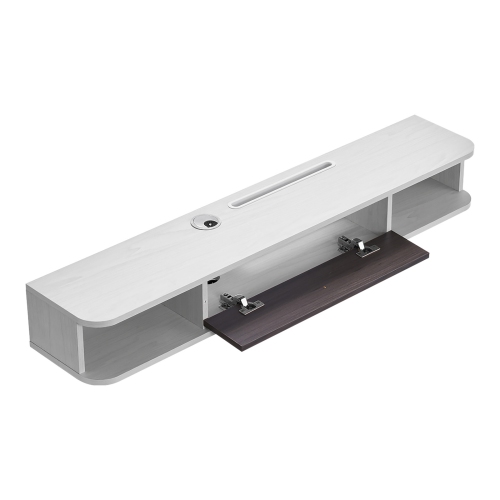
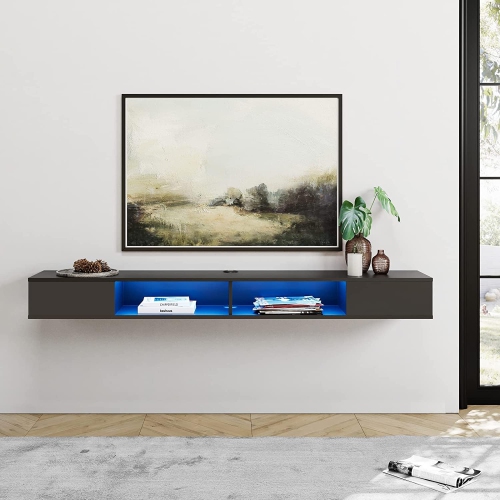
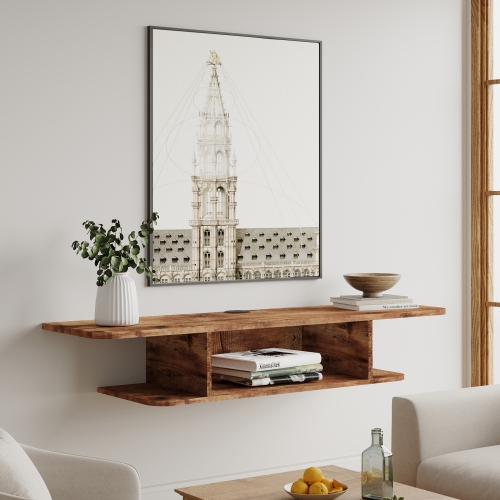
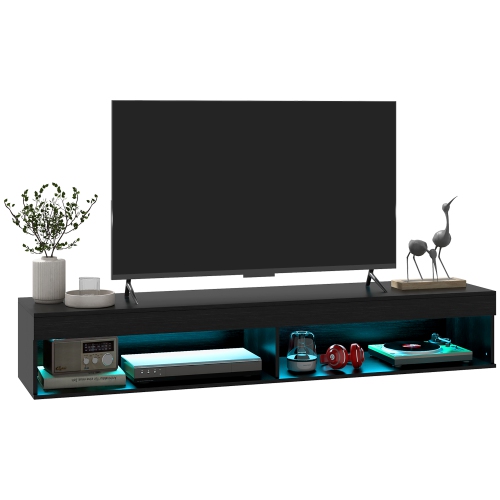
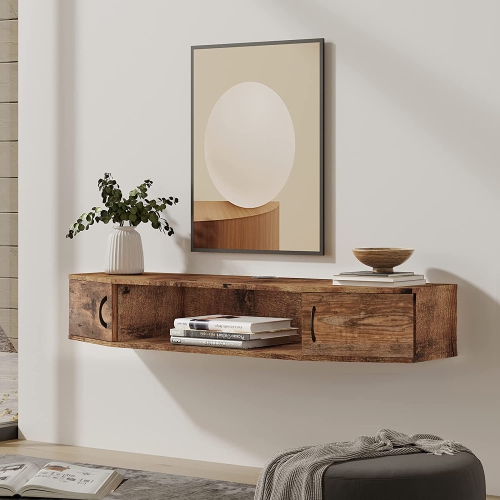
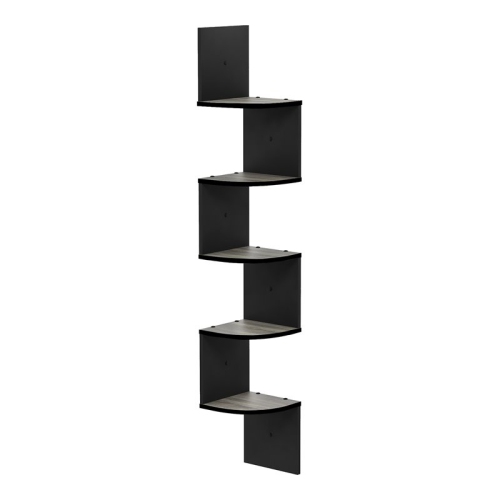
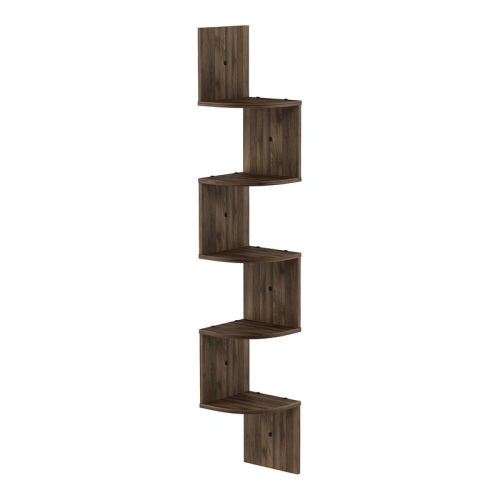
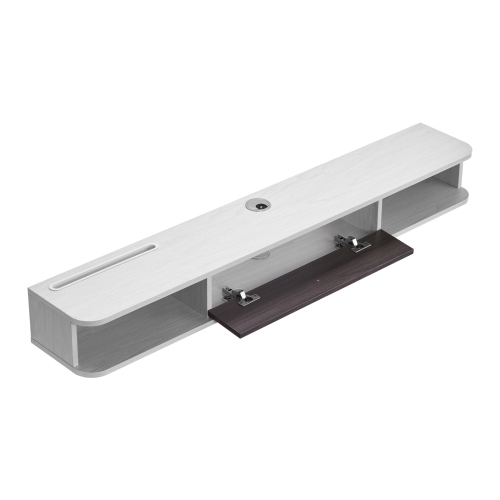
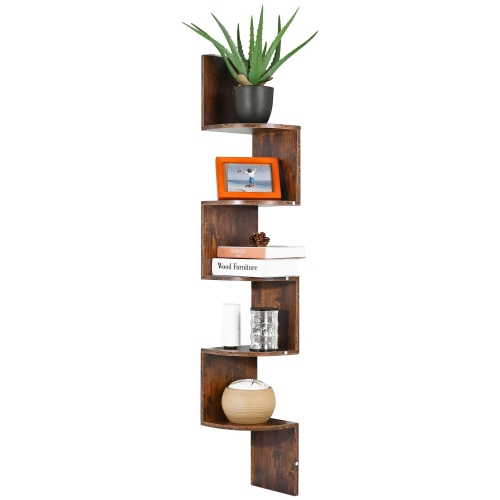
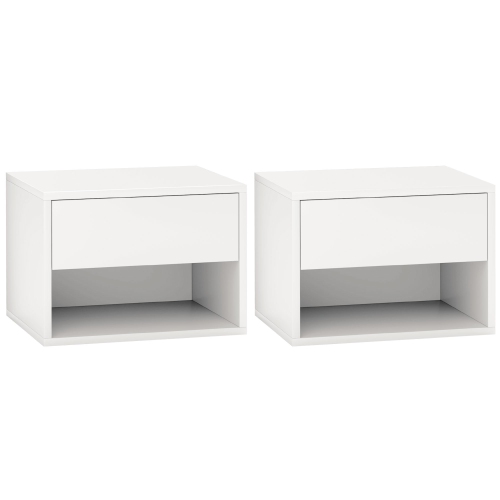

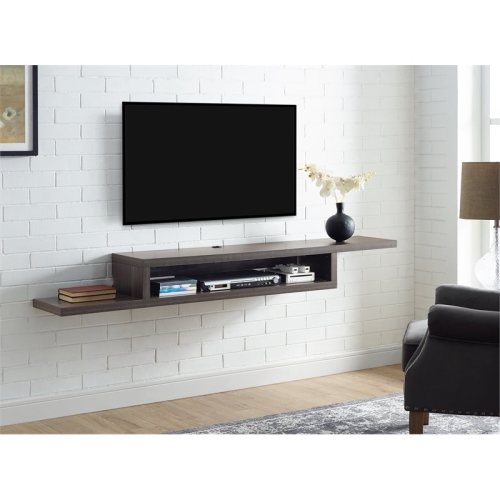
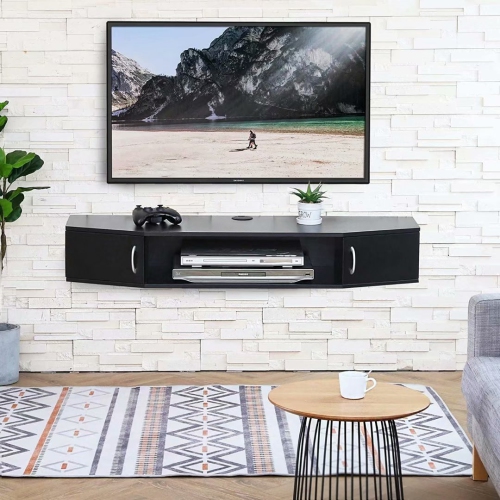
The right fit keeps shelf support out of sight
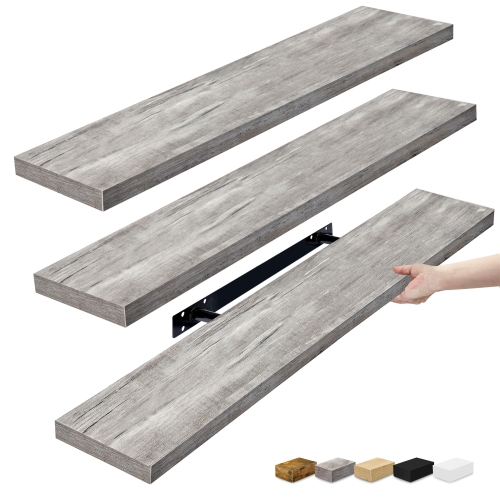
Floating shelf wall mounts support shelving with concealed hardware, creating the appearance of a shelf extending directly from the wall. Rather than relying on visible brackets underneath, these mounts typically use metal rods, a hidden backplate, or an interlocking rail that fits inside or behind a compatible shelf. The result is a clean profile that keeps attention on the shelf and its contents, whether that means a row of books beside a reading chair, framed photographs above a desk, or neatly arranged everyday essentials in an entryway. The mounting hardware is an important part of that appearance: its dimensions determine how closely the shelf sits against the wall and whether the support stays out of sight. Rod-style mounts generally fit into matching holes in a shelf board, while other concealed systems require a routed channel or a specially constructed shelf. A bracket sold separately is not necessarily compatible with every board, even when the overall width looks suitable. Shelf thickness, depth, hole spacing, and the shape of the concealed mounting area all affect fit. For a shallow display ledge, compact hardware may be appropriate; a deeper shelf needs support designed for its projection and intended load. That distinction matters because weight placed near the front edge puts more leverage on the mounting system than the same weight positioned closer to the wall. Floating shelf mounts suit living rooms, home offices, kitchens, and bedrooms where visible floor space is valuable and a freestanding bookcase would feel bulky. They can also help keep a desktop clear by moving small accessories onto the wall above it. For anyone planning a coordinated display, the shelf and mount work best as a matched system rather than as two unrelated purchases. Concealed support gives the finished arrangement its streamlined look, but compatibility and secure attachment are what make that look practical for daily use.
Materials and construction influence how floating shelf wall mounts perform over time. Steel is common in concealed brackets and support rods because it provides rigidity in a relatively slim form, although the metal alone does not establish a mount’s load capacity. Rod diameter, weld quality, backplate design, fasteners, and the supporting wall all contribute to the strength of the finished installation. Painted or powder-coated finishes help protect metal surfaces, while corrosion-resistant hardware may be worth considering where occasional moisture is expected, provided the complete shelving system is suitable for that location. The shelf material matters as well. Solid wood, plywood, and engineered wood differ in density, edge strength, and how well they accept drilling or retain fasteners. A hollow shelf requires hardware designed for its internal structure; drilling into an arbitrary location may leave a support rod with little useful contact. Glass shelving usually calls for purpose-designed clamps, channels, or supports rather than rods intended for wood. For a lighter visual effect with a different attachment style, wall mounted glass shelves offer another approach to wall storage and display. With any material, the stated weight rating needs to be read alongside its installation conditions. Ratings may apply to a complete bracket assembly or a pair of supports, and commonly depend on a specified wall attachment and an evenly distributed load. The supported weight includes the shelf itself, not just the objects placed on top. A thick wooden board carrying a collection of hardcovers places very different demands on its mounts than a narrow ledge holding a few photographs. Shelf length also affects the support layout: a longer board may need additional supports to limit bending, according to the system’s specifications. Matching these details helps prevent a shelf that looks level when empty from tilting, flexing, or developing a gap at the wall once it is in use.
Wall construction is just as important as shelf dimensions when choosing floating shelf mounting hardware. Drywall over wood studs, metal-stud partitions, plaster, and solid masonry require different attachment methods, and a fastener suitable for one surface is not automatically suitable for another. Attachment to wood studs is often specified for heavier-duty concealed shelf systems, but bracket hole spacing must allow the required fasteners to line up with the framing. Where a system permits hollow-wall anchors, those anchors still need to suit the wall thickness, mounting geometry, and expected load; they are not a universal substitute for attachment to framing. Concrete and brick need compatible masonry fasteners, with hollow masonry presenting different requirements from solid material. Pipes and electrical wiring behind the wall also affect where drilling can safely take place. These considerations make professional installation useful when the wall structure is uncertain or the intended load is substantial. In everyday use, placement deserves the same attention as attachment. A shelf beside a desk should leave comfortable headroom, an entryway shelf should not obstruct a doorway, and a display above furniture should keep fragile objects away from edges where a passing hand could catch them. Floating shelves are not handrails, steps, or climbing surfaces, even when their brackets carry a substantial stated load. Households with children benefit from positioning both shelves and their contents with reach and climbing behaviour in mind. For home-office use, shelf depth and placement can also leave room for cables without pinching connectors against the wall; any device placed there still needs its specified ventilation clearance. Care is generally straightforward: dust accessible surfaces, clean the shelf according to its material and finish, and avoid soaking joints or concealed hardware. Periodic checks for movement, loose fasteners, sagging, or separation from the wall can reveal problems before more weight is added. A mount that shifts or a shelf that begins to lean needs attention rather than another turn of a screw without checking the cause. Well-matched floating shelf wall mounts provide discreet support that lets useful storage and personal displays feel like a considered part of the room.
Materials and construction influence how floating shelf wall mounts perform over time. Steel is common in concealed brackets and support rods because it provides rigidity in a relatively slim form, although the metal alone does not establish a mount’s load capacity. Rod diameter, weld quality, backplate design, fasteners, and the supporting wall all contribute to the strength of the finished installation. Painted or powder-coated finishes help protect metal surfaces, while corrosion-resistant hardware may be worth considering where occasional moisture is expected, provided the complete shelving system is suitable for that location. The shelf material matters as well. Solid wood, plywood, and engineered wood differ in density, edge strength, and how well they accept drilling or retain fasteners. A hollow shelf requires hardware designed for its internal structure; drilling into an arbitrary location may leave a support rod with little useful contact. Glass shelving usually calls for purpose-designed clamps, channels, or supports rather than rods intended for wood. For a lighter visual effect with a different attachment style, wall mounted glass shelves offer another approach to wall storage and display. With any material, the stated weight rating needs to be read alongside its installation conditions. Ratings may apply to a complete bracket assembly or a pair of supports, and commonly depend on a specified wall attachment and an evenly distributed load. The supported weight includes the shelf itself, not just the objects placed on top. A thick wooden board carrying a collection of hardcovers places very different demands on its mounts than a narrow ledge holding a few photographs. Shelf length also affects the support layout: a longer board may need additional supports to limit bending, according to the system’s specifications. Matching these details helps prevent a shelf that looks level when empty from tilting, flexing, or developing a gap at the wall once it is in use.
Wall construction is just as important as shelf dimensions when choosing floating shelf mounting hardware. Drywall over wood studs, metal-stud partitions, plaster, and solid masonry require different attachment methods, and a fastener suitable for one surface is not automatically suitable for another. Attachment to wood studs is often specified for heavier-duty concealed shelf systems, but bracket hole spacing must allow the required fasteners to line up with the framing. Where a system permits hollow-wall anchors, those anchors still need to suit the wall thickness, mounting geometry, and expected load; they are not a universal substitute for attachment to framing. Concrete and brick need compatible masonry fasteners, with hollow masonry presenting different requirements from solid material. Pipes and electrical wiring behind the wall also affect where drilling can safely take place. These considerations make professional installation useful when the wall structure is uncertain or the intended load is substantial. In everyday use, placement deserves the same attention as attachment. A shelf beside a desk should leave comfortable headroom, an entryway shelf should not obstruct a doorway, and a display above furniture should keep fragile objects away from edges where a passing hand could catch them. Floating shelves are not handrails, steps, or climbing surfaces, even when their brackets carry a substantial stated load. Households with children benefit from positioning both shelves and their contents with reach and climbing behaviour in mind. For home-office use, shelf depth and placement can also leave room for cables without pinching connectors against the wall; any device placed there still needs its specified ventilation clearance. Care is generally straightforward: dust accessible surfaces, clean the shelf according to its material and finish, and avoid soaking joints or concealed hardware. Periodic checks for movement, loose fasteners, sagging, or separation from the wall can reveal problems before more weight is added. A mount that shifts or a shelf that begins to lean needs attention rather than another turn of a screw without checking the cause. Well-matched floating shelf wall mounts provide discreet support that lets useful storage and personal displays feel like a considered part of the room.
Top selling and popular products
-
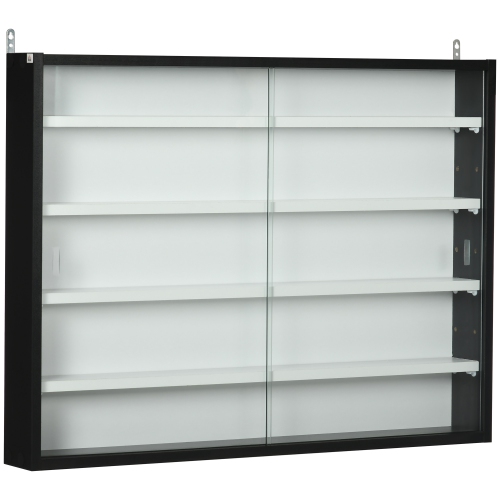 Your price for this item is $86.99
 -
 Your price for this item is $632.99
 -
 Your price for this item is $136.3
 -
 Your price for this item is $69.99
 -
 Your price for this item is $78.99
 -
 Your price for this item is $74.99
 -
 Your price for this item is $37.99
 -
 Your price for this item is $89.99
Discover more categories related to Floating Shelf Wall Mounts
Top Collections:
Pokemon Centers, Kindle Devices, Best Budget Office Chairs, Apple iPhones 16, Best Laptops for Writers, iPhone 15 Apple, Canon G7X Cameras, Refurbished Apple Laptops, Alarm Clock, Motorola Razr Phones
Some products may be subject to Environmental Handling Fees
(EHF) depending on your province.
Learn more about EHFs.