Floating Shelf Units
Looking to add some style and functionality to your living space? Look no further than our collection of floating shelves units. These sleek and modern shelving solutions are the perfect way to maximize storage without sacrificing floor space. Whether you're looking to display your favorite books, showcase decorative items, or organize everyday essentials, floating shelves units are designed to meet all your needs. Here are some great options available.
Sort

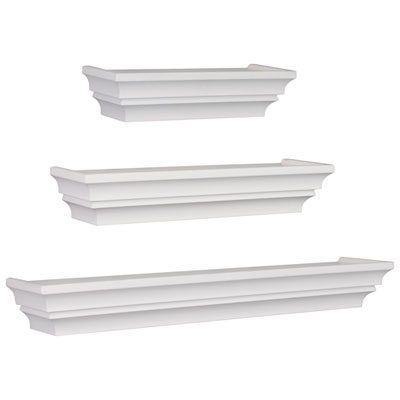
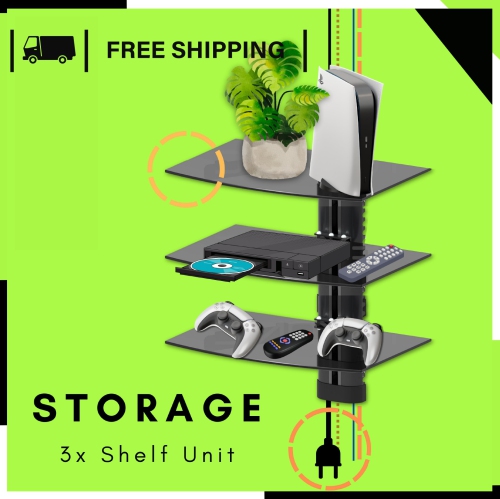
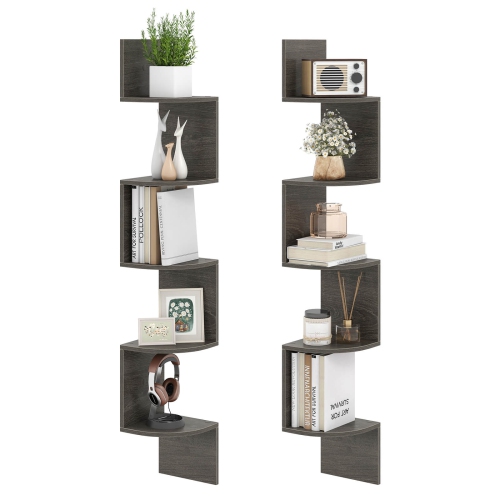
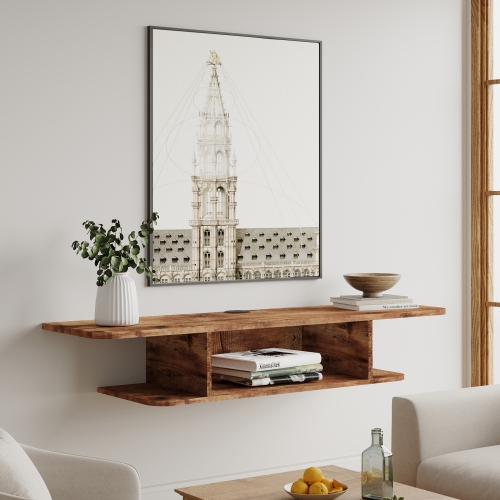
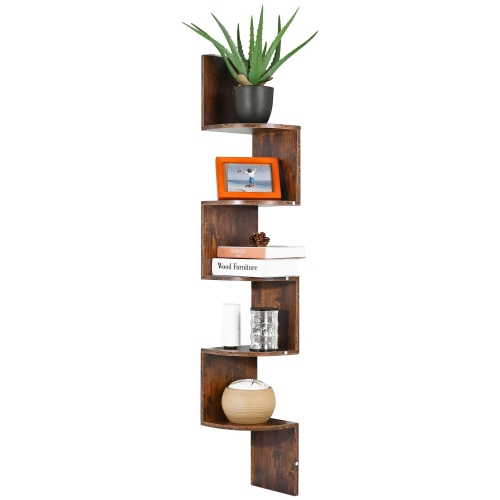
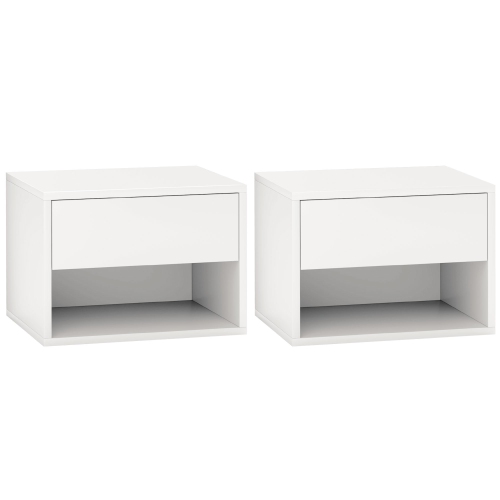
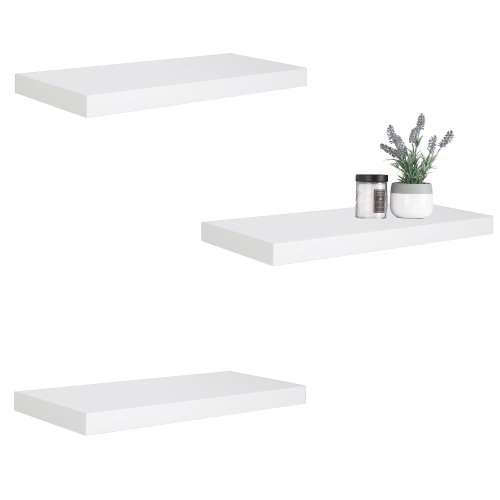
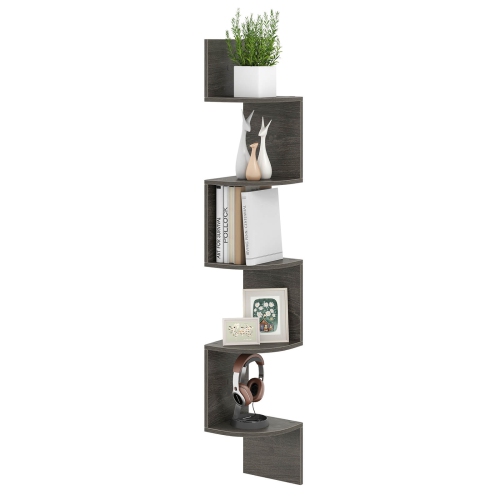

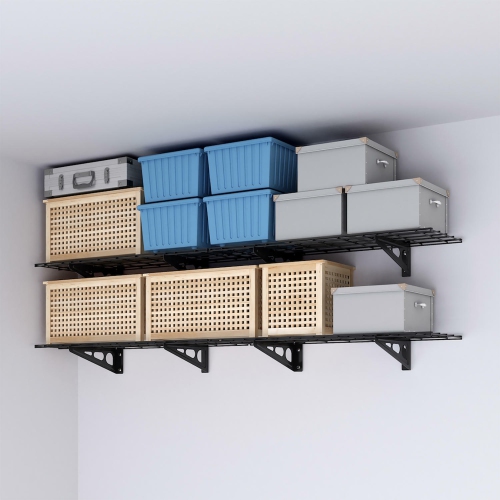
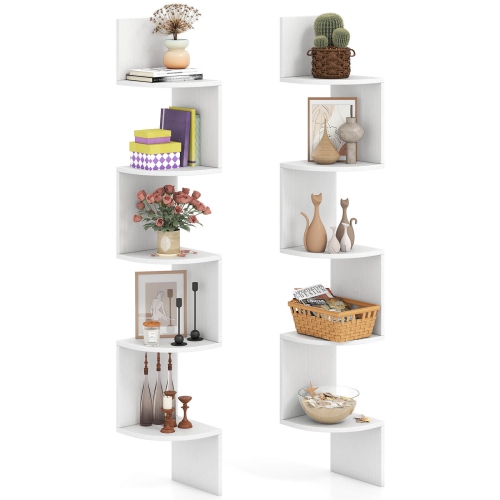
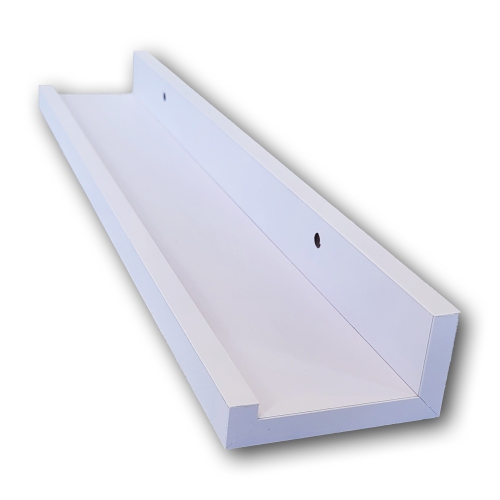
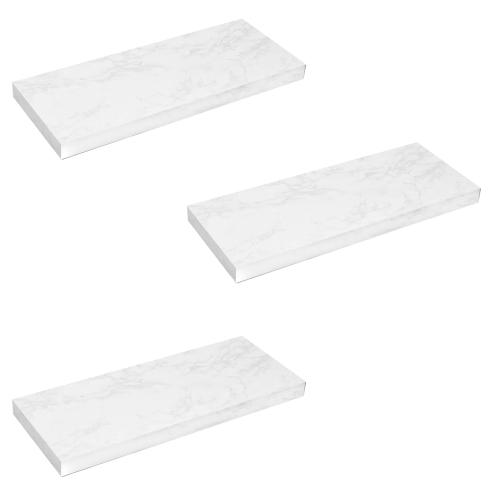
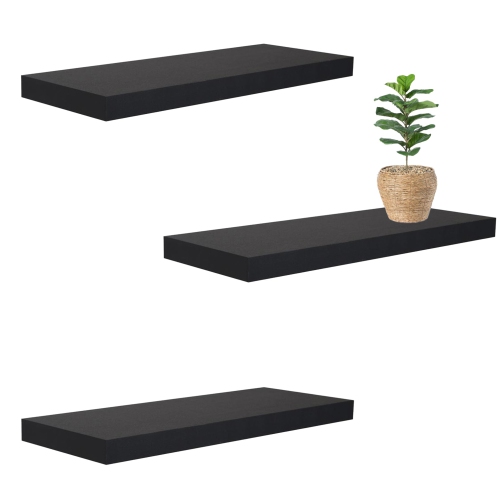
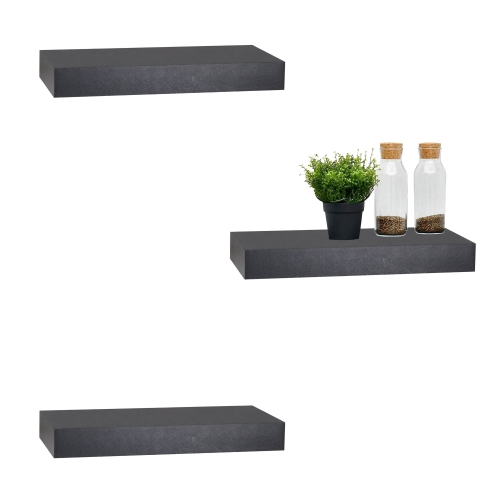
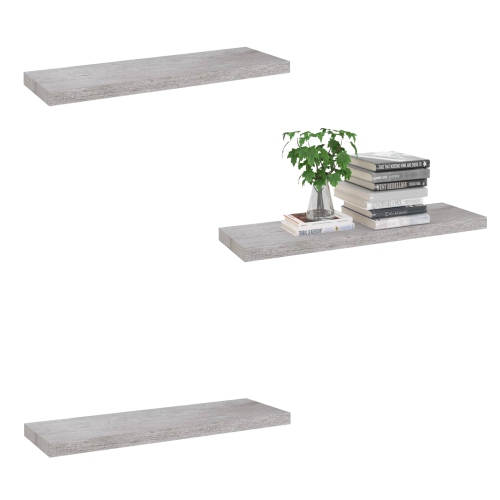
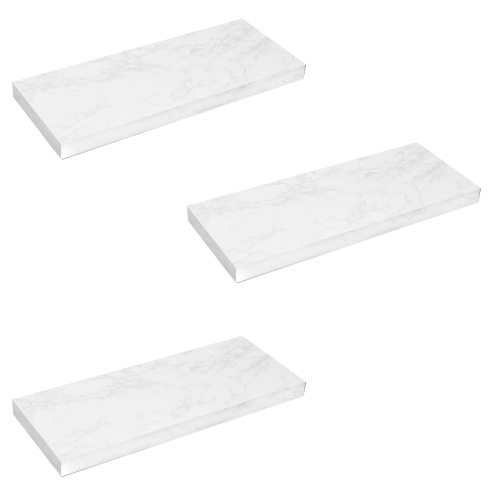
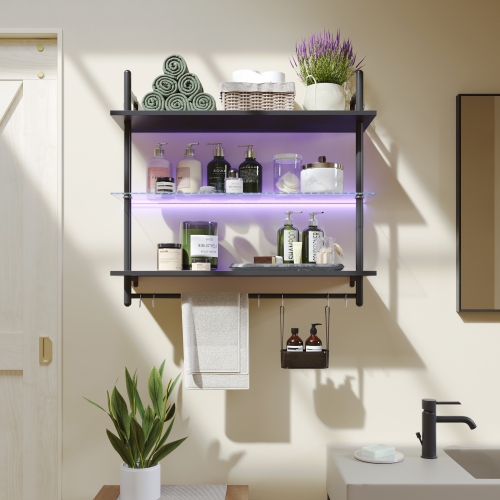
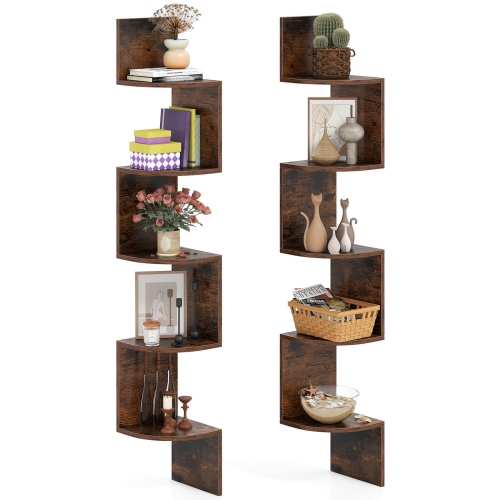
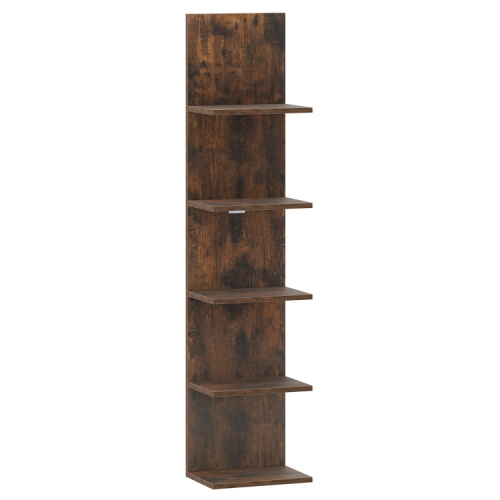
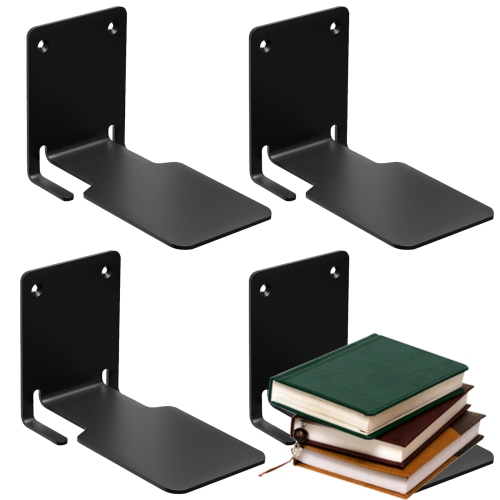
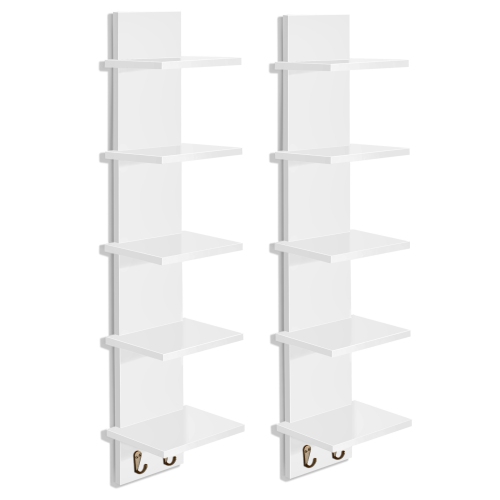
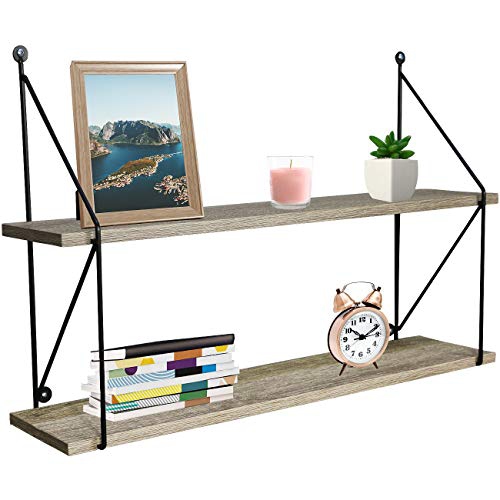
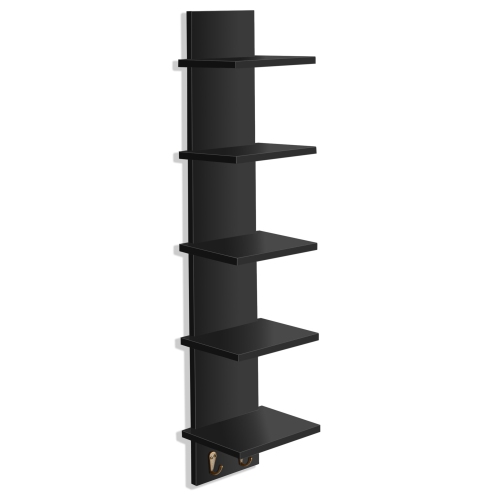
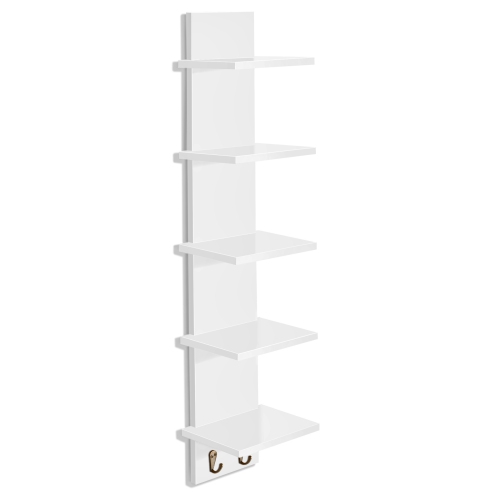
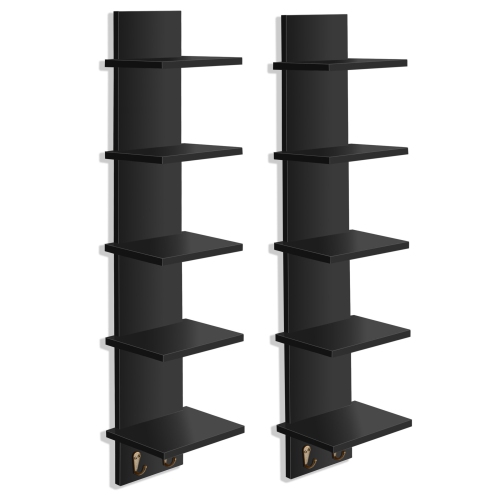
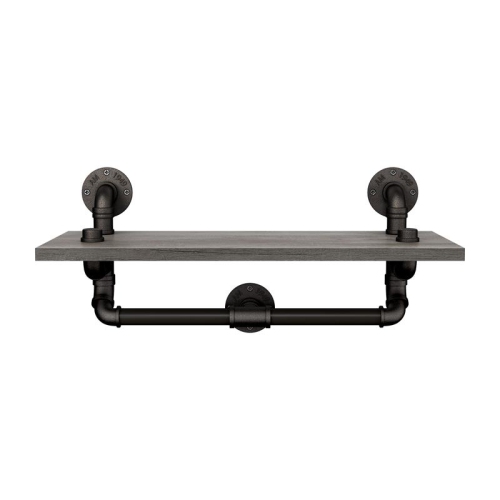
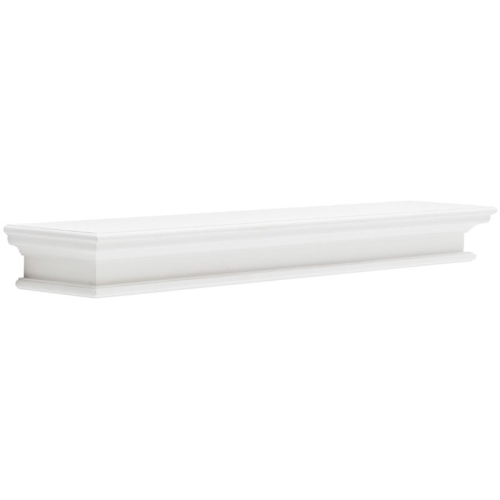
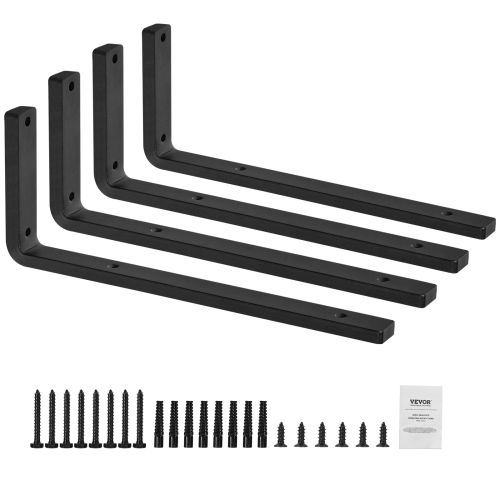
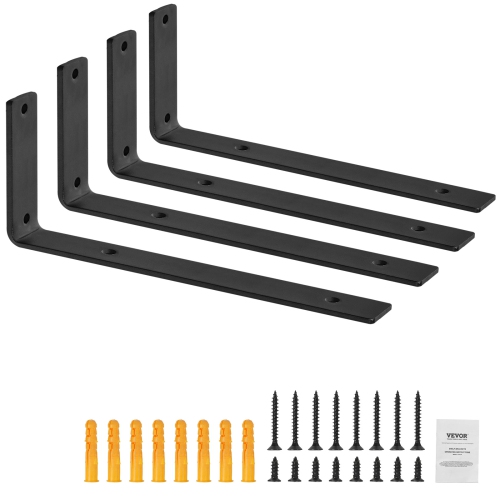
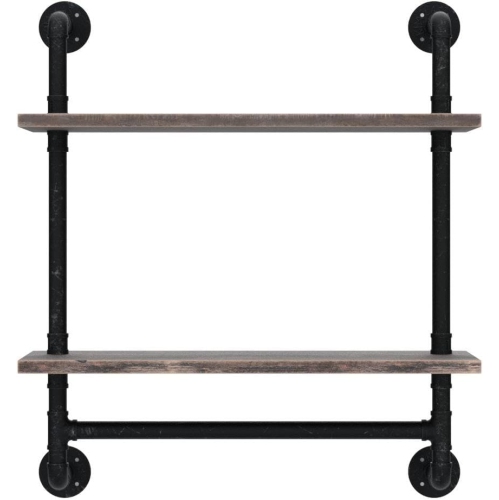
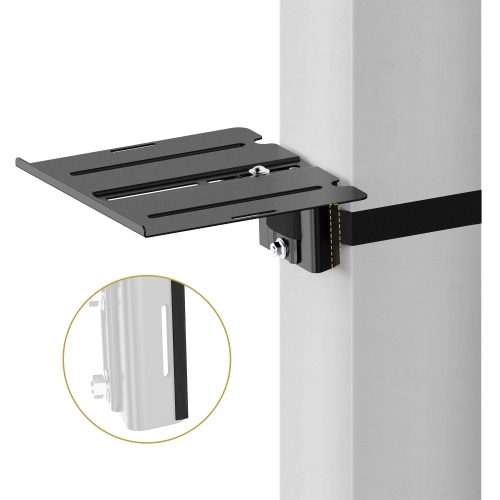
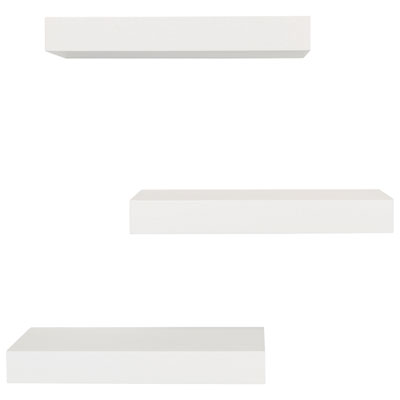
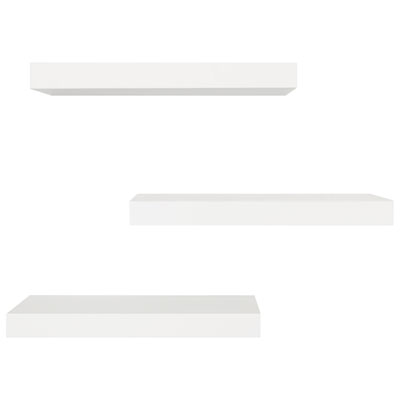
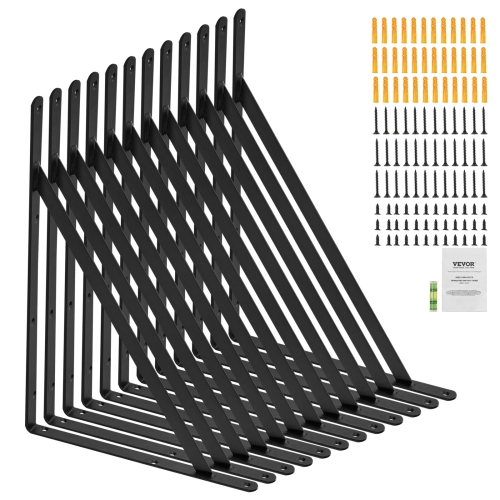
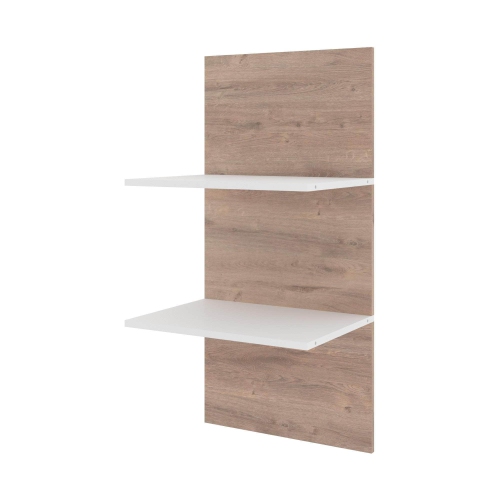
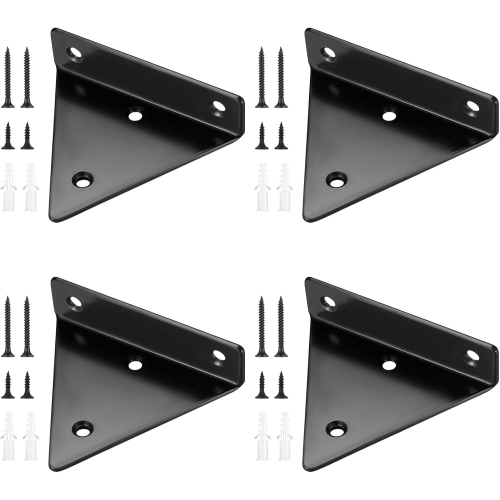
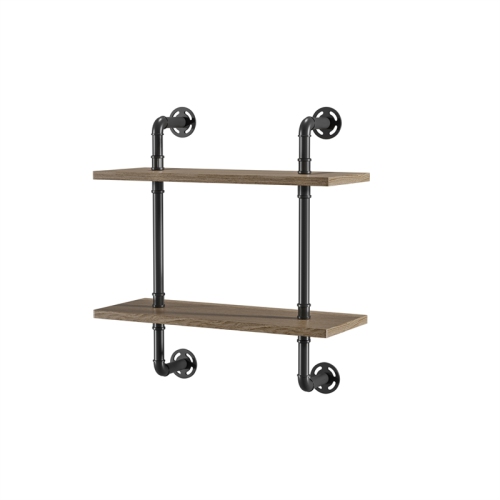
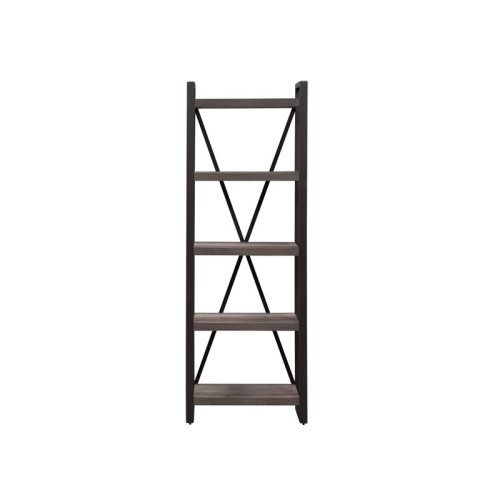
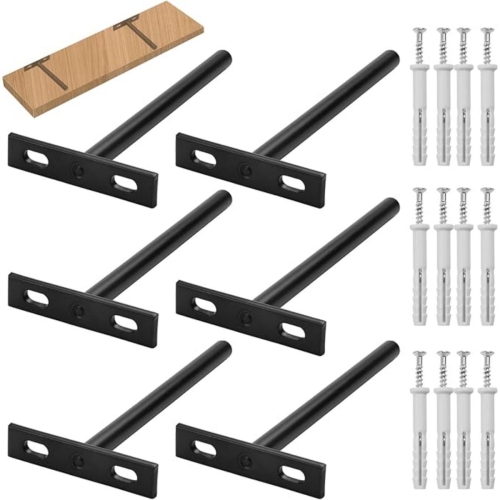
More room for display without crowding the floor
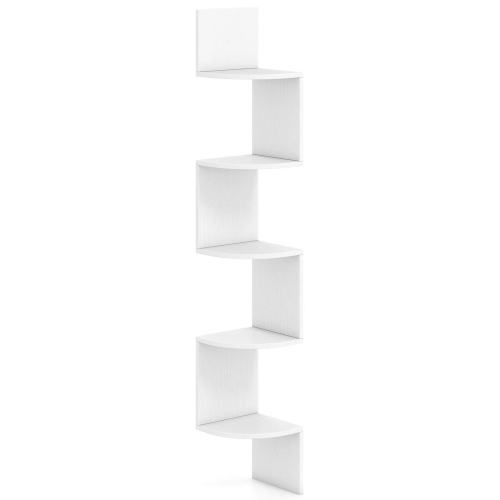
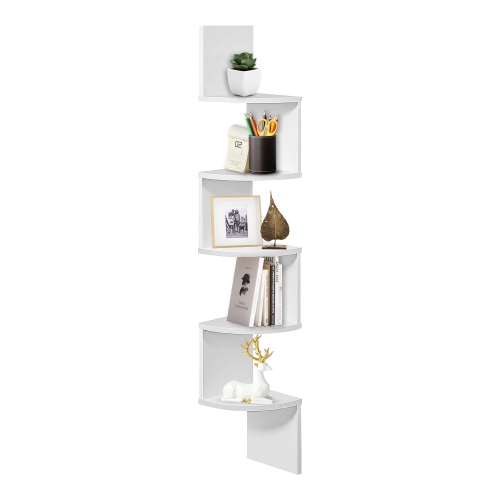
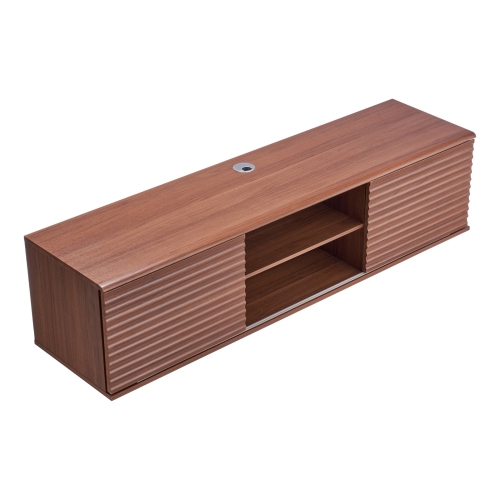
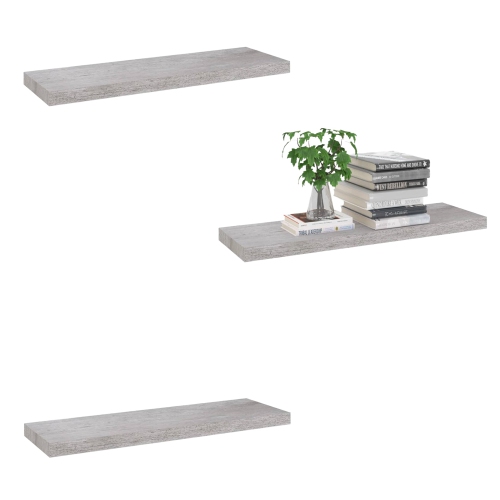
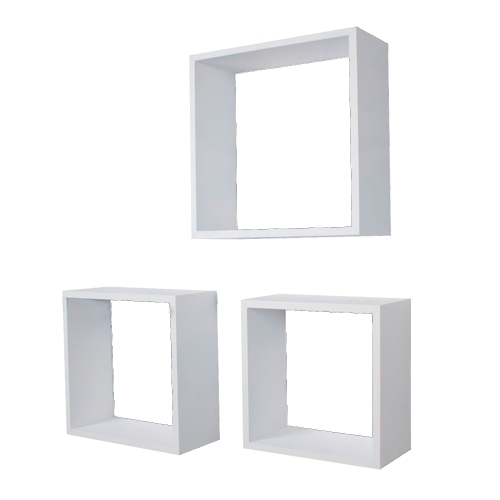
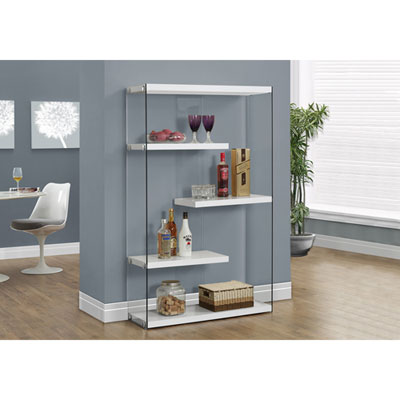
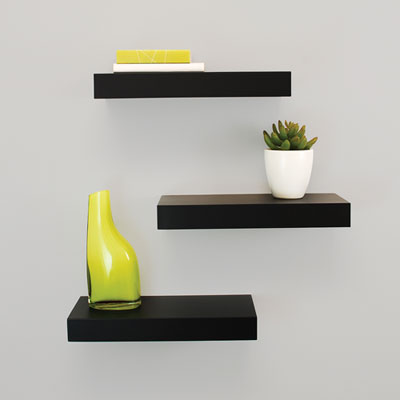
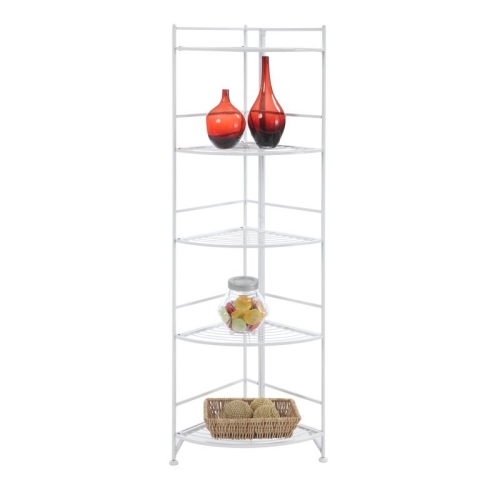
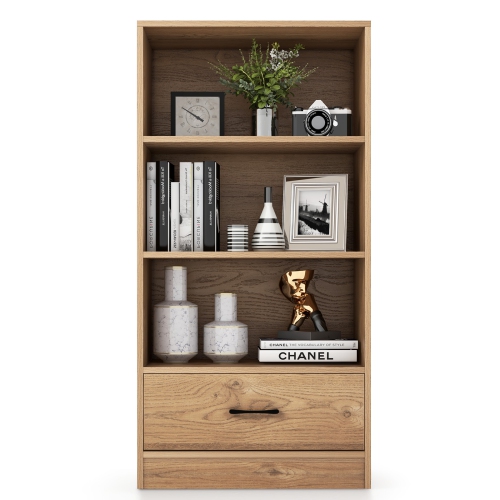
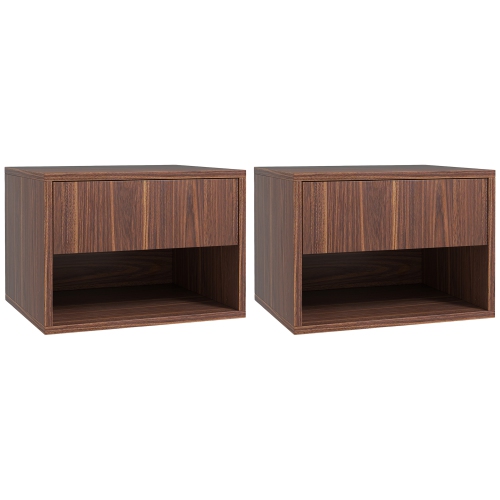
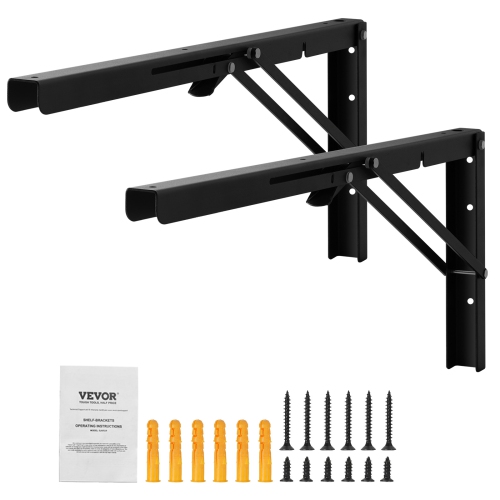
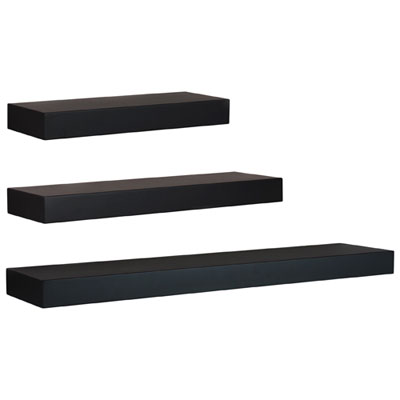
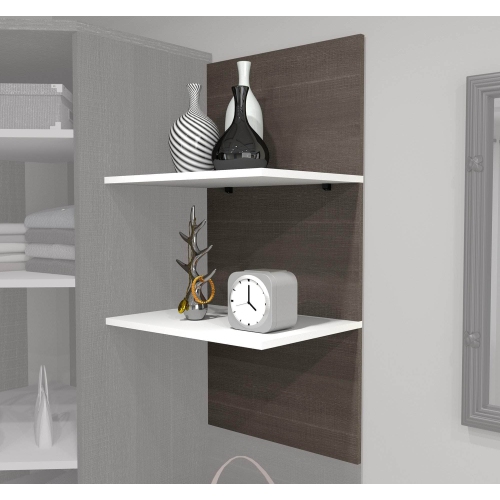
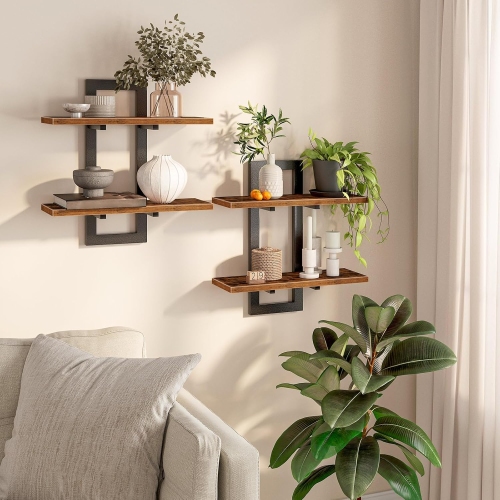
Floating shelf units are wall-mounted storage and display pieces designed to conceal their supporting brackets, creating a clean-lined appearance without visible legs or bulky supports beneath each shelf. They keep the floor clear while putting unused wall space to work, making them a practical choice for compact condos, shared living areas, home offices, and larger rooms that need a more deliberate arrangement. The category includes individual ledges, coordinated sets, and connected units with multiple open compartments. A single shelf can give framed photographs a defined place above a console, while a series of shelves can bring structure to a reading corner or keep everyday supplies within reach beside a desk. Open compartments offer a slightly different effect, framing small collections and separating objects without enclosing them behind doors. The right arrangement depends as much on what belongs on the shelves as on the wall itself. Shallow ledges suit small frames and objects with narrow bases; deeper shelves provide more usable surface area but project farther into the room. In a hallway, that projection matters because a shelf should not interfere with passing traffic or nearby doors. Above a desk, enough clearance helps preserve a comfortable workspace and access to equipment. In a living room, shelf width can echo the proportions of the furniture below, creating a balanced composition rather than a scattered collection of small pieces. Matching finishes create continuity, while a contrasting wood tone or dark shelf can give a pale wall more definition. Floating shelves are especially useful for people who want visible, accessible storage without adding another piece of floor-standing furniture. For rooms that also need enclosed storage, taller structures, or larger storage zones, the broader range of Shelving Units offers other formats to consider alongside wall-mounted designs. Combining the two can separate frequently used belongings from display pieces, leaving the wall arrangement purposeful rather than crowded. A few well-proportioned shelves can also make a room feel more finished without requiring a complete change of furniture.
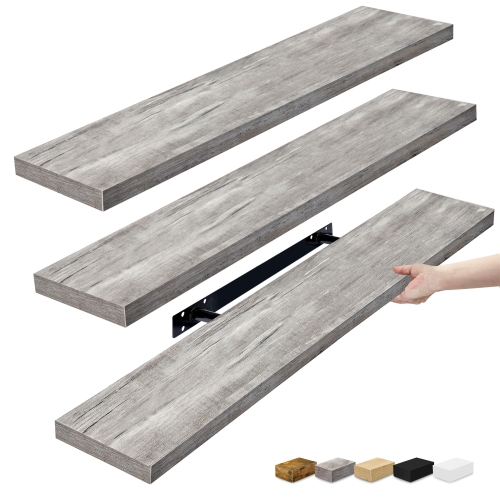
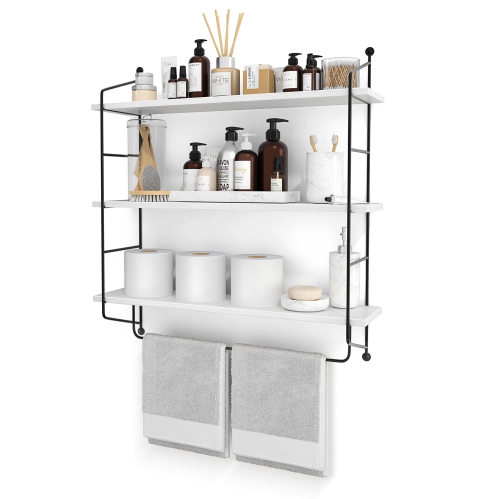
Materials and construction influence both the appearance of floating shelf units and how they stand up to everyday use. Solid wood brings natural grain and variation, with oak, walnut, and other species offering different colours and textures. A clear finish highlights those details, while painted wood gives a more uniform surface. Solid wood is not automatically a guarantee of greater load capacity: shelf thickness, span, bracket design, wall construction, and installation all contribute to the finished unit’s performance. Engineered wood, including medium-density fibreboard and particleboard, can provide a smooth, consistent appearance with painted, laminated, or veneered surfaces. Veneer supplies a thin layer of real wood over a core, whereas laminate provides a surface layer that may reproduce a wood pattern or offer a solid colour. Hollow-core construction can reduce the shelf’s own weight, but its permitted load still needs to be checked against the manufacturer’s specifications. Metal designs bring a slimmer, more utilitarian look, while glass shelves can feel visually light and require careful attention to edge condition and the specified supports. Shelf depth should accommodate the entire base of whatever sits on it, without leaving objects hanging over the front edge. Height between shelves is equally important: a row of hardcovers needs different clearance from a small framed print, and frequently handled belongings need enough room to lift out easily. For a multi-compartment unit, internal dimensions are more useful than overall dimensions when judging what will fit. Surface durability also matters in daily routines. A shelf near a kitchen preparation area may encounter splashes and greasy fingerprints, while one beside an entryway may be touched repeatedly as belongings are set down and picked up. Bathroom use calls for materials and finishes explicitly suited to moisture exposure, rather than assuming that any painted shelf will tolerate it. Routine care usually starts with gentle dusting and a soft cloth, followed by cleaning methods approved for the finish. Wiping spills promptly, avoiding abrasive cleaners, and using a protective tray beneath a plant pot can help prevent stains, scratches, and raised edges.
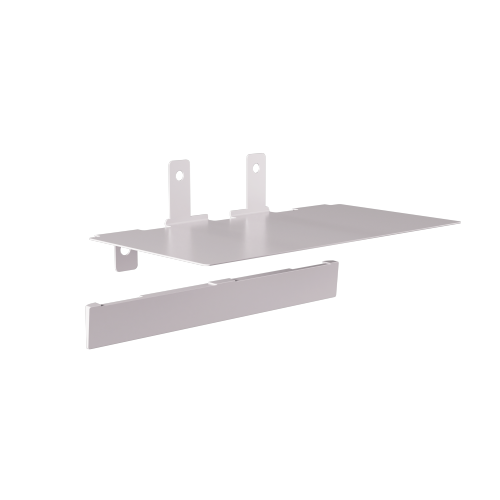
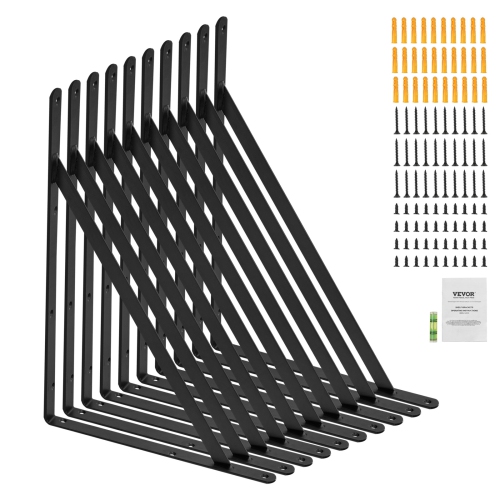
A floating shelf’s clean appearance depends on a secure connection between the wall, concealed hardware, and shelf body. Load ratings are specific to the design and its installation requirements; there is no reliable universal weight limit for wood, metal, or engineered-wood floating shelves. Where specifications distinguish between a per-shelf limit and a total unit limit, both apply, and a connected unit’s total capacity should not be assumed to be equally usable in every compartment. Books, ceramics, and filled containers can become heavy quickly, so intended use deserves attention before a shelf becomes part of the room. Mounting into wall studs is often appropriate when the supplied system allows it, while drywall, masonry, and other wall types require compatible fasteners and installation methods. Anchors are not interchangeable, and packaging claims for an anchor alone do not establish the capacity of the complete shelf installation. Manufacturer instructions should determine hardware selection, bracket spacing, permitted orientation, and load distribution. A unit designed to hang horizontally should only be mounted vertically if that configuration is explicitly supported. Checking for concealed wiring or plumbing before drilling and getting qualified help when wall construction is uncertain can prevent damage and an insecure fit. Placement also affects how comfortable the shelves are to use. Everyday belongings work best within easy reach, and heavy or fragile objects are better kept away from positions above beds, seating, or play areas. In homes with children, shelves should not form an inviting climbing route, and breakable displays need thoughtful positioning. Renters may also need permission before making mounting holes. Once installed, floating shelf units can support a variety of personal arrangements: a home office with neatly grouped reference materials, an entryway with a small landing spot for daily essentials, or a living room display with photographs and meaningful keepsakes. Leaving some open space makes individual objects easier to see and surfaces easier to clean. For a housewarming gift, a shelf unit is most useful when the recipient’s wall space, preferred finish, and ability to install it are already known. The lasting appeal is straightforward: useful storage, a clear floor, and room for the belongings that make a space feel personal.
Materials and construction influence both the appearance of floating shelf units and how they stand up to everyday use. Solid wood brings natural grain and variation, with oak, walnut, and other species offering different colours and textures. A clear finish highlights those details, while painted wood gives a more uniform surface. Solid wood is not automatically a guarantee of greater load capacity: shelf thickness, span, bracket design, wall construction, and installation all contribute to the finished unit’s performance. Engineered wood, including medium-density fibreboard and particleboard, can provide a smooth, consistent appearance with painted, laminated, or veneered surfaces. Veneer supplies a thin layer of real wood over a core, whereas laminate provides a surface layer that may reproduce a wood pattern or offer a solid colour. Hollow-core construction can reduce the shelf’s own weight, but its permitted load still needs to be checked against the manufacturer’s specifications. Metal designs bring a slimmer, more utilitarian look, while glass shelves can feel visually light and require careful attention to edge condition and the specified supports. Shelf depth should accommodate the entire base of whatever sits on it, without leaving objects hanging over the front edge. Height between shelves is equally important: a row of hardcovers needs different clearance from a small framed print, and frequently handled belongings need enough room to lift out easily. For a multi-compartment unit, internal dimensions are more useful than overall dimensions when judging what will fit. Surface durability also matters in daily routines. A shelf near a kitchen preparation area may encounter splashes and greasy fingerprints, while one beside an entryway may be touched repeatedly as belongings are set down and picked up. Bathroom use calls for materials and finishes explicitly suited to moisture exposure, rather than assuming that any painted shelf will tolerate it. Routine care usually starts with gentle dusting and a soft cloth, followed by cleaning methods approved for the finish. Wiping spills promptly, avoiding abrasive cleaners, and using a protective tray beneath a plant pot can help prevent stains, scratches, and raised edges.
A floating shelf’s clean appearance depends on a secure connection between the wall, concealed hardware, and shelf body. Load ratings are specific to the design and its installation requirements; there is no reliable universal weight limit for wood, metal, or engineered-wood floating shelves. Where specifications distinguish between a per-shelf limit and a total unit limit, both apply, and a connected unit’s total capacity should not be assumed to be equally usable in every compartment. Books, ceramics, and filled containers can become heavy quickly, so intended use deserves attention before a shelf becomes part of the room. Mounting into wall studs is often appropriate when the supplied system allows it, while drywall, masonry, and other wall types require compatible fasteners and installation methods. Anchors are not interchangeable, and packaging claims for an anchor alone do not establish the capacity of the complete shelf installation. Manufacturer instructions should determine hardware selection, bracket spacing, permitted orientation, and load distribution. A unit designed to hang horizontally should only be mounted vertically if that configuration is explicitly supported. Checking for concealed wiring or plumbing before drilling and getting qualified help when wall construction is uncertain can prevent damage and an insecure fit. Placement also affects how comfortable the shelves are to use. Everyday belongings work best within easy reach, and heavy or fragile objects are better kept away from positions above beds, seating, or play areas. In homes with children, shelves should not form an inviting climbing route, and breakable displays need thoughtful positioning. Renters may also need permission before making mounting holes. Once installed, floating shelf units can support a variety of personal arrangements: a home office with neatly grouped reference materials, an entryway with a small landing spot for daily essentials, or a living room display with photographs and meaningful keepsakes. Leaving some open space makes individual objects easier to see and surfaces easier to clean. For a housewarming gift, a shelf unit is most useful when the recipient’s wall space, preferred finish, and ability to install it are already known. The lasting appeal is straightforward: useful storage, a clear floor, and room for the belongings that make a space feel personal.
Top selling and popular products
-
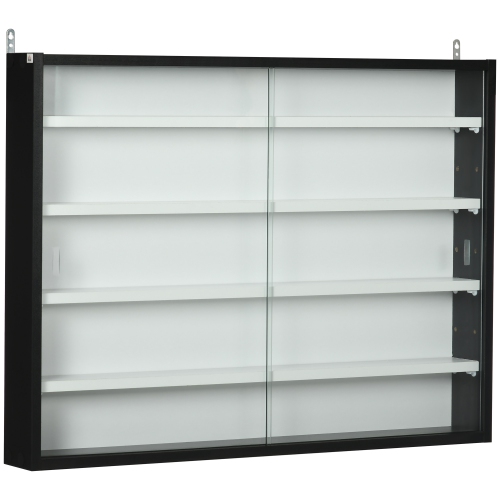 Your price for this item is $86.99
 -
 Your price for this item is $632.99
 -
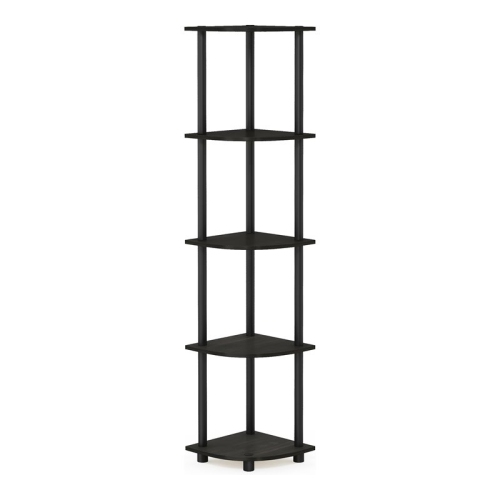 Your price for this item is $136.3
 -
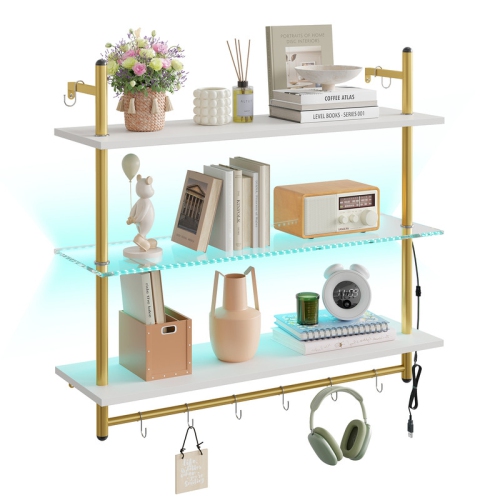 Your price for this item is $69.99
 -
 Your price for this item is $78.99
 -
 Your price for this item is $74.99
 -
 Your price for this item is $37.99
 -
 Your price for this item is $89.99
Discover more categories related to Floating Shelf Units
Top Collections:
Pokemon Centers, Kindle Devices, Best Budget Office Chairs, Apple iPhones 16, Best Laptops for Writers, iPhone 15 Apple, Canon G7X Cameras, Refurbished Apple Laptops, Alarm Clock, Motorola Razr Phones
Some products may be subject to Environmental Handling Fees
(EHF) depending on your province.
Learn more about EHFs.