Floor Buffers
Our selection of floor buffers is designed to meet your needs, whether for commercial or residential use. From polishing hardwood floors to restoring the shine of tile surfaces, these powerful machines are essential for maintaining cleanliness and enhancing the overall appearance of your space. Say goodbye to dull and worn-out floors – browse our range of floor buffers to find the perfect solution for your floor care routine.
Sort
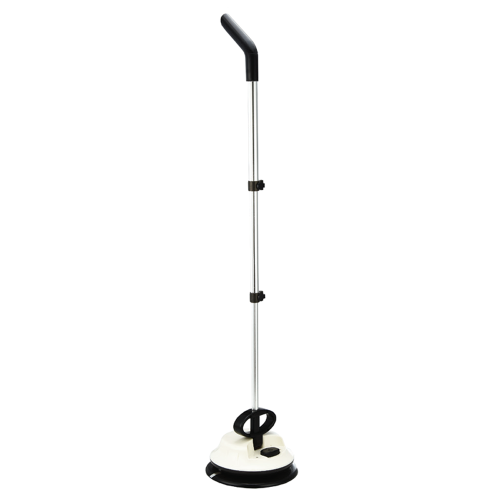
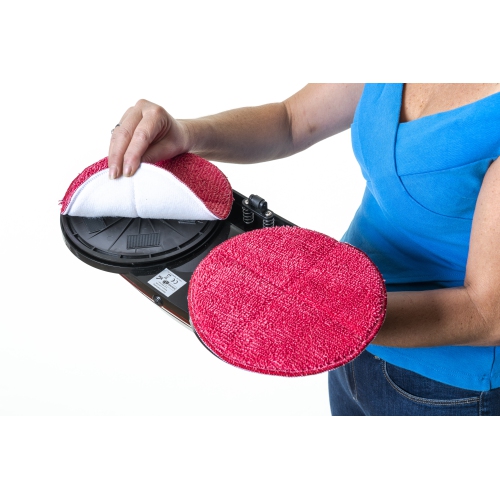
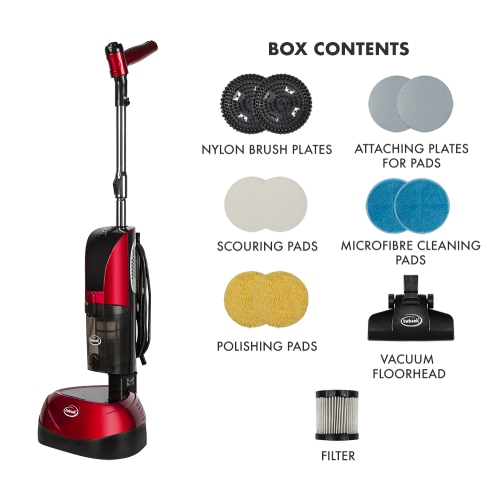
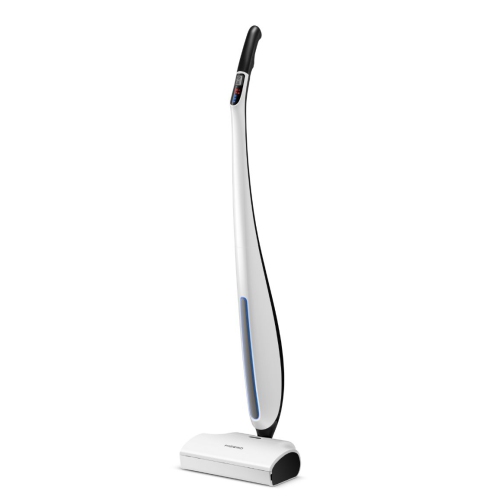
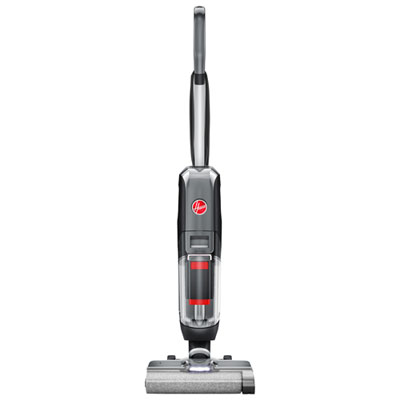
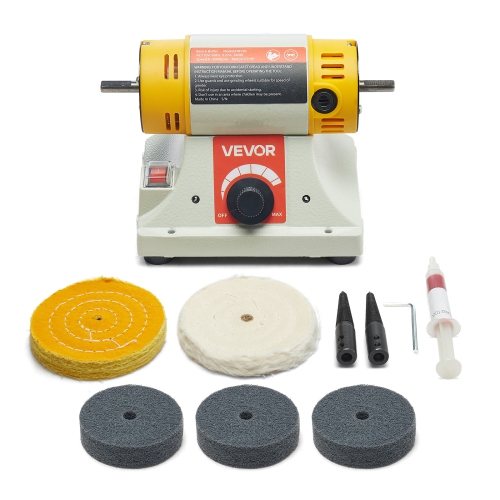
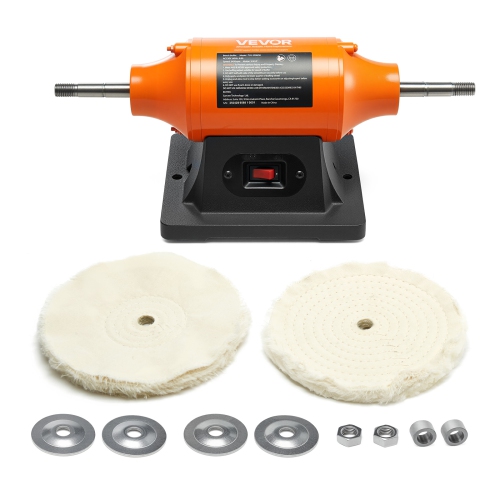
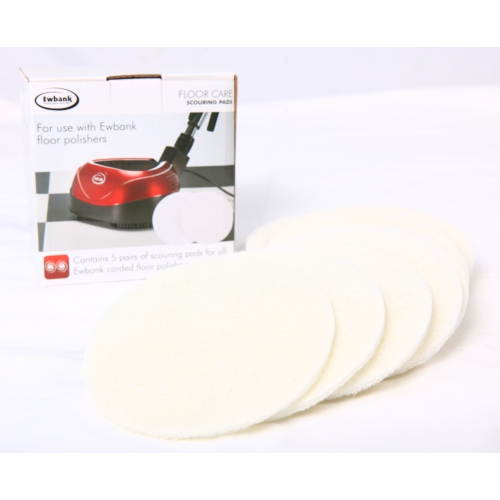
When hard floors need more than a mop
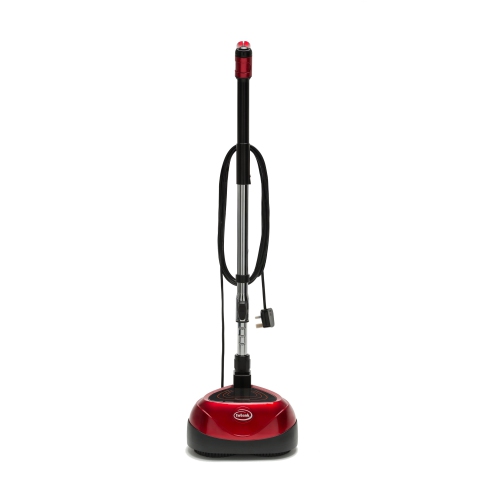
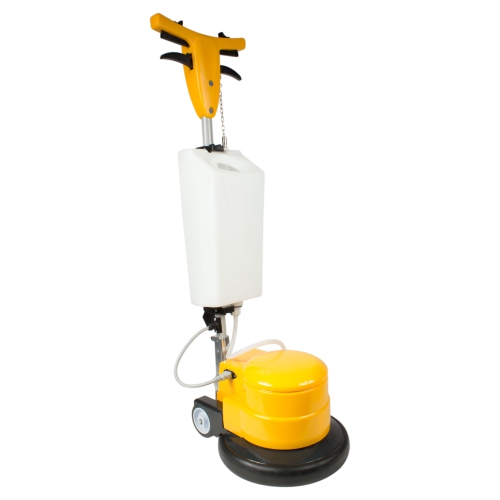
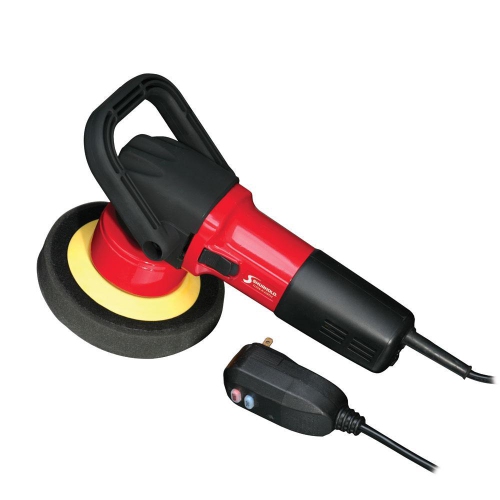
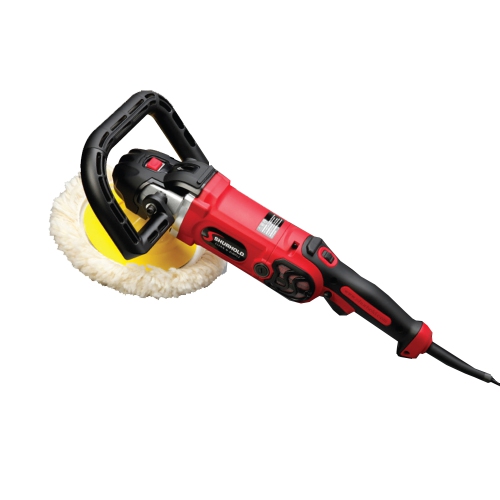
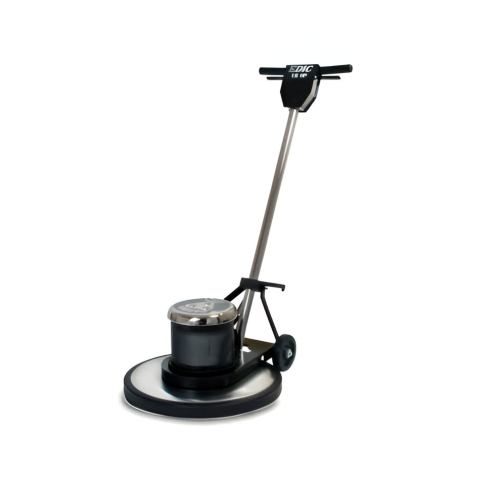
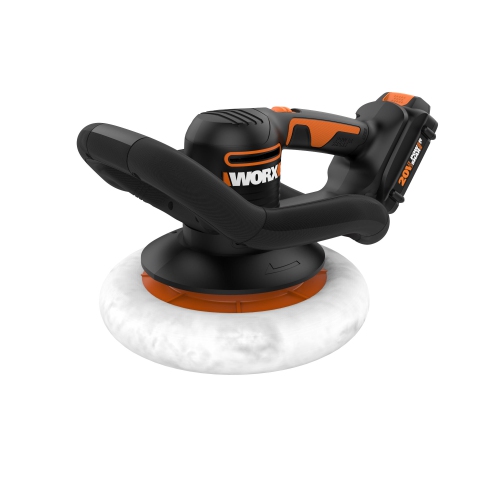
Floor buffers are powered floor-care machines that use rotating or oscillating pads and brushes to clean, scrub, polish, or remove old finish from compatible flooring. A conventional low-speed rotary floor buffer, also called a swing machine, typically operates at approximately 175–300 revolutions per minute, although speeds vary by design. Its rotating head works a pad or brush against the floor, helping loosen embedded soil or improve the appearance of an existing finish. The task depends on the attachment, cleaning solution, and surface rather than on the machine alone. That versatility makes floor buffers useful for maintaining tiled entryways, finished vinyl corridors, and other hard floors that need more attention than routine sweeping and mopping can provide. They are used by cleaning professionals, property managers, maintenance teams, and homeowners with suitable spaces and flooring. In a busy entrance, for example, a compatible scrubbing setup can help lift the dull film left by tracked-in dirt; on a properly maintained finished floor, a polishing pad can help restore a more even sheen. Floor buffers and floor burnishers serve different purposes, even though the terms are sometimes used interchangeably. A low-speed buffer supports a broader range of maintenance tasks, including scrubbing and, with the appropriate equipment and chemicals, stripping old floor finish. A high-speed burnisher is primarily intended to enhance gloss on a compatible existing finish, not replace deep cleaning or stripping equipment. Neither should be confused with a standard vacuum, and many buffers do not collect the dirty liquid they loosen. Unless a machine includes a suitable recovery system, that liquid requires separate pickup. Understanding these differences helps match a floor-care machine to the actual work, whether the priority is removing stubborn soil from a utility room or maintaining a consistent appearance across a shared lobby. The most suitable choice reflects both the floor beneath the machine and the level of maintenance the space receives.
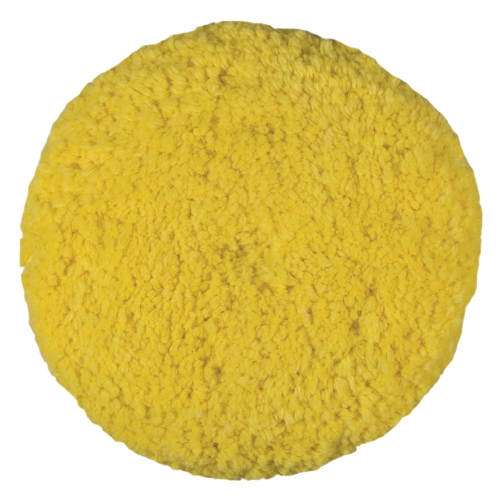
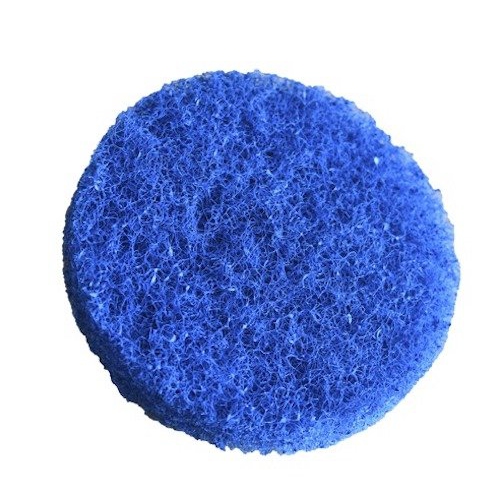
Flooring material and finish are central considerations because a pad that works well on one surface can scratch, dull, or damage another. Ceramic and porcelain tile may suit scrubbing with an approved brush or pad, while grout lines can benefit from bristles that reach below the tile surface. Natural stone requires particular care: marble, limestone, and other sensitive materials can react poorly to acidic cleaners or overly abrasive attachments, and restoration work may call for specialist equipment. Finished hardwood needs a machine and process expressly approved for its coating, with careful control of moisture. Laminate and some floating floors may not tolerate wet machine cleaning at all. Even within resilient flooring, such as vinyl, factory-applied coatings and maintenance requirements differ, so suitability cannot be judged by appearance alone. Pads also vary in density, abrasiveness, construction, and intended speed. In many common colour systems, black pads are used for stripping, blue or green pads for more assertive scrubbing, red pads for lighter cleaning or buffing, and white pads for gentle polishing. Those colours are not a universal specification; the pad manufacturer's stated use and the flooring manufacturer's care requirements take precedence. The correct pad diameter, centre fitting, and drive assembly matter just as much as the colour, since an attachment needs to fit securely and operate at the machine's rated speed. Brushes offer another approach, with different bristle materials and stiffness levels for smooth surfaces, textured tile, or recessed grout. Related Buffing Tools can provide context for polishing and surface-care tasks, though attachments are not interchangeable unless their specifications confirm compatibility. A discreet test area is particularly valuable when the floor's finish history is uncertain. In a room where furniture has hidden patches of older coating, that small check can reveal a change in sheen or surface sensitivity before a larger area is treated. A brighter result should come from the right process, not simply a harsher pad.
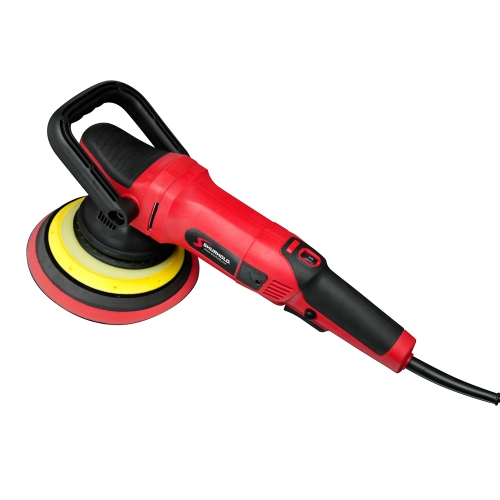
Machine size, handling, and construction affect how comfortably a floor buffer fits into everyday maintenance. A wider working path can cover an open hall efficiently, but a smaller head may be easier to position between fixtures, around columns, or inside a furnished room. Working width is only part of the fit: overall height, handle movement, transport wheels, and storage footprint influence whether the machine can pass through a doorway, reach beneath an overhang, or tuck into a cleaning cupboard. Weight can contribute to pad pressure, but it also changes the effort needed to move equipment over thresholds or between storeys. Traditional rotary machines require practised control because the spinning head can pull sideways as handle position changes. Orbital designs move the pad in a different pattern and can offer different handling characteristics, although training and attention remain important with either type. Adjustable handles, accessible controls, manageable vibration, and suitable cord routing are practical details during longer cleaning sessions. For corded equipment, cord length and outlet placement affect reach, while electrical requirements must match the intended supply. Durability depends on more than a heavy housing: a well-supported motor, sturdy handle joints, protective bumpers, and serviceable wear parts all contribute to long-term usefulness. Care between jobs matters too. Pads loaded with grit can mark a floor, so clean attachments and inspection for trapped debris help protect the next surface. Brushes, pad holders, cords, and fasteners need regular checks according to the machine's maintenance instructions, with power disconnected before attachment changes or servicing. During the cooler months, entrances often accumulate damp grit and residue from footwear, making loose-soil removal especially important before machine work begins. Keeping people clear of wet areas and allowing surfaces to dry fully supports safer use in shared spaces. For a household with a modest hard-floor area, compact handling and straightforward storage may matter most; for a maintenance team covering larger rooms, consistent performance, suitable attachments, and ease of servicing may carry more weight. In either setting, a floor buffer works best as part of a floor-care routine tailored to the surface, the traffic, and the finish.
Flooring material and finish are central considerations because a pad that works well on one surface can scratch, dull, or damage another. Ceramic and porcelain tile may suit scrubbing with an approved brush or pad, while grout lines can benefit from bristles that reach below the tile surface. Natural stone requires particular care: marble, limestone, and other sensitive materials can react poorly to acidic cleaners or overly abrasive attachments, and restoration work may call for specialist equipment. Finished hardwood needs a machine and process expressly approved for its coating, with careful control of moisture. Laminate and some floating floors may not tolerate wet machine cleaning at all. Even within resilient flooring, such as vinyl, factory-applied coatings and maintenance requirements differ, so suitability cannot be judged by appearance alone. Pads also vary in density, abrasiveness, construction, and intended speed. In many common colour systems, black pads are used for stripping, blue or green pads for more assertive scrubbing, red pads for lighter cleaning or buffing, and white pads for gentle polishing. Those colours are not a universal specification; the pad manufacturer's stated use and the flooring manufacturer's care requirements take precedence. The correct pad diameter, centre fitting, and drive assembly matter just as much as the colour, since an attachment needs to fit securely and operate at the machine's rated speed. Brushes offer another approach, with different bristle materials and stiffness levels for smooth surfaces, textured tile, or recessed grout. Related Buffing Tools can provide context for polishing and surface-care tasks, though attachments are not interchangeable unless their specifications confirm compatibility. A discreet test area is particularly valuable when the floor's finish history is uncertain. In a room where furniture has hidden patches of older coating, that small check can reveal a change in sheen or surface sensitivity before a larger area is treated. A brighter result should come from the right process, not simply a harsher pad.
Machine size, handling, and construction affect how comfortably a floor buffer fits into everyday maintenance. A wider working path can cover an open hall efficiently, but a smaller head may be easier to position between fixtures, around columns, or inside a furnished room. Working width is only part of the fit: overall height, handle movement, transport wheels, and storage footprint influence whether the machine can pass through a doorway, reach beneath an overhang, or tuck into a cleaning cupboard. Weight can contribute to pad pressure, but it also changes the effort needed to move equipment over thresholds or between storeys. Traditional rotary machines require practised control because the spinning head can pull sideways as handle position changes. Orbital designs move the pad in a different pattern and can offer different handling characteristics, although training and attention remain important with either type. Adjustable handles, accessible controls, manageable vibration, and suitable cord routing are practical details during longer cleaning sessions. For corded equipment, cord length and outlet placement affect reach, while electrical requirements must match the intended supply. Durability depends on more than a heavy housing: a well-supported motor, sturdy handle joints, protective bumpers, and serviceable wear parts all contribute to long-term usefulness. Care between jobs matters too. Pads loaded with grit can mark a floor, so clean attachments and inspection for trapped debris help protect the next surface. Brushes, pad holders, cords, and fasteners need regular checks according to the machine's maintenance instructions, with power disconnected before attachment changes or servicing. During the cooler months, entrances often accumulate damp grit and residue from footwear, making loose-soil removal especially important before machine work begins. Keeping people clear of wet areas and allowing surfaces to dry fully supports safer use in shared spaces. For a household with a modest hard-floor area, compact handling and straightforward storage may matter most; for a maintenance team covering larger rooms, consistent performance, suitable attachments, and ease of servicing may carry more weight. In either setting, a floor buffer works best as part of a floor-care routine tailored to the surface, the traffic, and the finish.
Top selling and popular products
-
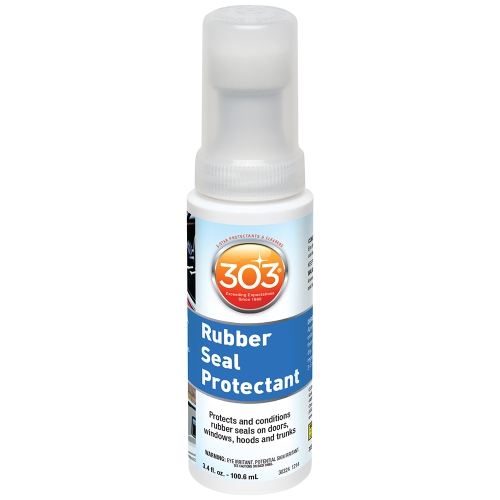 Your price for this item is $30.59
 -
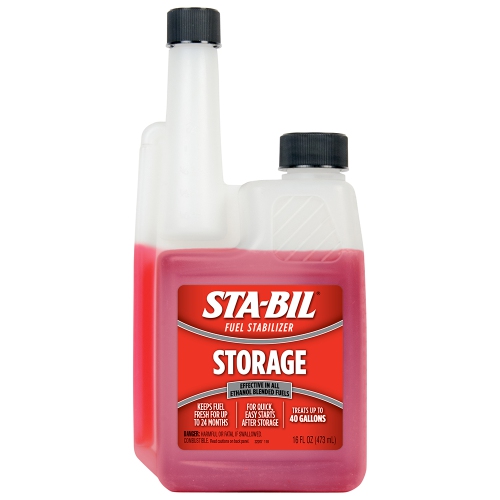 Your price for this item is $30.54
 -
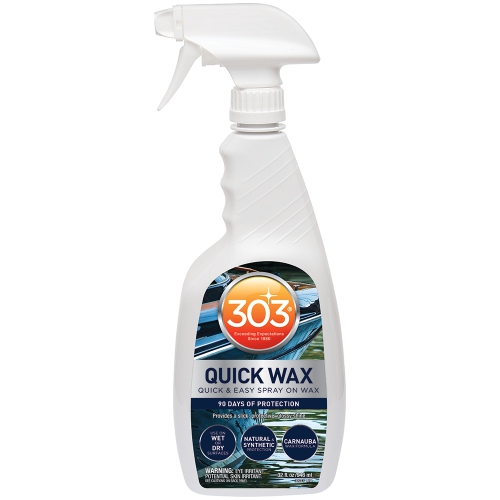 Your price for this item is $38.85
 -
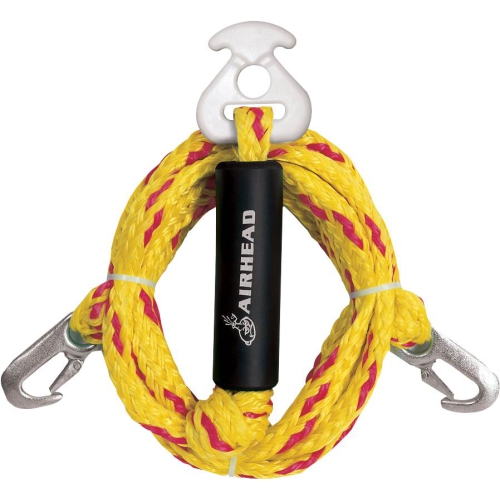 Your price for this item is $92.99
 -
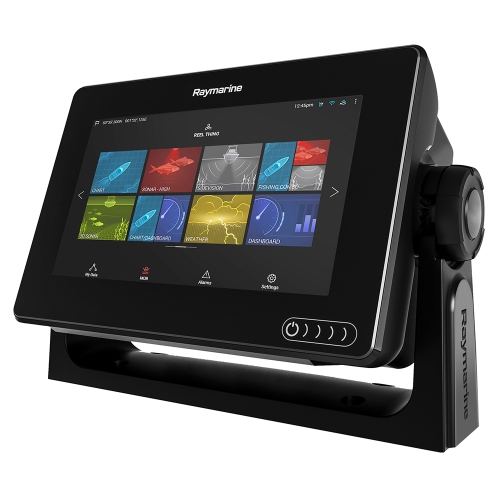 Your price for this item is $844.91
 -
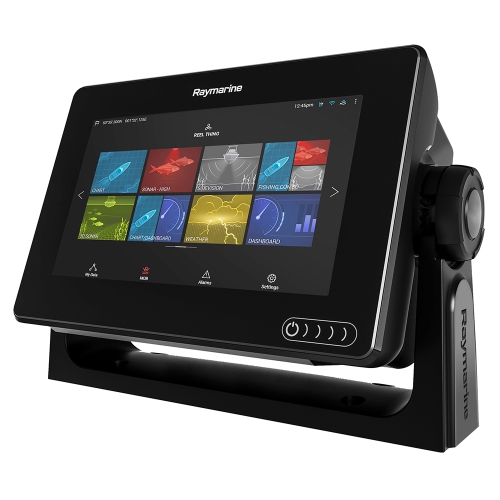 Your price for this item is $909.33
 -
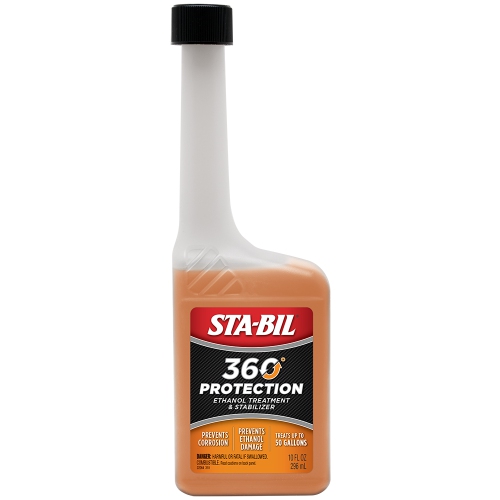 Your price for this item is $30.62
 -
 Your price for this item is $34.93
Discover more categories related to Floor Buffers
Top Collections:
Pokemon Centers, Kindle Devices, Best Budget Office Chairs, Apple iPhones 16, Best Laptops for Writers, iPhone 15 Apple, Canon G7X Cameras, Refurbished Apple Laptops, Alarm Clock, Motorola Razr Phones
Some products may be subject to Environmental Handling Fees
(EHF) depending on your province.
Learn more about EHFs.