Buffing Tools
Buffing tools are essential for achieving a professional finish on various surfaces, from cars to furniture. Whether you're a DIY enthusiast or a professional detailer, having the right buffing tools can make all the difference in achieving a flawless shine. From buffing pads to polishing compounds, this collection offers a range of tools to help you achieve that perfect glossy finish. Explore our selection of buffing tools to elevate your detailing game and achieve showroom-quality results with ease.
Sort

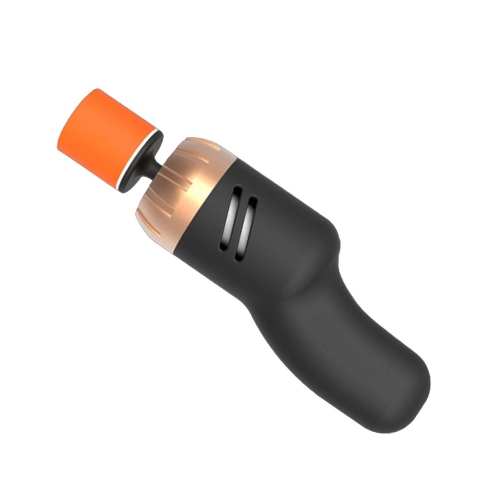
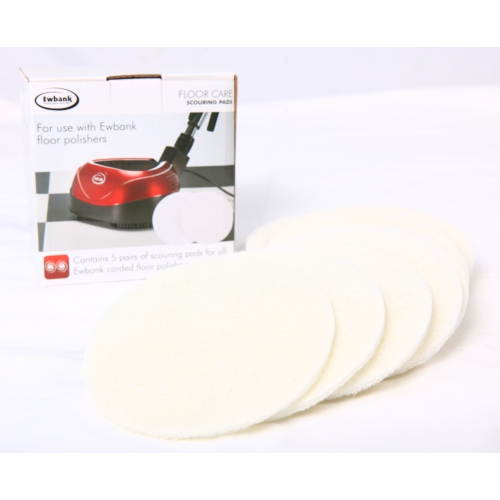
From vehicle paint to jewellery, polishing takes precision
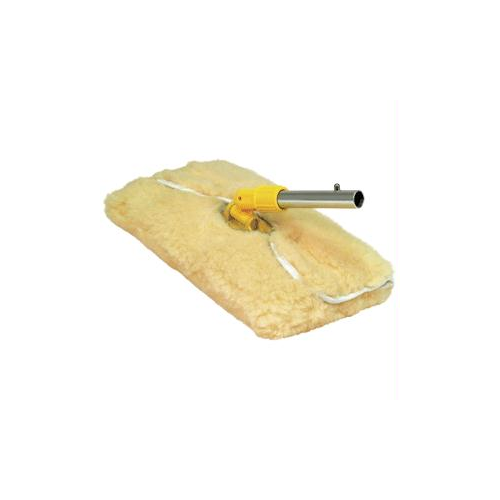
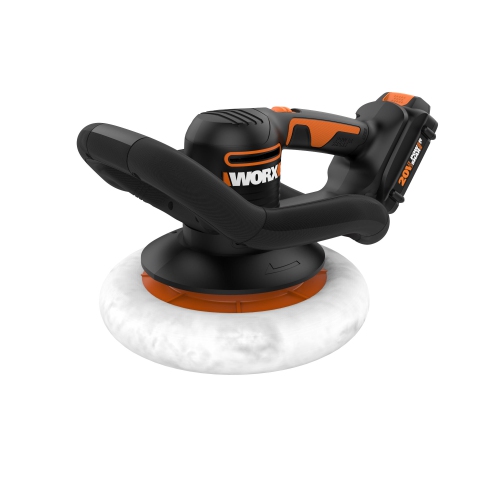
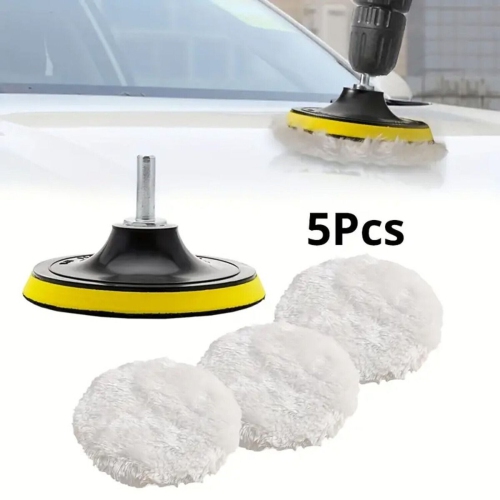
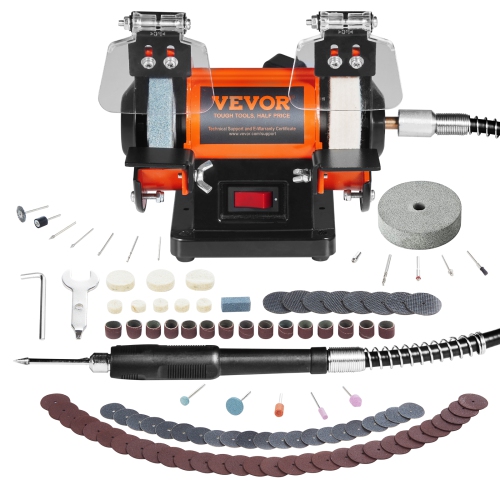
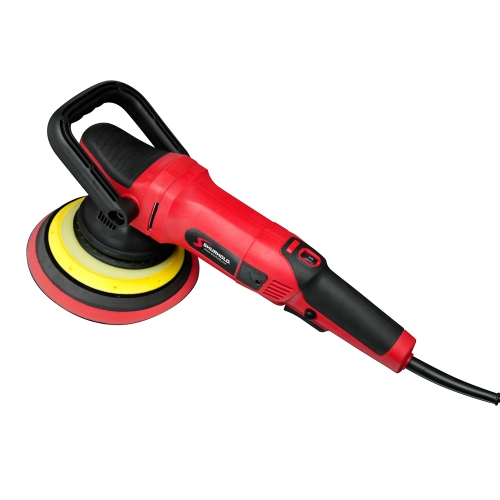
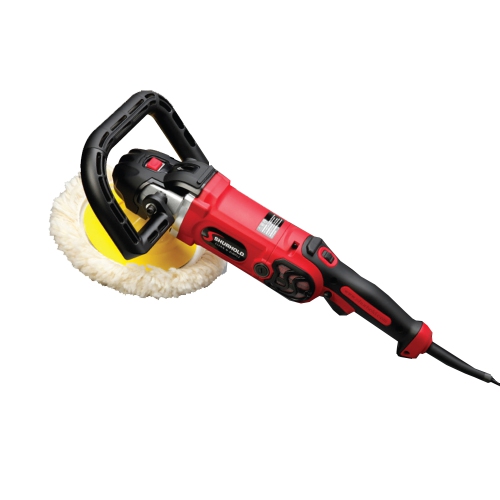
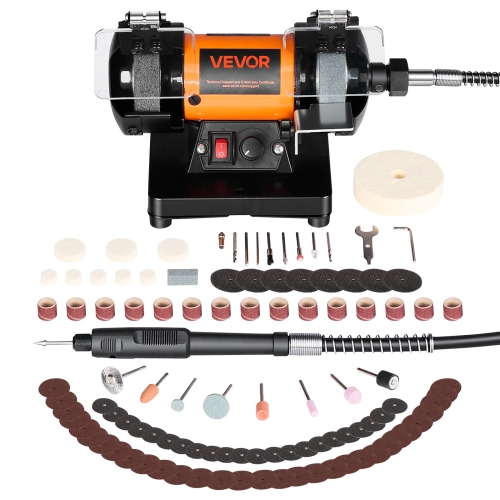
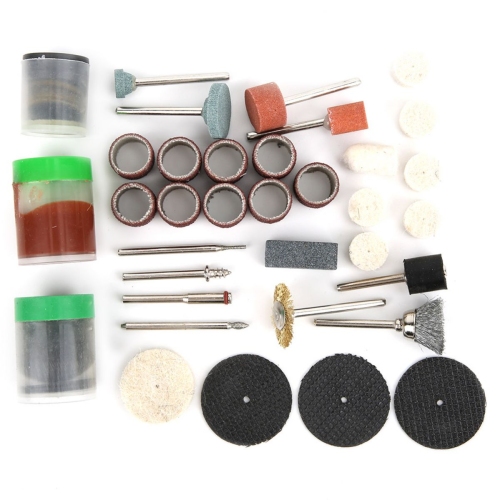
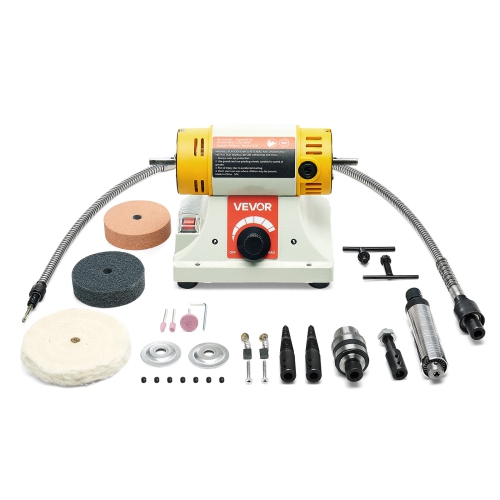
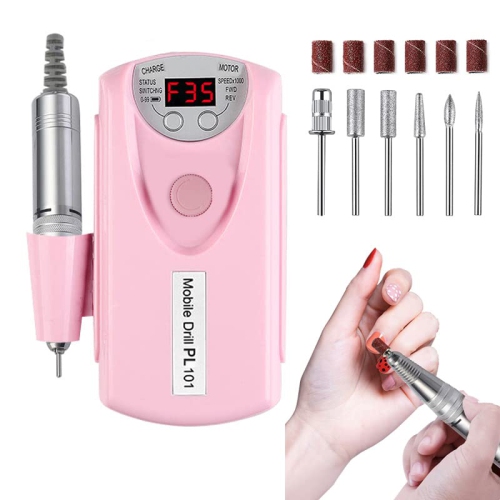
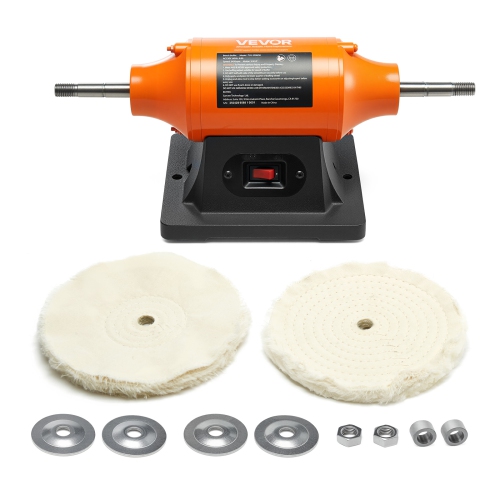
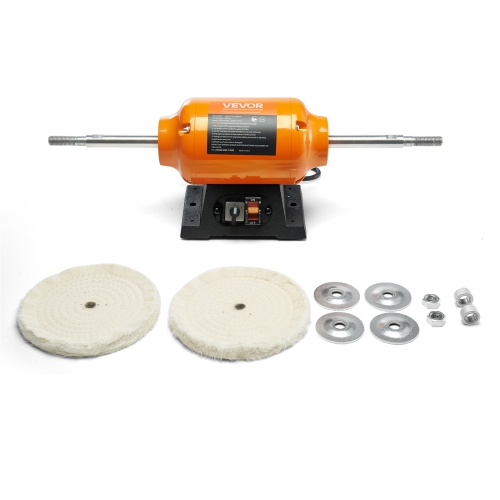
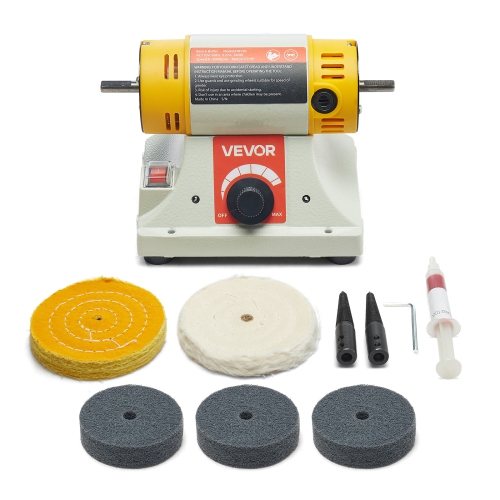
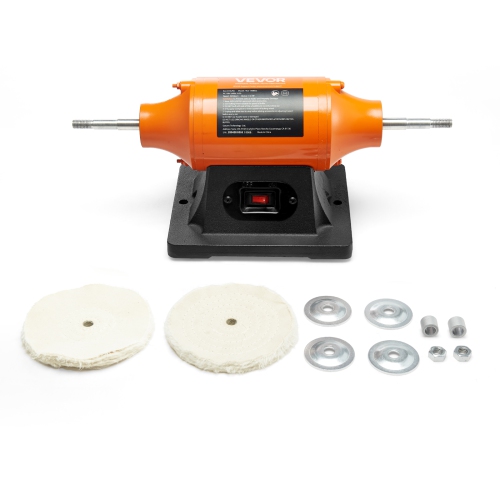
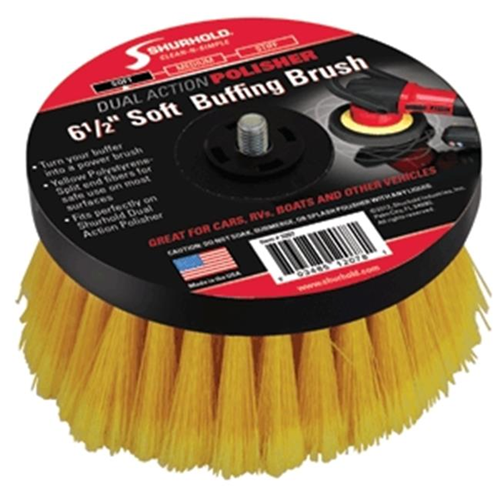
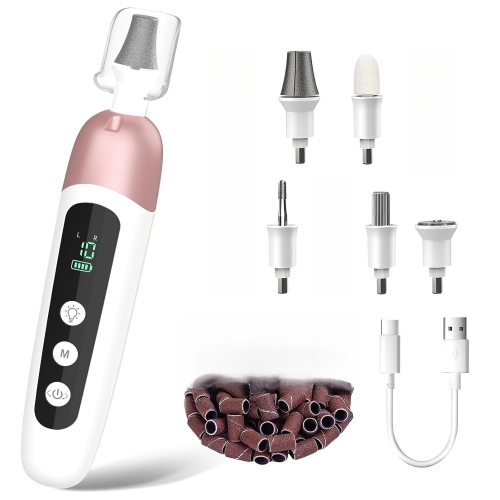
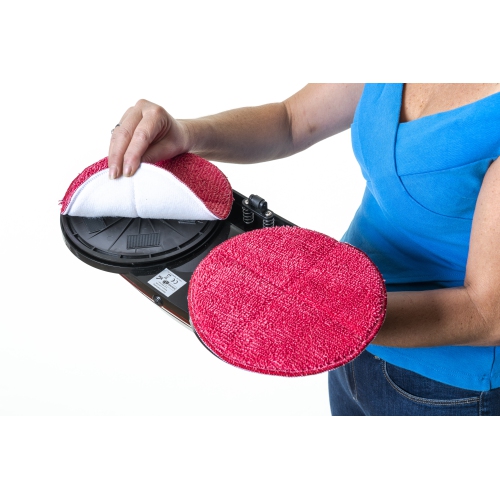
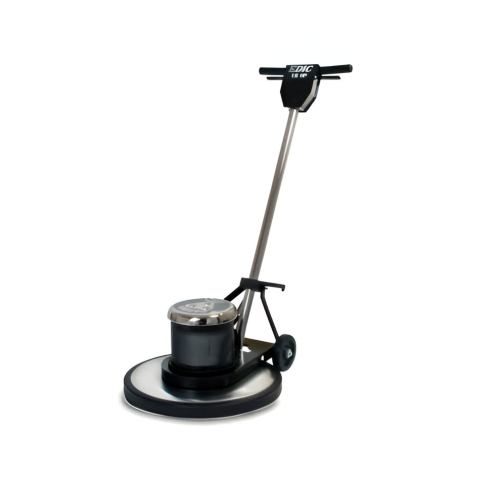
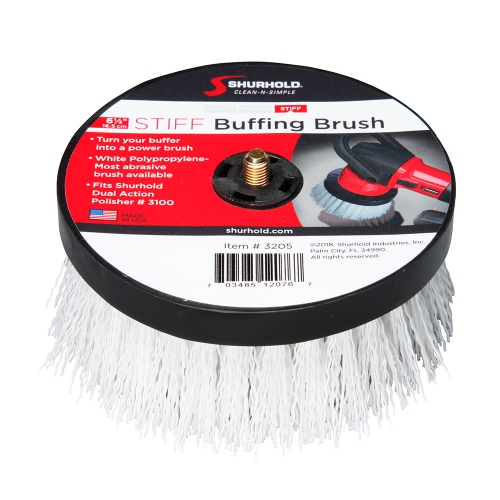
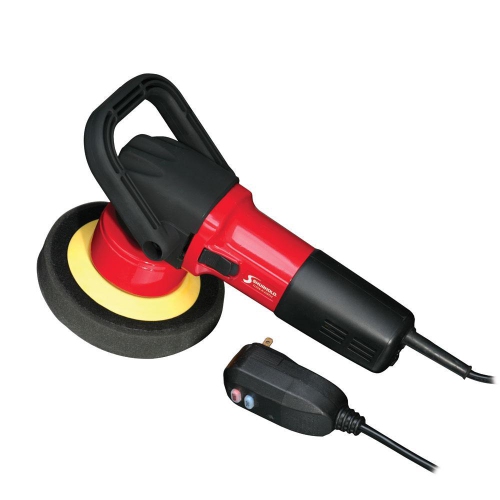
Buffing tools are designed to smooth, refine, and bring out the shine in a wide range of materials, from painted vehicle panels and polished metal to wood accents, jewellery, and small household parts. The right tool depends largely on the surface, the size of the project, and the amount of correction required. Random orbital polishers are a popular choice for vehicle detailing because the pad moves in overlapping, random circles rather than spinning in one fixed path. This motion provides a more forgiving experience for beginners and helps reduce the chance of concentrating too much heat in one area of a painted surface. They are well suited to removing light swirls, haze, oxidation, and fine marks while creating an even gloss across hoods, doors, bumpers, and other broad panels. Rotary buffers spin in a consistent circular motion and can deliver faster, more aggressive correction when deep scratches, sanding marks, or heavy oxidation need attention. Their power and precision make them useful for experienced detailers, bodywork, and restoration projects, but they require careful handling, steady movement, and the correct pressure to avoid damaging paint. For compact jobs, a cordless mini buffer can be easier to manoeuvre around headlights, mirrors, motorcycle parts, trim, and tight contours where a full-size machine may feel cumbersome. Battery-powered designs can also make it more convenient to work around a vehicle without managing a cord, especially during outdoor detailing or when access to an outlet is limited. Benchtop buffers take a different approach, using a stationary motor with one or more wheels for small metalworking and finishing tasks. They are often used to polish aluminium, steel, brass, and other raw or prepared metals, and can be handy for hardware, tools, decorative pieces, and jewellery-related projects. People who enjoy restoring classic vehicles, maintaining motorcycles, refinishing workshop equipment, or completing weekend maker projects may appreciate having different buffing tools available for broad surfaces and detailed work. They can also be a practical gift for a careful DIYer, automotive enthusiast, craftsperson, or hobbyist who enjoys turning a dull, scratched, or weathered surface into something smooth and reflective.
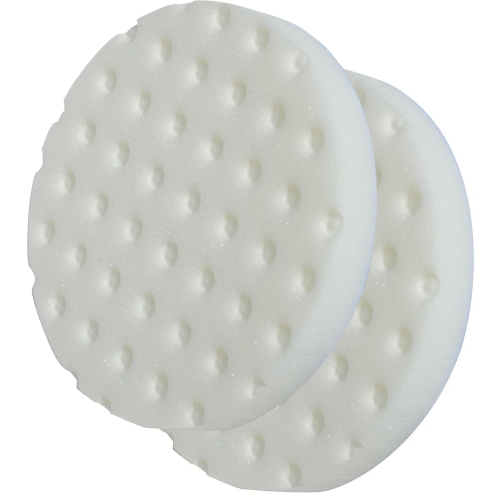
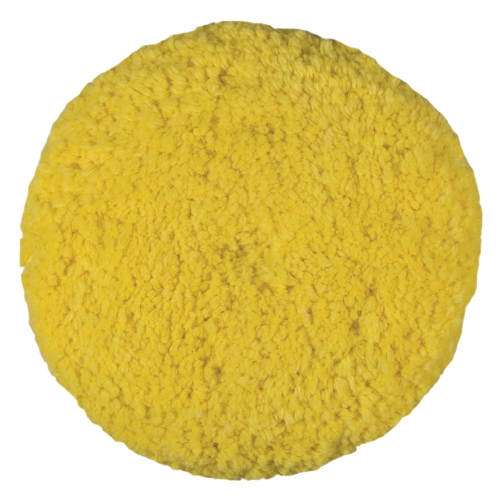
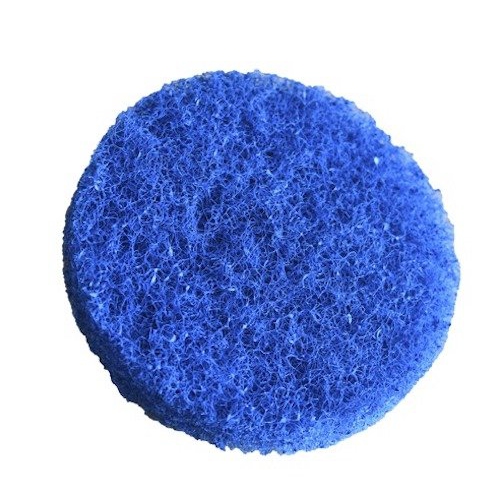
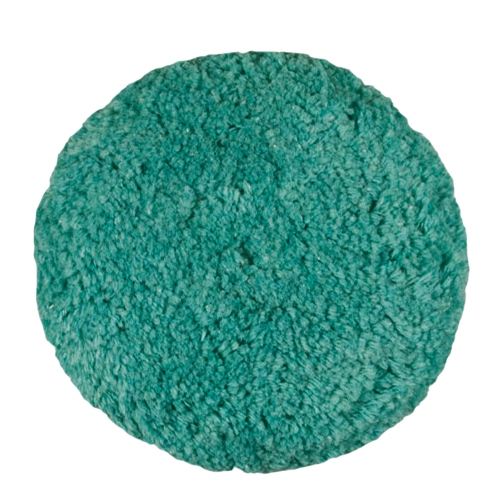
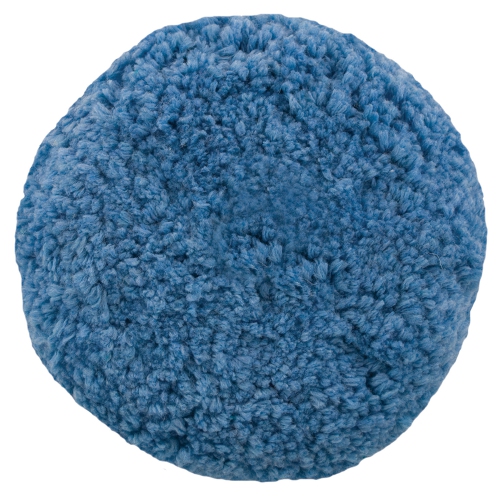
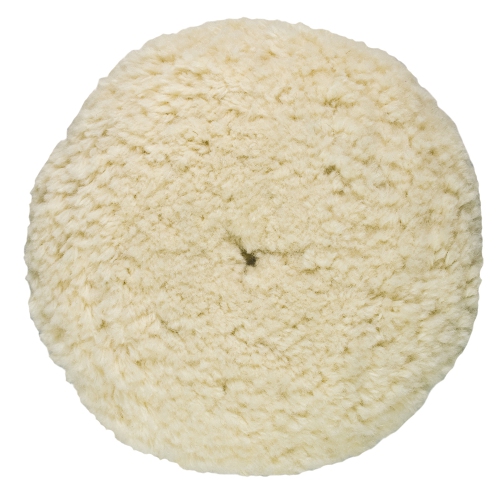
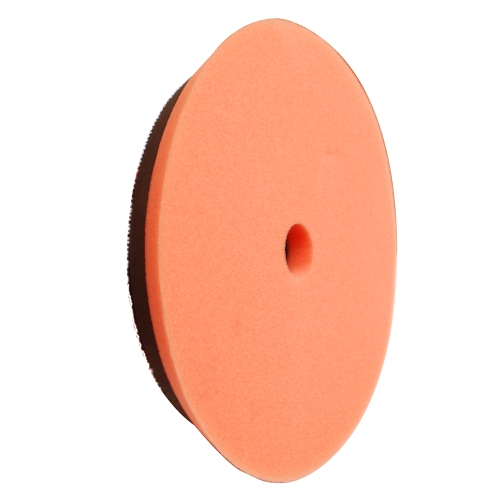
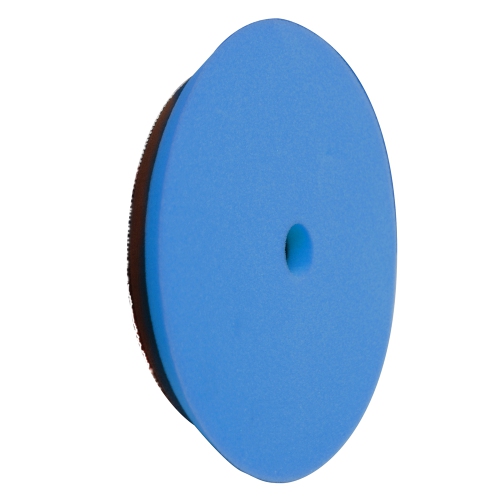
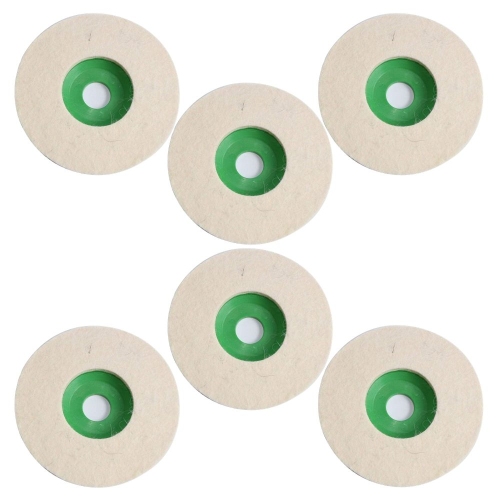
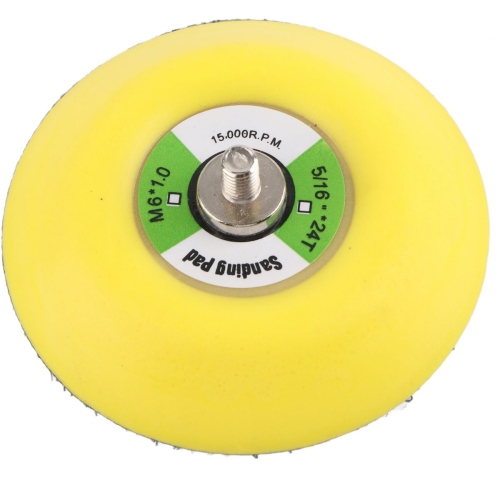
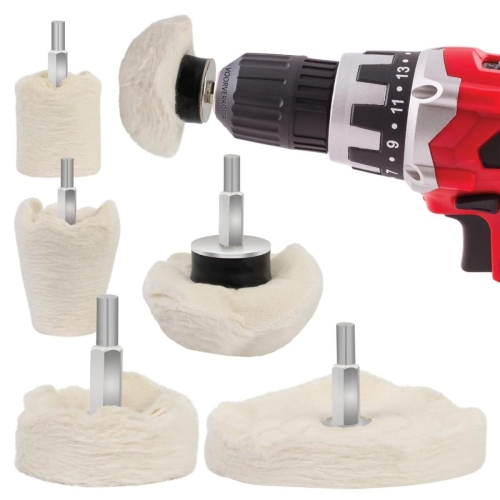
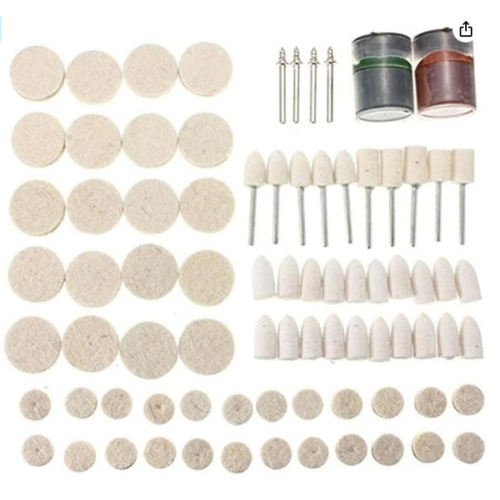
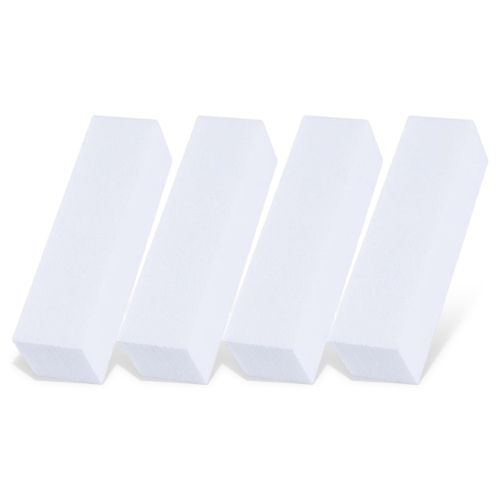
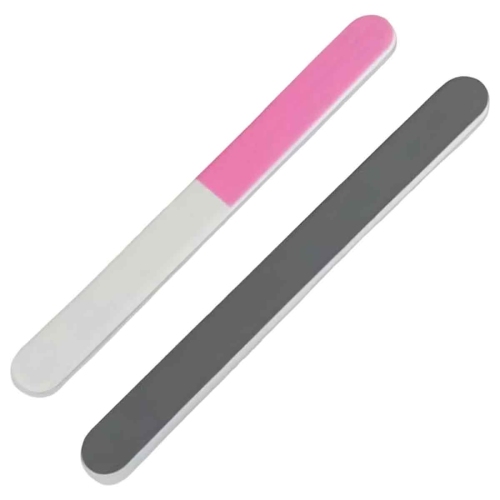
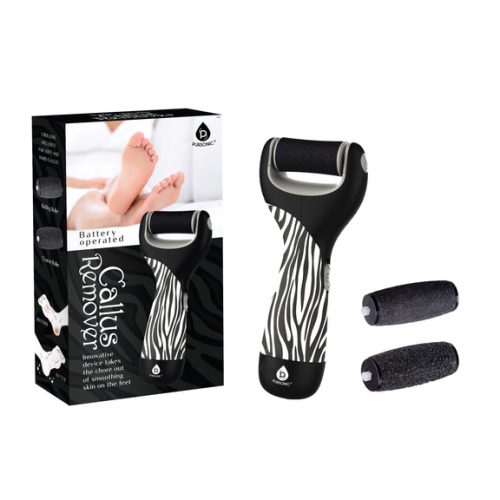
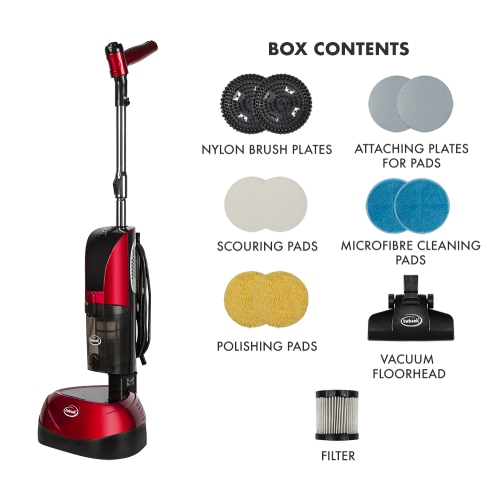
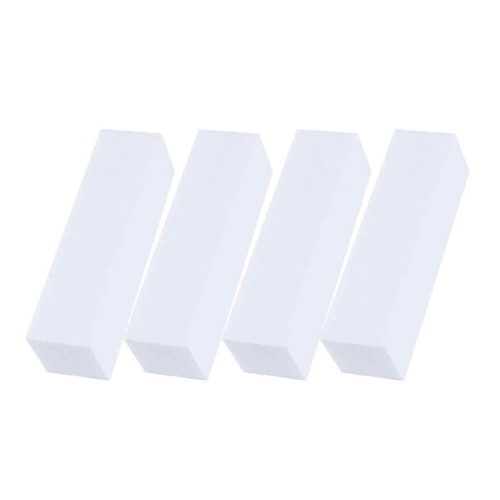
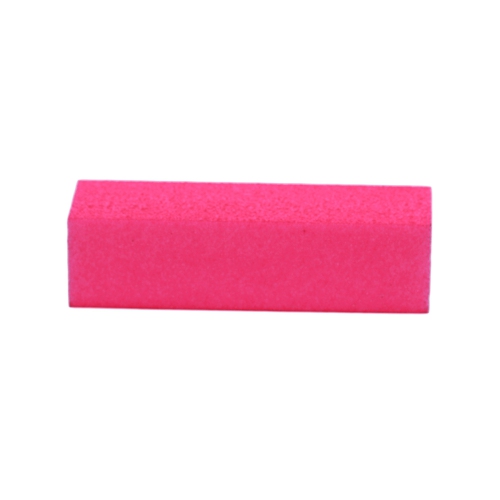
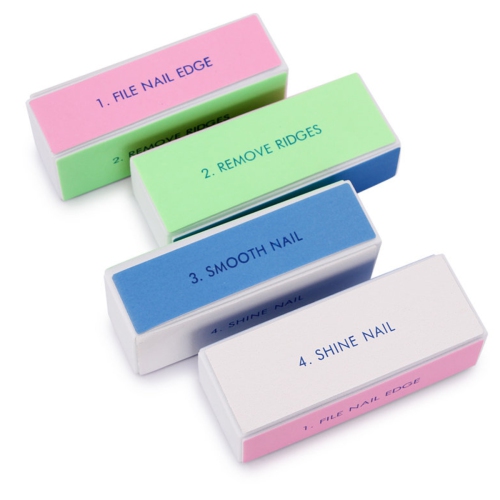
The pad or wheel is just as important as the machine. Wool pads generally provide strong cutting power and can help address heavier scratches, sanding marks, and severe oxidation when paired with an appropriate compound. Foam pads are available in different levels of firmness, making them useful for everything from moderate correction to final polishing and gloss enhancement. Softer foam is often chosen for finishing, while firmer foam can provide more bite without being as aggressive as some wool options. Microfibre pads offer a versatile middle ground and can be used for moderate cutting, refining the finish, or completing a multi-stage detailing process. On a stationary buffer, cotton or sisal wheels are commonly selected for raw metals and more demanding polishing work, with the wheel type influencing the amount of material removed and the character of the final finish. Compounds should be matched to the level of correction rather than applied indiscriminately. A rubbing compound has a heavier abrasive action and may help reduce visible scratches or sanding marks, while a polishing compound is intended to clear fine haze and bring back clarity after more aggressive work. Finishing wax or sealant can then add a smooth feel, a richer reflection, and a layer of protection to a prepared surface. Before beginning, clean the material thoroughly and inspect it in bright, even light so dirt is not mistaken for damage. Test the tool, pad, and compound combination on a small inconspicuous area, particularly when working on clear coat, painted trim, plated metal, or an unfamiliar finish. Use light, consistent pressure and keep a moving tool moving; lingering over one spot can create excess heat, uneven colour, or unwanted marks. It is also wise to follow the surface manufacturer’s care instructions, wear eye protection and suitable gloves, and keep loose clothing, hair, and cords away from rotating parts. For personal grooming tools, a gentle manual approach is more appropriate than a powered automotive or workshop machine. Compact Nail Buffers can smooth ridges and refine the surface of nails, making them a useful addition to a personal-care drawer or a thoughtful small gift for someone who enjoys at-home manicures.
Choosing buffing tools becomes easier when the material and desired result are clear. Vehicle paint usually benefits from a random orbital polisher for routine correction, with a rotary buffer reserved for experienced users handling deeper defects or restoration work. Aluminium, steel, and other metals may require a benchtop buffer, a suitable cotton or sisal wheel, and a compound made for the level of shine or correction being pursued. Wood projects call for extra care because aggressive polishing can soften edges, disturb a coating, or create an uneven sheen; a compatible finishing pad and gentle speed are generally more suitable than a heavy-cut setup. Jewellery and small decorative parts are best handled with compact accessories that allow precise control around curves, settings, and narrow edges. Consider the machine’s speed settings, grip, weight, pad size, power source, cord length, battery system, and included accessories, as these details affect comfort during a long session. A lighter tool may be easier for polishing a full vehicle, while a stationary model can provide stability for small workshop pieces. During the warmer part of the year, buffing tools can help refresh a vehicle after road dust, pollen, and outdoor use, while the cooler months often provide time for indoor restoration, workshop projects, and careful maintenance. Store pads clean and dry, keep compounds sealed, and label used pads by task to avoid transferring coarse residue to a finishing surface. With the right combination of tool, pad, compound, technique, and patience, buffing can turn a tired finish into a cleaner, smoother surface with depth and reflection that is satisfying to see under natural light or bright workshop lighting.
The pad or wheel is just as important as the machine. Wool pads generally provide strong cutting power and can help address heavier scratches, sanding marks, and severe oxidation when paired with an appropriate compound. Foam pads are available in different levels of firmness, making them useful for everything from moderate correction to final polishing and gloss enhancement. Softer foam is often chosen for finishing, while firmer foam can provide more bite without being as aggressive as some wool options. Microfibre pads offer a versatile middle ground and can be used for moderate cutting, refining the finish, or completing a multi-stage detailing process. On a stationary buffer, cotton or sisal wheels are commonly selected for raw metals and more demanding polishing work, with the wheel type influencing the amount of material removed and the character of the final finish. Compounds should be matched to the level of correction rather than applied indiscriminately. A rubbing compound has a heavier abrasive action and may help reduce visible scratches or sanding marks, while a polishing compound is intended to clear fine haze and bring back clarity after more aggressive work. Finishing wax or sealant can then add a smooth feel, a richer reflection, and a layer of protection to a prepared surface. Before beginning, clean the material thoroughly and inspect it in bright, even light so dirt is not mistaken for damage. Test the tool, pad, and compound combination on a small inconspicuous area, particularly when working on clear coat, painted trim, plated metal, or an unfamiliar finish. Use light, consistent pressure and keep a moving tool moving; lingering over one spot can create excess heat, uneven colour, or unwanted marks. It is also wise to follow the surface manufacturer’s care instructions, wear eye protection and suitable gloves, and keep loose clothing, hair, and cords away from rotating parts. For personal grooming tools, a gentle manual approach is more appropriate than a powered automotive or workshop machine. Compact Nail Buffers can smooth ridges and refine the surface of nails, making them a useful addition to a personal-care drawer or a thoughtful small gift for someone who enjoys at-home manicures.
Choosing buffing tools becomes easier when the material and desired result are clear. Vehicle paint usually benefits from a random orbital polisher for routine correction, with a rotary buffer reserved for experienced users handling deeper defects or restoration work. Aluminium, steel, and other metals may require a benchtop buffer, a suitable cotton or sisal wheel, and a compound made for the level of shine or correction being pursued. Wood projects call for extra care because aggressive polishing can soften edges, disturb a coating, or create an uneven sheen; a compatible finishing pad and gentle speed are generally more suitable than a heavy-cut setup. Jewellery and small decorative parts are best handled with compact accessories that allow precise control around curves, settings, and narrow edges. Consider the machine’s speed settings, grip, weight, pad size, power source, cord length, battery system, and included accessories, as these details affect comfort during a long session. A lighter tool may be easier for polishing a full vehicle, while a stationary model can provide stability for small workshop pieces. During the warmer part of the year, buffing tools can help refresh a vehicle after road dust, pollen, and outdoor use, while the cooler months often provide time for indoor restoration, workshop projects, and careful maintenance. Store pads clean and dry, keep compounds sealed, and label used pads by task to avoid transferring coarse residue to a finishing surface. With the right combination of tool, pad, compound, technique, and patience, buffing can turn a tired finish into a cleaner, smoother surface with depth and reflection that is satisfying to see under natural light or bright workshop lighting.
Top selling and popular products
-
 Your price for this item is $30.59
 -
 Your price for this item is $30.54
 -
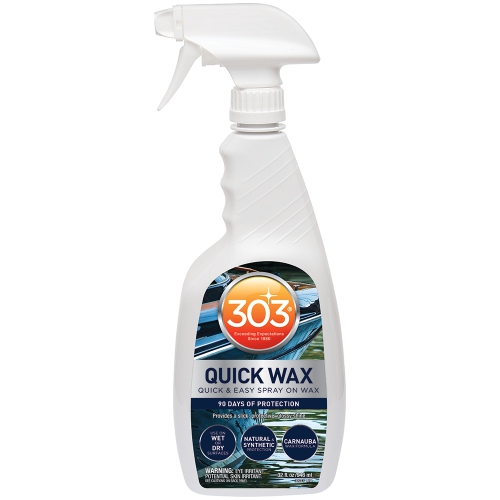 Your price for this item is $38.85
 -
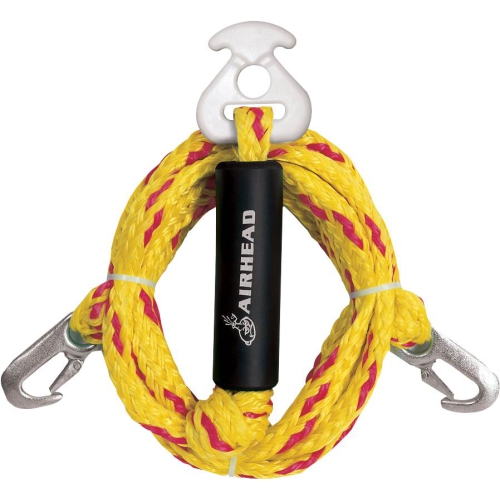 Your price for this item is $92.99
 -
 Your price for this item is $844.91
 -
 Your price for this item is $909.33
 -
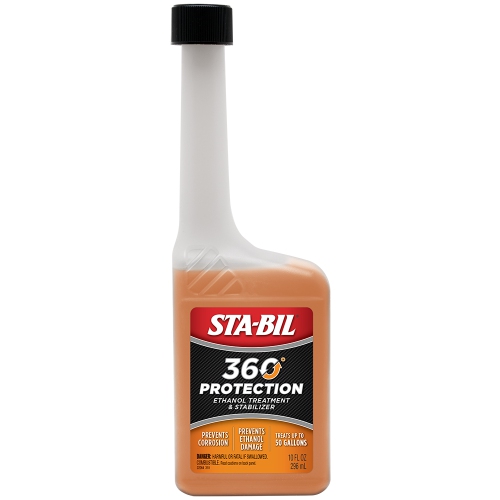 Your price for this item is $30.62
 -
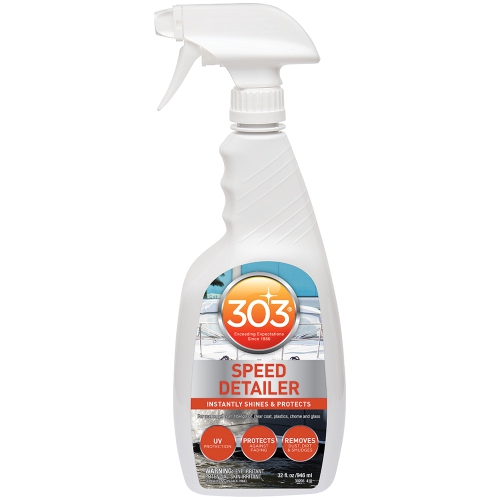 Your price for this item is $34.93
Discover more categories related to Buffing Tools
Top Collections:
Pokemon Centers, Kindle Devices, Best Budget Office Chairs, Apple iPhones 16, Best Laptops for Writers, iPhone 15 Apple, Canon G7X Cameras, Refurbished Apple Laptops, Alarm Clock, Motorola Razr Phones
Some products may be subject to Environmental Handling Fees
(EHF) depending on your province.
Learn more about EHFs.