Buffing Pads
Achieve a flawless finish with high-quality buffing pads, the essential tool for any car enthusiast or professional detailer. Designed to deliver exceptional performance, these pads are perfect for removing scratches, swirls, and oxidation from your vehicle's surface. Whether you're working on a delicate paint job or tackling more stubborn imperfections, our selection of buffing pads offers the versatility and durability needed to bring out the best in your car's appearance. Elevate your detailing game and enjoy a showroom shine with every use.
Sort
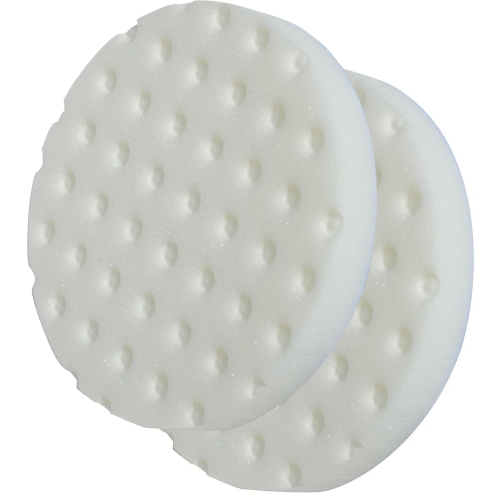
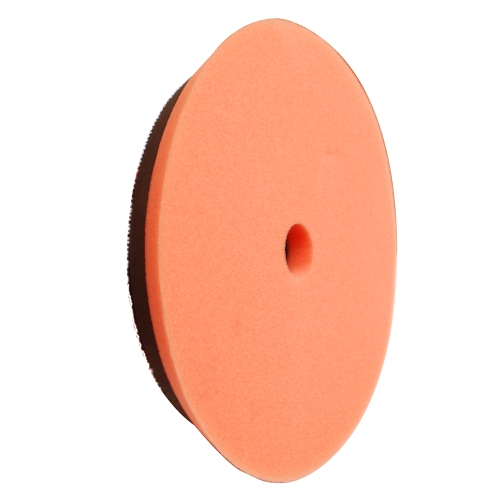
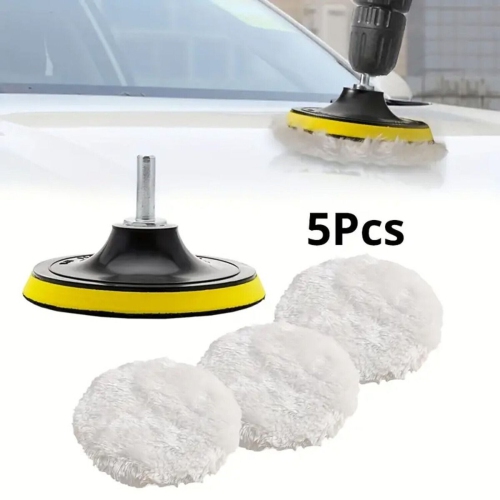
How pad material and fit shape your finish
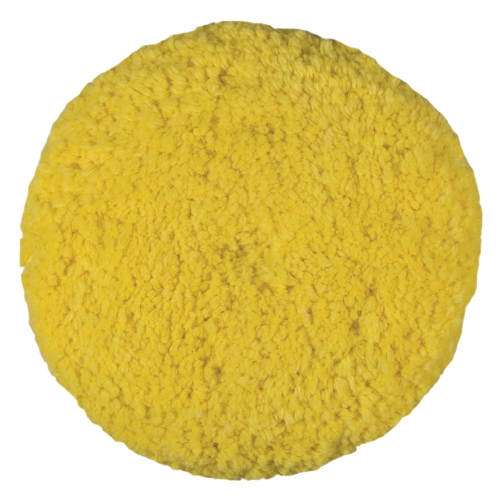
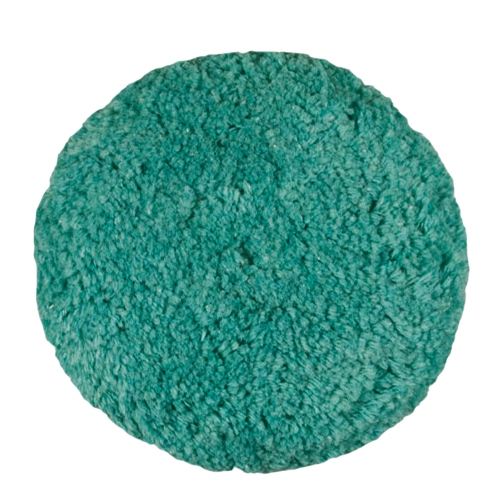
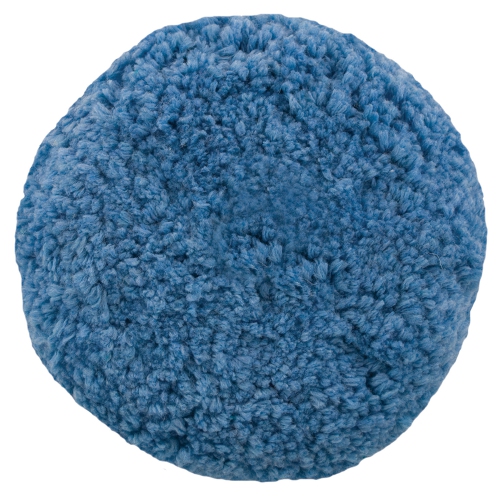
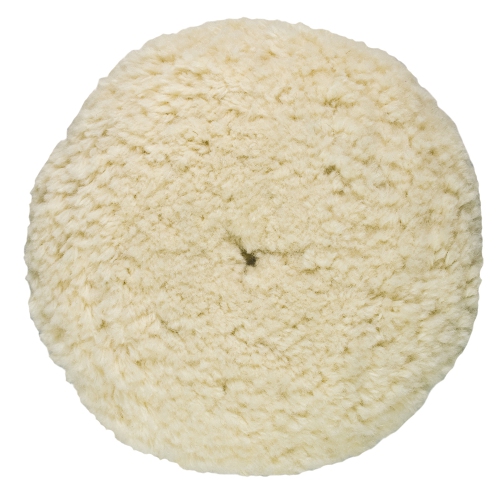
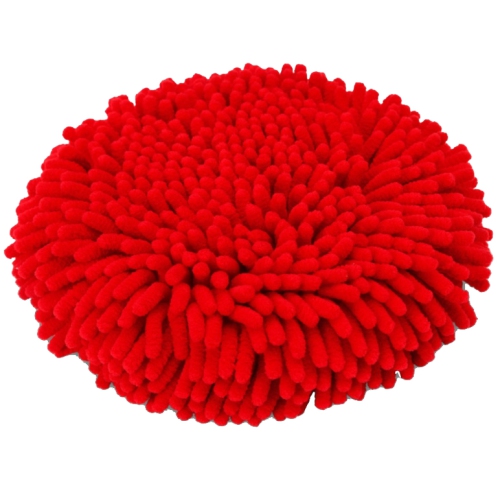
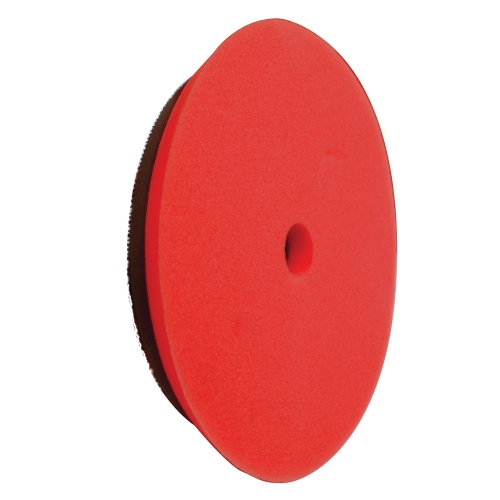
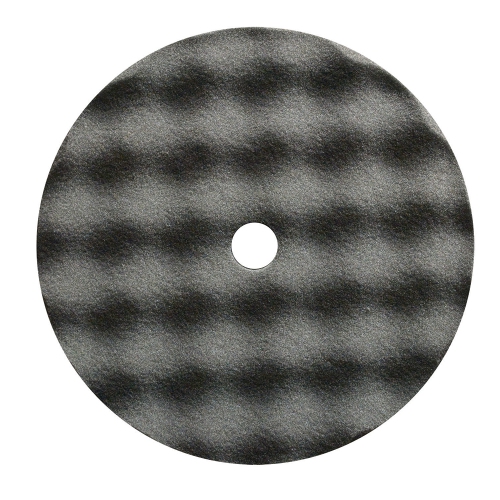
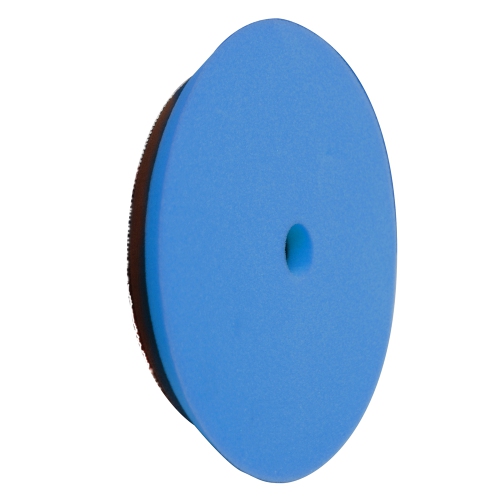
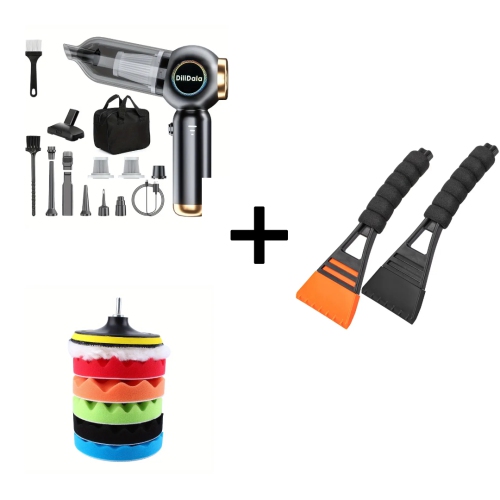
Buffing pads are attachments used with compatible rotary polishers, dual-action polishers, and some drill-mounted systems to polish, refine, or apply finishing products to a surface. They are most often associated with automotive detailing, where the right pad and compound combination can reduce visible swirl marks, address light oxidation, and bring clarity back to a painted finish. Some pads are also designed for gelcoat, metal, or other hard surfaces, but suitability depends on the pad, polishing product, and material being treated. Foam, wool, and microfibre are the main materials, each offering a different balance of cutting action and finish quality. Foam buffing pads range from firmer cutting grades to soft finishing grades, with cell structure and construction affecting how they hold polish and respond against the surface. A medium-cut foam pad may suit light wash marks on a car door, while a softer finishing pad can help refine faint haze or spread a compatible wax or sealant evenly. Wool pads use natural or blended fibres and often provide stronger cutting action for more substantial oxidation or sanding marks on suitable finishes. Depending on the combination used, that work may leave haze that needs a finer polishing stage. Microfibre pads have a fibrous working face over a supporting layer and are often used with dual-action polishers for efficient defect removal, although cutting and finishing versions serve different purposes. Pad colour is not a universal grading system: an orange, blue, or black pad can have a different role from one manufacturer to another. The stated cutting grade, intended application, and machine compatibility are more useful than colour alone. For a vehicle with only faint circular marks visible under bright lighting, a mild polishing combination is generally more appropriate than an aggressive cutting pad. Deep scratches that extend through the clear coat are not simply buffed away, and excessive abrasion can damage the finish rather than restore it.
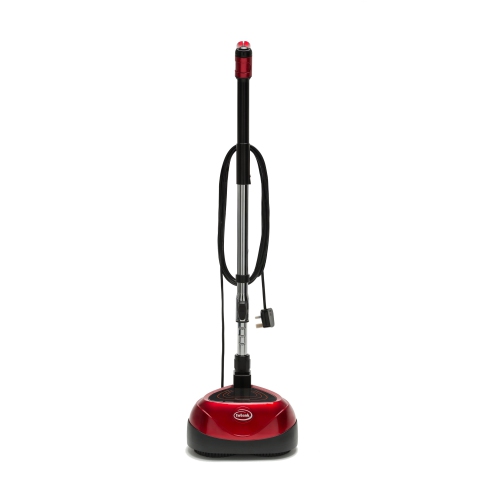
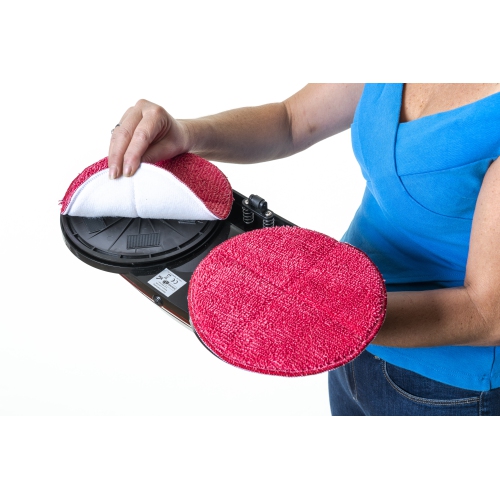
Fit is just as important as material when comparing buffing pads. The pad must suit the machine’s backing plate, attachment system, operating speed, and intended motion. Hook-and-loop backing is common because it allows pads to be changed between polishing stages, while threaded attachments and bonnet-style covers have their own fitting requirements. The working-face diameter and backing diameter are not always identical, so both measurements matter. A nominal 6-inch pad, for example, should not be assumed to fit every 6-inch backing plate; the manufacturer’s specified pairing takes priority. An appropriately sized pad keeps the hard backing plate away from the work surface without leaving more unsupported material than the design allows. Smaller pads can be useful around narrow pillars, curved bumpers, and other confined areas, while larger faces cover broad, flatter panels more efficiently. Thickness and profile also influence handling. A thinner pad may transmit a dual-action machine’s movement more directly, whereas a thicker or contoured pad can offer additional cushioning, depending on its construction. Neither shape is automatically suitable for every machine or panel. Rotary polishers turn the pad around a fixed axis, while dual-action machines combine rotation with an orbital movement; pad suitability can differ between the two. Drill attachments require their own speed and compatibility checks and should not be treated as interchangeable with dedicated polishing systems. The polishing liquid matters, too, because a pad does not determine the result on its own. Abrasive strength, surface hardness, machine action, and technique all contribute to the finish. For floors, pads belong to a separate set of applications involving machine size, floor material, and the existing finish. Equipment such as Floor Buffers uses purpose-designed pads for tasks that may include cleaning, buffing, or polishing, with the exact function determined by the equipment and pad specifications. Automotive pads and floor-care pads are not interchangeable merely because both are described as buffing pads. Matching the entire system helps avoid uneven results and unnecessary wear.
Pad care has a direct effect on polishing performance and useful life. As a pad works, its face collects spent polish and removed residue, which can reduce cutting consistency and leave a less even finish. A foam pad that becomes saturated may feel heavy and respond differently, while flattened or clogged fibres can limit the performance of a wool or microfibre pad. Appropriate cleaning between working sections helps keep the face effective, and changing to a fresh pad can be preferable to continuing with one that is overloaded. Keeping separate pads for cutting compounds, fine polishes, and protective finishing products also limits cross-contamination. A pad reserved for a final gloss pass should not carry abrasive residue from an earlier correction stage. After use, cleaning should follow the pad maker’s directions, including any restrictions on detergents, soaking, or machine washing. Pads should be fully dry before enclosed storage, with foam and fibres protected from crushing and hook-and-loop surfaces kept free of debris. Torn foam, loose backing, worn fibres, or separating layers are signs that a pad may no longer perform reliably. Durability depends on construction as well as care: backing adhesion, edge design, foam resilience, and fibre retention all matter, but excessive pressure, prolonged use without cleaning, and incompatible chemicals can shorten service life. For home detailers, having distinct pads for different stages makes it easier to maintain a familiar routine without carrying compound into the finishing step. For frequent users, several pads of the same grade allow a clean working face to be maintained across a larger job. Buffing pads can also make a practical gift for someone who already enjoys vehicle detailing, provided the recipient’s machine size and preferred attachment style are known. Whether the aim is improving a dull bonnet, refining light swirls, or applying a compatible protective finish, the most useful pads are those matched to the surface, tool, and level of correction actually needed.
Fit is just as important as material when comparing buffing pads. The pad must suit the machine’s backing plate, attachment system, operating speed, and intended motion. Hook-and-loop backing is common because it allows pads to be changed between polishing stages, while threaded attachments and bonnet-style covers have their own fitting requirements. The working-face diameter and backing diameter are not always identical, so both measurements matter. A nominal 6-inch pad, for example, should not be assumed to fit every 6-inch backing plate; the manufacturer’s specified pairing takes priority. An appropriately sized pad keeps the hard backing plate away from the work surface without leaving more unsupported material than the design allows. Smaller pads can be useful around narrow pillars, curved bumpers, and other confined areas, while larger faces cover broad, flatter panels more efficiently. Thickness and profile also influence handling. A thinner pad may transmit a dual-action machine’s movement more directly, whereas a thicker or contoured pad can offer additional cushioning, depending on its construction. Neither shape is automatically suitable for every machine or panel. Rotary polishers turn the pad around a fixed axis, while dual-action machines combine rotation with an orbital movement; pad suitability can differ between the two. Drill attachments require their own speed and compatibility checks and should not be treated as interchangeable with dedicated polishing systems. The polishing liquid matters, too, because a pad does not determine the result on its own. Abrasive strength, surface hardness, machine action, and technique all contribute to the finish. For floors, pads belong to a separate set of applications involving machine size, floor material, and the existing finish. Equipment such as Floor Buffers uses purpose-designed pads for tasks that may include cleaning, buffing, or polishing, with the exact function determined by the equipment and pad specifications. Automotive pads and floor-care pads are not interchangeable merely because both are described as buffing pads. Matching the entire system helps avoid uneven results and unnecessary wear.
Pad care has a direct effect on polishing performance and useful life. As a pad works, its face collects spent polish and removed residue, which can reduce cutting consistency and leave a less even finish. A foam pad that becomes saturated may feel heavy and respond differently, while flattened or clogged fibres can limit the performance of a wool or microfibre pad. Appropriate cleaning between working sections helps keep the face effective, and changing to a fresh pad can be preferable to continuing with one that is overloaded. Keeping separate pads for cutting compounds, fine polishes, and protective finishing products also limits cross-contamination. A pad reserved for a final gloss pass should not carry abrasive residue from an earlier correction stage. After use, cleaning should follow the pad maker’s directions, including any restrictions on detergents, soaking, or machine washing. Pads should be fully dry before enclosed storage, with foam and fibres protected from crushing and hook-and-loop surfaces kept free of debris. Torn foam, loose backing, worn fibres, or separating layers are signs that a pad may no longer perform reliably. Durability depends on construction as well as care: backing adhesion, edge design, foam resilience, and fibre retention all matter, but excessive pressure, prolonged use without cleaning, and incompatible chemicals can shorten service life. For home detailers, having distinct pads for different stages makes it easier to maintain a familiar routine without carrying compound into the finishing step. For frequent users, several pads of the same grade allow a clean working face to be maintained across a larger job. Buffing pads can also make a practical gift for someone who already enjoys vehicle detailing, provided the recipient’s machine size and preferred attachment style are known. Whether the aim is improving a dull bonnet, refining light swirls, or applying a compatible protective finish, the most useful pads are those matched to the surface, tool, and level of correction actually needed.
Top selling and popular products
-
 Your price for this item is $30.59
 -
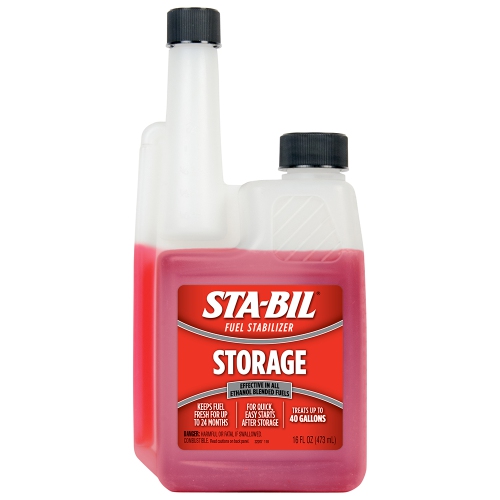 Your price for this item is $30.54
 -
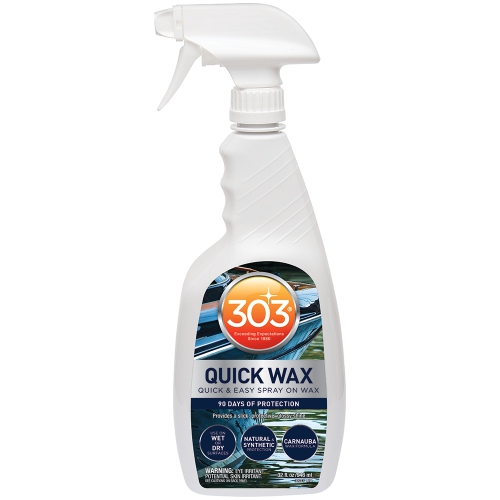 Your price for this item is $38.85
 -
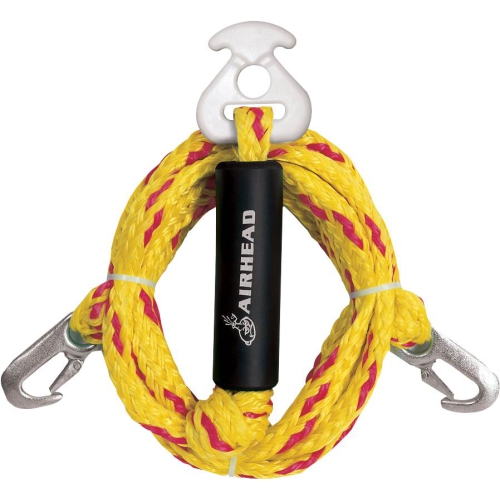 Your price for this item is $92.99
 -
 Your price for this item is $844.91
 -
 Your price for this item is $909.33
 -
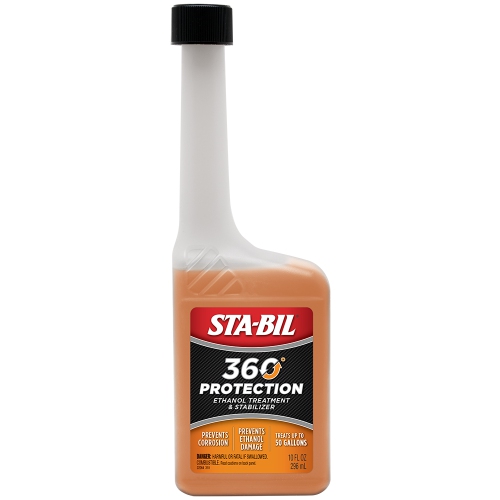 Your price for this item is $30.62
 -
 Your price for this item is $34.93
Discover more categories related to Buffing Pads
Top Collections:
Pokemon Centers, Kindle Devices, Best Budget Office Chairs, Apple iPhones 16, Best Laptops for Writers, iPhone 15 Apple, Canon G7X Cameras, Refurbished Apple Laptops, Alarm Clock, Motorola Razr Phones
Some products may be subject to Environmental Handling Fees
(EHF) depending on your province.
Learn more about EHFs.