Patio Flooring
Patio Flooring transforms outdoor spaces into inviting areas for relaxation and entertainment. With a wide variety of styles, materials, and designs available, it’s easy to find the perfect option to complement any backyard or patio setup. Whether you’re looking to refresh your current space or create a brand-new look, Patio Flooring offers versatile solutions that enhance comfort and style for all your outdoor gatherings. Explore options that suit your needs and elevate your outdoor living experience.
Sort



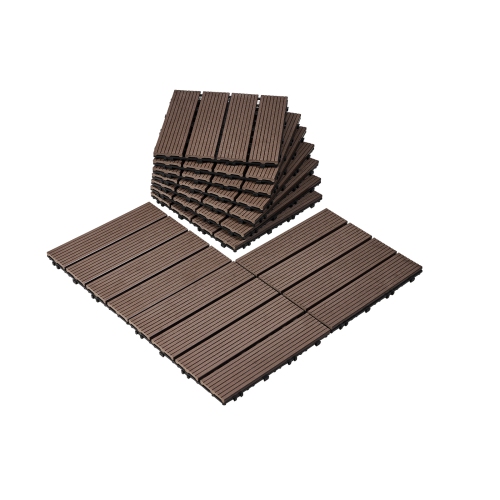
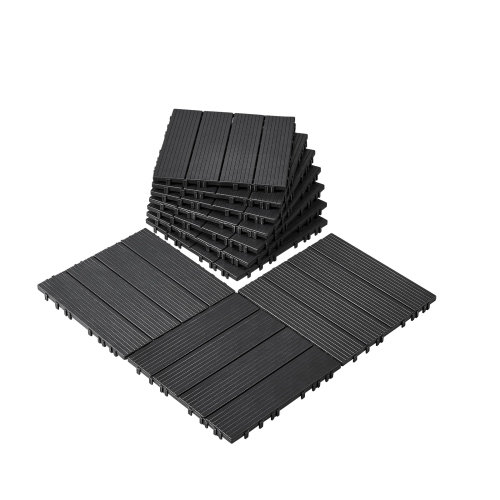

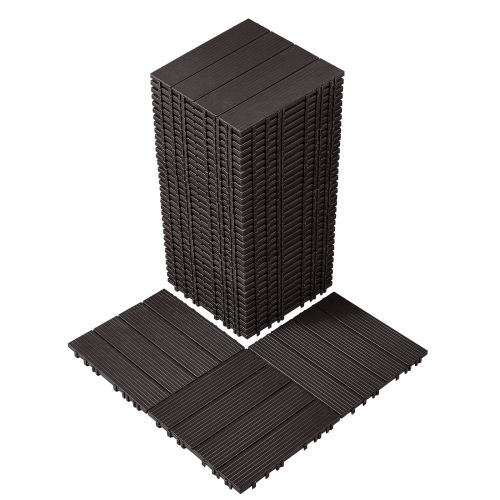
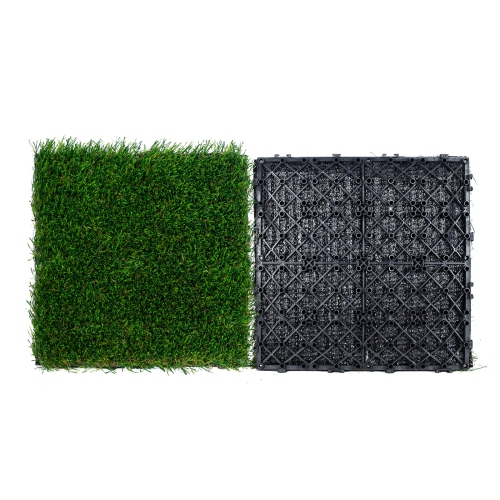

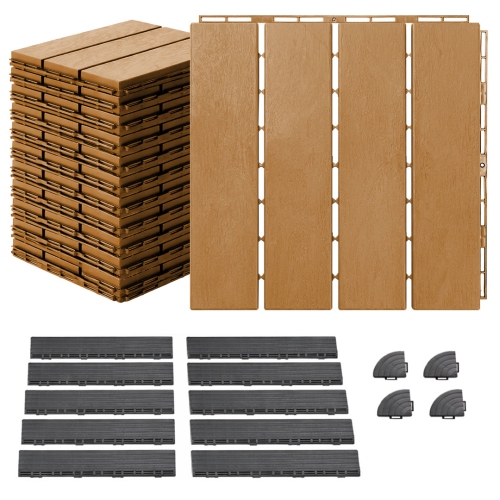
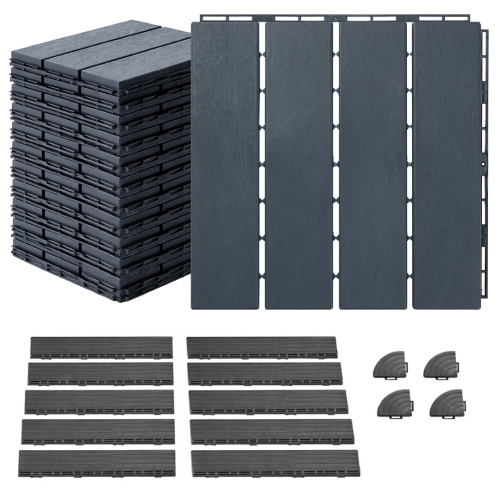
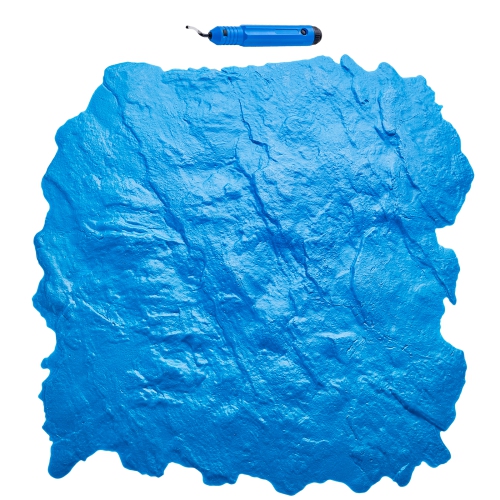
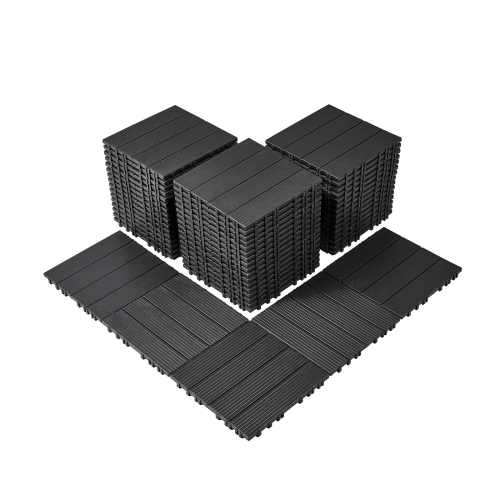
How surfaces differ in comfort, durability, drainage, and care
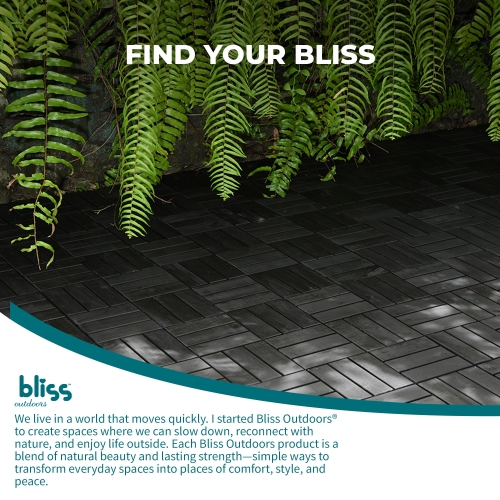
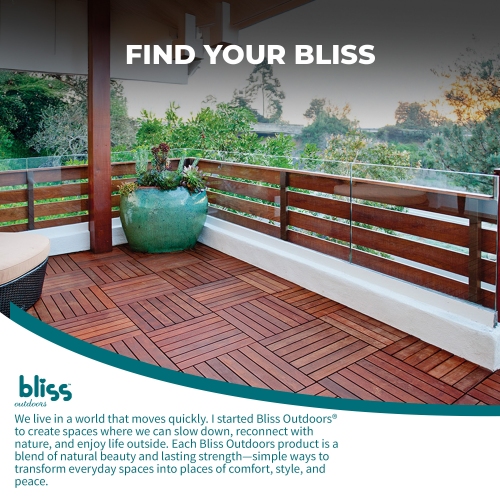
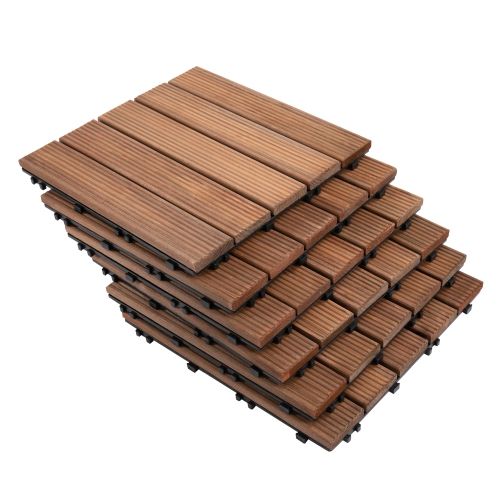
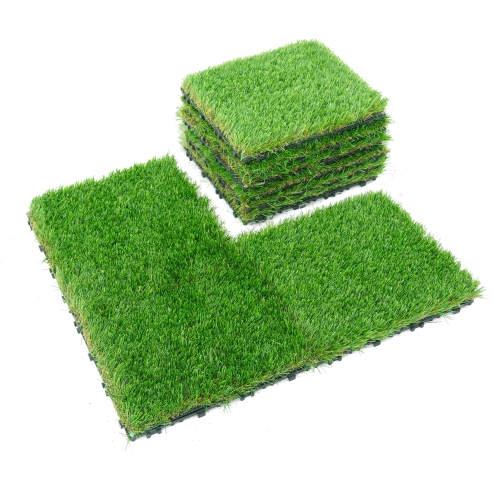
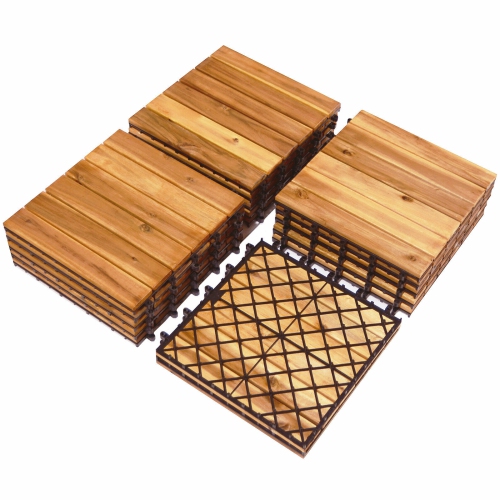
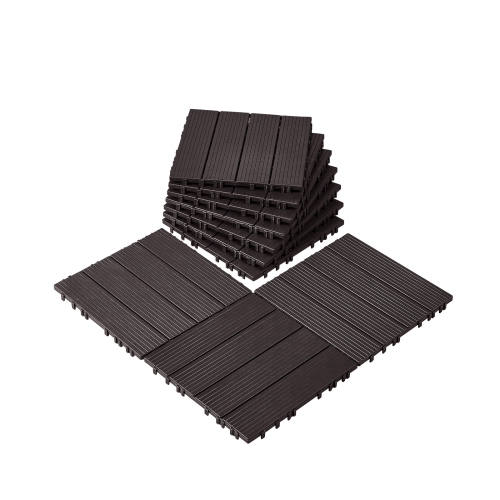
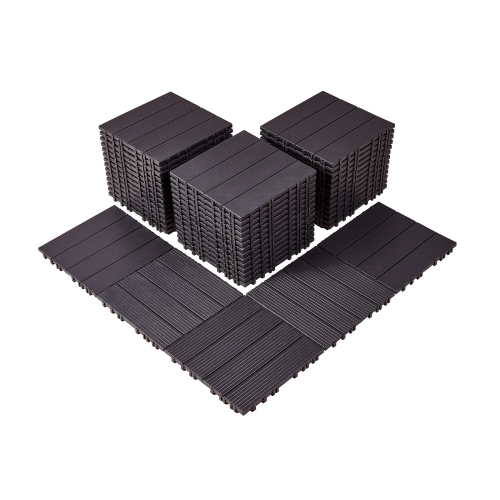
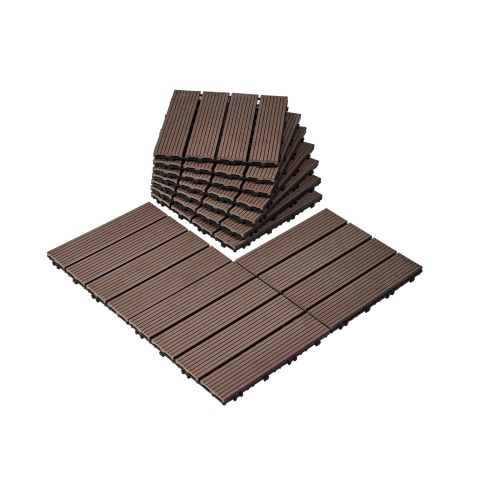
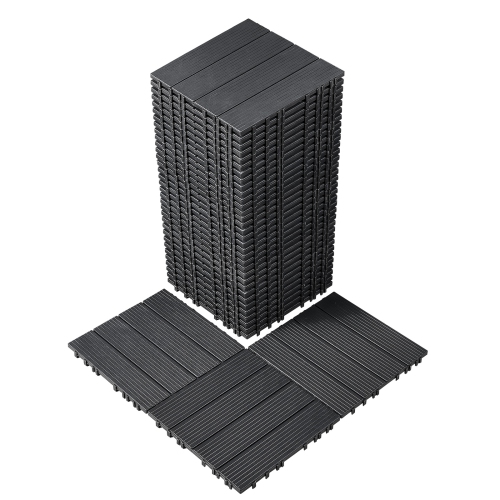
Patio flooring can transform an outdoor area from a bare, uneven surface into a more comfortable and useful extension of the home. The right choice depends largely on the surface you have now, the look you want to create, and how the space will be used. Interlocking deck tiles are a practical option for balconies, porches, rooftops, and existing concrete patios because they can often be fitted together without specialized tools. Wood tiles bring natural colour and texture to a sitting area, while plastic and composite styles can offer a more uniform appearance with straightforward upkeep. These formats are especially useful for renters or anyone looking for a less permanent update, since many can be lifted or rearranged when the space needs to change. A level, hard base is essential for most snap-together tiles; loose soil, deep cracks, standing water, or a noticeably sloped surface can prevent sections from connecting properly and may lead to movement underfoot. Before ordering, measure the length and width of the area, account for posts or railings, and add a small amount of extra coverage for trimming, layout adjustments, or future repairs. A covered balcony may need a different solution from an open backyard patio, particularly where rain, snow, and meltwater can collect.
For spaces that receive frequent foot traffic, patio furniture, children’s play, or outdoor entertaining, durability and comfort should be considered together. Stone and concrete pavers offer a classic, substantial appearance and can handle regular use when installed over a properly prepared base. They are well suited to permanent patios, pathways, and dining areas where a firm surface is important, although installation generally involves excavation, compacted soil, sand, edging, and careful levelling. Gravel or crushed stone creates a more relaxed, informal setting and can be a cost-conscious choice for larger areas, especially when bordered with pavers or larger stones to keep the material in place. Rubber patio flooring and mats provide a softer feel underfoot and can be useful around exercise areas, play spaces, workstations, or locations where added traction is helpful. When selecting any material, check its suitability for outdoor exposure, moisture, changing temperatures, and freeze-thaw cycles. A surface that performs well in a mild climate may require different care in regions where water enters small gaps, freezes, expands, and gradually causes cracking or shifting. Drainage matters as well: flooring should not trap water against walls, doors, foundations, or the underside of a balcony, and the finished surface should allow rain and meltwater to move away naturally.
Maintenance requirements can make just as much difference as appearance. Wood flooring typically benefits from regular sweeping and occasional washing, along with periodic oiling or sealing to help maintain its colour and protect it from moisture. Composite patio flooring can offer a similar structured deck appearance with a care routine that is often focused on removing leaves, dirt, and spills. Explore options such as Patio Composite when comparing materials for a coordinated outdoor living area. Plastic flooring is generally easy to rinse and clean with mild soap and water, while rubber surfaces may need occasional attention in textured grooves where dust and debris settle. Pavers can be swept and washed, but their joints may require topping up or clearing over time, especially after heavy rain or winter movement. Think about the details that affect everyday comfort, including surface temperature in direct sun, texture beneath bare feet, the stability of chairs and tables, and whether the flooring creates a smooth transition from an indoor doorway. Patio flooring can also help define separate zones: a warm-toned tile area can frame a bistro set, durable pavers can support a grill or dining table, and a softer mat can mark a stretching or play area. During cooler months, remove standing water, clear leaves before they decompose into stains, and follow the care instructions for the selected material so the surface is ready to use as the weather warms.
For spaces that receive frequent foot traffic, patio furniture, children’s play, or outdoor entertaining, durability and comfort should be considered together. Stone and concrete pavers offer a classic, substantial appearance and can handle regular use when installed over a properly prepared base. They are well suited to permanent patios, pathways, and dining areas where a firm surface is important, although installation generally involves excavation, compacted soil, sand, edging, and careful levelling. Gravel or crushed stone creates a more relaxed, informal setting and can be a cost-conscious choice for larger areas, especially when bordered with pavers or larger stones to keep the material in place. Rubber patio flooring and mats provide a softer feel underfoot and can be useful around exercise areas, play spaces, workstations, or locations where added traction is helpful. When selecting any material, check its suitability for outdoor exposure, moisture, changing temperatures, and freeze-thaw cycles. A surface that performs well in a mild climate may require different care in regions where water enters small gaps, freezes, expands, and gradually causes cracking or shifting. Drainage matters as well: flooring should not trap water against walls, doors, foundations, or the underside of a balcony, and the finished surface should allow rain and meltwater to move away naturally.
Maintenance requirements can make just as much difference as appearance. Wood flooring typically benefits from regular sweeping and occasional washing, along with periodic oiling or sealing to help maintain its colour and protect it from moisture. Composite patio flooring can offer a similar structured deck appearance with a care routine that is often focused on removing leaves, dirt, and spills. Explore options such as Patio Composite when comparing materials for a coordinated outdoor living area. Plastic flooring is generally easy to rinse and clean with mild soap and water, while rubber surfaces may need occasional attention in textured grooves where dust and debris settle. Pavers can be swept and washed, but their joints may require topping up or clearing over time, especially after heavy rain or winter movement. Think about the details that affect everyday comfort, including surface temperature in direct sun, texture beneath bare feet, the stability of chairs and tables, and whether the flooring creates a smooth transition from an indoor doorway. Patio flooring can also help define separate zones: a warm-toned tile area can frame a bistro set, durable pavers can support a grill or dining table, and a softer mat can mark a stretching or play area. During cooler months, remove standing water, clear leaves before they decompose into stains, and follow the care instructions for the selected material so the surface is ready to use as the weather warms.
Top selling and popular products
-
 Your price for this item is $199
 -
 Your price for this item is $418.99
 -
 Your price for this item is $481.99
 -
 Your price for this item is $224.99
 -
 Your price for this item is $132.99
 -
 Your price for this item is $69.45
 -
 Your price for this item is $562.99
 -
 Your price for this item is $26.99
Discover more categories related to Patio Flooring
Top Collections:
Pokemon Centers, Kindle Devices, Best Budget Office Chairs, Apple iPhones 16, Canon G7X Cameras, iPhone 15 Apple, Alarm Clock, Refurbished Apple Laptops, Flip Phones, Best Laptops for Writers
Some products may be subject to Environmental Handling Fees
(EHF) depending on your province.
Learn more about EHFs.