Flower Garden Boxes
Transform your outdoor space into a vibrant oasis with flower garden boxes, ideal for cultivating your favorite blooms and adding a touch of nature to any setting. Whether you're an experienced gardener or just starting out, these versatile boxes provide the perfect foundation for growing a wide variety of flowers. Designed to fit seamlessly into any environment, flower garden boxes are a stylish and practical choice for enhancing patios, balconies, or backyards. Explore options that cater to diverse aesthetic preferences and gardening needs, making it easy to create a personalized floral display that thrives season after season.
Sort
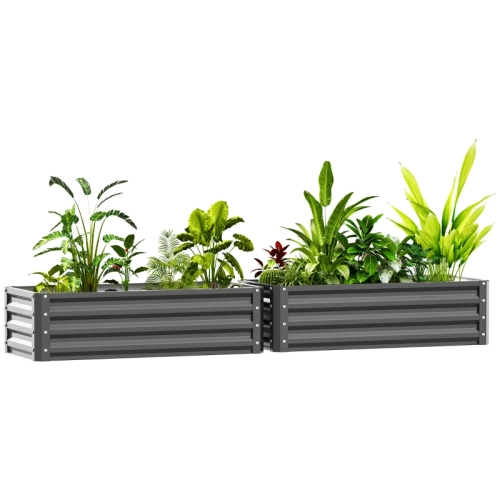
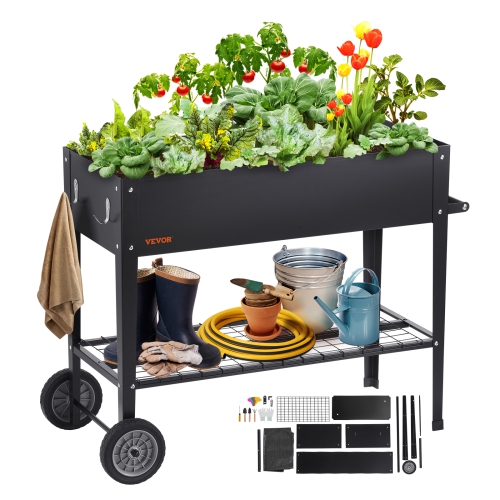
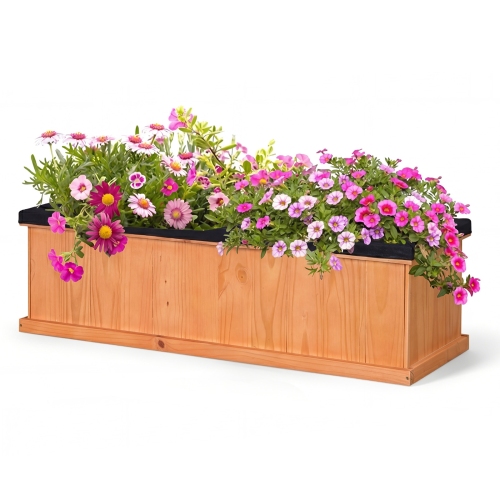
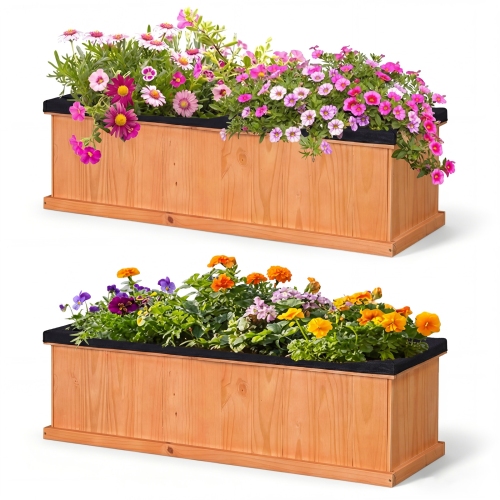
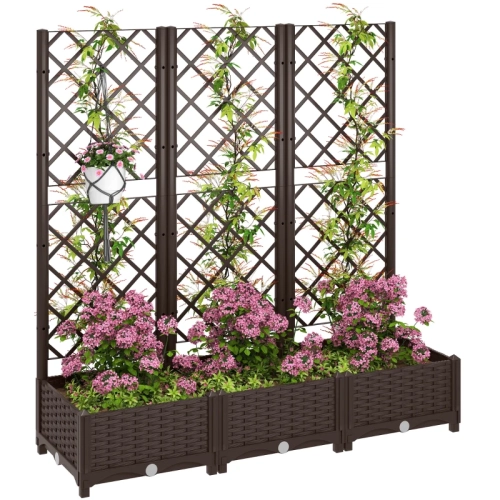
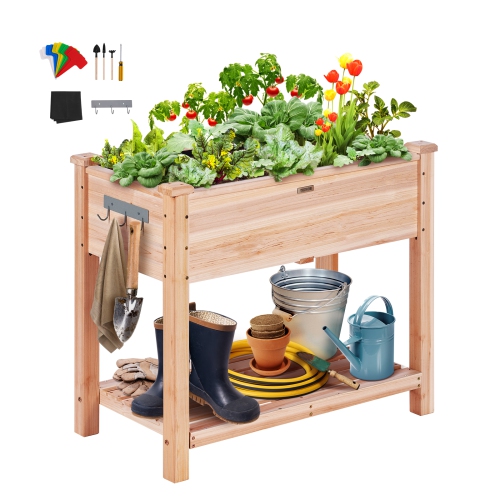
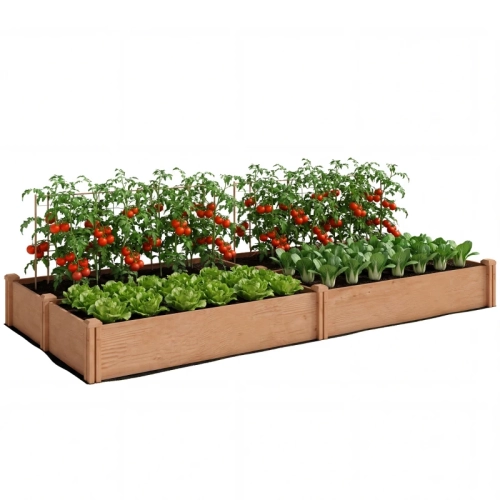
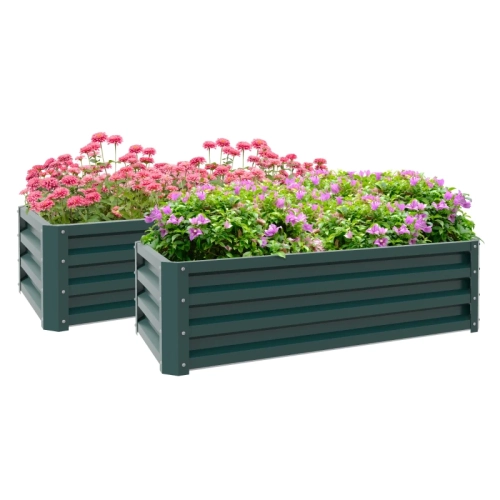
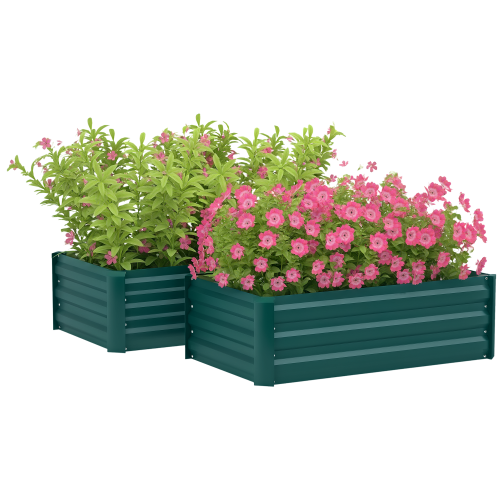
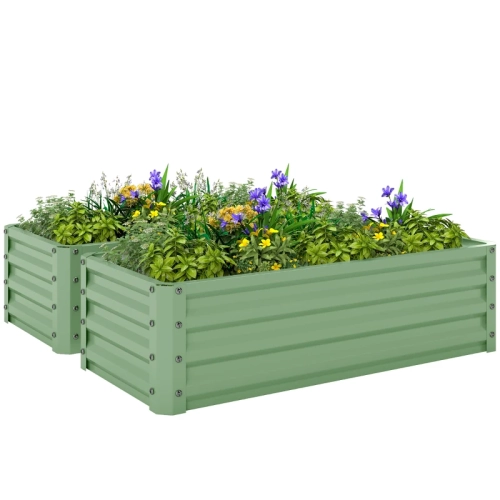
Colourful flower displays without digging a permanent bed
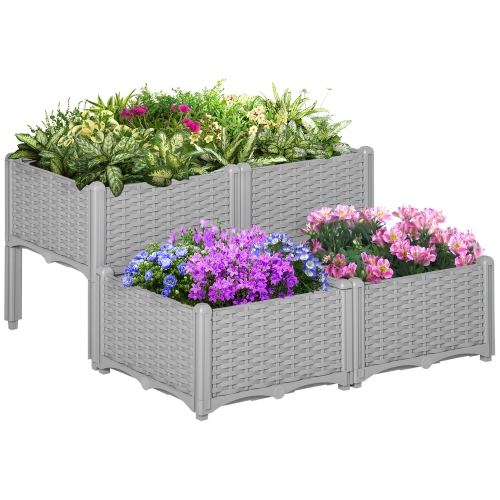
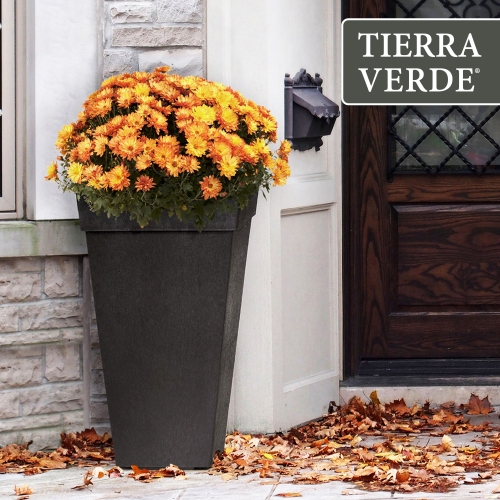
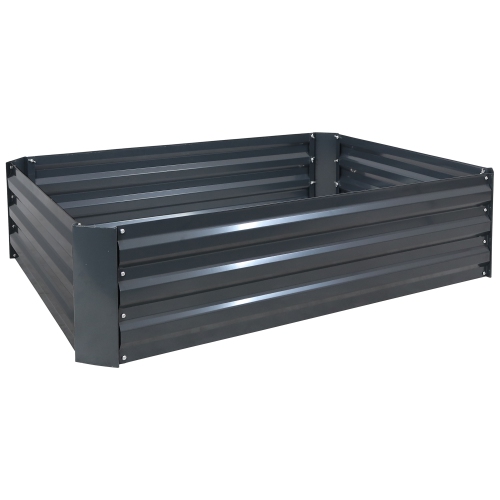
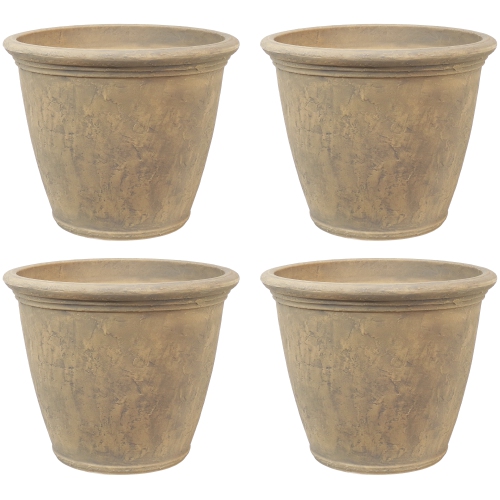
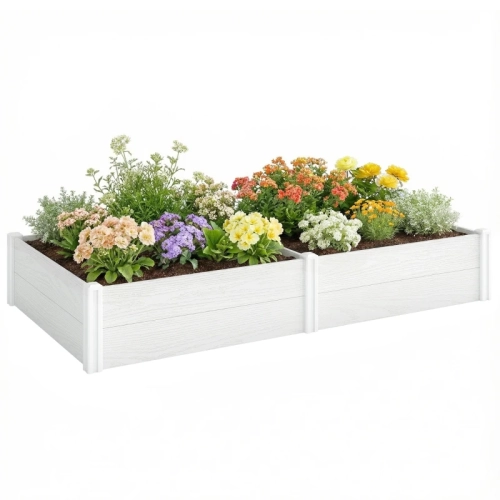
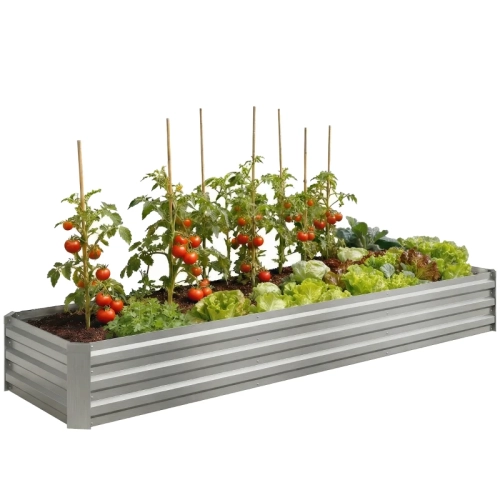
Flower garden boxes are planting containers or framed beds that hold flowers in a defined space, making it easier to create a colourful display on a patio, deck, balcony, or beside a walkway. The category includes narrow window boxes, freestanding planters, raised beds that sit directly on the ground, and elevated boxes supported by legs. Each format serves a slightly different purpose: a window box adds flowers beneath a sill, a ground-level bed creates a clear planting area, and an elevated planter brings the soil surface closer to a comfortable working height. Within the broader category of Garden Boxes, flower-focused designs can suit anything from a compact grouping of blooms to a layered arrangement with upright plants at the centre and trailing stems along the edges. The best fit depends on the space as much as the appearance. A long, shallow box can define the edge of a seating area without taking over the floor, while a deeper rectangular planter offers more root space for larger flowering plants. On a small balcony, measuring the footprint with doors open and chairs pulled out gives a more realistic sense of how much room remains for movement. Overall dimensions matter, but so do the internal planting dimensions, since thick walls, tapered sides, and built-in compartments can reduce usable space. For railing-mounted or wall-mounted boxes, the mounting method needs to match the support structure and the combined weight of the container, moist growing mix, and plants. A full planter is much heavier than an empty one, so balcony load limits and building rules deserve attention before placement. Colour and shape also influence the finished look: a simple rectangular box can provide a clean backdrop for mixed flowers, while a pair of matching planters can frame an entrance without requiring a large planting area. For renters and anyone working with limited ground space, contained planting offers a distinct flower display without digging a permanent bed.
Materials affect a flower garden box’s appearance, weight, upkeep, and useful life. Wood offers a textured finish that works naturally alongside decking, fences, and outdoor furniture. Cedar is a familiar choice for its resistance to decay, although no wood planter is entirely maintenance-free. Smooth edges, sturdy joints, and well-supported bases are worth looking for, especially on longer boxes where the weight of the growing mix can put pressure on the walls. Wood may change colour over time, and any coating used on it should be appropriate for planters and applied according to its directions. Metal boxes create a crisp outline and can provide generous planting space without thick walls. Their durability depends partly on the metal, the protective finish, and the quality of seams and fasteners; scratches or damaged coatings may need attention to help limit corrosion. Plastic and resin boxes are generally easier to move when empty and can be practical where container weight is a concern. Wall thickness, reinforcement, and the stability of legs or stands help distinguish a substantial planter from one that may flex under a heavy load. Whatever the material, drainage is essential for most flowering plants. Excess water needs a clear exit rather than collecting around the roots, and a liner should not block the intended drainage path. Solid-bottom boxes typically need drainage openings, while open-bottom raised beds rely on the surface beneath them as part of their drainage system. An open-bottom frame is intended for placement over suitable ground, not directly on a deck where loose growing mix and water can escape underneath. For containers near furniture or finished surfaces, consider where runoff will go and whether a compatible tray or protective arrangement is needed. Trays still need checking so that standing water does not remain against the planter base. Container depth should match the plants’ root requirements, rather than being chosen solely for the height of the visible flowers.
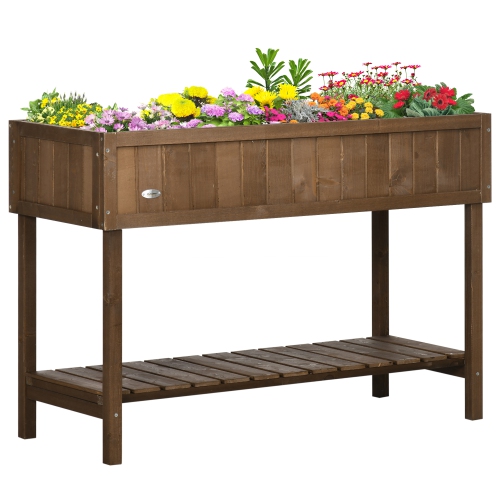
A flower garden box is most useful when its design makes everyday planting and care manageable. Elevated styles can reduce bending, but the comfortable height varies with the user and the depth of the container. Someone who prefers gardening from a chair may need open space beneath the box and a planting surface within easy reach; a raised planter with a wide shelf or cross-bracing underneath may not provide that clearance. Width matters too, since the centre of a deep box can be difficult to reach from only one side. For shared patios or family gardens, a narrower planting area lets more of the display be tended from the edges without leaning across delicate stems. When choosing flowers, grouping plants with similar light and watering needs makes the container easier to maintain. A compact upright plant, a few lower-growing flowers, and a trailing variety can create fullness without crowding every part of the box at planting time. Leaving enough room for mature growth helps preserve airflow and keeps vigorous plants from overwhelming smaller neighbours. Growing mix should suit both the plants and the type of box: containers with a base generally need a mix formulated for container planting, while ground-connected raised beds may call for a different blend. Dense garden soil alone can compact in a container and make water movement less predictable. Routine care includes checking moisture below the surface, clearing blocked drainage openings, removing spent flowers where appropriate, and inspecting supports and fasteners. Boxes with water reservoirs can help manage watering, but they still require monitoring and should be used according to their design. A flower planter can also make a thoughtful gift for someone setting up a first patio, personalizing an entrance, or enjoying a manageable gardening project. Matching the box to the recipient’s available space, preferred planting style, and ability to lift or reach it makes the gift more useful than choosing by appearance alone. With suitable proportions and straightforward care, flower garden boxes give blooms a defined place while keeping the surrounding living space organized.
Top selling and popular products
-
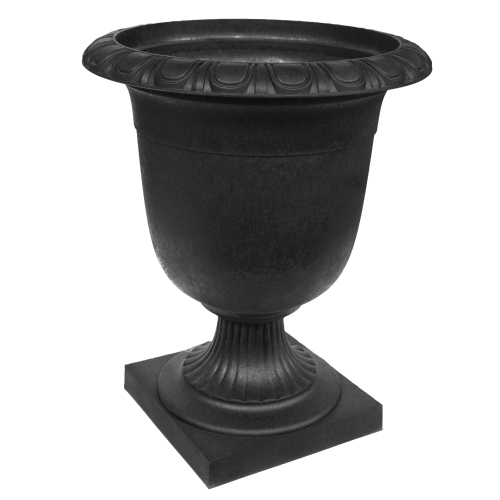 Your price for this item is $204.99
-
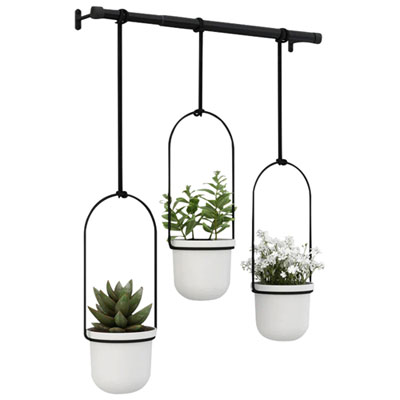 Your price for this item is $65.98
-
 Your price for this item is $94.99
-
 Your price for this item is $187.99
-
 Your price for this item is $117.75
-
 Your price for this item is $117.75
-
 Your price for this item is $415.35
-
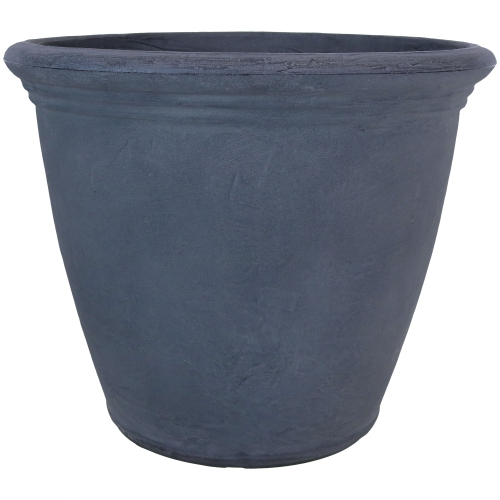 Your price for this item is $134.25
Discover more categories related to Flower Garden Boxes
Top Collections:
Best Black Friday Deals This Year, Best Black Friday Deals On Electronics, Kindle Devices, Pokemon Centers, Best Black Friday Deals On Apple Products, Best Cameras for Sports Photography, Dyson Airwrap, Pokémon 30th Celebration Cards, Apple iPhone 17 Pro, Canon G7X Cameras
Some products may be subject to Environmental Handling Fees
(EHF) depending on your province.
Learn more about EHFs.