Flower Garden Beds
Transform your outdoor space into a blooming oasis with our selection of flower garden beds. Whether you're a seasoned gardener or just starting out, these garden beds provide the perfect foundation for creating a vibrant and colorful garden. From raised beds to traditional planters, we offer a variety of options to suit your gardening style and space requirements. Elevate your curb appeal and bring your garden dreams to life with our range of flower garden beds.
Sort
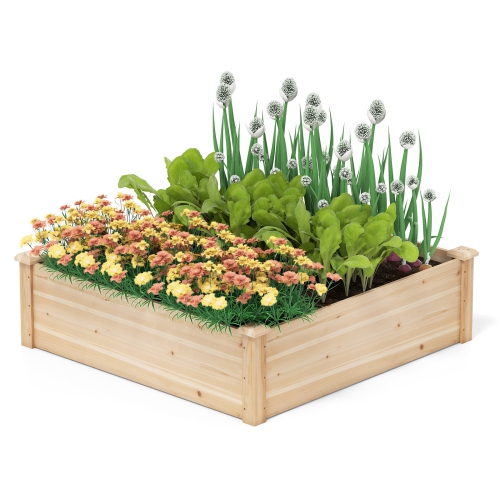

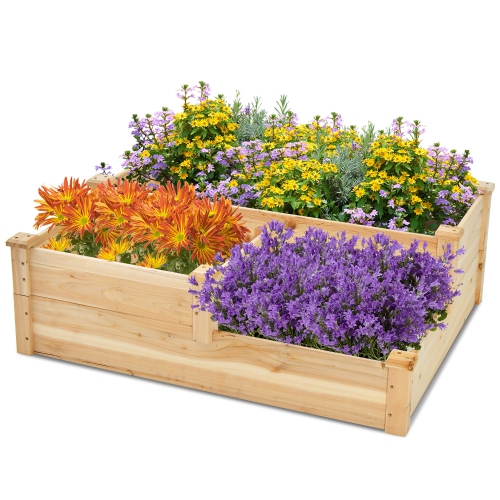
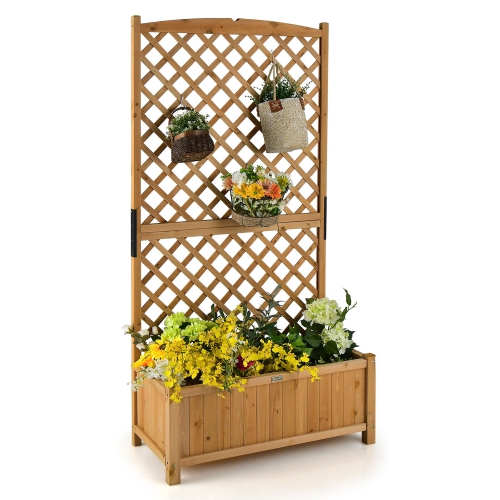
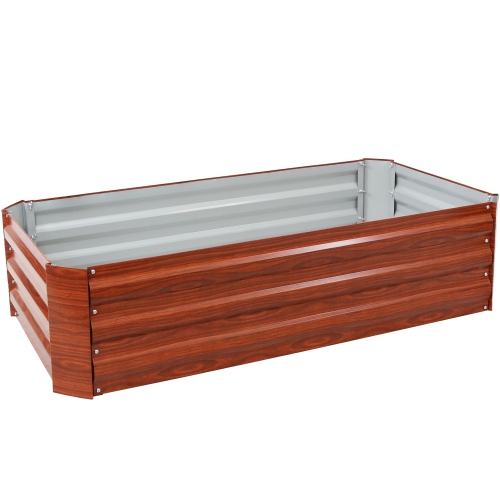
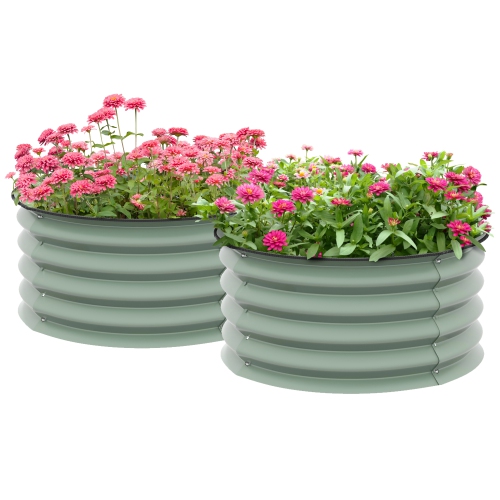
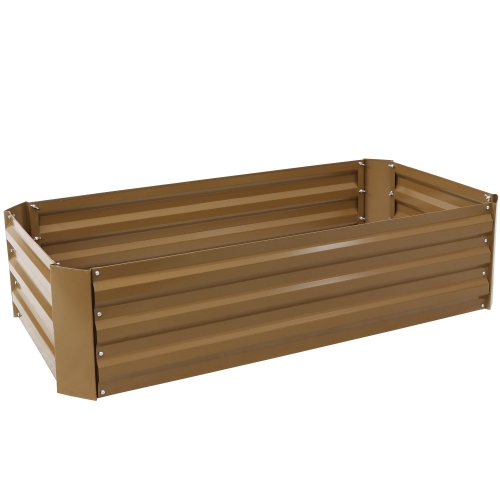
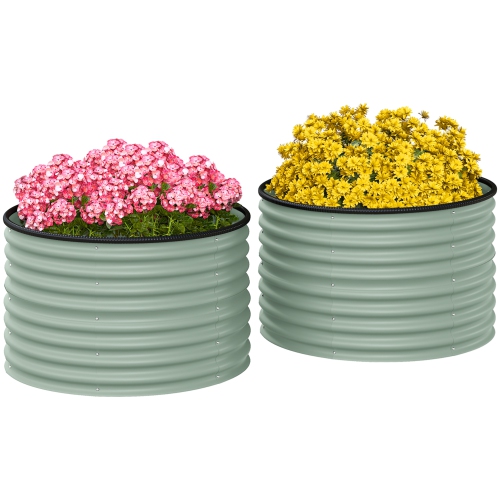
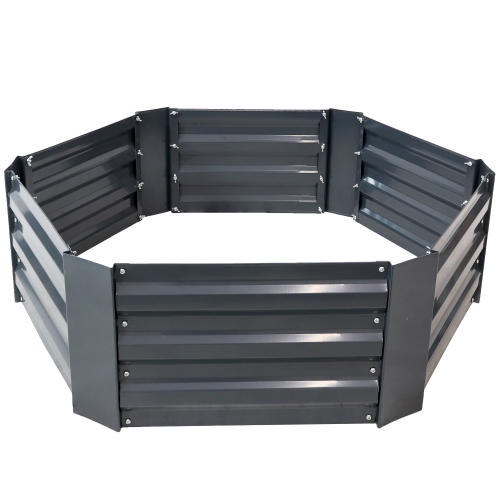
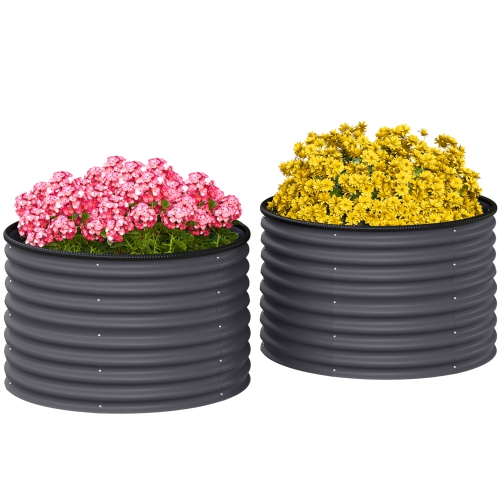
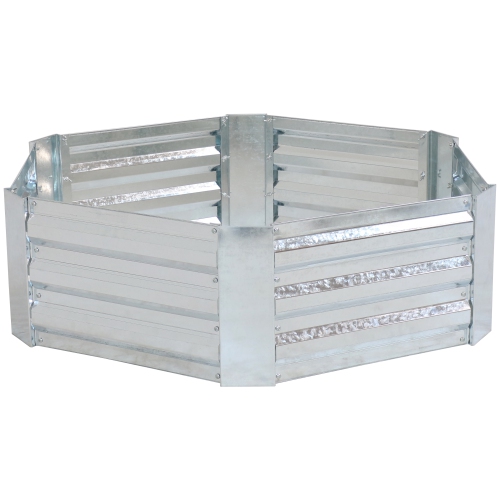

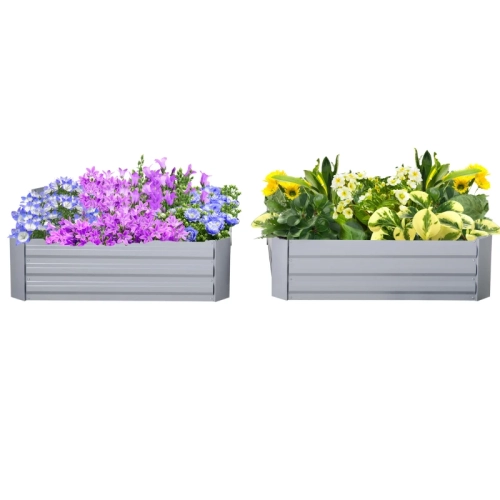
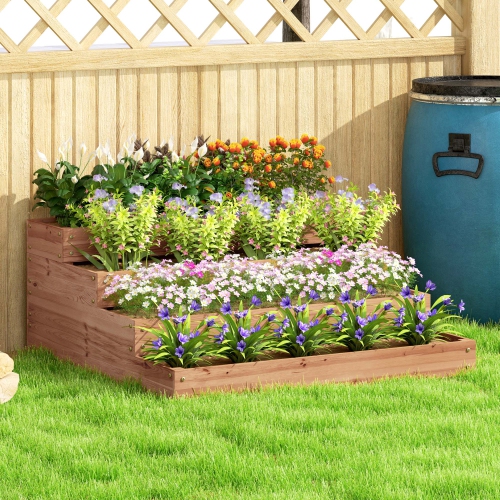
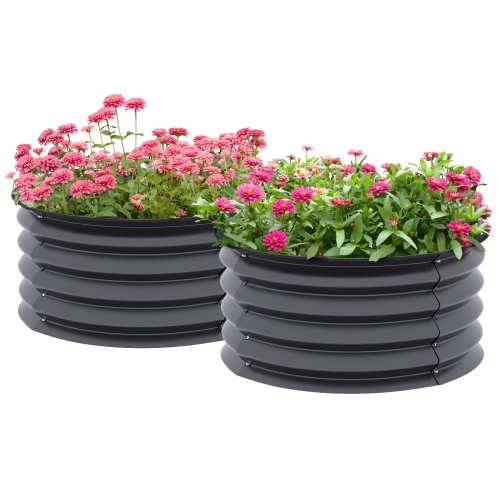
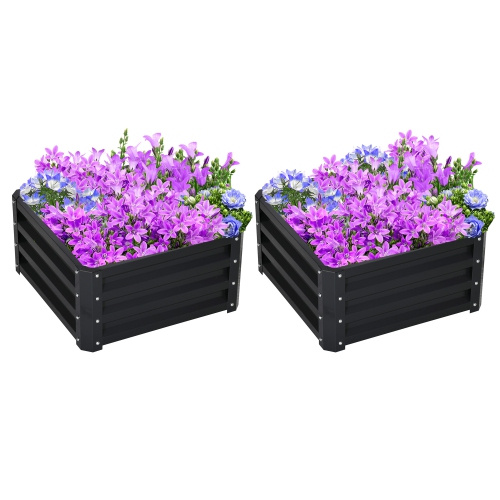
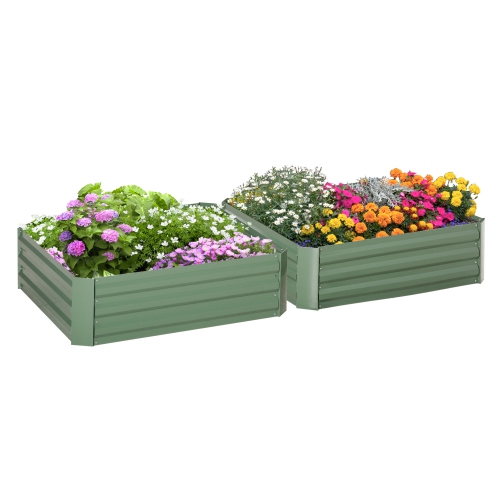
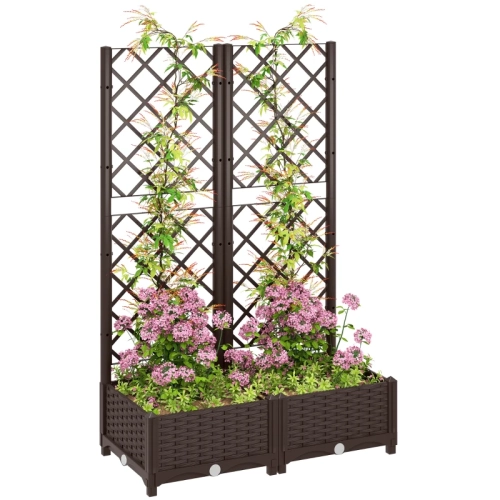
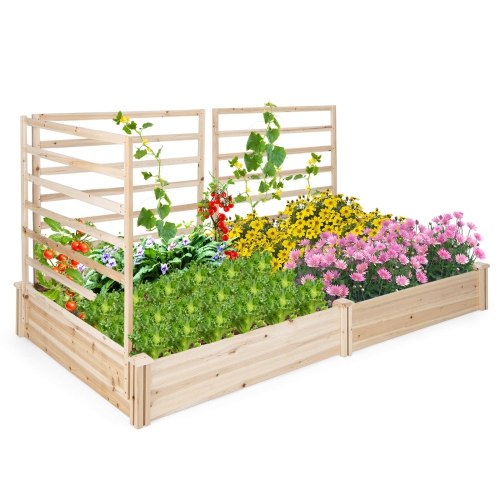
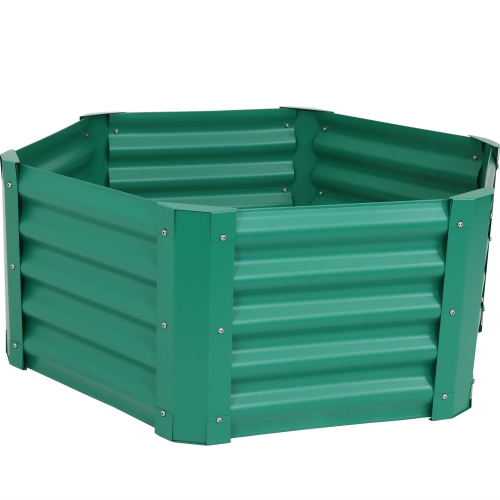
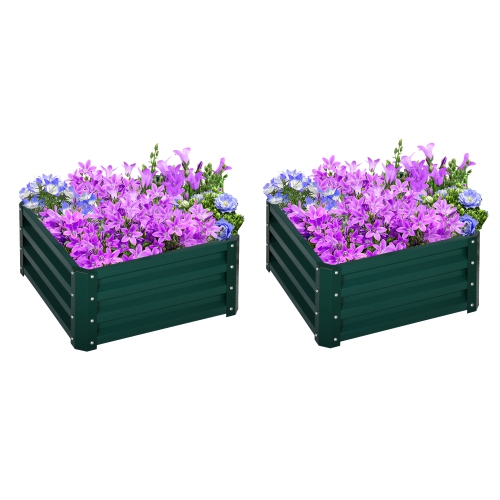
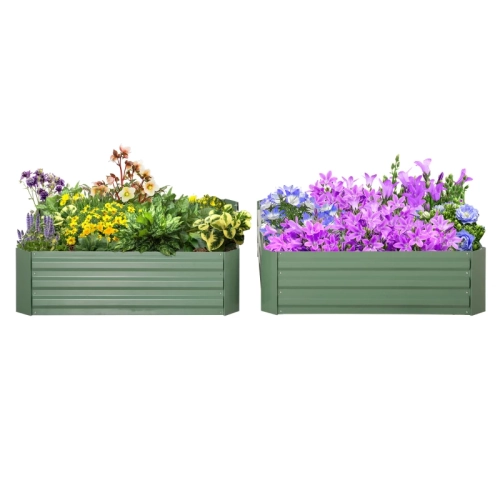
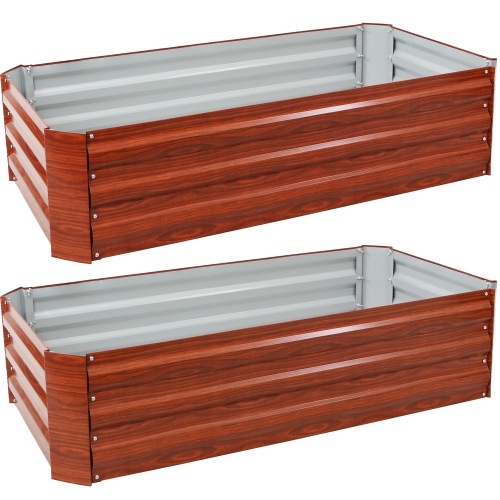
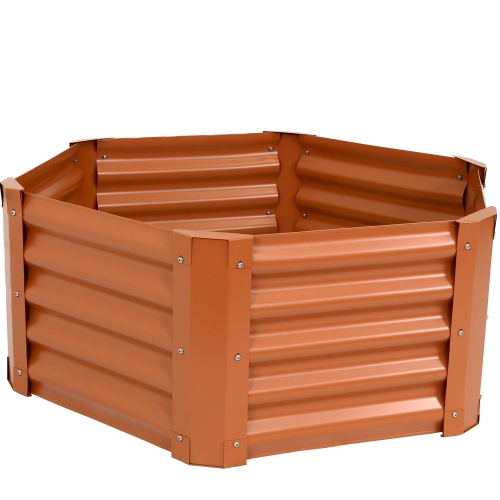
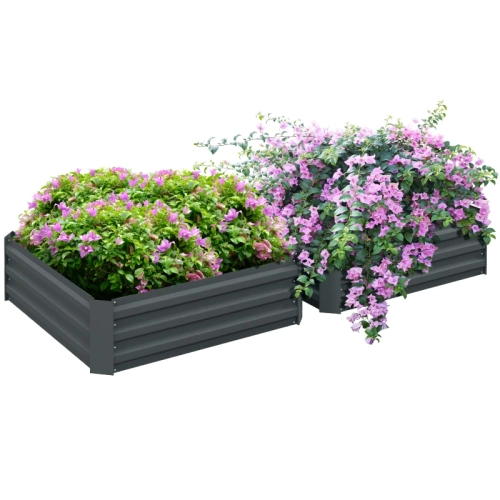
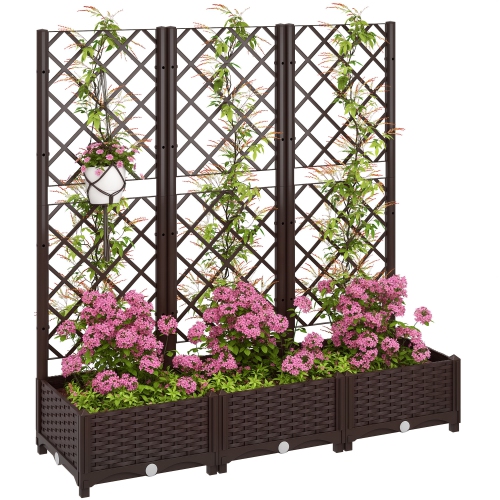
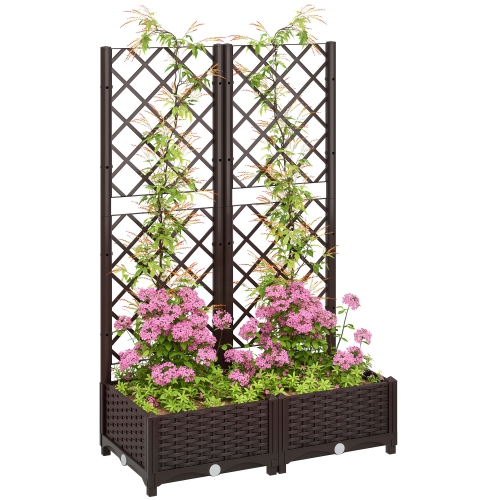
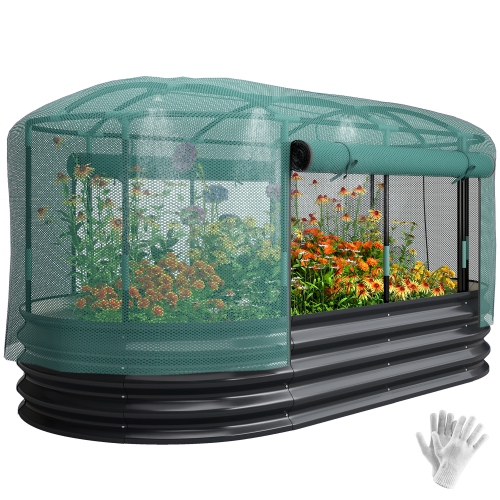
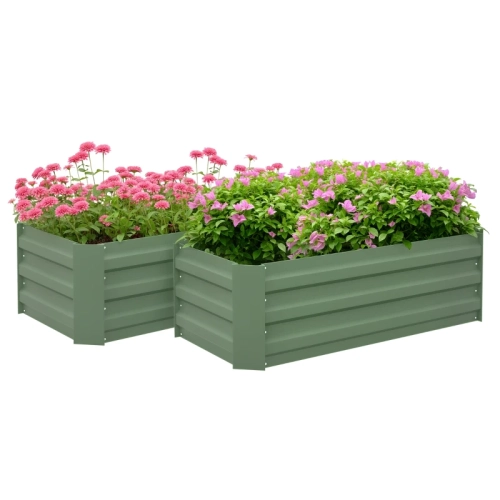
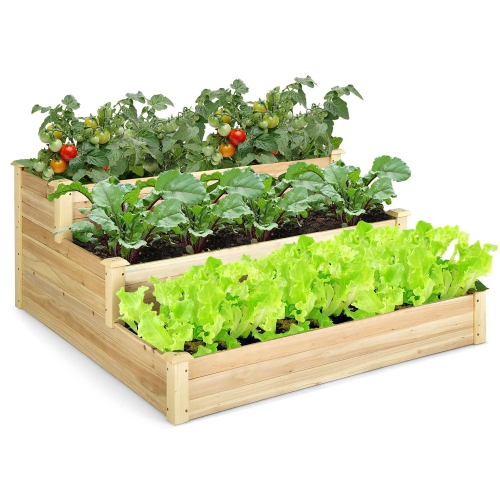
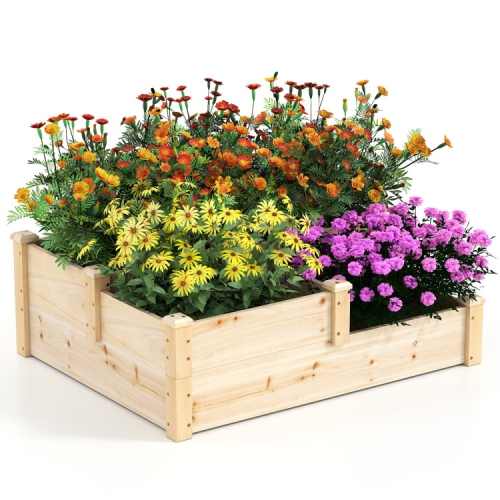
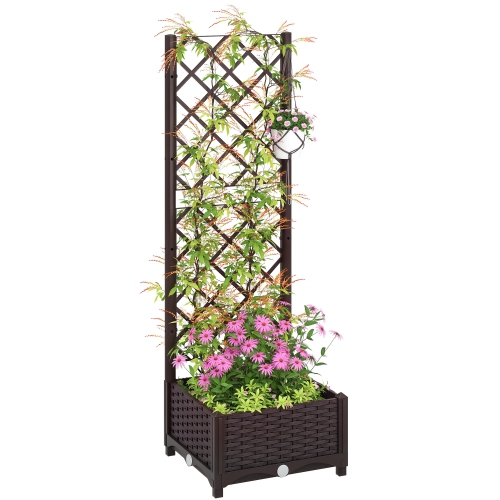
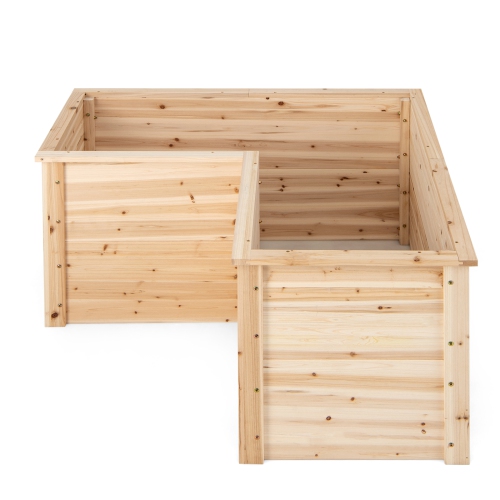
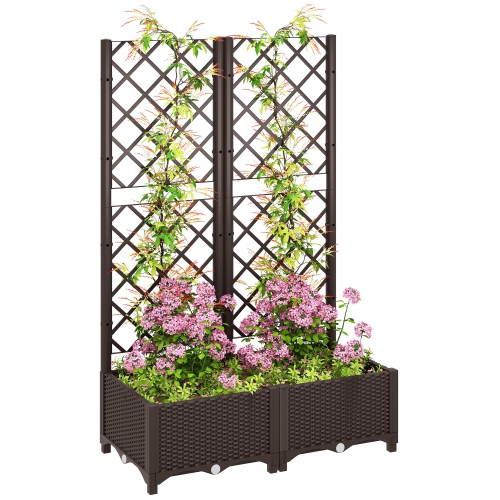
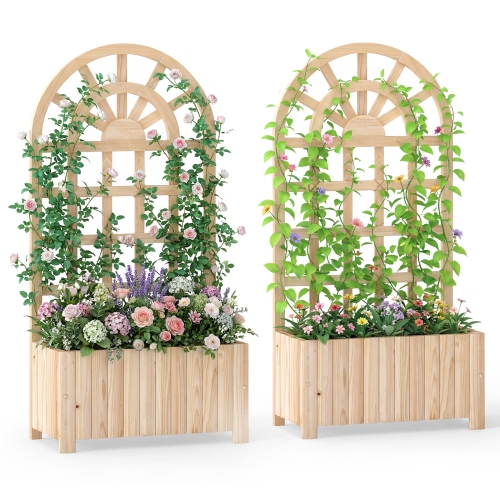
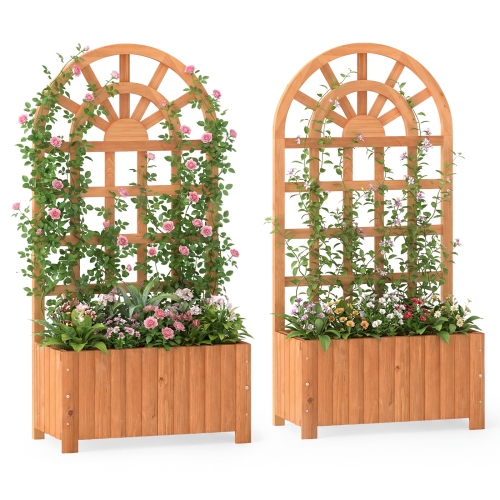
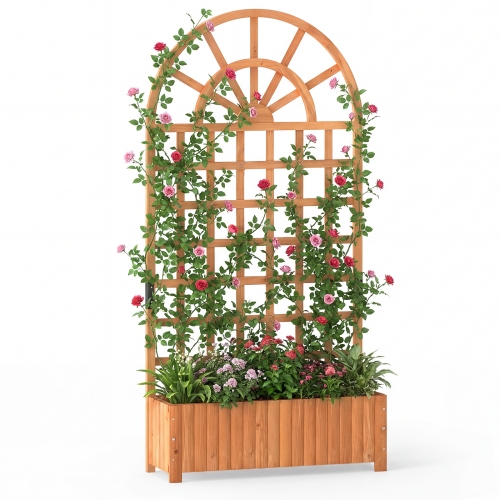
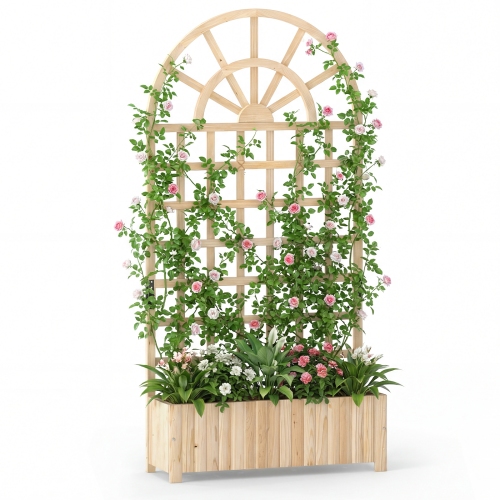
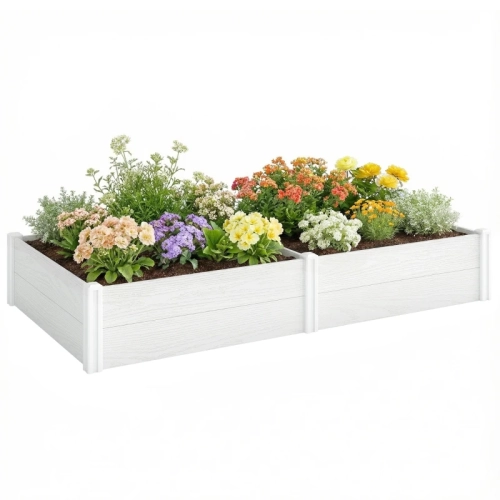
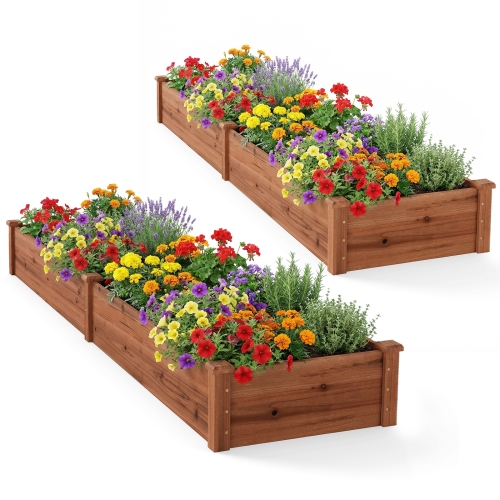
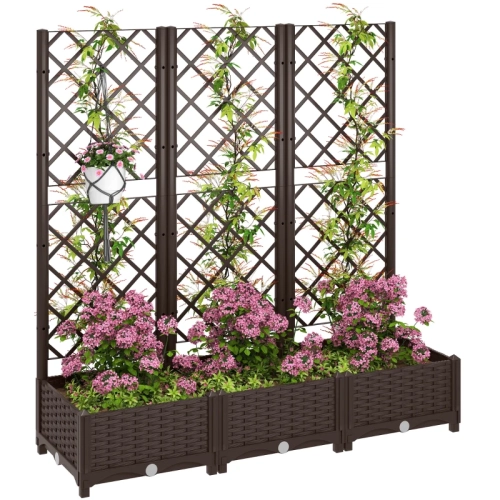
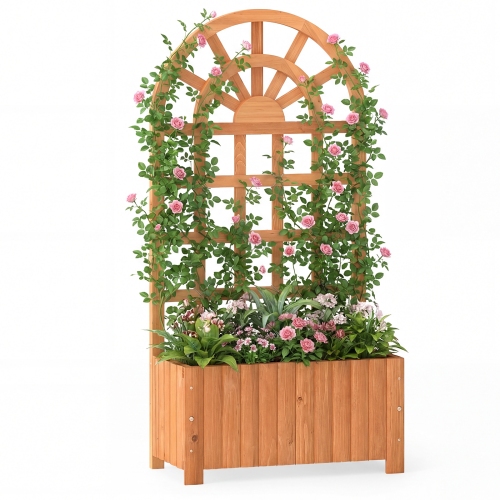
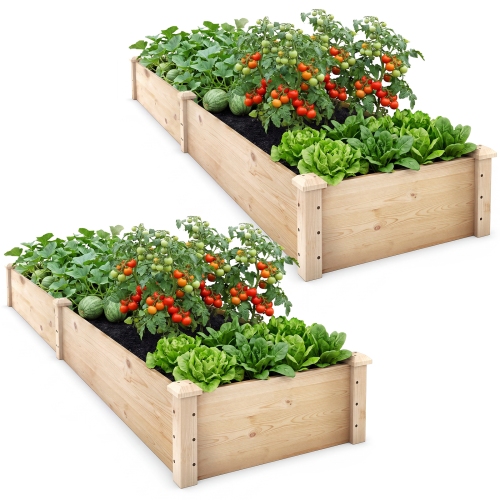


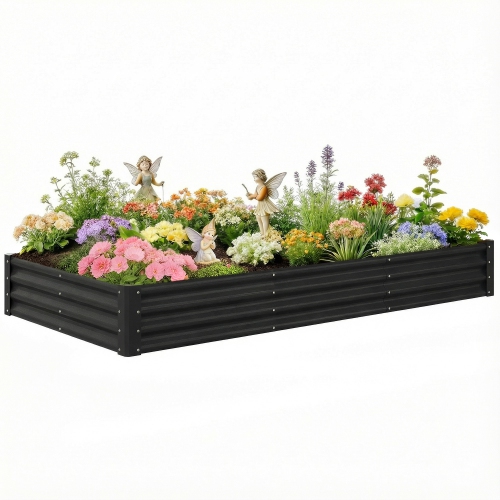
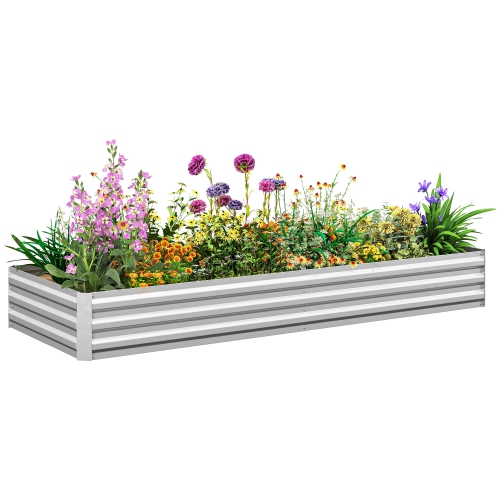
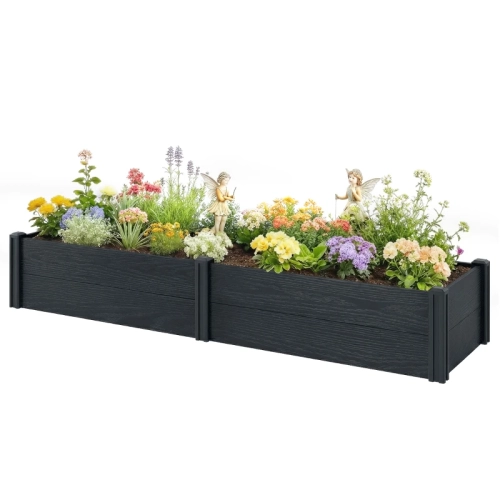
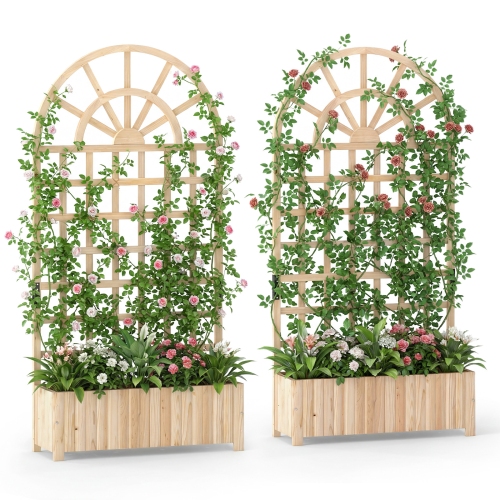
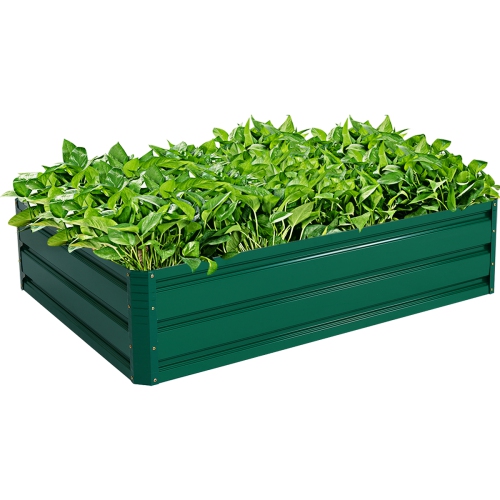
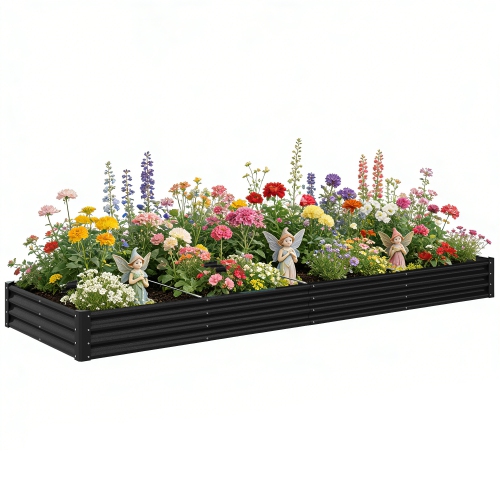
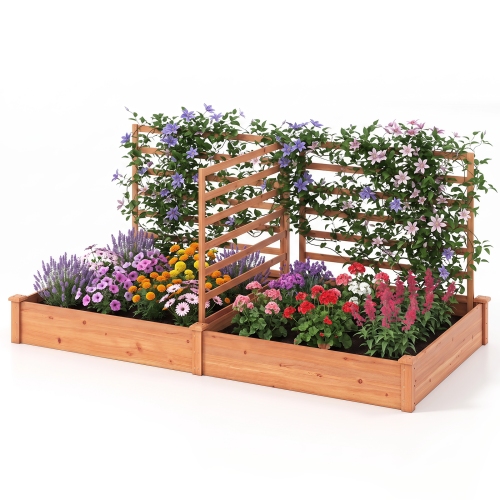
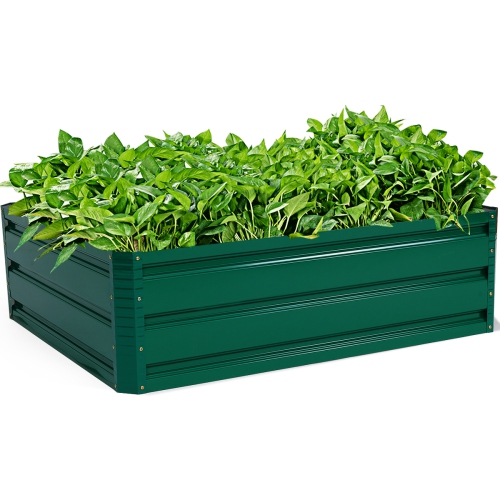
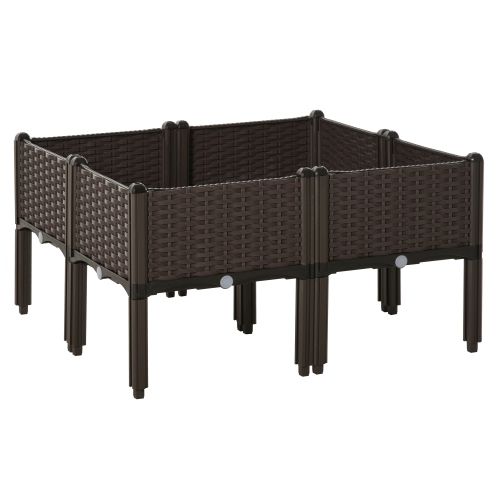
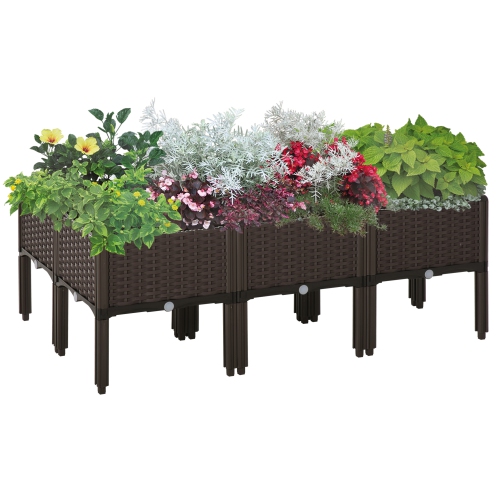
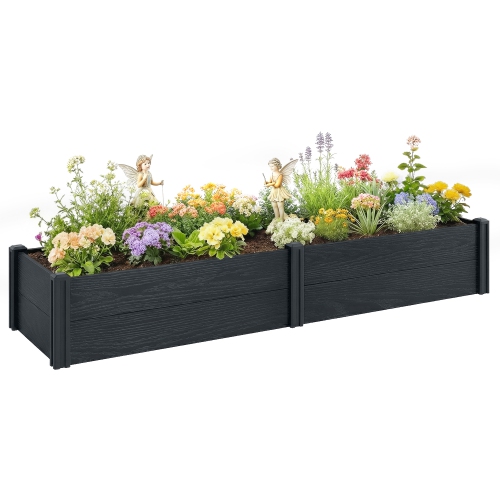
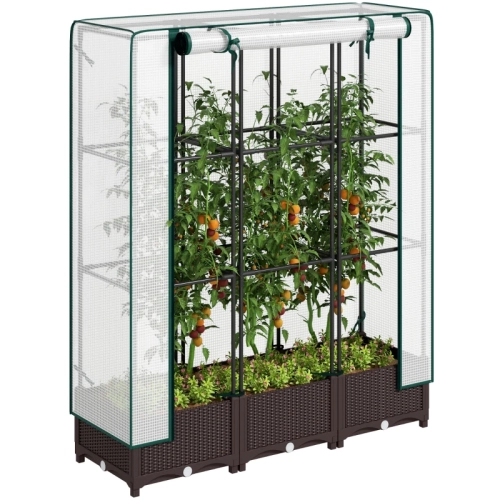
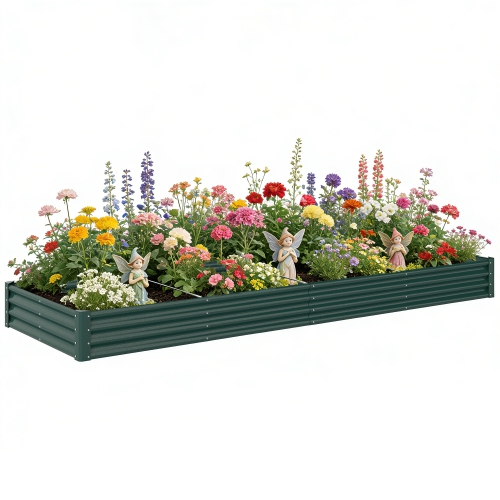
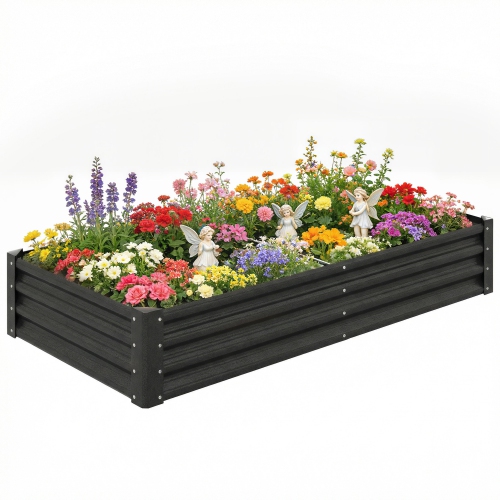
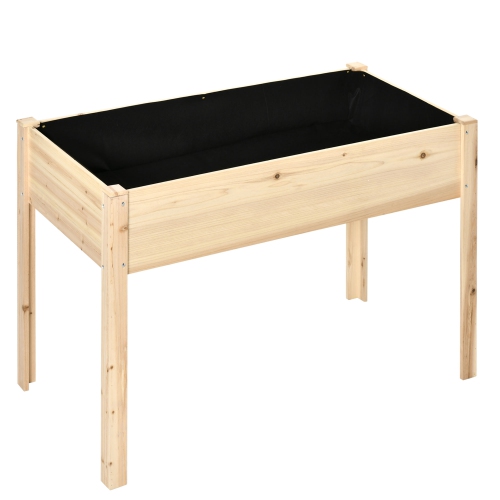
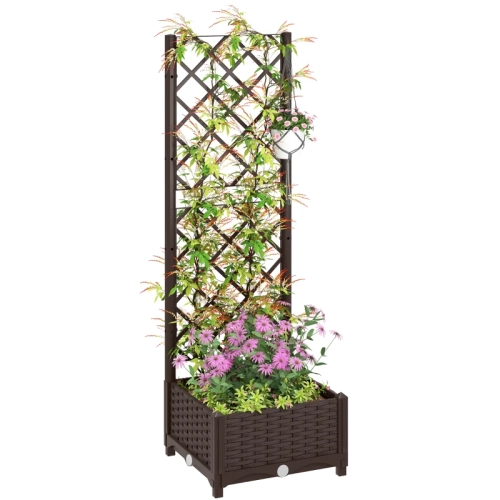
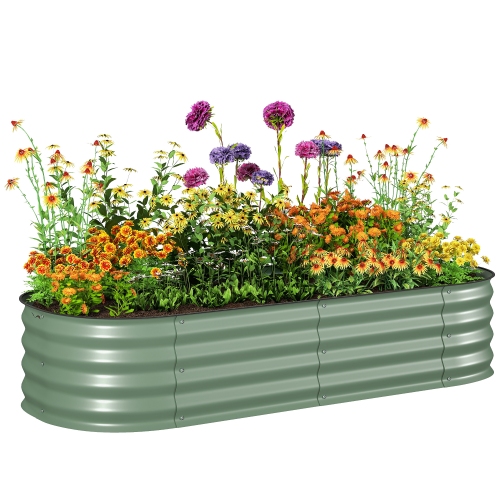
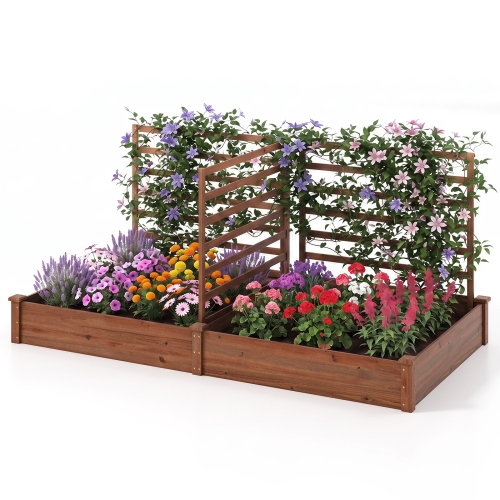
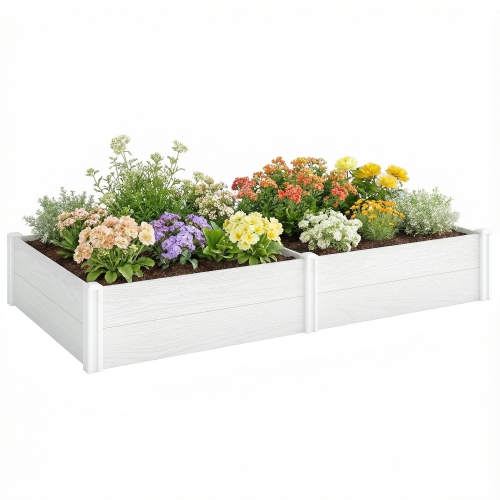
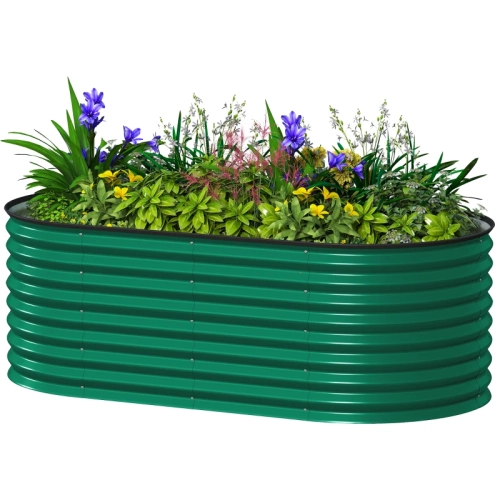
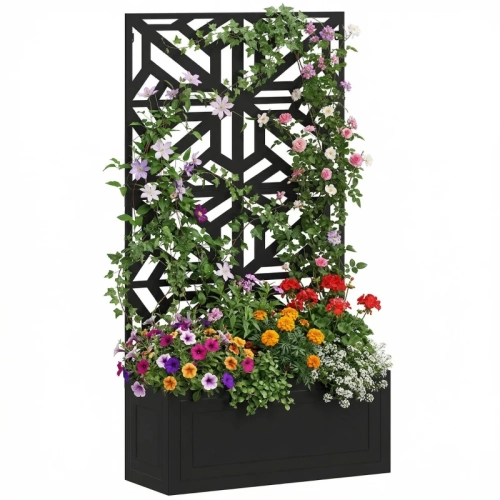
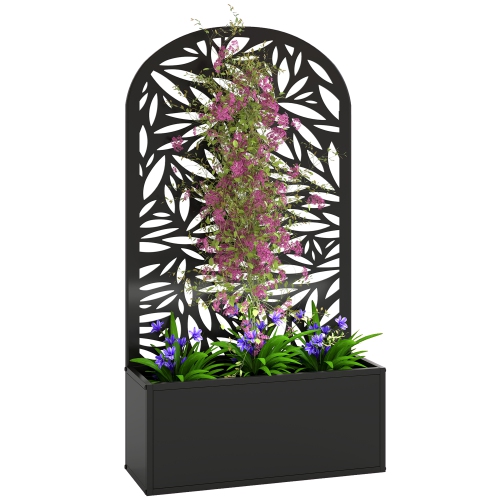
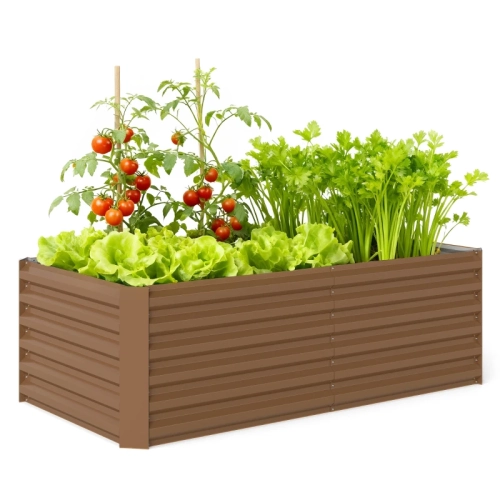
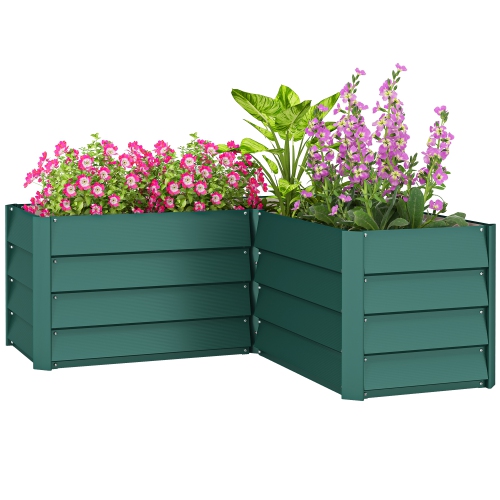
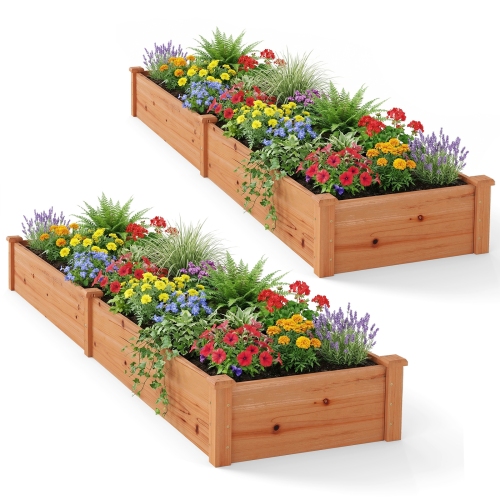

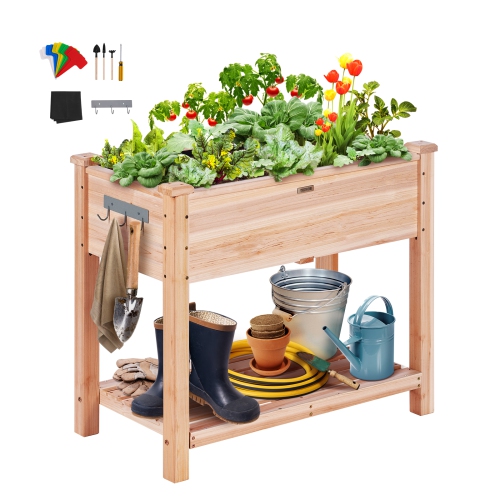
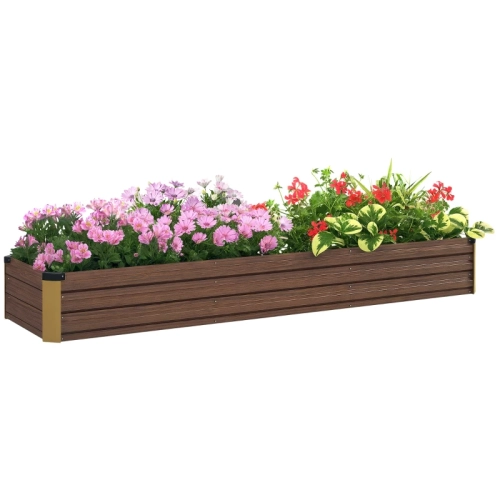
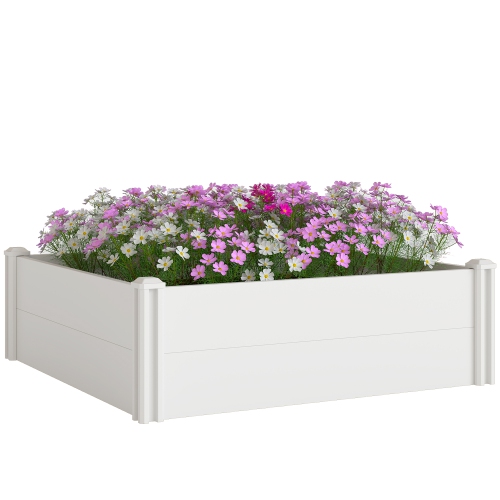
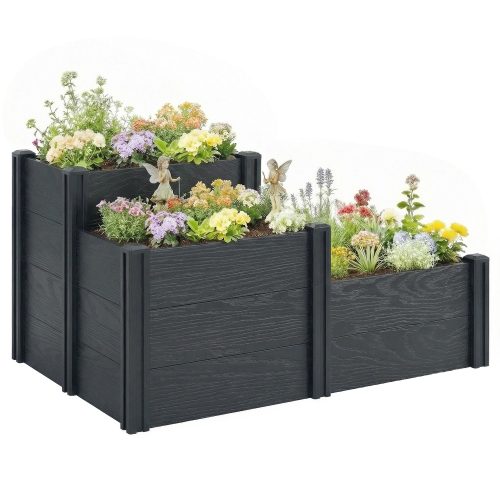
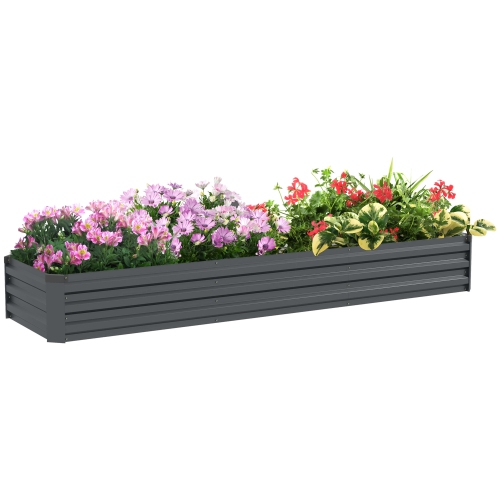
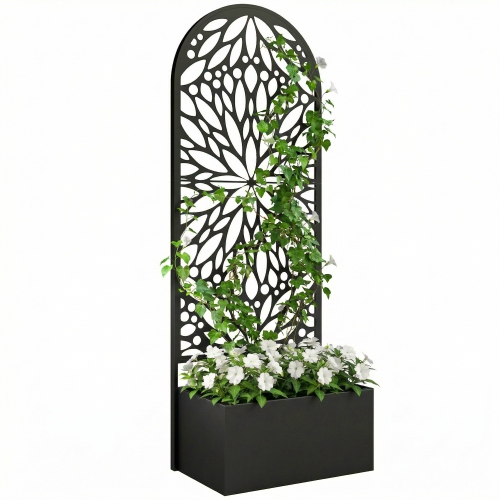

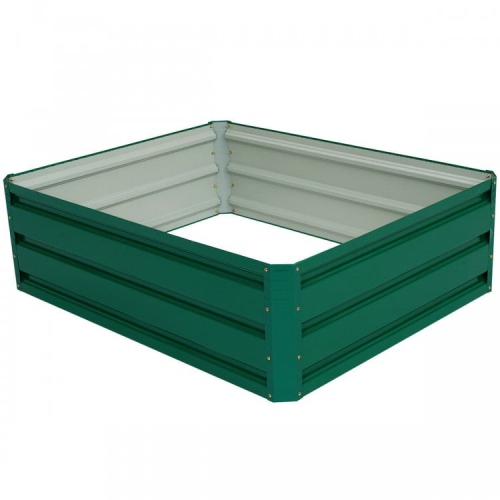
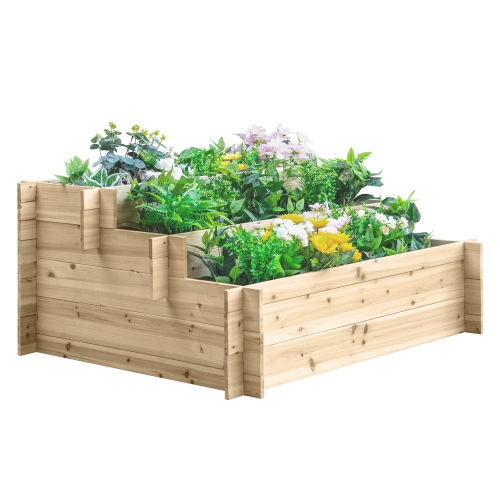
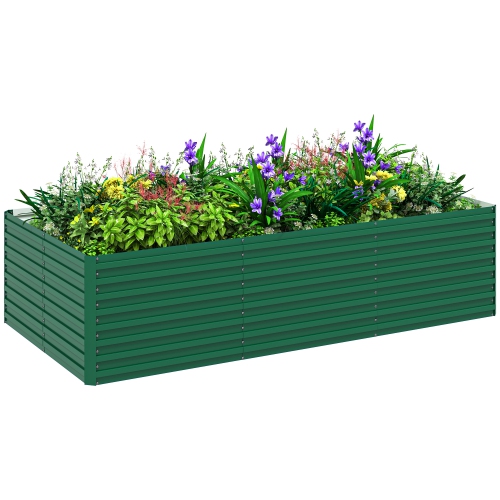
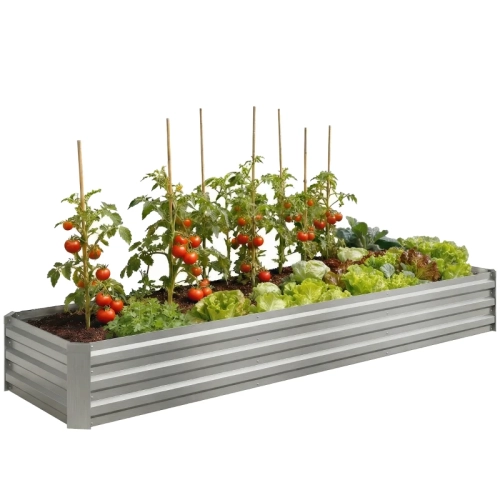
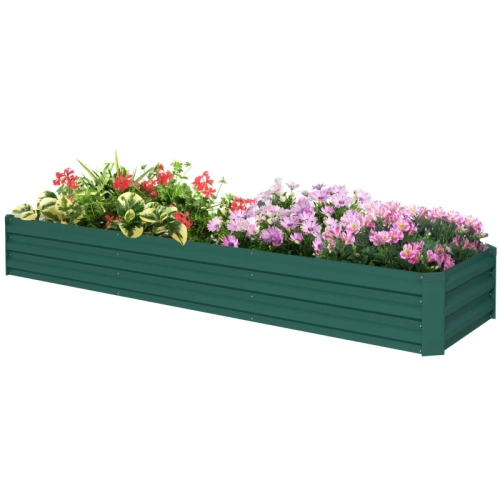

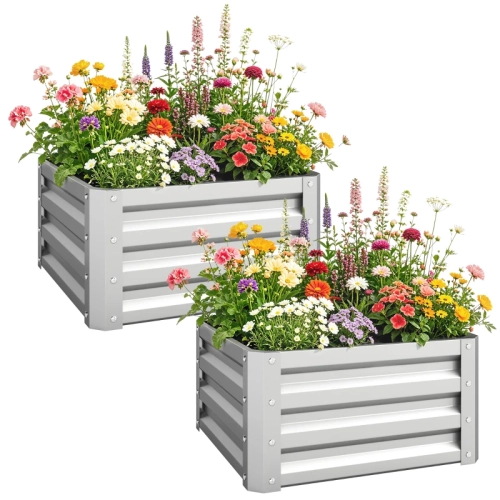
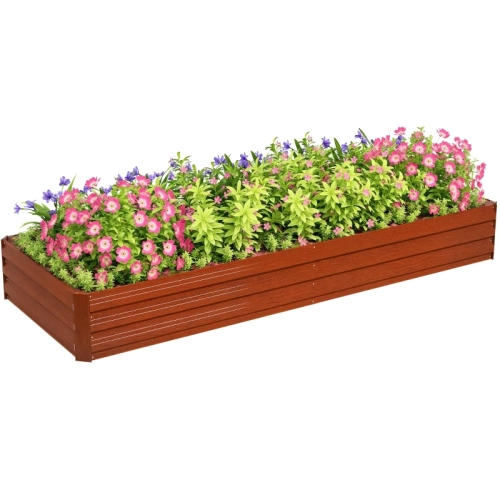
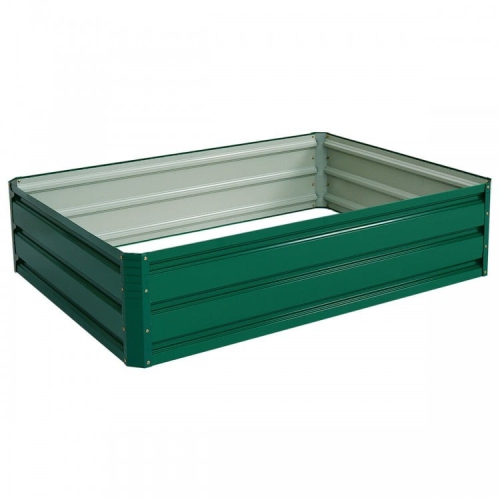
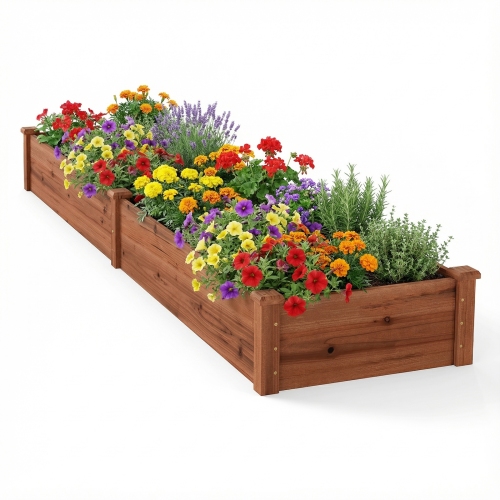
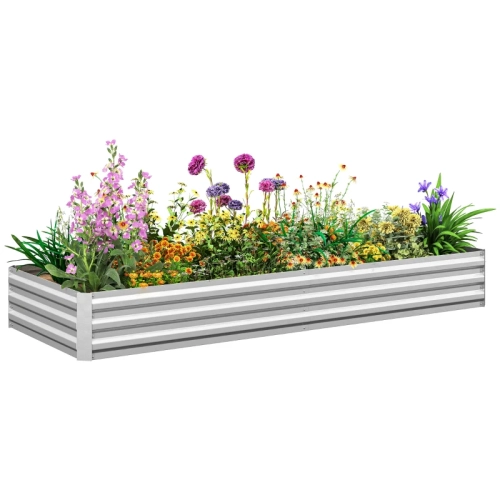
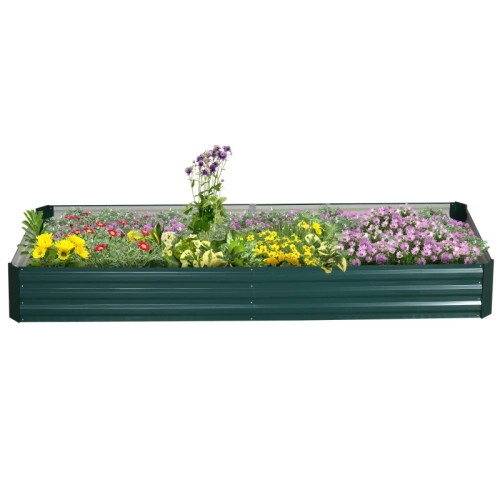
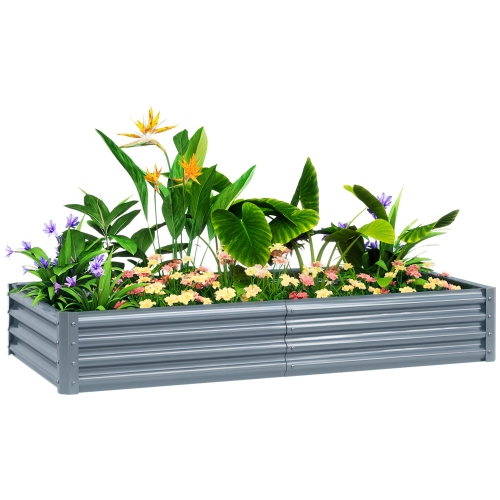
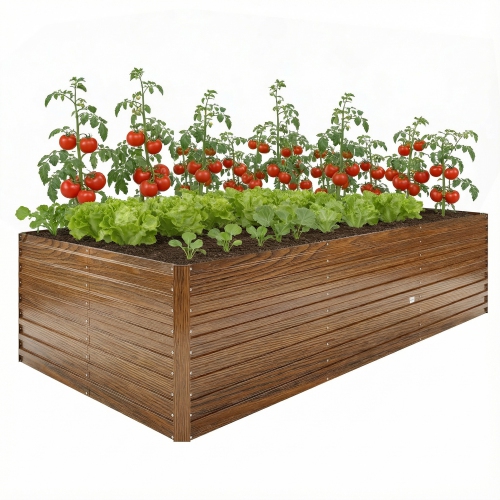
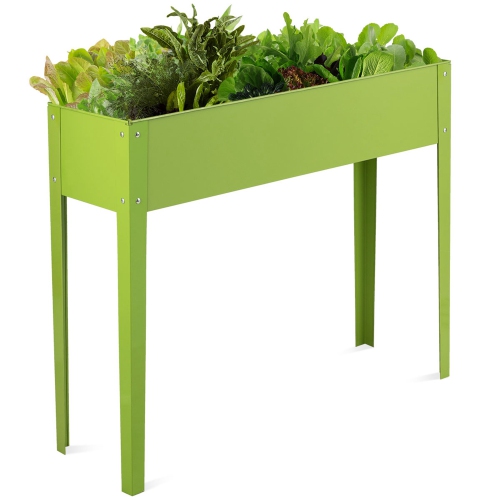
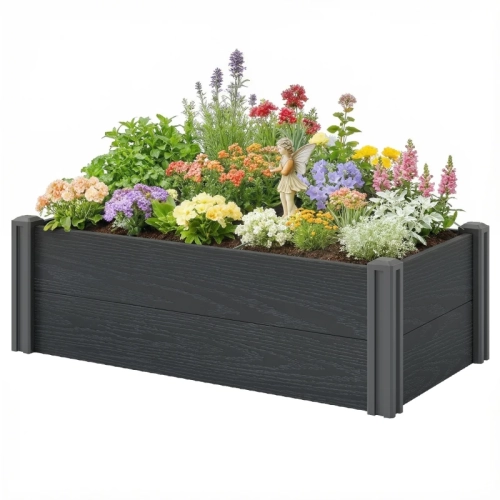
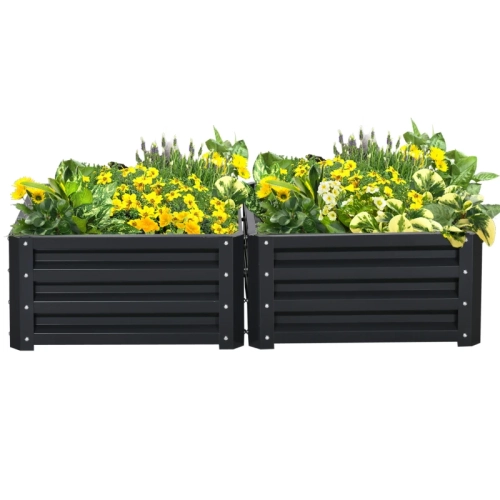
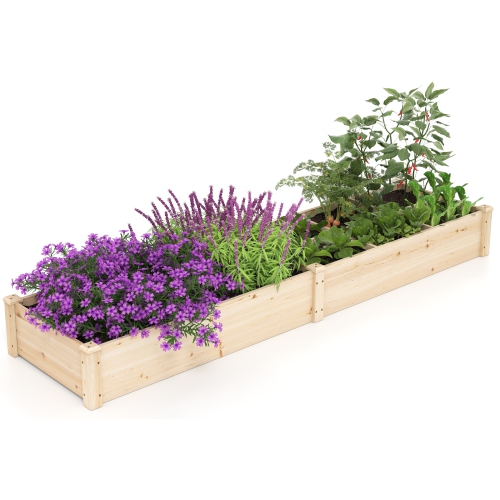
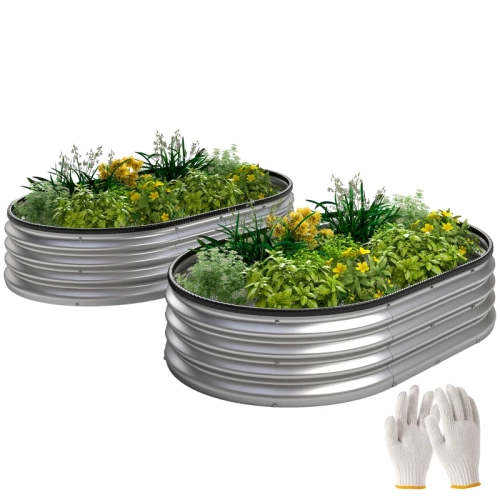
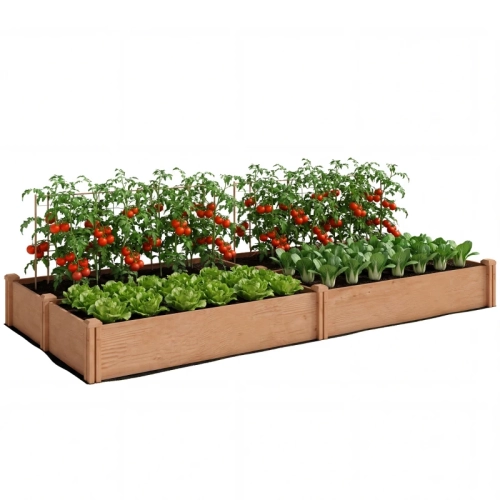
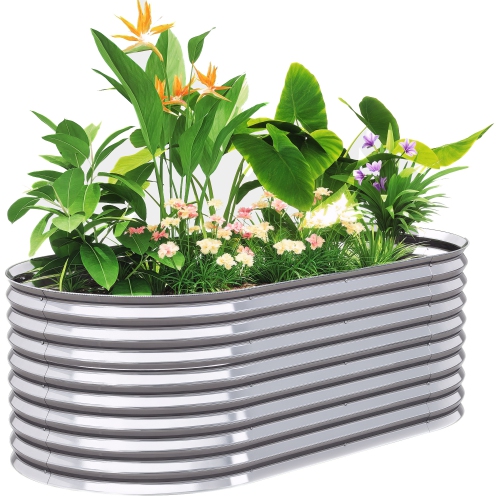
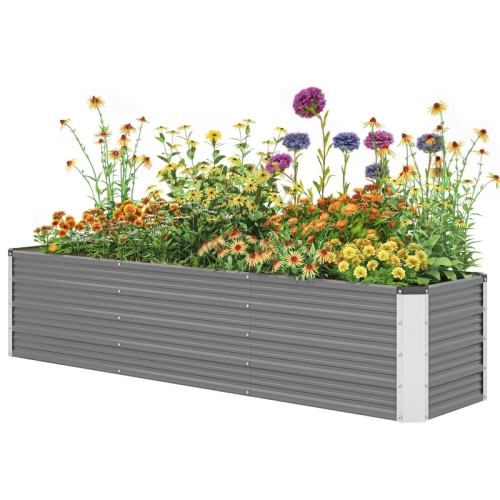

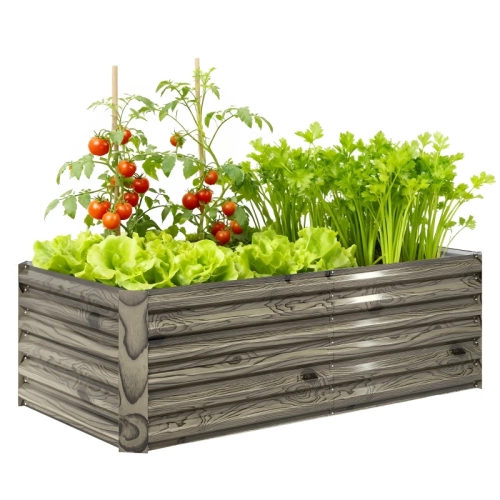
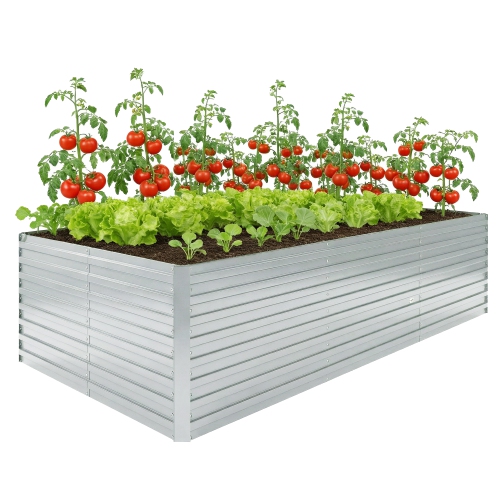
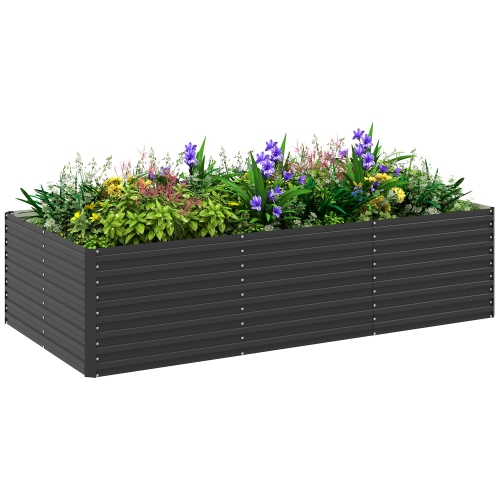
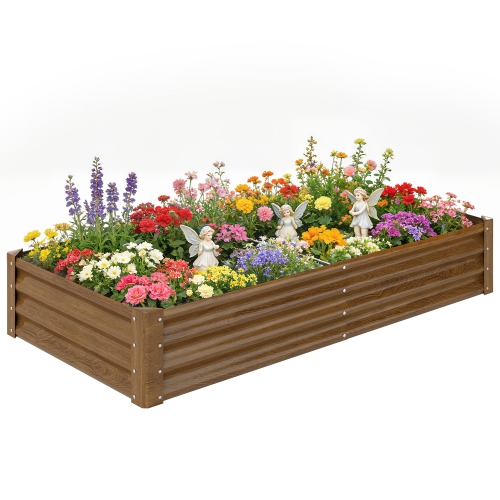
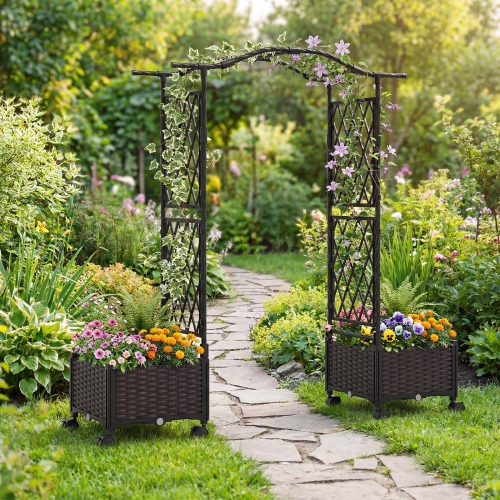
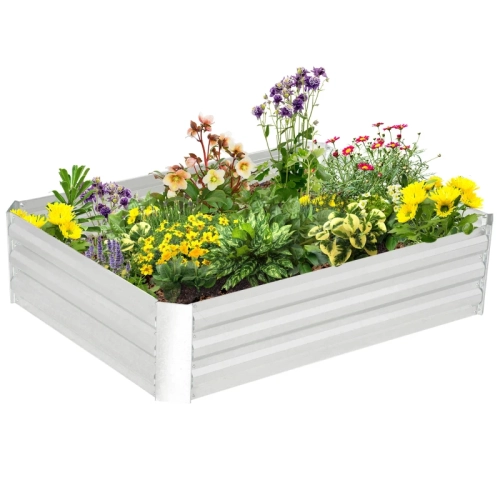
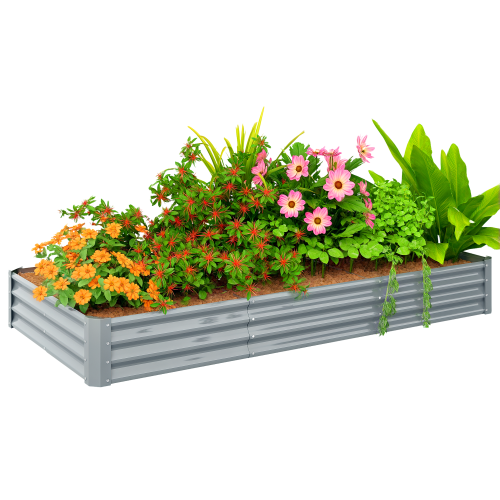
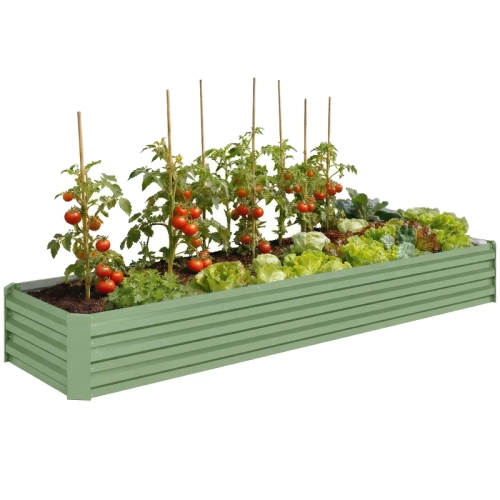
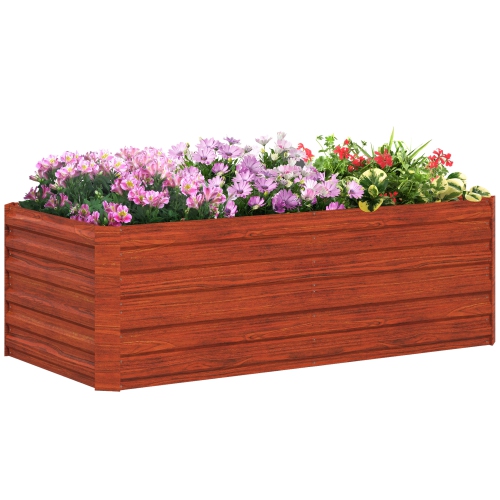
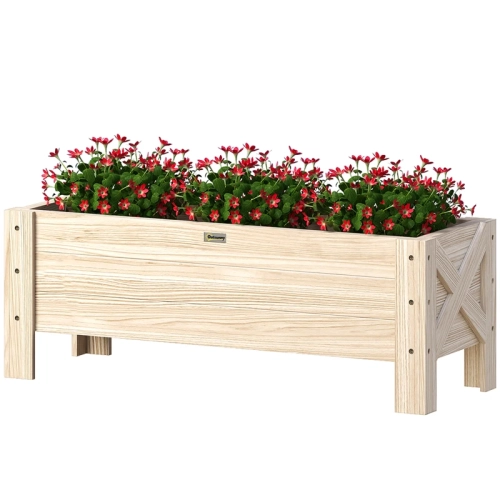
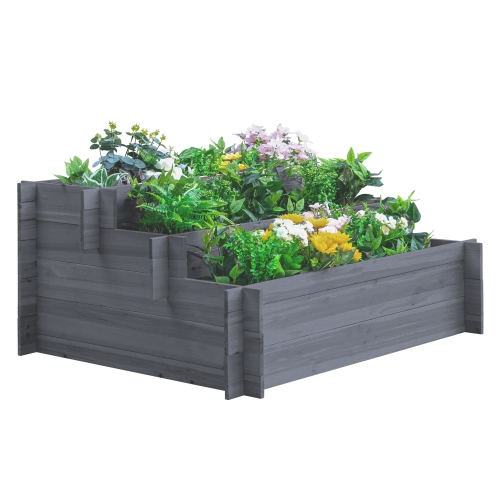
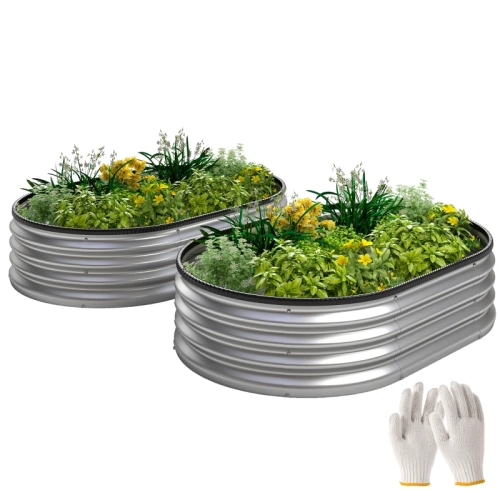
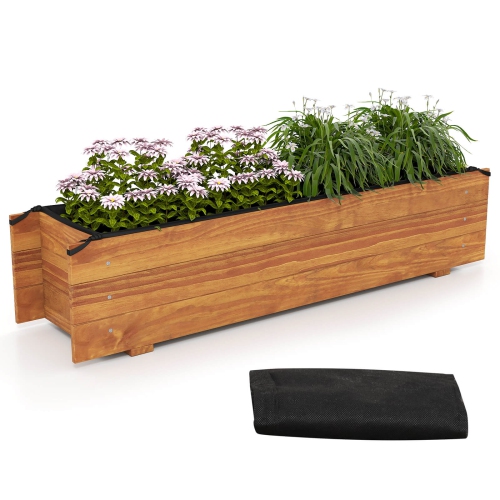
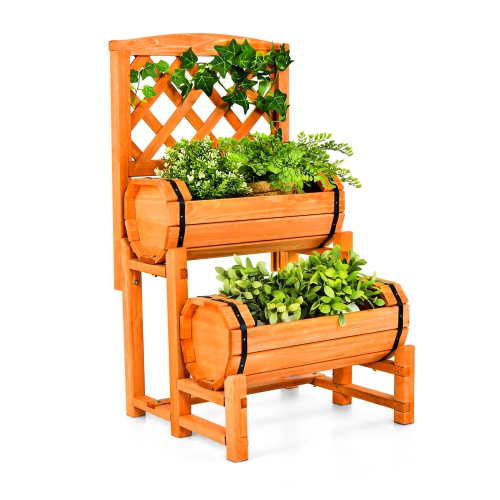

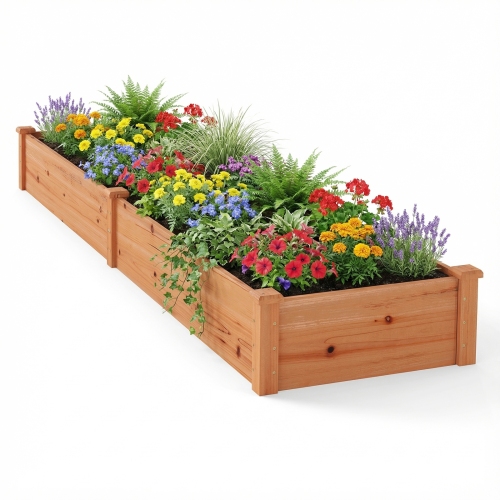
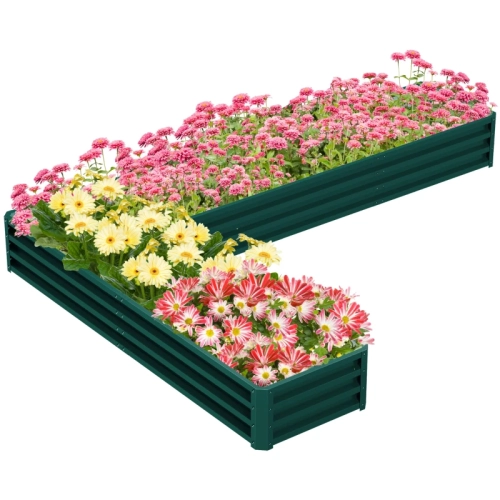
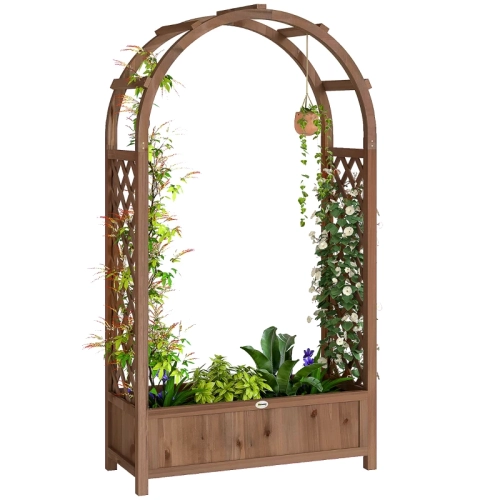
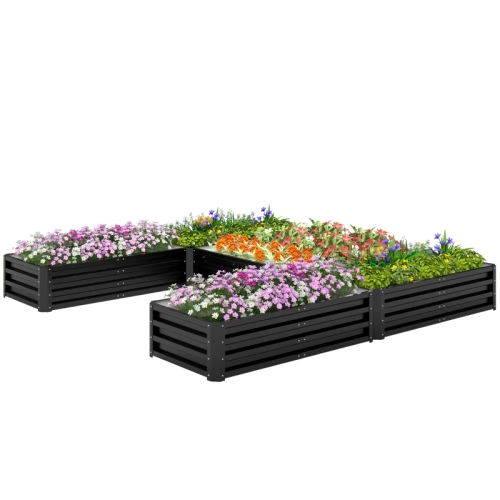
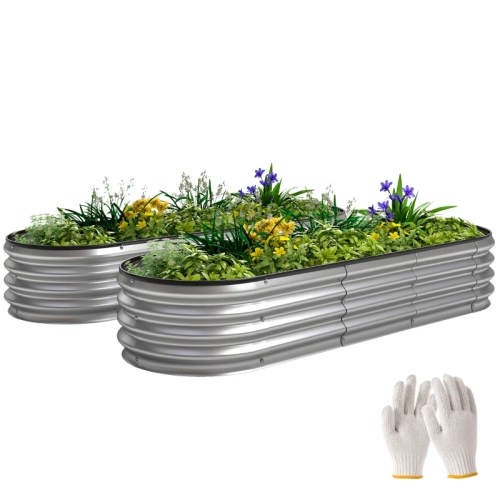
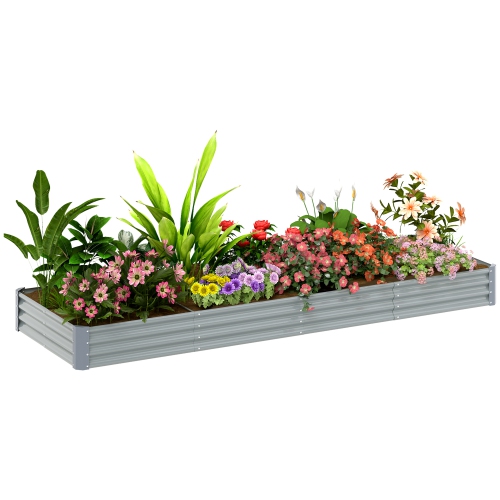
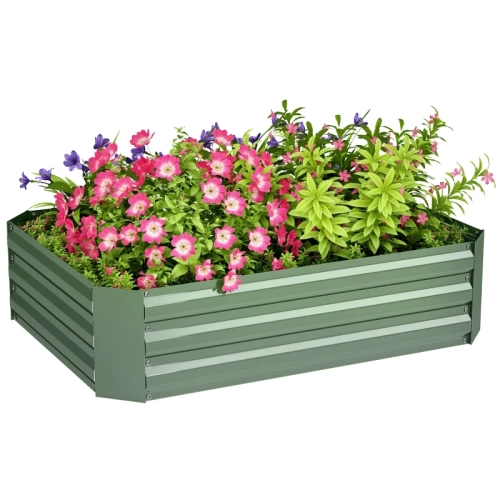
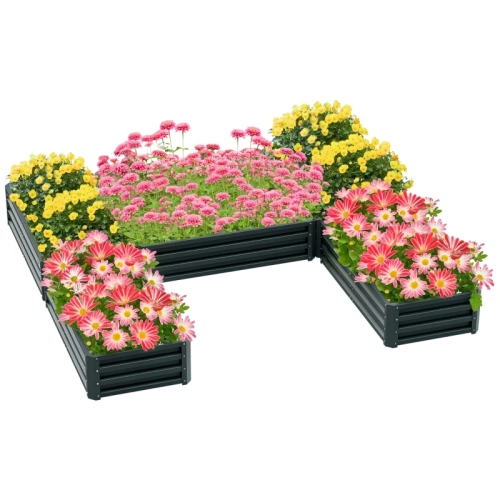
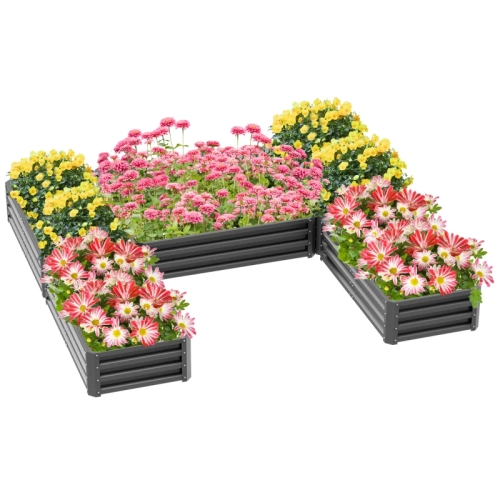
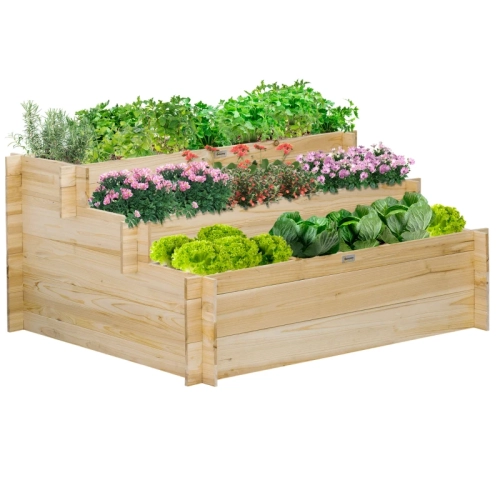
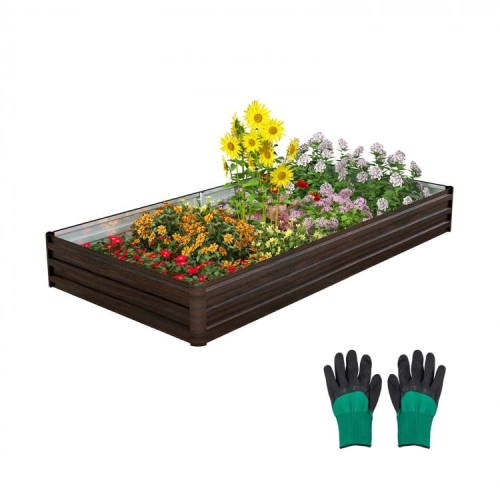
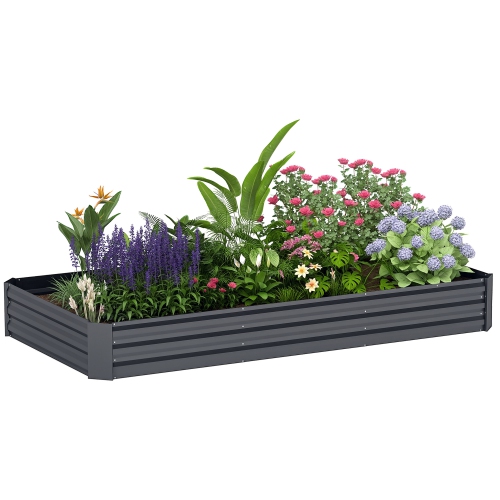
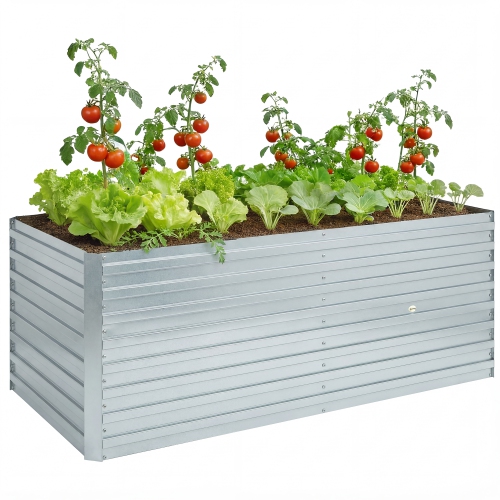
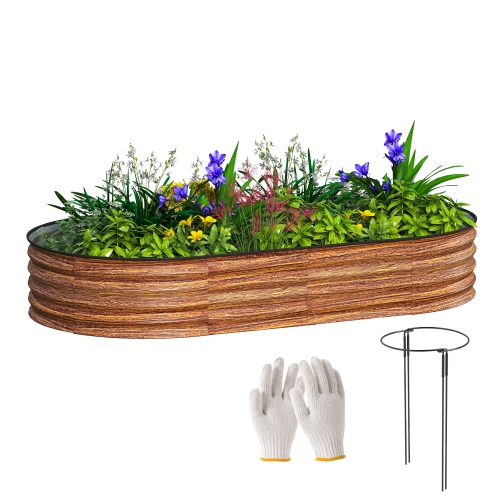
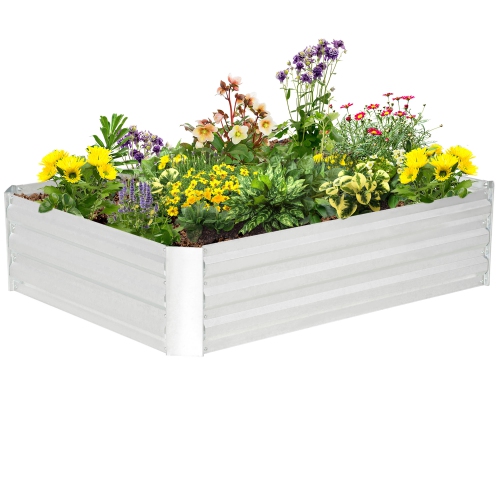
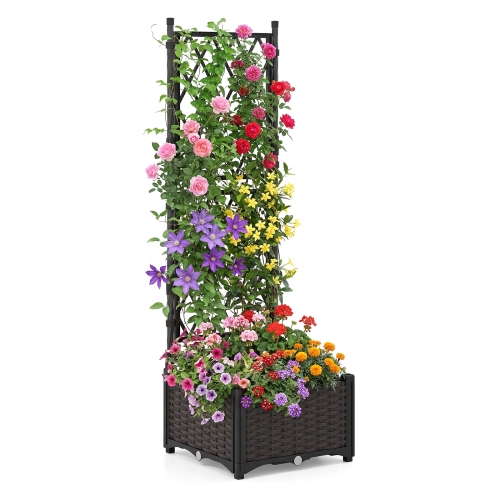
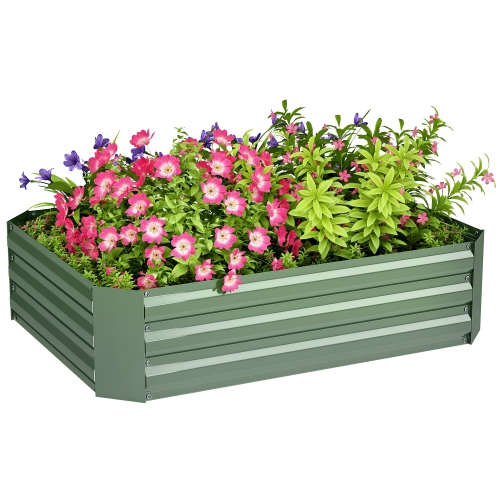
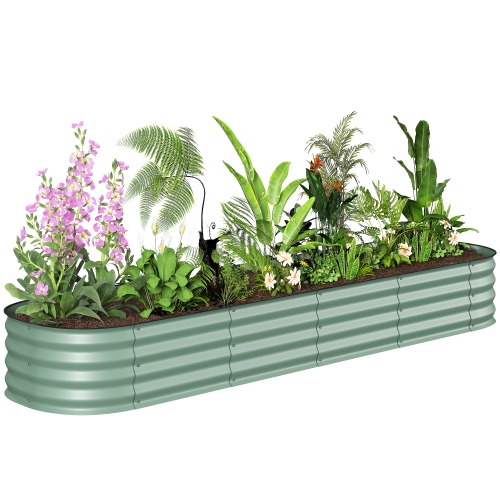
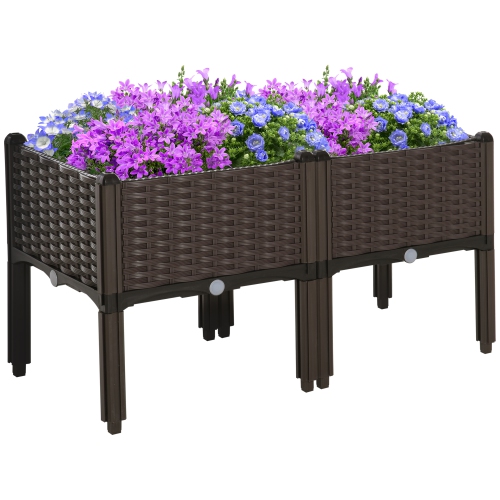
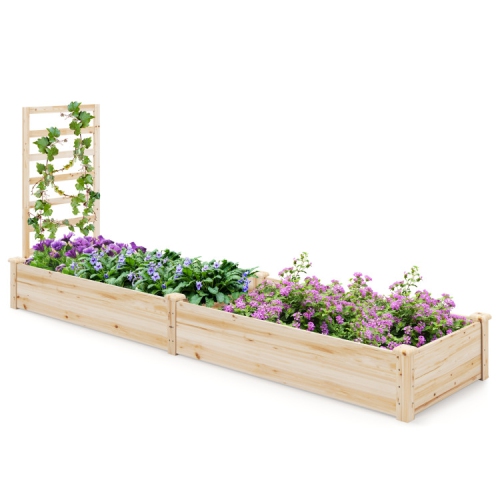
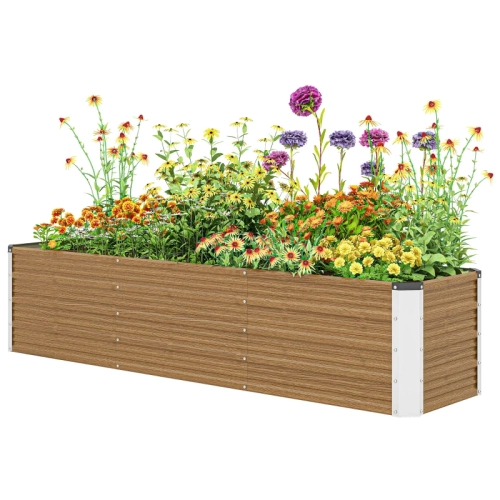
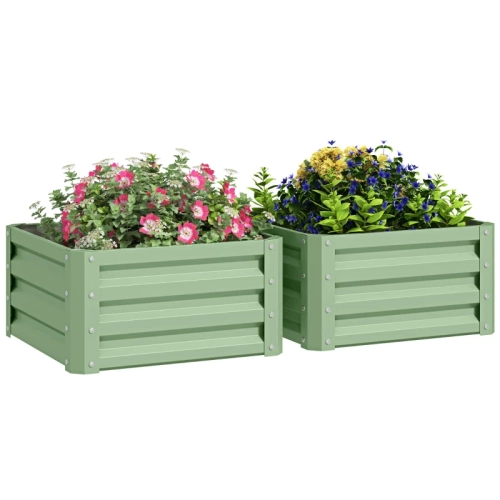
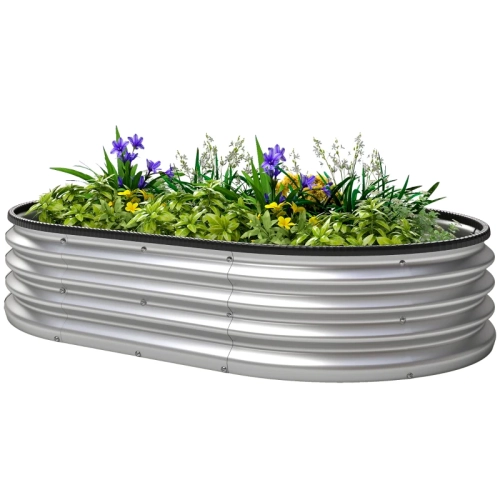
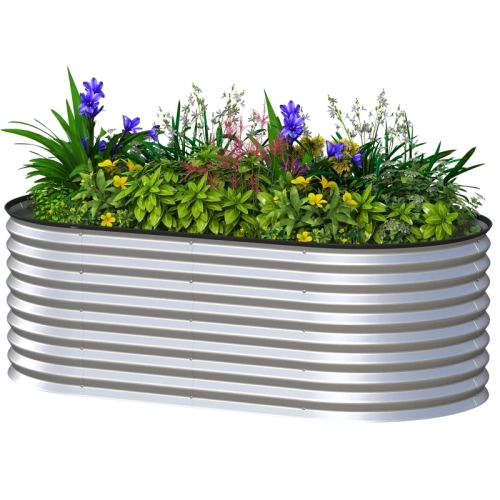
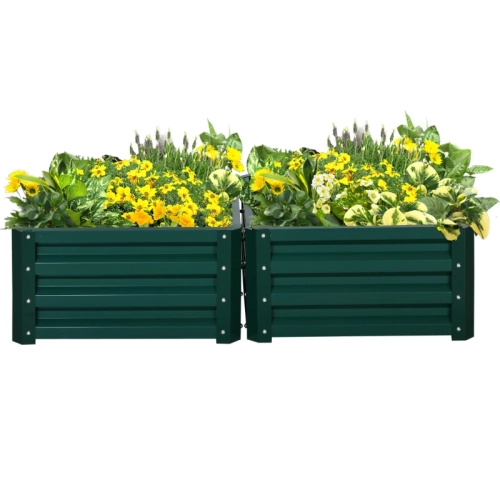


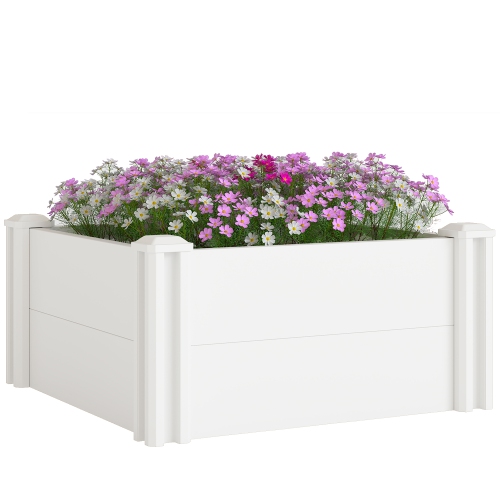
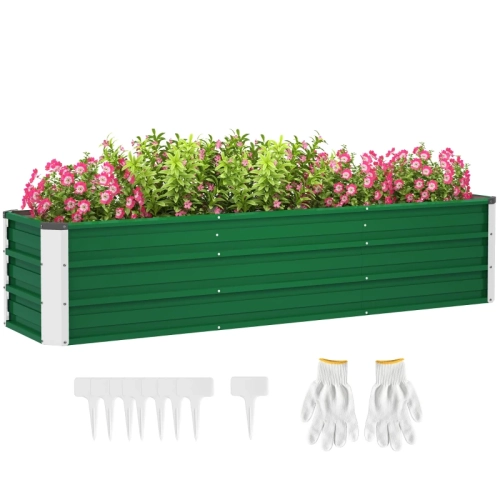
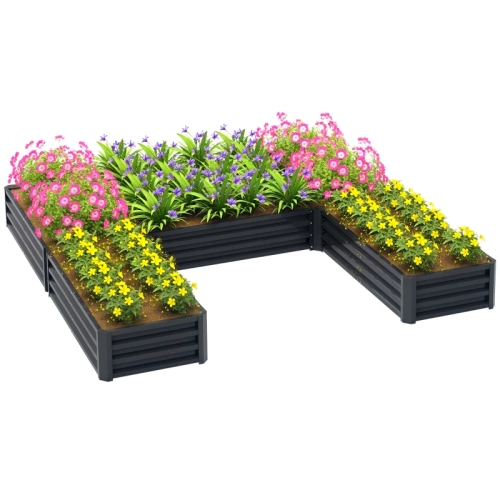
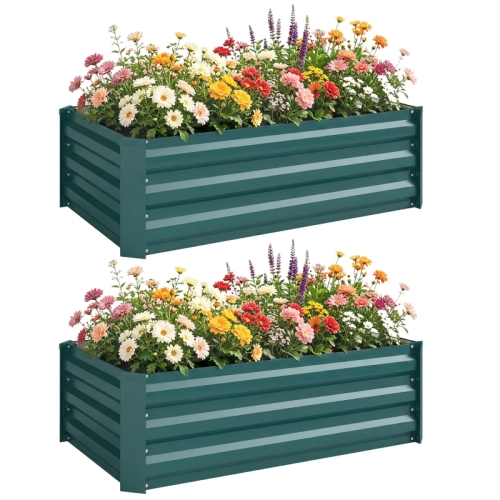
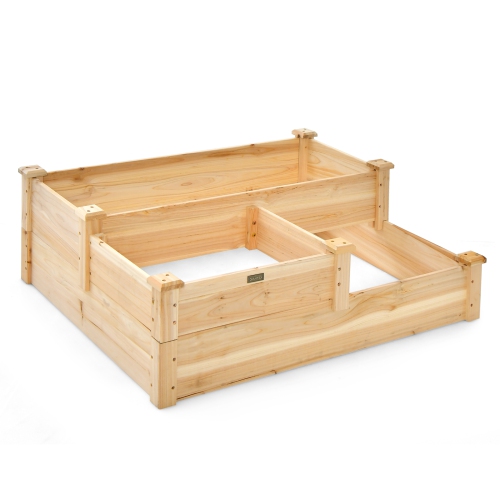
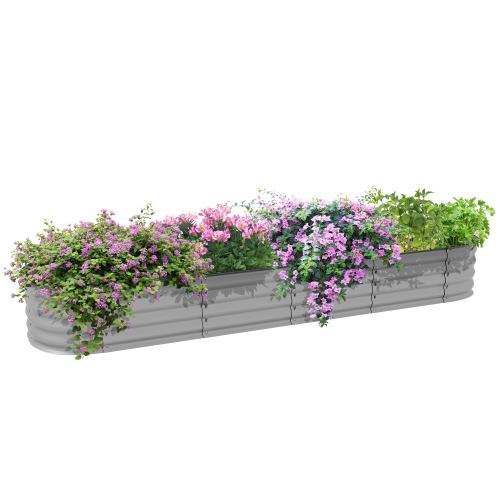
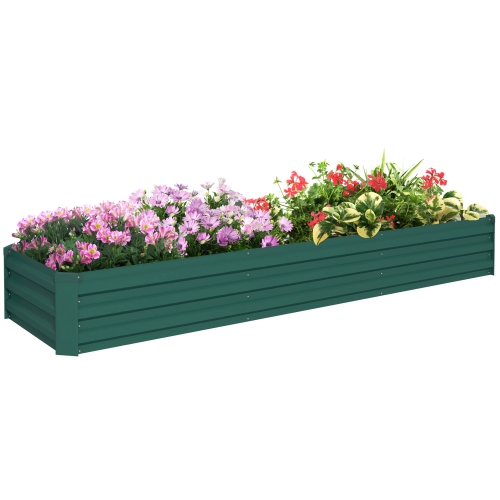
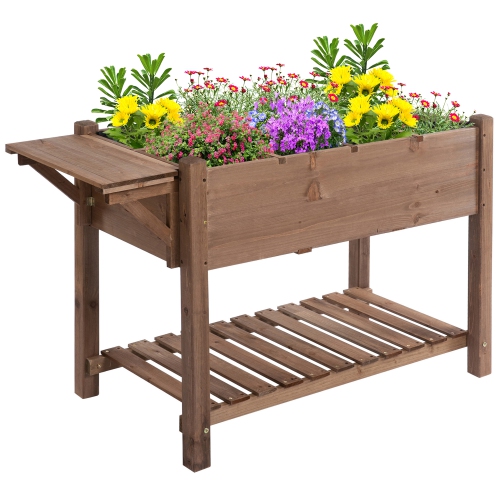
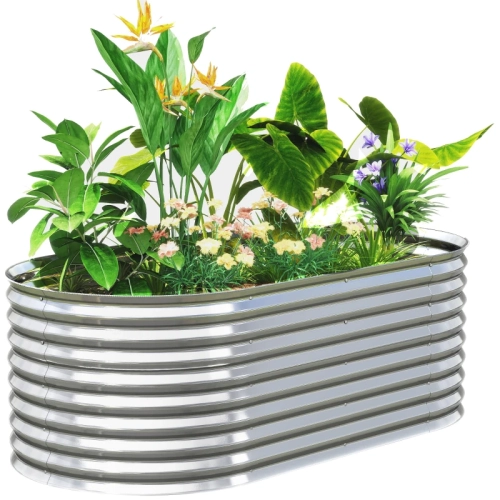
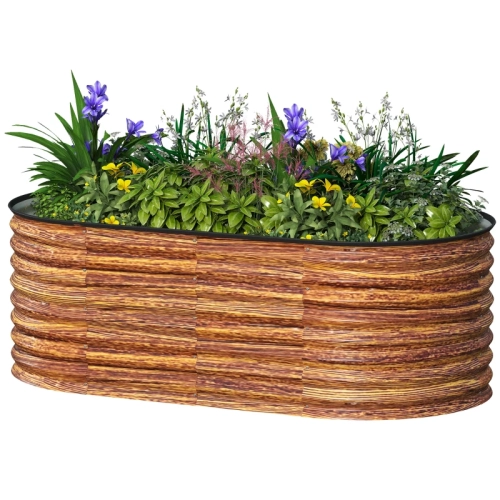

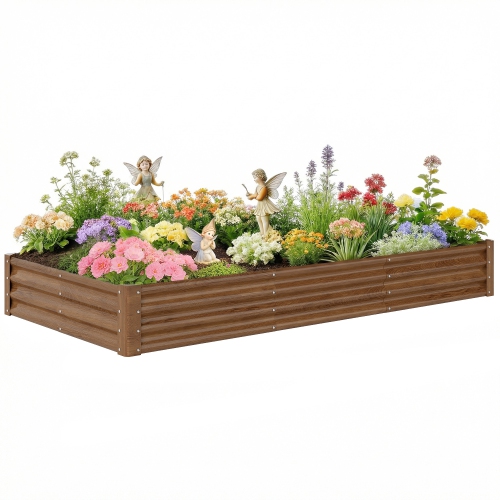
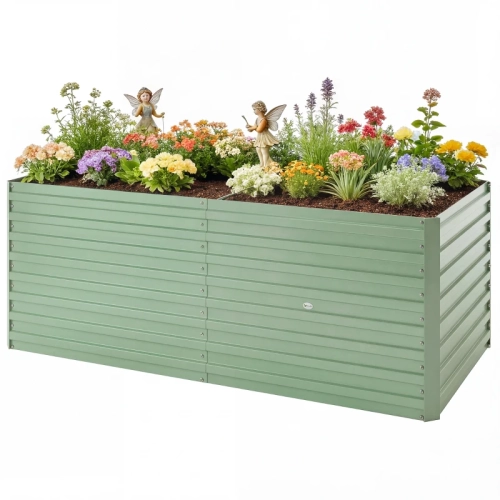
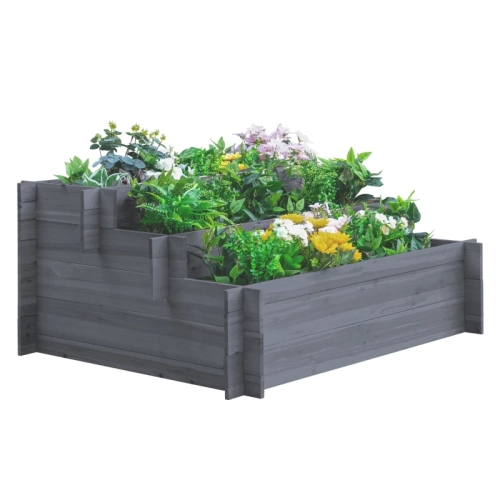
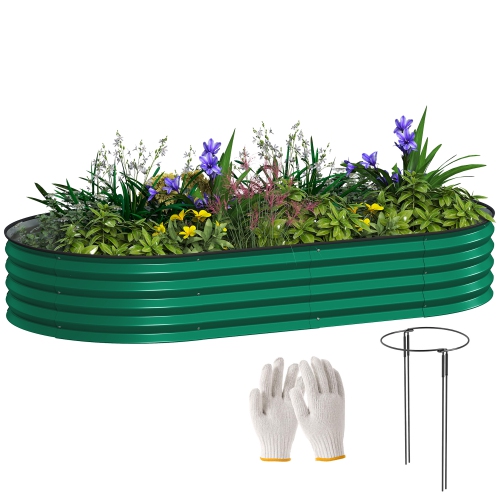
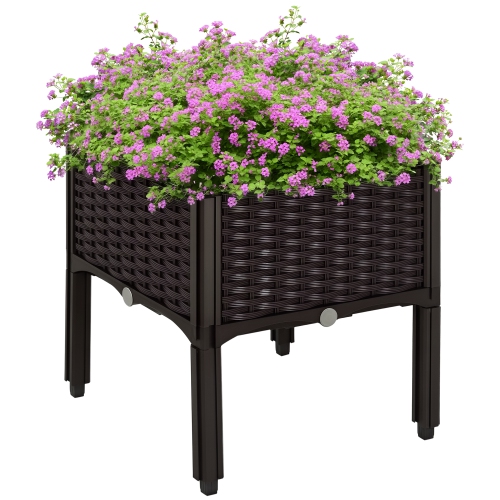

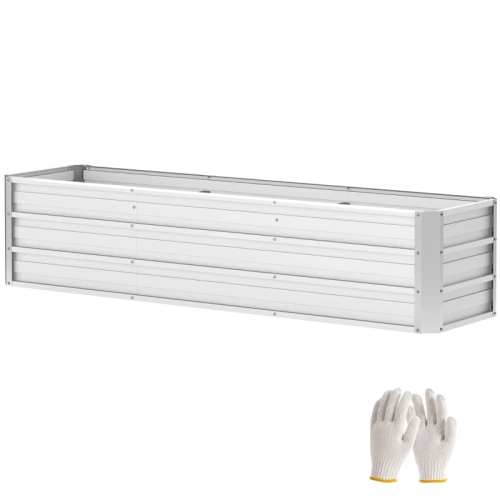
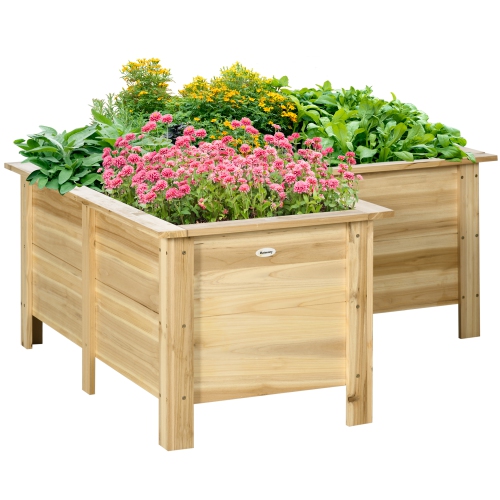
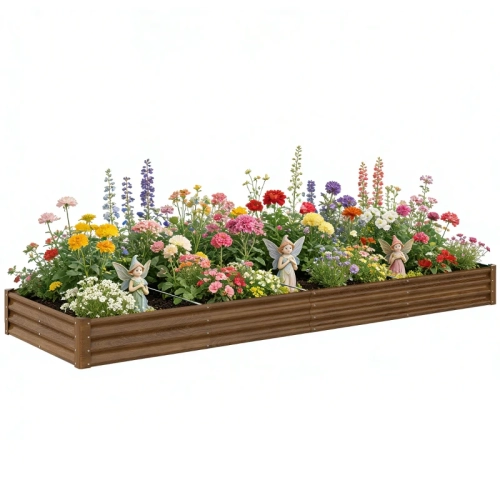
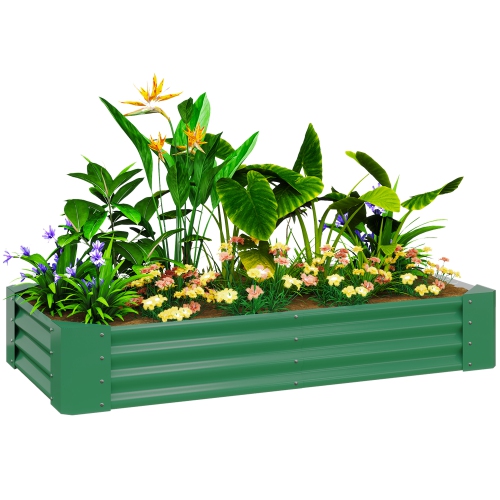
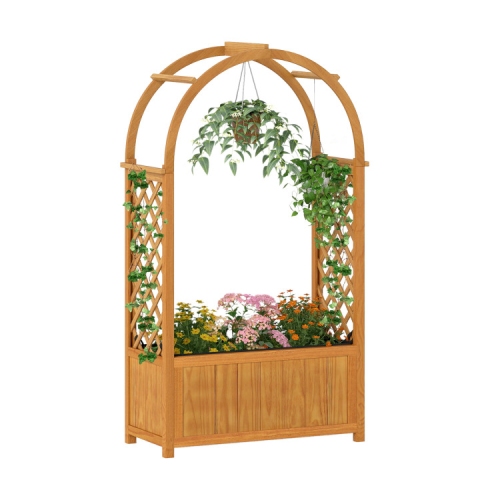
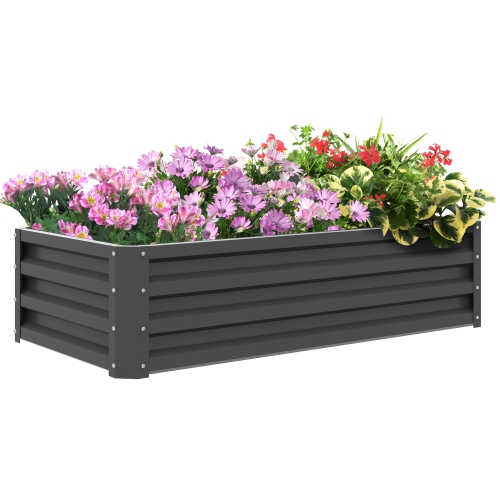
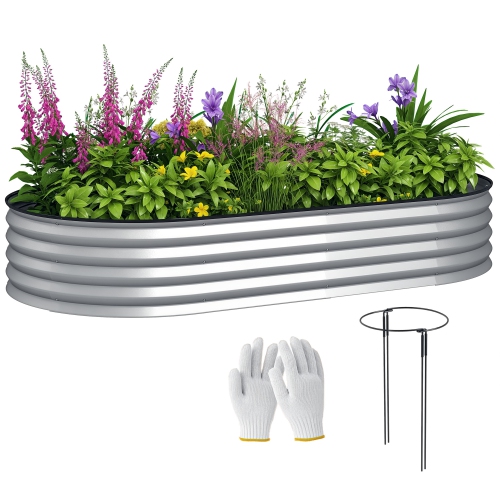
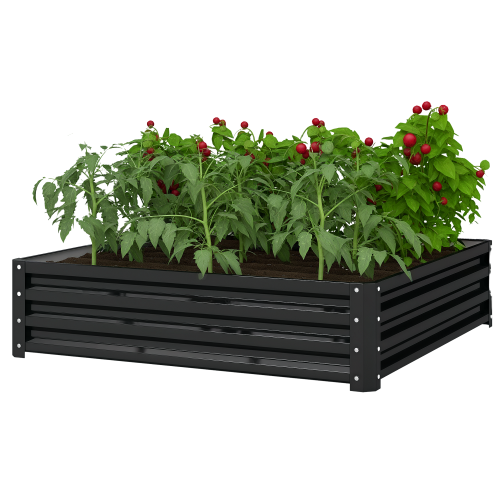
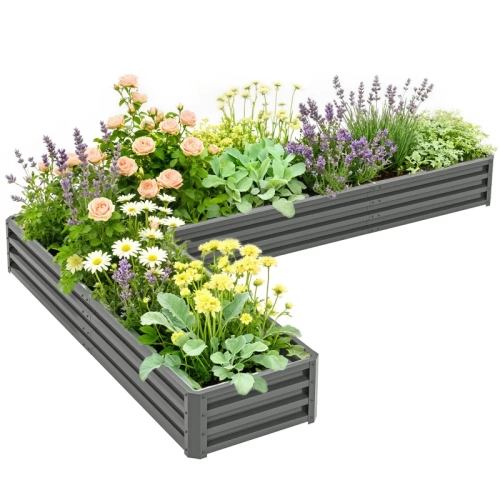
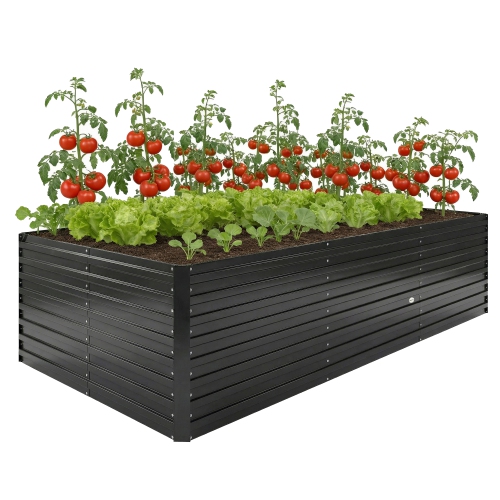
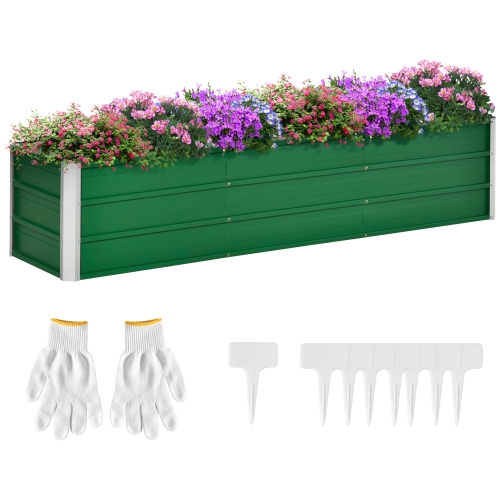
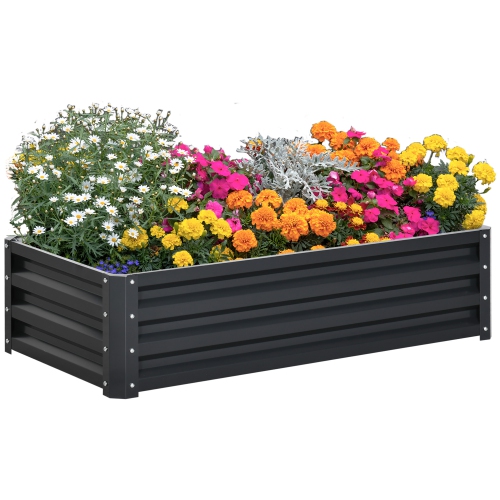
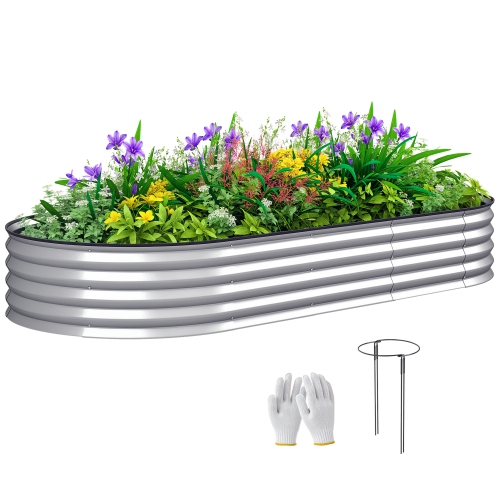
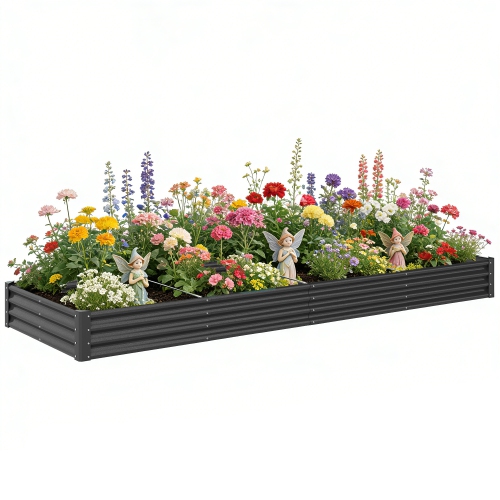
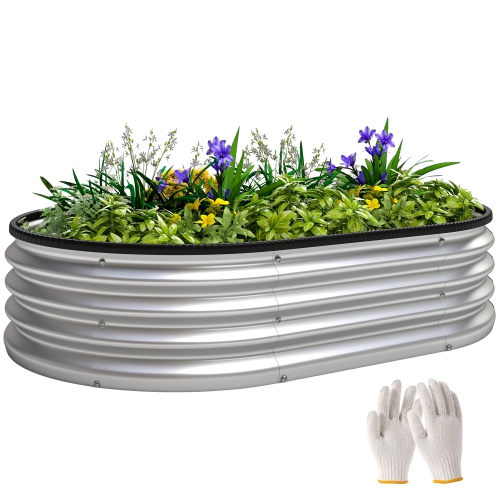
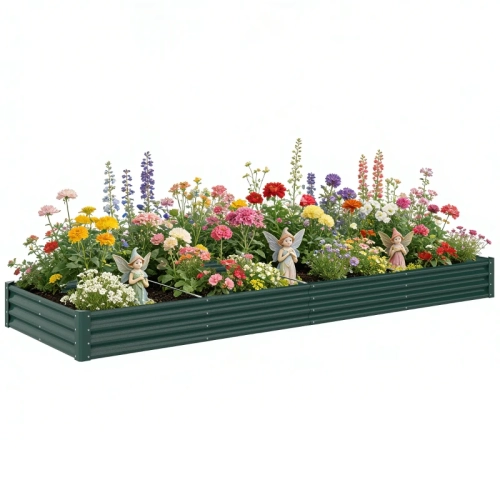
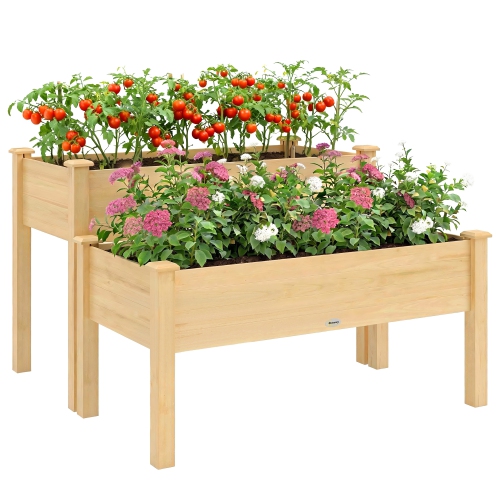
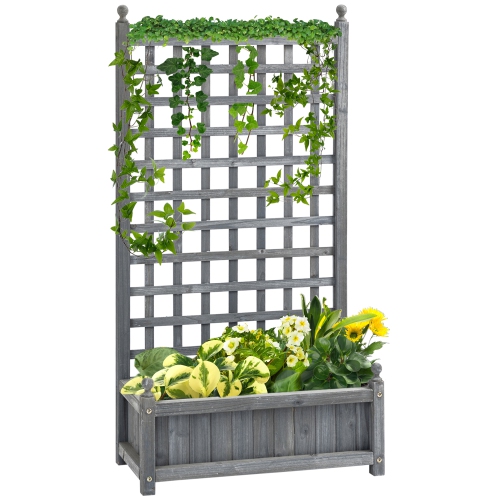
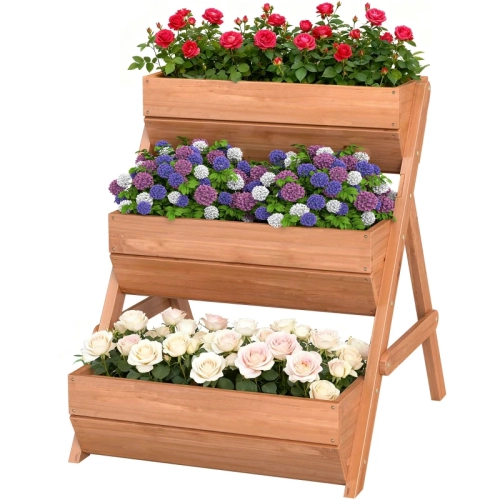
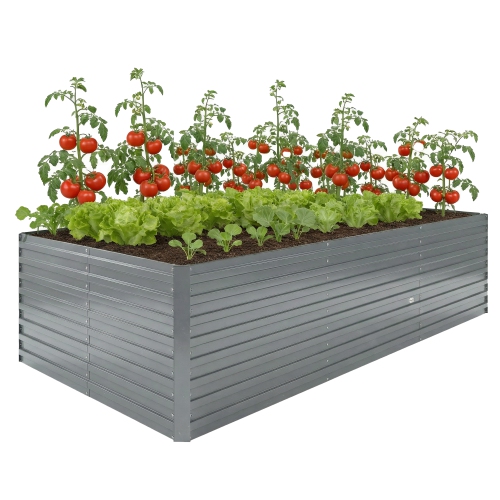
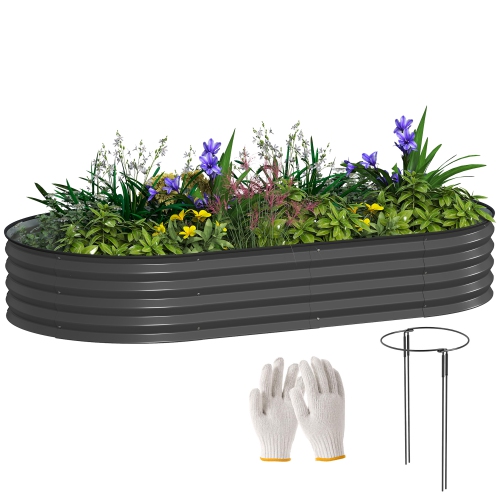
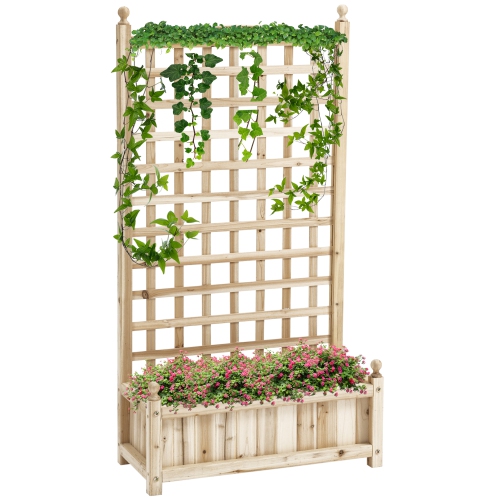
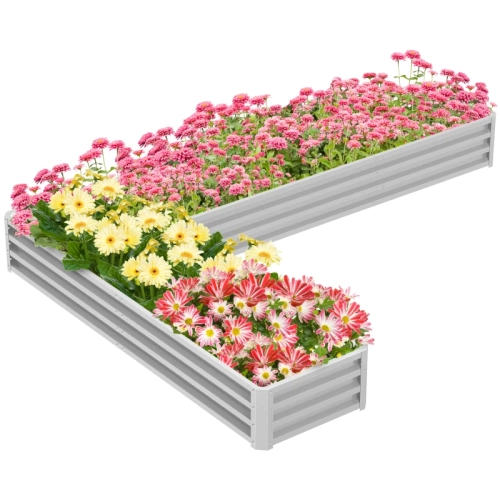
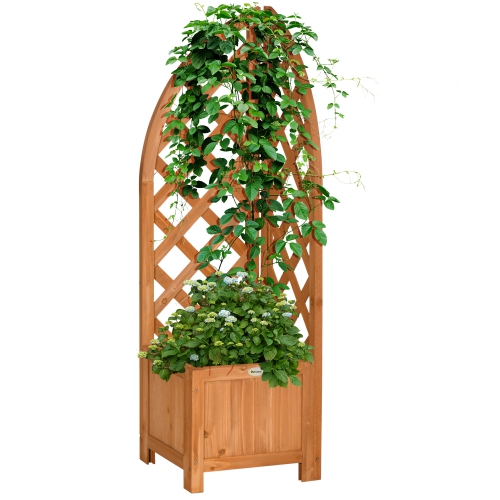
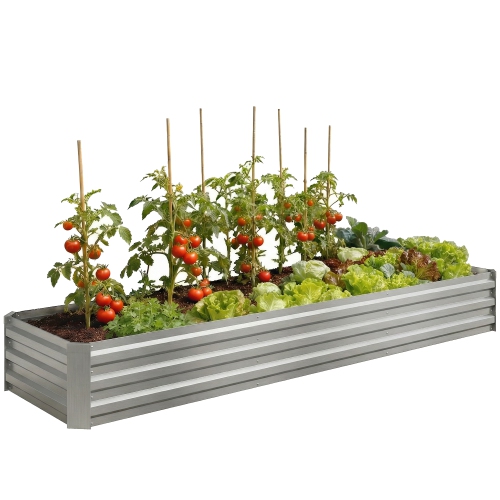
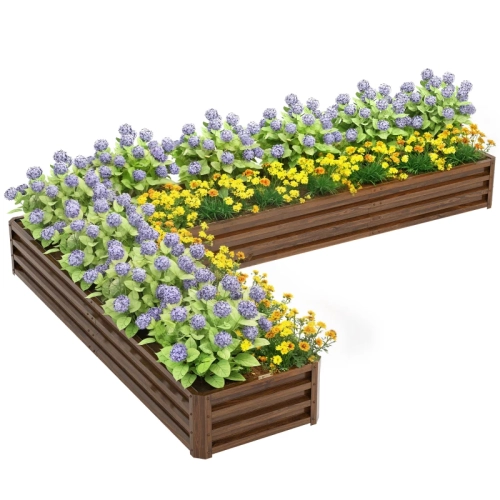
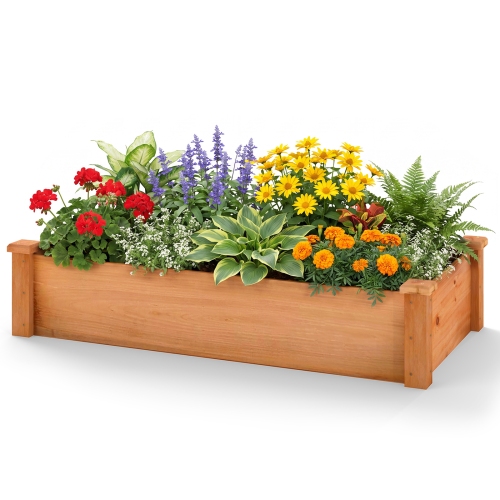
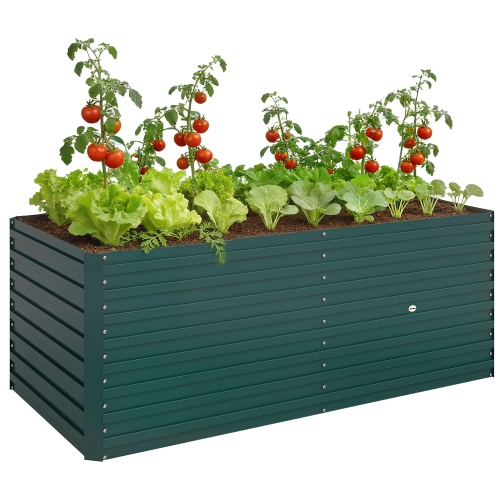
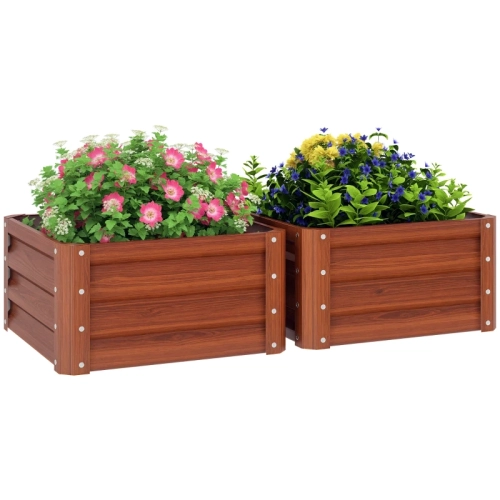
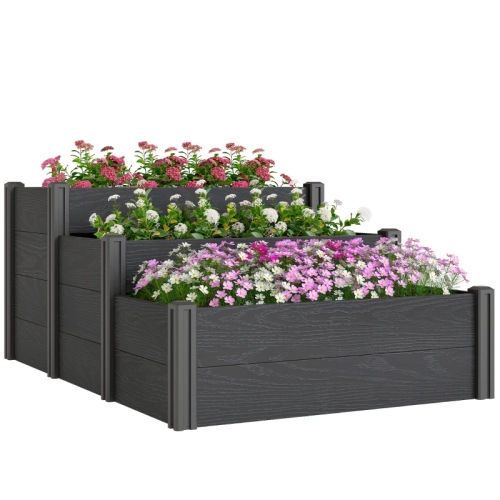
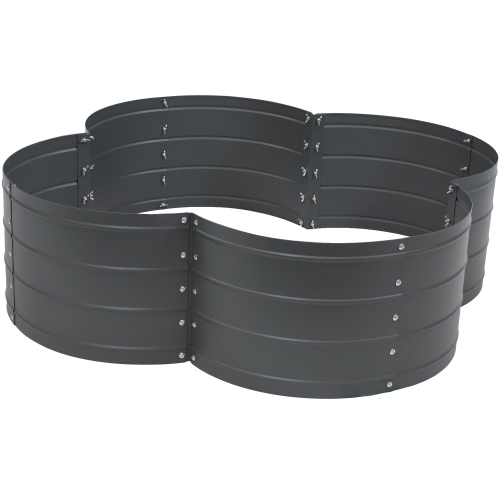
The right planting space goes beyond its footprint
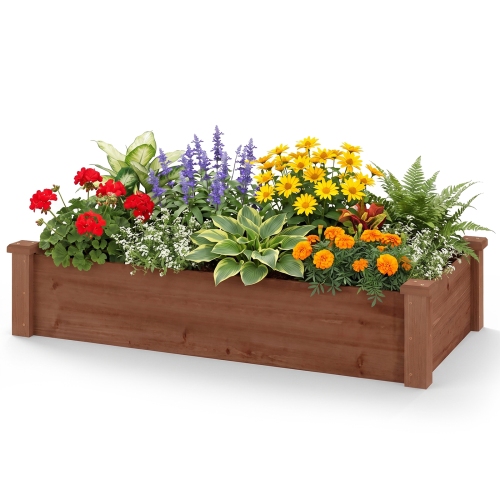
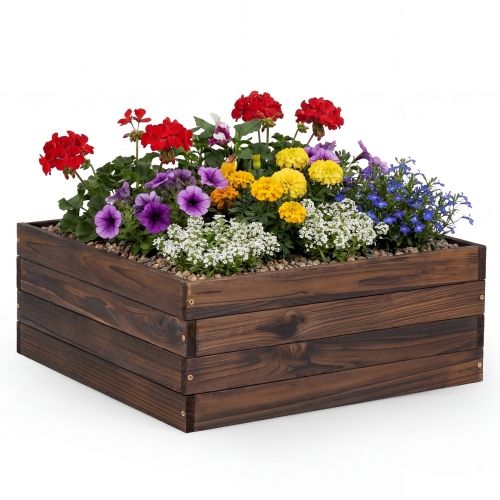
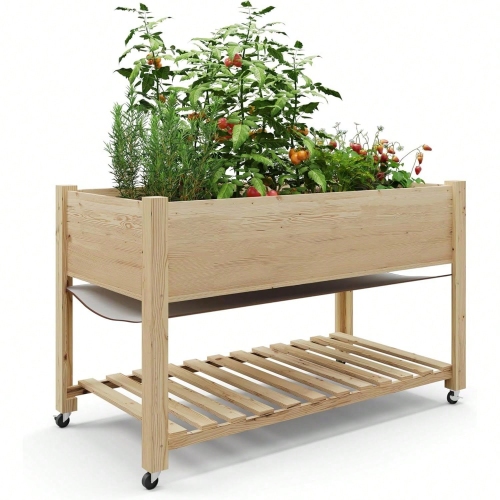
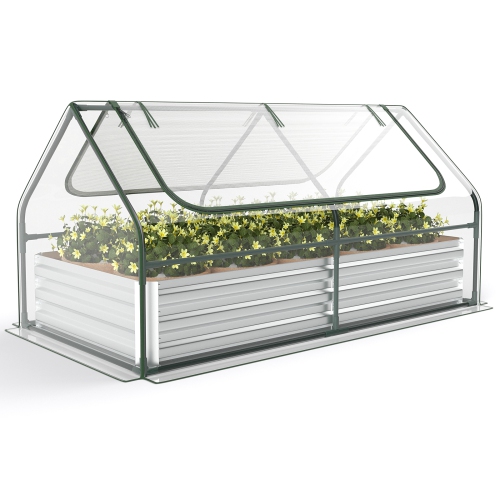
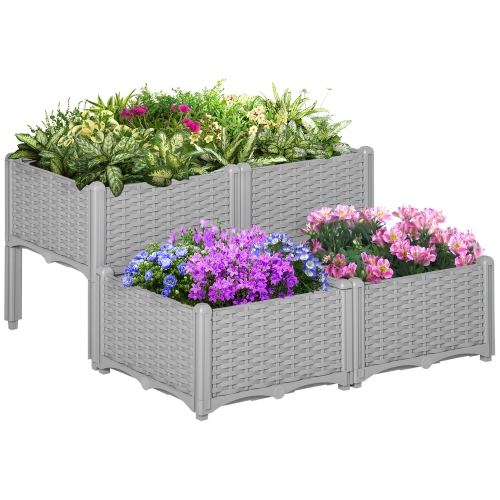
Flower garden beds give flowering plants a defined home, whether that means a low frame beside a walkway, a deep planting box on a patio, or an elevated planter within easy reach. Traditional in-ground beds use the existing ground, while raised garden beds hold added soil inside a frame, often with an open base. Elevated beds have a supported bottom and legs, bringing the planting area higher without filling the entire space beneath it with soil. These differences affect where a bed can sit, how much soil it needs, and how comfortably someone can tend it. An open-bottom frame usually belongs over suitable ground, whereas a contained planter may suit a hard surface when its construction, drainage, and loaded weight are appropriate for the location. For a balcony, building rules and load limits matter because soil, retained water, and the planter itself can create a substantial combined weight. Footprint is only part of the fit: a bed also needs room around it for walking, watering, and reaching the centre without stepping into the planting area. A narrow rectangular bed can define the edge of a path, while a square bed can create a compact focal point with access from several sides. Where bending or kneeling is uncomfortable, Standing Garden Beds offer a raised working surface, though overall height, reach, and space beneath the frame still deserve attention. Planting depth is another useful distinction. A shallow box may accommodate smaller flowering plants, while larger plants with deeper root systems need more usable soil depth. The most suitable flower garden beds balance their visible dimensions with the less obvious details of access, soil capacity, and support. A generous outer frame does not always mean a generous planting area, especially when thick walls, internal shelves, or a water reservoir take up space inside.
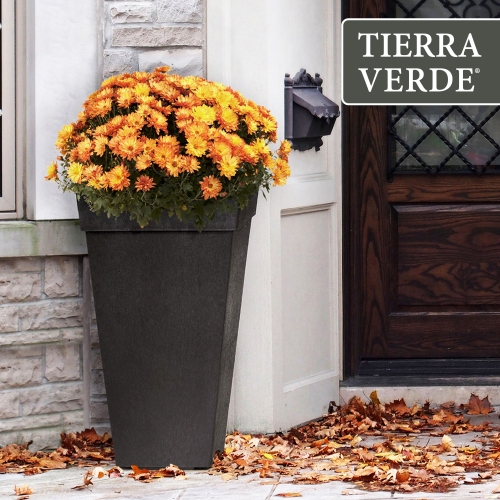
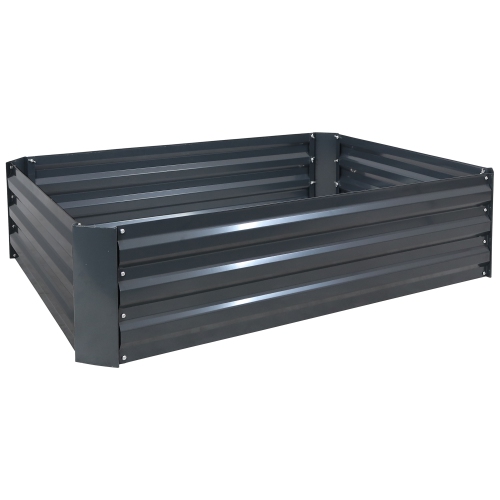
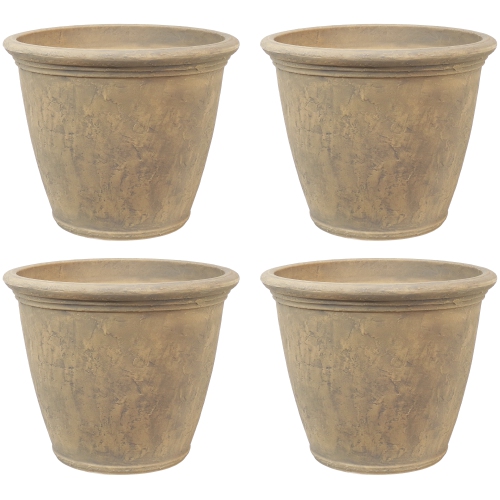
Materials influence the appearance, weight, upkeep, and working life of flower garden beds. Wood brings grain and a softer visual texture that pairs naturally with dense foliage and loose arrangements of flowers. Its durability depends on the wood species, board thickness, construction, and prolonged contact with damp soil. Cedar and fir, for example, have different characteristics, so the material name alone does not tell the whole story. Smooth edges, well-supported corners, and secure fasteners contribute to a frame that feels solid when filled. Galvanized steel offers a crisp outline and comparatively thin walls, allowing more of the footprint to become planting space. Protective coatings, reinforced edges, and sound joints help determine how well a metal bed holds up; folded or capped upper edges also make a difference where hands and forearms rest during planting. Resin planters can be easier to move while empty and may have moulded details that resemble other materials, but wall strength and support remain important once the container is loaded. Whatever the material, drainage is essential. Open-bottom beds allow water to move into the ground beneath them, subject to the condition of that ground, while contained planters need suitable outlets so roots are not left sitting in trapped water. A bed liner may help contain soil or separate it from the frame, but it should be compatible with the design and must not block intended drainage. Self-watering designs use a reservoir to hold water below the planting area; they still need monitoring, and their suitability depends on the flowers being grown. An overflow outlet and a clear way to check the reservoir can make everyday use more straightforward. Dividers and planting grids can help organize separate groups of flowers, although their usefulness depends on the space each plant needs at maturity. Care is generally a matter of keeping drainage openings clear, removing accumulated debris, checking connections, and following material-specific cleaning directions. A filled bed is difficult to reposition, so location and assembly quality are worth considering before soil is added.
The appeal of a flower garden bed is as much about the planting possibilities as the structure around them. A long bed beside a fence can hold taller flowers at the back, medium-height plants through the middle, and low-growing flowers along the front, keeping smaller blooms visible rather than hidden behind foliage. A bed viewed from every side often works better with taller growth near the centre and shorter planting around the edges. Repeated groups of the same flower can create a calm, connected look, while a mixture of shapes adds interest: upright spikes, rounded flower heads, and trailing stems each bring a different texture. Plants that return year after year can form a lasting framework, with other flowering plants adding variety between them. Their suitability still depends on the site, including direct sunlight, available root space, and watering needs. Flowers with similar moisture requirements are generally easier to manage together than plants with sharply different preferences. In a contained planter, a growing medium suited to containers helps balance water retention and drainage; dense ground soil can compact and make root growth more difficult. Space between plants should reflect their mature spread, not just how small they look when first planted. That extra room also makes it easier to reach individual stems for trimming and to see when watering is needed. For someone who enjoys cutting flowers for a vase, a bed with access along both sides can make selecting and snipping stems more comfortable. A compact planter near a seating area brings colour close enough to appreciate individual petals, while a larger framed bed can establish a clear boundary between a planted area and a lawn or path. Flower garden beds can also suit shared household projects, giving children a clearly defined planting space with adult supervision. For a gardening enthusiast receiving one as a gift, the best fit depends less on sheer size than on the space available, preferred planting style, and comfort with ongoing care. A thoughtfully chosen bed provides a useful setting for flowers without making the structure harder to manage than the planting itself.
Top selling and popular products
-
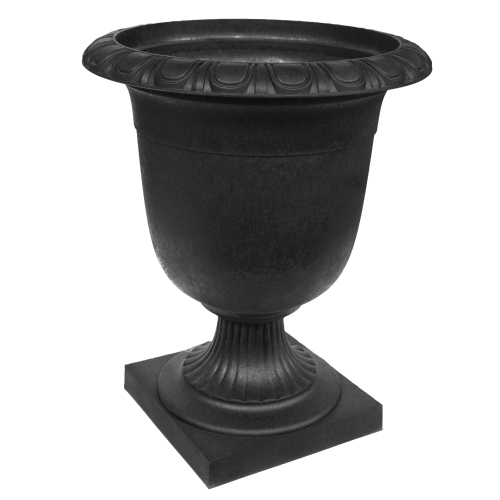 Your price for this item is $204.99
-
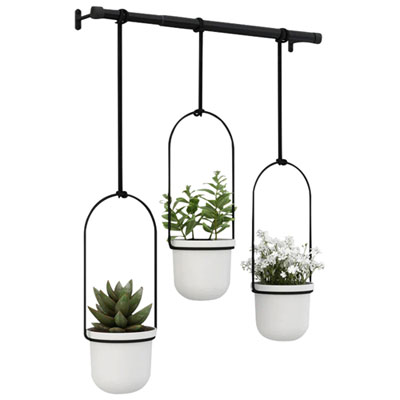 Your price for this item is $65.98
-
 Your price for this item is $94.99
-
 Your price for this item is $187.99
-
 Your price for this item is $117.75
-
 Your price for this item is $117.75
-
 Your price for this item is $415.35
-
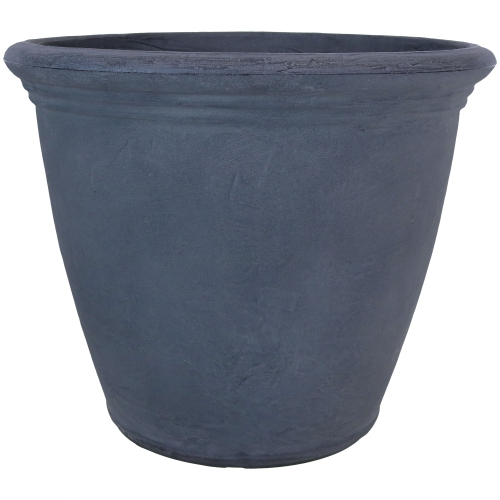 Your price for this item is $134.25
Discover more categories related to Flower Garden Beds
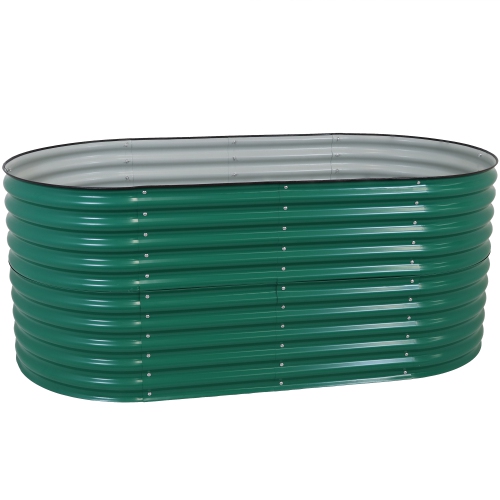
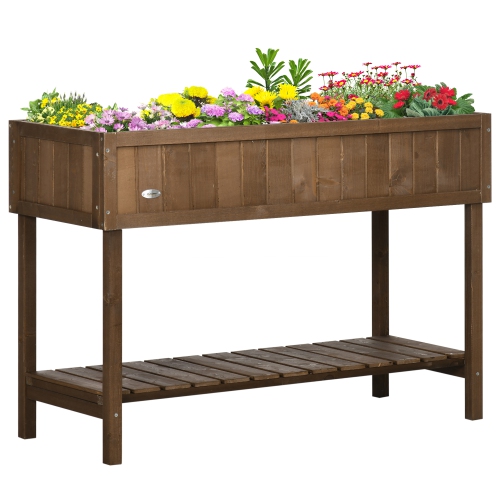

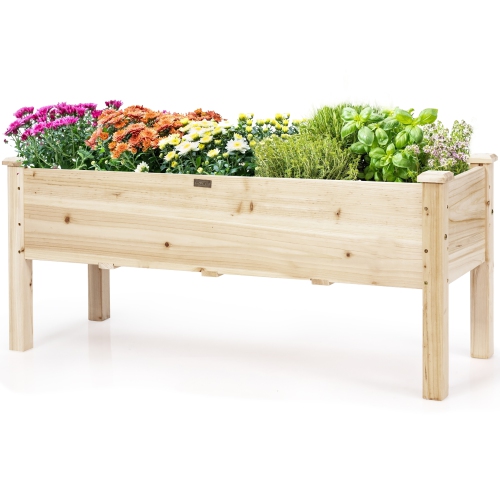
Top Collections:
Best Black Friday Deals This Year, Best Black Friday Deals On Electronics, Kindle Devices, Pokemon Centers, Best Black Friday Deals On Apple Products, Best Cameras for Sports Photography, Dyson Airwrap, Pokémon 30th Celebration Cards, Apple iPhone 17 Pro, Canon G7X Cameras
Some products may be subject to Environmental Handling Fees
(EHF) depending on your province.
Learn more about EHFs.