Toilet Bowls
Transform your bathroom into a sanctuary of comfort and style with our diverse selection of toilet bowls. Whether you're renovating your space or simply upgrading, our range offers options to suit every preference and budget. With sleek designs that blend seamlessly into any decor and efficient engineering that ensures reliability, finding the perfect fit for your home has never been easier. Explore our collection today and discover how the right toilet bowl can enhance both the functionality and aesthetic of your bathroom.
Sort
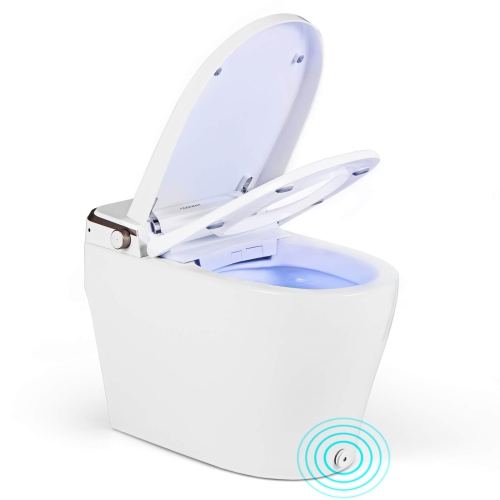
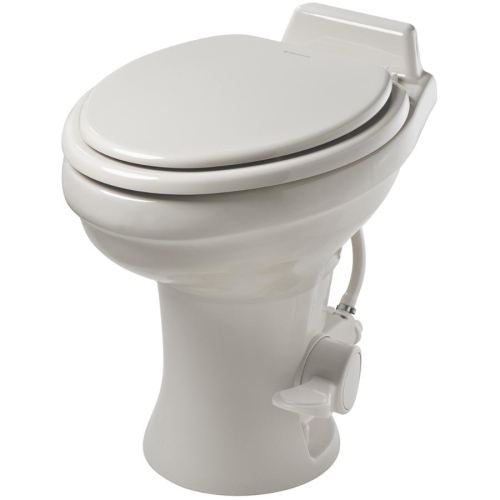
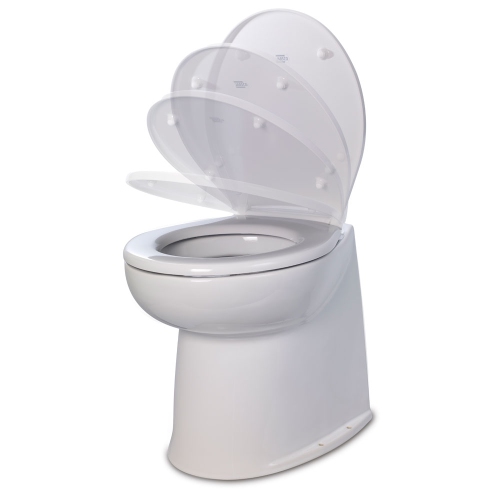
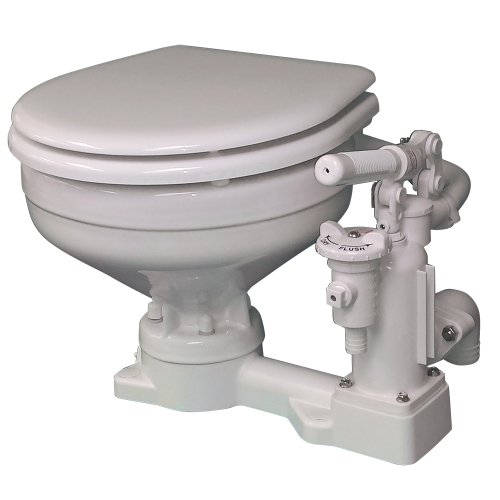
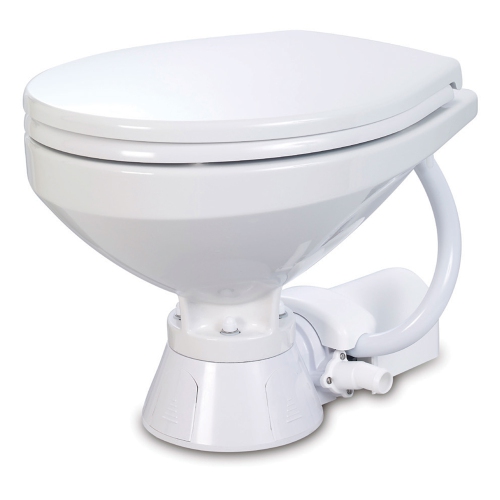
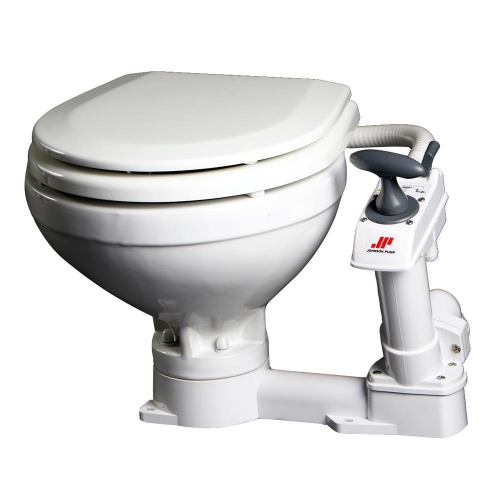
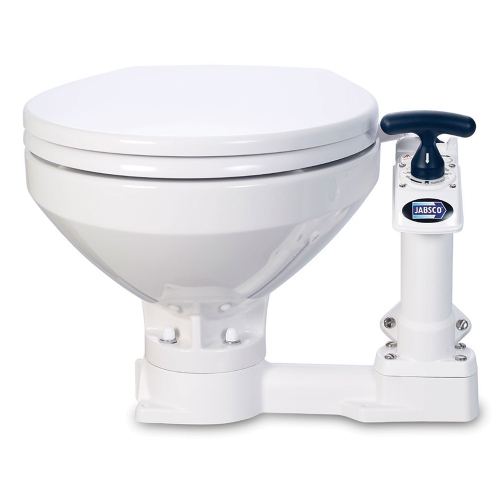
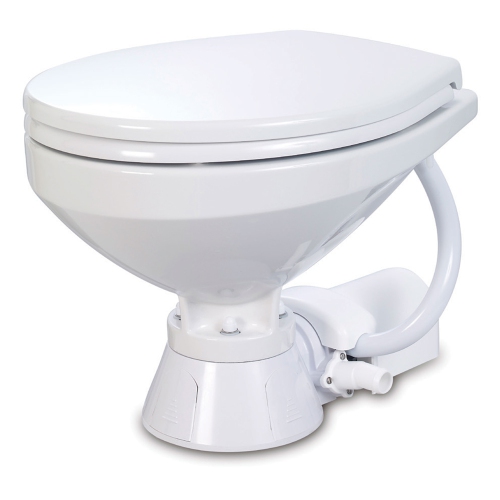
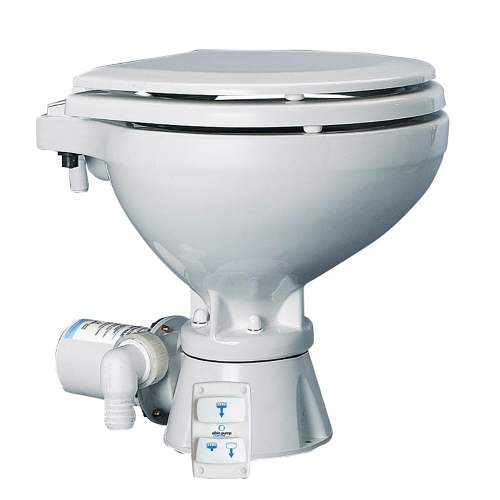
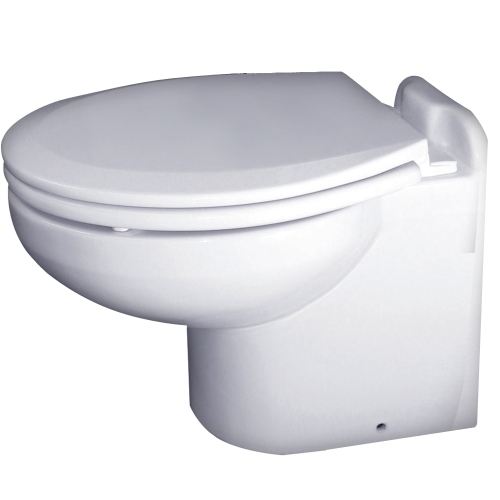

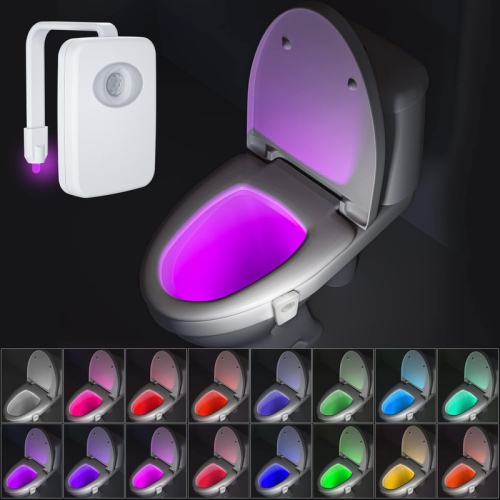
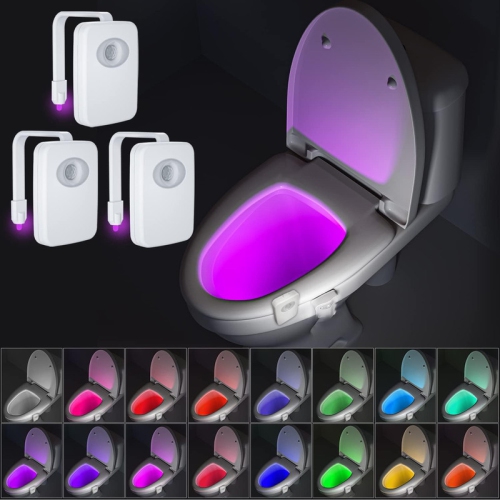



Why bowl shape is only part of the fit
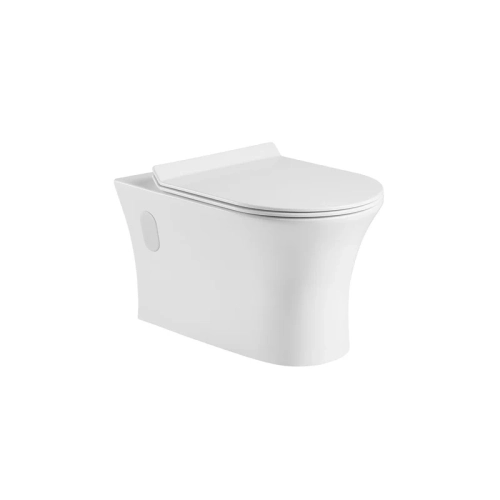
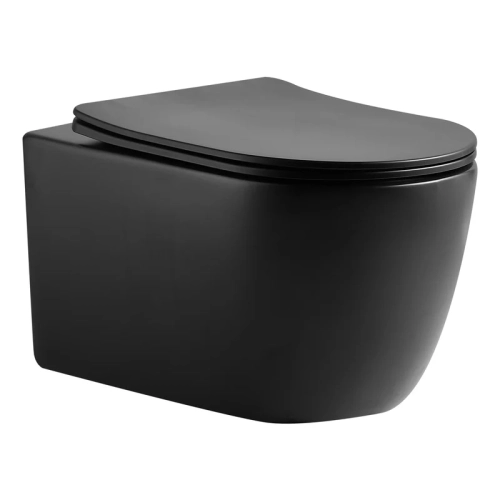
Toilet bowls are the main ceramic fixtures used for everyday bathroom sanitation, with shapes and installation styles that suit everything from compact powder rooms to spacious family bathrooms. A bowl may be a separate component designed to work with a compatible tank, or part of a complete toilet assembly, so the distinction matters when planning a replacement. Two-piece toilets have a separate bowl and tank, while one-piece designs join these sections into a single body with fewer exterior seams. Wall-hung toilets attach to a supporting structure behind the wall, leaving the floor beneath the bowl open and keeping much of the flushing equipment concealed. Each layout creates a different visual effect and has its own installation requirements. Round-front bowls have a shorter footprint that can help preserve space in a small bathroom, particularly where a door swings close to the toilet. Elongated bowls extend farther forward and provide a longer seating surface that many adults find comfortable. Compact elongated designs can offer a middle ground, although actual dimensions are more useful than the shape name alone. Most residential toilet bowls are made from vitreous china, a glazed ceramic valued for its hard, smooth surface and suitability for frequent cleaning. Porcelain is another common description, but the stated material and finish provide a clearer picture of the construction. A continuous glaze helps keep the surface easy to wipe, while the contours around the rim, base, and trapway influence how accessible different areas are during cleaning. Exposed trapways show the curved outline of the drain passage along the outside of the bowl; skirted designs cover that outline with smoother sides. White creates a familiar, neutral look alongside sinks and tubs, while other colours can complement a particular bathroom palette. Colour names are not always consistent between manufacturers, so matching an existing suite requires more care than choosing a finish that looks similar in a photograph.
Fit depends on more than the visible size of a toilet bowl. For a floor-mounted toilet, the rough-in is the distance from the finished wall behind the toilet to the centre of the floor drain connection, often checked at the mounting bolts. The measurement should not start at the front edge of a baseboard, which can lead to an inaccurate result. A 12-inch rough-in is common in residential bathrooms, but 10-inch and 14-inch configurations also exist, making a measurement essential before replacing an older fixture. Overall projection, width, and tank clearance also affect whether the finished installation will work comfortably. A bowl that fits the drain location may still leave too little room beside a vanity, interfere with a cabinet drawer, or restrict the door swing. Seat height deserves similar attention: a taller seat can make sitting down and standing up easier for some adults, while a lower position may suit shorter users or households with children. The bowl’s stated rim height and the finished height with a seat attached are not necessarily the same measurement. For a separate replacement bowl, compatibility includes the tank connection, mounting arrangement, flush system, and seat mounting dimensions—not simply the colour and overall style. Gravity-fed and pressure-assisted systems operate differently, and components should be matched to the assembly they were designed for. Bowl shape alone does not establish flushing strength; trapway design, rim delivery, and the complete flushing system all contribute to how effectively waste is moved and the interior is rinsed. Published performance information is more useful than appearance when comparing these characteristics. Wall-hung installations need an appropriate in-wall carrier and suitable connections, so they involve different planning from a straightforward floor-mounted replacement. An uneven floor, a damaged flange, or an unfamiliar drain arrangement can also change the scope of the work. A qualified plumber can assess these conditions and confirm that the bowl, connections, and supporting structure are suitable for the intended installation.
Daily comfort and long-term care are just as important as dimensions. In a busy family bathroom, a smooth exterior with accessible surfaces can simplify the regular wipe-down around the base, while a guest bathroom may call for a compact shape that leaves more usable floor space. For someone with reduced mobility, the relationship between seat height, nearby supports, and clear space around the toilet matters more than a height label on its own. A taller bowl is not automatically the most comfortable choice for every person, and it does not replace properly positioned assistance features where those are needed. Seats also affect the finished experience: the correct shape, hinge spacing, and secure attachment help prevent movement during use. A seat is not necessarily included with a bowl, and an existing seat may not fit a replacement even when both are described as elongated. Broader bathroom updates may also involve coordinating bowls with tanks, seats, and other Toilet Fixtures, with compatibility checked for each connection rather than assumed from a similar appearance. For routine care, a non-abrasive cleaner suitable for glazed ceramic and a toilet brush are generally practical starting points, subject to the manufacturer’s care directions. Abrasive powders, harsh scraping, and unsuitable cleaning chemicals can damage finishes or nearby fittings. Mineral deposits may need a cleaner intended for that purpose, and cleaning products should never be mixed. Exterior cleaning should include the hinge area, the back of the bowl where accessible, and the joint near the floor, where dust and moisture can collect. Ceramic is durable in everyday use but can chip or crack under impact, so heavy objects should not be rested where they could fall onto the rim. Secure mounting, prompt attention to leaks, and replacement of worn seals help protect the surrounding floor. A well-matched toilet bowl brings together comfortable proportions, dependable flushing, accessible cleaning surfaces, and an installation suited to the bathroom’s existing layout.
Top selling and popular products
-
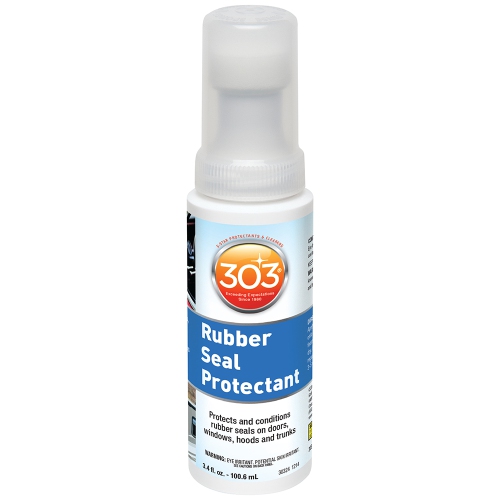 Your price for this item is $28.23
-
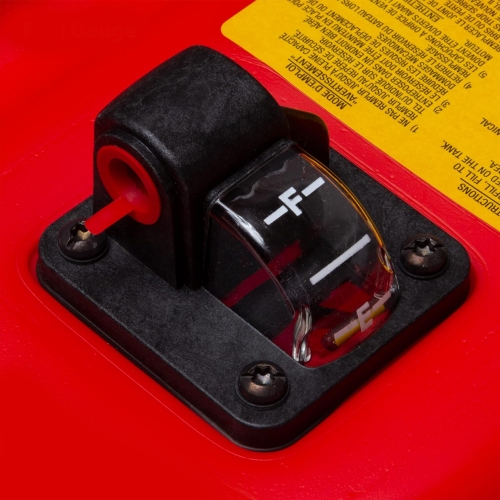 Your price for this item is $187.99
-
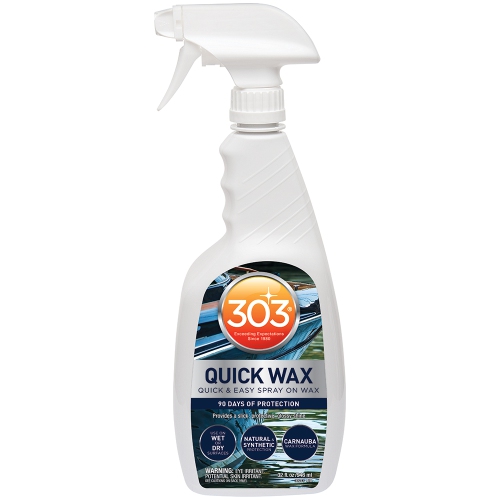 Your price for this item is $38.85
-
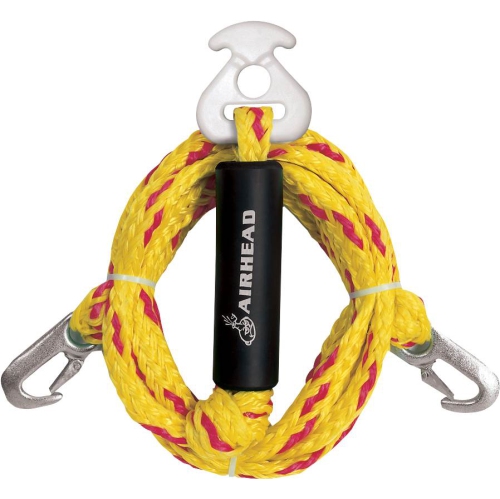 Your price for this item is $91.99
-
 Your price for this item is $32.91
-
 Your price for this item is $35.35
-
 Your price for this item is $871.99
-
 Your price for this item is $63.24
Discover more categories related to Toilet Bowls

Top Collections:
Best Black Friday Deals This Year, Best Black Friday Deals On Electronics, Kindle Devices, Best Black Friday Deals On Apple Products, Best Budget Office Chairs, Best Cameras for Sports Photography, Dyson Airwrap, Canon G7X Cameras, Best Laptops for Writers, Samsung Galaxy Phones
Some products may be subject to Environmental Handling Fees
(EHF) depending on your province.
Learn more about EHFs.