Foam Beds
Discover the ultimate in comfort and support with our selection of foam beds. Designed to provide a restful night's sleep, these innovative mattresses offer a luxurious feel that cradles your body for optimal relaxation. Here are some great options available.
Sort

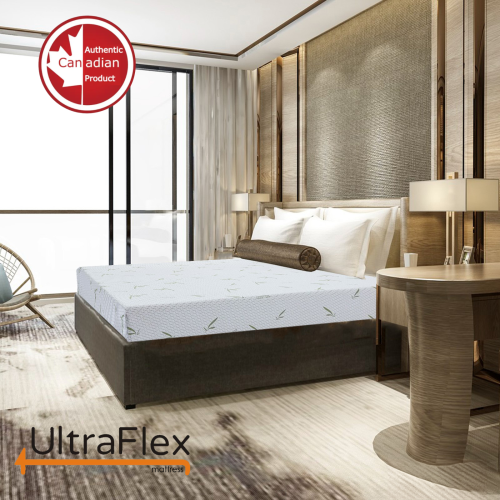
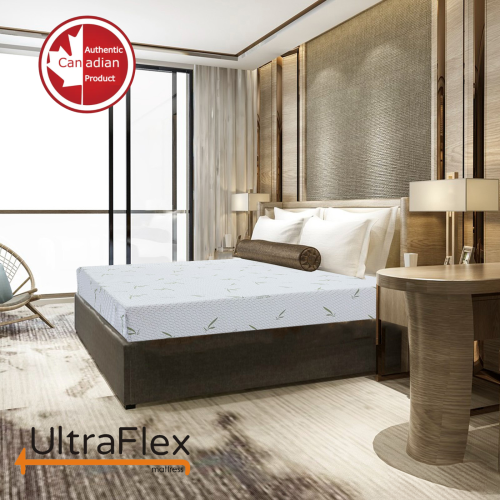
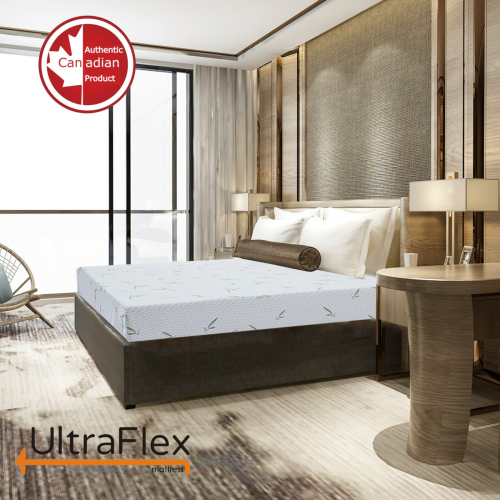
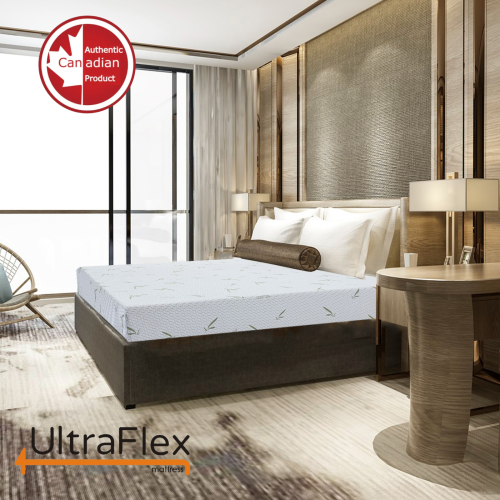
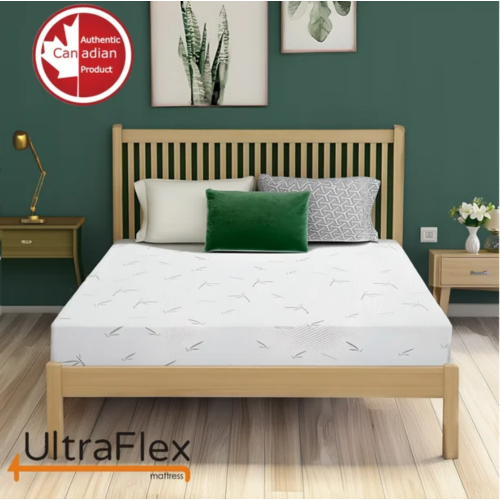
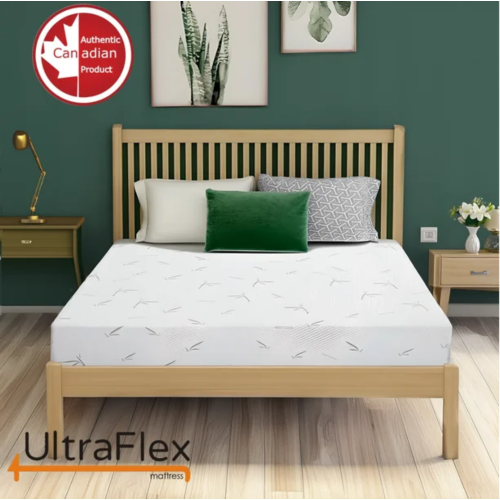

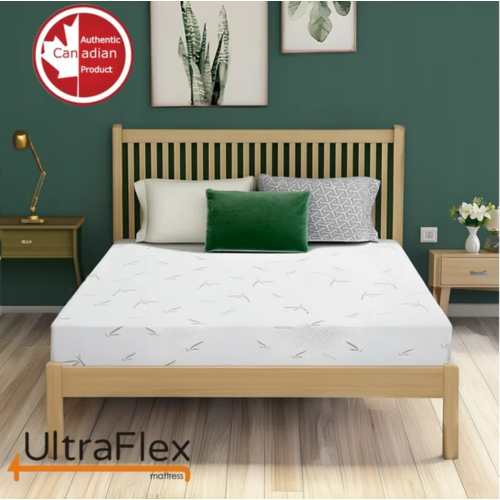
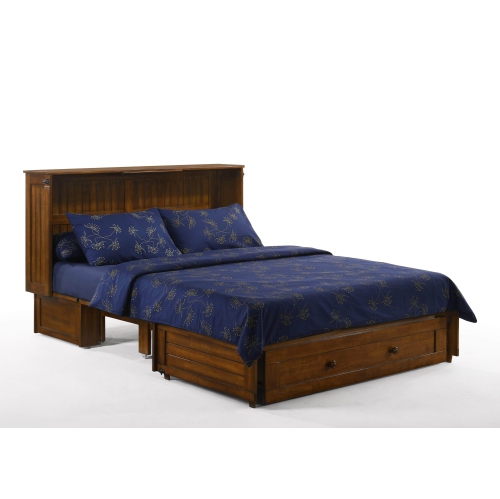
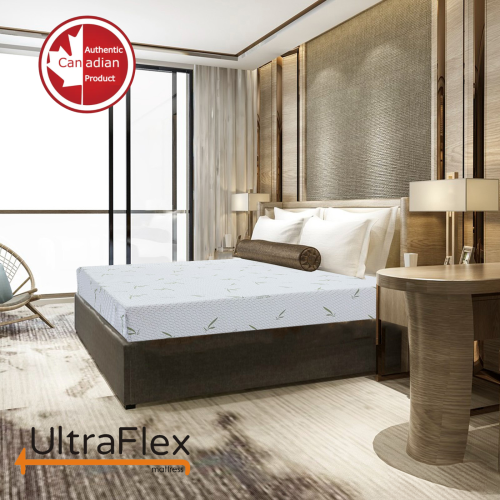
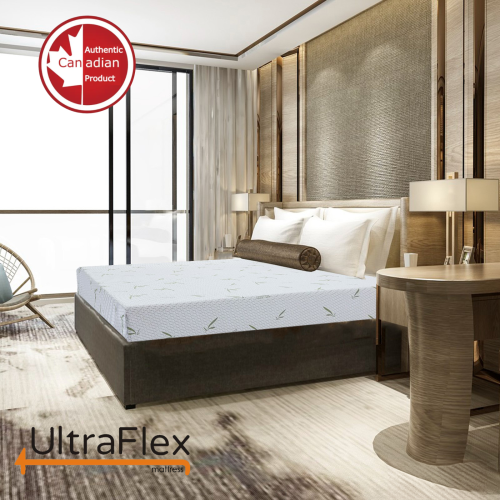
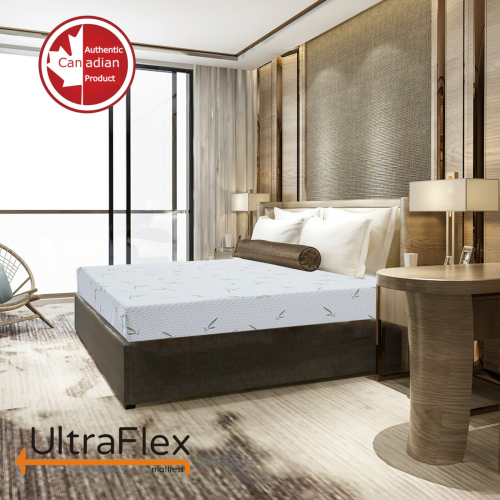
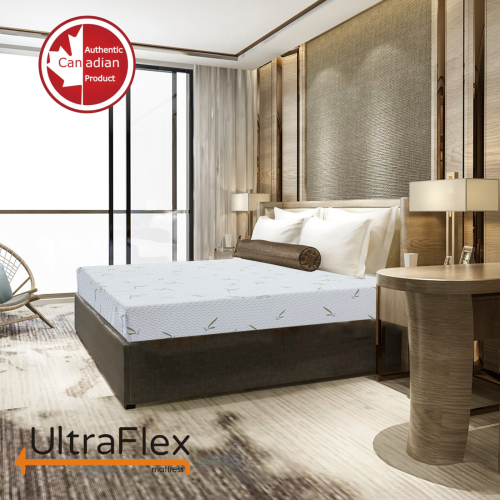
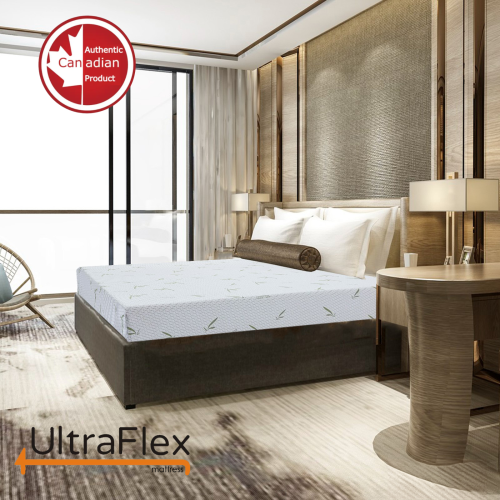
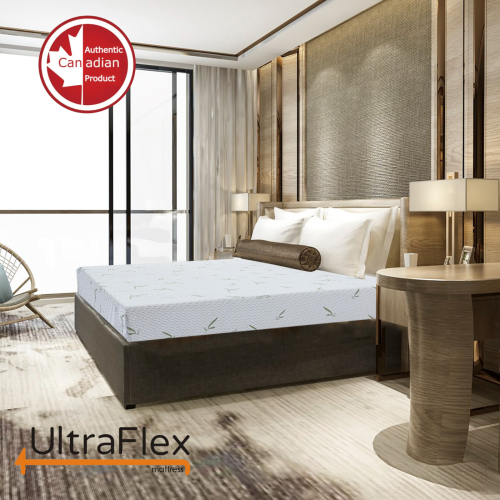
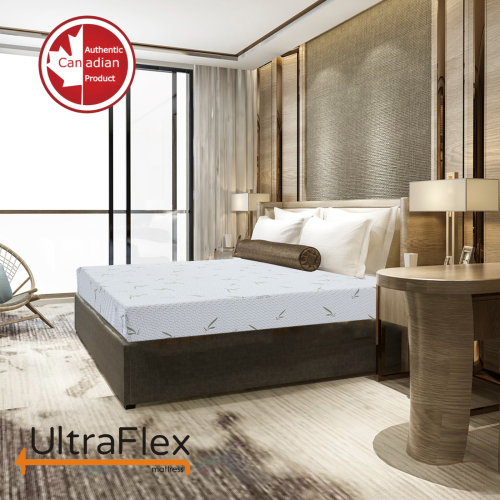
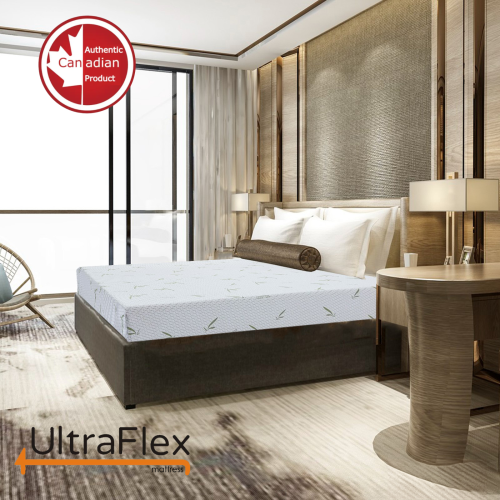


![VISCOLOGIC Econo [] Flippable Reversible Bunk Bed, Guest Foam Mattress](https://multimedia.bbycastatic.ca/multimedia/products/500x500/154/15460/15460682.jpeg)
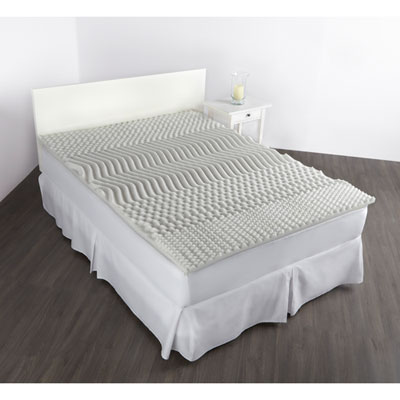
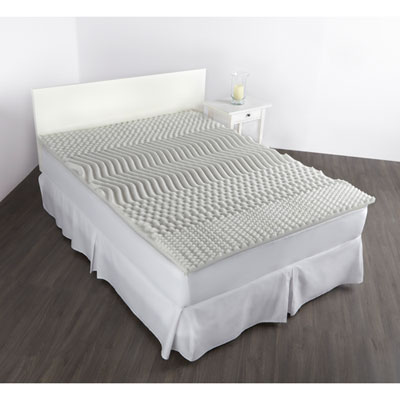
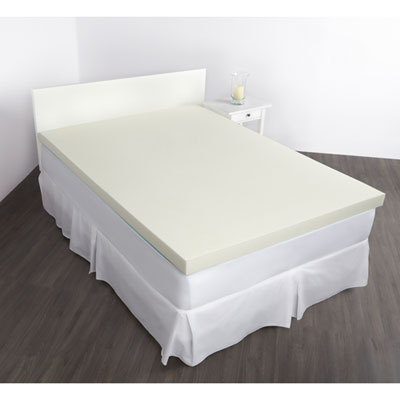
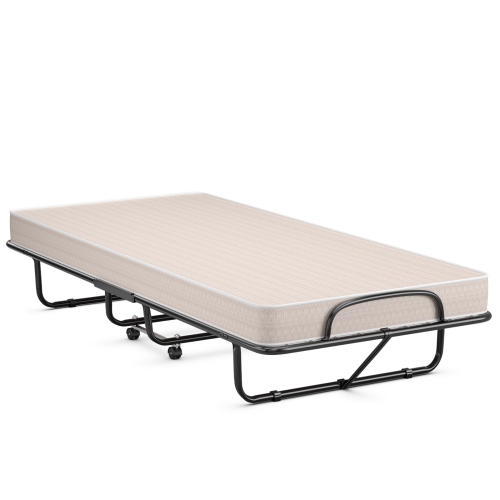
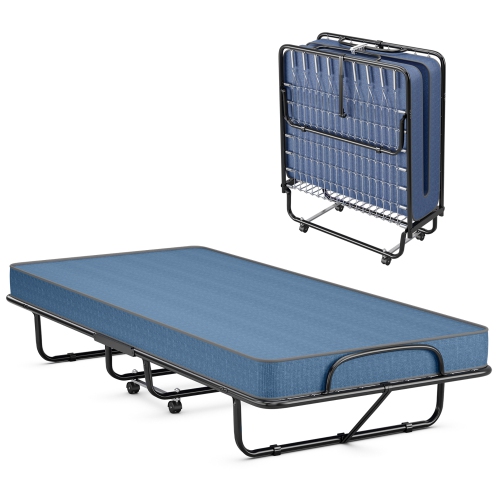
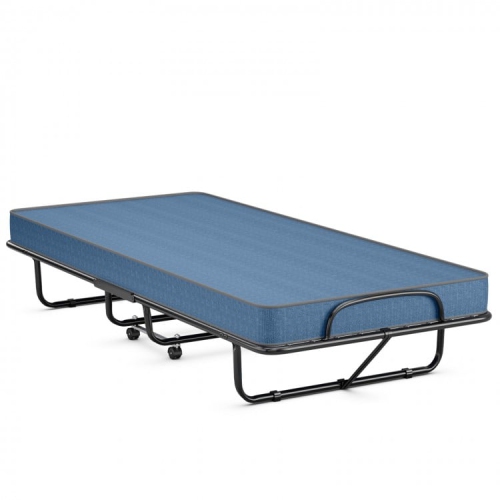
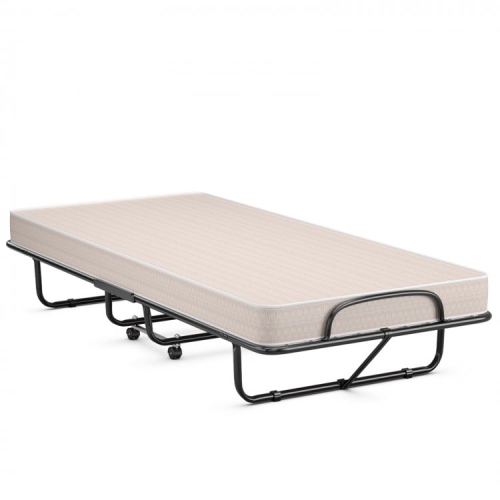
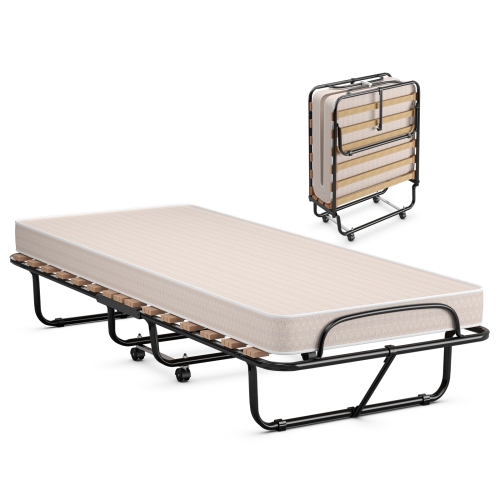
Contouring comfort with support for different sleepers
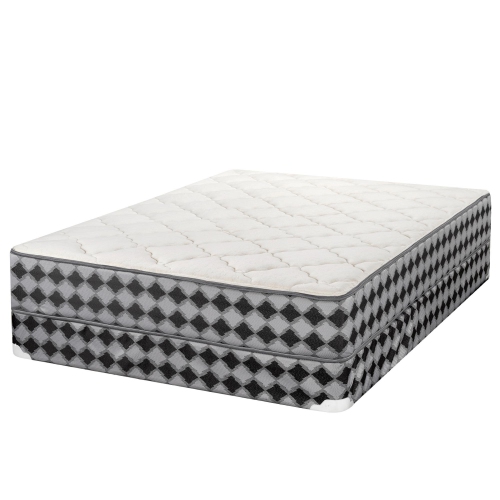
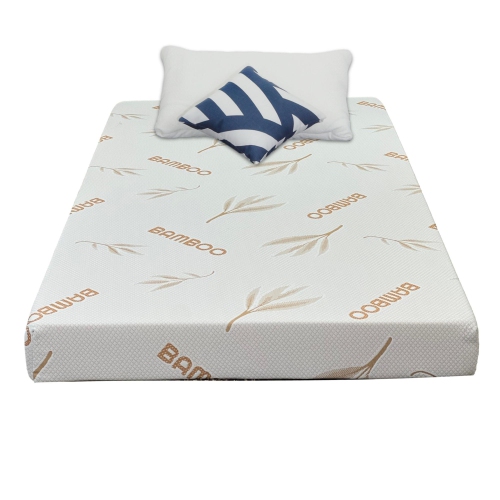
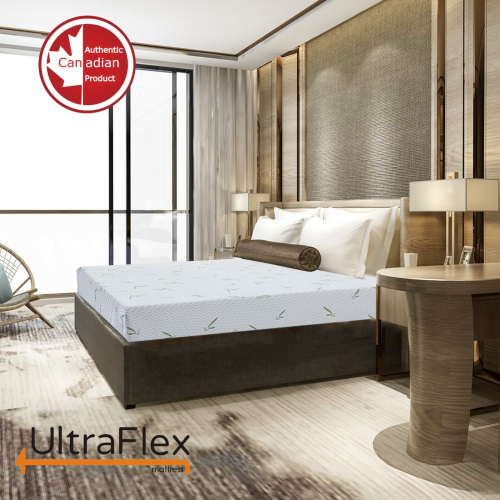
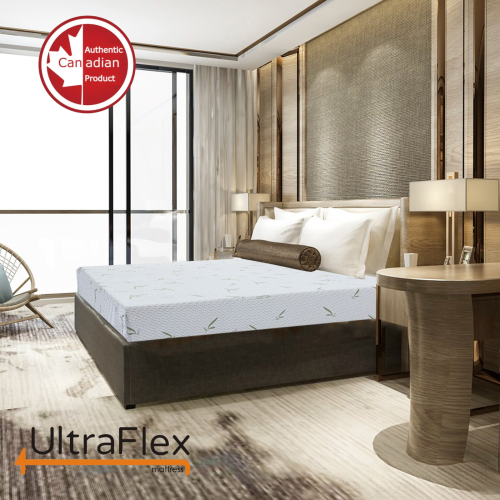
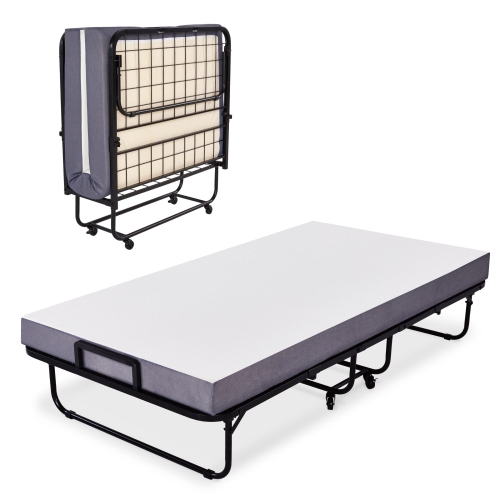
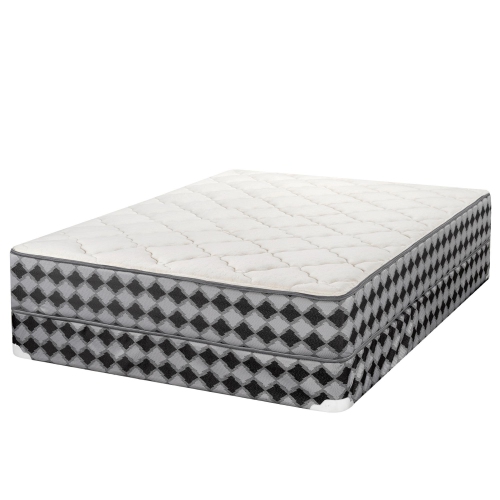
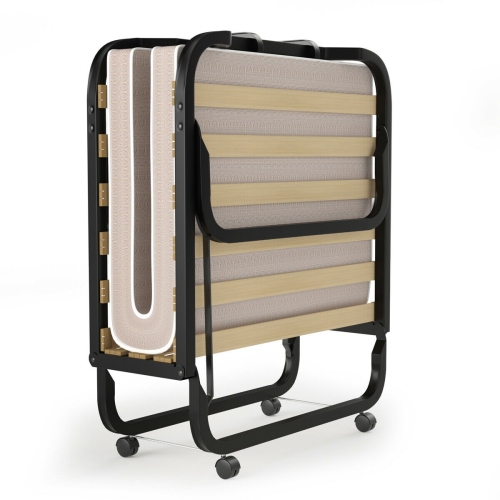
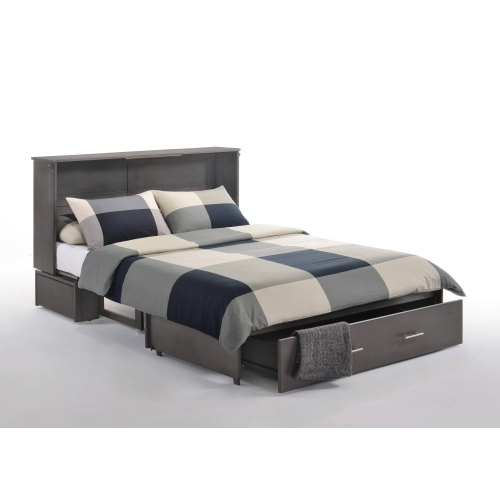
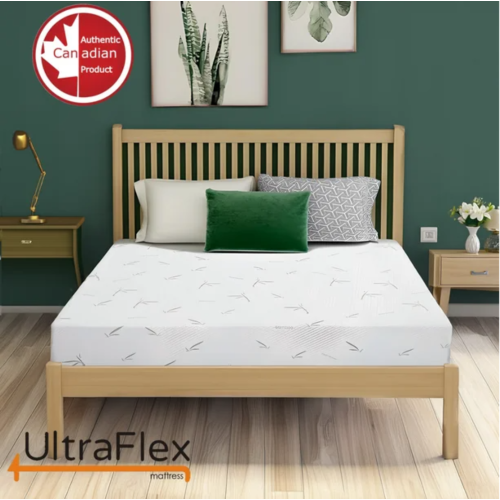
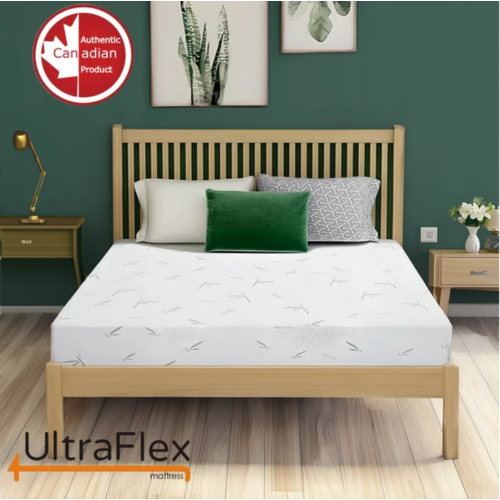
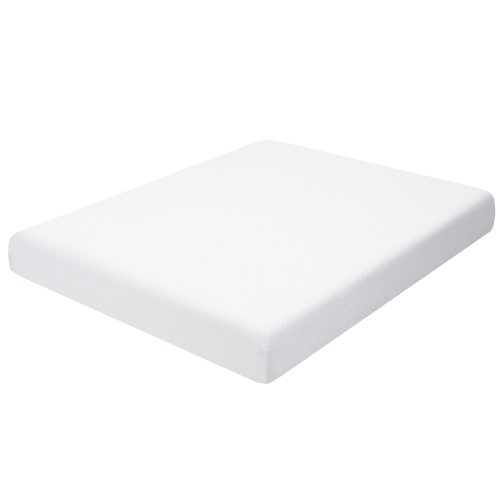
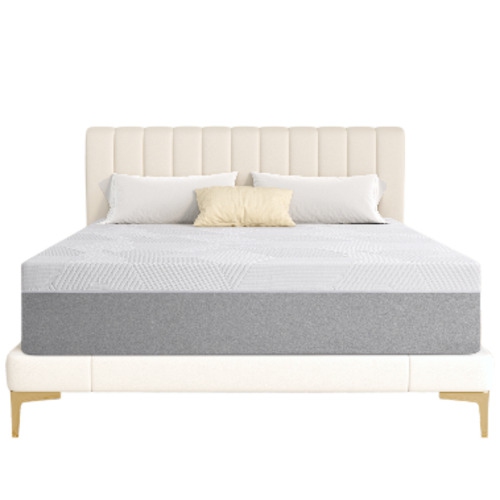
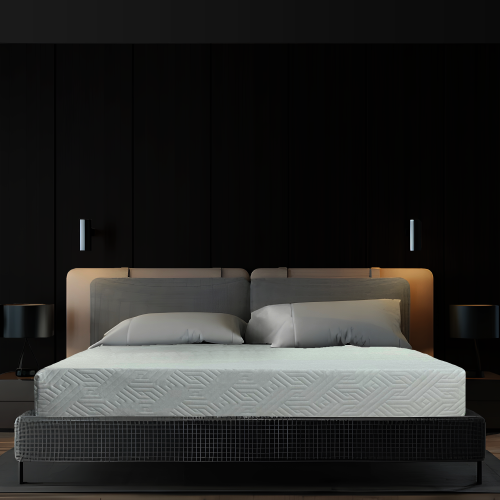
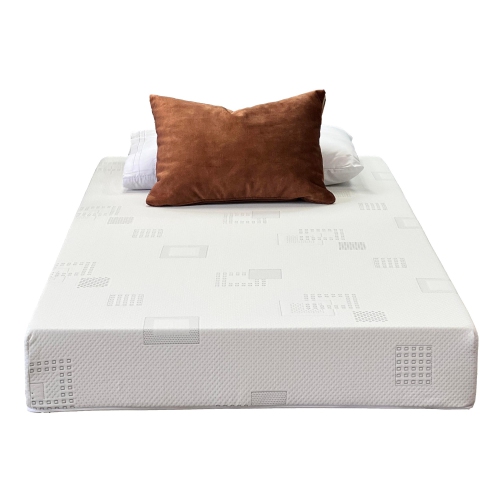
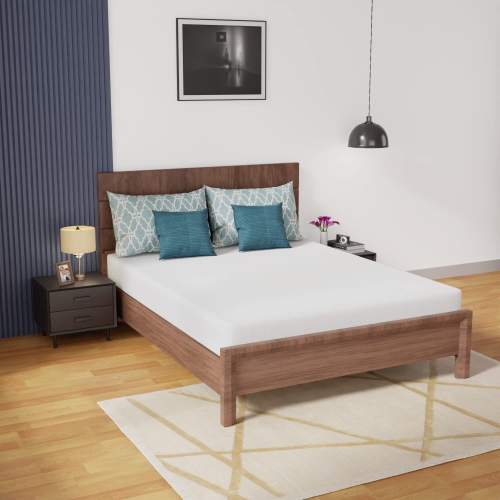
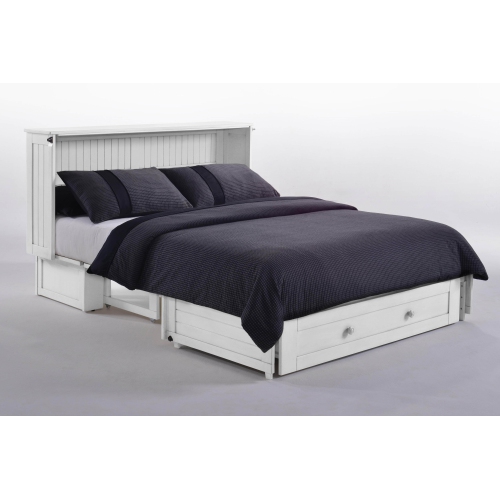
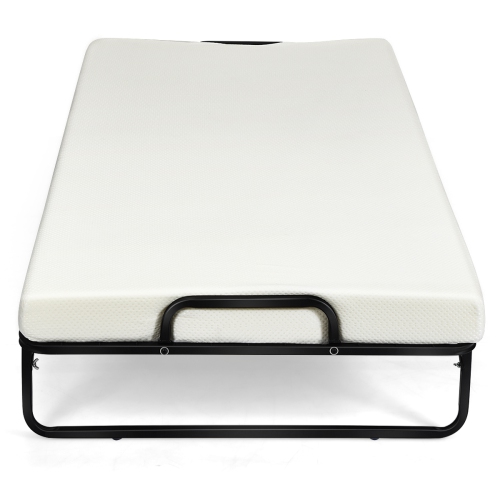
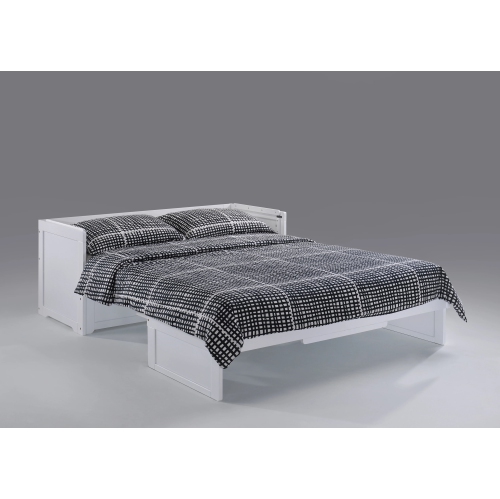
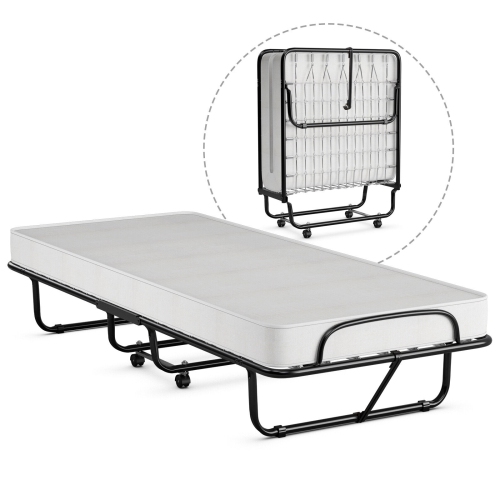
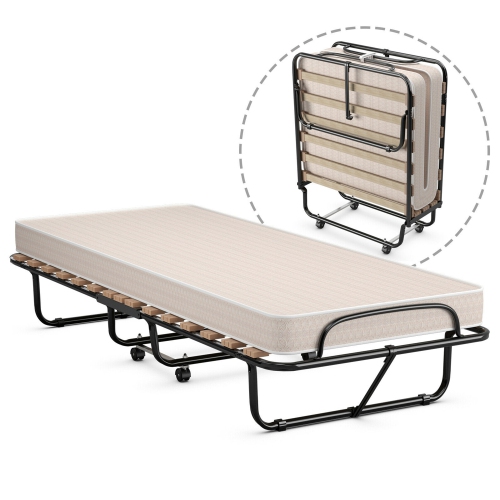
Foam beds are designed to create a supportive, cushioned sleep surface that responds to the way you rest. In many models, the foam gradually conforms to the contours of your shoulders, hips, and lower back, helping distribute weight more evenly instead of concentrating pressure in a few contact points. This body-contouring feel can be appealing to side sleepers who want extra cushioning around the shoulders and hips, as well as to back sleepers looking for a balanced combination of comfort and support. Foam can also help limit motion transfer, making it a practical choice for couples with different sleep schedules or sleeping styles. When one person turns over, gets out of bed, or settles in after a late night, the movement is less likely to travel across the entire sleep surface. The overall feel depends on the construction, firmness, thickness, and density of the foam, so it is useful to consider how you usually sleep before choosing a bed. Softer foam may provide a deeper, more enveloping sensation, while medium or firmer options can make it easier to change positions and get in or out of bed. A properly matched surface should support a neutral sleeping posture, with the spine kept comfortably aligned rather than dipping or twisting under the heavier areas of the body. For a broader selection of cushioning styles and constructions, explore Foam Mattresses when comparing options for a bedroom, guest room, apartment, or cottage.
The type of foam used in a bed affects its feel and performance. Memory foam is known for responding to body heat and pressure, creating a close, moulded sensation that can relieve pressure around common contact areas. It is often chosen by sleepers who appreciate a stable, cushioned surface and a feeling of being gently held in place. Polyfoam can feel more responsive, with a little more bounce and quicker recovery when you move, which may suit combination sleepers who shift between their side, back, and stomach during the night. Some foam beds use several layers, placing softer comfort foam above denser support foam to create a gradual transition from plush cushioning to a stable base. Hybrid designs combine foam with other support components, offering contouring at the surface while retaining a more buoyant feel underneath. Temperature can also be an important consideration. A closely conforming foam surface may feel warmer to some sleepers, particularly in a naturally warm bedroom or when covered with heavier bedding during the cooler months. Open-cell structures, breathable covers, ventilated layers, and a suitable sheet material may help create a fresher-feeling sleep environment, although individual comfort varies. Look at the bed’s dimensions, height, weight, and recommended foundation before purchase, especially if it will be placed on an existing frame. A solid, compatible base helps the layers perform as intended, while a higher profile may be useful for anyone who prefers a more elevated sitting and sleeping position. It is also worth measuring doorways, stairwells, and the space around the bed, since a comfortable mattress or foam bed still needs to make it safely into the room.
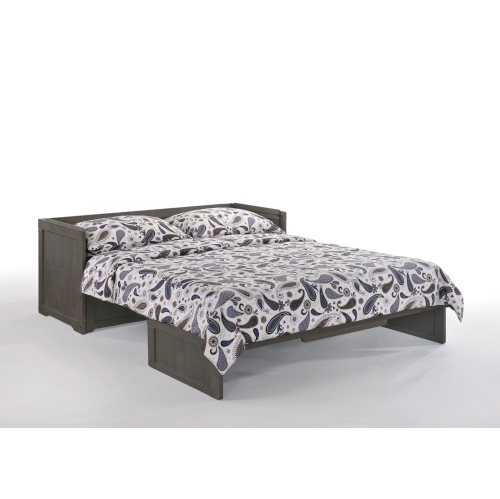
Foam beds can suit a wide range of households, from someone furnishing a first apartment to families preparing a welcoming guest room before visitors arrive. A foam bed can also be a thoughtful housewarming gift when the recipient is setting up a new bedroom, moving into a student residence, or creating a more comfortable space for overnight guests. For a guest room, a medium feel is often a versatile choice because it can accommodate different sleeping positions without being overly soft or rigid. In a primary bedroom, personal preferences matter more: couples may wish to compare firmness needs, motion isolation, edge support, and the amount of space each person requires. A larger sleep surface can give partners more room to move, while a compact size may be easier to place in a child’s room, den, or smaller apartment. Keep in mind that foam can have a distinct new-product scent after unpacking; allowing the bed to air out in a well-ventilated room according to the manufacturer’s instructions can help it settle before use. Rotating the bed when recommended, using a fitted protector, and following the care instructions can help maintain a clean, even surface over time. As the weather warms, breathable bedding and a comfortable room temperature can complement a close-fitting foam design; during the cooler months, layered blankets can make the same supportive surface feel especially inviting. Whether the priority is pressure relief, reduced partner disturbance, a contouring feel, or dependable support for everyday sleep, comparing foam construction, firmness, dimensions, foundation compatibility, and care requirements can make it easier to find a bed that feels natural from the first night and remains practical for the room it serves.
The type of foam used in a bed affects its feel and performance. Memory foam is known for responding to body heat and pressure, creating a close, moulded sensation that can relieve pressure around common contact areas. It is often chosen by sleepers who appreciate a stable, cushioned surface and a feeling of being gently held in place. Polyfoam can feel more responsive, with a little more bounce and quicker recovery when you move, which may suit combination sleepers who shift between their side, back, and stomach during the night. Some foam beds use several layers, placing softer comfort foam above denser support foam to create a gradual transition from plush cushioning to a stable base. Hybrid designs combine foam with other support components, offering contouring at the surface while retaining a more buoyant feel underneath. Temperature can also be an important consideration. A closely conforming foam surface may feel warmer to some sleepers, particularly in a naturally warm bedroom or when covered with heavier bedding during the cooler months. Open-cell structures, breathable covers, ventilated layers, and a suitable sheet material may help create a fresher-feeling sleep environment, although individual comfort varies. Look at the bed’s dimensions, height, weight, and recommended foundation before purchase, especially if it will be placed on an existing frame. A solid, compatible base helps the layers perform as intended, while a higher profile may be useful for anyone who prefers a more elevated sitting and sleeping position. It is also worth measuring doorways, stairwells, and the space around the bed, since a comfortable mattress or foam bed still needs to make it safely into the room.
Foam beds can suit a wide range of households, from someone furnishing a first apartment to families preparing a welcoming guest room before visitors arrive. A foam bed can also be a thoughtful housewarming gift when the recipient is setting up a new bedroom, moving into a student residence, or creating a more comfortable space for overnight guests. For a guest room, a medium feel is often a versatile choice because it can accommodate different sleeping positions without being overly soft or rigid. In a primary bedroom, personal preferences matter more: couples may wish to compare firmness needs, motion isolation, edge support, and the amount of space each person requires. A larger sleep surface can give partners more room to move, while a compact size may be easier to place in a child’s room, den, or smaller apartment. Keep in mind that foam can have a distinct new-product scent after unpacking; allowing the bed to air out in a well-ventilated room according to the manufacturer’s instructions can help it settle before use. Rotating the bed when recommended, using a fitted protector, and following the care instructions can help maintain a clean, even surface over time. As the weather warms, breathable bedding and a comfortable room temperature can complement a close-fitting foam design; during the cooler months, layered blankets can make the same supportive surface feel especially inviting. Whether the priority is pressure relief, reduced partner disturbance, a contouring feel, or dependable support for everyday sleep, comparing foam construction, firmness, dimensions, foundation compatibility, and care requirements can make it easier to find a bed that feels natural from the first night and remains practical for the room it serves.
Top selling and popular products
-
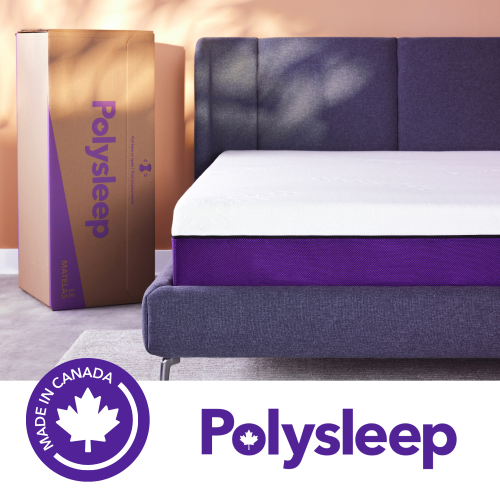 Your price for this item is $1195
 -
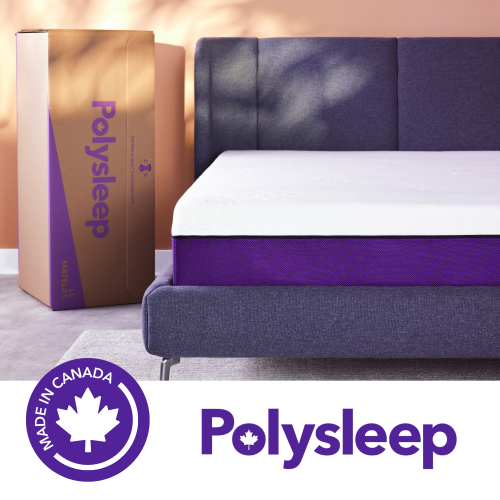 Your price for this item is $1395
 -
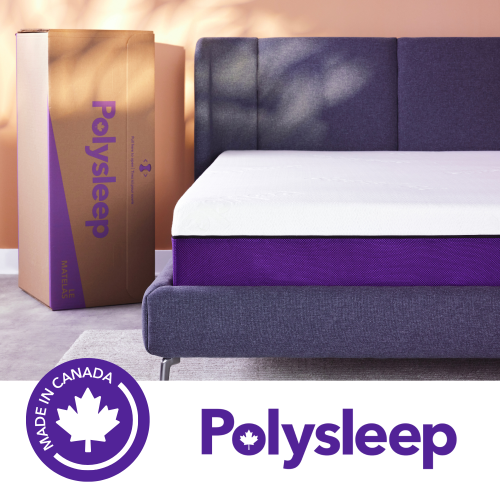 Your price for this item is $1095
 -
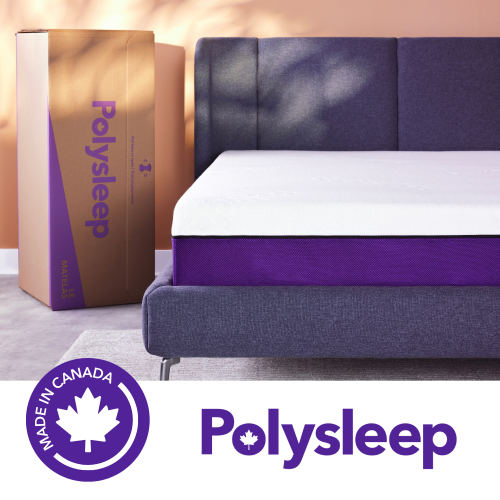 Your price for this item is $945
 -
 Your price for this item is $1199
 -
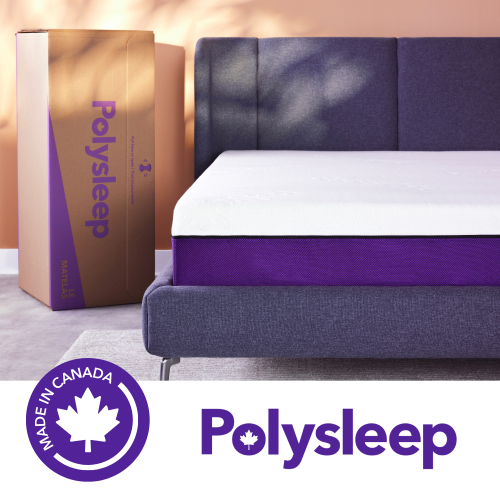 Your price for this item is $1395
 -
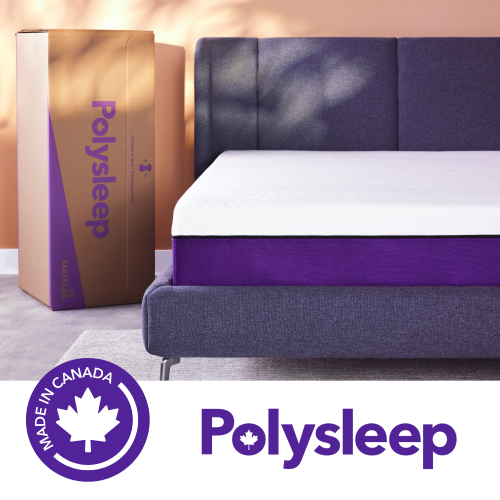 Your price for this item is $895
 -
 Your price for this item is $920
Discover more categories related to Foam Beds
Top Collections:
Pokemon Centers, Kindle Devices, Best Budget Office Chairs, Apple iPhones 16, Best Laptops for Writers, iPhone 15 Apple, Canon G7X Cameras, Refurbished Apple Laptops, Alarm Clock, Motorola Razr Phones
Some products may be subject to Environmental Handling Fees
(EHF) depending on your province.
Learn more about EHFs.