King Foam Mattresses
King foam mattresses are designed to provide superior comfort and support for those who need a larger sleeping area. These mattresses are a great option for couples who want to share a bed as well as those who need extra space for themselves. Here are some great options available.
Sort
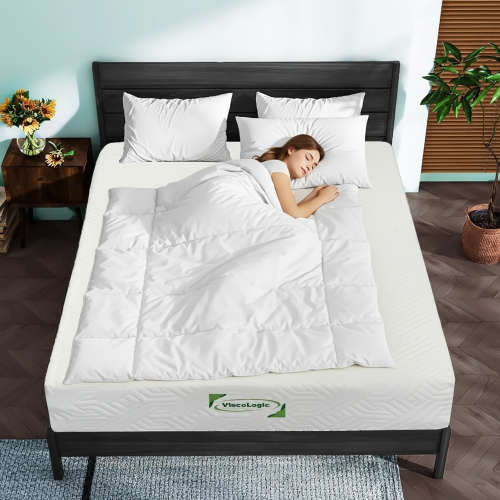
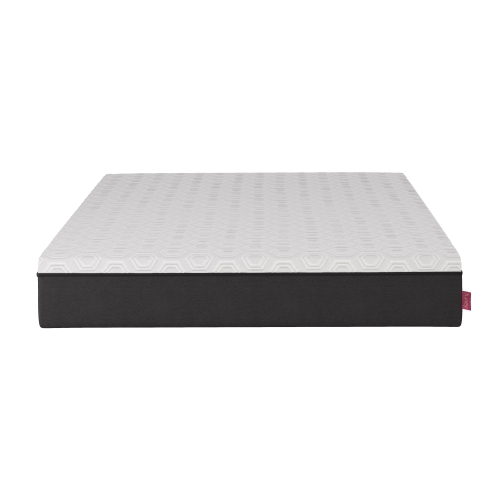
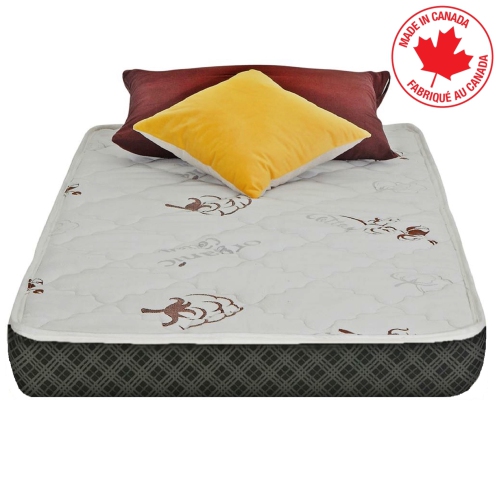

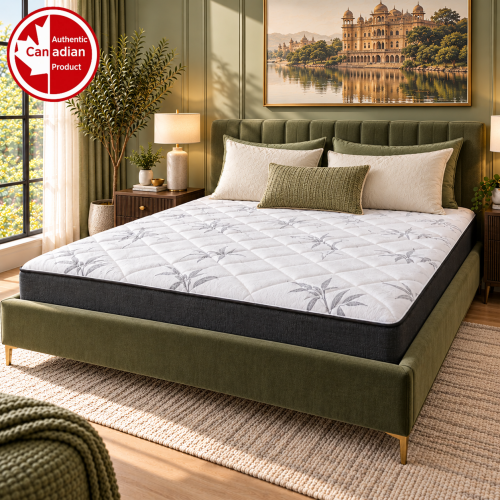

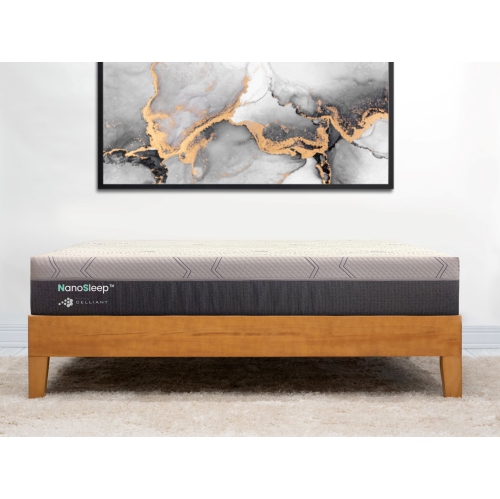
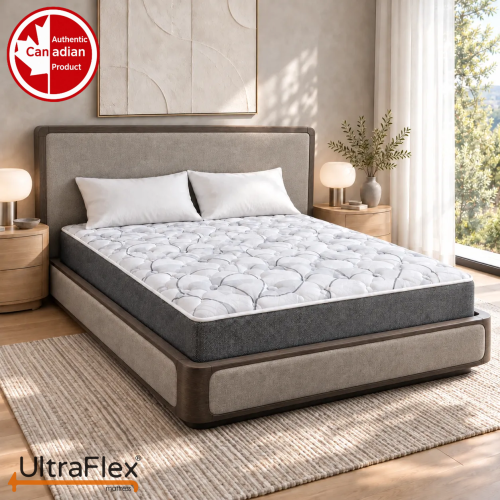
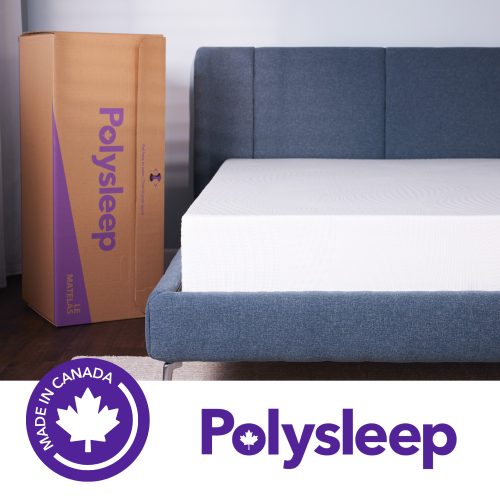
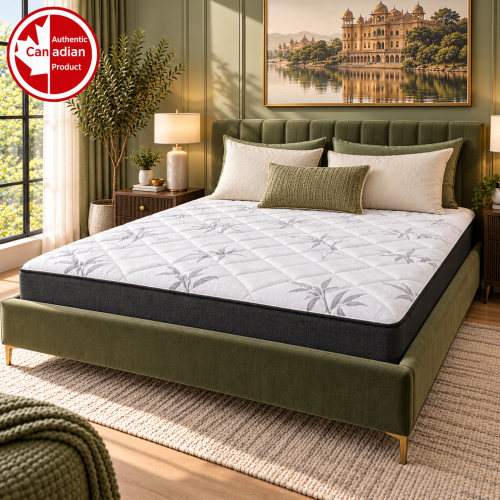
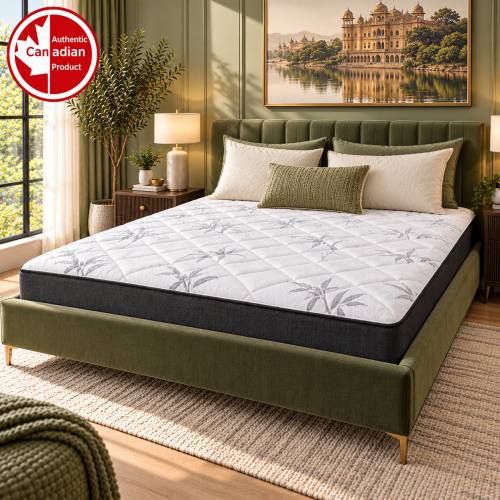
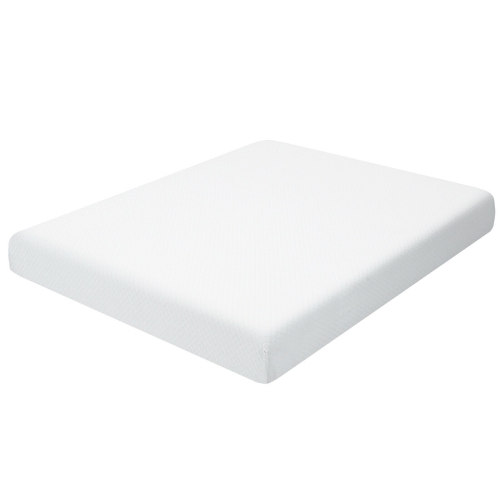
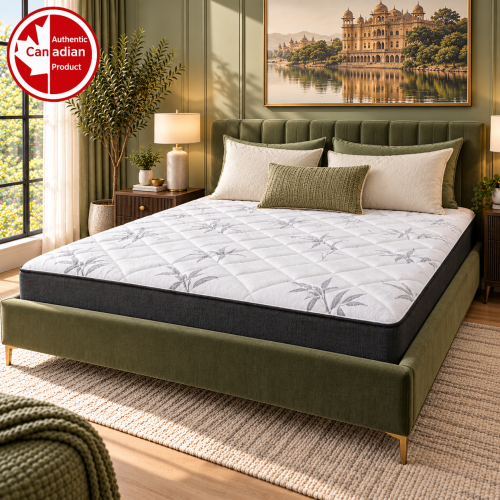
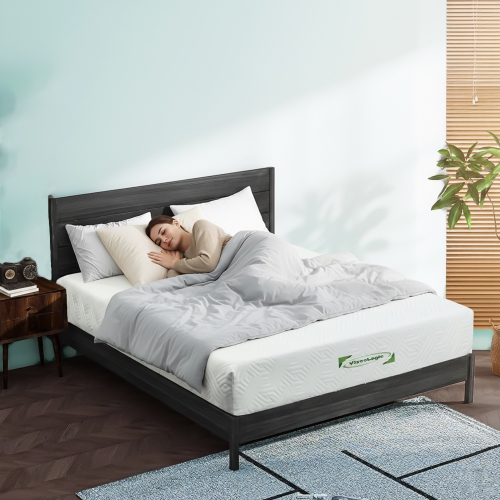
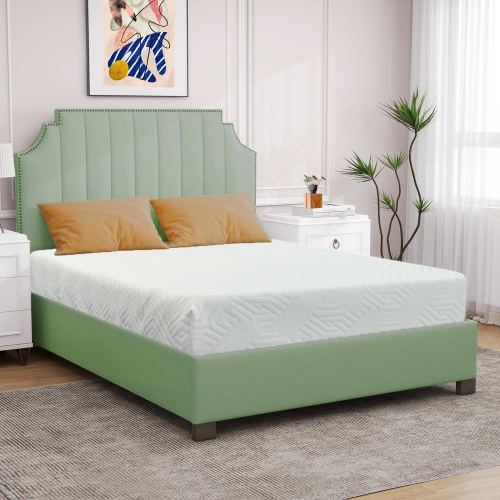
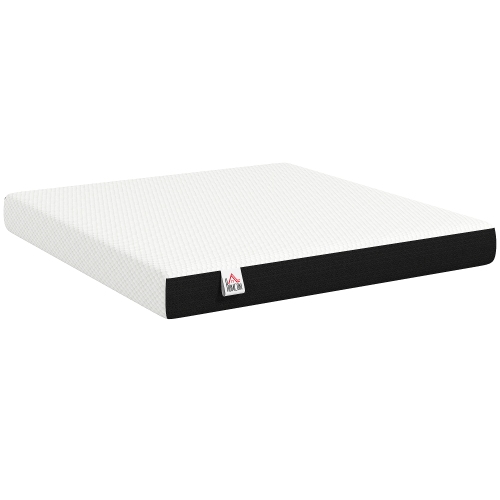

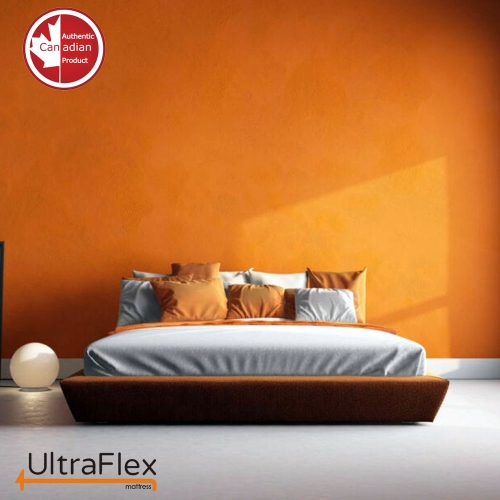
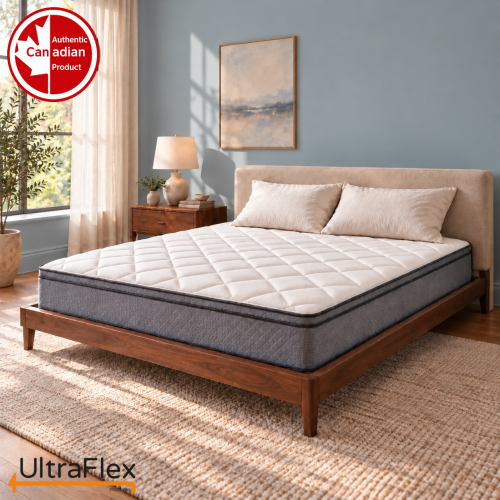
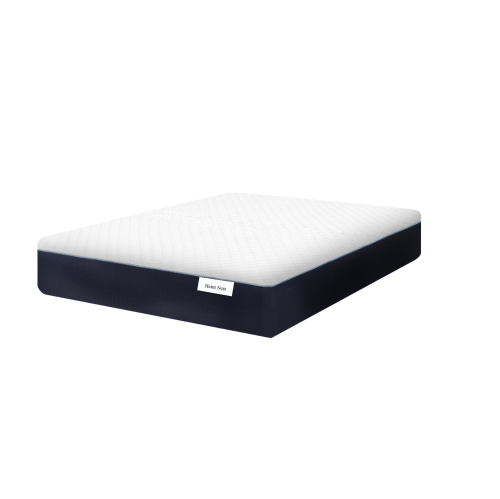
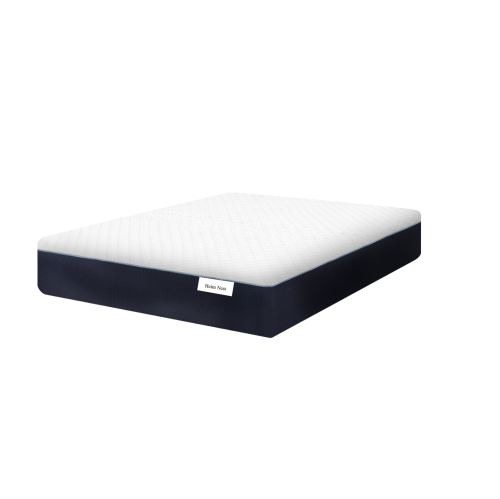
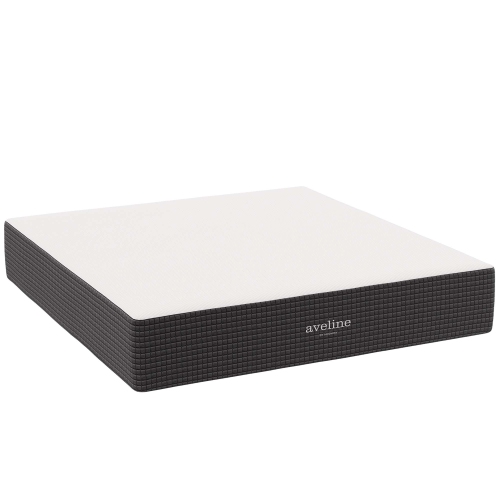


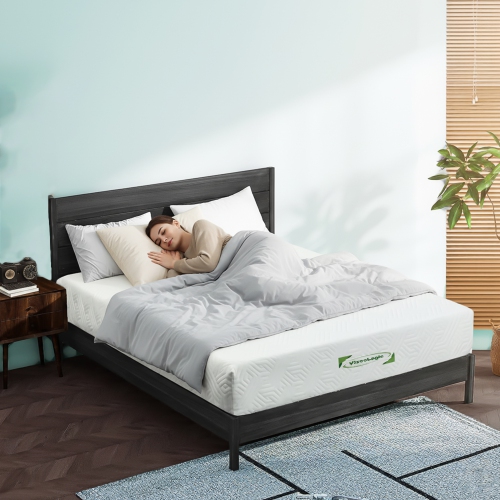
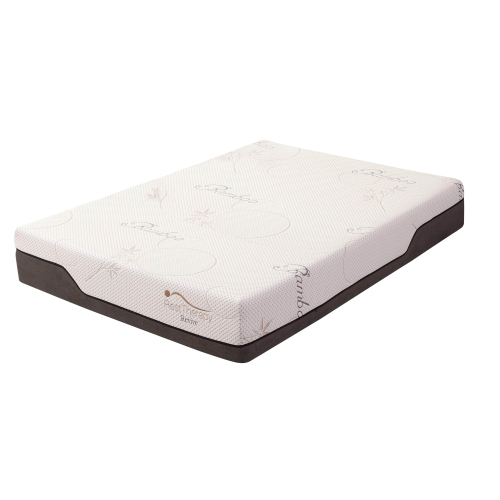
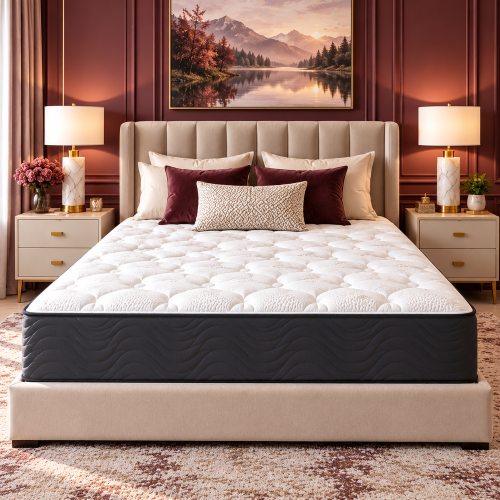
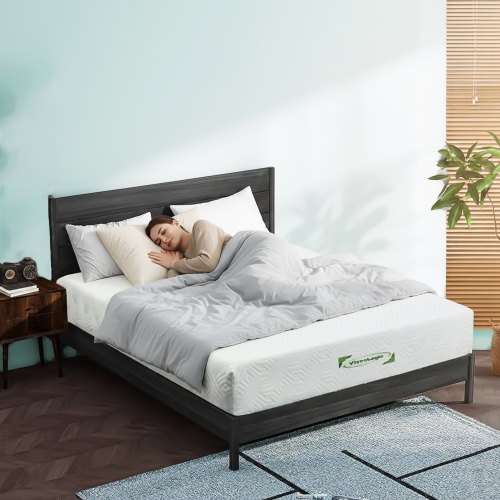
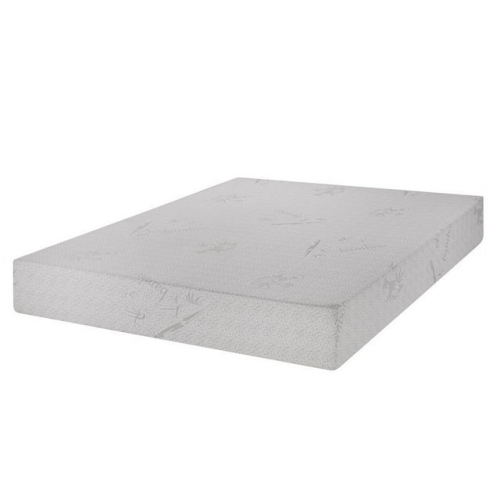
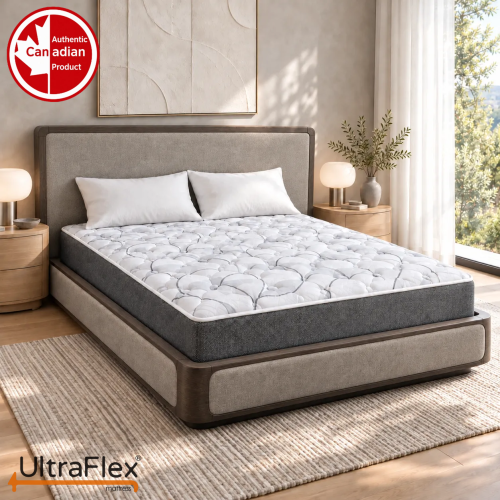
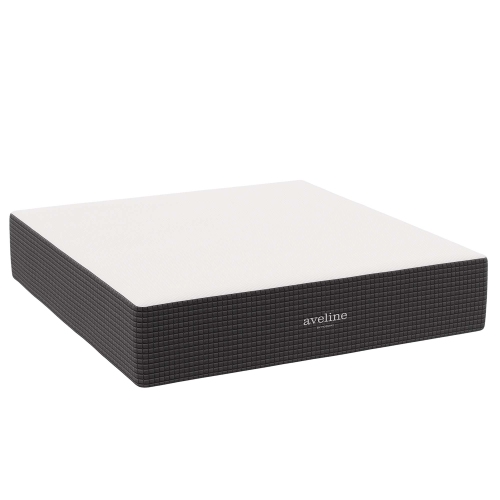
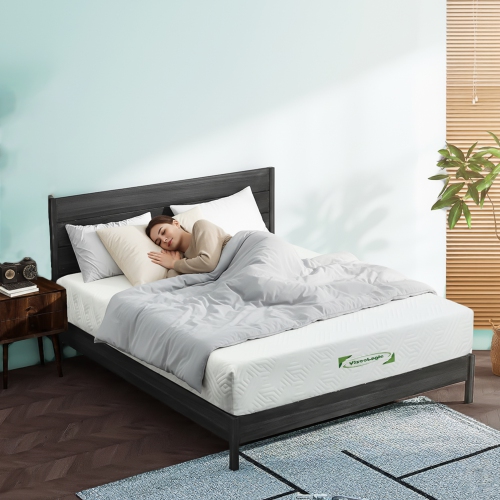
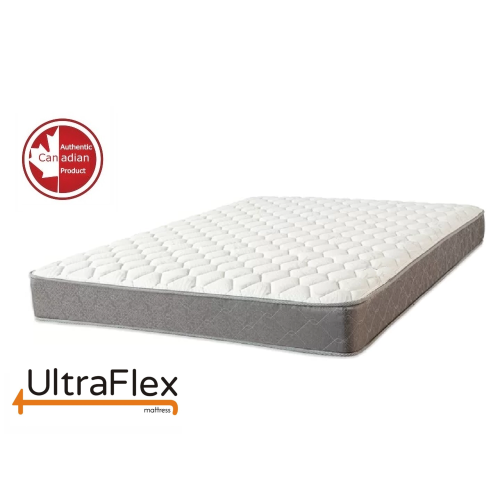
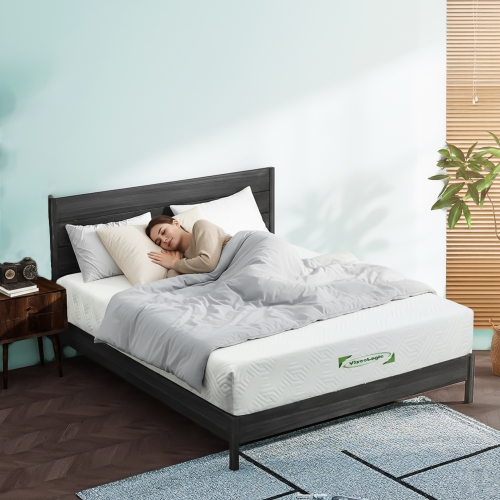
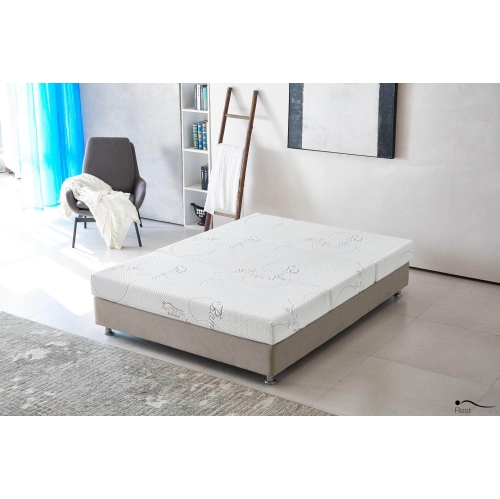
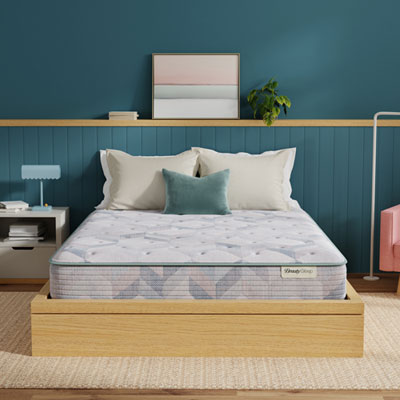
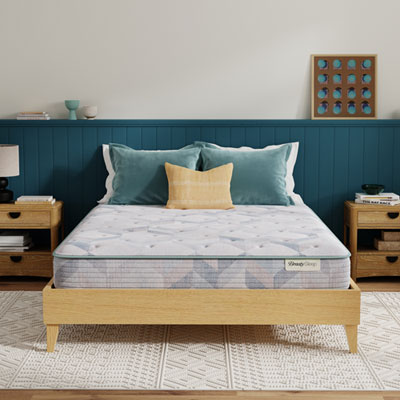
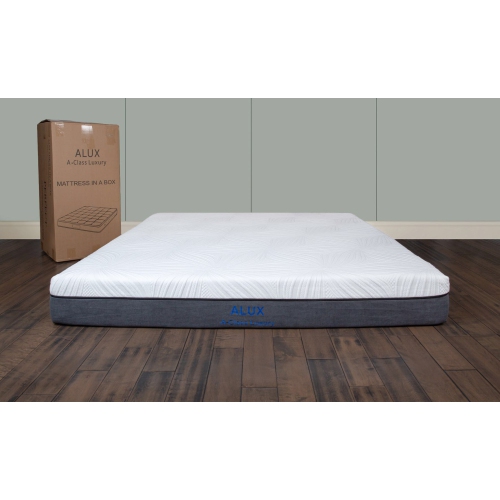
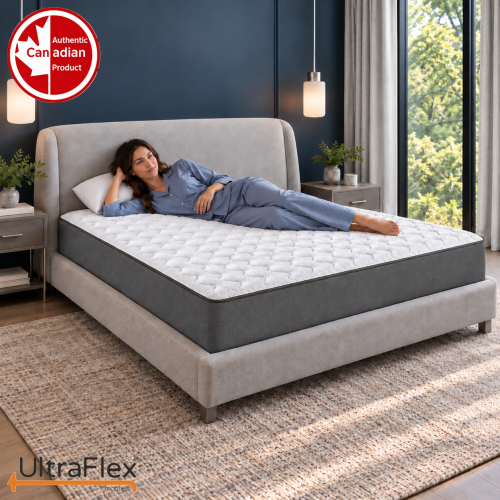
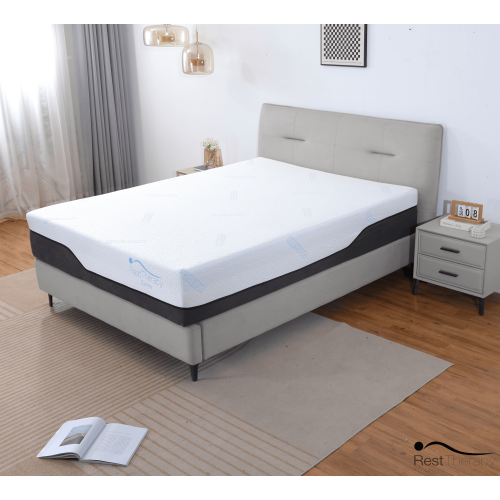
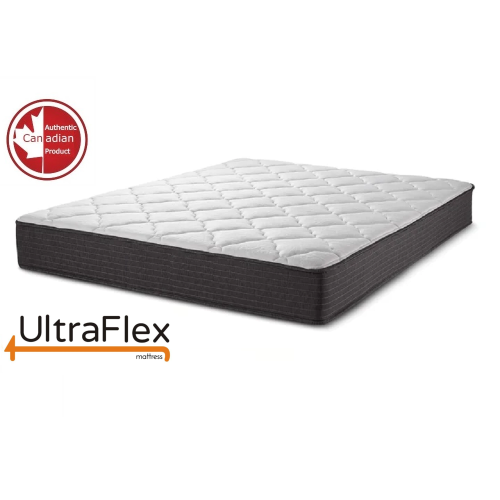
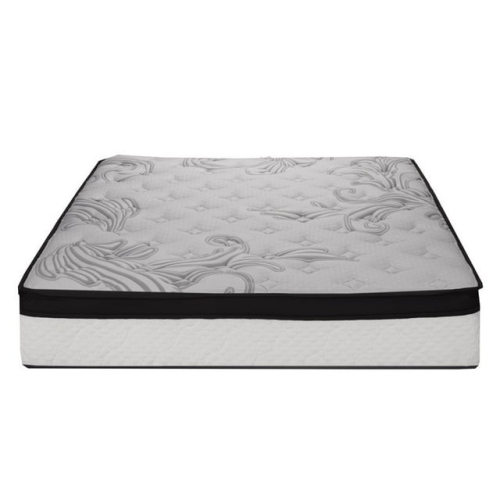
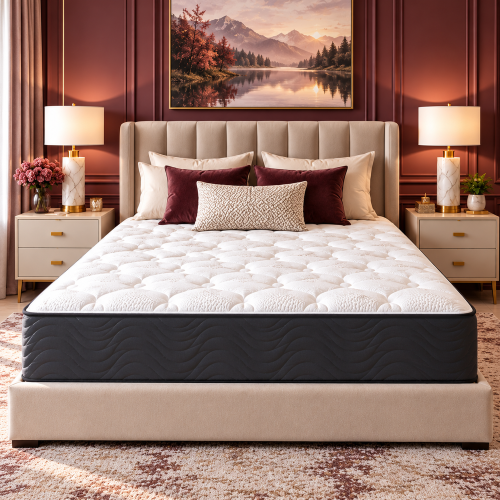
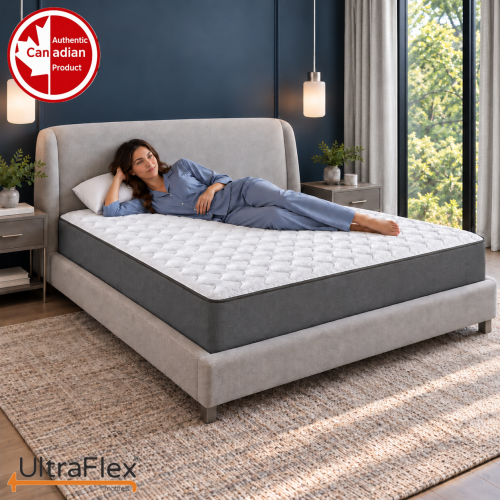
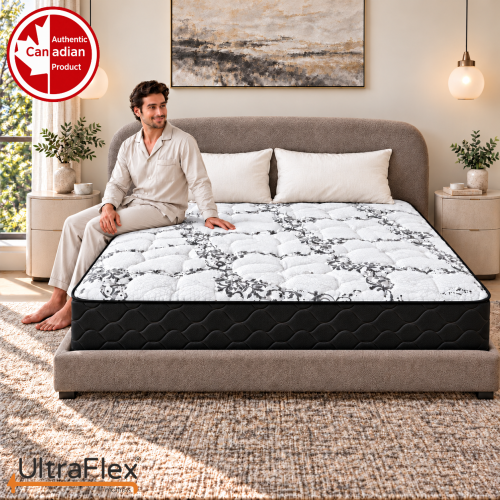
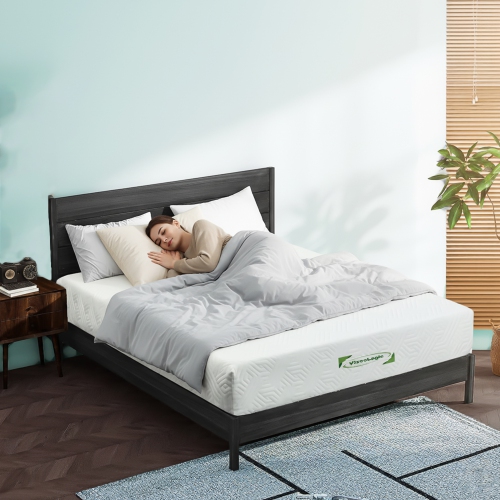
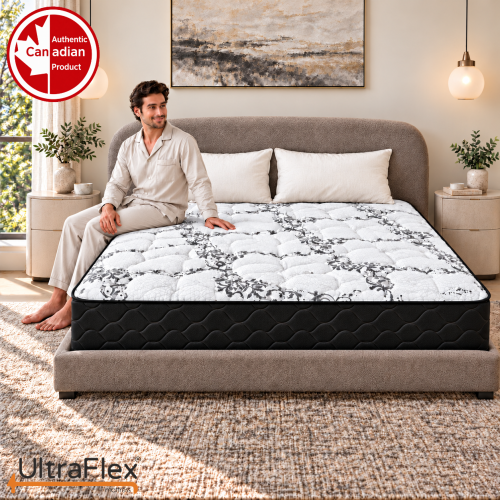
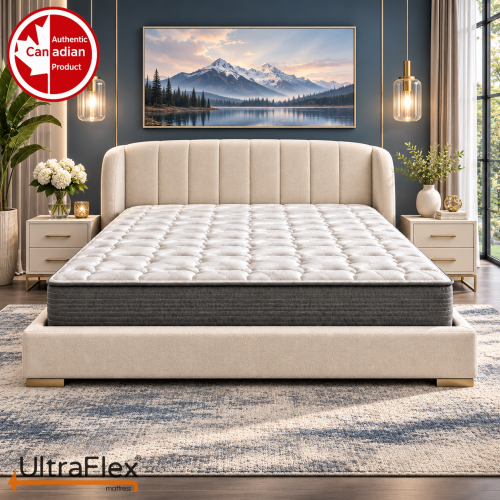
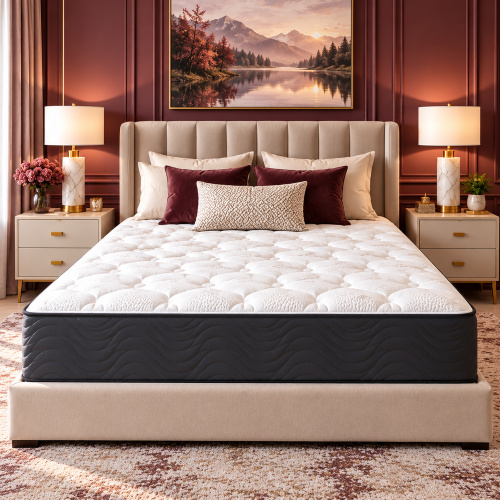
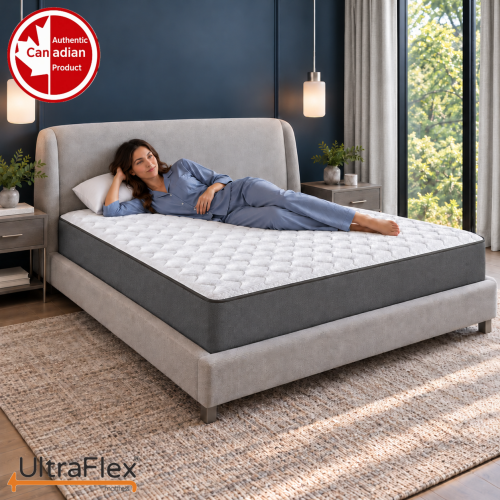
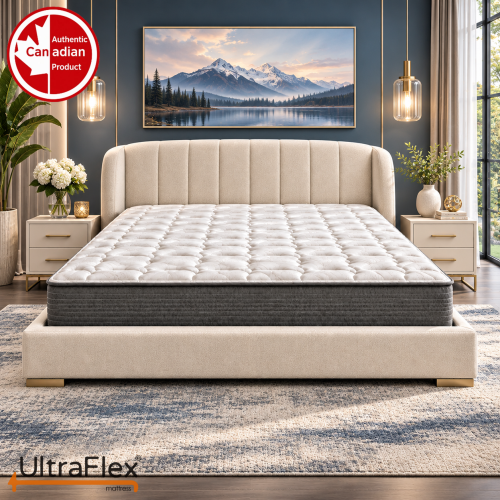
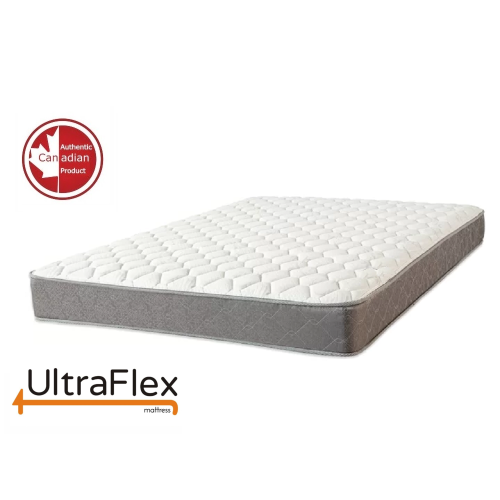
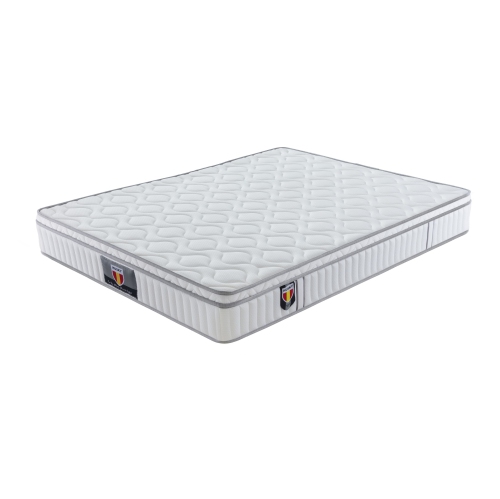
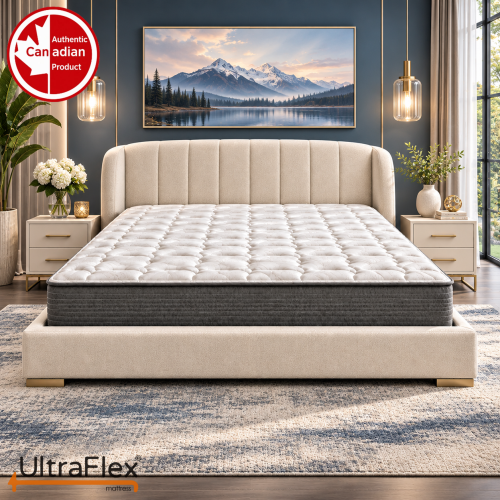
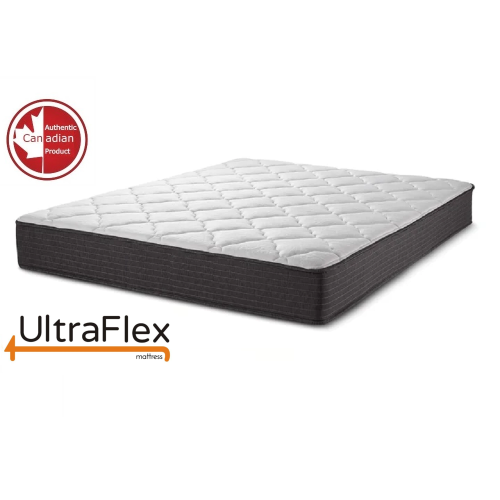
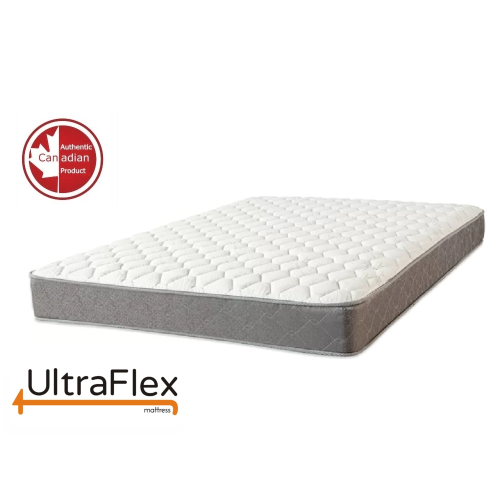
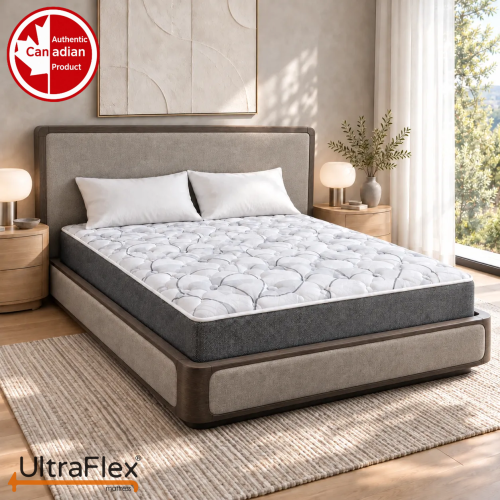
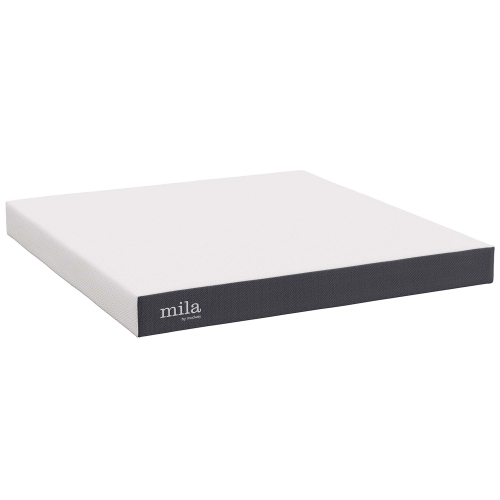
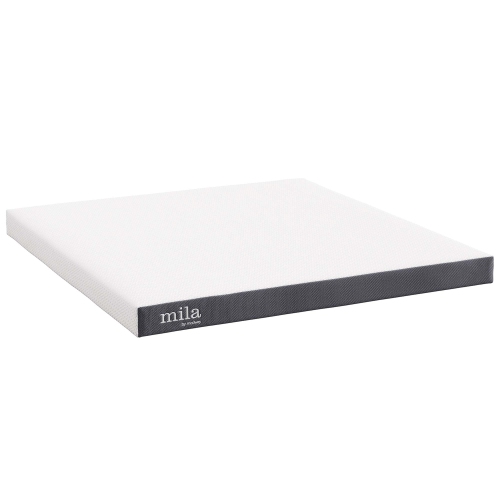

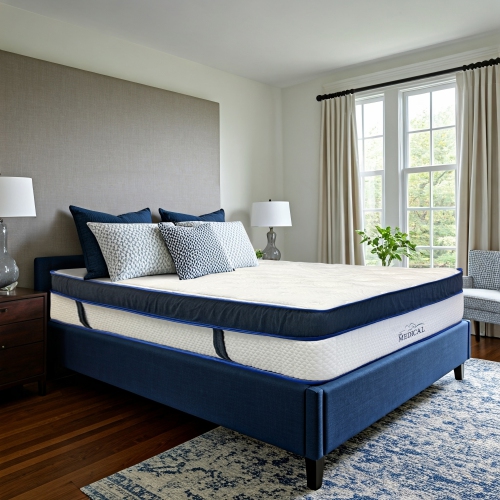
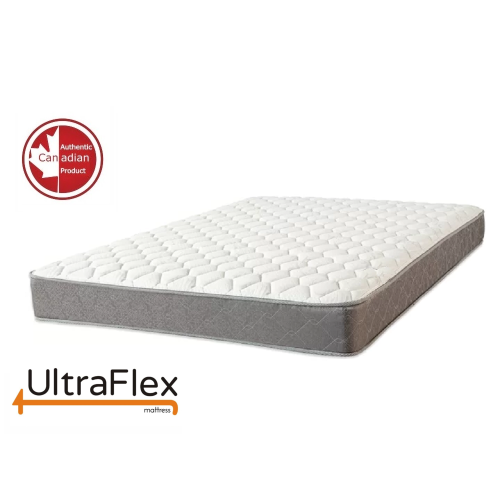
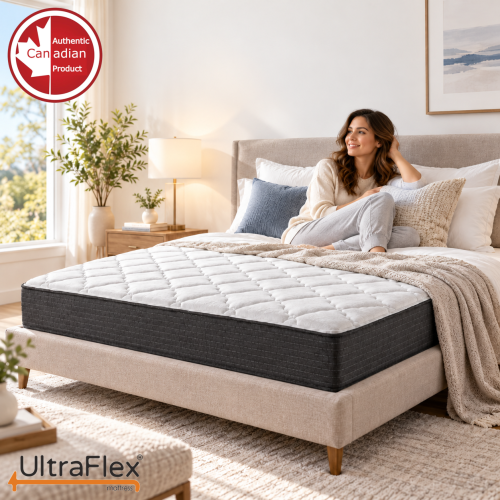
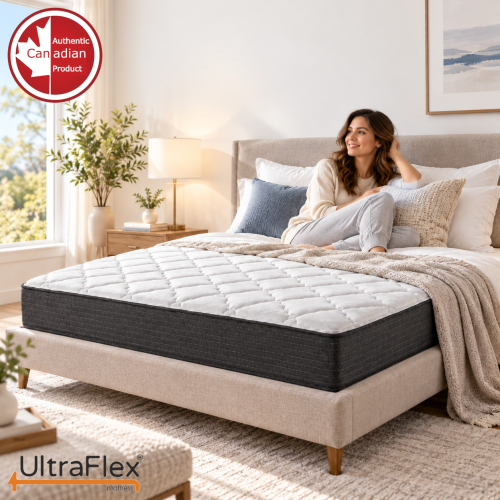

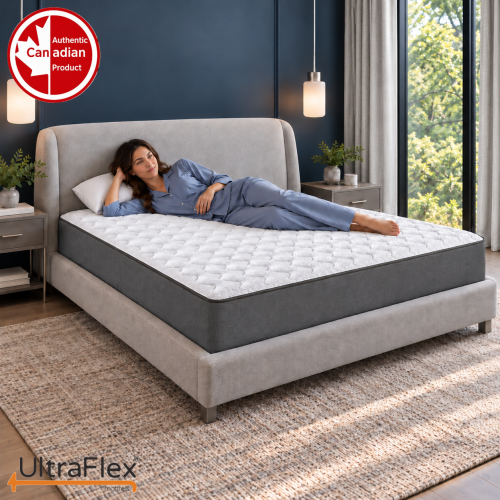
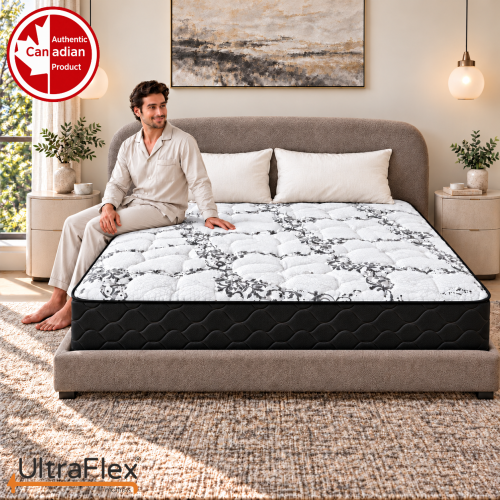
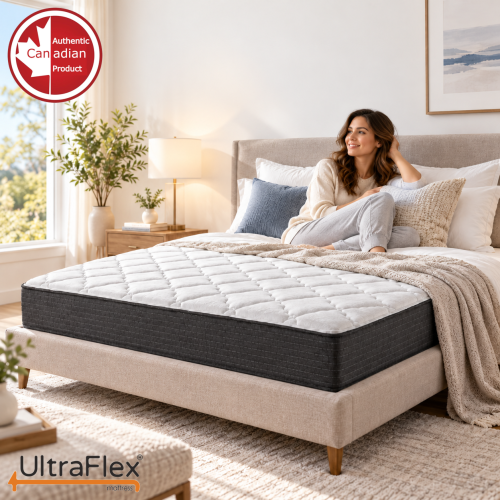
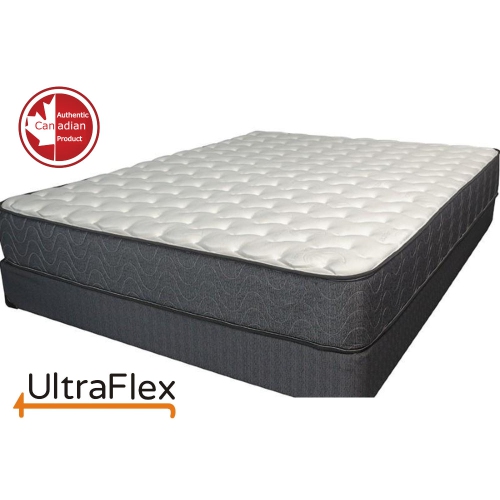
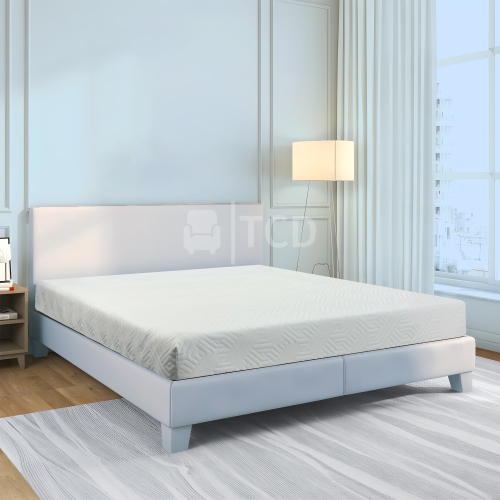
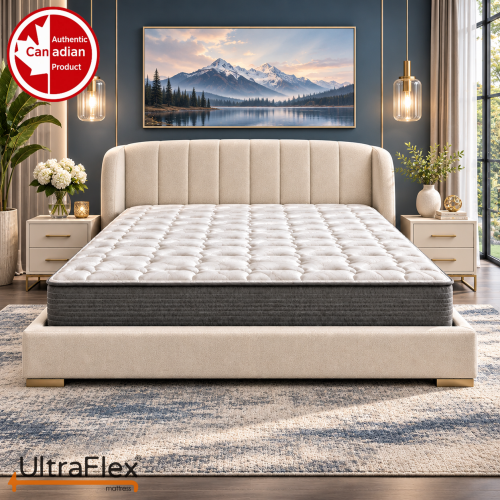
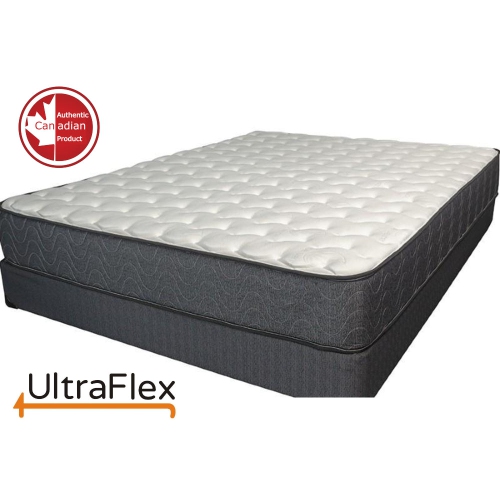
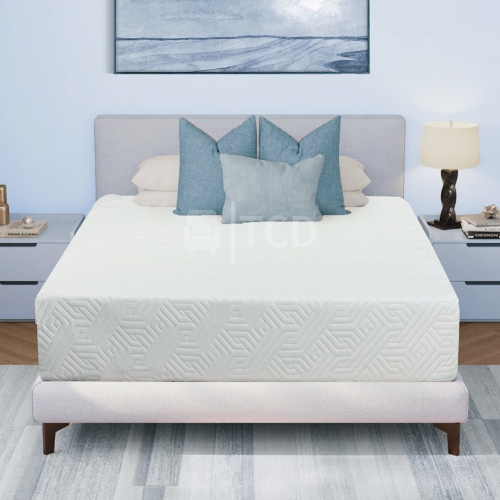
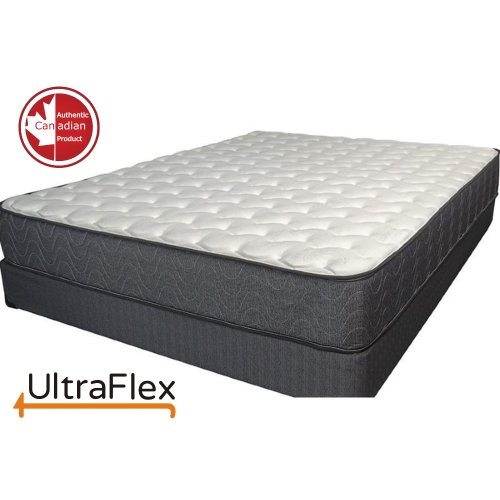
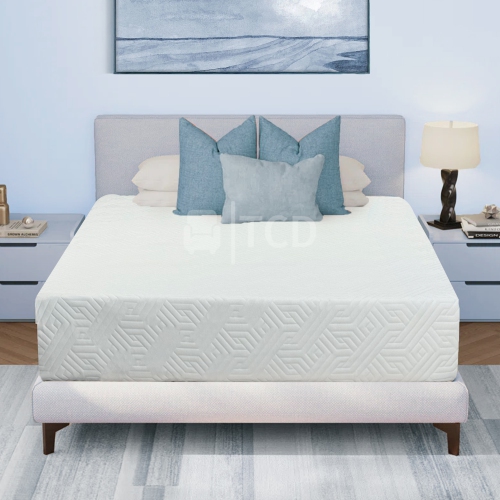

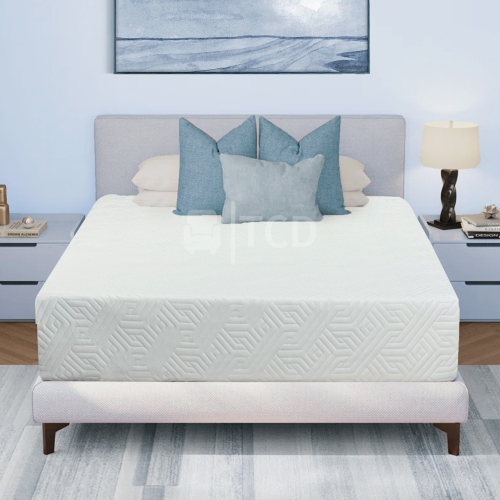

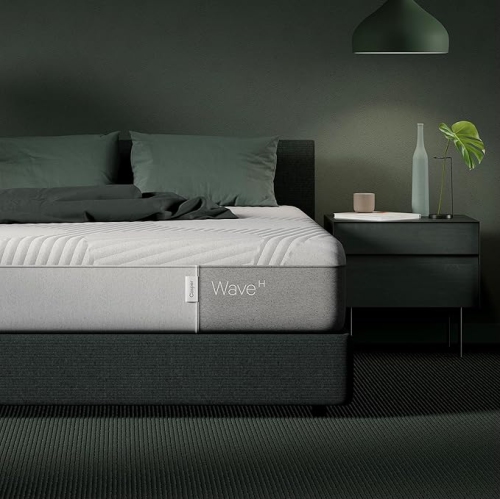
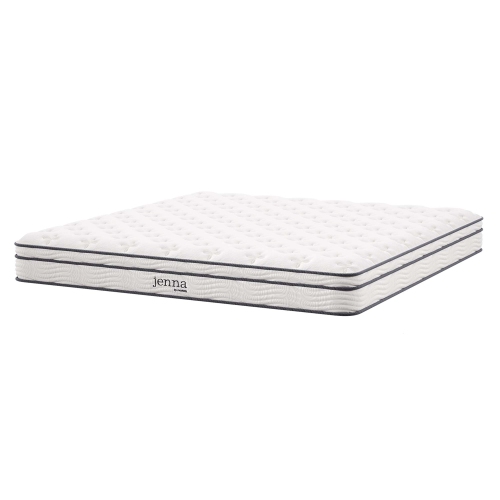
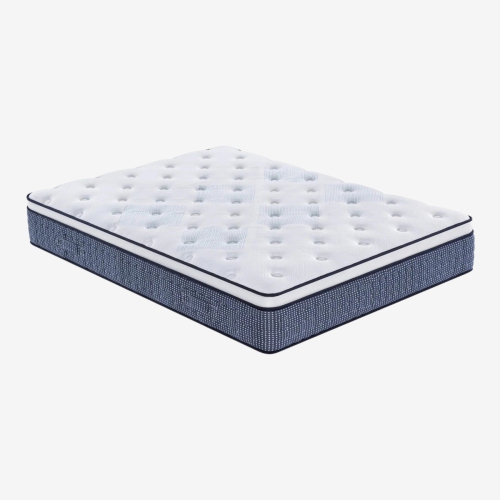
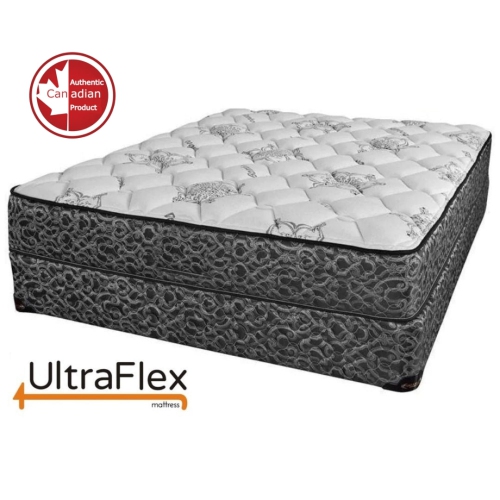
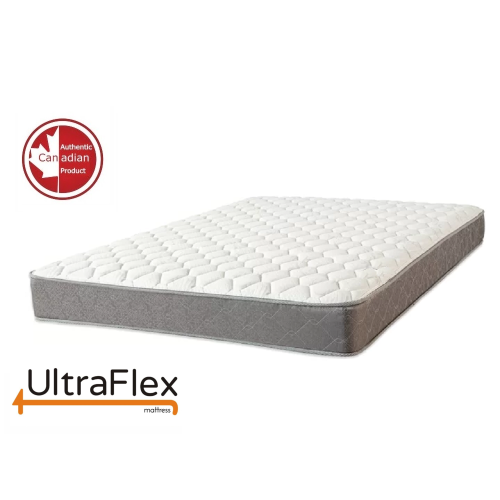
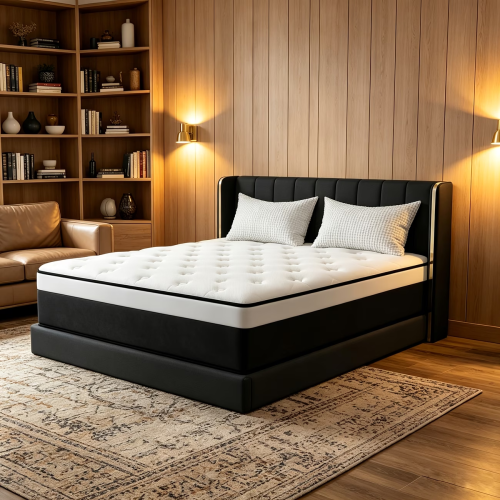
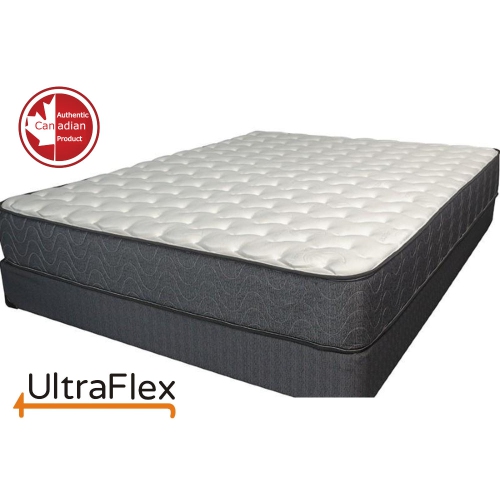
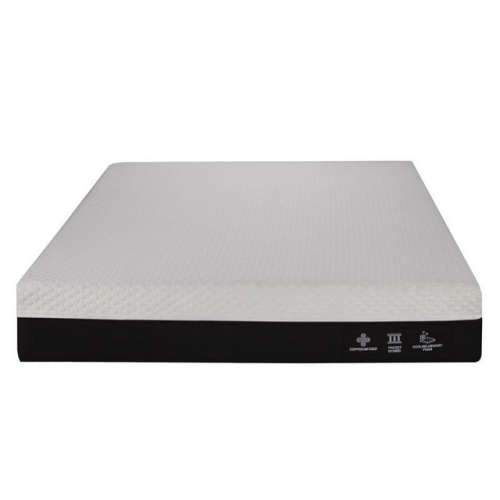
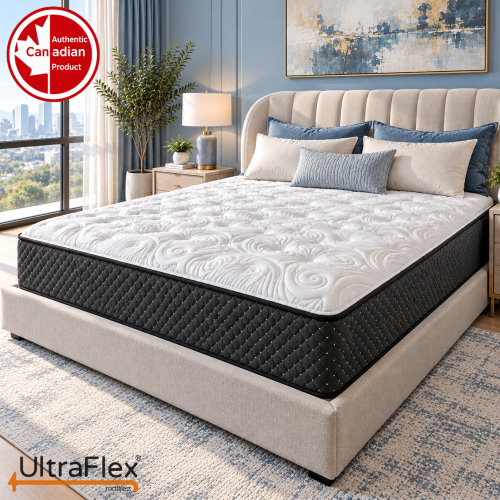
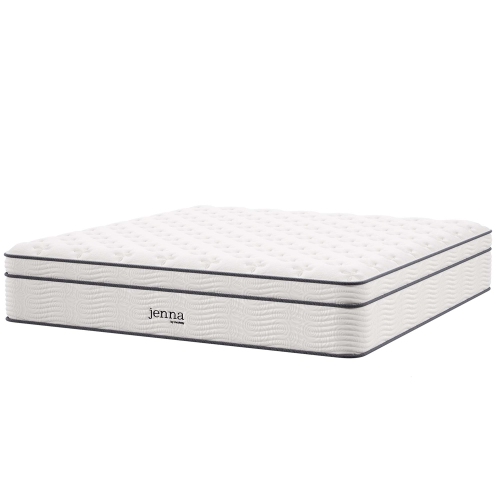
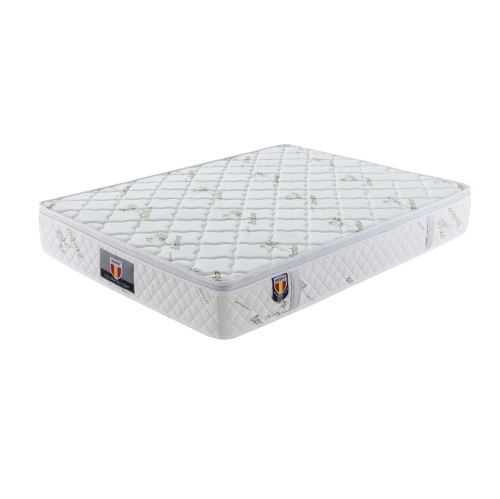
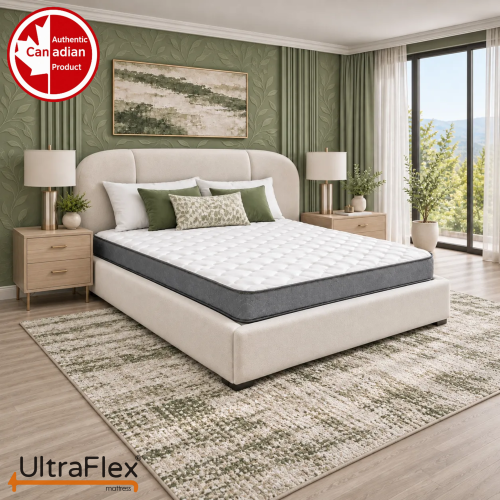
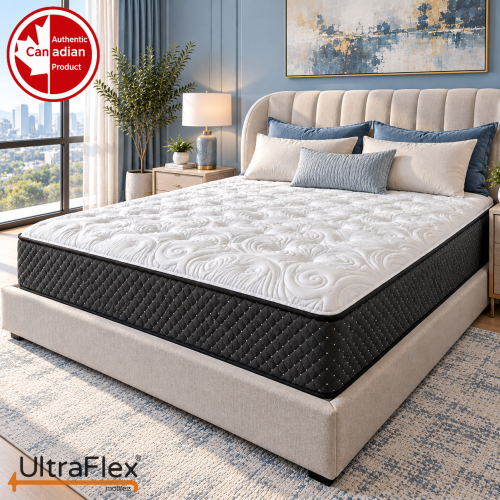
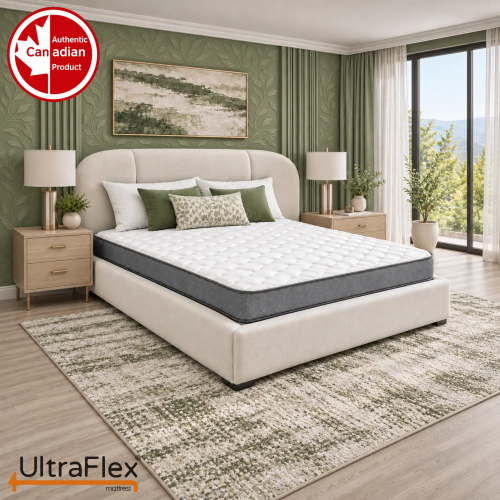
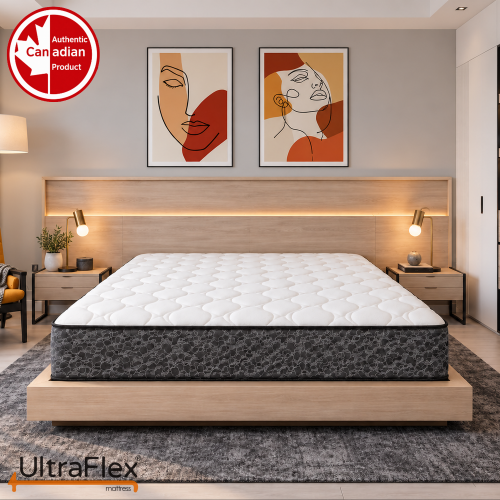
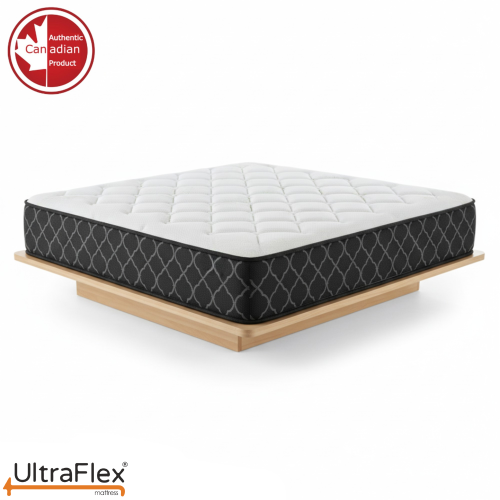

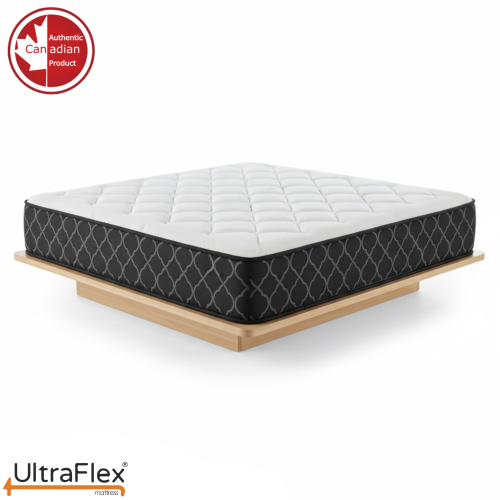
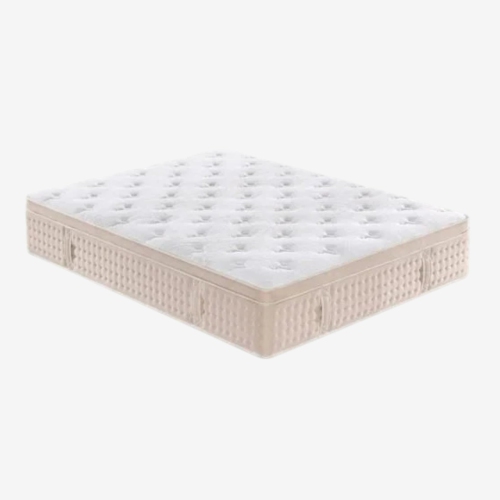
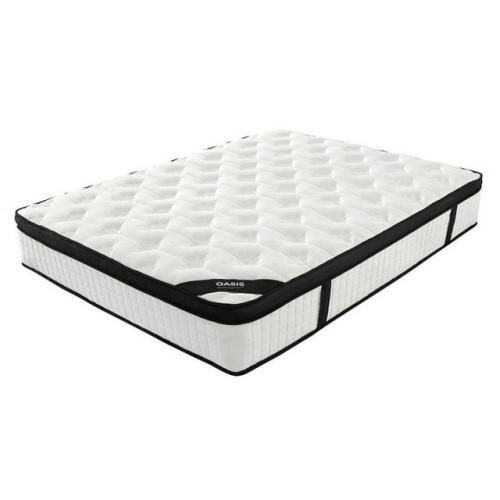
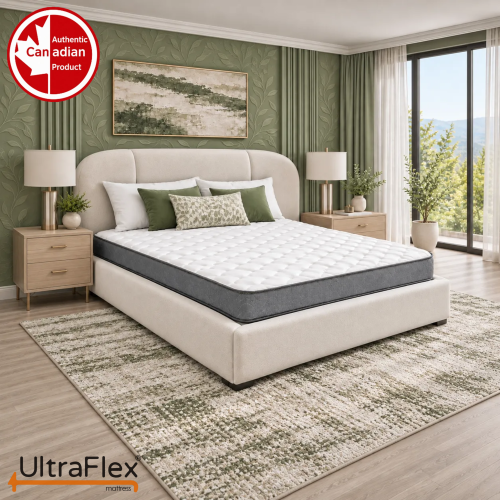
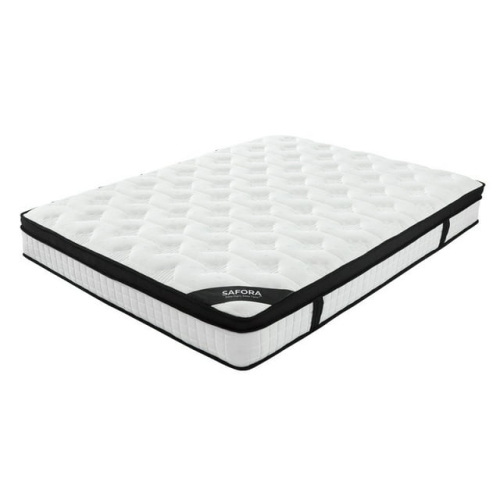
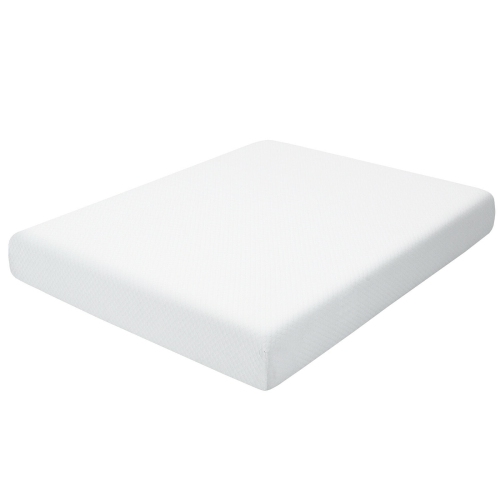
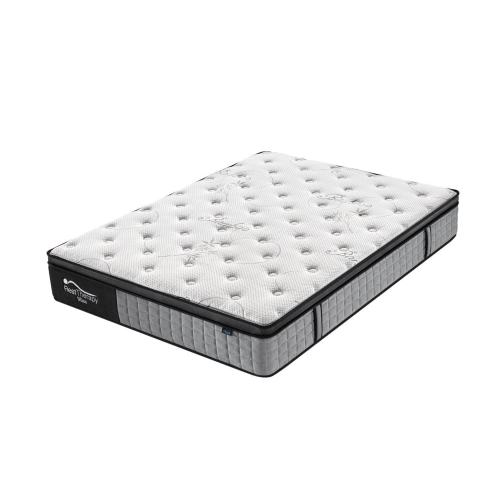



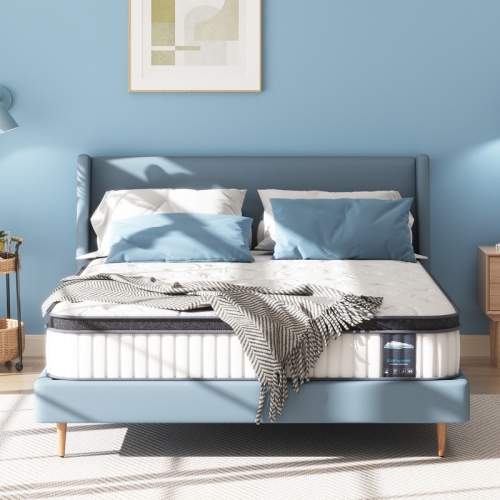

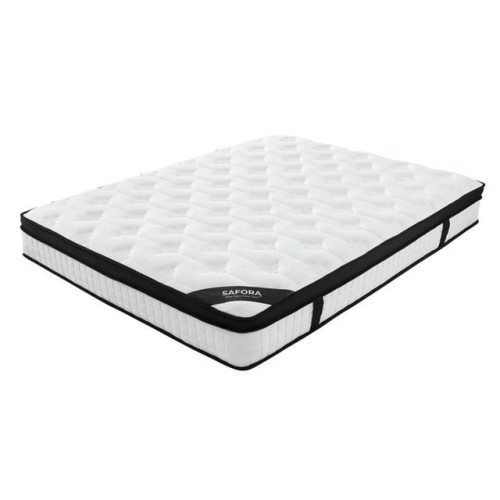
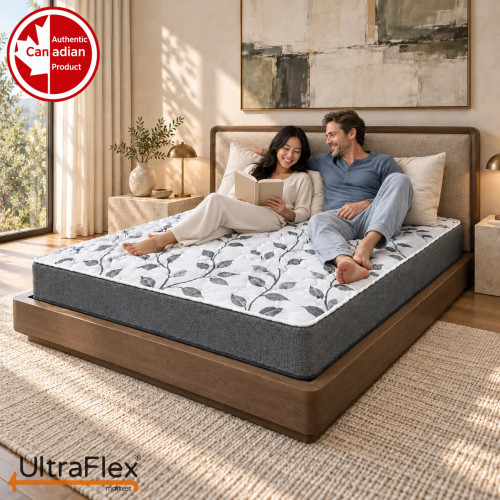
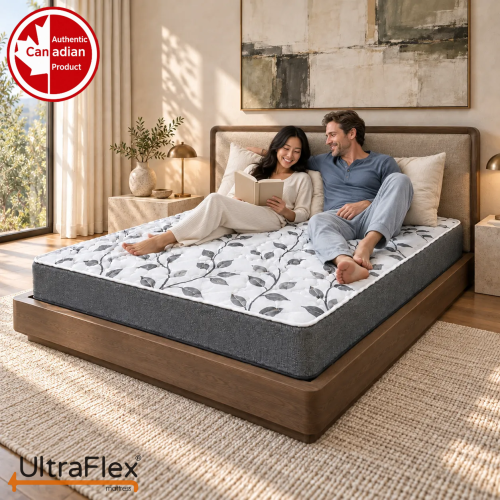
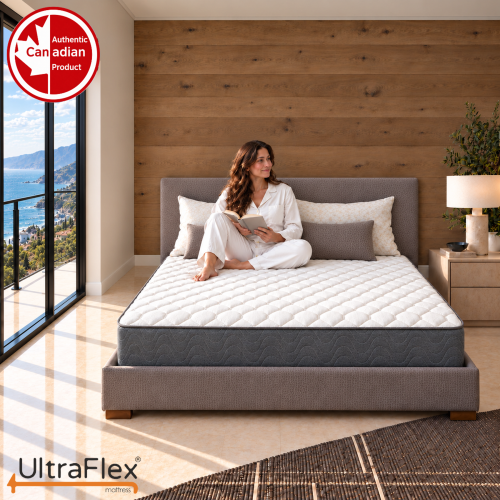
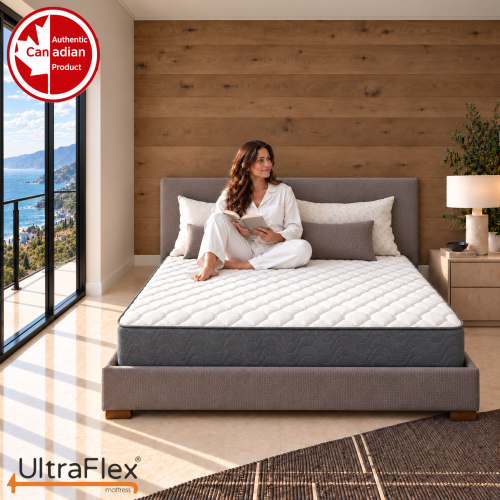
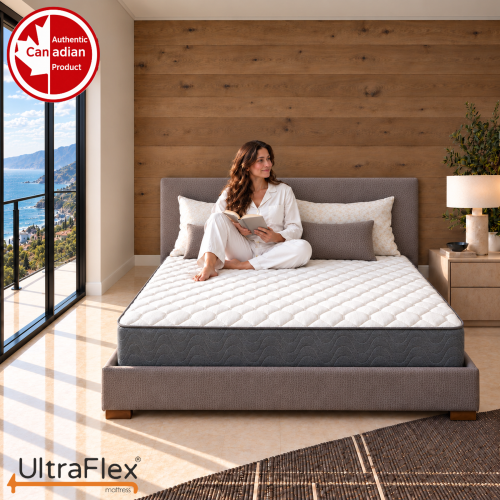
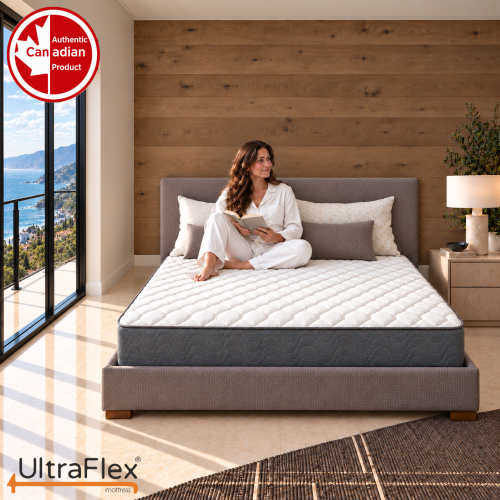
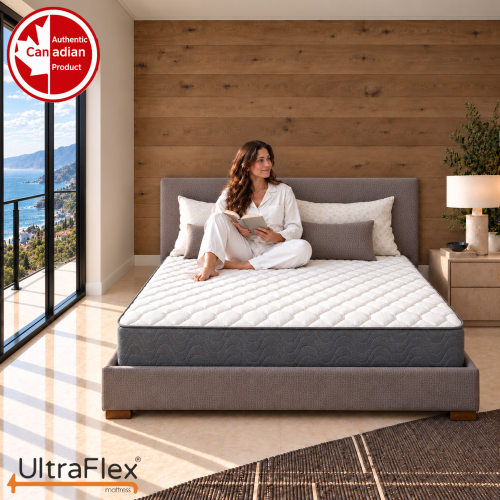
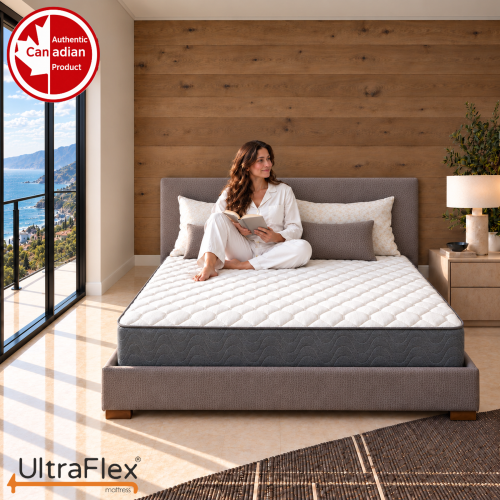
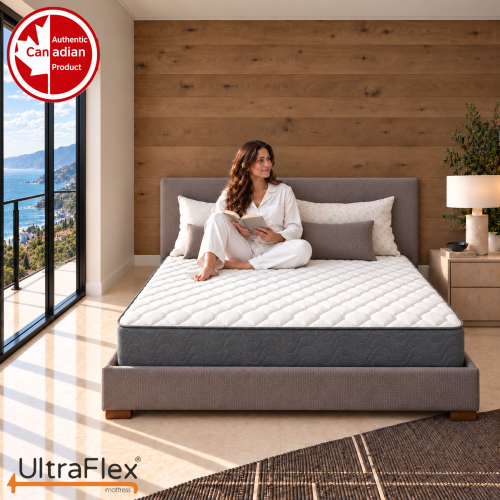
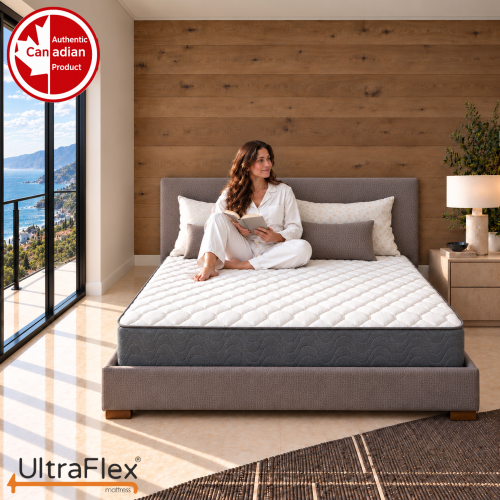
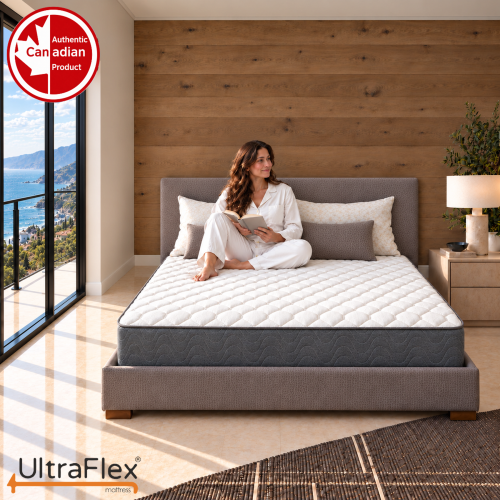
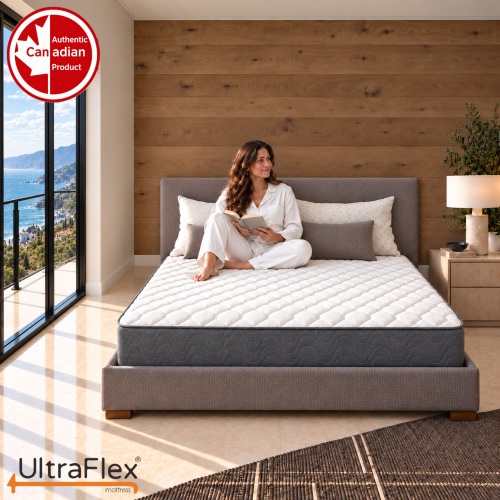
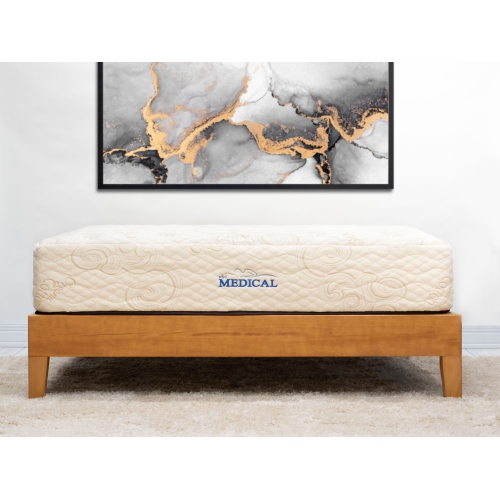
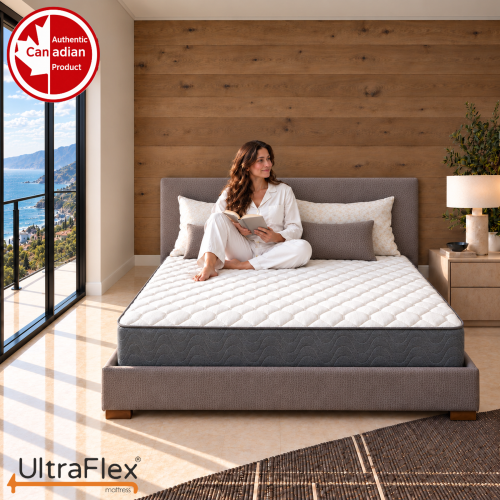
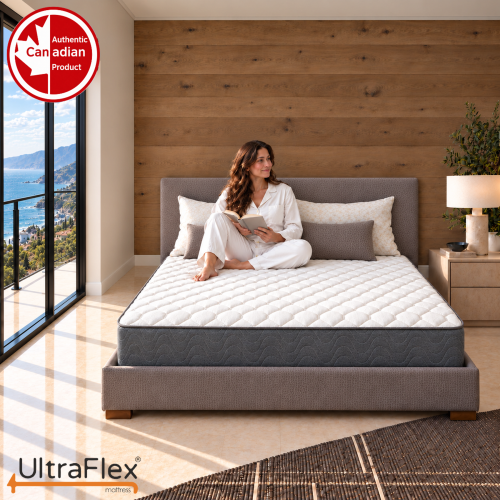
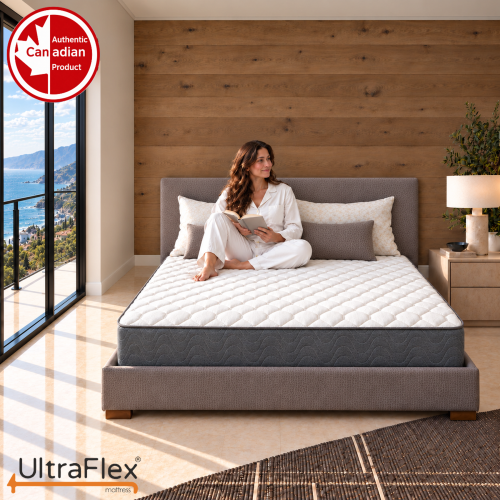
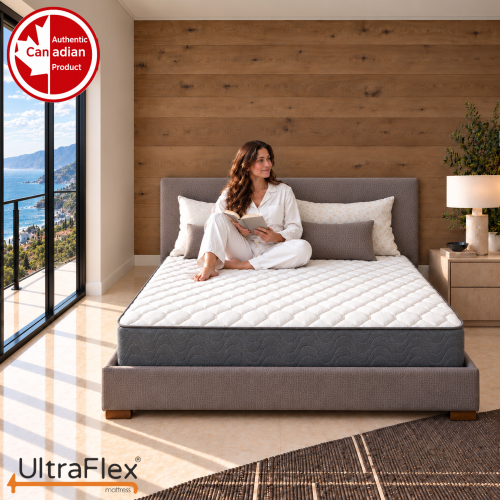
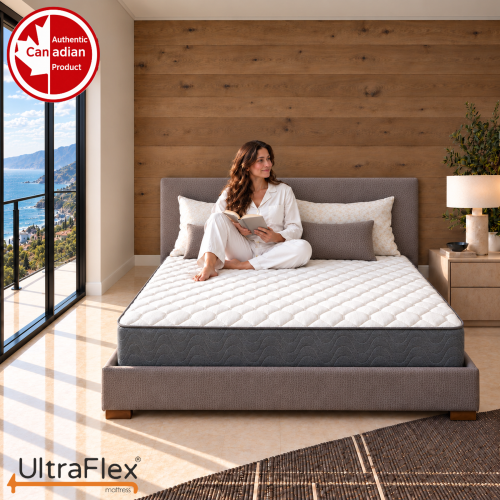
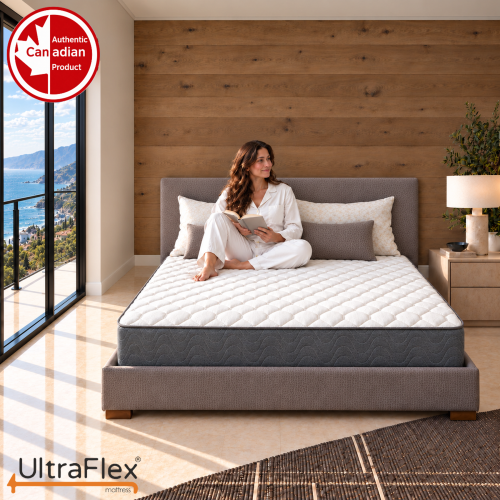
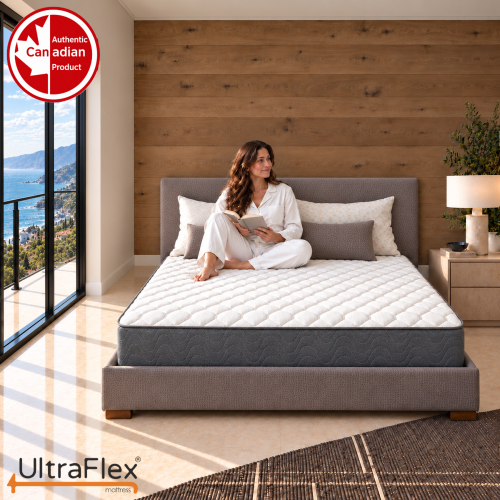
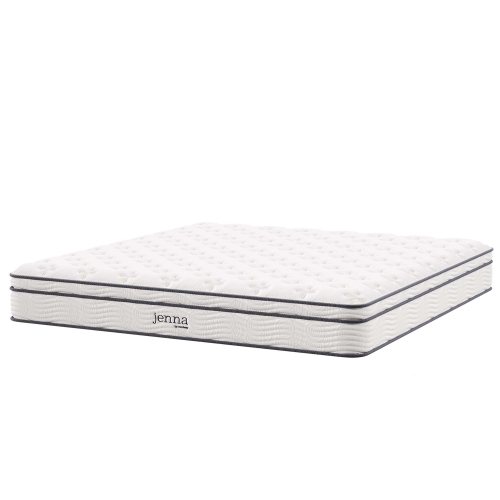
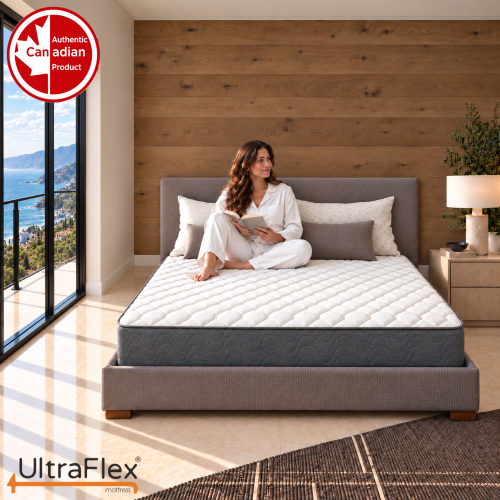
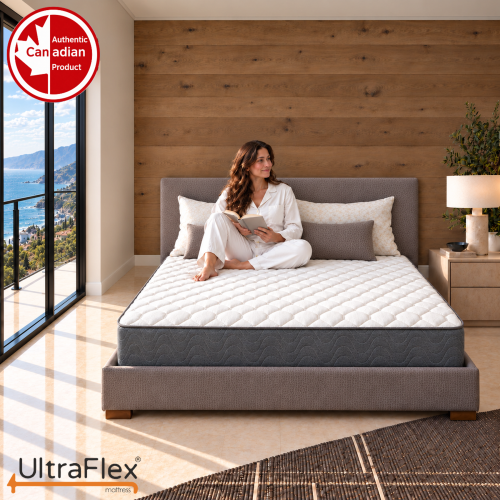
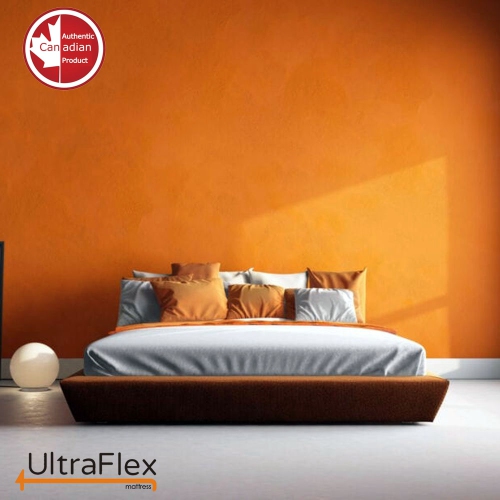
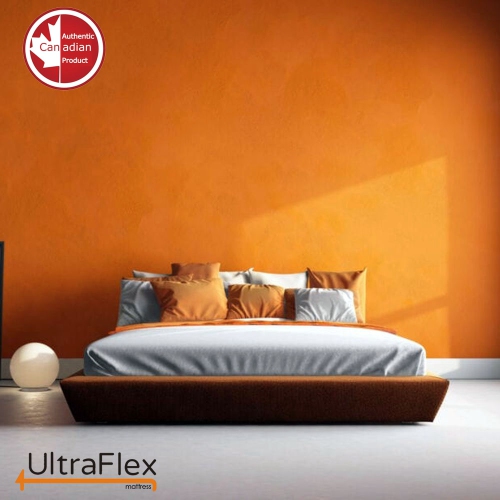

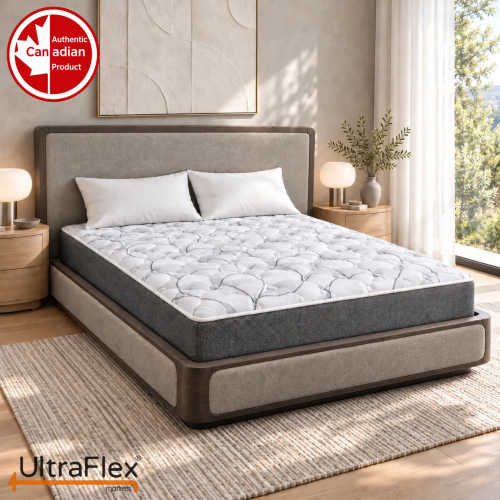
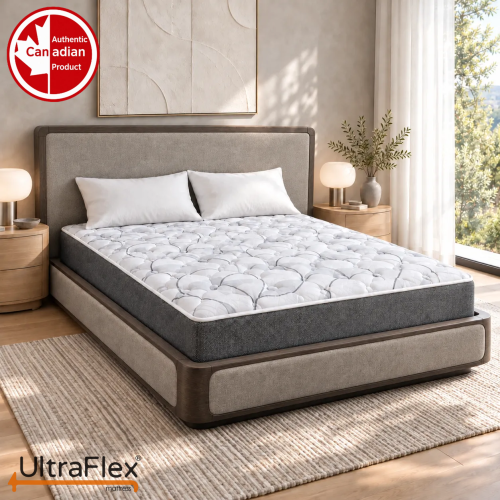

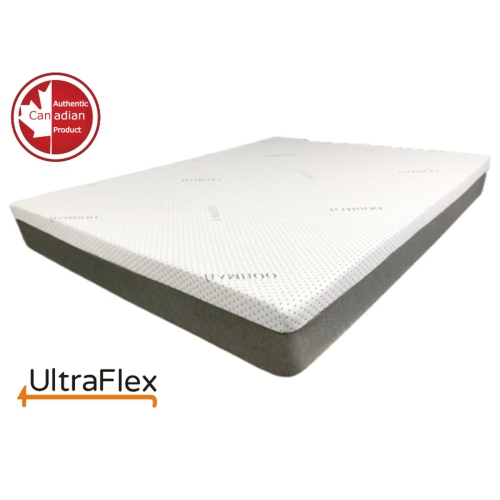
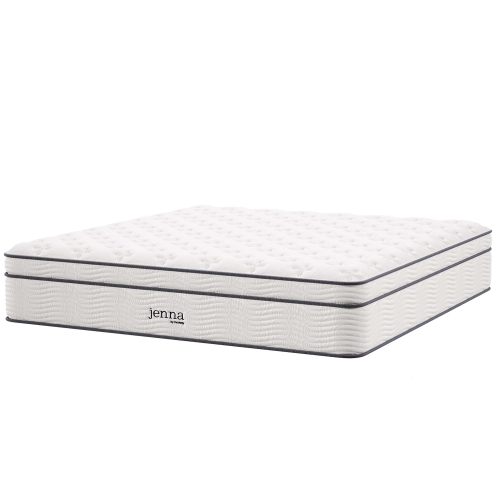

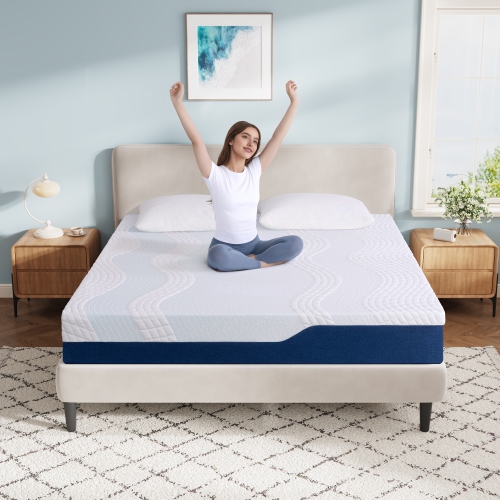
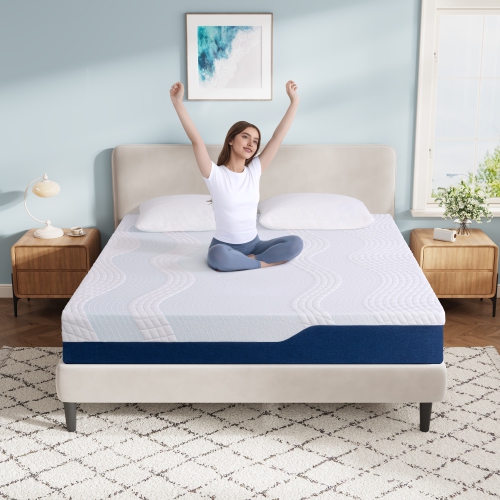
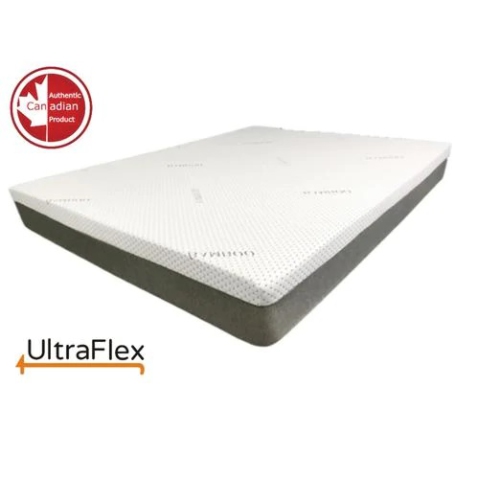
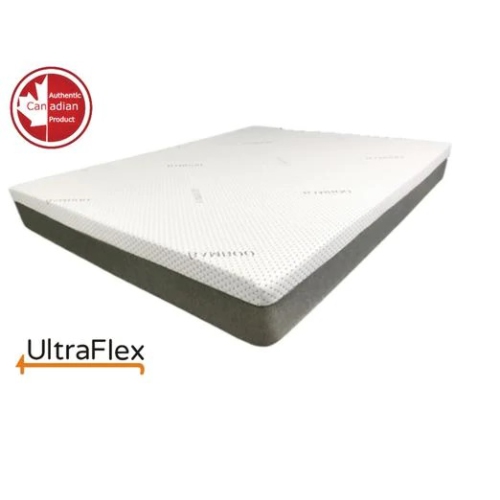
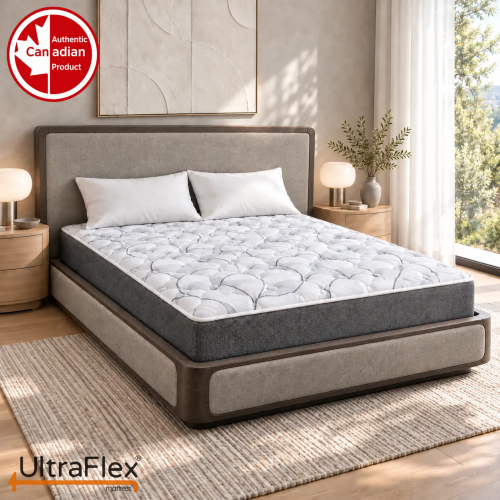
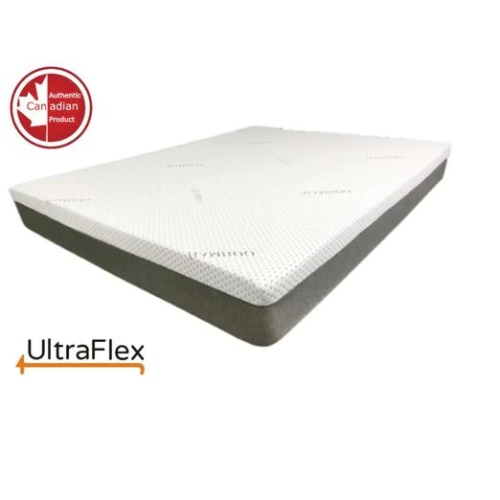
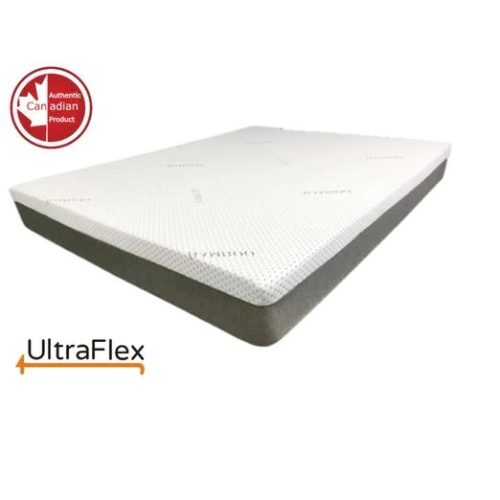
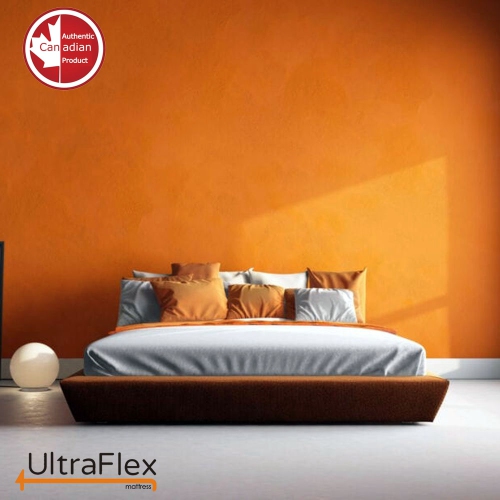
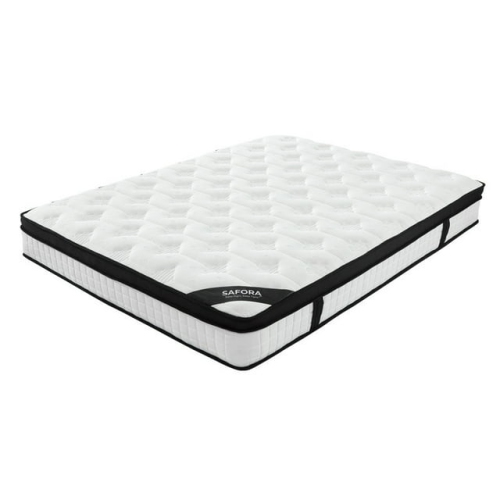
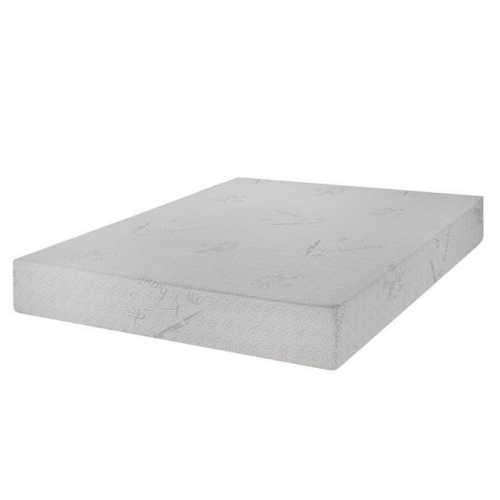
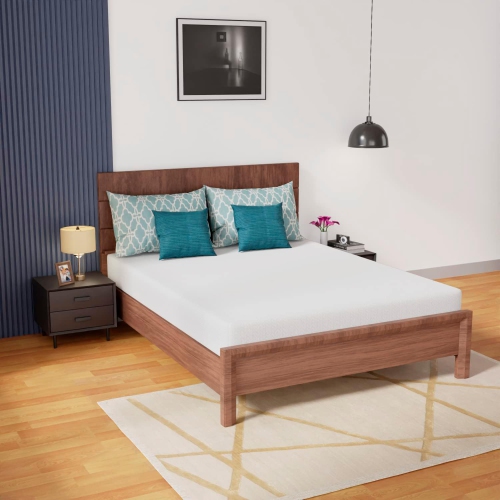
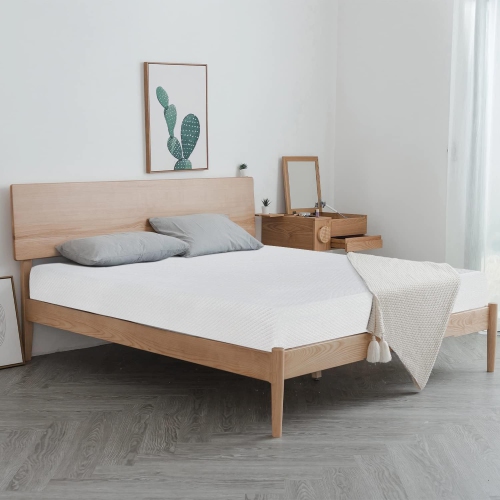
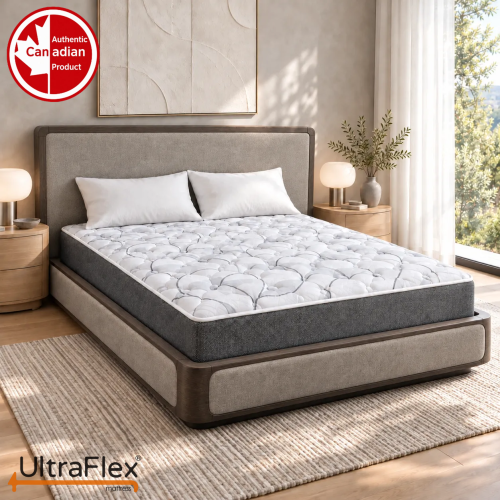



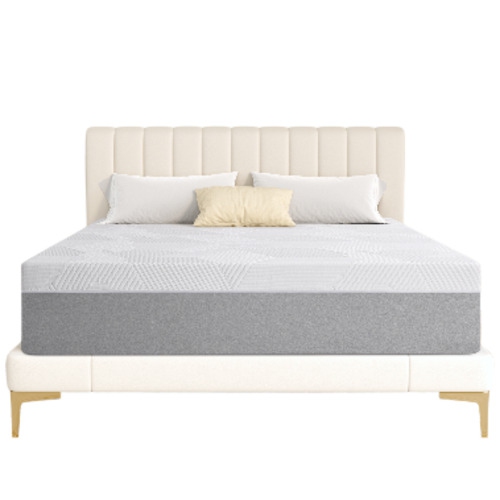
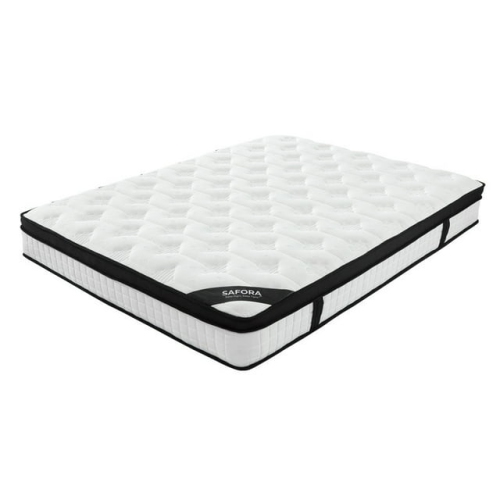
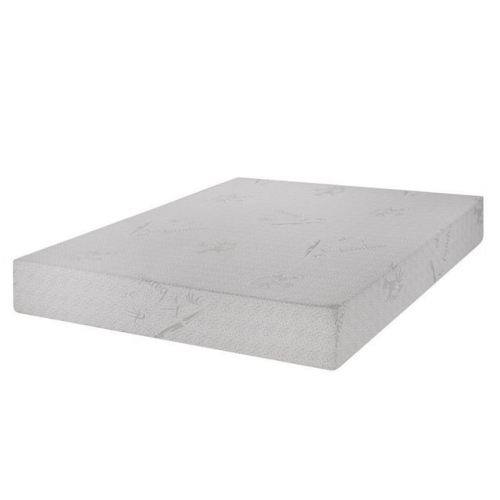
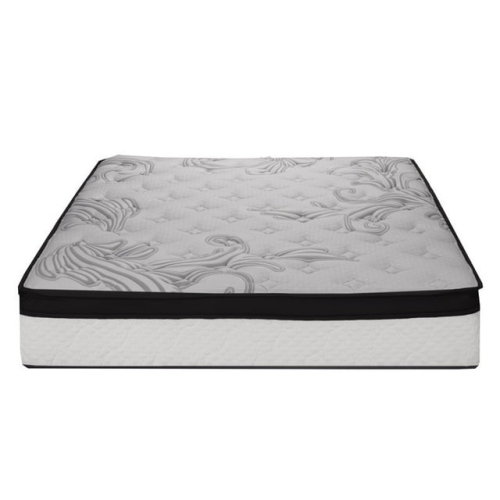
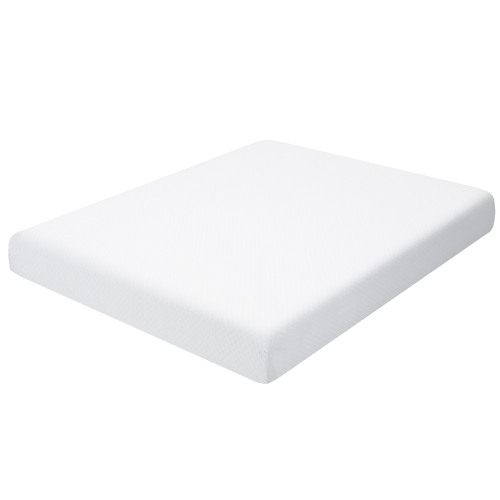
More room to stretch starts with the right fit
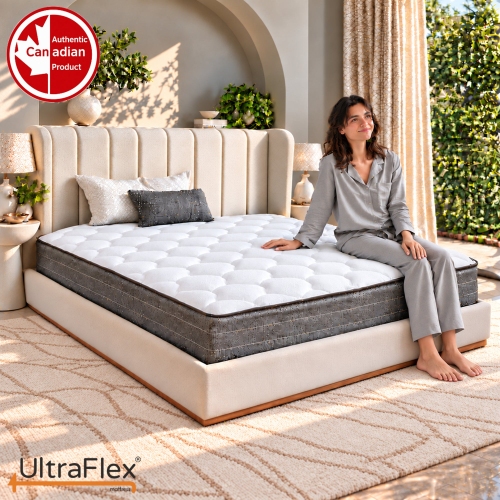
King foam mattresses combine a generous sleeping surface with layered cushioning that can suit a wide range of sleep preferences. A standard king mattress typically measures 76 inches wide by 80 inches long, giving two adults more room to change position without crowding each other. Exact measurements can vary slightly, so the mattress, bed frame and bedding should all match the same size designation. A California king is a different shape, generally narrower and longer, and is not interchangeable with a standard king. For couples, the extra width can make a noticeable difference when one person sleeps curled up while the other prefers to stretch out. A king can also suit someone sleeping alone who enjoys ample space, provided the bedroom can comfortably accommodate it. The mattress footprint is only part of that calculation: an upholstered frame, headboard or footboard may extend beyond its edges. Leave enough clearance to open drawers, reach bedside tables and walk around the bed without turning sideways. Mattress height matters, too. A thick mattress on a tall foundation can make getting into bed awkward, while a lower arrangement may be difficult for someone who prefers to sit with both feet firmly on the floor. Measure the combined height of the frame, foundation and mattress rather than judging the mattress alone. Deep mattresses may also require fitted sheets with deeper pockets. Support underneath is equally important. Foam mattresses generally need a stable, compatible base, such as a suitable platform or slatted frame, with spacing and centre support that meet the mattress manufacturer’s requirements. An older foundation that sags in the middle can affect how a new mattress feels. For a shared primary bedroom or a spacious guest room, a king foam mattress works best when the bed’s dimensions, support system and everyday access have all been considered together.
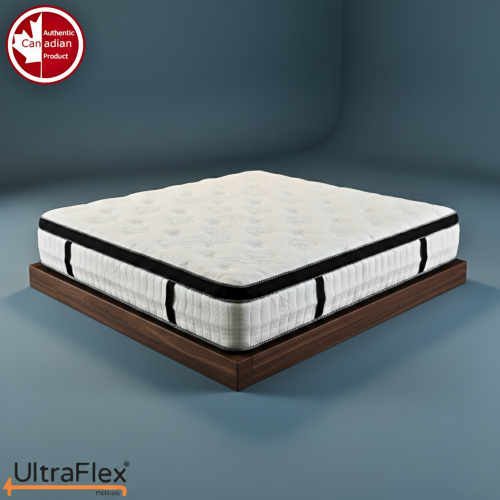
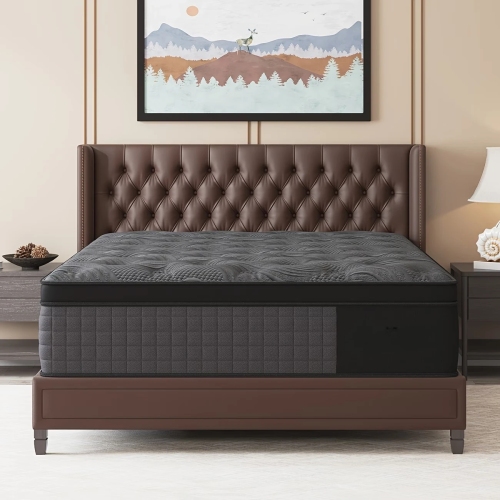
Within the broader Foam Mattresses category, king-size designs can differ considerably in their materials and feel. Most all-foam constructions combine a supportive base with one or more comfort layers, rather than using the same foam throughout. Memory foam tends to contour gradually around the body, creating a more settled, cradled sensation. Conventional polyurethane comfort foams can feel more responsive, although their performance depends on their formulation and construction. Latex foam generally has a springier feel, which may appeal to people who prefer less of a sinking sensation when they roll over. A mattress described as a hybrid includes a spring support system as well as foam, so it is distinct from an all-foam mattress. Layer thickness, foam type and the way those layers work together all influence comfort; overall mattress height alone does not establish quality or support. Foam density and firmness are also different characteristics. Density describes the amount of material within a given volume, while firmness describes resistance to compression. A denser foam is not automatically firmer, and a mattress labelled firm is not necessarily the most suitable choice for every sleeper. Side sleepers often prefer enough surface cushioning for the shoulders and hips to settle comfortably, while back sleepers may favour a balance of contouring and support. Stomach sleepers may need a firmer feel that limits excessive sinking around the midsection. Body weight and personal preference affect each of these relationships, so firmness labels are best treated as a starting point rather than a universal standard. For partners with different preferences, a balanced feel may be more practical than either extreme. Foam can absorb movement and reduce how much a partner’s position changes are felt across the bed, but motion isolation varies by construction. Edge support deserves attention as well, particularly for anyone who sits on the side to dress or regularly sleeps near the perimeter. Cover fabrics, breathable layers and ventilation channels can influence surface comfort, while a quilted top may feel noticeably different from a smooth stretch-knit cover. These details help distinguish mattresses that look similar in photographs but feel quite different in everyday use.
Care and handling help a king foam mattress retain its shape and remain comfortable over time. Because a king is large and can be awkward to manoeuvre, measure doorways, stair turns and the route into the bedroom before moving it. Compressed packaging may simplify the initial journey, but an expanded mattress can be much harder to carry through a narrow landing. Follow the supplied unpacking directions, protect the cover when opening the packaging and allow the stated expansion period before assessing its full shape and feel. Avoid sharply folding an expanded mattress unless the manufacturer specifically permits it, and do not assume sewn handles are intended to carry its entire weight. Once the bed is set up, a well-fitting mattress protector can help keep perspiration, spills and everyday marks away from the cover. Choose one that fits the mattress depth without pulling tightly across the surface, since an overly tight protector or fitted sheet can change the feel of the comfort layers. Removable covers are not always machine washable, and a zip alone does not confirm that a cover should be taken off. Follow the care label, use the recommended cleaning method and avoid soaking foam, which can be difficult to dry thoroughly. Allow any cleaned area to dry completely before replacing bedding. Rotation may help distribute wear when the manufacturer recommends it, but many layered foam mattresses are designed for use on one side only and should not be flipped. Over time, durability depends on the materials, construction, sleeper load, foundation and care rather than on a single feature such as thickness. Repeatedly sitting in one spot or using an unsuitable base can place uneven stress on the mattress. Persistent sagging, damaged foam or a lasting loss of support deserves attention, especially if the foundation has already been checked. For daily use, the most suitable king foam mattress is one that provides a comfortable resting position, makes movement manageable and fits both the room and the routines of the people sleeping on it.
Top selling and popular products
-
 Your price for this item is $1199
-
 Your price for this item is $644
-
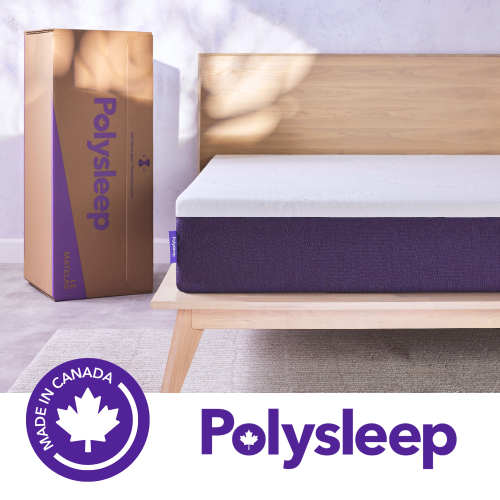 Your price for this item is $696.5
-
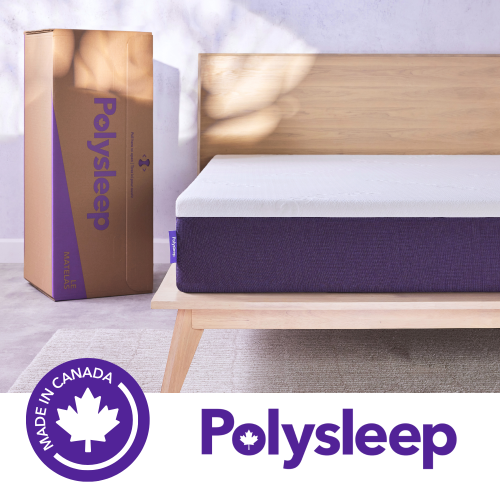 Your price for this item is $591.5
-
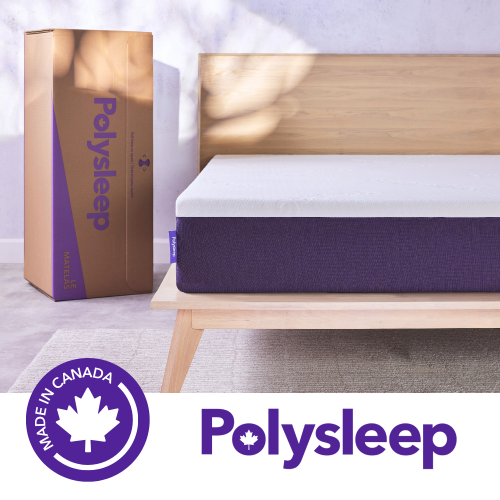 Your price for this item is $906.5
-
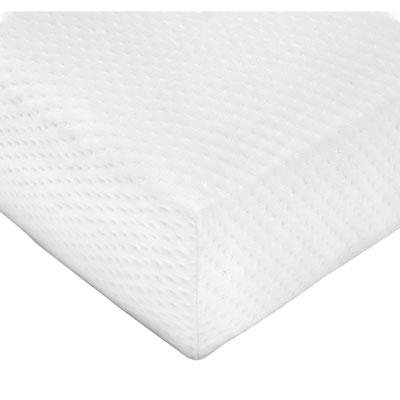 Your price for this item is $159.99
-
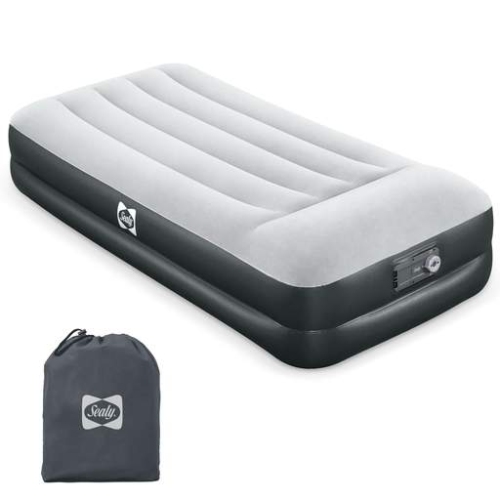 Your price for this item is $133.99
-
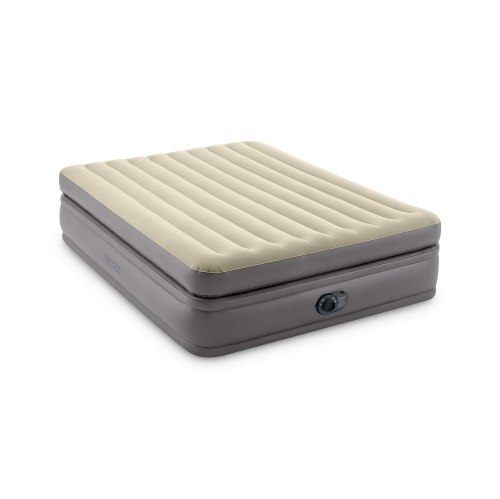 Your price for this item is $239.99
Discover more categories related to King Foam Mattresses
Top Collections:
Best Black Friday Deals This Year, Best Black Friday Deals On Electronics, Kindle Devices, Best Black Friday Deals On Apple Products, Best Budget Office Chairs, Best Cameras for Sports Photography, Dyson Airwrap, Canon G7X Cameras, Best Laptops for Writers, Samsung Galaxy Phones
Some products may be subject to Environmental Handling Fees
(EHF) depending on your province.
Learn more about EHFs.