Foam Mattresses
Discover the perfect blend of comfort and support with our diverse selection of foam mattresses, designed to enhance your sleep experience. Whether you're upgrading your bedroom or setting up a cozy guest room, these mattresses offer a variety of options to suit different preferences and sleeping styles. Explore an array of sizes, thicknesses, and firmness levels to find the ideal foam mattress that caters to your personal needs. With innovative materials and thoughtful construction, these mattresses are crafted to provide restful nights and rejuvenating mornings. Dive into a world of relaxation and wake up feeling refreshed with a foam mattress from our collection.
Sort
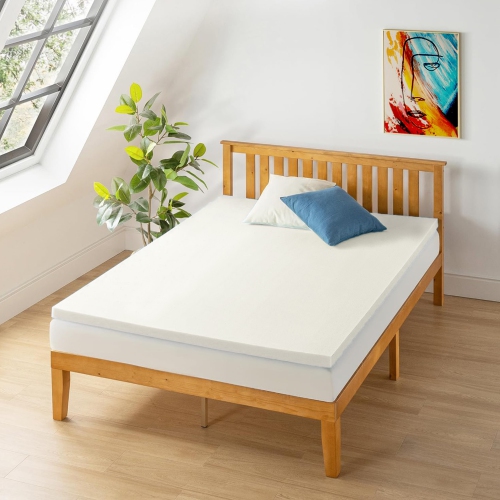
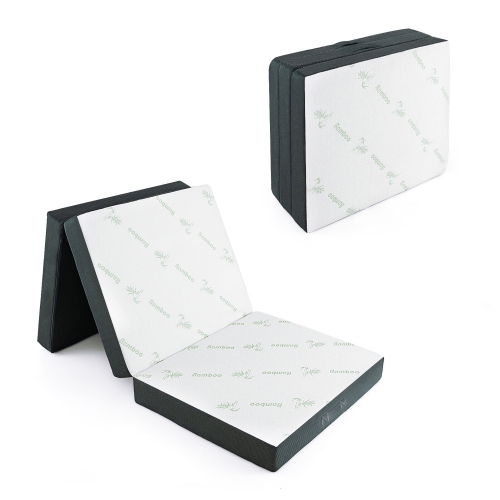
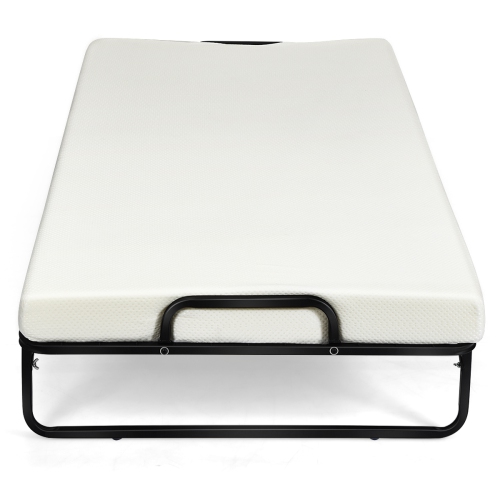
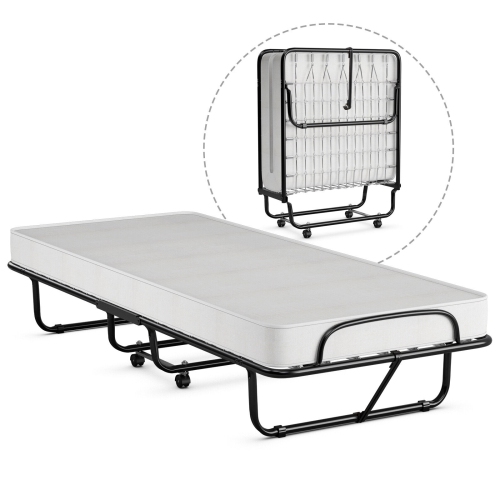
How foam layers shape comfort, support, and sleep
Foam mattresses are designed to create a supportive, cushioned sleep surface using materials such as memory foam, polyurethane foam, latex foam, or combinations of different foam layers. Rather than relying primarily on metal coils, these mattresses respond to body weight and movement to provide a more contoured feel. Memory foam is known for gently moulding to the body in response to heat and pressure, which can help distribute weight across the sleep surface and reduce pressure around the shoulders, hips, and knees. Polyurethane foam is available in a wide range of densities and firmness levels, making it a versatile option for everything from guest rooms to everyday bedrooms. Latex foam tends to feel more buoyant and responsive, allowing sleepers to change positions without the deeper “sinking in” sensation associated with some memory foam designs. Many foam mattresses use several layers, with a softer comfort layer above a denser support core to balance cushioning and stability. The right choice depends on how you sleep, how firm you want the surface to feel, and how much support you prefer beneath your hips and shoulders. Side sleepers often appreciate a softer or medium-feel mattress that cushions wider pressure points, while back sleepers may prefer a more balanced surface that supports the natural curve of the spine without allowing the midsection to dip too deeply. Stomach sleepers commonly look for a firmer feel to help keep the body more level. If two people share a bed, foam can be especially appealing because it absorbs much of the movement created when a partner turns over, gets up, or settles in after a restless night. That reduced motion transfer can make the difference between briefly noticing movement and being fully pulled out of sleep. Foam mattresses can also be useful in a child’s room, a teenager’s bedroom, a condominium, or a guest room where a comfortable, adaptable sleep surface is welcome. A foam mattress may be a thoughtful housewarming or wedding gift when the recipient’s preferred size and firmness are known, though mattress comfort is personal, so choosing together is often the safest approach. For a room used by visiting family during the cooler months, a supportive foam mattress can help make overnight stays feel more settled, especially when paired with breathable bedding, a properly fitted sheet, and pillows suited to the sleeper’s position.
When comparing foam mattresses, pay close attention to firmness, thickness, foam density, construction, and the way each layer contributes to the overall feel. Mattress thickness is not a direct measure of quality, but a thicker design may provide more room for comfort and support layers, which can be useful for taller sleepers, couples, or anyone who prefers a deeper cushion. Foam density can offer clues about how a mattress may feel and perform over time, although the experience also depends on the type of foam, the sleeper’s body weight, and the mattress design. A denser comfort layer may provide a more substantial, contouring feel, while a lighter or more responsive layer may make changing positions easier. Pay attention to the support core as well, since it helps determine whether the mattress feels stable when you sit down, lie near the edge, or move across the surface. All-foam mattresses can have less pronounced edge support than innerspring or hybrid models, so sleepers who use the full width of the mattress or have difficulty getting in and out of bed may want to consider reinforced edges or a design with a firmer perimeter. Temperature is another important consideration. Traditional memory foam can retain warmth for some sleepers, particularly those who tend to sleep hot or prefer heavier blankets. Some newer constructions use open-cell structures, ventilated layers, gel-infused foam, breathable covers, or other design features intended to promote airflow and create a cooler-feeling surface. These features may improve comfort, but room temperature, pyjamas, sheets, and duvet weight also affect how warm a bed feels. A cool bedroom during the colder part of the year may make a warmer-feeling mattress comfortable, while a well-ventilated room and lighter bedding can be helpful when the weather changes. Consider the bed frame or foundation before ordering, since foam mattresses generally need a sturdy, supportive base with appropriate spacing between slats. Check the manufacturer’s recommendations for foundation compatibility, weight limits, rotation, and care. Some foam mattresses arrive compressed and rolled for easier delivery and handling; after unpacking, they may need time to expand before they reach their intended shape and feel. Following the setup instructions, allowing adequate ventilation, and using the mattress only when recommended can help the materials settle properly. A mattress protector can help guard the cover against spills and everyday wear, while regular sheet changes and gentle spot cleaning can keep the sleep area feeling fresh.
The best foam mattress is the one that matches the sleeper’s comfort preferences, body type, sleeping position, bedroom setup, and daily routine. A person who reads in bed and spends a long time lying on one side may value pressure relief around the shoulder and hip, while someone who moves frequently through the night may prefer a more responsive foam that does not feel restrictive. Couples may want to find a middle ground between softness and support, especially when their preferred sleeping positions differ. In that situation, a medium-feel mattress can be a practical starting point, while a split arrangement or separate comfort layers may provide more individualized support when available. Heavier sleepers may find that firmer, higher-density constructions offer better stability and prevent excessive sinkage, while lighter sleepers may experience a firmer mattress as less forgiving and may prefer a softer surface. These are useful guidelines rather than fixed rules, since comfort is shaped by personal preference and previous mattress experience. For shoppers exploring different comfort styles, a dedicated selection of Puffy Mattresses can be considered alongside other foam constructions to compare materials, firmness, and features. Before making a decision, review the dimensions carefully and measure doorways, stairwells, bed frames, and bedroom clearances, particularly when replacing a mattress in a compact apartment or furnishing a room upstairs. Think about who will use the mattress, how often it will be used, and whether the room needs a standard, twin, full, queen, or king size. A guest-room mattress may need to suit a variety of sleepers, making a balanced medium feel a sensible choice, whereas a primary bedroom mattress can be selected around the habits of one person or a couple. Foam mattresses can bring a quiet, close-to-the-body feel to the bedroom, helping create a comfortable place to rest after a busy day, whether that means easing into sleep beneath a warm duvet during cooler months or enjoying a supported night’s rest as the weather shifts. Take time to compare the construction and care requirements, and focus on the combination of support, cushioning, temperature control, motion isolation, and size that best fits the people and space where the mattress will be used.
When comparing foam mattresses, pay close attention to firmness, thickness, foam density, construction, and the way each layer contributes to the overall feel. Mattress thickness is not a direct measure of quality, but a thicker design may provide more room for comfort and support layers, which can be useful for taller sleepers, couples, or anyone who prefers a deeper cushion. Foam density can offer clues about how a mattress may feel and perform over time, although the experience also depends on the type of foam, the sleeper’s body weight, and the mattress design. A denser comfort layer may provide a more substantial, contouring feel, while a lighter or more responsive layer may make changing positions easier. Pay attention to the support core as well, since it helps determine whether the mattress feels stable when you sit down, lie near the edge, or move across the surface. All-foam mattresses can have less pronounced edge support than innerspring or hybrid models, so sleepers who use the full width of the mattress or have difficulty getting in and out of bed may want to consider reinforced edges or a design with a firmer perimeter. Temperature is another important consideration. Traditional memory foam can retain warmth for some sleepers, particularly those who tend to sleep hot or prefer heavier blankets. Some newer constructions use open-cell structures, ventilated layers, gel-infused foam, breathable covers, or other design features intended to promote airflow and create a cooler-feeling surface. These features may improve comfort, but room temperature, pyjamas, sheets, and duvet weight also affect how warm a bed feels. A cool bedroom during the colder part of the year may make a warmer-feeling mattress comfortable, while a well-ventilated room and lighter bedding can be helpful when the weather changes. Consider the bed frame or foundation before ordering, since foam mattresses generally need a sturdy, supportive base with appropriate spacing between slats. Check the manufacturer’s recommendations for foundation compatibility, weight limits, rotation, and care. Some foam mattresses arrive compressed and rolled for easier delivery and handling; after unpacking, they may need time to expand before they reach their intended shape and feel. Following the setup instructions, allowing adequate ventilation, and using the mattress only when recommended can help the materials settle properly. A mattress protector can help guard the cover against spills and everyday wear, while regular sheet changes and gentle spot cleaning can keep the sleep area feeling fresh.
The best foam mattress is the one that matches the sleeper’s comfort preferences, body type, sleeping position, bedroom setup, and daily routine. A person who reads in bed and spends a long time lying on one side may value pressure relief around the shoulder and hip, while someone who moves frequently through the night may prefer a more responsive foam that does not feel restrictive. Couples may want to find a middle ground between softness and support, especially when their preferred sleeping positions differ. In that situation, a medium-feel mattress can be a practical starting point, while a split arrangement or separate comfort layers may provide more individualized support when available. Heavier sleepers may find that firmer, higher-density constructions offer better stability and prevent excessive sinkage, while lighter sleepers may experience a firmer mattress as less forgiving and may prefer a softer surface. These are useful guidelines rather than fixed rules, since comfort is shaped by personal preference and previous mattress experience. For shoppers exploring different comfort styles, a dedicated selection of Puffy Mattresses can be considered alongside other foam constructions to compare materials, firmness, and features. Before making a decision, review the dimensions carefully and measure doorways, stairwells, bed frames, and bedroom clearances, particularly when replacing a mattress in a compact apartment or furnishing a room upstairs. Think about who will use the mattress, how often it will be used, and whether the room needs a standard, twin, full, queen, or king size. A guest-room mattress may need to suit a variety of sleepers, making a balanced medium feel a sensible choice, whereas a primary bedroom mattress can be selected around the habits of one person or a couple. Foam mattresses can bring a quiet, close-to-the-body feel to the bedroom, helping create a comfortable place to rest after a busy day, whether that means easing into sleep beneath a warm duvet during cooler months or enjoying a supported night’s rest as the weather shifts. Take time to compare the construction and care requirements, and focus on the combination of support, cushioning, temperature control, motion isolation, and size that best fits the people and space where the mattress will be used.
Top selling and popular products
-
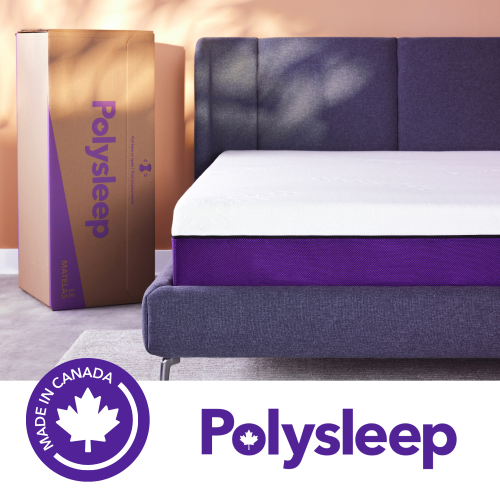 Your price for this item is $1195
 -
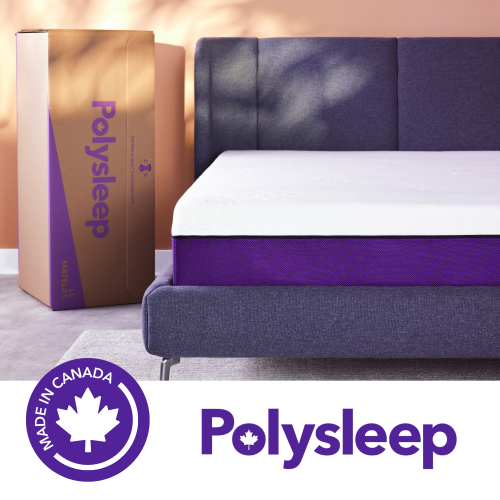 Your price for this item is $1395
 -
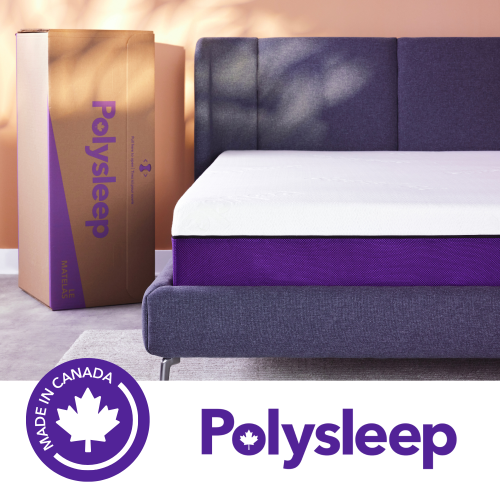 Your price for this item is $1095
 -
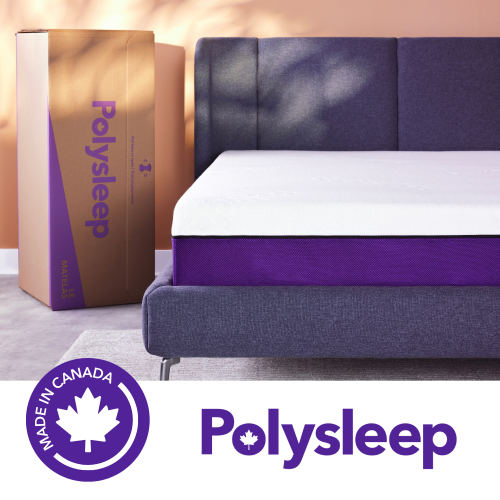 Your price for this item is $945
 -
 Your price for this item is $1199
 -
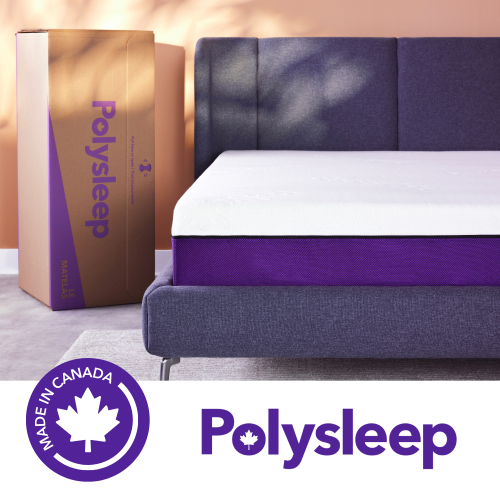 Your price for this item is $1395
 -
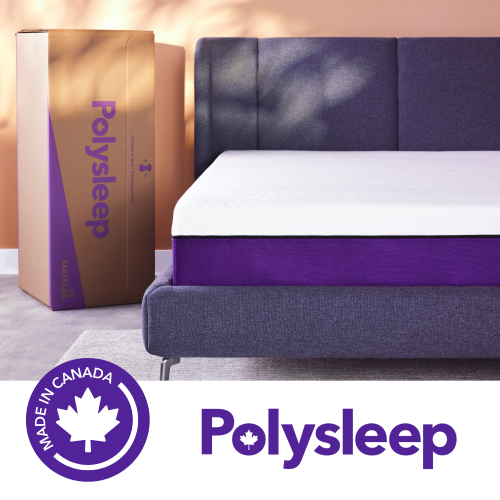 Your price for this item is $895
 -
 Your price for this item is $920
Discover more categories related to Foam Mattresses
Top Collections:
Pokemon Centers, Kindle Devices, Best Budget Office Chairs, Apple iPhones 16, Best Laptops for Writers, iPhone 15 Apple, Canon G7X Cameras, Refurbished Apple Laptops, Alarm Clock, Motorola Razr Phones
Some products may be subject to Environmental Handling Fees
(EHF) depending on your province.
Learn more about EHFs.