Food Slicers
If you're looking to slice through your prep time in the kitchen, these food slicers are here to make slicing and dicing a breeze. Whether you're a professional chef or a home cook, these versatile tools are designed to help you achieve perfectly sliced fruits, vegetables, meats, and more with precision and ease. From compact options for small kitchens to heavy-duty models for slicing large quantities, this range of food slicers offers something for every culinary need.
Sort
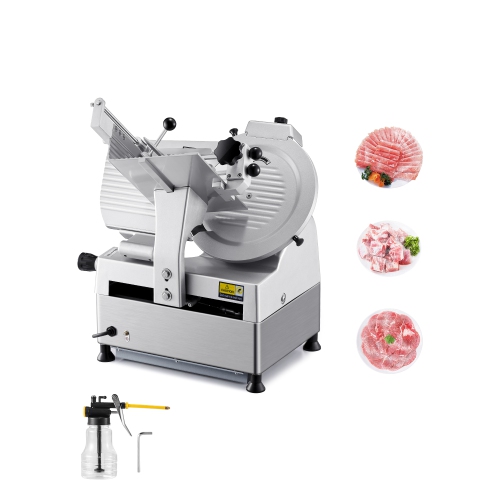
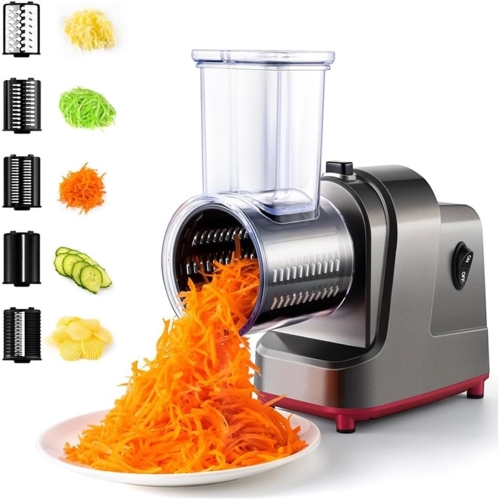
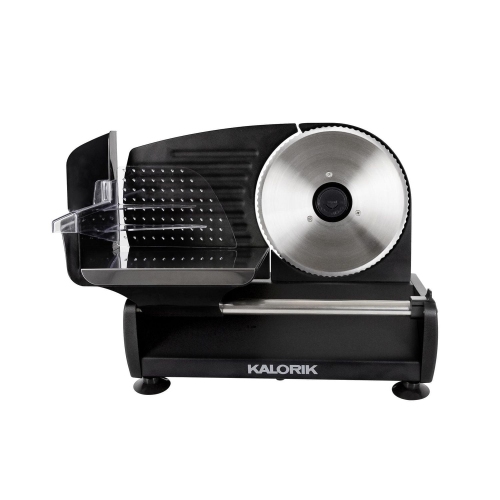
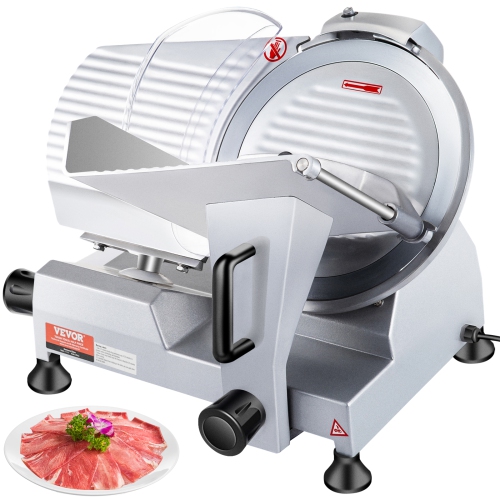

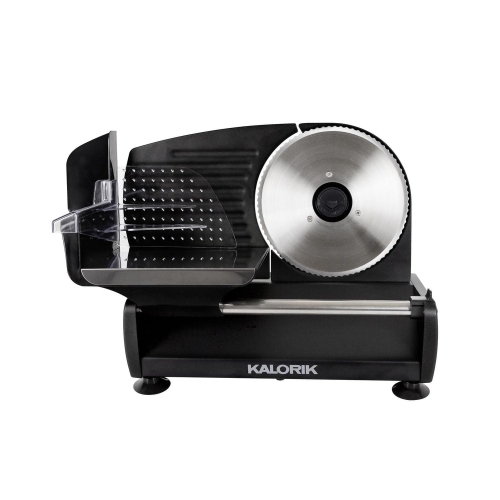
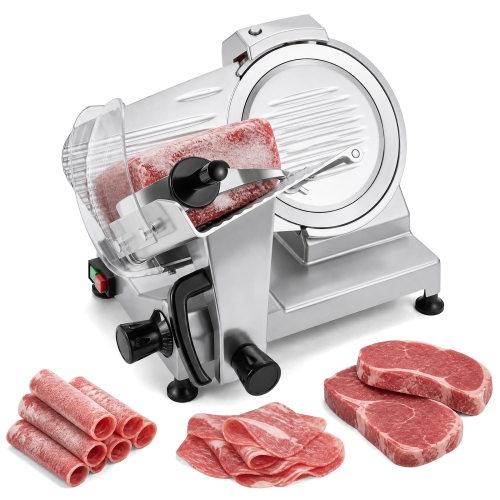
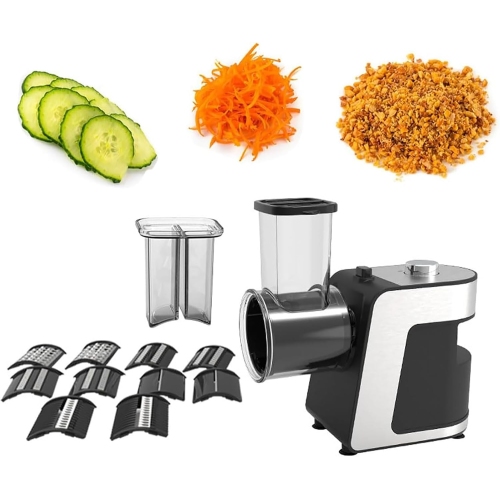
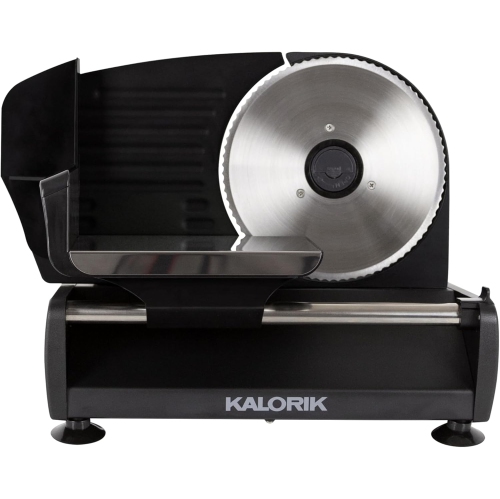
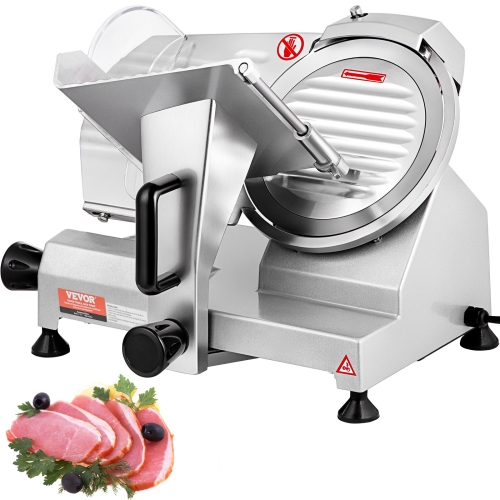
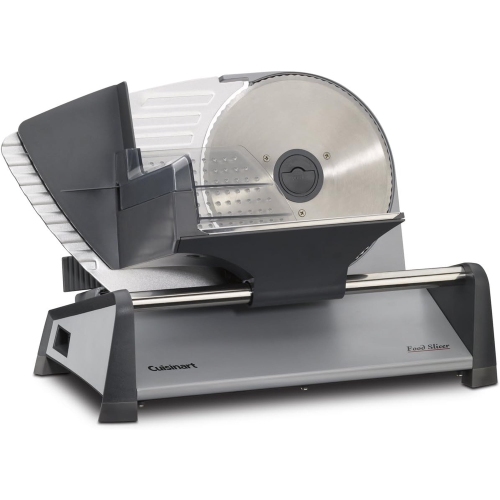
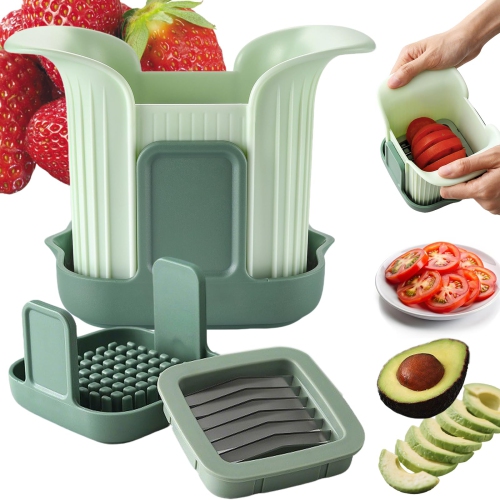
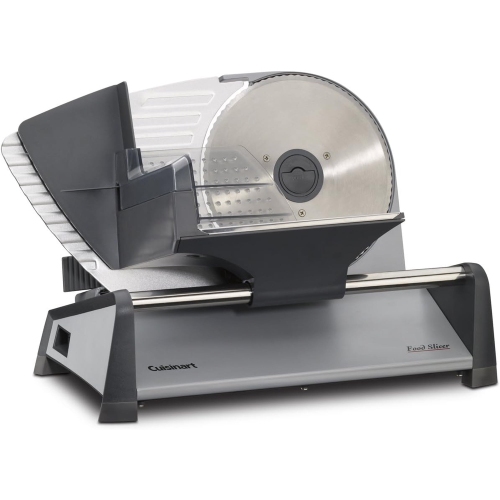
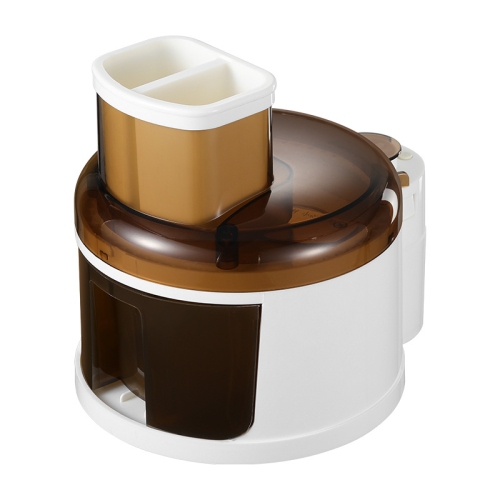
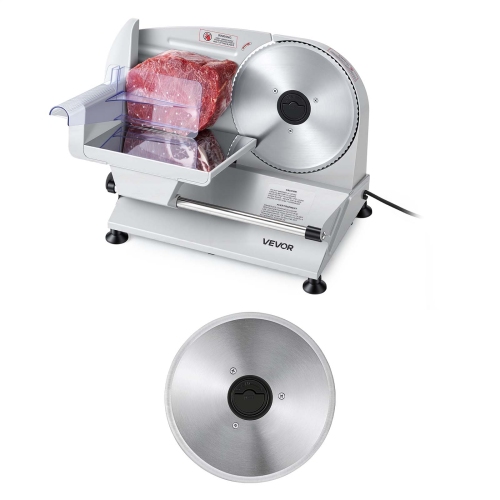
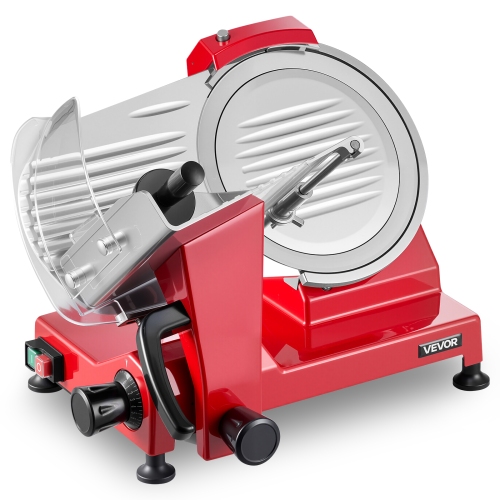
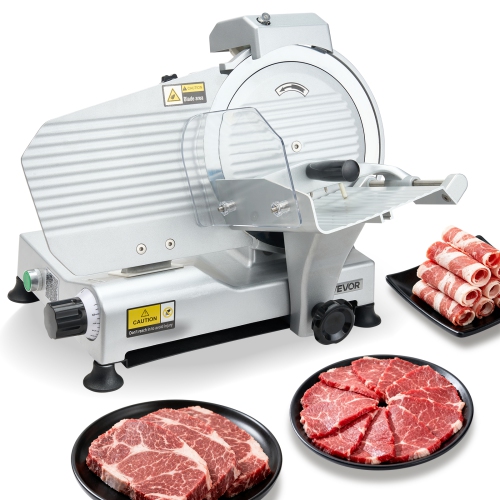
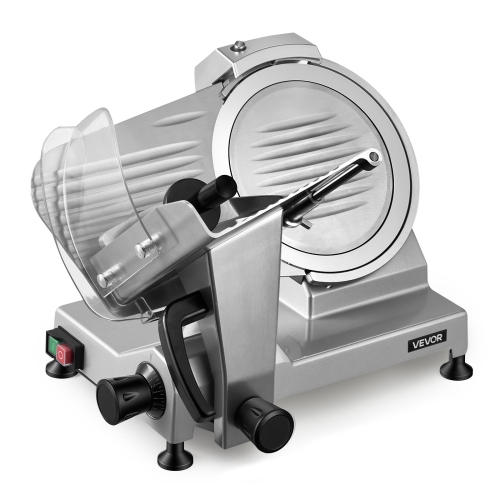
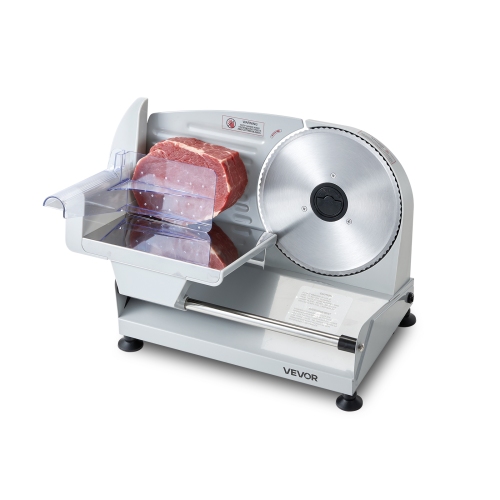

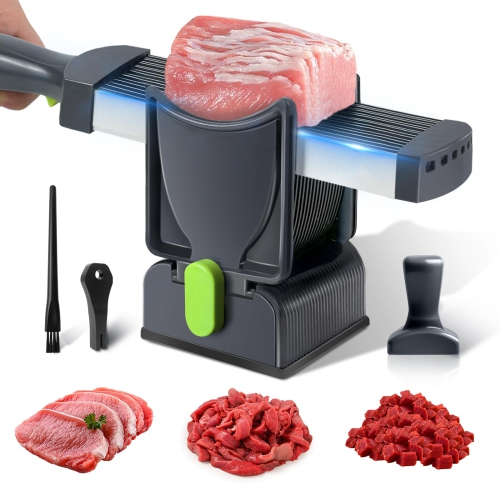
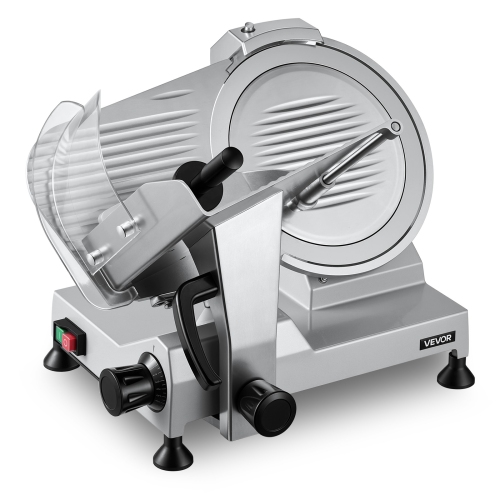
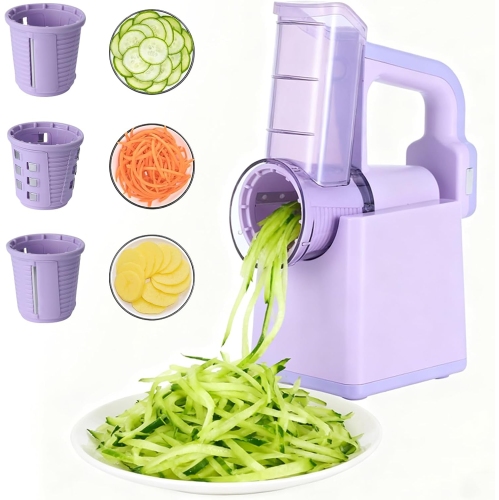
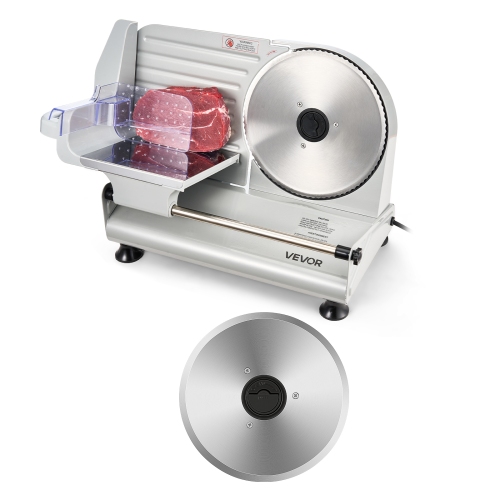
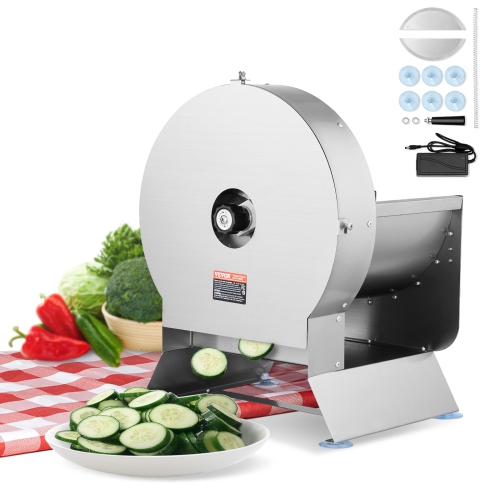
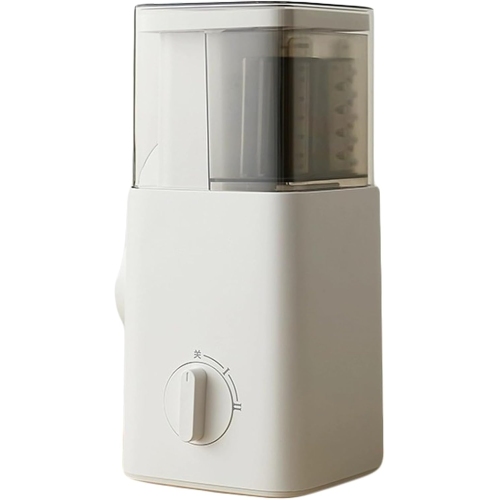
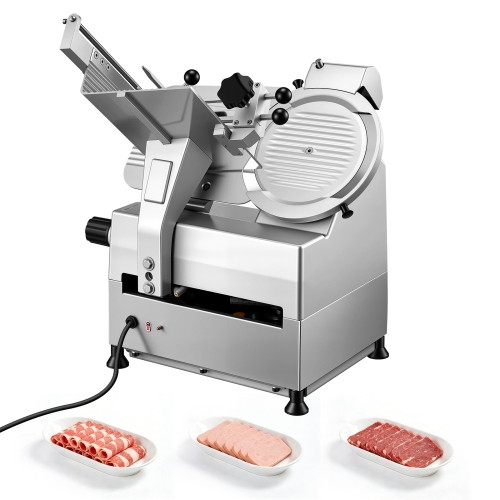
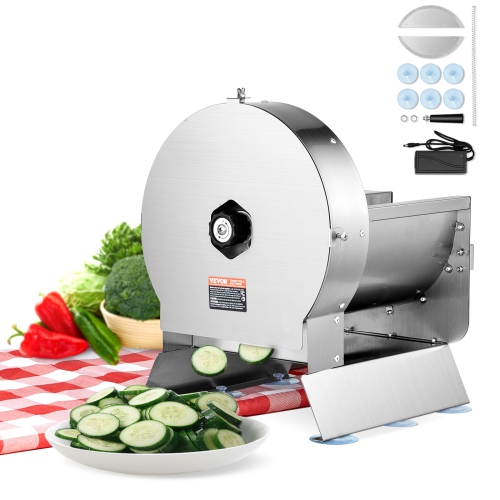
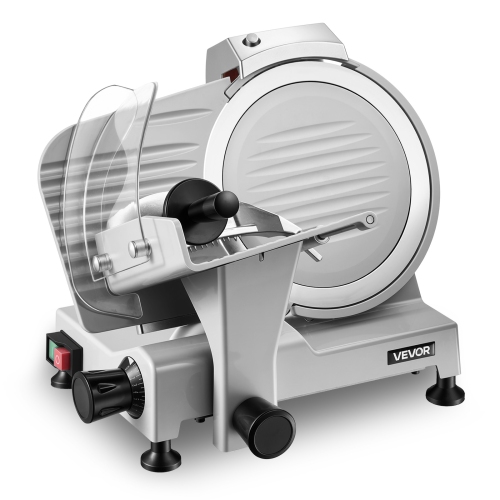
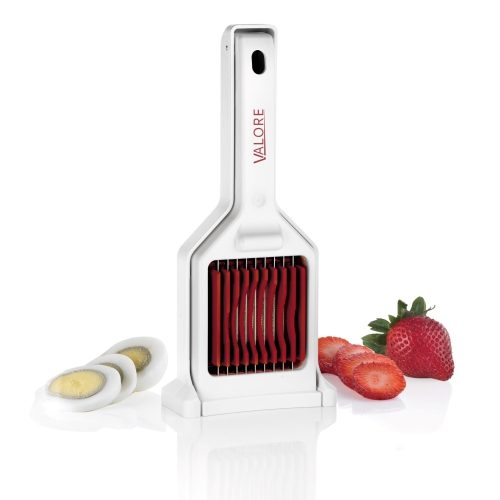

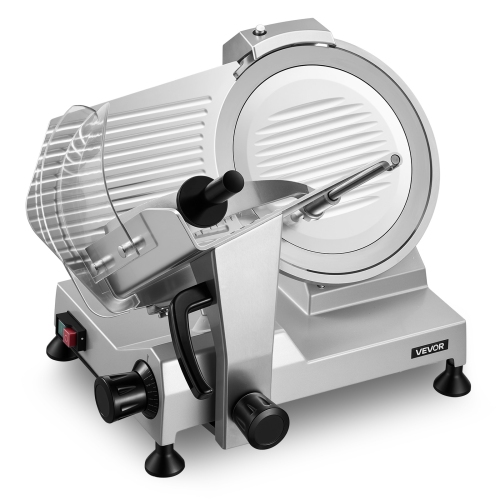
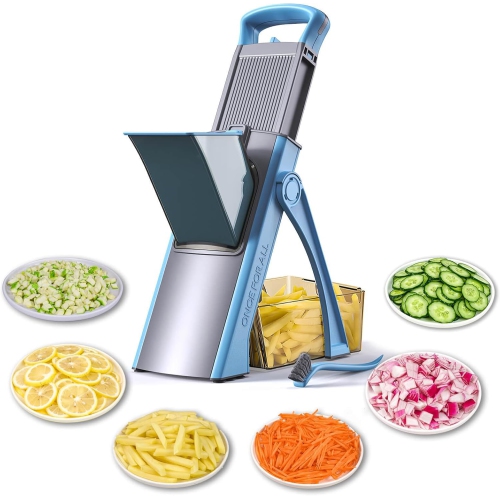
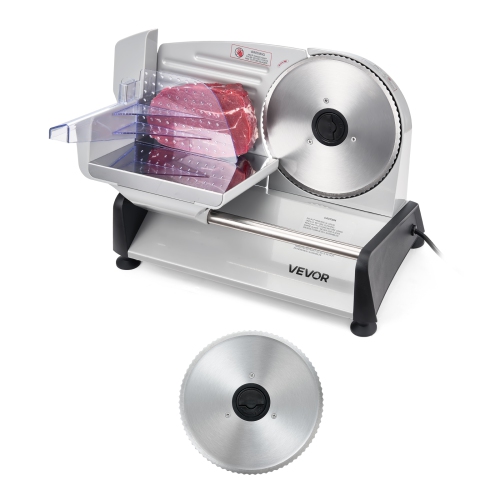

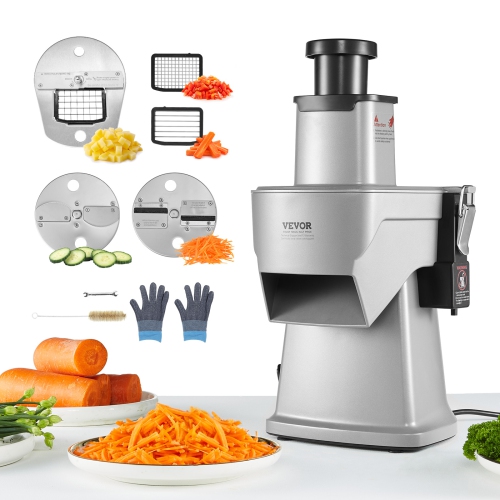
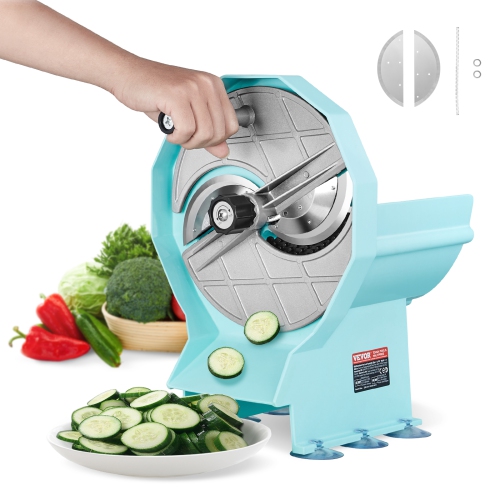
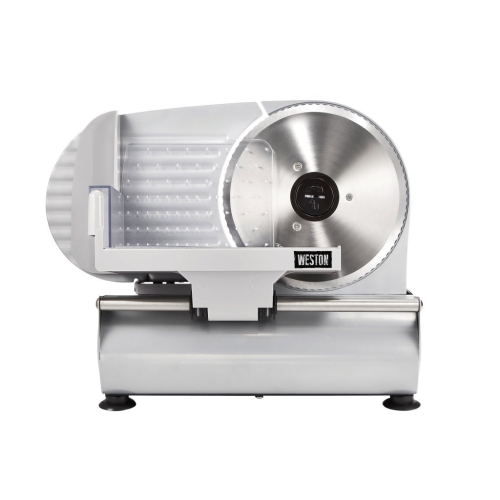
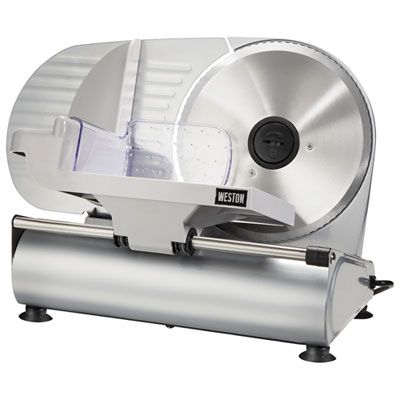
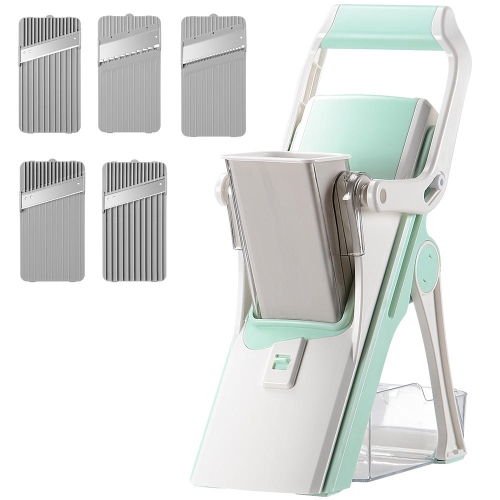
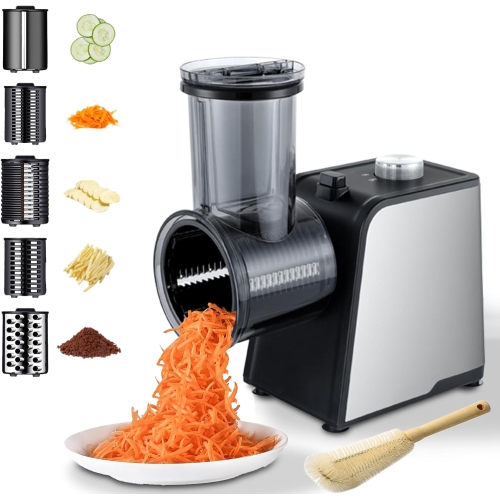

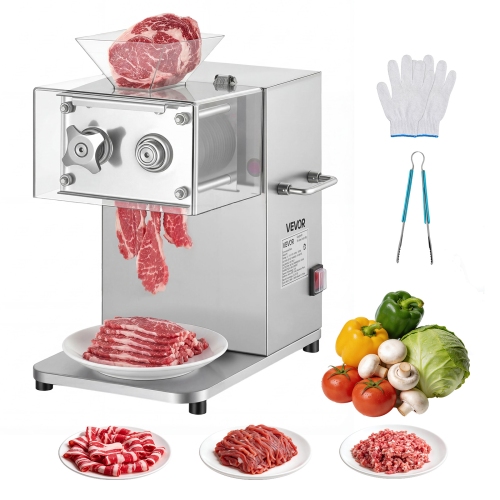
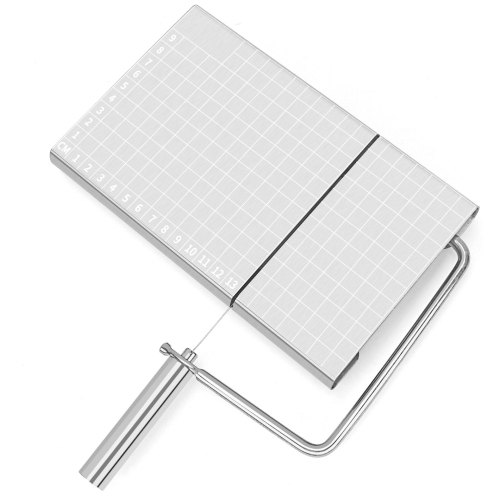
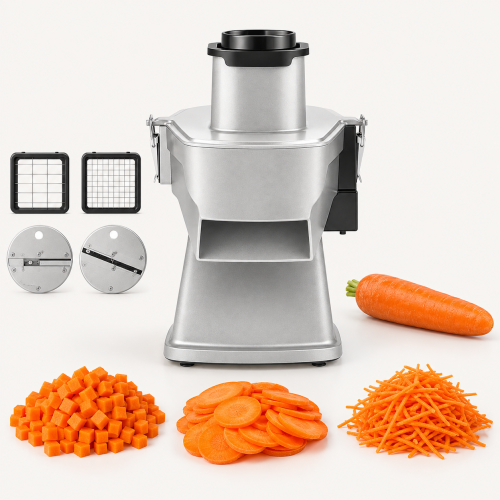
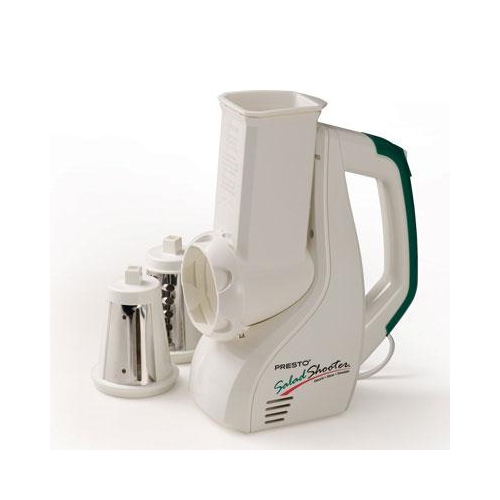
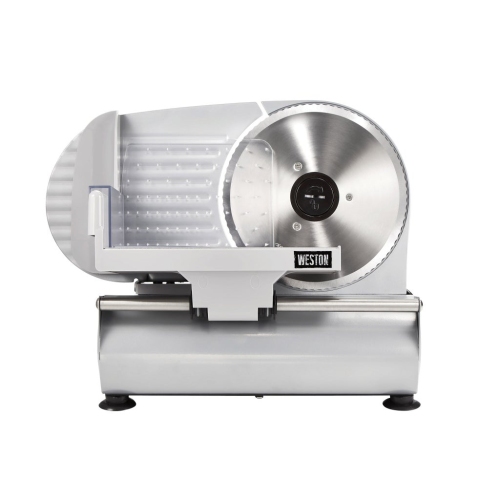
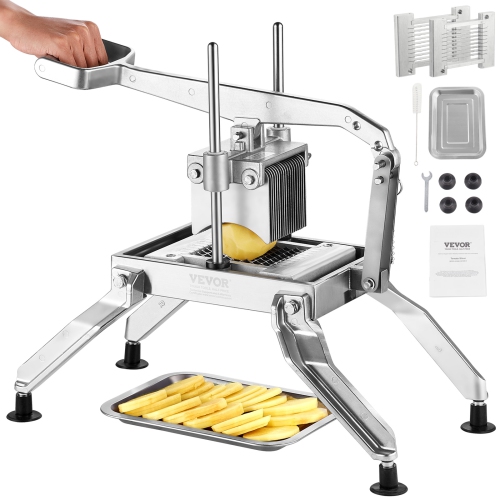


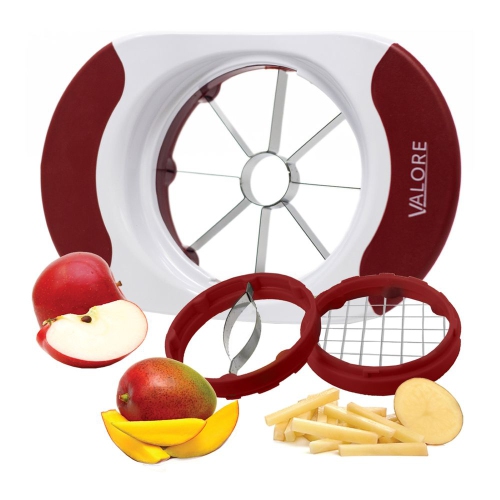
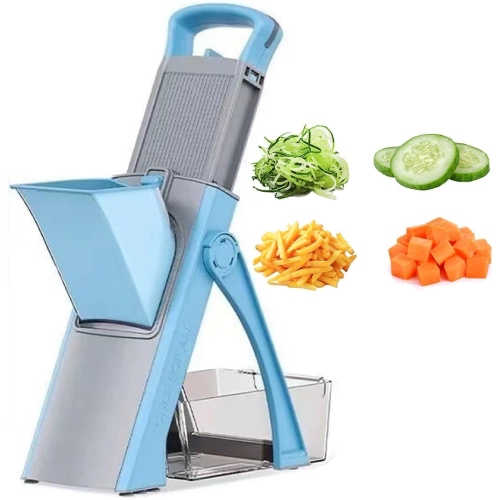
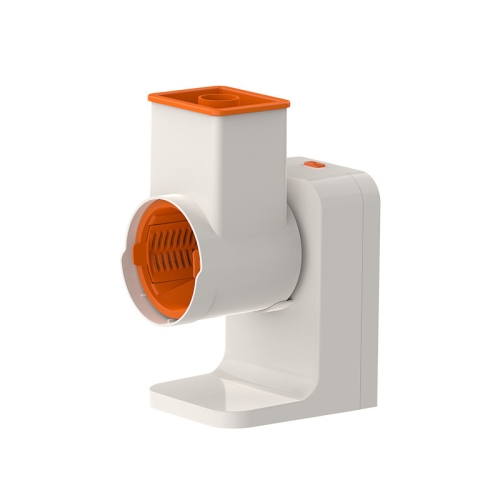
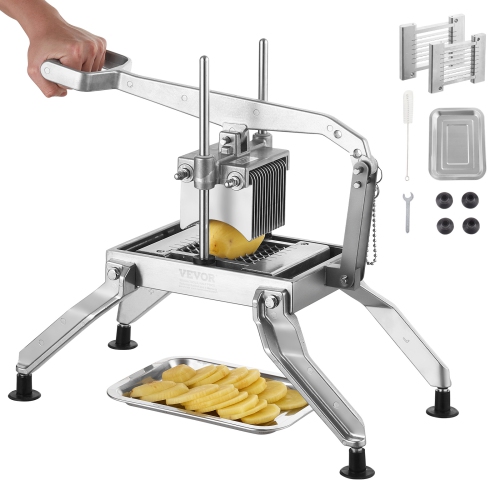
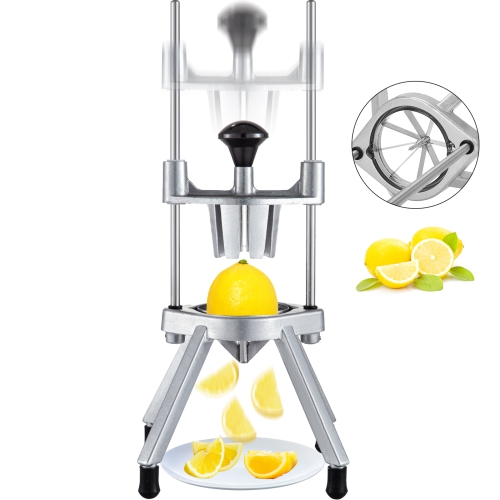
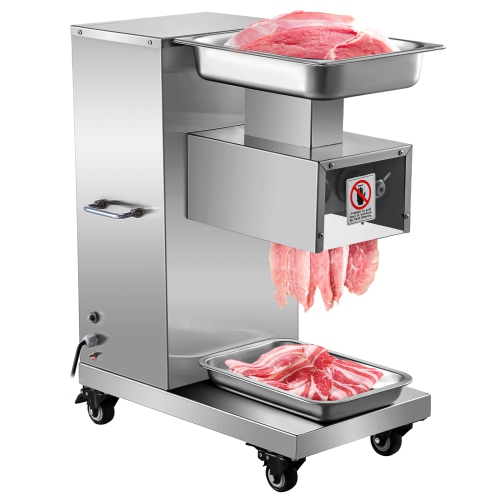


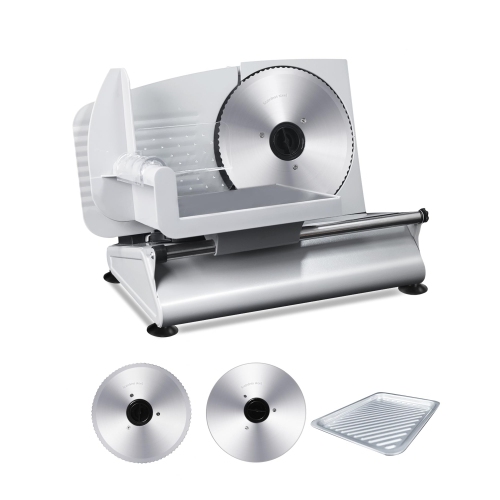
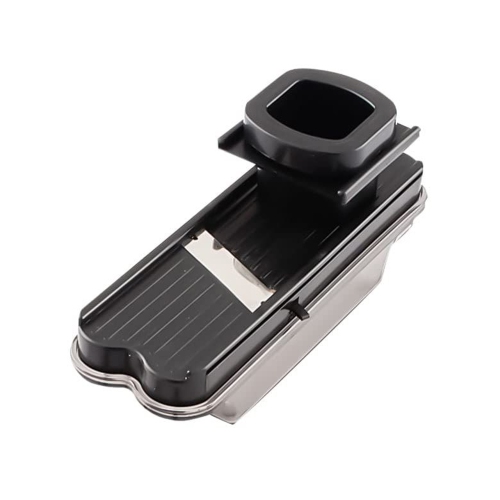
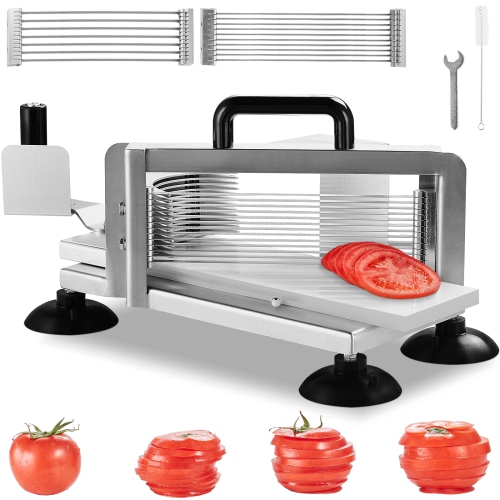
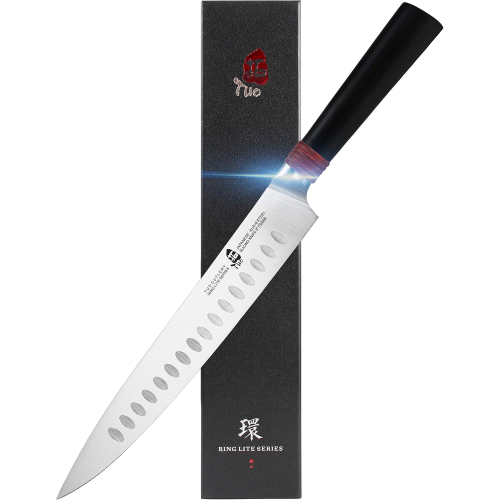


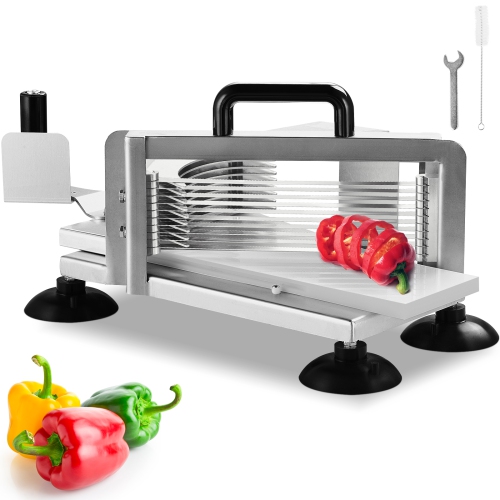

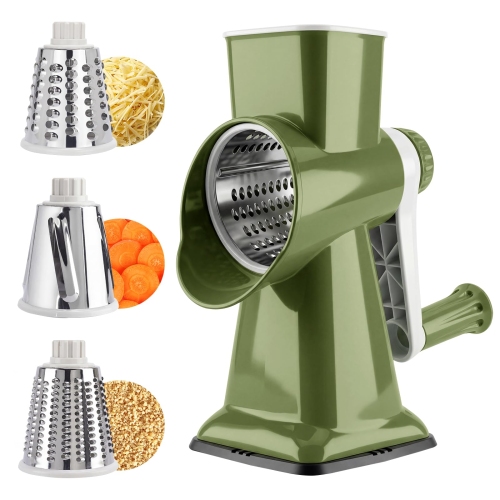
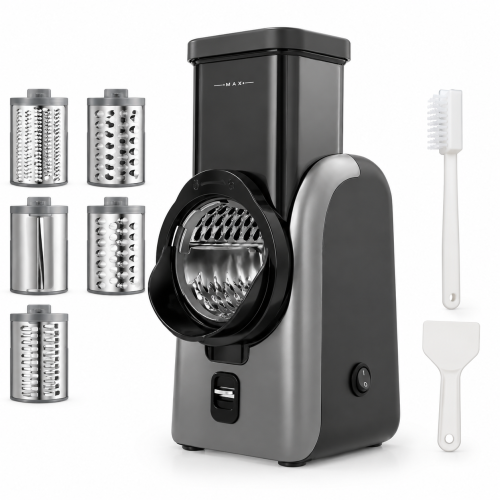
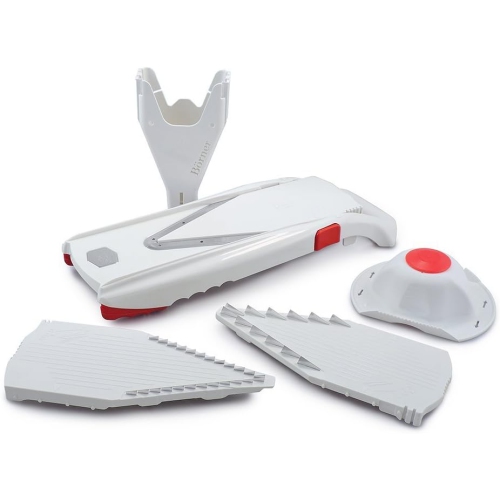


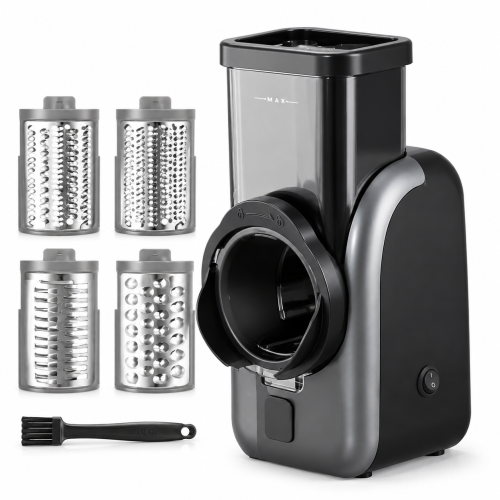


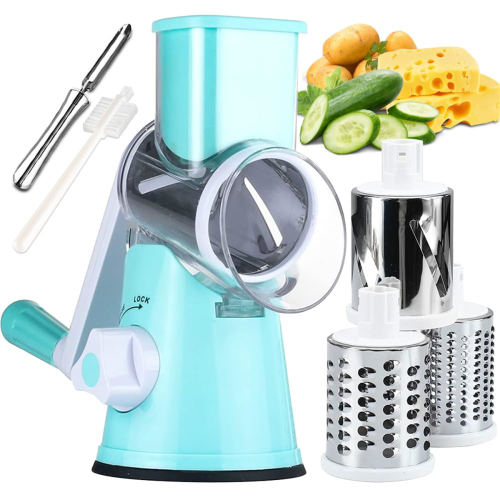
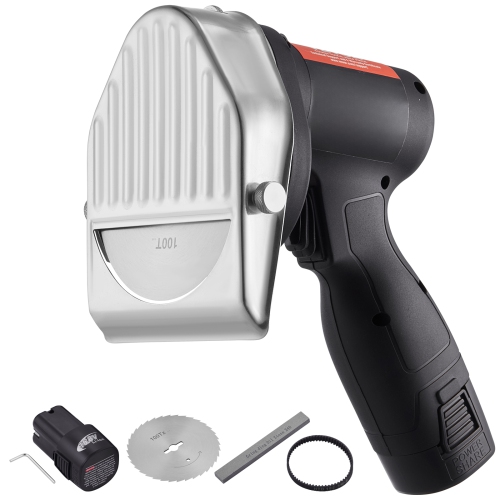

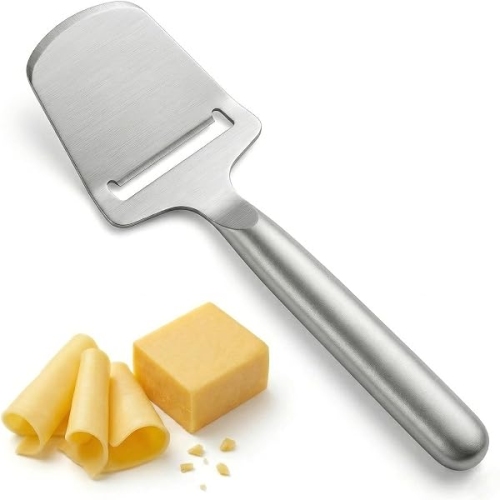
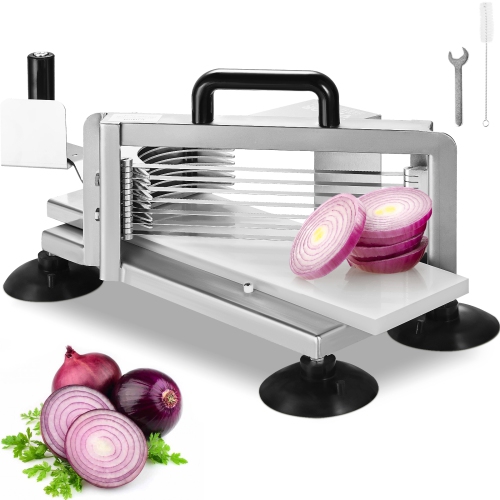
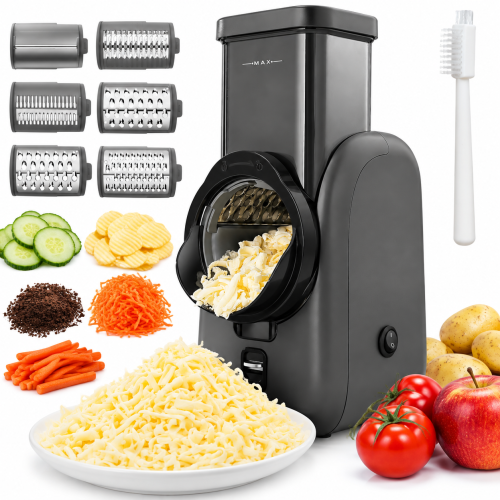
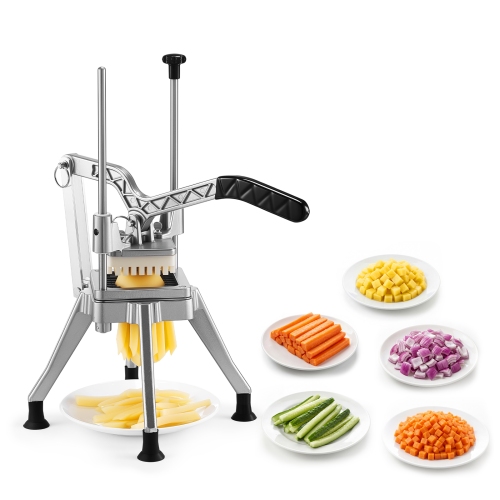
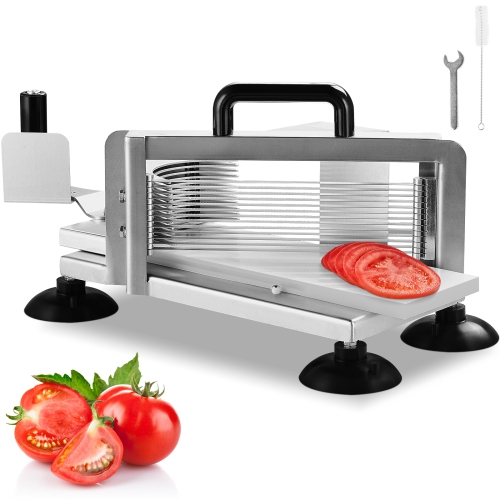
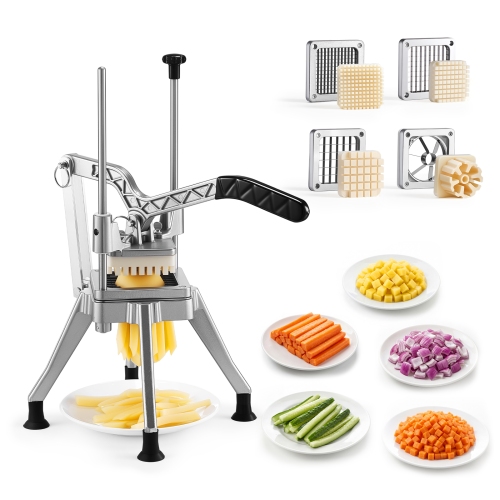

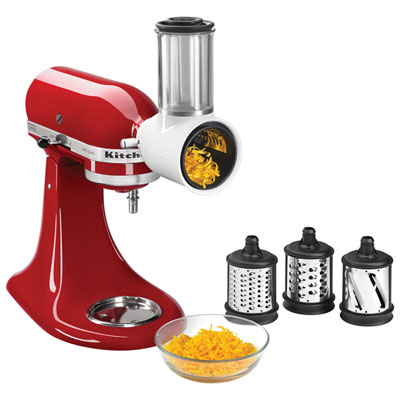
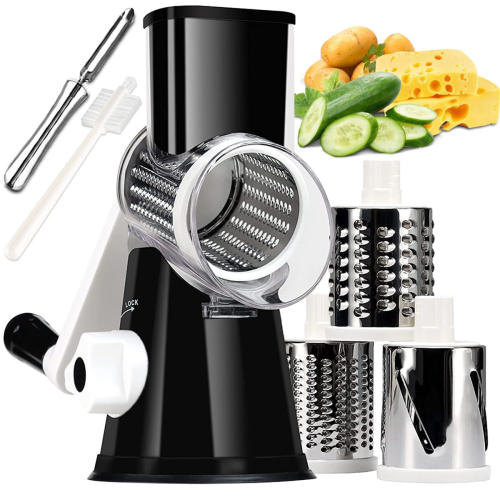
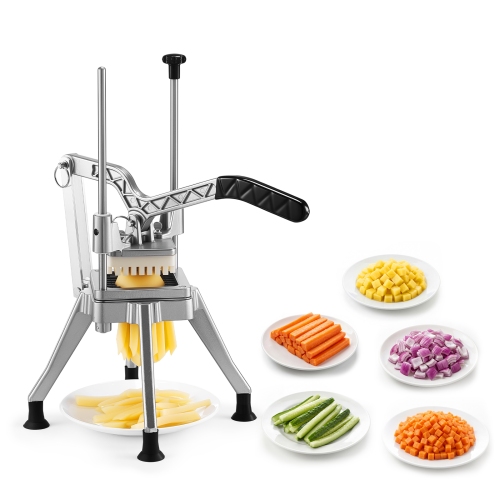


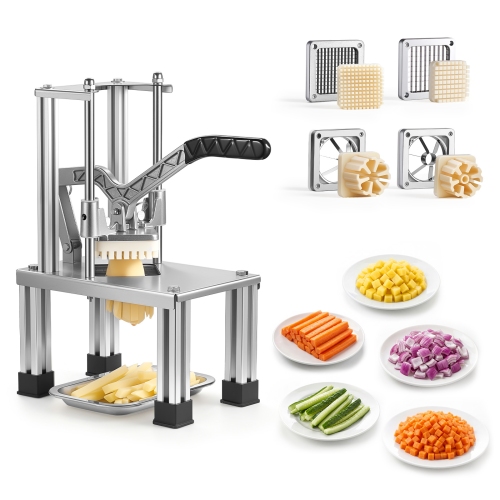
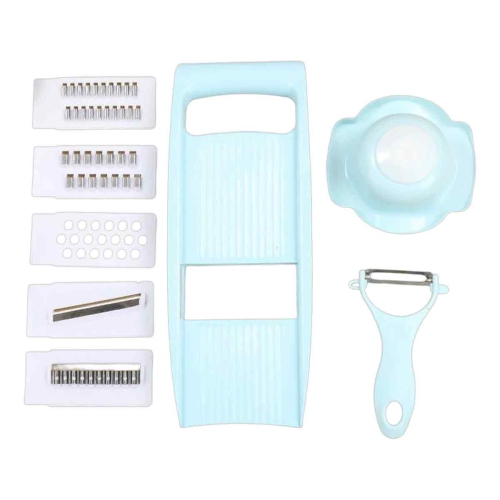


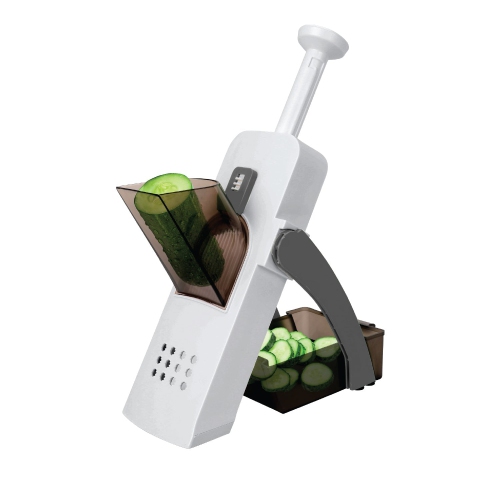
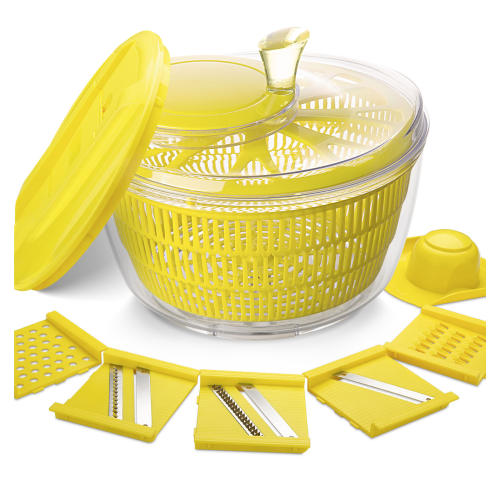
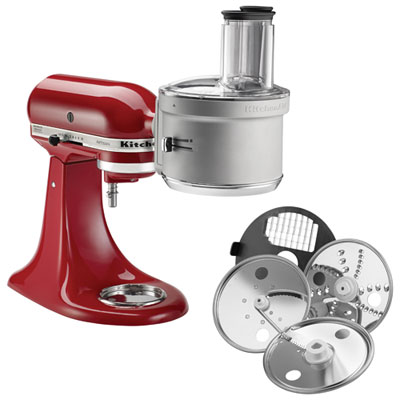
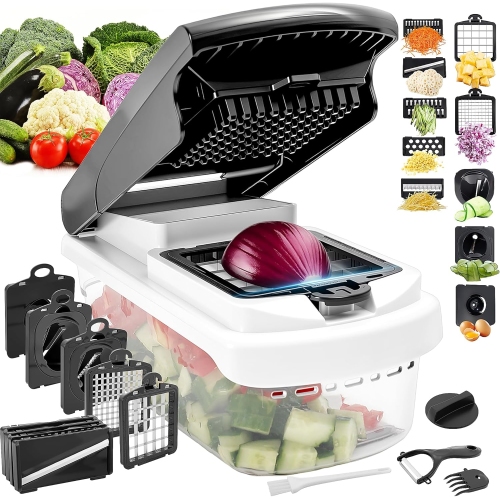
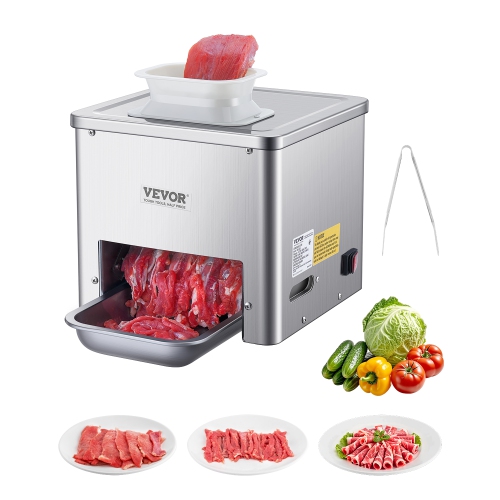


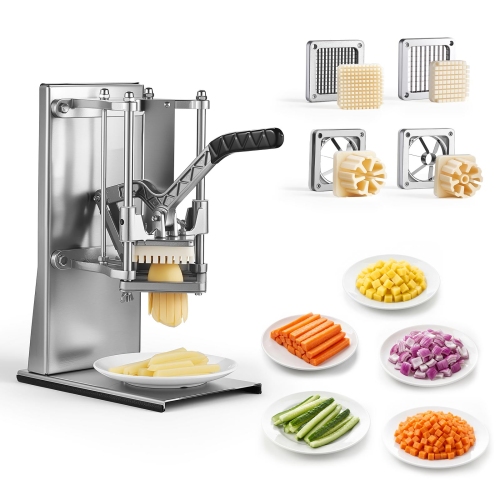
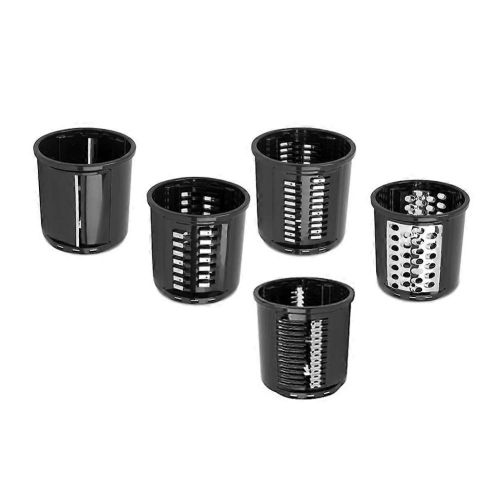
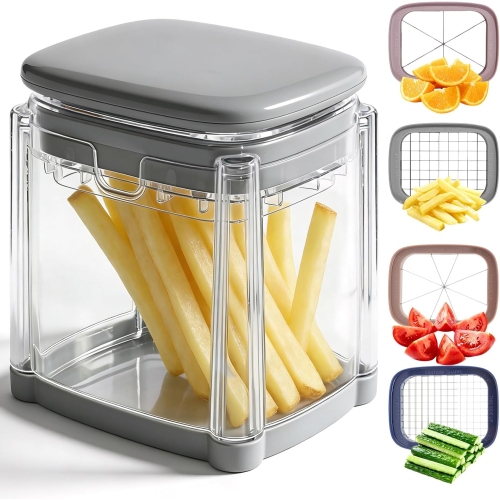
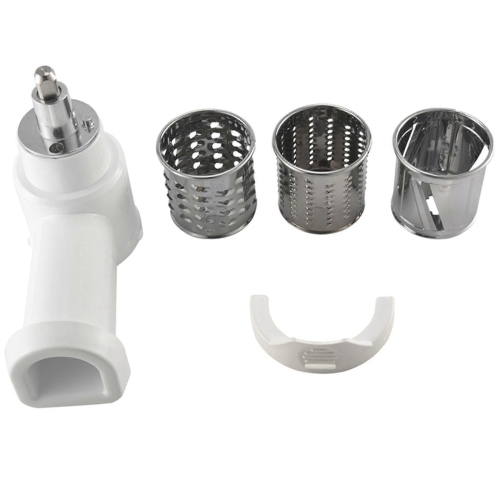
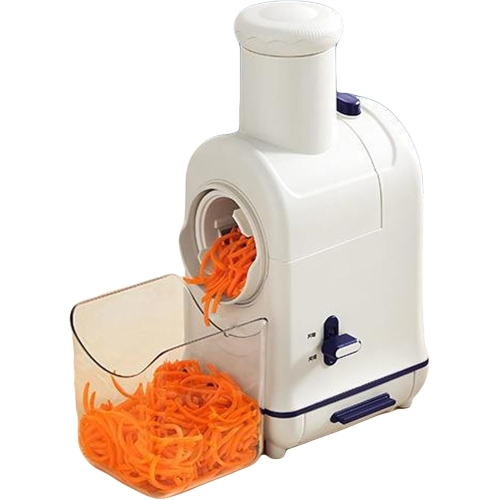
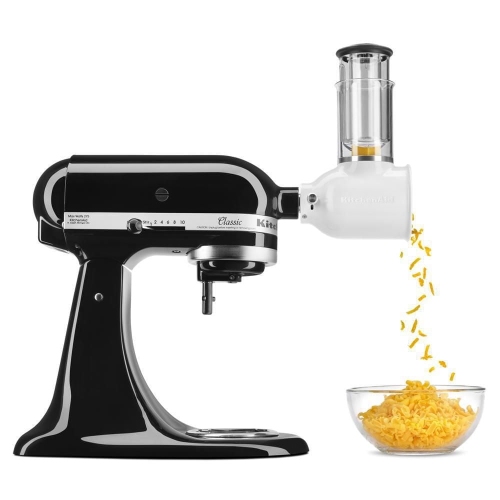
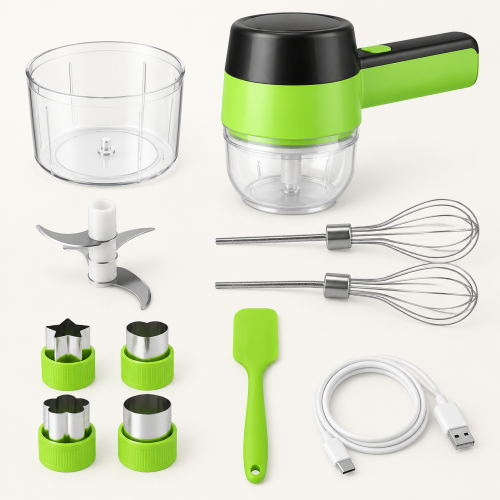
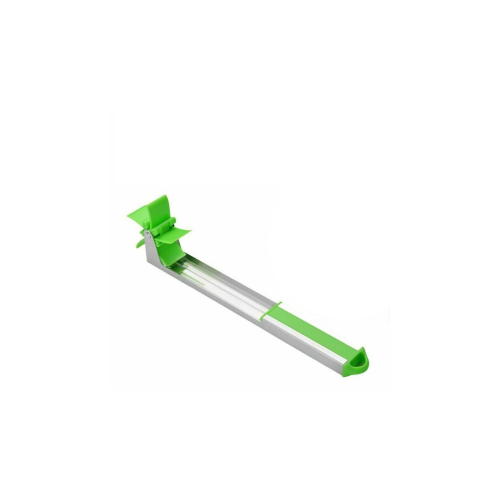


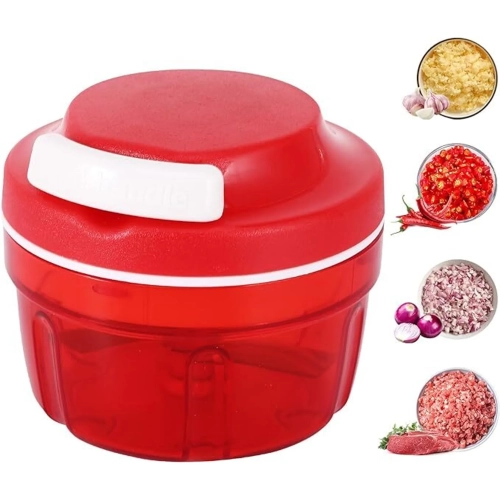

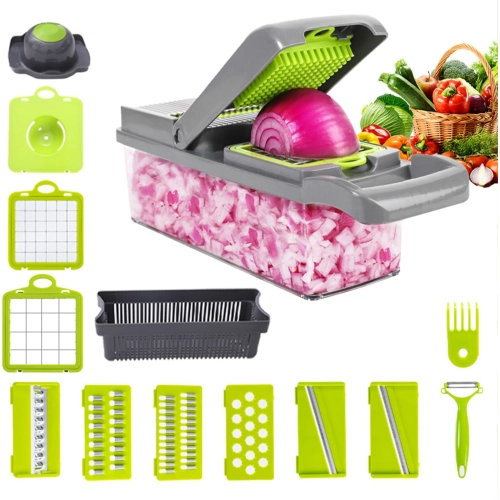
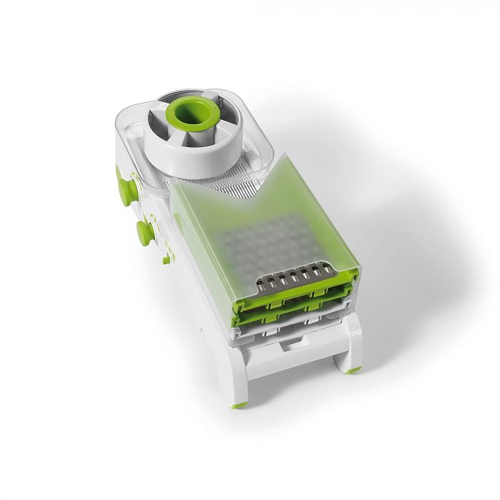

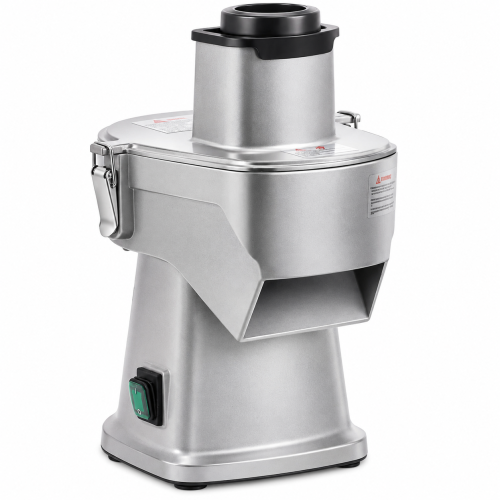
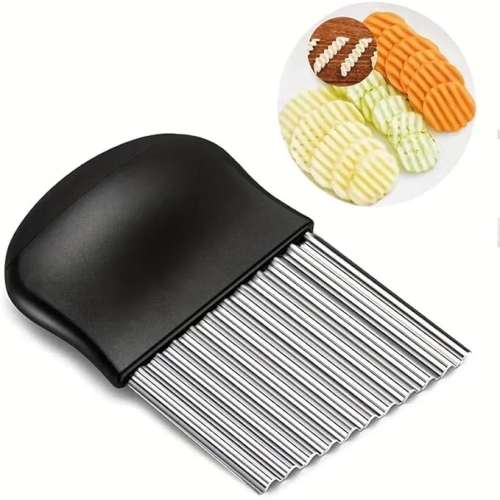

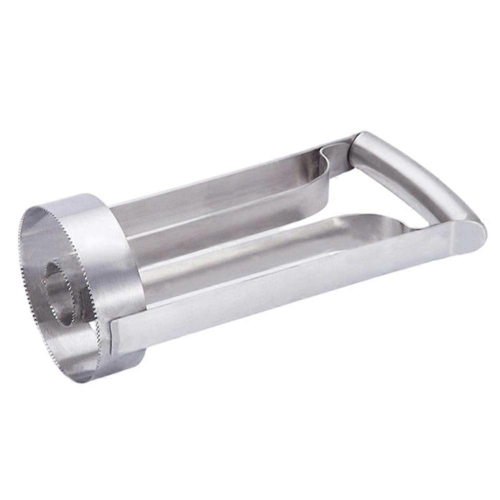


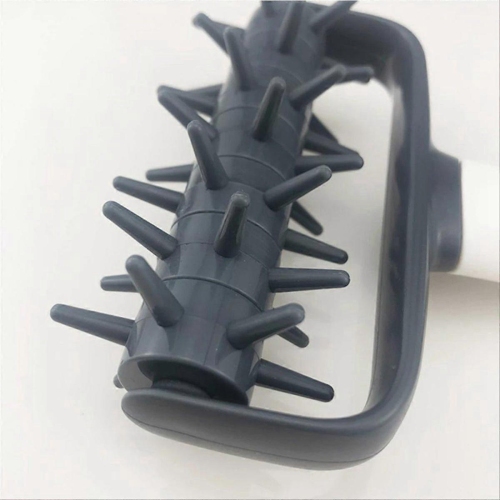


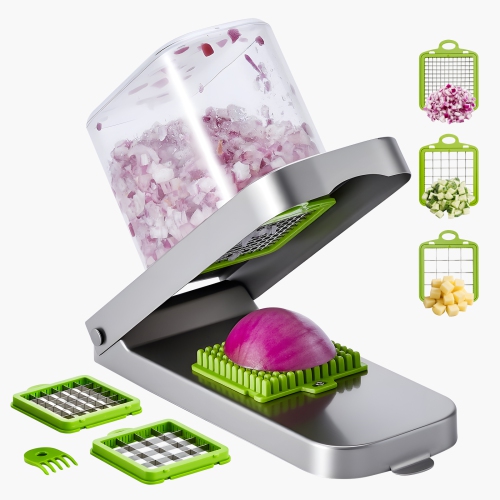
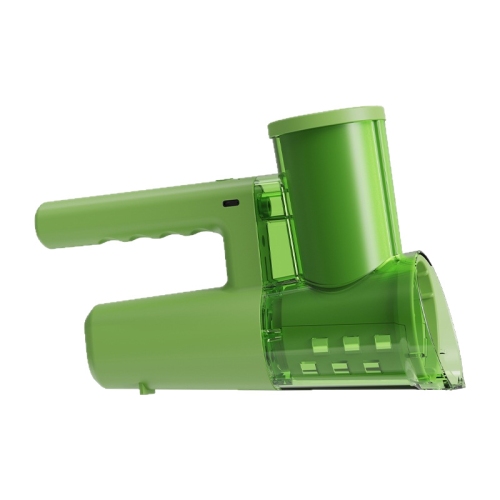
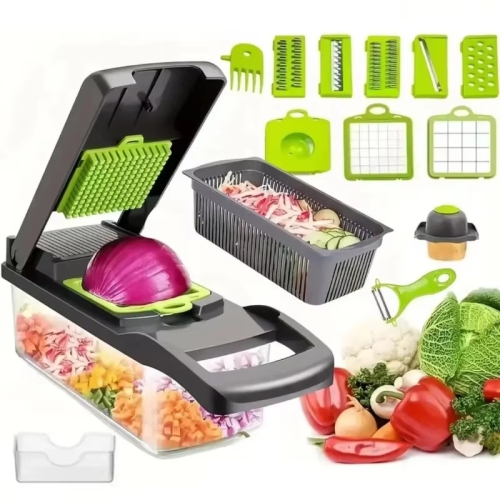

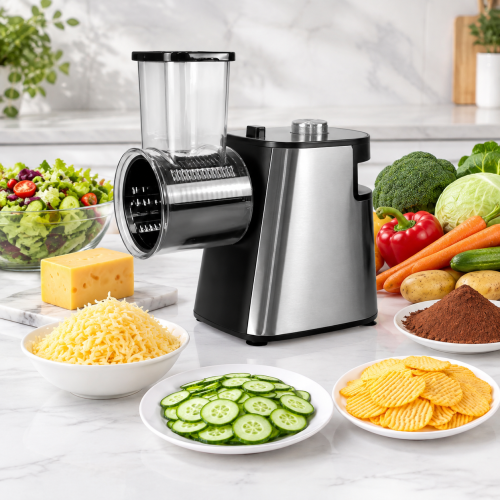

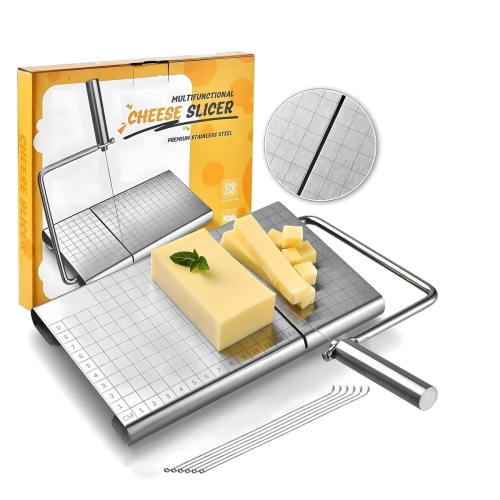
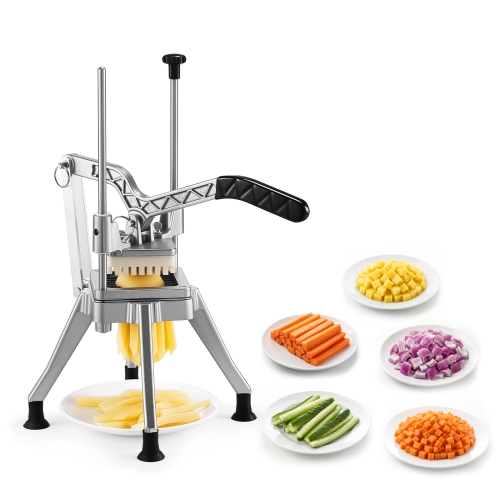

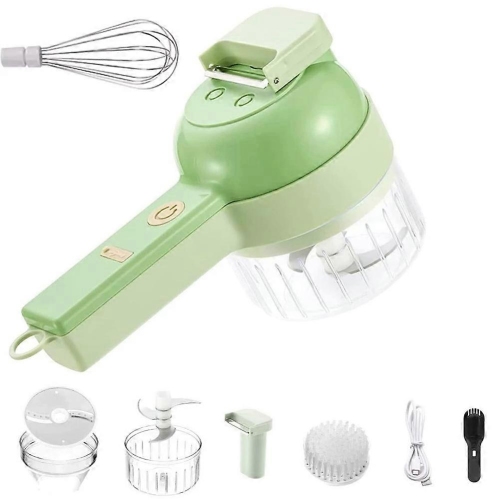
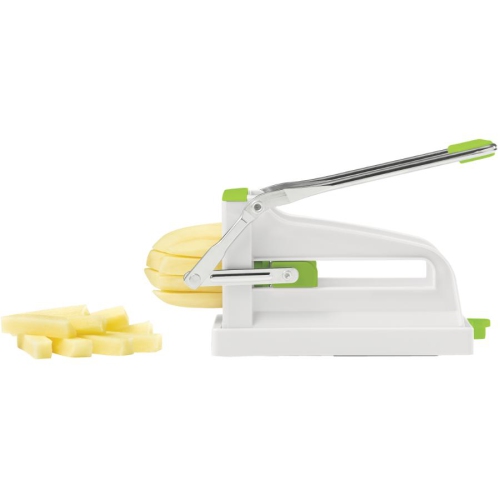
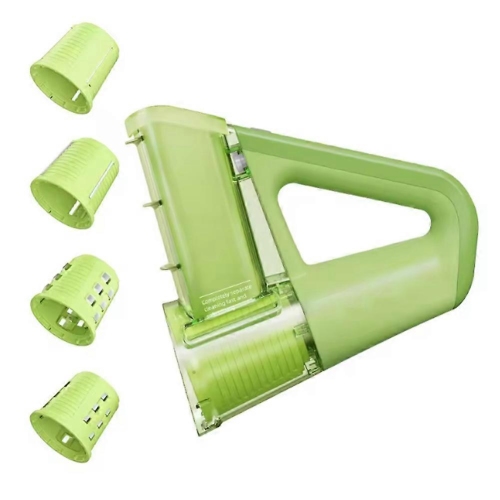

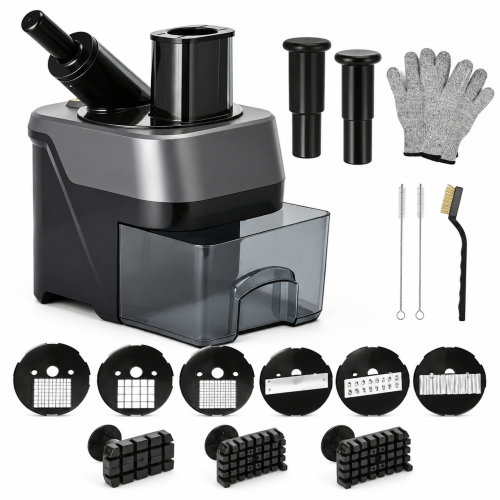
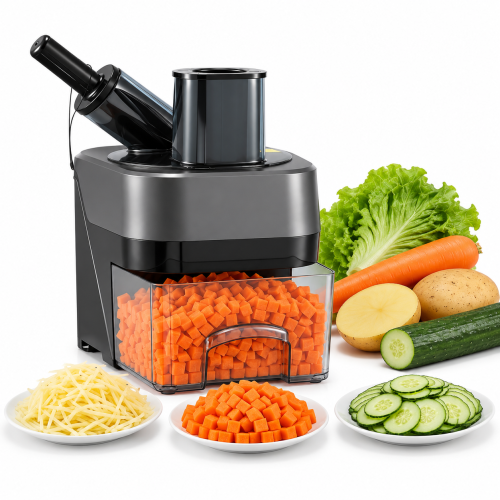
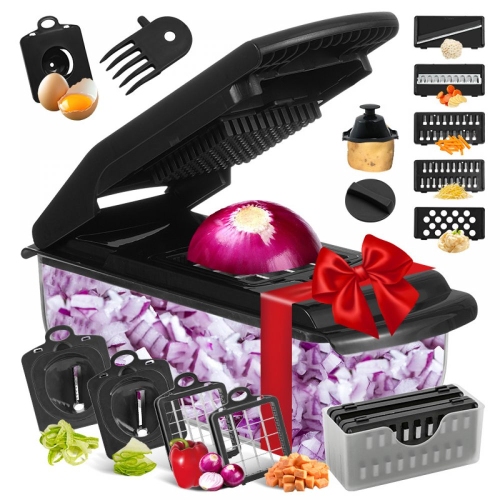
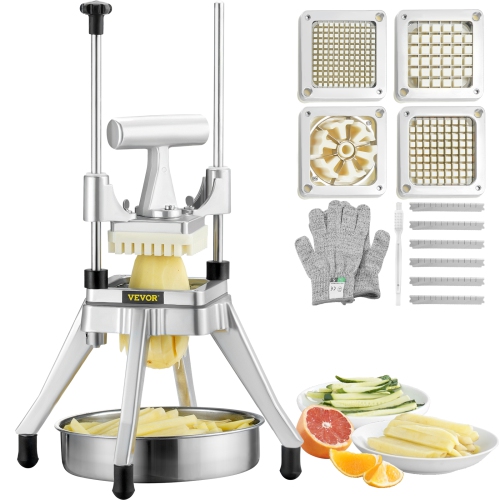
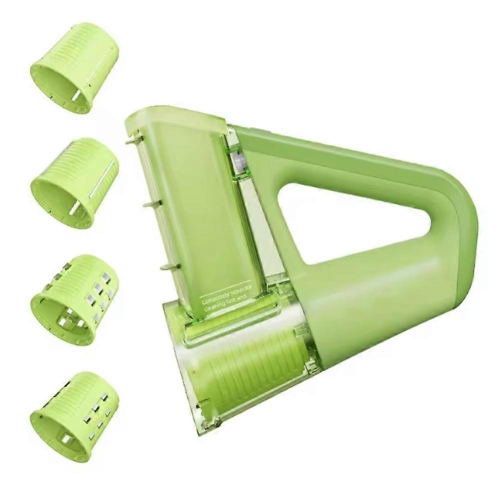
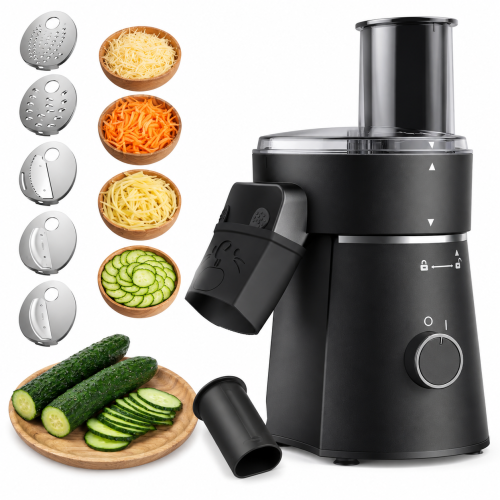

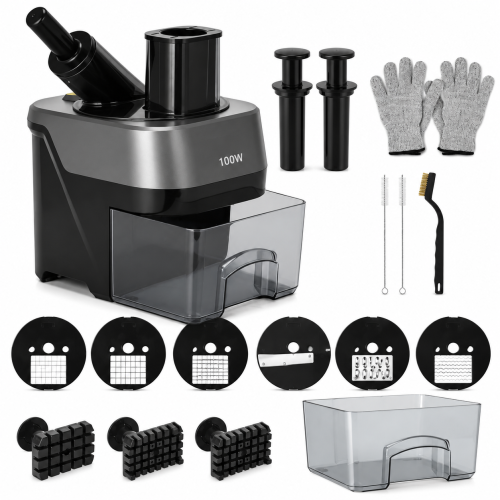
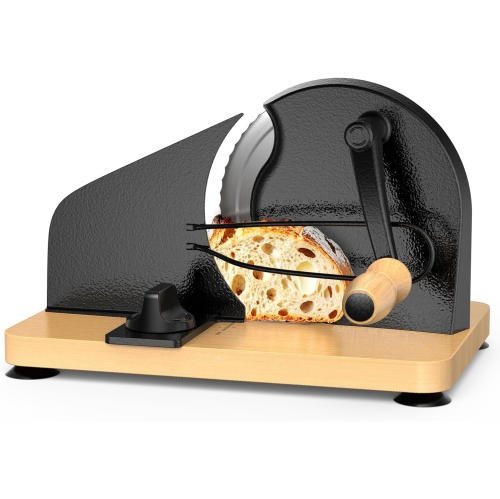


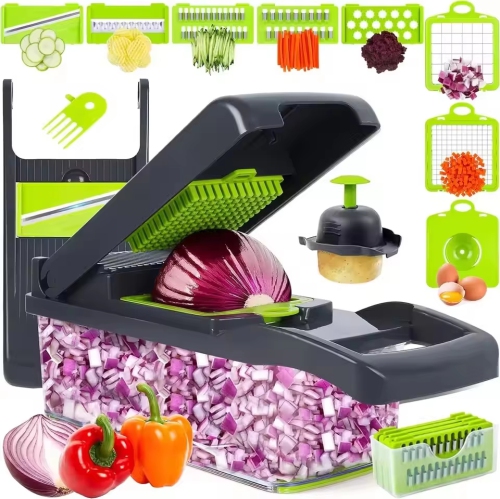
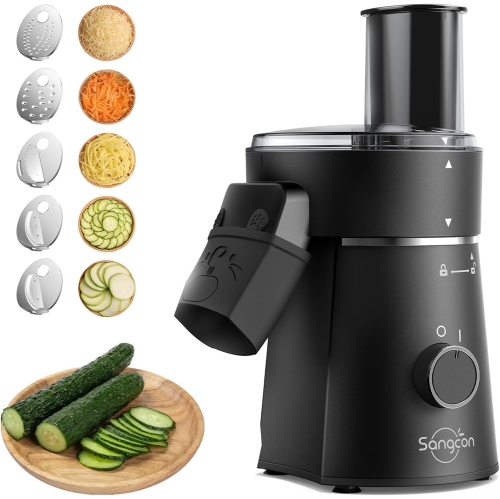

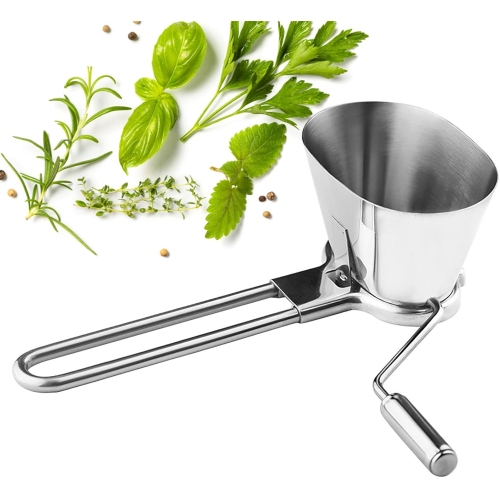


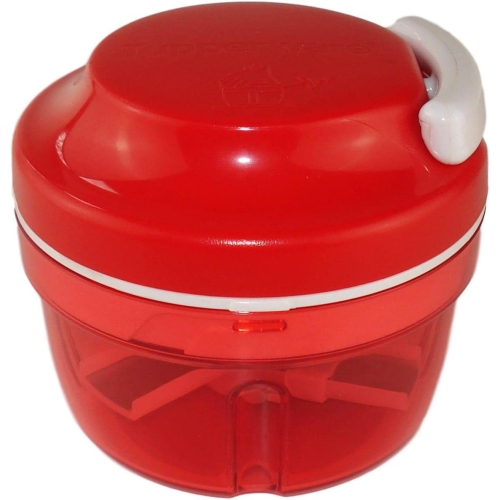
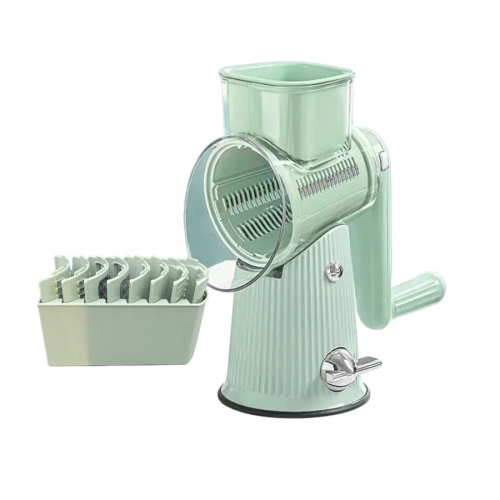


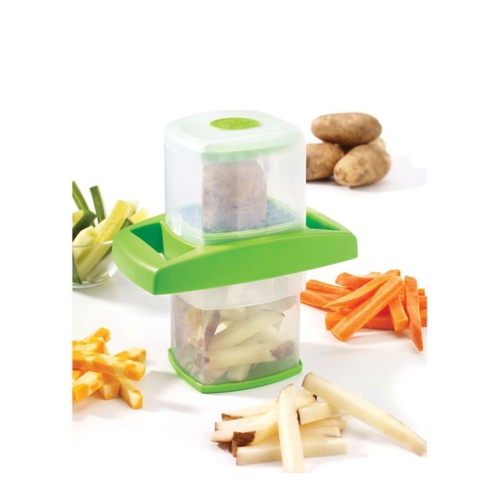
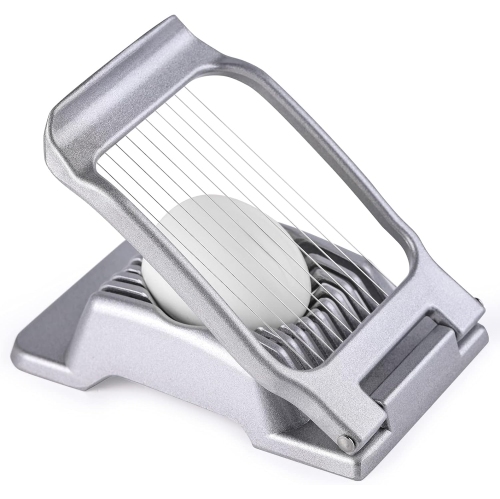
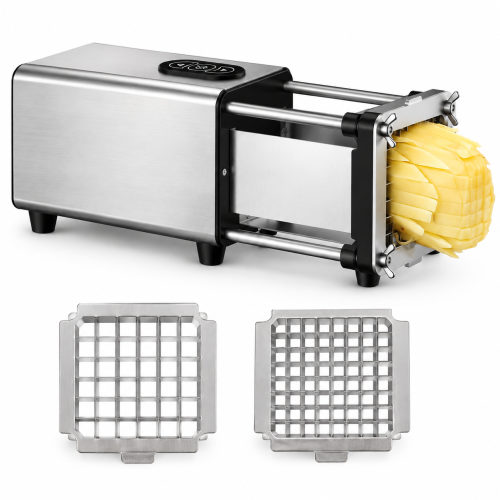


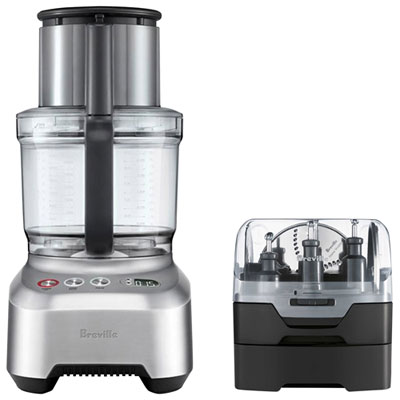

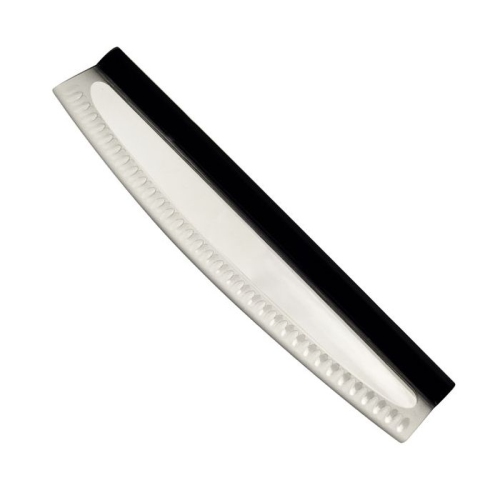
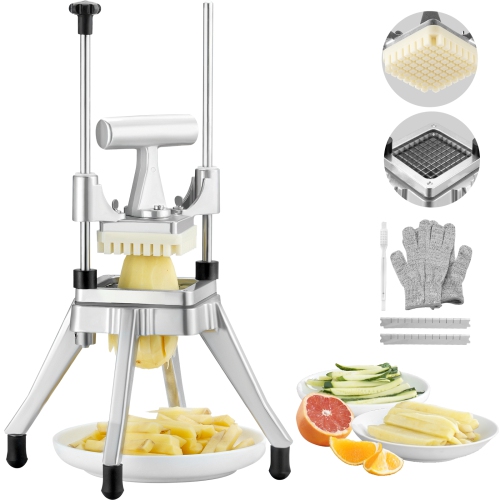
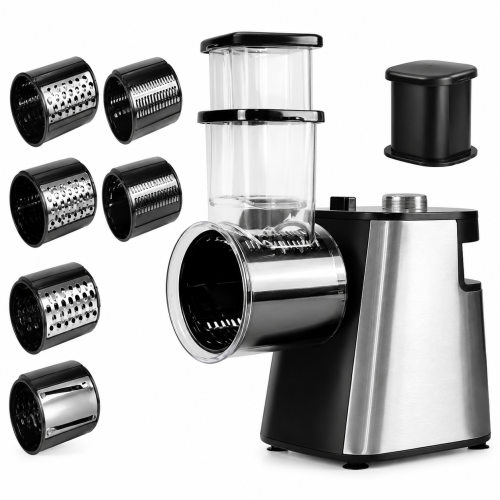
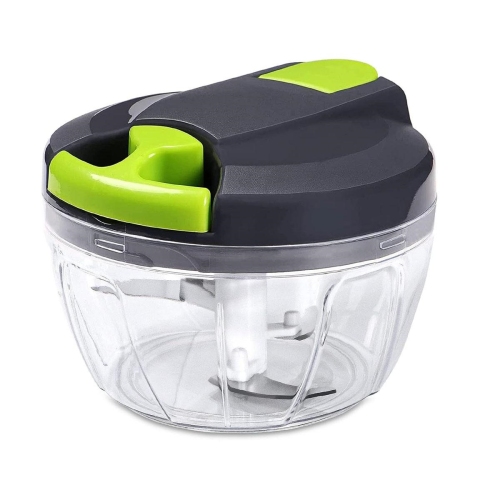
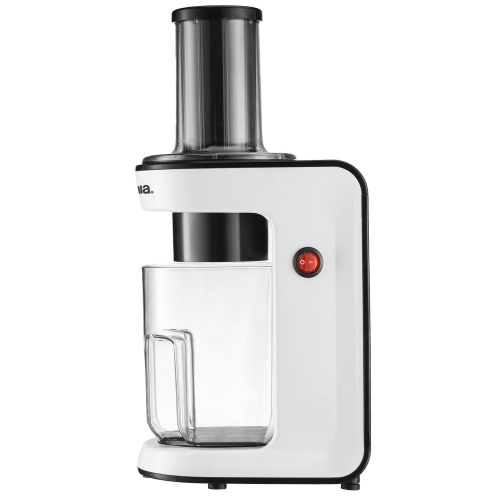
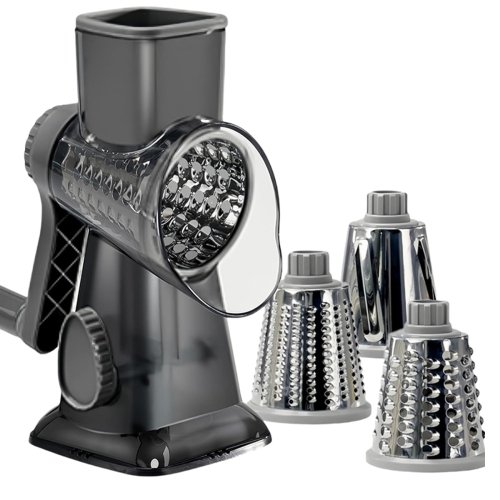
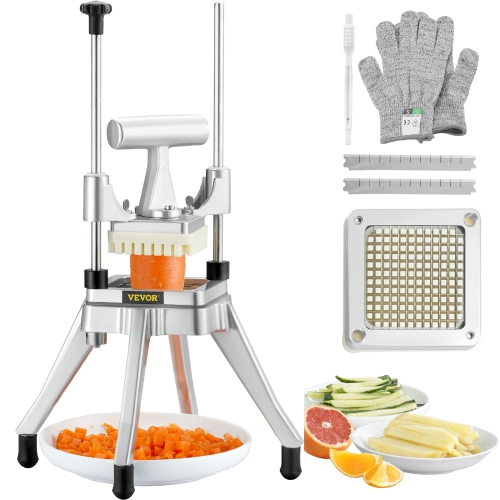






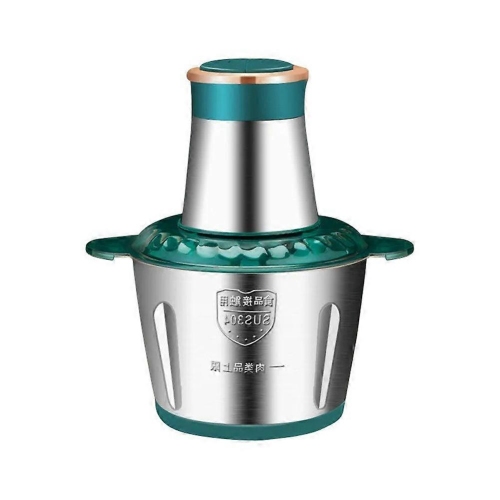
Even slices for stacked sandwiches and neatly arranged platters
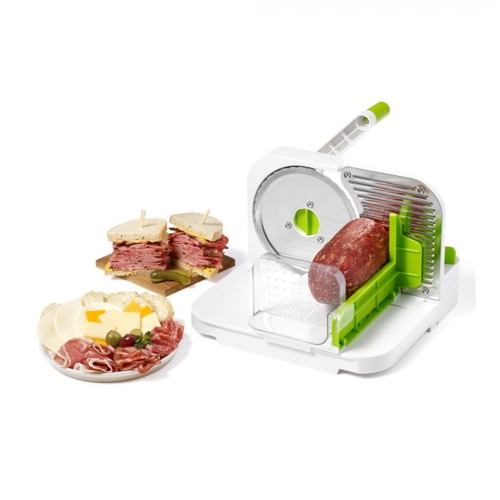
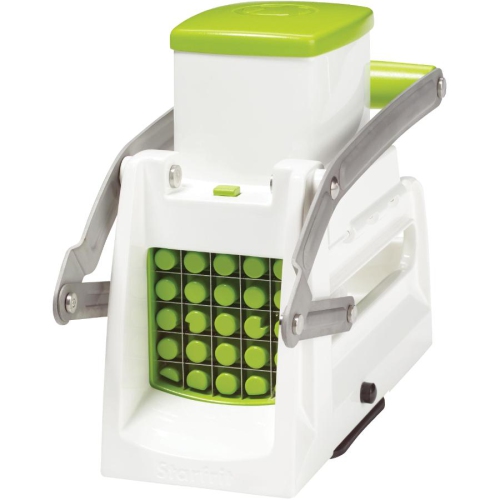
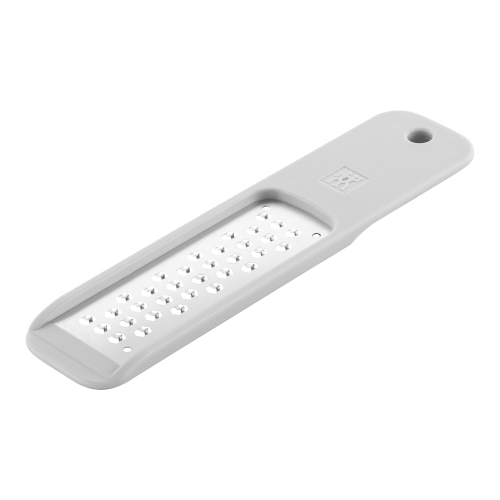
Food slicers are kitchen tools that cut food into even slices, often with adjustable thickness settings for different recipes and serving styles. Depending on their design and approved uses, they can handle meats, cheeses, bread, fruit, or vegetables, bringing consistency to everything from sandwich fillings to a platter of cucumber rounds. The category includes electric machines with rotating blades, manually operated deli-style slicers, and mandolines that move food across a fixed blade. Each serves a different kind of preparation: an electric slicer can make repeated cuts through a suitable roast or loaf, while a mandoline is particularly useful for producing thin potato slices or neat ribbons of firm vegetables. Their shared appeal is control over the finished cut. Thin slices can make a firm ingredient easier to layer, while thicker cuts give bread and vegetables more structure. Evenness also matters when preparing food for cooking, since potato slices of similar thickness are more likely to cook at a similar rate in a gratin. For households that prepare lunches regularly, a slicer can help turn a larger piece of cooked meat into portions suited to sandwiches, wraps, and snack plates. Home cooks who enjoy arranging sharing boards may appreciate consistent slices that sit neatly beside crackers, fruit, and spreads. Those whose main focus is preparing roast beef, ham, or other suitable meats can explore Meat Slicers for that more specific task. Food compatibility remains important across the category, because a machine designed for meat and bread may not be suitable for soft cheese, delicate produce, or particularly dense ingredients. A slicer is not a universal replacement for a kitchen knife, and its usefulness comes from matching its cutting method to the foods prepared most often. For someone assembling several lunches at once, that might mean steady, repeatable deli-style cuts; for a vegetable-focused cook, it may mean evenly sliced courgettes, cabbage, or radishes without setting up a larger appliance.
Materials, blade design, and the way food is supported all influence how a food slicer feels in everyday use. Stainless steel is common in cutting blades because it offers corrosion resistance and can hold a sharp edge with appropriate care. Bases and housings may combine metal with food-contact plastic, balancing weight, rigidity, and ease of handling. A heavier machine can feel more planted on a worktop, although overall stability also depends on the base design, feet, and surface beneath it. Smooth-edged and serrated blades have different strengths: a smooth edge is often associated with clean cuts through suitable boneless meats, while serrations can help grip crusty bread and some firmer foods. Actual suitability depends on the manufacturer’s specifications rather than blade appearance alone. On electric models, blade diameter, carriage travel, and the size of the food platform help determine what fits comfortably; a wide loaf or large roast needs more support than a small piece of cooked meat. An adjustable thickness control adds flexibility, but the practical range and precision vary between designs. Very thin results also depend on the ingredient’s texture, the blade’s condition, and a steady feed, not simply the lowest setting on a dial. Motor power is only one part of performance, alongside blade construction, drive design, and the permitted operating time before a rest is needed. Manual slicers avoid the need for a nearby electrical outlet, though they require physical effort and may suit smaller batches better. Counter space is another practical consideration, especially when a machine needs room for the carriage to move and a plate to catch the slices. Storage dimensions matter as much as the footprint during use, and a folding design may be helpful in a smaller kitchen. The most comfortable fit leaves space to work without crowding the blade, controls, or food holder against other appliances. For frequent preparation, accessible controls and a smoothly moving carriage can matter more than a long list of attachments that rarely leave the cupboard.
Care and safe handling are central to living with a food slicer, particularly when ingredients leave moisture, crumbs, fat, or sticky residue around the cutting area. Removable food carriages, blade covers, and collection trays can make cleaning less awkward, but which parts detach and how they should be washed differ by design. Dishwasher suitability should never be assumed, even for stainless steel components, since handles, finishes, and other attached materials may require handwashing. Electric bases generally need careful wiping rather than immersion, following the appliance’s cleaning directions. Prompt cleaning helps prevent residue from drying into seams, and thorough drying supports the condition of metal parts. When both raw and ready-to-eat foods are involved, proper cleaning and sanitizing between tasks are essential; raw meat should only be sliced on equipment approved for that use. Bones, hard pits, and frozen foods can damage a blade or create a hazard unless the equipment is expressly designed to handle them. Sharp edges need respect whether the slicer is powered or manual. Food pushers, hand guards, and blade covers are functional parts of the design, not optional accessories, and hands should stay out of the cutting path. An electric slicer should be switched off and unplugged before cleaning or removing parts, with the blade fully stopped. Cut-resistant gloves can provide added protection for some manual tasks where the manufacturer permits them, but they do not replace a food holder or guard. Long-term durability also depends on using the slicer within its intended workload and following any specified sharpening or maintenance procedure. Access to compatible replacement blades or wear parts may be relevant for a household planning frequent use. As a gift, a food slicer is best suited to an adult who enjoys hands-on cooking and has the space and interest to maintain it, whether that means preparing sandwich fillings or assembling carefully cut vegetable dishes. A well-matched design earns its place through the particular jobs it handles comfortably, with manageable setup, consistent cuts, and a cleanup routine that fits the kitchen.
Top selling and popular products
-
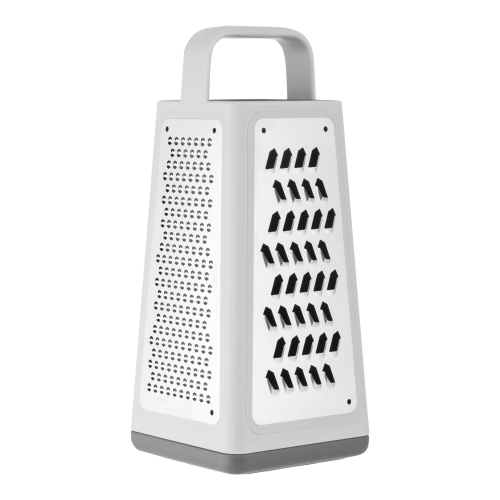 Your price for this item is $49.99
-
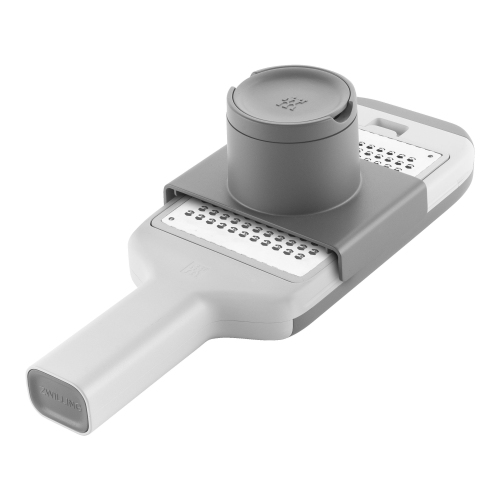 Your price for this item is $49.99
-
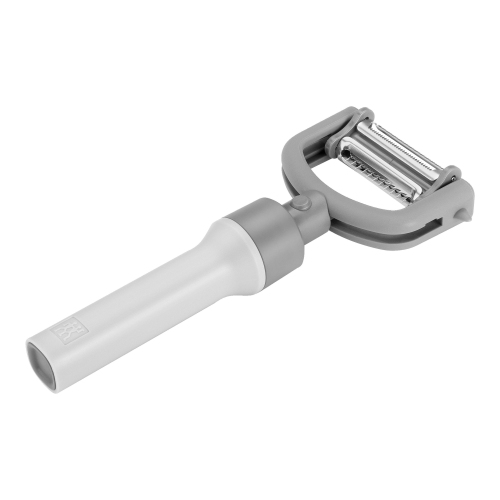 Your price for this item is $24.99
-
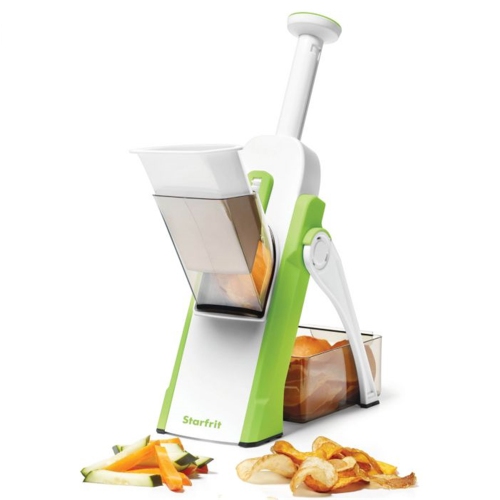 Your price for this item is $44.97
-
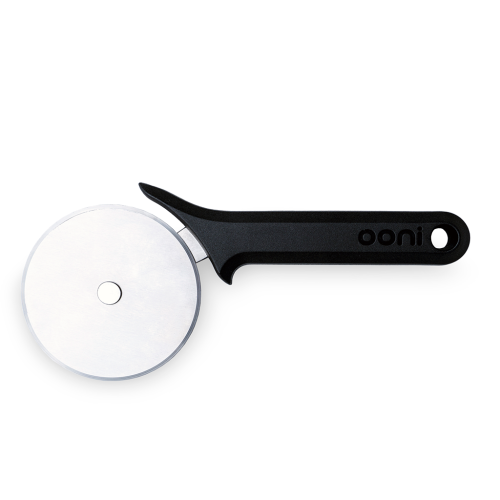 Your price for this item is $18.99
-
 Your price for this item is $48.97
-
 Your price for this item is $29.99
-
 Your price for this item is $9.99
Discover more categories related to Food Slicers
Top Collections:
Pokemon Centers, Kindle Devices, Best Budget Office Chairs, Canon G7X Cameras, Apple iPhones 16, Samsung Galaxy Phones, Refurbished Apple Laptops, Laptops for Students, iPhone 15 Apple, Budget Smartphones
Some products may be subject to Environmental Handling Fees
(EHF) depending on your province.
Learn more about EHFs.