Forged Kitchen Knives
Upgrade your culinary skills with our collection of forged kitchen knives. Crafted with precision and durability in mind, these knives are designed to elevate your cooking experience to new heights. Whether you're a professional chef or a passionate home cook, our selection of forged kitchen knives offers the perfect blend of sharpness, balance, and control. From slicing and dicing to chopping and mincing, these high-quality knives will effortlessly tackle any ingredient with ease. Discover the art of culinary mastery with our range of forged kitchen knives that combine style, functionality, and exceptional performance.
Sort
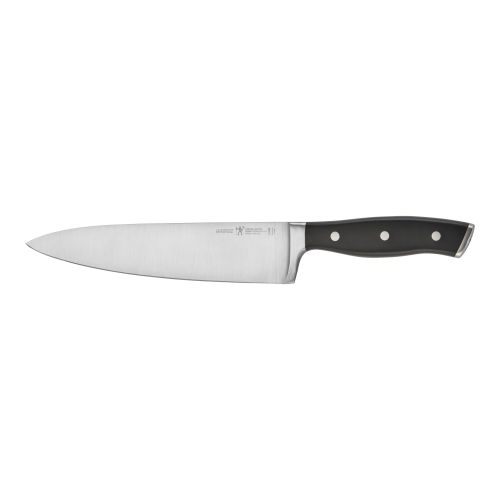
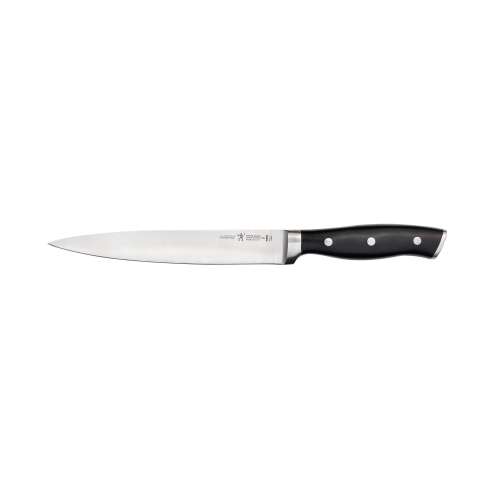
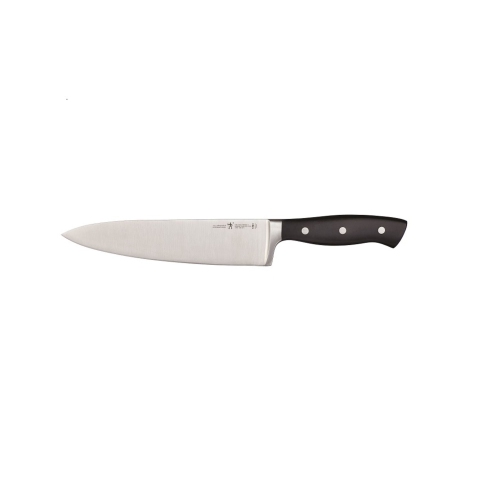

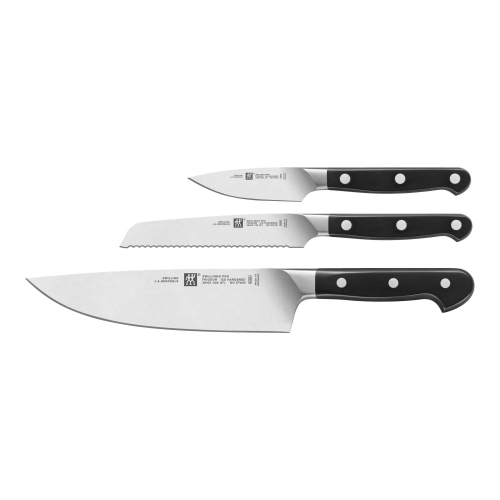
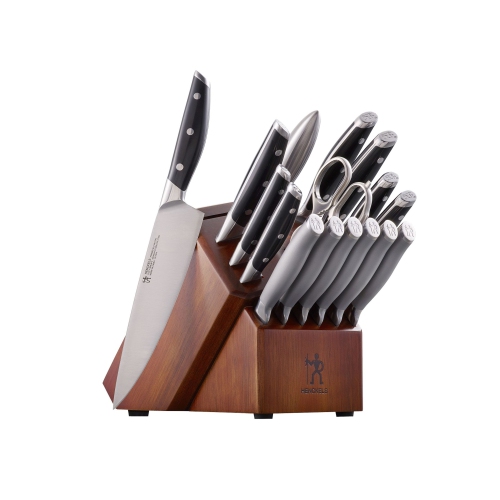
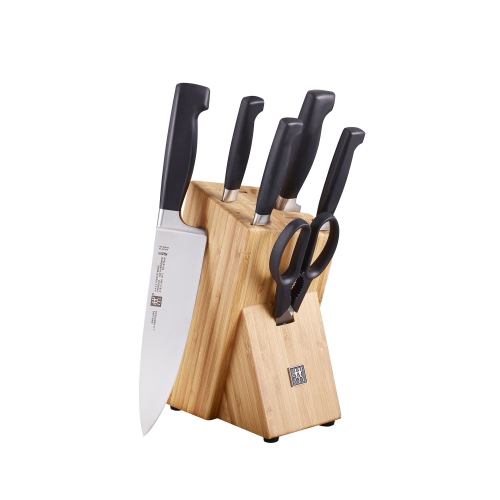
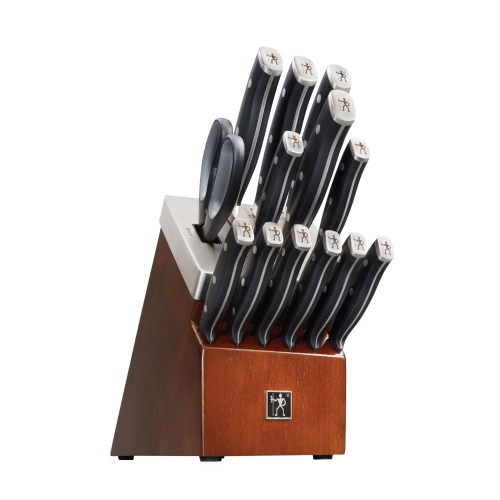
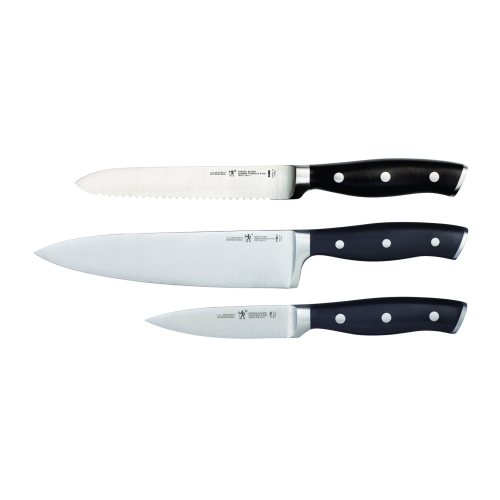
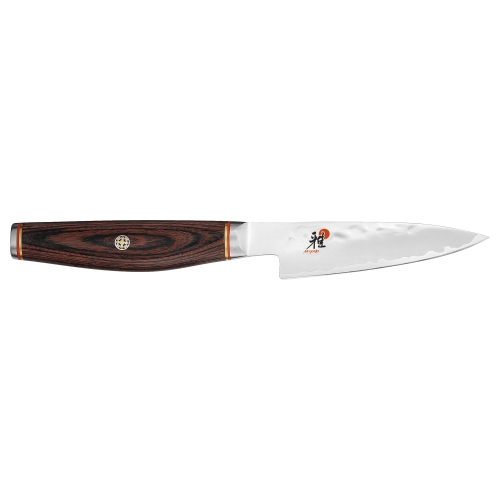
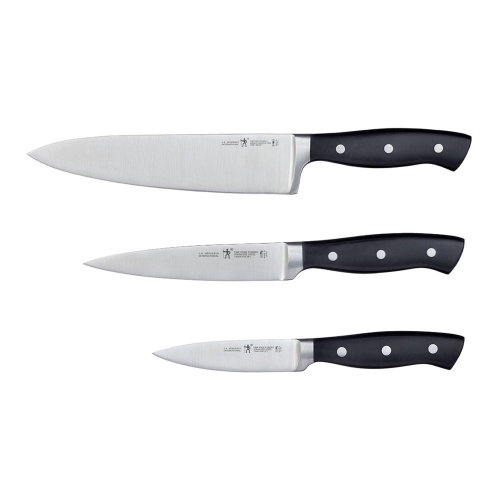
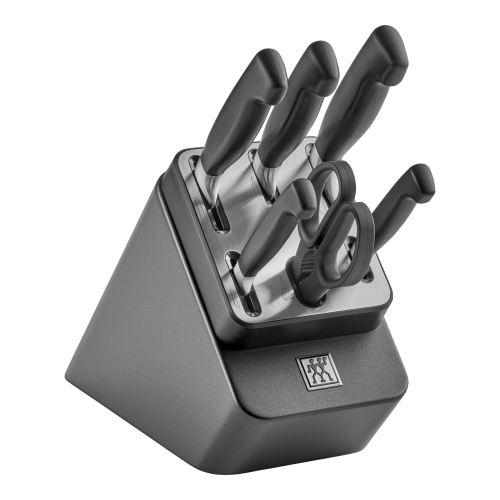
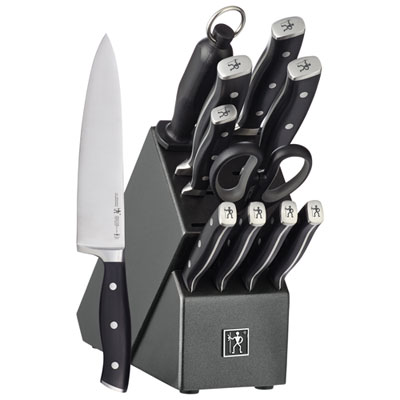

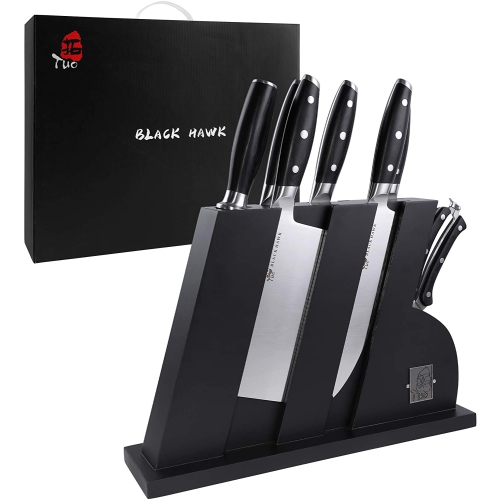
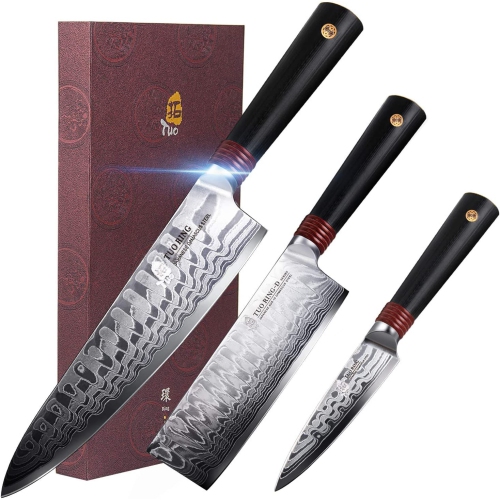
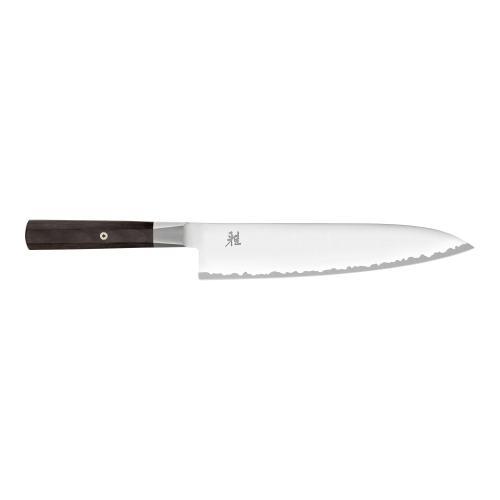
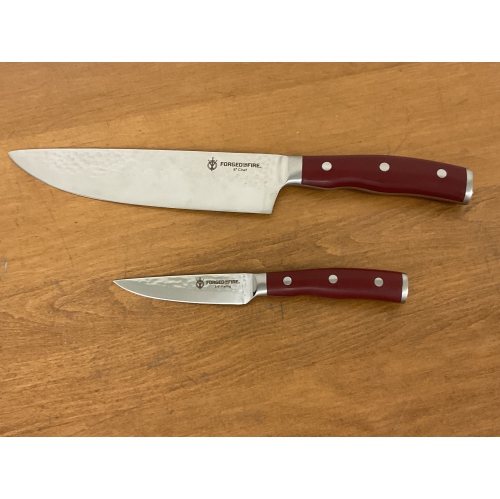
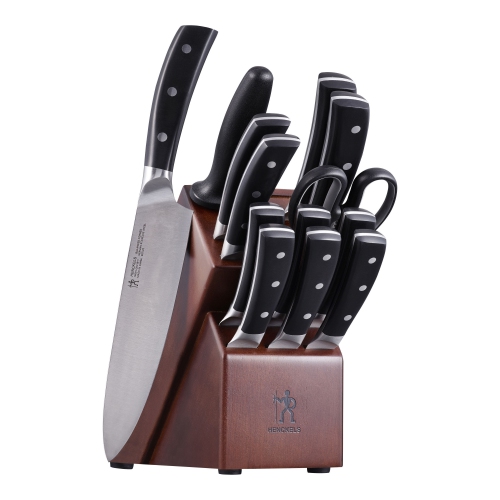
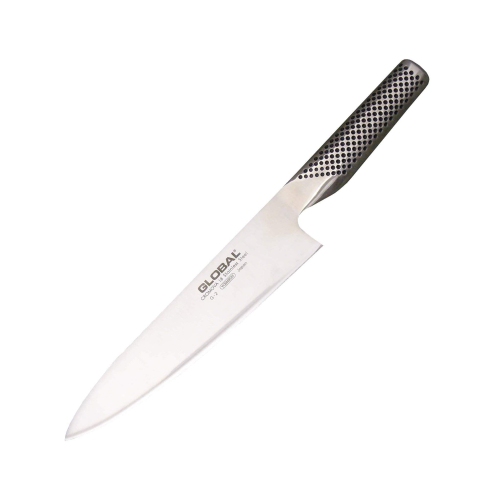
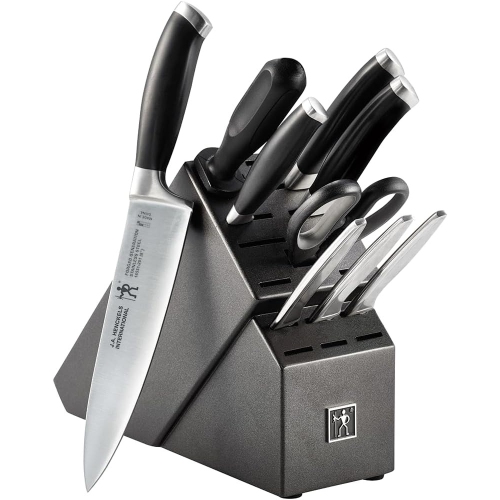
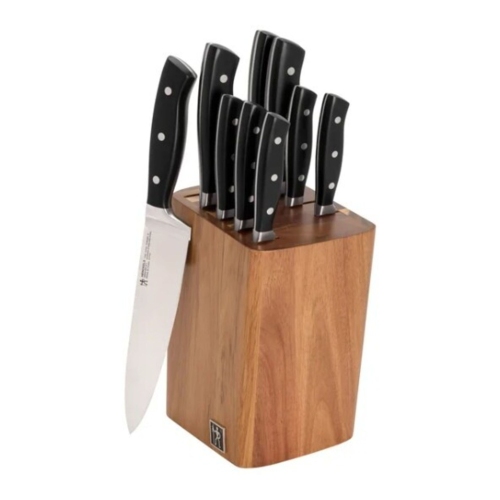
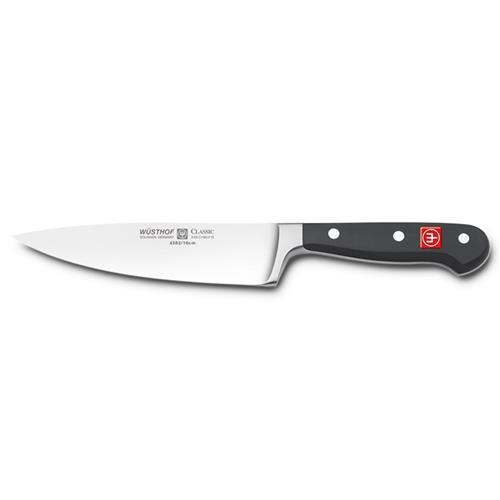
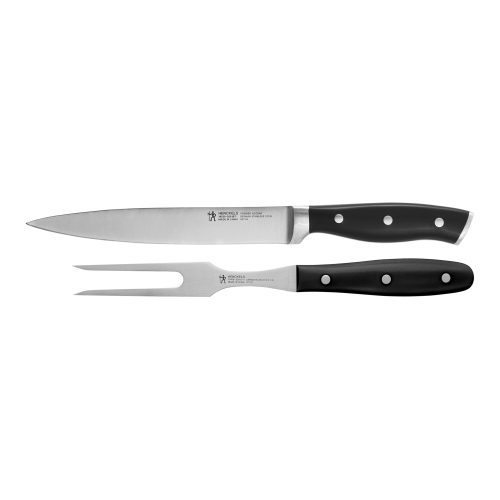
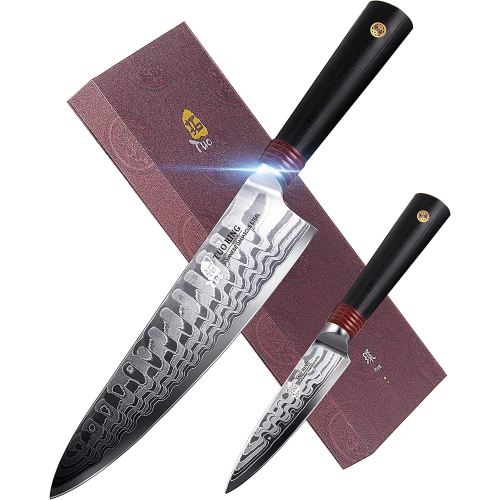
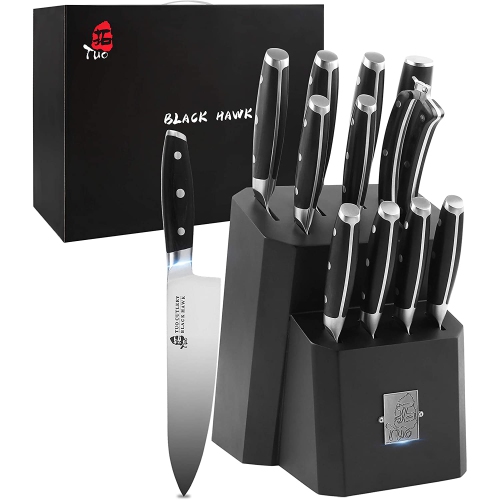
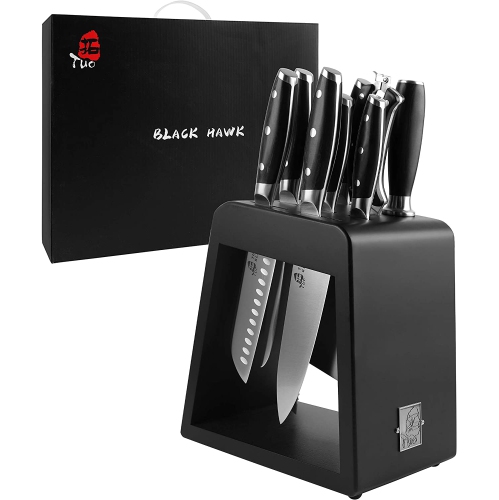
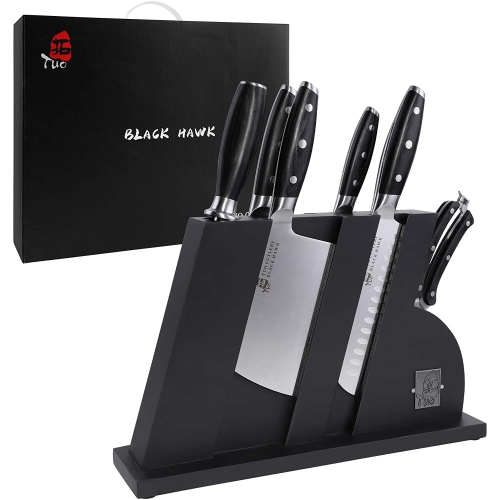
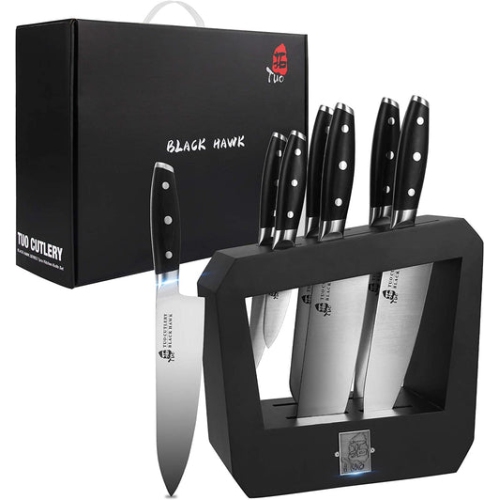
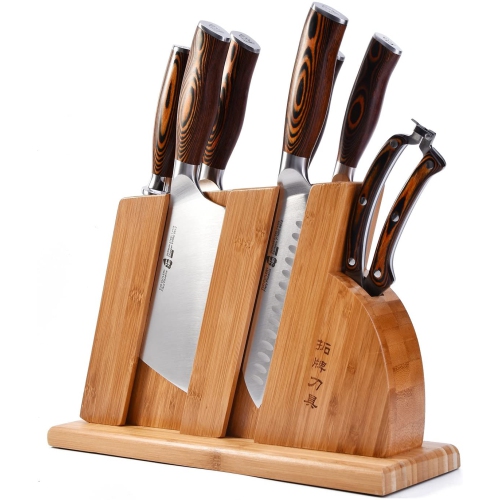
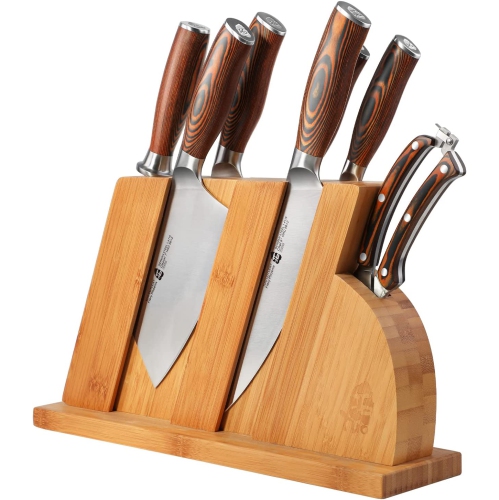
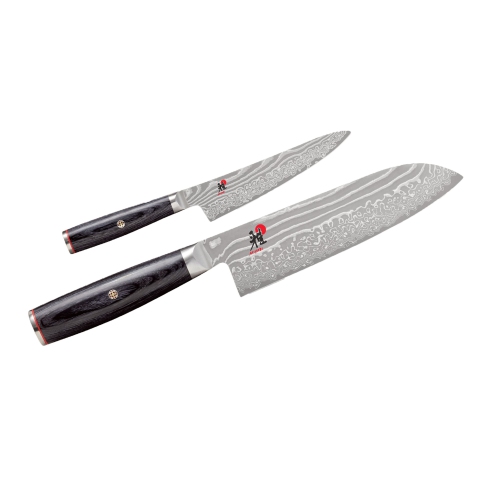
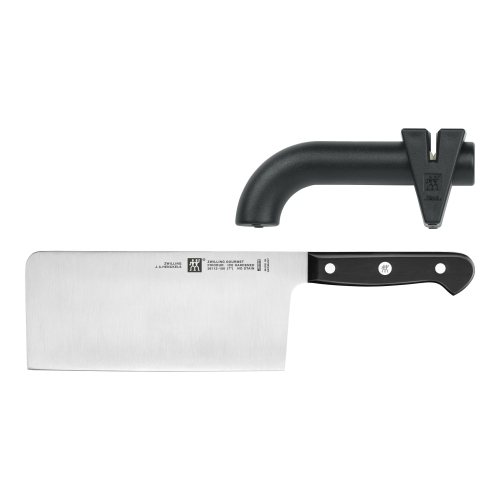
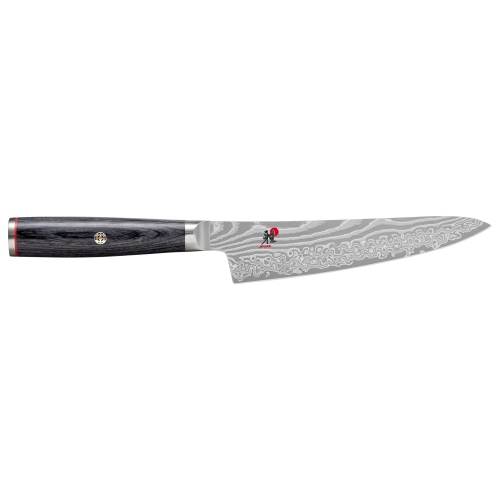
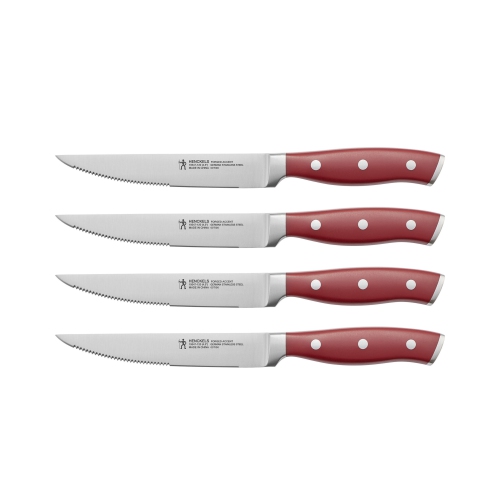
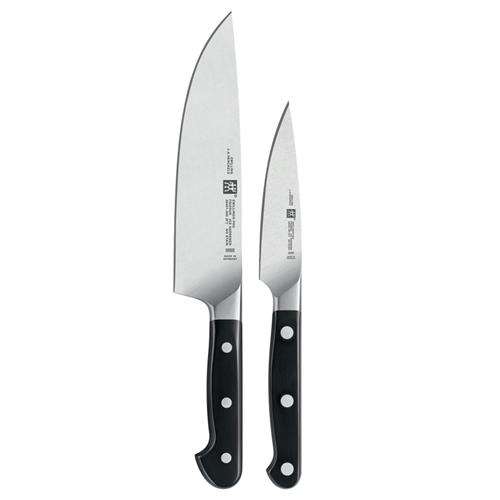
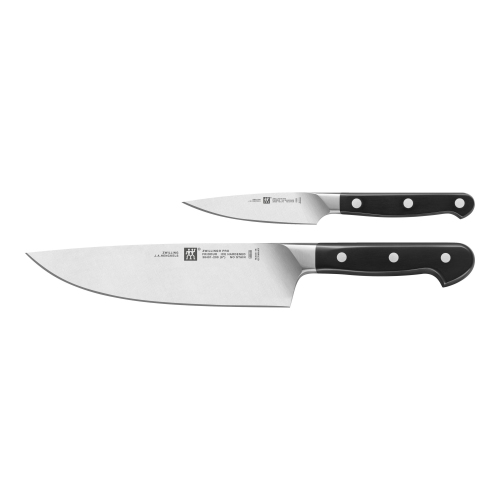
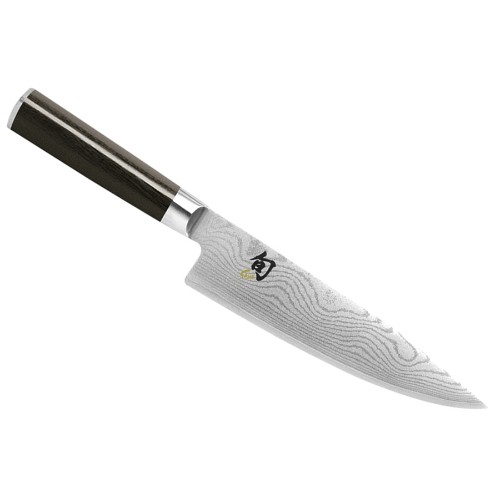
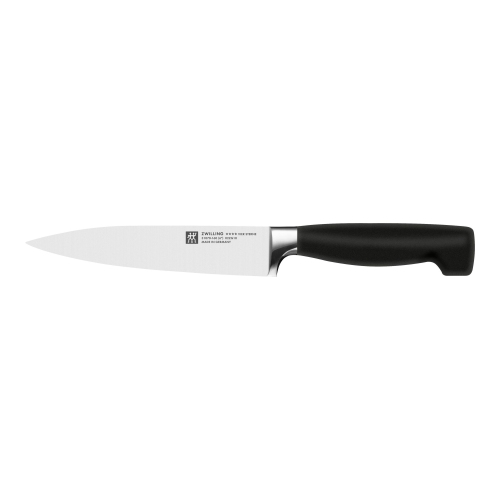
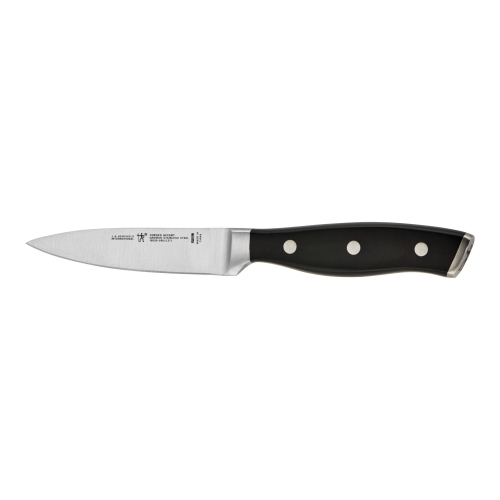
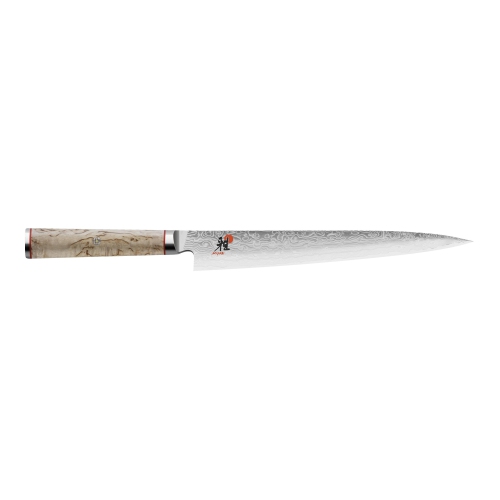
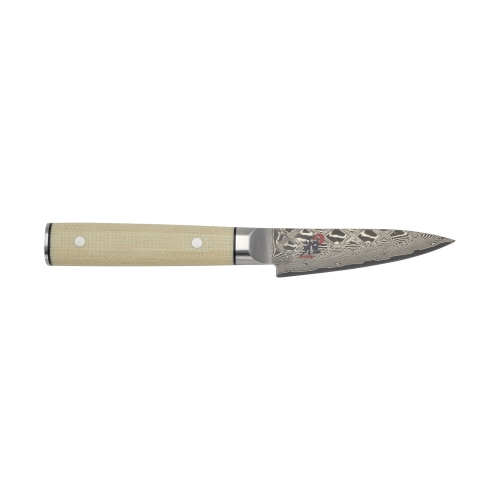
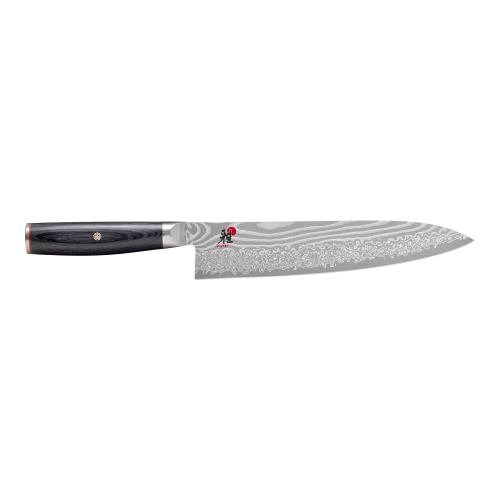
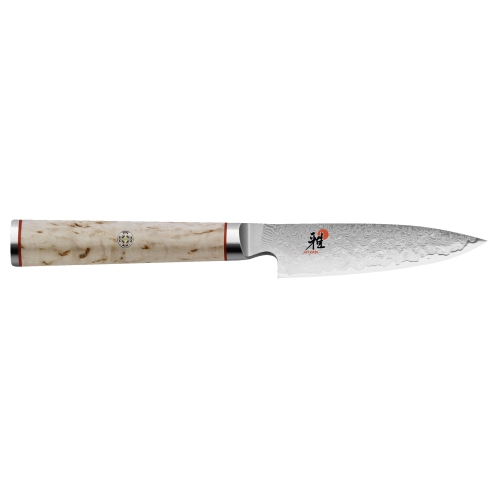
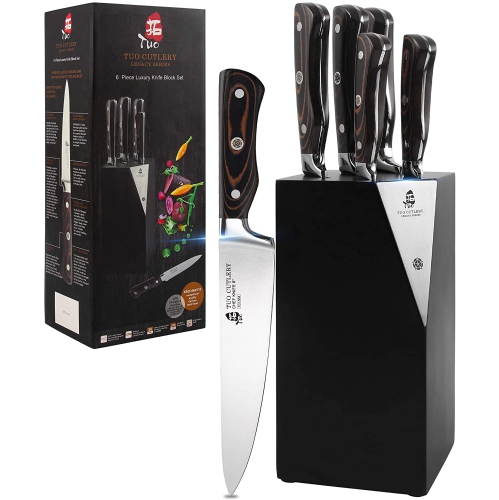

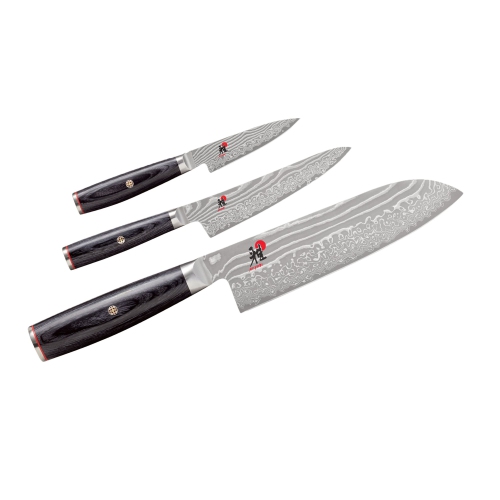
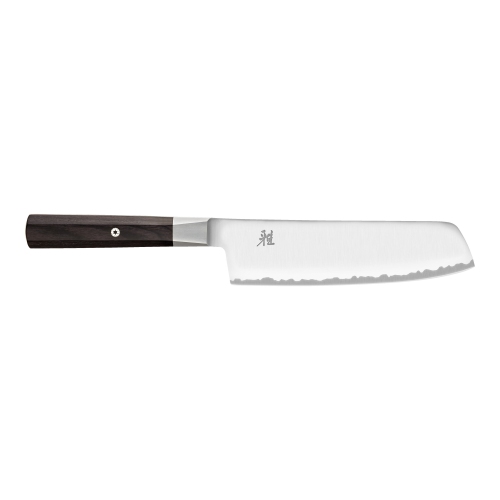
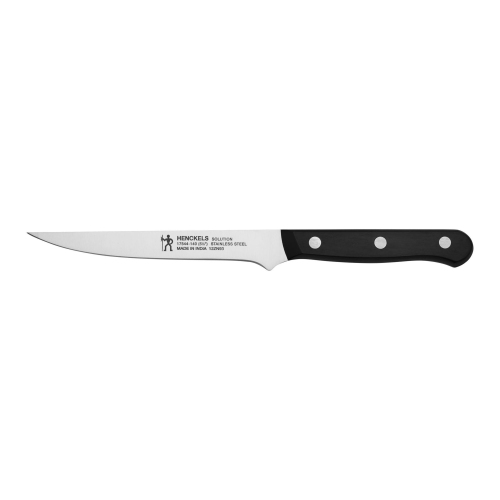
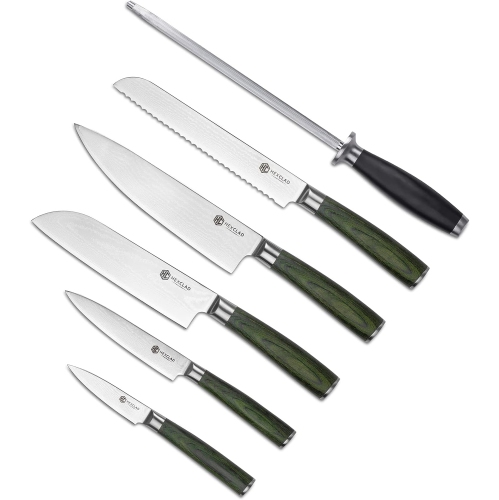
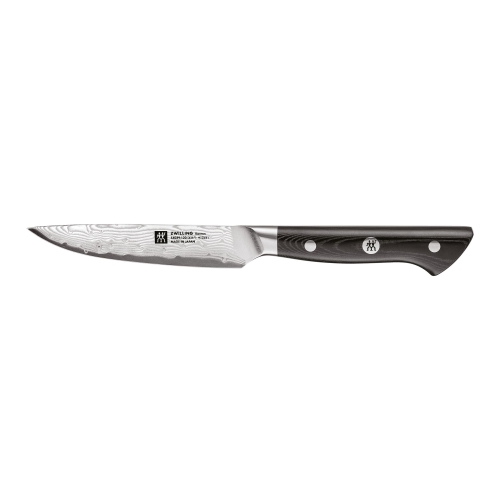
How blade construction shapes balance and cutting control
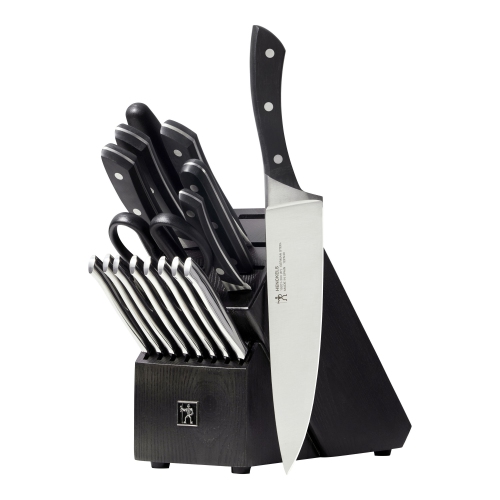
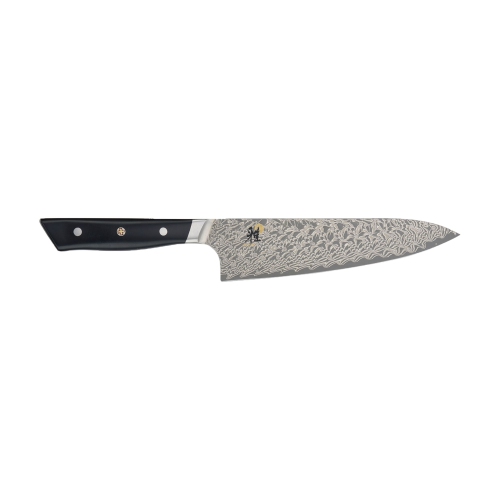
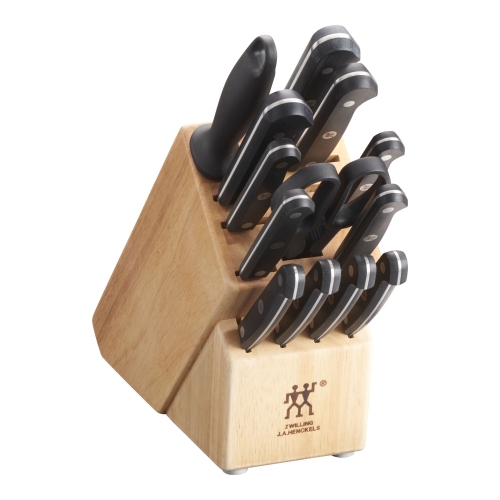
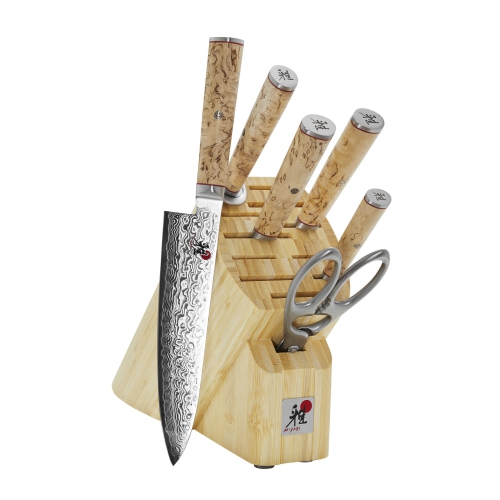
Forged kitchen knives bring a substantial feel and precise cutting control to everyday food preparation, from dicing an onion to carving a roast into even slices. A forged blade is formed by shaping steel under pressure, usually after heating it, rather than cutting the blade profile from a sheet of steel. Traditional designs often use a single piece of steel that extends from the blade into the handle, although construction methods vary. Many forged knives have a thicker spine and a bolster, the reinforced area where the blade meets the handle. These features can give the knife a reassuring sense of weight and help position its balance near the grip. Forging alone does not guarantee a stronger blade or a longer-lasting edge than a stamped alternative: steel composition, heat treatment, blade geometry, and workmanship all contribute to performance. Stainless steel is a common choice for its resistance to rust and staining, making it practical for kitchens where knives regularly meet juicy tomatoes, citrus, and other acidic ingredients. High-carbon stainless steel combines corrosion resistance with properties that can support a keen edge, depending on the alloy and heat treatment. Carbon steel can take a fine edge but needs more attentive drying and may develop a patina, a change in surface colour that is distinct from active rust. Some blades feature layered steel or decorative surface patterns, but appearance alone does not establish how well a knife will cut. The cutting core, edge shape, and overall construction matter more. Harder steel can offer good edge retention, while also requiring greater care to avoid chipping; tougher steel may tolerate demanding use better but need more frequent edge maintenance. For a home cook preparing several meals a day, these differences are more useful than broad claims about one manufacturing method being best. A well-suited forged kitchen knife should feel controlled through the whole cut, with enough strength for its intended task and a blade profile that moves comfortably across the cutting board.
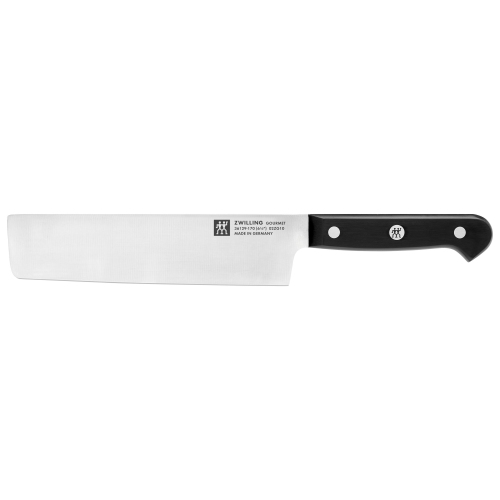
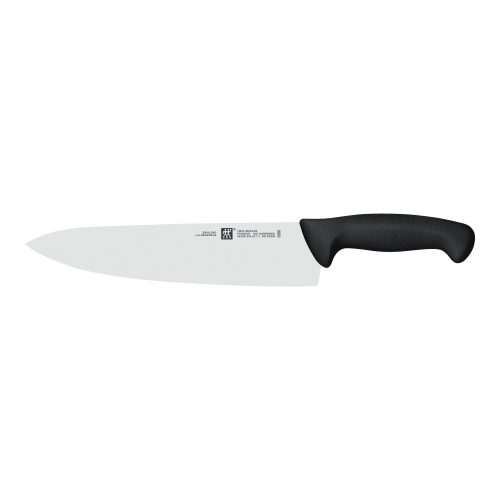
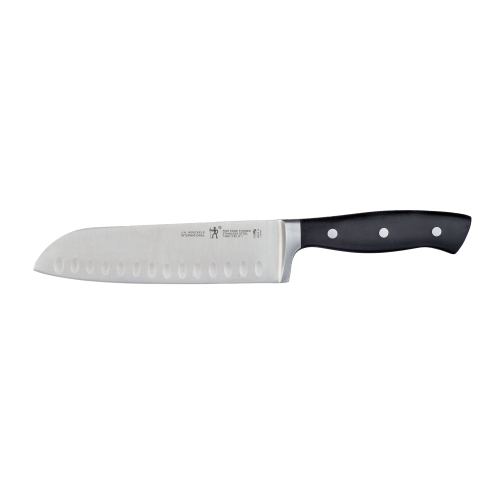
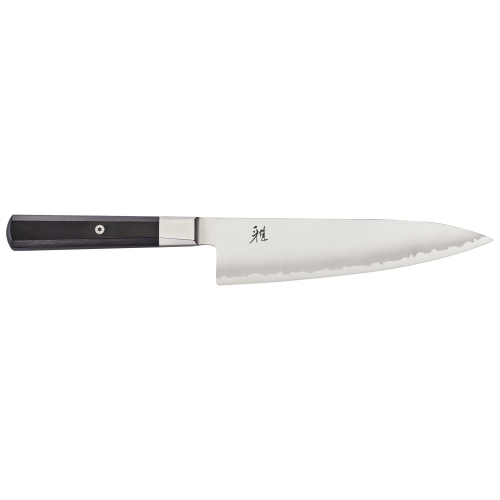
The right shape and fit depend on what goes onto that board most often. A forged chef’s knife handles a wide range of work, including chopping herbs, slicing vegetables, and portioning boneless meat. Its curved edge often supports a rocking motion, while a santoku typically has a flatter profile suited to controlled downward cuts. A small paring knife offers closer control for trimming strawberries, peeling an apple, or removing blemishes from a potato. Utility knives bridge the gap between small detail work and larger chopping tasks, and a carving knife provides a longer, narrower blade for smooth slices of cooked meat. Serrated bread knives cut through crusts without demanding the same downward pressure as a plain edge. These shapes serve different purposes, so a useful assortment reflects actual cooking habits rather than simply including more pieces. Someone who regularly prepares large vegetables may appreciate a longer blade and generous knuckle clearance, while a cook working on a compact board may find a shorter blade easier to manage. An 8-inch chef’s knife is a familiar all-purpose size, but blade length is only part of the fit. Handle thickness, contour, surface texture, and weight distribution affect comfort just as much. Wood handles offer varied grain and a warm feel, though their care requirements depend on the finish. Synthetic handles can provide consistent texture and straightforward cleaning, while metal handles create a different balance and may feel slippery when wet. A full tang means the blade’s steel extends through the length of the handle, adding structural continuity, but it is not the only construction capable of dependable service. Smooth joins, secure handle attachment, and a comfortable transition at the bolster are important details. A full bolster can add weight and act as a finger guard, although it may make sharpening the heel of the blade more difficult. A partial bolster generally leaves more of the edge accessible. For cooks drawn to distinctive handle shapes, blade finishes, or presentation, Unique Kitchen Knives offers another way to explore kitchen cutlery alongside practical considerations of grip, balance, and intended use.
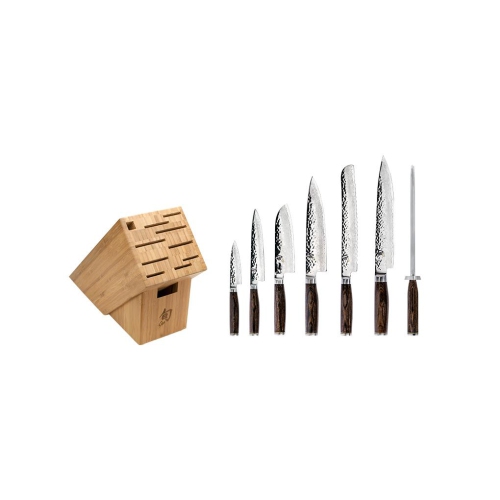
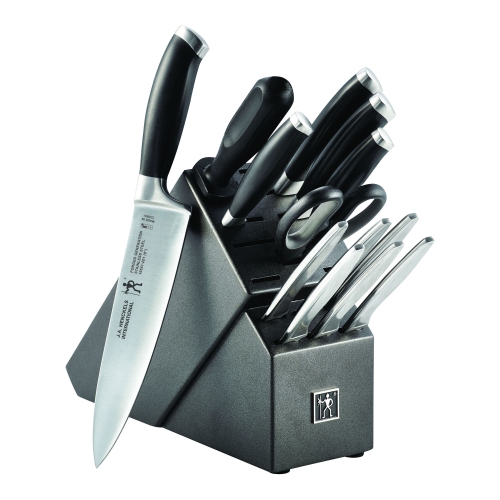
Care has a direct effect on how forged kitchen knives perform over time. Handwashing with mild dish soap and drying promptly helps protect both the blade and handle; dishwasher heat, detergent, and movement can damage materials or knock an edge against other utensils. Leaving a knife in a sink also hides a sharp edge beneath water or dishes, creating an avoidable safety risk. After cutting acidic foods, cleaning the blade soon afterwards helps limit staining and corrosion, especially with carbon steel. A wood or knife-friendly plastic cutting board is gentler on an edge than glass, stone, or a ceramic plate. Even a substantial forged blade is not a substitute for a tool designed to cut bone or frozen food, and twisting it through a stubborn squash or using the tip to pry can cause damage. When moving chopped ingredients across the board, a bench scraper avoids dragging the cutting edge sideways over the surface. Honing and sharpening serve different purposes: honing generally helps maintain edge alignment between sharpenings, while sharpening removes steel to restore the cutting bevel. The appropriate tool and angle depend on the blade, so the manufacturer’s care directions are a useful reference, particularly for harder steels and specialized grinds. Safe storage matters too. A fitted blade guard, an in-drawer organizer, a clean knife block, or a securely mounted magnetic holder can keep edges from contacting loose utensils. Knives should be clean and dry before storage, and positioned away from children’s reach. These habits support lasting performance without making everyday care complicated. Forged knife sets can suit someone building a kitchen from the ground up, while a carefully chosen individual knife may be more useful to an experienced cook who already knows a preferred shape and weight. As a housewarming or wedding gift, forged kitchen knives are most thoughtful when matched to the recipient’s cooking style, hand comfort, storage space, and willingness to maintain the blades. Whether used for quick vegetable prep or a leisurely meal made from scratch, their value lies in predictable handling, a well-maintained edge, and a comfortable fit for repeated use.
The right shape and fit depend on what goes onto that board most often. A forged chef’s knife handles a wide range of work, including chopping herbs, slicing vegetables, and portioning boneless meat. Its curved edge often supports a rocking motion, while a santoku typically has a flatter profile suited to controlled downward cuts. A small paring knife offers closer control for trimming strawberries, peeling an apple, or removing blemishes from a potato. Utility knives bridge the gap between small detail work and larger chopping tasks, and a carving knife provides a longer, narrower blade for smooth slices of cooked meat. Serrated bread knives cut through crusts without demanding the same downward pressure as a plain edge. These shapes serve different purposes, so a useful assortment reflects actual cooking habits rather than simply including more pieces. Someone who regularly prepares large vegetables may appreciate a longer blade and generous knuckle clearance, while a cook working on a compact board may find a shorter blade easier to manage. An 8-inch chef’s knife is a familiar all-purpose size, but blade length is only part of the fit. Handle thickness, contour, surface texture, and weight distribution affect comfort just as much. Wood handles offer varied grain and a warm feel, though their care requirements depend on the finish. Synthetic handles can provide consistent texture and straightforward cleaning, while metal handles create a different balance and may feel slippery when wet. A full tang means the blade’s steel extends through the length of the handle, adding structural continuity, but it is not the only construction capable of dependable service. Smooth joins, secure handle attachment, and a comfortable transition at the bolster are important details. A full bolster can add weight and act as a finger guard, although it may make sharpening the heel of the blade more difficult. A partial bolster generally leaves more of the edge accessible. For cooks drawn to distinctive handle shapes, blade finishes, or presentation, Unique Kitchen Knives offers another way to explore kitchen cutlery alongside practical considerations of grip, balance, and intended use.
Care has a direct effect on how forged kitchen knives perform over time. Handwashing with mild dish soap and drying promptly helps protect both the blade and handle; dishwasher heat, detergent, and movement can damage materials or knock an edge against other utensils. Leaving a knife in a sink also hides a sharp edge beneath water or dishes, creating an avoidable safety risk. After cutting acidic foods, cleaning the blade soon afterwards helps limit staining and corrosion, especially with carbon steel. A wood or knife-friendly plastic cutting board is gentler on an edge than glass, stone, or a ceramic plate. Even a substantial forged blade is not a substitute for a tool designed to cut bone or frozen food, and twisting it through a stubborn squash or using the tip to pry can cause damage. When moving chopped ingredients across the board, a bench scraper avoids dragging the cutting edge sideways over the surface. Honing and sharpening serve different purposes: honing generally helps maintain edge alignment between sharpenings, while sharpening removes steel to restore the cutting bevel. The appropriate tool and angle depend on the blade, so the manufacturer’s care directions are a useful reference, particularly for harder steels and specialized grinds. Safe storage matters too. A fitted blade guard, an in-drawer organizer, a clean knife block, or a securely mounted magnetic holder can keep edges from contacting loose utensils. Knives should be clean and dry before storage, and positioned away from children’s reach. These habits support lasting performance without making everyday care complicated. Forged knife sets can suit someone building a kitchen from the ground up, while a carefully chosen individual knife may be more useful to an experienced cook who already knows a preferred shape and weight. As a housewarming or wedding gift, forged kitchen knives are most thoughtful when matched to the recipient’s cooking style, hand comfort, storage space, and willingness to maintain the blades. Whether used for quick vegetable prep or a leisurely meal made from scratch, their value lies in predictable handling, a well-maintained edge, and a comfortable fit for repeated use.
Top selling and popular products
-
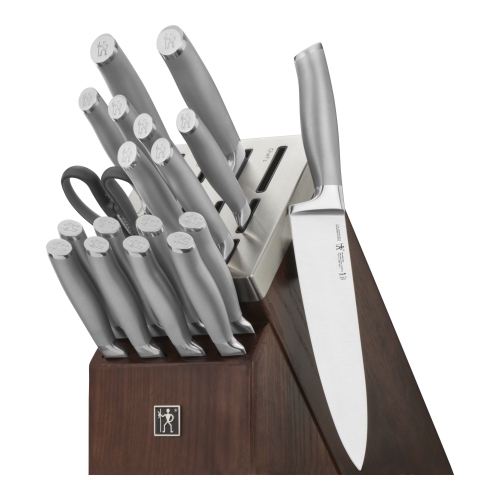 Your price for this item is $489.99
 -
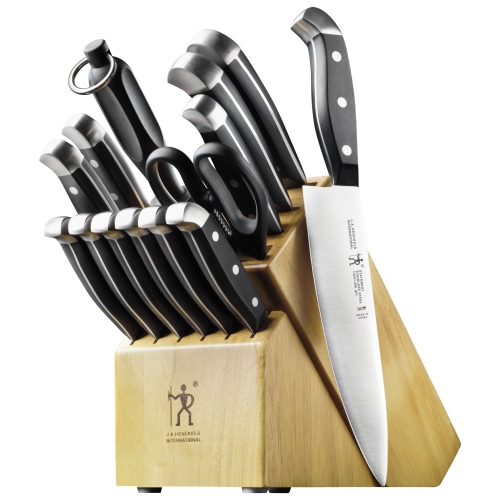 Your price for this item is $239.99
 -
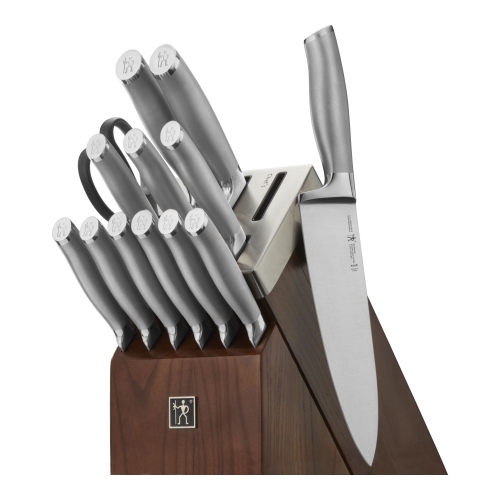 Your price for this item is $299.99
 -
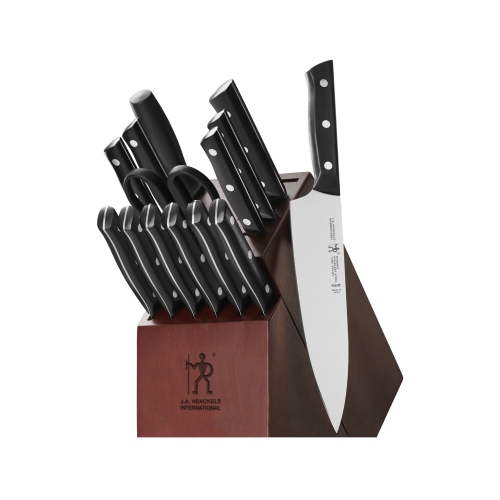 Your price for this item is $214.99
 -
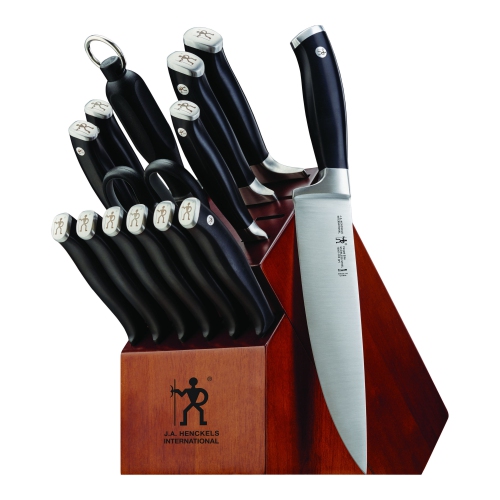 Your price for this item is $289.99
 -
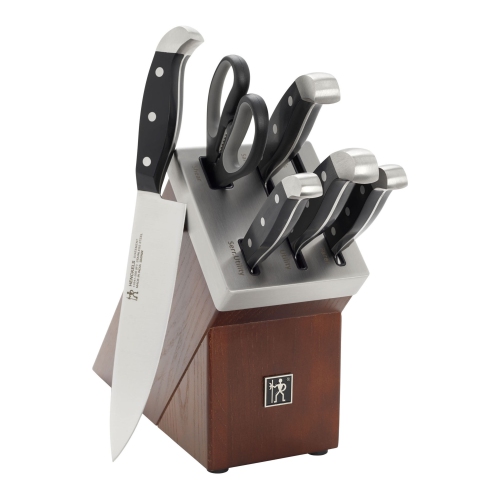 Your price for this item is $179.99
 -
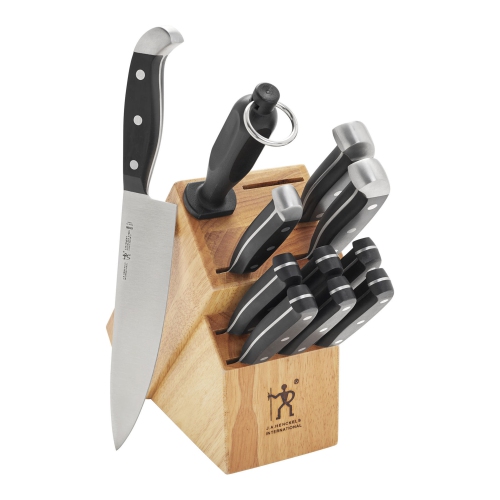 Your price for this item is $179.99
 -
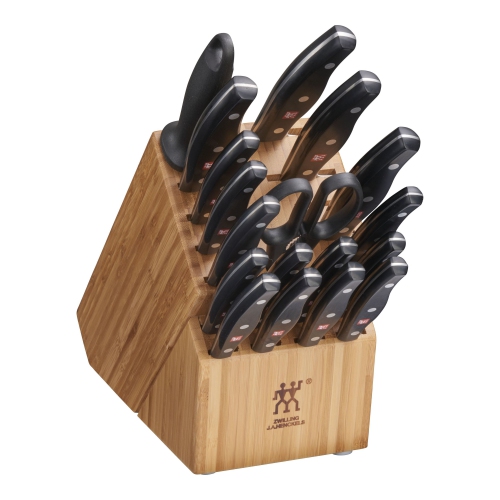 Your price for this item is $899.99
Discover more categories related to Forged Kitchen Knives
Top Collections:
Pokemon Centers, Kindle Devices, Best Budget Office Chairs, Apple iPhones 16, Best Laptops for Writers, iPhone 15 Apple, Canon G7X Cameras, Refurbished Apple Laptops, Alarm Clock, Motorola Razr Phones
Some products may be subject to Environmental Handling Fees
(EHF) depending on your province.
Learn more about EHFs.