Forged Knives
Discover the precision and durability of forged knives, crafted with expert skill and premium materials to elevate your culinary experience. Whether you're a professional chef or a home cooking enthusiast, these knives are designed to deliver exceptional performance and lasting sharpness for all your cutting needs. Explore our selection of forged knives and find the perfect blade to enhance your kitchen arsenal.
Sort
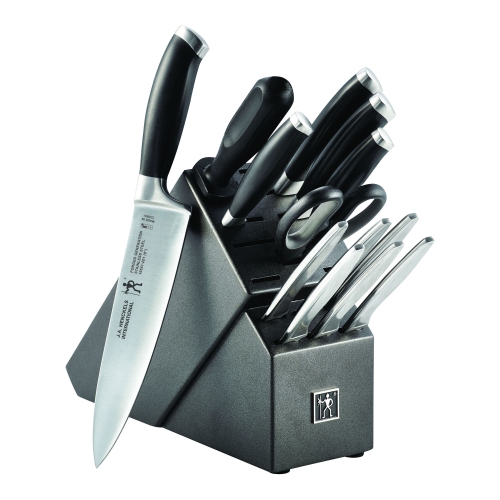
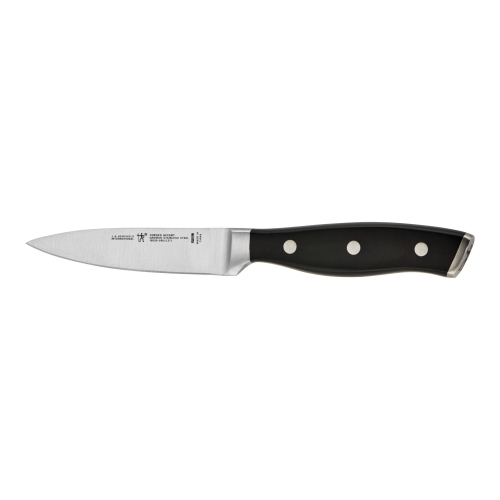
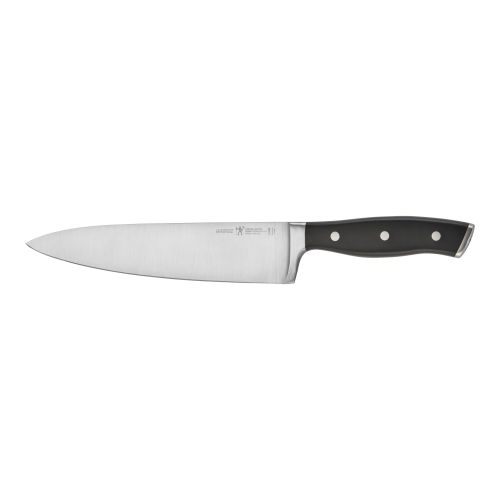
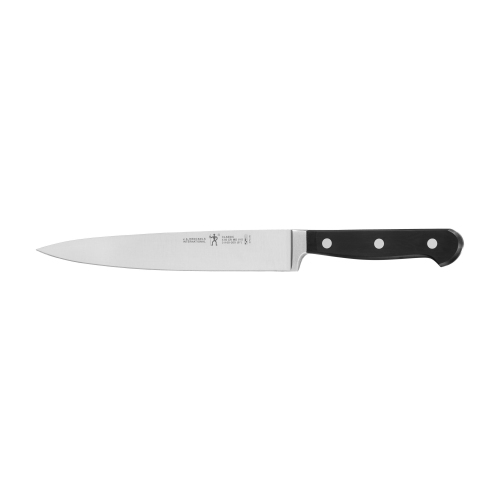



How forging, balance, steel, and care shape performance
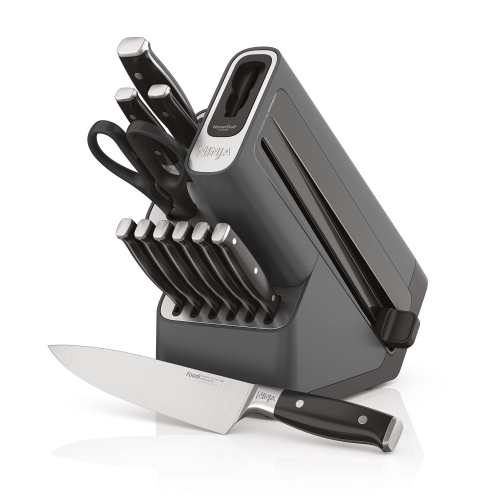
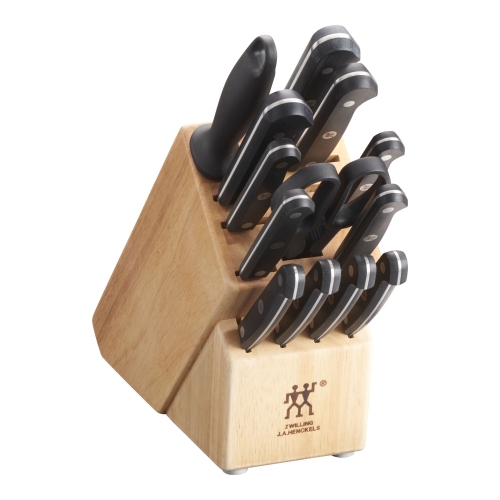
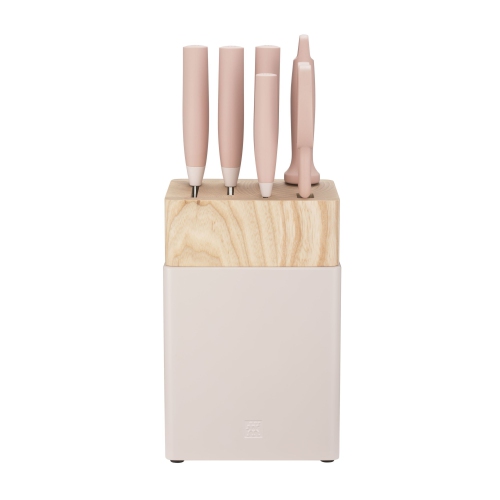
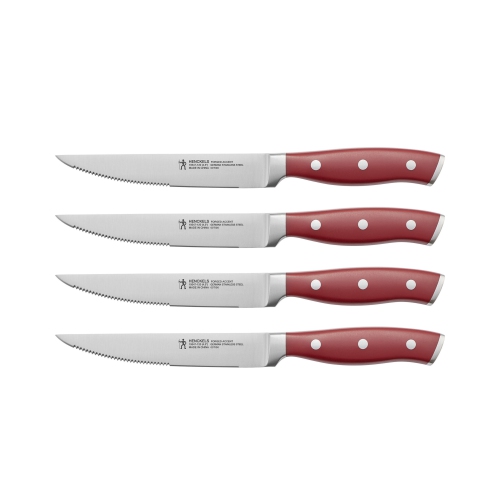
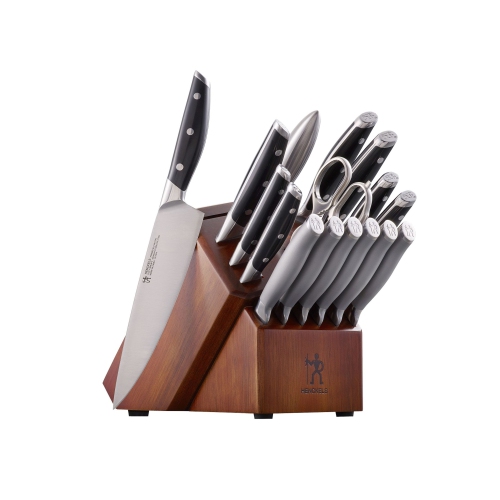
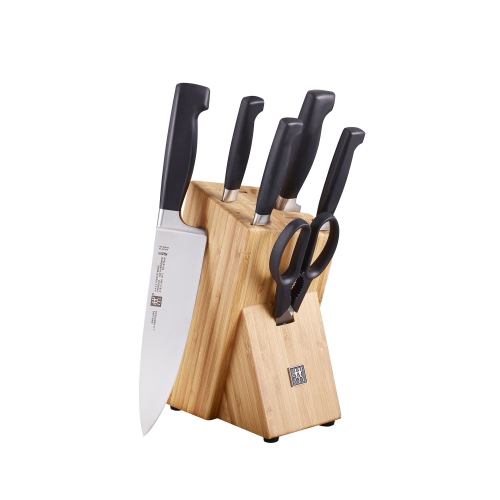
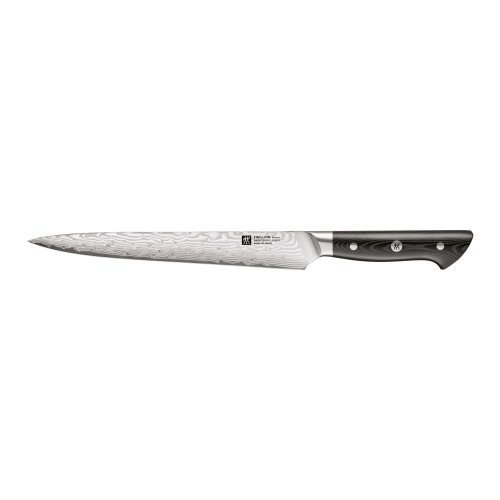
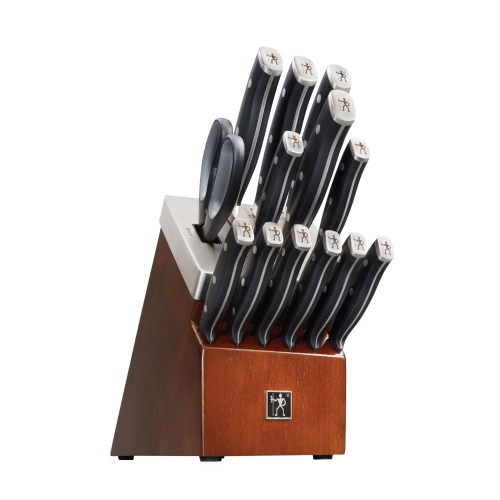
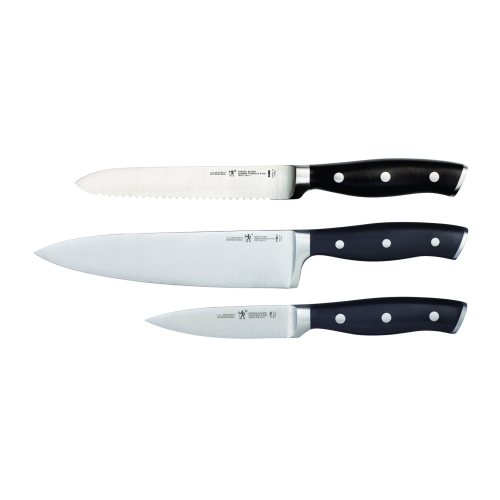
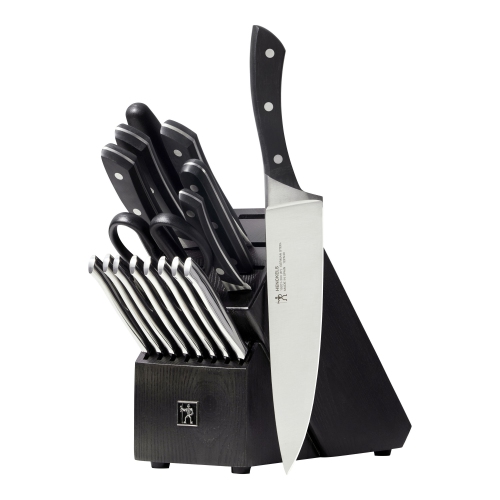
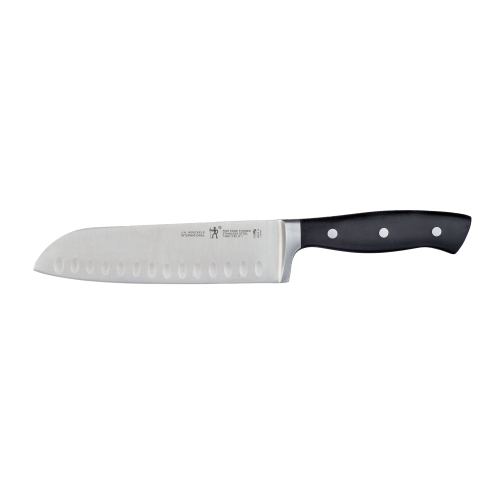
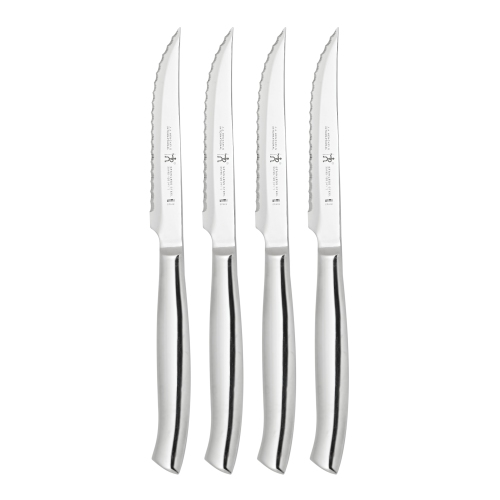
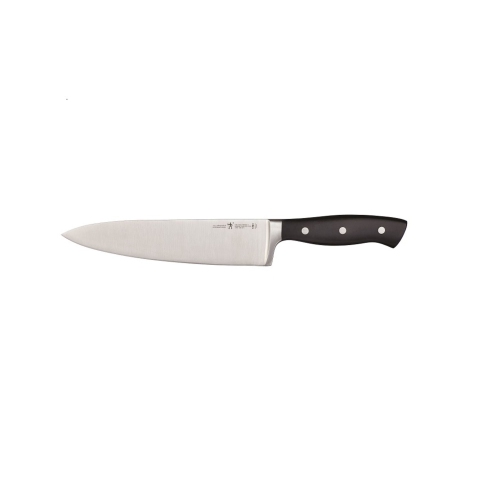
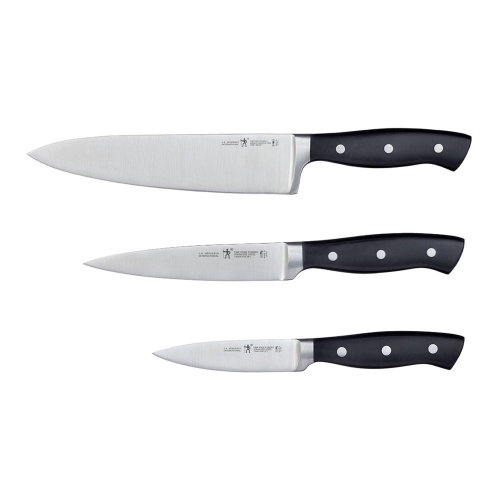
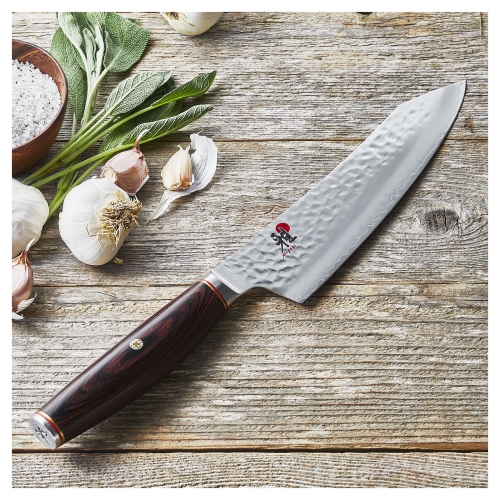
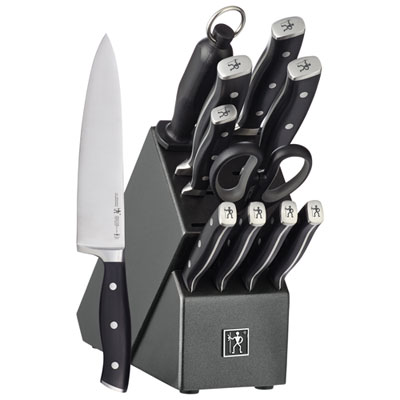
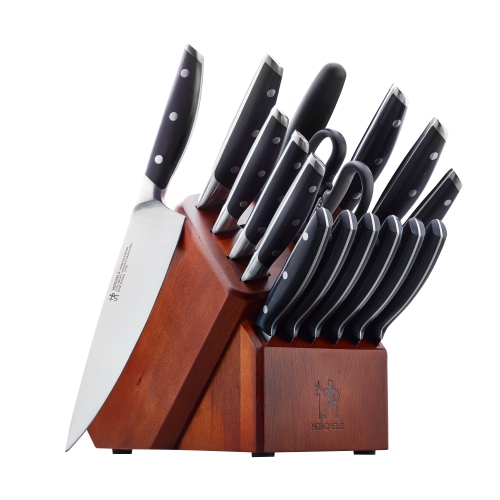
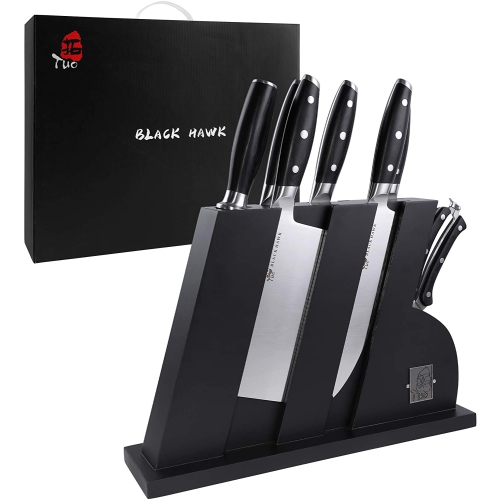
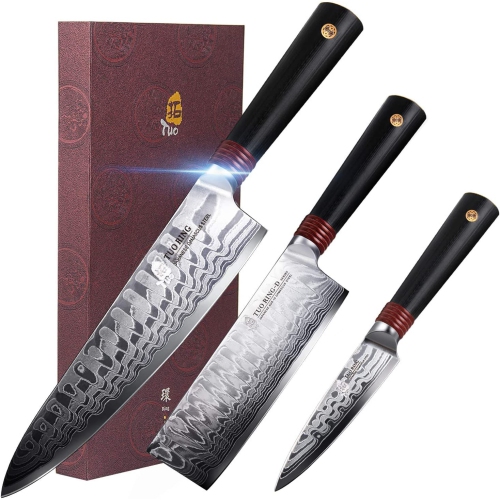
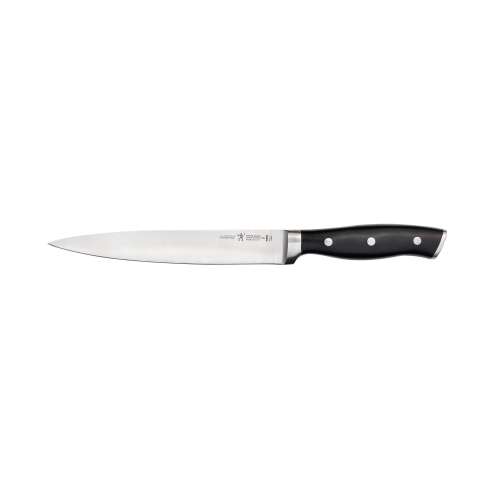
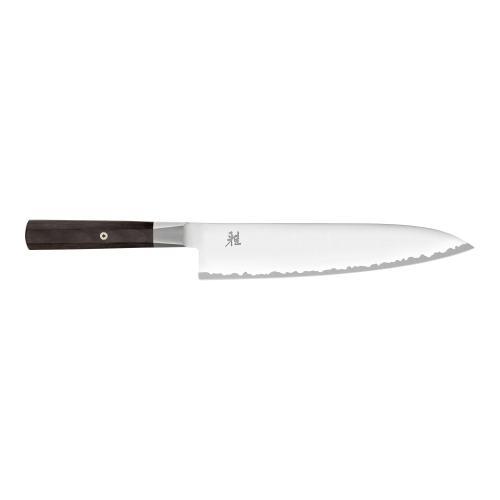
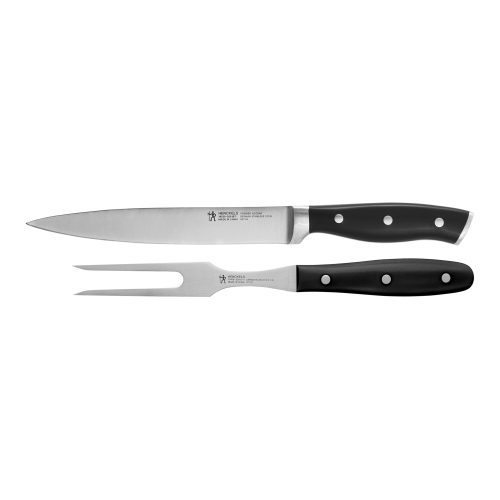
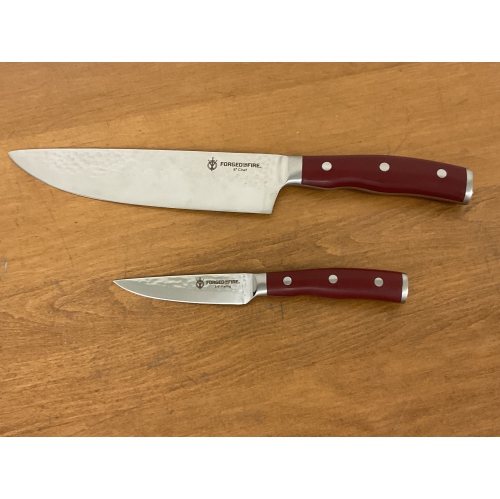
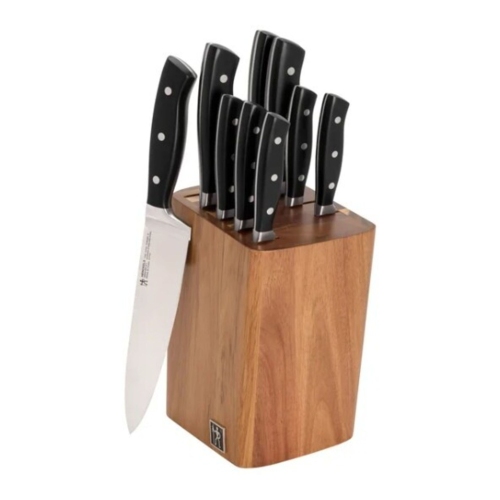
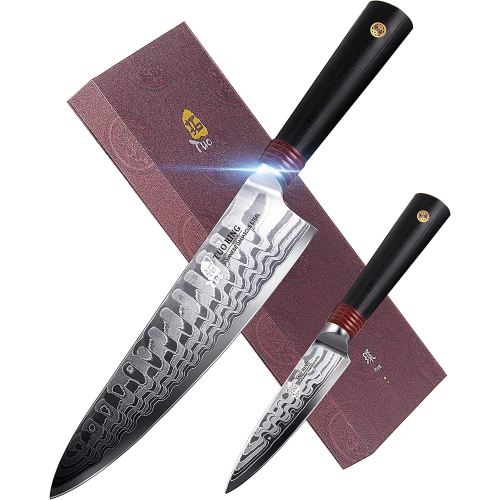
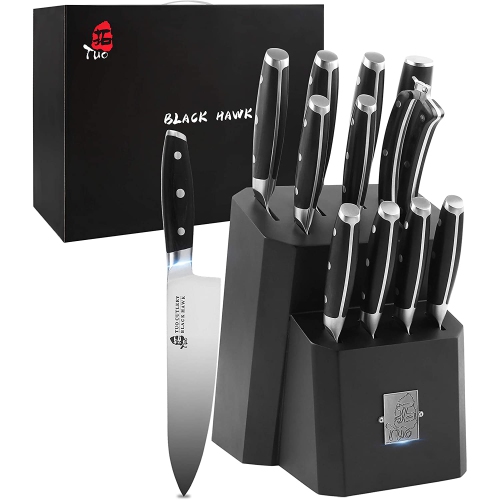
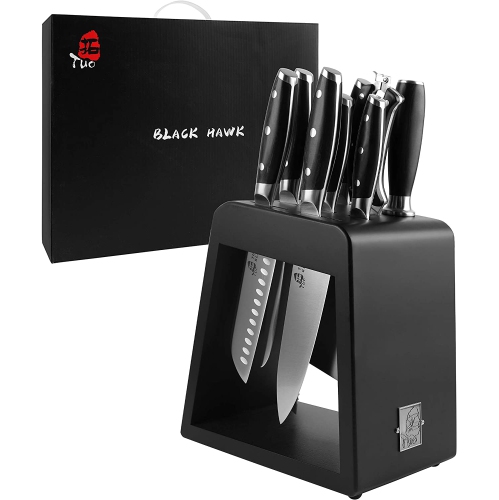
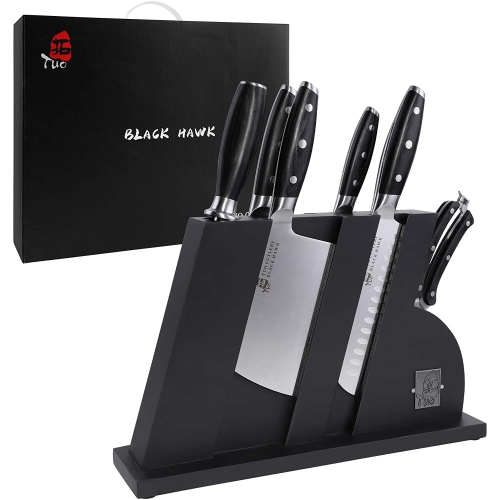
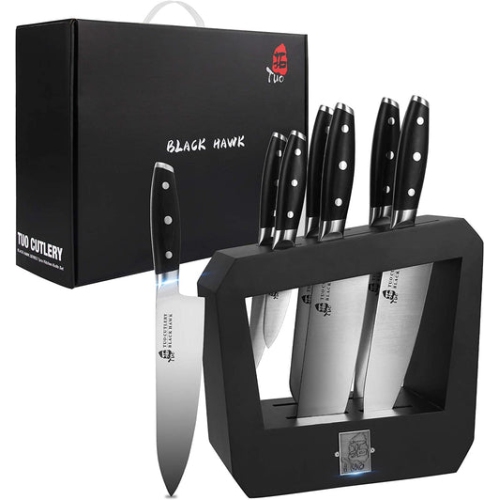
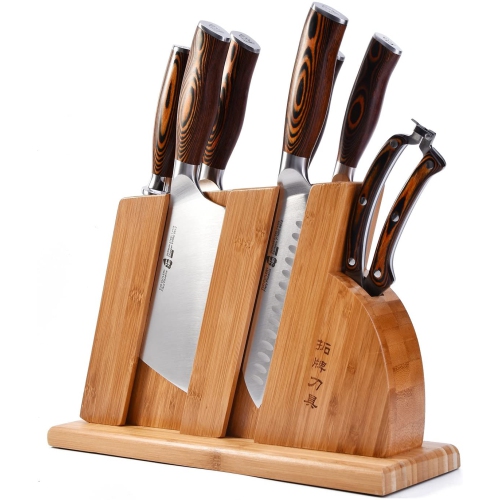
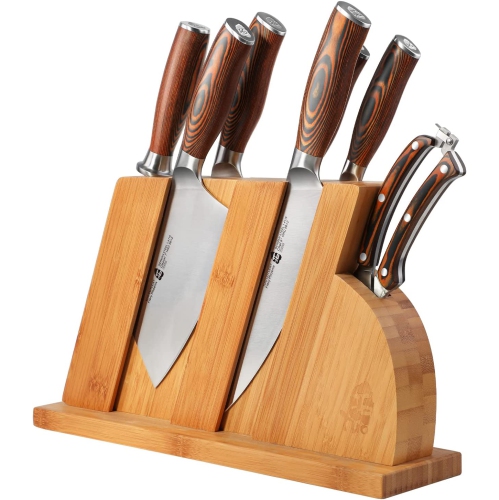
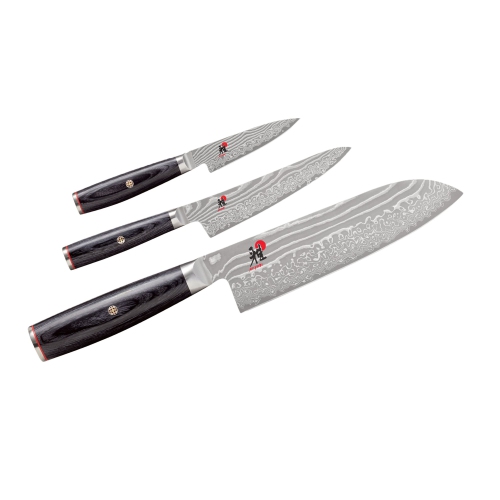
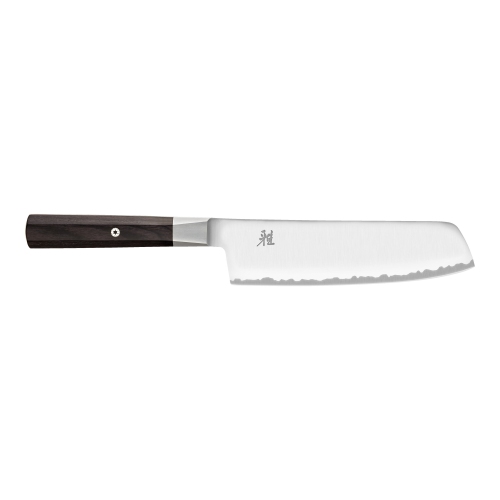
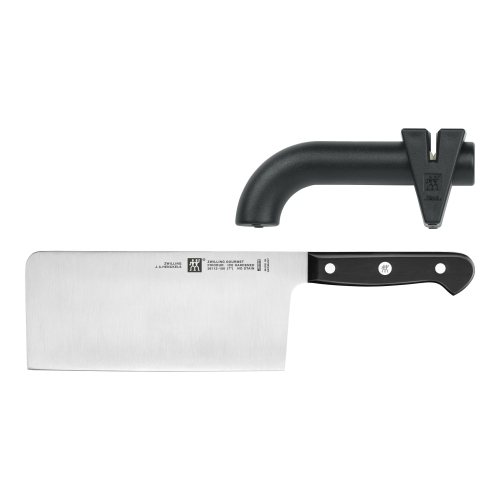
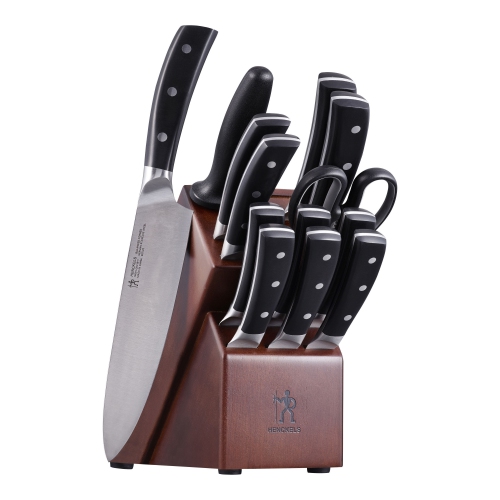
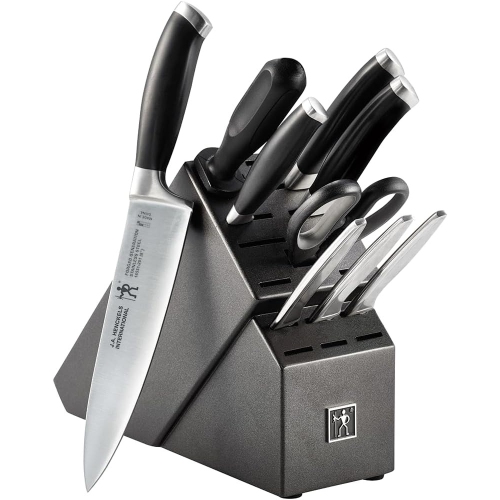
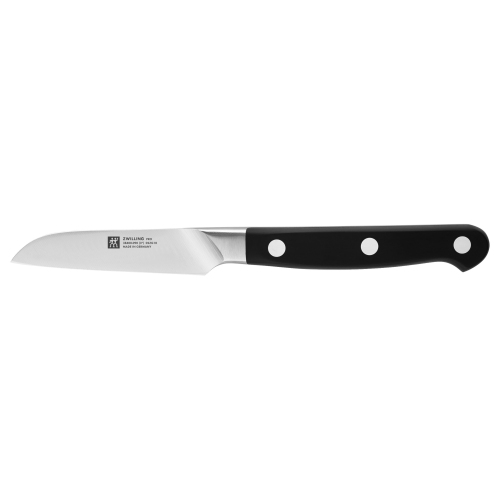
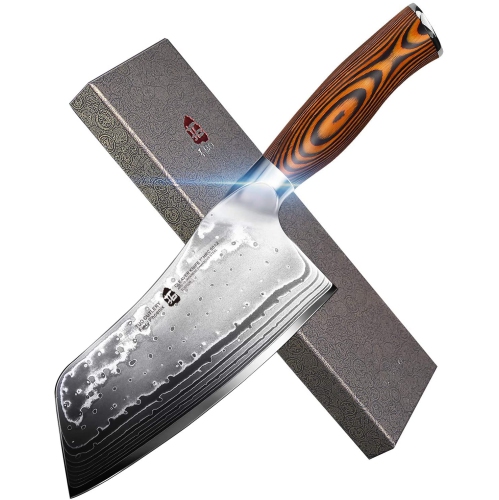
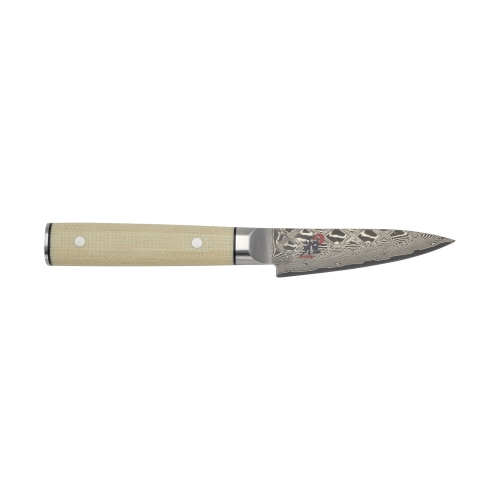
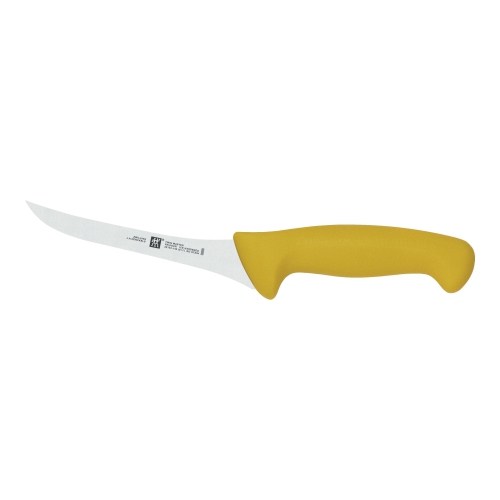
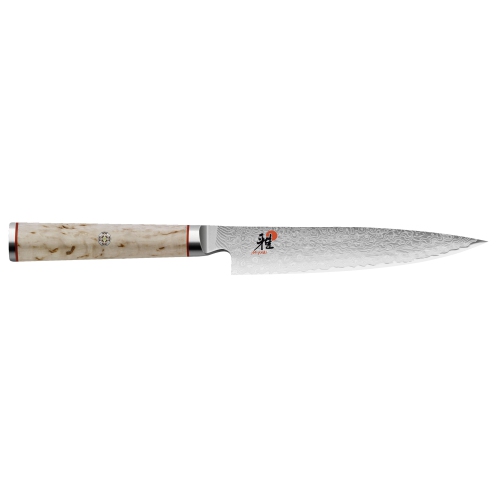
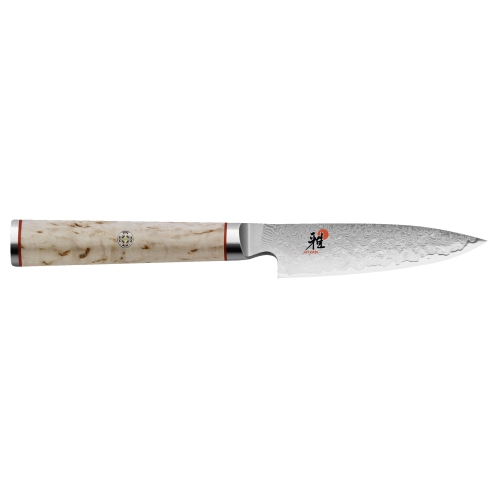
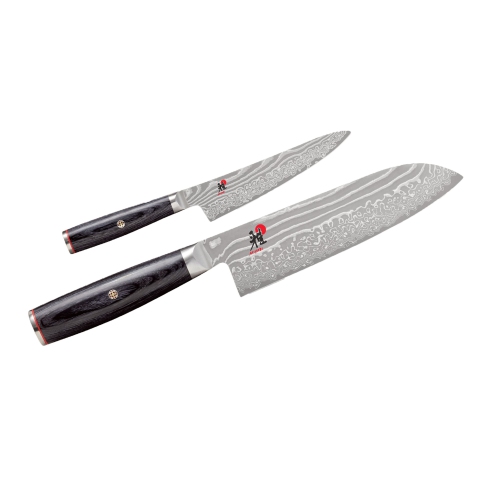
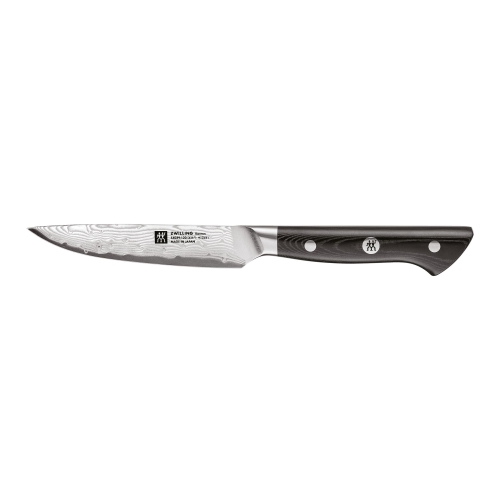
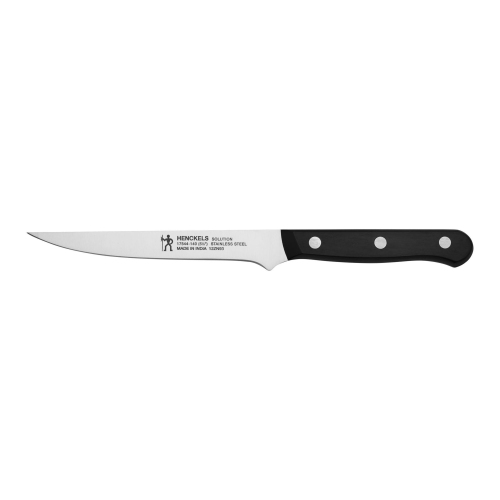
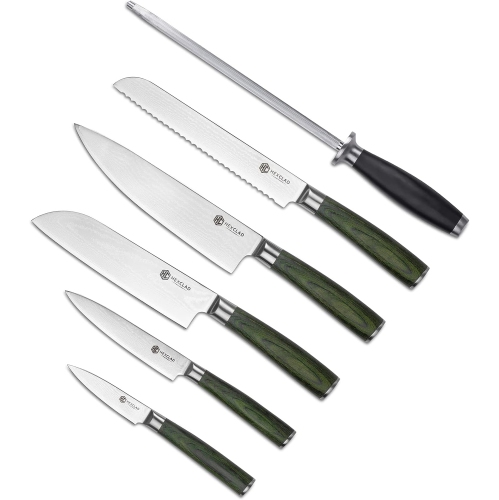
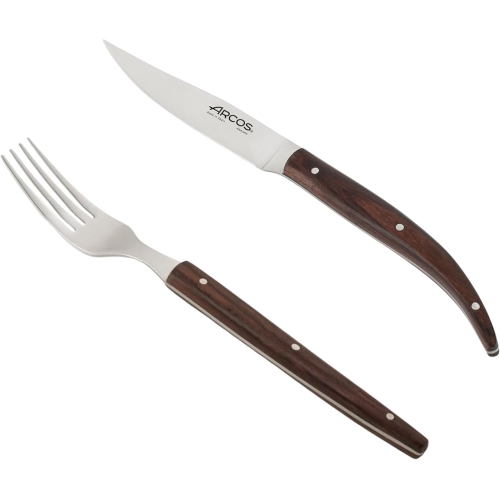
Forged knives are valued for their strength, balance, and traditional construction. Unlike stamped knives, which are cut from a sheet of steel, forged knives are made from a single bar of steel that is heated, shaped, and compressed before being ground and finished. This process creates a dense blade structure and can help the knife resist warping, cracking, and premature wear when it is properly cared for. Many forged knives have a bolster—the thicker section where the blade meets the handle—which adds weight and helps distribute it through the hand. That balance can make a noticeable difference when preparing ingredients over a longer cooking session, especially when chopping firm vegetables, slicing through larger cuts of meat, or working with foods that require steady, controlled strokes. A well-made forged knife should feel secure rather than cumbersome, with a handle that sits comfortably in the palm and a blade that responds naturally to small movements. Some people prefer the reassuring heft of a full-sized forged chef’s knife, while others may look for a narrower blade for slicing, a shorter blade for detail work, or a compact option for everyday preparation. When browsing forged knives, consider the kind of work you do most often, the amount of counter space available, and whether you prefer a lighter, quicker feel or a more substantial knife with added stability. Blade length, handle shape, bolster design, and the overall weight can affect comfort just as much as sharpness, so it is useful to think about the complete knife rather than focusing on the edge alone.
Steel type is another important consideration because it influences edge retention, sharpening, corrosion resistance, and maintenance. A forged stainless steel blade is often a practical choice for busy kitchens because it can offer reliable performance while being easier to care for between uses. Other steel formulations may be selected for their ability to take an exceptionally keen edge or for the character they develop through regular sharpening and use. Regardless of the steel, even a durable forged knife performs best when it is washed according to the care instructions, dried promptly, and stored so the edge does not strike other utensils. A honing tool can help realign an edge between sharpening sessions, while a suitable sharpener or professional service can restore the bevel when the blade begins to feel dull. Use a cutting board that gives slightly under the blade, such as wood or a quality composite surface, and avoid twisting the knife through food or using it to pry, open packaging, or cut hard materials. A forged knife is designed for controlled cutting, not for tasks that put sideways pressure on the blade. Whether you are replacing a worn everyday knife, building a coordinated collection, or choosing a thoughtful gift for someone who enjoys cooking, these details can help narrow the selection. A home cook who prepares dinner most evenings may appreciate a balanced all-purpose blade, while an enthusiastic baker, meal-prep fan, or aspiring chef may value a specialized shape that complements the work they enjoy. For those comparing blade styles and everyday preparation tools, exploring Sharp Kitchen Knives can provide additional context when considering how edge design and intended use affect performance.
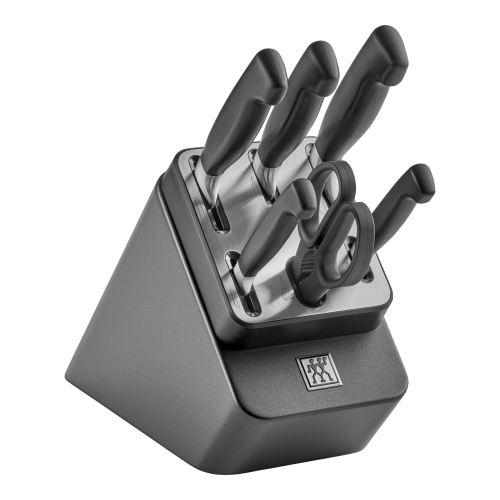
Forged knives can also suit people who appreciate craftsmanship and the tactile pleasure of using well-designed tools. The difference is often felt in the rhythm of preparation: the blade settles neatly against the board, the handle remains comfortable through repeated cuts, and the weight helps guide the knife without requiring excessive force. That sense of control can be especially welcome during cooler months, when hearty meals, roasted vegetables, soups, and home-baked dishes become regular features on the table. A forged knife may make a considerate gift for a new homeowner, a cooking enthusiast, someone setting up a first kitchen, or a host who enjoys preparing meals for family and friends. If the knife is intended as a present, think about the recipient’s habits and experience level. A versatile shape is generally easier to incorporate into an existing kitchen, while a distinctive blade profile may appeal to someone who already knows the types of food and techniques they prefer. It is also worth checking whether storage is included or available, since a blade guard, block, or magnetic storage solution can help protect the edge and keep the knife safely within reach. For outdoor-focused use, confirm that the design and construction match the intended activity rather than assuming every forged knife is suitable for camping, hunting, carving, or general utility work. Kitchen knives are typically optimized for food preparation, while outdoor blades may have different handle materials, blade profiles, and care requirements. Choosing according to the task helps the knife deliver the right combination of control, durability, and comfort. With thoughtful selection and regular care, a forged knife can become a dependable part of everyday routines, moving from quick weekday preparation to leisurely meals shared during the cooler season.
Steel type is another important consideration because it influences edge retention, sharpening, corrosion resistance, and maintenance. A forged stainless steel blade is often a practical choice for busy kitchens because it can offer reliable performance while being easier to care for between uses. Other steel formulations may be selected for their ability to take an exceptionally keen edge or for the character they develop through regular sharpening and use. Regardless of the steel, even a durable forged knife performs best when it is washed according to the care instructions, dried promptly, and stored so the edge does not strike other utensils. A honing tool can help realign an edge between sharpening sessions, while a suitable sharpener or professional service can restore the bevel when the blade begins to feel dull. Use a cutting board that gives slightly under the blade, such as wood or a quality composite surface, and avoid twisting the knife through food or using it to pry, open packaging, or cut hard materials. A forged knife is designed for controlled cutting, not for tasks that put sideways pressure on the blade. Whether you are replacing a worn everyday knife, building a coordinated collection, or choosing a thoughtful gift for someone who enjoys cooking, these details can help narrow the selection. A home cook who prepares dinner most evenings may appreciate a balanced all-purpose blade, while an enthusiastic baker, meal-prep fan, or aspiring chef may value a specialized shape that complements the work they enjoy. For those comparing blade styles and everyday preparation tools, exploring Sharp Kitchen Knives can provide additional context when considering how edge design and intended use affect performance.
Forged knives can also suit people who appreciate craftsmanship and the tactile pleasure of using well-designed tools. The difference is often felt in the rhythm of preparation: the blade settles neatly against the board, the handle remains comfortable through repeated cuts, and the weight helps guide the knife without requiring excessive force. That sense of control can be especially welcome during cooler months, when hearty meals, roasted vegetables, soups, and home-baked dishes become regular features on the table. A forged knife may make a considerate gift for a new homeowner, a cooking enthusiast, someone setting up a first kitchen, or a host who enjoys preparing meals for family and friends. If the knife is intended as a present, think about the recipient’s habits and experience level. A versatile shape is generally easier to incorporate into an existing kitchen, while a distinctive blade profile may appeal to someone who already knows the types of food and techniques they prefer. It is also worth checking whether storage is included or available, since a blade guard, block, or magnetic storage solution can help protect the edge and keep the knife safely within reach. For outdoor-focused use, confirm that the design and construction match the intended activity rather than assuming every forged knife is suitable for camping, hunting, carving, or general utility work. Kitchen knives are typically optimized for food preparation, while outdoor blades may have different handle materials, blade profiles, and care requirements. Choosing according to the task helps the knife deliver the right combination of control, durability, and comfort. With thoughtful selection and regular care, a forged knife can become a dependable part of everyday routines, moving from quick weekday preparation to leisurely meals shared during the cooler season.
Top selling and popular products
-
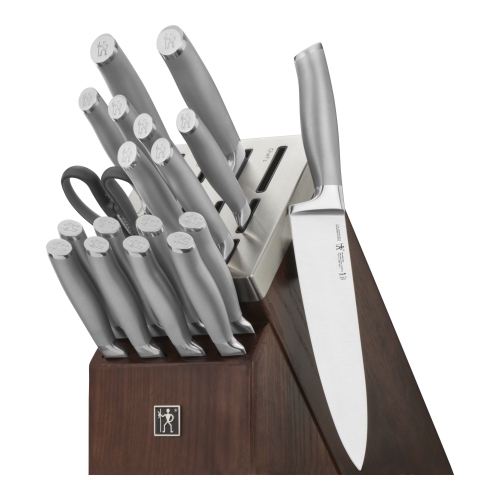 Your price for this item is $489.99
 -
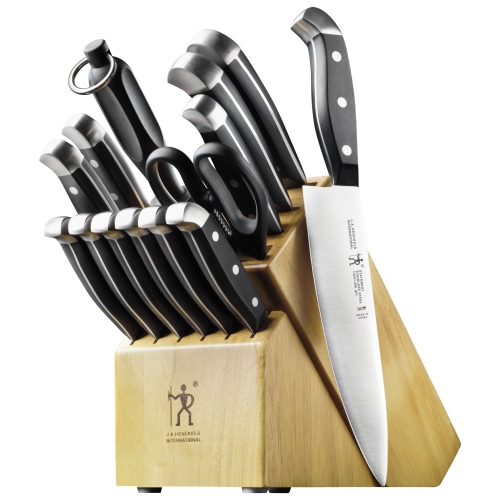 Your price for this item is $239.99
 -
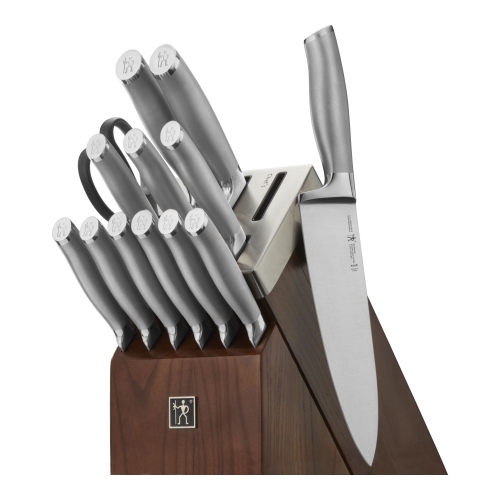 Your price for this item is $299.99
 -
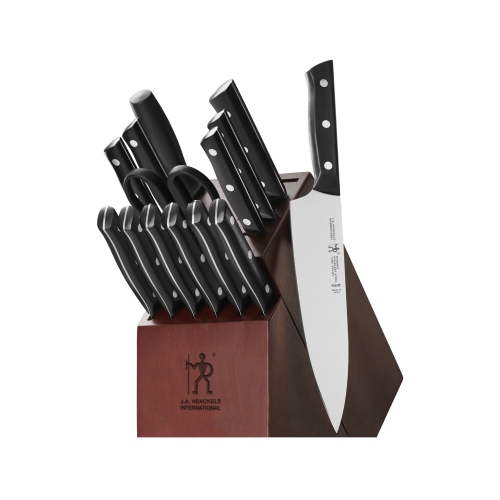 Your price for this item is $214.99
 -
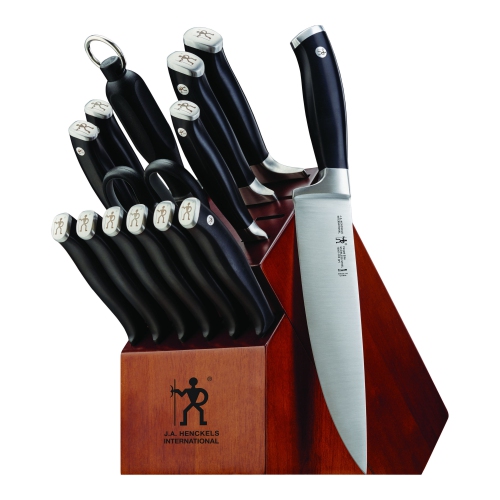 Your price for this item is $289.99
 -
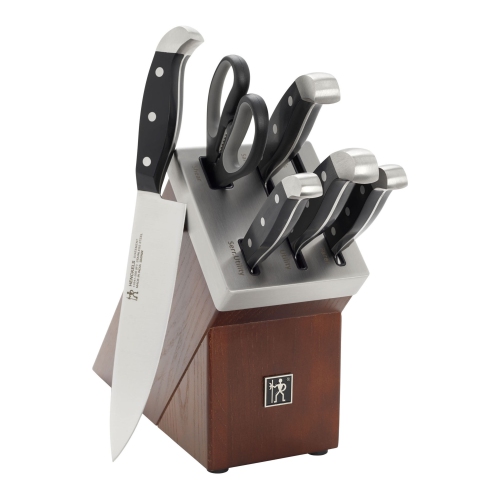 Your price for this item is $179.99
 -
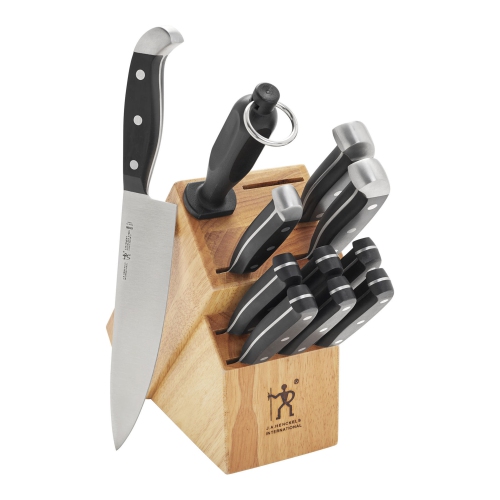 Your price for this item is $179.99
 -
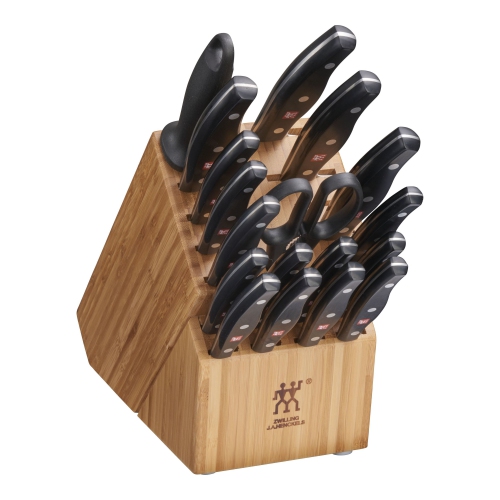 Your price for this item is $899.99
Discover more categories related to Forged Knives
Top Collections:
Pokemon Centers, Kindle Devices, Best Budget Office Chairs, Apple iPhones 16, Best Laptops for Writers, iPhone 15 Apple, Canon G7X Cameras, Refurbished Apple Laptops, Alarm Clock, Motorola Razr Phones
Some products may be subject to Environmental Handling Fees
(EHF) depending on your province.
Learn more about EHFs.