Four Seasons Duvets
Stay cozy and comfortable all year with our collection of four-season duvets. Designed to provide the perfect balance of warmth and breathability, these duvets are a must-have addition to your bedding ensemble. Whether you prefer a lighter option for the warmer months or a thicker one for those chilly winter nights, our Four Seasons Duvets offer versatile options to suit your needs. Crafted with premium materials and innovative technologies, these duvets ensure a restful sleep experience every night. Explore our wide range of four-season duvets and find the perfect one to keep you snug and cozy throughout the seasons.
Sort


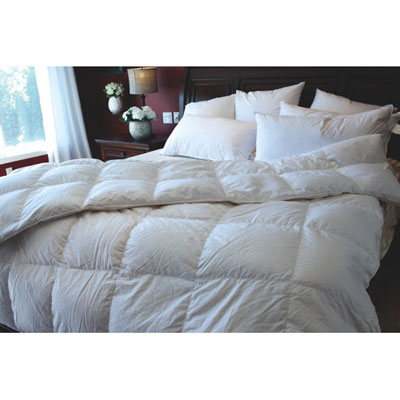
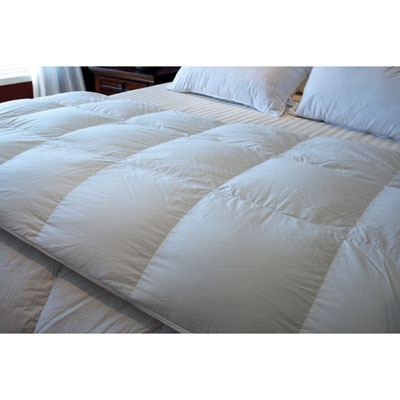


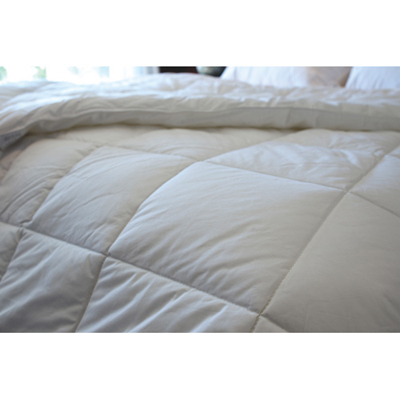


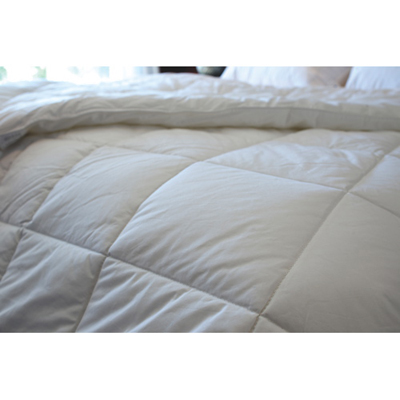
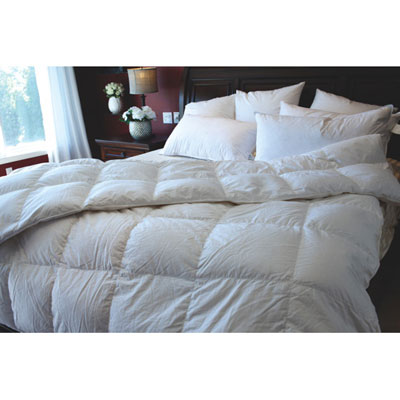
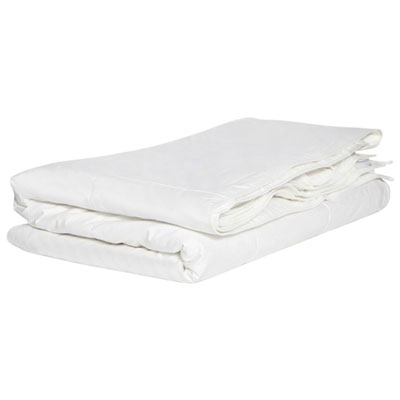
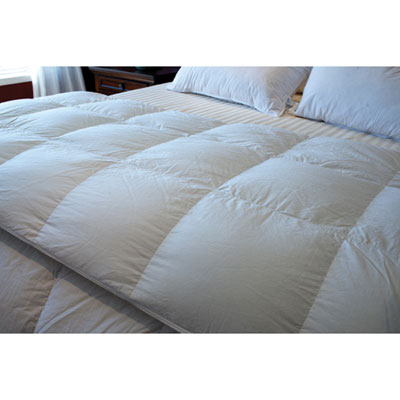
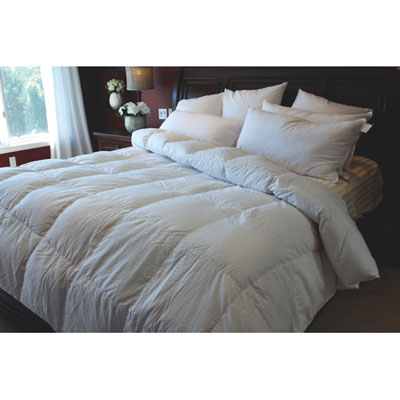
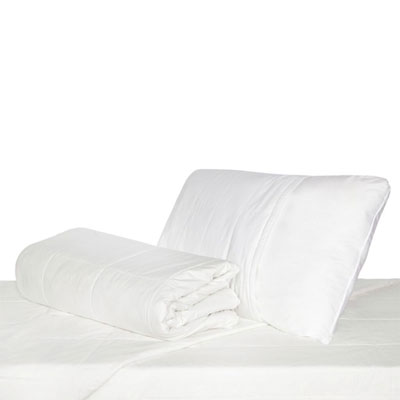
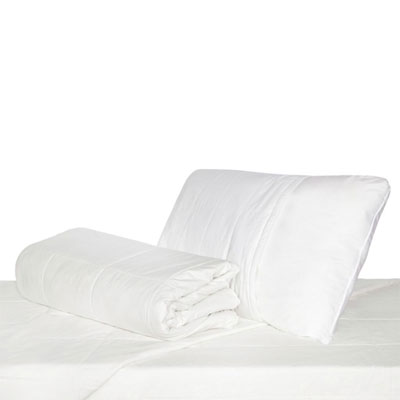
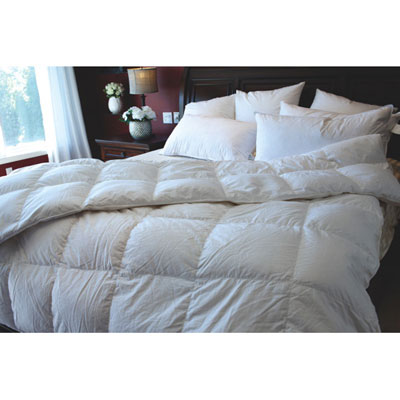

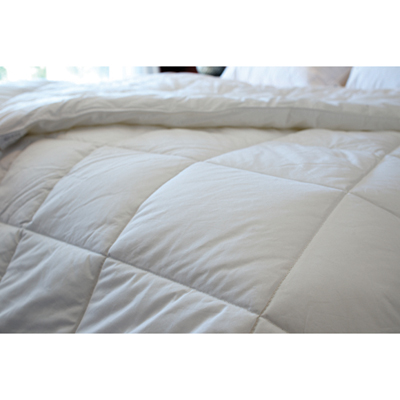
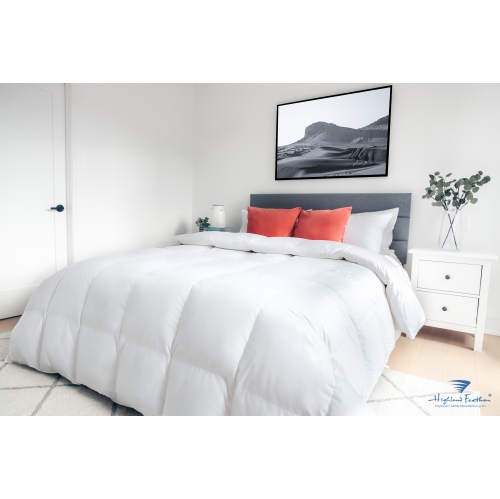
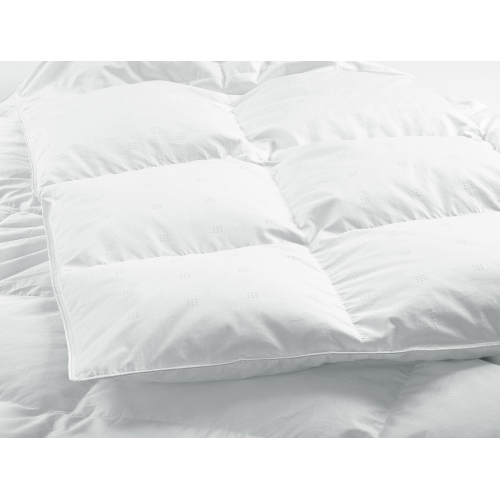

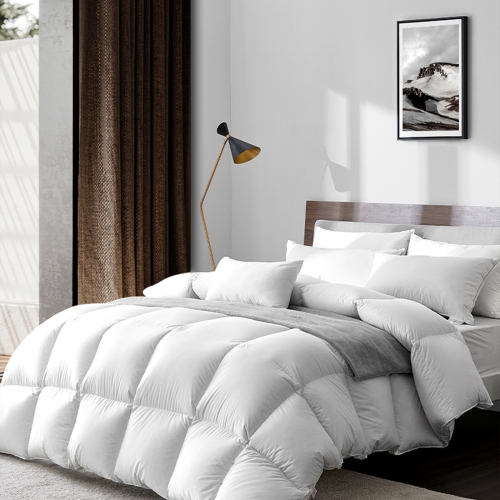
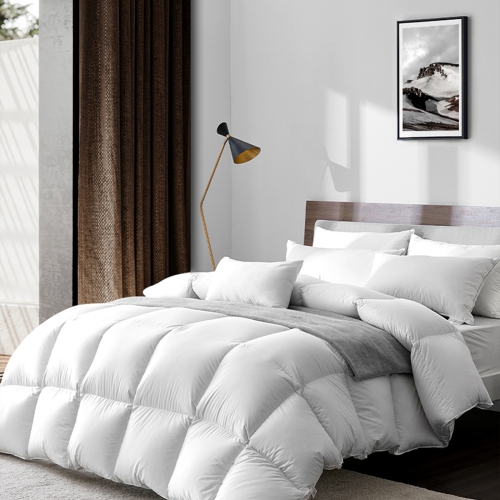



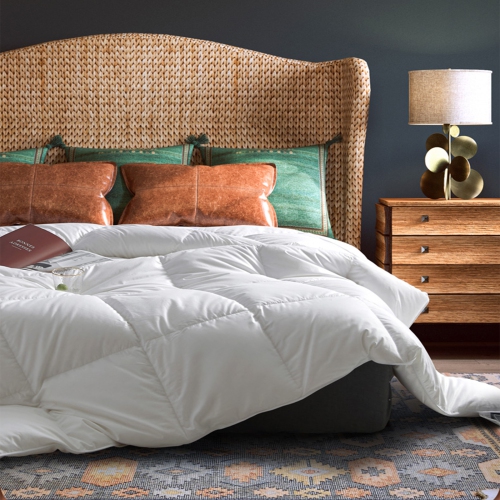
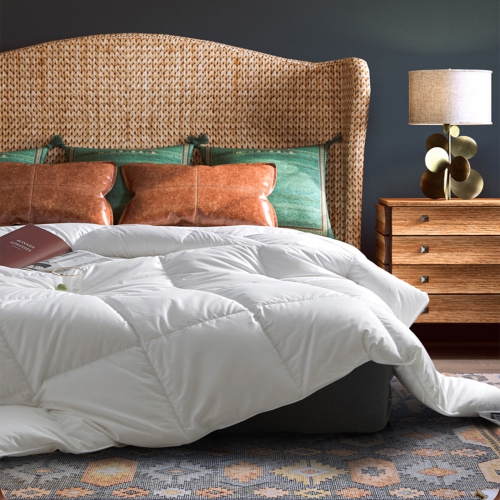



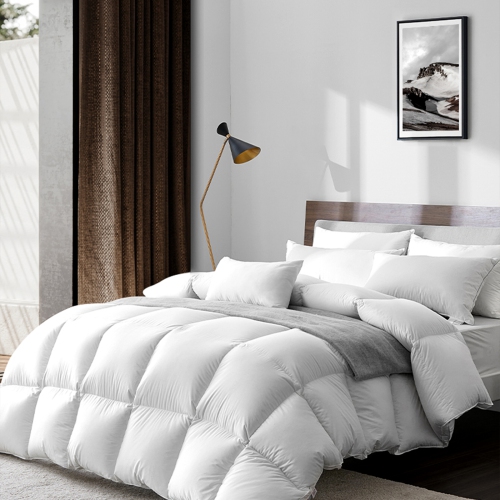
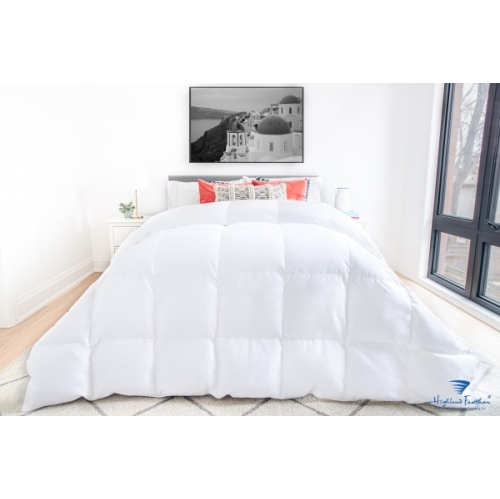

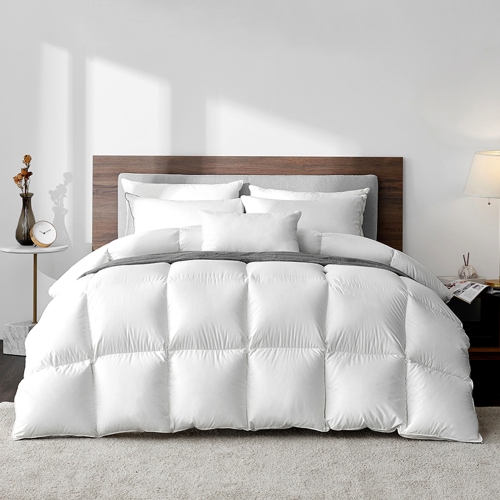
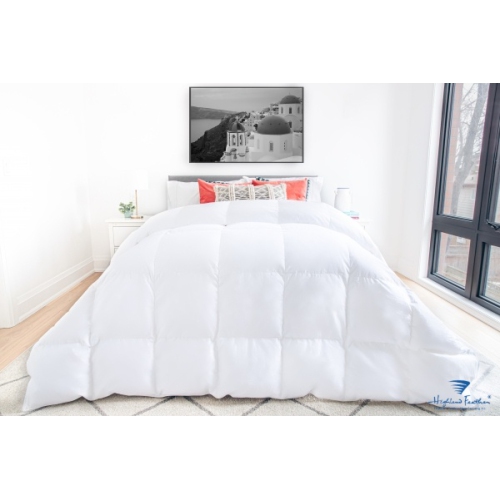
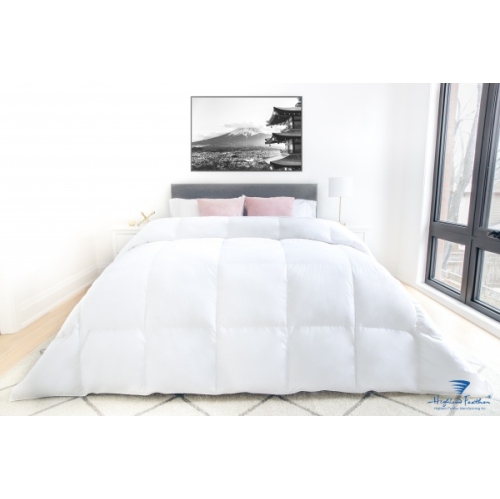
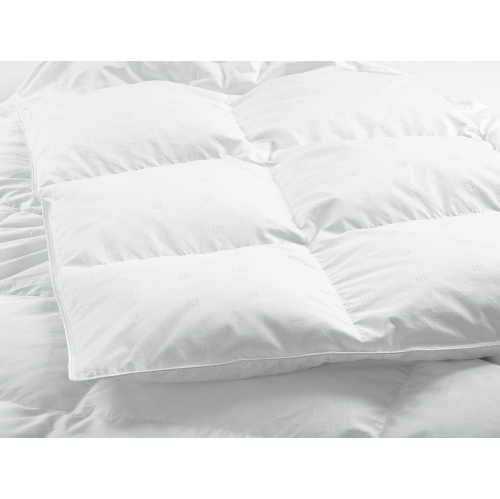
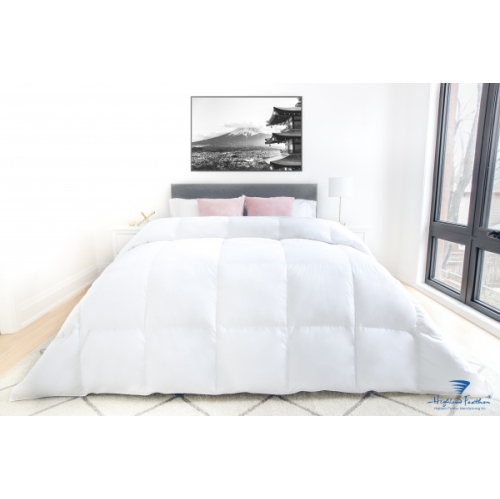
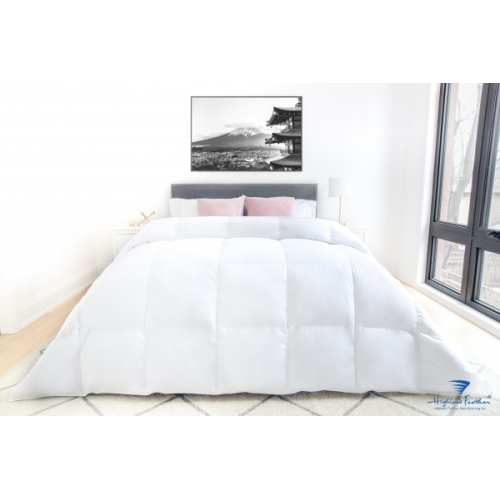


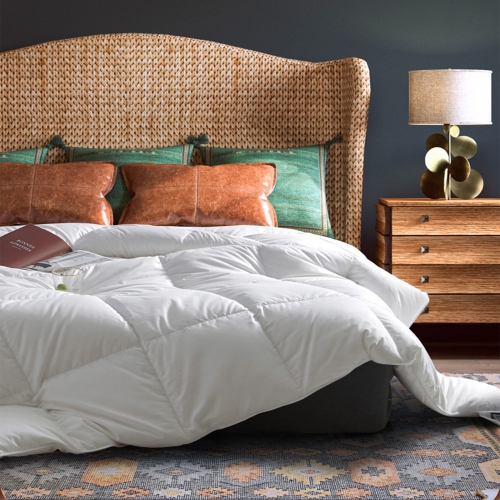


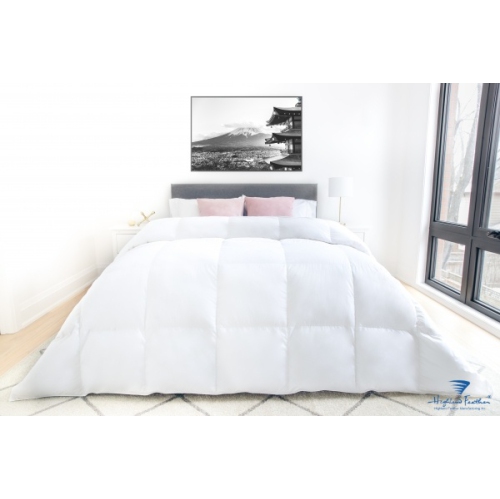
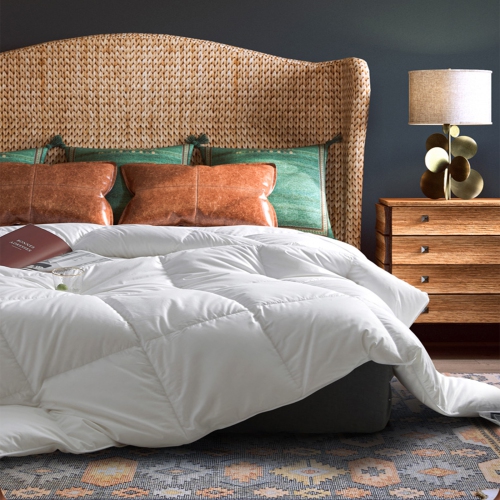
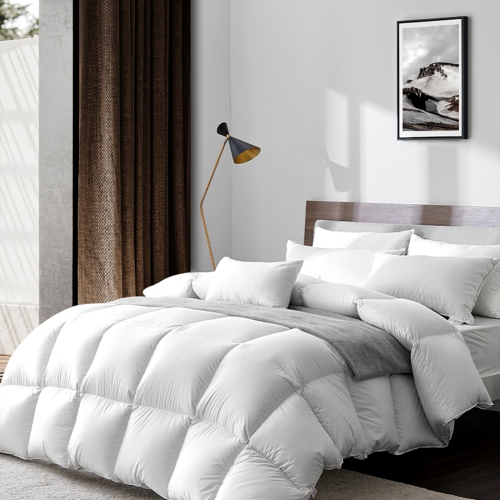

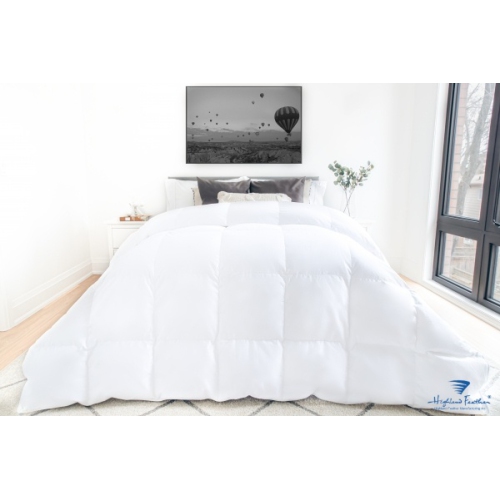



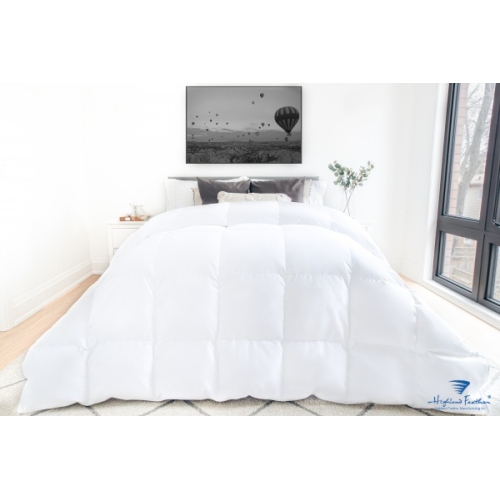
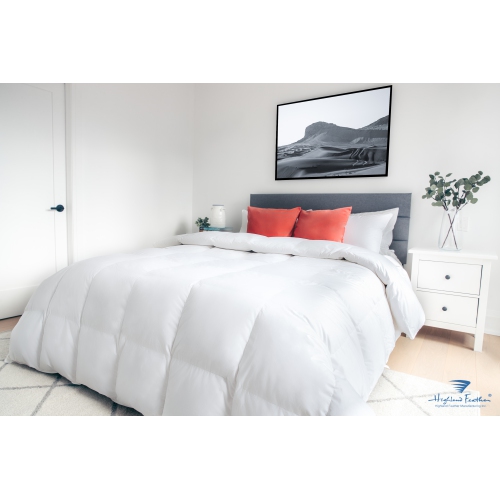
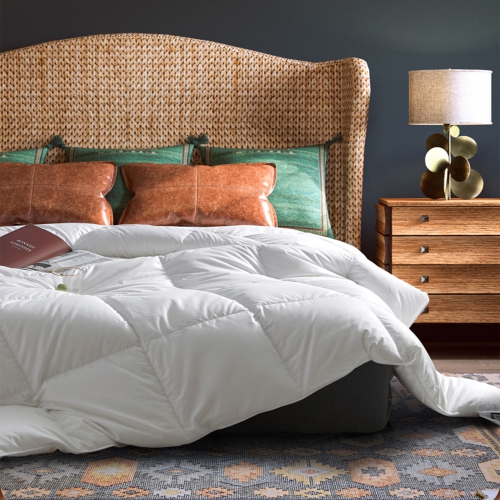
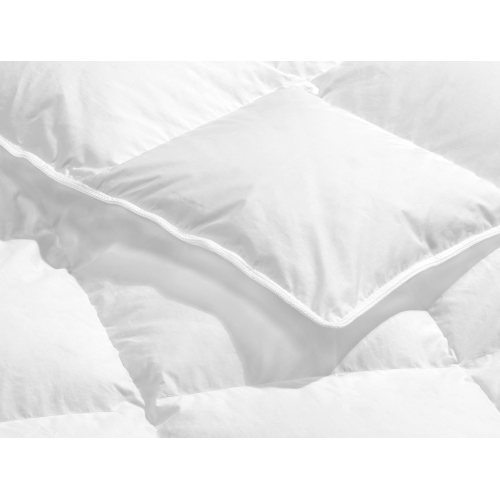
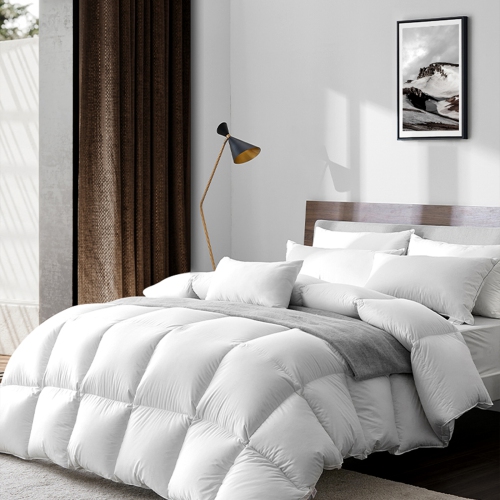

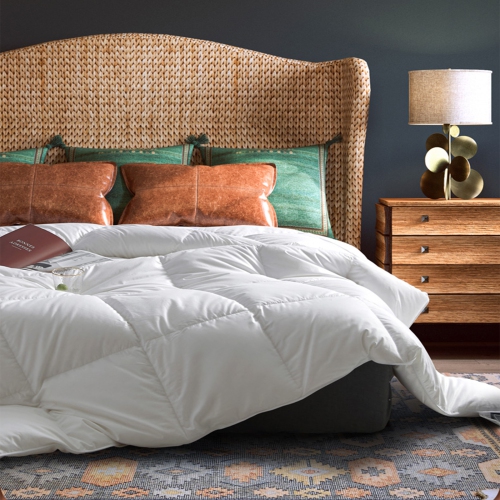
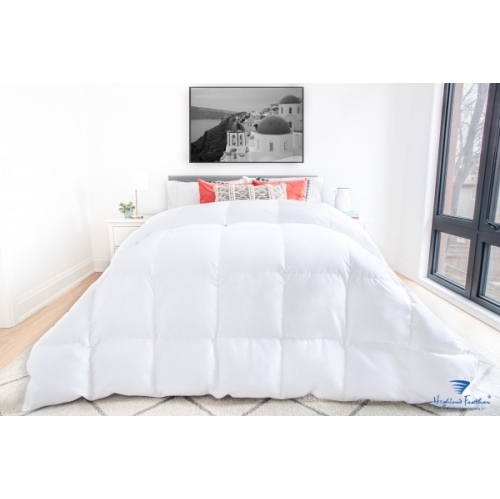


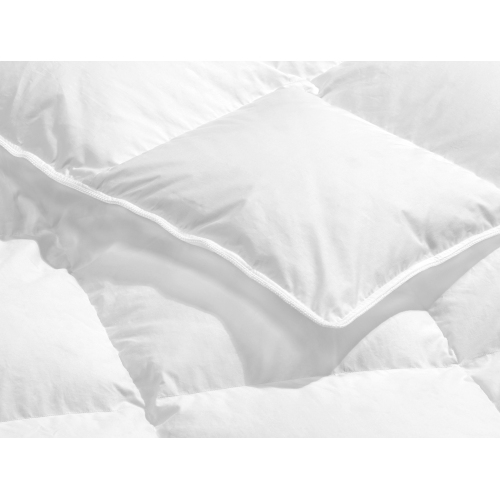
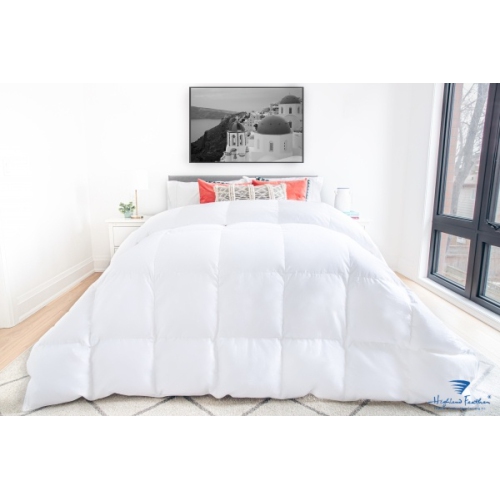
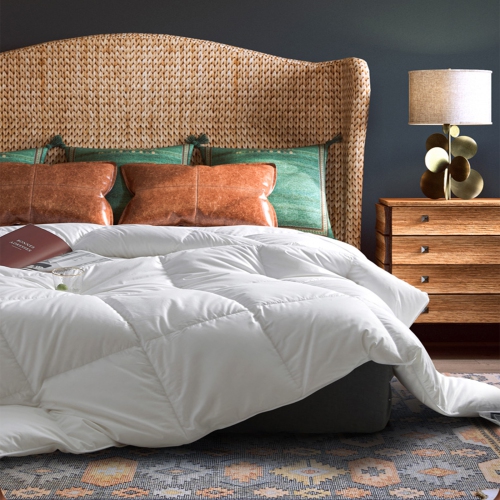
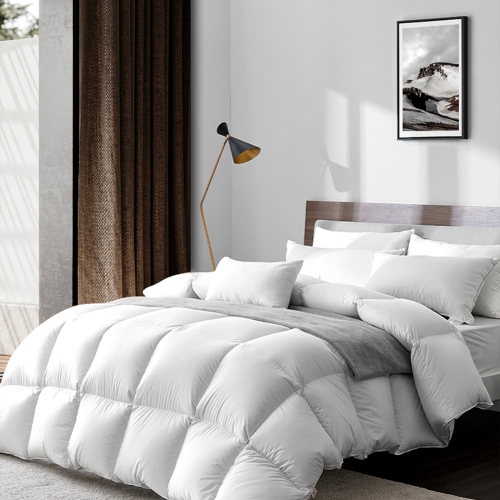
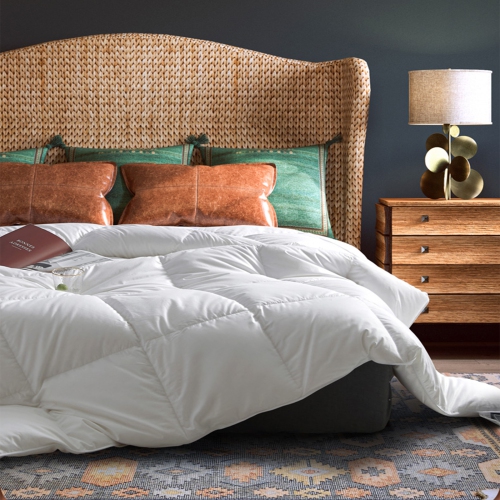
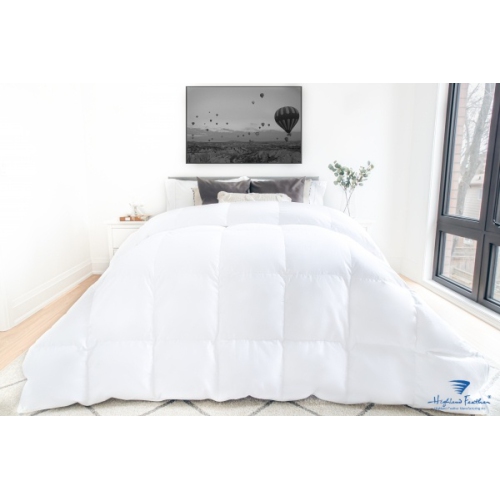
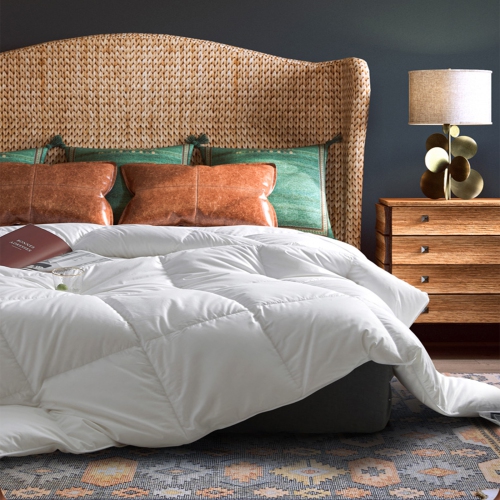
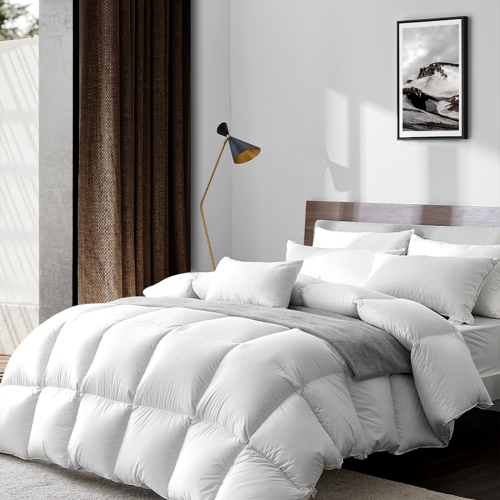
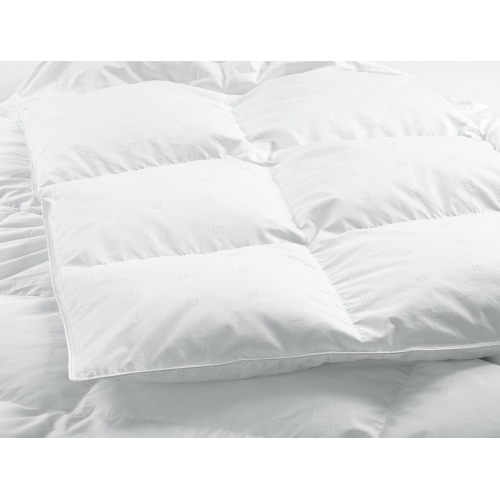
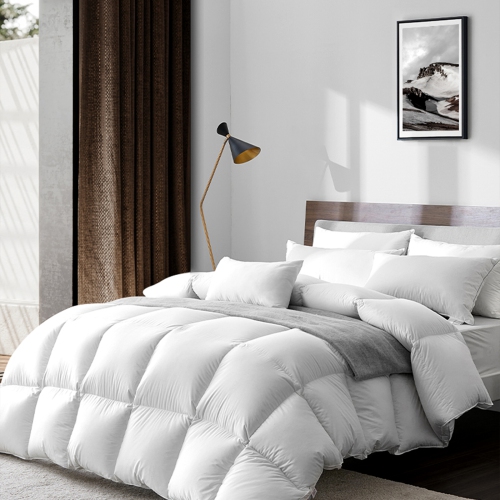
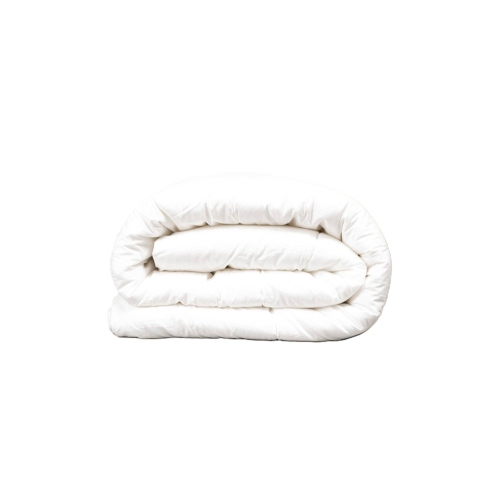
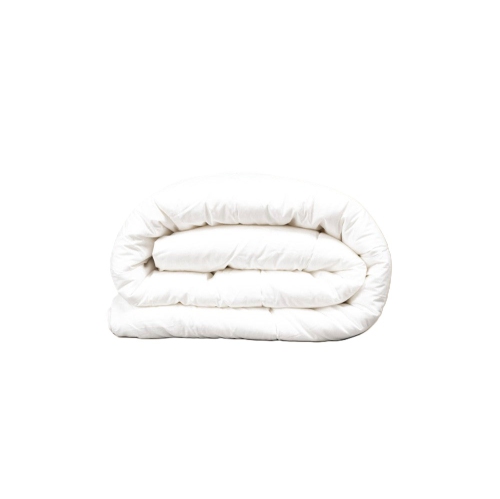
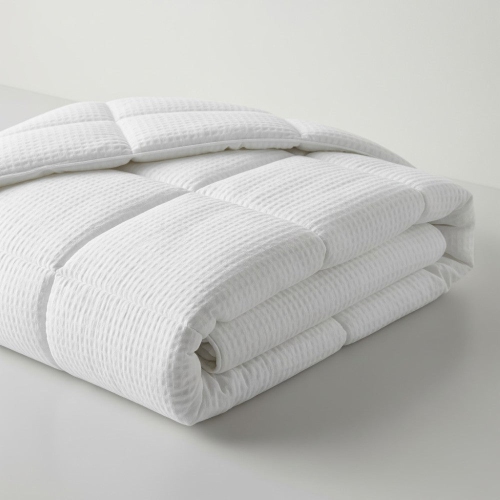

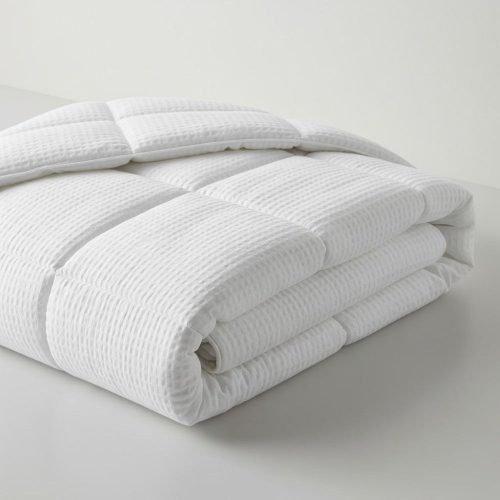
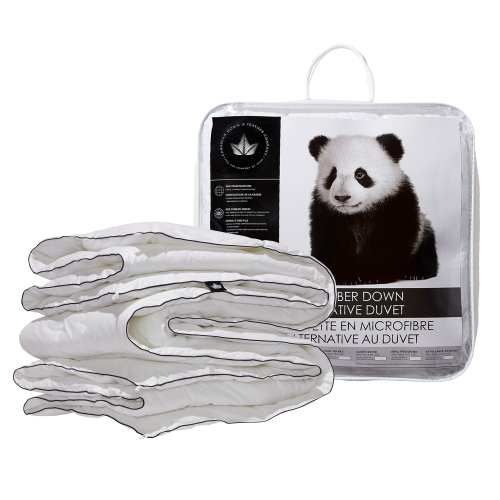
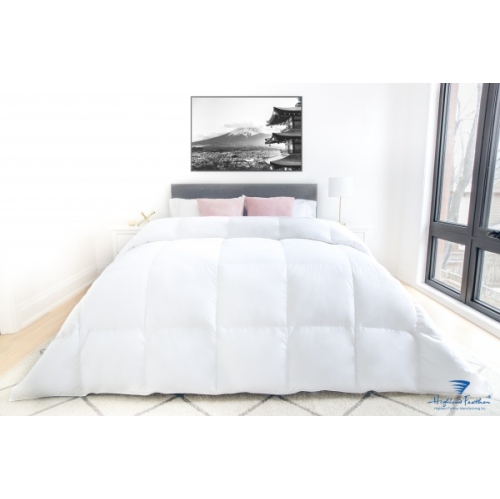
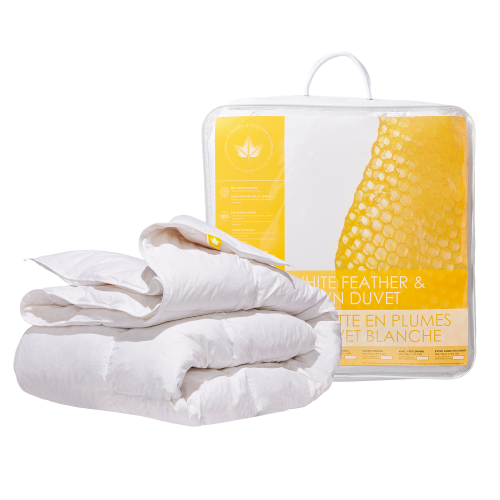
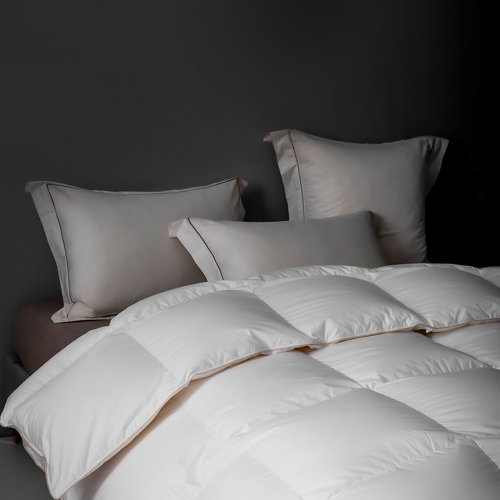
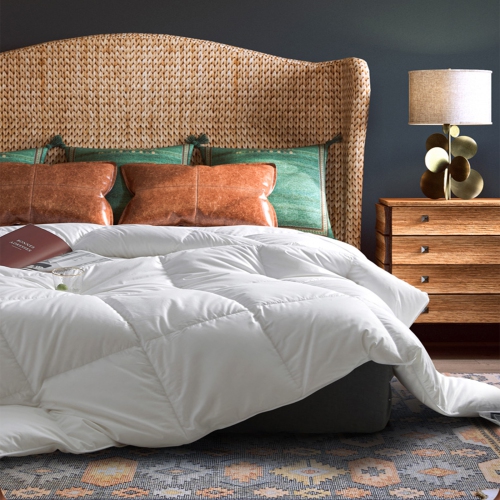
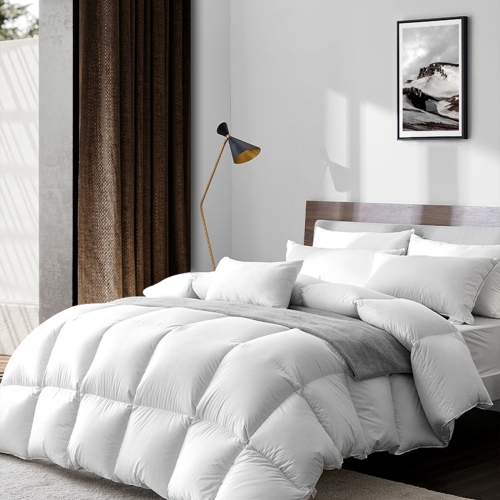

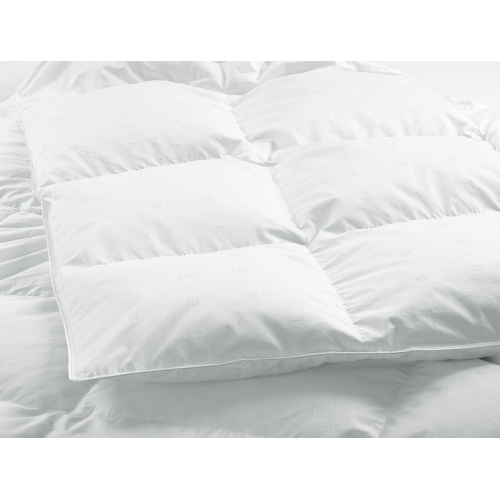
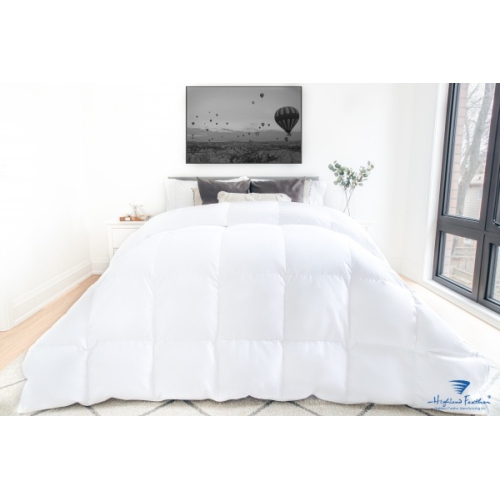
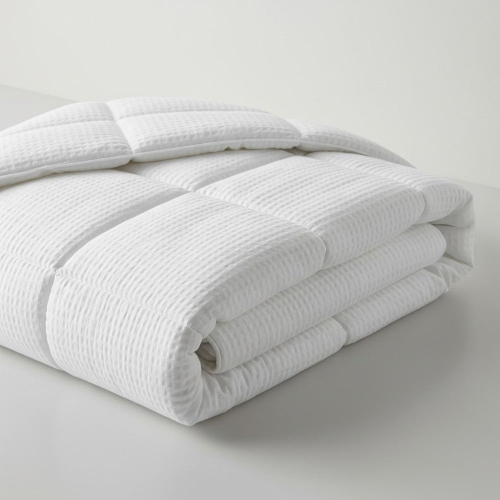
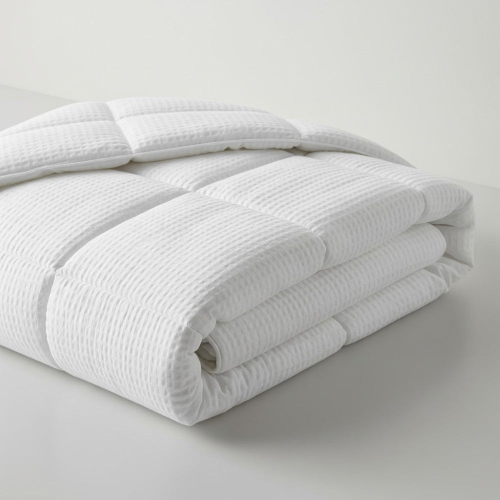
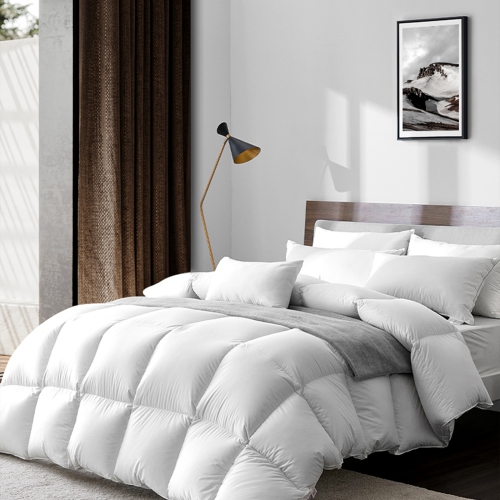
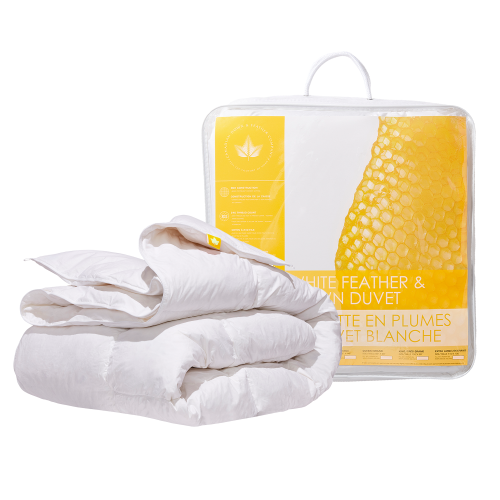
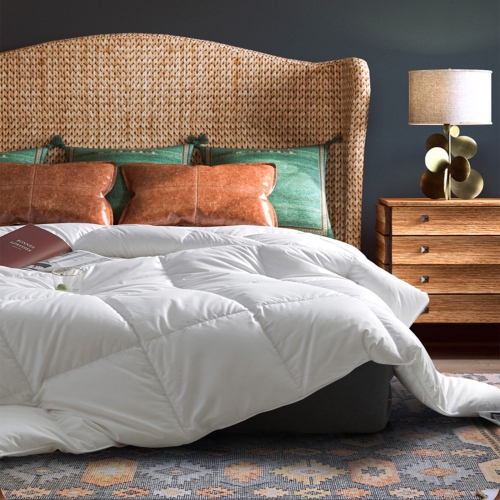
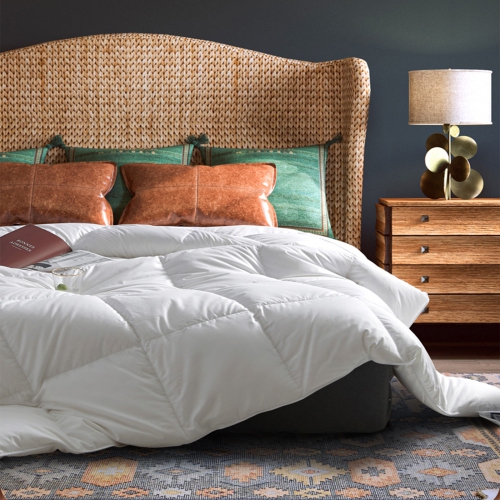
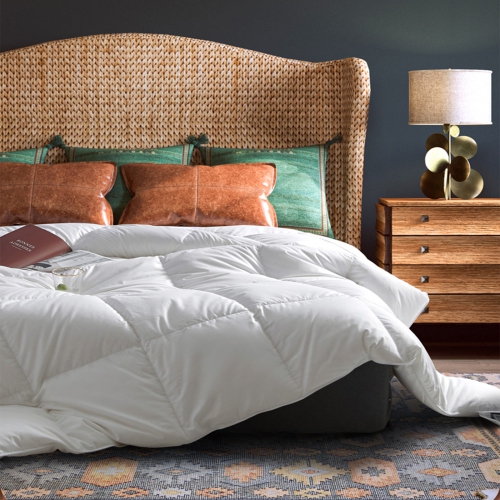
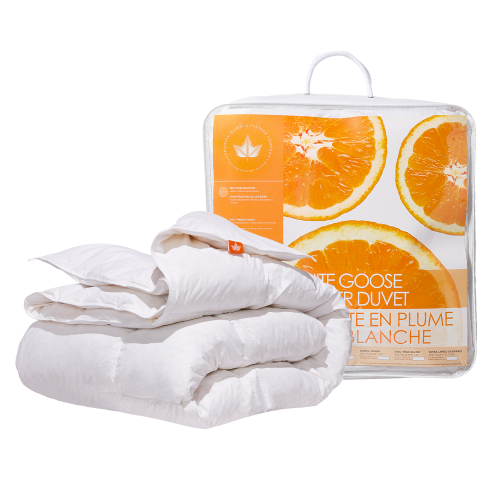
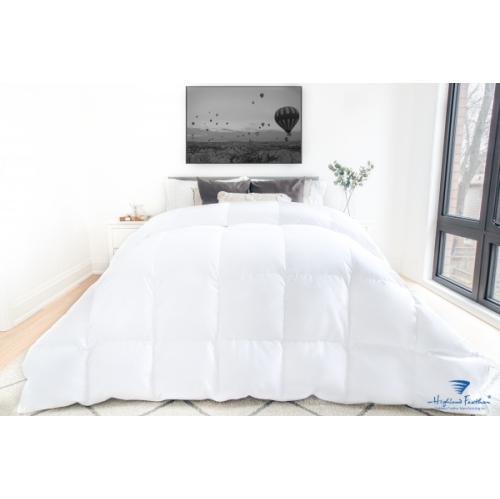
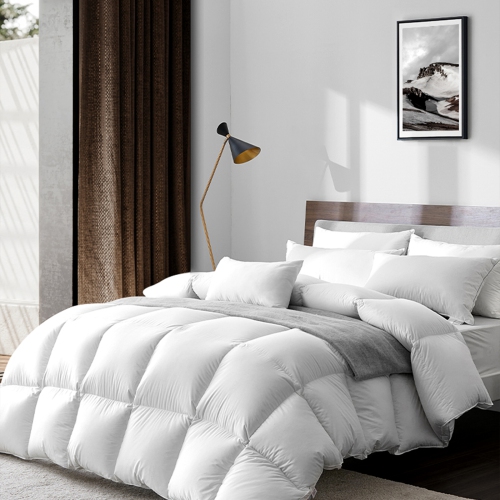


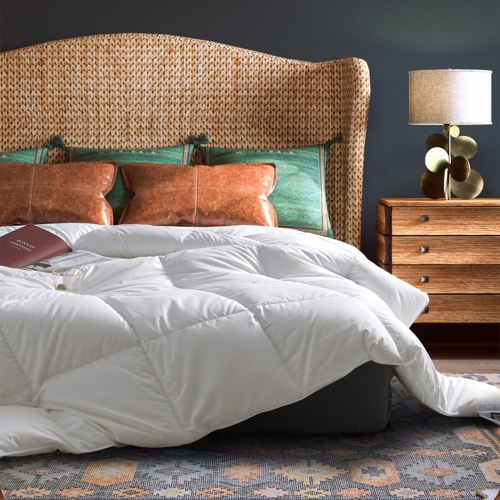
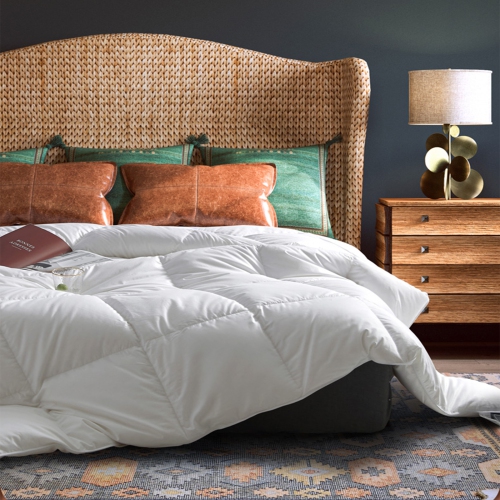
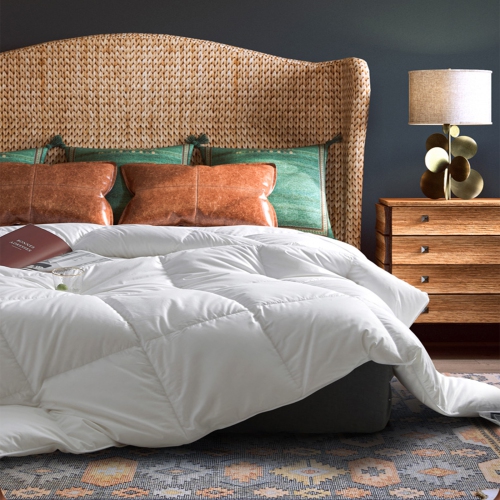
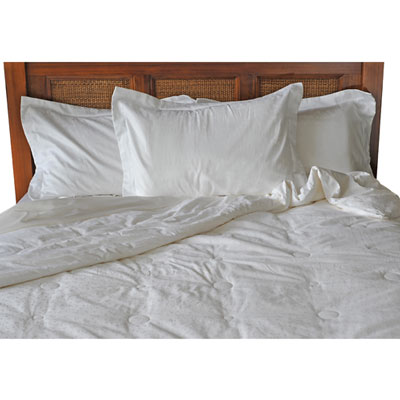
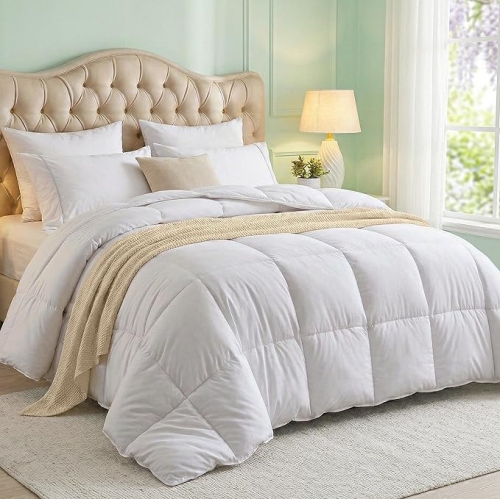
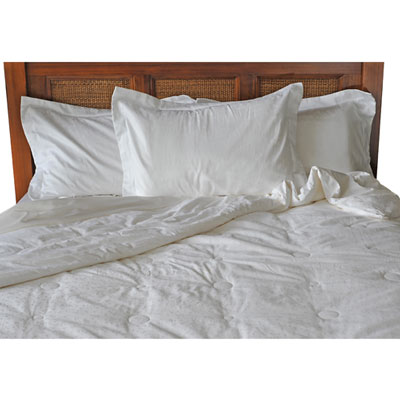
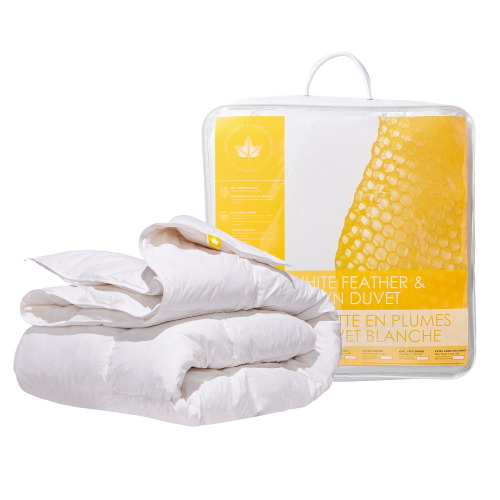
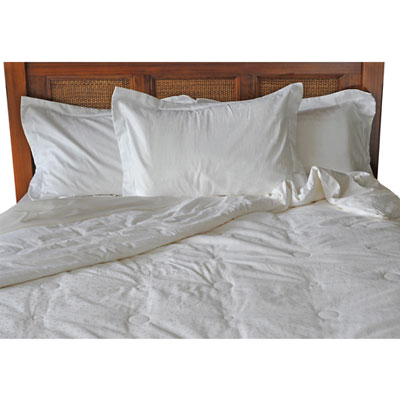
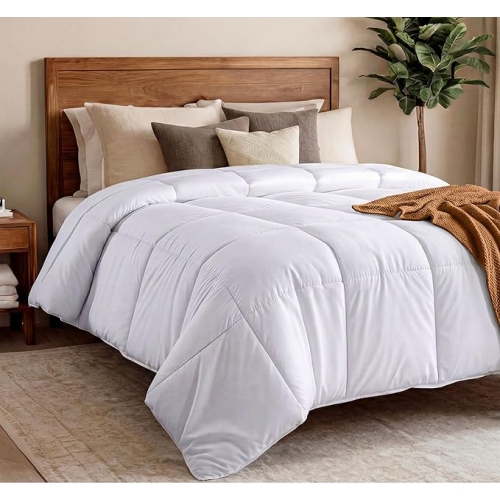
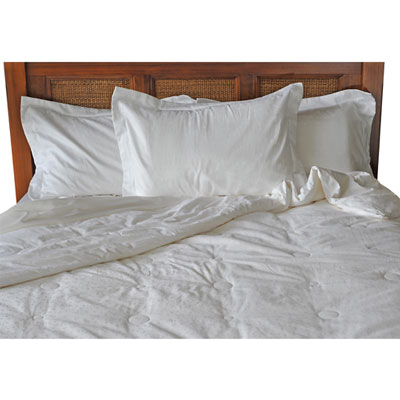
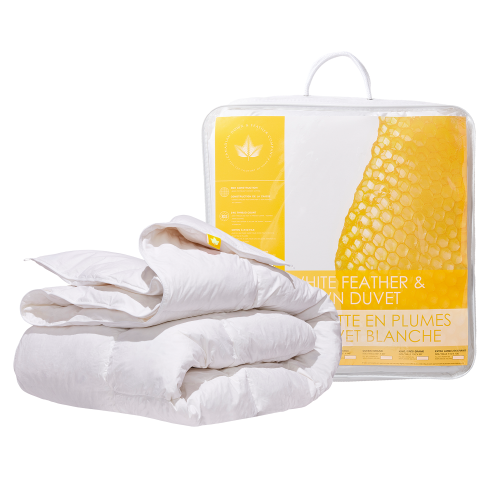
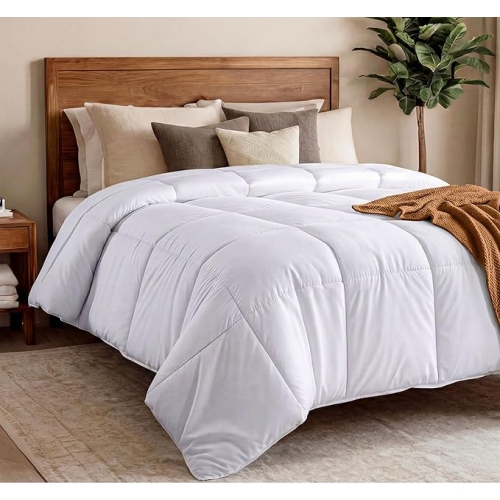
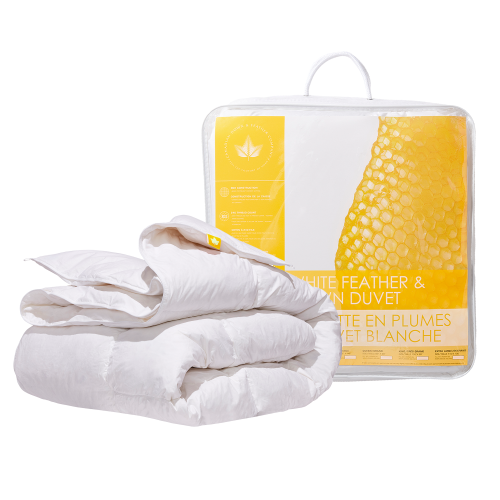
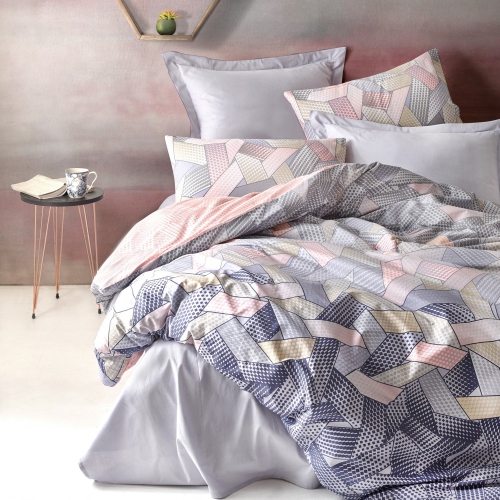
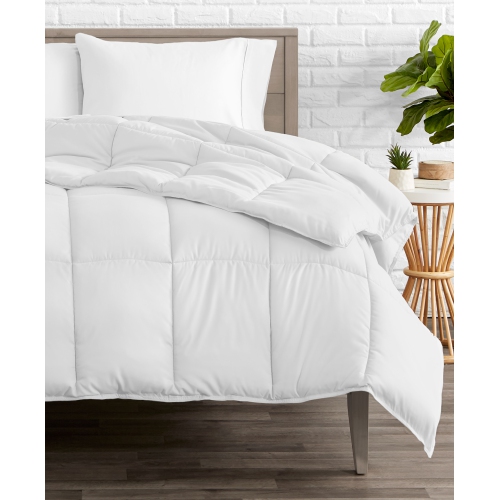
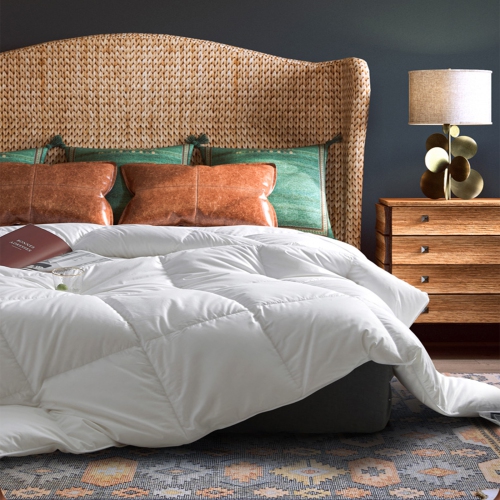
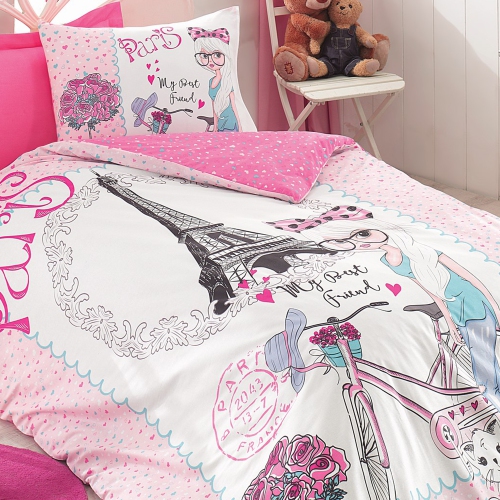


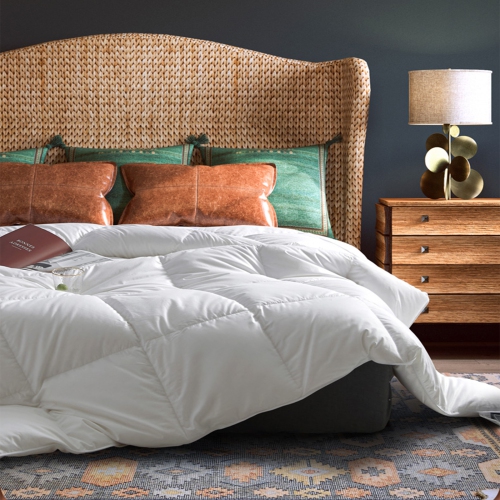
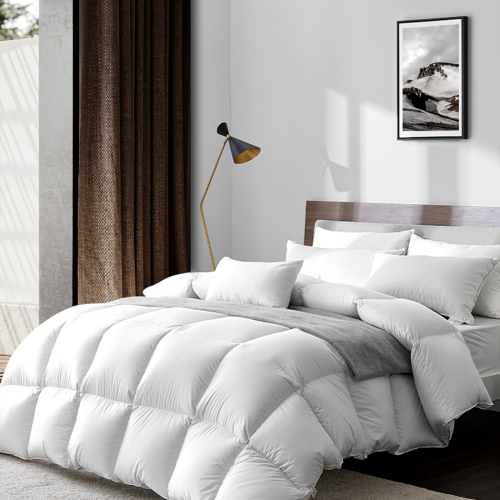
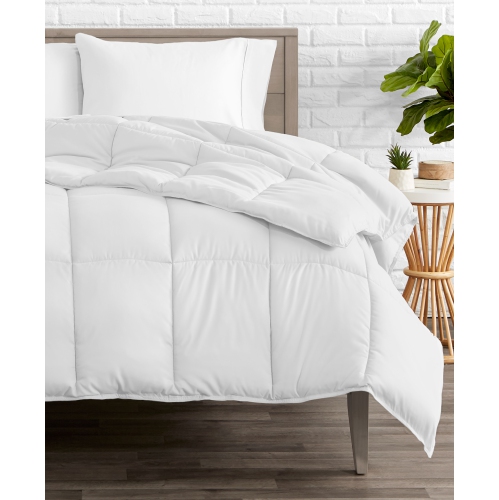

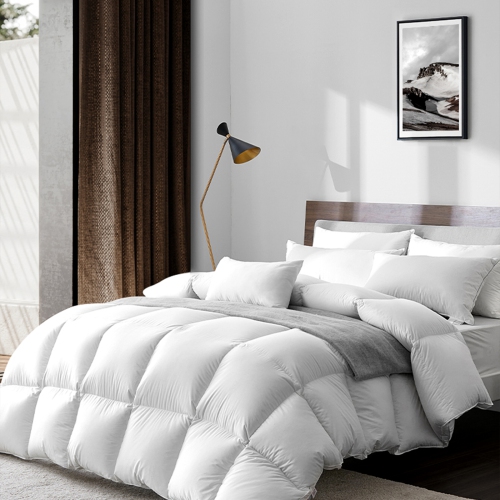
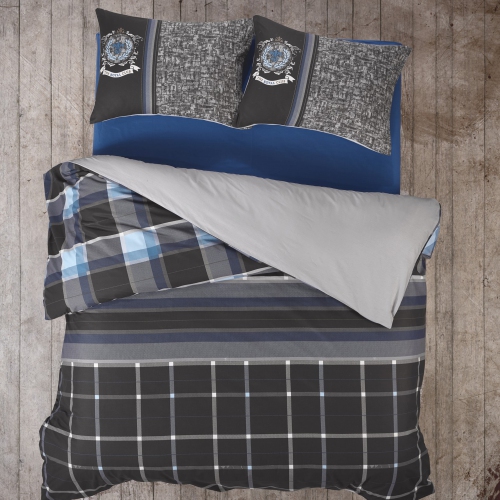


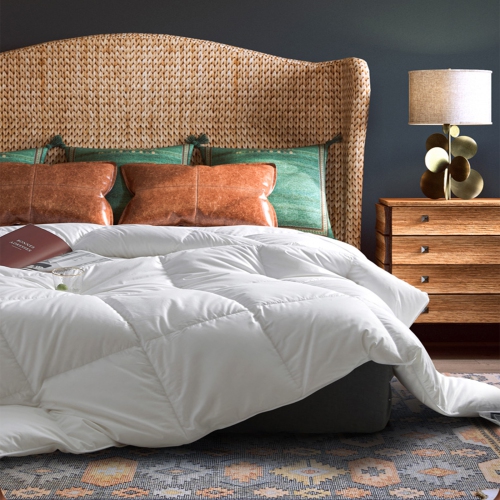

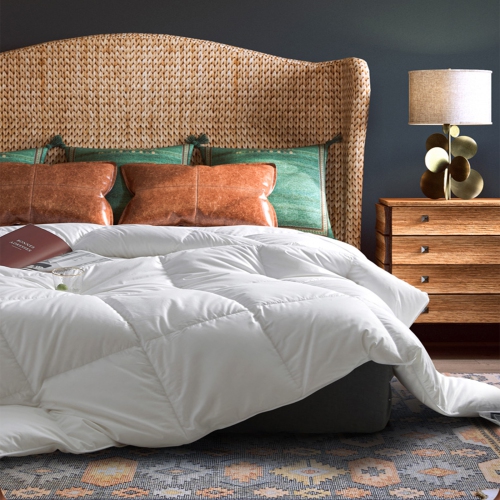
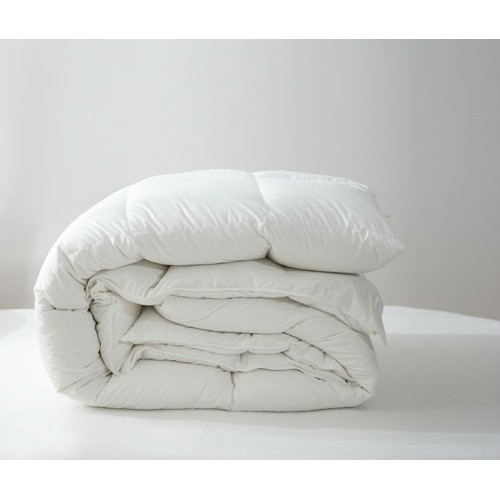

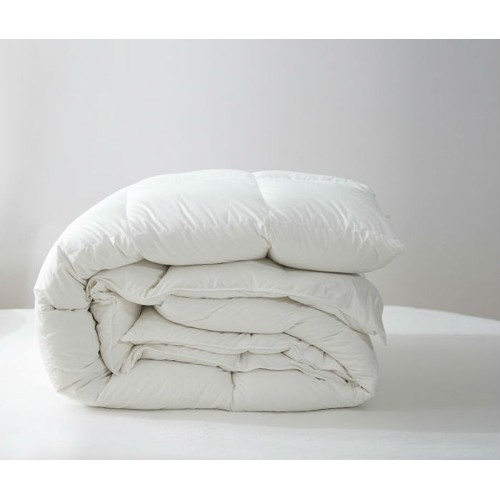
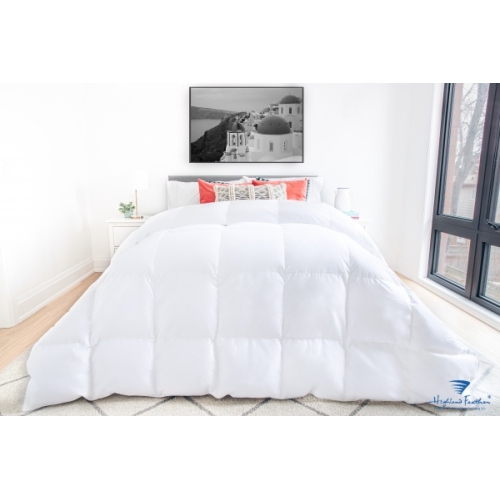
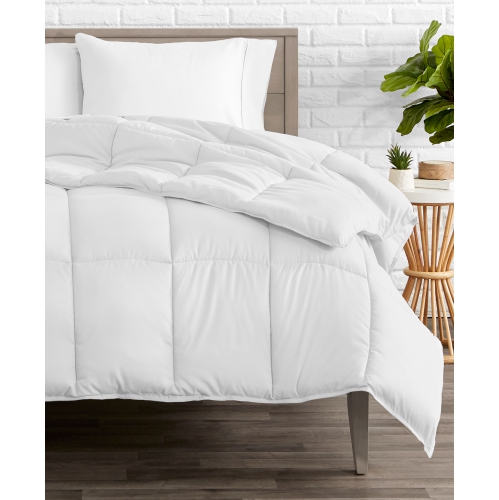
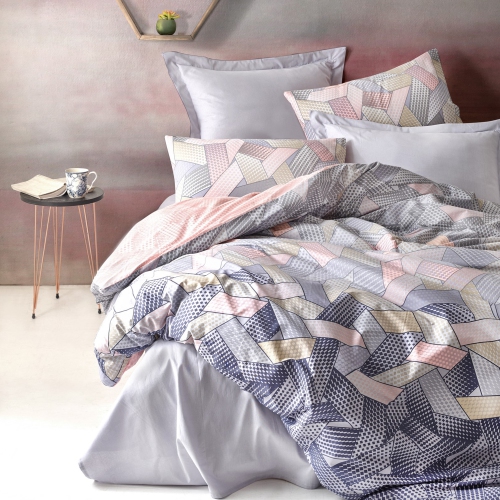
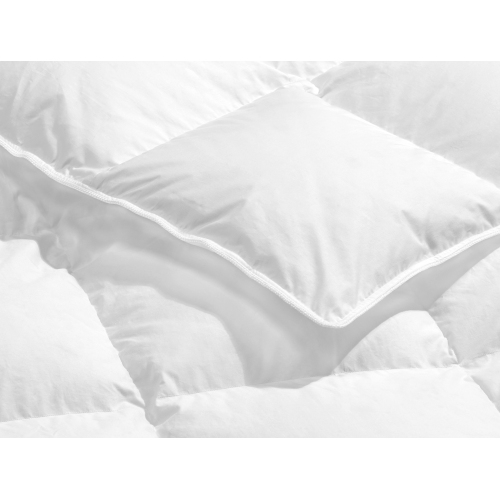

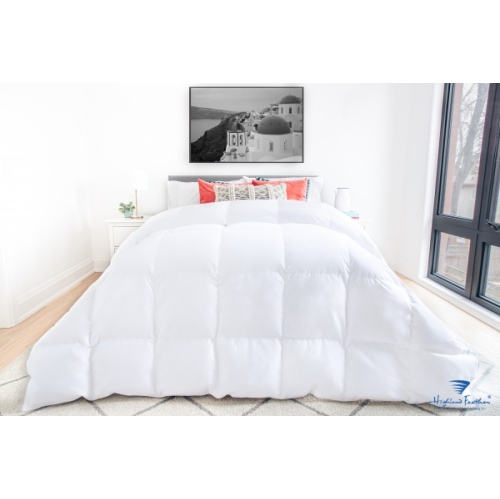


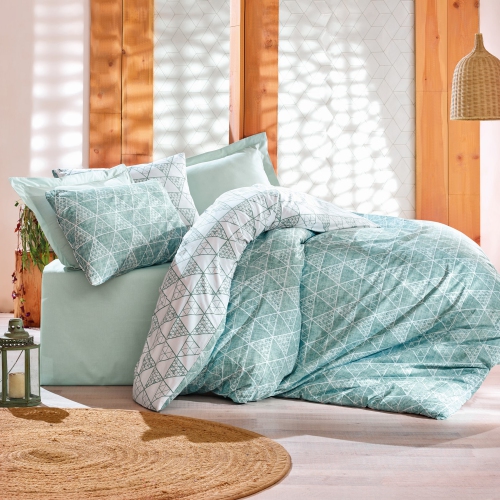
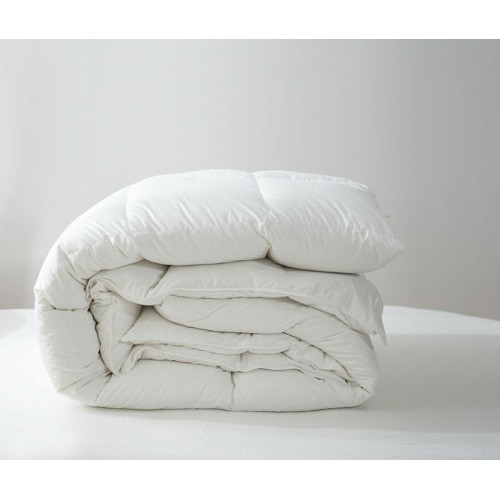

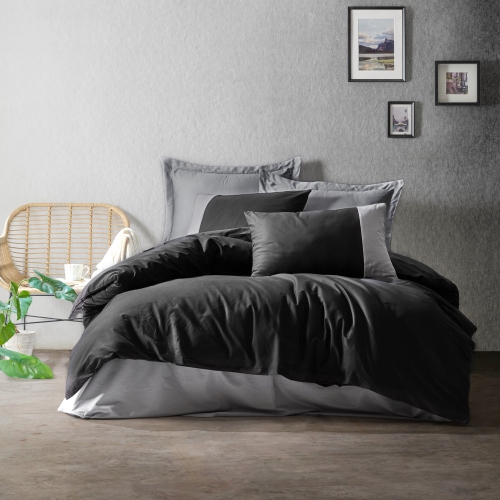
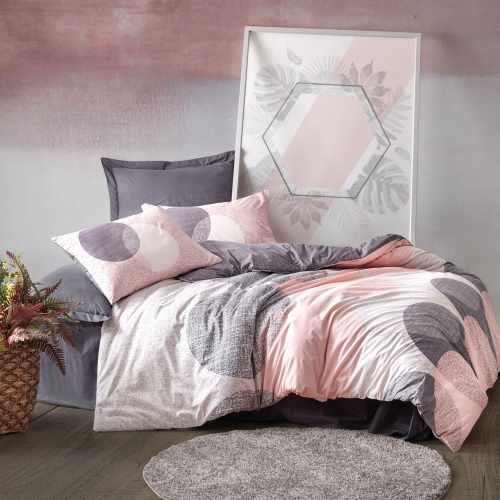
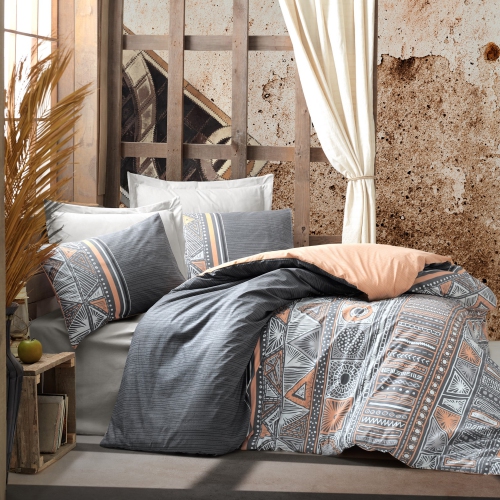
One duvet or two layers for year-round comfort
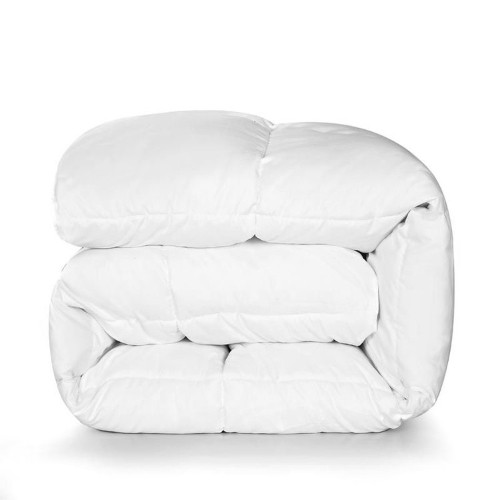
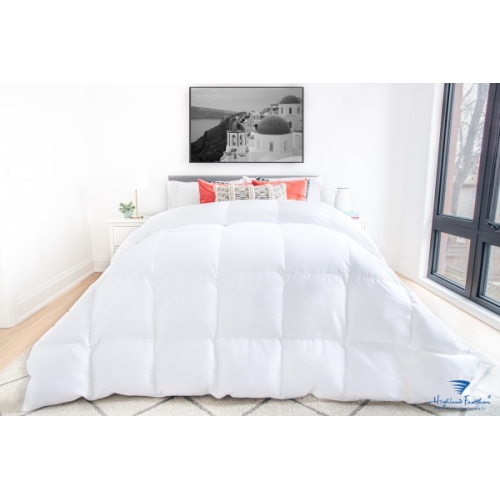
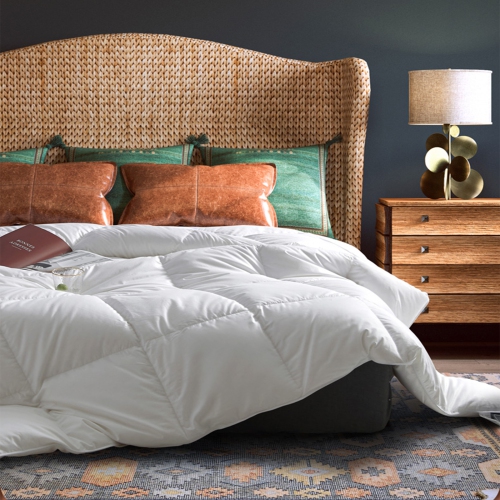
Four-season duvets are designed to offer adaptable comfort throughout the year, either as a single duvet with a balanced level of insulation or as two lighter duvets that can be joined together. A two-piece design typically pairs a lightweight layer with a warmer layer, giving sleepers separate options for summer and milder conditions, plus a combined option for winter. A single all-season duvet takes a different approach, providing moderate warmth without separate layers to attach or store. Neither description guarantees the same warmth across every design, so fill material, fill weight, construction, and personal sleeping preferences all matter. Someone who regularly pushes the covers aside may prefer less insulation than a sleeper who likes a deeply tucked, cocoon-like bed. Down offers loft and warmth with relatively little weight, while feather blends generally have a more substantial feel and less loft than a comparable down-rich filling. For shoppers drawn to that light, lofty feel, All Season Down Duvets provide another way to explore year-round bedding. Down fill power describes how much space a given amount of down occupies; a higher number indicates greater loft, but it does not establish the finished duvet’s warmth on its own. Fill weight and overall construction also influence insulation. Synthetic fillings, including polyester microfibre, offer an alternative for people who prefer bedding without animal-derived fill, and many have care requirements suited to regular household laundering. Wool has a different character, often feeling flatter and more substantial than lofty down while helping absorb and release moisture. The outer shell also affects comfort: cotton is commonly used for its breathability and familiar feel, while tightly woven fabrics help contain fine filling. Thread count is only one part of shell quality, alongside the yarn, weave, and finish. The most comfortable combination depends on whether the sleeper values airy loft, a little reassuring weight, straightforward care, or the flexibility to adjust layers.
The fit of a four-season duvet affects how comfortable and tidy the bed feels, especially when two people share it. Size names such as twin, double, queen, and king are useful starting points, but dimensions can differ between manufacturers, making the measurements more informative than the label alone. A duvet needs enough width to cover the mattress and reach comfortably over both sleepers without leaving one person pulling at a narrow edge. Deep mattresses, mattress toppers, and tall bed frames can change the amount of visible drape, while a low platform bed may suit a less generous overhang. Matching the duvet insert to the cover’s stated dimensions helps prevent empty fabric at the corners or filling that bunches inside a cover that is too small. Interior corner ties and corresponding loops help keep the insert in place, particularly for sleepers who turn frequently. With a two-piece duvet, the attachment system matters as well: securely positioned buttons, snaps, or ties help the layers move together rather than separating inside the cover. Construction influences how evenly the filling stays distributed. Sewn-through compartments hold fill in individual sections, while baffle-box construction uses internal fabric walls to create room for loft and limit movement between compartments. Neither construction alone determines comfort; the amount and type of filling remain important. A cotton or linen duvet cover adds a washable surface and allows the bed’s colour and texture to change without replacing the insert. Smooth cotton can feel crisp against the skin, while brushed fabrics provide a softer, warmer touch. For couples with different warmth preferences, the duvet works as part of a broader bedding arrangement rather than a complete solution by itself. A lighter shared duvet with a separate throw on one side can offer more flexibility than choosing a heavy filling for both people. Where bed size and cover arrangements allow, separate duvets can also reduce tugging and make individual warmth preferences easier to accommodate.
Care requirements deserve particular attention because a duvet is a large bedding piece that needs room to wash and dry properly. The care label should determine whether an insert can be machine washed, requires professional cleaning, or needs another method; natural and synthetic fillings do not all tolerate the same treatment. Even a washable duvet may exceed the comfortable capacity of a household machine, especially in larger sizes. Enough space for water movement and thorough rinsing helps prevent detergent from remaining in the filling. Drying is just as important as washing, since moisture trapped deep inside the duvet can lead to odours and clumping. Where tumble drying is permitted, the recommended heat setting and sufficient drying time help protect the shell and fill. Wool deserves particular care because unsuitable heat or agitation can cause shrinkage or changes in texture. A removable cover helps keep everyday skin oils and marks away from the insert, reducing the need to wash the duvet itself as often. Regular fluffing, where appropriate for the filling, helps restore an even surface, and checking seams, corner loops, and layer fasteners can catch small signs of wear before they become larger problems. Any unused layer from a two-piece design should be clean and completely dry before being stored in a breathable bag with enough room to avoid prolonged compression. For people with allergies, the actual filling, shell fabric, and washing instructions are more useful than relying on a broad hypoallergenic description; that label does not mean a duvet cannot trigger an individual reaction. Four-season duvets can suit a main bedroom, a guest room, or a first home where flexible bedding is useful across different sleeping preferences. They can also make thoughtful housewarming or wedding gifts when the recipient’s mattress size, preferred filling, and laundry setup are known. Durable stitching, manageable care, and a comfortable fit help make the duvet a practical part of the bed, whether it is spread lightly over fresh sheets or layered for greater warmth.
Top selling and popular products
-
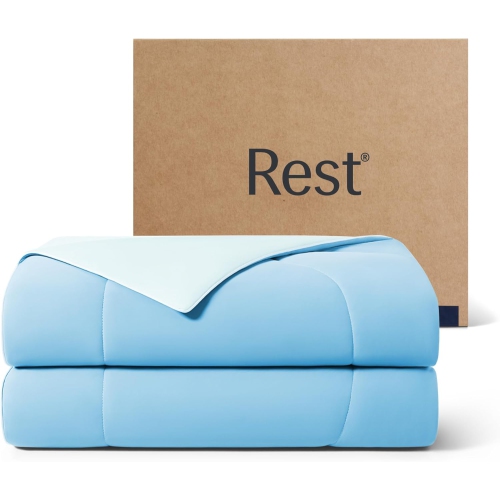 Your price for this item is $129
-
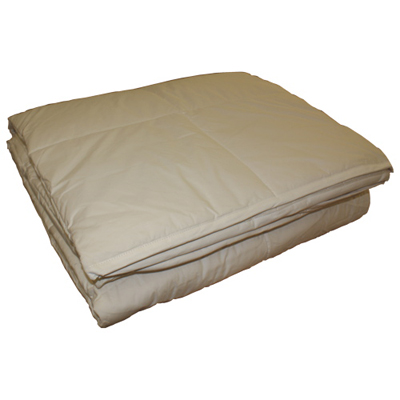 Your price for this item is $169.99
-
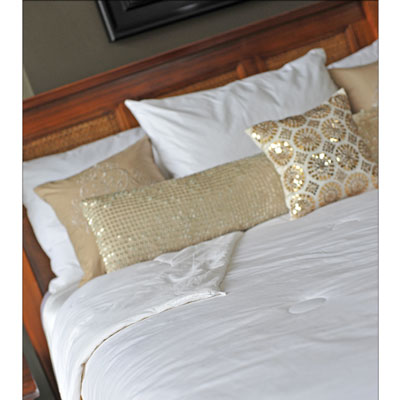 Your price for this item is $219.99
-
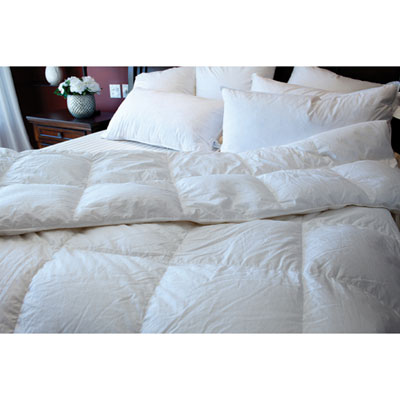 Your price for this item is $549.99
-
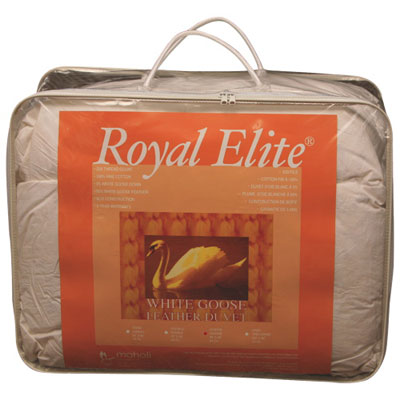 Your price for this item is $149.99
-
 Your price for this item is $159.99
-
 Your price for this item is $229.99
-
 Your price for this item is $47.99
Discover more categories related to Four Seasons Duvets
Top Collections:
Best Black Friday Deals This Year, Best Black Friday Deals On Electronics, Kindle Devices, Dyson Airwrap, Best Cameras for Sports Photography, Best Budget Office Chairs, Canon G7X Cameras, PS5 Pro Consoles, Best Black Friday Deals On Apple Products, XBOX One S Consoles
Some products may be subject to Environmental Handling Fees
(EHF) depending on your province.
Learn more about EHFs.