Front Door Flower Pots
Front Door Flower Pots add a touch of charm and elegance to any entryway, creating a warm and inviting atmosphere for guests. With a variety of styles, sizes, and colors available, it's easy to find the perfect match for your home's exterior décor. Whether you prefer classic designs or modern looks, Front Door Flower Pots offer endless possibilities to showcase your favorite blooms and greenery right at your doorstep. Refresh your curb appeal and make a memorable first impression with the ideal flower pots for your front door.
Sort
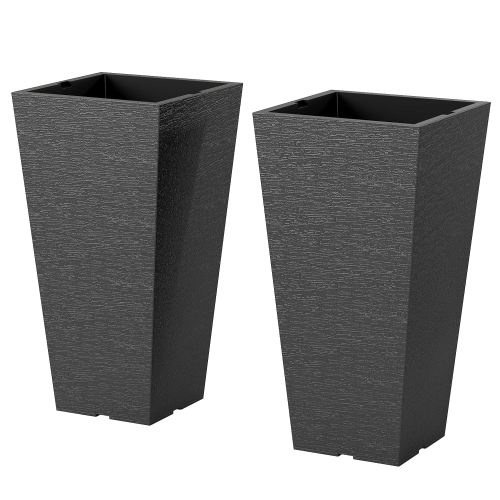
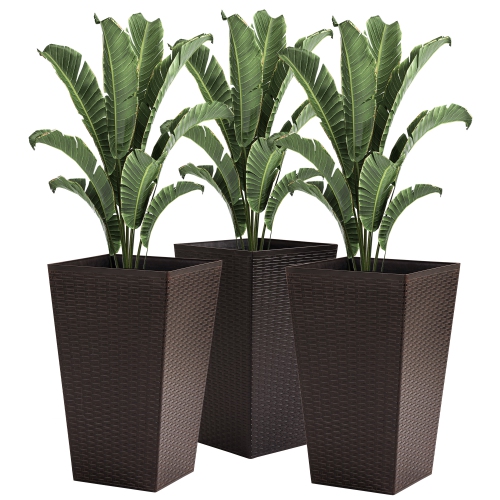
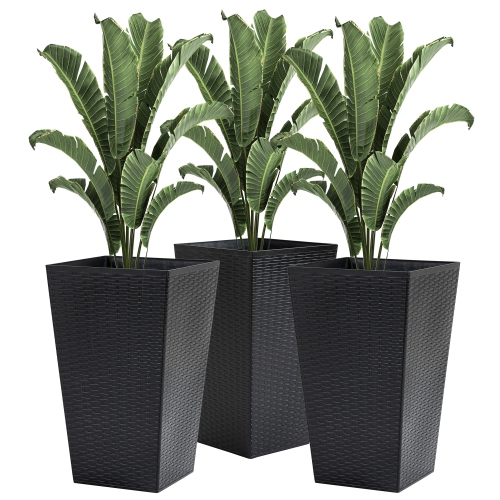
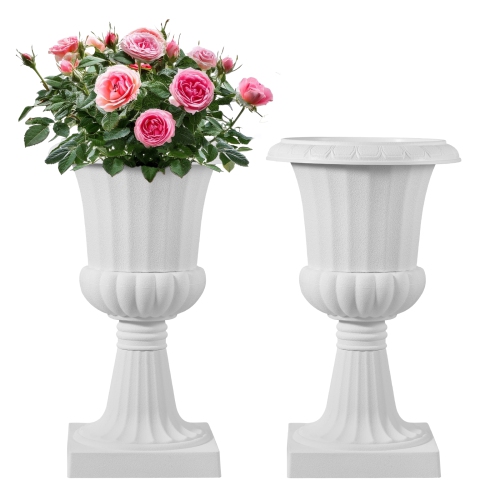
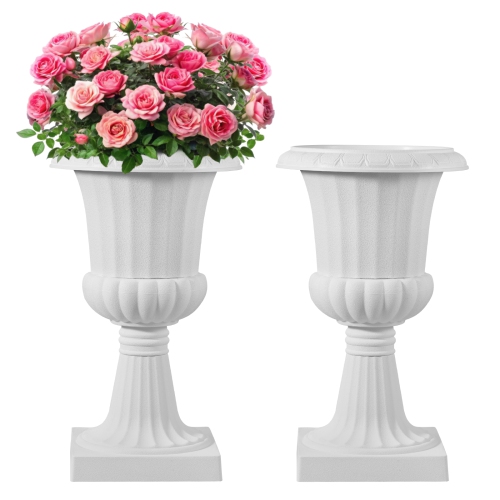
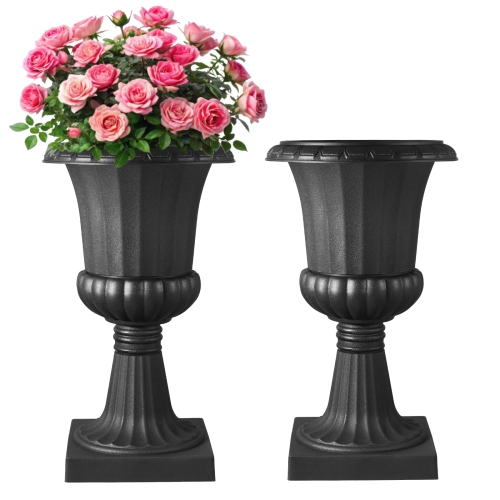
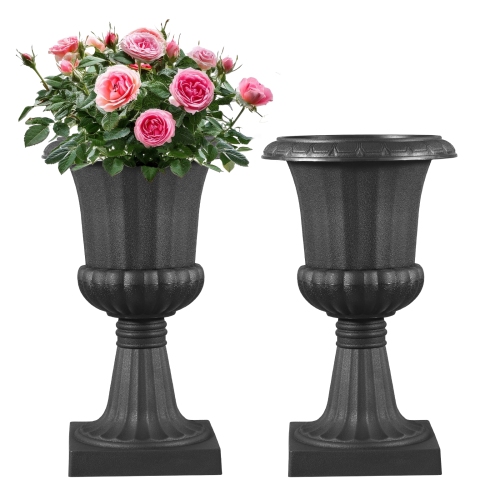
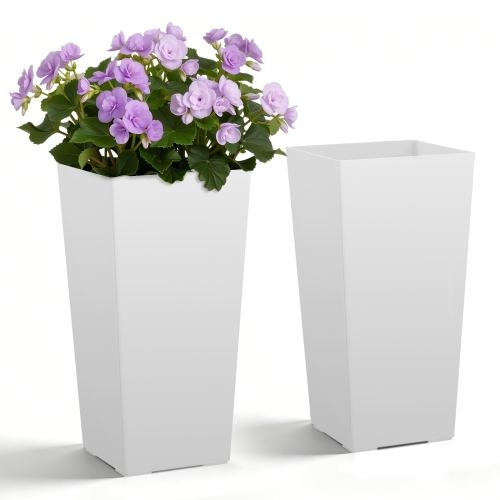
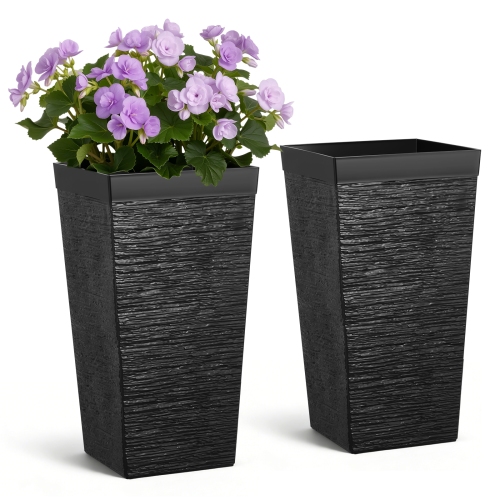
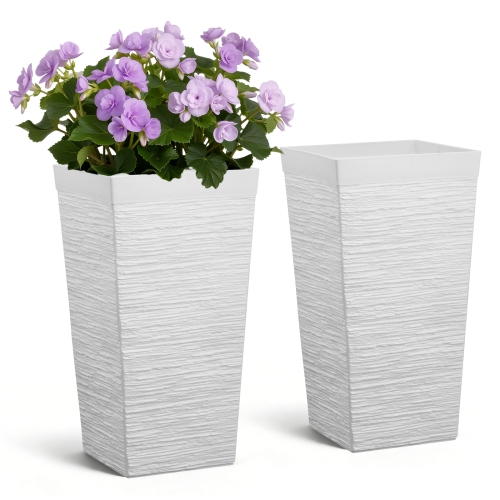
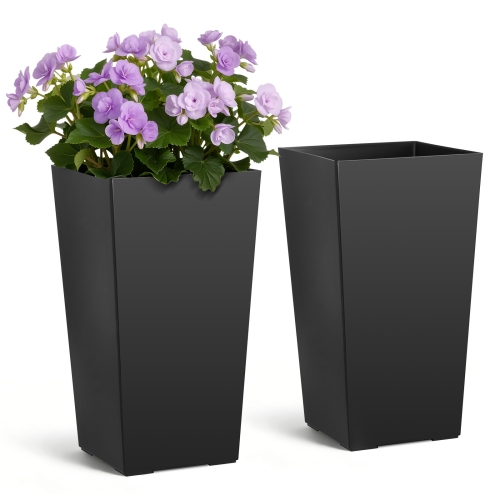
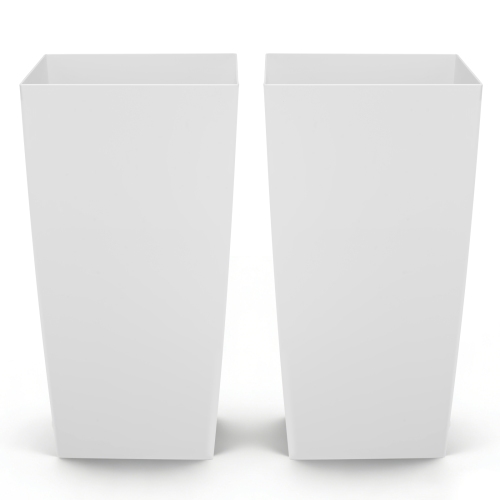
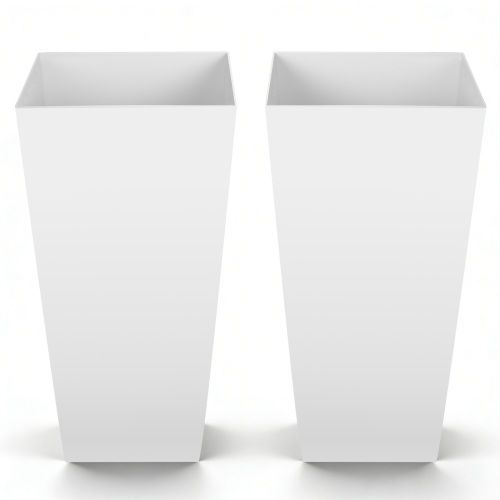
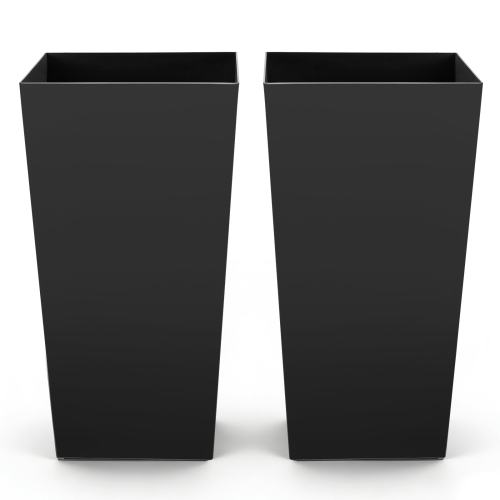
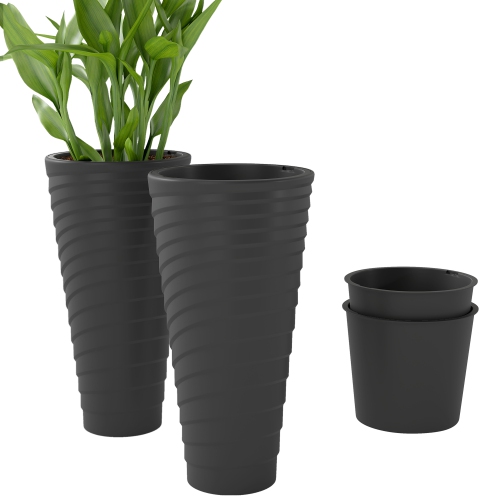
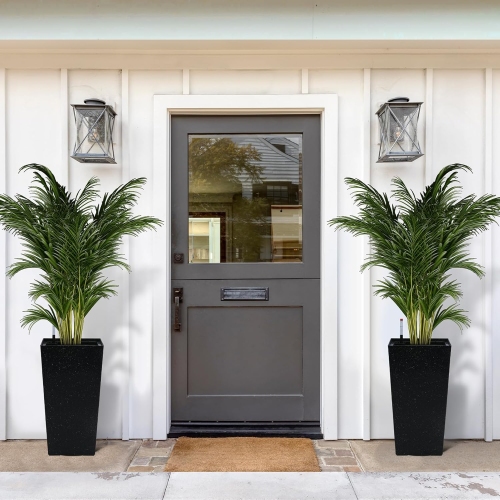
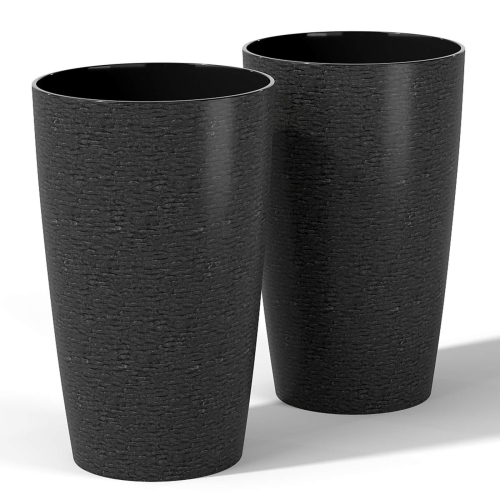
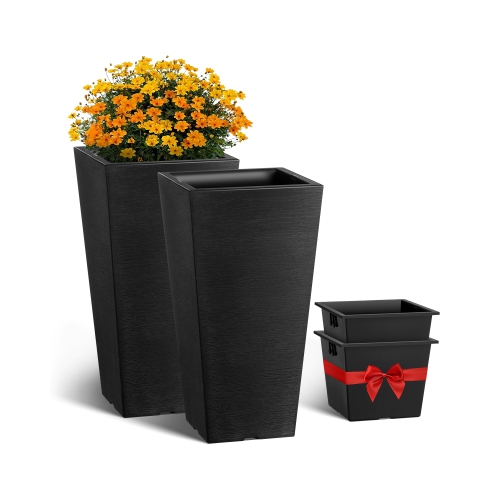
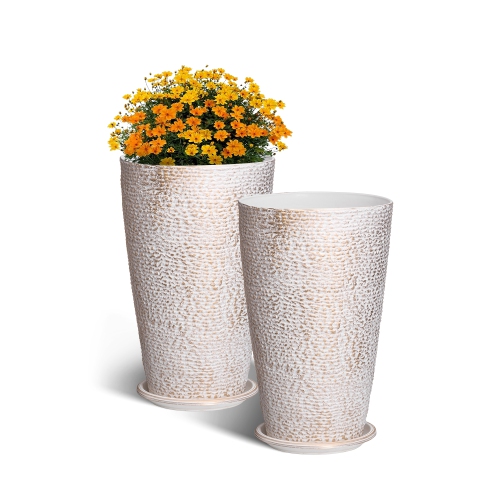
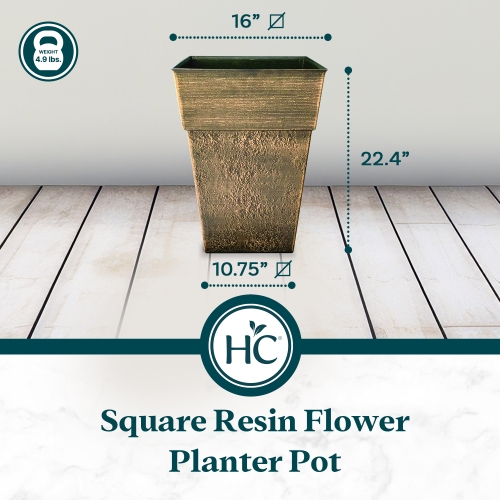
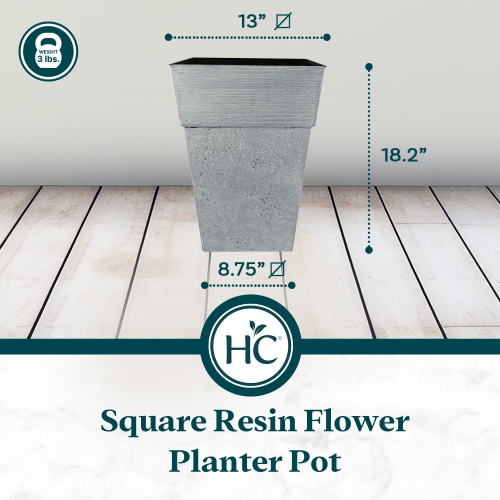
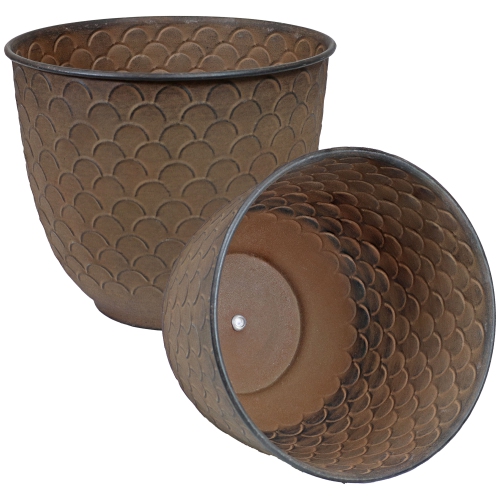
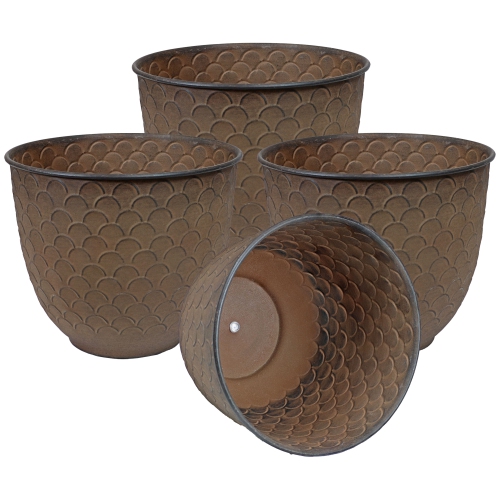
Well-proportioned planters add character without crowding your entrance
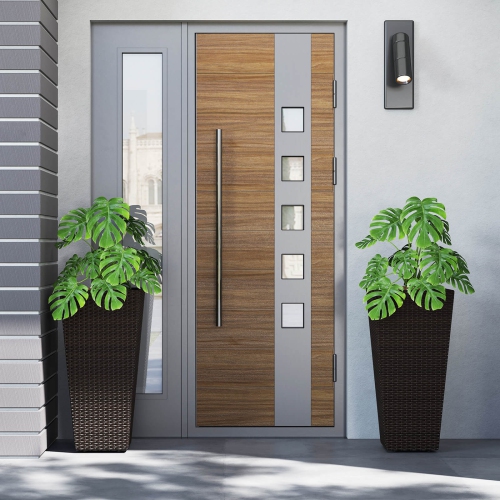
Front door flower pots frame an entrance with colour, texture, and a sense of welcome, whether the space is a broad porch, a compact landing, or a recessed doorway. These planters hold flowering plants and greenery while giving the arrangement a defined shape that complements the home. Tall, tapered pots create a strong vertical accent beside a door, rounded containers soften angular steps, and traditional urn shapes suit entrances with decorative trim or railings. A matching pair can bring balance to a centred doorway, while a single substantial planter often works better beside an off-centre door or a narrow walkway. Proportion matters more than matching every detail: a small pot can disappear against a wide entrance, while an oversized container can make a modest landing feel crowded. The footprint needs to leave comfortable room for people carrying groceries, visitors using mobility aids, and the full swing of the door, including a separate screen or storm door. Handles, house numbers, doorbells, and mail slots should remain easy to reach and see. Smooth black or charcoal finishes provide a quiet backdrop for bright blooms, while pale neutrals, textured surfaces, and terracotta tones create a softer look. Repeating a colour from the front door, railing, or exterior trim helps the pots feel connected to the entrance without requiring an exact match. For a smaller space, one well-proportioned planter with a clear outline can be more effective than several containers clustered around the threshold. Wider bases offer useful stability, particularly for tall arrangements, while low bowls can suit a generous landing where their edges remain outside the walking route. The overall height includes the plants as well as the container, so a compact pot with upright foliage may have as much visual presence as a taller vessel filled with low-growing flowers. This balance between planting and pot shape gives an entrance character without overwhelming it.
Material affects the appearance, weight, care, and durability of front entrance planters. Plastic and resin containers are generally easier to lift than similarly sized stone or concrete pots, making them practical for anyone who wants to reposition an arrangement or remove it for cleaning. Their finishes can resemble stone, clay, or woven textures, though wall thickness and construction vary. Fibreglass planters can combine a substantial-looking profile with relatively manageable weight, while concrete and stone offer a weightier presence that makes placement more permanent once filled. Terracotta has an earthy texture and porous walls that allow moisture to move through the material, so potting mix may dry more quickly than it does in less porous containers. Glazed ceramic provides a smoother surface and rich colour, but its weight and breakable edges deserve consideration around busy entrances. Metal containers bring clean lines or an aged finish; their resistance to corrosion depends on the metal, coating, and care. Regardless of material, outdoor-rated construction is important for a pot intended to remain outside, and the manufacturer's care directions are the best reference for its intended use. Drainage is another defining feature. A planting container needs a way for excess water to escape so that roots are not left sitting in saturated mix. Some decorative outer pots have no drainage opening and work best with a separate nursery pot or planting insert that can be lifted out and drained. A saucer can help contain drips and protect the surface beneath, but collected water should not remain against the base of the planted pot. Drainage openings also need clearance rather than being pressed tightly against a flat surface. Removable plugs, raised feet, and fitted inserts can make a difference to how a planter functions, but each serves a different purpose. A deep outer shell does not necessarily mean a deep planting area, so internal dimensions and usable soil capacity matter as much as the exterior height, especially when the planting has a larger root ball.
The most useful front door planters suit both the entrance and the plants they will hold. Upright foliage gives an arrangement structure, flowering plants add colour, and trailing growth can soften the rim without spreading across the walking area. Plants sharing a container need compatible light and watering requirements; a decorative grouping is easier to maintain when its components thrive under similar care. The light that reaches a recessed doorway can differ considerably from the light beside an open porch, even when the two spaces are close together. Container width should leave room around the root ball for suitable potting mix, while sufficient depth supports root development and helps the planting sit securely. Potting mix formulated for containers offers a more appropriate balance of drainage and moisture retention than dense soil taken directly from the ground. Self-watering designs may include a reservoir and a water-level indicator, although their suitability depends on the planting and the way the system delivers moisture. For anyone who prefers to change the arrangement without handling a large volume of mix, a removable inner pot can simplify the task and make routine checks easier. Practical care also includes wiping away soil marks, clearing drainage openings, and using cleaning methods suited to the finish rather than abrasive tools that might scratch it. Protective feet or compatible pads can help separate the base from the entry surface, provided they do not block drainage or compromise stability. Coordinating front door containers with garden flower pots elsewhere around the home can create continuity through a repeated colour, shape, or texture without making every arrangement identical. A planter can also make a thoughtful housewarming gift for someone who enjoys gardening or is personalizing a new entrance. A manageable size, an uncomplicated finish, and a clear drainage setup give the recipient flexibility to add plants that suit their space and preferred level of care.
Top selling and popular products
-
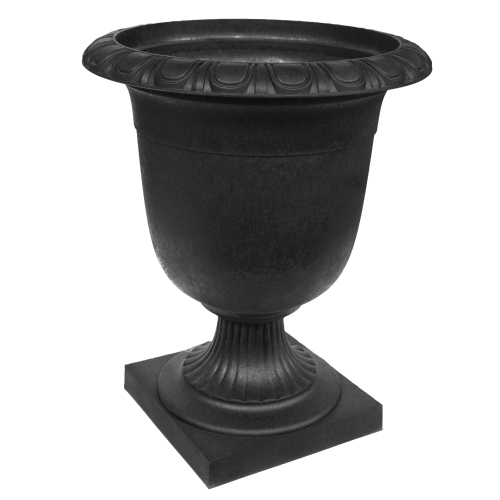 Your price for this item is $204.99
-
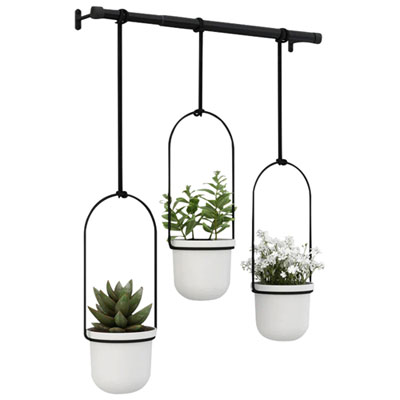 Your price for this item is $65.98
-
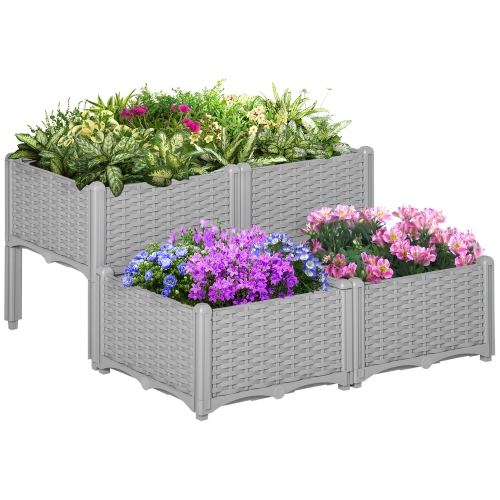 Your price for this item is $94.99
-
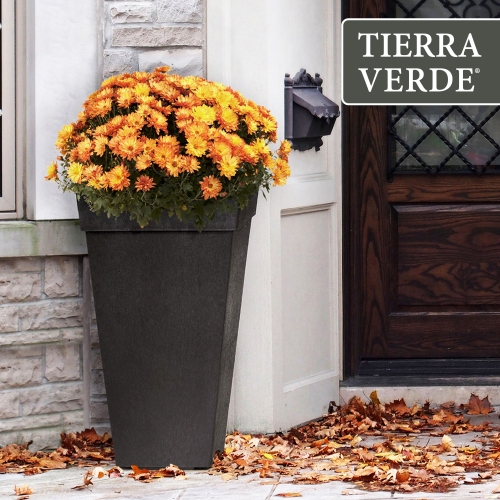 Your price for this item is $187.99
-
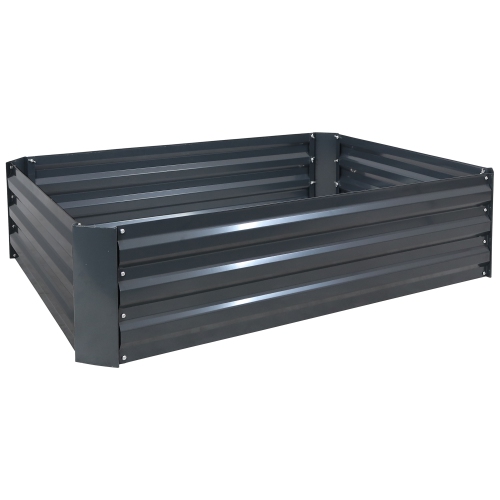 Your price for this item is $117.75
-
 Your price for this item is $117.75
-
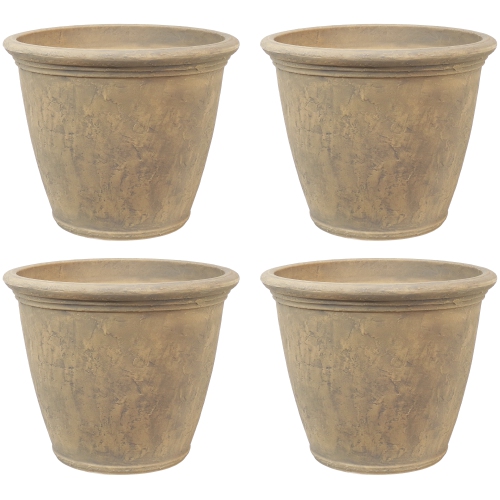 Your price for this item is $415.35
-
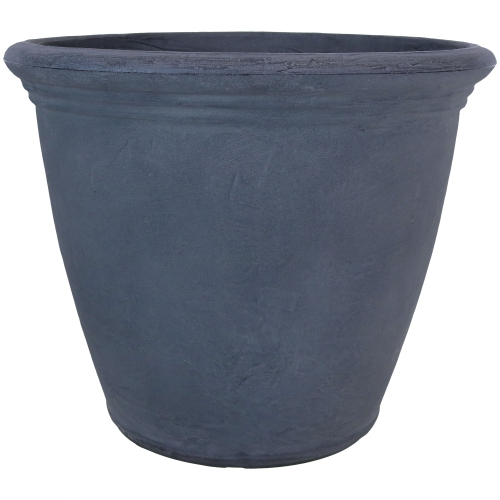 Your price for this item is $134.25
Discover more categories related to Front Door Flower Pots
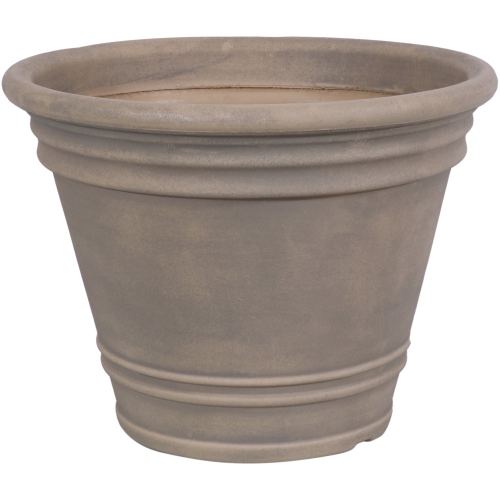

Top Collections:
Best Black Friday Deals This Year, Best Black Friday Deals On Electronics, Kindle Devices, Pokemon Centers, Best Black Friday Deals On Apple Products, Best Cameras for Sports Photography, Dyson Airwrap, Pokémon 30th Celebration Cards, Apple iPhone 17 Pro, Canon G7X Cameras
Some products may be subject to Environmental Handling Fees
(EHF) depending on your province.
Learn more about EHFs.