Spring Outdoor Flower Pots
Spring Outdoor Flower Pots add a fresh touch to patios, balconies, and gardens, making it easy to showcase your favorite blooms as the seasons change. With a range of styles, sizes, and colors available, it's simple to find the perfect match for any outdoor space. Whether you're looking to brighten up your entryway or create a vibrant backyard retreat, Spring Outdoor Flower Pots offer plenty of options to suit every taste and setting. Explore the collection to bring seasonal color and charm to your home’s exterior.
Sort
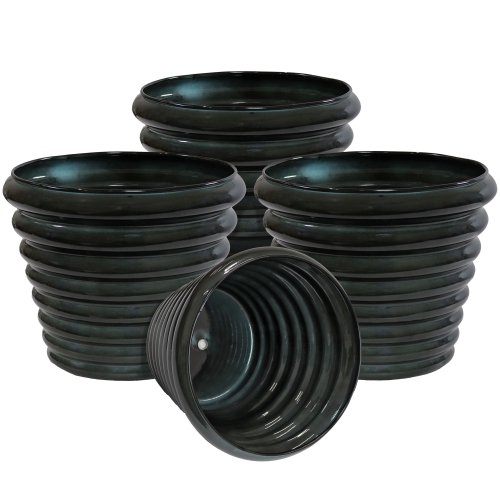
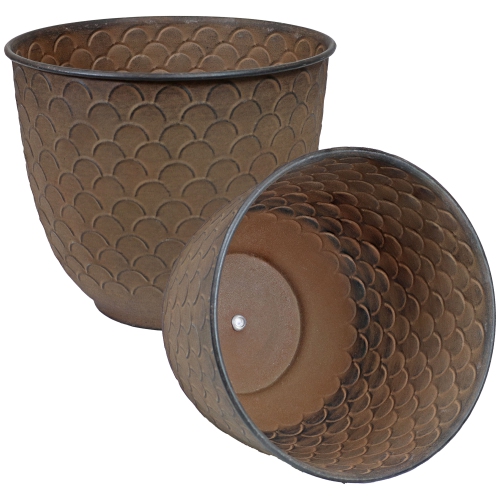
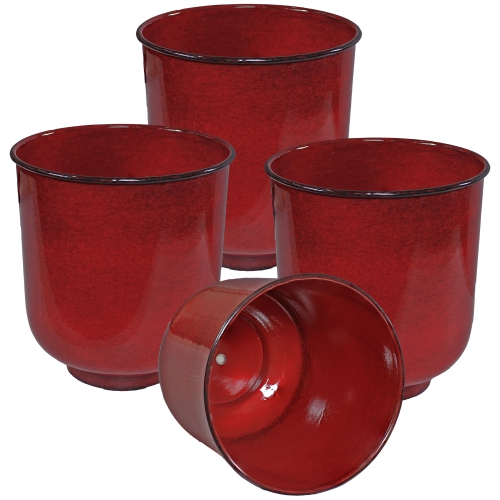
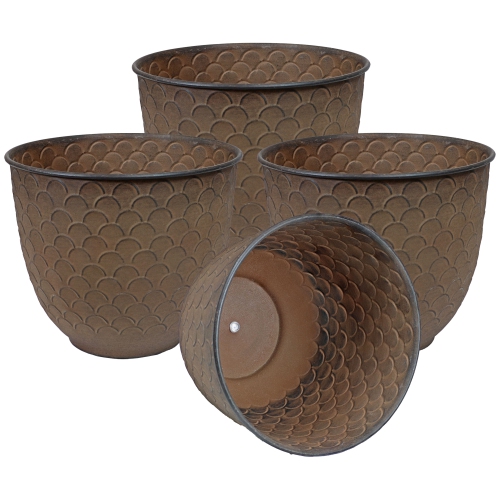
What helps potted blooms weather spring rain and frost
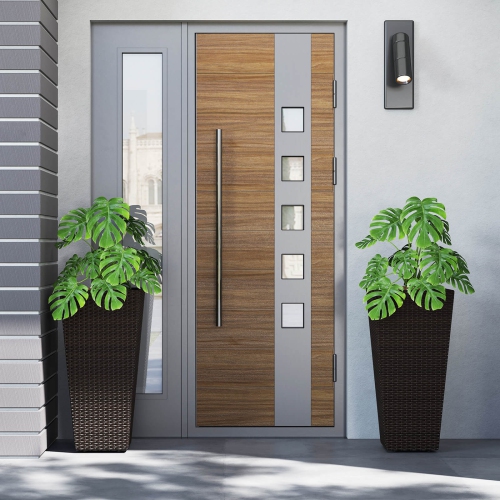
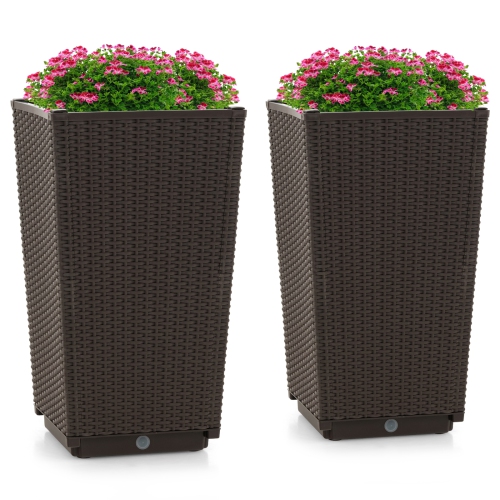
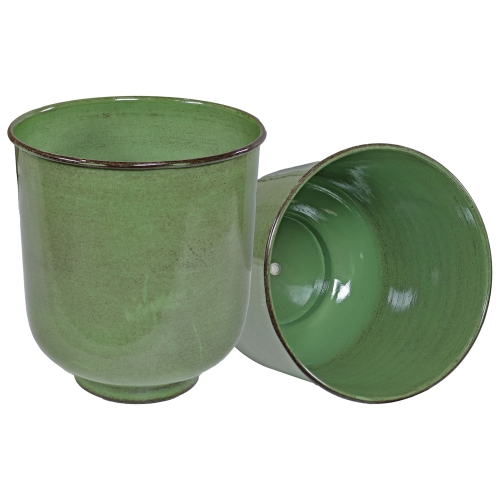
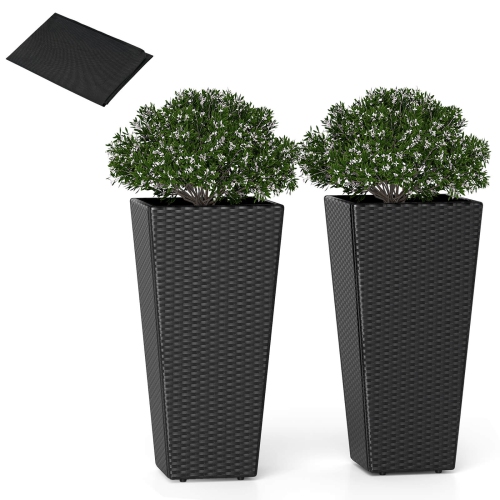
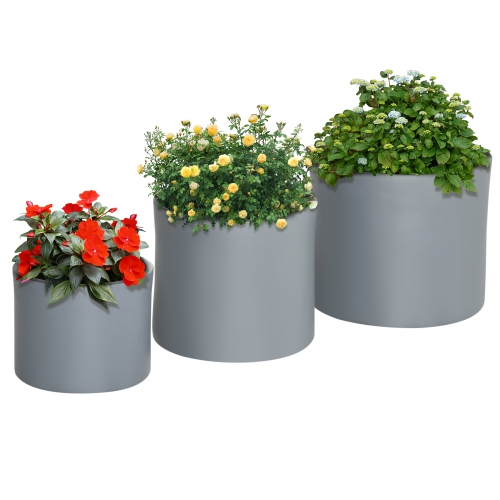
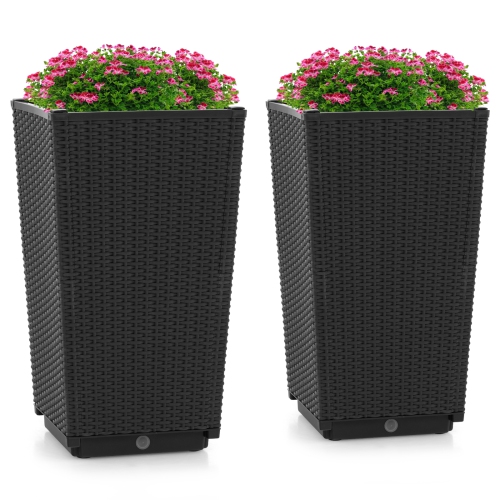
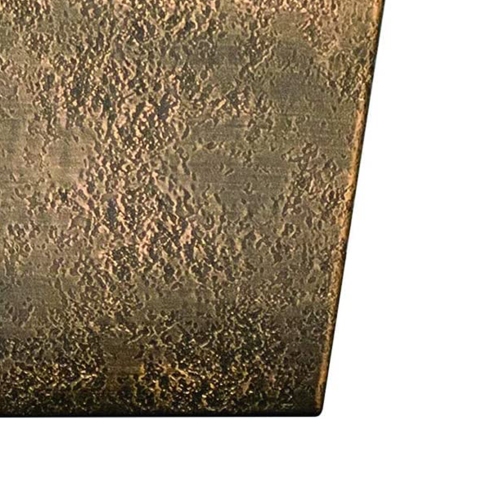
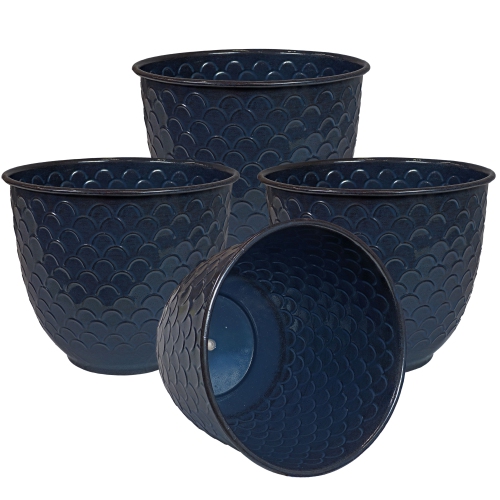
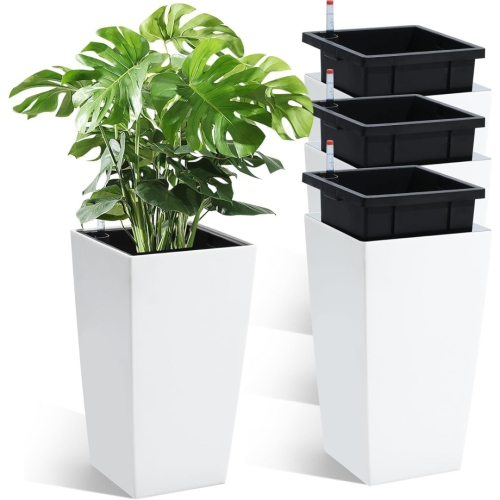
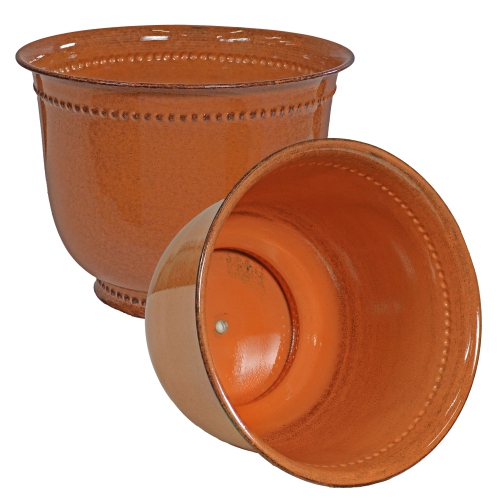
Spring outdoor flower pots give cool-tolerant blooms a place on front steps, balconies and patios, even where there’s no room for a garden bed. A weather-resistant pot with open drainage holes and a stable base is a good fit for spring displays, when rain, wind and occasional frost can all affect an exposed container. Material matters as much as shape. Unglazed terracotta has a warm, matte finish that pairs well with soft spring colours. Its porous walls let potting mix dry faster, which suits plants that prefer to dry out slightly between waterings but means paying closer attention to pots on a sunny step. Terracotta can crack if it becomes saturated and then freezes. Glazed ceramic holds moisture longer than unglazed clay and has enough weight to sit steadily on a sheltered porch, but a glossy finish alone doesn’t make a pot frost-resistant. When a container will sit outdoors through freezing nights, look for a frost-resistance rating rather than relying on the material alone. Outdoor-rated resin and fibreglass are generally lighter than thick ceramic, which makes a filled pot easier to move away from an exposed railing or under cover. On a windy balcony, a broad base and a low profile matter more than an extra bit of height. It’s worth picturing the pot with its plants at full size, too. A wide bowl might fit beside the front door when empty but leave too little room for stems to spread without brushing the door or narrowing the walkway. On a small stoop, one upright planter can frame the entrance without taking up as much floor space as a pair. Before settling on a size, compare the outside footprint with the usable planting space inside. A thick rim or sharply tapered base can leave less room for roots than the widest measurement suggests, while a generously sized pot can get surprisingly heavy once it’s filled with damp potting mix.
The shape of a spring flower pot can help the planting look full without crowding it. A shallow bowl on a low wall is often seen from above, where a loose grouping of pansies or violas shows off the markings on their petals. A taller pot beside a doorway can carry a more upright arrangement: a small cluster of cool-tolerant flowers for height, a lower band of blooms to fill the middle, and foliage that softens the rim without trailing into foot traffic. There’s no need to fit all three layers into every container. A row of matching pots with the same flower in two colours can look just as considered, particularly along a narrow porch where several different shapes might feel busy. Pots viewed mostly from the front can hold taller stems toward the back, while a container seen from several seats on a patio usually looks more balanced with the taller growth near the centre. Pansies, violas and many primroses suit spring displays because they favour cool conditions, but cool-tolerant doesn’t mean unharmed by every freeze. A smaller pot that can be carried to a sheltered spot offers flexibility when a hard frost is expected. Light also matters within a few steps of the same entrance. A pot under a deep overhang may get gentle morning light and little rainfall, while a pot at the bottom of the stairs gets direct sun and catches every shower. Group plants with similar light and watering needs in each container, even if a pair of pots shares the same finish and colour. A small pot can show off a handful of blooms at close range but holds less mix and dries out faster. A wider, deeper container gives a mixed arrangement more root room and holds moisture longer, though it still needs to drain freely. Leaving a little space between young plants lets them fill in without having to compete for room from the start.
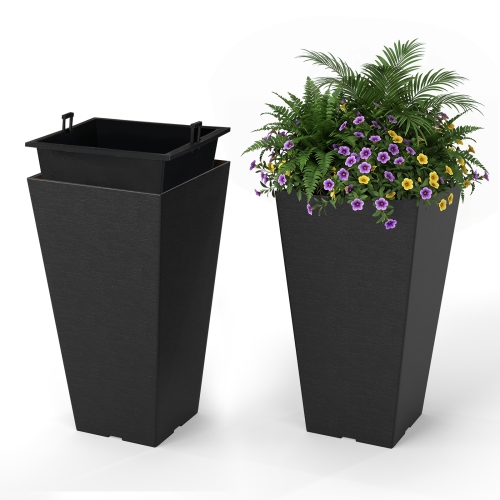
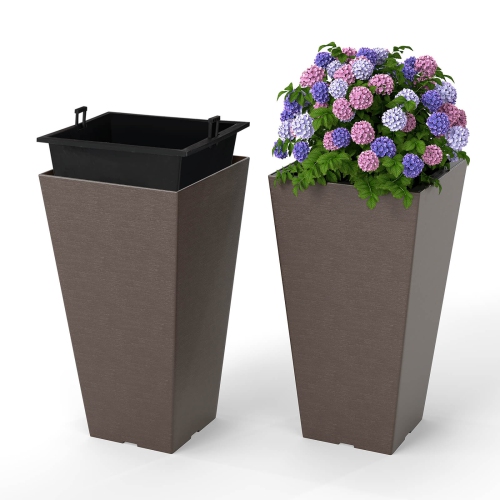
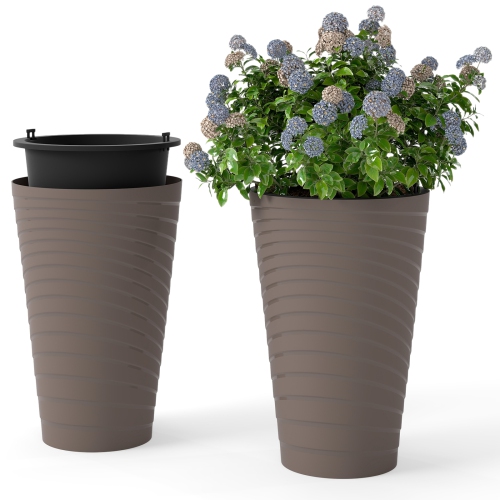
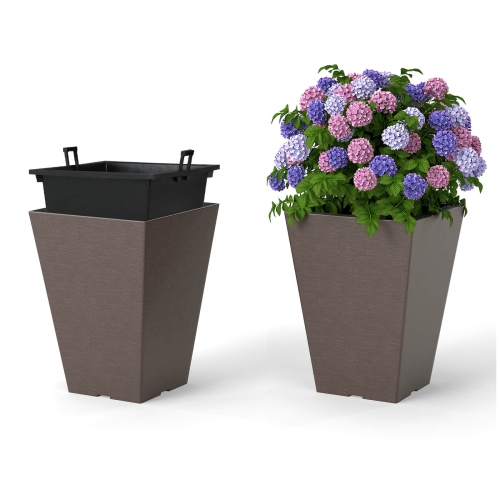
Good drainage is especially important for a spring pot that catches rain. An outer pot without a drainage hole can still hold a removable inner pot, provided the inner pot can be lifted out for watering and any collected water can be emptied before it goes back in. For flowers planted directly in the container, drainage holes and a mix made for pots help keep the roots from sitting in water. A layer of stones at the bottom doesn’t replace a drainage hole and takes up space that could hold mix. On a level patio, stable pot feet can lift a flat base just enough to keep an outlet from sitting flush against the paving. On a balcony where runoff matters, a saucer can catch drips, but emptying it after watering or rain keeps the base from sitting in a puddle. A quick feel of the mix below the surface is more useful than a fixed watering schedule: a bowl in the open may still be damp after a shower that never reached the pot under the porch roof. Between plantings, brushing away loose soil and clearing blocked holes makes the pot easier to refill; frost-sensitive containers are better stored empty, clean and dry if they won’t be used through freezing conditions. The same practical details make a flower pot a thoughtful housewarming gift. For someone with a small balcony, an easy-to-lift pot leaves room for a chair and can be moved for watering. For a gardener with a broad front landing, a deeper pot might offer room for a fuller display year after year. For spaces that call for a different depth or footprint, browse Garden Flower Pots with the planting spot in mind. A pot that fits the space and the way it’s watered can hold an early display of pansies and be replanted later without having to rearrange the patio.
Top selling and popular products
-
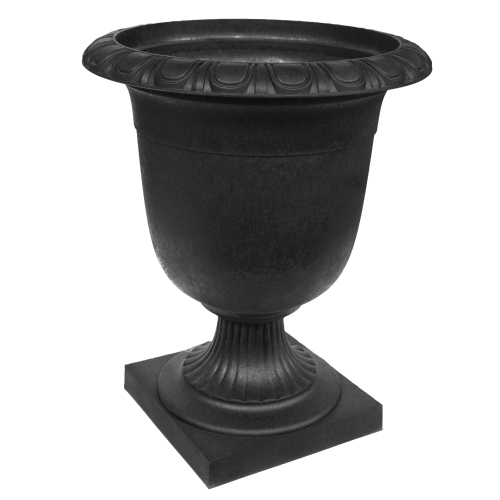 Your price for this item is $204.99
-
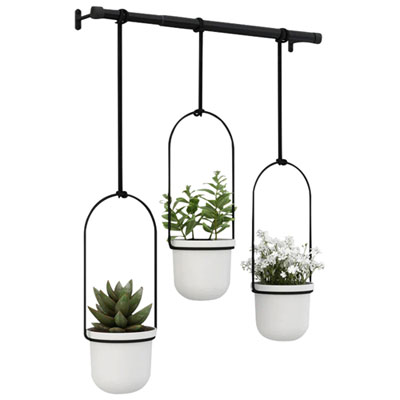 Your price for this item is $65.98
-
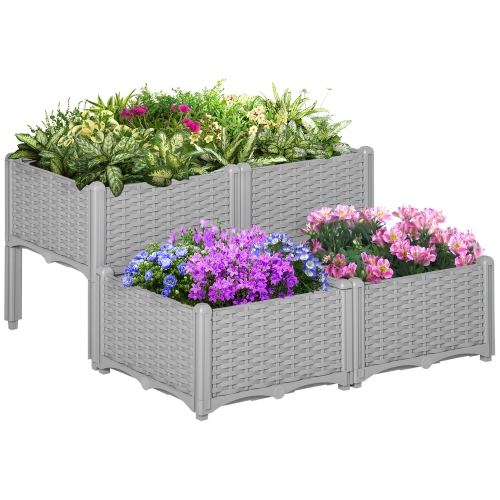 Your price for this item is $94.99
-
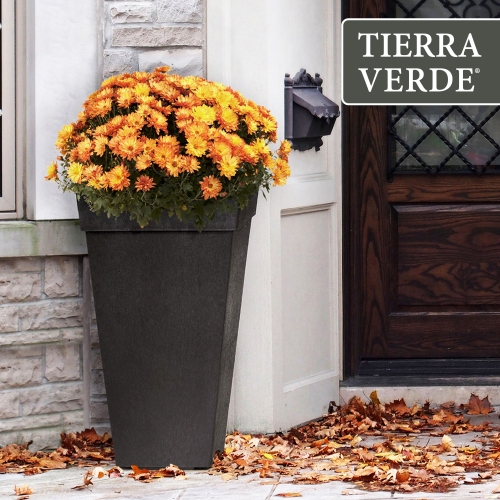 Your price for this item is $187.99
-
 Your price for this item is $117.75
-
 Your price for this item is $117.75
-
 Your price for this item is $415.35
-
 Your price for this item is $134.25
Discover more categories related to Spring Outdoor Flower Pots
Top Collections:
Best Black Friday Deals This Year, Best Black Friday Deals On Electronics, Kindle Devices, Pokemon Centers, Best Black Friday Deals On Apple Products, Best Cameras for Sports Photography, Dyson Airwrap, Pokémon 30th Celebration Cards, Apple iPhone 17 Pro, Canon G7X Cameras
Some products may be subject to Environmental Handling Fees
(EHF) depending on your province.
Learn more about EHFs.