Frosted Bathroom Doors
Elevate the style and functionality of your bathroom with our collection of frosted bathroom doors. These sleek and modern doors offer privacy while allowing natural light to filter through, creating a bright and airy atmosphere in your space. Whether you're looking to update your current bathroom design or add a contemporary touch to a new construction, our selection of frosted doors provides a perfect balance of form and function. Browse through our range of sizes and styles to find the ideal fit for your bathroom upgrade project.
Sort
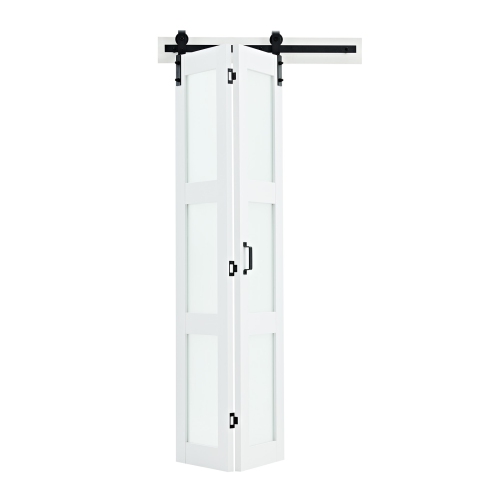
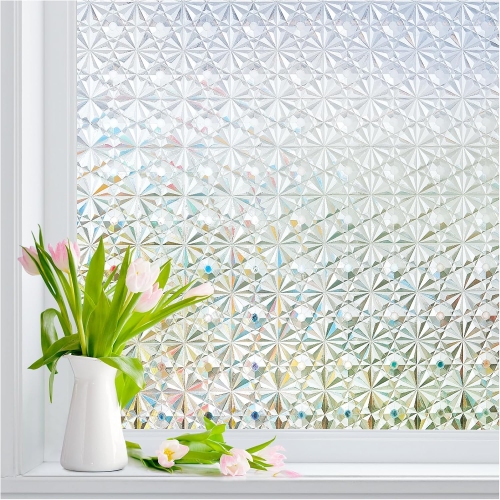
Balance bathroom privacy with brighter, more open interiors
Frosted bathroom doors are a practical way to bring more light into a private space without leaving the room fully exposed. The softly blurred surface allows daylight or hallway light to pass through while obscuring clear views, making the bathroom feel brighter and more open than it might with a solid door. This balance can be especially helpful in homes with compact bathrooms, ensuite spaces beside bedrooms, or interior rooms that do not have a large window. Frosting may cover the entire panel or appear in selected sections, and textured finishes such as reeded, patterned, or obscured glass can add visual interest while maintaining privacy. The right choice depends on the character of the room and how the door will be used. A simple single-panel design can suit a clean, contemporary space, while a multi-panel door may complement traditional trim, shaker cabinetry, or a heritage-inspired home. Frosted glass can also soften the transition between adjoining rooms, creating a gentle wash of light in the morning or a warm glow from the bathroom in the evening. For households with children, guests, or shared living areas, the added privacy can make daily routines feel more comfortable. It can also be a thoughtful housewarming choice when paired with compatible door hardware, although the door’s size, handing, frame style, and installation requirements should always be confirmed before purchase. Frosted bathroom doors are generally selected for function first, but their finish can have a noticeable effect on the atmosphere of the entire hallway.
Before choosing a door, measure the opening carefully and confirm whether the project requires a complete prehung door, a door slab, or a replacement panel for an existing frame. Record the width, height, and thickness of the current door, and check which way it swings so the new door will not interfere with a vanity, toilet, towel bar, or nearby wall. Pocket doors and barn-style sliding doors can help conserve floor space, while a traditional hinged door may provide the most familiar operation and a stronger seal around the opening. The available wall area, location of studs, trim, and clearance around fixtures all affect which configuration will work best. Glass thickness, edge treatment, frame material, and hardware compatibility are also worth reviewing. For a bathroom, look for a design intended for interior use in a humid environment, with durable construction and an easy-to-clean surface. If the door includes glass, check the specifications for safety glazing, such as tempered glass, and confirm that the product is appropriate for local building requirements and the intended installation. Frosted glass does not always provide the same degree of privacy from every angle or under every lighting condition; a strongly backlit room may reveal more outlines than expected, while heavier textures generally obscure shapes more effectively. Viewing the finish in both natural and artificial light can help set realistic expectations. Keep in mind that frosted surfaces can show fingerprints, water marks, and dust, particularly near handles, so a smooth, non-porous finish and accessible edges can make regular care easier. For cleaning, follow the manufacturer’s instructions and use a soft cloth with a mild, non-abrasive solution rather than harsh powders, scouring pads, or sharp tools that could affect the finish. Drying the surface after cleaning helps maintain a clear, even appearance, especially in bathrooms where steam and splashes are part of everyday life.
The style of a frosted bathroom door can be coordinated with more than the bathroom itself. Match its frame or hardware to nearby faucets, cabinet pulls, lighting, and other interior doors for a considered look, or use a contrasting finish to create a subtle focal point at the end of a corridor. White and light-toned frames can keep a small area feeling airy, while darker hardware can give textured glass a more architectural appearance. If the bathroom has a shower enclosure, consider how the door’s opacity and pattern will relate to the glass in that area; a coordinated look may be created with Bathroom Shower Doors featuring a complementary texture or hardware finish. Privacy needs may vary within the same home. A shared main bathroom may benefit from a highly obscured panel, whereas an ensuite connected to a private bedroom could use a lighter texture that emphasizes natural light. Homes with older or narrower openings may require careful attention to custom dimensions, trim depth, and the condition of the existing jamb. During the cooler months, when bathrooms may feel darker and condensation can linger on nearby surfaces, a frosted glass panel can help borrow light from adjacent rooms without sacrificing separation. Good ventilation remains important, as a door cannot replace an exhaust fan or proper airflow. Plan the installation around the bathroom layout, allow enough room for comfortable entry, and confirm that the selected hardware can support the door’s weight. With accurate measurements, appropriate safety specifications, and a finish suited to the room’s lighting and décor, a frosted bathroom door can provide lasting privacy while giving the space a brighter, more polished feel.
Top selling and popular products
-
 Your price for this item is $44.99
-
 Your price for this item is $44.99
-
 Your price for this item is $89.99
-
 Your price for this item is $114.99
-
 Your price for this item is $19.95
-
 Your price for this item is $79.99
-
 Your price for this item is $45.99
-
 Your price for this item is $19.99
Discover more categories related to Frosted Bathroom Doors



Top Collections:
Pokemon Centers, Best Cameras for Sports Photography, Kindle Devices, Samsung Galaxy Phones, Canon G7X Cameras, Pokémon 30th Celebration Cards, Refurbished Apple Laptops, iPhone 15 Apple, Laptops for Students, Budget Smartphones
Some products may be subject to Environmental Handling Fees
(EHF) depending on your province.
Learn more about EHFs.