Full Size Beds for Small Spaces
Full Size Beds For Small Spaces offer a smart solution for maximizing comfort without sacrificing valuable square footage. Perfect for apartments, guest rooms, or cozy bedrooms, these beds provide ample sleeping space while fitting seamlessly into compact areas. Explore a range of styles and designs that make it easy to create a restful retreat, even when space is at a premium. Find the ideal Full Size Bed For Small Spaces to suit your needs and enhance your home’s layout with ease.
Sort
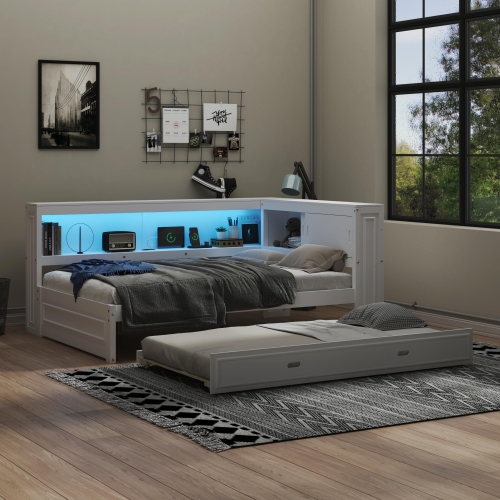
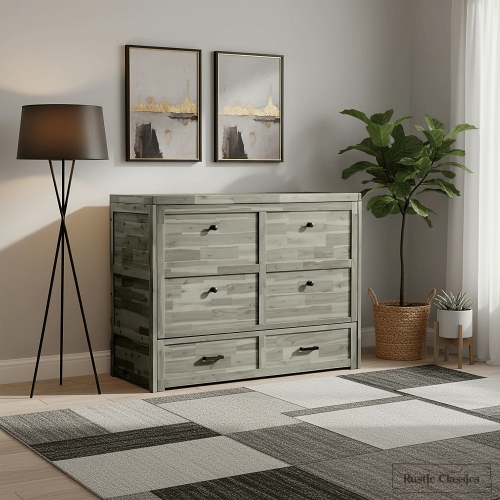
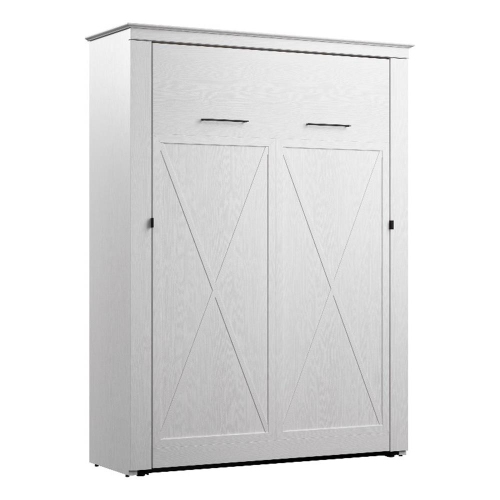
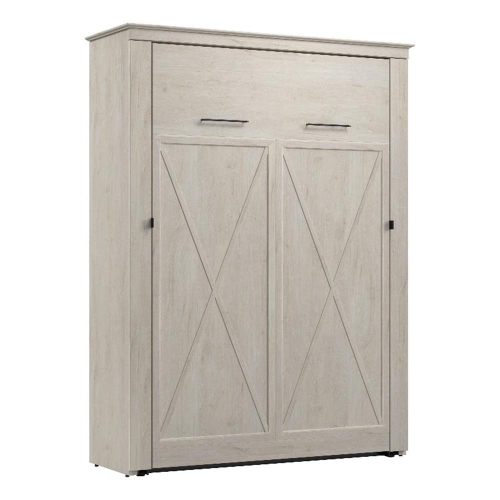

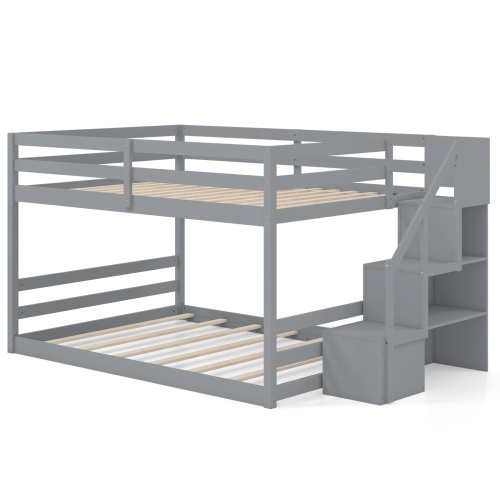
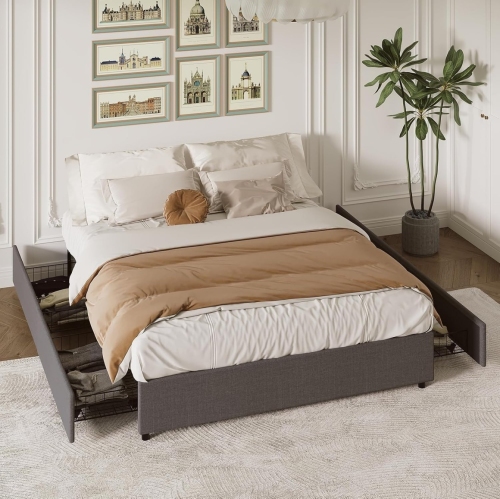
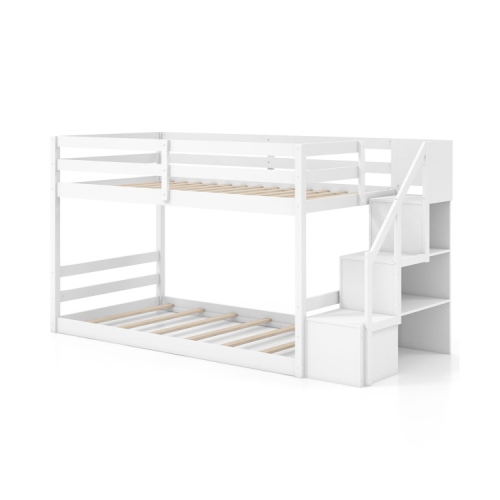
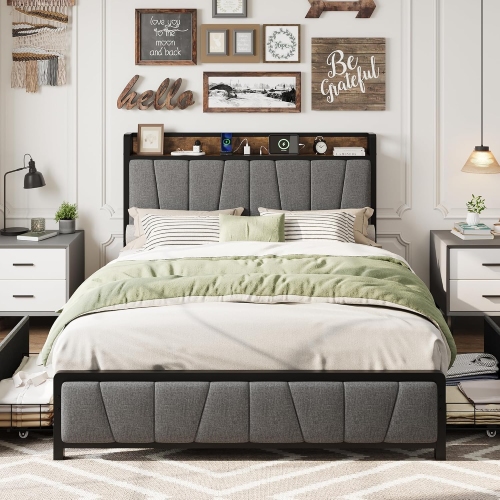
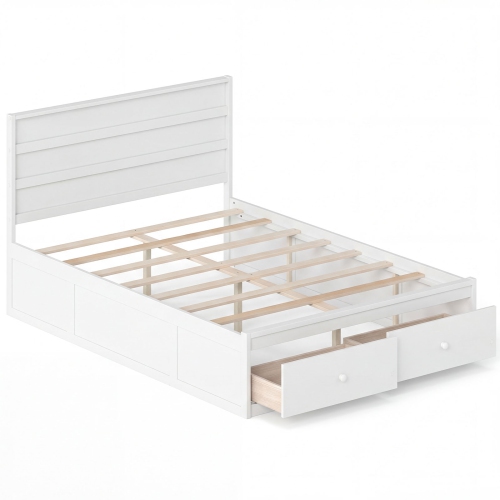
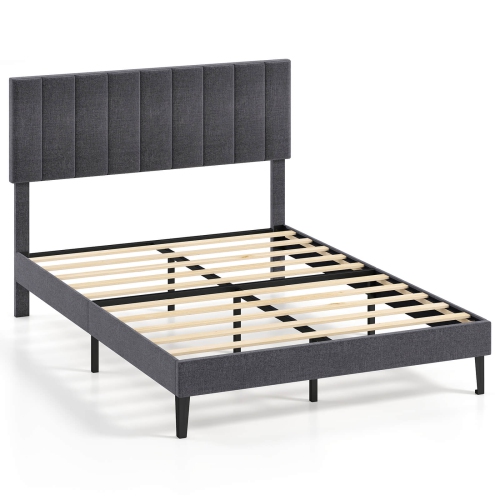
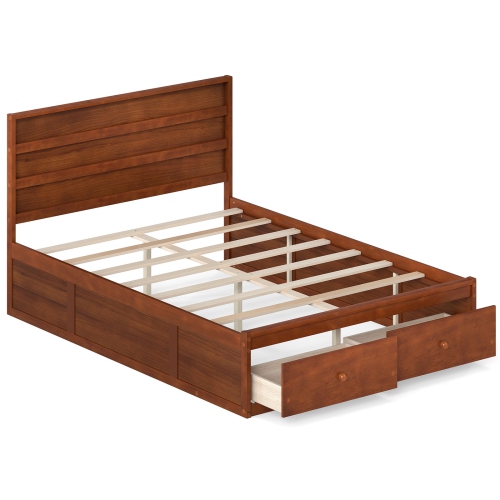
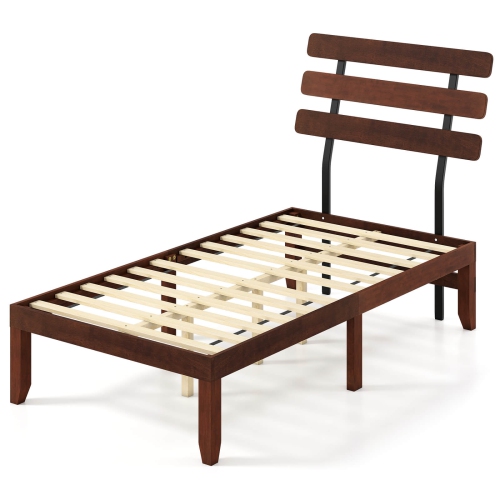
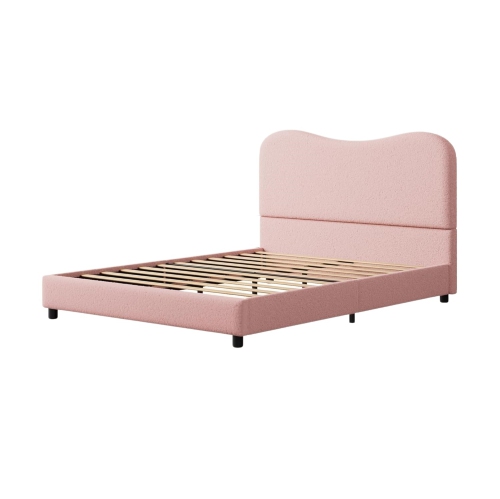
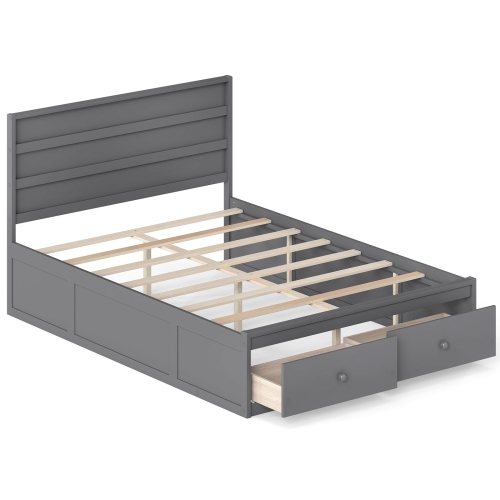
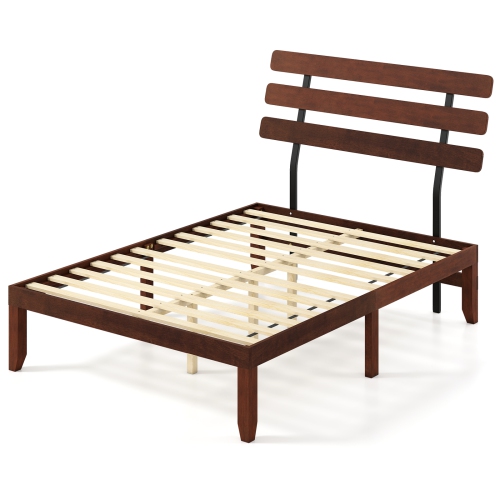
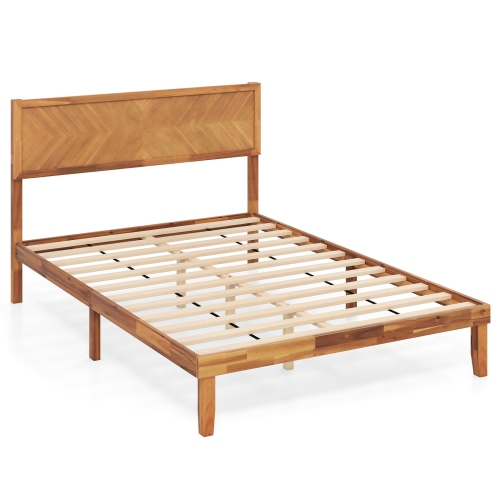
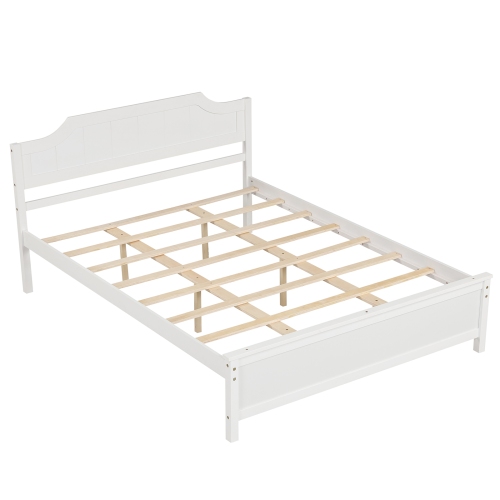
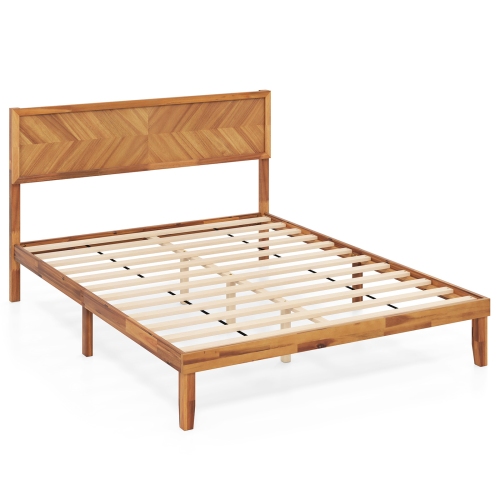
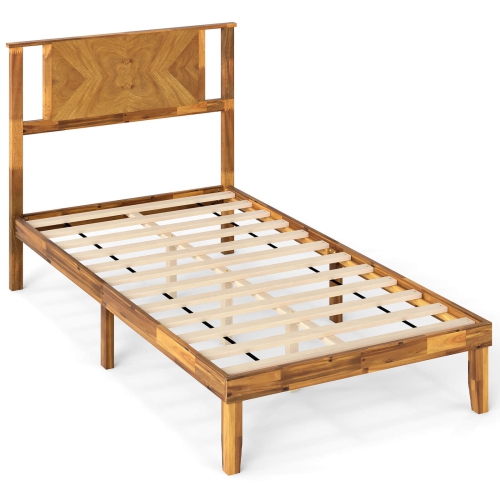

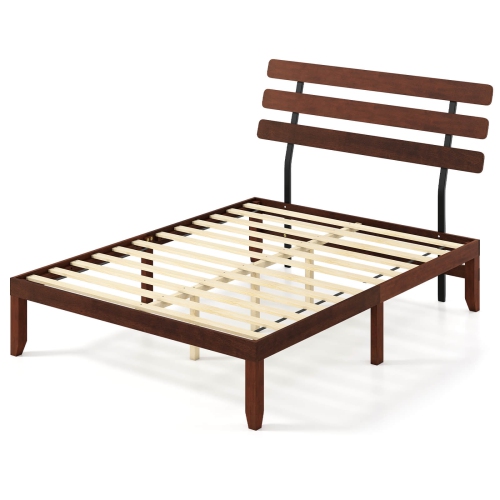
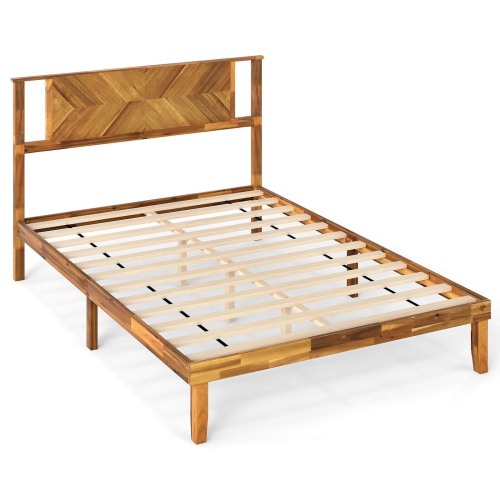
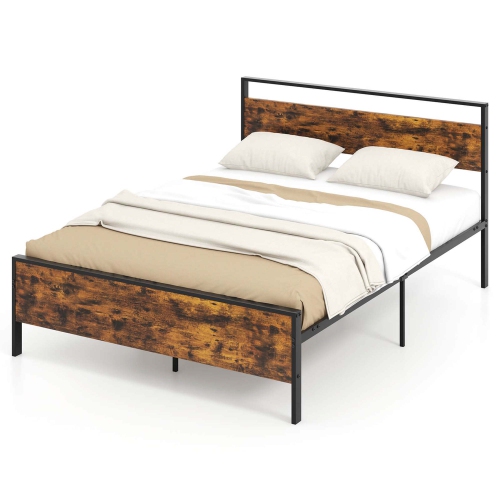
A comfortable bed still needs room around it
Full-size beds for small spaces offer a comfortable sleeping area without taking up as much floor space as a queen-size bed. A standard full-size mattress, also called a double mattress, measures approximately 54 inches wide by 75 inches long. A bedroom measuring about 9 feet by 11 feet can accommodate a full-size bed with a practical layout, although the bed frame’s outer dimensions, door placement and other furniture determine how comfortably everything fits. The mattress measurement alone does not represent the bed’s total footprint: upholstered sides, a substantial headboard or an extended footboard can add several inches. In a compact bedroom, those extra inches can affect whether a dresser drawer opens fully or someone can walk past the foot of the bed without turning sideways. A full-size bed is often well suited to a single adult, a teenager moving into a larger bed, or a guest room that also serves as a home office. It can accommodate two people, but offers less personal sleeping space than a queen, making individual comfort preferences especially important for regular shared use. Taller sleepers may also prefer more length than a standard full provides. The most useful layout leaves room for everyday movement rather than simply fitting the bed between two walls. Access to a wardrobe, a clear route to the doorway and space beside the mattress for changing sheets all contribute to a room that feels manageable. Placing one side against a wall can free up floor space for a desk or reading chair, though it makes access less convenient for two sleepers. A centred arrangement provides access from both sides but may call for narrow bedside tables or wall-mounted shelves. Window positions, baseboard heaters and door swings also influence placement, while clear access to exits and adequate clearance around heating equipment remain essential. In a multipurpose room, the bed’s relationship to the work surface matters too: enough separation for a chair to pull out can make the room far easier to use.
The bed’s construction can make a noticeable difference to both its footprint and its usefulness. A frame with straight sides and little overhang generally uses space more efficiently than one with broad rails or a curved footboard. An open foot end can make movement around the bed easier, especially where the route to a wardrobe passes close to the mattress. For a simple foundation, Platform Beds for Small Spaces can support a streamlined layout, although platform construction does not automatically mean a smaller outer footprint. Many platform frames support a compatible mattress directly on slats or a deck, reducing the need for a separate box spring; the requirements of both the frame and mattress still apply. Slat spacing, centre support and the stated weight capacity are more important than appearance alone. Storage designs make use of the area beneath the mattress, which can be valuable when a small room has limited closet space. Drawers provide access to bedding or folded clothing, but need enough clear floor space to extend. A lift-up storage base may suit a layout where side drawers would be blocked, provided there is sufficient clearance to operate it safely and its lifting mechanism is used as directed. Raised frames offer another approach, leaving space for shallow storage containers and making the floor easier to reach for cleaning. Materials influence the look and upkeep of each design. Solid wood brings natural grain and can develop surface marks with use, while engineered wood offers a consistent finish whose durability depends on its construction and surface treatment. Metal frames can have slender profiles, though secure connections and suitable floor protection remain important. Upholstered frames add a softer texture, with fabric type, seam quality and cleaning requirements worth considering. A pale woven headboard may feel airy, while a darker, tightly woven covering may be more forgiving of visible everyday marks.
Long-term comfort depends on how the frame, mattress and room work together. A compact bed can still feel substantial when its joints are secure, its support system is appropriate and its mattress suits the sleeper. The frame’s stated load limit should be checked carefully, including whether it accounts for the mattress as well as the people using the bed. A deep mattress on a tall base can create a higher sleeping surface than expected, while a low frame may be less comfortable for someone who finds standing up from a low seat difficult. The combined height also affects bedside furniture: a surface close to mattress height keeps a lamp, glasses or a glass of water within easy reach. For a teenager’s room, a full-size bed can provide extra sleeping space while preserving room for studying and clothing storage. In a guest bedroom, an uncomplicated frame with accessible sides can make fresh bedding easier to put on between visits. A spare room used regularly for work benefits from a bed that does not obstruct the desk, chair or storage needed throughout the day. Practical care helps preserve both appearance and stability. Wood and metal surfaces generally benefit from gentle cleaning with products approved for their finish, while upholstered sections may need vacuuming with an appropriate attachment and prompt attention to spills according to the care label. Hardware can loosen through normal use or after a move, so periodic checks and tightening to the manufacturer’s specifications can help keep the frame stable. Under-bed storage should remain within its intended capacity, and bedding should not interfere with drawers or moving mechanisms. Protecting the floor beneath bed legs and lifting rather than dragging a frame during repositioning can reduce damage. With the right proportions and support, a full-size bed gives a smaller bedroom a comfortable focal point while leaving enough space for the routines that make the room useful every day.
Top selling and popular products
-
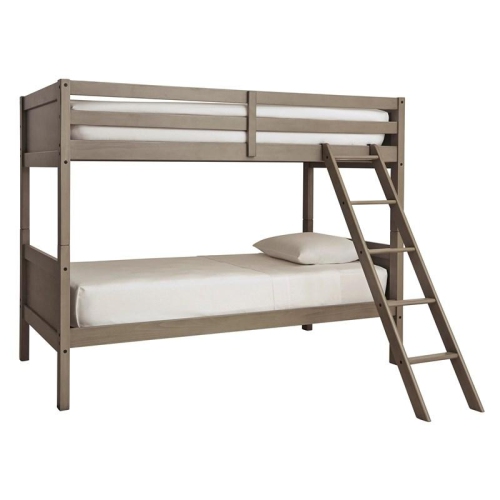 Your price for this item is $799.99
-
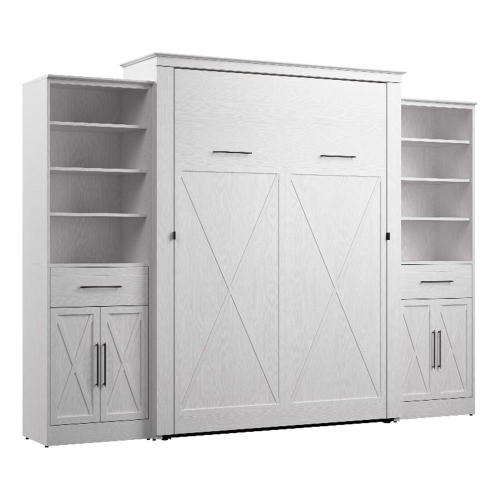 Your price for this item is $3519.99
-
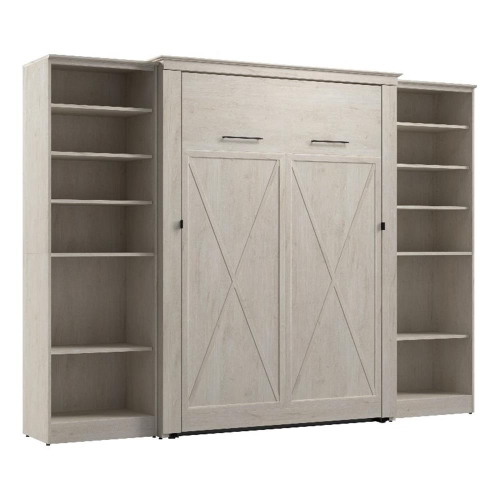 Your price for this item is $3099.99
-
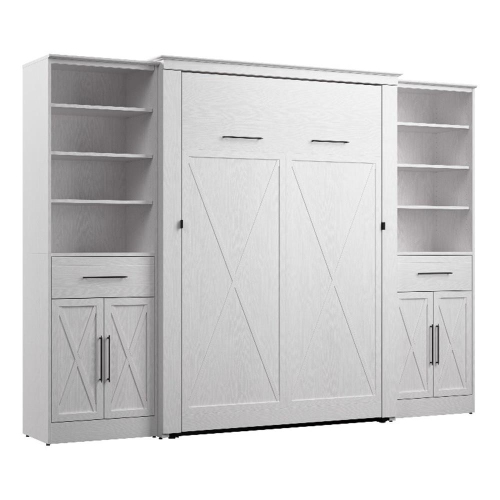 Your price for this item is $3349.99
-
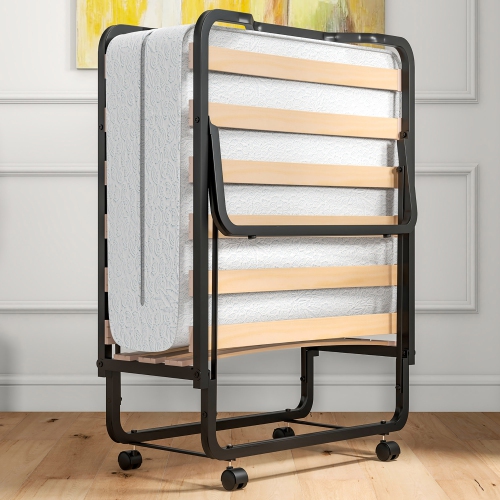 Your price for this item is $235.99
-
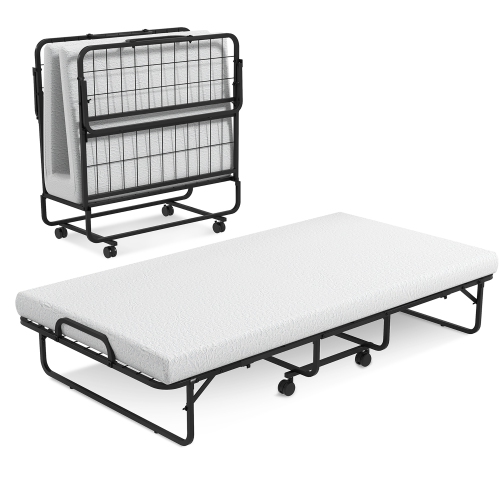 Your price for this item is $233.99
-
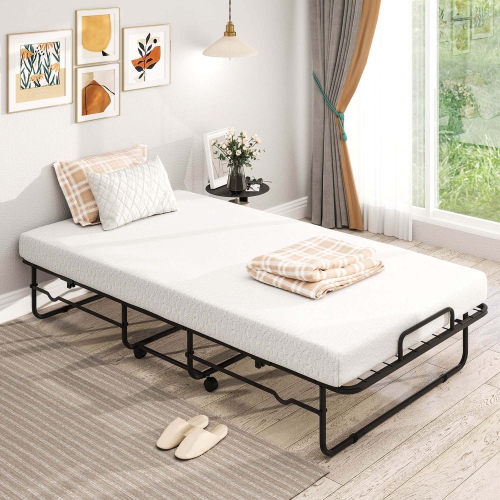 Your price for this item is $243.99
-
 Your price for this item is $364.99
Discover more categories related to Full Size Beds for Small Spaces

Top Collections:
Best Black Friday Deals This Year, Best Black Friday Deals On Electronics, Kindle Devices, Best Black Friday Deals On Apple Products, Best Budget Office Chairs, Best Cameras for Sports Photography, Dyson Airwrap, Canon G7X Cameras, Best Laptops for Writers, Samsung Galaxy Phones
Some products may be subject to Environmental Handling Fees
(EHF) depending on your province.
Learn more about EHFs.