Small Space Beds
Create a stylish and functional bedroom oasis with our selection of small space beds designed to maximize your living area without compromising on comfort or style. Whether you're furnishing a cozy apartment, guest room, or home office, our range of compact bed options offers innovative solutions to help you make the most of your space. From sleek platform beds to versatile daybeds and space-saving loft beds, find the perfect fit for your compact living quarters and transform your sleeping area into a chic retreat.
Sort

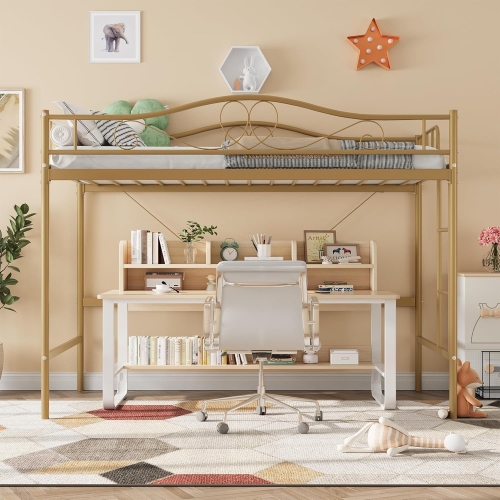
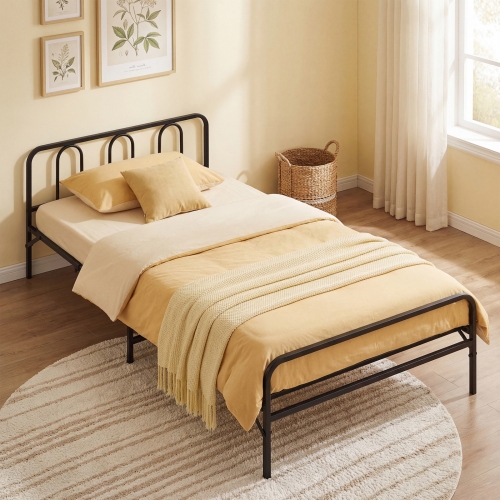
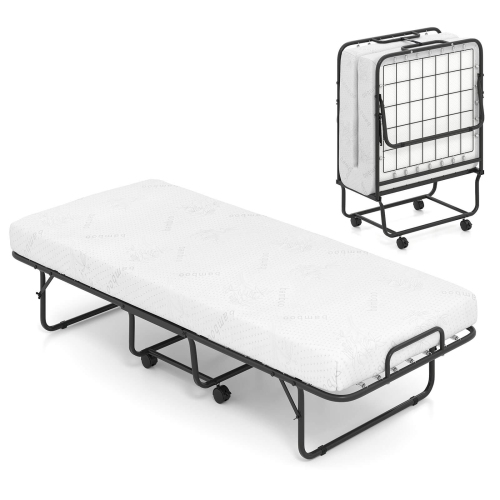
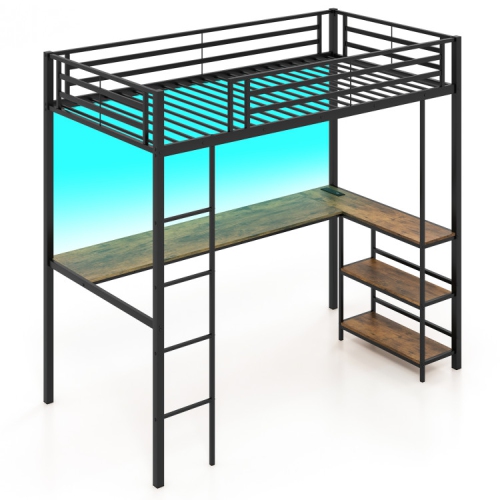
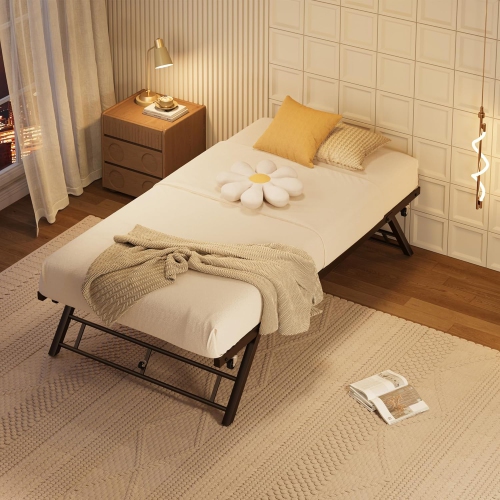
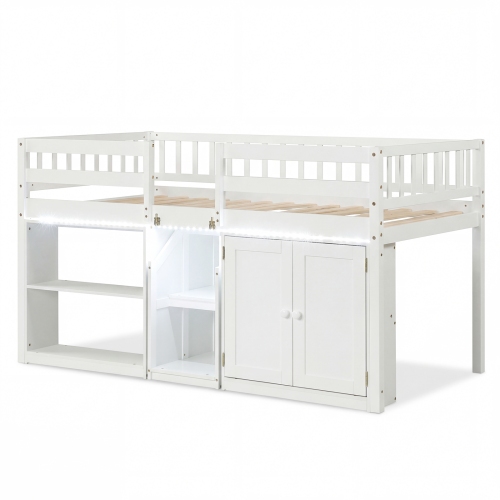
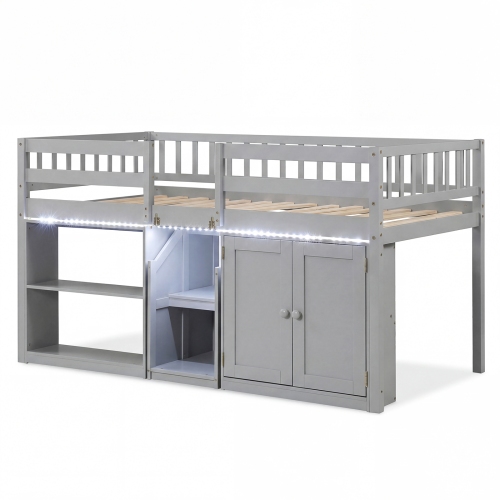
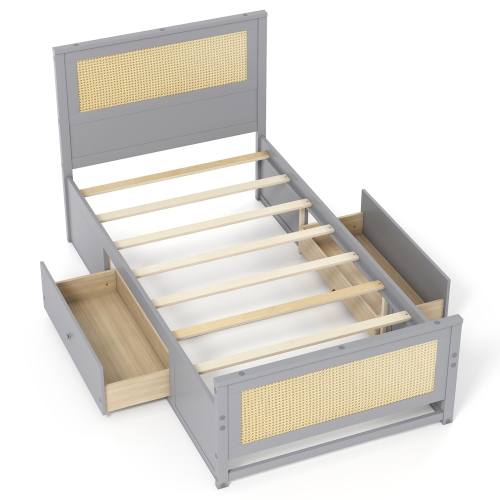
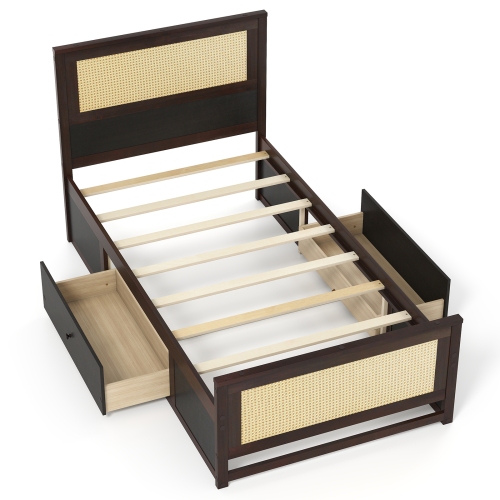



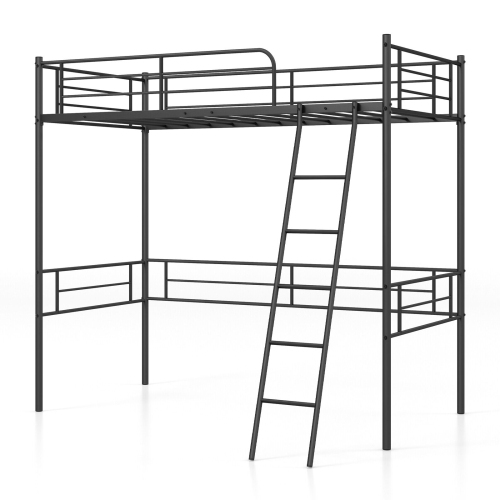
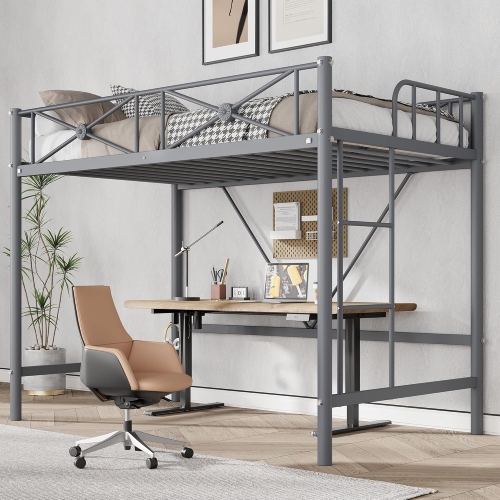

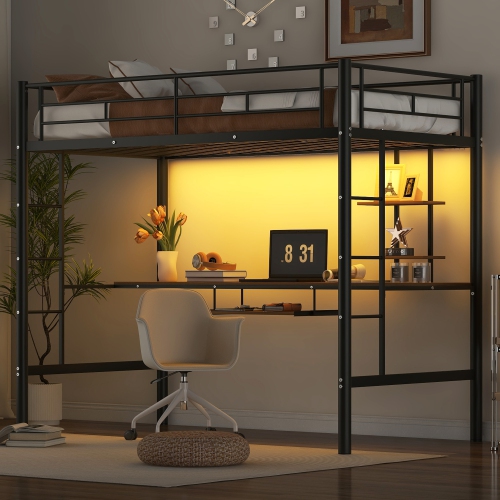



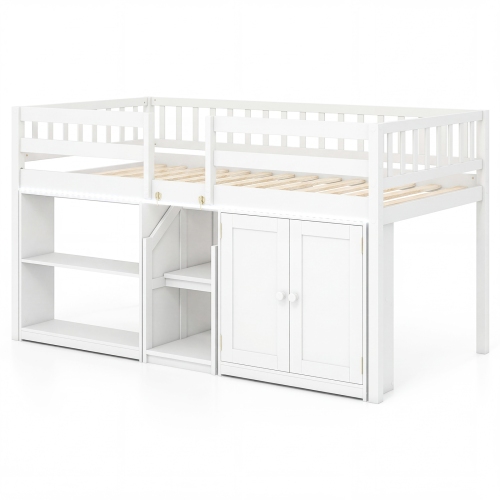
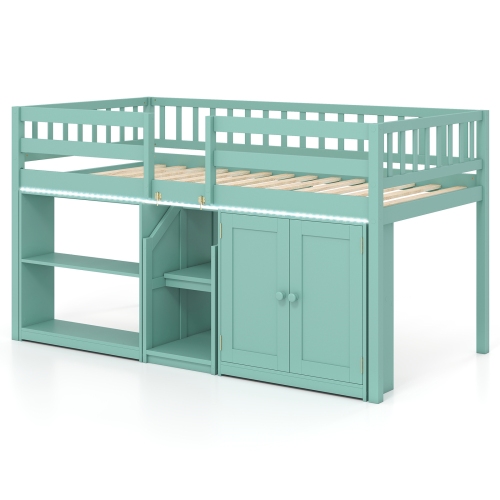
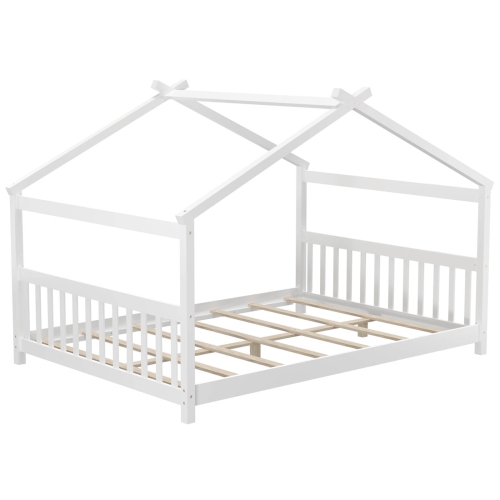
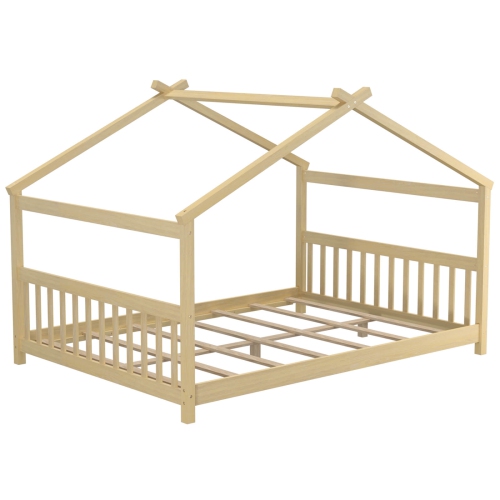






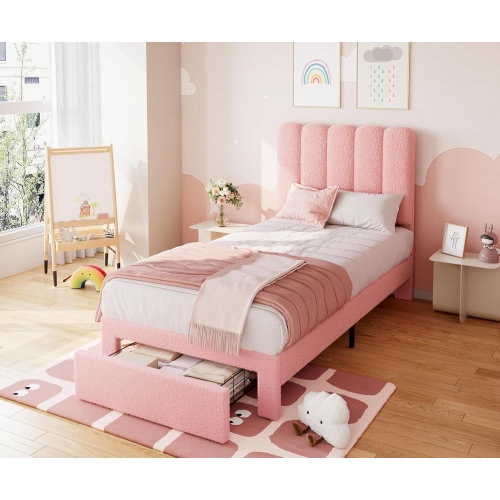
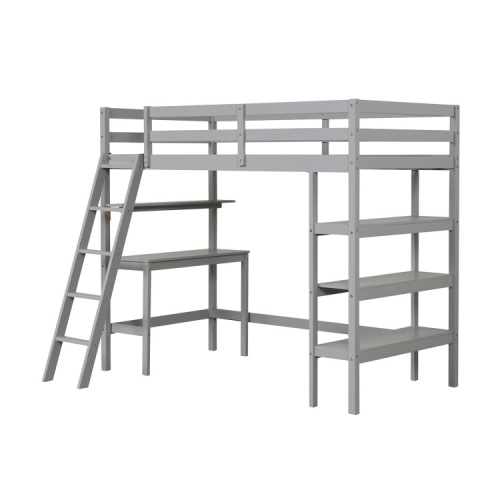
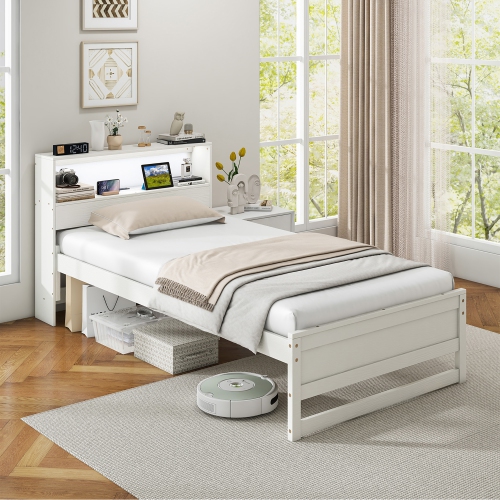

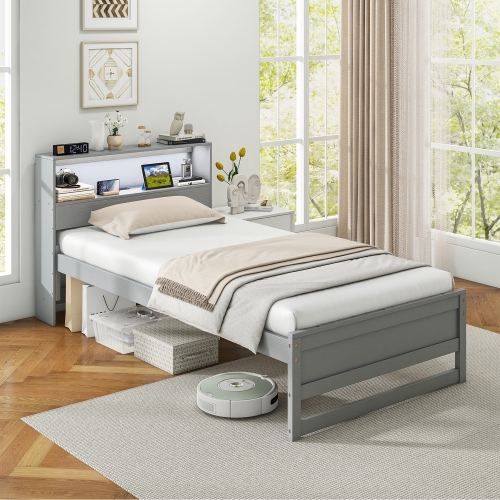

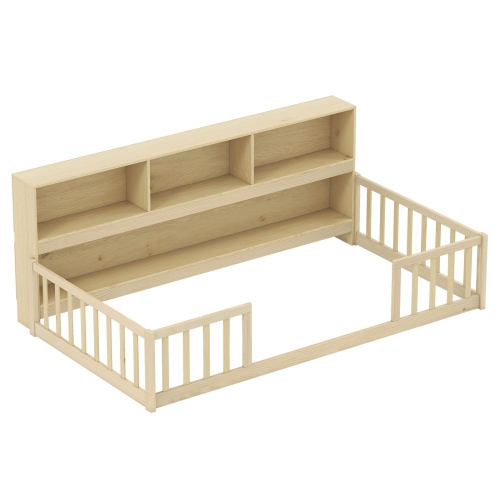
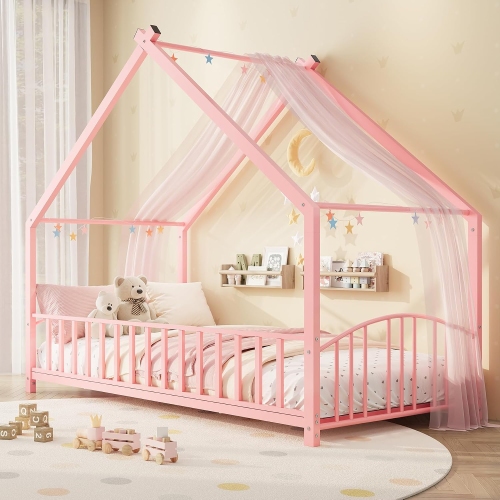

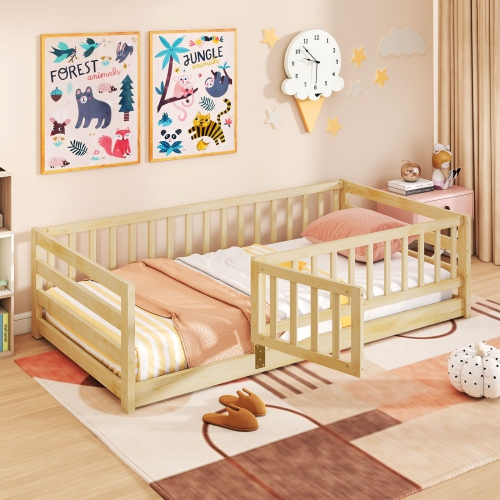
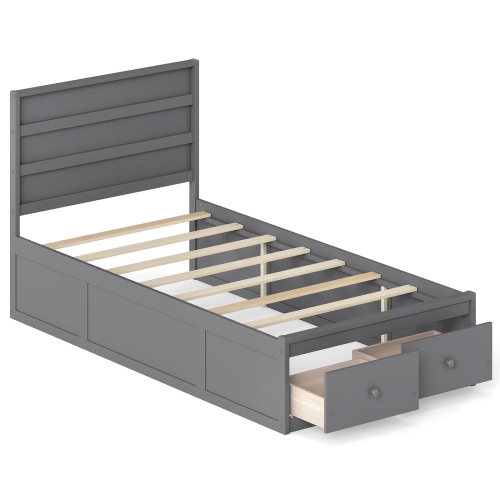
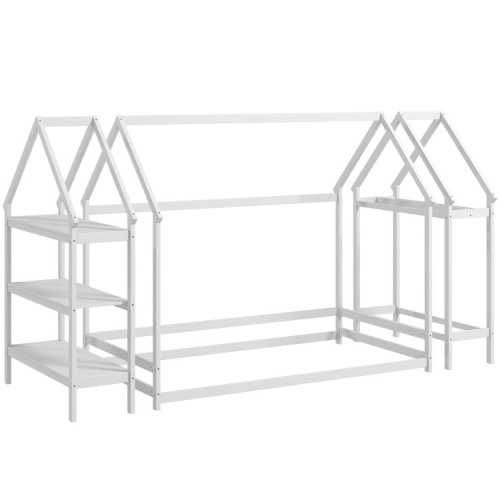
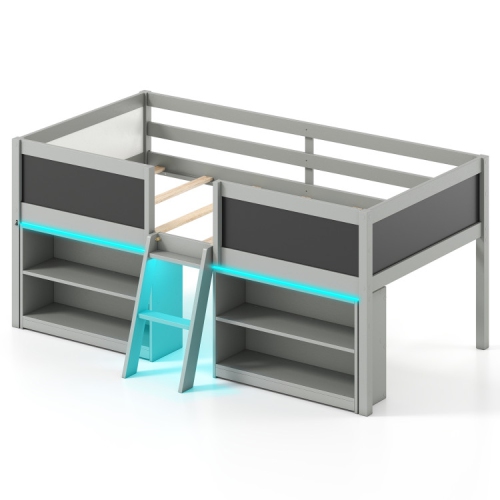
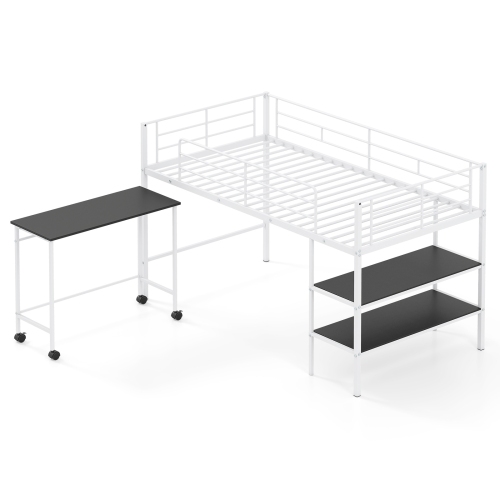

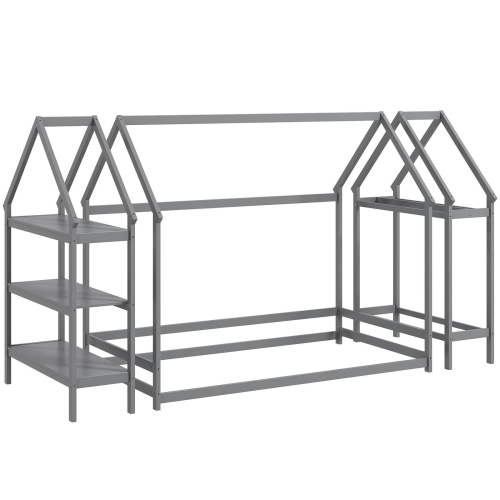
A better bed fit goes beyond mattress size
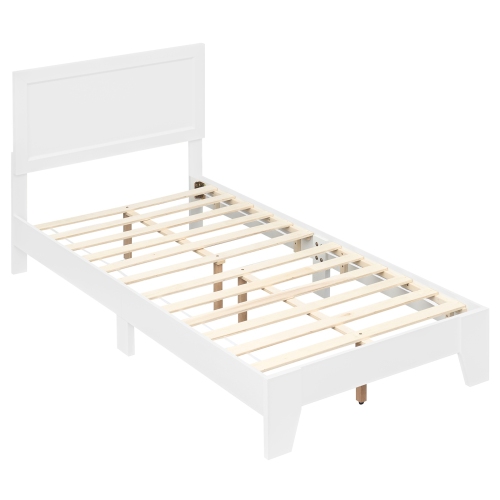
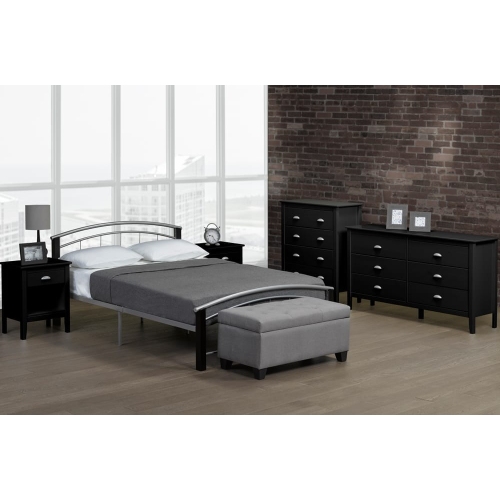
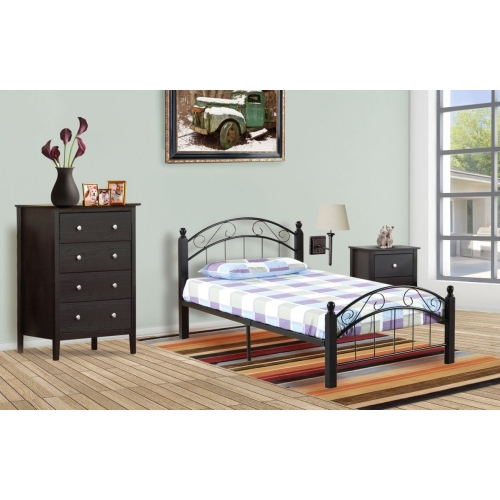
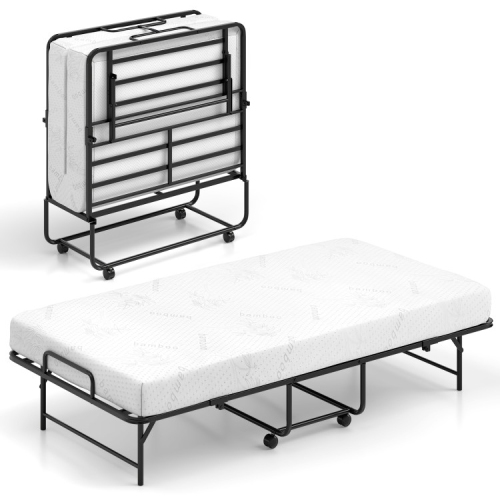
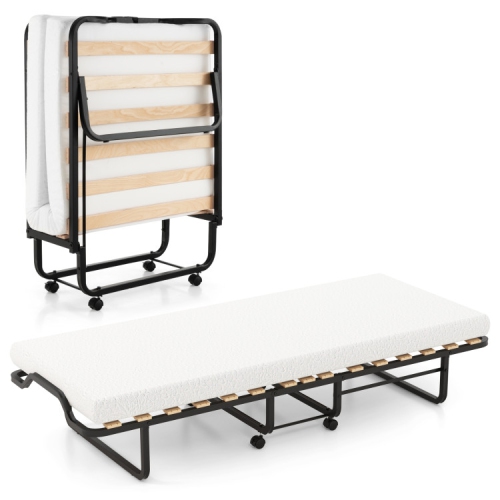
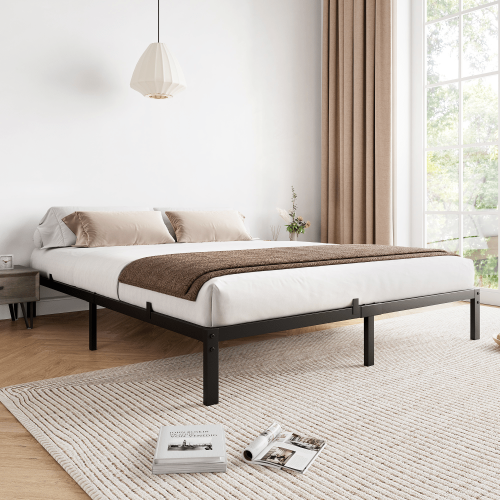
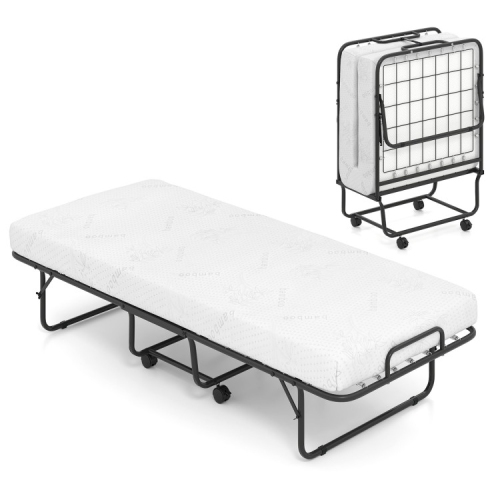
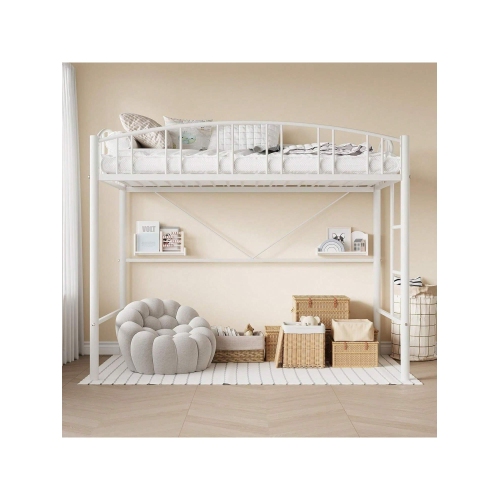
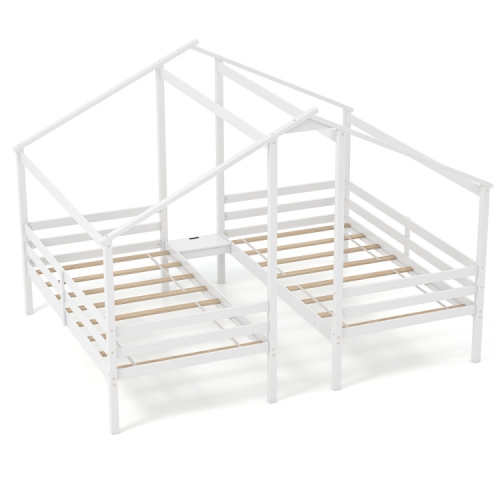
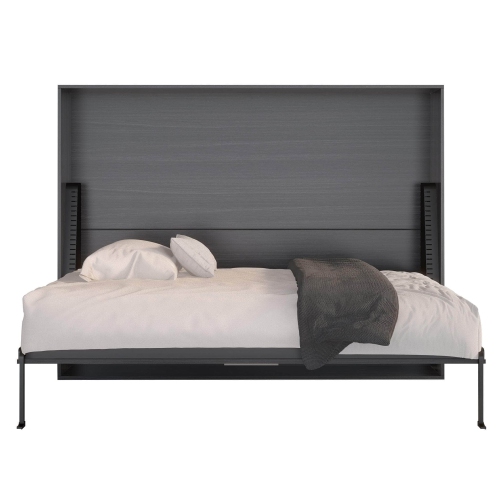
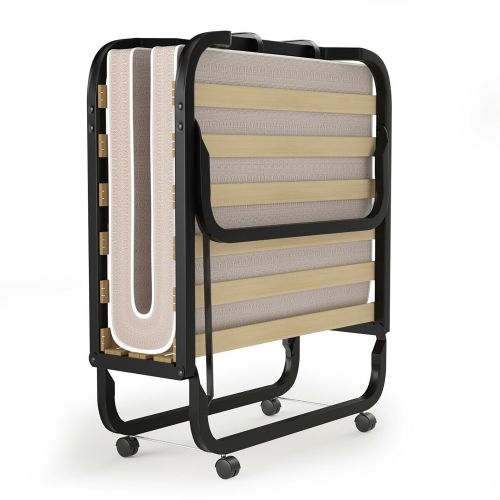
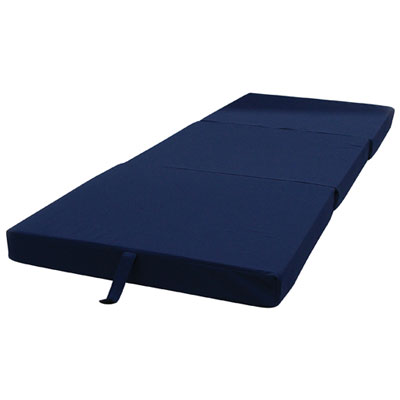
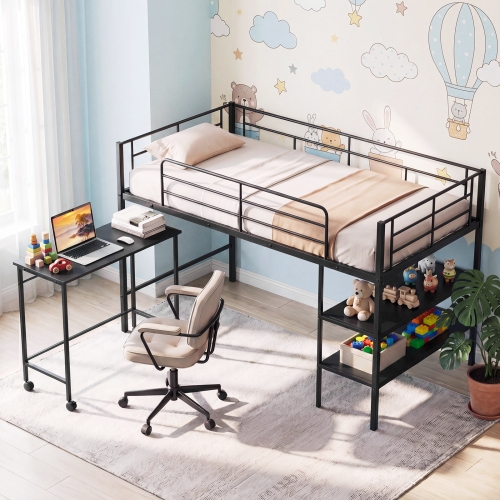
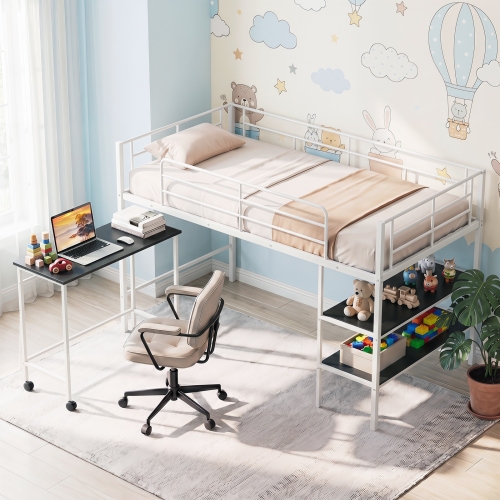
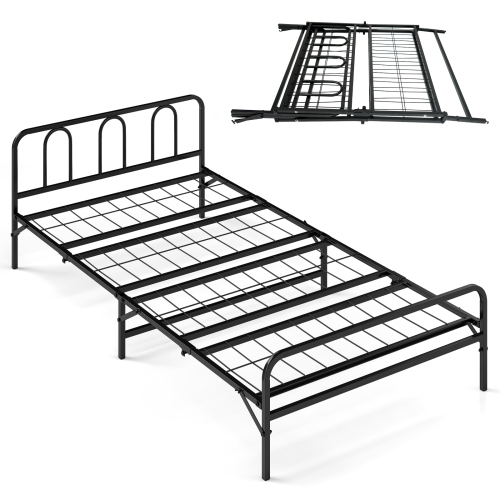
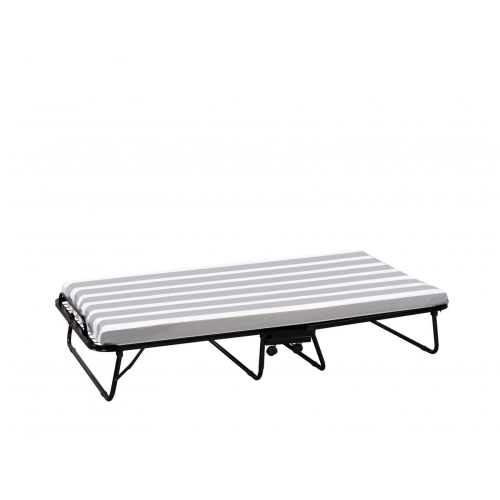
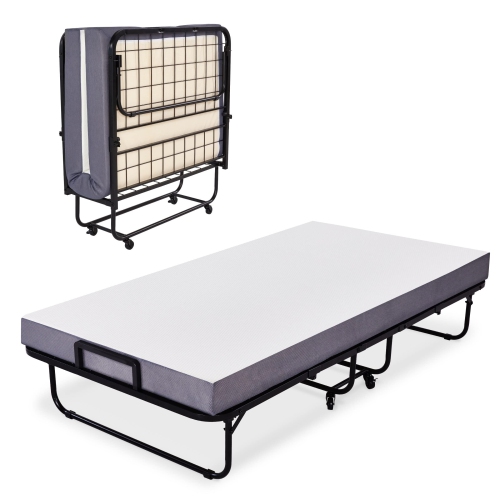
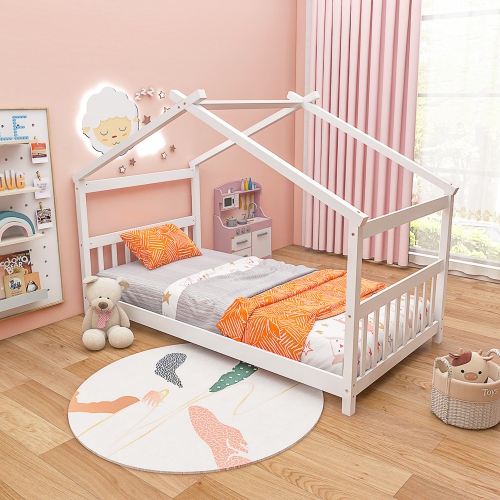
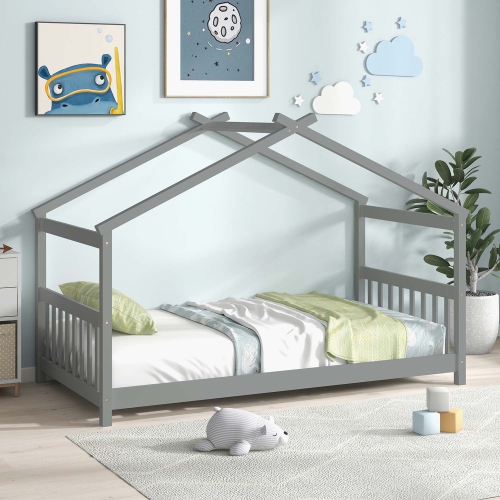
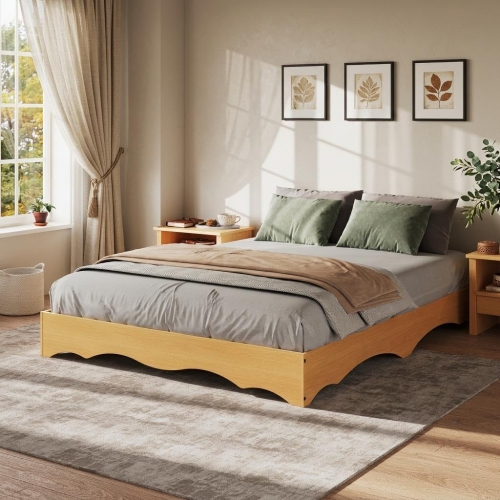
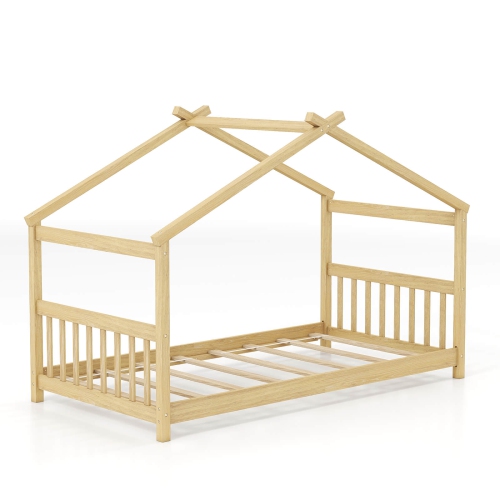
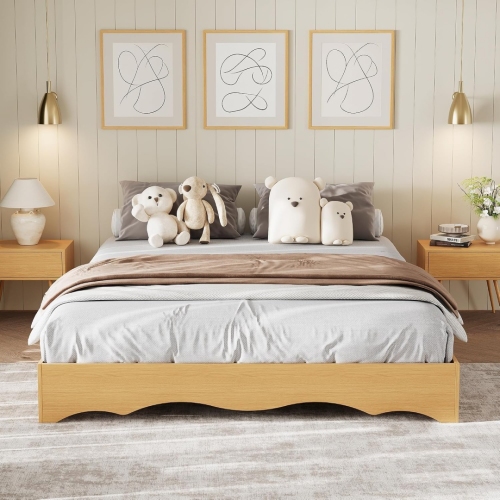
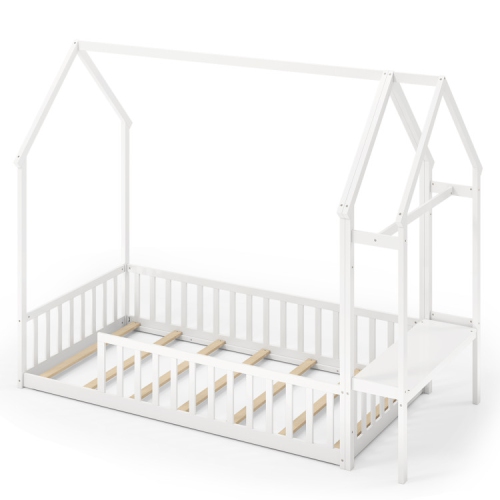
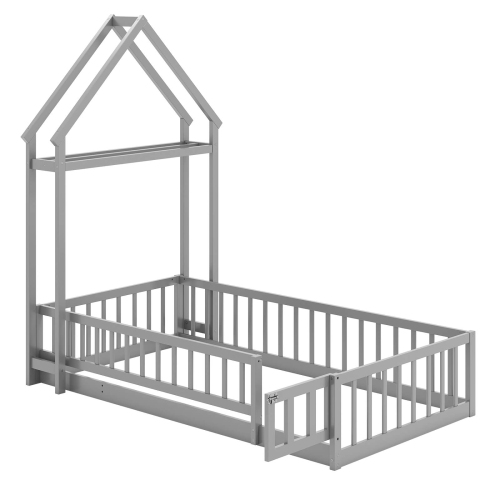
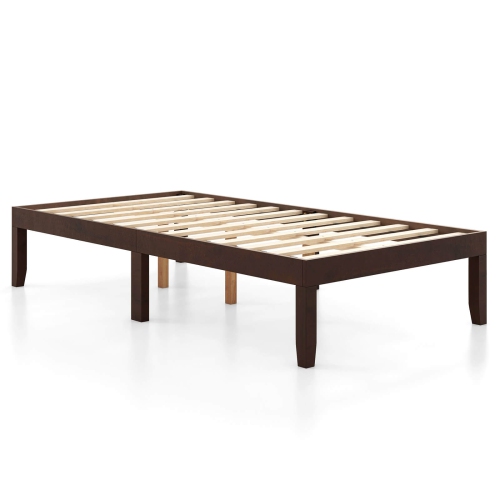
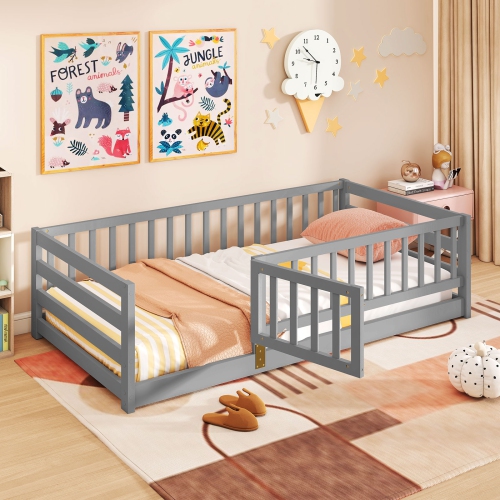
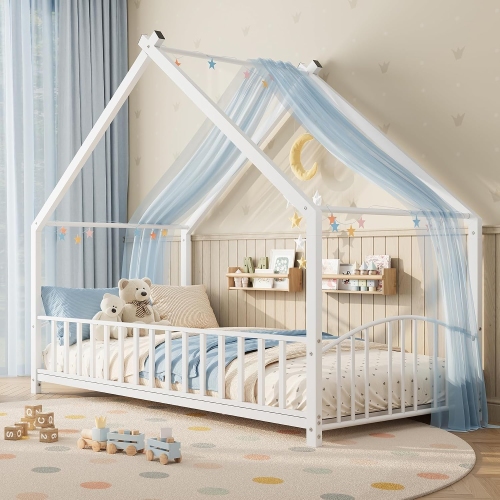
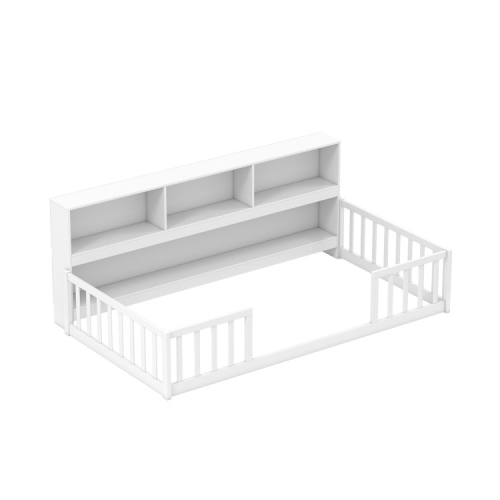
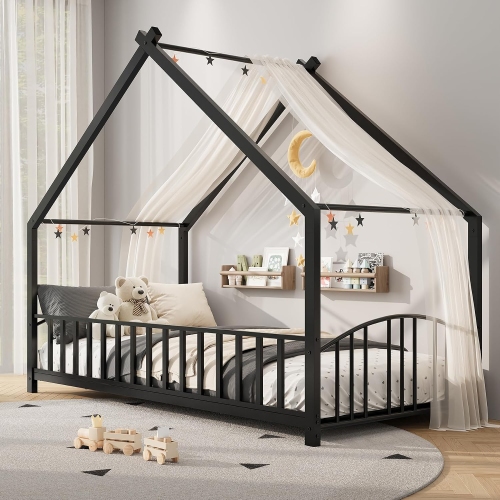
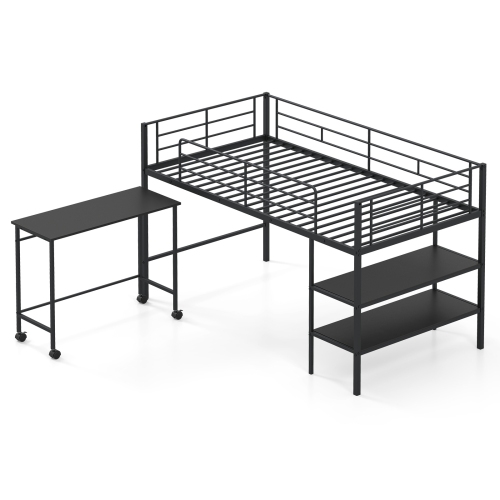
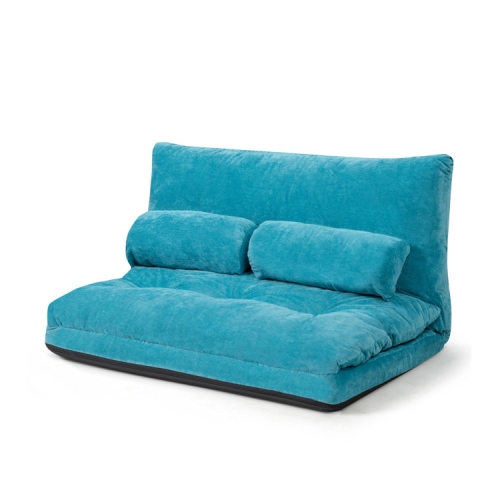
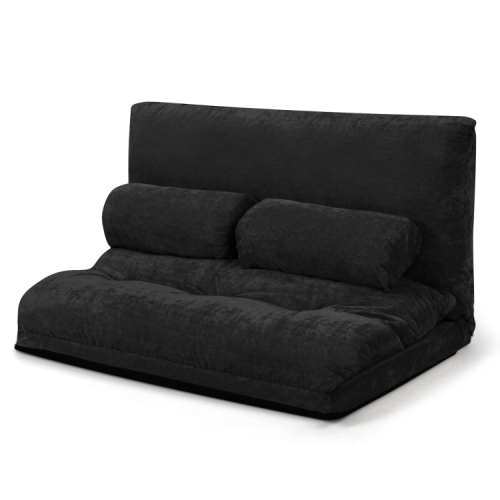
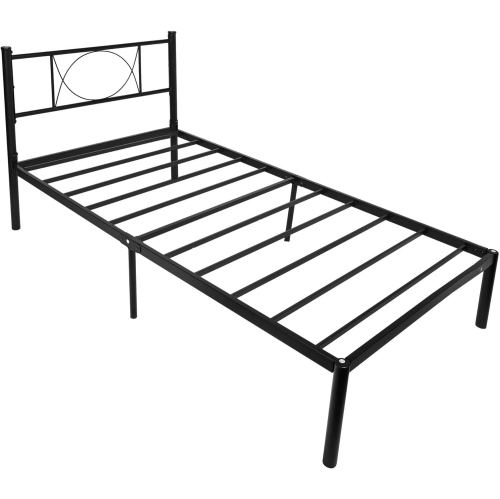
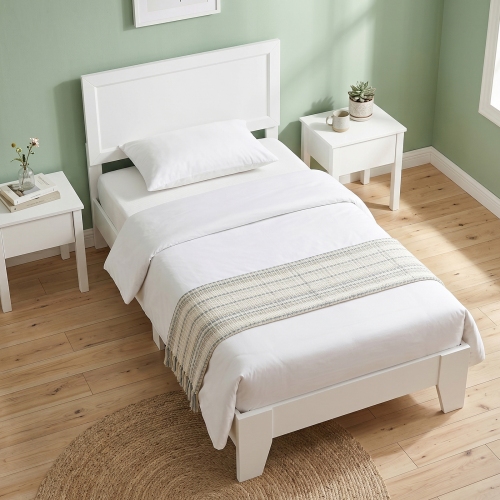
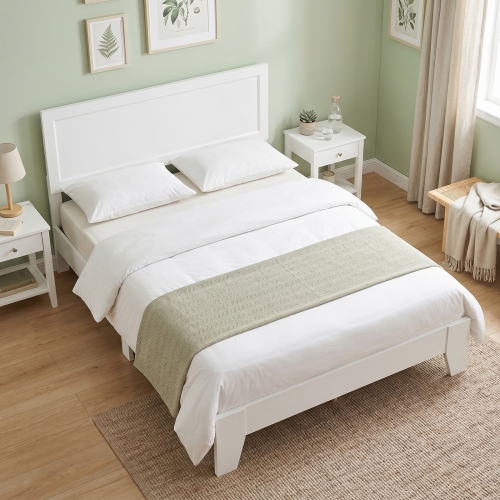
Small space beds make a compact bedroom more useful by combining a comfortable sleeping area with storage, seating, or a frame that folds away when it is not needed. Storage beds use the space beneath the mattress, daybeds can serve as daytime seating, trundle beds provide an additional pull-out sleeping surface, and wall beds free up floor space when closed. A slim platform bed offers a simpler approach: its modest footprint and uncluttered shape leave more room for everyday movement. The most suitable style depends on how the room works from morning to night. In a studio apartment, a bed that doubles as a sofa can make the main living area feel more settled when visitors stop by. In a spare room shared with a home office, a folding bed or wall bed can leave space for a desk chair during the day while providing a place for overnight guests to sleep. For a bedroom used every night, mattress comfort, sturdy support, and easy access often matter more than the ability to tuck the bed away. Mattress size is only part of the fit: the frame, headboard, footboard, and any projecting handles all contribute to the overall dimensions. A narrow frame around a double mattress may work better in some rooms than a smaller mattress surrounded by thick upholstered panels. Door swings, wardrobe doors, heating vents, and the route between the bed and the bathroom also affect the layout. Leaving usable space beside the mattress makes changing sheets less awkward, especially when the bed sits near a wall. Low-profile frames can keep sightlines open, although a lower sleeping surface may be less comfortable for someone who finds sitting down or standing up difficult. In a compact room, the right proportions make a noticeable difference without requiring the smallest possible mattress or sacrificing the comfort needed for regular sleep.
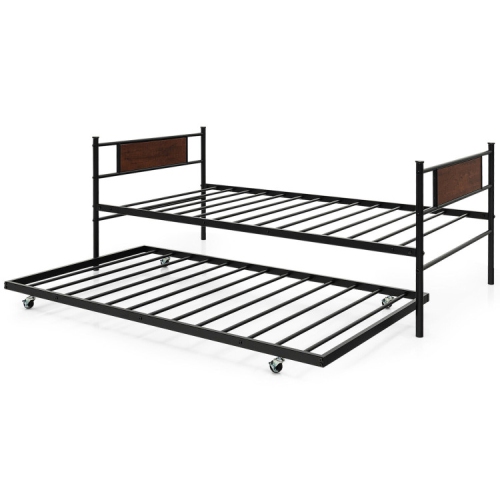
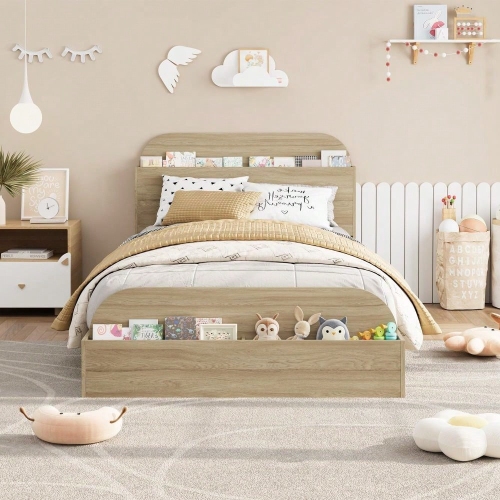
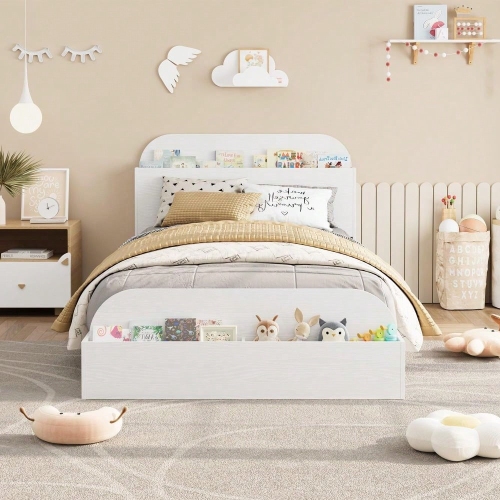
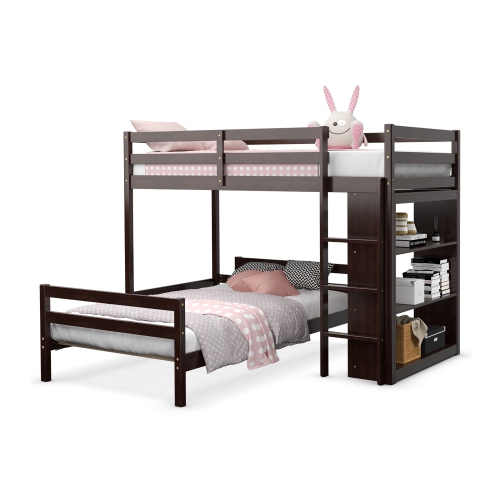
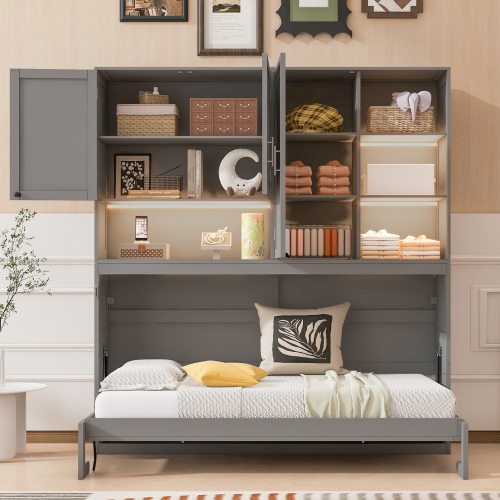
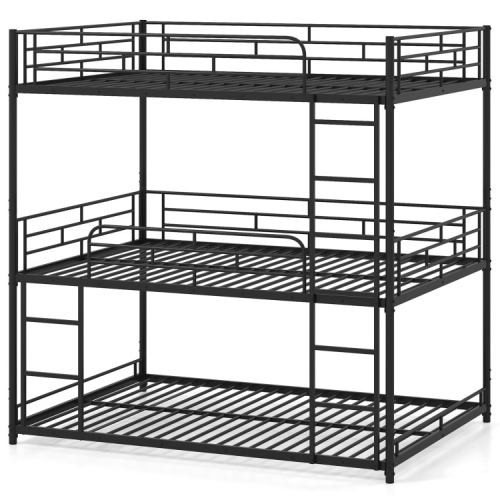
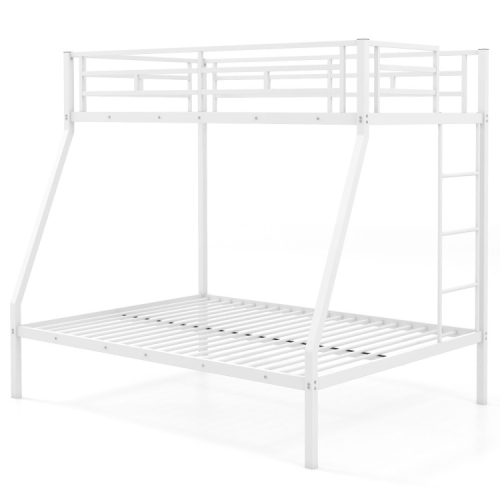
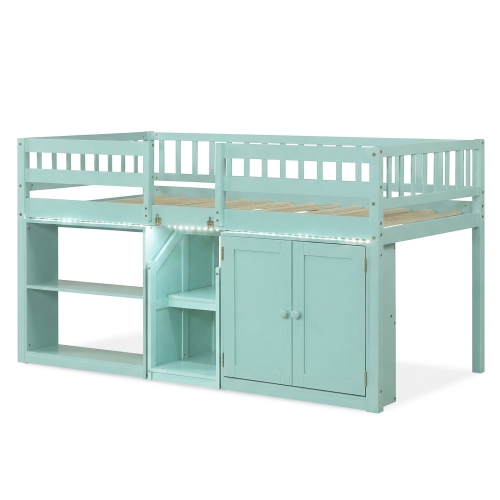
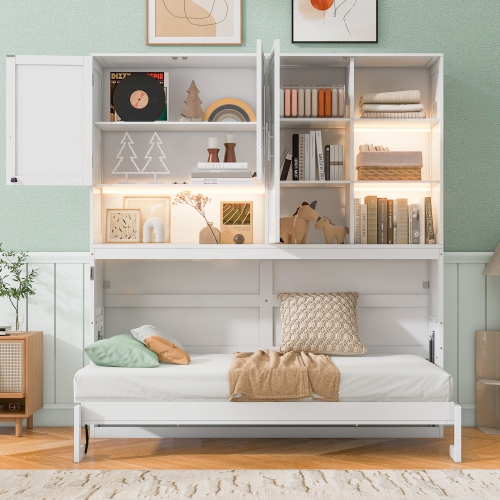
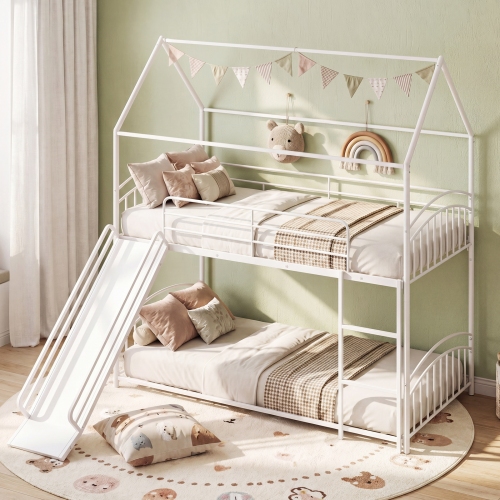
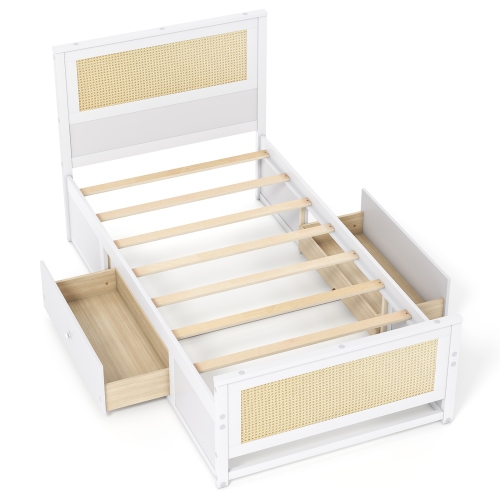
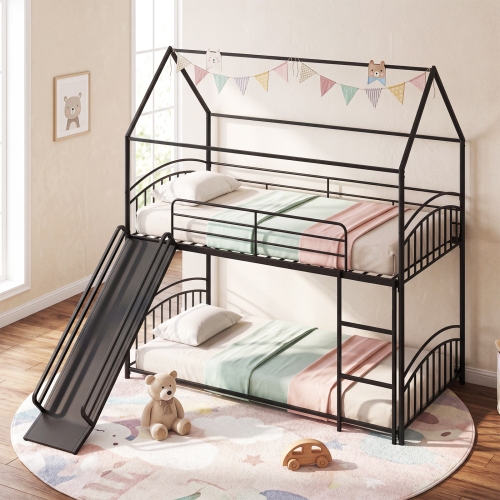
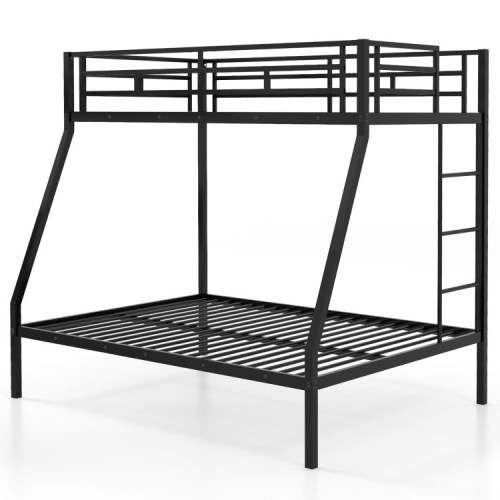
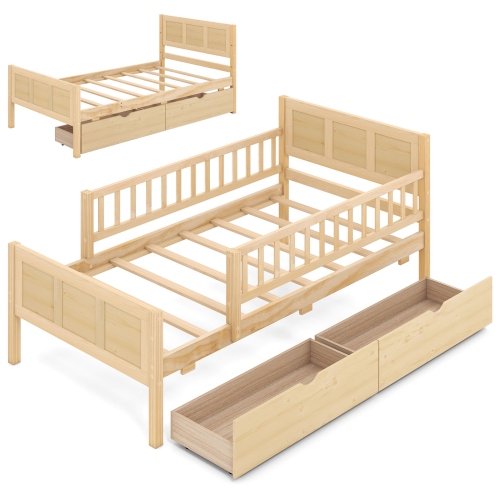
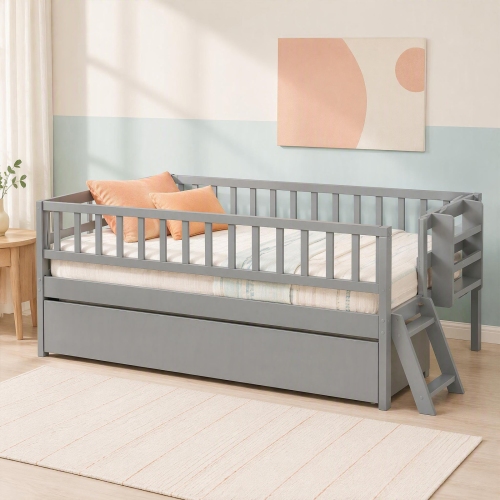
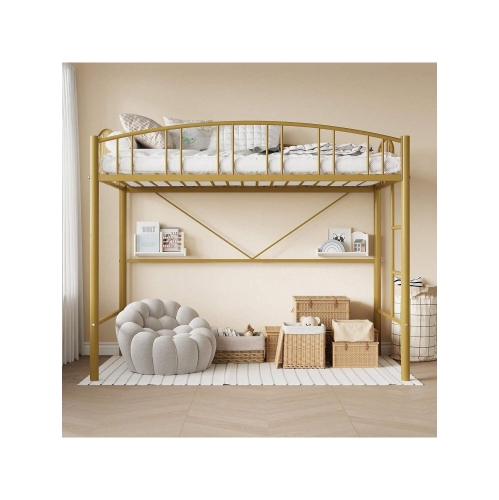
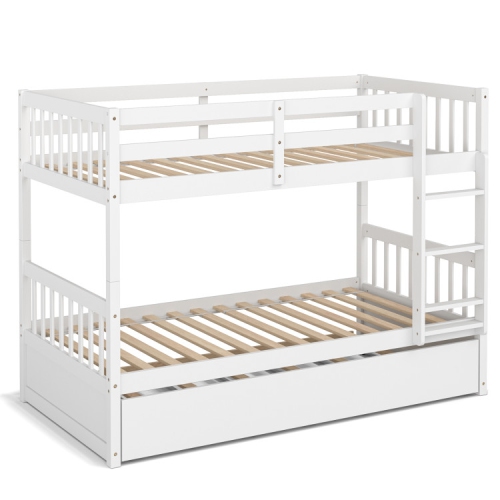
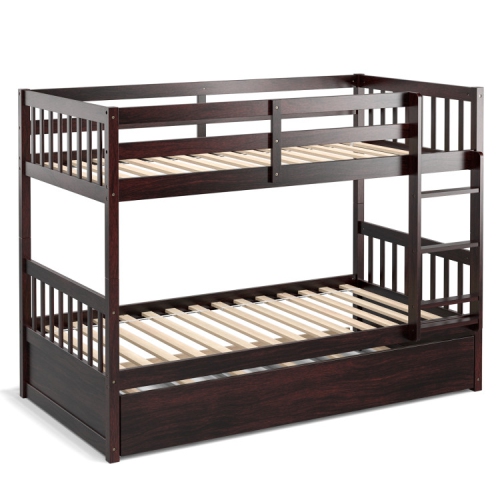
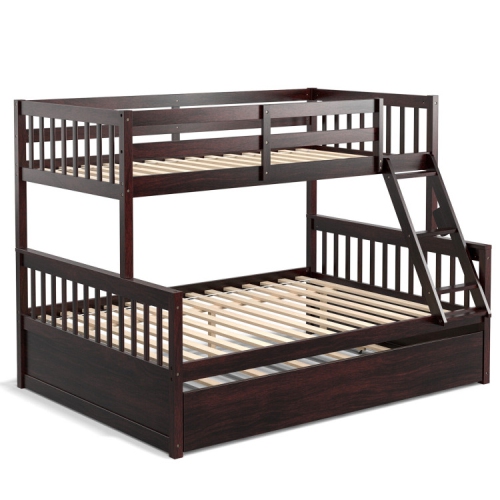
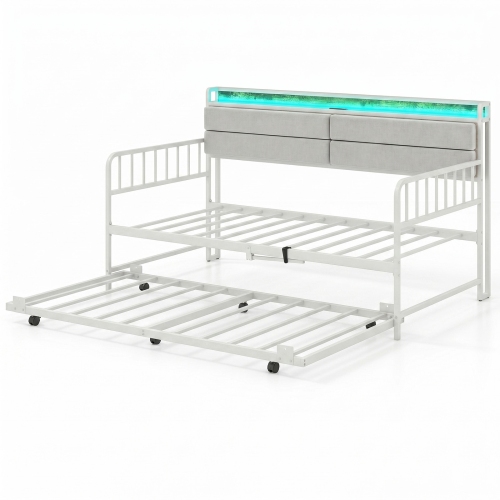
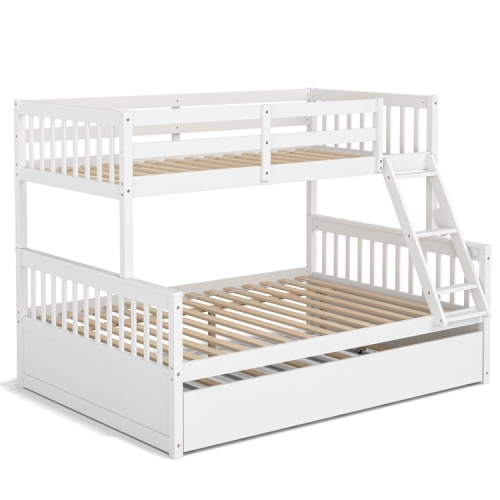
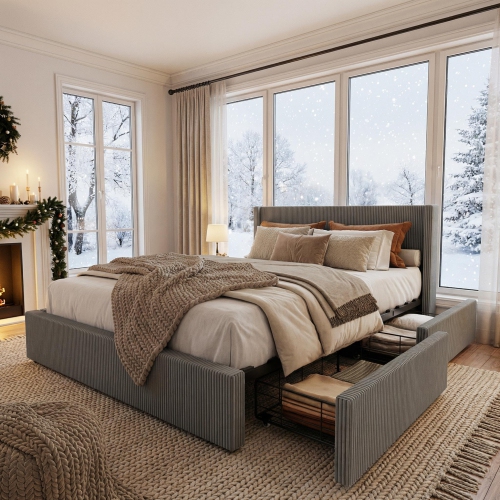
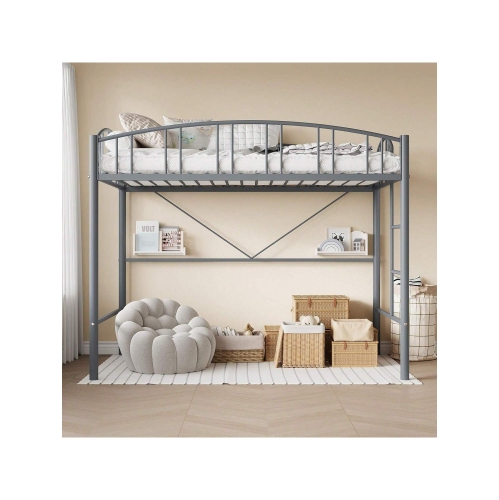
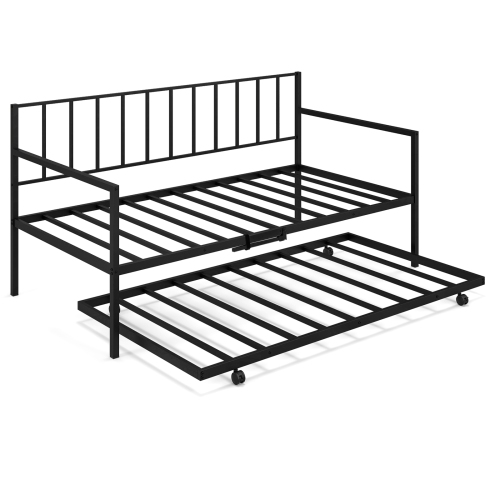
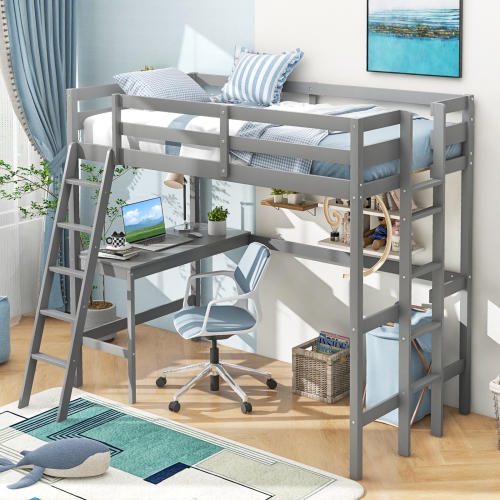
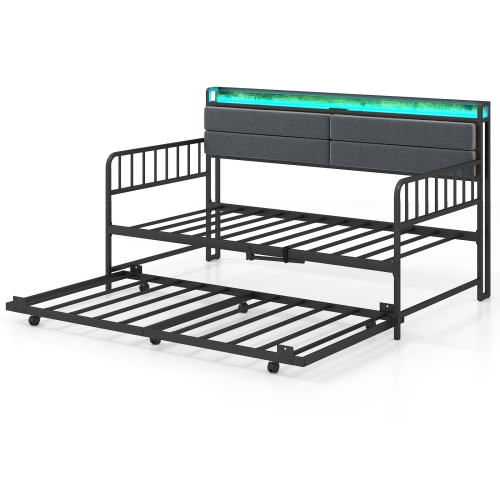
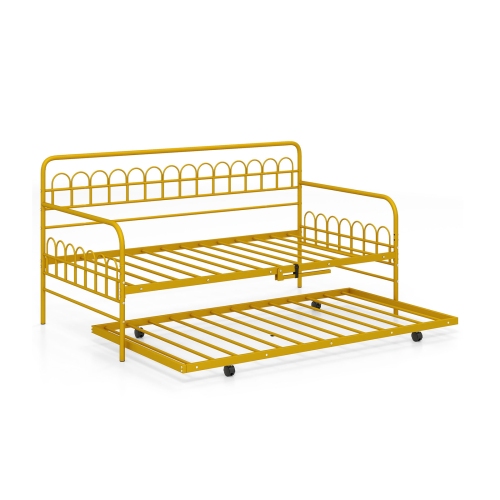
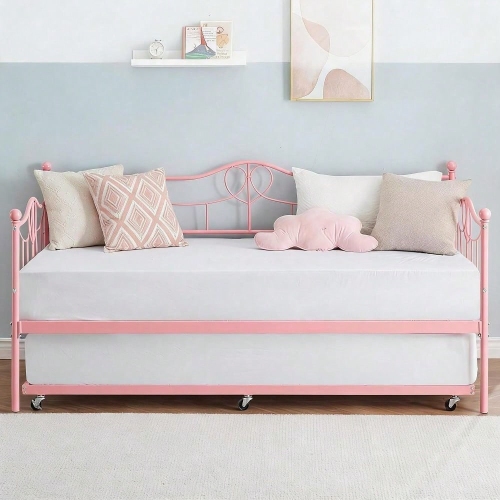
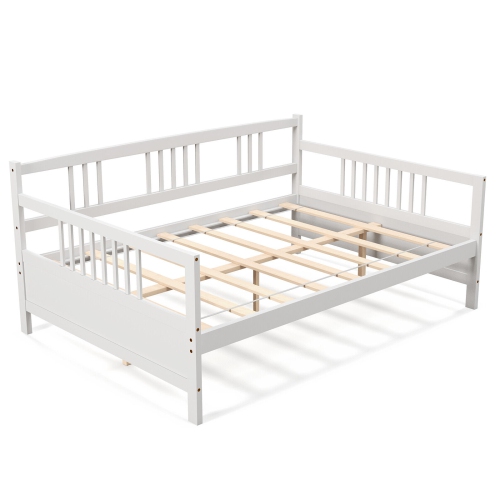
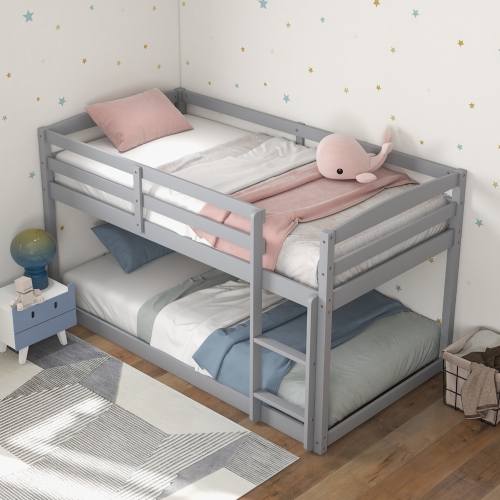
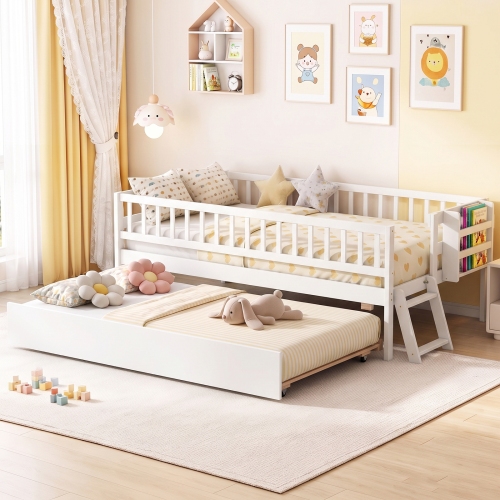
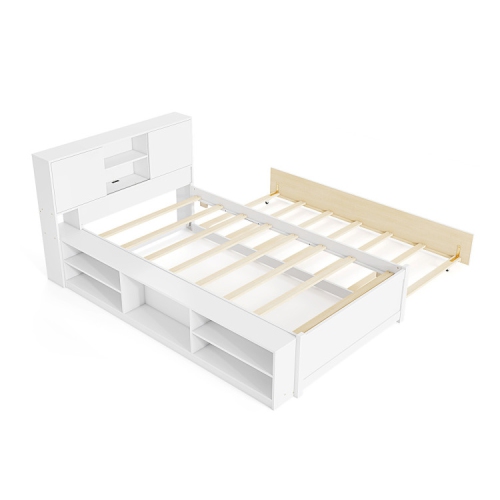
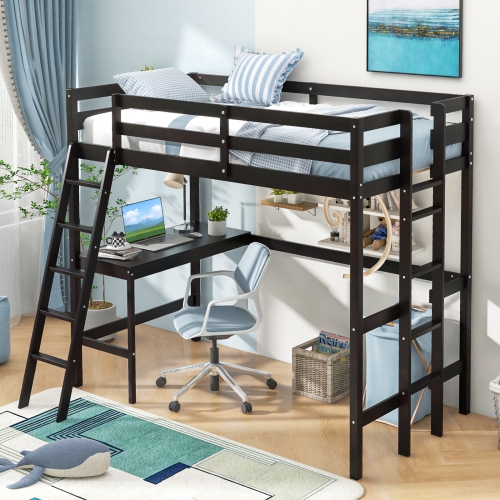
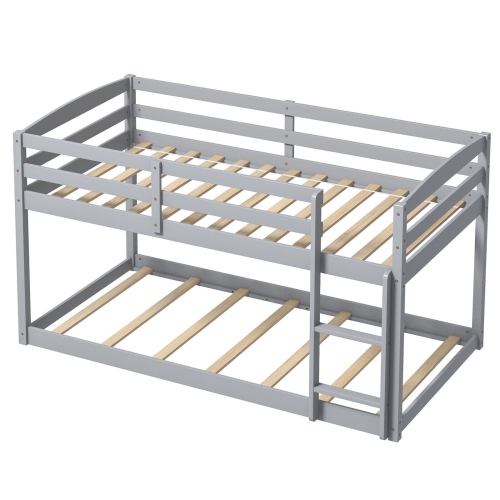
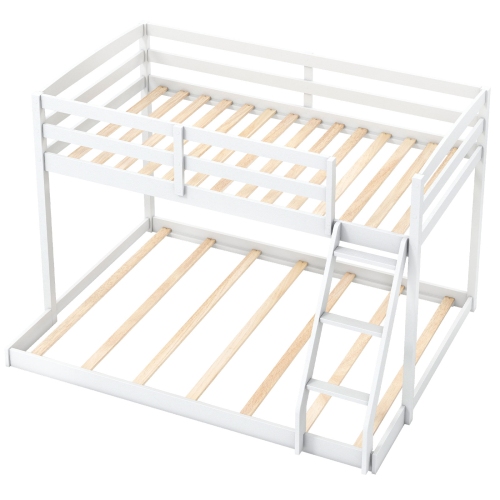
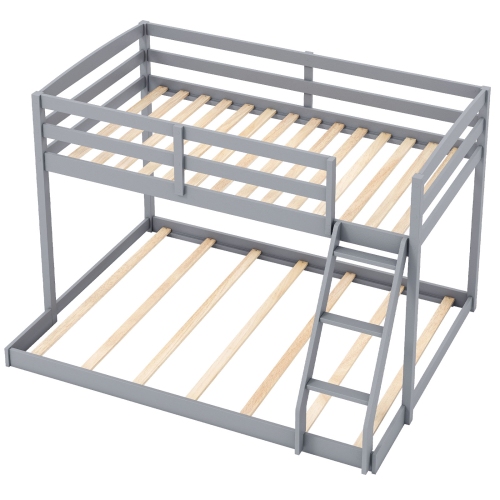
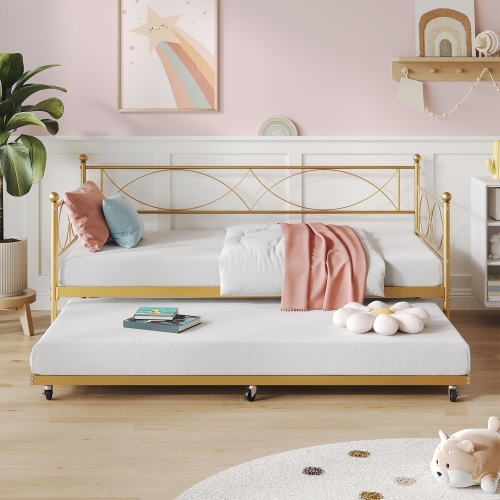
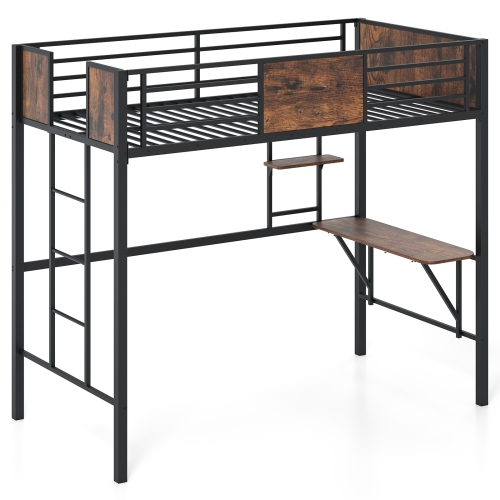
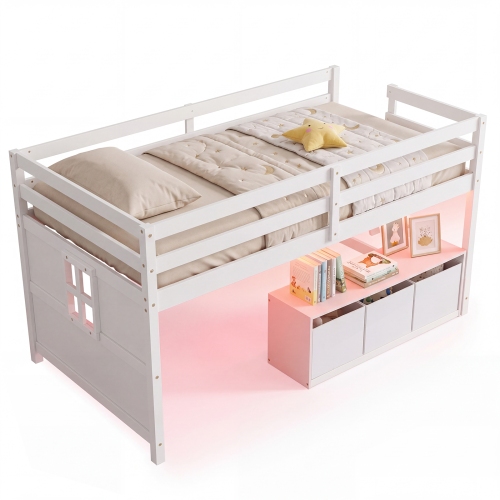
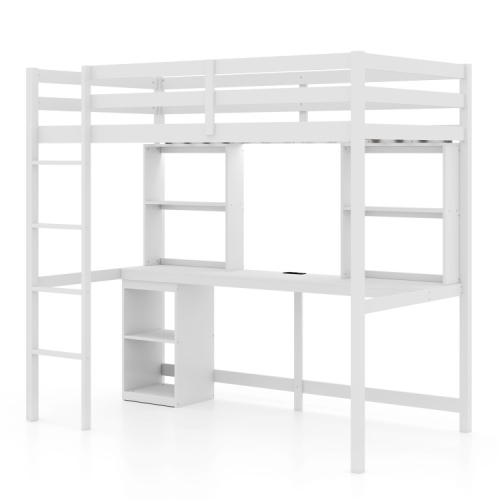
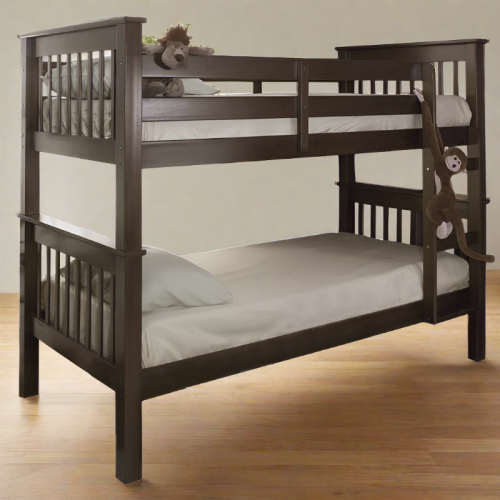
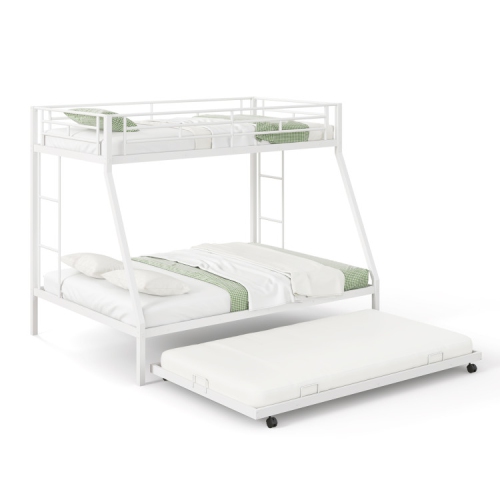
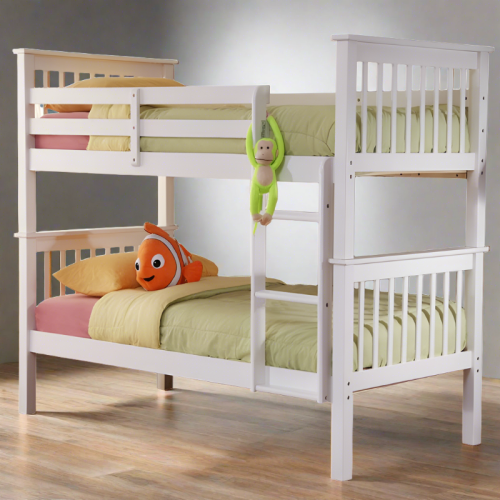
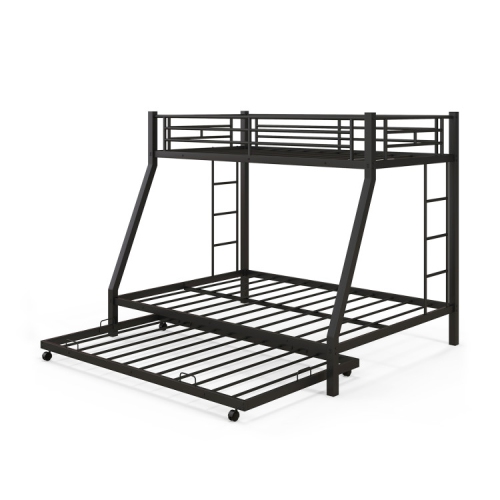
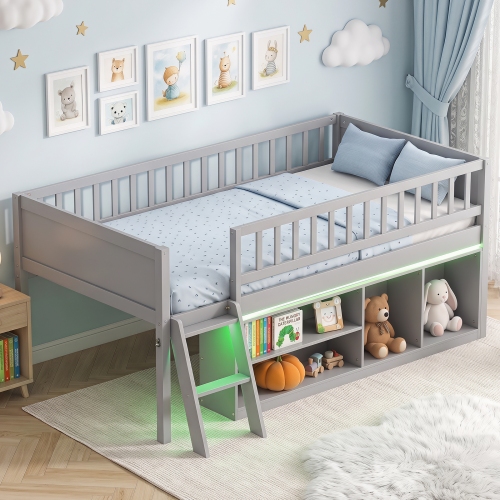
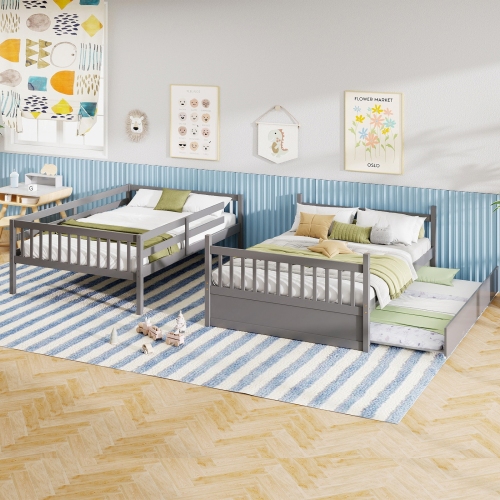
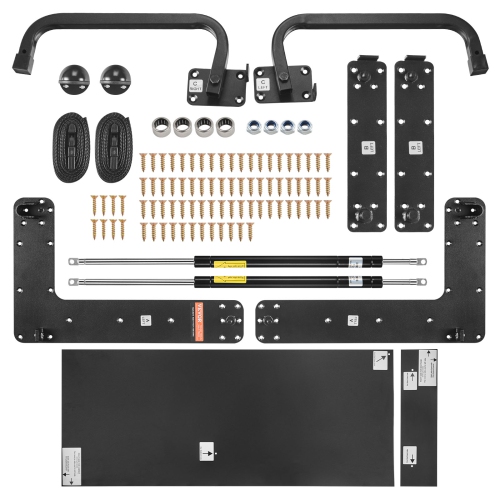
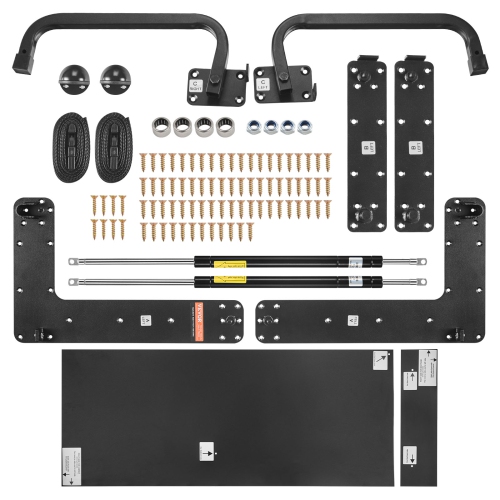
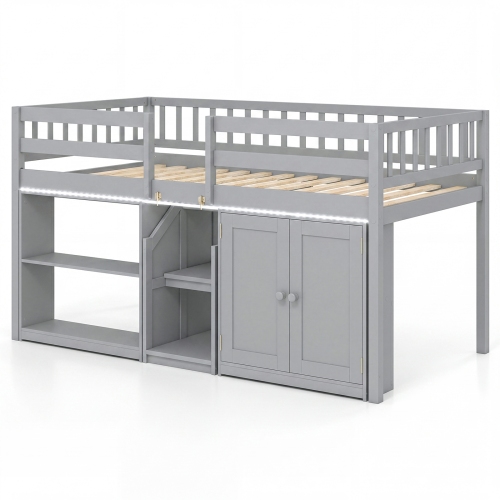
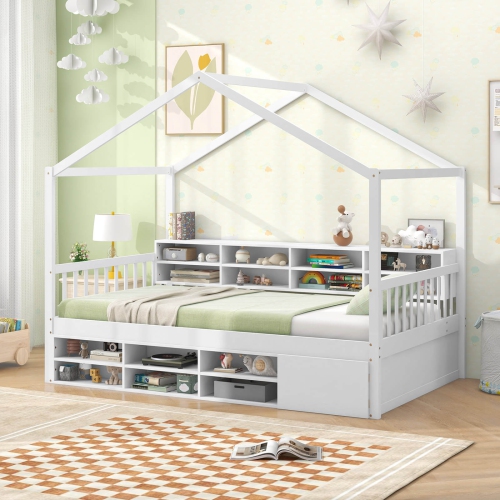
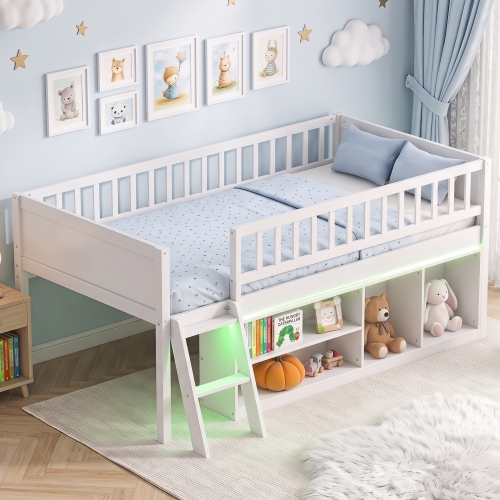
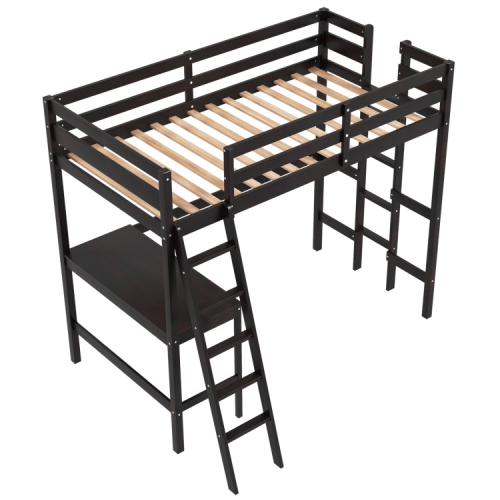
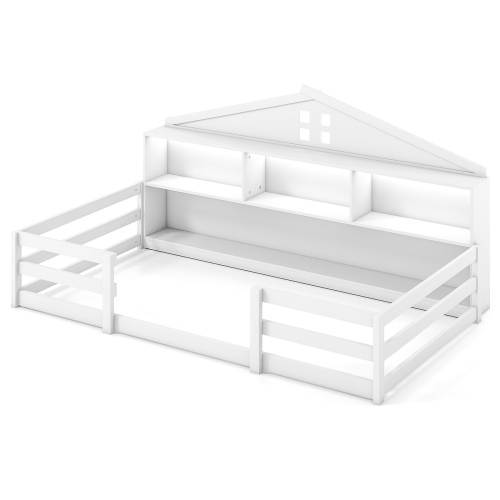
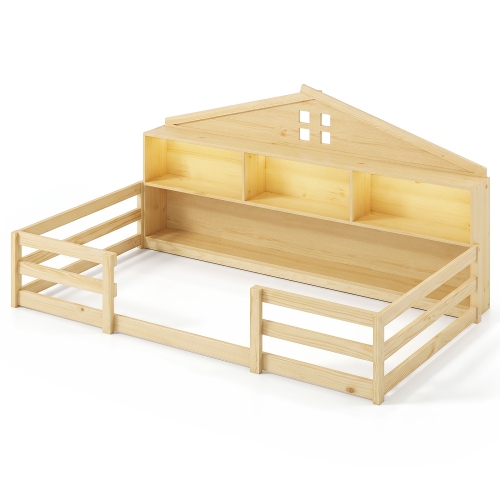
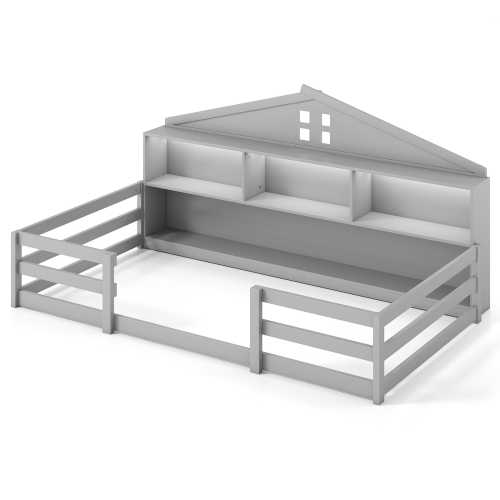
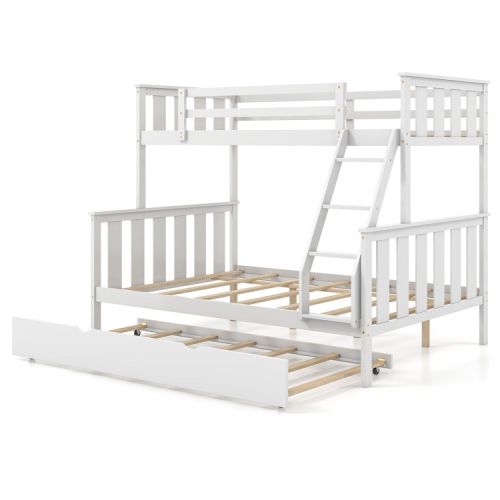
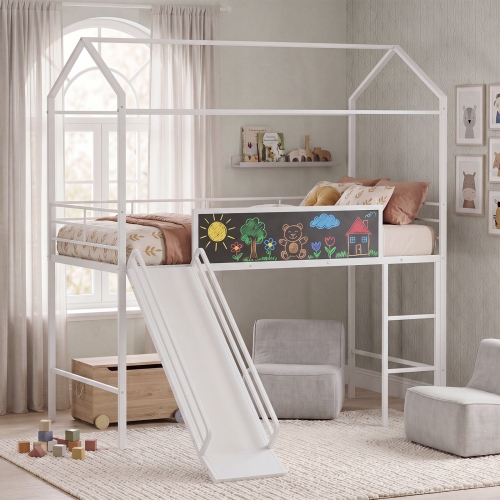
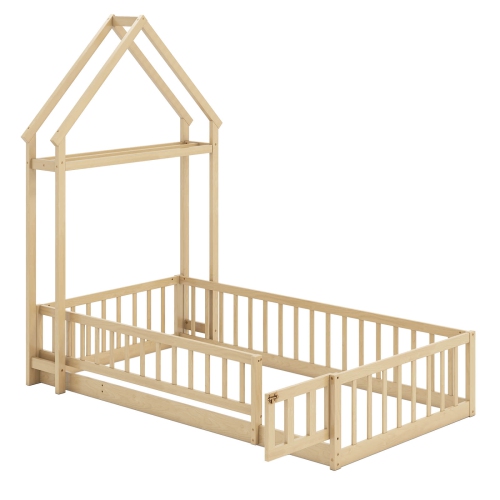
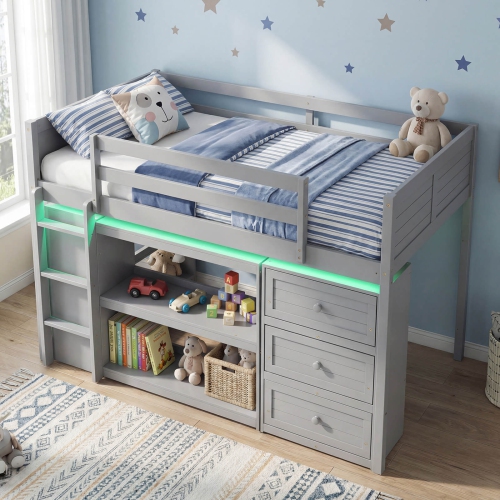
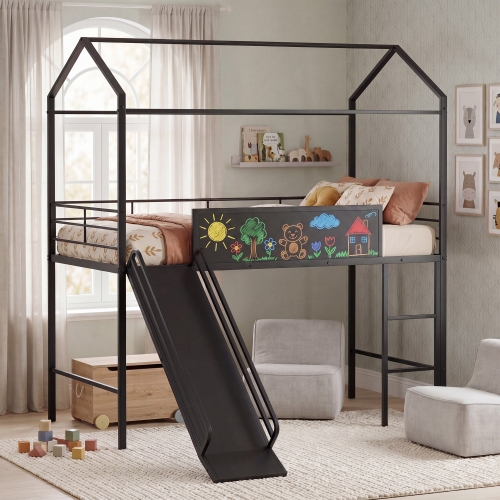
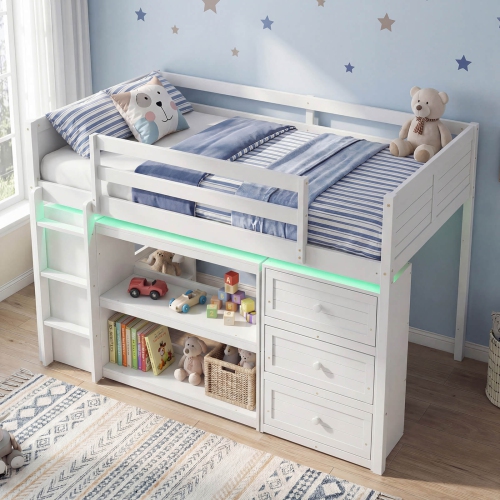
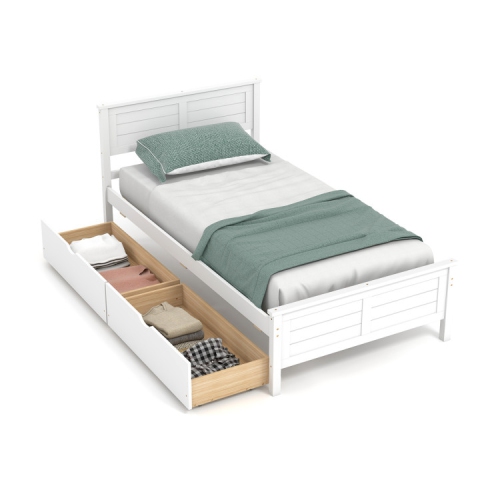
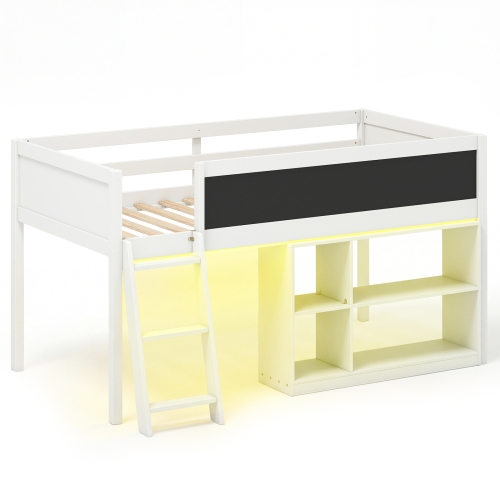
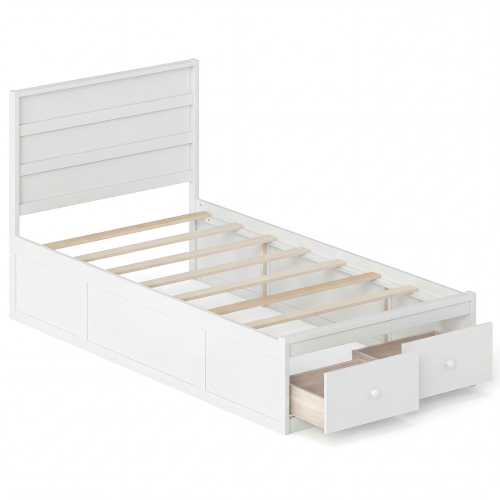
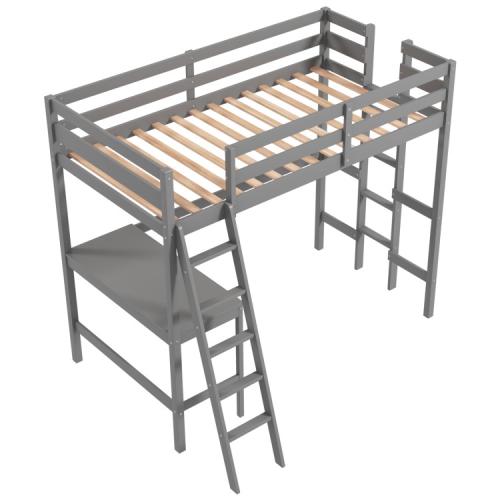
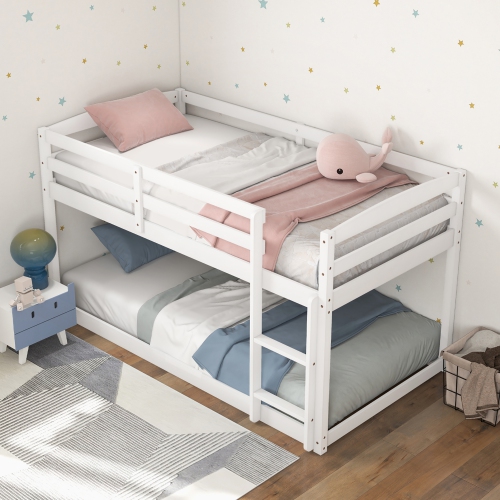
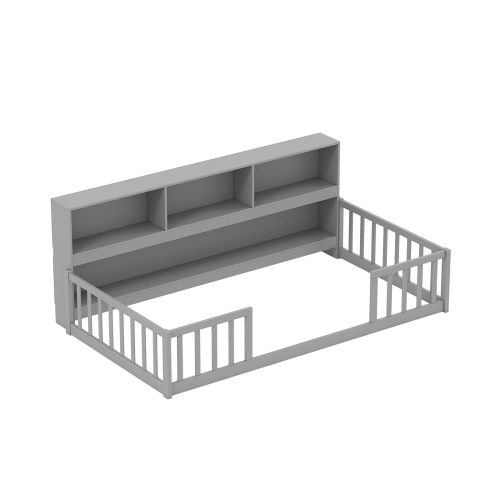
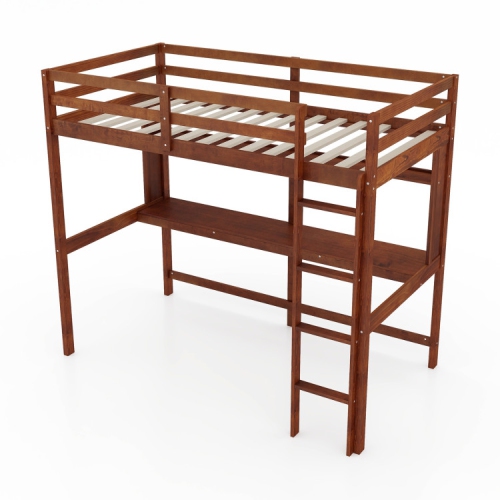
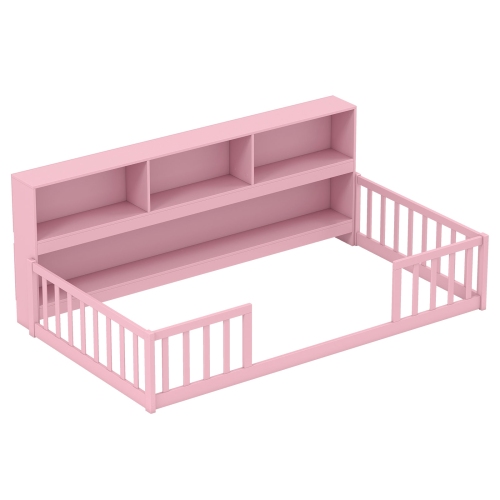
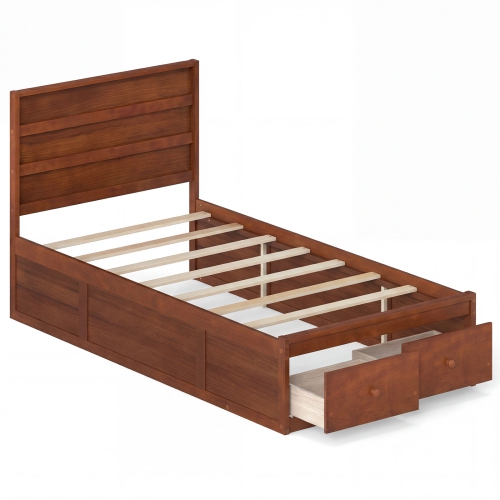
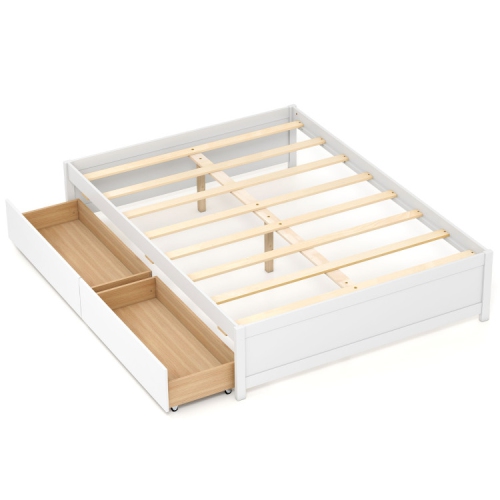
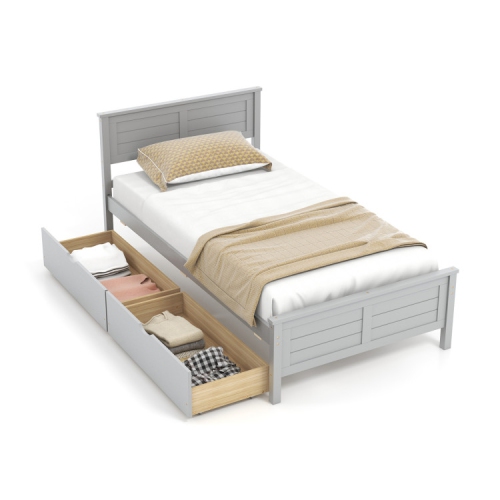
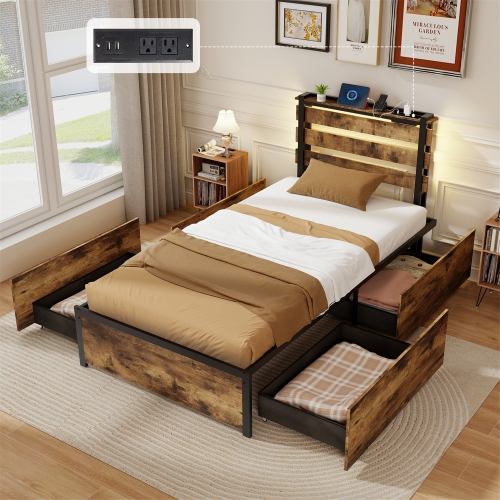
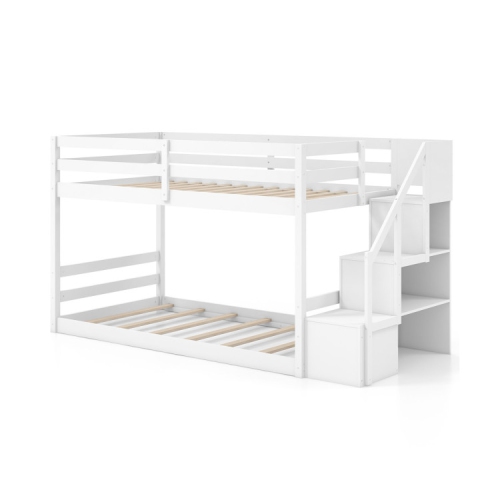
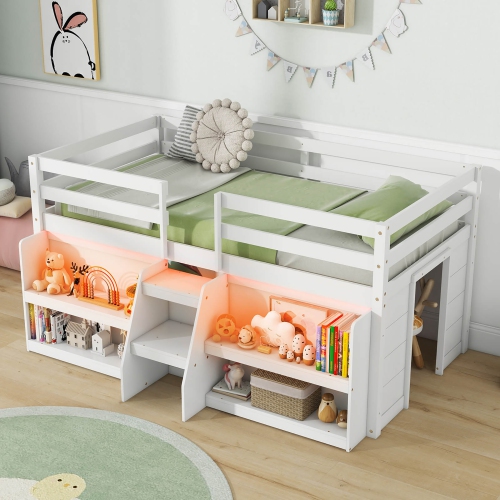
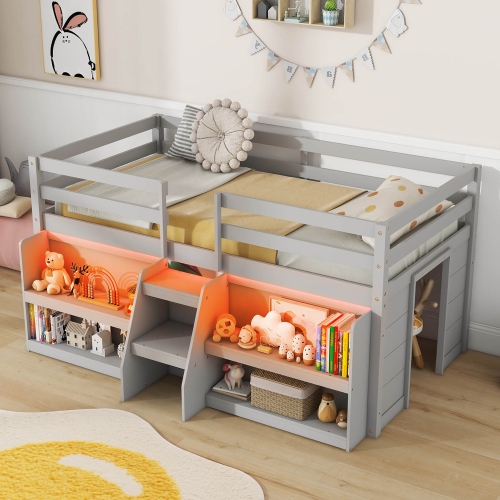
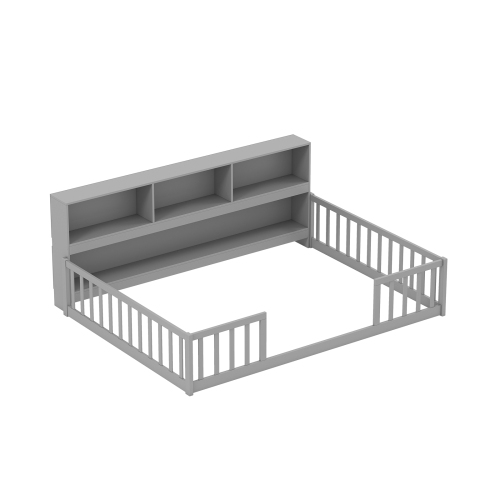
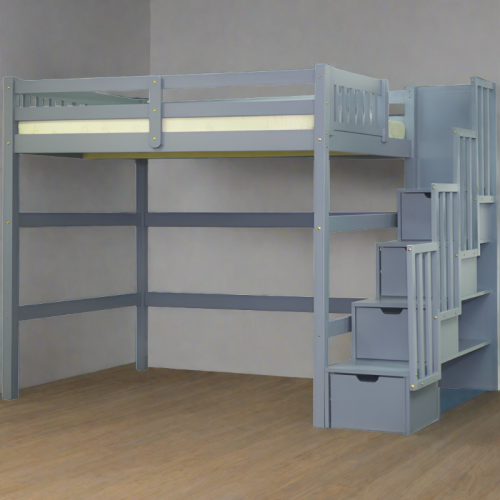
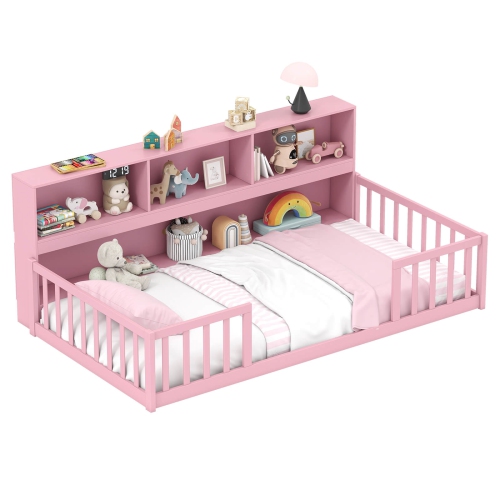
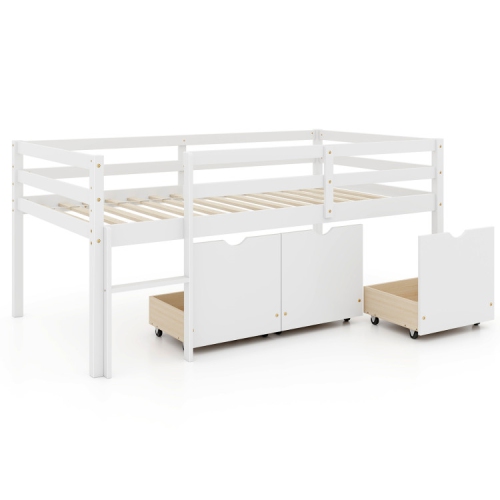
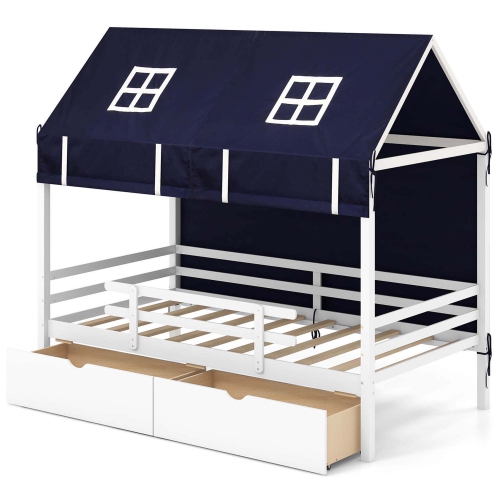
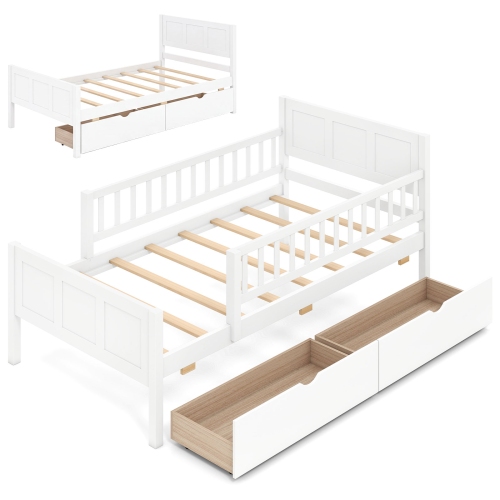
Beds with built-in storage are especially useful where there is little room for a dresser, linen cupboard, or spare bedding basket. Drawers beneath the mattress can hold folded clothing, sheets, or blankets while keeping them close at hand. Their usefulness depends on clearance: a bedside table, rug edge, or nearby wall can prevent a drawer from opening fully. A lift-up storage bed provides access from above rather than from the sides, which can suit a narrow room, but the lifting mechanism must be compatible with the mattress weight and used according to the manufacturer’s instructions. Divided compartments help keep smaller belongings orderly, while a larger open cavity can accommodate bulkier bedding. The range of space-saving layouts represented by Storage Beds for Small Spaces centres on making the bed’s existing footprint work harder. A frame with open clearance underneath offers another approach, allowing appropriately sized bins to slide out for cleaning or rearranging. Daybeds and trundles meet a different need, pairing a compact everyday footprint with flexible sleeping arrangements. A daybed placed along a wall can create a comfortable spot for reading, with cushions supporting the back during the day. A trundle beneath it can provide a separate sleeping surface for a visiting friend or sibling, provided there is enough unobstructed floor space to pull it out completely. Trundles often require a mattress within a specified thickness, so a deeper mattress may prevent the lower frame from closing properly. Folding beds also need somewhere to be stored when not in use, along with a clear path for moving them. Wall beds require sufficient opening space and secure installation appropriate to their design and the wall structure; professional installation may be appropriate or required. For children sharing a room, bunk beds can preserve floor space, but upper bunks are not suitable for children under six. Guardrails, ladder access, mattress thickness, and manufacturer age and weight limits are essential considerations, not details to trade away for a smaller footprint.
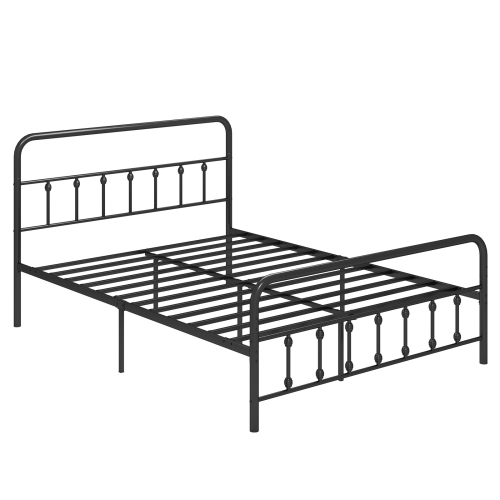
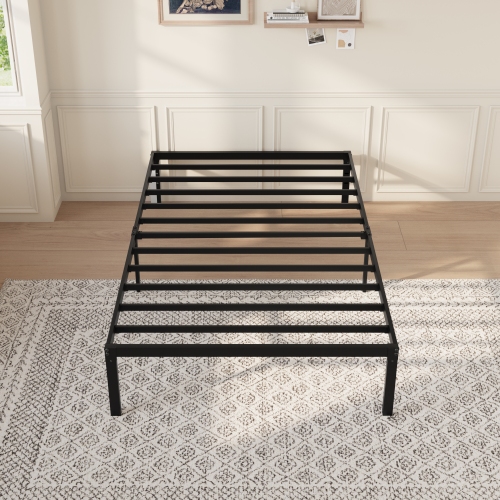
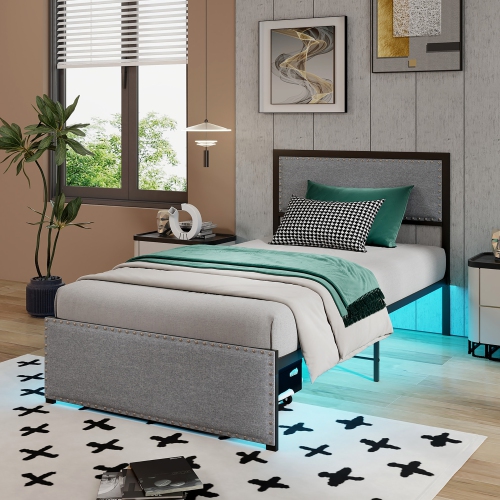
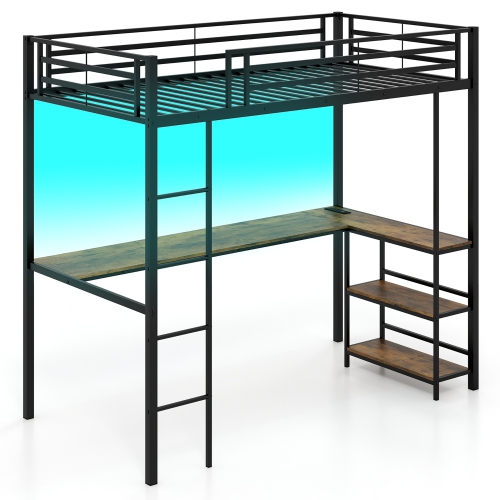
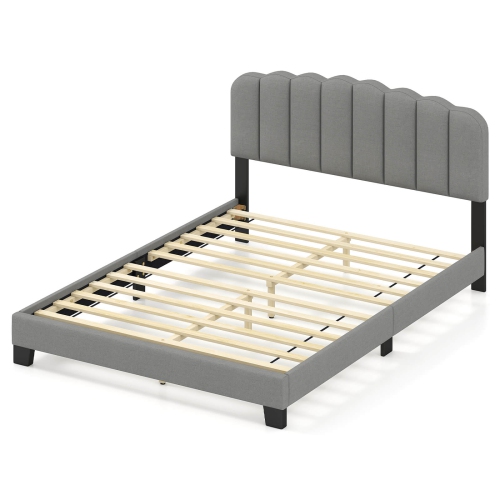
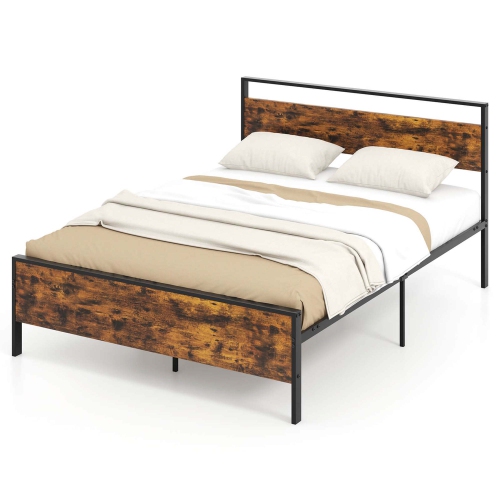
Materials and construction influence both the appearance of a small space bed and how it holds up to daily use. Solid wood can bring warmth and visible grain to a simple frame, while engineered wood offers a range of finishes and panel designs. Metal frames often have slender rails that take up little visual space, though overall strength depends on the design, joints, and support system rather than material alone. Upholstered frames add a softer surface around the bed and can make a headboard more comfortable for sitting up with a book. In a narrow room, however, thick padding increases the outside dimensions, and fabric needs regular attention where hands, pillows, or bedding rub against it. Smooth wood, laminate, and metal surfaces are generally straightforward to dust, while upholstery may need gentle vacuuming and spot cleaning with a method approved for the fabric. Spills should be addressed promptly, with excess moisture kept away from wood-based panels and storage interiors. Beneath the mattress, slat spacing, centre supports, and any requirement for a foundation should match the mattress manufacturer’s specifications. A platform frame does not automatically suit every mattress, and an unsupported span can affect comfort and long-term performance. Weight limits should account for sleepers and the mattress, with separate limits checked for trundles, upper bunks, and other moving sections. Tight, well-fitted hardware helps a frame remain steady; occasional checks are particularly worthwhile after moving the bed or noticing a new creak. Drawers and folding mechanisms benefit from clear tracks and careful use rather than being forced past bedding caught in their path. Delivery and assembly deserve attention too, especially in apartments with narrow stairwells, small lifts, or tight hallway corners. Component dimensions and access routes can matter as much as the finished bed size. Whether furnishing a first apartment, a child’s bedroom, or a guest room that also holds a desk, a well-proportioned bed balances a practical footprint with dependable support and manageable care. The result is room for the ordinary details of daily life: opening a cupboard, setting down a laundry basket, and settling into bed without squeezing past furniture.
Top selling and popular products
-
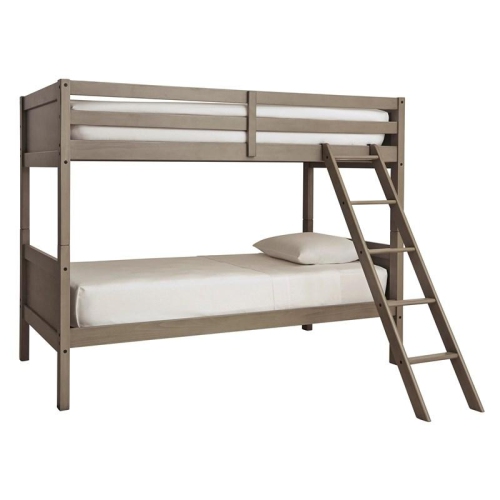 Your price for this item is $799.99
-
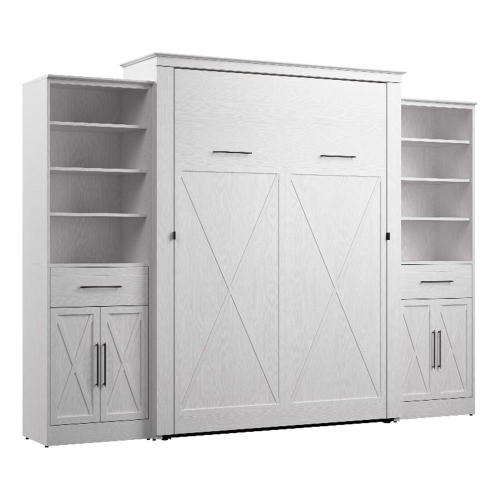 Your price for this item is $3519.99
-
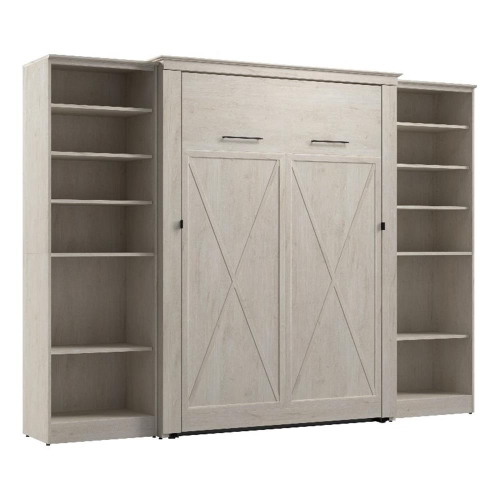 Your price for this item is $3099.99
-
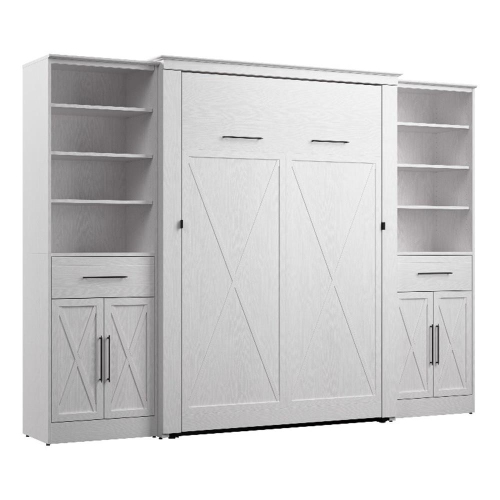 Your price for this item is $3349.99
-
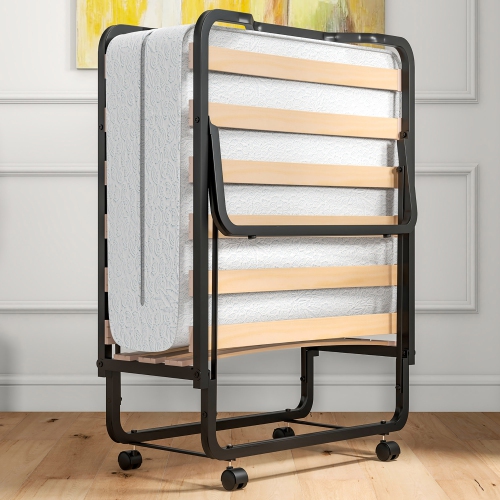 Your price for this item is $235.99
-
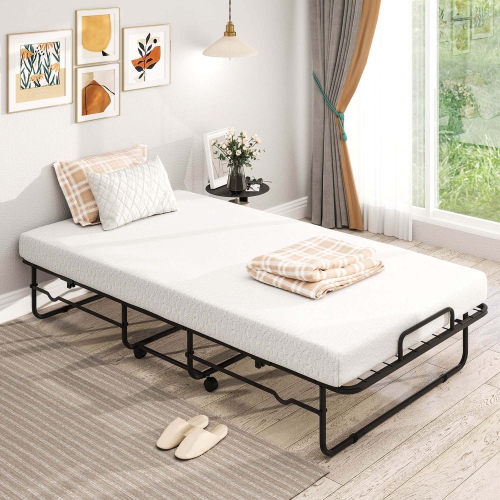 Your price for this item is $243.99
-
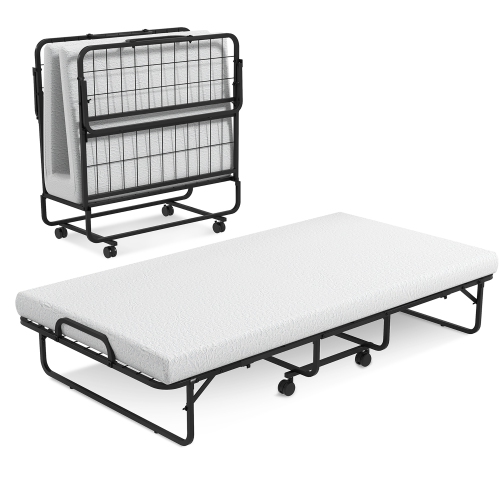 Your price for this item is $233.99
-
 Your price for this item is $364.99
Discover more categories related to Small Space Beds
Top Collections:
Best Black Friday Deals This Year, Best Black Friday Deals On Electronics, Kindle Devices, Best Black Friday Deals On Apple Products, Best Budget Office Chairs, Best Cameras for Sports Photography, Dyson Airwrap, Canon G7X Cameras, Best Laptops for Writers, Samsung Galaxy Phones
Some products may be subject to Environmental Handling Fees
(EHF) depending on your province.
Learn more about EHFs.