Furniture Chairs
Upgrade your living space with our stylish and comfortable furniture chairs that are designed to elevate both the aesthetics and functionality of your home. Whether you're looking for a cozy armchair to curl up with a book, a sleek dining chair to gather around the table with family and friends, or a luxurious accent chair to add a pop of personality to any room, we have a diverse selection to suit your unique style and needs. Explore our range of furniture chairs crafted from high-quality materials and featuring modern designs that will effortlessly complement any decor scheme.
Sort


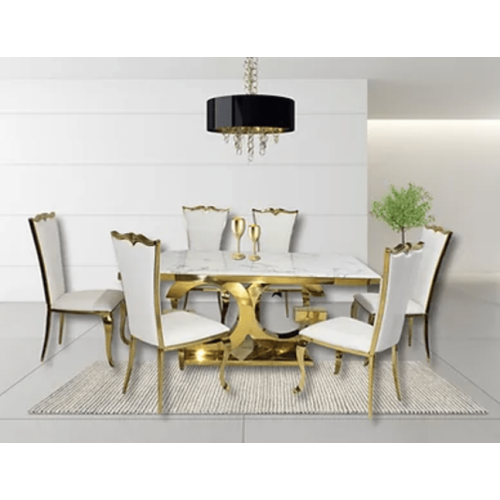


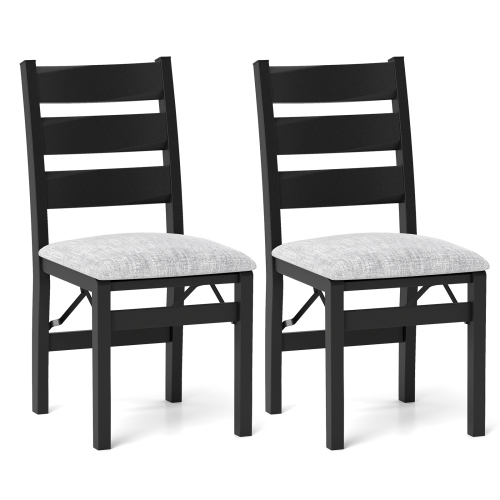
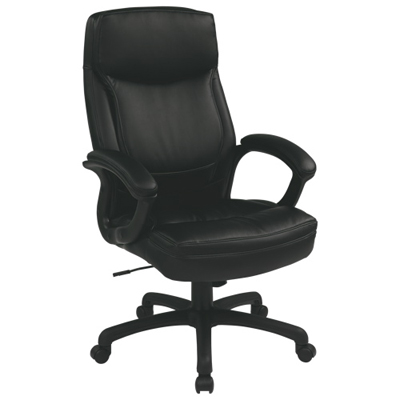
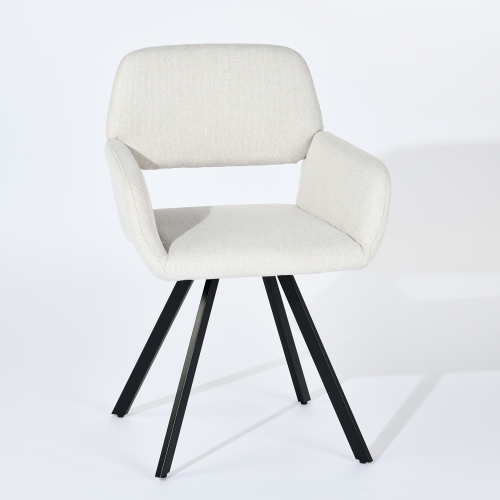






























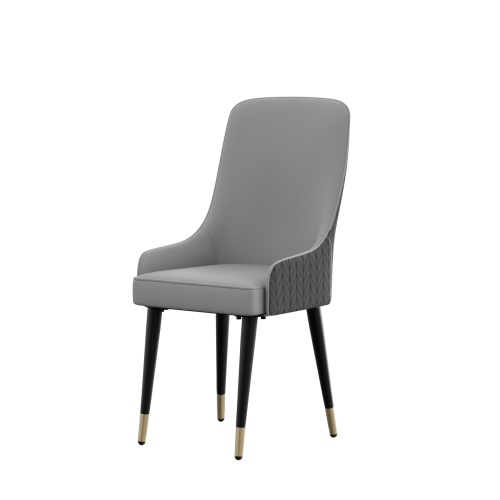
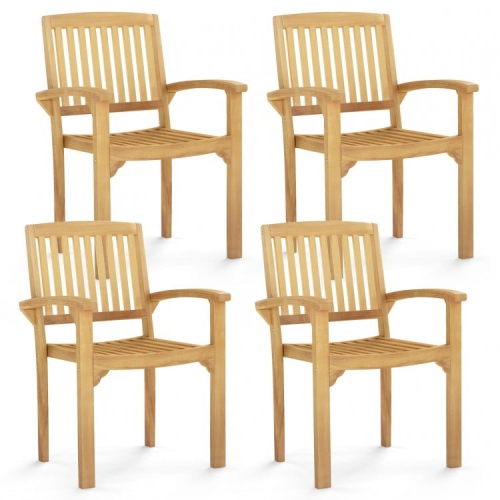
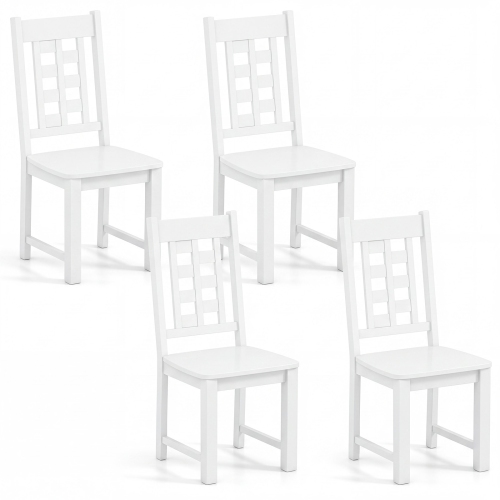

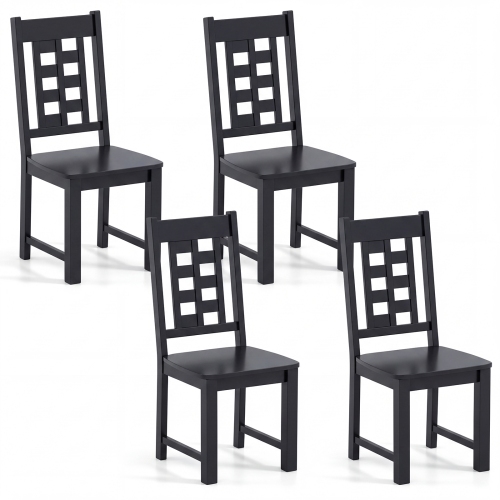


































Why a comfortable chair needs more than cushioning
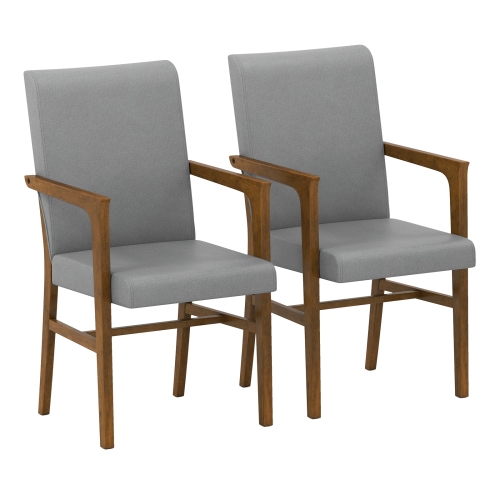
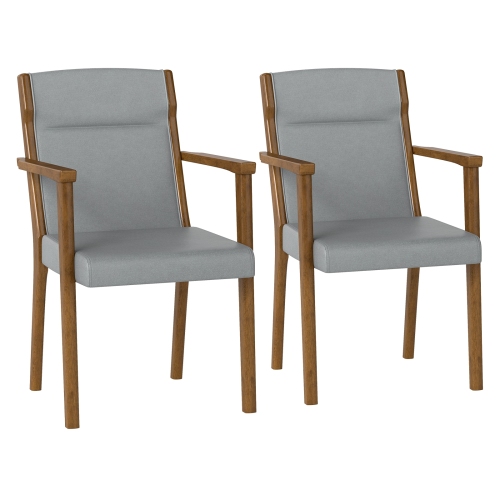
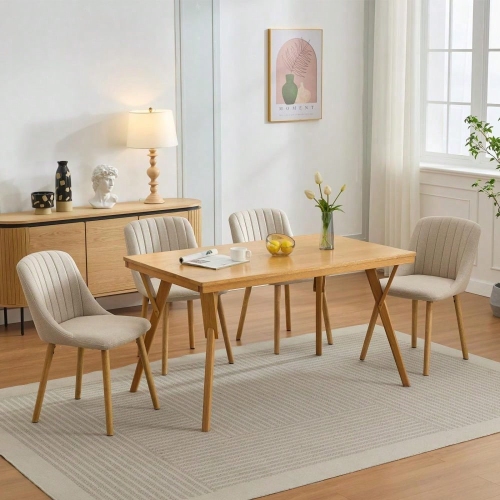
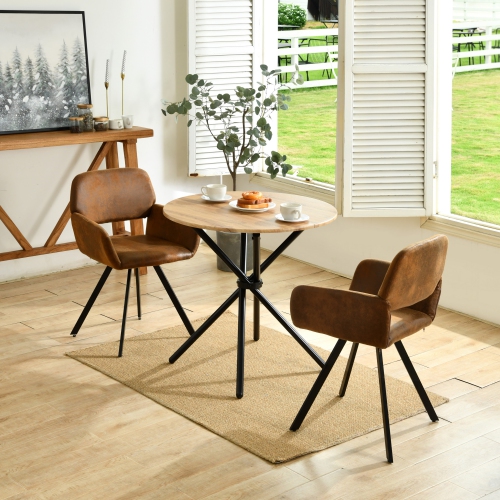
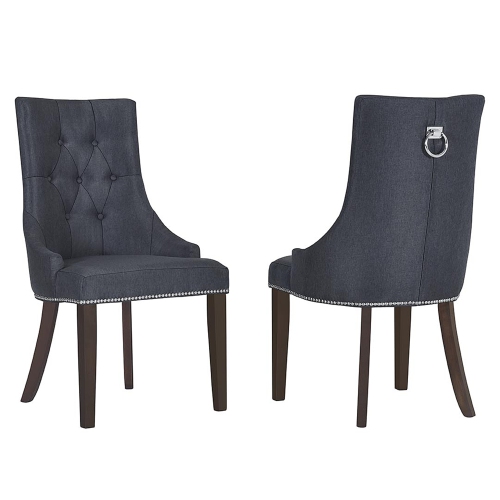
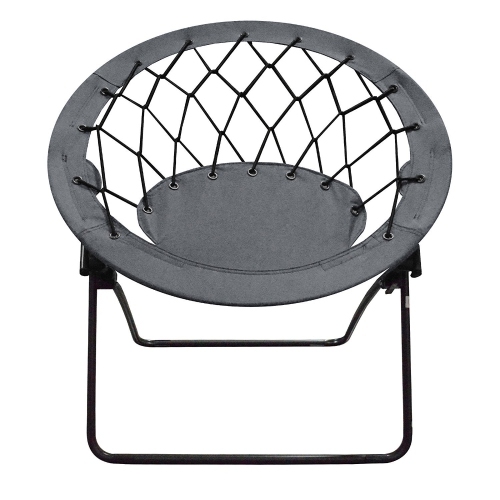
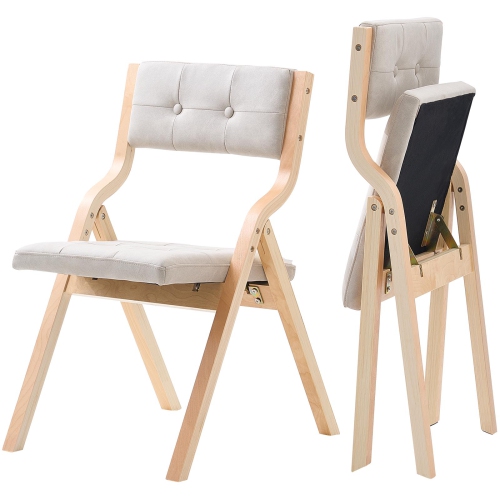
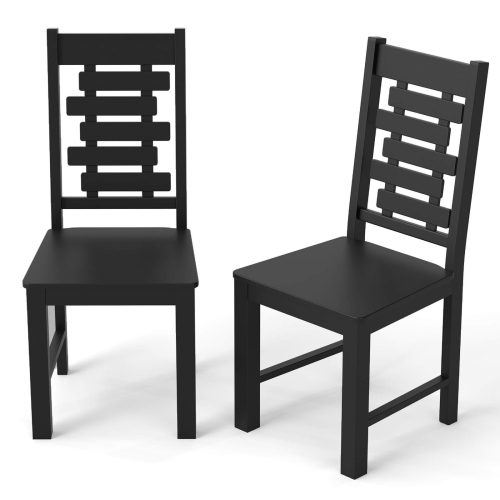
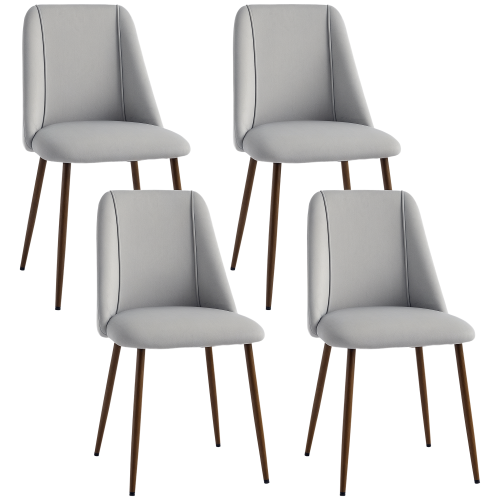
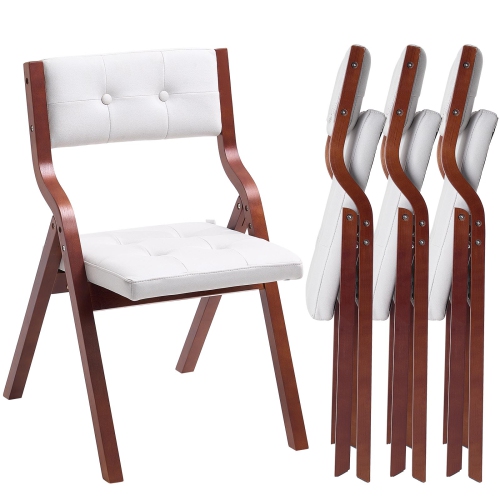
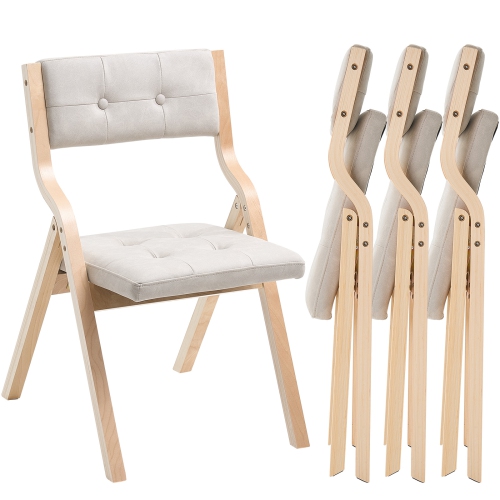
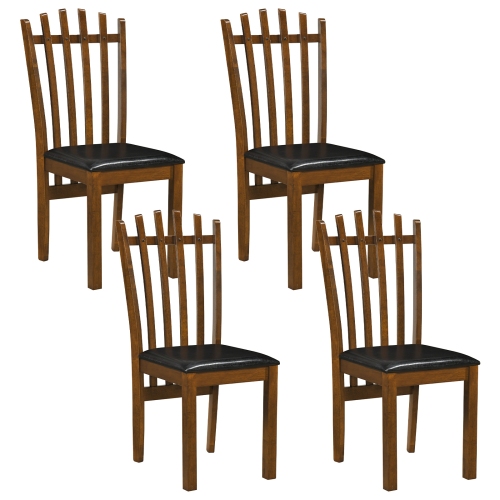
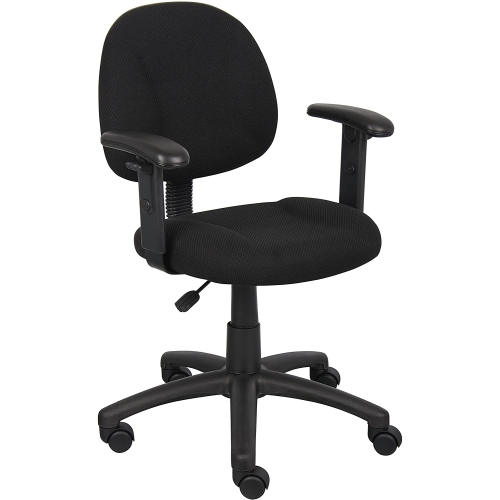
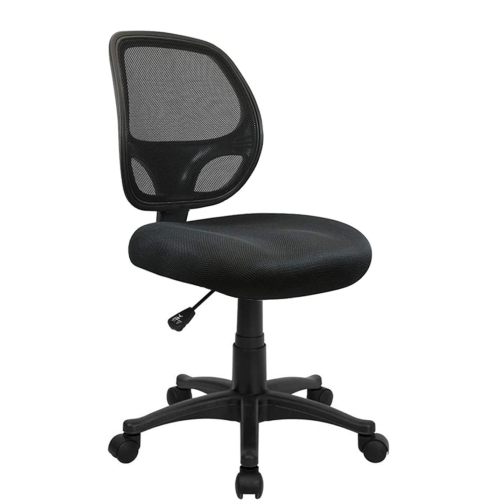
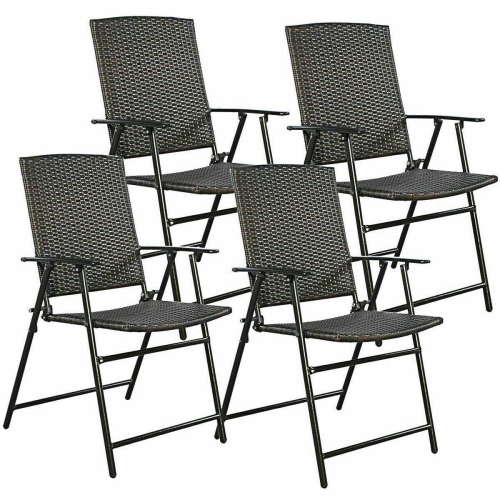
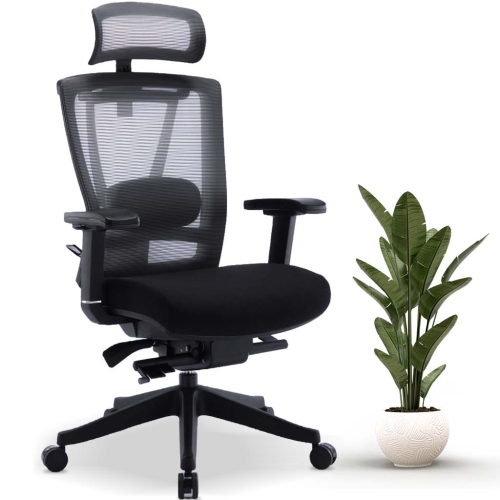
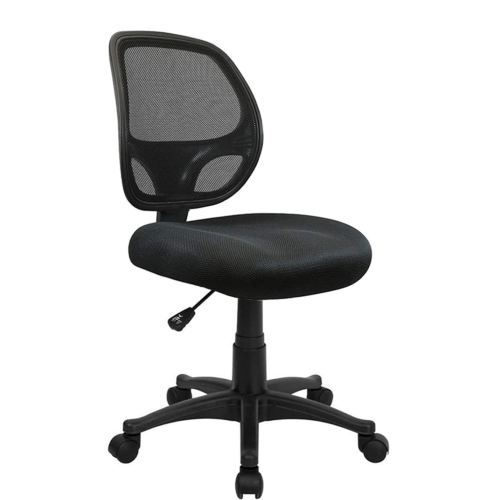
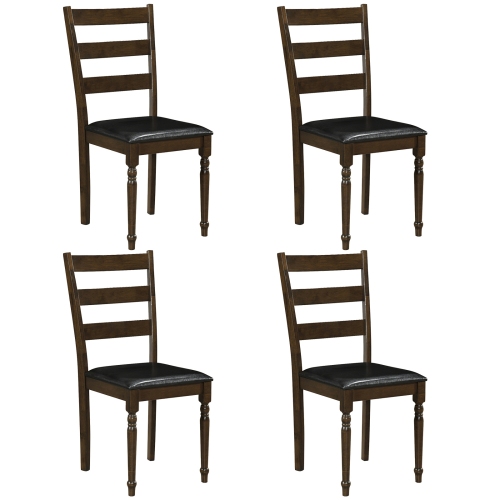
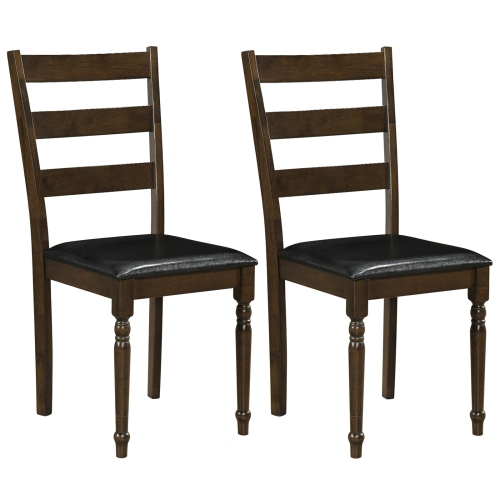
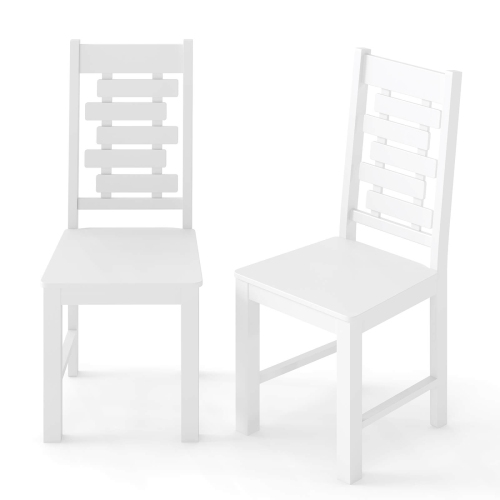
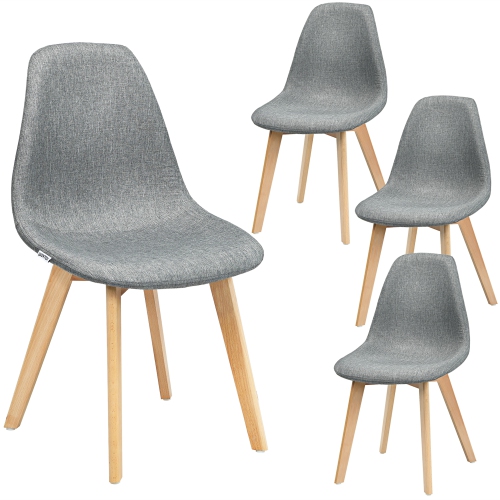
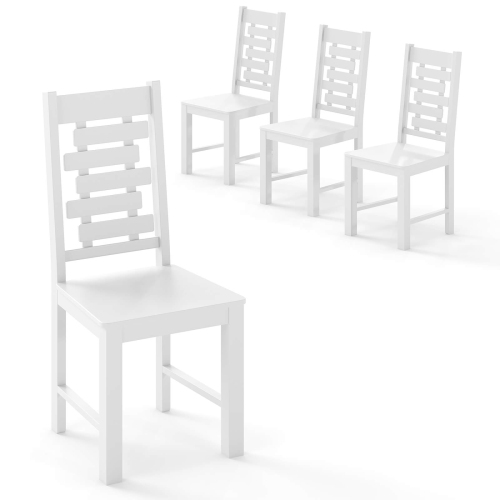
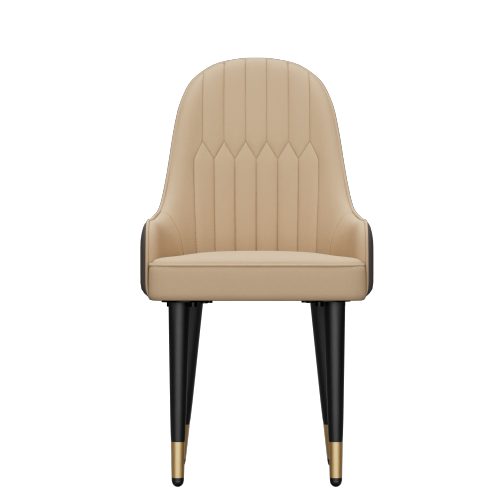
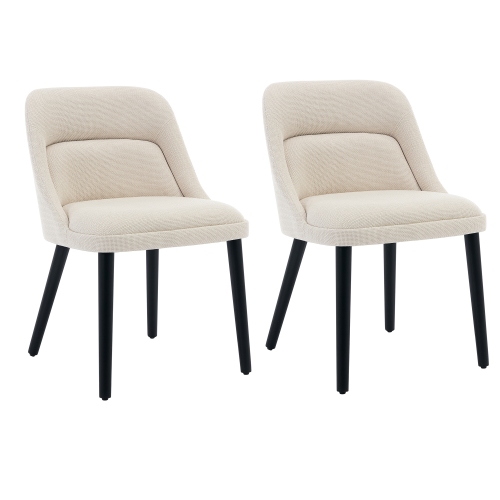
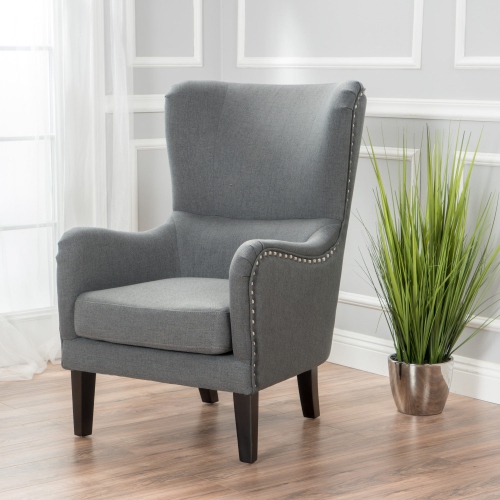
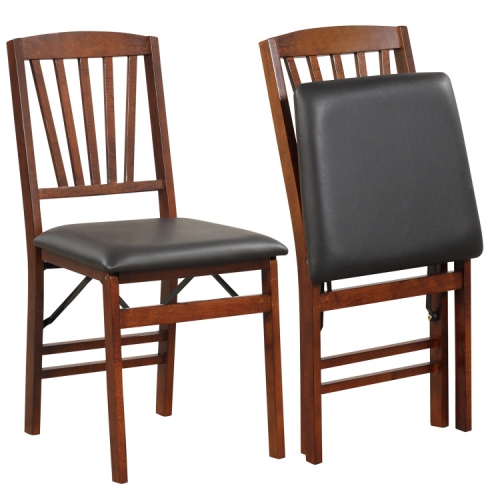
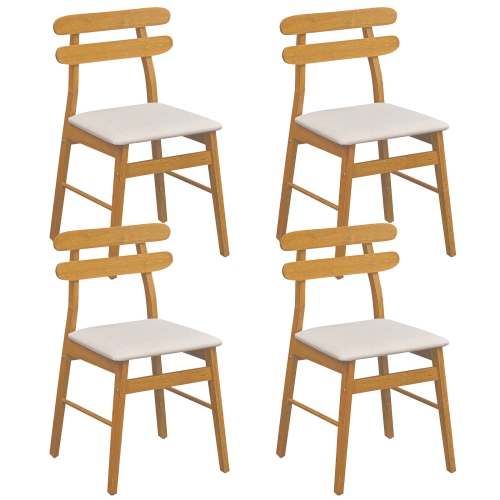
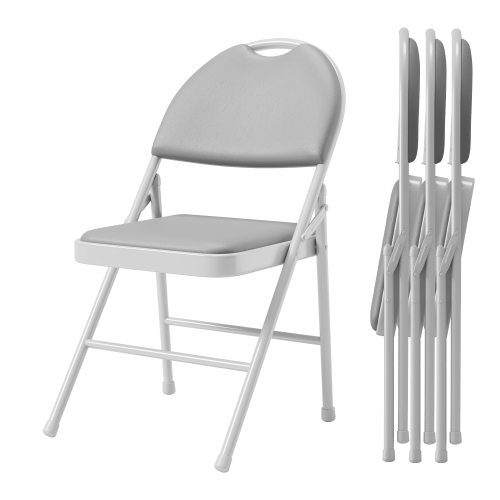
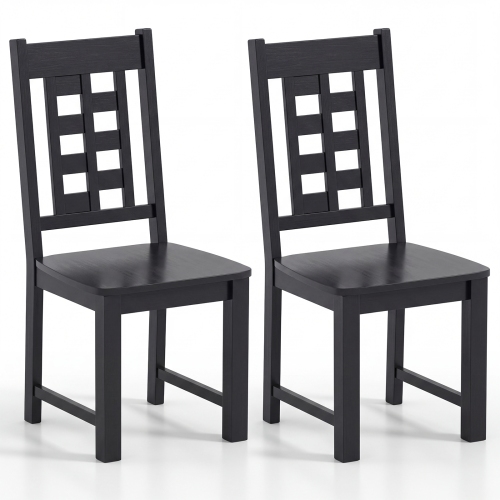
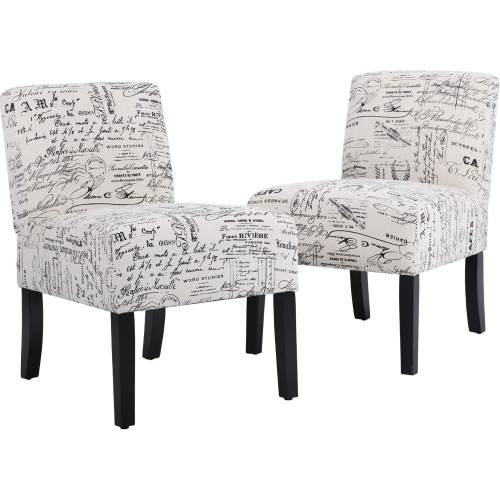
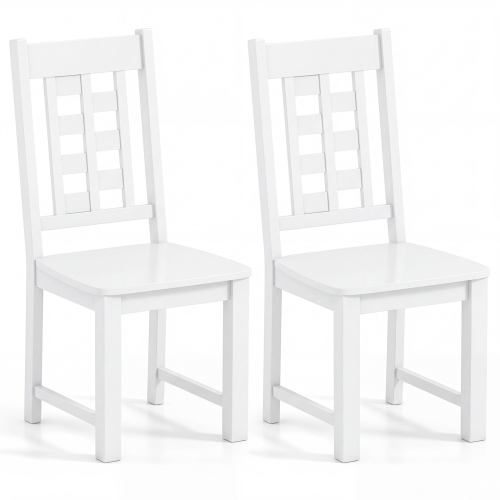
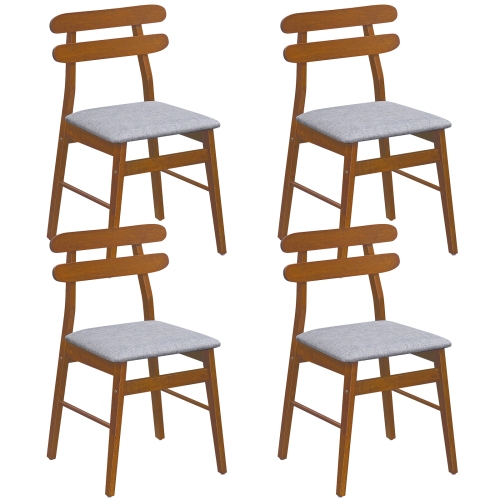
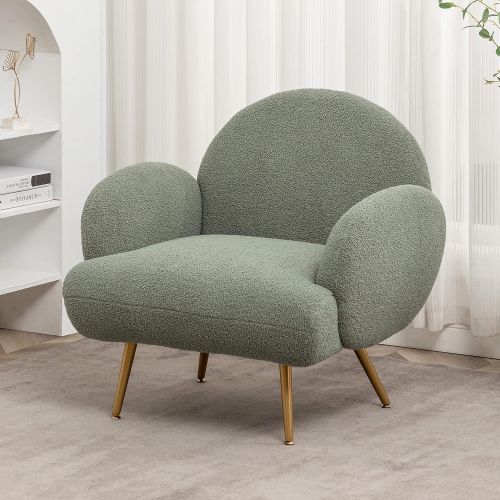
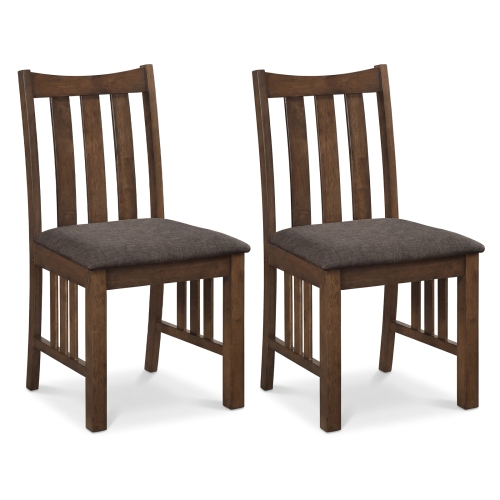
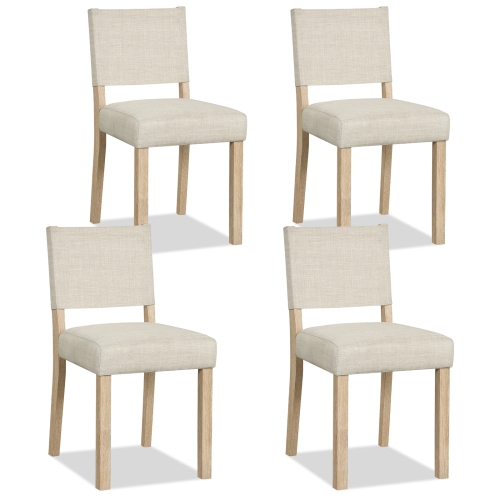
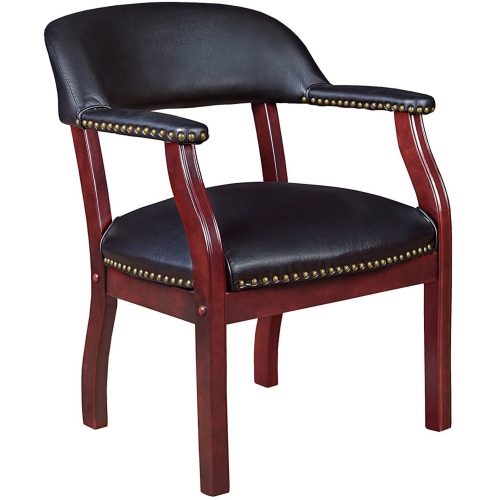
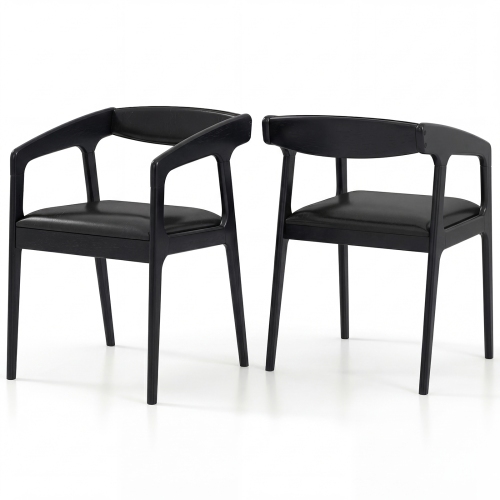
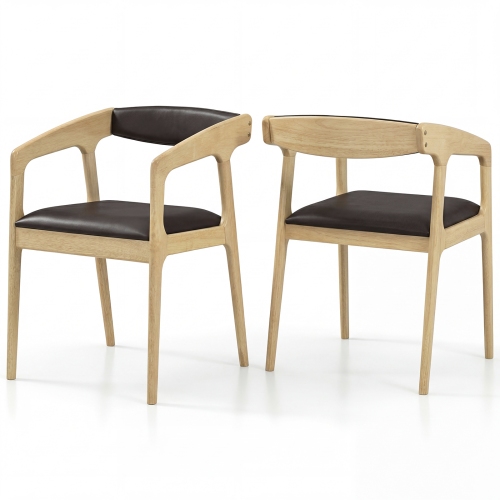
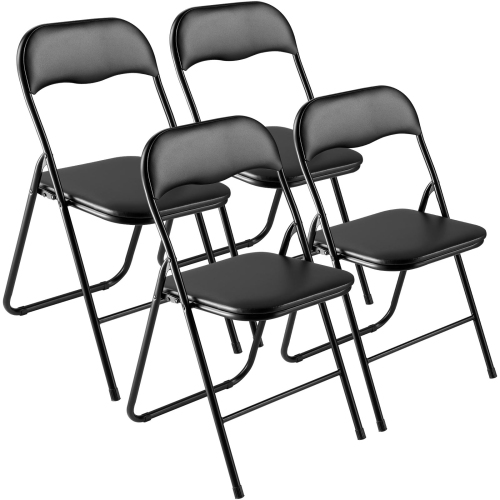
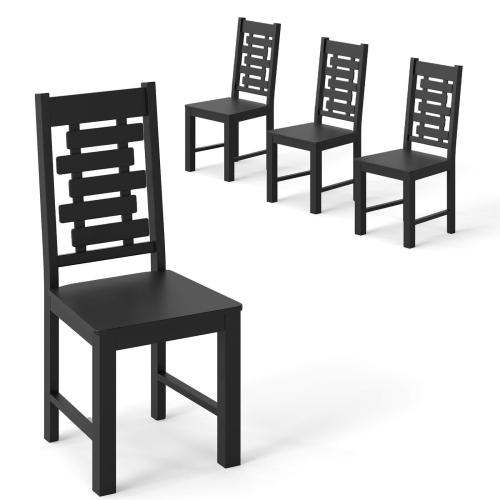
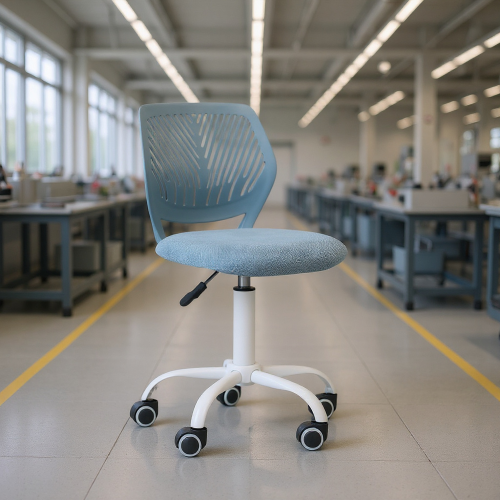
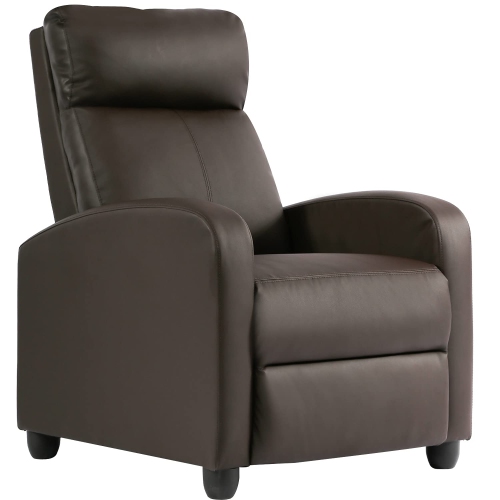
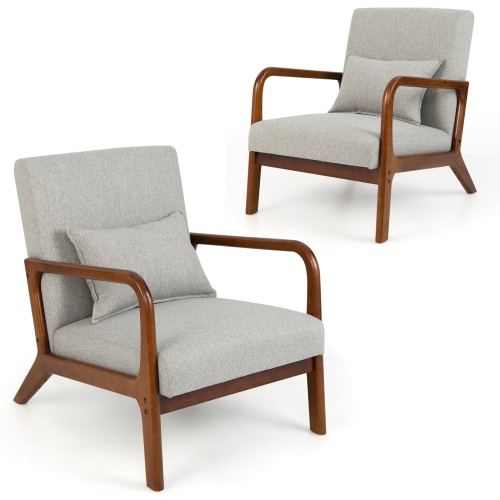
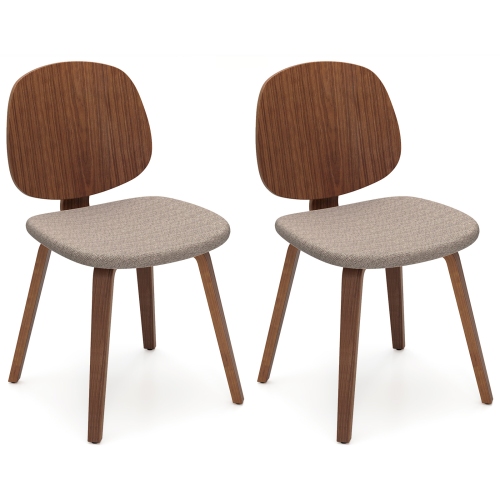
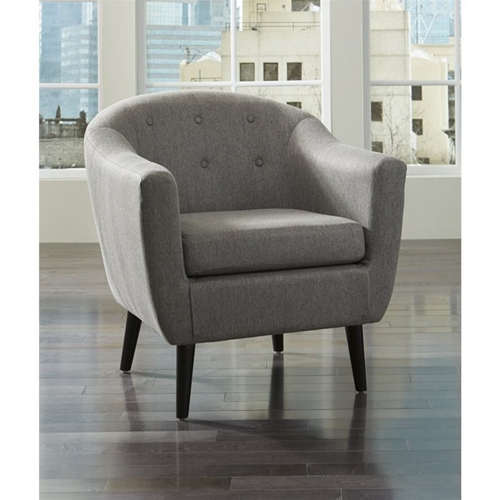
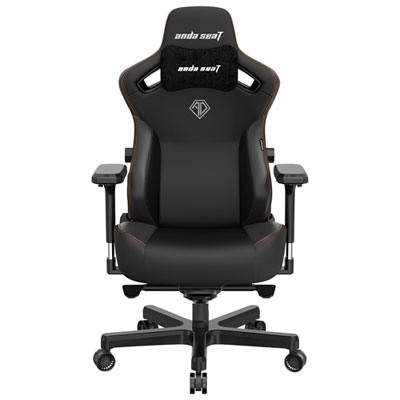
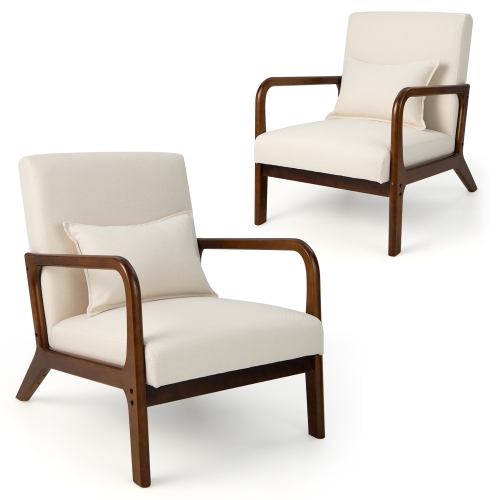
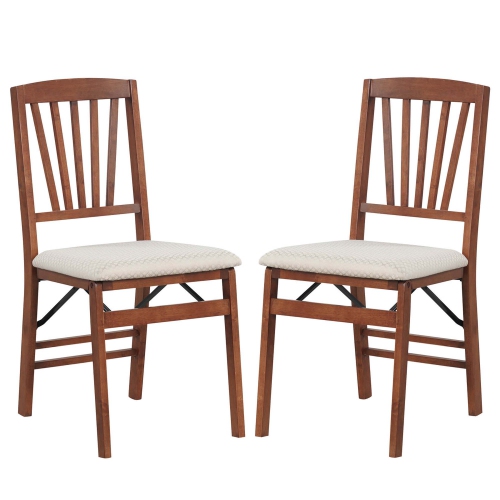
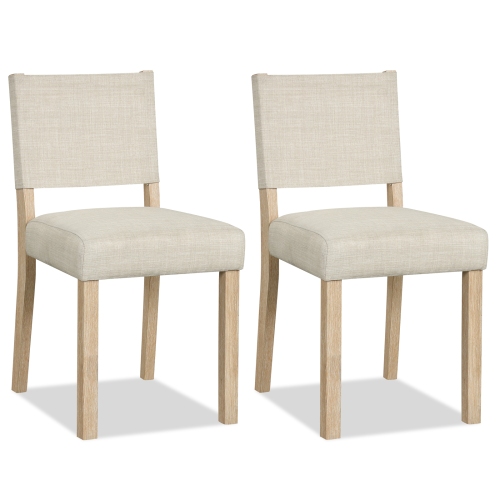
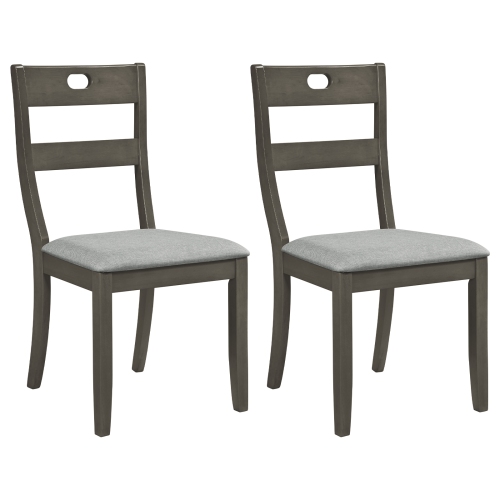
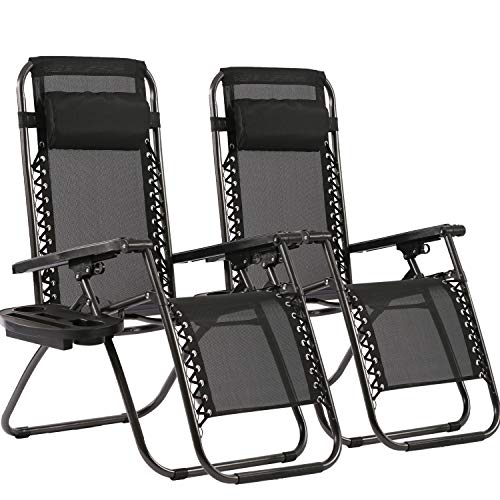
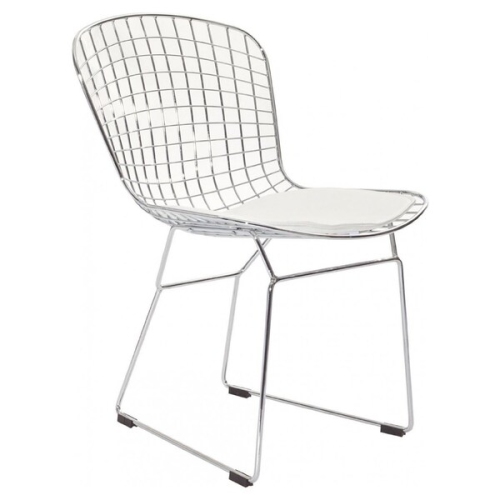
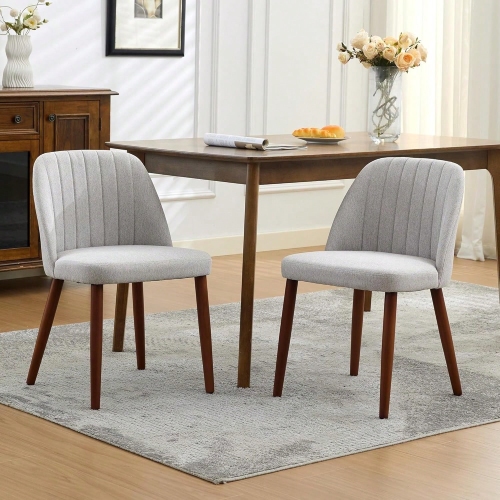
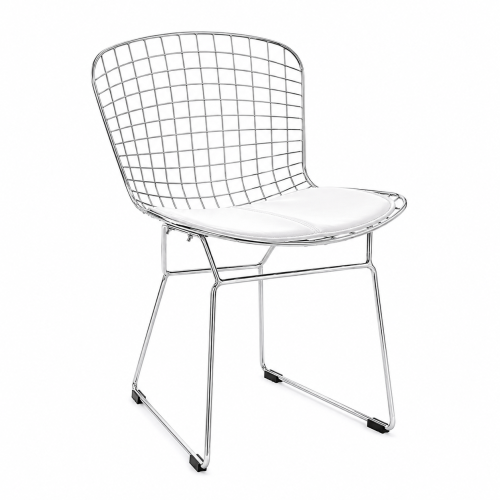
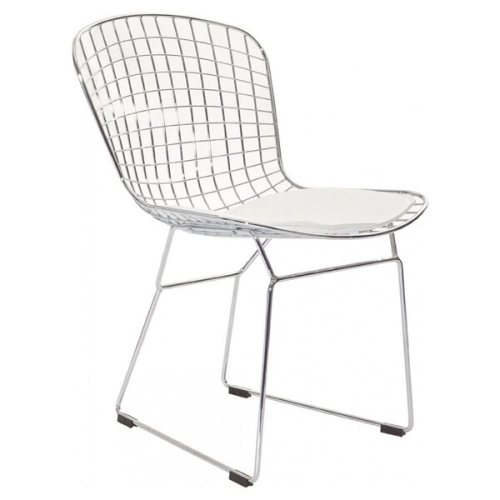
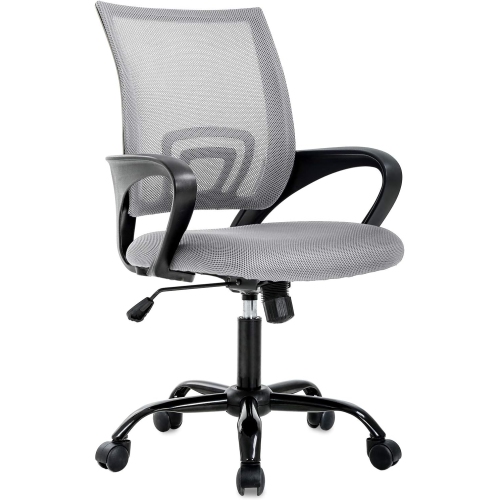
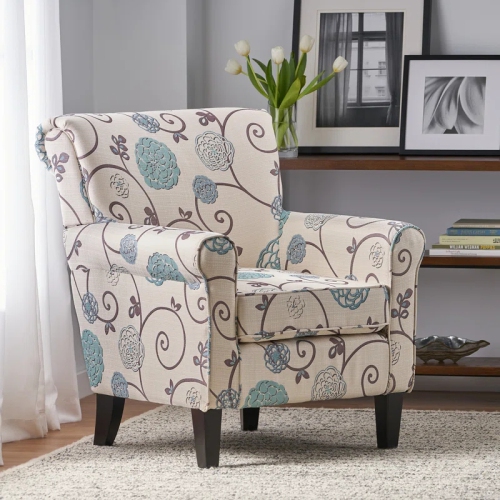
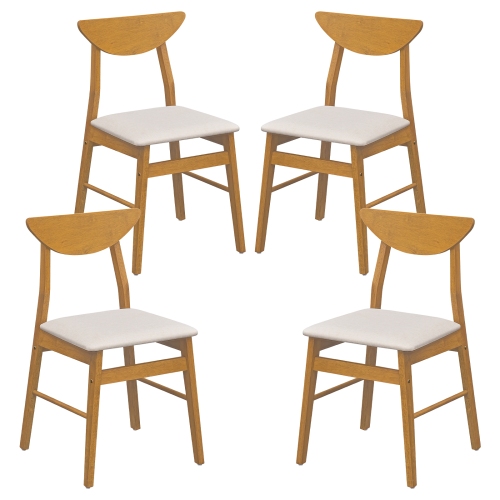
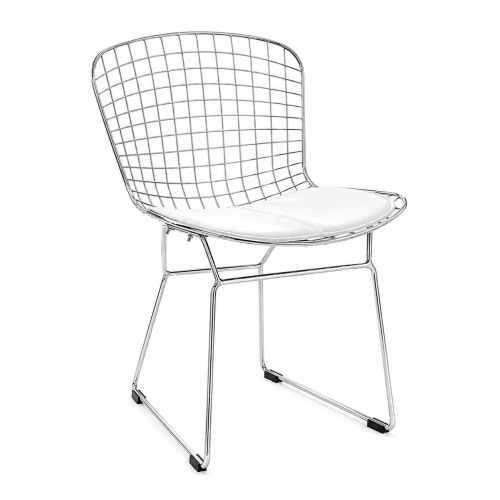
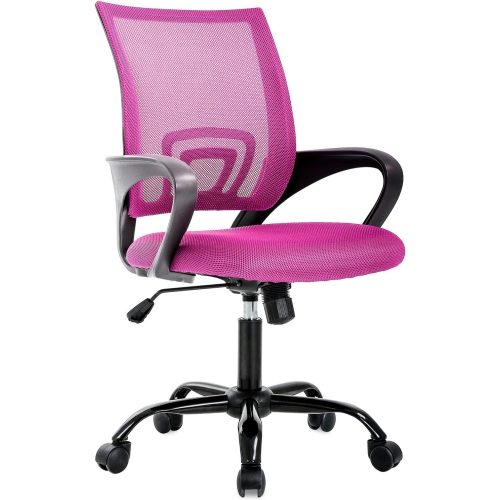
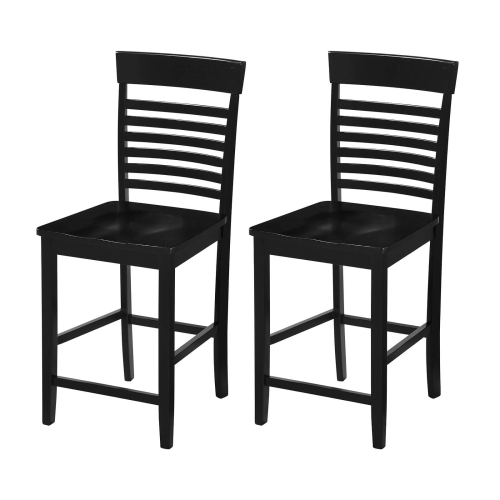
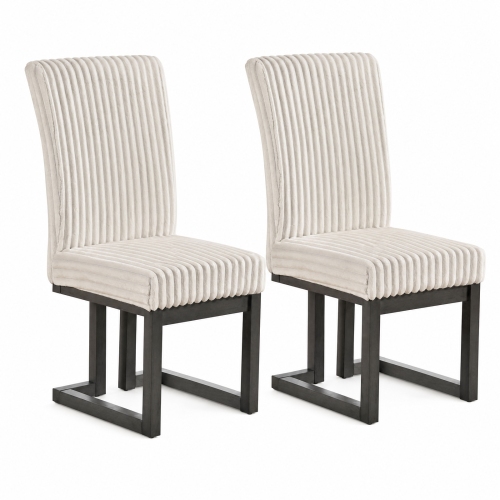
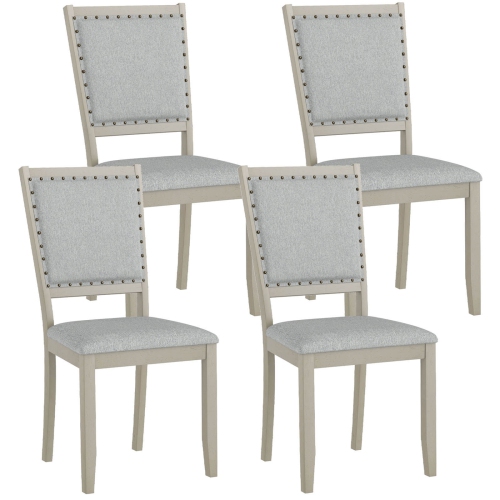
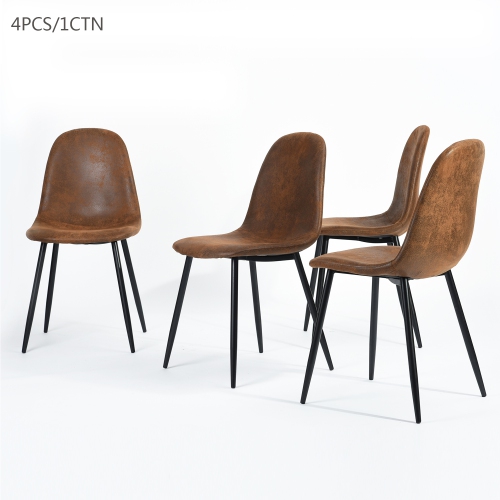
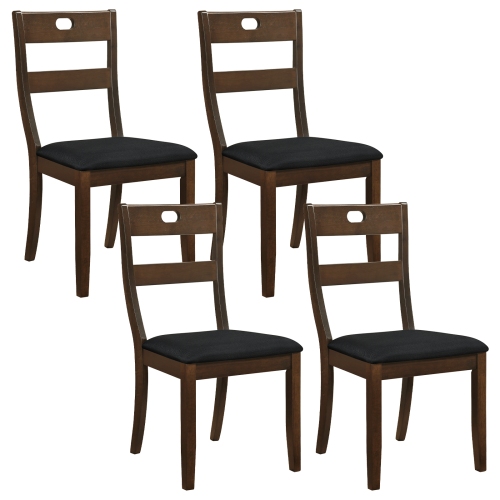
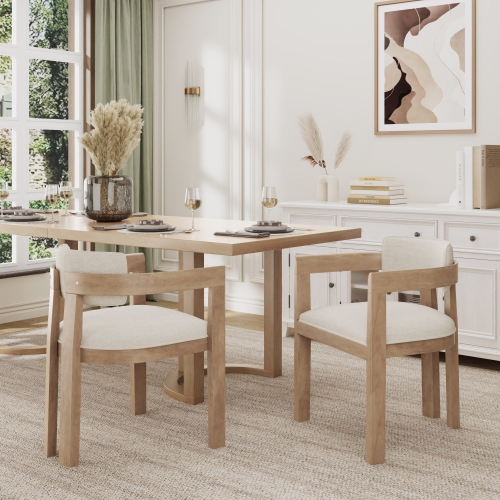
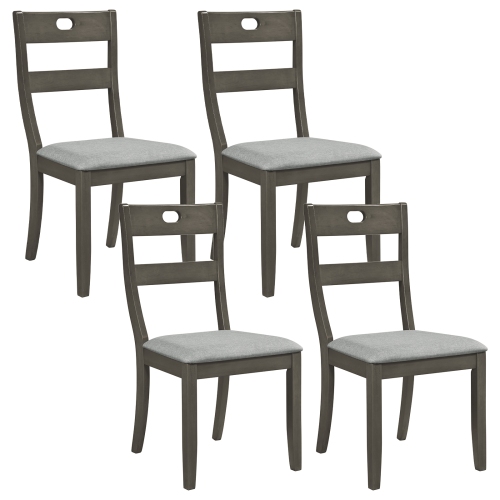
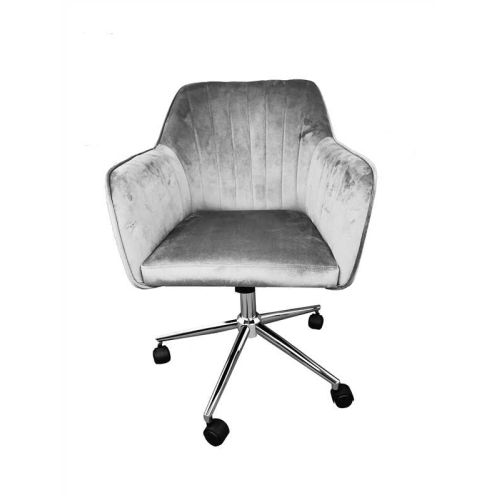
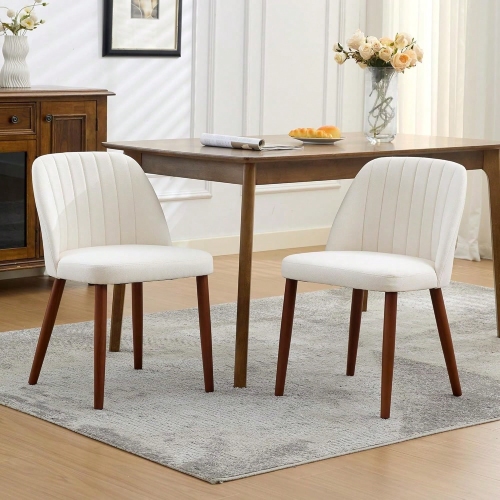
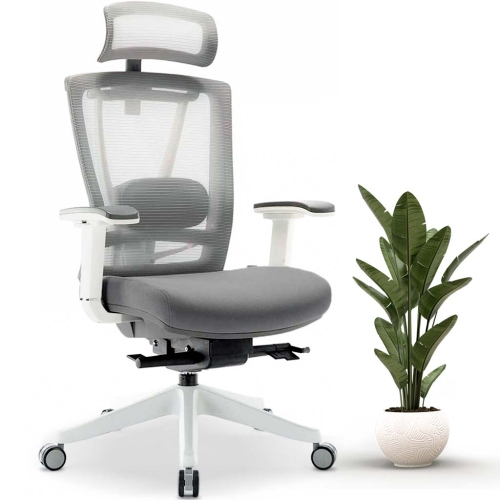
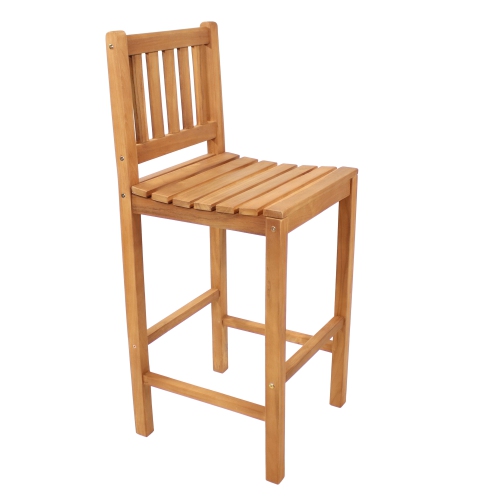
Furniture chairs include dining chairs, accent chairs, armchairs, recliners, and office chairs, with each type shaped around a different way of sitting. Dining chairs support meals, conversation, and time spent around a table, while living room chairs offer a place to read, watch a film, or settle in with a cup of tea. Office chairs are designed for desk-based activities, often with adjustments that help the seat work with the person and the workspace. Within these categories, the differences are more than visual: a compact armless chair can tuck neatly beneath a table, while a generously padded armchair needs room for both its frame and the person getting in and out. In a smaller living room, a single accent chair angled towards a sofa can complete a conversation area without the footprint of another couch. A pair of chairs can create a more balanced arrangement, particularly beside a low table or across from a sectional. For interiors centred on simple shapes, Modern Chairs can complement clean-lined tables, open shelving, and furniture with slim legs. Other styles bring different details into focus, from traditional turned legs and rolled arms to gently curved backs and textured upholstery. Colour also changes how a chair sits within a room: a neutral fabric can blend with larger furnishings, while a saturated shade can give a reading corner a distinct identity. Matching every seat is not essential to a cohesive space. Dining chairs with a shared seat height and similar proportions can work together even when their finishes differ, and a living room chair can pick up a colour already present in a rug or cushion. The most useful distinction is often between seating meant for brief visits and seating intended for longer stretches, since that affects the value of cushioning, arm support, and room to change position. A chair used beside an entryway to put on shoes serves a different purpose from one that becomes a favourite evening seat.
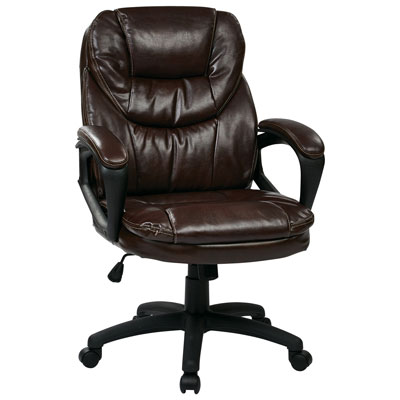
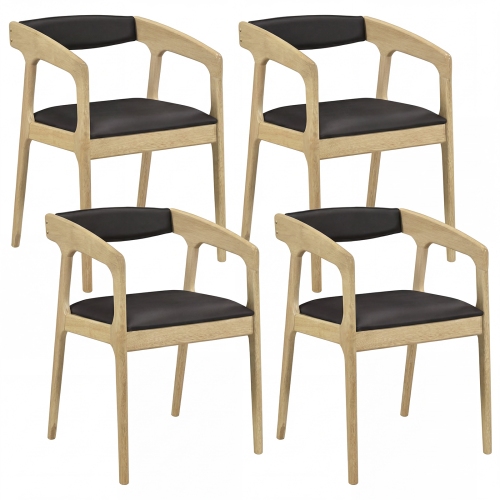
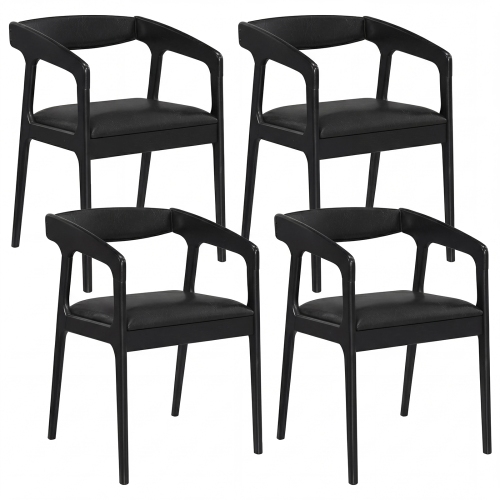
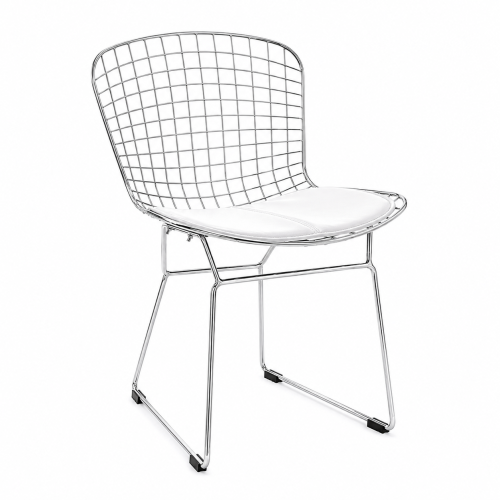
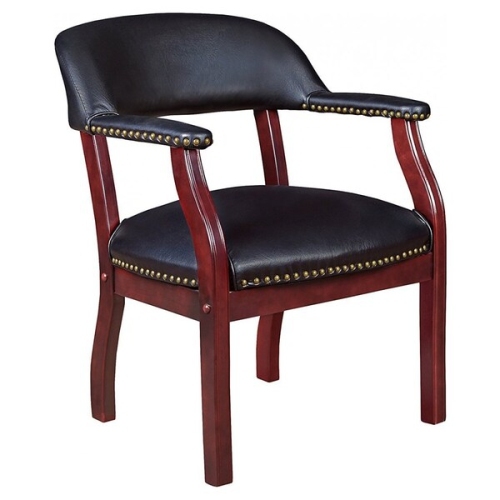
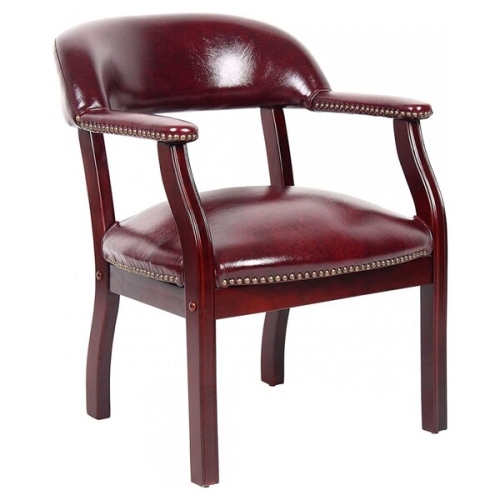
Materials influence a chair’s appearance, feel, weight, and everyday upkeep. Wood frames bring visible grain and can suit both streamlined and traditional furniture, while metal frames often allow for slender profiles and crisp outlines. Solid wood and engineered wood have different construction characteristics, but neither label alone tells the whole story of durability; joints, reinforcement, finish, and how the chair is used also matter. A well-supported frame should feel steady during normal use, without unwanted rocking or movement at the joints. Upholstered chairs add softness and texture, with woven fabrics, velvet-like finishes, leather, and synthetic coverings each offering a different experience. A textured weave can soften the look of a room, though pronounced loops may catch on claws or sharp objects. Leather develops creases with use and needs care suited to its finish, while synthetic coverings have their own cleaning requirements and may respond differently to repeated friction. Removable covers can simplify maintenance when they are designed to be washed, but a removable cover is not automatically machine washable. Care labels remain important for both the fabric and any padding underneath. Around a dining table used for homework, crafts, and family meals, easily reached surfaces and straightforward cleaning can matter as much as a particular upholstery colour. In a quieter reading area, a more tactile fabric may be part of the appeal. Cushion construction affects comfort as well: a firm seat can make sitting down and standing up feel more controlled, while a softer cushion allows a more relaxed position. Padding will not feel identical to every person, and a deep cushion that suits a taller adult may leave a shorter sitter’s feet unsupported. Routine care generally includes removing dust, dealing with spills promptly according to the care instructions, and checking accessible fasteners when the manufacturer recommends it. Felt pads or floor-compatible glides can help limit marks from stationary chair legs, while casters need to suit the flooring beneath them. These small details contribute to how smoothly a chair fits into daily life.
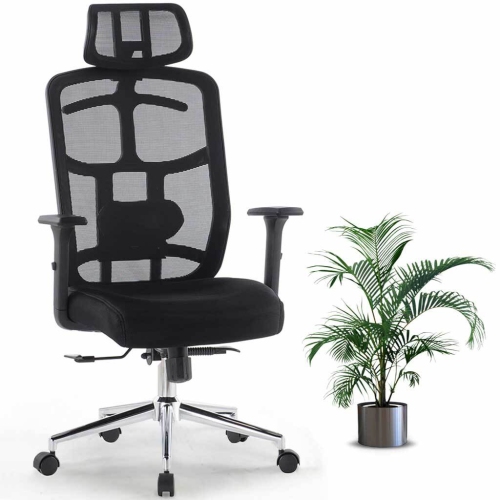
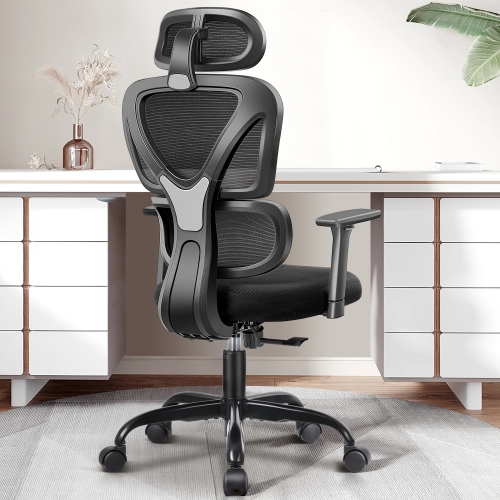
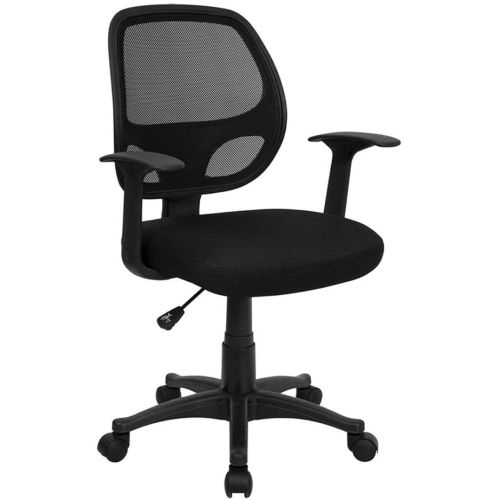
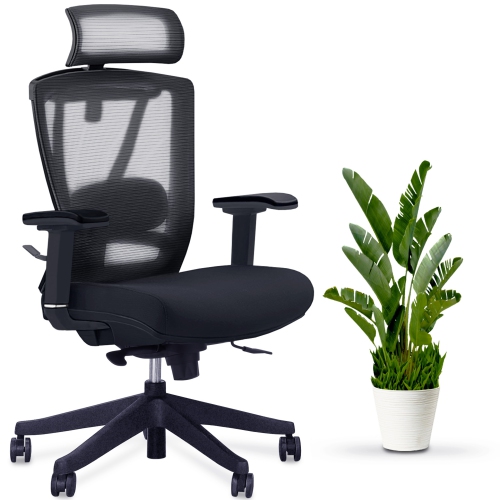
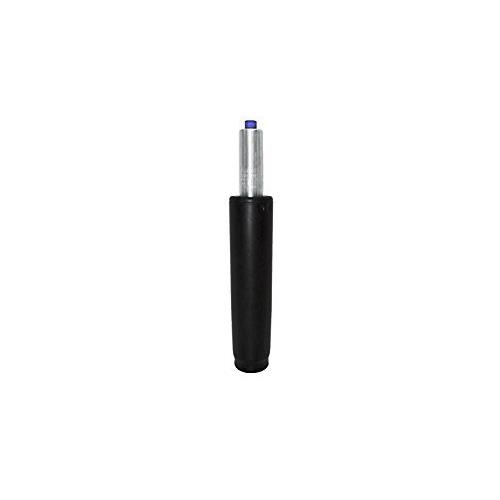
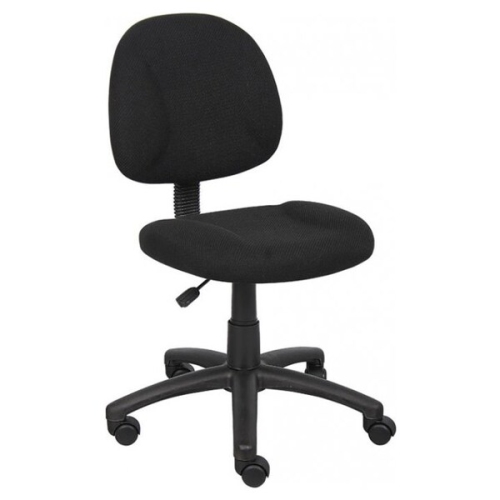
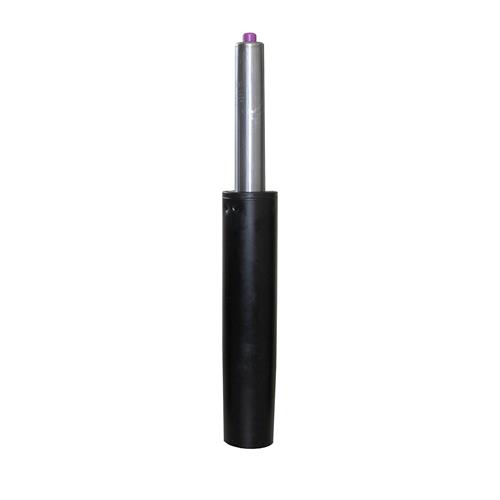
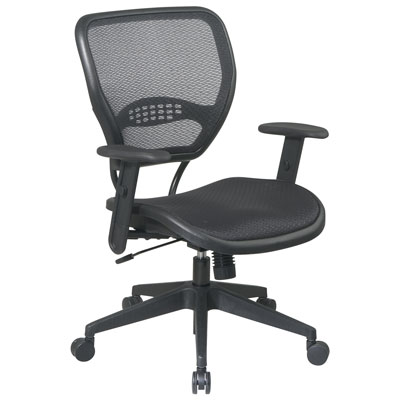
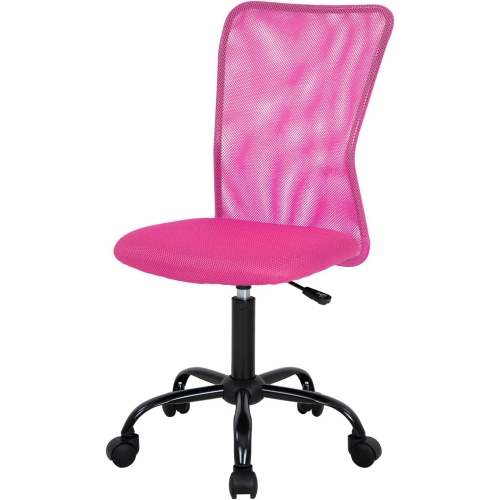
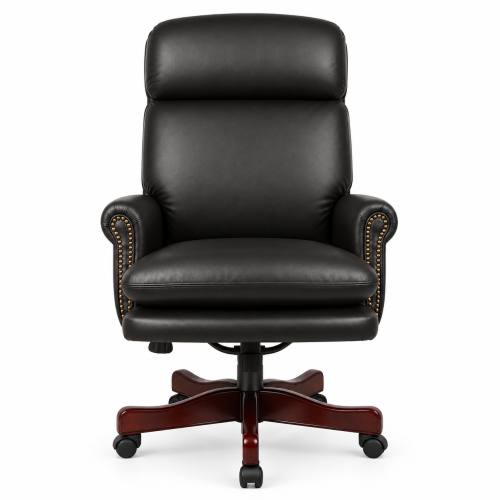
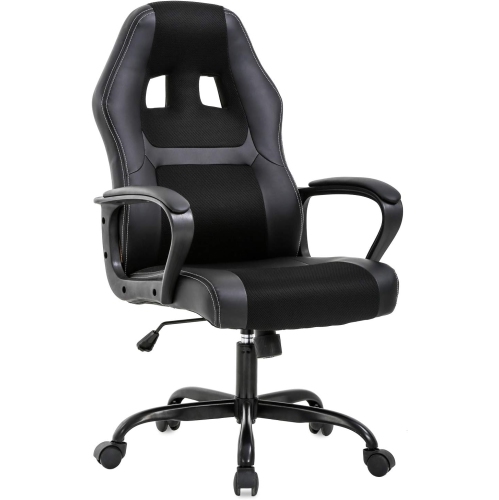
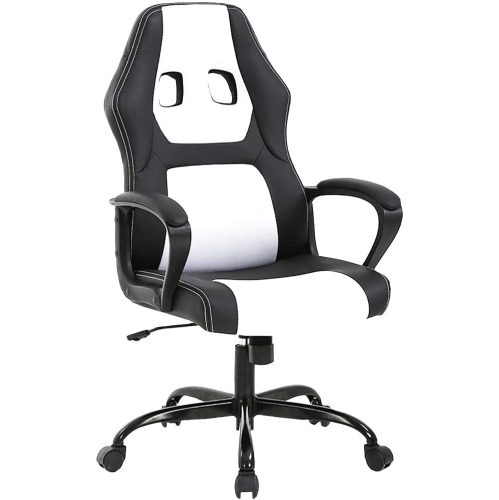
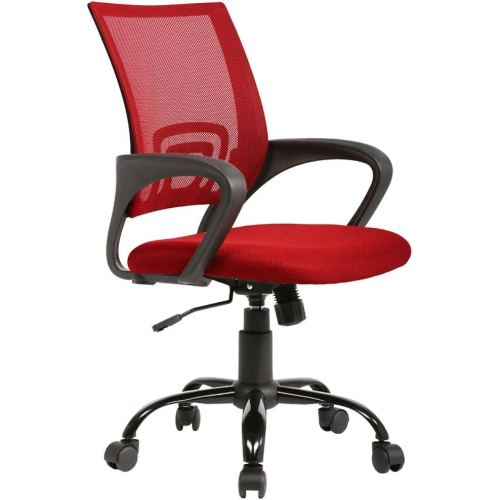
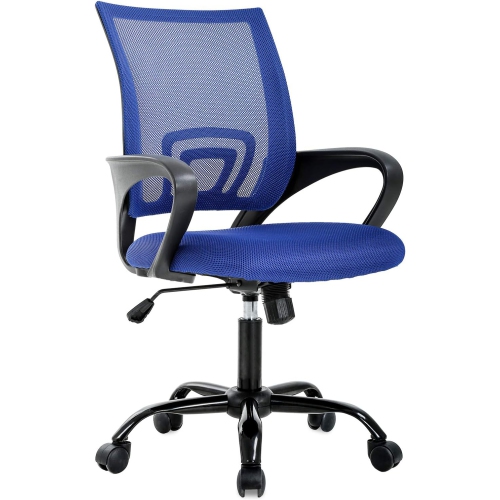
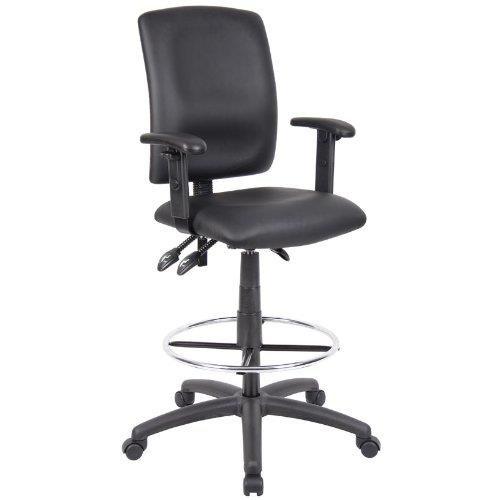
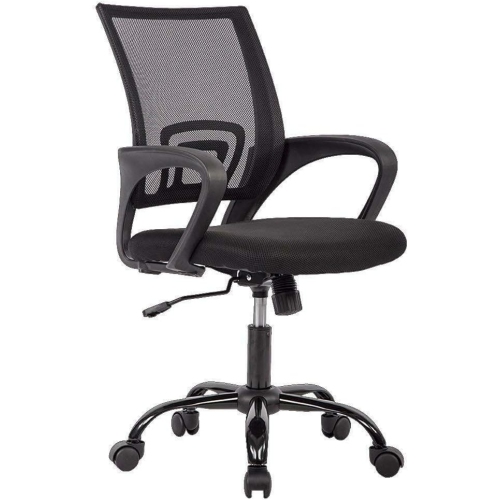
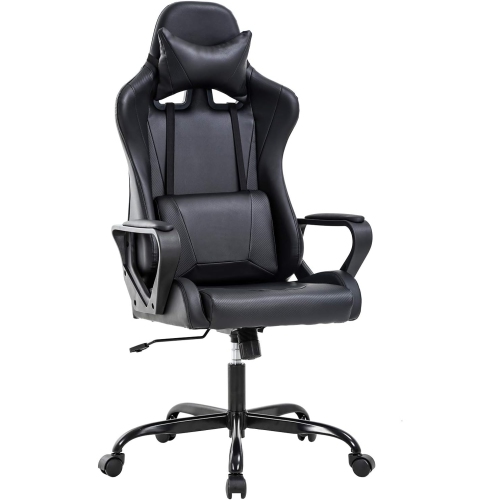
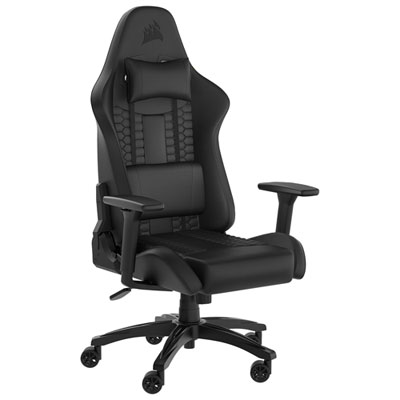
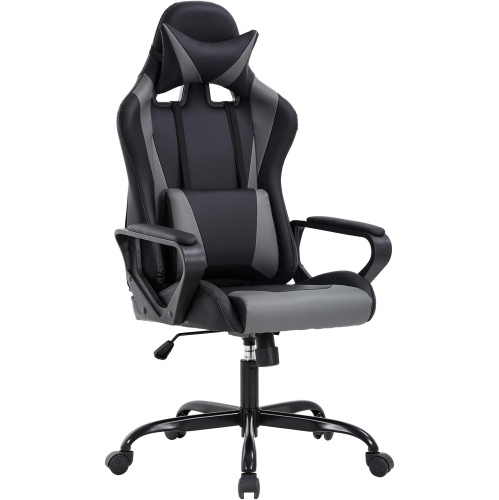
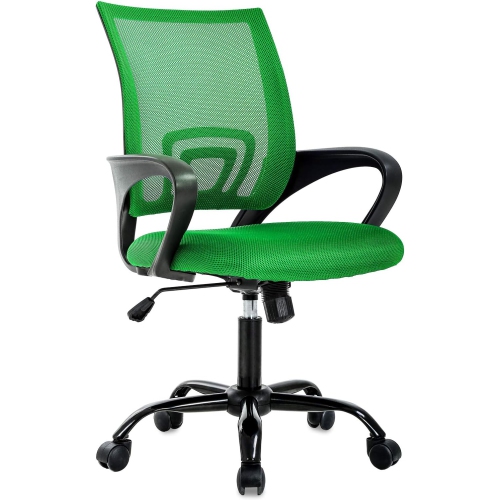
Fit involves the chair, the person, and the surrounding furniture. Overall width and depth describe the space a chair occupies, but seat width, seat depth, and seat height are more useful for understanding how it may feel. Armrests reduce the usable opening on some chairs and need clearance beneath a dining table or desk if the seat is meant to tuck away. At a dining table, enough space between the seat and tabletop allows the sitter’s legs to rest comfortably, while space behind the chair allows someone to pull it out without blocking a doorway or walkway. A broad chair may look well proportioned at the head of a table yet feel crowded when several are placed side by side. Reclining chairs need additional consideration because their footprint changes when the back moves or the footrest extends; wall clearance and the fully reclined dimensions matter more than the upright outline alone. Swivel chairs also need room to turn without striking nearby furniture. For a home office or study area, adjustable seat height helps coordinate the chair with the desk, and lumbar support, armrest position, and backrest movement can affect comfort during longer sessions. Feet should have stable support, whether on the floor or an appropriate footrest, and the working position should allow the shoulders to remain relaxed. No chair replaces regular movement, but a suitable fit makes it easier to vary posture throughout the day. Household needs add another layer: a stable chair with supportive arms may be useful for someone who finds low seating difficult, while a lighter dining chair may be easier to reposition for shared meals. Manufacturer weight limits and assembly requirements are relevant alongside dimensions, particularly for furniture that will see frequent use. Chairs can also make thoughtful housewarming gifts when the recipient’s space, preferred style, and seating needs are already known. Whether furnishing a first apartment, refreshing a dining area, or adding a dedicated reading seat, a chair works best when its proportions, construction, and intended use suit the everyday routines around it.
Top selling and popular products
-
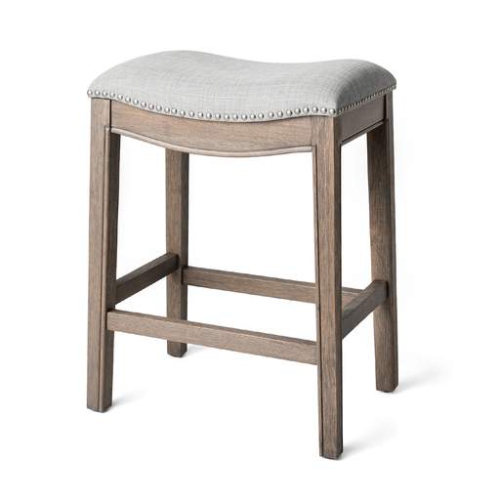 Your price for this item is $227.99
-
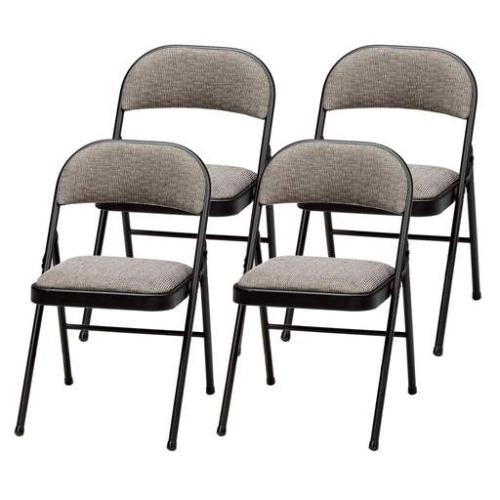 Your price for this item is $363.99
-
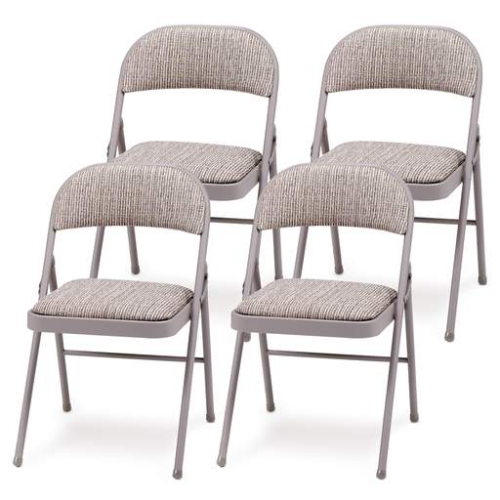 Your price for this item is $398.99
-
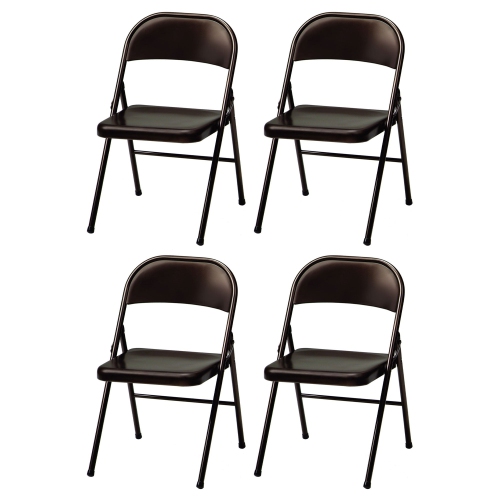 Your price for this item is $212.99
-
 Your price for this item is $364.99
-
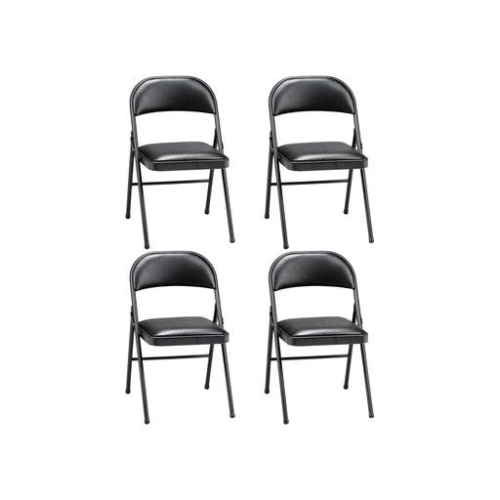 Your price for this item is $376.99
-
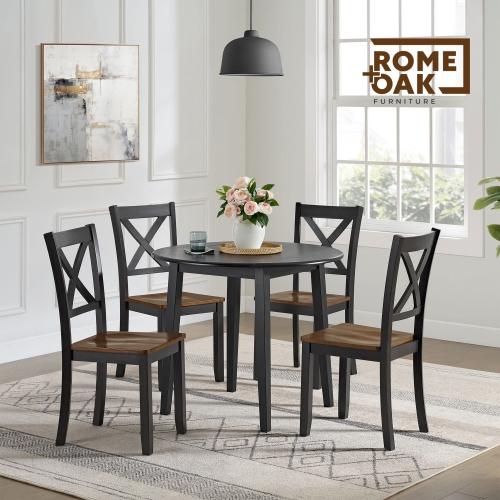 Your price for this item is $423.99
-
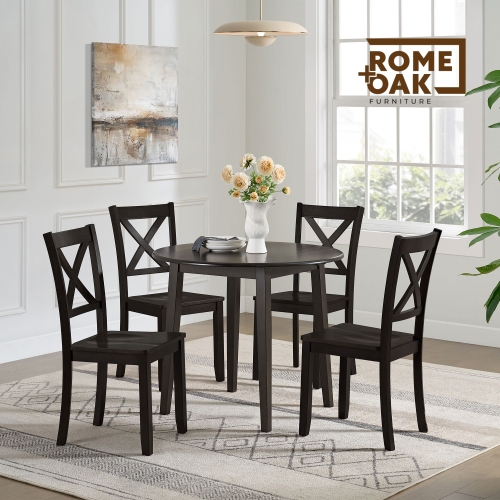 Your price for this item is $403.99
Discover more categories related to Furniture Chairs

Top Collections:
Best Black Friday Deals This Year, Best Black Friday Deals On Electronics, Kindle Devices, Pokemon Centers, Best Black Friday Deals On Apple Products, Best Cameras for Sports Photography, Dyson Airwrap, Pokémon 30th Celebration Cards, Apple iPhone 17 Pro, Canon G7X Cameras
Some products may be subject to Environmental Handling Fees
(EHF) depending on your province.
Learn more about EHFs.