Desk Chairs
Upgrade your workspace with a wide selection of desk chairs designed to support your daily routine. Whether you're setting up a home office, study area, or professional environment, finding the right desk chair can make all the difference in comfort and productivity. Explore options that suit every style and need, from classic designs to modern looks, and discover how the perfect desk chair can enhance your workday experience.
Sort



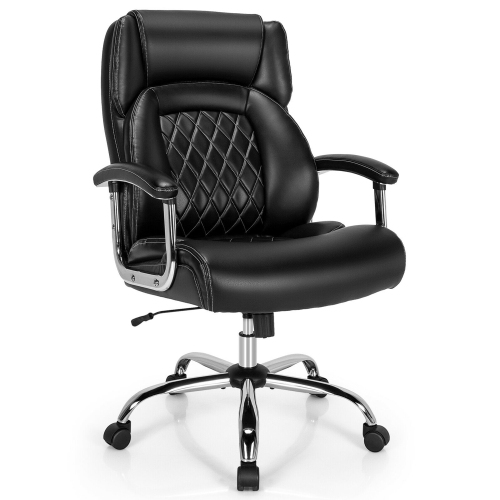
The right fit goes beyond seat height
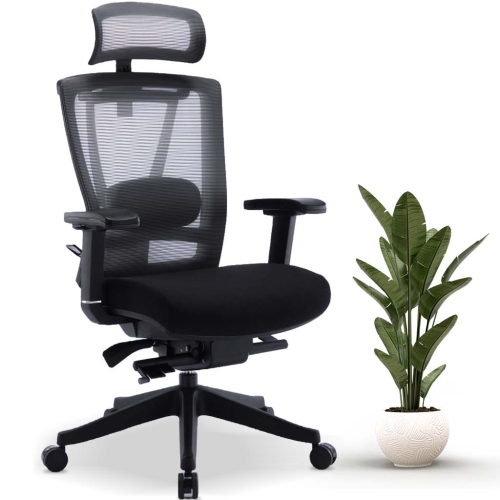
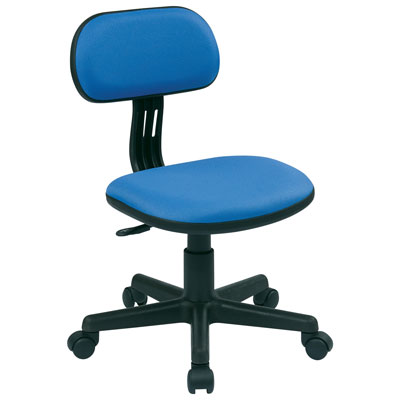
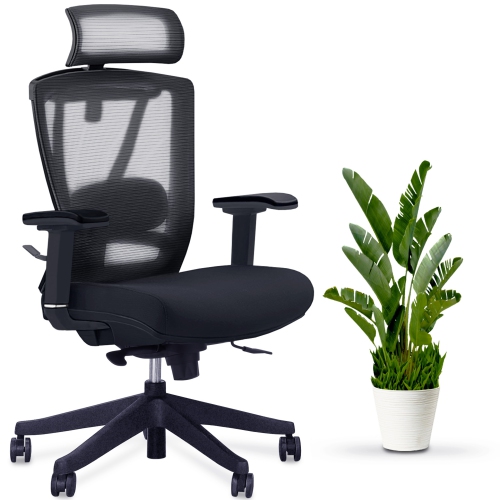
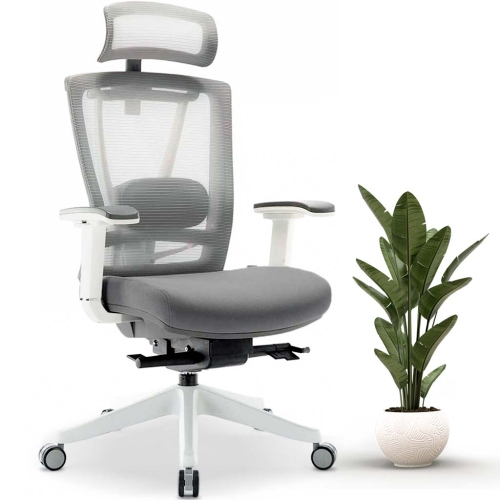
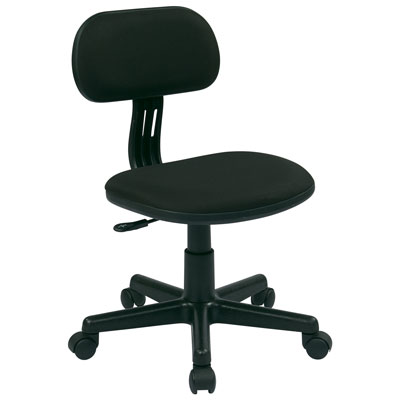
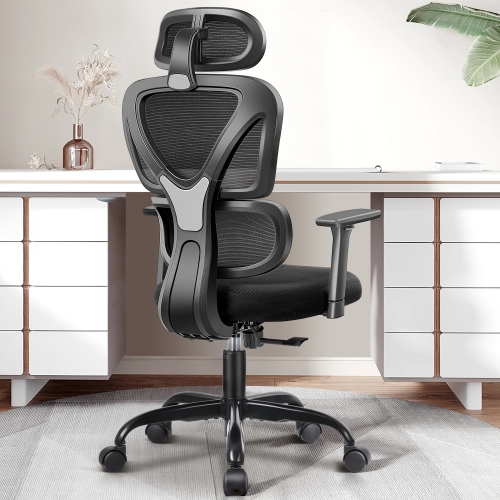
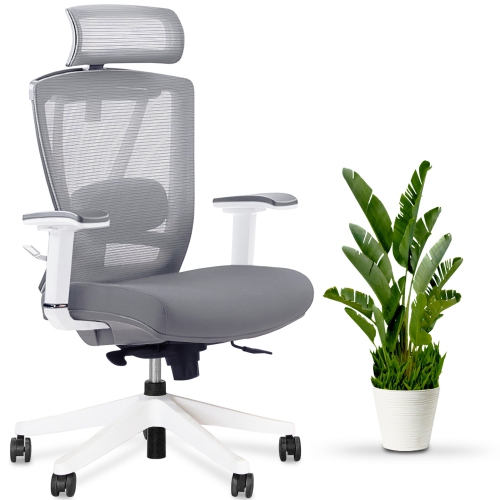
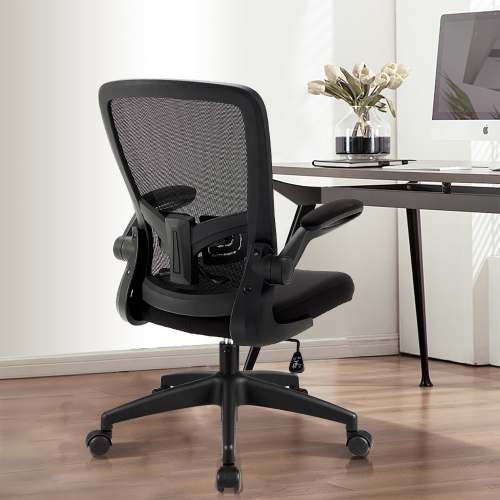
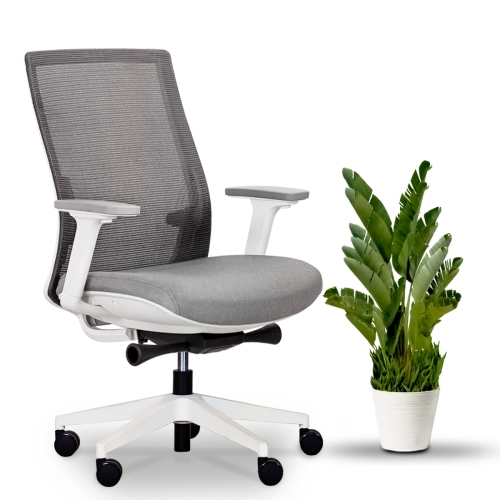
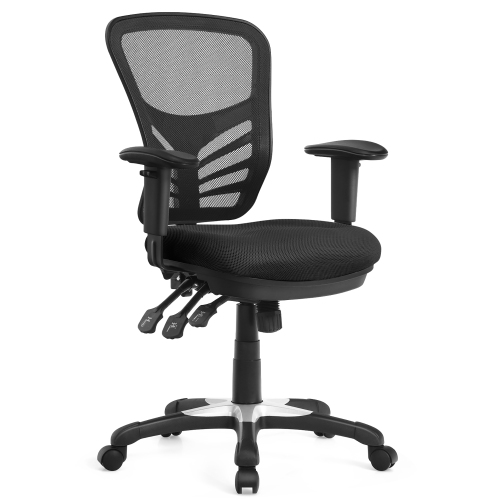
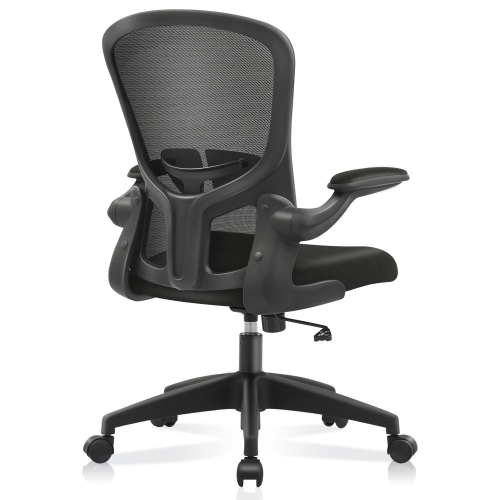
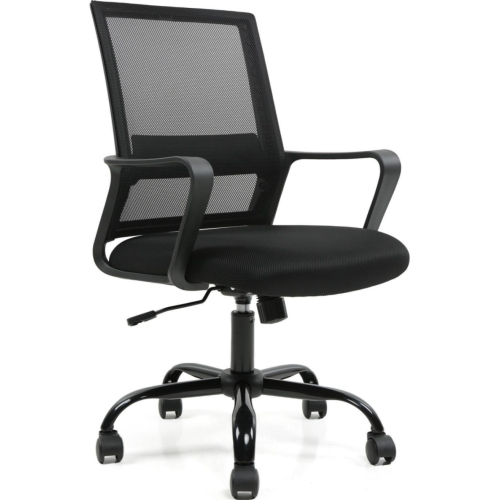
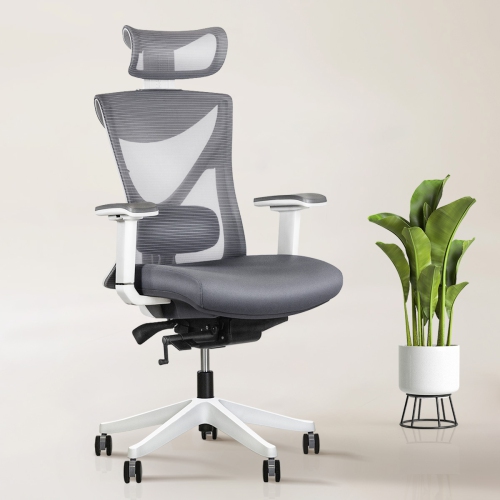
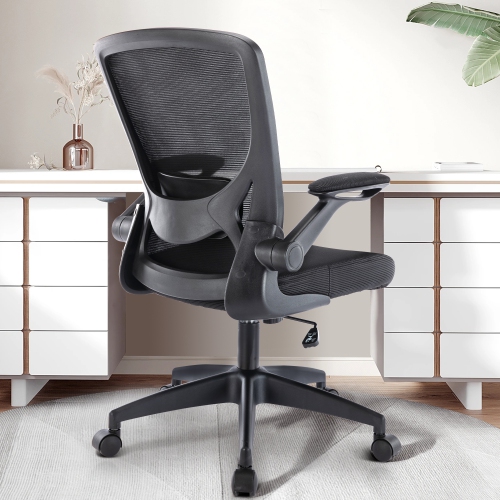
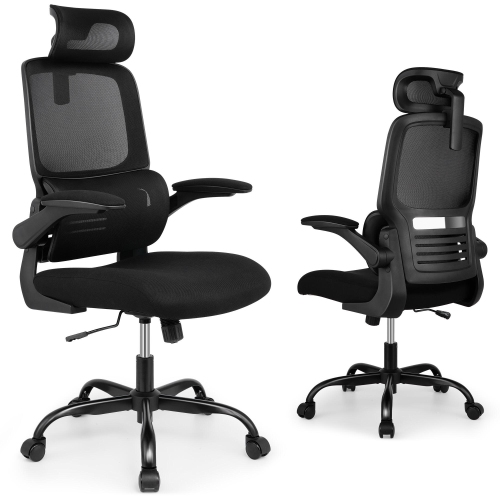
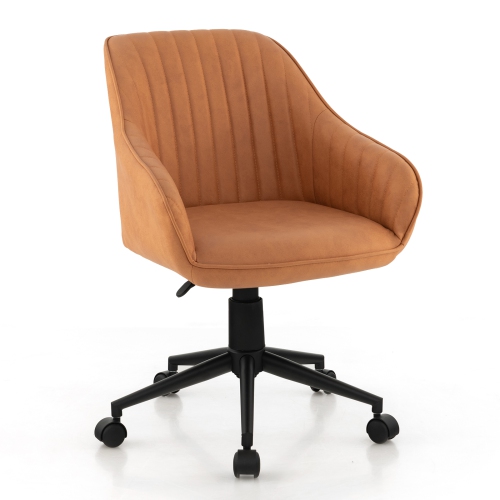
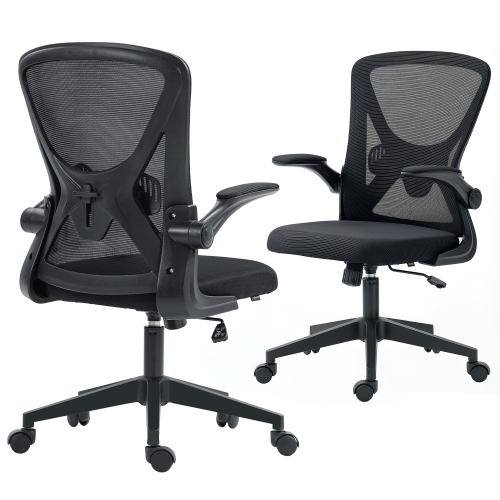
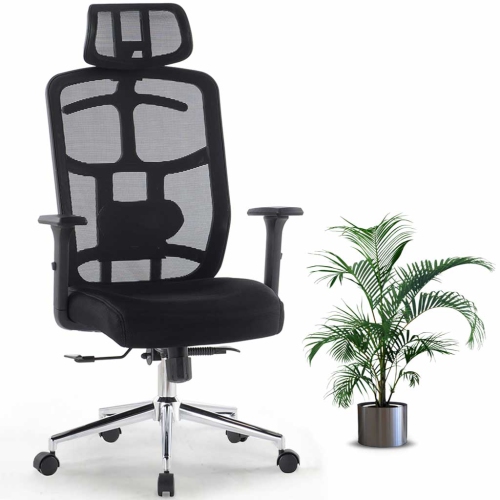
Desk chairs are designed to support seated activities at a work surface, from typing and video calls to studying, drawing, and managing household paperwork. The category includes compact task chairs, adjustable ergonomic chairs, upholstered swivel chairs, and high-back designs with more substantial cushioning. The right fit depends on the person using the chair, the desk height, and how much time is spent seated. A chair used for occasional correspondence may need fewer adjustments than one used throughout a working day, while a shared workstation benefits from controls that different users can reach and reset easily. Seat height is a starting point: feet should rest comfortably on the floor or a footrest, with enough clearance beneath the desk for the thighs. Seat depth matters just as much. A seat that is too deep can make it difficult to sit against the backrest without pressure behind the knees; an adjustable seat pan allows the sitting surface to move forward or backward to suit different leg lengths. Lumbar support follows the inward curve of the lower back, and adjustable designs allow its position or firmness to be adapted to the user. Armrests can support the forearms during pauses, but they should not force the shoulders upward or prevent the chair from moving close enough to the keyboard. Height-adjustable, width-adjustable, or pivoting armrests offer different ways to accommodate a working position. Tilt and recline features allow changes in posture, while tension controls adjust how readily the backrest moves. A locking function can hold supported positions, depending on the mechanism. These features are most useful when they work together rather than as isolated additions. For someone moving between a keyboard, a notebook, and a second screen, a well-fitted desk chair provides room to shift position without making every reach feel awkward. Even a highly adjustable chair works best alongside regular movement and a desk setup suited to the task.
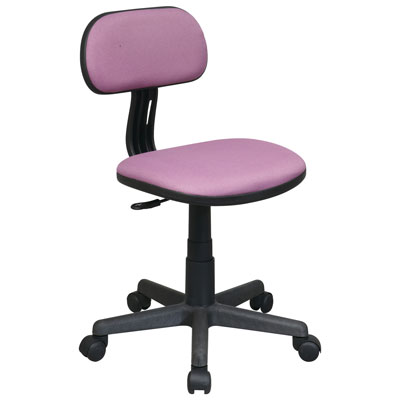
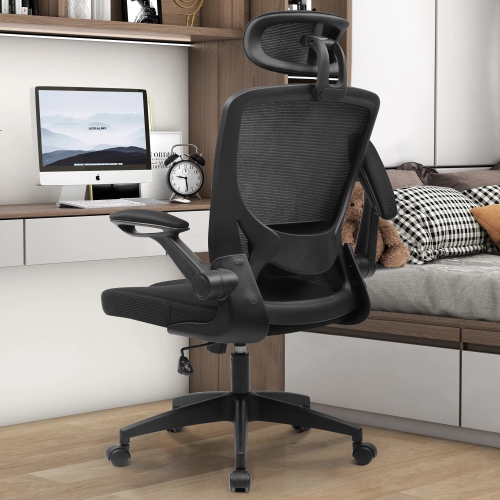
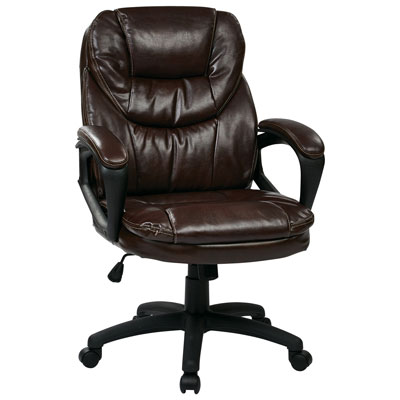
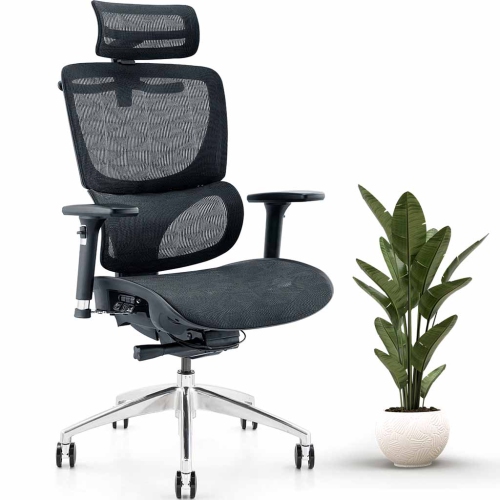
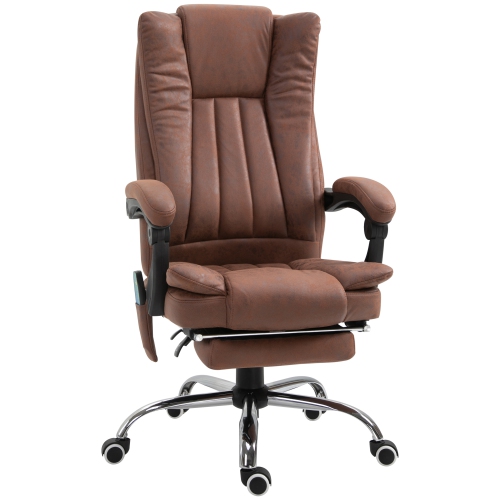
Materials influence how desk chairs feel, look, and hold up to everyday use. Mesh backrests have an open construction that allows airflow and often gives a chair a lighter visual profile. Mesh seats create a different sitting sensation from foam cushions, so the choice is partly about personal preference as well as support. Fabric upholstery offers texture and a broad range of colours, making it easy to coordinate a work area with nearby shelving, curtains, or living room furniture. Its care requirements vary by weave and fibre, and spills may need prompt attention to prevent marks from settling into the material. Genuine leather has a distinct grain and feel, while faux leather and other coated upholstery provide a smoother surface with their own cleaning requirements. Neither should be treated as maintenance-free, and the manufacturer's care directions are important when choosing a cleaning product. Padding also varies: a thick cushion can feel welcoming at first, but its shape, firmness, and underlying support matter more than thickness alone. A firmer seat may suit someone who prefers a stable surface, while softer cushioning can appeal to someone who likes a more enveloping feel. Backrest height changes both the chair's appearance and the area it supports. Mid-back designs can fit neatly into smaller workspaces, whereas high-back chairs extend support farther up the torso. A headrest may offer support during a reclined pause, though its usefulness depends on its position and the user's height. Armless chairs leave the sides open for movement and can slide beneath some desks more easily; chairs with flip-up arms offer another approach where clearance is limited. The broader category of Office Chairs includes related seating styles for different workplace roles, while desk chairs are particularly relevant wherever someone needs a dedicated seat at a computer or writing surface. In a bedroom study corner or a work area beside the dining room, proportions and upholstery can help the chair feel like part of the room rather than an afterthought.
Practical details often determine how comfortably a desk chair fits into daily routines. Overall width includes the arms and base, not just the seat, so a chair that looks compact may still need considerable space beside a cabinet or beneath a narrow desk. The full height range is also important: a chair may fit under the work surface at its lowest setting but sit too low for comfortable keyboard use. Reclining needs clearance behind the backrest, and a swivel base needs room to turn without striking drawers or nearby furniture. For students moving between reading and computer work, or home workers who frequently reach a printer or filing shelf, smooth rotation and accessible controls can make these small movements easier. Casters should be suitable for the flooring beneath them. Wheels intended for carpet may behave differently on hard flooring, and a compatible chair mat can help protect the surface and provide a more consistent rolling area. The base, frame, adjustment mechanisms, and upholstery all contribute to durability; weight capacity and any stated usage limits should match the intended user and routine. A chair that needs assembly should have its parts installed as directed, with fasteners checked at the intervals specified by the manufacturer. Routine care is usually straightforward but material-specific. Fabric may need gentle vacuuming with an appropriate attachment, while smooth upholstery may call for a soft cloth and an approved cleaner. Mesh should be cleaned without abrasive scrubbing that could damage its fibres, and hair or debris around caster axles can interfere with rolling. Damaged wheels, loose arms, or a seat that no longer holds its height deserve attention rather than being accepted as normal wear. In a shared household, easily adjusted settings help the chair serve more than one person. For a dedicated workspace, a closer match to one user's measurements and habits can take priority. The most useful desk chairs combine an appropriate fit, practical adjustments, and materials whose care requirements suit everyday life.
Top selling and popular products
-
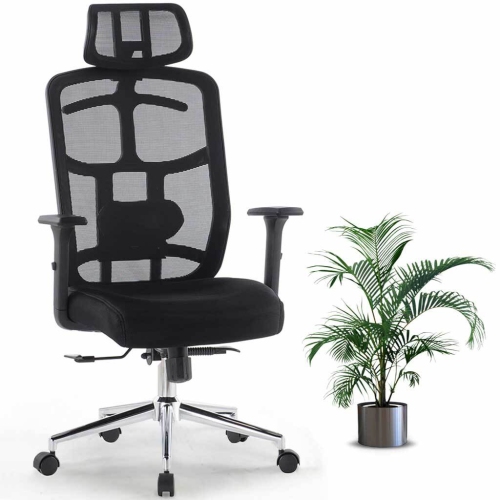 Your price for this item is $136.99
-
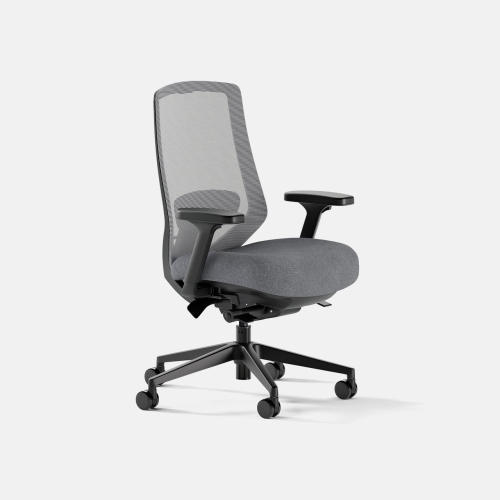 Your price for this item is $599
-
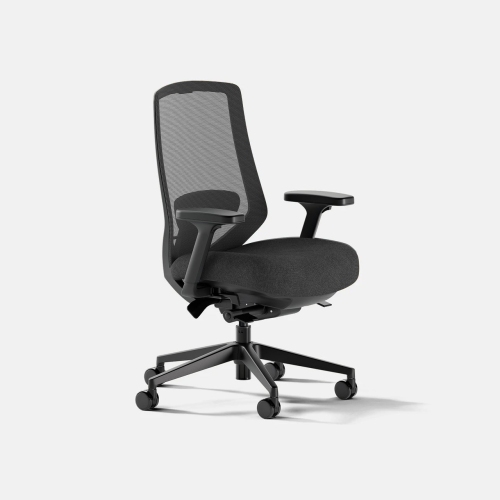 Your price for this item is $599
-
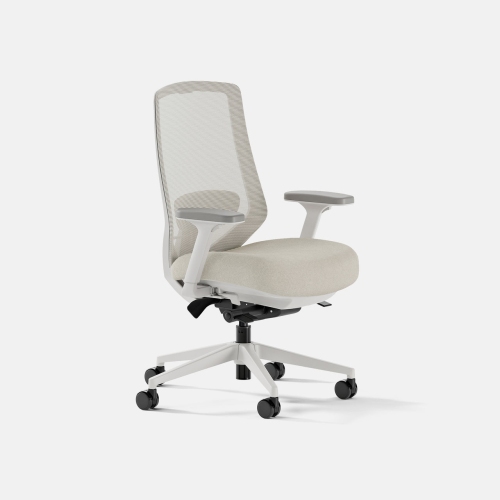 Your price for this item is $599
-
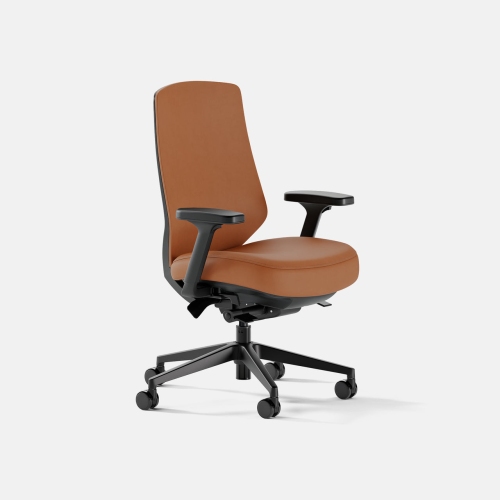 Your price for this item is $649
-
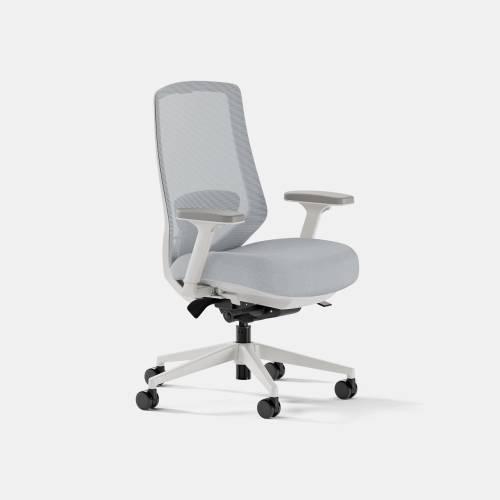 Your price for this item is $599
-
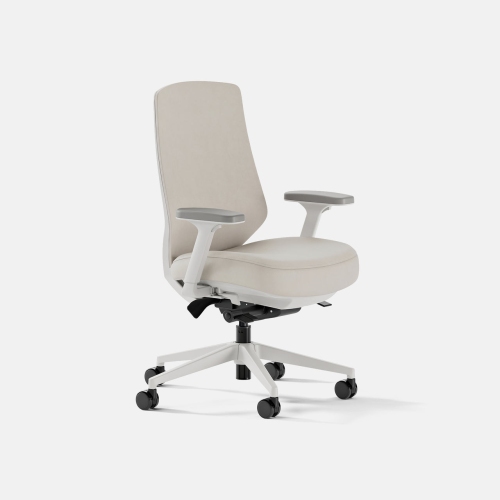 Your price for this item is $649
-
 Your price for this item is $459.99
Discover more categories related to Desk Chairs
Top Collections:
Pokemon Centers, Kindle Devices, Best Black Friday Deals This Year, Pokémon 30th Celebration Cards, Best Black Friday Deals On Electronics, Best Cameras for Sports Photography, Best Black Friday Deals On Apple Products, Canon G7X Cameras, iPhone 15 Apple, Candle Warmer Lights
Some products may be subject to Environmental Handling Fees
(EHF) depending on your province.
Learn more about EHFs.