Furniture Computer Desks
Upgrade your home office with our selection of sleek and functional computer desks. Whether you're working from home or in need of a dedicated study space, our range of furniture computer desks offers a variety of styles and sizes to suit your needs. From minimalist designs to spacious L-shaped configurations, find the perfect desk to enhance your productivity and elevate your workspace. Explore our collection today and transform your office into a stylish and efficient environment.
Sort
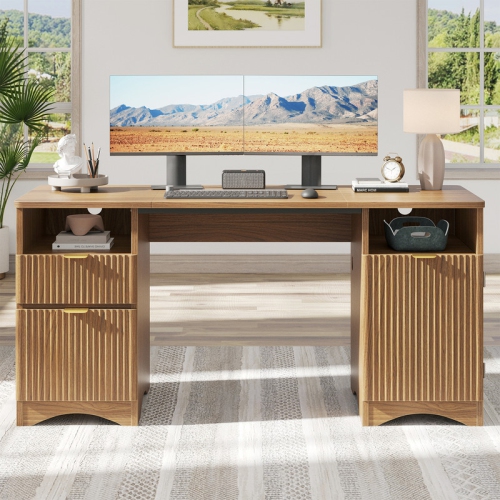
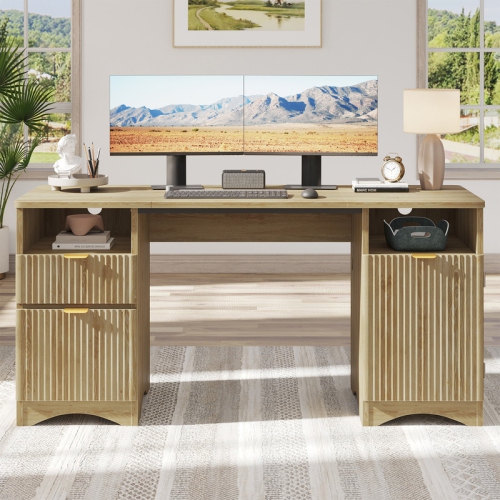
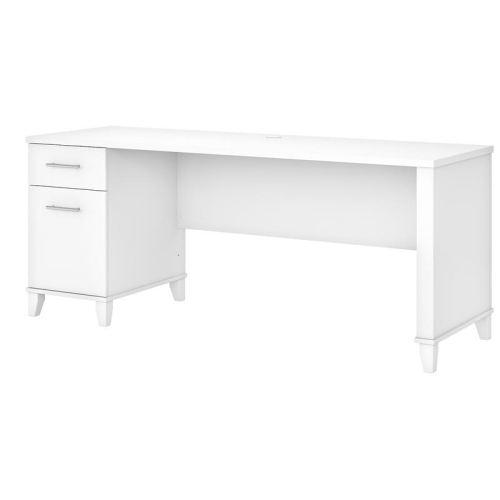
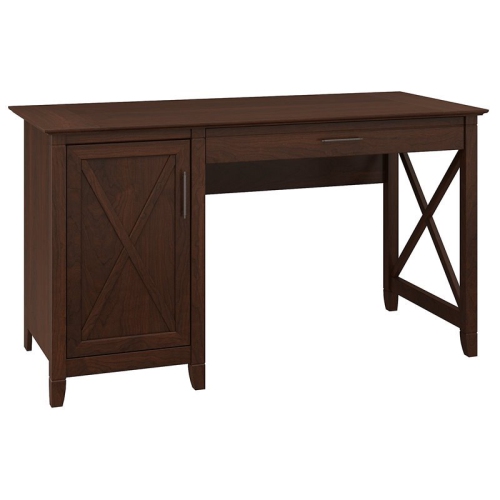


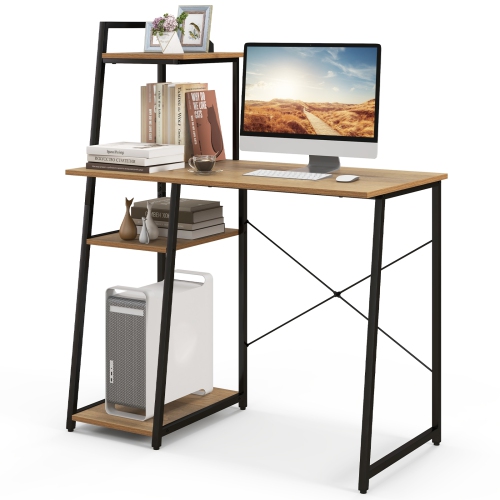
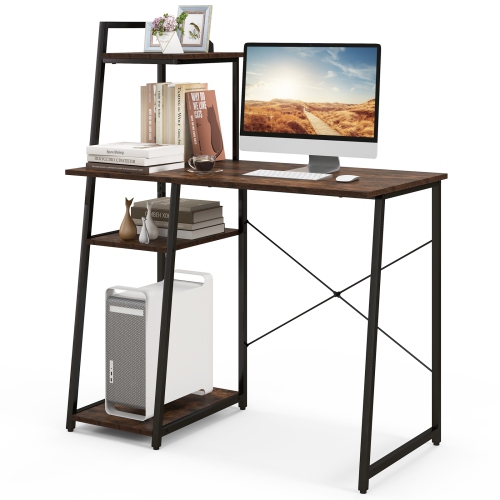
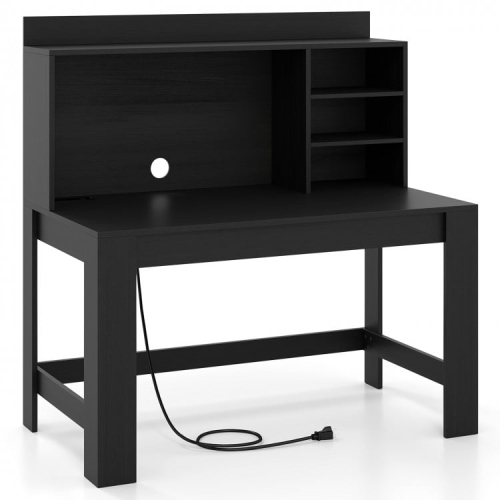
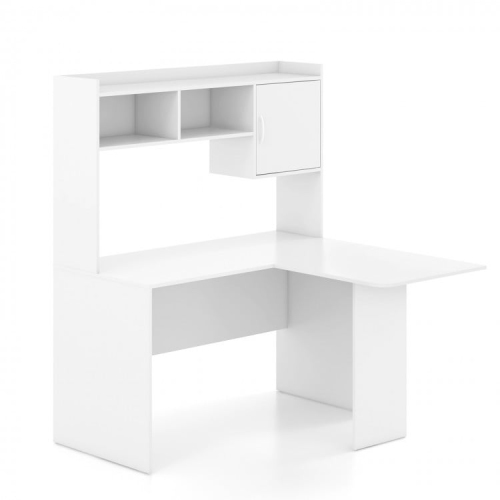

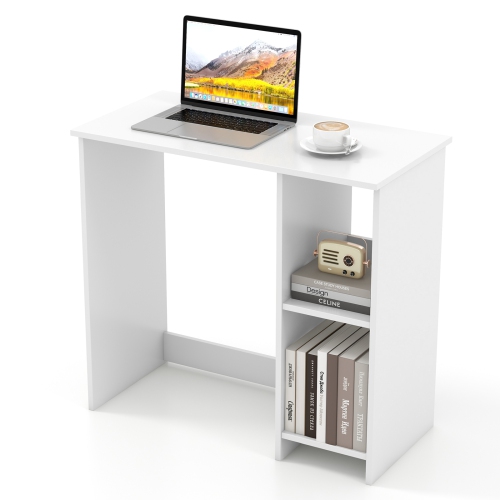
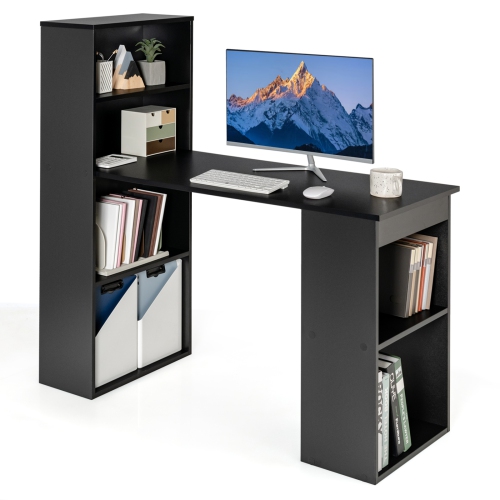
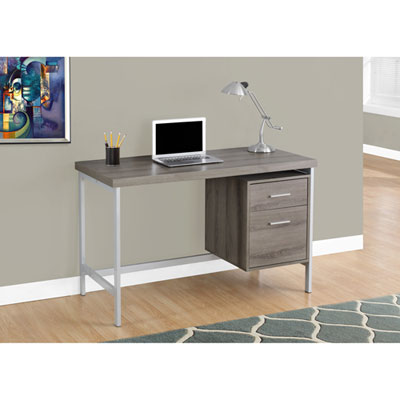
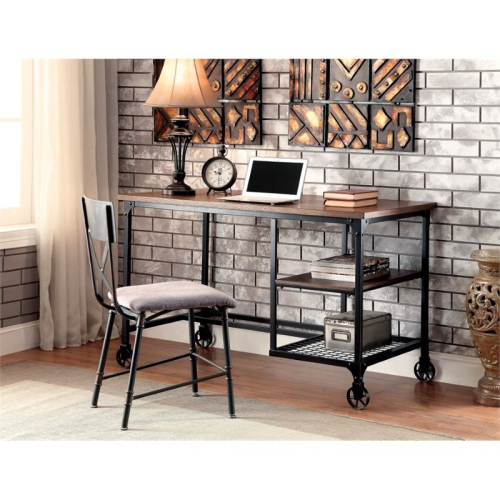

A comfortable workspace takes more than desktop width
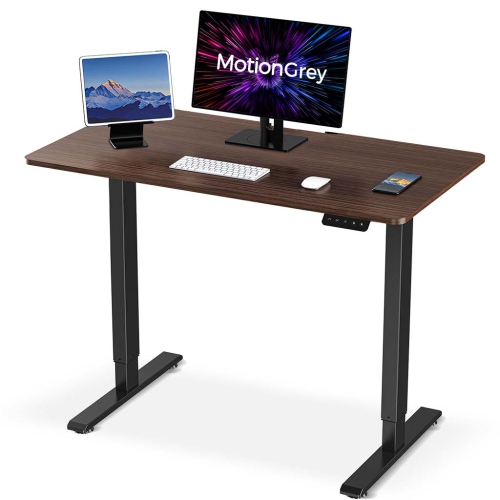
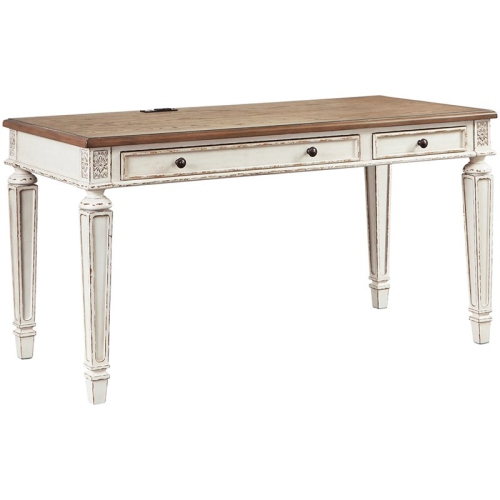
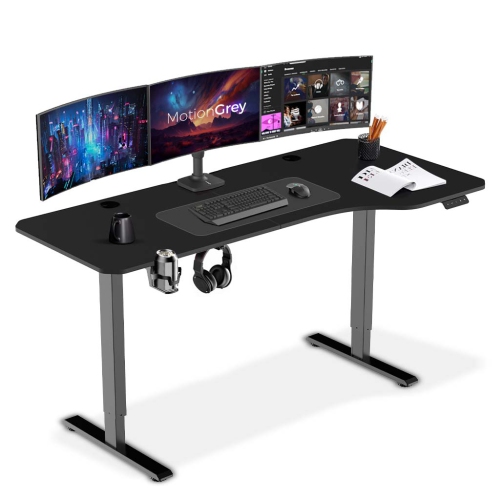
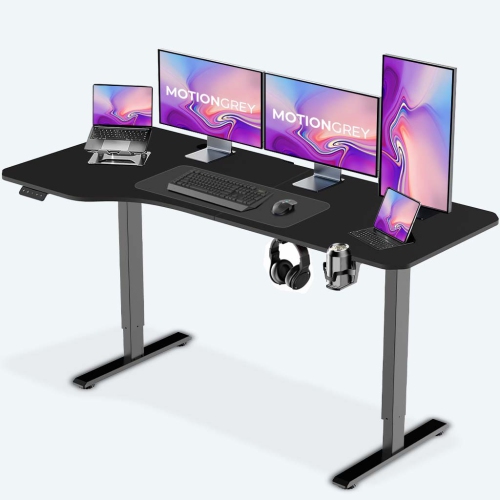
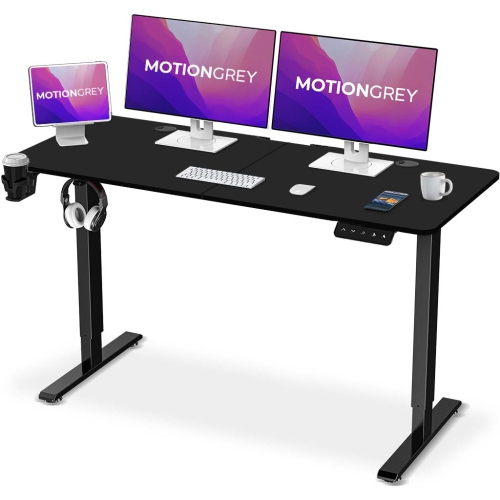
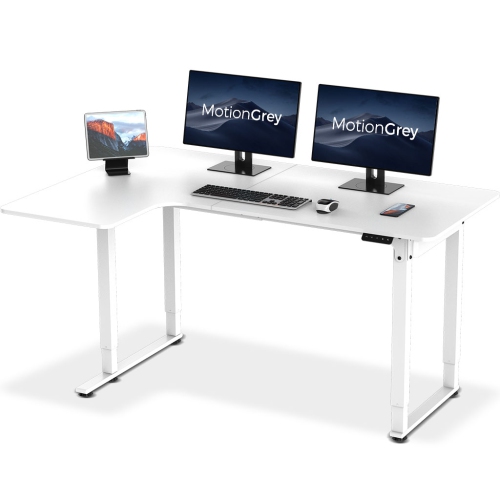
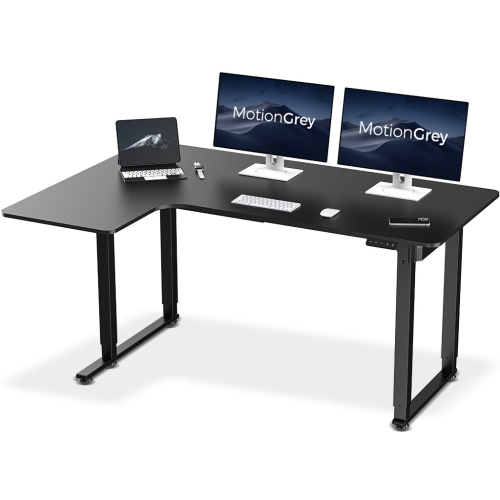
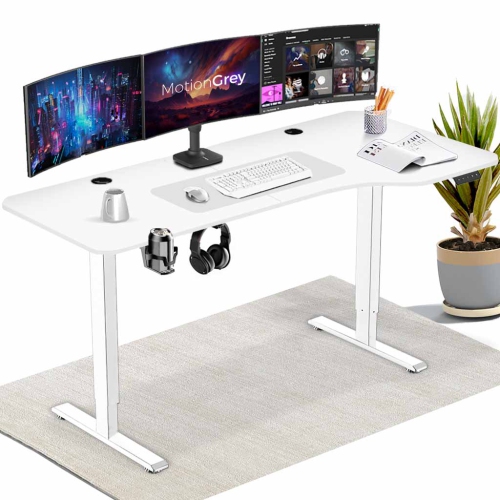
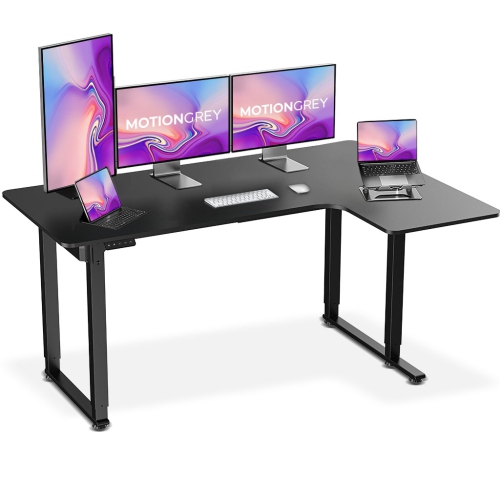
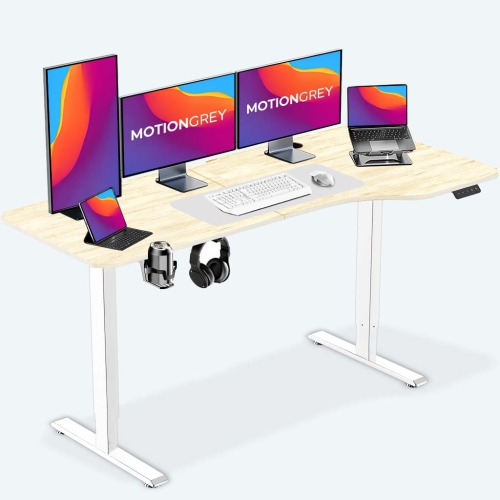
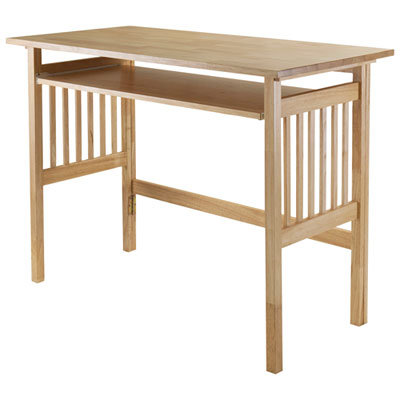
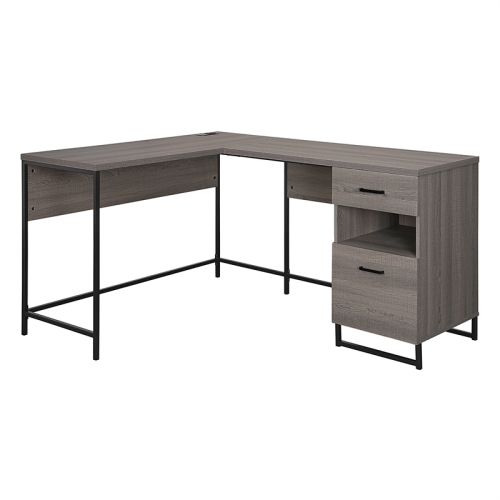
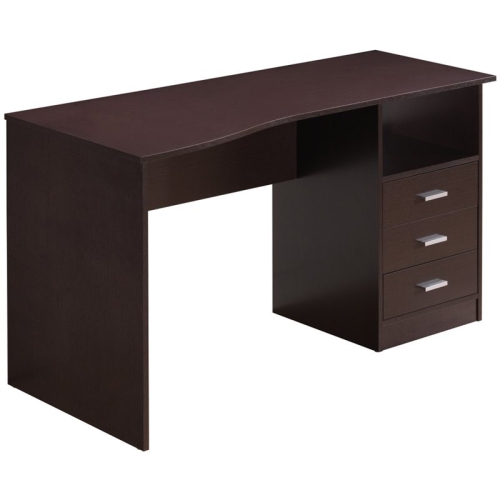
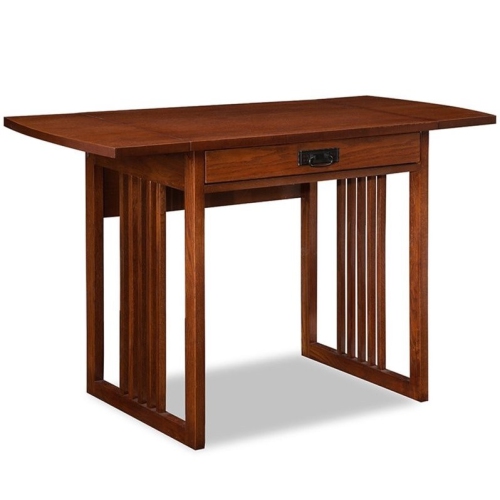
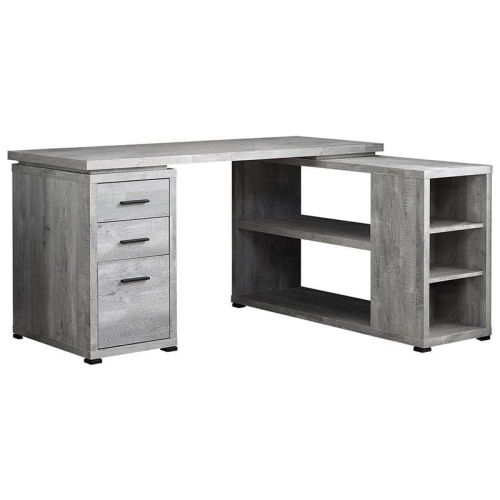
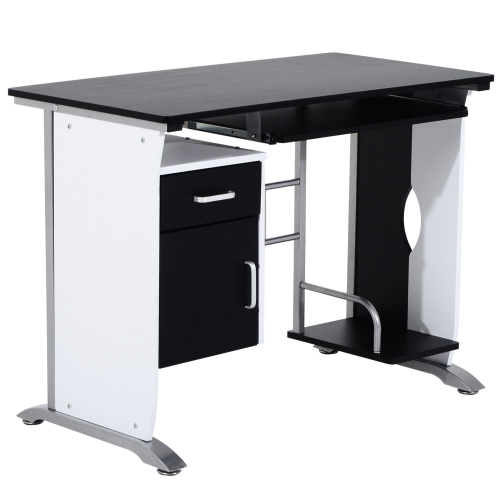
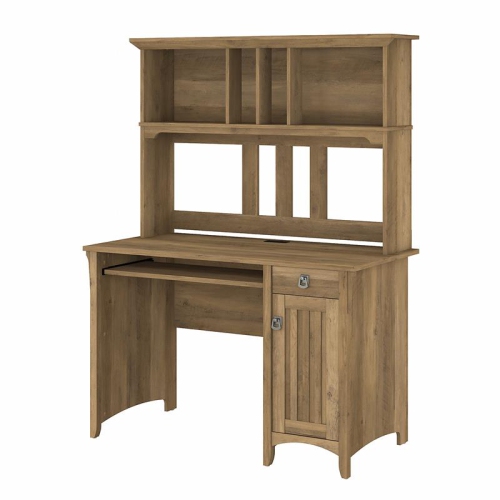
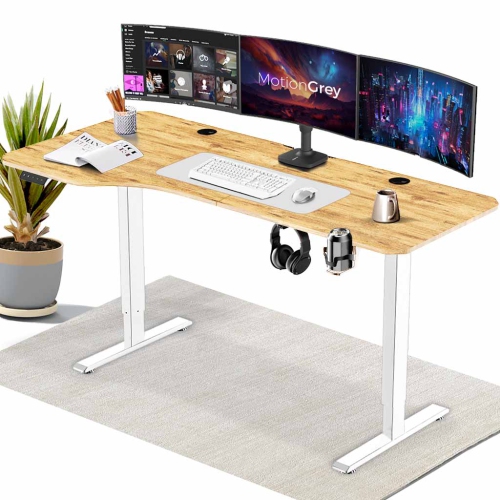
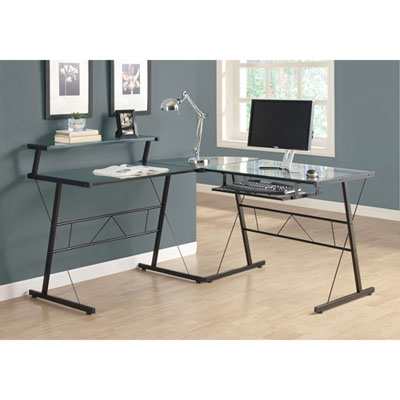
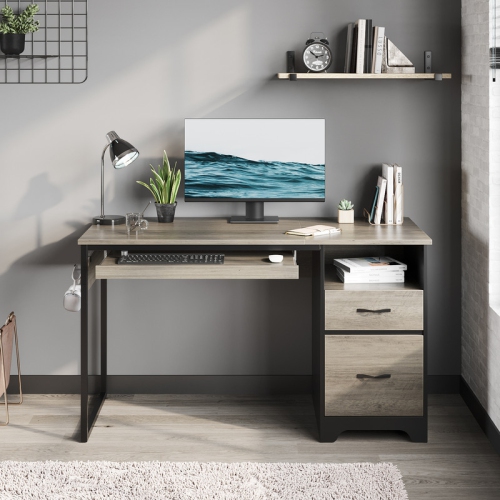
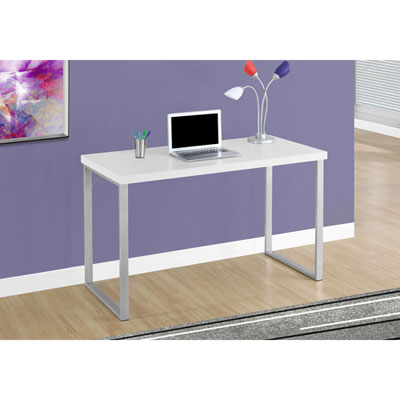
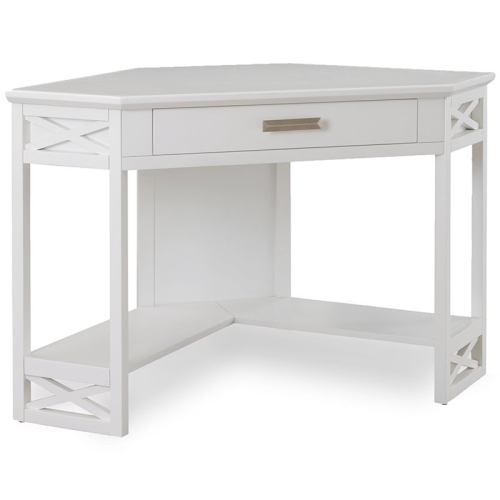
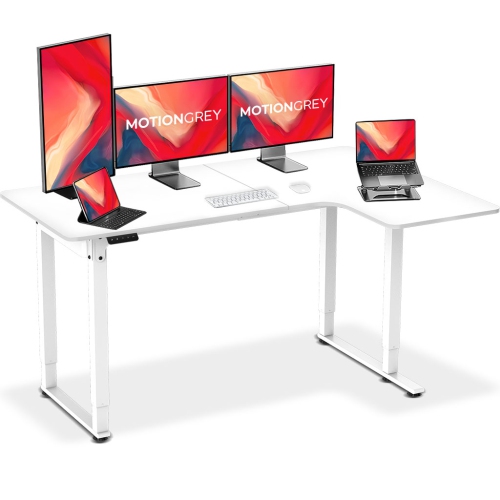
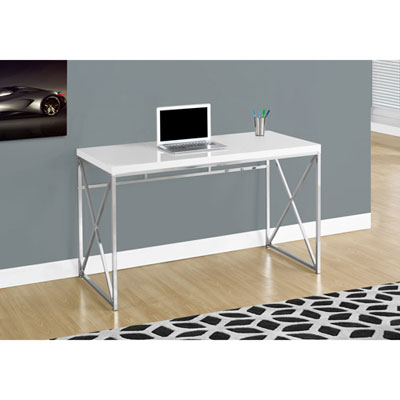
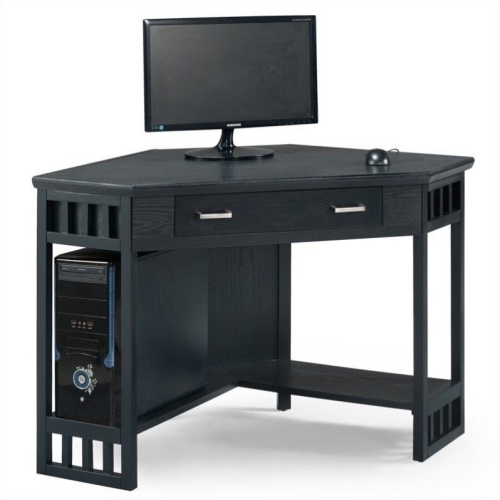
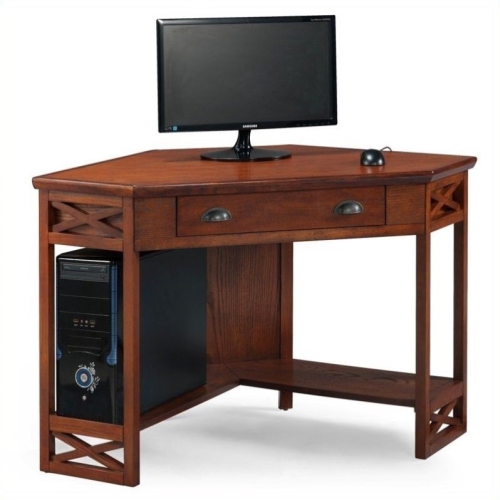
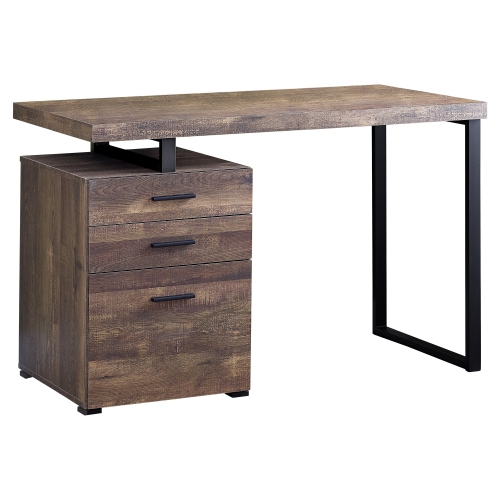
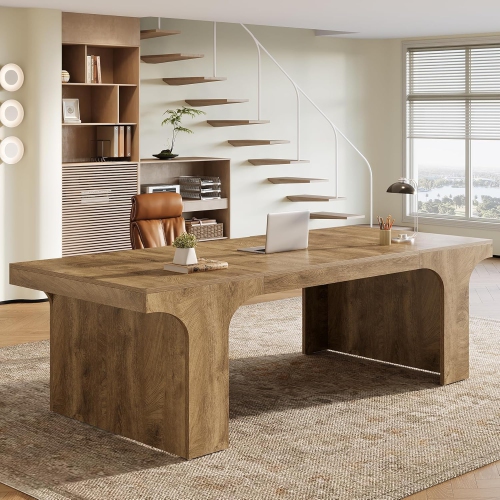
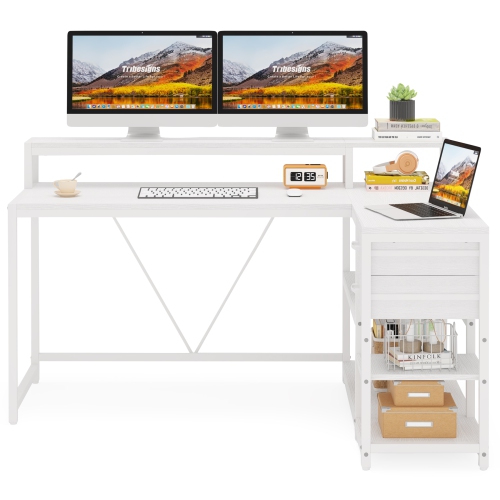
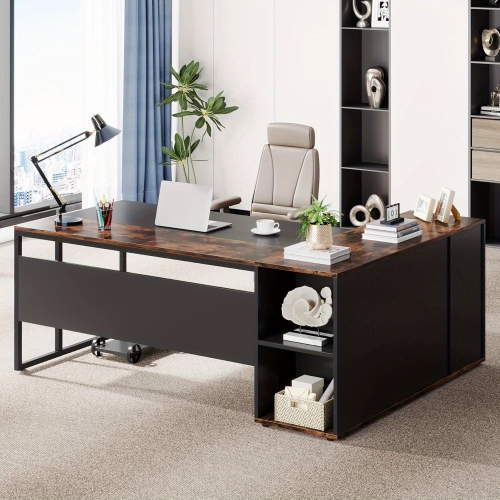
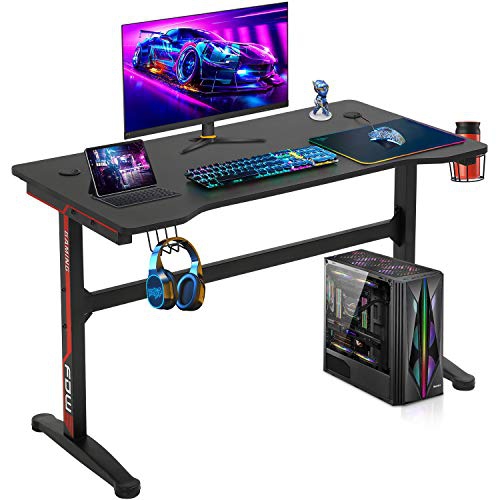
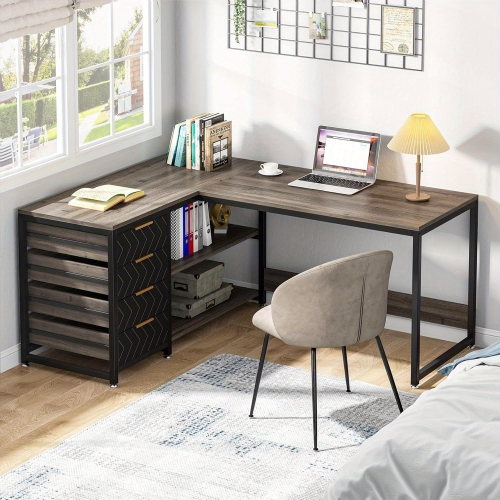
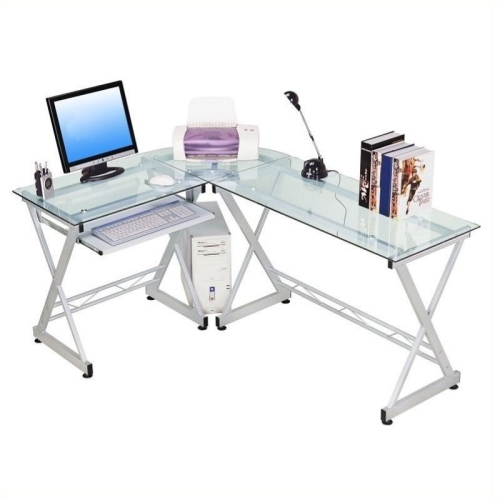
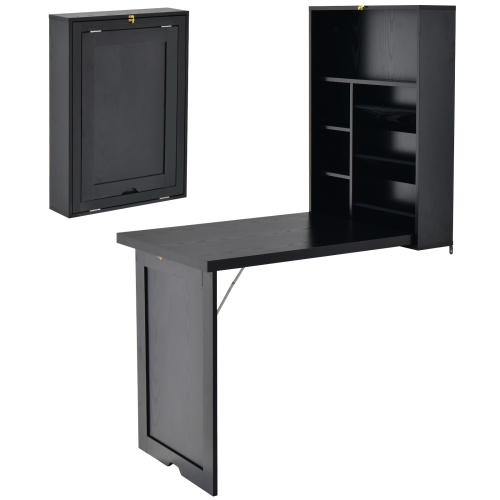
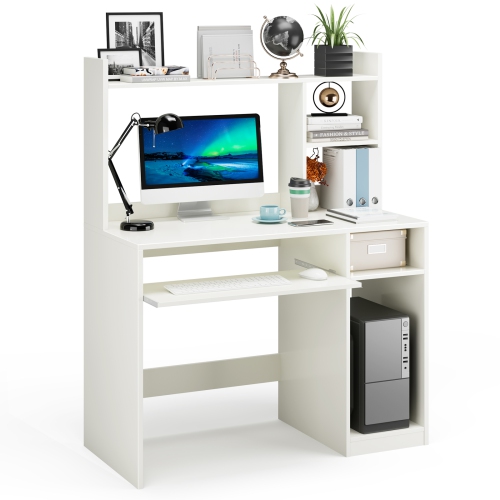
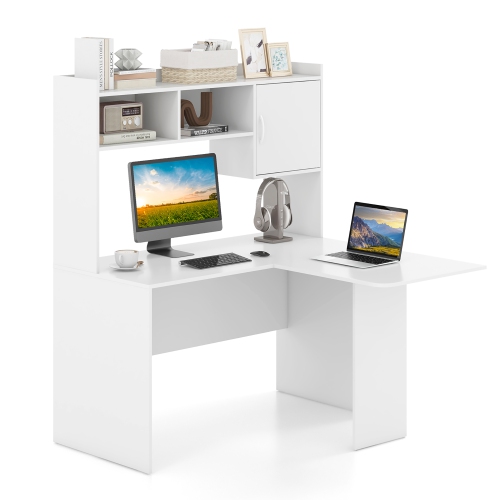
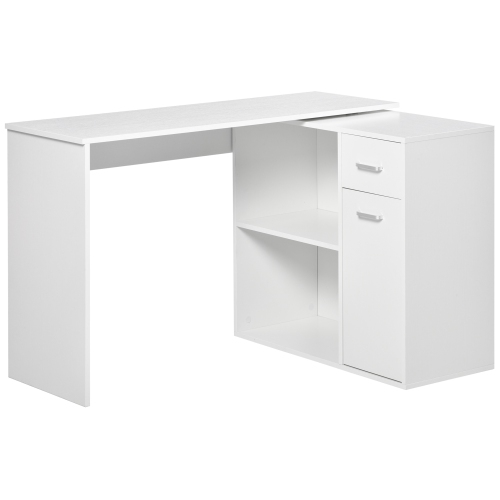
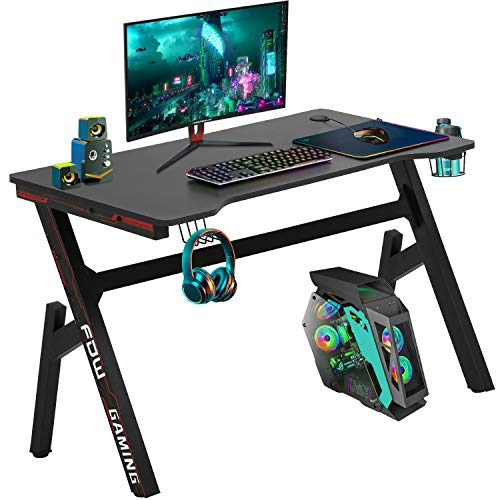
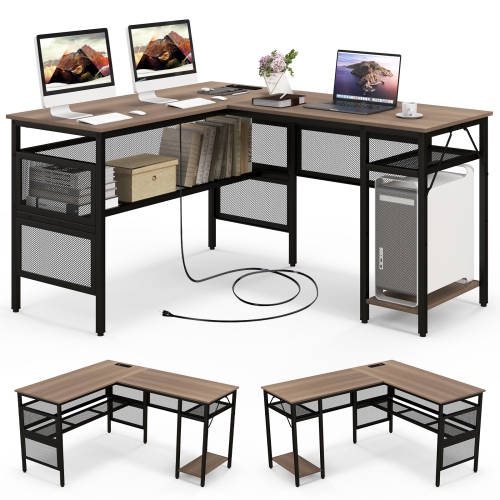
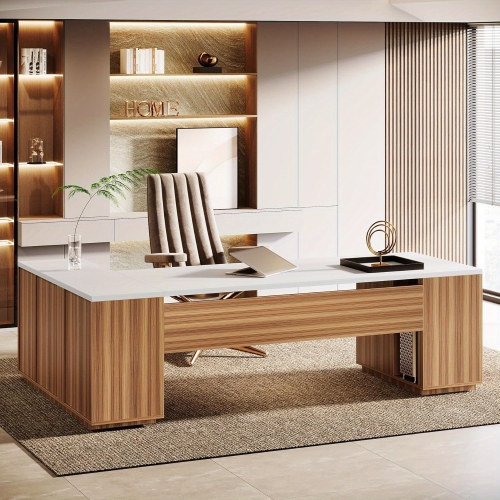
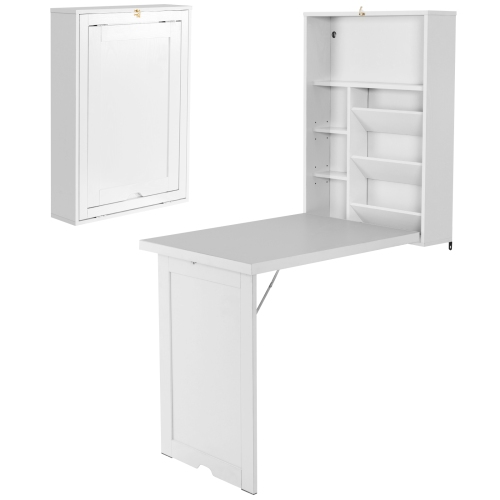
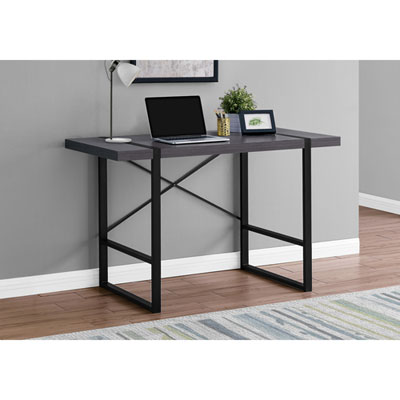
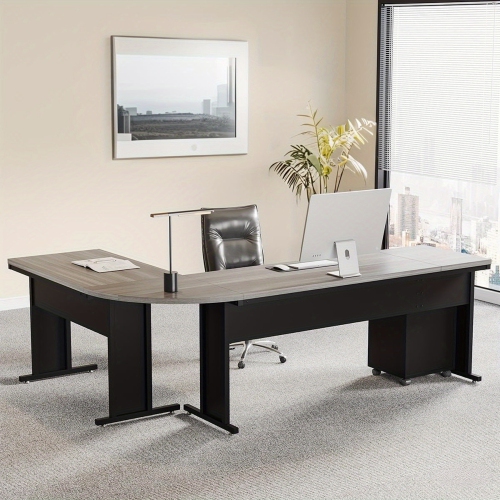
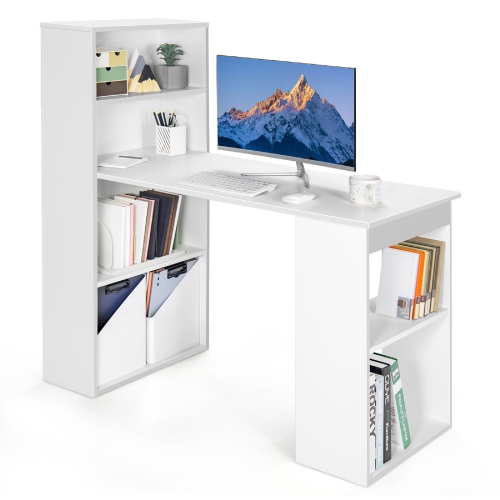
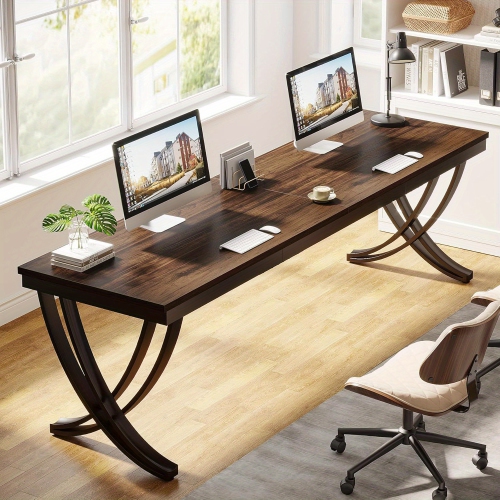
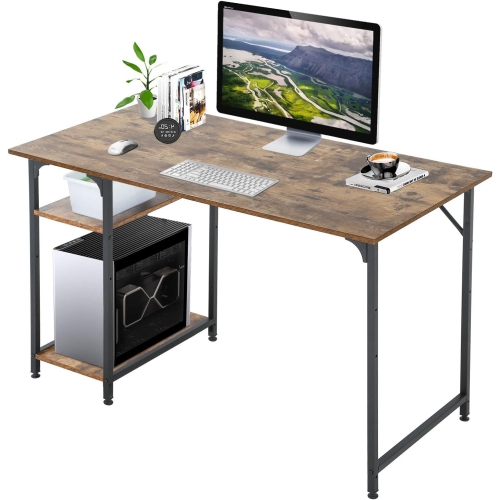
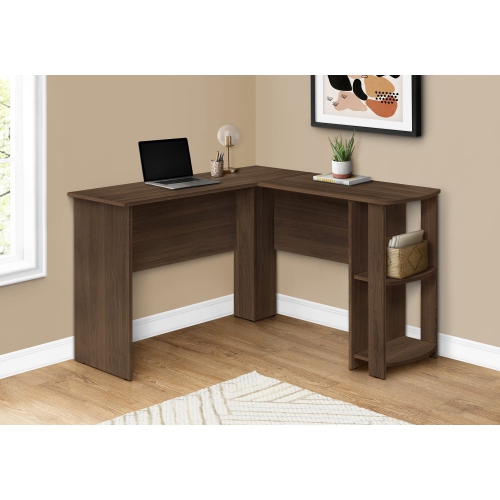
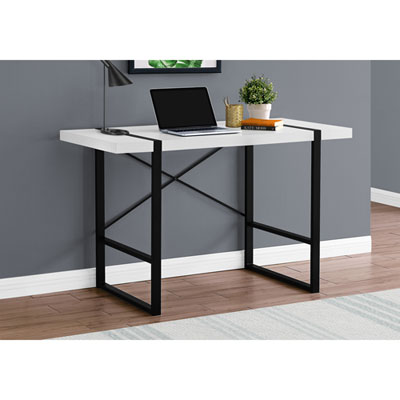
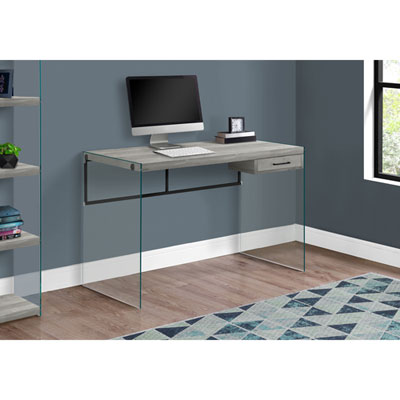
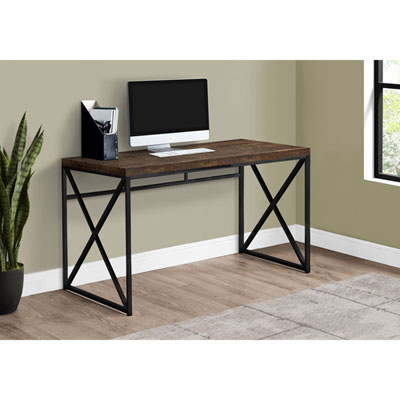
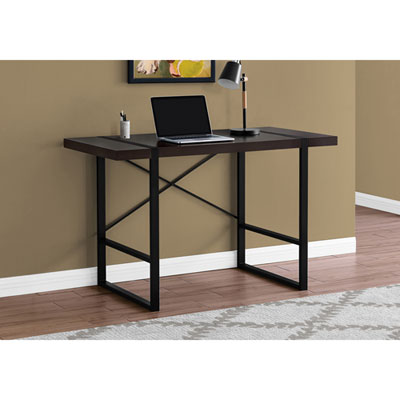
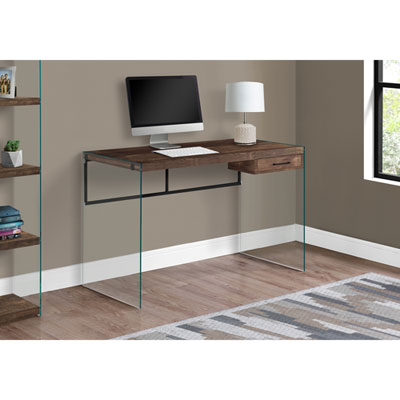
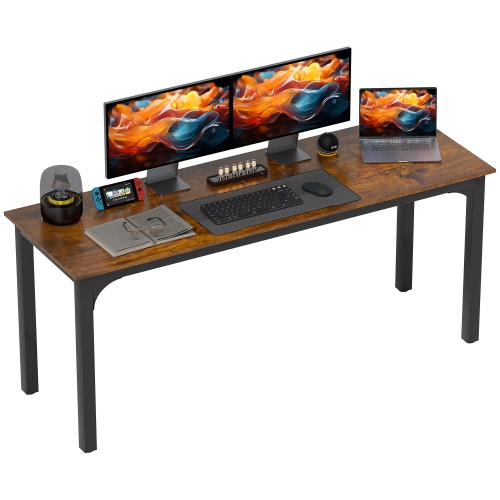
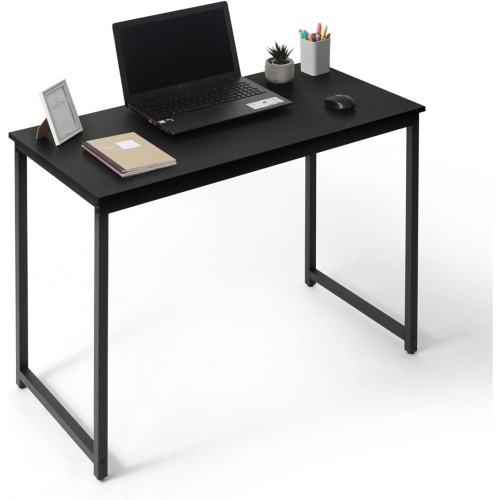
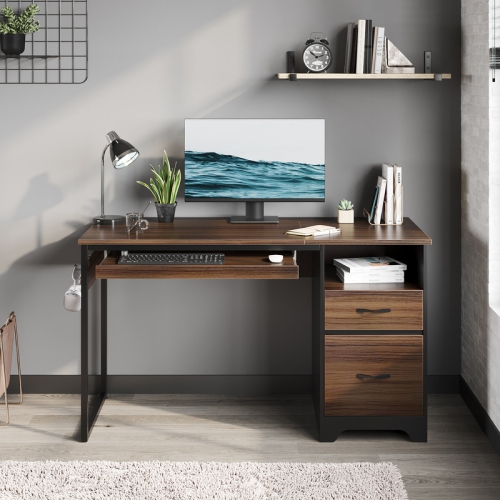
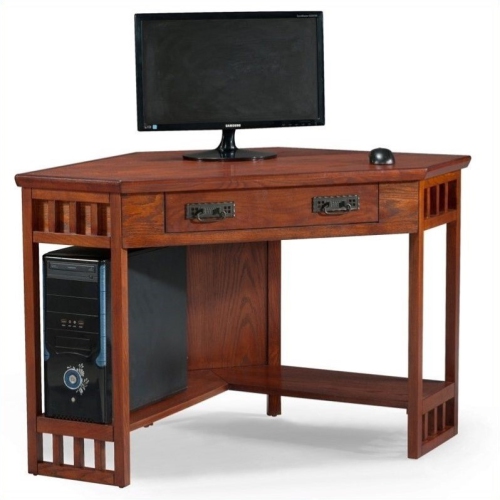
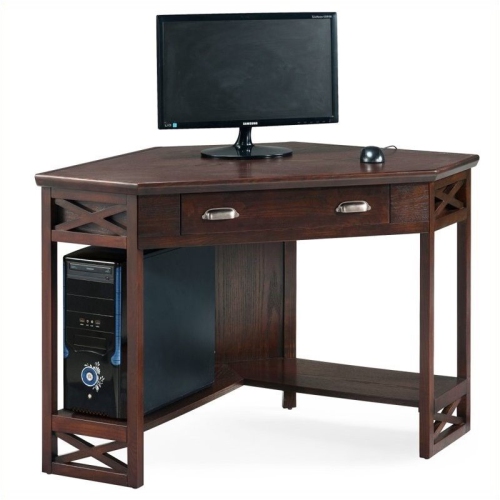
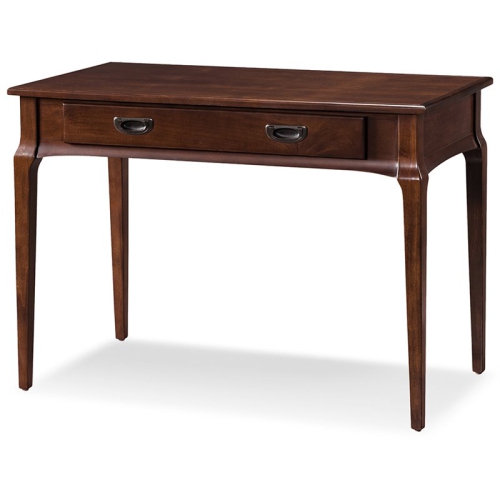
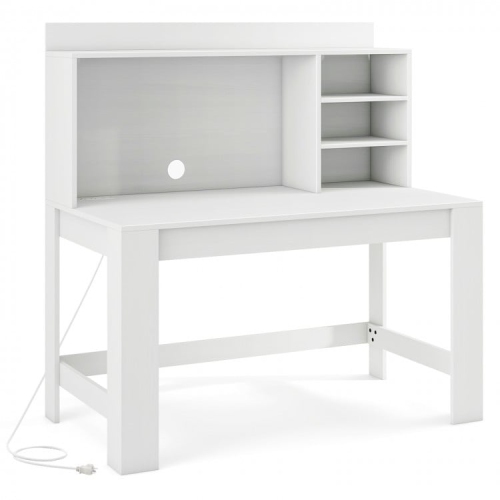
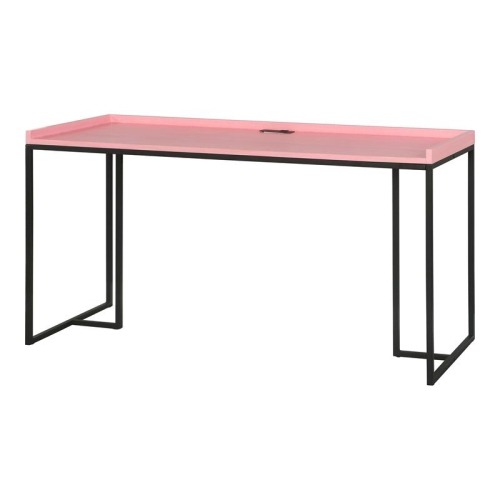
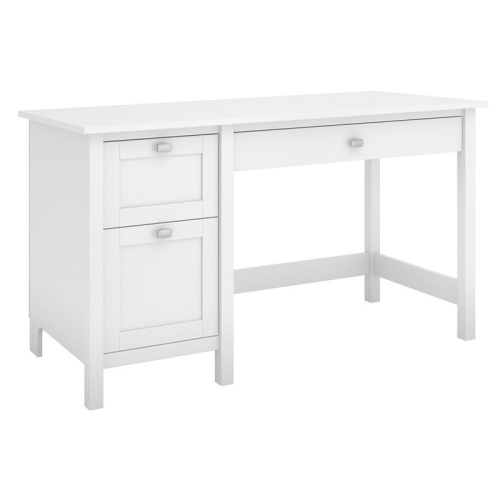
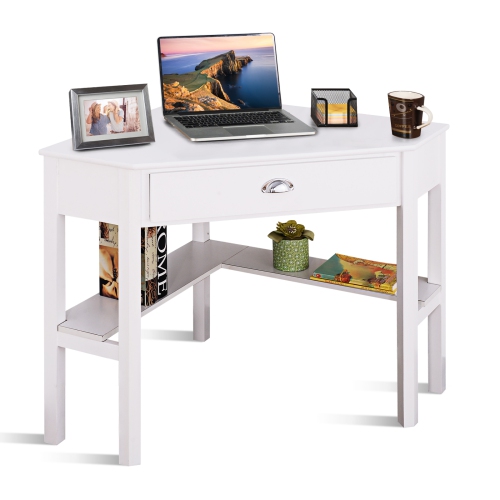
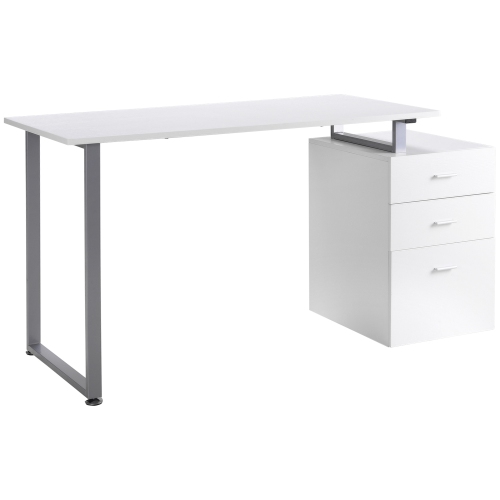
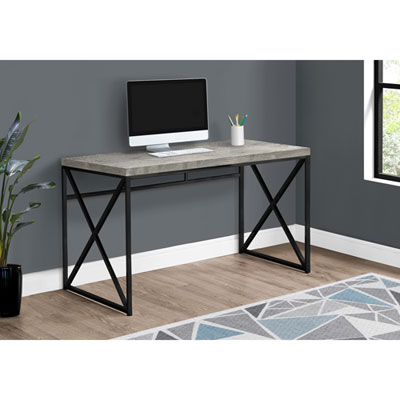
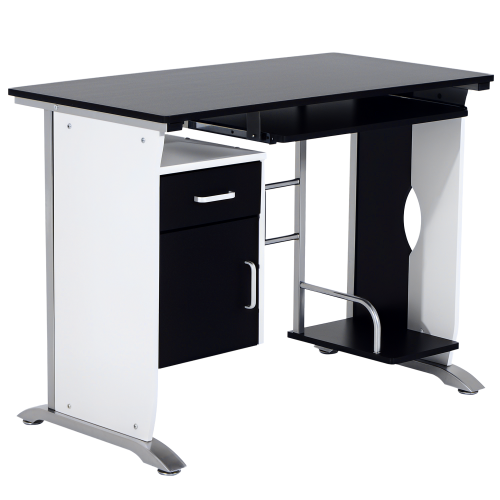
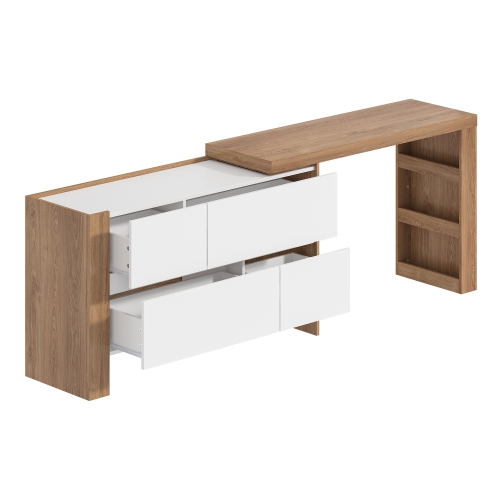
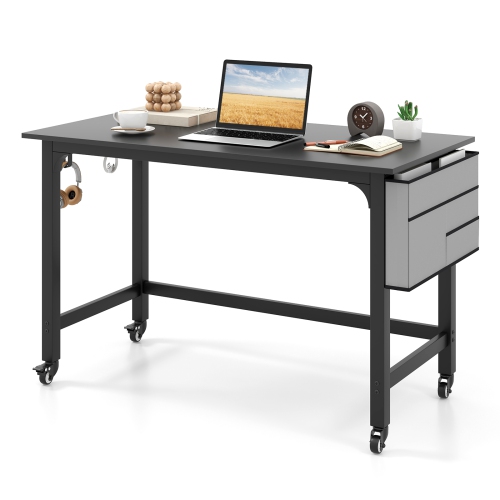
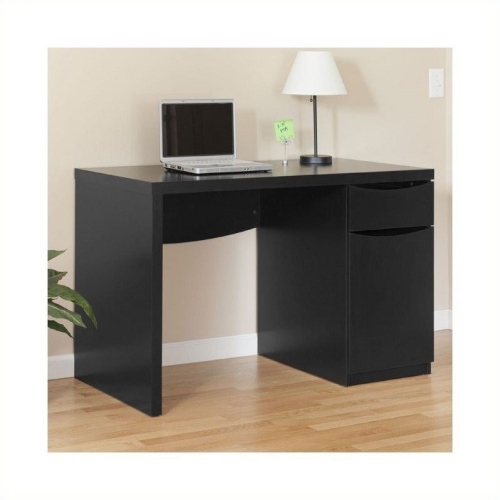
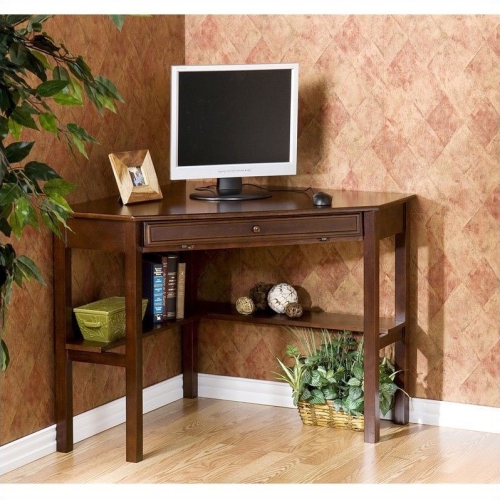
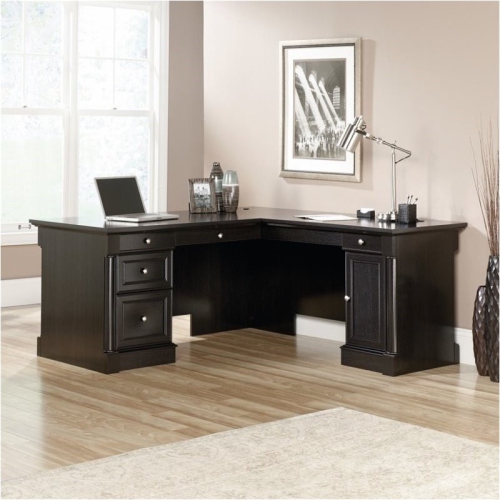
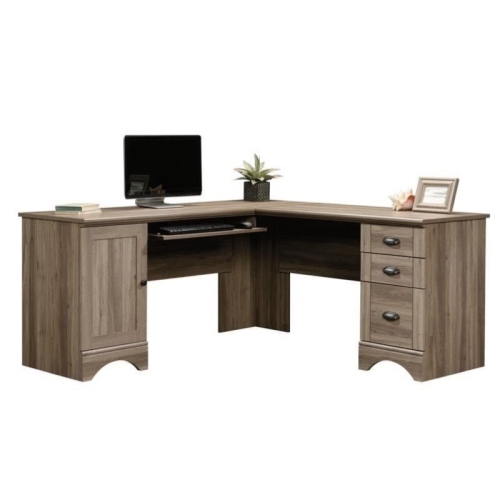
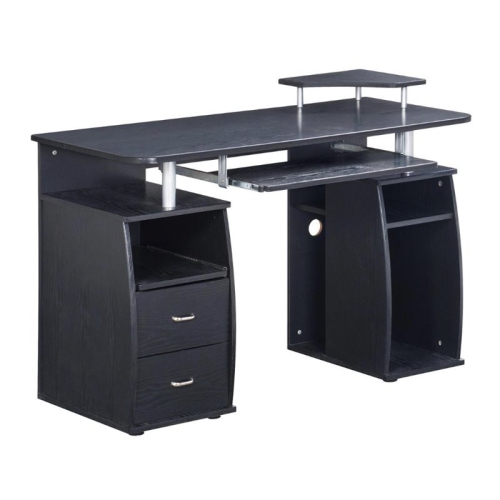
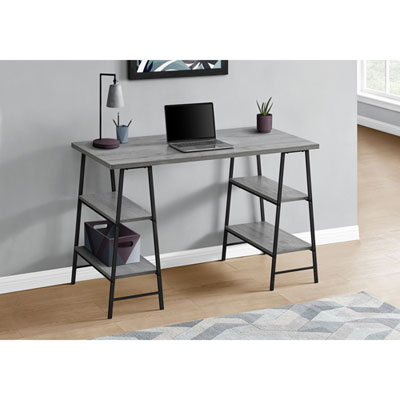
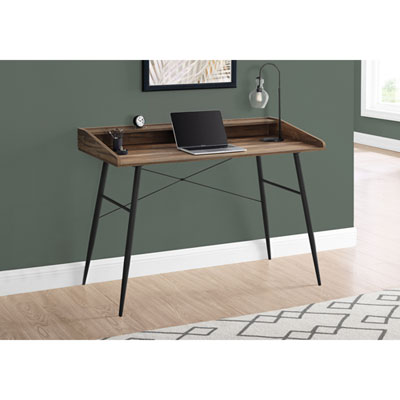
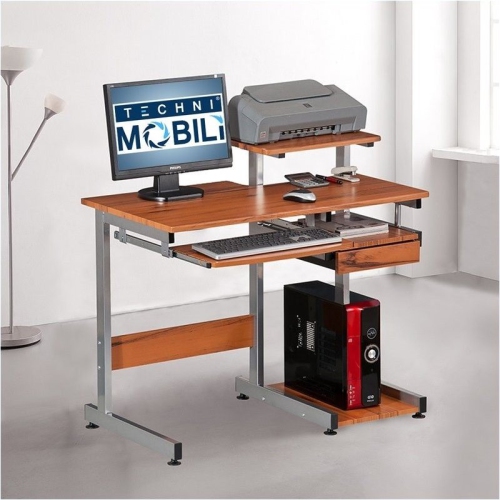
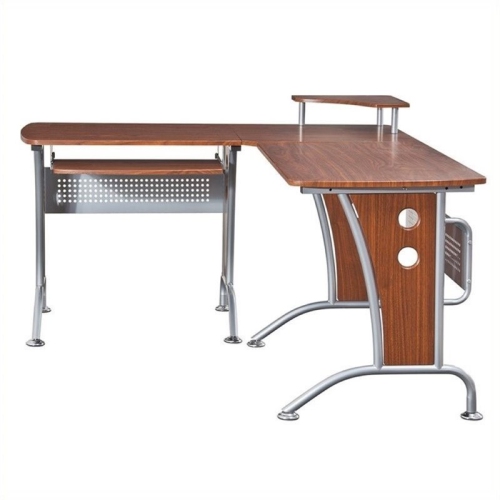
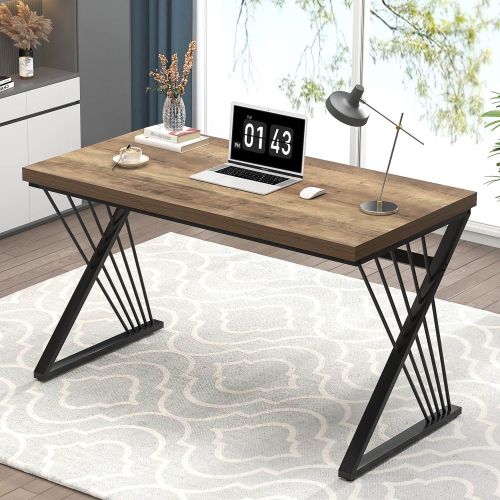
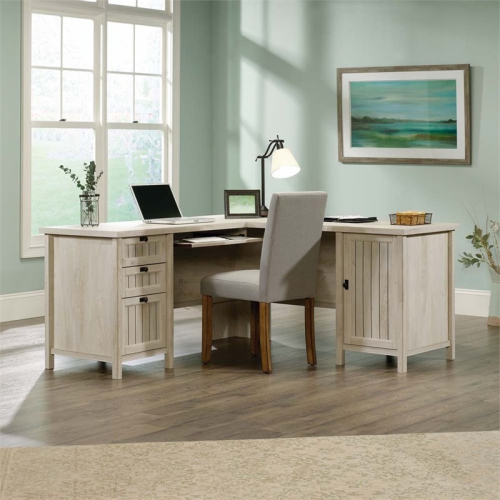
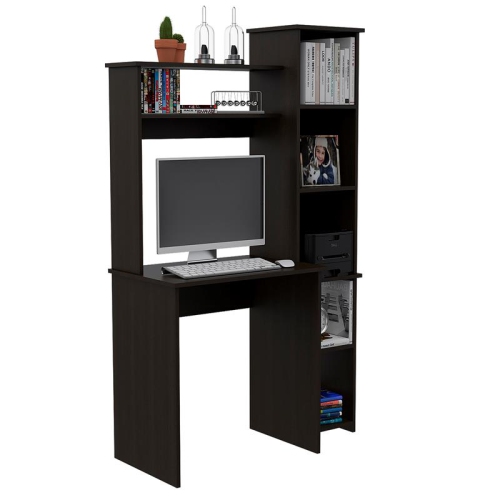
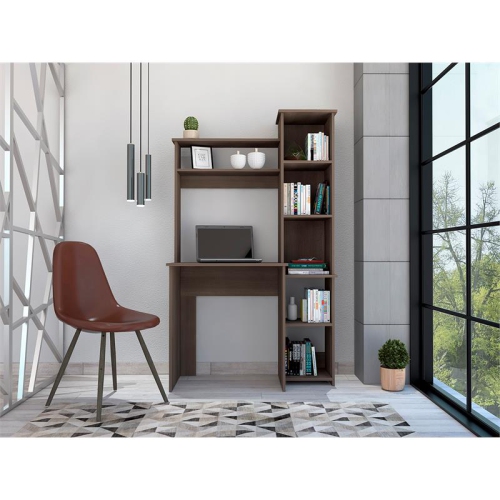
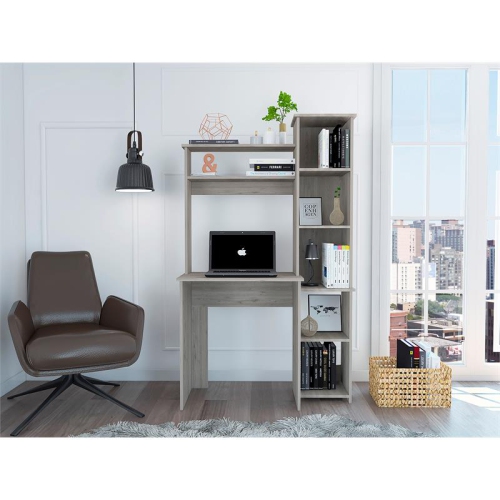
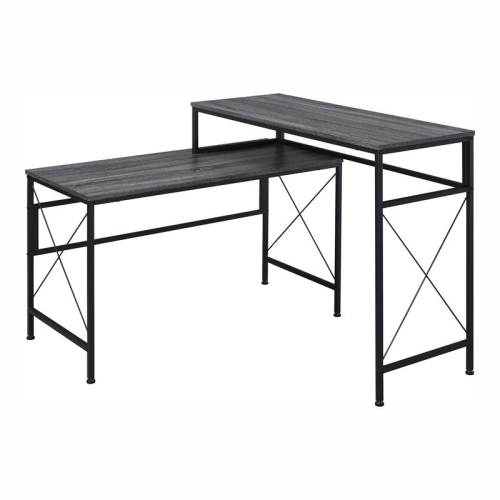
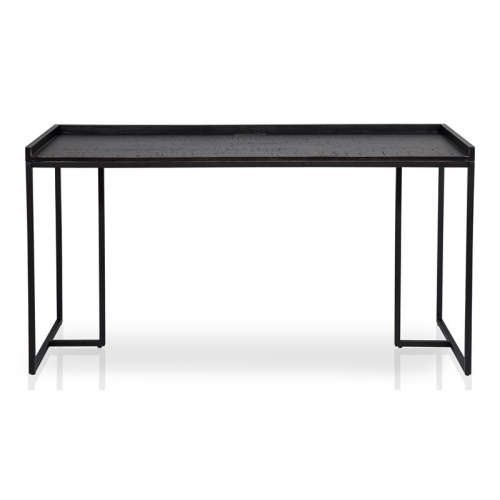
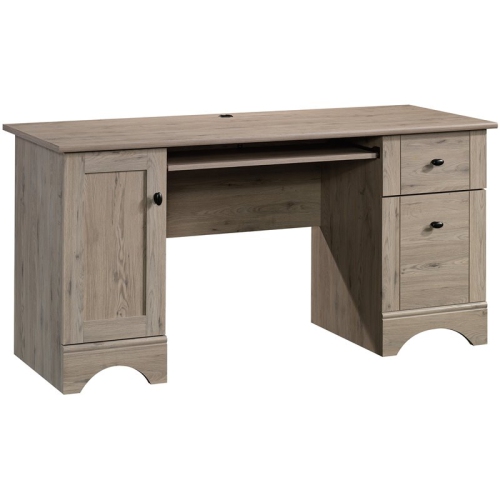
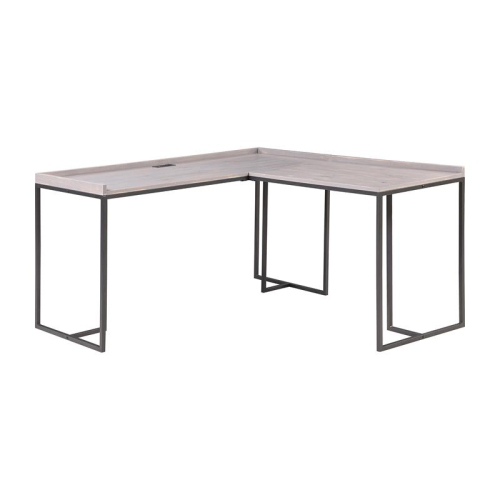
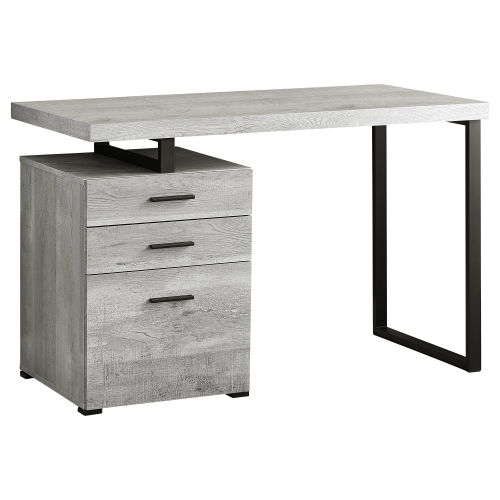
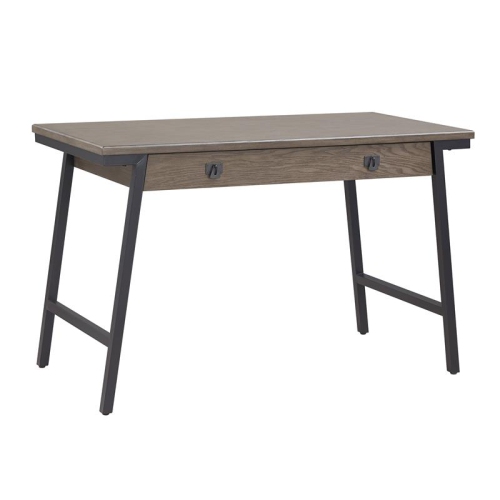
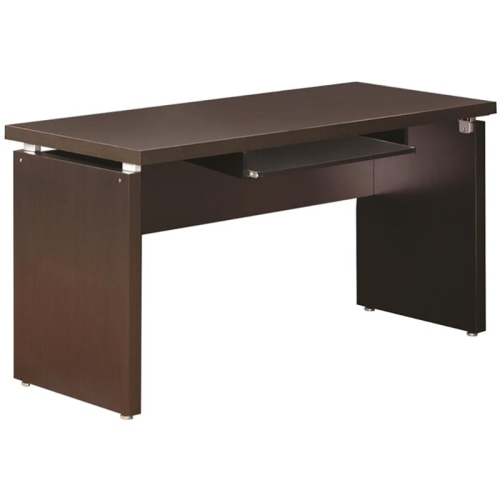
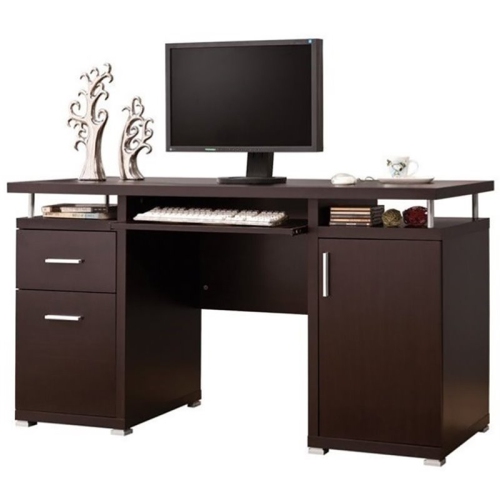
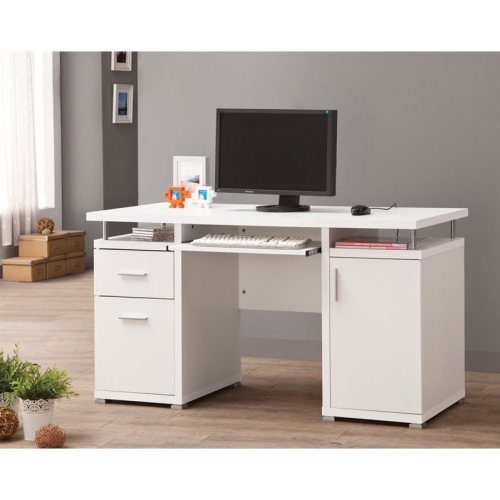
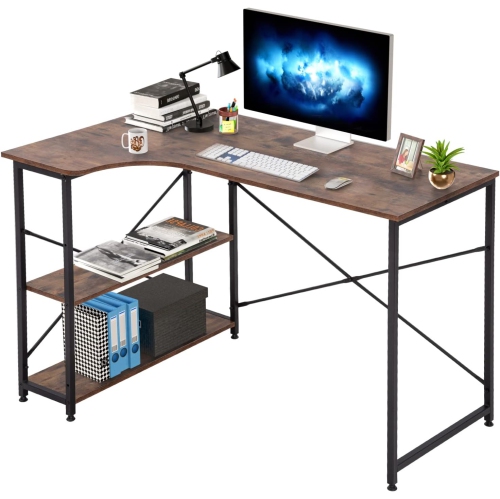
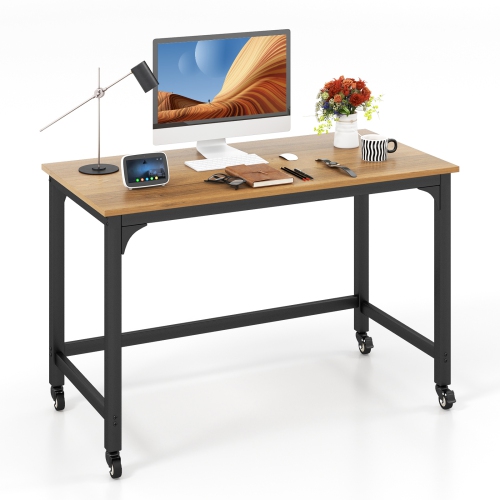
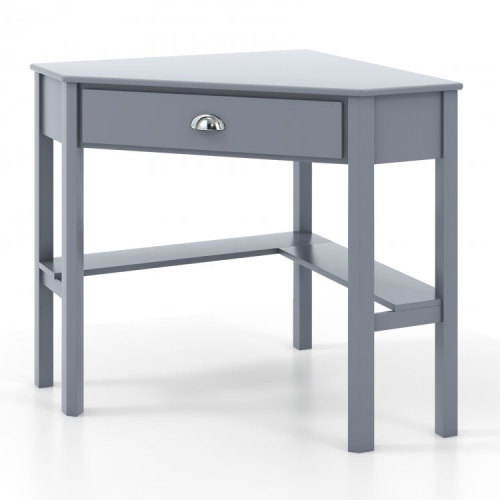
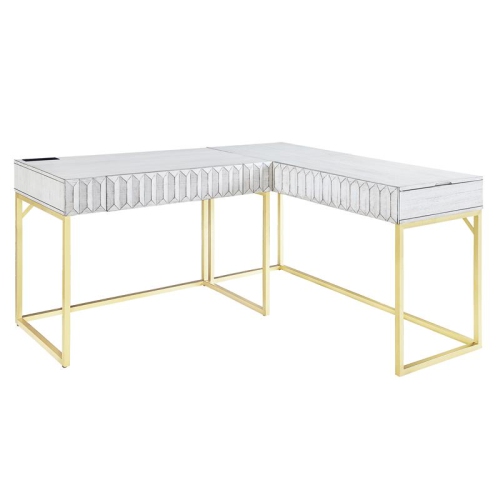
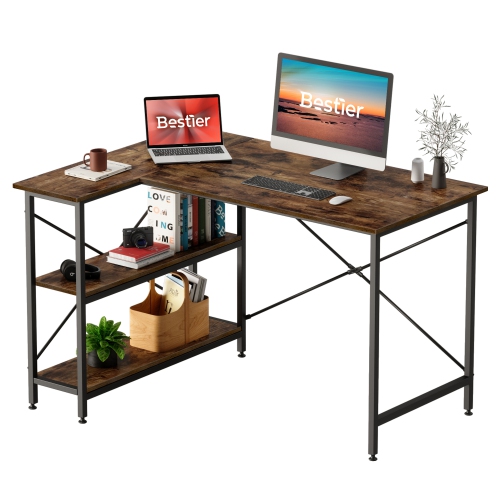
Computer desks bring a dedicated work surface to home offices, bedrooms, living areas, and shared family spaces, with layouts suited to everything from a single laptop to a desktop computer with multiple monitors. Unlike a table used occasionally for work, a computer desk may include cable openings, keyboard trays, storage drawers, or shelving that helps keep daily essentials within reach. The right proportions depend on both the room and the equipment that will sit on the surface. Many standard desks measure approximately 48 to 60 inches wide, offering space for a monitor, keyboard, mouse, and a notebook, while compact designs around 32 to 40 inches wide suit smaller setups. A depth of roughly 20 to 30 inches is common, although deeper surfaces can provide more flexibility for larger screens, monitor stands, and space to rest the forearms. These dimensions are useful reference points rather than a guarantee of fit: a wide monitor base or a full-size keyboard can take up more room than expected. A straight desk works well against a wall or beneath shelving, while an L-shaped computer desk provides separate areas for screen work and paperwork. Corner layouts can make good use of an otherwise overlooked part of a room, provided both sides leave enough clearance for doors, drawers, and a chair. In a multipurpose living area, a slim desk with enclosed storage can help work supplies blend into the room after the laptop closes. A larger office may suit a substantial desk with room for reference books, writing materials, and a printer positioned away from the main work area. For a broader view of desk styles suited to different rooms and routines, Office Furniture Desks brings related workspace options together. Whether the setup supports remote work, coursework, gaming, or household paperwork, usable surface area and comfortable access matter more than width alone.
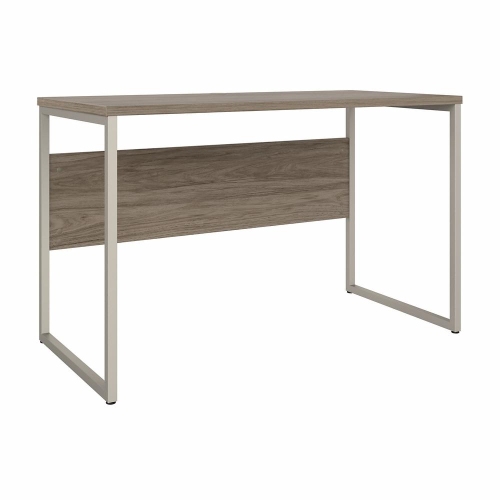
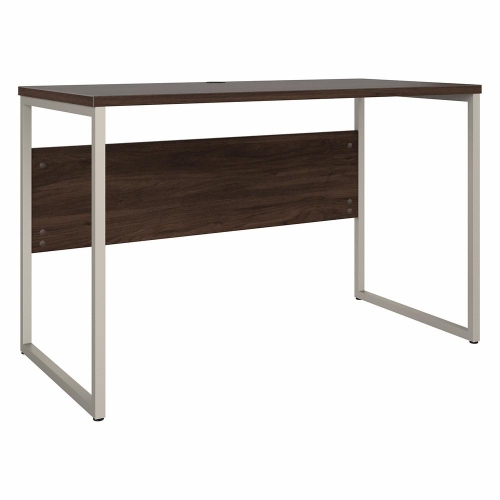
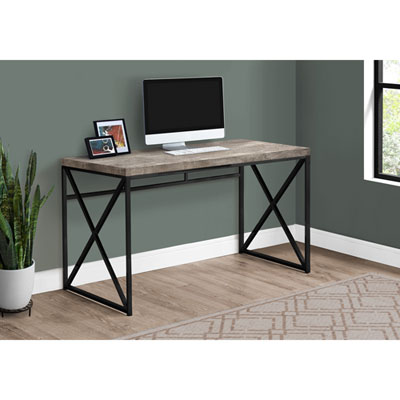
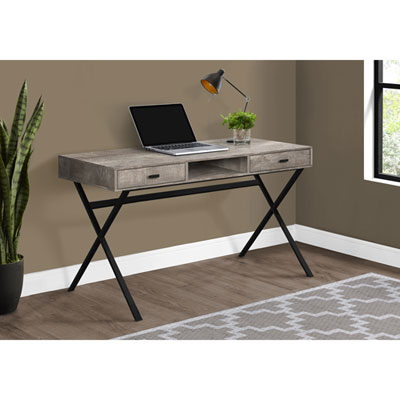
Materials and construction influence how computer desks look, feel, and hold up to everyday use. Solid wood offers visible grain and natural variation, with care requirements that depend on the finish. Wood veneer provides a real wood surface over a supporting core, while laminate and melamine surfaces offer a wide range of colours and wood-look finishes that are generally straightforward to wipe clean. Engineered wood is used in many desk designs, but its performance varies with panel thickness, construction, edging, and hardware. A metal frame can create an open, streamlined appearance; crossbars, joints, and levelling feet also affect how steady the desk feels on the floor. Glass desktops have a lighter visual presence and can suit smaller rooms, though fingerprints tend to show and care is needed around edges. Whatever the material, a desk should feel stable while typing or writing, with drawers that move smoothly and fittings that remain secure. Weight capacity is especially important for setups with several monitors, speakers, or other equipment, and the stated limit should cover everything placed on the surface. A monitor arm adds another consideration: its clamp needs a compatible desktop thickness, adequate edge clearance, and a surface approved to support that type of mounting. Drawer units, rear panels, or bevelled edges may interfere with attachment. Everyday care is usually simplest with a soft cloth, prompt attention to spills, and cleaning products approved for the finish. Excess moisture can damage some wood-based panels, particularly around exposed seams, while abrasive cleaners can dull or scratch surfaces. A coaster beneath a mug and a desk mat beneath frequently moved accessories help limit marks in busy workspaces. Assembly quality matters, too. Correctly fitted braces, evenly tightened hardware, and a level base contribute to durability, while a periodic check of fasteners can help keep a frequently used desk steady. Protecting the floor beneath desk and chair legs helps the whole workspace wear well over time.
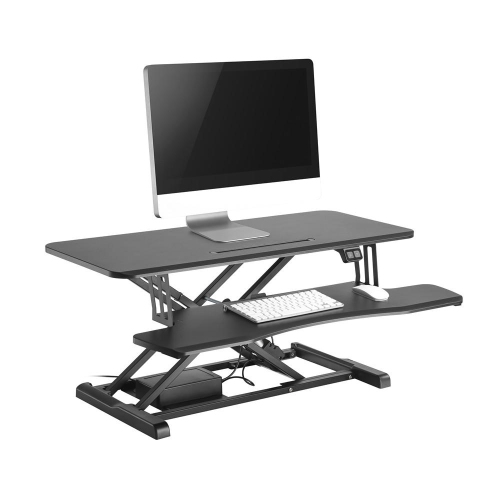
Comfort and storage turn a computer desk into furniture that supports a practical daily routine. Fixed-height desks commonly stand about 28 to 30 inches tall, but a comfortable fit also depends on the user's height, chair adjustment, keyboard position, and footwear. There should be enough space beneath the desktop to move the legs without pressing against a drawer pedestal, shelf, or support rail. A chair with armrests needs clearance to slide close enough for relaxed shoulders and easy keyboard access; a desk that looks generous from above may offer a narrower seating area underneath. Height-adjustable desks allow changes between seated and standing work, with adjustment ranges and lifting capacities that vary by design. The surface should remain steady at the heights used most often, and cables need enough slack to move without pulling on plugs or equipment. Storage choices are equally personal. A student may want a shallow drawer for pens and charging cables, while someone handling household records may prefer filing space and an uncluttered writing area. Open shelves keep frequently used supplies visible, whereas closed drawers help hide small accessories in a bedroom or shared living space. A desktop tower needs adequate ventilation wherever it sits, and a dedicated shelf must accommodate its dimensions without blocking vents. Cable openings, rear channels, and trays can reduce tangles around feet, although their placement should match the location of outlets and devices. For gaming, a broad, clear surface leaves room for mouse movement, while a work-and-study setup may benefit more from space to spread out notes beside a screen. Shared desks work best when storage is easy to divide and the seating position can be adjusted between users. A computer desk can also be a useful gift for a student or someone establishing a home office, especially when room measurements and personal preferences are already known. Finishes that complement nearby furniture, accessible storage, and proportions matched to everyday tasks help the desk feel like a lasting part of the home rather than equipment squeezed into a spare corner.
Materials and construction influence how computer desks look, feel, and hold up to everyday use. Solid wood offers visible grain and natural variation, with care requirements that depend on the finish. Wood veneer provides a real wood surface over a supporting core, while laminate and melamine surfaces offer a wide range of colours and wood-look finishes that are generally straightforward to wipe clean. Engineered wood is used in many desk designs, but its performance varies with panel thickness, construction, edging, and hardware. A metal frame can create an open, streamlined appearance; crossbars, joints, and levelling feet also affect how steady the desk feels on the floor. Glass desktops have a lighter visual presence and can suit smaller rooms, though fingerprints tend to show and care is needed around edges. Whatever the material, a desk should feel stable while typing or writing, with drawers that move smoothly and fittings that remain secure. Weight capacity is especially important for setups with several monitors, speakers, or other equipment, and the stated limit should cover everything placed on the surface. A monitor arm adds another consideration: its clamp needs a compatible desktop thickness, adequate edge clearance, and a surface approved to support that type of mounting. Drawer units, rear panels, or bevelled edges may interfere with attachment. Everyday care is usually simplest with a soft cloth, prompt attention to spills, and cleaning products approved for the finish. Excess moisture can damage some wood-based panels, particularly around exposed seams, while abrasive cleaners can dull or scratch surfaces. A coaster beneath a mug and a desk mat beneath frequently moved accessories help limit marks in busy workspaces. Assembly quality matters, too. Correctly fitted braces, evenly tightened hardware, and a level base contribute to durability, while a periodic check of fasteners can help keep a frequently used desk steady. Protecting the floor beneath desk and chair legs helps the whole workspace wear well over time.
Comfort and storage turn a computer desk into furniture that supports a practical daily routine. Fixed-height desks commonly stand about 28 to 30 inches tall, but a comfortable fit also depends on the user's height, chair adjustment, keyboard position, and footwear. There should be enough space beneath the desktop to move the legs without pressing against a drawer pedestal, shelf, or support rail. A chair with armrests needs clearance to slide close enough for relaxed shoulders and easy keyboard access; a desk that looks generous from above may offer a narrower seating area underneath. Height-adjustable desks allow changes between seated and standing work, with adjustment ranges and lifting capacities that vary by design. The surface should remain steady at the heights used most often, and cables need enough slack to move without pulling on plugs or equipment. Storage choices are equally personal. A student may want a shallow drawer for pens and charging cables, while someone handling household records may prefer filing space and an uncluttered writing area. Open shelves keep frequently used supplies visible, whereas closed drawers help hide small accessories in a bedroom or shared living space. A desktop tower needs adequate ventilation wherever it sits, and a dedicated shelf must accommodate its dimensions without blocking vents. Cable openings, rear channels, and trays can reduce tangles around feet, although their placement should match the location of outlets and devices. For gaming, a broad, clear surface leaves room for mouse movement, while a work-and-study setup may benefit more from space to spread out notes beside a screen. Shared desks work best when storage is easy to divide and the seating position can be adjusted between users. A computer desk can also be a useful gift for a student or someone establishing a home office, especially when room measurements and personal preferences are already known. Finishes that complement nearby furniture, accessible storage, and proportions matched to everyday tasks help the desk feel like a lasting part of the home rather than equipment squeezed into a spare corner.
Top selling and popular products
-
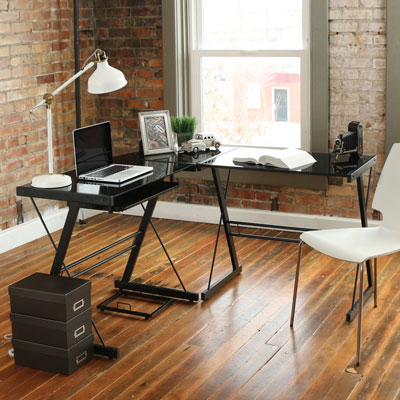 Your price for this item is $304.99
 -
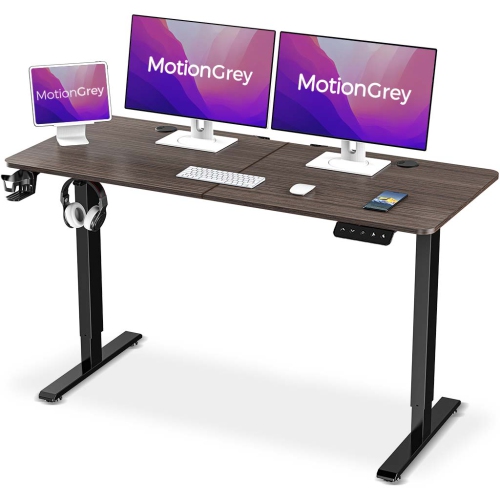 Your price for this item is $93.99
 -
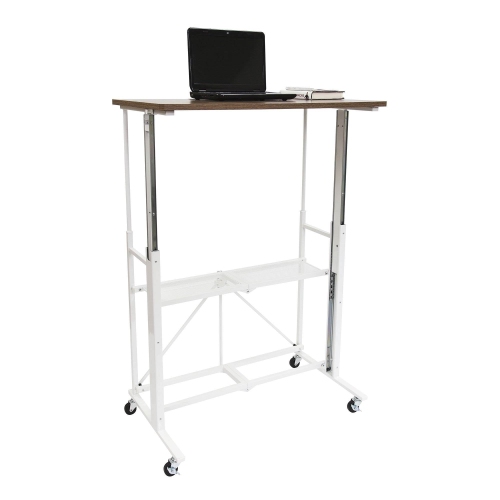 Your price for this item is $248.99
 -
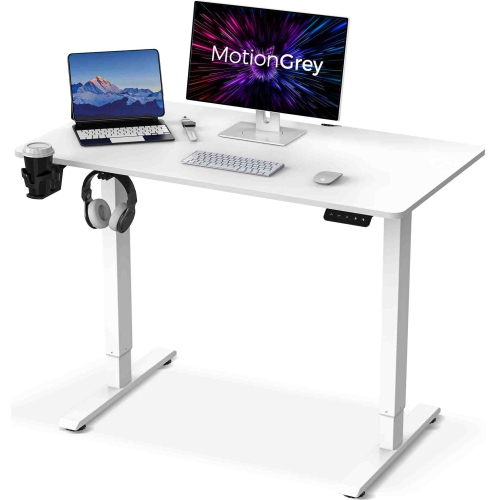 Your price for this item is $83.99
 -
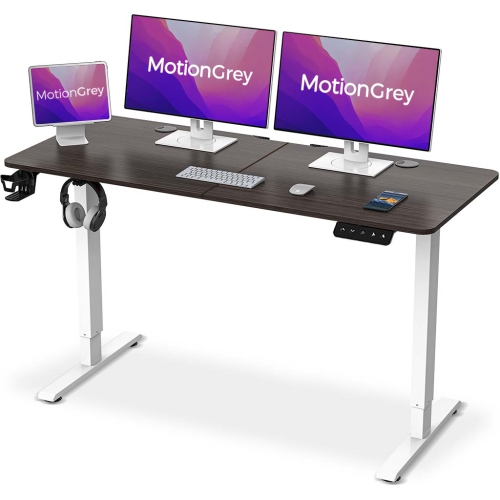 Your price for this item is $108.99
 -
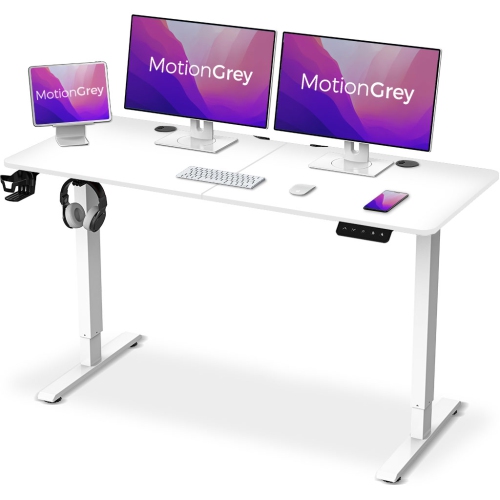 Your price for this item is $94.99
 -
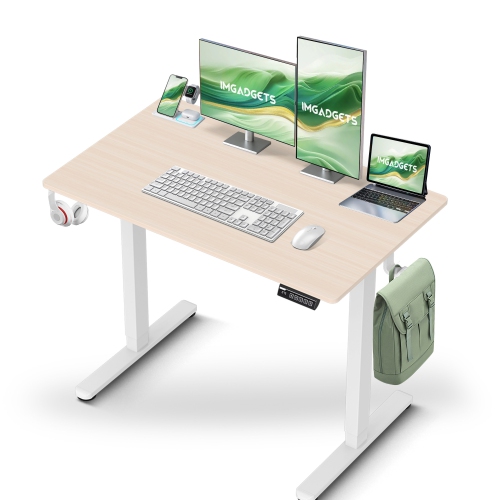 Your price for this item is $74.97
 -
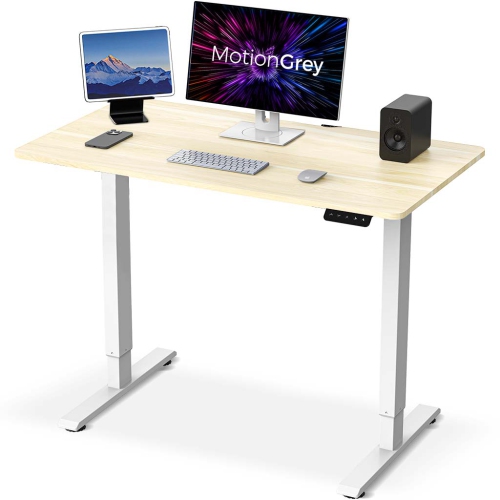 Your price for this item is $83.95
Discover more categories related to Furniture Computer Desks
Top Collections:
Pokemon Centers, Kindle Devices, Best Budget Office Chairs, Apple iPhones 16, Best Laptops for Writers, iPhone 15 Apple, Canon G7X Cameras, Refurbished Apple Laptops, Alarm Clock, Motorola Razr Phones
Some products may be subject to Environmental Handling Fees
(EHF) depending on your province.
Learn more about EHFs.