Furniture for Small Dining Rooms
Transform your space with furniture for small dining rooms designed to maximize comfort and style without overwhelming the area. Whether you’re furnishing a cozy apartment or making the most of a compact breakfast nook, discover versatile options that help you create an inviting spot for meals and gatherings. Explore a range of smart solutions tailored to fit perfectly in smaller spaces, so you can enjoy both functionality and charm in your dining room.
Sort



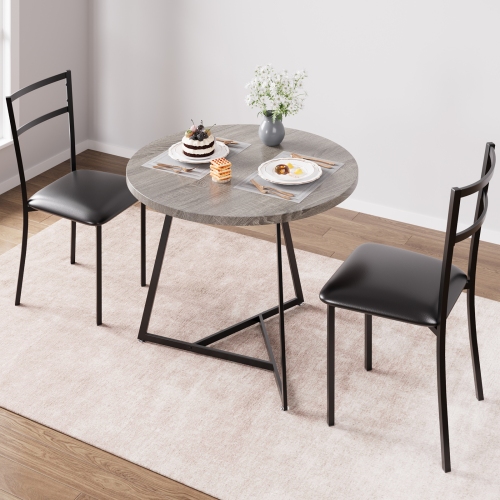

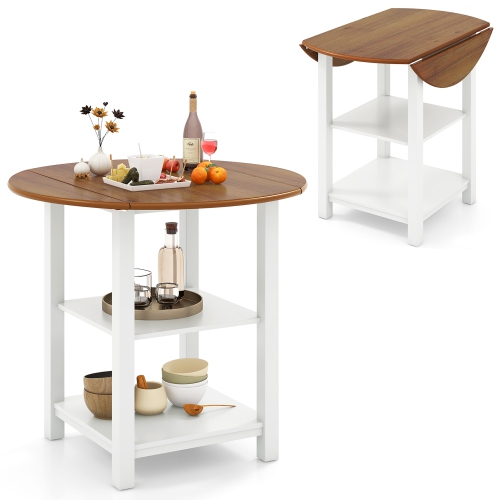
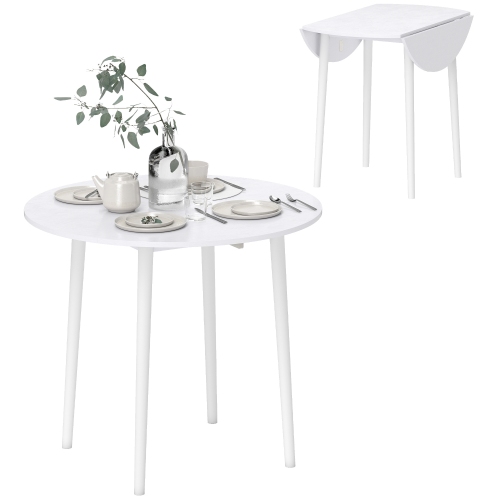
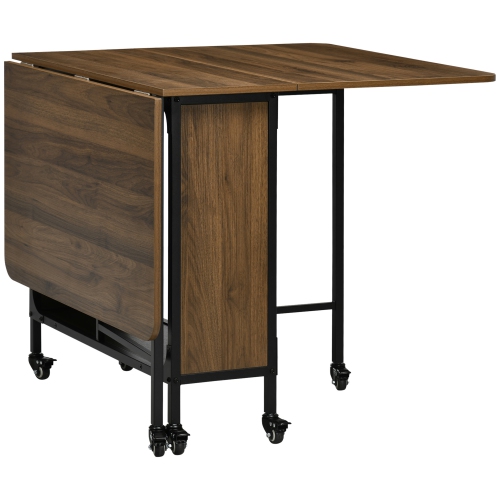

Comfortable dining starts with room to move
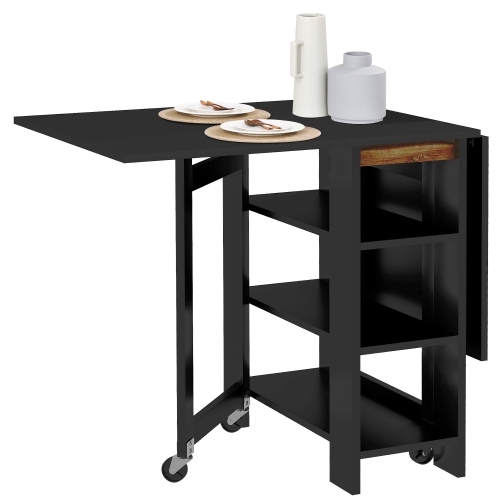
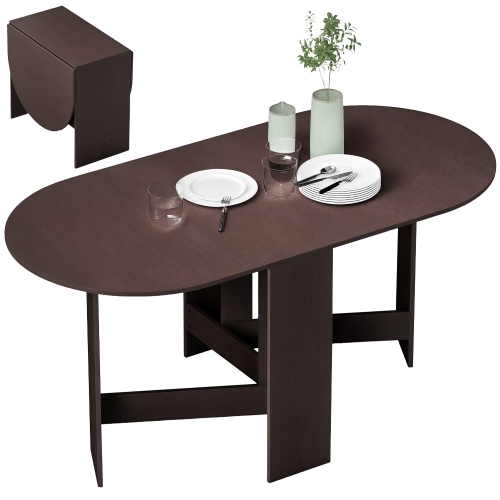
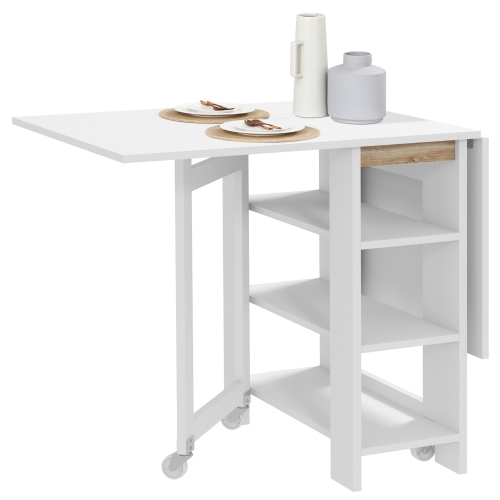
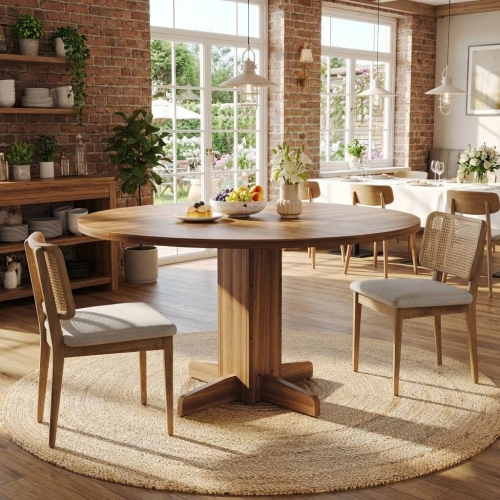
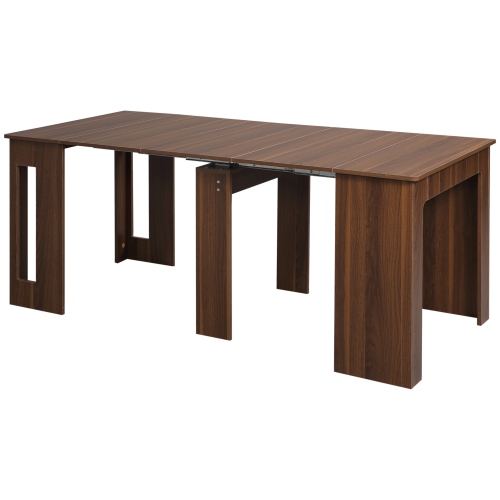
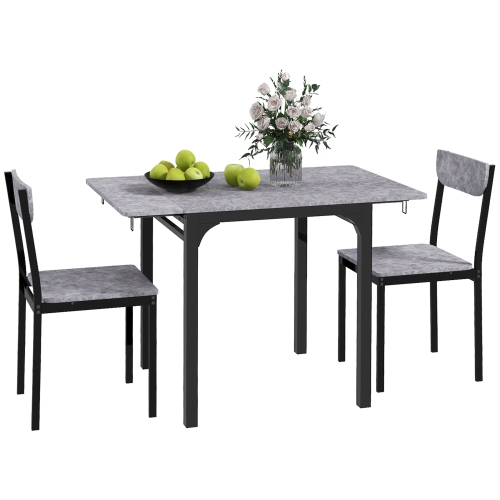
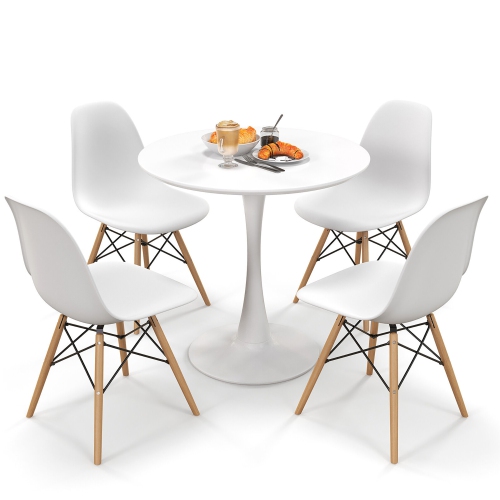
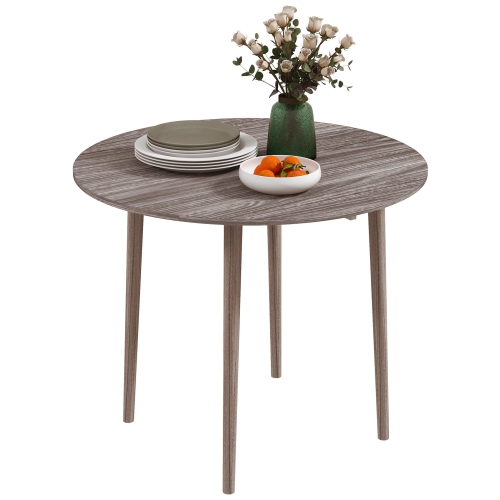
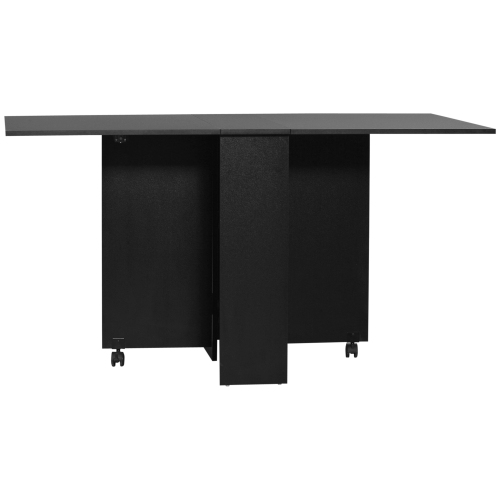
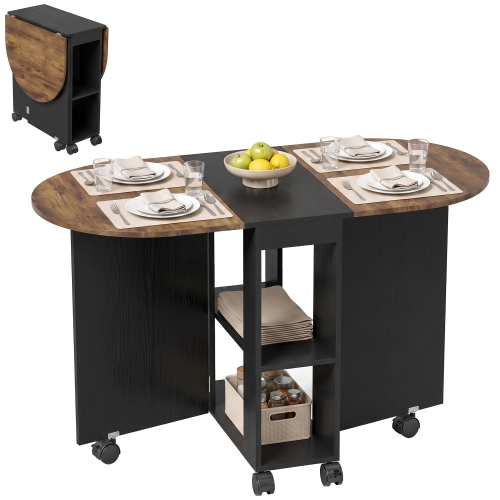
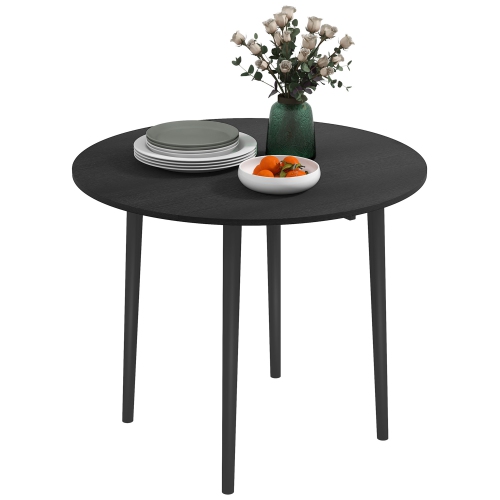
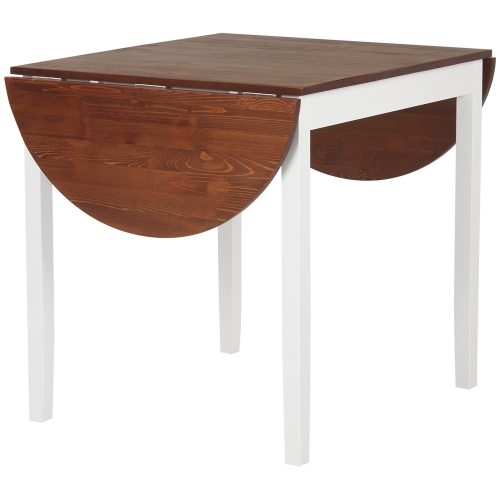
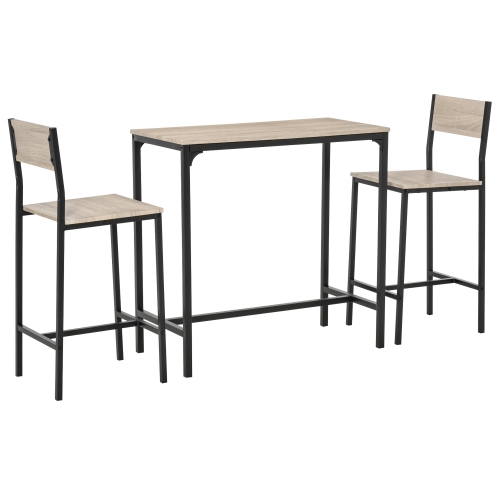
Furniture for small dining rooms includes round or extendable tables, slim chairs that tuck beneath the tabletop, and benches that combine seating with storage. These space-saving designs suit condo dining areas, apartment kitchens, and smaller rooms where the table shares space with a doorway, a desk, or the route to the living room. The most useful arrangement leaves room for everyday meals without making each trip past the table a sideways shuffle. A round tabletop removes projecting corners and makes conversation easy, while a square table can create a defined dining spot for two or four people. Narrow rectangular tables often work well in longer rooms, especially when seating can tuck neatly along both sides. Shape alone does not determine how much space a table needs: the position of its legs, the depth of its base, and the chairs around it all affect the usable footprint. A pedestal base can offer flexible chair placement, provided its lower section does not crowd feet. Drop-leaf tables provide a smaller surface between meals, while extendable tables offer extra places when guests visit. Both need enough surrounding space to use their larger configuration comfortably. Gateleg designs also require clearance for the supports that swing into position. As a general planning reference, about 90 cm between a table edge and a wall allows room to pull out a chair, though a busy walkway may need more space. Door swings, baseboard heaters, and nearby cabinet doors can also affect the fit. A table used for breakfast, laptop work, and dinner benefits from a stable surface and a size that accommodates those activities without taking over the room. A broad base may interfere with tucked-in chairs, while an apron beneath the tabletop can limit knee clearance. Those details matter as much as the tabletop dimensions when a dining area needs to feel comfortable rather than merely look compact.
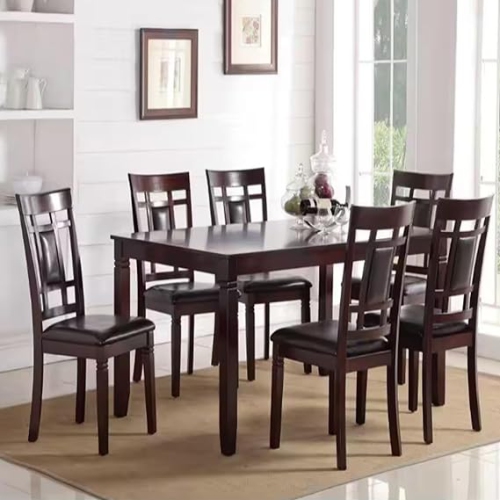
Seating has an equally important role in making a small dining room feel usable. Armless chairs generally slide closer together and beneath the table more easily than wider armchairs, but the full chair dimensions still matter. A curved back or splayed legs can extend well beyond the seat, adding depth to a dining arrangement even when the chair looks visually light. The proportions of dining chairs for small spaces help balance a compact footprint with the support needed for a relaxed meal. Narrow seats are not automatically comfortable, particularly for people who spend longer periods at the table. Seat height, back support, and the space between the seat and tabletop all contribute to a good fit. Upholstered chairs add softness for lingering over dinner or helping with homework, while wood, moulded plastic, and other wipeable seating surfaces can simplify everyday cleanup. Fabric texture, seams, and any care requirements become especially relevant in homes with young children or frequent spills. A removable cushion cover can be useful where washing is permitted by its care label. Backless benches may slide fully beneath a table, creating a clearer path when the seating is not in use. Their length must fit between the table legs, and enough space is needed to sit down or stand up without disturbing everyone along the bench. A bench placed against a wall can make good use of one side of a room, although people seated in the middle may have less freedom to leave the table. Storage benches provide room for table linens or other dining essentials, with lid clearance and safe hinge operation worth considering. Folding or stackable chairs can support occasional entertaining when there is a suitable place to store them. Counter-height stools, by contrast, need a matching table height and may be less convenient for children or anyone who finds climbing onto a seat difficult.
Materials and construction influence how small dining room furniture looks, feels, and holds up to repeated use. Solid wood brings grain and warmth, but its response to moisture and humidity means spills need prompt attention and care should follow the manufacturer's recommendations. Wood veneer provides a real wood surface over a supporting core, while laminate and other finished engineered-wood surfaces offer different textures and cleaning requirements. None should be assumed to tolerate standing water, hot cookware, or abrasive cleaners. Coasters, placemats, and trivets help protect the table during everyday meals without occupying permanent space. Metal frames can create a slim outline, though secure joints and suitable floor protectors remain important for stability and to reduce scraping. Glass tabletops allow a clearer view through the room, but fingerprints are more visible, and the weight and edge design deserve attention in a busy household. Stone and stone-look surfaces vary considerably in weight, porosity, and care, so their appearance alone does not establish how they will perform. For extendable or folding furniture, smooth mechanisms, secure locks, and well-supported leaves contribute to dependable daily use. Assembly quality matters too, particularly for chairs that are moved several times a day; loose fasteners should be addressed according to the supplied instructions. Beyond the table and seating, a shallow sideboard or narrow cabinet can keep dishes, cutlery, and serving pieces close without filling the room with bulky storage. Sliding cabinet doors avoid an outward swing, while drawers need enough space to open fully. Closed storage can keep a compact dining area visually settled, and a small open shelf can hold frequently used pieces within reach. Lighter finishes and slender frames may make the arrangement feel less visually dense, while darker wood or metal can give a small dining area definition. Matching every finish is not essential; compatible proportions and enough room to move have a greater effect on everyday comfort. For a first apartment, a shared home, or a smaller household that occasionally hosts guests, well-proportioned dining furniture supports both ordinary meals and company without demanding a separate, oversized room.
Top selling and popular products
-
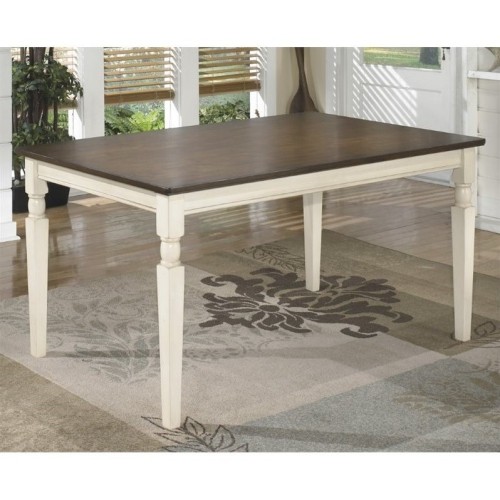 Your price for this item is $399
-
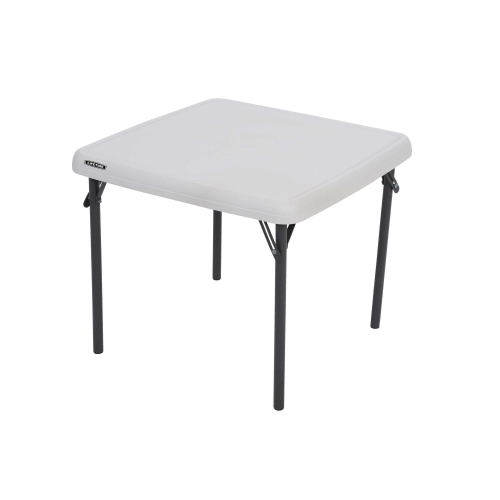 Your price for this item is $74.99
-
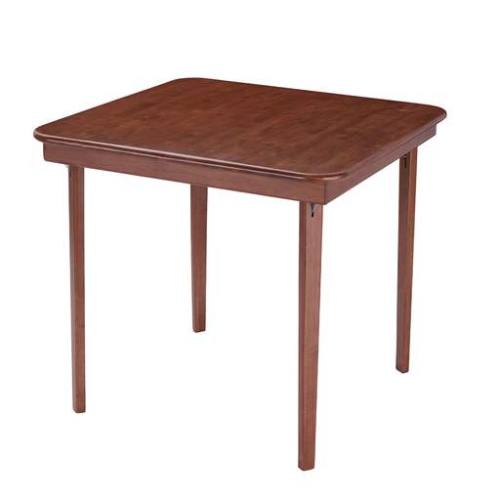 Your price for this item is $404.99
-
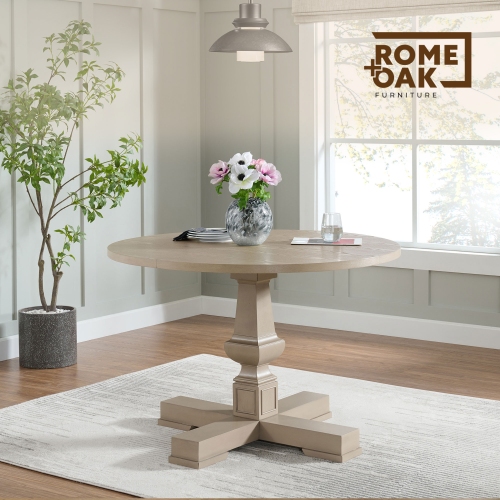 Your price for this item is $969.99
-
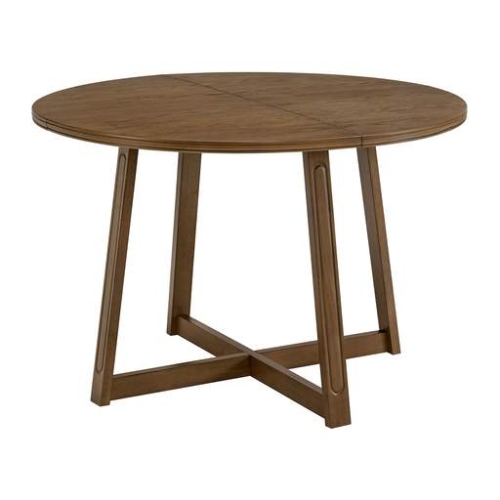 Your price for this item is $796.99
-
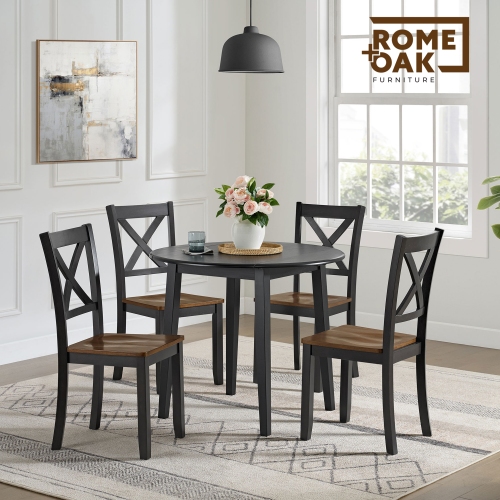 Your price for this item is $397.99
-
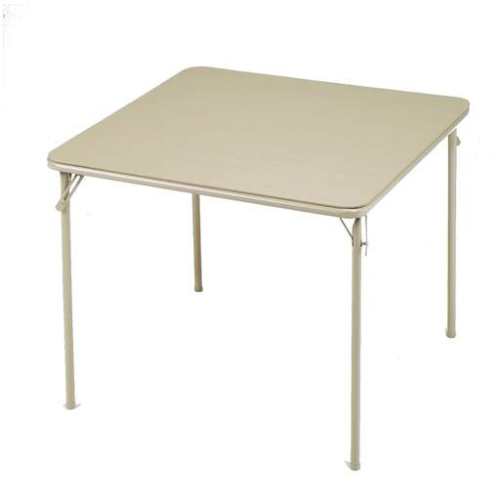 Your price for this item is $243.99
-
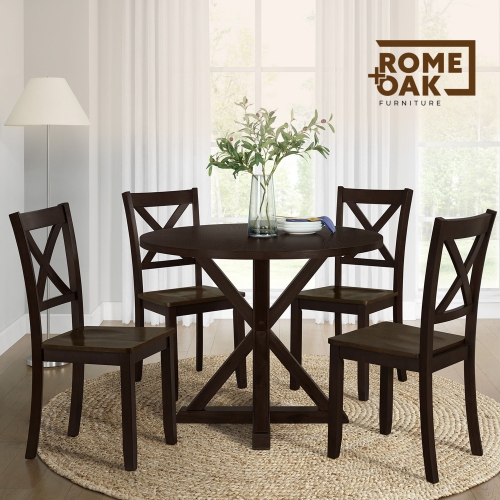 Your price for this item is $827.99
Discover more categories related to Furniture for Small Dining Rooms

Top Collections:
Pokemon Centers, Kindle Devices, Best Cameras for Sports Photography, Pokémon 30th Celebration Cards, Canon G7X Cameras, Samsung Galaxy Phones, iPhone 15 Apple, Best Black Friday Deals On Electronics, Jackery Power Stations, Solar Generators for Home
Some products may be subject to Environmental Handling Fees
(EHF) depending on your province.
Learn more about EHFs.