Furniture With Cubbies
Organizing your living space has never been easier with our selection of furniture featuring cubbies. Whether you're looking to declutter your entryway, tidy up your home office, or create a functional storage solution in any room, our collection of furniture with cubbies has got you covered. With various sizes, styles, and finishes to choose from, you can find the perfect piece to complement your existing decor while keeping your belongings neatly organized and easily accessible.
Sort
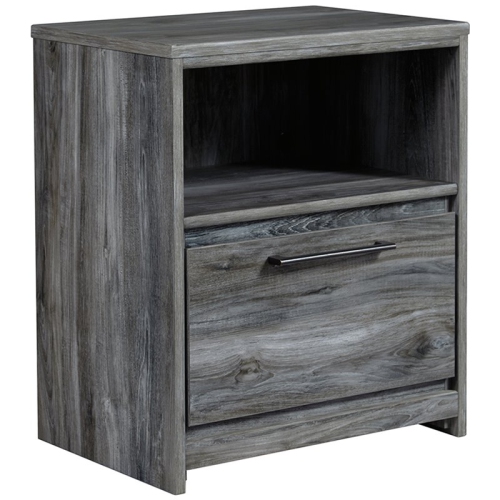
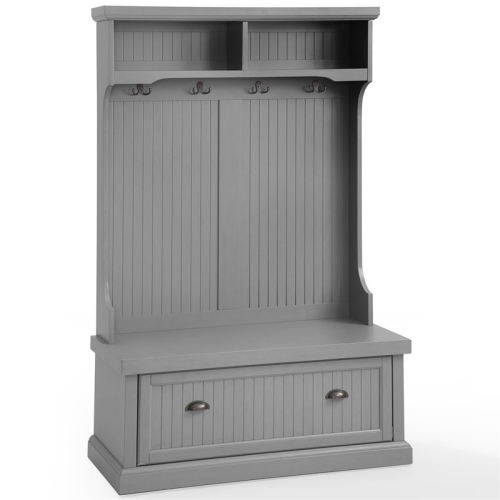
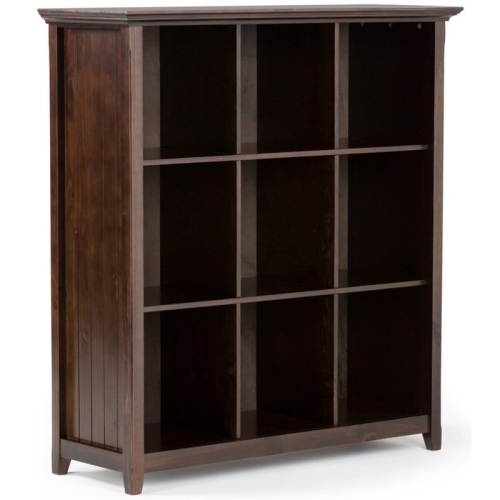
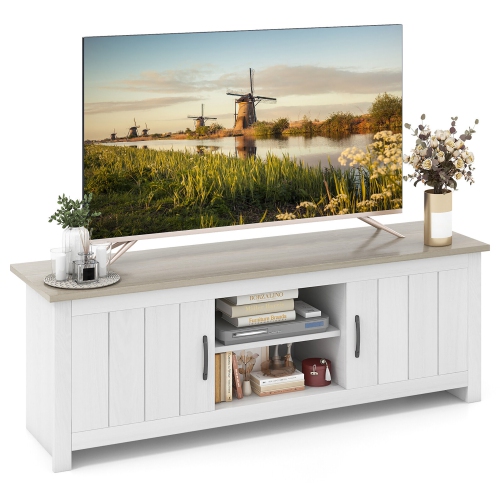
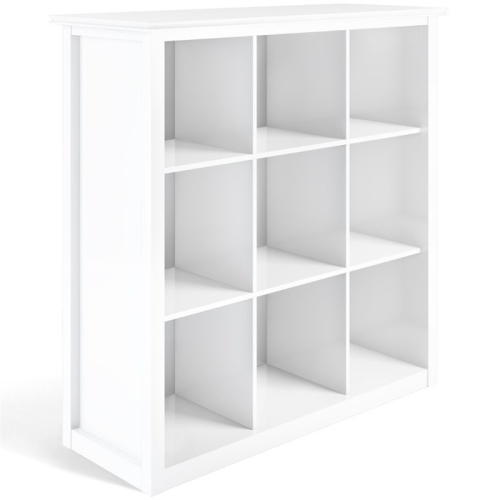
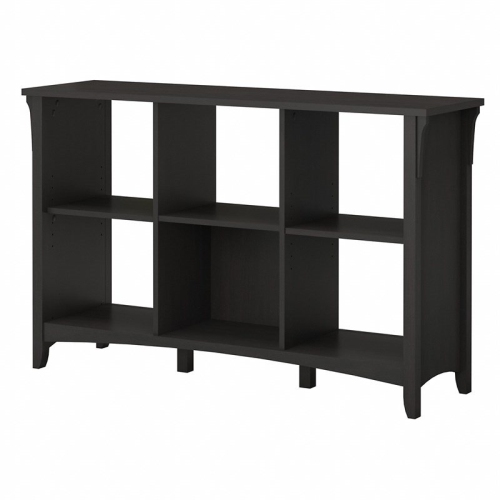
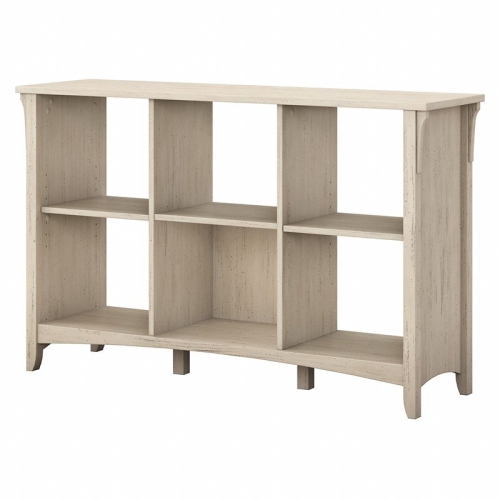
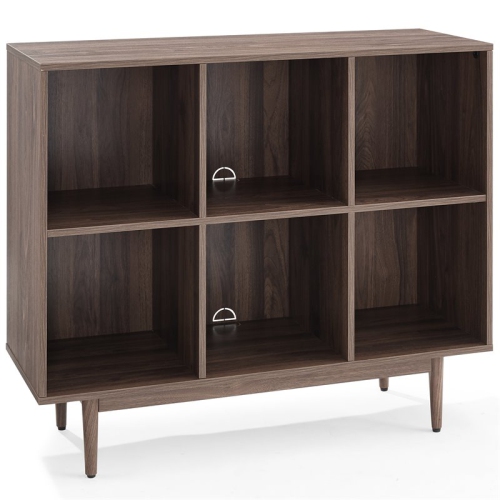
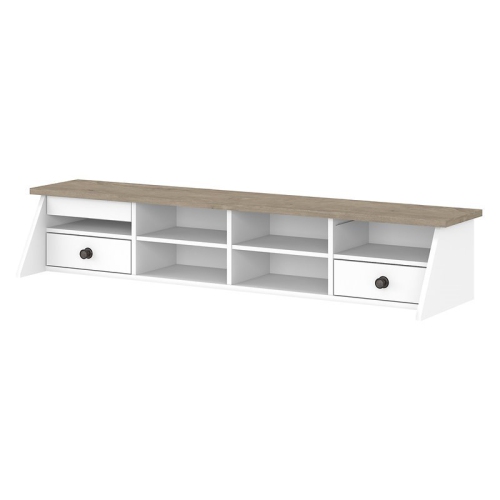
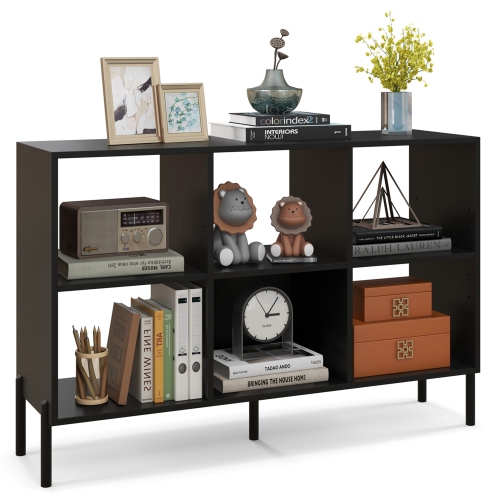
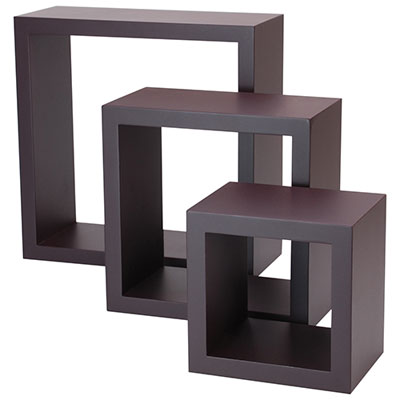
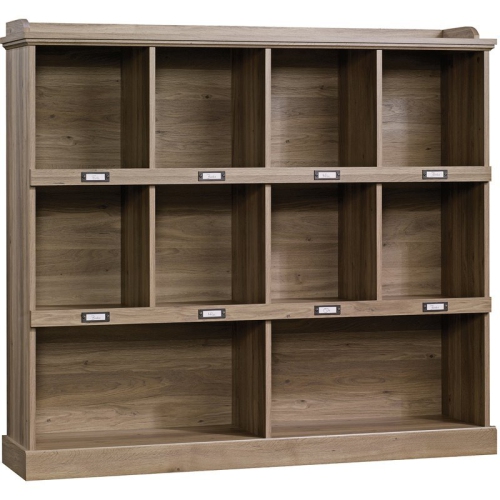
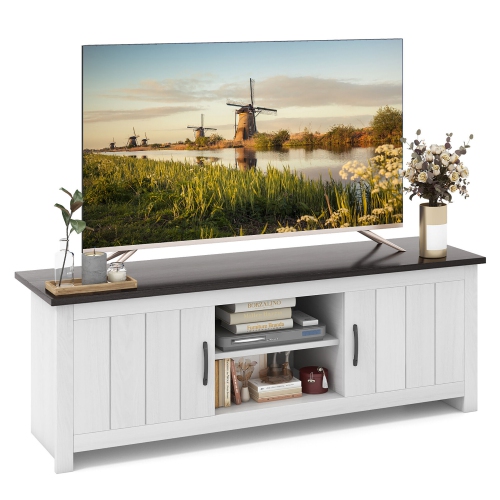
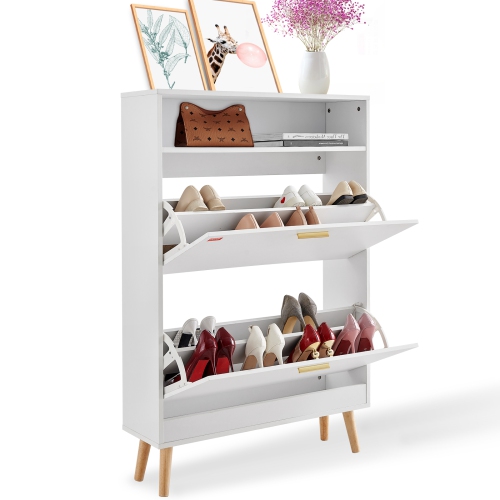
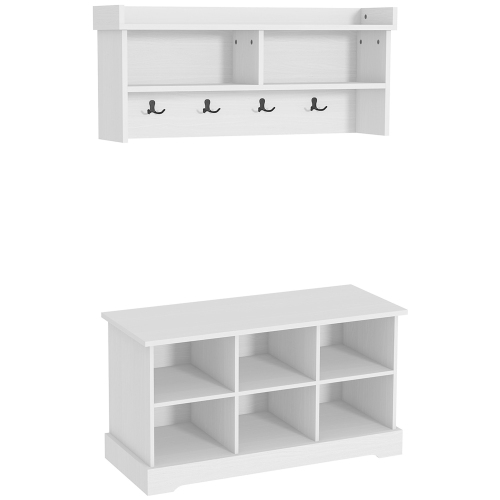
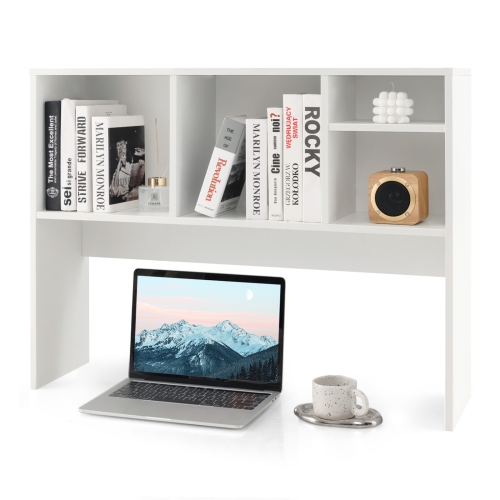
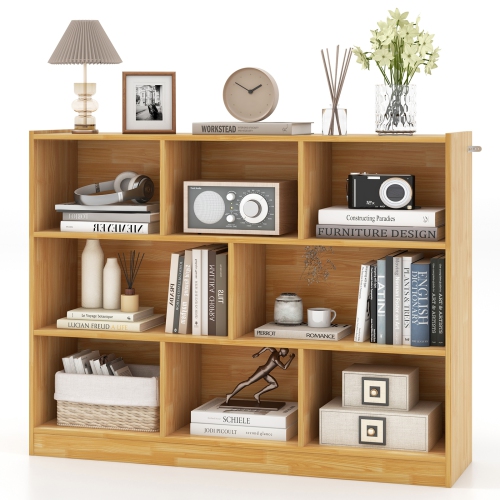
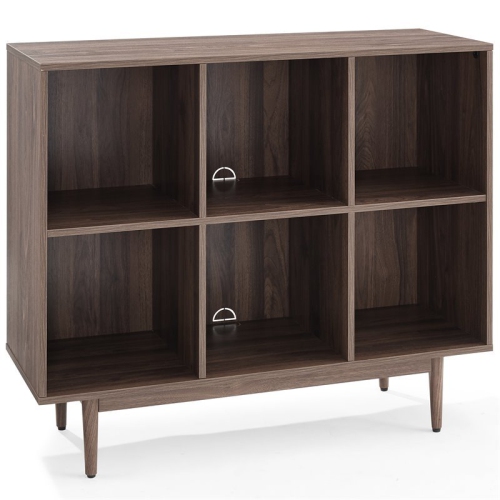
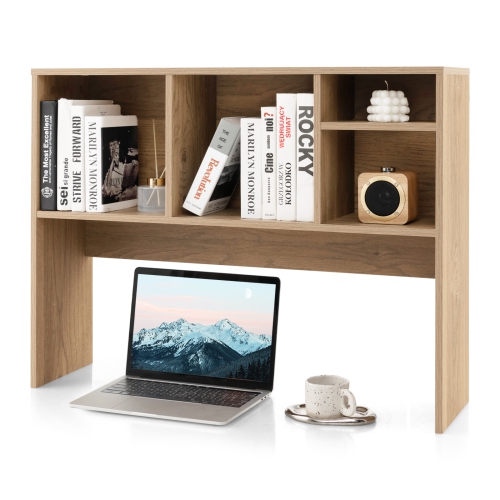
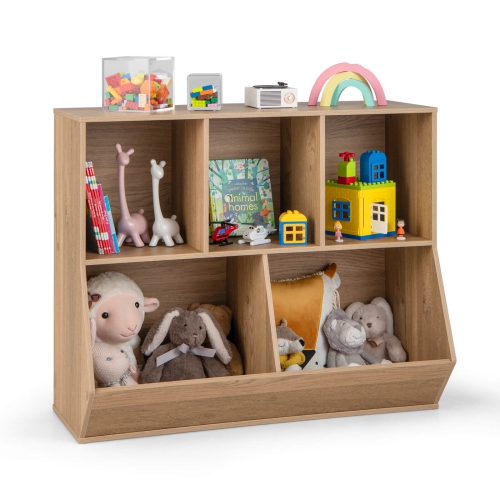
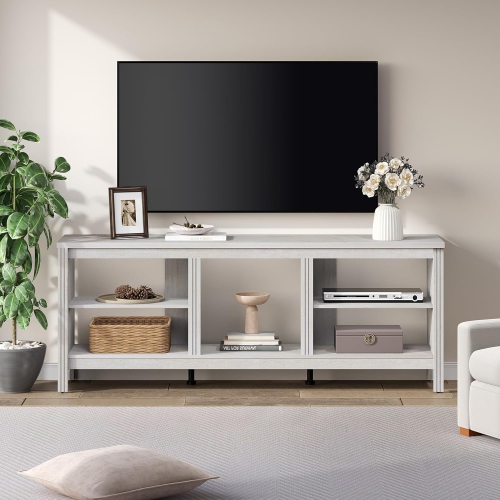
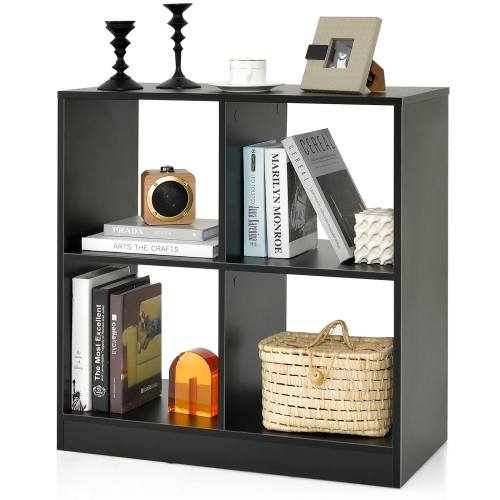
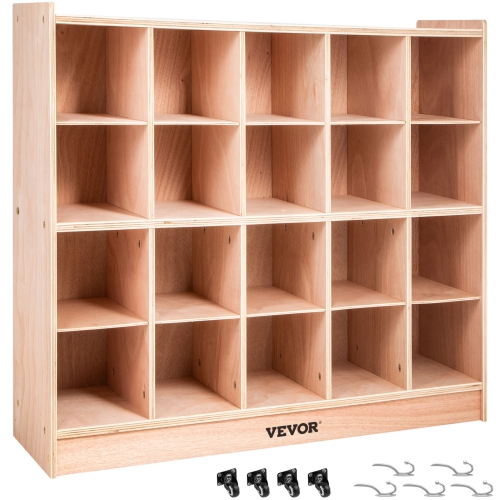
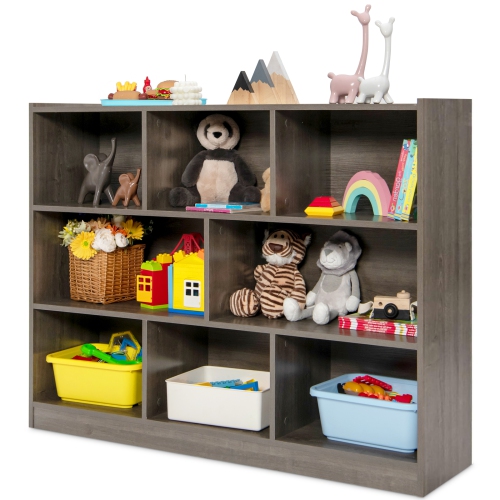

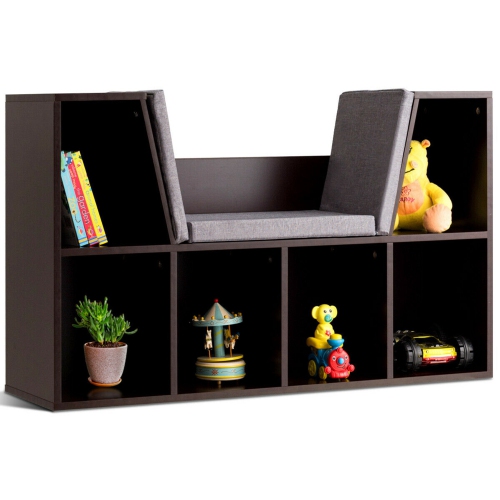
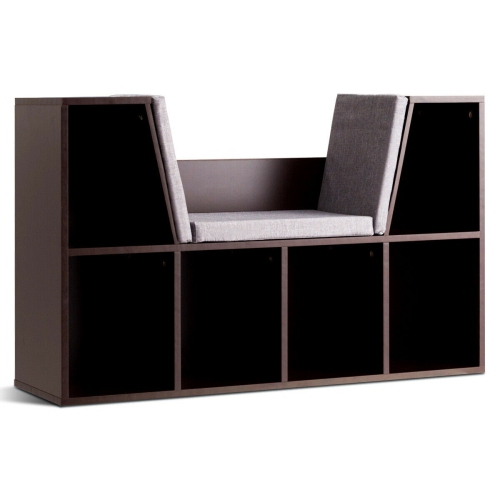
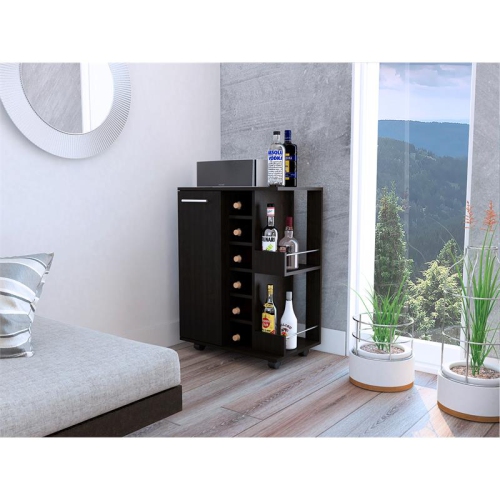
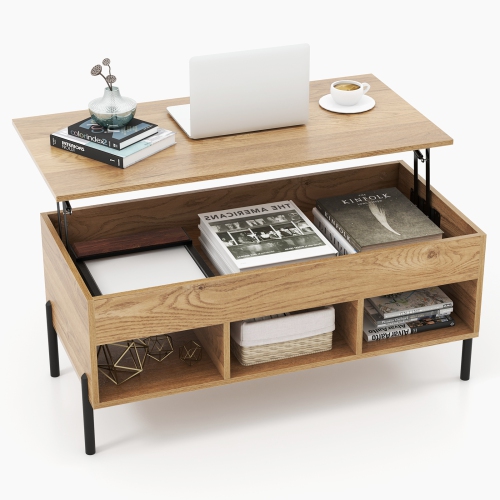
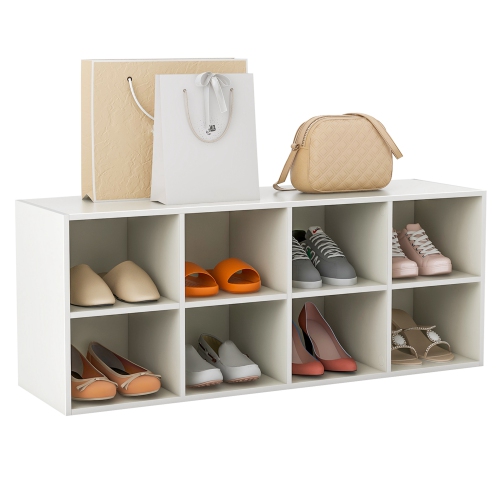
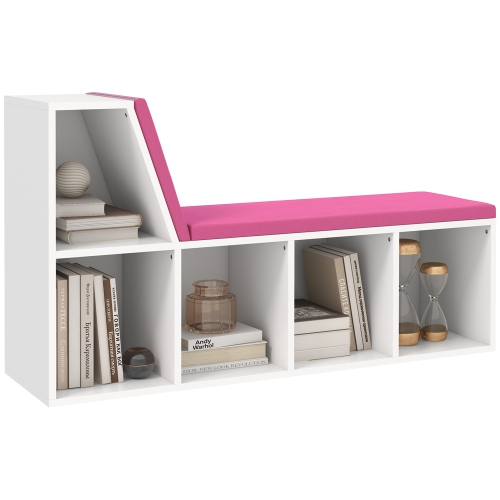
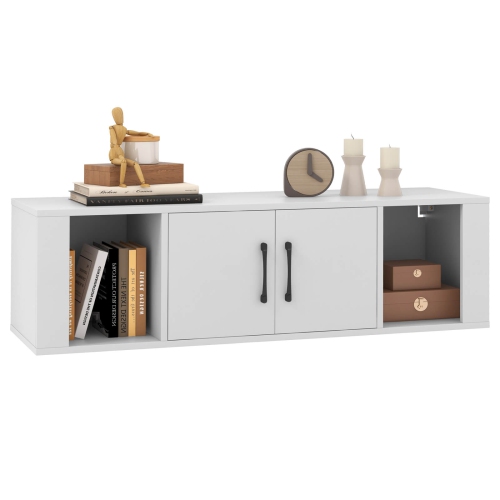
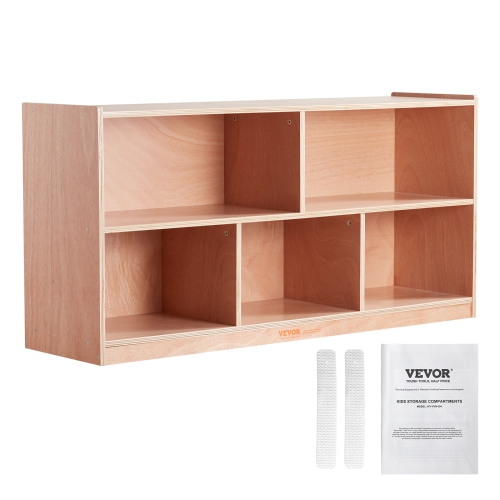

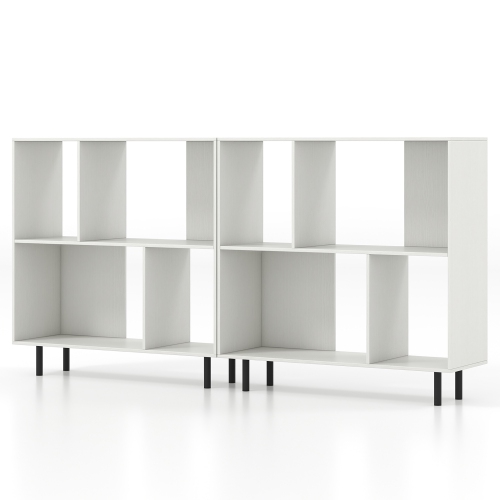
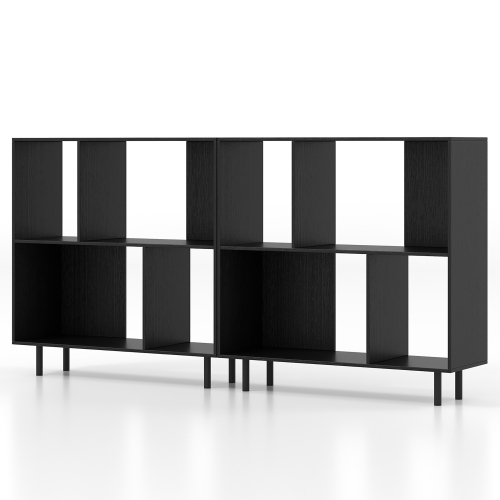
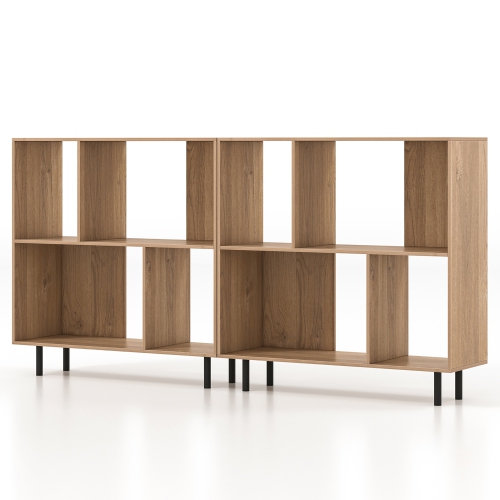
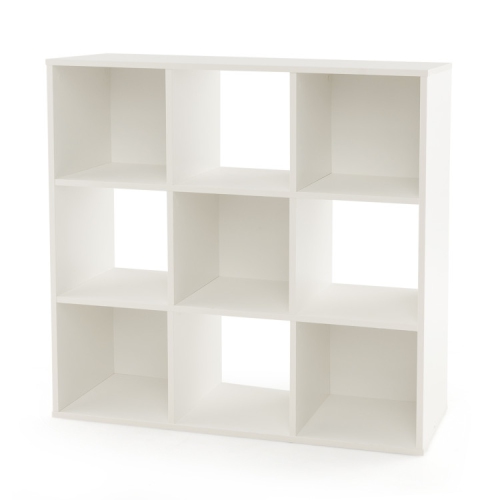
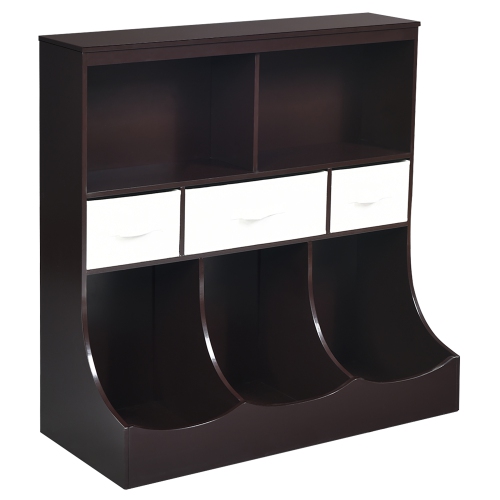
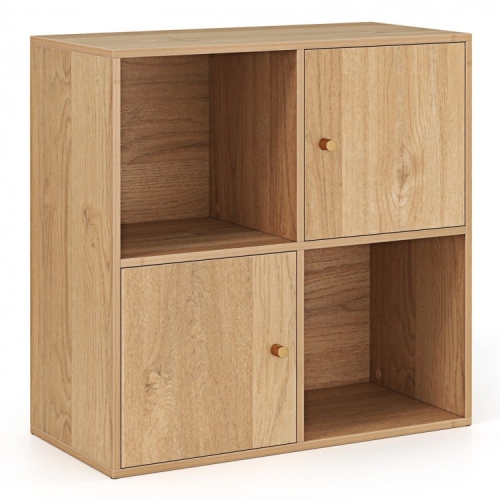
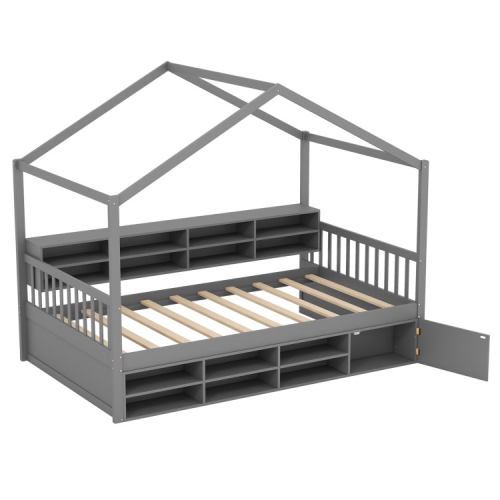
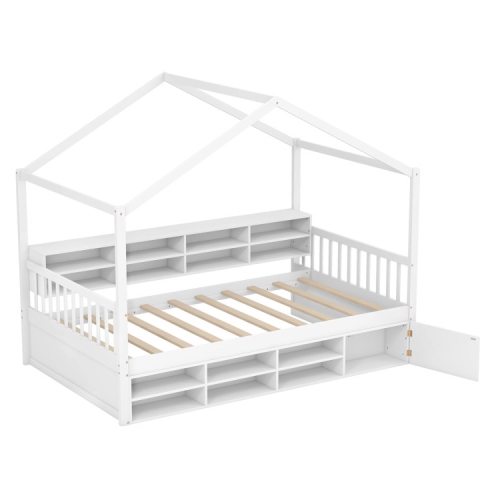
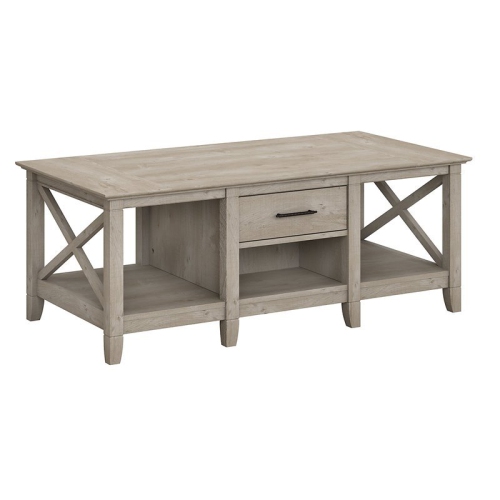


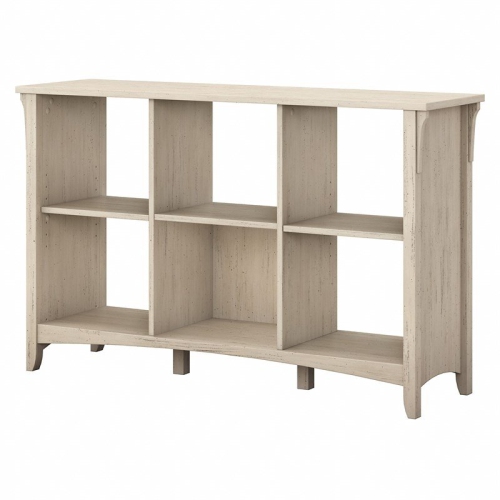
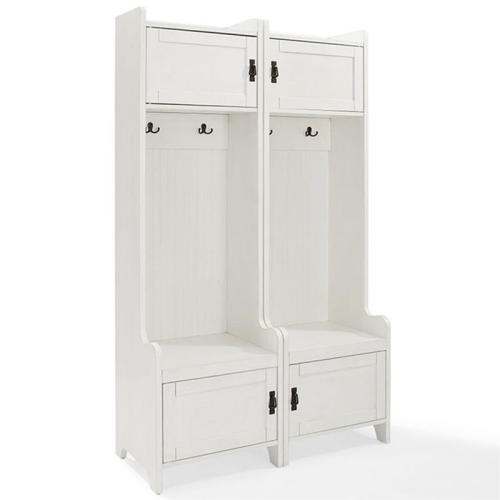
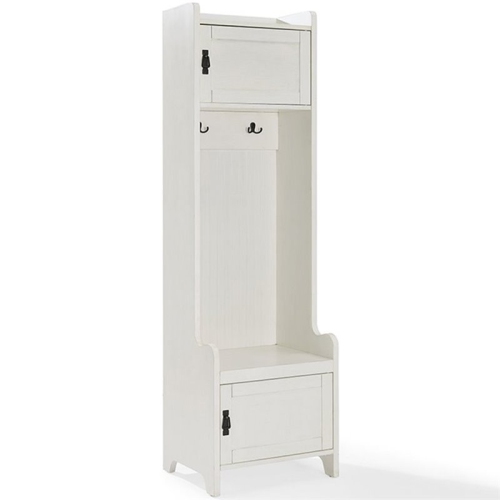
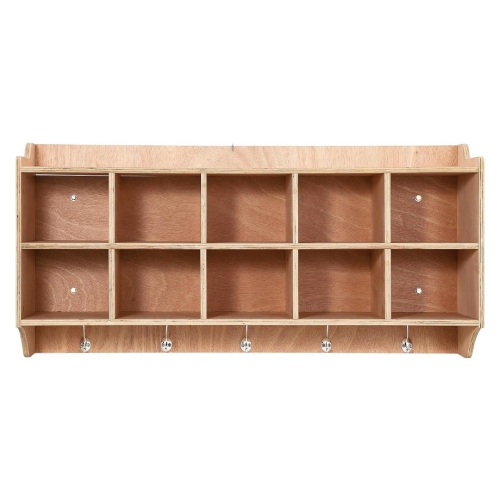
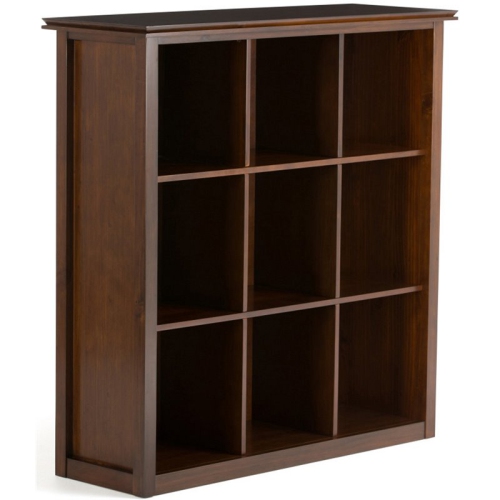
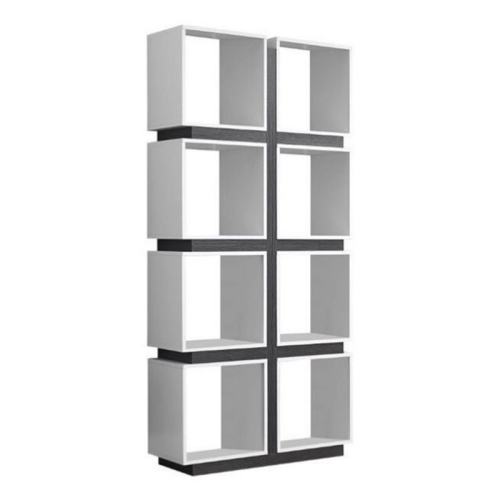
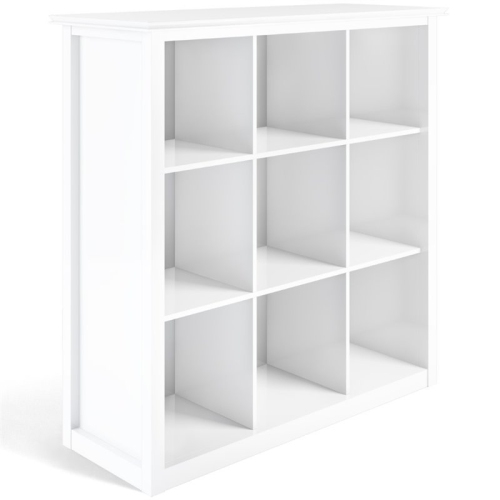
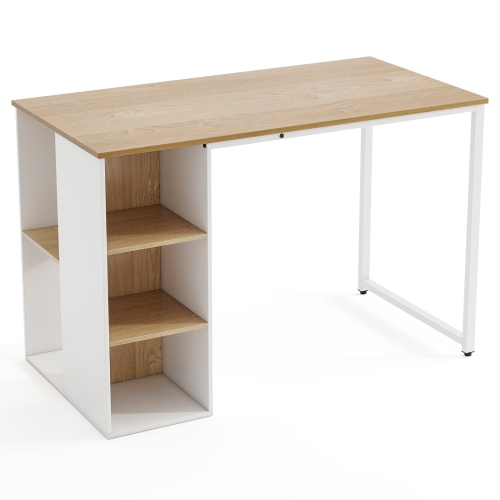
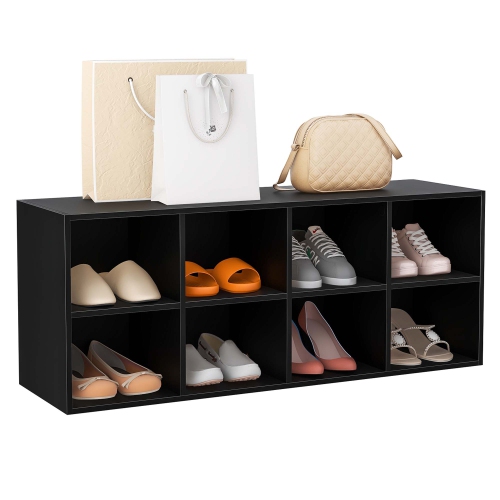
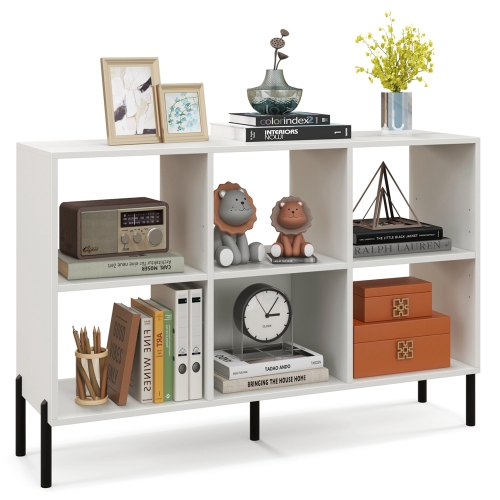
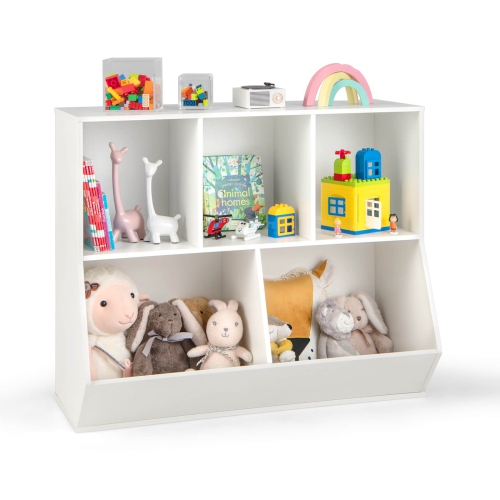
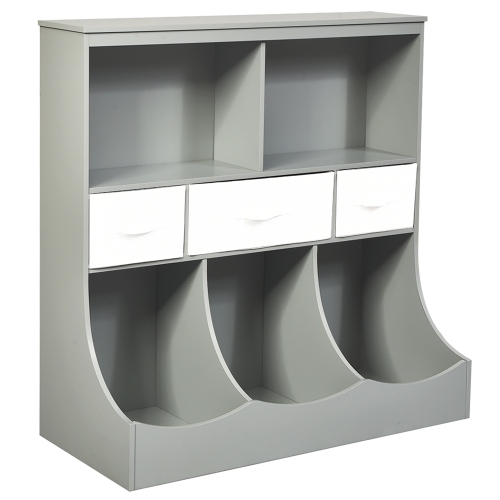
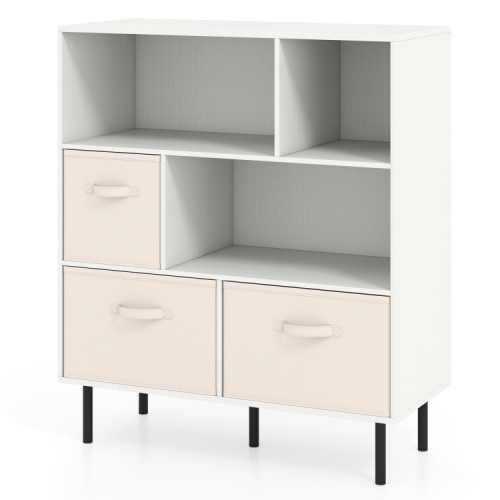
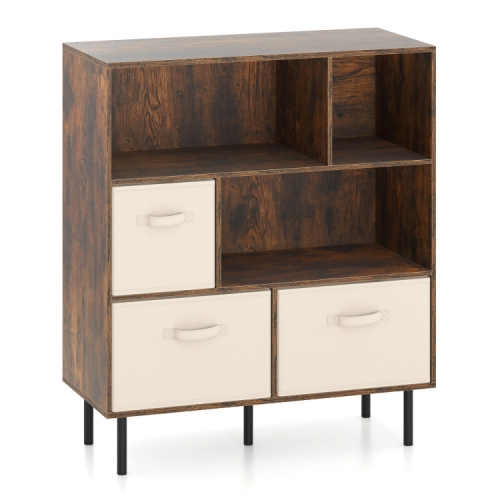
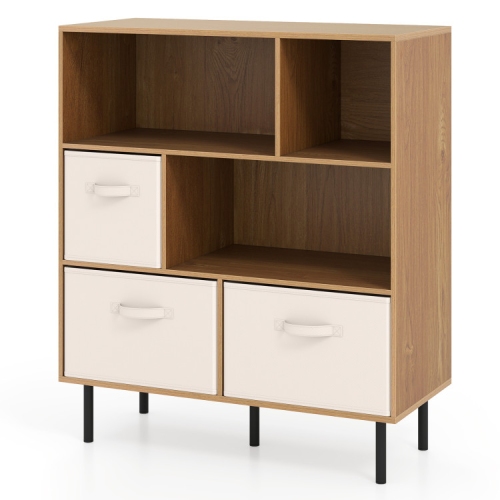
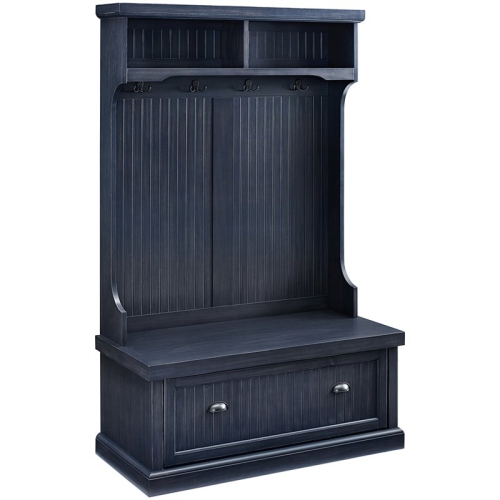
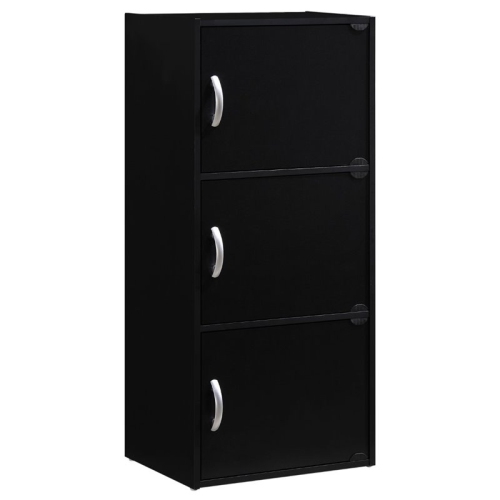
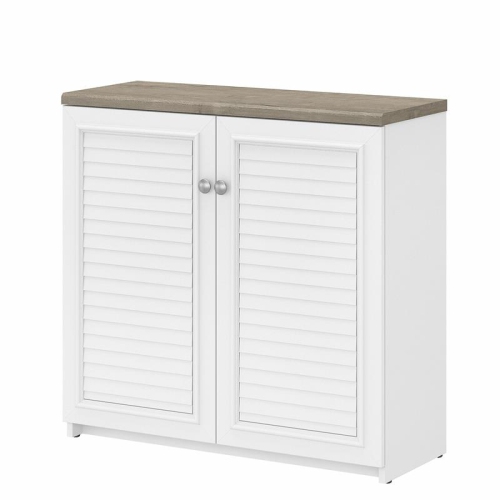
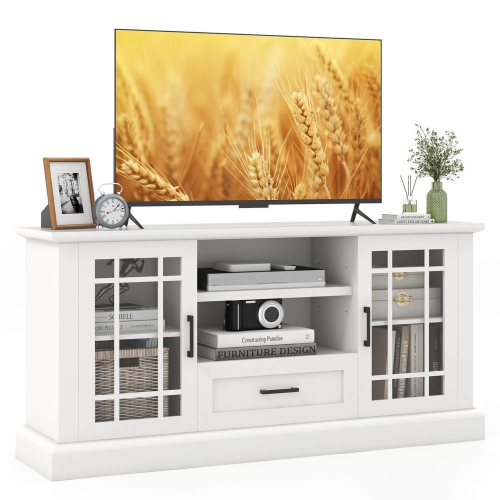
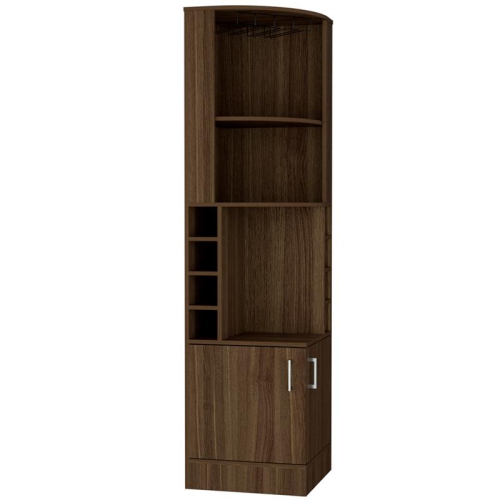
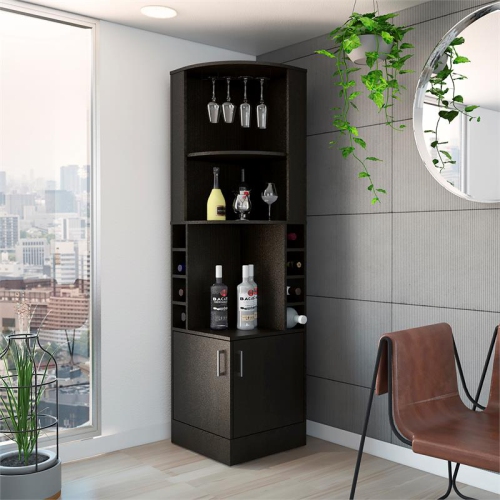

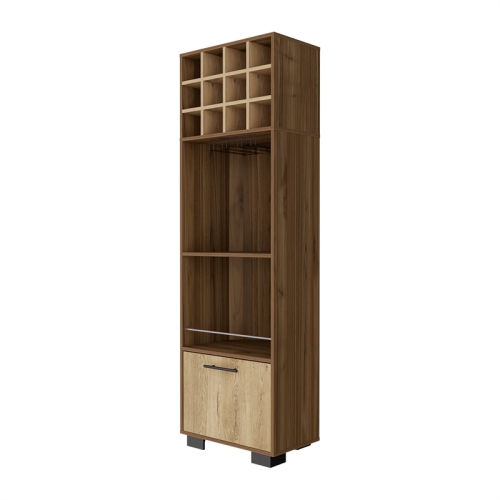
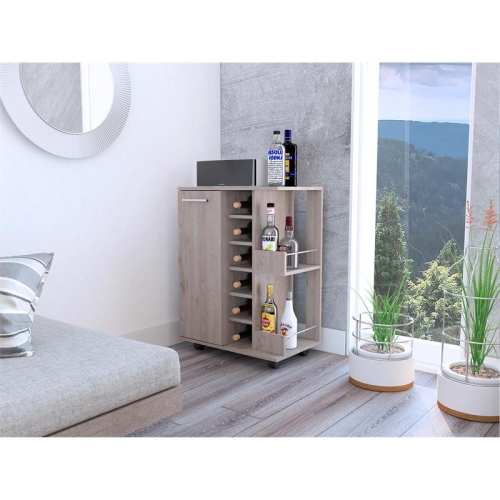
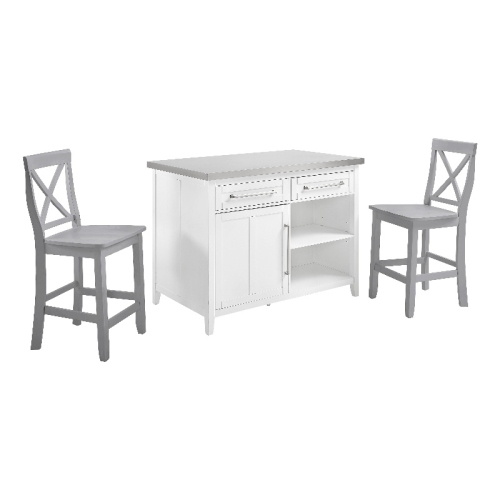
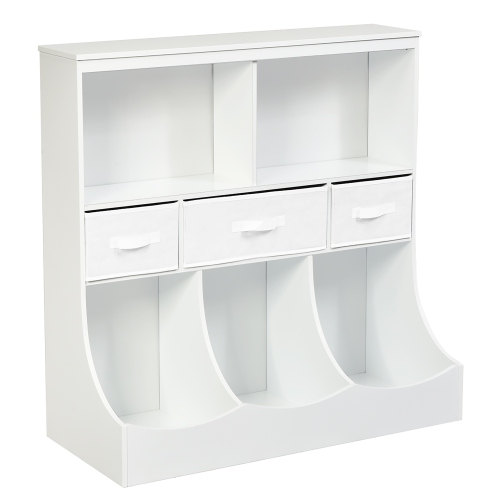
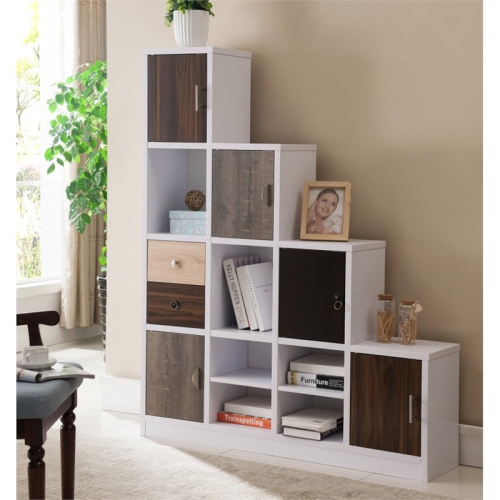
Practical open storage for rooms that need order
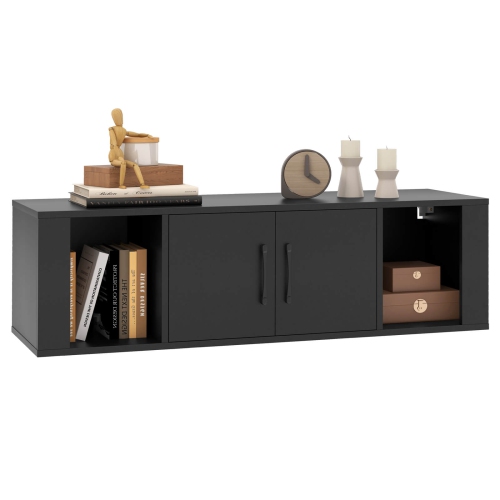
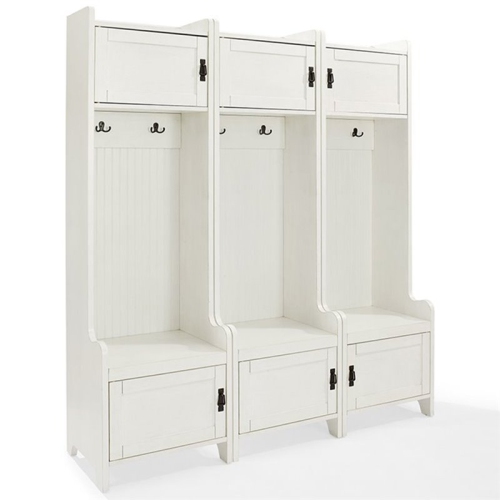
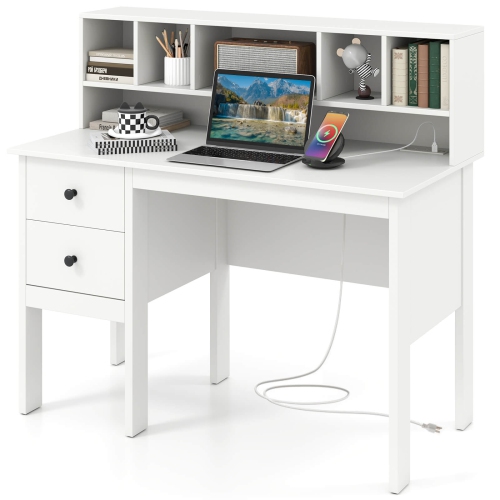
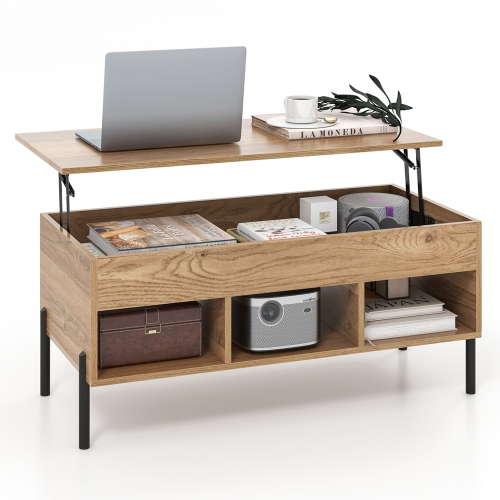
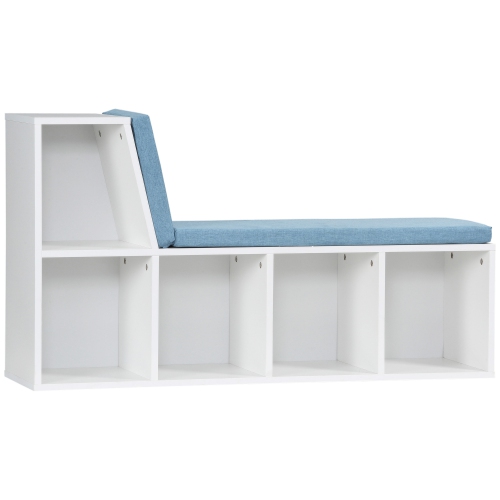
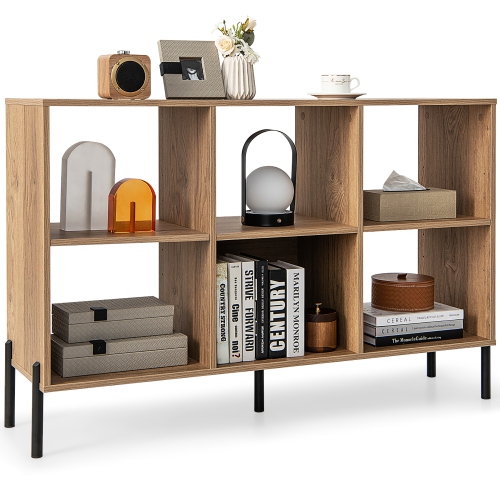
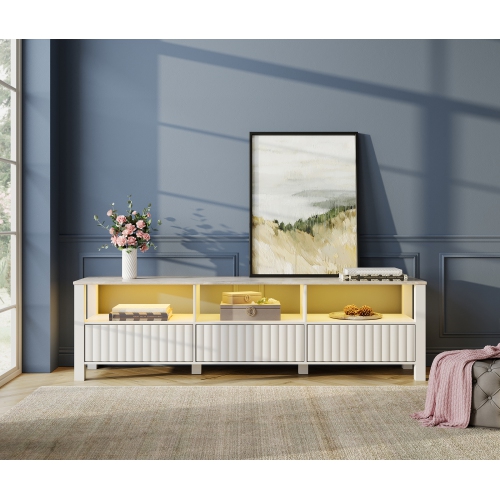
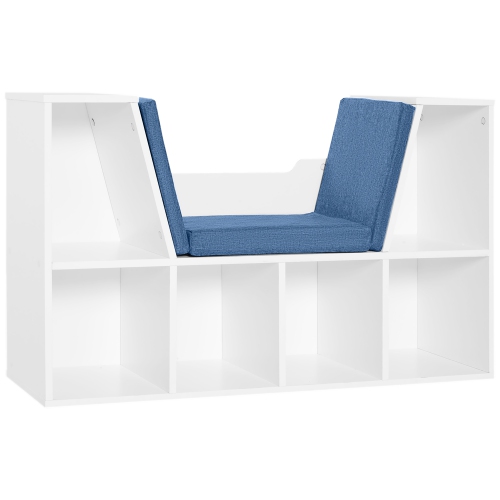
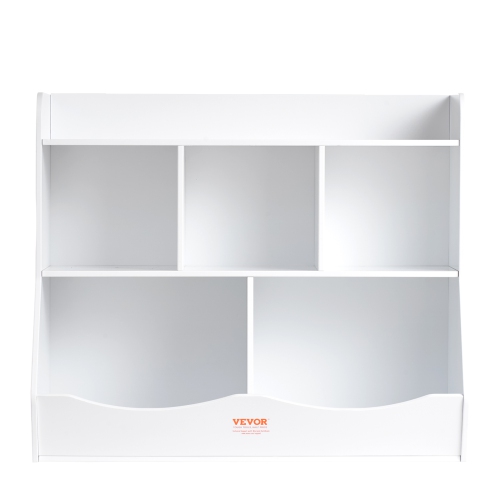
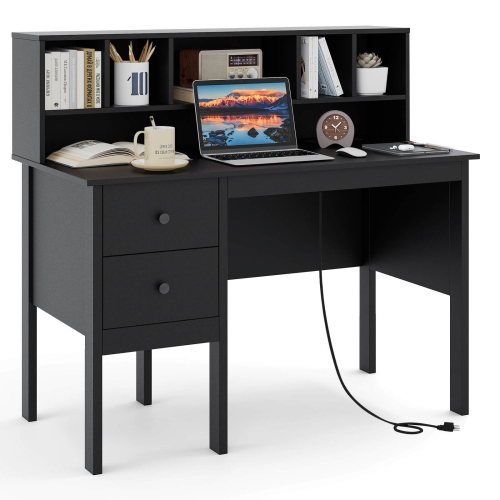
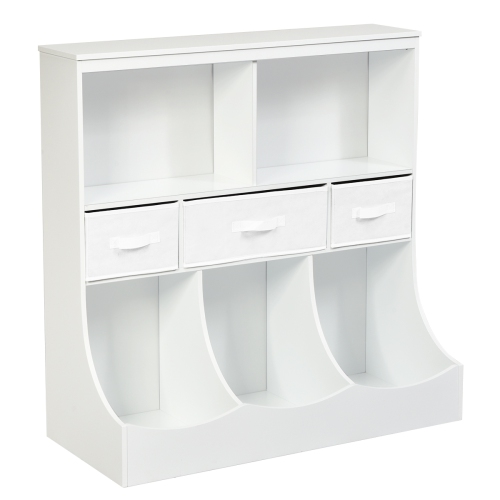
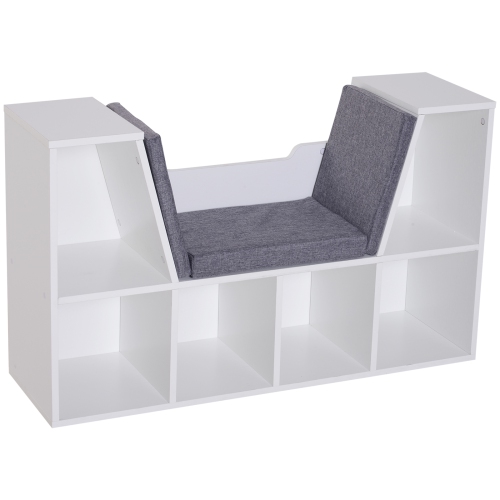
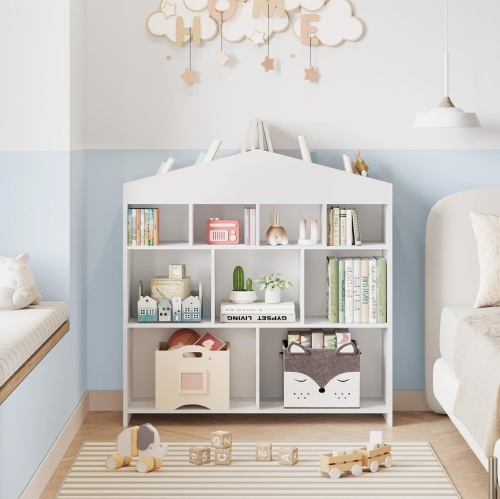
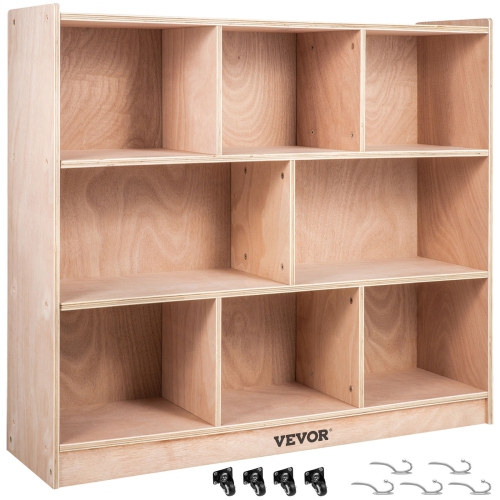
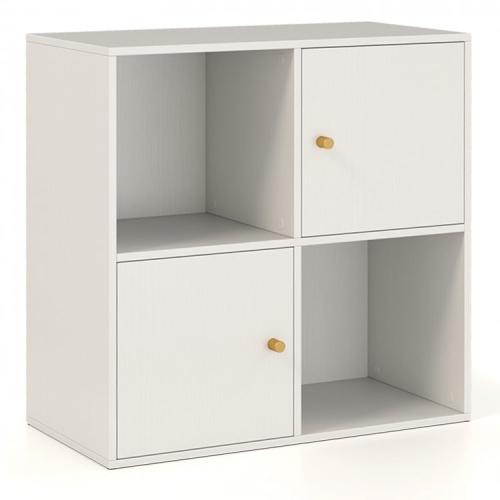
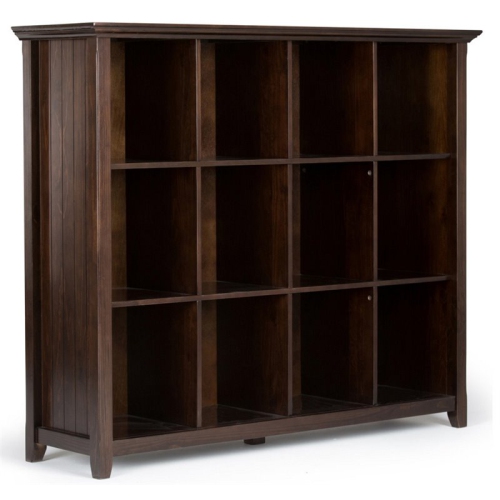
Furniture with cubbies brings practical, open-compartment storage to rooms that need a little more order without feeling closed in. Each section creates a defined home for books, folded clothing, baskets, toys, shoes, accessories, or display pieces, making it easier to sort everyday belongings at a glance. In a living room, a cubby unit can hold reading material, remotes, board games, and decorative objects while giving a wall a more finished appearance. Some designs work well beneath a television or along a hallway, while taller options can use vertical space in an apartment, bedroom, or home office. In a playroom, low cubbies help children see and reach their toys, making tidy-up time more straightforward when every bin or activity has a familiar place. A bedroom cubby organizer can separate sweaters, handbags, shoes, and folded garments, especially when paired with fabric baskets that conceal smaller items. Open compartments are also useful for displaying framed photographs, plants, collections, and favourite books, so the furniture can combine storage with personal style. During the cooler months, when coats, blankets, boots, and indoor activities tend to take up more room, cubby furniture can help keep frequently used items close at hand without allowing them to spread across floors and surfaces. For an entryway, consider browsing Entryway Cubbies for storage designed around the comings and goings of a busy household.
When choosing furniture with cubbies, start by measuring the available area carefully, including the height of baseboards, the swing of nearby doors, and the clearance needed for drawers or baskets. A unit may look compact in a photograph but occupy considerable floor space once it is assembled, so note its overall width, depth, and height before making a decision. Think about what each compartment will hold as well. Books and lightweight décor may fit comfortably in smaller openings, while bulky toys, folded towels, shoes, or storage bins may need wider or taller sections. If the furniture will sit in a child’s room, a lower profile can make belongings easier to reach; for a home office, evenly sized cubbies can keep files, notebooks, cables, and supplies separated. In a rental or smaller home, a freestanding design can provide useful storage without requiring built-in cabinetry. Check the construction details, shelf capacity, back panel, and fastening requirements, particularly if the unit will carry heavier items or be placed where children may climb. Furniture should rest on a level surface, and taller units may need to be secured according to the manufacturer’s instructions. Assembly is another practical consideration: allow enough room to lay out panels and hardware, and confirm whether two people are recommended for lifting or positioning. Finish and colour matter as well. A warm wood-look surface can add a traditional feel, while white, black, or neutral finishes can blend with modern interiors. For a coordinated look, use matching baskets or bins throughout the cubbies; for a more collected appearance, mix textures while keeping the overall colour palette consistent.
Furniture with cubbies can suit first homes, shared bedrooms, family rooms, dorm-style spaces, offices, and guest areas, and it can be a thoughtful gift for someone settling into a new home or preparing a room for a growing family. It is especially helpful for people who prefer visible organization, since open compartments make it easy to see where items belong instead of searching through deep drawers or crowded closets. A student can use cubbies for textbooks, stationery, headphones, and small appliances, while someone working from home can organize reference materials, chargers, notebooks, and office accessories within arm’s reach. In a nursery or children’s room, baskets placed in the lower sections can hold soft toys, art supplies, or spare blankets, while the higher compartments remain available for items that need adult supervision. In a guest room, cubbies offer visitors a convenient place for luggage, reading material, and personal belongings without taking over a dresser. They can also help create a calmer daily routine: shoes can be placed in one section, outgoing items in another, and frequently used accessories in a basket near the top. Before filling the unit, leave a little breathing room so shelves remain easy to access and the room does not feel visually crowded. Use heavier objects on lower shelves for greater stability, reserve upper sections for lighter items, and add labels when several household members share the storage. With the right size, layout, and placement, cubby furniture can make a home feel more organized while still leaving room for personality, changing routines, and the natural rhythm of everyday life.
When choosing furniture with cubbies, start by measuring the available area carefully, including the height of baseboards, the swing of nearby doors, and the clearance needed for drawers or baskets. A unit may look compact in a photograph but occupy considerable floor space once it is assembled, so note its overall width, depth, and height before making a decision. Think about what each compartment will hold as well. Books and lightweight décor may fit comfortably in smaller openings, while bulky toys, folded towels, shoes, or storage bins may need wider or taller sections. If the furniture will sit in a child’s room, a lower profile can make belongings easier to reach; for a home office, evenly sized cubbies can keep files, notebooks, cables, and supplies separated. In a rental or smaller home, a freestanding design can provide useful storage without requiring built-in cabinetry. Check the construction details, shelf capacity, back panel, and fastening requirements, particularly if the unit will carry heavier items or be placed where children may climb. Furniture should rest on a level surface, and taller units may need to be secured according to the manufacturer’s instructions. Assembly is another practical consideration: allow enough room to lay out panels and hardware, and confirm whether two people are recommended for lifting or positioning. Finish and colour matter as well. A warm wood-look surface can add a traditional feel, while white, black, or neutral finishes can blend with modern interiors. For a coordinated look, use matching baskets or bins throughout the cubbies; for a more collected appearance, mix textures while keeping the overall colour palette consistent.
Furniture with cubbies can suit first homes, shared bedrooms, family rooms, dorm-style spaces, offices, and guest areas, and it can be a thoughtful gift for someone settling into a new home or preparing a room for a growing family. It is especially helpful for people who prefer visible organization, since open compartments make it easy to see where items belong instead of searching through deep drawers or crowded closets. A student can use cubbies for textbooks, stationery, headphones, and small appliances, while someone working from home can organize reference materials, chargers, notebooks, and office accessories within arm’s reach. In a nursery or children’s room, baskets placed in the lower sections can hold soft toys, art supplies, or spare blankets, while the higher compartments remain available for items that need adult supervision. In a guest room, cubbies offer visitors a convenient place for luggage, reading material, and personal belongings without taking over a dresser. They can also help create a calmer daily routine: shoes can be placed in one section, outgoing items in another, and frequently used accessories in a basket near the top. Before filling the unit, leave a little breathing room so shelves remain easy to access and the room does not feel visually crowded. Use heavier objects on lower shelves for greater stability, reserve upper sections for lighter items, and add labels when several household members share the storage. With the right size, layout, and placement, cubby furniture can make a home feel more organized while still leaving room for personality, changing routines, and the natural rhythm of everyday life.
Top selling and popular products
-
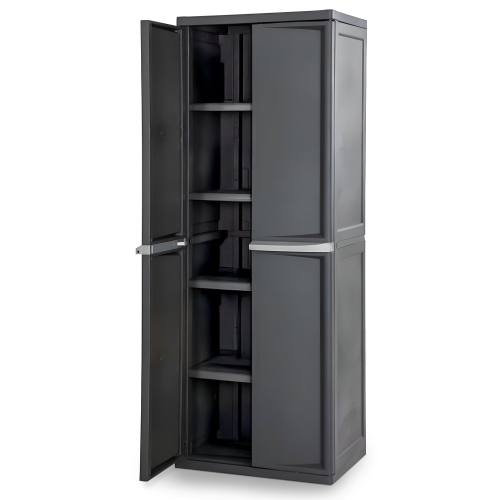 Your price for this item is $772.99
 -
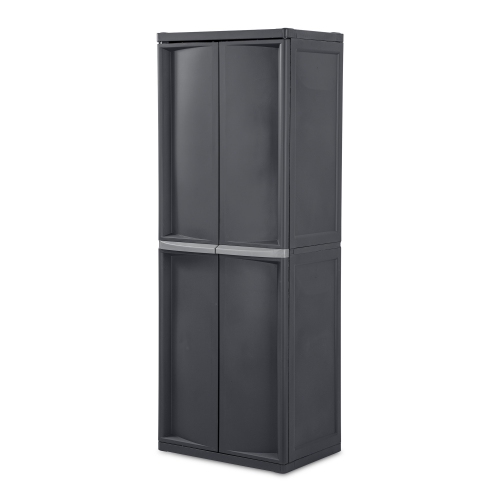 Your price for this item is $1522.99
 -
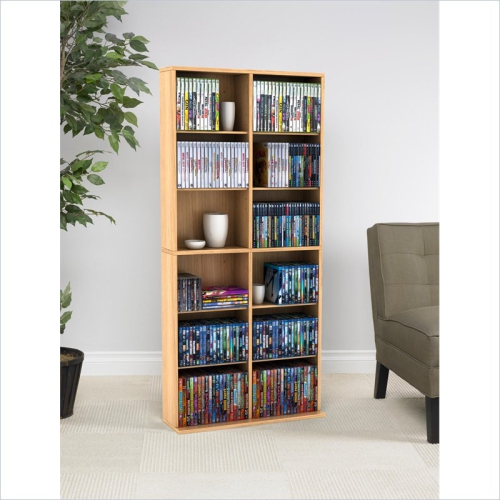 Your price for this item is $234.68
 -
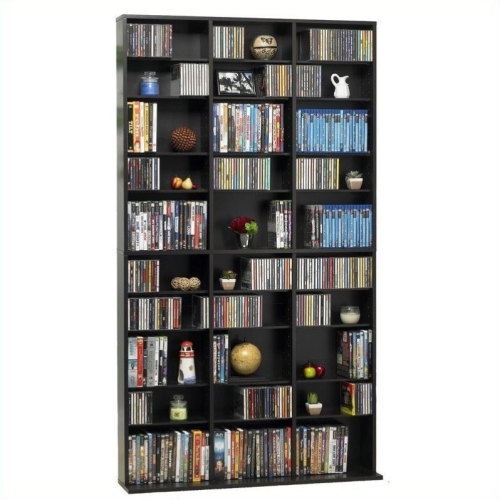 Your price for this item is $365.38
 -
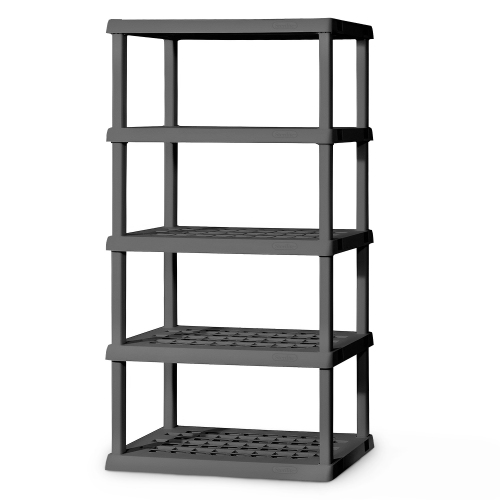 Your price for this item is $468.99
 -
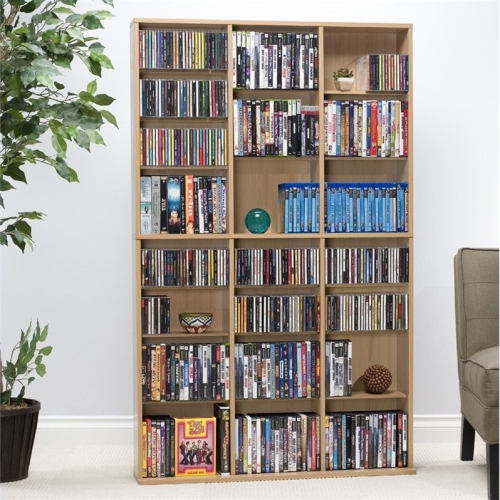 Your price for this item is $295.84
 -
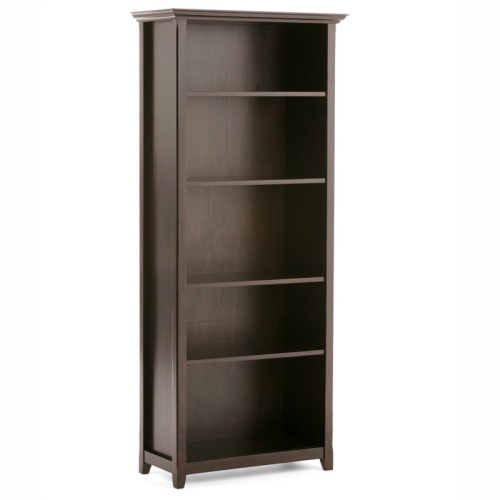 Your price for this item is $999.77
 -
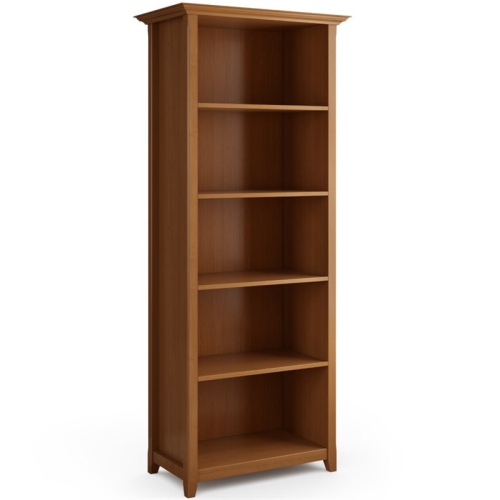 Your price for this item is $998.43
Discover more categories related to Furniture With Cubbies
Top Collections:
Pokemon Centers, Kindle Devices, Best Budget Office Chairs, Apple iPhones 16, Best Laptops for Writers, iPhone 15 Apple, Canon G7X Cameras, Refurbished Apple Laptops, Alarm Clock, Motorola Razr Phones
Some products may be subject to Environmental Handling Fees
(EHF) depending on your province.
Learn more about EHFs.