Storage Cubbies
Organize your space with style and functionality using storage cubbies. Perfect for keeping your home clutter-free, these versatile units offer a practical solution for storing everything from books and toys to shoes and accessories. Whether you're looking to create a tidier entryway, a more organized closet, or a chic display area, storage cubbies come in various sizes and designs to suit your needs and complement your decor effortlessly. Explore our selection of storage cubbies to find the perfect fit for your home organization needs.
Sort
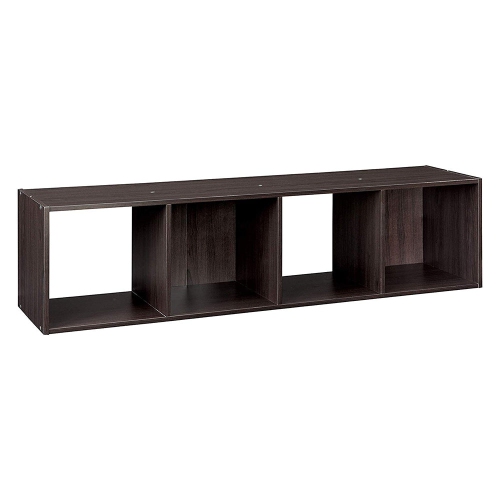
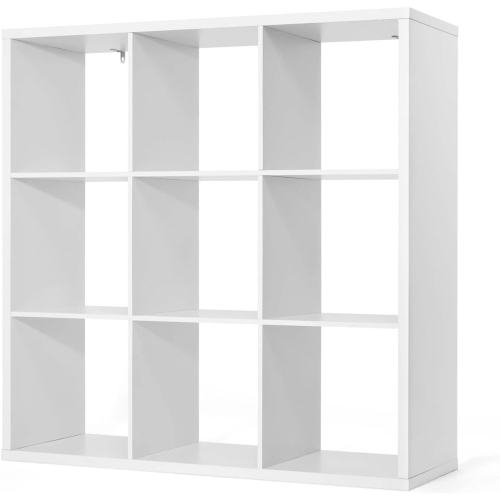
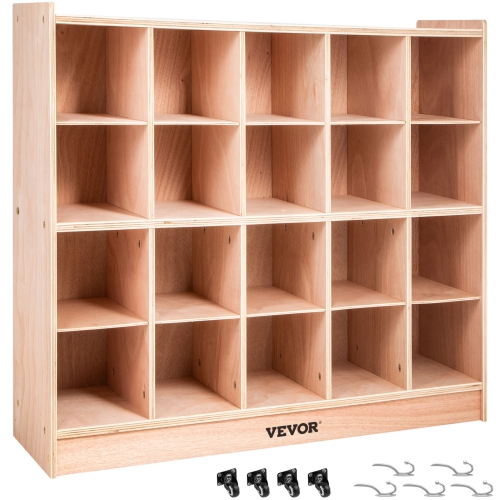
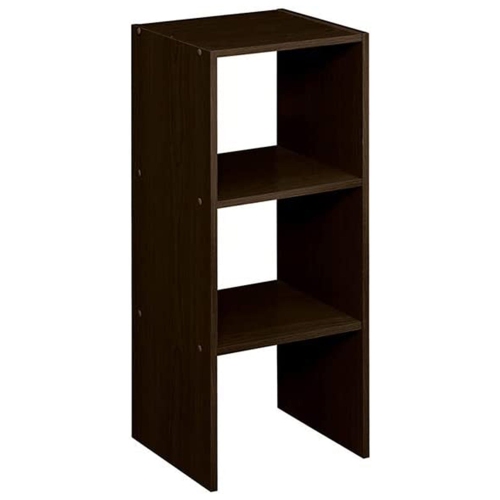
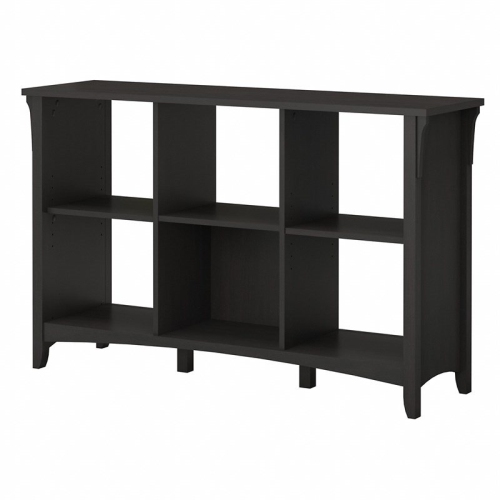
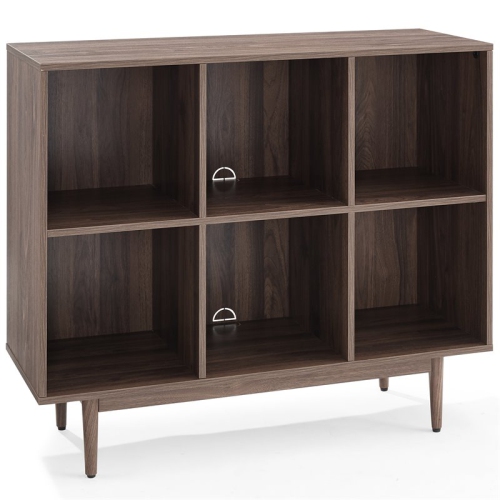
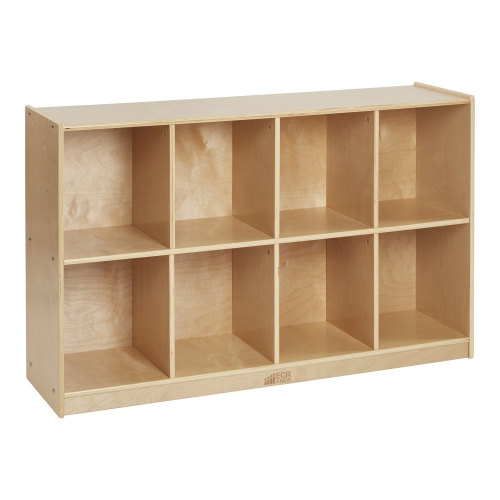
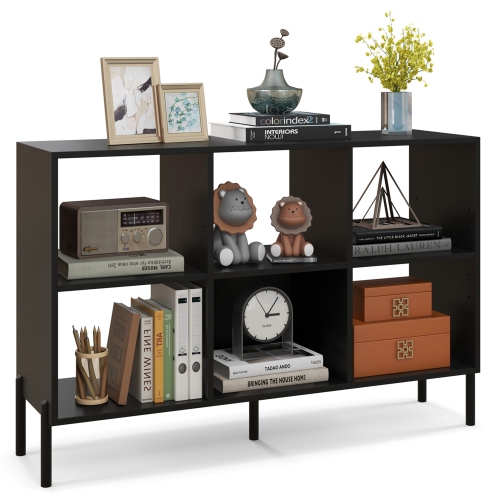
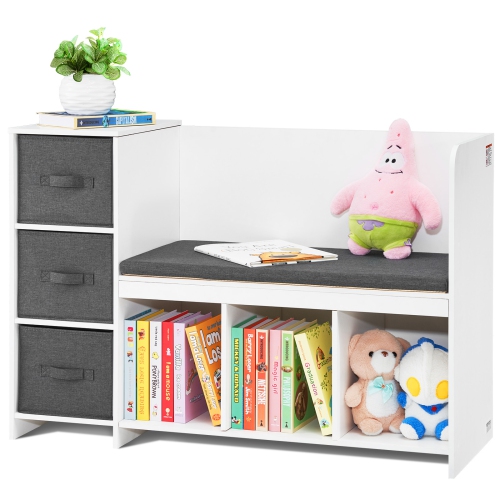
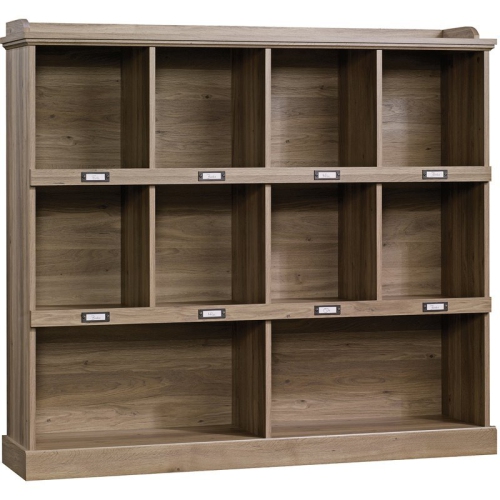
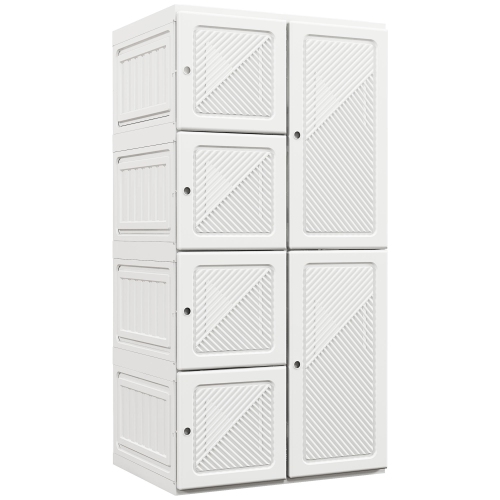
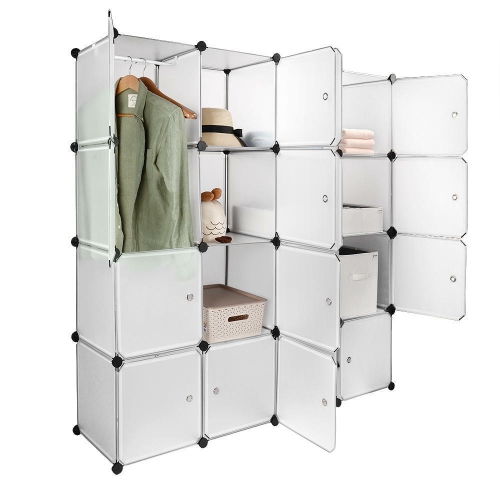
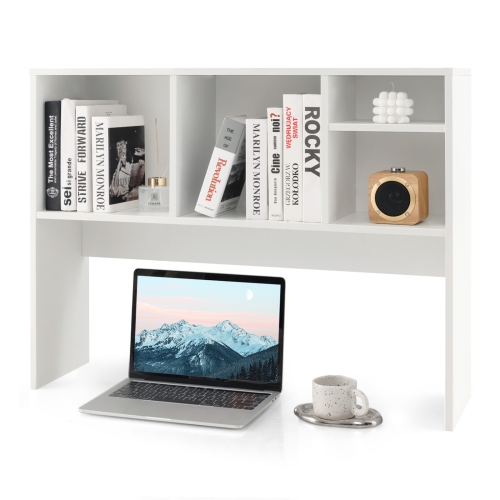
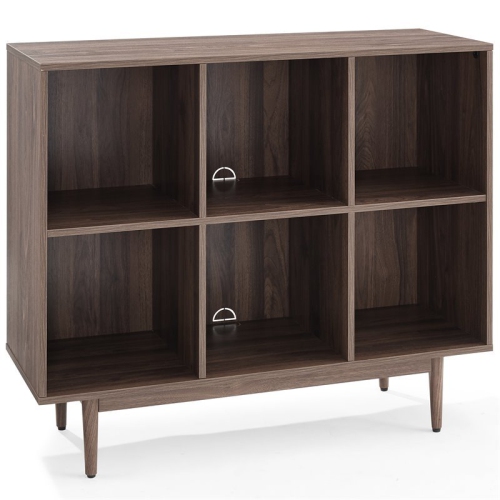
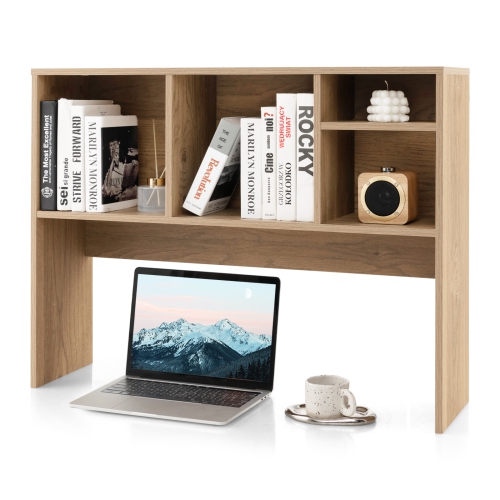
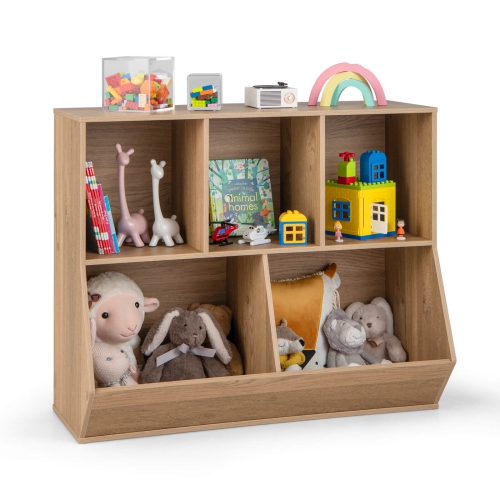

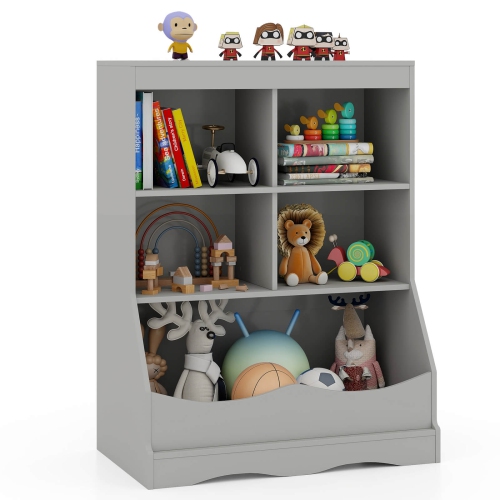
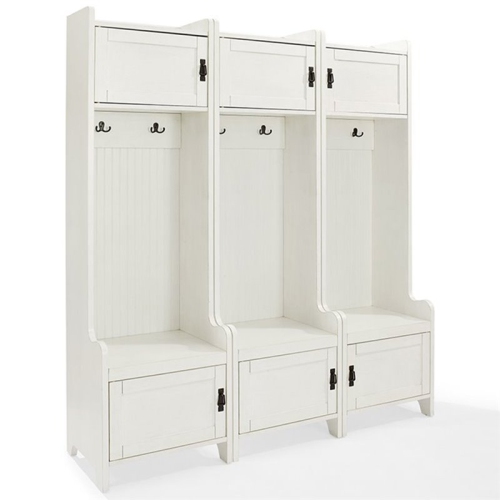
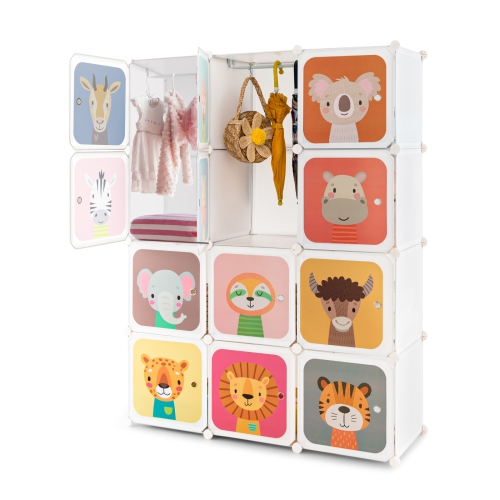
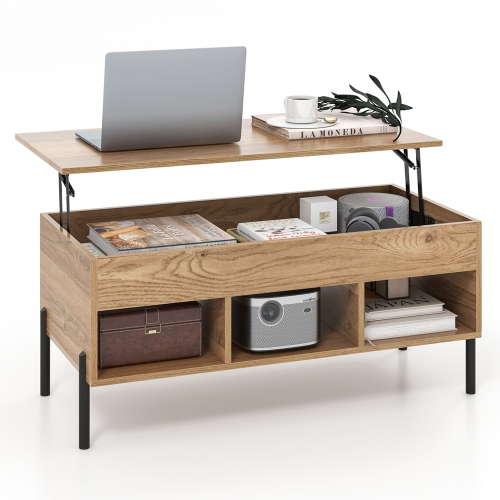
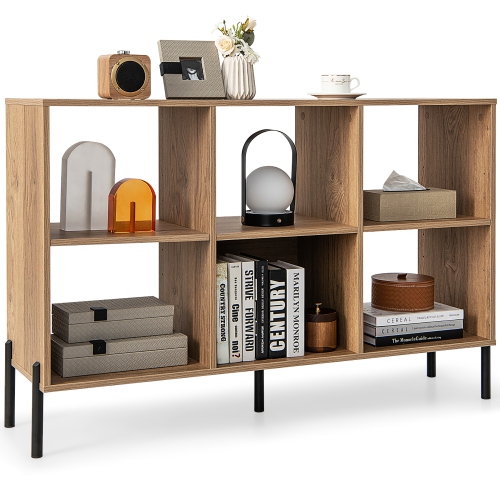
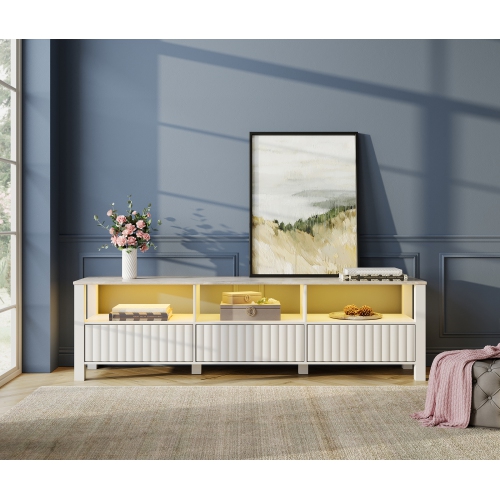
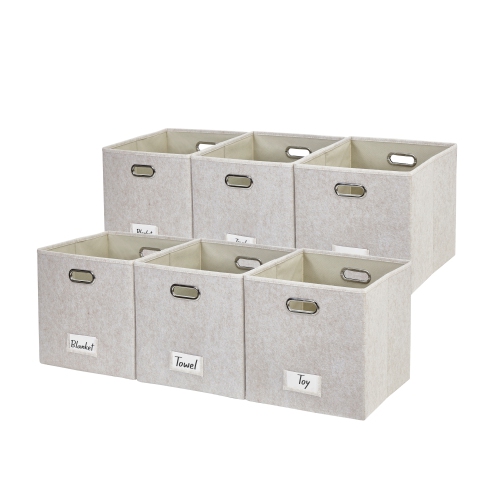
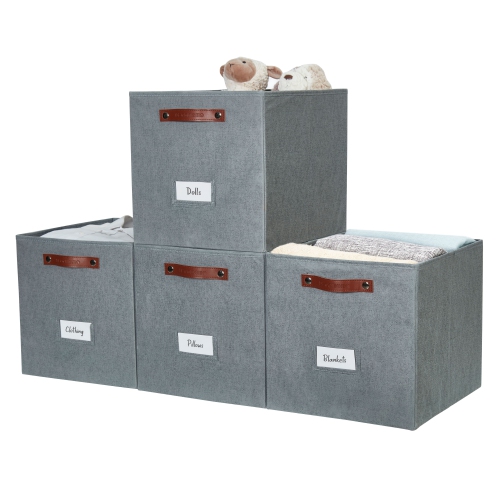
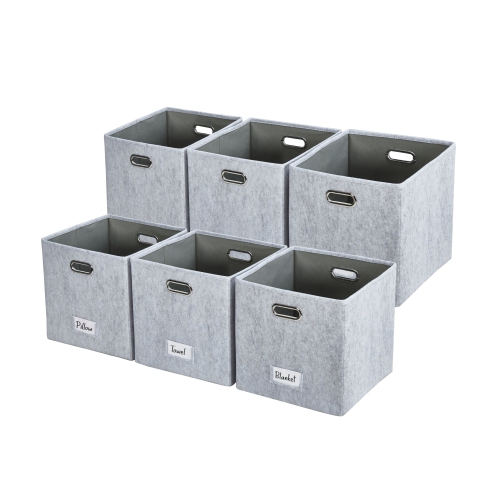
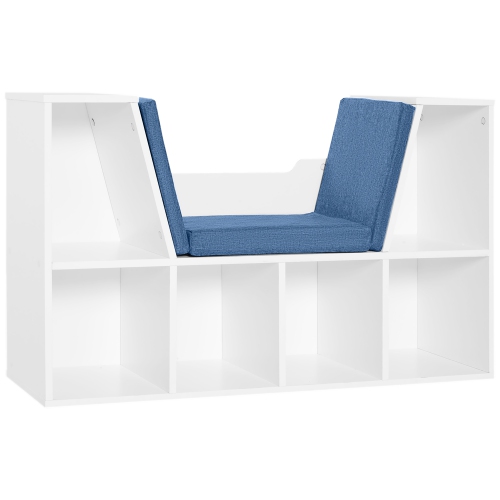
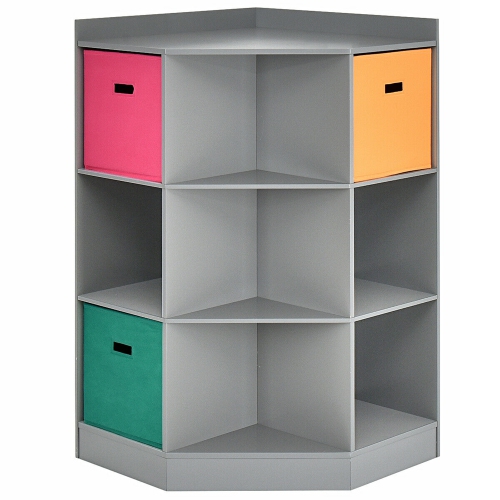
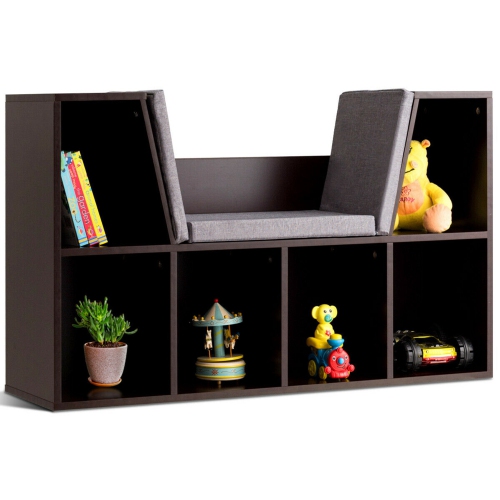
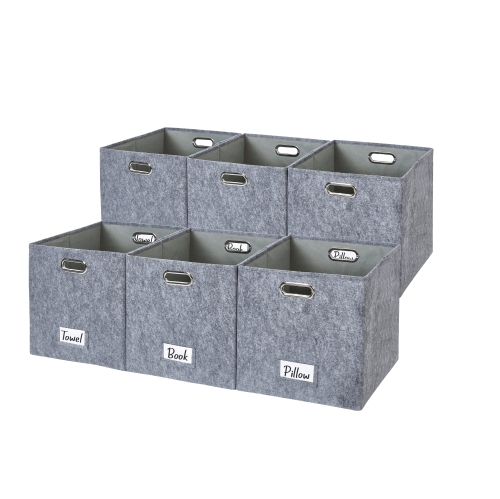
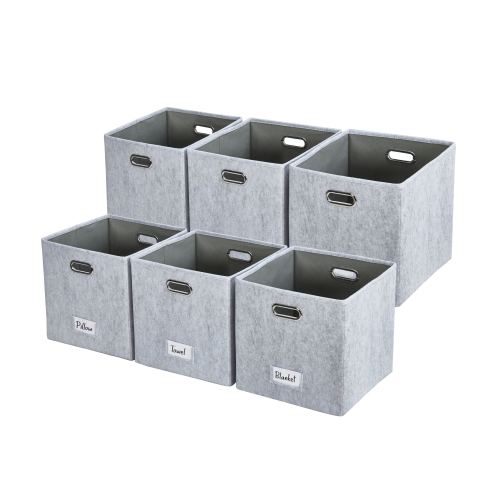
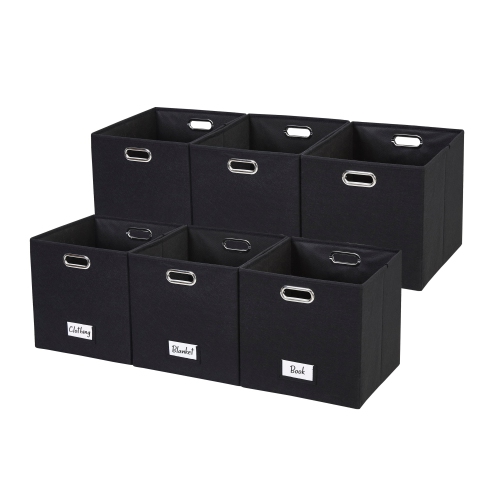
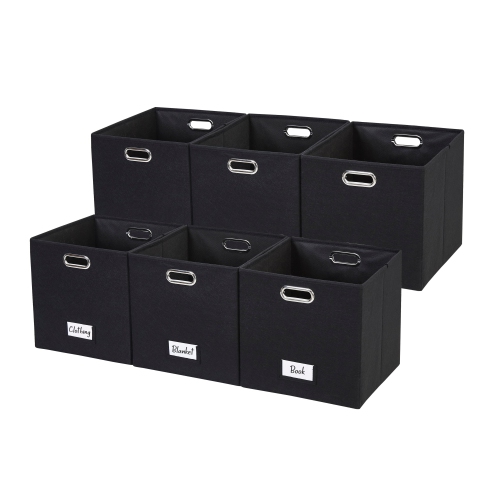
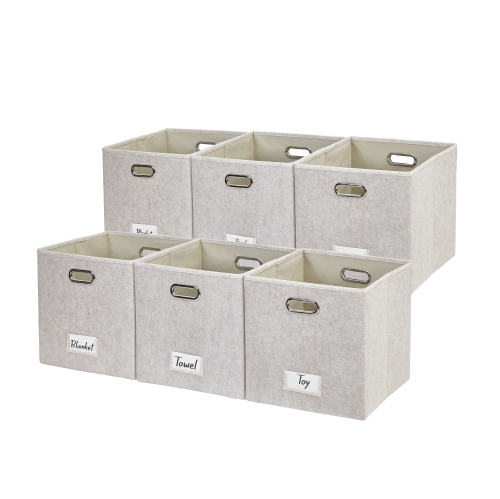
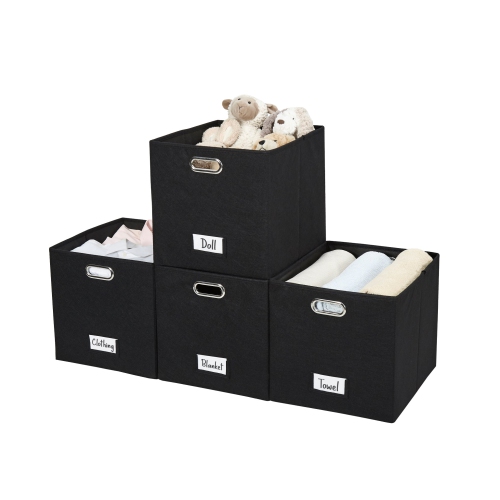
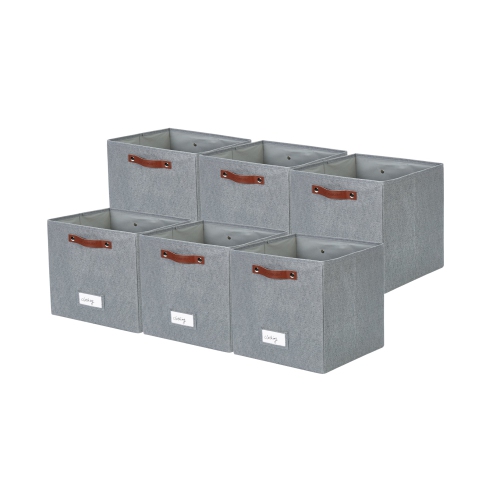
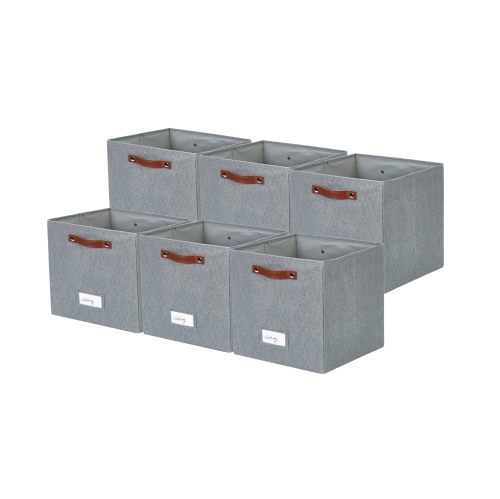
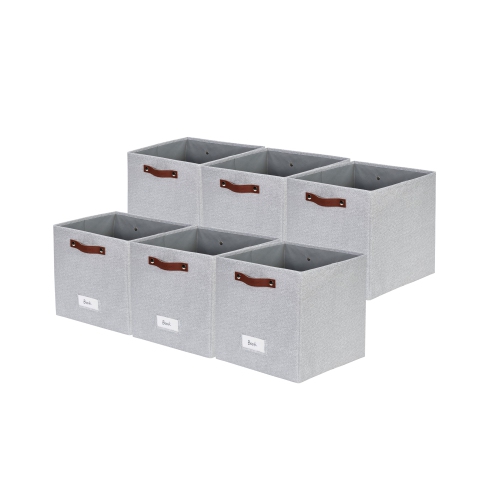
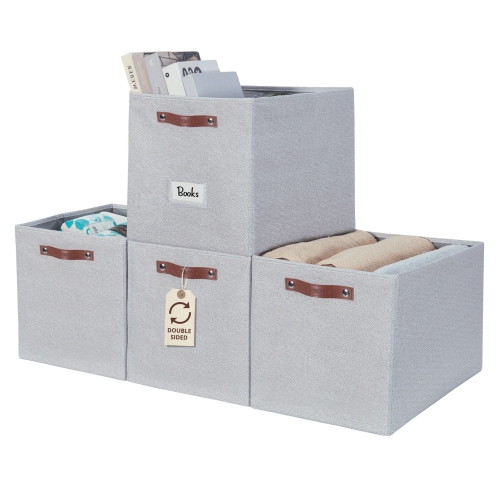
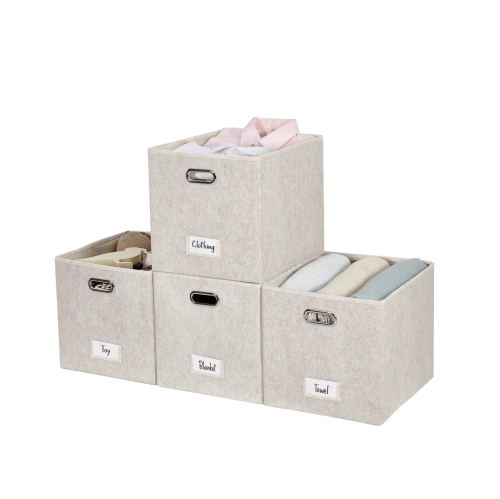

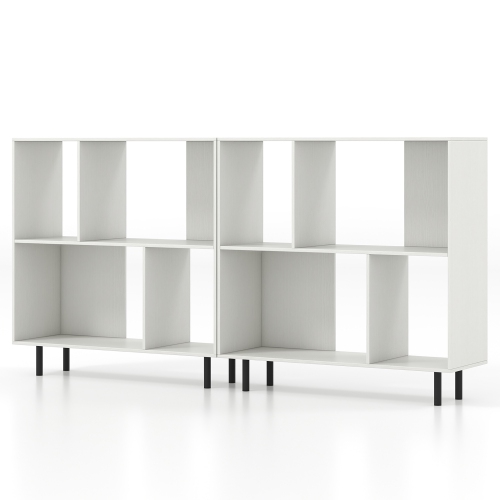
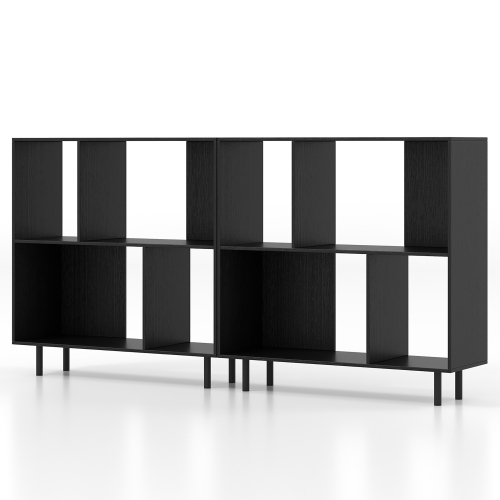
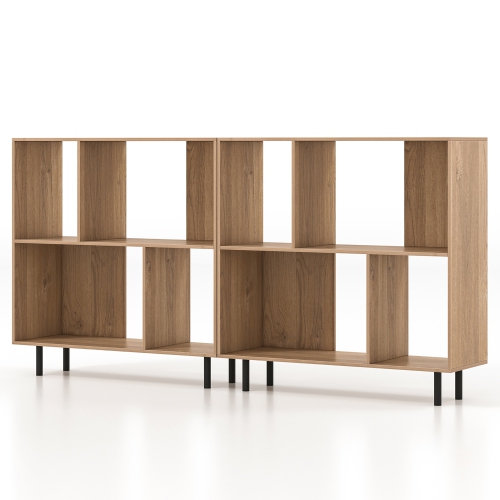
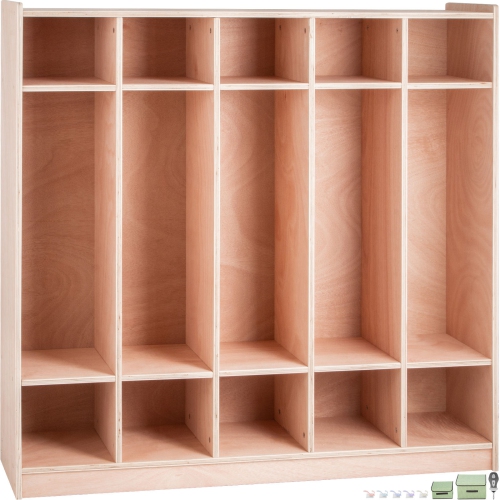
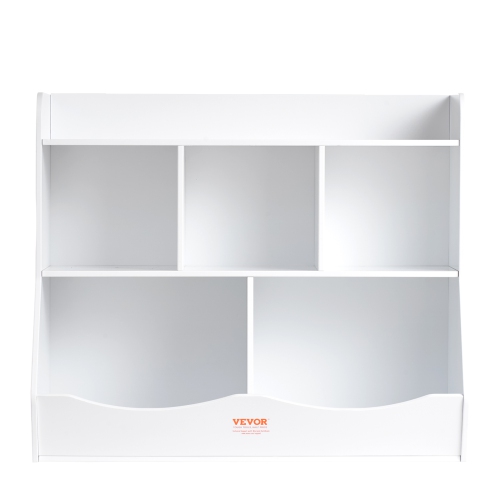
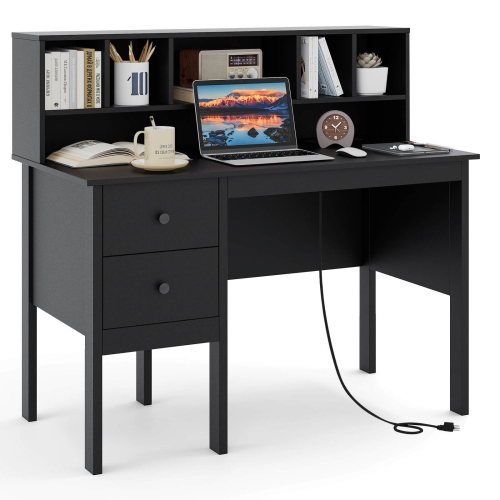
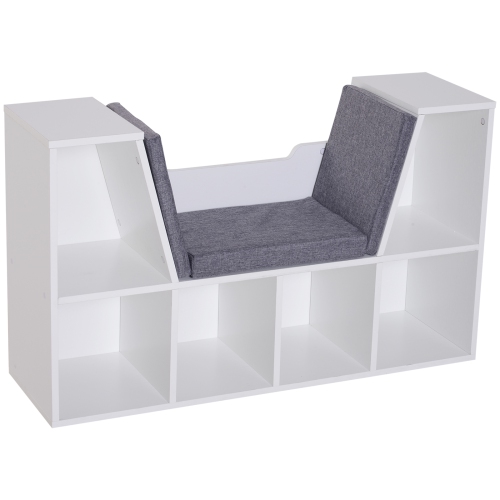
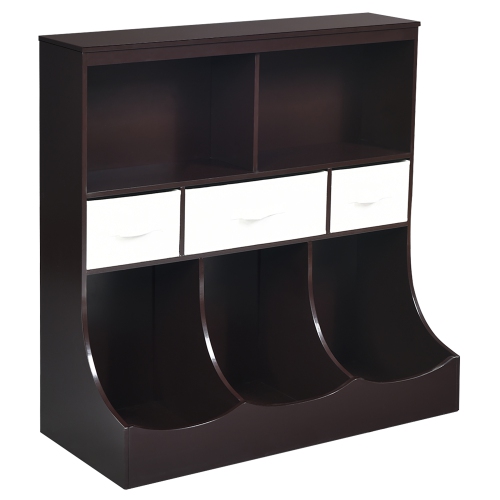
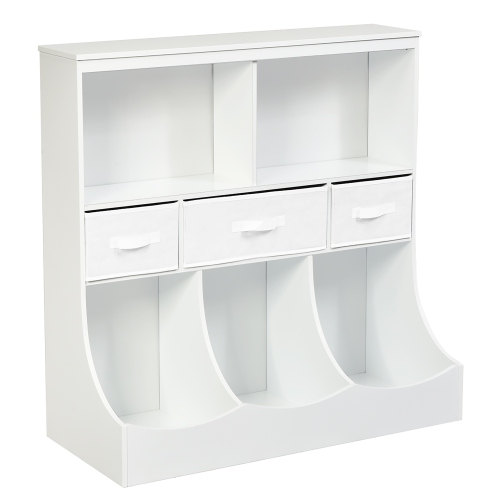
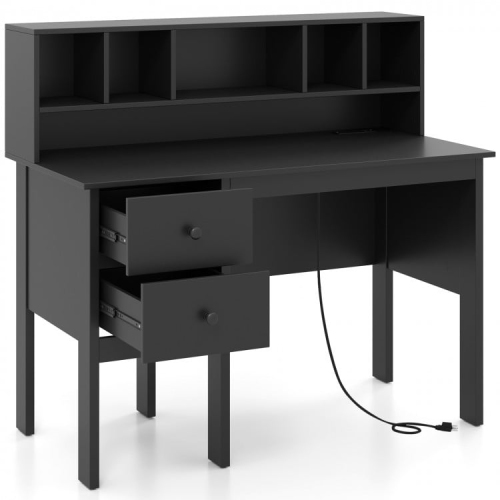
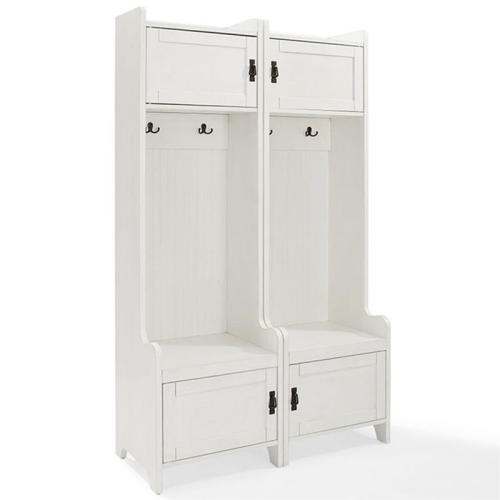
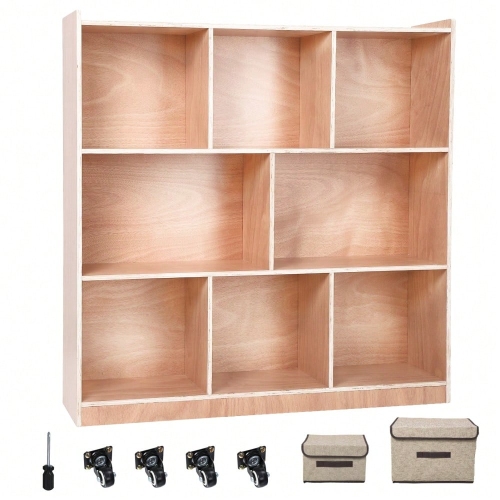
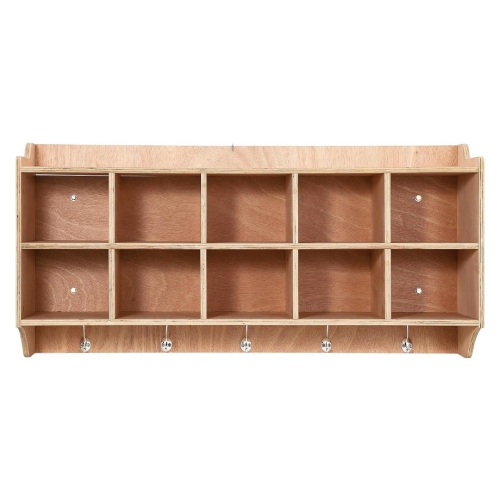
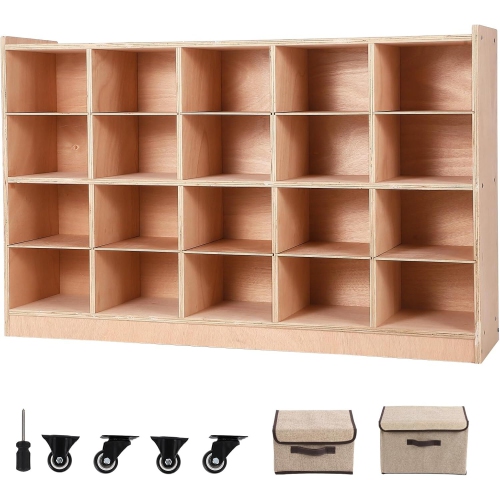
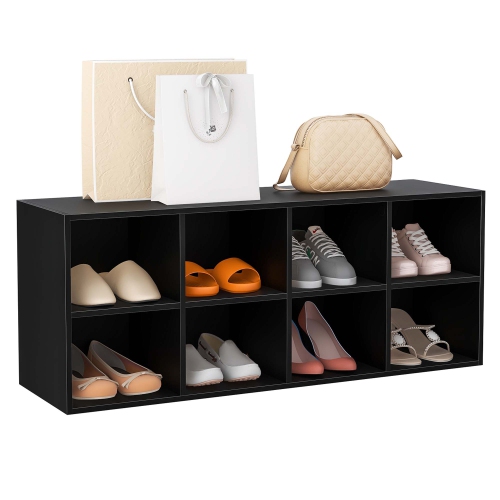
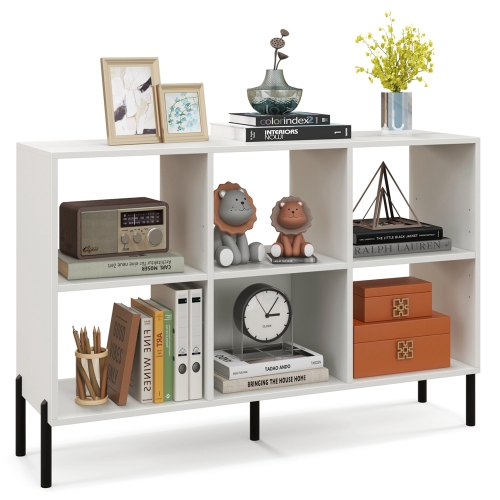
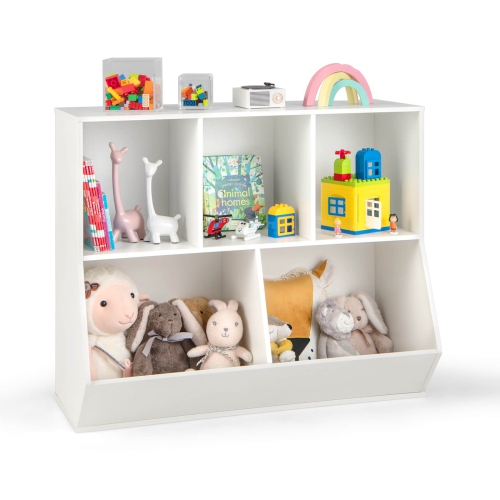
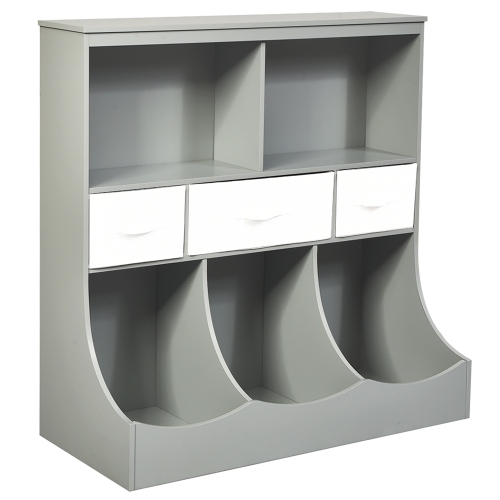
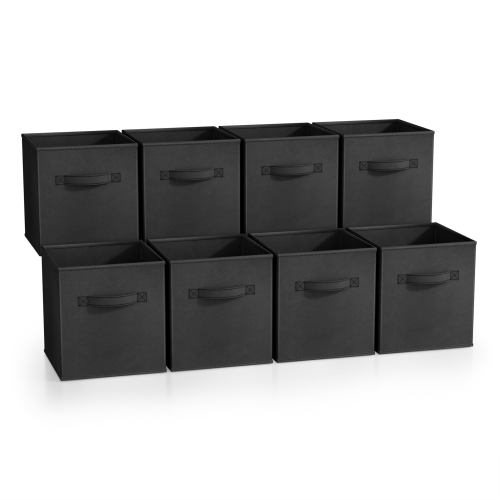
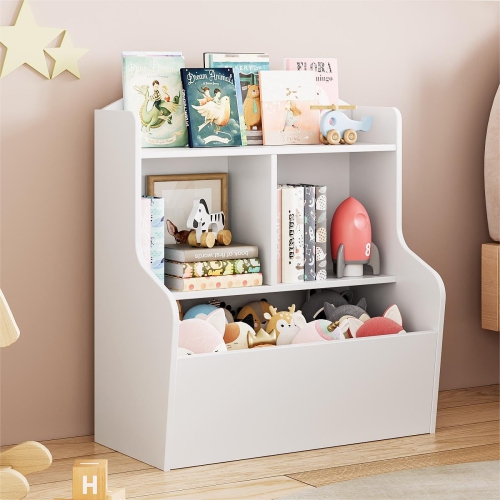
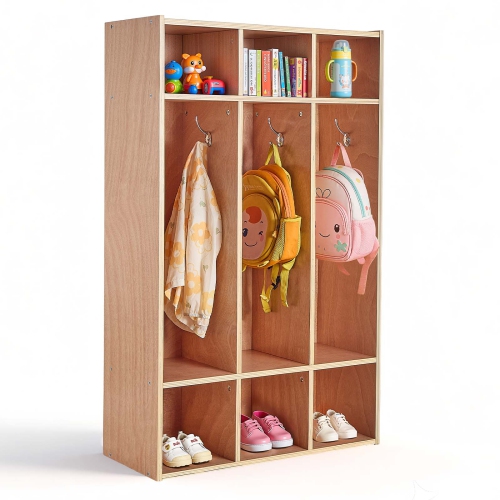
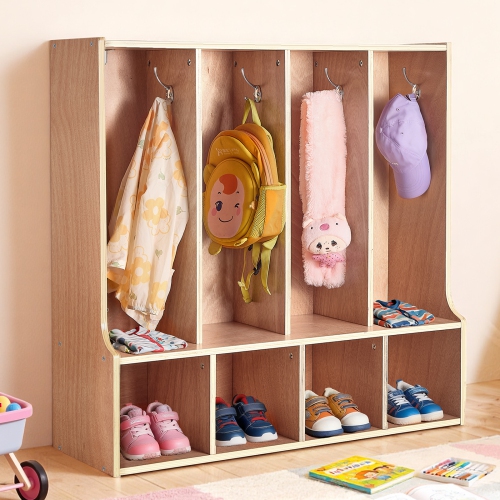
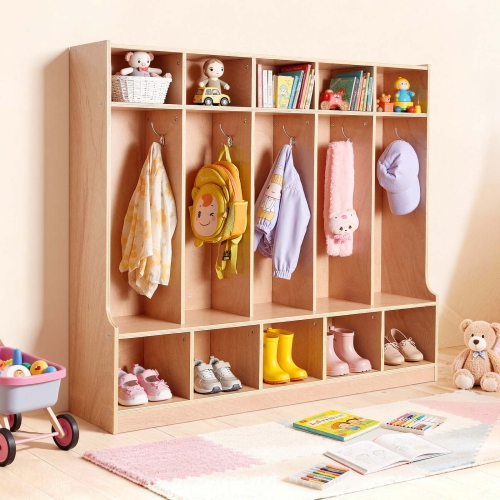
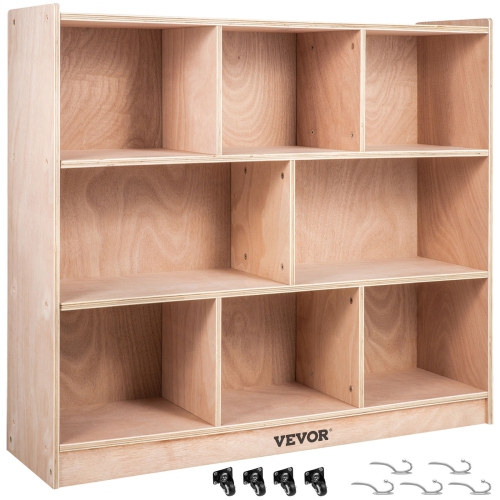
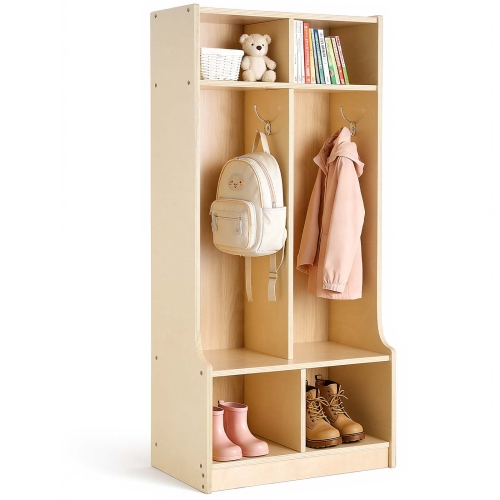
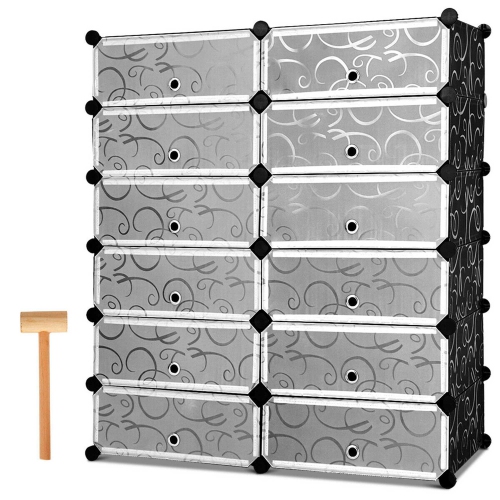
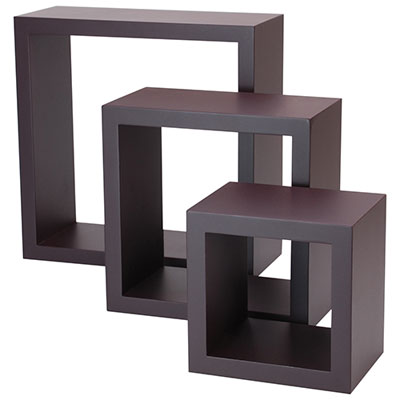
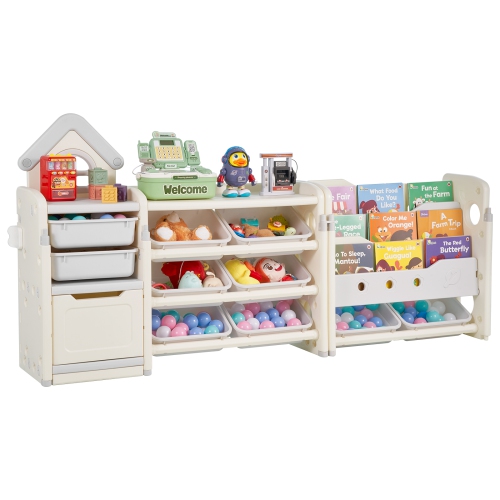
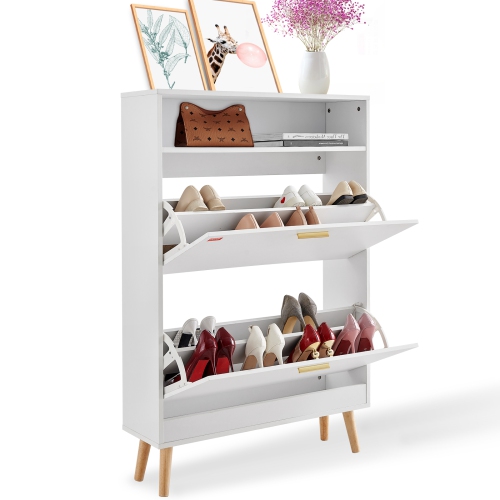
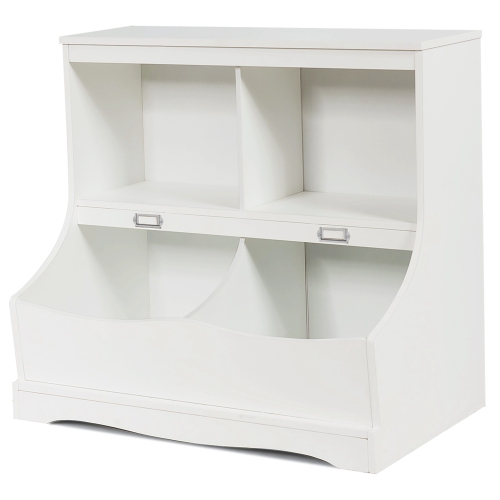
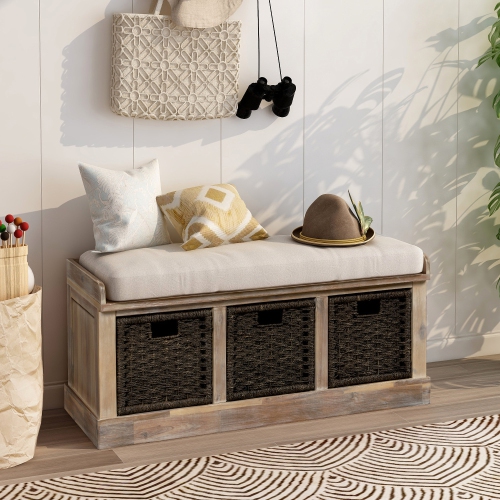
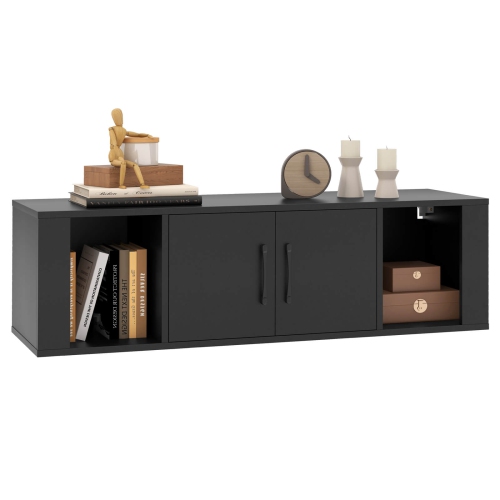
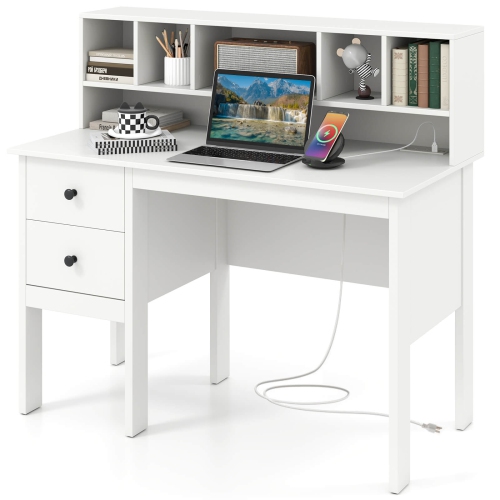
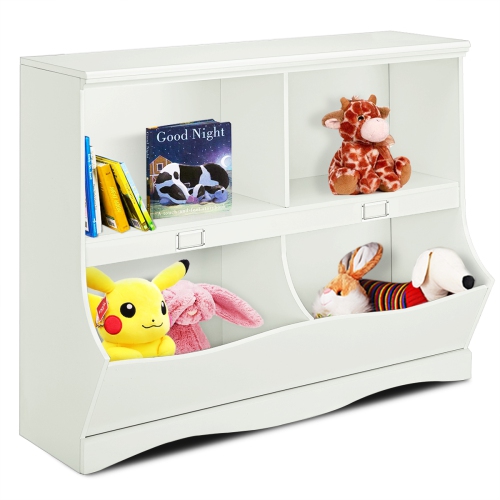
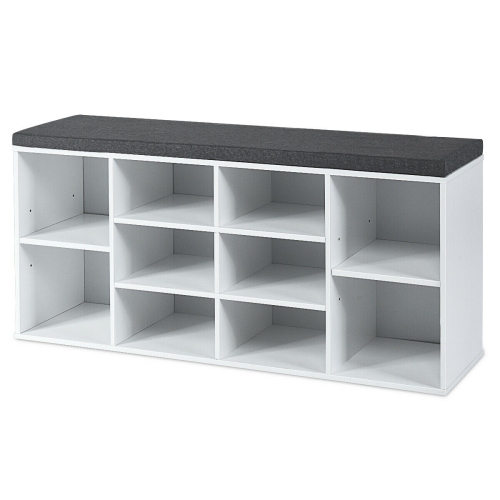
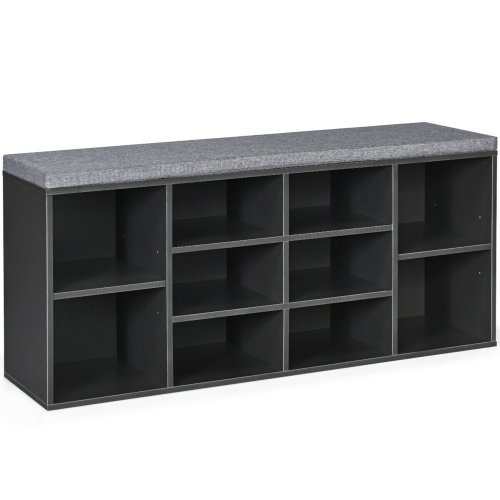
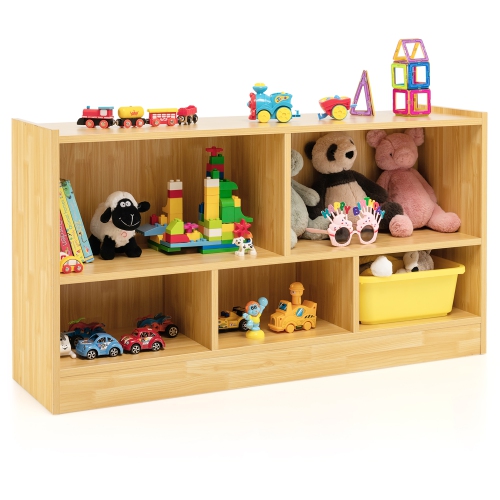
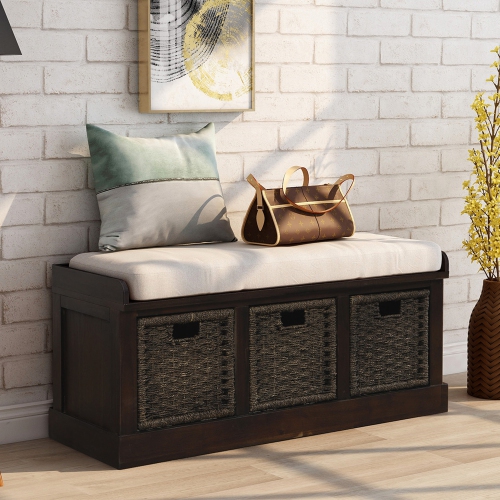
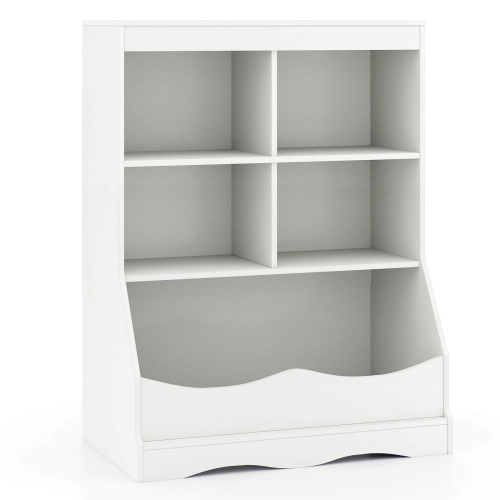
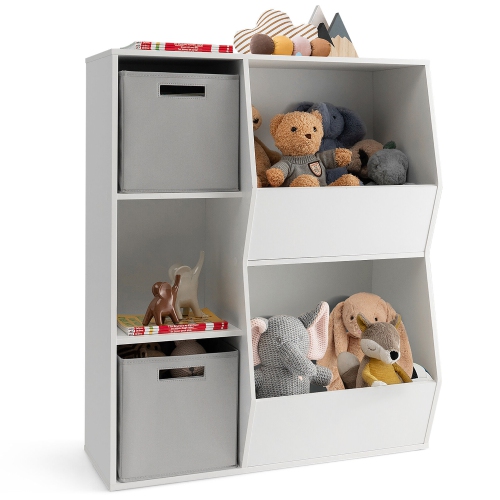
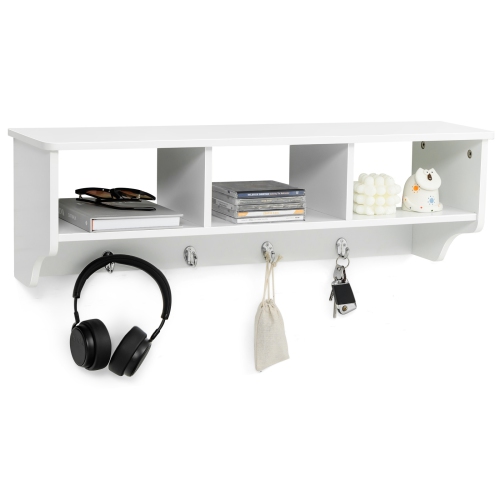
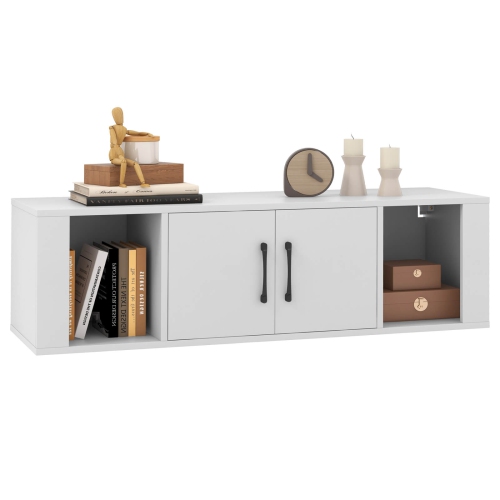
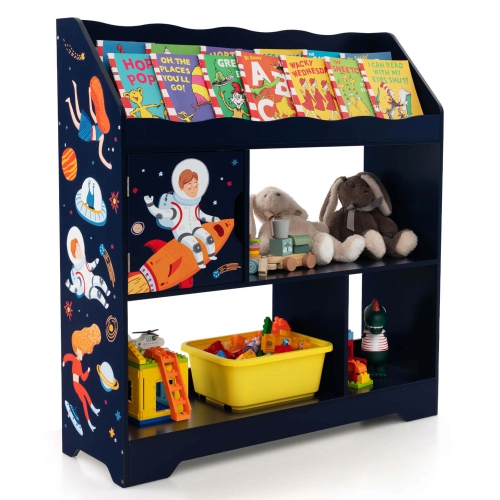
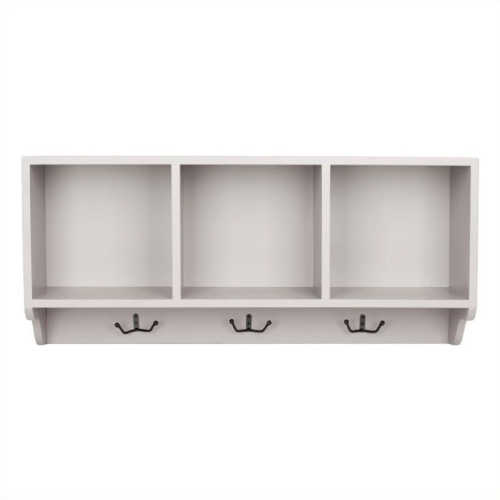
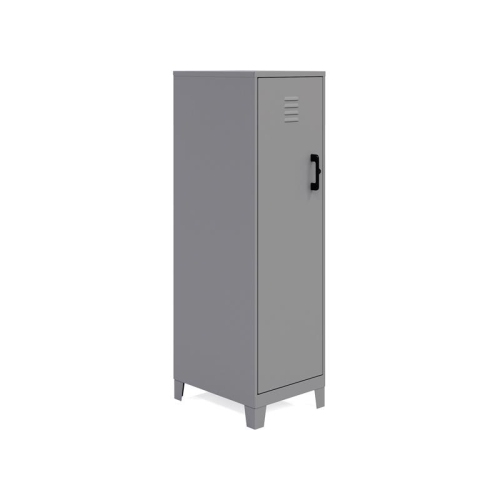
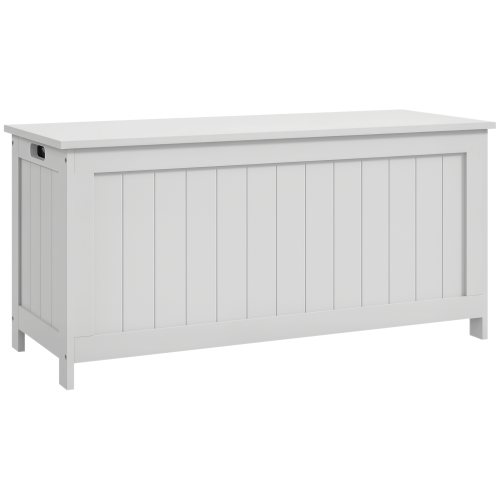
Practical compartments for organised rooms and easier routines
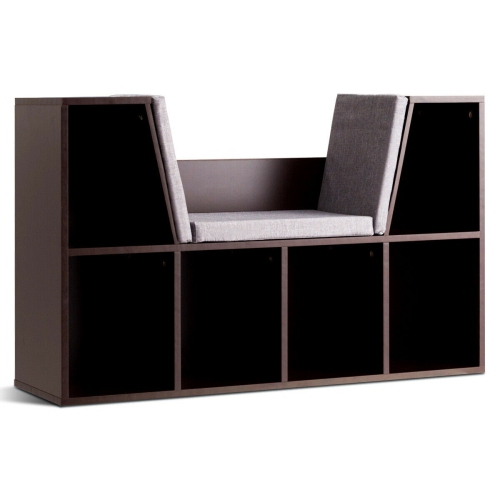
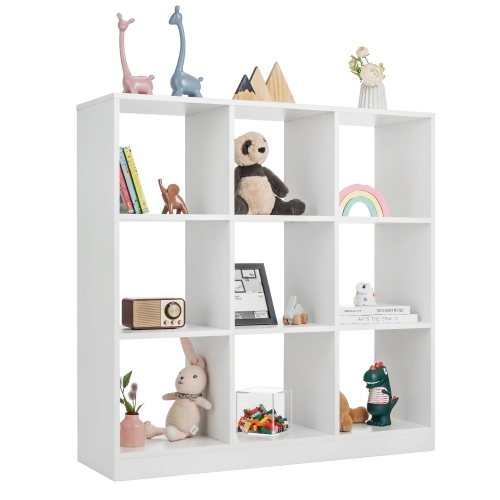
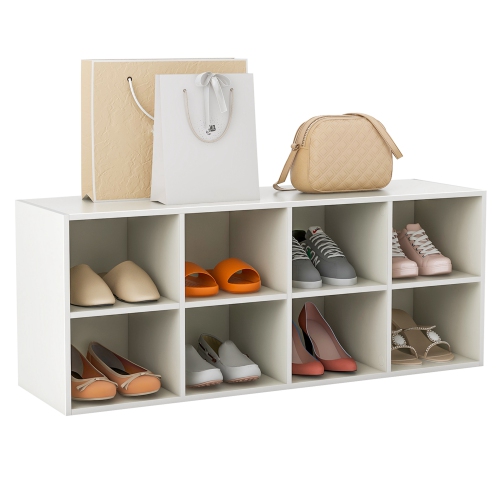
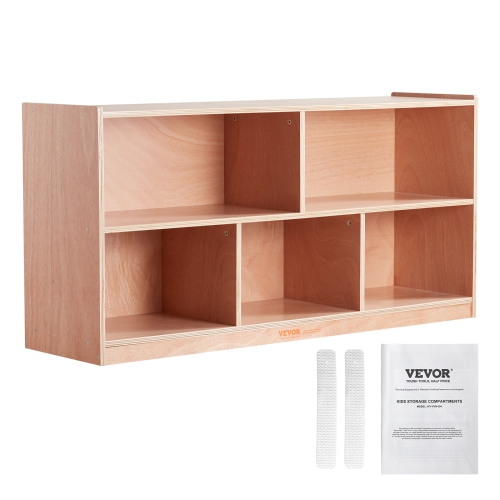
Storage cubbies are a practical way to bring order to the places where everyday items tend to gather. With separate compartments for shoes, books, toys, clothing, accessories, craft supplies, electronics and household essentials, they make it easier to give everything a designated home without taking up the footprint of a full cabinet or wardrobe. A row of cubbies in an entryway can hold footwear, hats, bags and outdoor accessories, while a compact unit in a bedroom can keep folded clothing, reading materials and personal items within easy reach. In a living room, cubbies can organize games, remotes, blankets and media accessories; in a home office, they can keep notebooks, paperwork and desk supplies close at hand. They are also useful in children’s rooms because open compartments make it simple for little ones to see where items belong and practise tidying up independently. As the weather warms, cubbies can help manage the transition from heavier layers to lighter clothing and seasonal gear. During the cooler months, they offer a convenient place for sweaters, slippers, scarves and other pieces that might otherwise collect on chairs or near the door. Their straightforward design suits a wide range of rooms, from apartments and dormitories to family homes, playrooms and shared workspaces, making them a useful choice for anyone who wants storage that is visible, accessible and easy to arrange.
When choosing storage cubbies, start by considering the space available and the items you plan to store. Measure the height, width and depth of the area, including clearance for baseboards, doors, drawers and nearby furniture. A low unit can fit beneath a window or serve as a surface for decorative accents, while a taller design can make use of vertical space in a closet, bedroom or mudroom. Think about the size of each compartment as well. Smaller openings are well suited to accessories, stationery and children’s toys, while larger compartments can accommodate folded blankets, backpacks, footwear or storage bins. An open arrangement allows quick visibility and easy access, whereas baskets, bins or fabric inserts can conceal clutter and give the room a more streamlined appearance. Adjustable or modular styles can be helpful when your needs change, allowing the arrangement to adapt as children grow, hobbies develop or a room takes on a new purpose. Material and construction also matter. Look for sturdy panels, reinforced connections and a stable base, especially when the cubbies will hold books, heavier belongings or frequently used items. Smooth surfaces are convenient for wiping away dust and everyday marks, while finishes that complement the room can help the storage blend with existing furniture. If a unit will be placed in a child’s room or an area with regular foot traffic, consider rounded edges, a stable structure and appropriate wall anchoring to help prevent tipping. For open shelves, leave heavier items in lower compartments and reserve upper spaces for lighter belongings. These small planning details can make a storage solution feel more natural in daily life, whether it is helping a busy household get out the door in the morning or keeping a quiet reading corner neat after an evening spent with a book.
Storage cubbies can also be a thoughtful gift for someone settling into a new home, preparing a nursery, organizing a student residence or refreshing a work area. They are particularly useful for people who enjoy hands-on projects, family game nights, collecting books or creating dedicated spaces for hobbies, because the compartments can separate supplies without hiding them away. A parent may use them to sort building sets, picture books and dress-up accessories; a student may organize textbooks, clothing and personal care items; and someone working from home may create sections for chargers, stationery, documents and meeting accessories. In a shared entryway, assigning one compartment or basket to each household member can make busy mornings feel less hurried, with keys, bags and footwear gathered in predictable places. For a more polished arrangement, group similar colours or materials together, use labels where several people share the unit and leave a little open space so the compartments remain easy to use. A cube-shaped design can also be rearranged horizontally or vertically when the room changes, giving it a useful degree of flexibility without requiring a major redesign. For shoppers comparing cubby-style storage with other organizing options, Storage Cubes may offer another way to create a coordinated layout with removable compartments and adaptable configurations. Whether used as an entryway organizer, a bedside storage solution, a toy station or a home office shelf, the right cubbies can make daily routines smoother by keeping frequently used belongings visible, contained and ready for the next use.
When choosing storage cubbies, start by considering the space available and the items you plan to store. Measure the height, width and depth of the area, including clearance for baseboards, doors, drawers and nearby furniture. A low unit can fit beneath a window or serve as a surface for decorative accents, while a taller design can make use of vertical space in a closet, bedroom or mudroom. Think about the size of each compartment as well. Smaller openings are well suited to accessories, stationery and children’s toys, while larger compartments can accommodate folded blankets, backpacks, footwear or storage bins. An open arrangement allows quick visibility and easy access, whereas baskets, bins or fabric inserts can conceal clutter and give the room a more streamlined appearance. Adjustable or modular styles can be helpful when your needs change, allowing the arrangement to adapt as children grow, hobbies develop or a room takes on a new purpose. Material and construction also matter. Look for sturdy panels, reinforced connections and a stable base, especially when the cubbies will hold books, heavier belongings or frequently used items. Smooth surfaces are convenient for wiping away dust and everyday marks, while finishes that complement the room can help the storage blend with existing furniture. If a unit will be placed in a child’s room or an area with regular foot traffic, consider rounded edges, a stable structure and appropriate wall anchoring to help prevent tipping. For open shelves, leave heavier items in lower compartments and reserve upper spaces for lighter belongings. These small planning details can make a storage solution feel more natural in daily life, whether it is helping a busy household get out the door in the morning or keeping a quiet reading corner neat after an evening spent with a book.
Storage cubbies can also be a thoughtful gift for someone settling into a new home, preparing a nursery, organizing a student residence or refreshing a work area. They are particularly useful for people who enjoy hands-on projects, family game nights, collecting books or creating dedicated spaces for hobbies, because the compartments can separate supplies without hiding them away. A parent may use them to sort building sets, picture books and dress-up accessories; a student may organize textbooks, clothing and personal care items; and someone working from home may create sections for chargers, stationery, documents and meeting accessories. In a shared entryway, assigning one compartment or basket to each household member can make busy mornings feel less hurried, with keys, bags and footwear gathered in predictable places. For a more polished arrangement, group similar colours or materials together, use labels where several people share the unit and leave a little open space so the compartments remain easy to use. A cube-shaped design can also be rearranged horizontally or vertically when the room changes, giving it a useful degree of flexibility without requiring a major redesign. For shoppers comparing cubby-style storage with other organizing options, Storage Cubes may offer another way to create a coordinated layout with removable compartments and adaptable configurations. Whether used as an entryway organizer, a bedside storage solution, a toy station or a home office shelf, the right cubbies can make daily routines smoother by keeping frequently used belongings visible, contained and ready for the next use.
Top selling and popular products
-
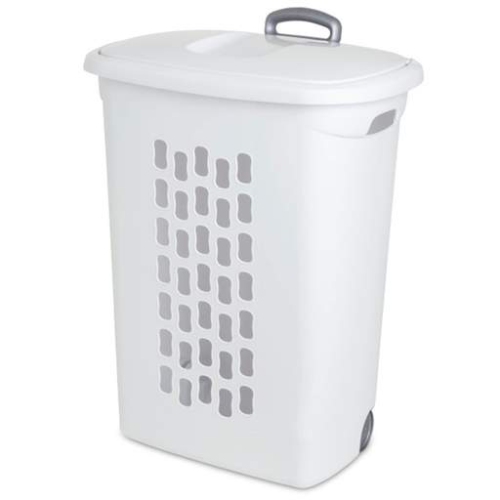 Your price for this item is $1089.99
 -
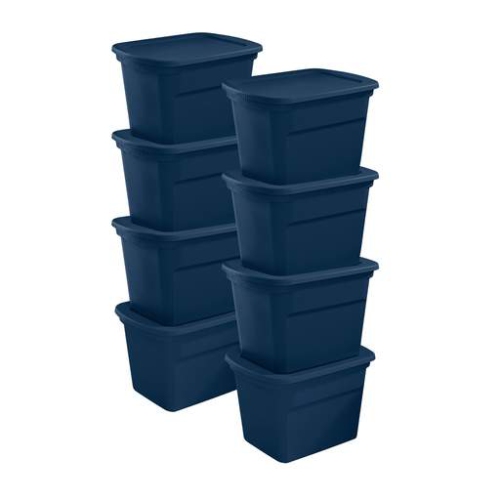 Your price for this item is $246.99
 -
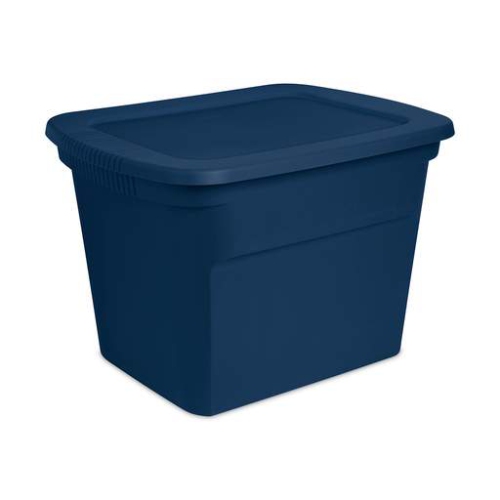 Your price for this item is $679.99
 -
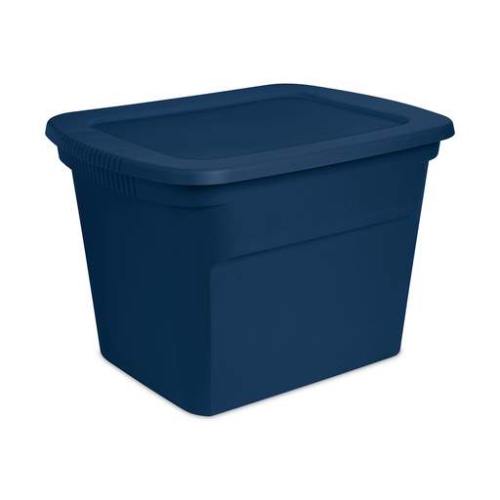 Your price for this item is $906.99
 -
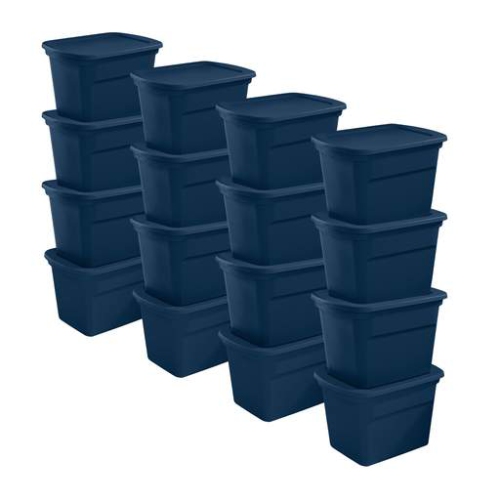 Your price for this item is $452.99
 -
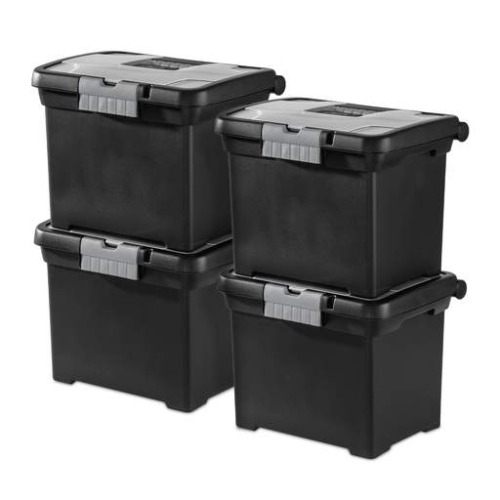 Your price for this item is $133.99
 -
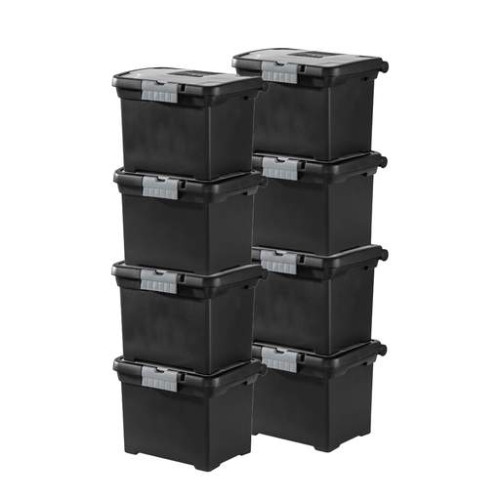 Your price for this item is $264.99
 -
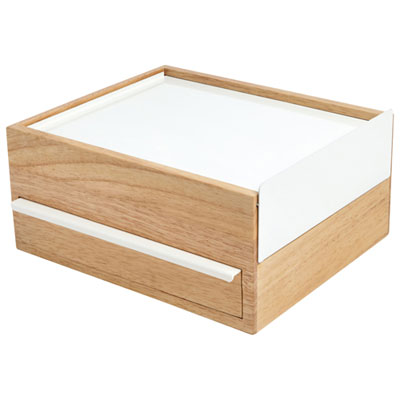 Your price for this item is $64.98
Discover more categories related to Storage Cubbies
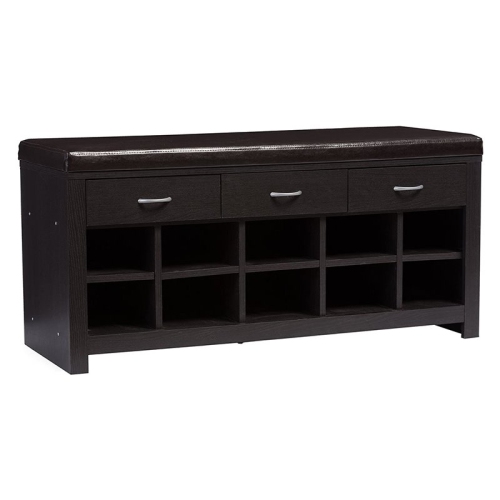
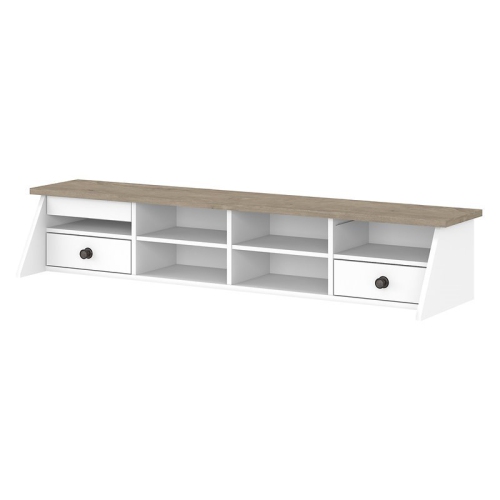
Top Collections:
Pokemon Centers, Kindle Devices, Best Budget Office Chairs, Apple iPhones 16, Best Laptops for Writers, iPhone 15 Apple, Canon G7X Cameras, Refurbished Apple Laptops, Alarm Clock, Motorola Razr Phones
Some products may be subject to Environmental Handling Fees
(EHF) depending on your province.
Learn more about EHFs.