Garden Arch Trellis
Enhance the beauty of your outdoor space with these garden arch trellis. Perfect for supporting climbing plants, creating a charming entrance to your garden, or adding a touch of elegance to your backyard, a garden arch trellis is a versatile and stylish addition to any outdoor area. Whether you're looking to showcase your favorite flowers or create a picturesque backdrop for special events, a garden arch trellis offers both functionality and aesthetic appeal.
Sort

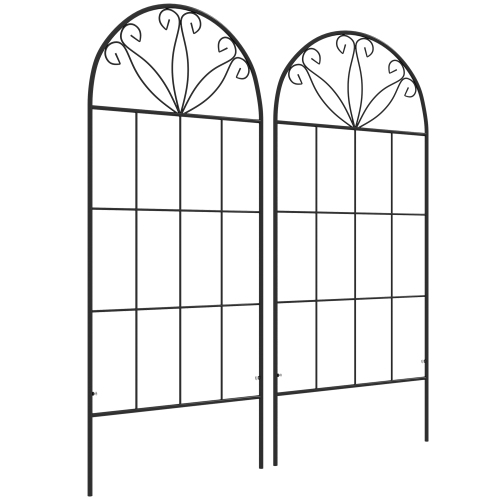
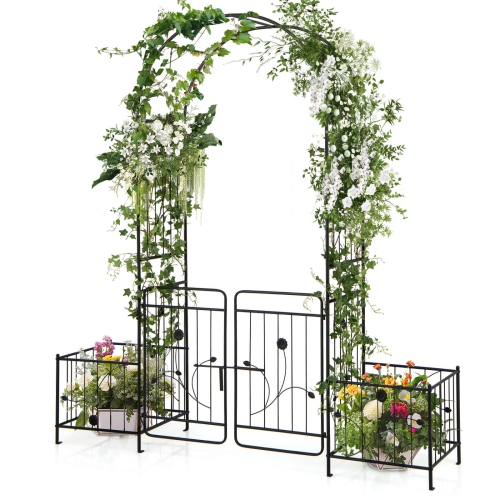
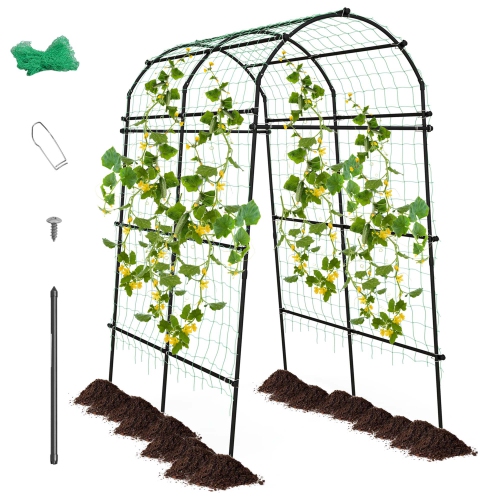
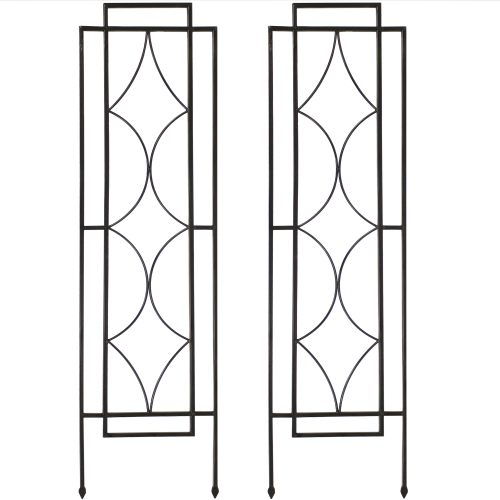
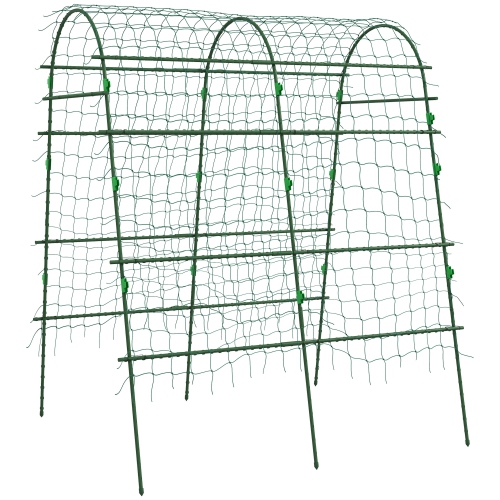
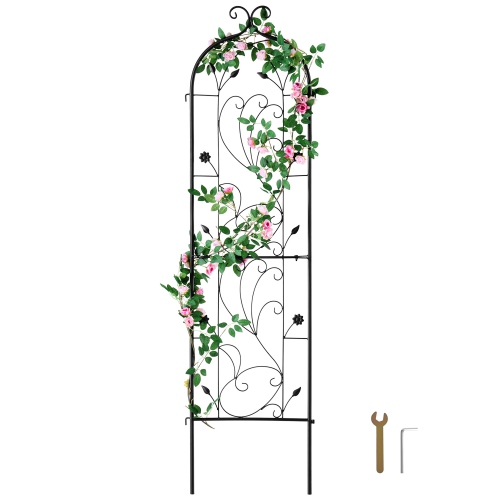
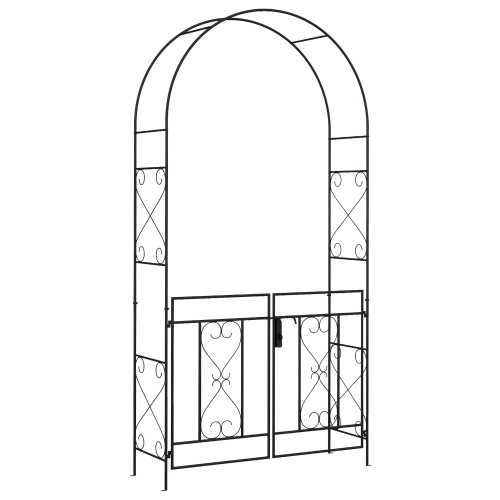
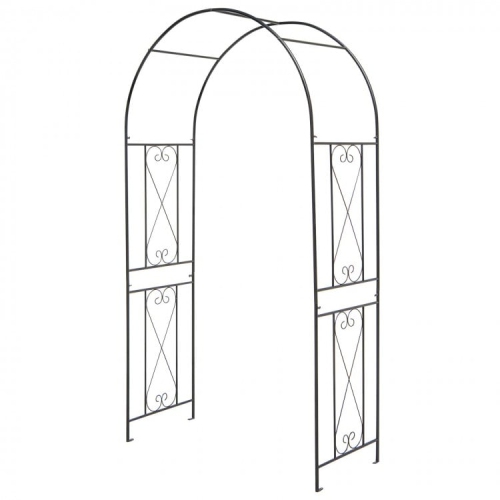
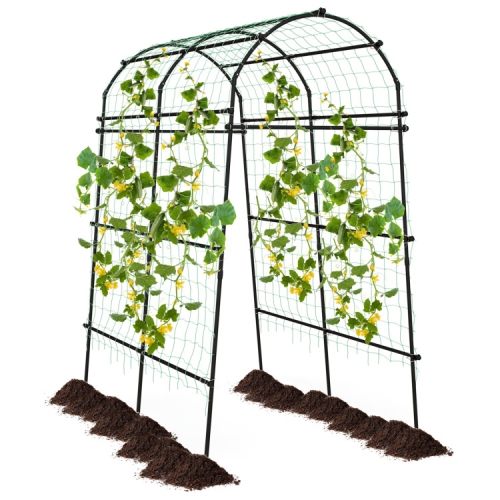
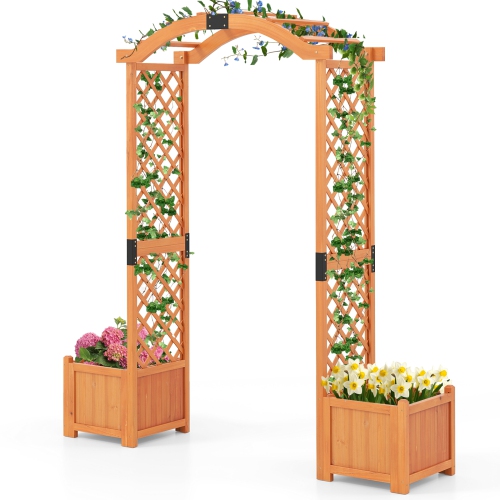

How climbing plants turn garden paths into leafy passageways
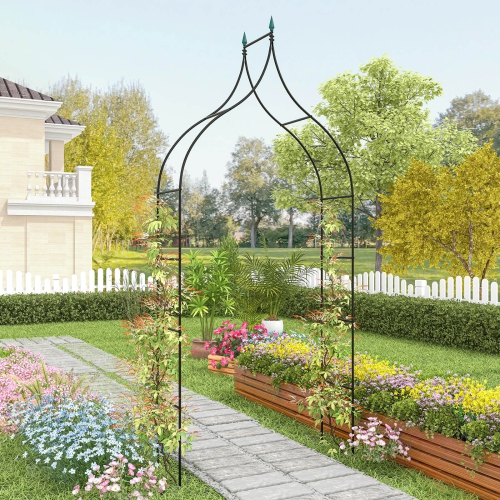
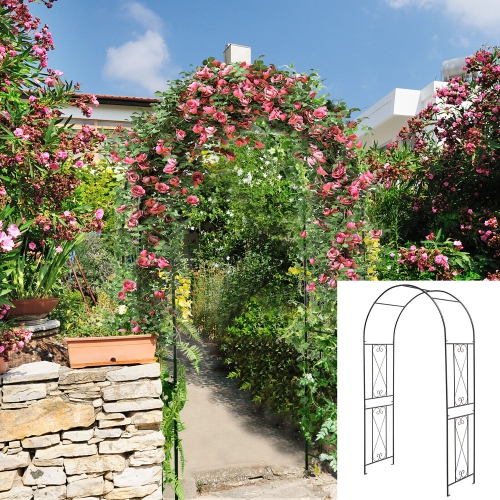
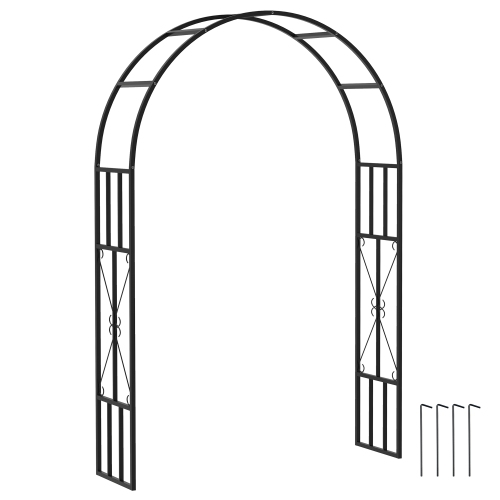
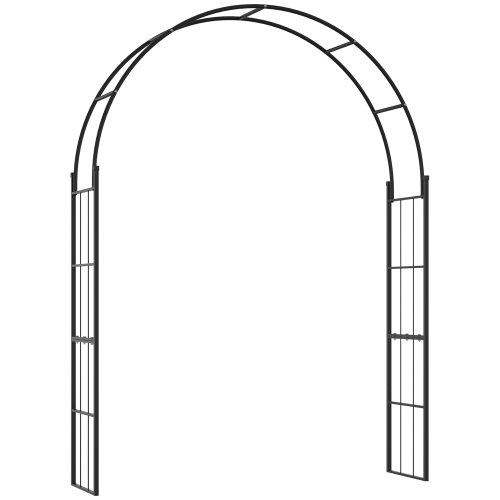
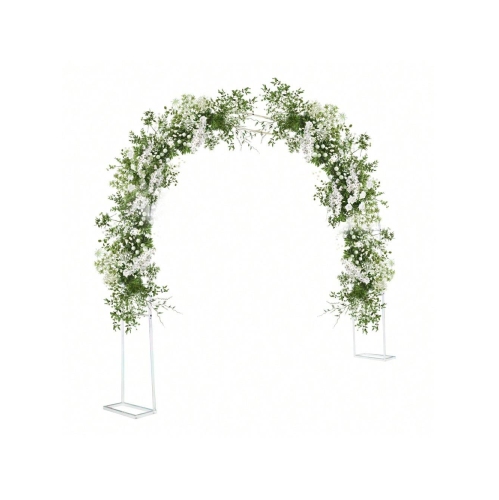
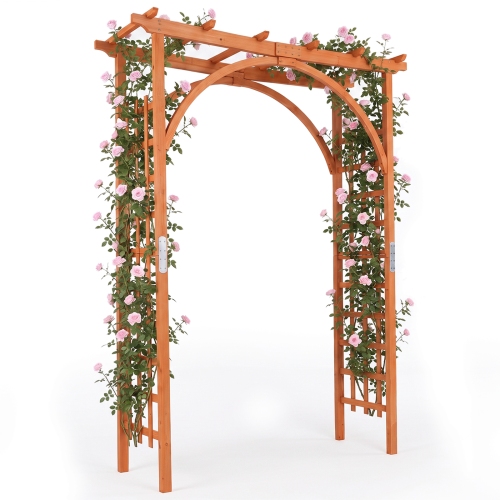
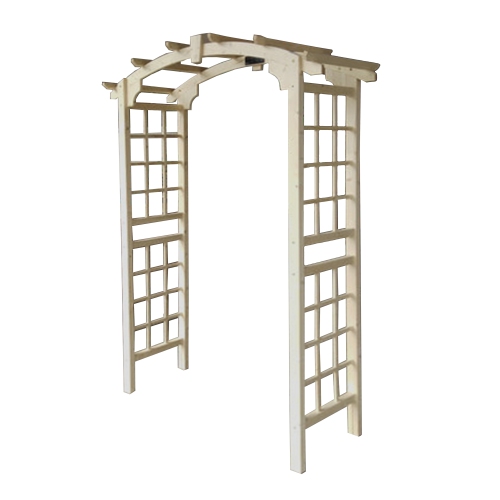
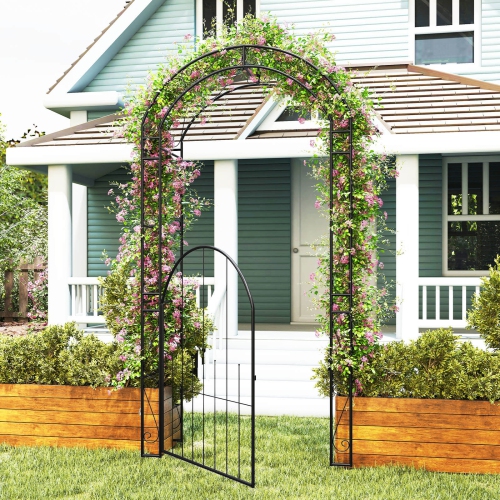
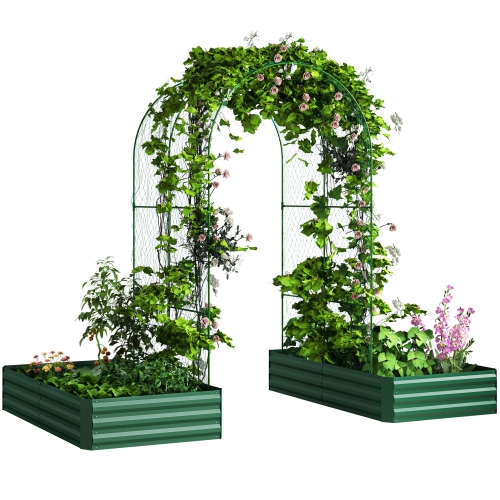
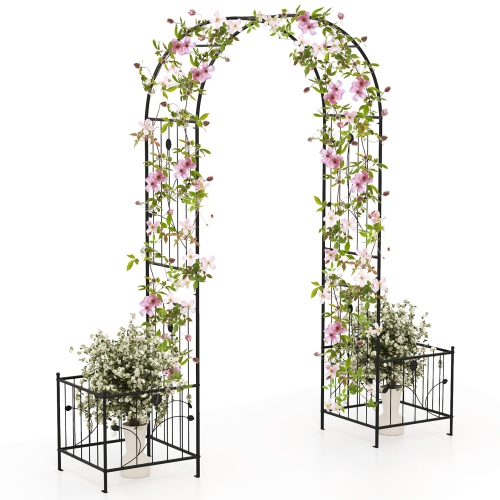
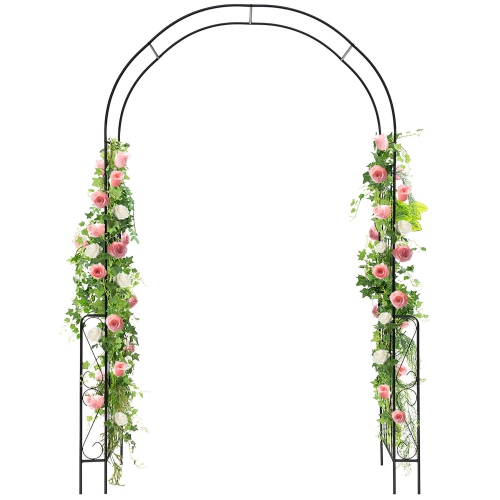
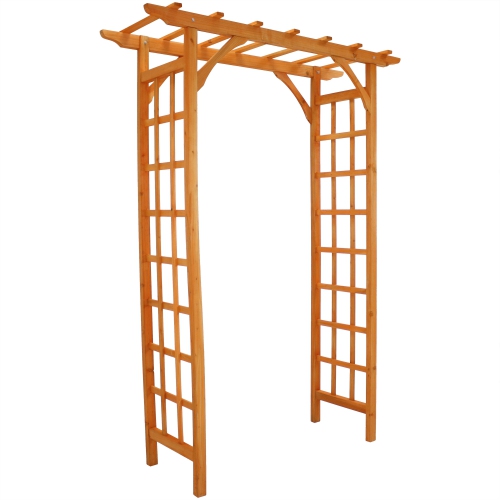
A garden arch trellis is a freestanding or anchored structure that supports climbing plants while creating an overhead feature for a path, entrance, or growing area. Its curved or peaked top connects two upright sides, giving stems somewhere to climb and helping define the space beneath. Often called a garden arbour, an arch can frame a gate, mark the transition from a patio to a planted border, or turn the gap between raised beds into a leafy passageway. Roses, clematis, climbing beans, cucumbers, and grapevines can all be trained onto suitable supports, although each needs a structure matched to its growth habit and mature weight. The appeal is practical as well as visual: vertical growth makes better use of a compact footprint, keeps some trailing stems away from walking routes, and brings flowers or produce closer to a comfortable viewing or picking height. In a small yard, a narrow arch adds height without taking up the ground space of a broad planting bed. In a larger garden, a substantial frame can become a focal point at the end of a path, drawing the eye through layers of foliage. Open metalwork gives the planting a light, airy outline, while timber uprights create a more substantial entrance even before vines cover them. An arch may also serve as a backdrop for an outdoor ceremony or gathering, with suitable temporary decorations attached without exceeding its intended load. For a gardener who enjoys shaping a space over time, it can be a thoughtful gift, provided the dimensions and installation needs suit the recipient’s property. Alongside other Garden Trellis styles, an arch offers something distinctive: support on both sides of an opening, with room for plants to meet above it. That overhead connection helps a simple walkway feel like a deliberate part of the garden rather than just the space between beds.
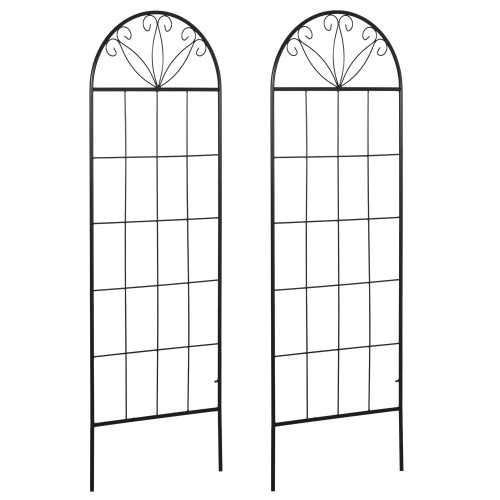
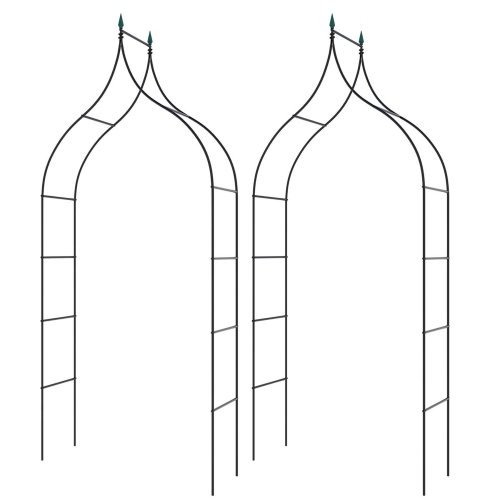
Material and construction influence how a garden arch trellis looks, how much maintenance it needs, and which planting arrangements it can accommodate. Steel frames can provide firm support, but tube thickness, bracing, connections, and anchoring matter as much as the material name. Powder-coated or other coated metal surfaces provide a protective barrier; scratches, exposed joints, and damaged finishes deserve attention because corrosion can begin where the underlying metal is exposed. Galvanized steel has a zinc coating that helps resist corrosion, though its service life still depends on construction, placement, and care. Aluminium is generally lighter to handle and resists rust, but a lightweight frame should not be assumed to carry a heavy vine simply because it is metal. Wooden arches bring visible grain and a substantial outline that pairs naturally with fences and raised beds. Their upkeep depends on the timber and finish, with some designs needing periodic treatment according to the manufacturer’s directions. Vinyl structures offer a different appearance and cleaning routine, while their suitability for vigorous climbers depends on internal reinforcement and the stated use. Across materials, smooth edges and well-fitted connections help protect hands and plant stems. Lattice spacing is another useful distinction. Fine stems and tendrils benefit from slender crosspieces or mesh they can grip, while widely spaced bars may need additional plant-safe ties or support lines. Climbing roses do not attach themselves in the same way as tendril-bearing plants, so their canes generally need to be guided and secured. Heavy woody climbers require more substantial support than a few lightweight flowering stems, and their eventual size matters more than the size of the nursery plant. Routine care can include clearing accumulated debris from joints, checking fasteners, inspecting feet or ground-contact areas, and cleaning surfaces with a method appropriate to the finish. Keeping connections accessible makes these checks easier once foliage fills the frame. Soft, adjustable plant ties also allow stems to thicken without being pinched against the trellis, helping the planting and structure work together over time.
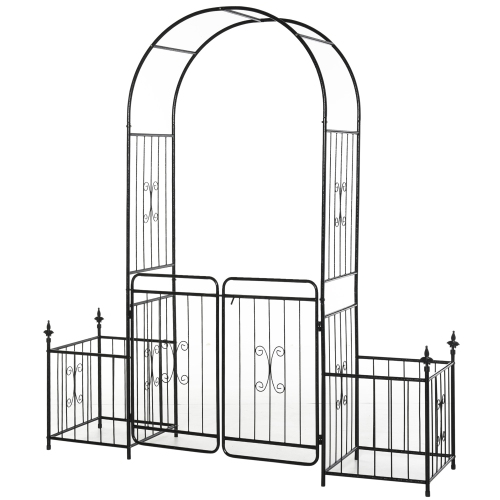
Fit begins with the opening people will actually use, not just the overall dimensions of the arch. Exterior width includes the frame, and side planters or projecting feet can reduce the usable passage further. A path used with a wheelbarrow, lawn mower, or mobility aid needs enough clear width for comfortable movement after the plants have grown in. Overhead clearance deserves the same attention, especially with hanging fruit, drooping shoots, or a curved top that is lower near the sides. Near a gate, the arch should leave room for the gate to swing freely without catching stems or ties. Placement beside raised beds calls for compatible attachment points and a layout that leaves growing space accessible for watering, pruning, and harvesting. Ground stakes, base plates, and bed-mounted brackets are not interchangeable installation methods; the right arrangement depends on the structure and the surface beneath it. A freestanding appearance does not necessarily mean an arch can stand safely without anchoring. Firm installation is particularly important once foliage adds weight and presents a larger surface for moving air to push against. Designs with integrated planters combine planting space and vertical support, but planter weight should not be treated as a substitute for any anchoring required by the manufacturer. Drainage, soil volume, and access to the root area also affect whether those planters suit the intended vines. For edible planting, an arch between two beds can make cucumbers or climbing beans easier to reach, provided the varieties and support spacing are suitable. Larger fruit may need separate slings, while grapevines need a frame built for their long-term weight. For an entrance covered in flowers, allowing space between thorny stems and the walkway keeps the passage more comfortable. Positioning the arch where its plants receive suitable light, without blocking access to nearby beds or doors, ties the whole arrangement together. The best match is a structure whose proportions, support pattern, and installation requirements suit both the planting and the everyday use of the space beneath it.
Material and construction influence how a garden arch trellis looks, how much maintenance it needs, and which planting arrangements it can accommodate. Steel frames can provide firm support, but tube thickness, bracing, connections, and anchoring matter as much as the material name. Powder-coated or other coated metal surfaces provide a protective barrier; scratches, exposed joints, and damaged finishes deserve attention because corrosion can begin where the underlying metal is exposed. Galvanized steel has a zinc coating that helps resist corrosion, though its service life still depends on construction, placement, and care. Aluminium is generally lighter to handle and resists rust, but a lightweight frame should not be assumed to carry a heavy vine simply because it is metal. Wooden arches bring visible grain and a substantial outline that pairs naturally with fences and raised beds. Their upkeep depends on the timber and finish, with some designs needing periodic treatment according to the manufacturer’s directions. Vinyl structures offer a different appearance and cleaning routine, while their suitability for vigorous climbers depends on internal reinforcement and the stated use. Across materials, smooth edges and well-fitted connections help protect hands and plant stems. Lattice spacing is another useful distinction. Fine stems and tendrils benefit from slender crosspieces or mesh they can grip, while widely spaced bars may need additional plant-safe ties or support lines. Climbing roses do not attach themselves in the same way as tendril-bearing plants, so their canes generally need to be guided and secured. Heavy woody climbers require more substantial support than a few lightweight flowering stems, and their eventual size matters more than the size of the nursery plant. Routine care can include clearing accumulated debris from joints, checking fasteners, inspecting feet or ground-contact areas, and cleaning surfaces with a method appropriate to the finish. Keeping connections accessible makes these checks easier once foliage fills the frame. Soft, adjustable plant ties also allow stems to thicken without being pinched against the trellis, helping the planting and structure work together over time.
Fit begins with the opening people will actually use, not just the overall dimensions of the arch. Exterior width includes the frame, and side planters or projecting feet can reduce the usable passage further. A path used with a wheelbarrow, lawn mower, or mobility aid needs enough clear width for comfortable movement after the plants have grown in. Overhead clearance deserves the same attention, especially with hanging fruit, drooping shoots, or a curved top that is lower near the sides. Near a gate, the arch should leave room for the gate to swing freely without catching stems or ties. Placement beside raised beds calls for compatible attachment points and a layout that leaves growing space accessible for watering, pruning, and harvesting. Ground stakes, base plates, and bed-mounted brackets are not interchangeable installation methods; the right arrangement depends on the structure and the surface beneath it. A freestanding appearance does not necessarily mean an arch can stand safely without anchoring. Firm installation is particularly important once foliage adds weight and presents a larger surface for moving air to push against. Designs with integrated planters combine planting space and vertical support, but planter weight should not be treated as a substitute for any anchoring required by the manufacturer. Drainage, soil volume, and access to the root area also affect whether those planters suit the intended vines. For edible planting, an arch between two beds can make cucumbers or climbing beans easier to reach, provided the varieties and support spacing are suitable. Larger fruit may need separate slings, while grapevines need a frame built for their long-term weight. For an entrance covered in flowers, allowing space between thorny stems and the walkway keeps the passage more comfortable. Positioning the arch where its plants receive suitable light, without blocking access to nearby beds or doors, ties the whole arrangement together. The best match is a structure whose proportions, support pattern, and installation requirements suit both the planting and the everyday use of the space beneath it.
Top selling and popular products
-
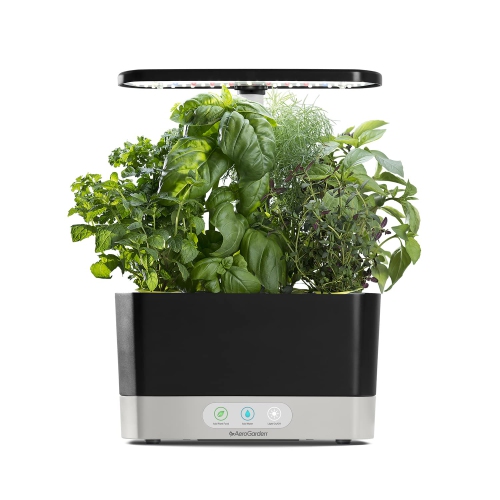 Your price for this item is $199
 -
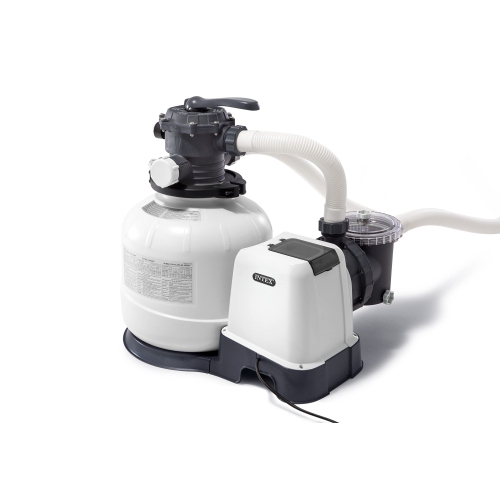 Your price for this item is $418.99
 -
 Your price for this item is $481.99
 -
 Your price for this item is $224.99
 -
 Your price for this item is $132.99
 -
 Your price for this item is $69.45
 -
 Your price for this item is $562.99
 -
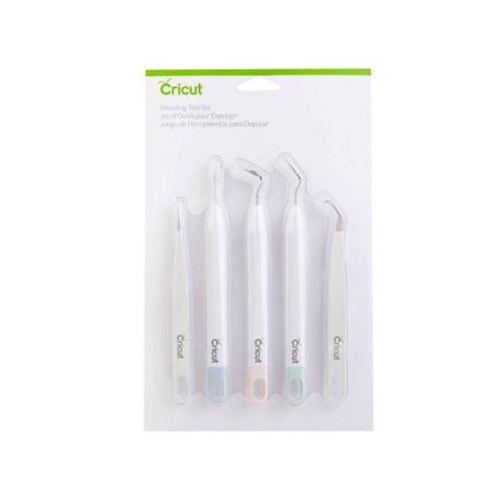 Your price for this item is $26.99
Discover more categories related to Garden Arch Trellis
Top Collections:
Pokemon Centers, Kindle Devices, Best Budget Office Chairs, Apple iPhones 16, Canon G7X Cameras, iPhone 15 Apple, Alarm Clock, Refurbished Apple Laptops, Flip Phones, Best Laptops for Writers
Some products may be subject to Environmental Handling Fees
(EHF) depending on your province.
Learn more about EHFs.