Wooden Garden Arches
Transform your outdoor space into a captivating oasis with wooden garden arches, the perfect addition to any garden or yard. These elegant structures not only enhance the aesthetic appeal of your landscape but also serve as a charming focal point for climbing plants and flowers. Whether you're looking to create a stunning entrance, define a pathway, or simply add a touch of natural beauty, wooden garden arches offer versatility and timeless charm. Discover the ideal piece that complements your style and elevates your garden's allure.
Sort

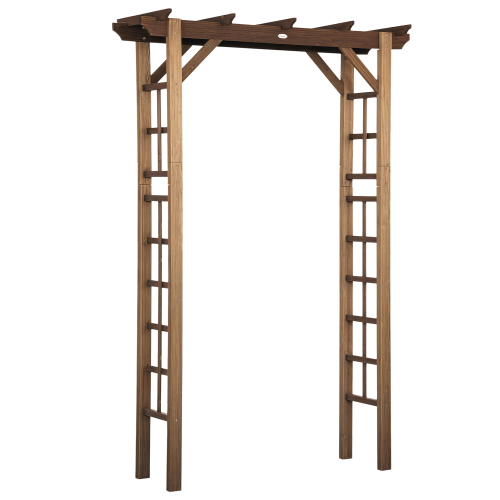
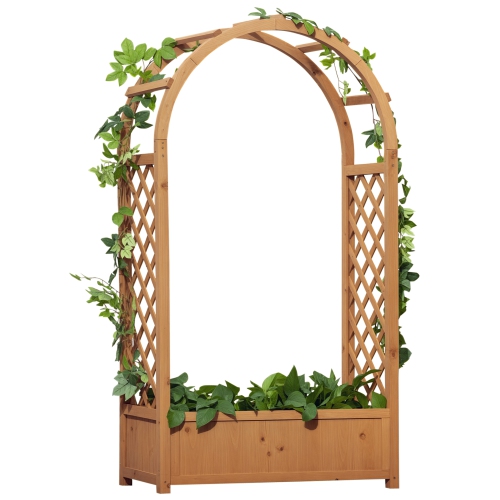
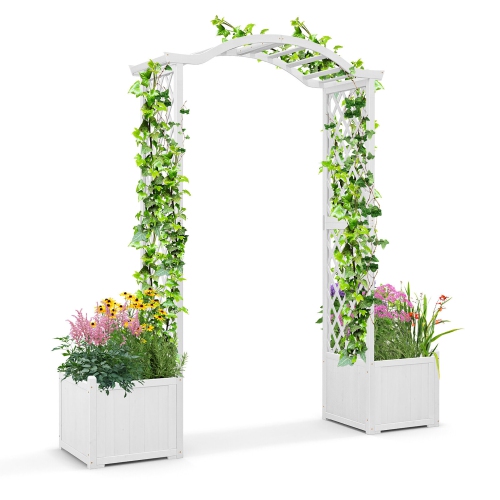
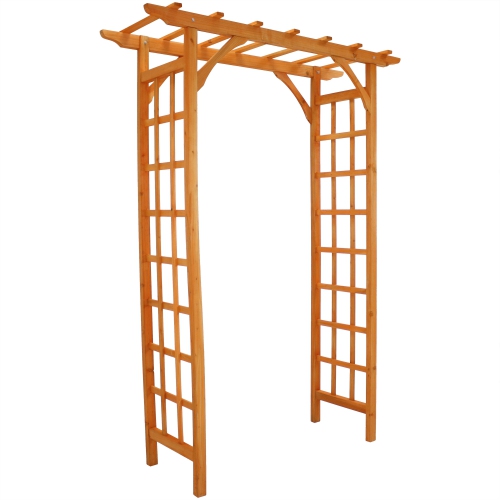
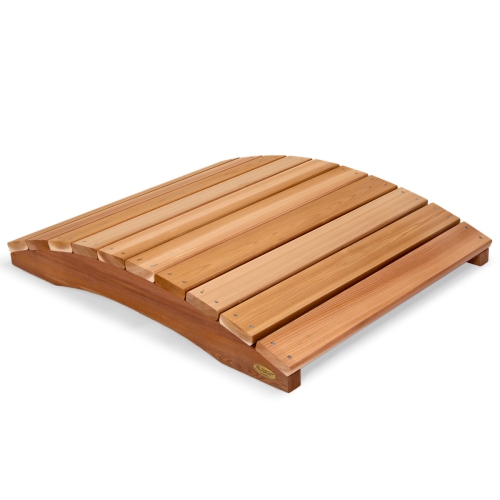
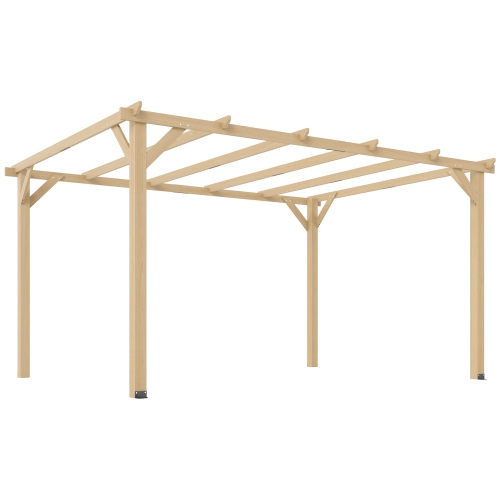
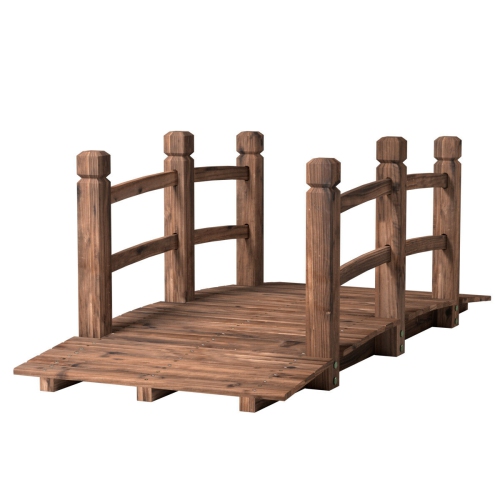
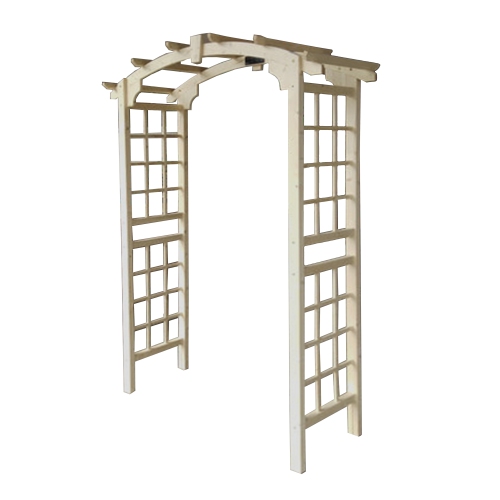
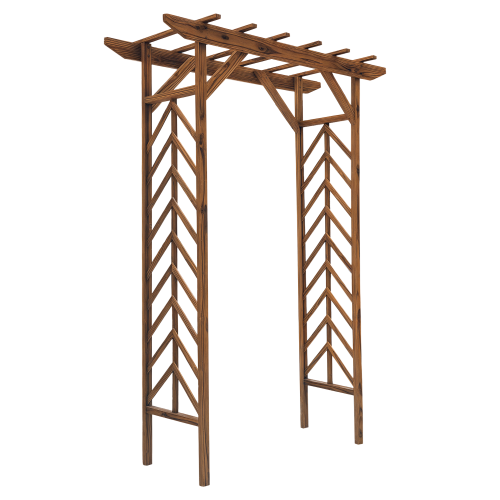

Welcoming pathways take shape with structure and climbing greenery
Wooden garden arches bring structure, height, and a welcoming sense of arrival to outdoor spaces of many sizes. Positioned over a pathway, at the entrance to a backyard, or along the transition between a patio and a garden bed, an arch can make an ordinary route feel more intentional. The natural look of wood works comfortably with cottage-style gardens, modern landscaping, country properties, and smaller urban yards, while the open framework keeps the area feeling bright and spacious. Some people use a wooden arch as a decorative focal point on its own, allowing the shape and grain of the material to stand out against greenery, fencing, or stonework. Others choose one as a support for climbing plants, trailing flowers, or lightweight decorative accents that add colour and texture as the seasons change. During the cooler months, the arch can continue to define the layout of a yard even when flowers have finished blooming, creating a visible frame around a gate, seating area, or garden path. It can also be a thoughtful housewarming gift for someone who enjoys gardening, landscaping, or spending quiet afternoons outdoors. For a gardener, an arch offers more than decoration: it can help divide different areas of a yard, draw attention to a favourite planting bed, or create a charming backdrop for photographs, gatherings, and everyday moments such as walking from the deck to the shed.
When choosing a wooden garden arch, consider the space available, the intended location, and the overall proportions of the surrounding landscape. Measure the width and height of the opening carefully, allowing enough room for comfortable passage and checking for nearby fences, branches, railings, or overhead structures. A compact arch may be well suited to a narrow walkway or townhouse garden, while a wider, taller design can make a stronger statement at the entrance to a larger yard. Pay attention to the construction details, including the thickness of the frame, the shape of the supports, the finish of the wood, and whether the design includes a trellis or other open sections for plants to climb. The appearance of the arch should complement existing outdoor furniture, planters, fencing, and architectural details rather than compete with them. If the arch will support climbing plants, check that the framework provides suitable points for tendrils or ties and consider the eventual weight of mature growth. Placement also matters: a sunny location may encourage flowering vines, while a partly shaded position can suit foliage plants and create a cooler, more secluded passage. For a coordinated outdoor look, shoppers who prefer a different material can also explore Metal Garden Arches, which offer another way to define pathways and garden entrances.
A wooden garden arch is easiest to enjoy when its practical requirements are considered alongside its appearance. Before installation, make sure the surface is reasonably level and identify whether the structure needs to be anchored for added stability, particularly in an exposed yard or an area that receives strong wind. Follow the included assembly and care instructions, and inspect the connection points after setup so the arch remains steady as plants grow around it. Wood finishes can vary, so look for care guidance suited to the specific material and use location; occasional cleaning and attention to the finish can help maintain the arch’s appearance through changing weather. Leave enough space around the structure for pruning, watering, and clearing fallen leaves, especially when it forms a passage that needs to remain easy to use. In early fall, an arch can frame colourful foliage and provide a graceful transition between a lively garden and the quieter look of the cooler months. As the weather grows colder, remove or secure seasonal decorations and check that climbing plants are not placing undue strain on the frame. Whether used to welcome visitors, guide guests toward an outdoor dining area, support a carefully planned planting display, or add character to a modest backyard, a wooden garden arch can become a lasting part of the landscape and a memorable finishing touch for an outdoor space.
When choosing a wooden garden arch, consider the space available, the intended location, and the overall proportions of the surrounding landscape. Measure the width and height of the opening carefully, allowing enough room for comfortable passage and checking for nearby fences, branches, railings, or overhead structures. A compact arch may be well suited to a narrow walkway or townhouse garden, while a wider, taller design can make a stronger statement at the entrance to a larger yard. Pay attention to the construction details, including the thickness of the frame, the shape of the supports, the finish of the wood, and whether the design includes a trellis or other open sections for plants to climb. The appearance of the arch should complement existing outdoor furniture, planters, fencing, and architectural details rather than compete with them. If the arch will support climbing plants, check that the framework provides suitable points for tendrils or ties and consider the eventual weight of mature growth. Placement also matters: a sunny location may encourage flowering vines, while a partly shaded position can suit foliage plants and create a cooler, more secluded passage. For a coordinated outdoor look, shoppers who prefer a different material can also explore Metal Garden Arches, which offer another way to define pathways and garden entrances.
A wooden garden arch is easiest to enjoy when its practical requirements are considered alongside its appearance. Before installation, make sure the surface is reasonably level and identify whether the structure needs to be anchored for added stability, particularly in an exposed yard or an area that receives strong wind. Follow the included assembly and care instructions, and inspect the connection points after setup so the arch remains steady as plants grow around it. Wood finishes can vary, so look for care guidance suited to the specific material and use location; occasional cleaning and attention to the finish can help maintain the arch’s appearance through changing weather. Leave enough space around the structure for pruning, watering, and clearing fallen leaves, especially when it forms a passage that needs to remain easy to use. In early fall, an arch can frame colourful foliage and provide a graceful transition between a lively garden and the quieter look of the cooler months. As the weather grows colder, remove or secure seasonal decorations and check that climbing plants are not placing undue strain on the frame. Whether used to welcome visitors, guide guests toward an outdoor dining area, support a carefully planned planting display, or add character to a modest backyard, a wooden garden arch can become a lasting part of the landscape and a memorable finishing touch for an outdoor space.
Top selling and popular products
-
 Your price for this item is $199
 -
 Your price for this item is $430.99
 -
 Your price for this item is $480.99
 -
 Your price for this item is $130.99
 -
 Your price for this item is $221.99
 -
 Your price for this item is $69.45
 -
 Your price for this item is $569.99
 -
 Your price for this item is $249.99
Discover more categories related to Wooden Garden Arches
Top Collections:
Pokemon Centers, Best Cameras for Sports Photography, Kindle Devices, Samsung Galaxy Phones, Canon G7X Cameras, Pokémon 30th Celebration Cards, Refurbished Apple Laptops, iPhone 15 Apple, Laptops for Students, Budget Smartphones
Some products may be subject to Environmental Handling Fees
(EHF) depending on your province.
Learn more about EHFs.