Garden Bags
Transform your gardening experience with versatile garden bags, essential companions for both seasoned gardeners and enthusiastic beginners. Designed to help you manage and organize your outdoor space efficiently, these bags offer a practical solution for collecting leaves, transporting soil, or storing tools. With a variety of sizes and materials available, finding the perfect garden bag to suit your needs is simple. Enhance your gardening routine by choosing durable, easy-to-use options that make maintaining your garden less of a chore and more of a joy. Explore the range of garden bags and discover how they can streamline your outdoor projects.
Sort
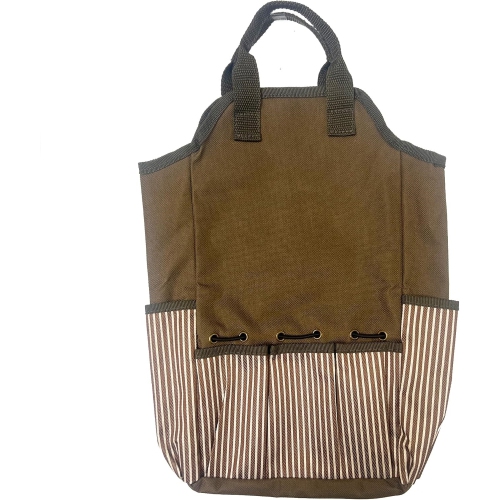
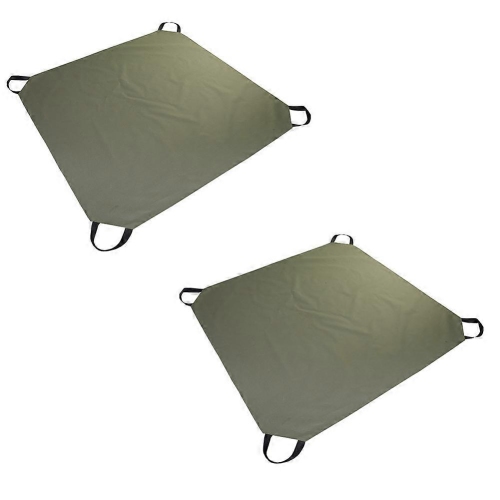
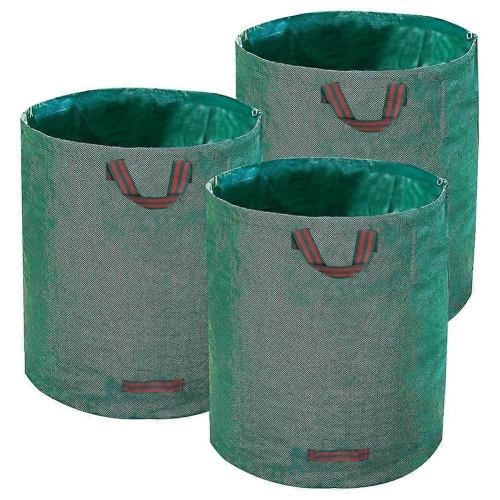
Practical support for everyday garden work and seasonal clean-up
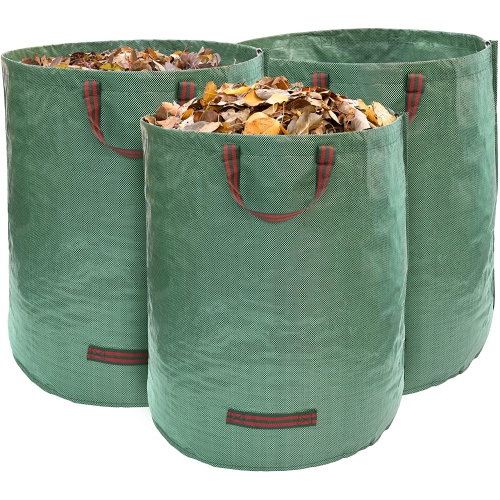
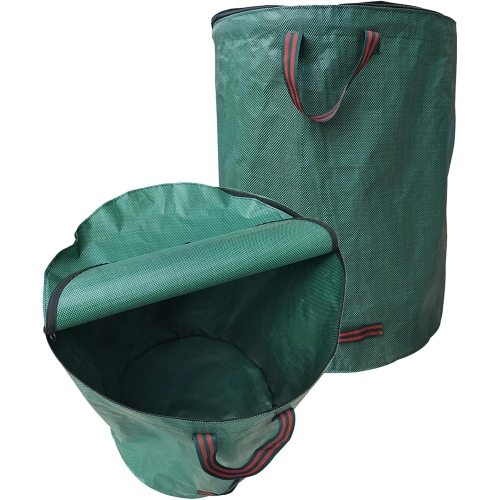
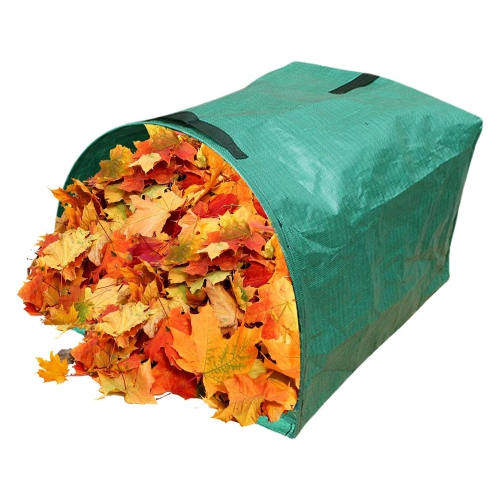
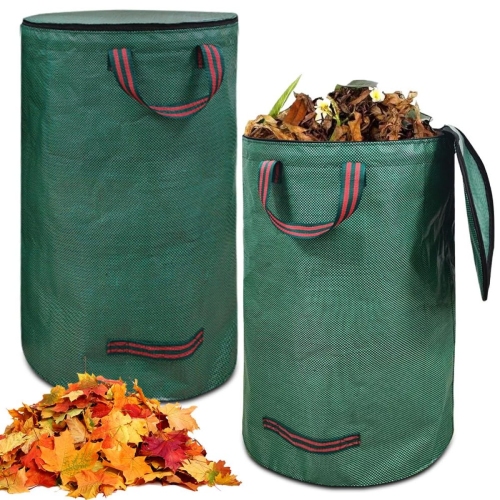
Garden bags are practical helpers for keeping outdoor spaces organized through the changing seasons. Depending on their design, they can be used to collect leaves, grass clippings, weeds, small branches, soil, mulch, garden tools, or freshly harvested produce. A sturdy bag placed near a flower bed makes it easier to gather trimmings as you work, while a lighter, more flexible option can be carried between planting areas, patios, balconies, and sheds. Garden bags are also useful for storing gloves, hand tools, twine, plant supports, and other supplies that tend to wander around the yard. During the warmer part of the year, they can support planting and pruning projects; as the weather cools, they become convenient for clearing spent annuals, fallen leaves, and debris from walkways and garden beds. Their usefulness extends beyond large yards, too. Container gardeners, renters with balconies, community garden members, and anyone caring for a few raised beds can use a compact garden bag to keep supplies close at hand without filling a wheelbarrow or making repeated trips indoors. For gardeners who enjoy a tidy workspace, the difference can be surprisingly noticeable. Instead of leaving a pile of pulled weeds beside the path or balancing handfuls of trimmings on a patio step, everything can go directly into one easy-to-move container. Garden bags can also be a thoughtful gift for a new homeowner, an avid gardener, a parent who enjoys outdoor projects with the family, or someone setting up a first balcony garden. They pair naturally with other practical outdoor accessories, including Garden Baskets, for a convenient way to carry tools, plants, harvests, or garden materials from one area to another.
When choosing a garden bag, consider the type of work it will handle most often. Bags intended for leaves and yard debris should offer generous capacity and enough structure to remain open while being filled. A wide opening can make it easier to rake material inside, while reinforced seams and durable fabric are helpful when the contents include damp grass, thorny clippings, or heavier garden waste. If the bag will be moved frequently, look for features that make carrying more comfortable, such as sturdy handles positioned for lifting from different angles. Some gardeners prefer a bag that can be dragged short distances across grass, while others need one that can be lifted into a larger outdoor container or carried down steps. A stable base is useful when working on uneven ground, and a collapsible design can be convenient when storage space is limited between gardening sessions. Capacity is another important consideration. A smaller bag may be easier to handle around containers and narrow beds, whereas a larger bag can save time during a major leaf-clearing job. Keep in mind that the biggest option is not always the easiest to use once filled. If you regularly work alone, a manageable size with comfortable handles may be more practical than a very large bag that becomes difficult to lift. Material also matters. Woven fabric can provide flexibility for general garden tasks, while coated or water-resistant surfaces may be helpful when dealing with moist clippings or storing the bag in a shed, garage, or covered outdoor area. For produce, soil, or planting materials, choose a clean bag reserved for those purposes rather than using the same container for yard debris. Separating tasks helps keep gardening supplies organized and makes the bag ready for its next use.
The best garden bag is one that fits naturally into the way you already work outdoors. If you tend to move around while pruning, weeding, and deadheading, a lighter bag with easy-grip handles can follow you from bed to bed. If your routine involves seasonal clean-up, a structured, high-capacity option can help collect a substantial amount of material without constant emptying. Gardeners with limited storage may appreciate a bag that folds down neatly, while those who leave supplies in a shed may prefer a more rigid shape that is ready to stand open whenever a project begins. Think about the surfaces around your home as well: smooth patios, gravel paths, lawns, and garden soil can each affect how easily a full bag moves. It is also helpful to consider where the contents will go after collection, whether that means transferring them to a yard-waste container, moving soil to a planting area, or carrying harvested vegetables inside for cleaning. A well-chosen garden bag can make these small transitions less awkward and reduce the amount of bending, balancing, and back-and-forth walking involved in routine outdoor care. As the seasons shift from active growth to cooler-weather maintenance, it can stay useful for different jobs without taking up much room when not in use. For anyone who finds satisfaction in a well-tended yard, the right garden bag is a simple addition that supports a smoother rhythm: gather, carry, empty, and get back to the work at hand.
When choosing a garden bag, consider the type of work it will handle most often. Bags intended for leaves and yard debris should offer generous capacity and enough structure to remain open while being filled. A wide opening can make it easier to rake material inside, while reinforced seams and durable fabric are helpful when the contents include damp grass, thorny clippings, or heavier garden waste. If the bag will be moved frequently, look for features that make carrying more comfortable, such as sturdy handles positioned for lifting from different angles. Some gardeners prefer a bag that can be dragged short distances across grass, while others need one that can be lifted into a larger outdoor container or carried down steps. A stable base is useful when working on uneven ground, and a collapsible design can be convenient when storage space is limited between gardening sessions. Capacity is another important consideration. A smaller bag may be easier to handle around containers and narrow beds, whereas a larger bag can save time during a major leaf-clearing job. Keep in mind that the biggest option is not always the easiest to use once filled. If you regularly work alone, a manageable size with comfortable handles may be more practical than a very large bag that becomes difficult to lift. Material also matters. Woven fabric can provide flexibility for general garden tasks, while coated or water-resistant surfaces may be helpful when dealing with moist clippings or storing the bag in a shed, garage, or covered outdoor area. For produce, soil, or planting materials, choose a clean bag reserved for those purposes rather than using the same container for yard debris. Separating tasks helps keep gardening supplies organized and makes the bag ready for its next use.
The best garden bag is one that fits naturally into the way you already work outdoors. If you tend to move around while pruning, weeding, and deadheading, a lighter bag with easy-grip handles can follow you from bed to bed. If your routine involves seasonal clean-up, a structured, high-capacity option can help collect a substantial amount of material without constant emptying. Gardeners with limited storage may appreciate a bag that folds down neatly, while those who leave supplies in a shed may prefer a more rigid shape that is ready to stand open whenever a project begins. Think about the surfaces around your home as well: smooth patios, gravel paths, lawns, and garden soil can each affect how easily a full bag moves. It is also helpful to consider where the contents will go after collection, whether that means transferring them to a yard-waste container, moving soil to a planting area, or carrying harvested vegetables inside for cleaning. A well-chosen garden bag can make these small transitions less awkward and reduce the amount of bending, balancing, and back-and-forth walking involved in routine outdoor care. As the seasons shift from active growth to cooler-weather maintenance, it can stay useful for different jobs without taking up much room when not in use. For anyone who finds satisfaction in a well-tended yard, the right garden bag is a simple addition that supports a smoother rhythm: gather, carry, empty, and get back to the work at hand.
Top selling and popular products
-
 Your price for this item is $669.95
 -
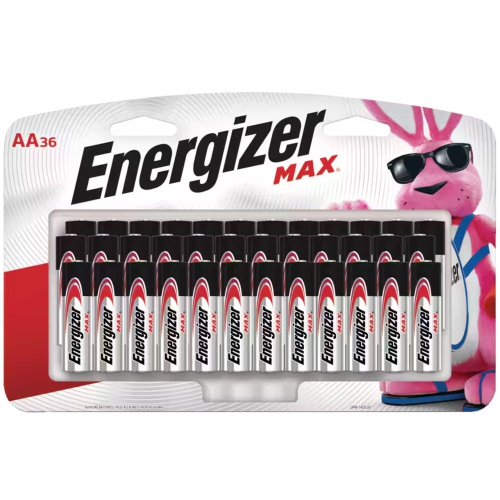 Your price for this item is $19.99
 -
 Your price for this item is $385.06
 -
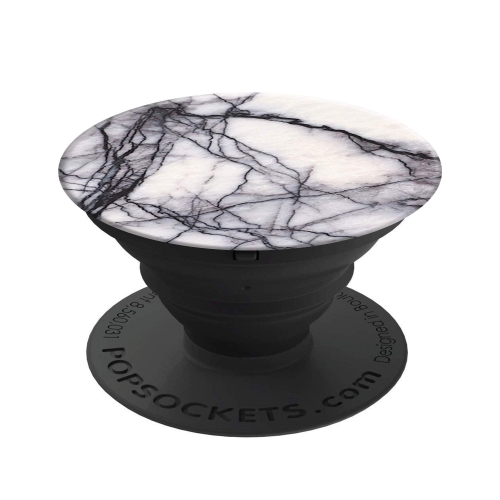 Your price for this item is $59.99
 -
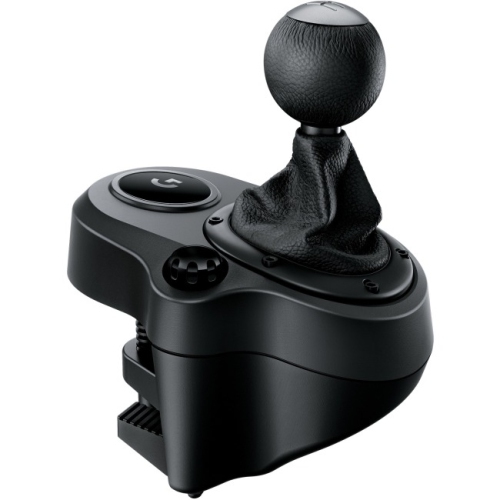 Your price for this item is $89.68
 -
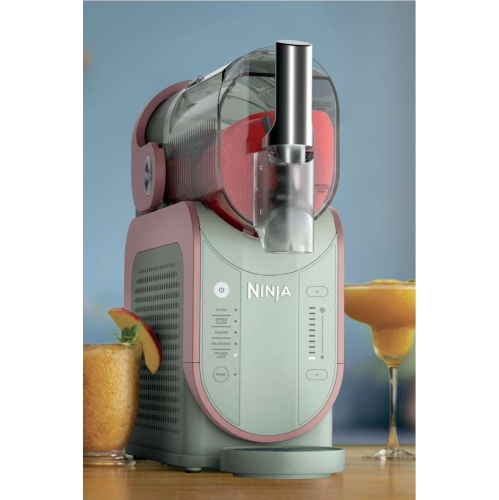 Your price for this item is $429
 -
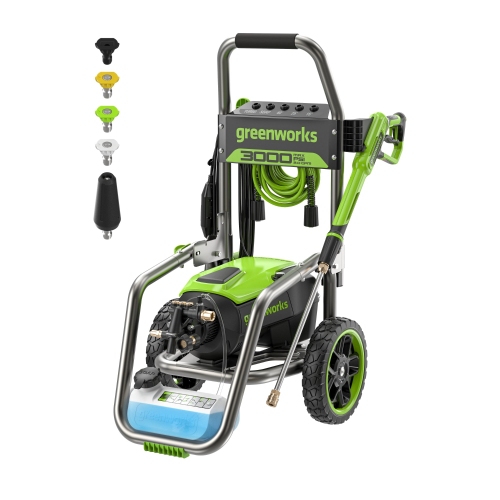 Your price for this item is $699.99
 -
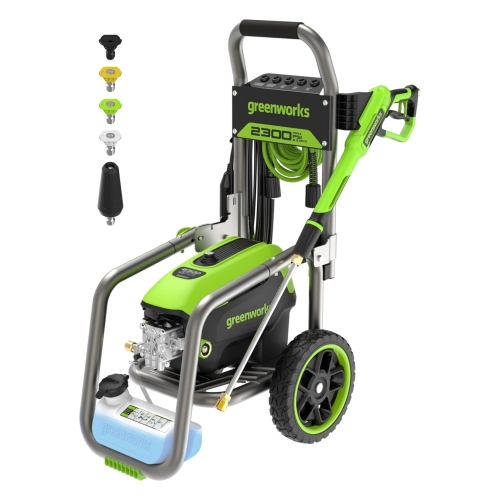 Your price for this item is $569.99
Discover more categories related to Garden Bags
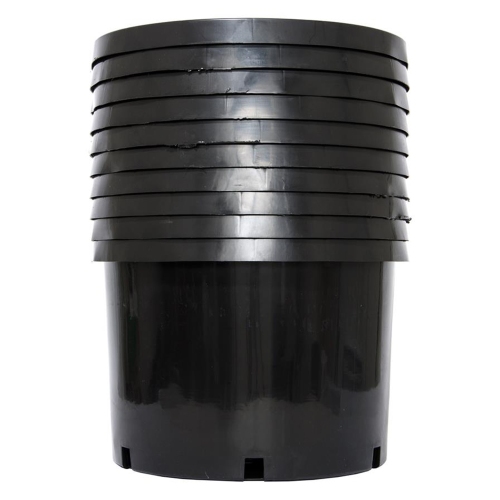
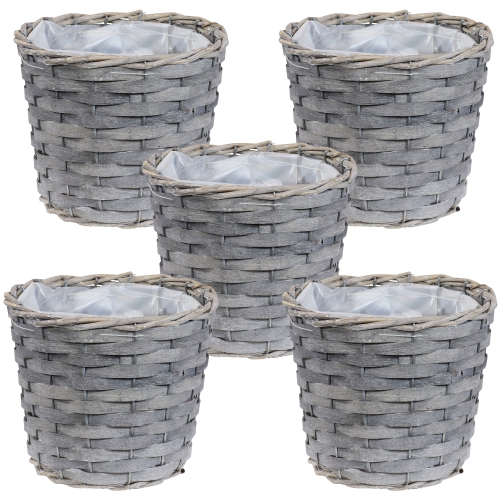

Top Collections:
Pokemon Centers, Kindle Devices, Best Cell Phones Under $500, Alarm Clock, Canon G7X Cameras, iPhone 15 Apple, Apple iPhones 16, Laptops for Students, iPhone 14 256GB, Budget Smartphones
Some products may be subject to Environmental Handling Fees
(EHF) depending on your province.
Learn more about EHFs.