Garden Loppers
Looking to trim and shape your garden with precision? Look no further than our collection of garden loppers. These versatile tools are designed to effortlessly cut through thick branches, making them an essential addition to any gardener's arsenal. Whether you're tackling overgrown shrubs or pruning trees, our range of garden loppers offers a variety of options to suit your needs. With ergonomic handles and durable blades, these loppers provide comfort and efficiency, allowing you to achieve professional-looking results in your outdoor space. Explore our selection of garden loppers today and take your gardening skills to new heights!
Sort
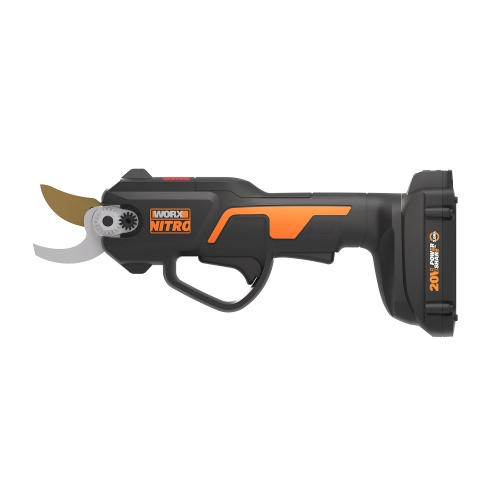
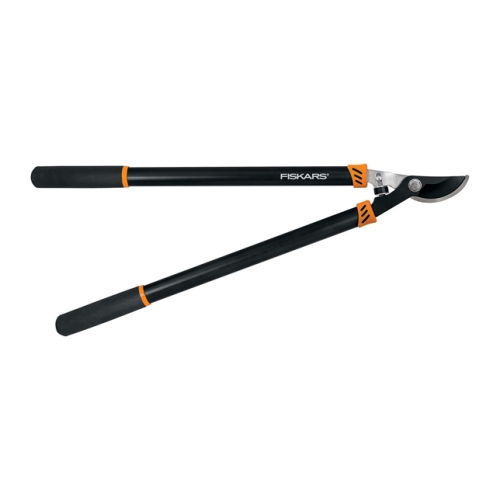
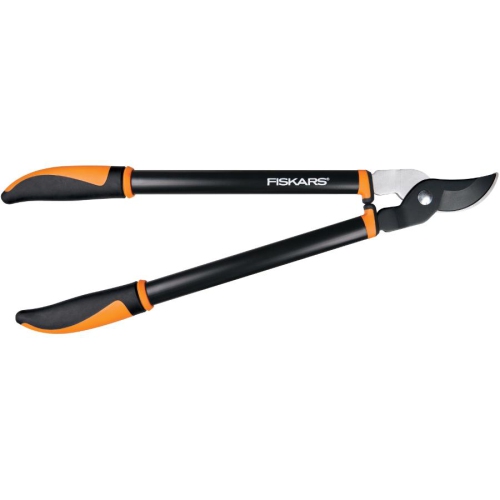
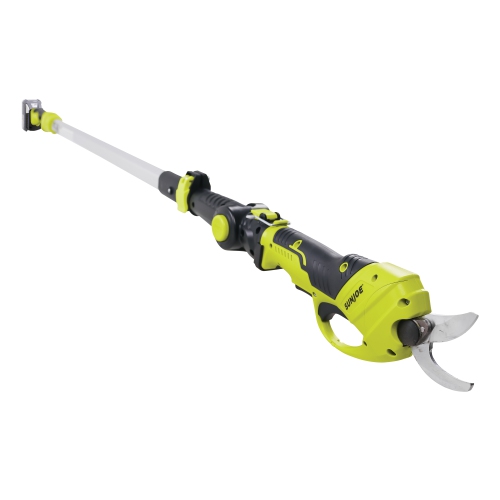
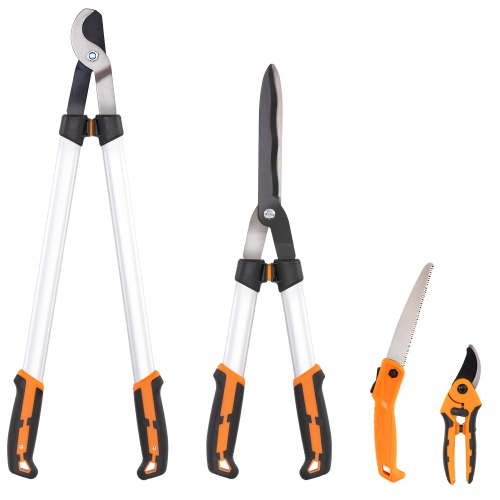

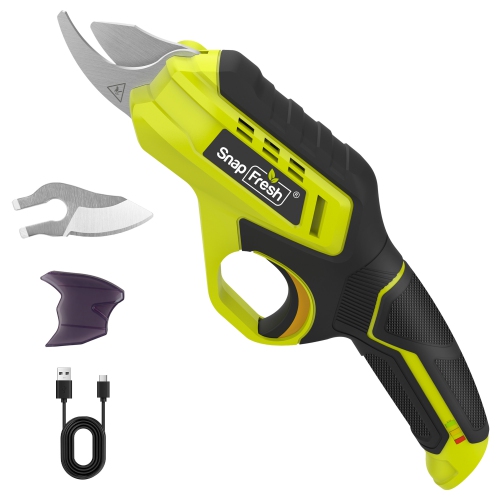
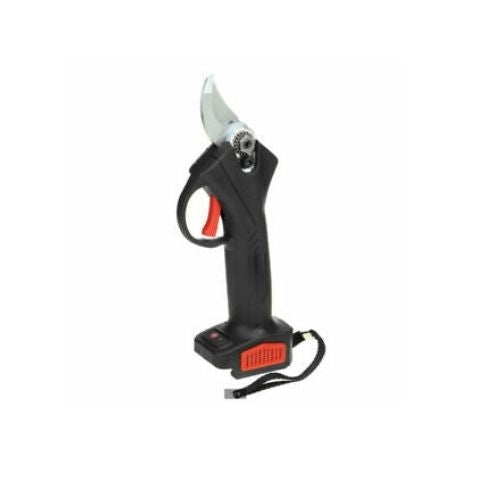
Cutting styles and handle lengths shape easier, more controlled pruning
Garden loppers are two-handed pruning tools designed for branches and stems that are too thick for ordinary hand pruners. Their long handles create leverage, allowing you to make stronger cuts while keeping both hands comfortably engaged. Depending on the design, loppers can handle branches up to about 2 inches in diameter, although the practical capacity varies with the wood’s condition, the blade shape, and your available hand strength. They are useful for maintaining shrubs, ornamental trees, fruit trees, hedges, vines, and other established plants around the yard. During the warmer growing season, they can help remove overgrown green stems and tidy branches that are blocking pathways or crowding the centre of a plant. As the weather cools, they can also be useful for clearing deadwood, trimming back dormant growth, and preparing outdoor spaces for the months ahead. A pair of loppers can be a particularly useful addition to a household tool collection, whether it is being selected for someone who enjoys gardening, a new homeowner learning to care for a yard, or an experienced gardener who wants more cutting power without immediately reaching for a saw. When choosing from a selection of garden loppers, start by considering the type of branches you expect to cut most often. Bypass loppers use a scissor-like action, with one sharp blade passing beside a lower jaw. This motion is well suited to live, green wood because it can make a relatively clean cut when the blades are positioned correctly. Clean cuts are helpful when shaping plants and removing healthy stems, as they can reduce unnecessary crushing around the cut area. Anvil loppers use one cutting blade that closes against a flat, softer surface. They are often a practical choice for dense, dry, or dead branches, where a crushing action is less of a concern. Ratchet and geared loppers add a mechanism that divides the cutting motion into stages or increases the force applied at the blades. This can make thicker branches more manageable for people with less hand strength, limited wrist comfort, or a preference for taking several controlled squeezes rather than one forceful cut. No single style is ideal for every task, so matching the cutting mechanism to the wood in your yard can make pruning feel more controlled and less tiring.
Handle length is another important consideration. Fixed-handle loppers commonly measure between about 15 and 32 inches, offering a direct connection between your hands and the cutting head. Shorter handles are generally easier to manoeuvre among dense branches and can feel balanced when working close to the ground or inside a shrub. Longer handles provide more leverage and can help keep your hands away from thorny growth, but they may feel heavier or less precise in tight spaces. Telescopic handles can extend to provide additional reach or leverage, which is useful for higher branches and low-to-medium cutting tasks where a ladder would be inconvenient. Extended handles can also reduce the need to bend while working on lower growth, although it is still important to maintain a stable stance and avoid stretching beyond a comfortable position. Look for handles with a secure adjustment system, comfortable grips, and a size that suits your height and strength. Weight matters as well: a tool that feels manageable for the first few cuts may become tiring after repeated use, particularly when held at shoulder height. Consider the overall balance, the opening width of the jaws, and whether the handles can be operated smoothly with gloved hands. Blades made for pruning should be kept clean and sharp, since dull edges require more force and can leave rough, crushed cuts. Before each use, inspect the pivot, fasteners, cutting surfaces, and handle locks, especially on telescopic models. Cut within the tool’s stated capacity rather than forcing it through oversized branches, and keep your free hand clear of the jaws and handles as they close. For branches that are too thick for loppers, a dedicated pair of Garden Saws may be the more suitable option. Protective gloves, sturdy footwear, and eye protection can add comfort and help guard against sharp twigs, falling debris, and splintered wood.
The best results usually come from taking a little time to examine the branch before making a cut. Remove loose twigs first, identify where the branch meets a larger stem, and position the blades so the cut is stable rather than awkward or twisted. On living branches, avoid tearing the bark by using deliberate pressure and supporting the section being removed when it is safe to do so. When clearing dead branches, be mindful that dry wood can be harder and more brittle than it appears, so controlled cuts are preferable to sudden force. If you are pruning a tree or shrub with a particular shape, step back occasionally to check the overall form instead of removing several branches from one spot at once. Garden loppers can also be handy for seasonal yard clean-up, cutting back unruly growth around fences, opening a walkway that has become overgrown, or preparing cut branches for easier handling. They are a practical gift for gardeners who already own small pruners but need a tool for larger stems, and they can be a thoughtful choice for anyone settling into a property with mature landscaping. Keep them dry between uses, wipe away sap and debris, and store them closed or secured where the cutting edges will not be exposed. With the right cutting style, handle length, and capacity for the work at hand, garden loppers can make routine pruning more efficient while helping you reach branches that would otherwise be difficult to manage.
Handle length is another important consideration. Fixed-handle loppers commonly measure between about 15 and 32 inches, offering a direct connection between your hands and the cutting head. Shorter handles are generally easier to manoeuvre among dense branches and can feel balanced when working close to the ground or inside a shrub. Longer handles provide more leverage and can help keep your hands away from thorny growth, but they may feel heavier or less precise in tight spaces. Telescopic handles can extend to provide additional reach or leverage, which is useful for higher branches and low-to-medium cutting tasks where a ladder would be inconvenient. Extended handles can also reduce the need to bend while working on lower growth, although it is still important to maintain a stable stance and avoid stretching beyond a comfortable position. Look for handles with a secure adjustment system, comfortable grips, and a size that suits your height and strength. Weight matters as well: a tool that feels manageable for the first few cuts may become tiring after repeated use, particularly when held at shoulder height. Consider the overall balance, the opening width of the jaws, and whether the handles can be operated smoothly with gloved hands. Blades made for pruning should be kept clean and sharp, since dull edges require more force and can leave rough, crushed cuts. Before each use, inspect the pivot, fasteners, cutting surfaces, and handle locks, especially on telescopic models. Cut within the tool’s stated capacity rather than forcing it through oversized branches, and keep your free hand clear of the jaws and handles as they close. For branches that are too thick for loppers, a dedicated pair of Garden Saws may be the more suitable option. Protective gloves, sturdy footwear, and eye protection can add comfort and help guard against sharp twigs, falling debris, and splintered wood.
The best results usually come from taking a little time to examine the branch before making a cut. Remove loose twigs first, identify where the branch meets a larger stem, and position the blades so the cut is stable rather than awkward or twisted. On living branches, avoid tearing the bark by using deliberate pressure and supporting the section being removed when it is safe to do so. When clearing dead branches, be mindful that dry wood can be harder and more brittle than it appears, so controlled cuts are preferable to sudden force. If you are pruning a tree or shrub with a particular shape, step back occasionally to check the overall form instead of removing several branches from one spot at once. Garden loppers can also be handy for seasonal yard clean-up, cutting back unruly growth around fences, opening a walkway that has become overgrown, or preparing cut branches for easier handling. They are a practical gift for gardeners who already own small pruners but need a tool for larger stems, and they can be a thoughtful choice for anyone settling into a property with mature landscaping. Keep them dry between uses, wipe away sap and debris, and store them closed or secured where the cutting edges will not be exposed. With the right cutting style, handle length, and capacity for the work at hand, garden loppers can make routine pruning more efficient while helping you reach branches that would otherwise be difficult to manage.
Top selling and popular products
-
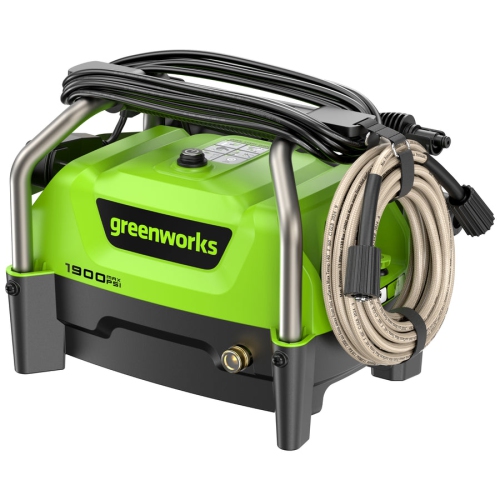 Your price for this item is $169.99
 -
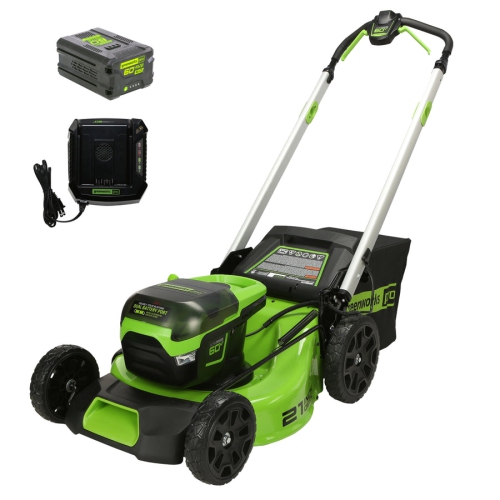 Your price for this item is $554.39
 -
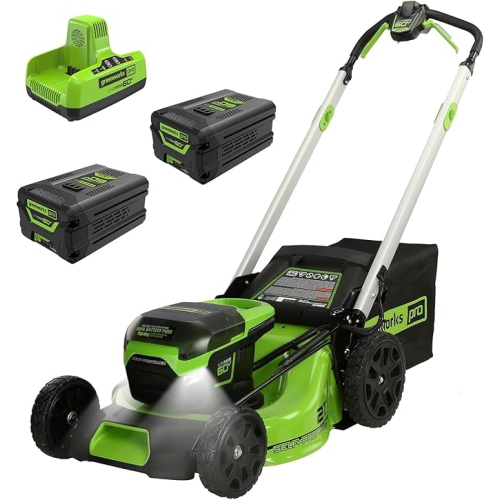 Your price for this item is $879.99
 -
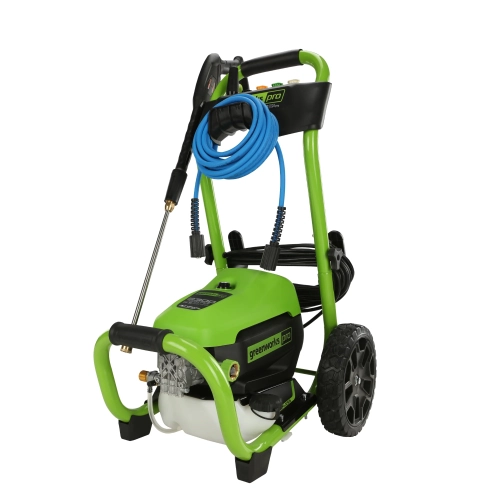 Your price for this item is $439.99
 -
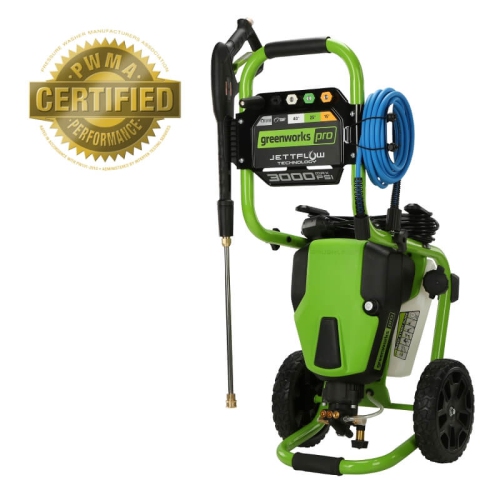 Your price for this item is $499
 -
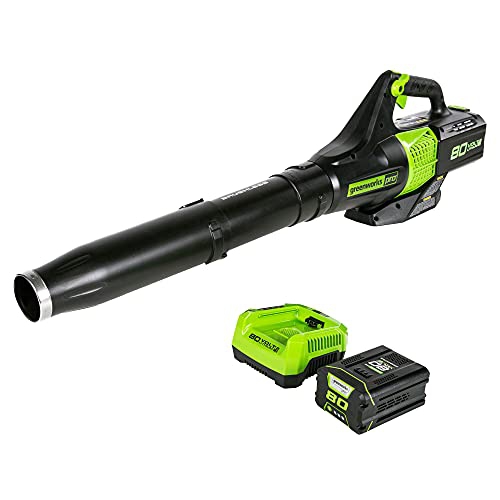 Your price for this item is $255
 -
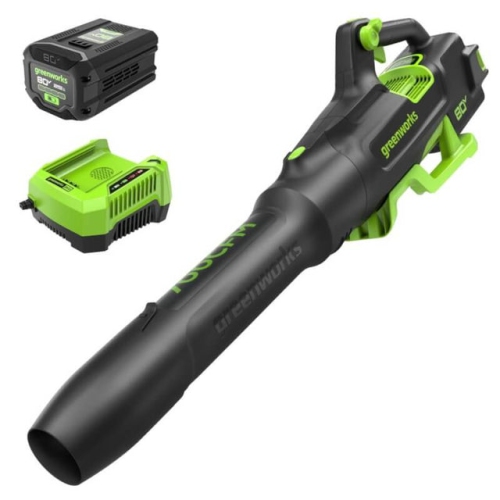 Your price for this item is $272
 -
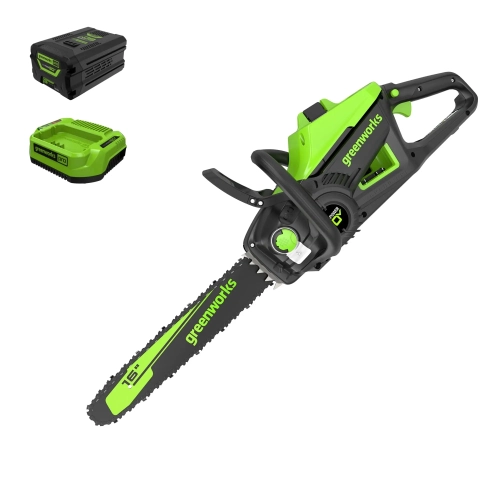 Your price for this item is $329.99
Discover more categories related to Garden Loppers
Top Collections:
Pokemon Centers, Kindle Devices, Best Budget Office Chairs, Apple iPhones 16, Best Laptops for Writers, iPhone 15 Apple, Canon G7X Cameras, Refurbished Apple Laptops, Alarm Clock, Motorola Razr Phones
Some products may be subject to Environmental Handling Fees
(EHF) depending on your province.
Learn more about EHFs.