Garden Saws
When it comes to tackling tough outdoor cutting tasks, garden saws are an essential tool for almost any homeowner or professional landscaper. From pruning overgrown branches to shaping hedges with precision, these versatile saws offer the power and efficiency needed to maintain a well-groomed garden or yard. Whether you're a seasoned gardener or just starting out, finding the right garden saw can make all the difference in achieving a beautifully manicured outdoor space.
Sort

![SHITU [Wireless Mini Chainsaw Kit] Portable Cordless Handheld Chainsaw w 2 Upgraded Batteries, Plastic Carry Case & 2 Chains | Ideal for Tree](https://multimedia.bbycastatic.ca/multimedia/products/500x500/195/19579/19579804.webp)
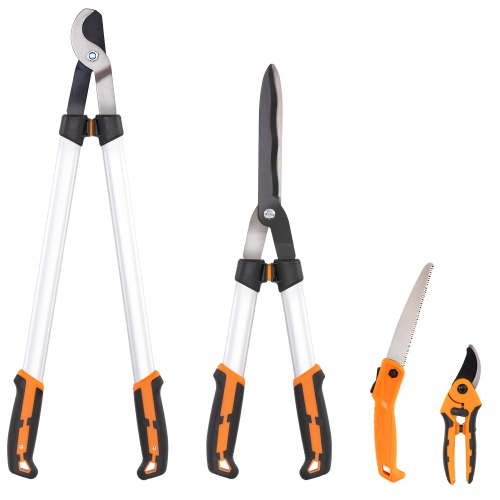
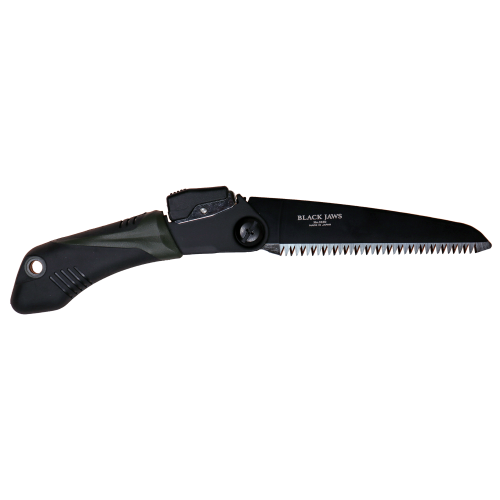
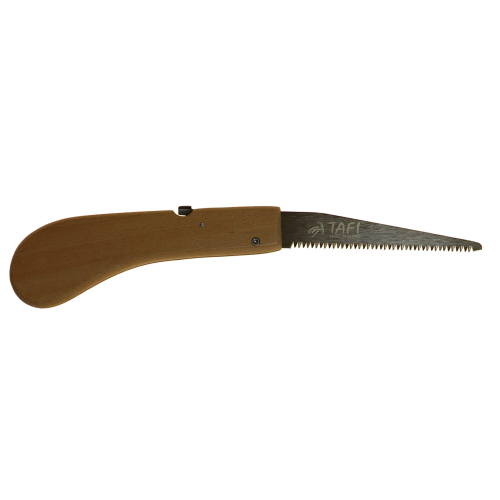
How blade design affects control, reach and cutting effort
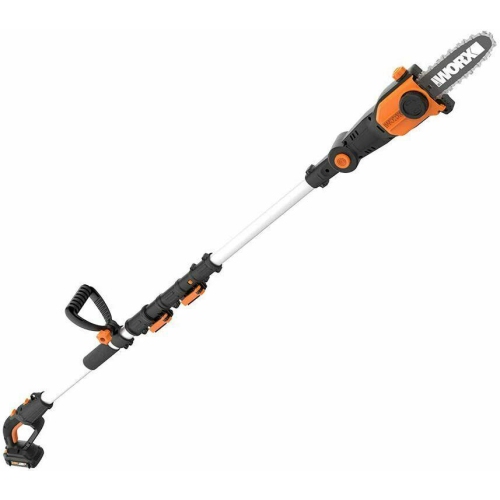
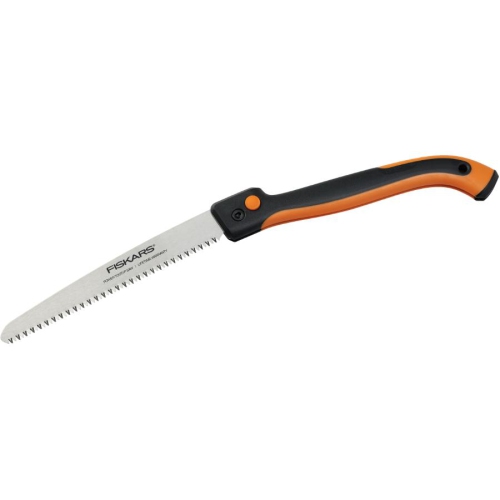
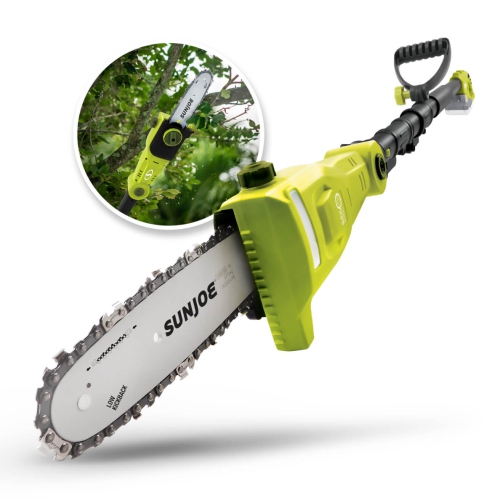
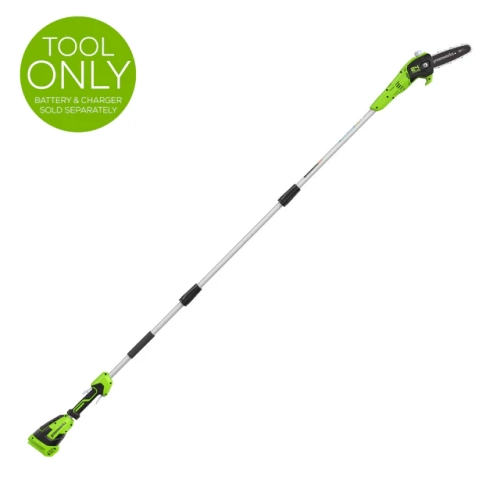
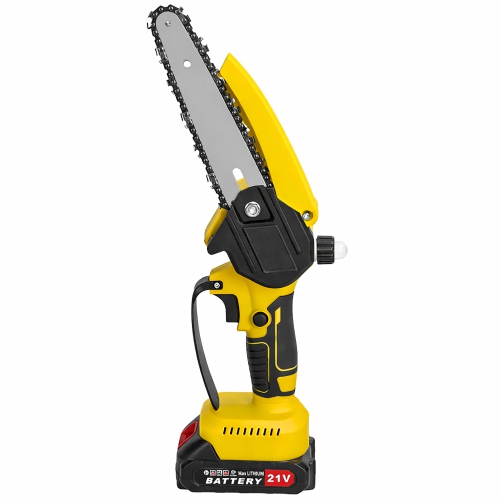
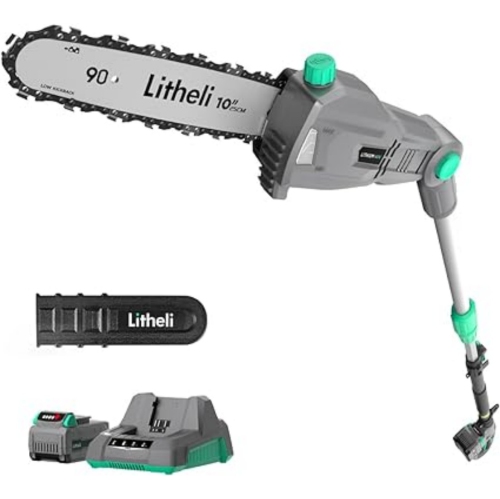
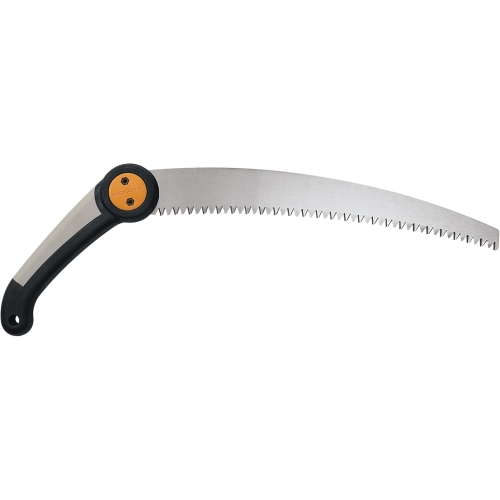
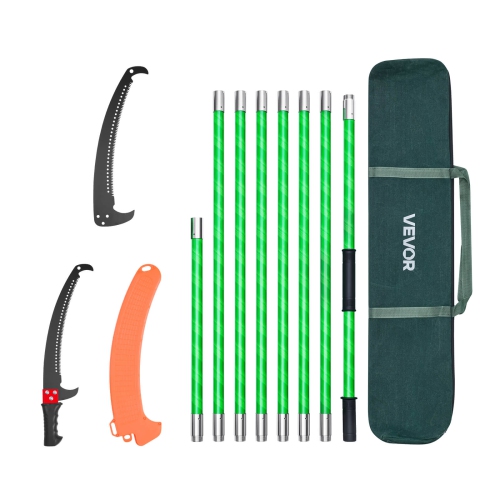
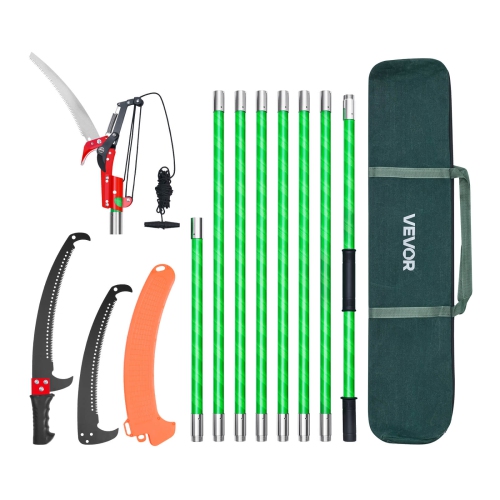
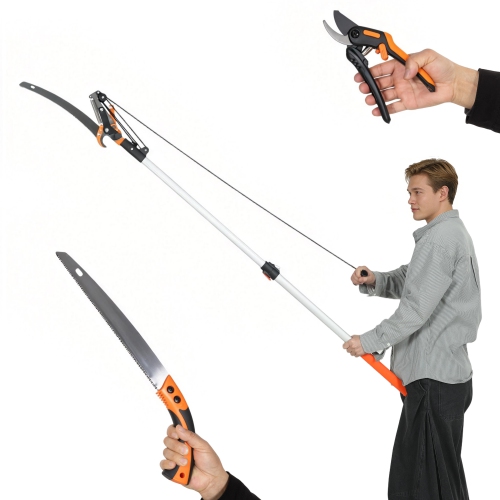
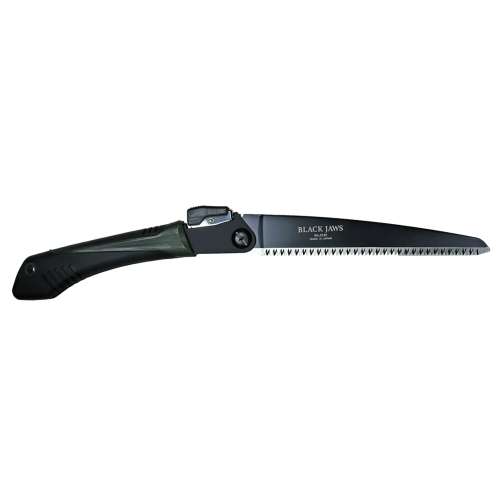
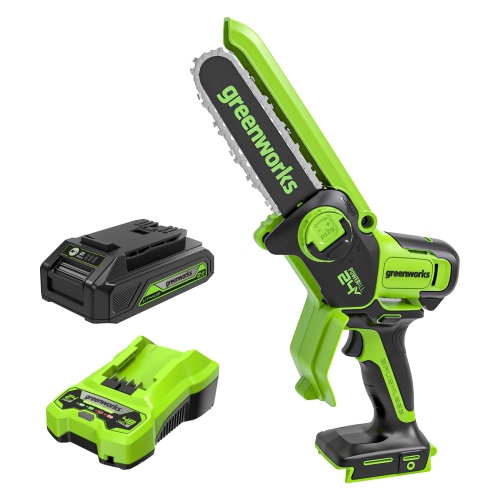
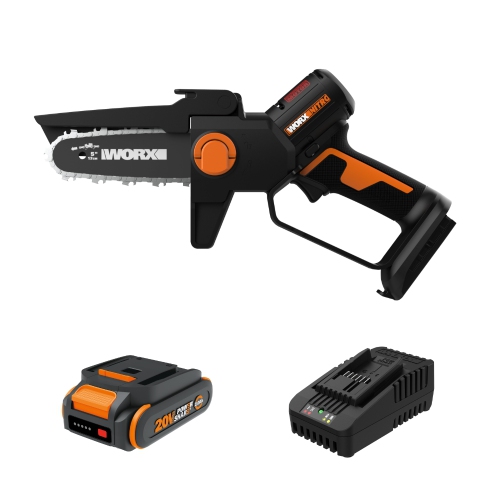
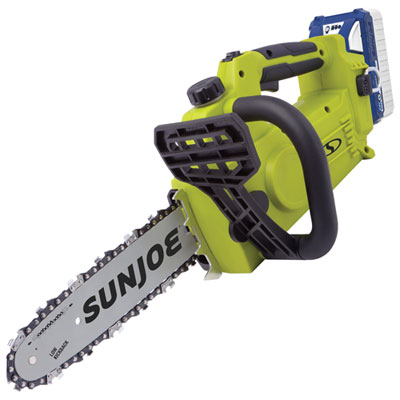
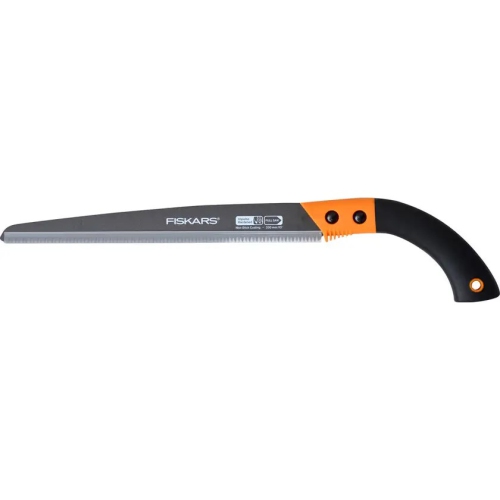
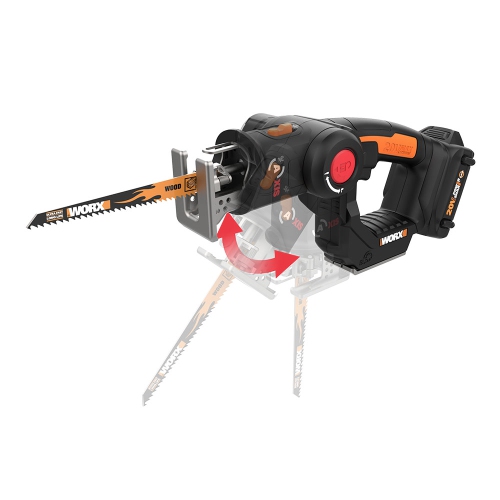
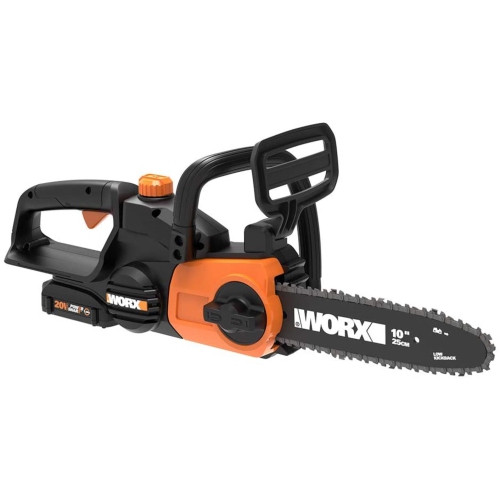
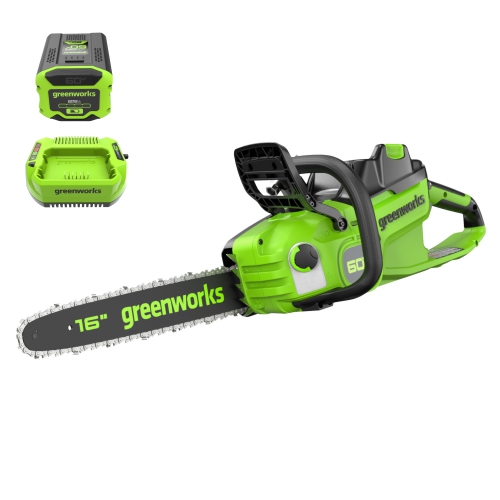
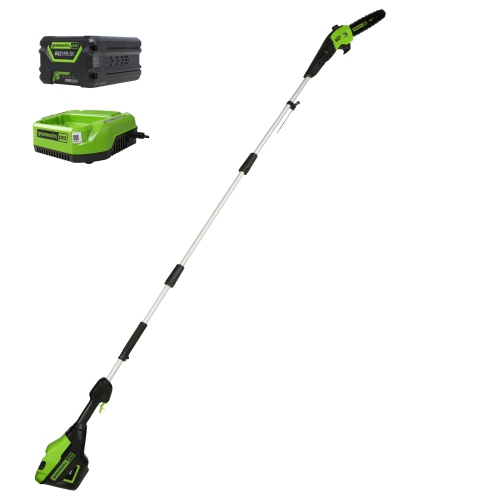
Garden saws are designed for cutting branches and limbs that are too thick for standard pruning shears or loppers. With sharp, staggered teeth and a blade built for controlled cutting, they are useful for shaping trees, clearing damaged growth and managing mature shrubs around a home, cottage or property. Many garden saws cut on the pull stroke, allowing the blade to engage with the wood as it moves toward you and giving you better control through each pass. This style of cutting can also help reduce the effort required, particularly when working through dense or seasoned branches. Folding garden saws are a practical choice for compact storage, quick yard cleanups and taking along on hikes, camping trips or visits to a rural property. When folded, the blade is enclosed within the handle, helping protect the teeth and making the saw easier to carry between jobs. Fixed-blade and curved garden saws offer a rigid cutting surface and can provide added leverage when tackling thicker branches. A curved blade is often shaped to follow the natural motion of a pull stroke, helping it stay engaged with the branch rather than sliding across the surface. For higher branches, pole saws extend the reach of a hand tool so certain cuts can be made from the ground. Manual options may suit occasional maintenance, while powered models can help with larger pruning tasks; in either case, checking the tool’s recommended branch diameter and operating instructions is important before beginning.
Blade construction is one of the main details to consider when comparing garden saws. High-carbon steel is valued for its strength and ability to hold a sharp edge, while impulse-hardened teeth are made to remain sharp through repeated use. A coated or corrosion-resistant blade can be helpful when tools are exposed to damp grass, morning dew or changing weather, though every saw benefits from being wiped clean and dried after use. Tooth pattern matters as well. Coarse teeth can remove wood quickly from larger, softer branches, while finer teeth may provide a smoother, more controlled cut on smaller limbs. A blade with staggered teeth creates space for sawdust to clear as you work, helping prevent the cut from clogging. Handle design is just as important as the blade. Look for a non-slip grip that feels secure with both hands and remains comfortable during longer jobs, especially when wearing work gloves. Soft-grip materials can reduce pressure on the palm, while a shaped handle may help keep your wrist in a natural position. The overall length and weight should match the work you expect to do: a compact folding saw is easy to keep in a shed, vehicle or tool bag, while a larger fixed saw may feel more stable when cutting substantial branches. For overhead work, consider the total reach, balance and locking mechanism of a pole saw, and avoid stretching or leaning to extend its range. A stable stance, clear cutting path and sharp blade are key to working with confidence. Keep bystanders and pets away from the area, inspect branches for tension before cutting, and wear suitable eye and hand protection. If a branch is close to power lines, unusually large, unstable or positioned where it could fall onto a structure, professional assistance is the safer choice.
Garden saws can be useful for homeowners who maintain mature trees, gardeners who shape woody shrubs and allotment or cottage owners who regularly deal with new growth and storm-damaged limbs. They can also be a thoughtful gift for someone setting up a first tool collection, caring for a backyard or spending time on a rural property. A folding design may suit a camper or hiker who values a compact tool for clearing small fallen branches, while a comfortable fixed-blade saw can be a useful addition to a shed for routine property maintenance. During the cooler months, pruning and cleanup can involve damp conditions, fallen limbs and wood that has become harder with age, so a secure grip and a blade suited to the task are especially helpful. As the weather warms, the same saw may be used to remove dead growth, open space around pathways and prepare shrubs or small trees for a season of new growth. Store the saw in a dry location with the blade protected, and check hinges, locks, handles and teeth before each use. A folding blade should open and close smoothly and lock firmly in position; a pole saw should have a secure connection between sections and a head that stays steady while cutting. For more ways to organize a home maintenance kit, browse Garden Tools alongside other equipment for outdoor upkeep. Choosing a garden saw based on branch size, reach, portability, grip and storage needs makes it easier to find a tool that feels natural in hand and is ready for dependable use from one season to the next.
Blade construction is one of the main details to consider when comparing garden saws. High-carbon steel is valued for its strength and ability to hold a sharp edge, while impulse-hardened teeth are made to remain sharp through repeated use. A coated or corrosion-resistant blade can be helpful when tools are exposed to damp grass, morning dew or changing weather, though every saw benefits from being wiped clean and dried after use. Tooth pattern matters as well. Coarse teeth can remove wood quickly from larger, softer branches, while finer teeth may provide a smoother, more controlled cut on smaller limbs. A blade with staggered teeth creates space for sawdust to clear as you work, helping prevent the cut from clogging. Handle design is just as important as the blade. Look for a non-slip grip that feels secure with both hands and remains comfortable during longer jobs, especially when wearing work gloves. Soft-grip materials can reduce pressure on the palm, while a shaped handle may help keep your wrist in a natural position. The overall length and weight should match the work you expect to do: a compact folding saw is easy to keep in a shed, vehicle or tool bag, while a larger fixed saw may feel more stable when cutting substantial branches. For overhead work, consider the total reach, balance and locking mechanism of a pole saw, and avoid stretching or leaning to extend its range. A stable stance, clear cutting path and sharp blade are key to working with confidence. Keep bystanders and pets away from the area, inspect branches for tension before cutting, and wear suitable eye and hand protection. If a branch is close to power lines, unusually large, unstable or positioned where it could fall onto a structure, professional assistance is the safer choice.
Garden saws can be useful for homeowners who maintain mature trees, gardeners who shape woody shrubs and allotment or cottage owners who regularly deal with new growth and storm-damaged limbs. They can also be a thoughtful gift for someone setting up a first tool collection, caring for a backyard or spending time on a rural property. A folding design may suit a camper or hiker who values a compact tool for clearing small fallen branches, while a comfortable fixed-blade saw can be a useful addition to a shed for routine property maintenance. During the cooler months, pruning and cleanup can involve damp conditions, fallen limbs and wood that has become harder with age, so a secure grip and a blade suited to the task are especially helpful. As the weather warms, the same saw may be used to remove dead growth, open space around pathways and prepare shrubs or small trees for a season of new growth. Store the saw in a dry location with the blade protected, and check hinges, locks, handles and teeth before each use. A folding blade should open and close smoothly and lock firmly in position; a pole saw should have a secure connection between sections and a head that stays steady while cutting. For more ways to organize a home maintenance kit, browse Garden Tools alongside other equipment for outdoor upkeep. Choosing a garden saw based on branch size, reach, portability, grip and storage needs makes it easier to find a tool that feels natural in hand and is ready for dependable use from one season to the next.
Top selling and popular products
-
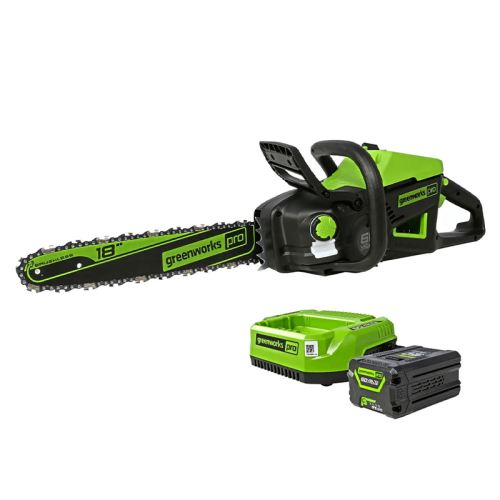 Your price for this item is $389.99
 -
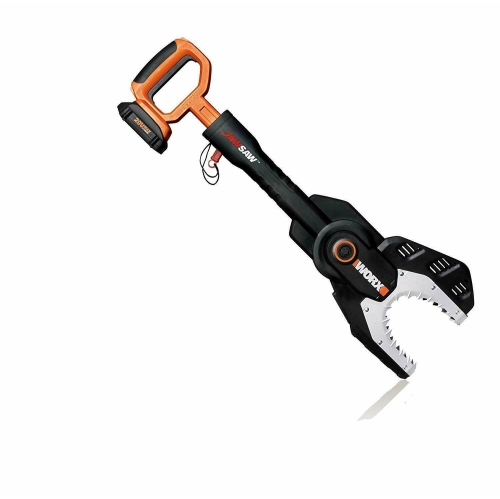 Your price for this item is $279.99
 -
 Your price for this item is $179.99
 -
 Your price for this item is $244.99
 -
 Your price for this item is $299.99
 -
 Your price for this item is $299.99
 -
 Your price for this item is $449.99
 -
 Your price for this item is $189.99
Discover more categories related to Garden Saws
Top Collections:
Pokemon Centers, Kindle Devices, Best Budget Office Chairs, Apple iPhones 16, Best Laptops for Writers, iPhone 15 Apple, Canon G7X Cameras, Refurbished Apple Laptops, Alarm Clock, Motorola Razr Phones
Some products may be subject to Environmental Handling Fees
(EHF) depending on your province.
Learn more about EHFs.