Garden Planters
Enhance your outdoor space with our selection of garden planters, perfect for adding a touch of greenery and style to your patio, balcony, or backyard. Whether you're looking to grow your own herbs, flowers, or vegetables, our range of garden planters offers versatility and functionality to suit your gardening needs. From sleek and modern designs to classic and rustic styles, find the perfect garden planter to elevate your outdoor oasis and bring life to your living space.
Sort
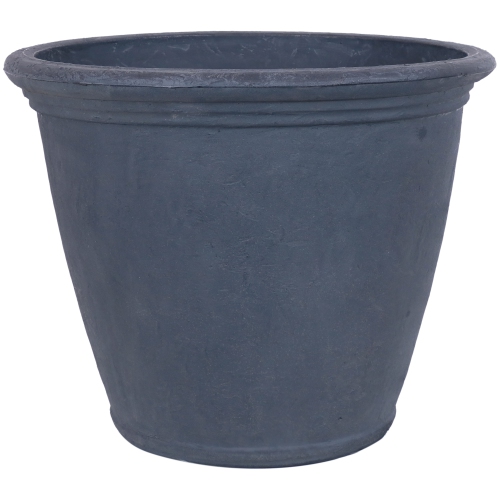
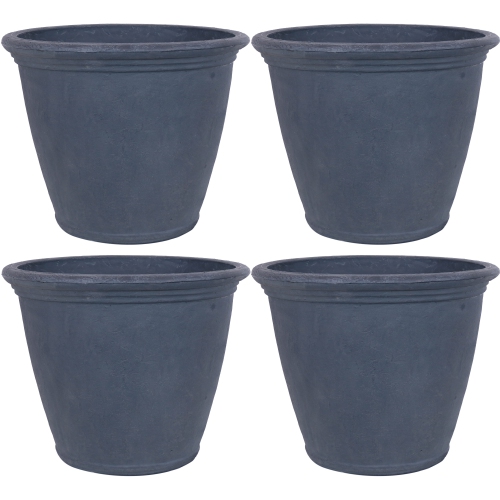
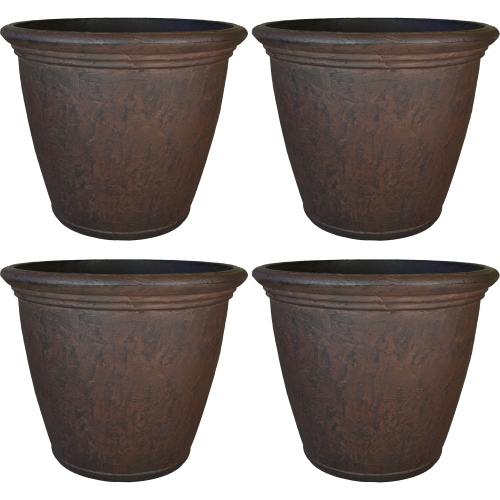
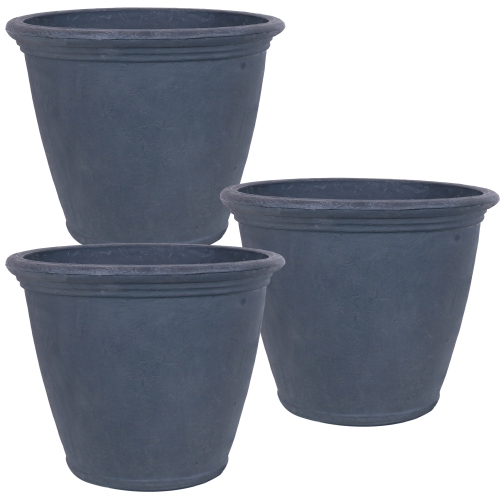
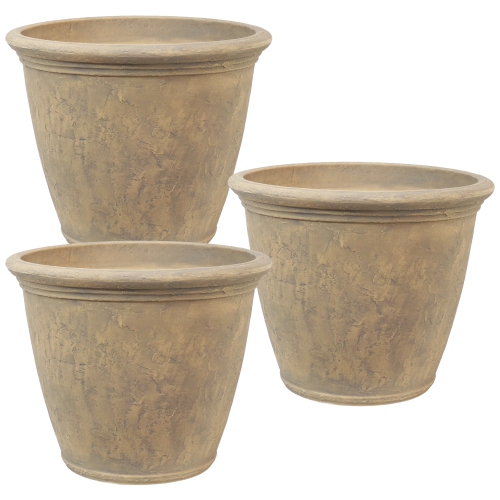

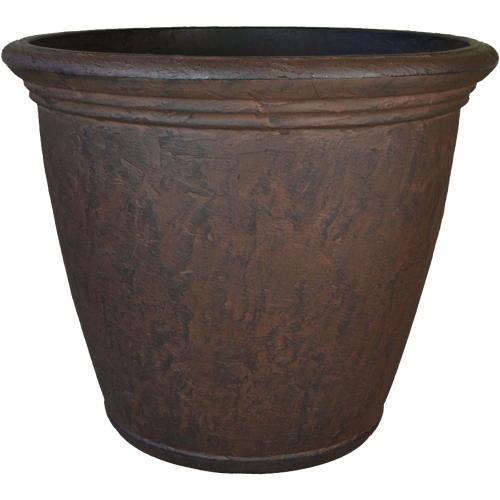
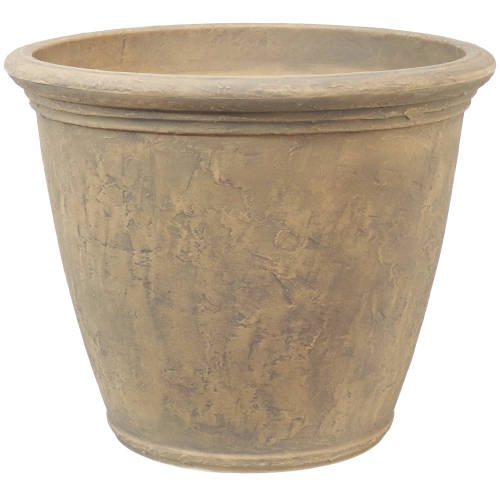
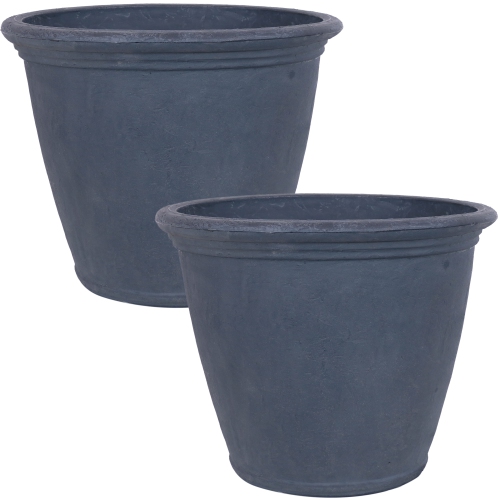
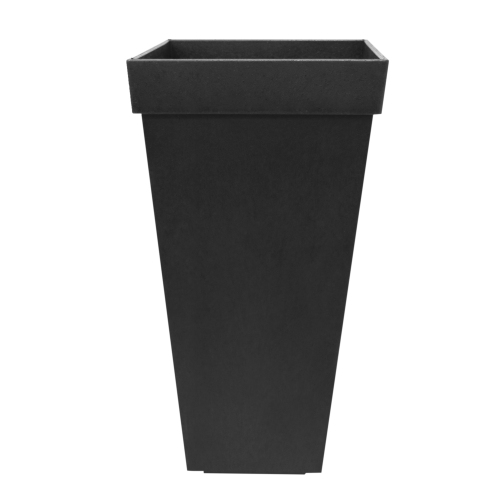
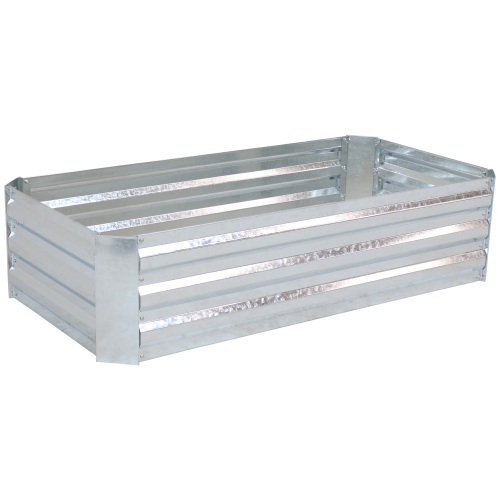
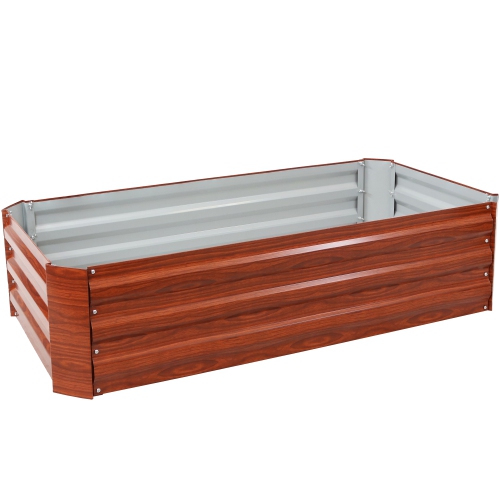
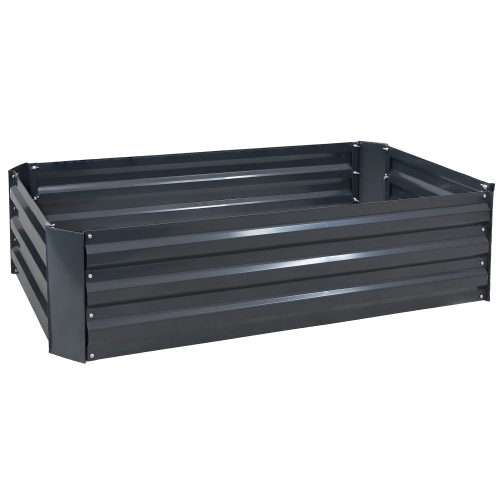
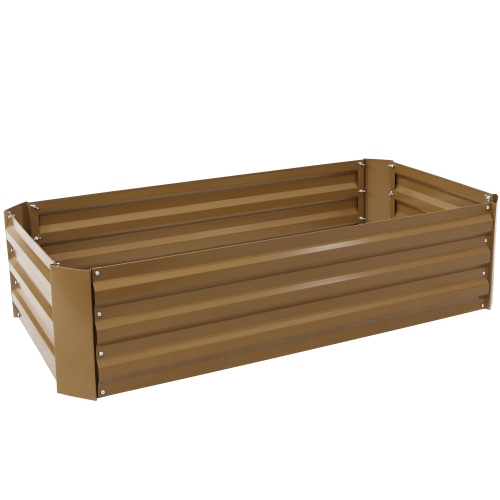
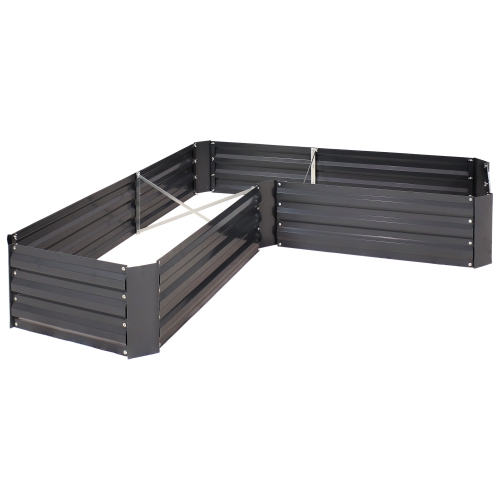
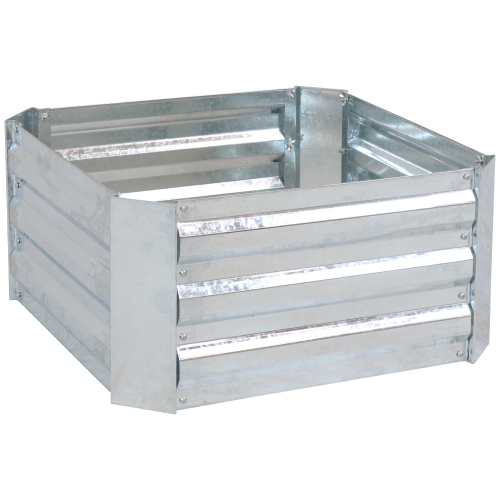
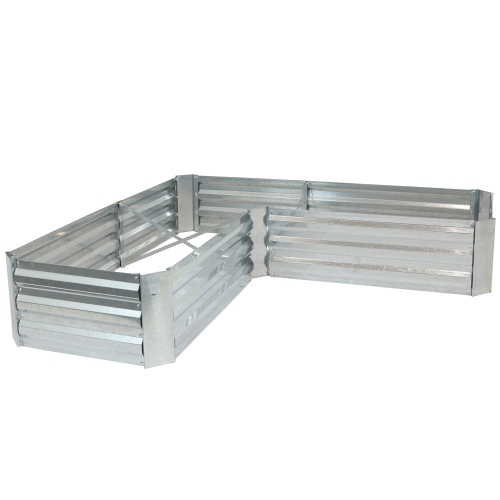
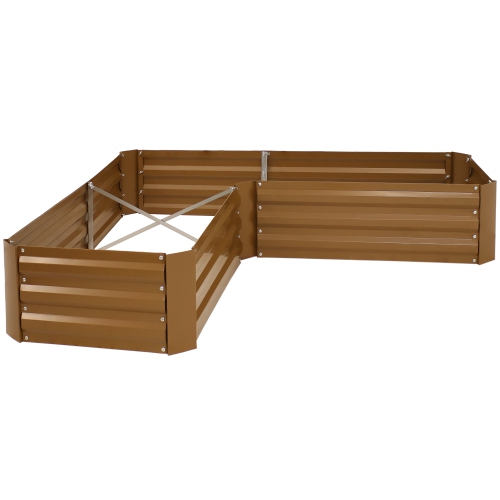
Room to grow where garden beds won’t fit
Garden planters bring growing space to places where an in-ground bed may not be practical, from a narrow balcony to a paved courtyard or a front step framed by railings. They give flowers, foliage, herbs, and compact vegetables a defined home while adding shape, colour, and texture to the surrounding space. A row of low containers can soften the edge of a patio without blocking the view, while a taller planter can give an entrance a more substantial presence. For apartment dwellers, containers make it possible to tend a small garden close to the kitchen; for homeowners with established beds, they offer a way to introduce height or highlight a favourite planting near a seating area. The right proportions depend on both the plant and its setting. A container needs enough room for roots to spread, but its outer dimensions also need to suit the walkway, corner, or ledge where it will sit. A broad base can provide stability for taller growth, especially in an exposed location, while a rectangular shape may fit neatly along a wall. The usable planting depth matters more than the overall height when a design includes a raised base or an internal shelf. For anyone comparing shapes and styles for a porch, deck, or garden, outdoor planters offer another way to explore containers intended for those settings. Visual details can help tie the arrangement together: smooth finishes sit comfortably beside modern patio furniture, ribbed surfaces add texture against plain siding, and earthy tones blend with brick or timber. Matching containers can create a tidy, balanced entrance, whereas a grouping of different heights can feel relaxed and layered. Leaving some space between containers makes watering, sweeping, and checking plant growth easier, especially where a garden shares room with chairs, a barbecue, or everyday foot traffic.
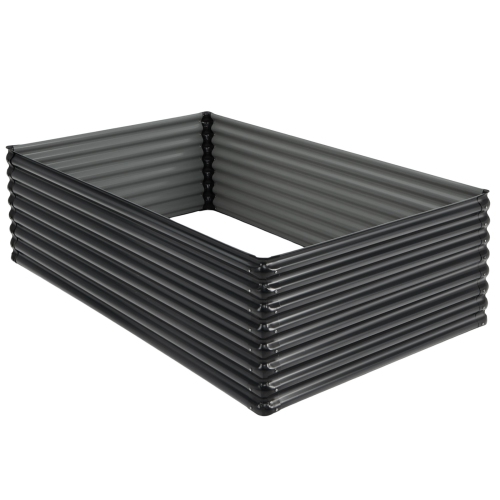
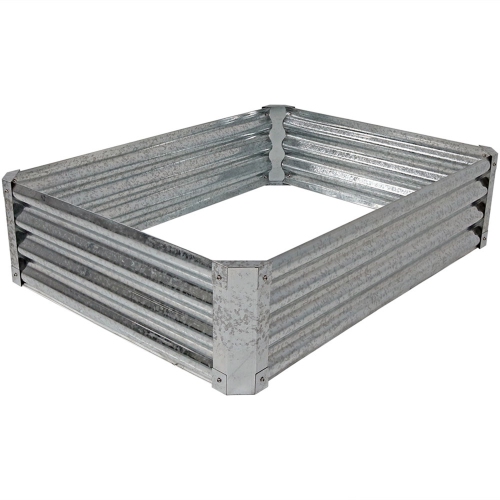
Materials influence how garden planters look, how much they weigh, and how they behave through regular watering and changing temperatures. Terracotta has a familiar warm colour and a porous surface that allows moisture to leave the pot more readily, which can suit plants that prefer their roots to dry somewhat between waterings. That same quality can mean more frequent attention in a sunny or windy spot. Glazed ceramic offers a smoother finish and often retains moisture longer, although its weight becomes a consideration when a filled container needs to move. Plastic and resin designs are generally lighter, making them practical for balconies or arrangements that shift around a patio, but resistance to fading and cold varies by construction. Fibre-based composites can provide the appearance of heavier materials with less weight, depending on their composition. Metal gives a crisp outline and can suit a contemporary setting, though exposed surfaces may become hot in direct sun, and coatings need to remain intact to help limit corrosion. Wooden planters bring a softer, more textured look, with service life depending on the wood, construction, drainage, and ongoing care. No single material is best for every location. A sheltered porch, an open deck, and a damp garden corner each place different demands on a container. Drainage deserves particular attention because excess water needs a route out of the root area. A planter with drainage holes behaves differently from a solid outer container designed to hold a separate nursery pot. With the latter, collected water needs to be emptied rather than left around the roots. A layer of stones at the bottom does not replace proper drainage. Saucers can help manage drips, but they also need checking after rain or watering. Where pots sit on wood or another moisture-sensitive surface, suitable supports can improve airflow underneath, provided the container remains steady. Containers used for edible plants should be suitable for that purpose, including any liner or treatment that comes into contact with the growing medium.
Everyday use is often what makes a particular planter shape or feature worthwhile. A wide opening gives room to work around a plant when adding potting mix, removing spent growth, or checking moisture below the surface. Raised planters can reduce the amount of bending involved in tending herbs or flowers, although the working height and reach across the bed still need to suit the person using it. Compact containers are easier to reposition before planting, but even a modest pot becomes considerably heavier once it holds damp growing medium. Larger arrangements are best placed with that filled weight in mind, particularly on balconies where building rules and load limits may apply. Self-watering designs use a reservoir to help supply moisture, but they still need monitoring, and their suitability depends on the plant, weather, and reservoir arrangement. For a busy household, grouping plants with similar light and watering needs can make a collection easier to maintain than mixing plants with very different requirements in one container. During the cooler months, the needs of the planter and the plant are separate considerations. A container described as frost-resistant may tolerate certain conditions, but trapped water can still cause damage as it freezes and expands, so care instructions matter. Some containers need to be emptied, dried, and stored under cover, while others can remain outside when used as directed. Plant roots in containers are more exposed to temperature changes than roots in the ground, making plant selection and placement especially important. Routine care also keeps the arrangement looking well tended: clear blocked drainage holes, remove soil residue with a method suited to the finish, and check for cracks, loose fittings, or worn coatings before replanting. As a housewarming or gardening gift, a planter can be a thoughtful choice when its size suits the recipient’s space and it does not create an awkward lifting or storage task. Whether used for a few kitchen herbs or a fuller patio display, garden planters work best when their appearance, planting capacity, and upkeep fit naturally into daily life.
Materials influence how garden planters look, how much they weigh, and how they behave through regular watering and changing temperatures. Terracotta has a familiar warm colour and a porous surface that allows moisture to leave the pot more readily, which can suit plants that prefer their roots to dry somewhat between waterings. That same quality can mean more frequent attention in a sunny or windy spot. Glazed ceramic offers a smoother finish and often retains moisture longer, although its weight becomes a consideration when a filled container needs to move. Plastic and resin designs are generally lighter, making them practical for balconies or arrangements that shift around a patio, but resistance to fading and cold varies by construction. Fibre-based composites can provide the appearance of heavier materials with less weight, depending on their composition. Metal gives a crisp outline and can suit a contemporary setting, though exposed surfaces may become hot in direct sun, and coatings need to remain intact to help limit corrosion. Wooden planters bring a softer, more textured look, with service life depending on the wood, construction, drainage, and ongoing care. No single material is best for every location. A sheltered porch, an open deck, and a damp garden corner each place different demands on a container. Drainage deserves particular attention because excess water needs a route out of the root area. A planter with drainage holes behaves differently from a solid outer container designed to hold a separate nursery pot. With the latter, collected water needs to be emptied rather than left around the roots. A layer of stones at the bottom does not replace proper drainage. Saucers can help manage drips, but they also need checking after rain or watering. Where pots sit on wood or another moisture-sensitive surface, suitable supports can improve airflow underneath, provided the container remains steady. Containers used for edible plants should be suitable for that purpose, including any liner or treatment that comes into contact with the growing medium.
Everyday use is often what makes a particular planter shape or feature worthwhile. A wide opening gives room to work around a plant when adding potting mix, removing spent growth, or checking moisture below the surface. Raised planters can reduce the amount of bending involved in tending herbs or flowers, although the working height and reach across the bed still need to suit the person using it. Compact containers are easier to reposition before planting, but even a modest pot becomes considerably heavier once it holds damp growing medium. Larger arrangements are best placed with that filled weight in mind, particularly on balconies where building rules and load limits may apply. Self-watering designs use a reservoir to help supply moisture, but they still need monitoring, and their suitability depends on the plant, weather, and reservoir arrangement. For a busy household, grouping plants with similar light and watering needs can make a collection easier to maintain than mixing plants with very different requirements in one container. During the cooler months, the needs of the planter and the plant are separate considerations. A container described as frost-resistant may tolerate certain conditions, but trapped water can still cause damage as it freezes and expands, so care instructions matter. Some containers need to be emptied, dried, and stored under cover, while others can remain outside when used as directed. Plant roots in containers are more exposed to temperature changes than roots in the ground, making plant selection and placement especially important. Routine care also keeps the arrangement looking well tended: clear blocked drainage holes, remove soil residue with a method suited to the finish, and check for cracks, loose fittings, or worn coatings before replanting. As a housewarming or gardening gift, a planter can be a thoughtful choice when its size suits the recipient’s space and it does not create an awkward lifting or storage task. Whether used for a few kitchen herbs or a fuller patio display, garden planters work best when their appearance, planting capacity, and upkeep fit naturally into daily life.
Top selling and popular products
-
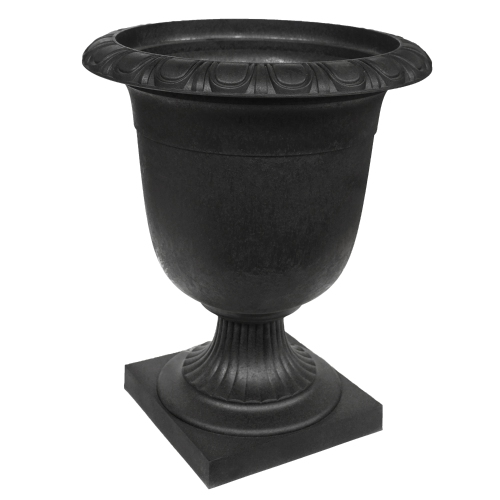 Your price for this item is $69.99
 -
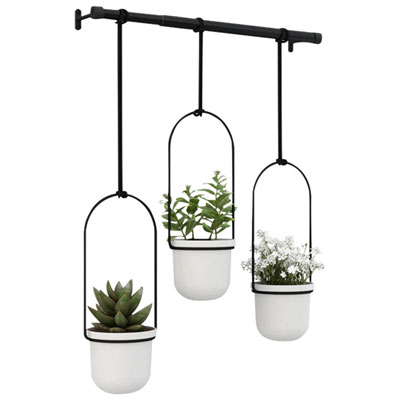 Your price for this item is $54.98
 -
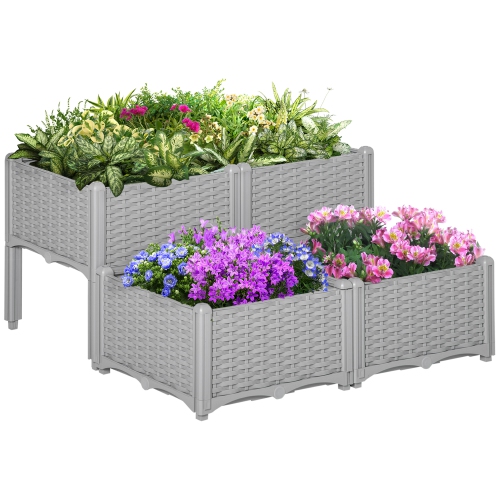 Your price for this item is $89.99
 -
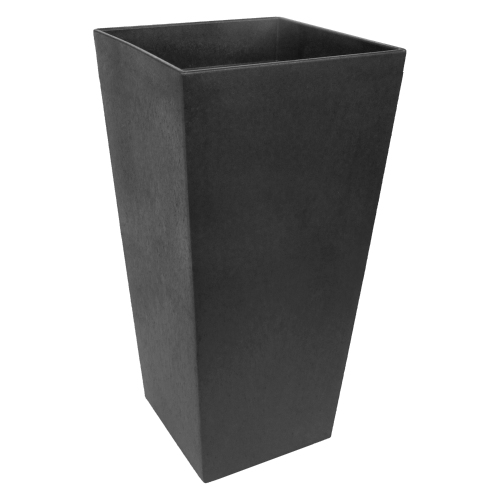 Your price for this item is $79.99
 -
 Your price for this item is $104.99
 -
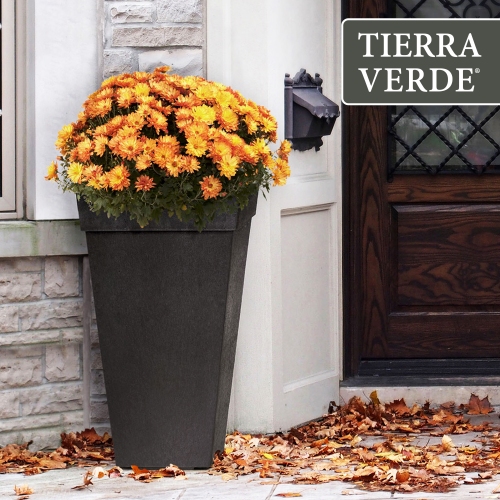 Your price for this item is $141.99
 -
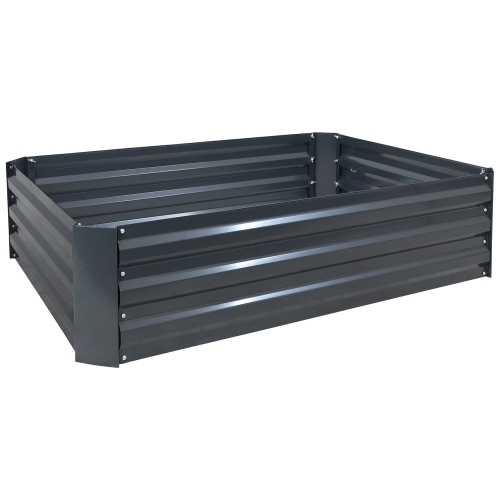 Your price for this item is $117.75
 -
 Your price for this item is $117.75
Discover more categories related to Garden Planters
Top Collections:
Pokemon Centers, Kindle Devices, Best Budget Office Chairs, Apple iPhones 16, Best Laptops for Writers, iPhone 15 Apple, Canon G7X Cameras, Refurbished Apple Laptops, Alarm Clock, Motorola Razr Phones
Some products may be subject to Environmental Handling Fees
(EHF) depending on your province.
Learn more about EHFs.