Garden Retaining Walls
Transform your outdoor space into a stunning oasis with garden retaining walls, the perfect solution for adding structure and style to any landscape. Whether you're looking to create terraced gardens, prevent soil erosion, or simply enhance the aesthetic appeal of your backyard, these versatile structures offer both functionality and beauty. Garden retaining walls can seamlessly blend with nature while providing essential support for your garden's design. Explore a variety of options that suit your unique taste and elevate your outdoor living area to new heights.
Sort
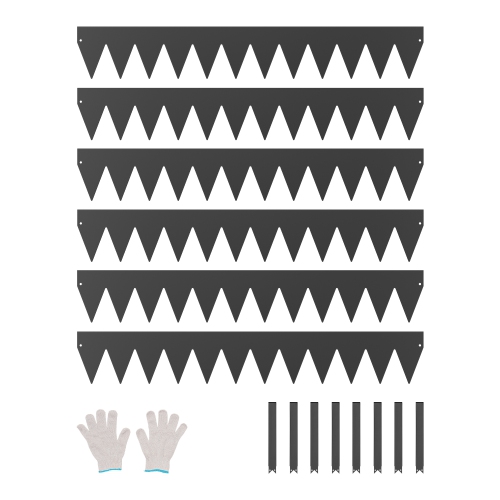
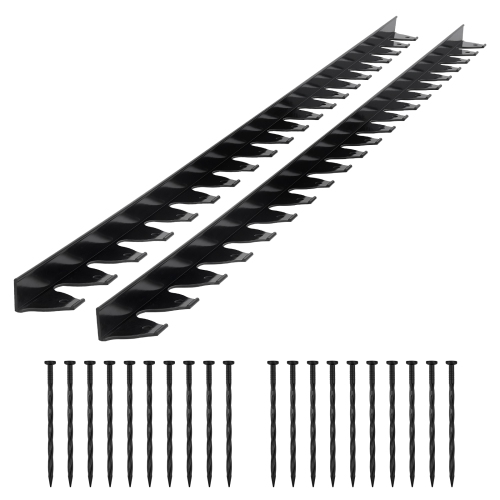
Planning a stable wall starts with the base and drainage
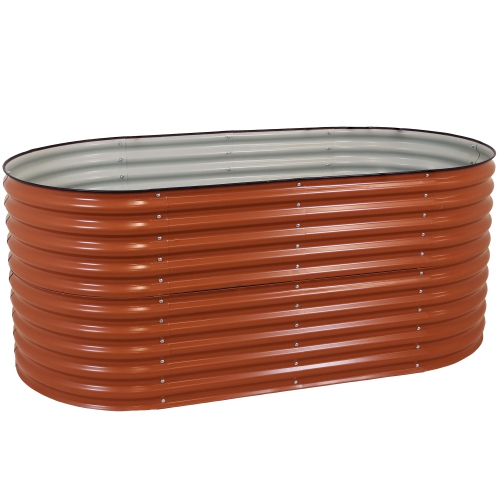
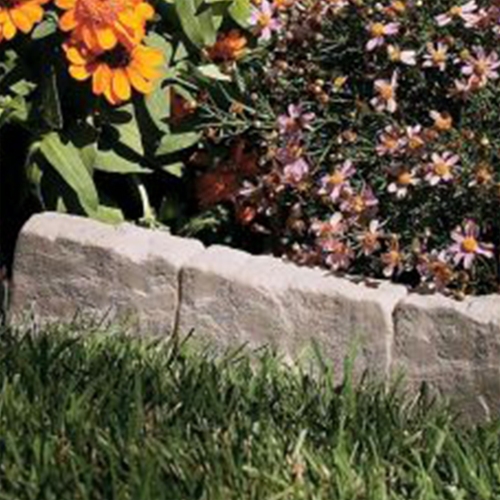
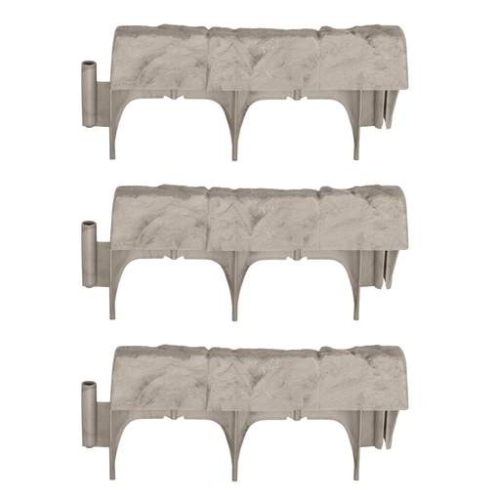
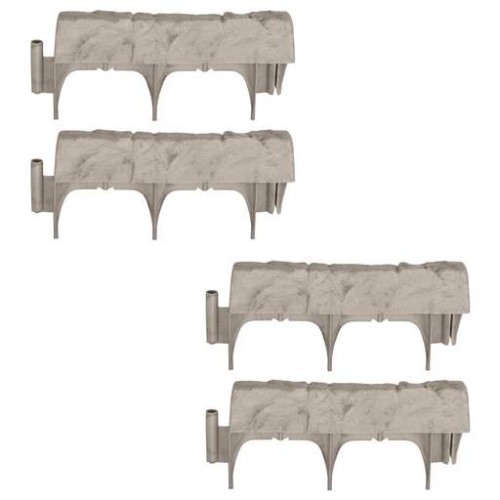
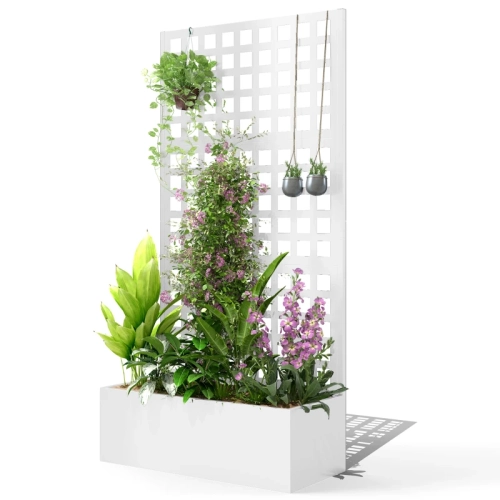
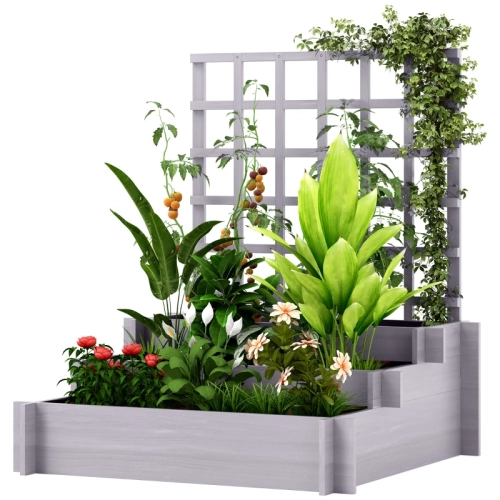
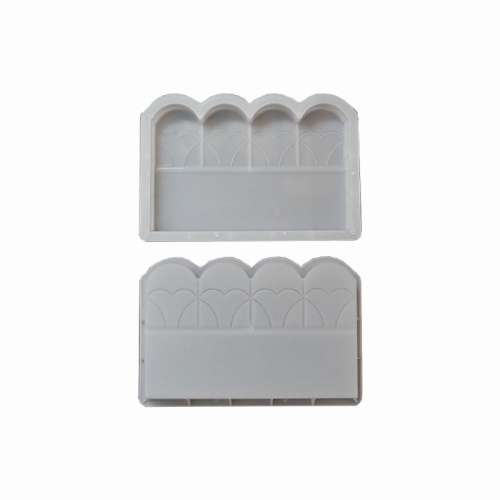
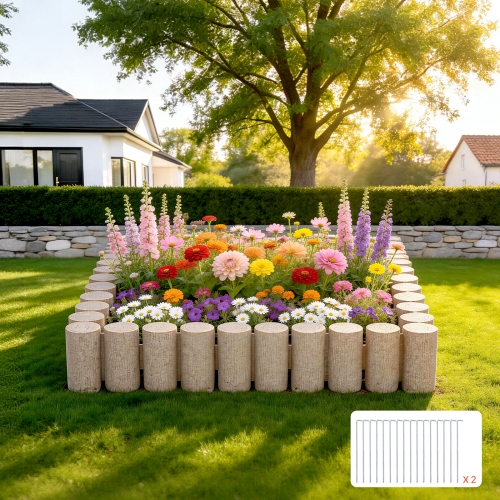
Garden retaining walls add structure to outdoor spaces by holding back soil, creating level planting areas, defining pathways, and helping make the most of sloped ground. They can be useful for a small raised garden bed beside a patio, a transition between a lawn and a walkway, or a larger landscape project that needs several stepped sections. When comparing garden retaining wall products, start by considering the length, height, shape, and location of the wall you plan to build. Straight walls are usually simpler to lay out, while curves, corners, terraces, and changes in elevation may require compatible corner pieces, cap pieces, or a modular system designed for more detailed layouts. Material and appearance also matter: textured concrete blocks can create a clean, consistent finish, natural-looking surfaces can complement planting beds and stone paths, and timber-style options may suit a more rustic garden. Measure the area carefully, including the wall’s proposed height and length, then allow for the depth of the base, drainage layer, and space behind the wall. It is also helpful to account for extra pieces to accommodate cuts, corners, or future repairs. Garden retaining walls may be purchased by homeowners refreshing a tired border, do-it-yourself landscapers creating a vegetable or flower bed, or property owners preparing a sloped yard for safer, more usable outdoor living. They can also be a thoughtful housewarming gift for someone who enjoys gardening, yard projects, or improving a new home, particularly when paired with practical tools and accessories suited to the recipient’s plans. For a broader selection of outdoor structural and decorative options, explore Landscape Walls.
A stable retaining wall begins below the visible surface, so preparation is just as important as the wall material itself. Before digging, contact your local utility-locating service and check municipal requirements, especially for taller walls; a permit or professional design may be required for walls over about two feet high, depending on local rules and site conditions. Gather a shovel, stakes and string, a four-to-six-foot level, measuring tape, a rubber mallet, a hand tamper or compactor, work gloves, safety glasses, and any cutting or fastening tools specified by the manufacturer. Mark the wall’s position and excavate a trench deep enough to allow the first course to sit partially below grade. A common starting point is a trench approximately four to six inches deep and about twice the width of the wall blocks, although the exact dimensions should follow the product instructions and the conditions of the soil. Remove roots, loose soil, and debris, then create a firm, even base with compacted gravel. Adding the gravel in thin layers and tamping each layer helps reduce settling; a foundation around six inches deep is often used for small projects, but walls on soft, wet, or uneven ground may require additional preparation. Set the first course with care, checking from front to back and side to side with a long level. This initial row determines the alignment of every course above it, and small errors become increasingly visible as the wall rises. If the wall system includes built-in setbacks, connectors, lips, or locking features, install each piece in the specified direction and keep the joints staggered between rows. Some systems may call for exterior construction adhesive, while others are designed to interlock without it, so follow the manufacturer’s instructions rather than combining methods.
Drainage is essential because water pressure behind a wall can cause shifting, cracking, bulging, or failure, particularly during periods of heavy rain, freeze-thaw cycles, or rapid snowmelt. Place a perforated drain pipe behind the base of the wall where appropriate, ensuring that it has a suitable outlet and is protected with geotextile fabric to help keep soil from blocking the openings. Backfill the space immediately behind the wall with clean, free-draining gravel rather than packing soil tightly against the blocks. Add the backfill in manageable layers and compact it gently so the wall is supported without being pushed out of alignment. Continue checking the face of the wall as you build, and keep the top course level unless the design intentionally follows a slope. Cap pieces can provide a finished appearance and help direct water away from the wall, while the surrounding grade should slope away from nearby foundations and other structures. For taller walls, walls supporting driveways or other heavy loads, or installations on unstable slopes, professional assessment is a sensible choice. Garden retaining walls are most successful when their size, base, drainage, and backfill are planned together rather than treated as separate details. During the cooler months, protect unfinished work from standing water and avoid building on frozen or saturated ground; as the weather warms, inspect existing walls for movement, separated joints, erosion, or drainage problems before refreshing the surrounding beds. With accurate measurements, a properly compacted base, careful first-course installation, and suitable drainage, a retaining wall can give planting areas a neat edge while making a sloped garden easier to use and maintain.
A stable retaining wall begins below the visible surface, so preparation is just as important as the wall material itself. Before digging, contact your local utility-locating service and check municipal requirements, especially for taller walls; a permit or professional design may be required for walls over about two feet high, depending on local rules and site conditions. Gather a shovel, stakes and string, a four-to-six-foot level, measuring tape, a rubber mallet, a hand tamper or compactor, work gloves, safety glasses, and any cutting or fastening tools specified by the manufacturer. Mark the wall’s position and excavate a trench deep enough to allow the first course to sit partially below grade. A common starting point is a trench approximately four to six inches deep and about twice the width of the wall blocks, although the exact dimensions should follow the product instructions and the conditions of the soil. Remove roots, loose soil, and debris, then create a firm, even base with compacted gravel. Adding the gravel in thin layers and tamping each layer helps reduce settling; a foundation around six inches deep is often used for small projects, but walls on soft, wet, or uneven ground may require additional preparation. Set the first course with care, checking from front to back and side to side with a long level. This initial row determines the alignment of every course above it, and small errors become increasingly visible as the wall rises. If the wall system includes built-in setbacks, connectors, lips, or locking features, install each piece in the specified direction and keep the joints staggered between rows. Some systems may call for exterior construction adhesive, while others are designed to interlock without it, so follow the manufacturer’s instructions rather than combining methods.
Drainage is essential because water pressure behind a wall can cause shifting, cracking, bulging, or failure, particularly during periods of heavy rain, freeze-thaw cycles, or rapid snowmelt. Place a perforated drain pipe behind the base of the wall where appropriate, ensuring that it has a suitable outlet and is protected with geotextile fabric to help keep soil from blocking the openings. Backfill the space immediately behind the wall with clean, free-draining gravel rather than packing soil tightly against the blocks. Add the backfill in manageable layers and compact it gently so the wall is supported without being pushed out of alignment. Continue checking the face of the wall as you build, and keep the top course level unless the design intentionally follows a slope. Cap pieces can provide a finished appearance and help direct water away from the wall, while the surrounding grade should slope away from nearby foundations and other structures. For taller walls, walls supporting driveways or other heavy loads, or installations on unstable slopes, professional assessment is a sensible choice. Garden retaining walls are most successful when their size, base, drainage, and backfill are planned together rather than treated as separate details. During the cooler months, protect unfinished work from standing water and avoid building on frozen or saturated ground; as the weather warms, inspect existing walls for movement, separated joints, erosion, or drainage problems before refreshing the surrounding beds. With accurate measurements, a properly compacted base, careful first-course installation, and suitable drainage, a retaining wall can give planting areas a neat edge while making a sloped garden easier to use and maintain.
Top selling and popular products
-
 Your price for this item is $199
 -
 Your price for this item is $418.99
 -
 Your price for this item is $481.99
 -
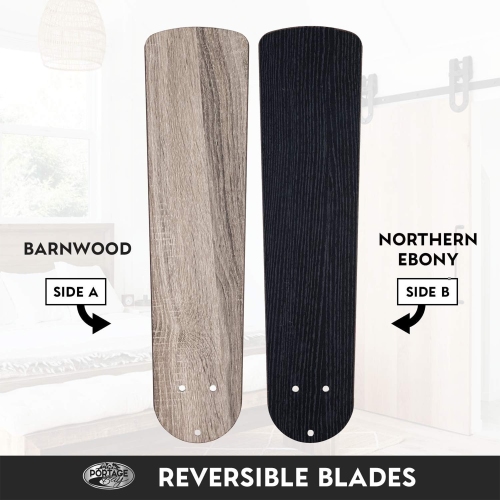 Your price for this item is $226.99
 -
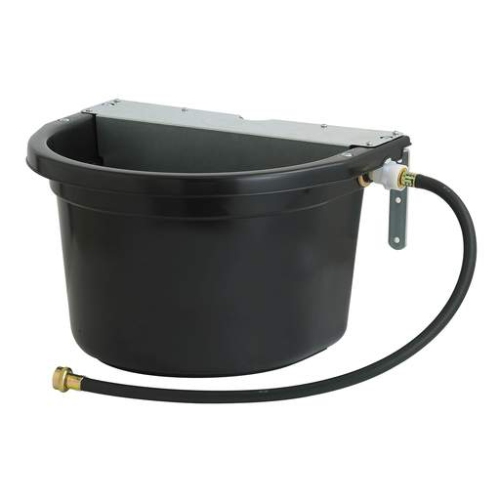 Your price for this item is $133.99
 -
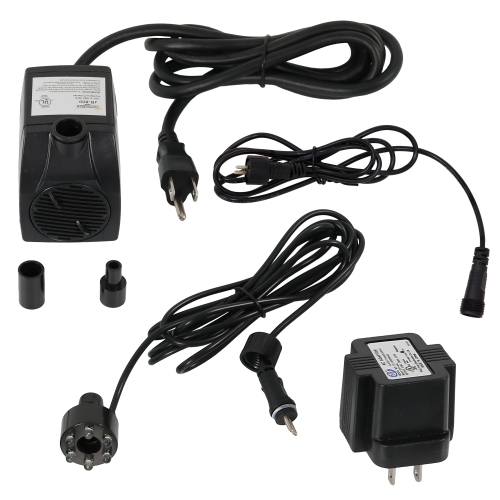 Your price for this item is $69.45
 -
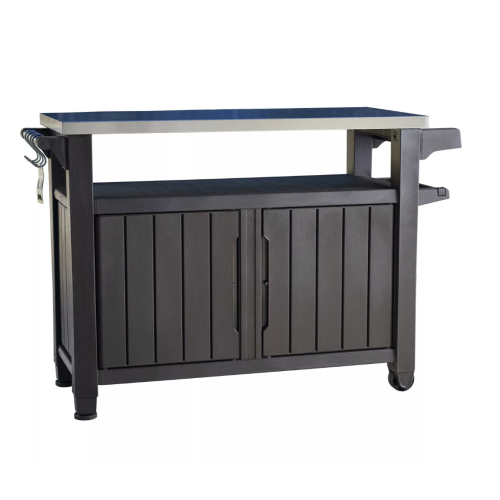 Your price for this item is $562.99
 -
 Your price for this item is $26.99
Discover more categories related to Garden Retaining Walls
Top Collections:
Pokemon Centers, Kindle Devices, Best Budget Office Chairs, Apple iPhones 16, Best Laptops for Writers, iPhone 15 Apple, Canon G7X Cameras, Refurbished Apple Laptops, Alarm Clock, Motorola Razr Phones
Some products may be subject to Environmental Handling Fees
(EHF) depending on your province.
Learn more about EHFs.