Garden Walls
Transform your outdoor space into a stunning sanctuary with garden walls, the perfect blend of functionality and style. Whether you're looking to create a private retreat or add a touch of elegance to your backyard, garden walls offer versatile solutions that enhance both aesthetic appeal and privacy. These structures can define boundaries, support climbing plants, or simply serve as an eye-catching focal point in your landscape design. Explore our selection to find the ideal garden walls that will elevate your outdoor living experience while seamlessly integrating with your existing decor.
Sort
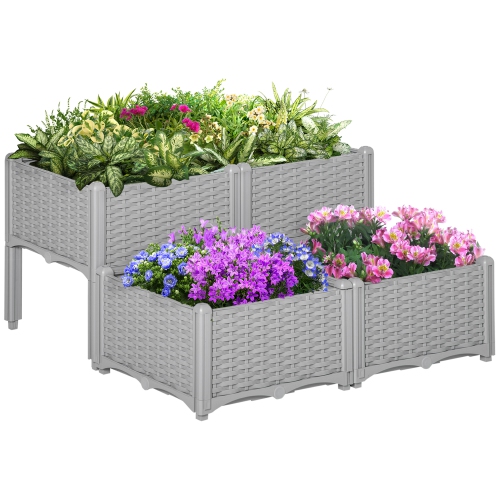

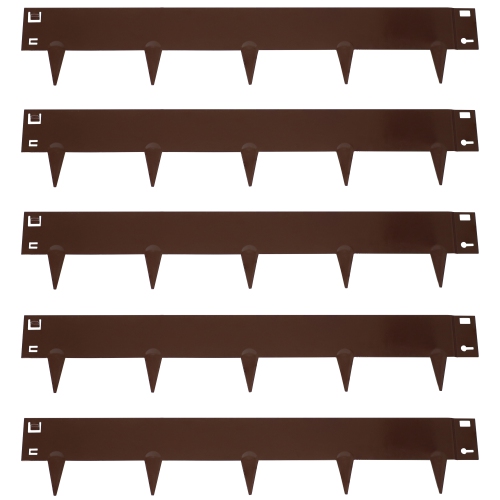
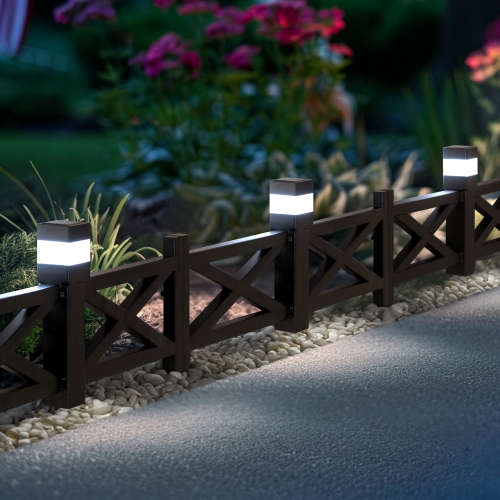
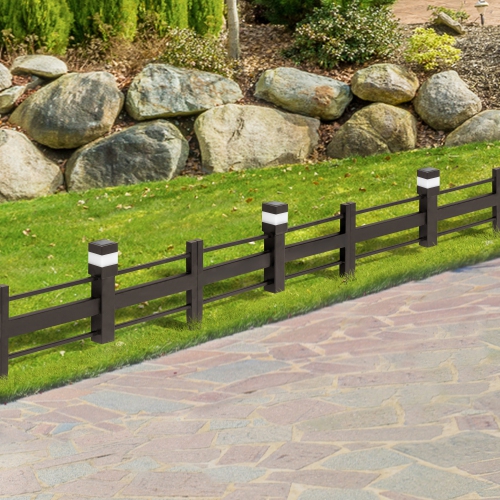
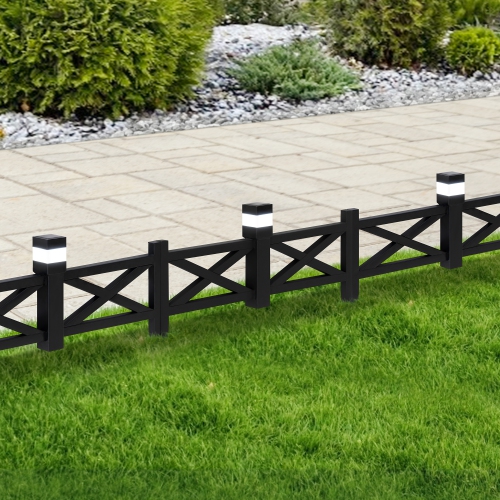
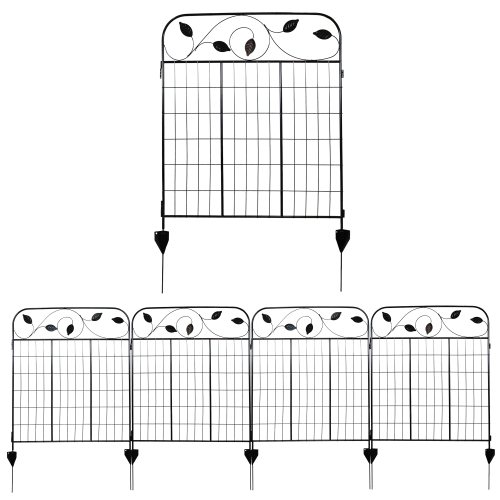
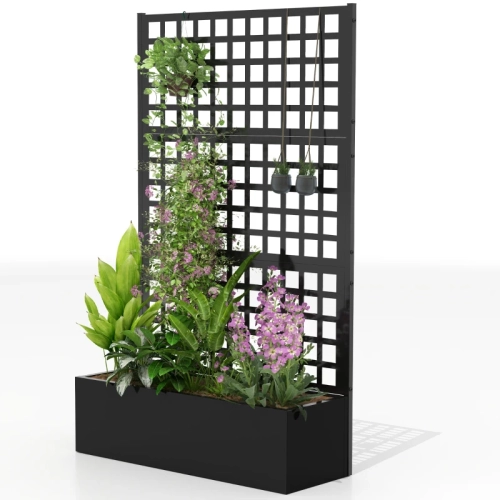
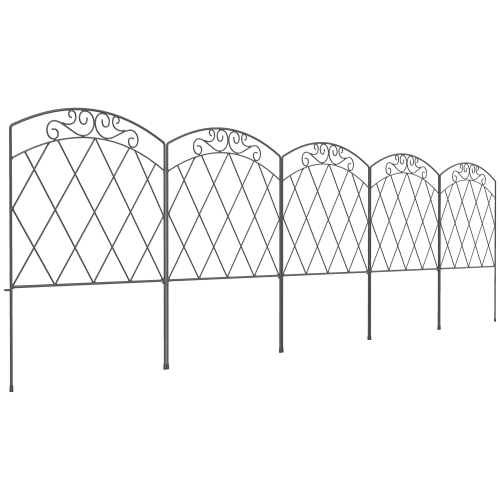
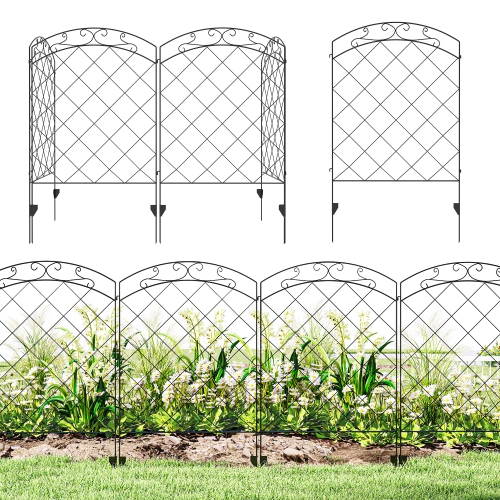
The difference between defining borders and retaining soil
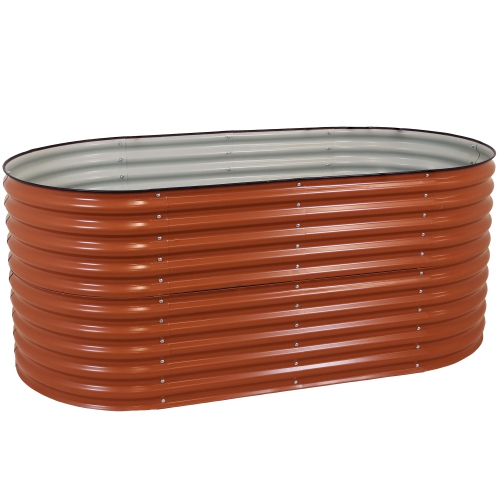
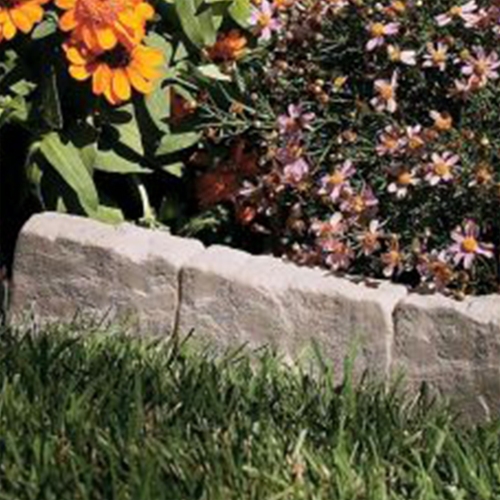
Garden walls define planting beds, separate outdoor spaces, and give a landscape a more finished shape. Some act as low borders around flowers or shrubs, while others retain soil where the ground changes level. The distinction matters: a decorative garden wall marks an edge, but a retaining wall must support the pressure of the earth behind it. Low garden borders are often around 18 to 24 inches high, although the right height depends on the layout, intended use, and requirements of the wall system. Along a walkway, a modest border can keep loose mulch within a bed and create a clear boundary without hiding the planting. Beside a patio, a taller structure can frame a seating area or separate it from a raised garden. Garden wall materials commonly include concrete blocks, natural stone, brick, and wood, each with a different appearance and set of installation needs. Modular concrete blocks offer consistent dimensions and may include lips, pins, or interlocking profiles that help position adjoining courses. Natural stone brings varied shapes, textured faces, and subtle colour differences, while brick can suit spaces with traditional masonry details. Wood offers a softer visual contrast beside paving, though suitability for ground contact is important wherever it touches soil. For outdoor layouts that need separation rather than soil support, freestanding panels and planter-backed screens serve a different purpose. These can define a dining nook or add privacy, but they are not substitutes for retaining wall materials. The broader range of Landscape Walls can also be relevant when a garden boundary forms part of a larger yard layout. Whether the setting is a compact courtyard, a front entrance, or a spacious backyard, a garden wall works best when its scale leaves room for people to move comfortably and for plants to reach their mature size. A defined edge should bring order to the space without making a narrow path or small seating area feel crowded.
Material, shape, and finish influence both the look of garden walls and how well their components fit a particular layout. Straight runs tend to suit rectangular forms with clean joints, while curved beds need units designed to accommodate changes in direction. A gently rounded border around a tree requires different geometry from a square raised bed beside a fence. Corner units, end pieces, and matching caps can make a substantial difference to the finished appearance, particularly where both sides of a wall remain visible. Caps create a deliberate top edge and may help direct water away from the wall face, depending on their design and installation. For a wall beside a gathering space, a smooth finished edge is more comfortable to brush against than a rough, unfinished surface; however, a garden wall should only be used as seating if it is designed and built for that load. Colour is another practical consideration. Soft grey can sit quietly beside concrete paving, sandy tones can complement warm brick, and deeper charcoal can provide a strong outline around leafy planting. Textured or split faces add depth, whereas smoother surfaces create a more uniform line. Samples and manufacturer images can help establish the intended finish, but variation is normal with natural materials and may also occur between production batches. Dimensions deserve equal attention. Face length, depth, and height determine more than the visible proportions: they affect the footprint of the wall, the number of courses, and compatibility with accessories. A narrow bed can lose useful planting room to a deep wall, while a substantial border may look undersized beside broad steps or a large patio. Component weight also affects handling and access, especially when materials must pass through a side gate or reach a yard without direct vehicle access. For metal garden screens, panel spacing, base dimensions, mounting requirements, and corrosion-resistant finishes are more relevant than block geometry. Wood components need appropriate fasteners and finishes for their intended placement, especially around soil and regularly watered planting areas.
Durability depends on matching the material to its use and giving the wall the support that use requires. Stackable, mortar-free blocks can be suitable for certain low walls, but their installation limits come from the manufacturer rather than their appearance. Retaining soil introduces demands that a decorative border does not have, including a properly prepared base, suitable backfill, and drainage that prevents water from collecting behind the structure. Sloping ground, nearby buildings, vehicle access, and extra weight above the wall can change the design requirements even when the visible wall seems relatively modest. Taller retaining structures or walls supporting significant loads may require engineered plans and local permits; height alone is not a reliable measure of complexity. These considerations are especially relevant to homeowners adding a raised planting area beside a driveway or reshaping a bed close to a property boundary. Raised beds intended for vegetables or herbs also call for materials suitable for that use, with attention to any coatings or treatments that may contact the soil. Routine care varies by material, but accessible joints, a clear drainage route, and room to inspect the base make maintenance easier. Masonry may benefit from gentle cleaning with a method approved for the surface, while aggressive pressure washing or harsh cleaners can damage some finishes. Metal screens need occasional checks around fasteners, joints, and scratched coatings. Wood needs inspection for movement, splitting, and deterioration where moisture remains against it. Staining, loose caps, shifting units, or a developing lean are signs worth assessing rather than covering with planting. Thoughtful placement makes everyday gardening more comfortable, too: a border can separate soil from a frequently swept path, frame a collection of shrubs, or bring a raised bed into easier reach. The most useful garden walls balance these daily needs with a finish that belongs beside the home's existing paths, steps, and gathering spaces. Their appeal comes from a clear purpose, well-matched proportions, and materials suited to the work the wall needs to do.
Material, shape, and finish influence both the look of garden walls and how well their components fit a particular layout. Straight runs tend to suit rectangular forms with clean joints, while curved beds need units designed to accommodate changes in direction. A gently rounded border around a tree requires different geometry from a square raised bed beside a fence. Corner units, end pieces, and matching caps can make a substantial difference to the finished appearance, particularly where both sides of a wall remain visible. Caps create a deliberate top edge and may help direct water away from the wall face, depending on their design and installation. For a wall beside a gathering space, a smooth finished edge is more comfortable to brush against than a rough, unfinished surface; however, a garden wall should only be used as seating if it is designed and built for that load. Colour is another practical consideration. Soft grey can sit quietly beside concrete paving, sandy tones can complement warm brick, and deeper charcoal can provide a strong outline around leafy planting. Textured or split faces add depth, whereas smoother surfaces create a more uniform line. Samples and manufacturer images can help establish the intended finish, but variation is normal with natural materials and may also occur between production batches. Dimensions deserve equal attention. Face length, depth, and height determine more than the visible proportions: they affect the footprint of the wall, the number of courses, and compatibility with accessories. A narrow bed can lose useful planting room to a deep wall, while a substantial border may look undersized beside broad steps or a large patio. Component weight also affects handling and access, especially when materials must pass through a side gate or reach a yard without direct vehicle access. For metal garden screens, panel spacing, base dimensions, mounting requirements, and corrosion-resistant finishes are more relevant than block geometry. Wood components need appropriate fasteners and finishes for their intended placement, especially around soil and regularly watered planting areas.
Durability depends on matching the material to its use and giving the wall the support that use requires. Stackable, mortar-free blocks can be suitable for certain low walls, but their installation limits come from the manufacturer rather than their appearance. Retaining soil introduces demands that a decorative border does not have, including a properly prepared base, suitable backfill, and drainage that prevents water from collecting behind the structure. Sloping ground, nearby buildings, vehicle access, and extra weight above the wall can change the design requirements even when the visible wall seems relatively modest. Taller retaining structures or walls supporting significant loads may require engineered plans and local permits; height alone is not a reliable measure of complexity. These considerations are especially relevant to homeowners adding a raised planting area beside a driveway or reshaping a bed close to a property boundary. Raised beds intended for vegetables or herbs also call for materials suitable for that use, with attention to any coatings or treatments that may contact the soil. Routine care varies by material, but accessible joints, a clear drainage route, and room to inspect the base make maintenance easier. Masonry may benefit from gentle cleaning with a method approved for the surface, while aggressive pressure washing or harsh cleaners can damage some finishes. Metal screens need occasional checks around fasteners, joints, and scratched coatings. Wood needs inspection for movement, splitting, and deterioration where moisture remains against it. Staining, loose caps, shifting units, or a developing lean are signs worth assessing rather than covering with planting. Thoughtful placement makes everyday gardening more comfortable, too: a border can separate soil from a frequently swept path, frame a collection of shrubs, or bring a raised bed into easier reach. The most useful garden walls balance these daily needs with a finish that belongs beside the home's existing paths, steps, and gathering spaces. Their appeal comes from a clear purpose, well-matched proportions, and materials suited to the work the wall needs to do.
Top selling and popular products
-
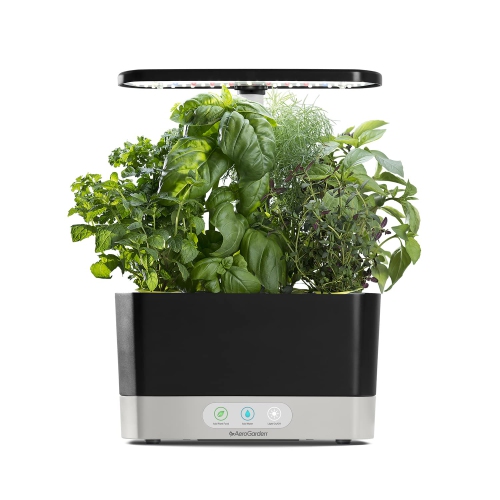 Your price for this item is $199
 -
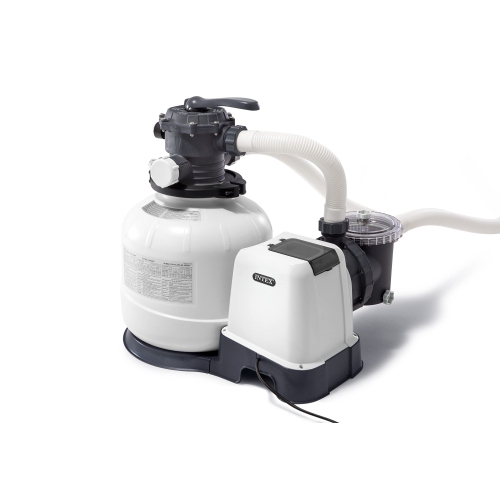 Your price for this item is $418.99
 -
 Your price for this item is $481.99
 -
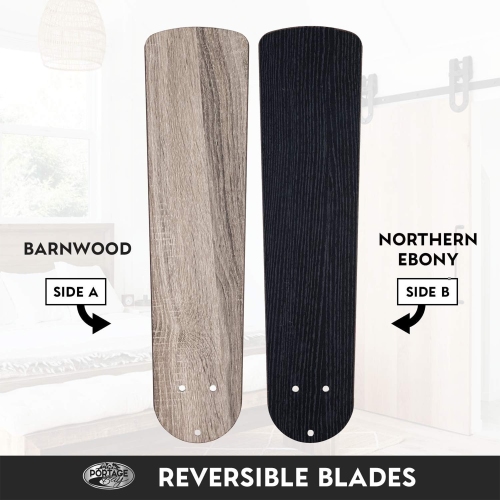 Your price for this item is $226.99
 -
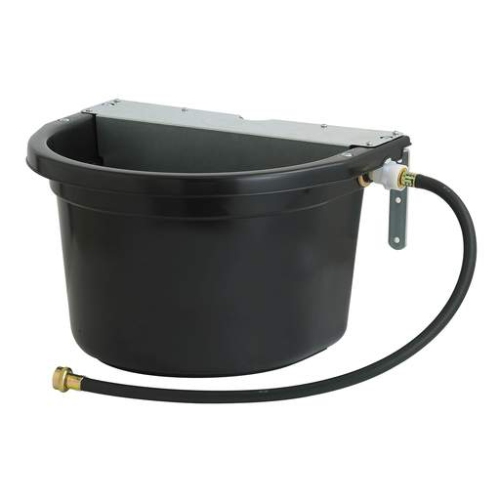 Your price for this item is $133.99
 -
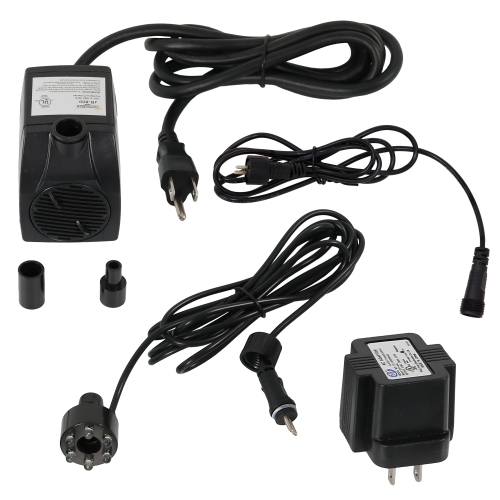 Your price for this item is $69.45
 -
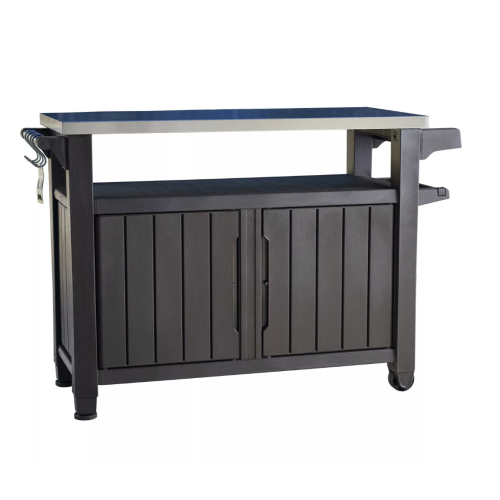 Your price for this item is $562.99
 -
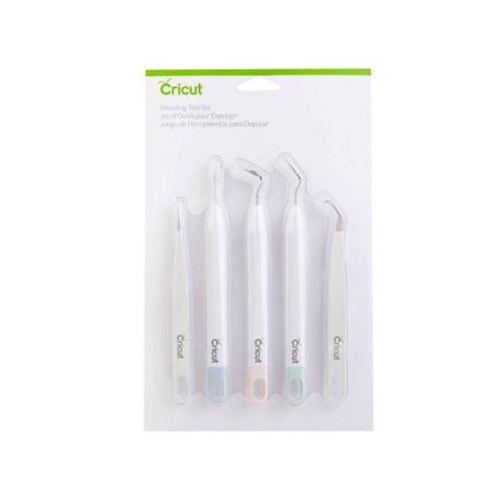 Your price for this item is $26.99
Discover more categories related to Garden Walls
Top Collections:
Pokemon Centers, Kindle Devices, Best Budget Office Chairs, Apple iPhones 16, Best Laptops for Writers, iPhone 15 Apple, Canon G7X Cameras, Refurbished Apple Laptops, Alarm Clock, Motorola Razr Phones
Some products may be subject to Environmental Handling Fees
(EHF) depending on your province.
Learn more about EHFs.