Garden Storage Cabinets
Organize your outdoor space with our selection of garden storage cabinets designed to keep your tools, equipment, and supplies neatly stored and easily accessible. From spacious cabinets with multiple shelves to compact options perfect for small patios, we have a variety of styles and sizes to suit your needs. Whether you're looking to declutter your garden shed or create a designated storage area on your deck or balcony, these durable and weather-resistant cabinets offer both functionality and style to enhance your outdoor living experience.
Sort
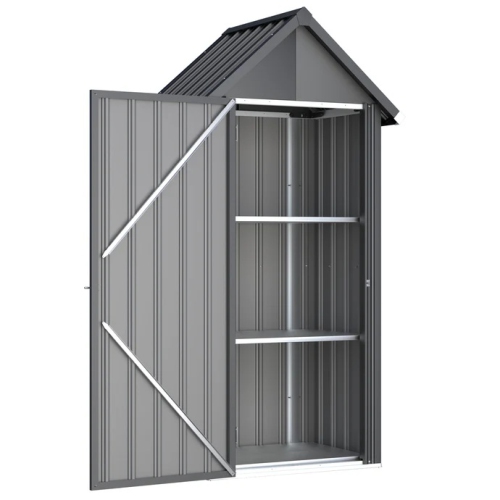
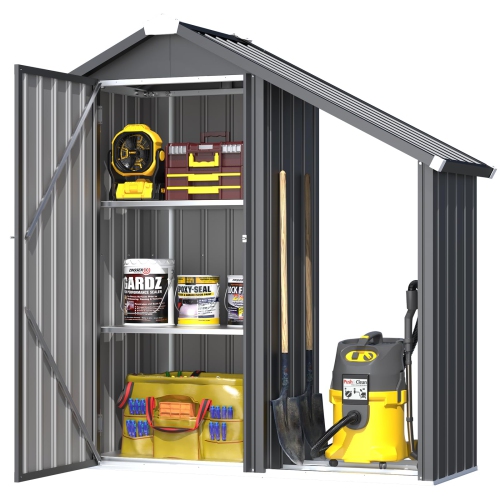
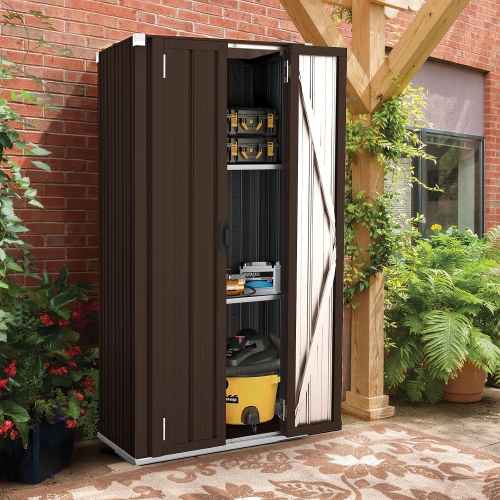
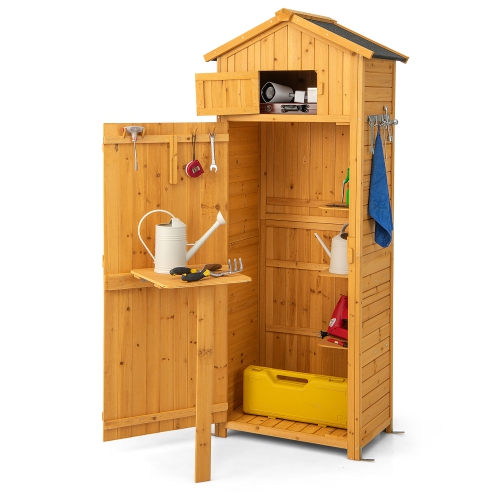
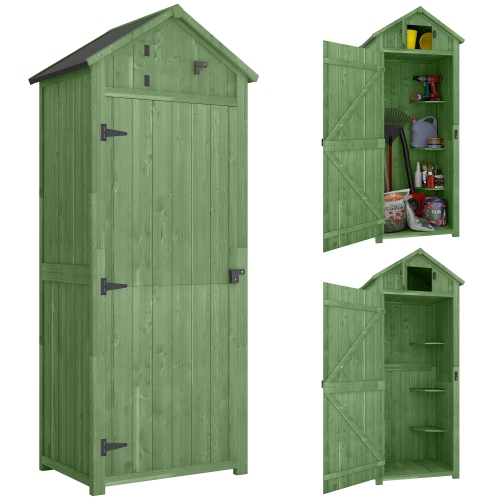
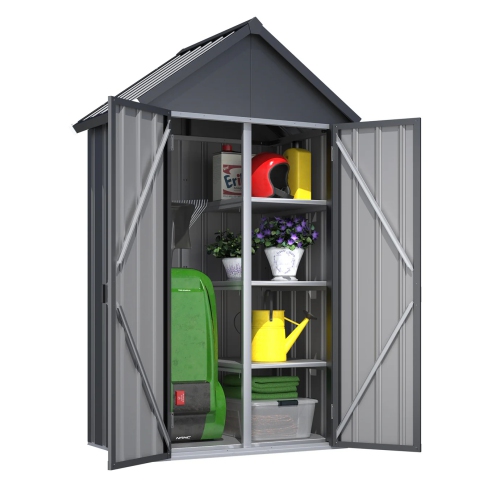
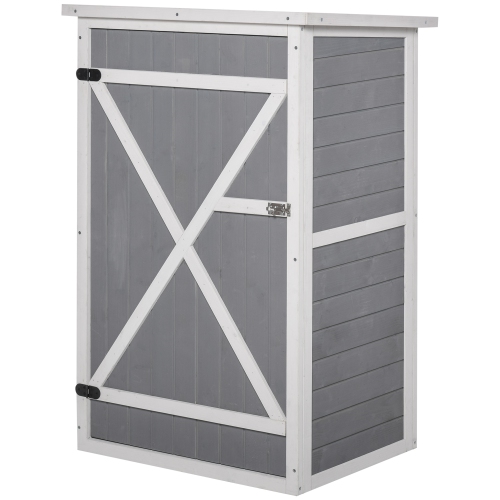
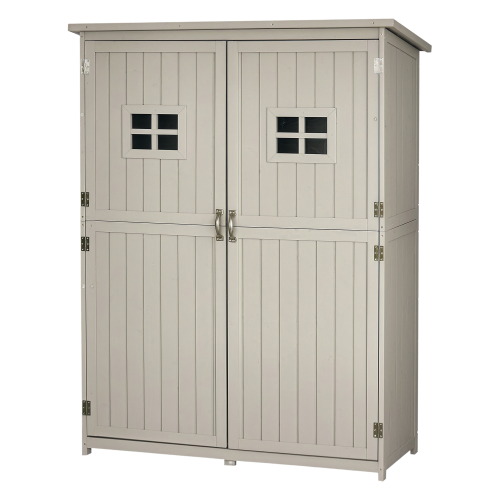
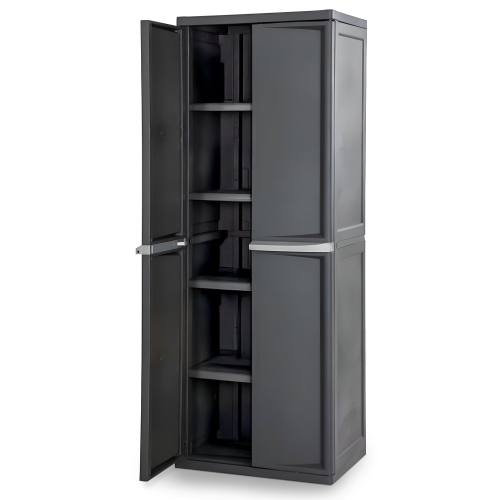
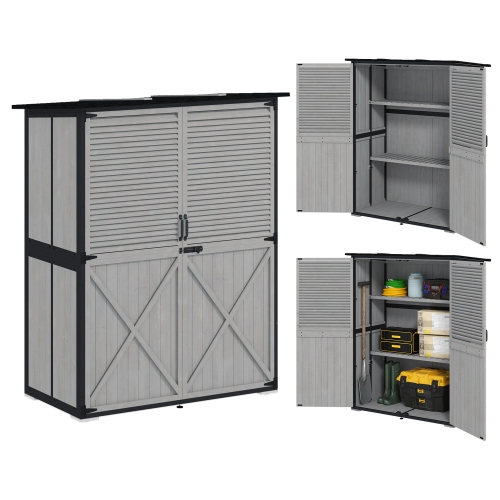
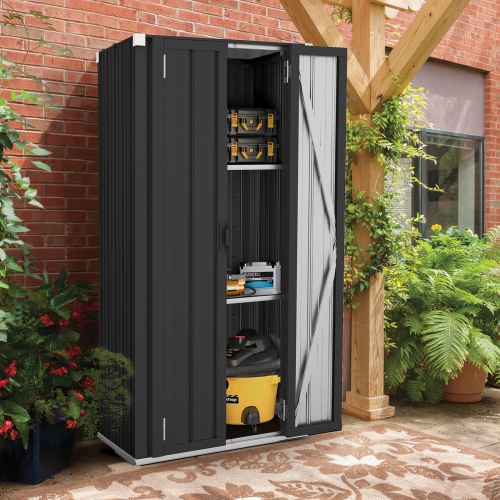
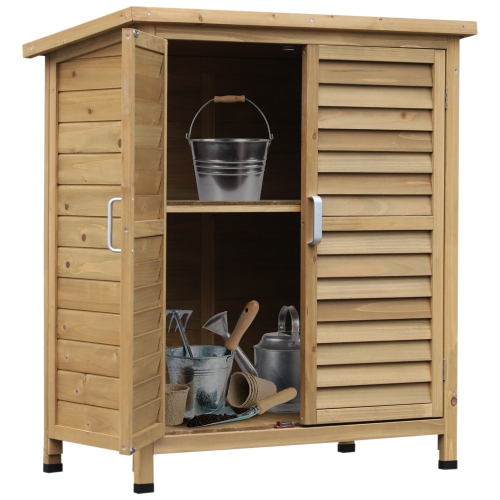
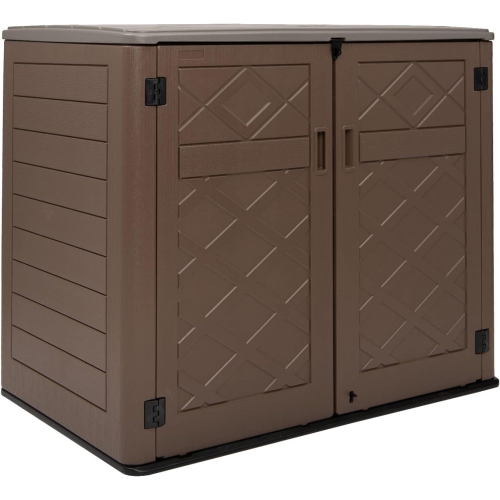
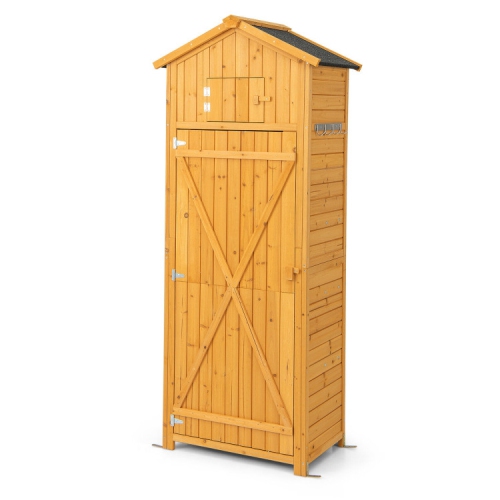
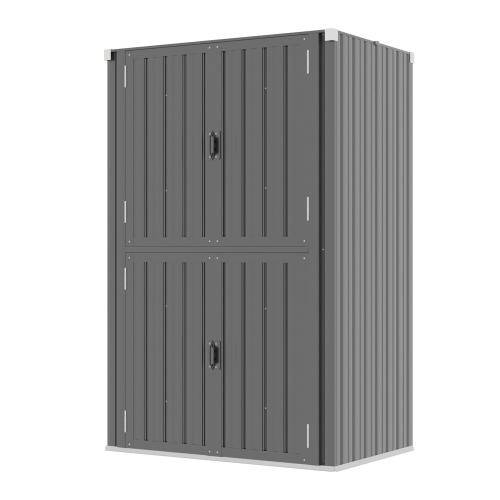
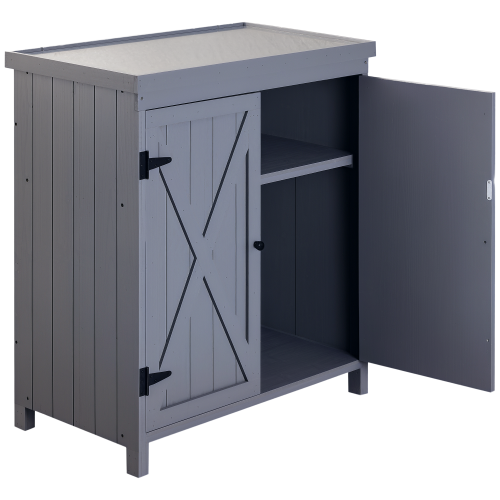
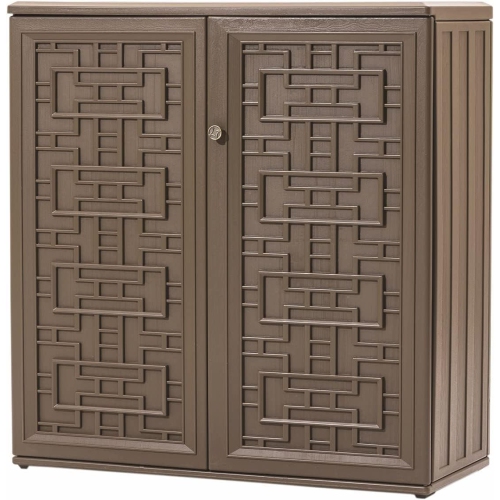
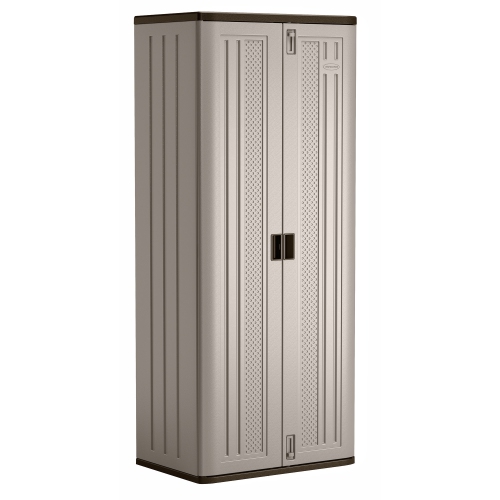
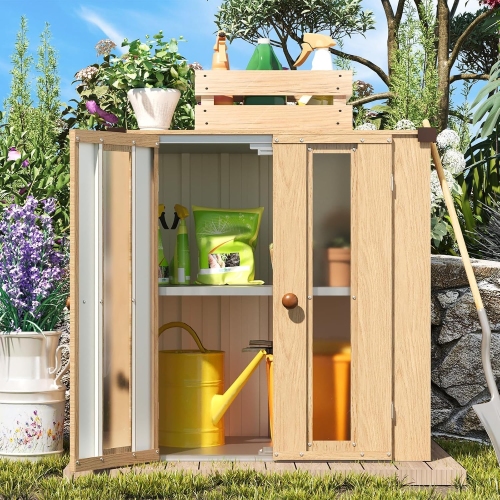
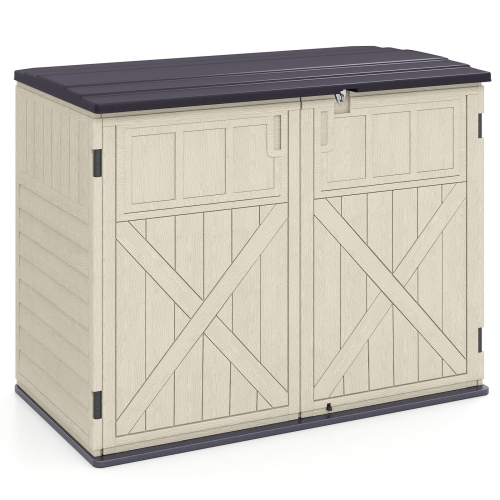
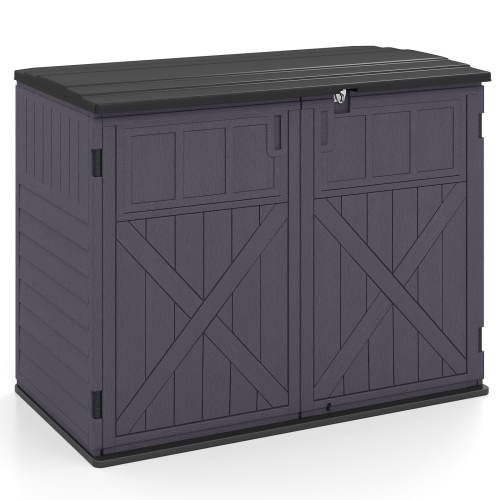
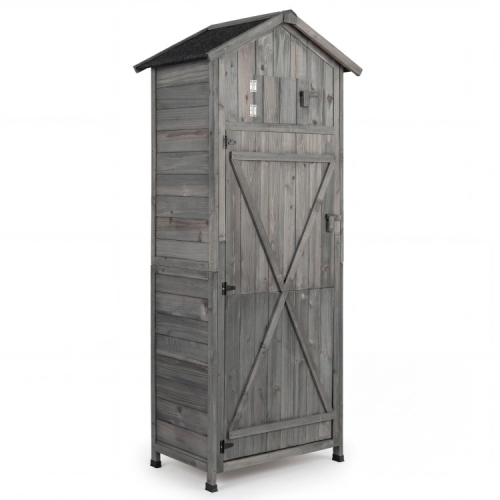
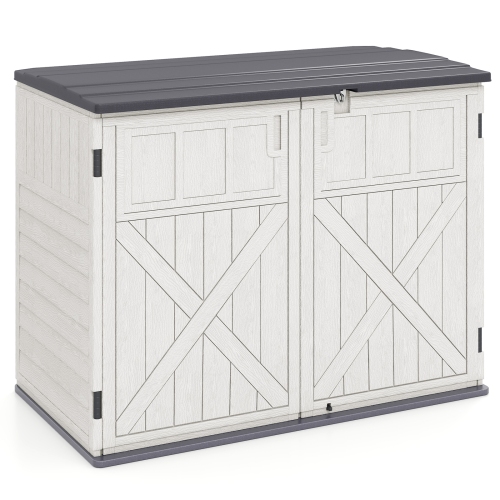
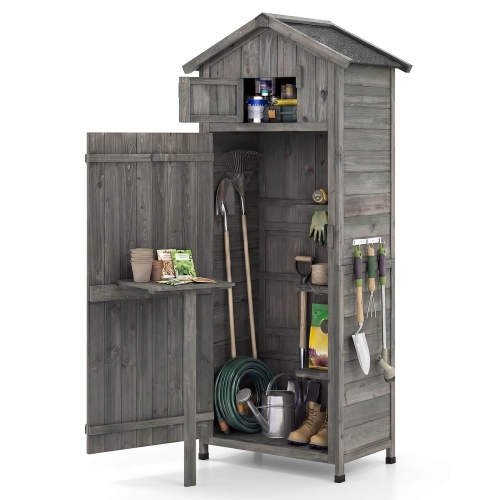
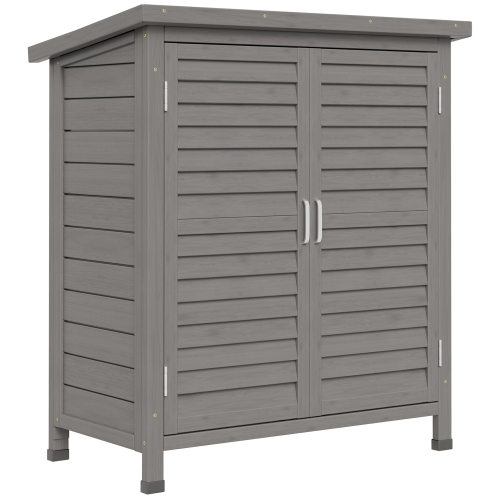
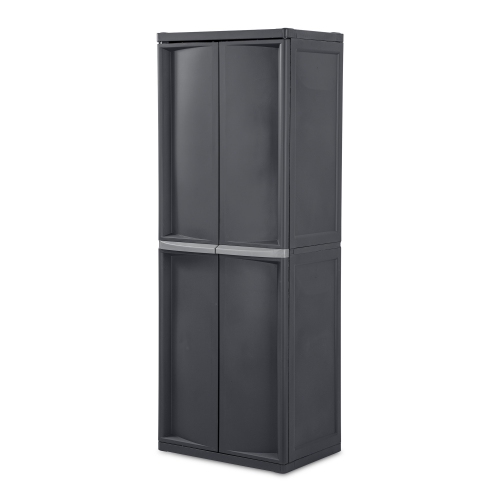
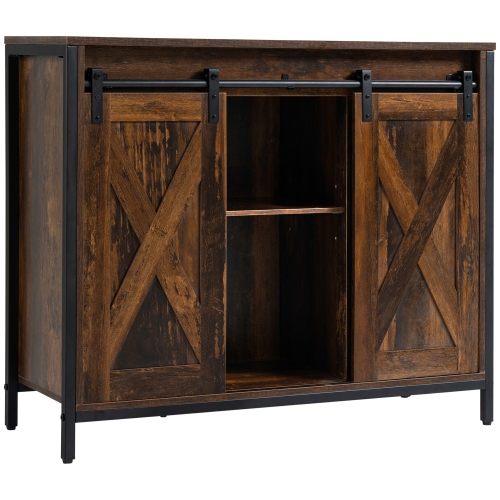
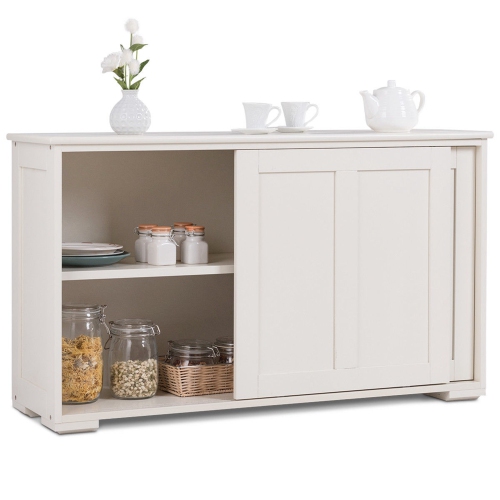
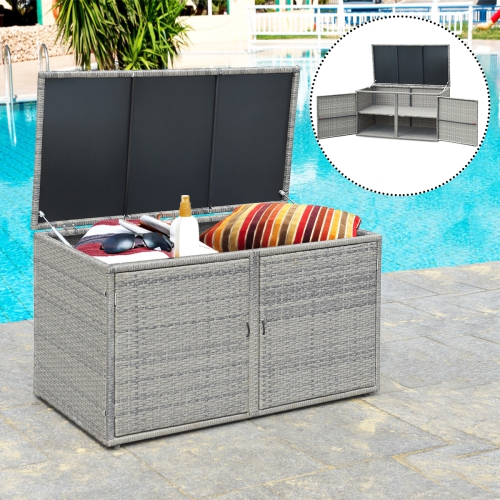
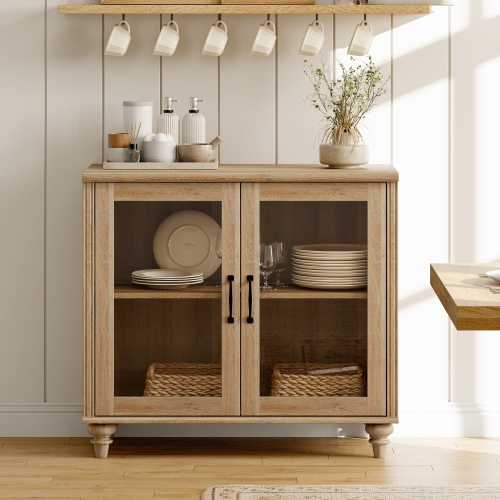
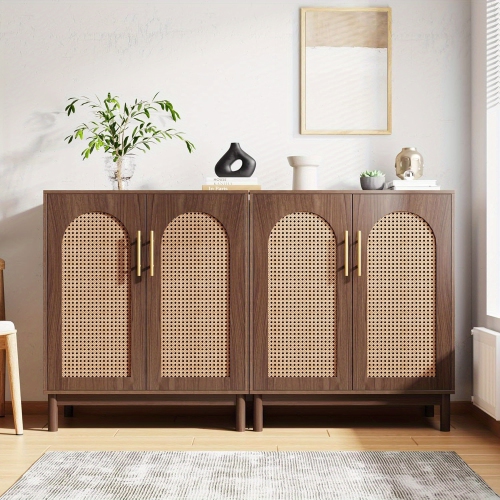
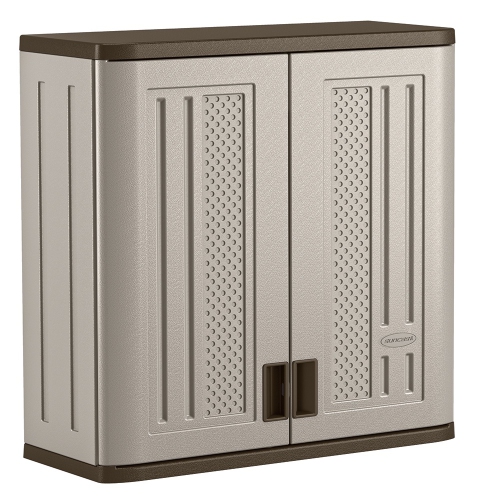
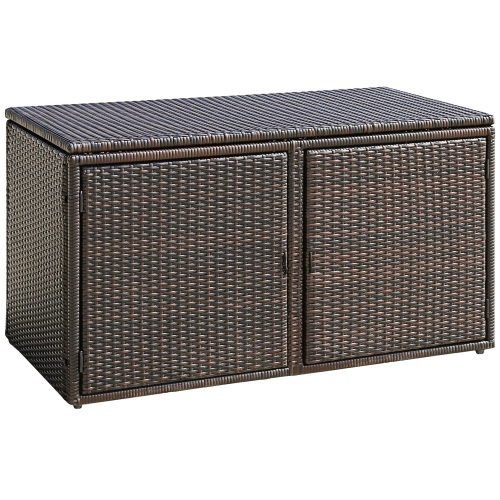
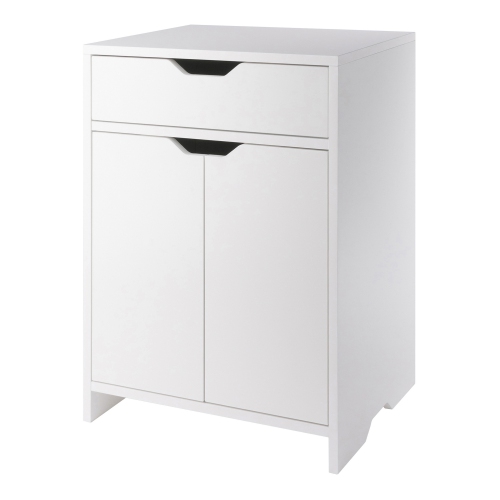
Room for garden tools without a full-sized shed
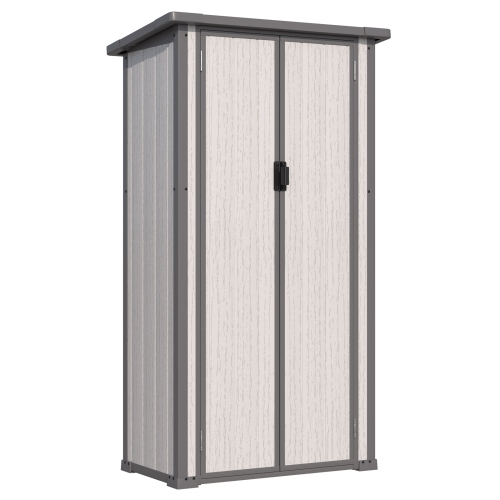
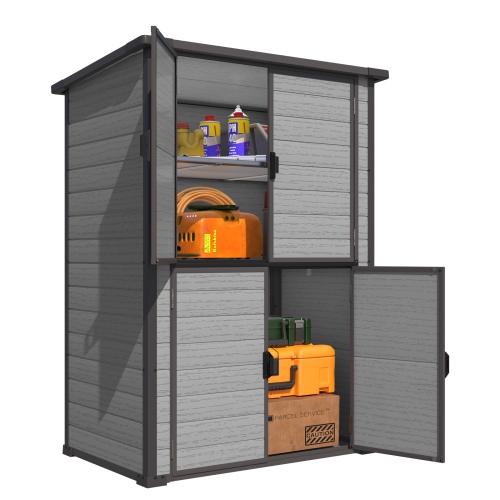
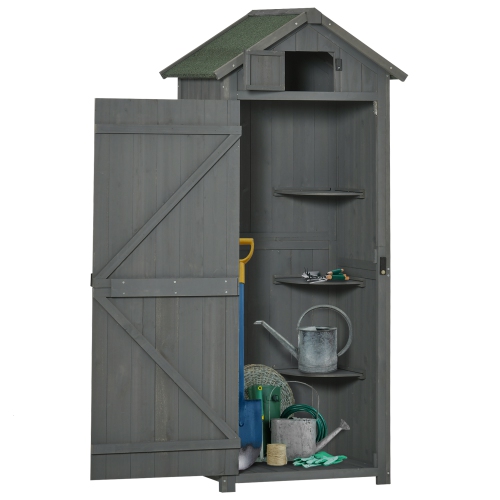
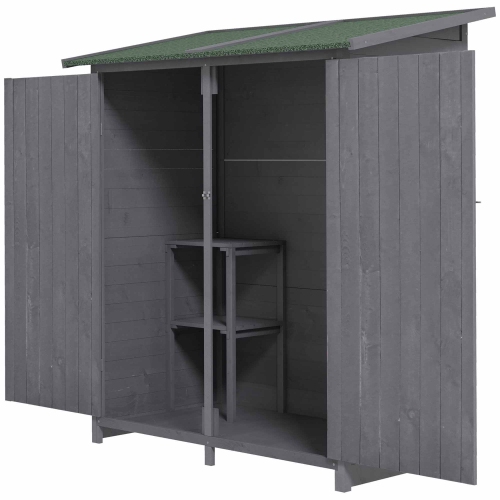
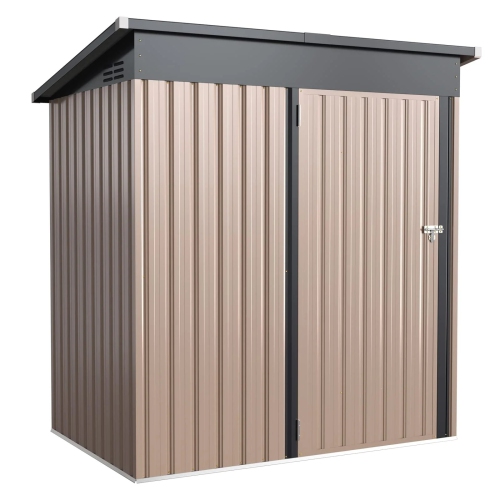
Garden storage cabinets provide enclosed space for gardening tools, planting supplies, and outdoor accessories without taking up the floor area of a full-sized shed. Their usefulness comes down to three practical details: a material suited to the placement, a footprint that fits the space, and an interior layout that accommodates what needs storing. A tall, narrow cabinet can make good use of an unused patio corner, while a wider, lower cabinet may fit beneath a fence line or alongside a potting area. Shelved interiors work well for gloves, twine, small pots, and hand tools; an open vertical compartment gives rakes, spades, and other long-handled tools room to stand upright. A split layout combines both functions, keeping small supplies visible without sacrificing height for larger tools. Adjustable or removable shelves add flexibility, particularly when a collection of shallow seed trays needs to share space with a tall watering can. For compact yards, townhouses, and shared garden spaces, this kind of organization can keep frequently used supplies close to the work area rather than scattered between a garage and a back door. Measuring the cabinet’s outside dimensions is only part of assessing the fit. Interior dimensions, shelf depth, and the width of the door opening determine whether bulky pots or a filled storage bin will pass through comfortably. Clearance in front matters just as much: doors need room to swing without blocking a walkway, striking a railing, or catching on nearby planters. Double doors can provide a broad opening, though the position of any central divider affects access to the interior. A low-profile cabinet keeps its contents within easy reach, but its top should not be treated as seating or a work surface unless it is designed and rated for that purpose. The most practical size leaves enough room to retrieve a tool without unloading half the cabinet, while still preserving space to move around the patio or garden path.
Resin, wood, and metal garden storage cabinets offer different combinations of appearance, maintenance, and durability. Resin and other plastic constructions resist rust and generally need only gentle cleaning with mild soap and water, making them practical for households that prefer straightforward upkeep. Their performance still depends on panel thickness, joint design, hinges, and the strength of the base and shelves. UV-resistant materials can help limit fading and brittleness from sunlight, but that protection should be confirmed in the cabinet’s specifications rather than assumed. Wood provides a natural grain and texture that sits comfortably beside timber fences, raised beds, and planted borders. Depending on the species and factory finish, a wooden cabinet may need periodic staining, sealing, or repainting to help manage moisture exposure and surface wear. Attention to the base, roof edges, and door joints is especially useful because these areas can collect water or show movement over time. Metal cabinets, including steel constructions, can offer firm panels and a sturdy feel, with protective finishes helping to resist corrosion. Scratches, exposed fasteners, and damaged coatings deserve attention, since rust can start where the protective layer has worn away. Material alone does not establish whether a cabinet is waterproof. Roof shape, overlapping edges, door seals, panel connections, and placement all affect how well the interior stays dry. Weather-resistant storage may handle ordinary outdoor exposure without providing a watertight enclosure during wind-driven rain or standing water. Ventilation also matters, particularly for tools put away after use, because trapped moisture can lead to condensation, odours, or corrosion on stored metal surfaces. A sloped roof can help shed water, while a raised base may reduce contact with a damp surface; neither replaces a stable installation or proper drainage around the cabinet. Checking the intended outdoor use, care requirements, and installation instructions gives a clearer picture of long-term suitability than relying on the material name alone.
Inside a well-arranged garden storage cabinet, the heaviest supplies sit low, small tools have a consistent home, and sharp edges are kept away from the door opening. Shelf load ratings matter when storing dense materials: a row of empty pots places very different demands on a shelf than bags of planting mix. Evenly distributing weight and respecting both shelf and total cabinet limits helps prevent sagging or instability. Removable trays or washable bins can contain loose soil and make cleaning easier, while approved hooks or built-in holders can keep hand tools from disappearing behind larger supplies. A cabinet with a potting surface brings storage and planting tasks together, provided the surface is designed for that use and has enough space for comfortable movement. For someone who tends a few balcony planters, easy access to a watering can and pruning tools may be the priority; a household caring for beds and borders may need more vertical tool space and separate shelves for supplies. Garden storage can also make a useful gift for an enthusiastic gardener when the available space, preferred material, and assembly needs are known in advance. Installation deserves the same attention as the interior layout. A level, load-bearing surface helps doors align properly, and tall cabinets should be anchored where required by the manufacturer, using hardware appropriate to the supporting surface. Lockable doors can help control access, but a basic latch or padlock provision does not make a cabinet childproof or suitable for every substance. Fertilizers and garden treatments need storage that follows their labels, with any required separation, ventilation, and access restrictions. Routine care includes clearing debris from the roof and base, checking hinges and fasteners, and letting damp tools dry before putting them away. For spaces that combine gardening supplies with other outdoor storage needs, Best Outdoor Storage Cabinets offers a related category to explore. A cabinet that matches the space and daily routine makes it easier to put tools away properly and find them again when the next garden task begins.
Resin, wood, and metal garden storage cabinets offer different combinations of appearance, maintenance, and durability. Resin and other plastic constructions resist rust and generally need only gentle cleaning with mild soap and water, making them practical for households that prefer straightforward upkeep. Their performance still depends on panel thickness, joint design, hinges, and the strength of the base and shelves. UV-resistant materials can help limit fading and brittleness from sunlight, but that protection should be confirmed in the cabinet’s specifications rather than assumed. Wood provides a natural grain and texture that sits comfortably beside timber fences, raised beds, and planted borders. Depending on the species and factory finish, a wooden cabinet may need periodic staining, sealing, or repainting to help manage moisture exposure and surface wear. Attention to the base, roof edges, and door joints is especially useful because these areas can collect water or show movement over time. Metal cabinets, including steel constructions, can offer firm panels and a sturdy feel, with protective finishes helping to resist corrosion. Scratches, exposed fasteners, and damaged coatings deserve attention, since rust can start where the protective layer has worn away. Material alone does not establish whether a cabinet is waterproof. Roof shape, overlapping edges, door seals, panel connections, and placement all affect how well the interior stays dry. Weather-resistant storage may handle ordinary outdoor exposure without providing a watertight enclosure during wind-driven rain or standing water. Ventilation also matters, particularly for tools put away after use, because trapped moisture can lead to condensation, odours, or corrosion on stored metal surfaces. A sloped roof can help shed water, while a raised base may reduce contact with a damp surface; neither replaces a stable installation or proper drainage around the cabinet. Checking the intended outdoor use, care requirements, and installation instructions gives a clearer picture of long-term suitability than relying on the material name alone.
Inside a well-arranged garden storage cabinet, the heaviest supplies sit low, small tools have a consistent home, and sharp edges are kept away from the door opening. Shelf load ratings matter when storing dense materials: a row of empty pots places very different demands on a shelf than bags of planting mix. Evenly distributing weight and respecting both shelf and total cabinet limits helps prevent sagging or instability. Removable trays or washable bins can contain loose soil and make cleaning easier, while approved hooks or built-in holders can keep hand tools from disappearing behind larger supplies. A cabinet with a potting surface brings storage and planting tasks together, provided the surface is designed for that use and has enough space for comfortable movement. For someone who tends a few balcony planters, easy access to a watering can and pruning tools may be the priority; a household caring for beds and borders may need more vertical tool space and separate shelves for supplies. Garden storage can also make a useful gift for an enthusiastic gardener when the available space, preferred material, and assembly needs are known in advance. Installation deserves the same attention as the interior layout. A level, load-bearing surface helps doors align properly, and tall cabinets should be anchored where required by the manufacturer, using hardware appropriate to the supporting surface. Lockable doors can help control access, but a basic latch or padlock provision does not make a cabinet childproof or suitable for every substance. Fertilizers and garden treatments need storage that follows their labels, with any required separation, ventilation, and access restrictions. Routine care includes clearing debris from the roof and base, checking hinges and fasteners, and letting damp tools dry before putting them away. For spaces that combine gardening supplies with other outdoor storage needs, Best Outdoor Storage Cabinets offers a related category to explore. A cabinet that matches the space and daily routine makes it easier to put tools away properly and find them again when the next garden task begins.
Top selling and popular products
-
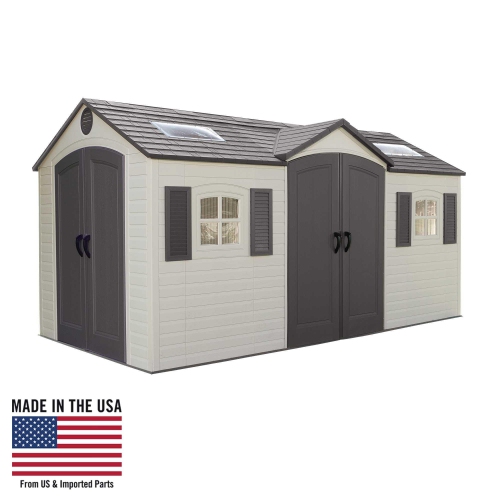 Your price for this item is $3999
 -
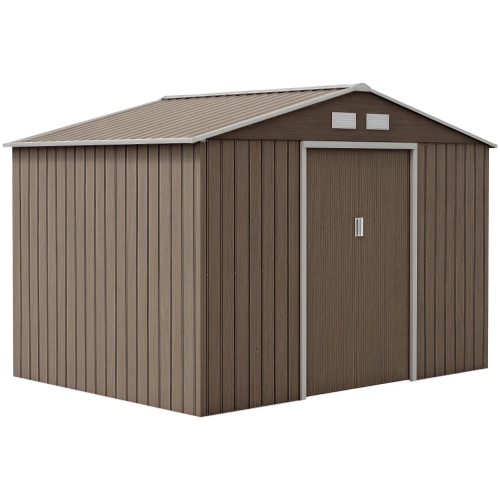 Your price for this item is $554.99
 -
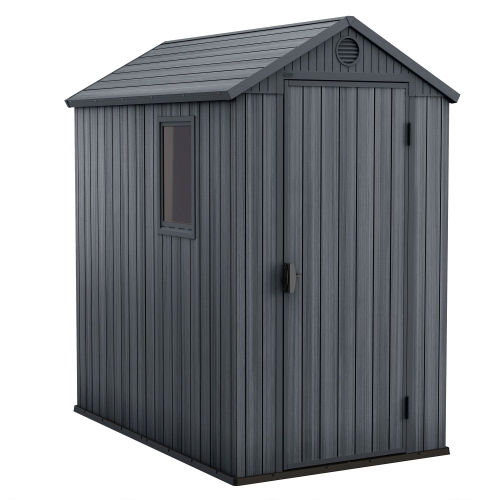 Your price for this item is $1204.99
 -
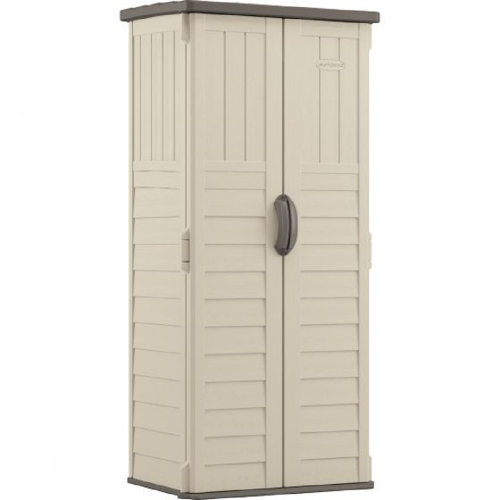 Your price for this item is $385.99
 -
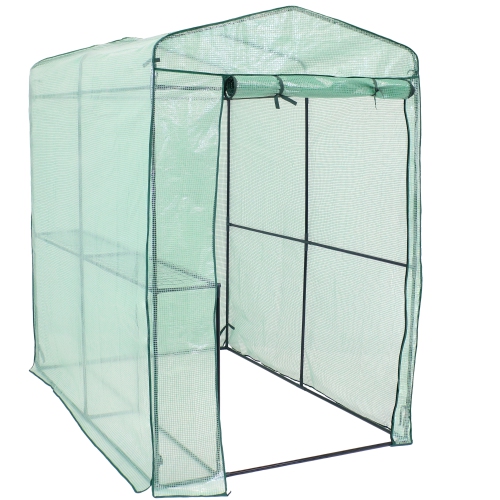 Your price for this item is $113.35
 -
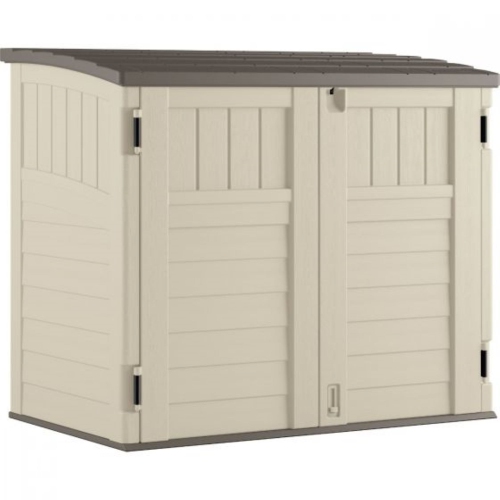 Your price for this item is $459.99
 -
 Your price for this item is $189.99
 -
 Your price for this item is $79.99
Discover more categories related to Garden Storage Cabinets


Top Collections:
Pokemon Centers, Kindle Devices, Best Budget Office Chairs, Apple iPhones 16, Best Laptops for Writers, iPhone 15 Apple, Canon G7X Cameras, Refurbished Apple Laptops, Alarm Clock, Motorola Razr Phones
Some products may be subject to Environmental Handling Fees
(EHF) depending on your province.
Learn more about EHFs.