Rolling Garment Racks
Looking to organize your wardrobe with ease and style? Look no further than our selection of rolling garment racks. These versatile storage solutions are perfect for keeping your clothes neat, tidy, and easily accessible. Whether you need extra hanging space in your closet, a portable option for travel, or a convenient way to display garments in your retail store, our collection of rolling garment racks has got you covered. With their sturdy construction and smooth-rolling wheels, these racks offer both functionality and mobility. Explore our range today and find the perfect rolling garment rack to suit your needs.
Sort
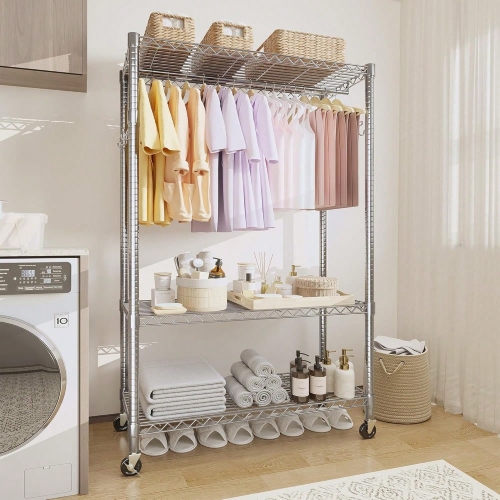
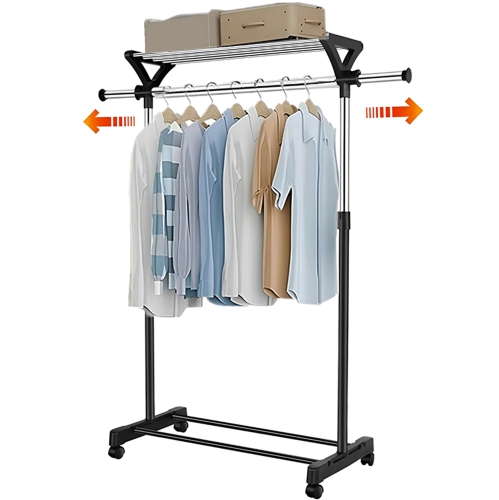
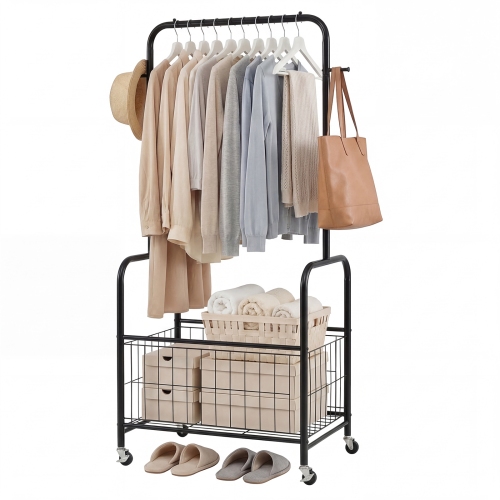
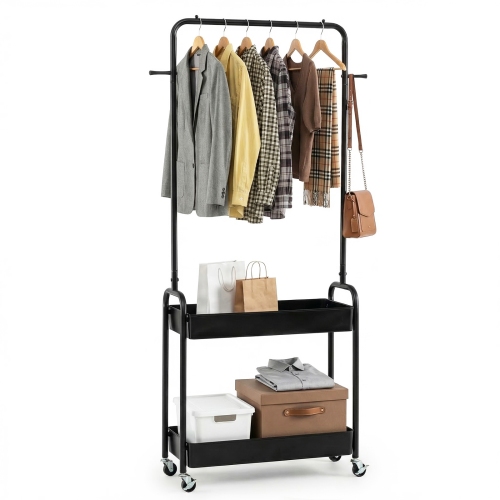
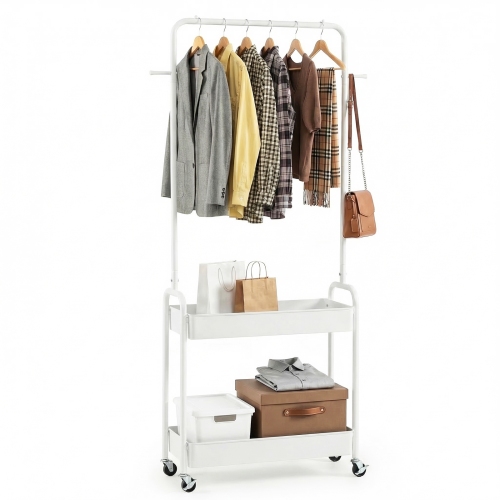
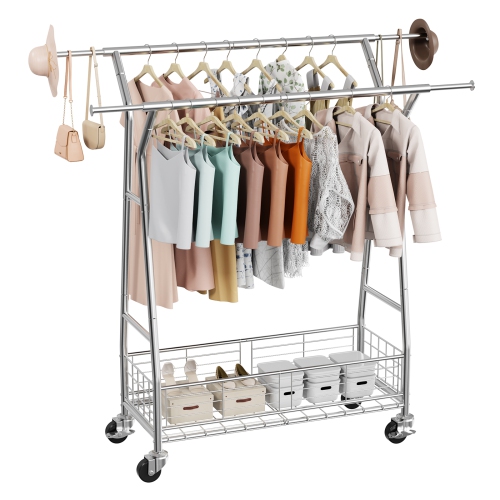
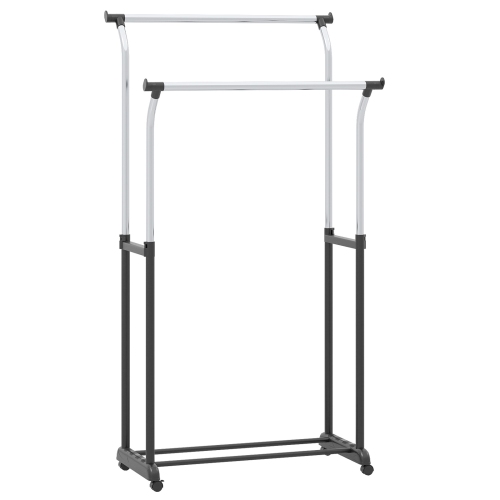
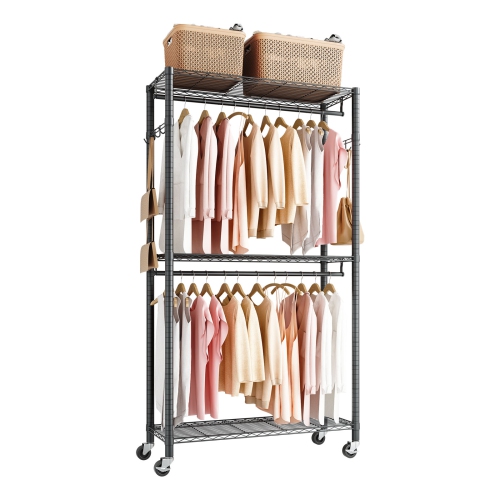

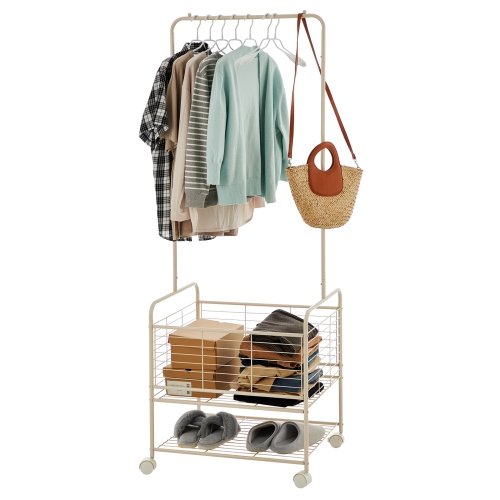
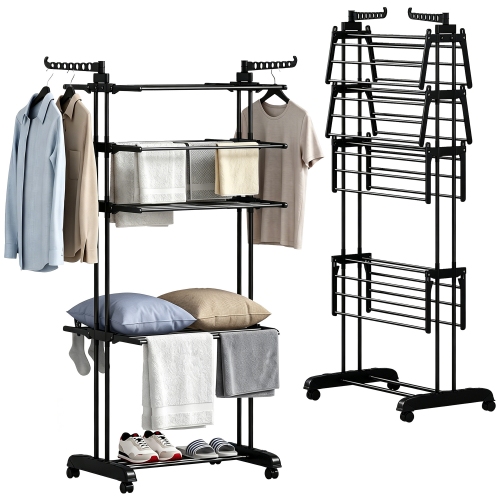
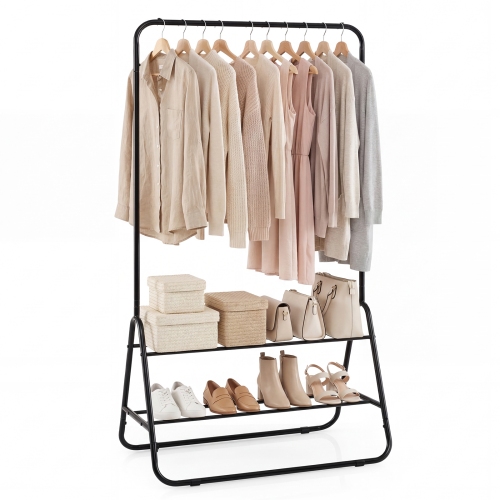
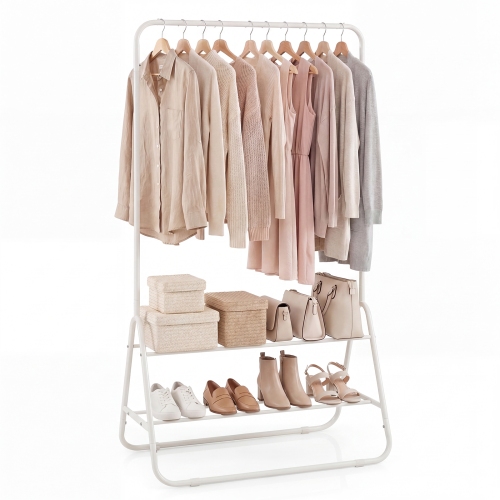

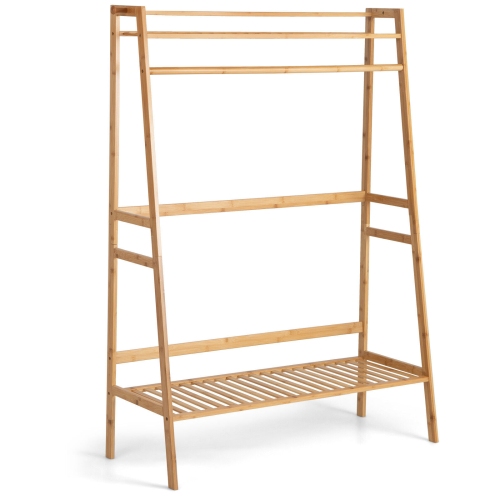
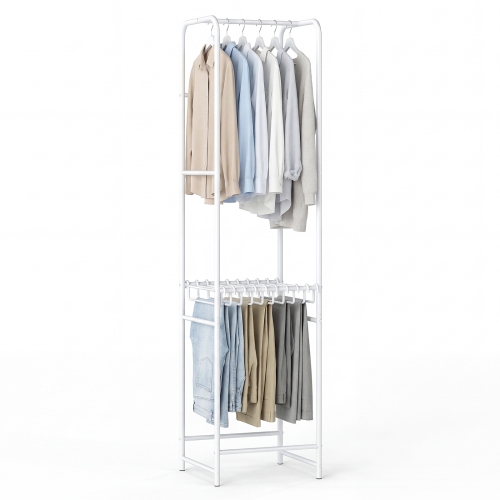
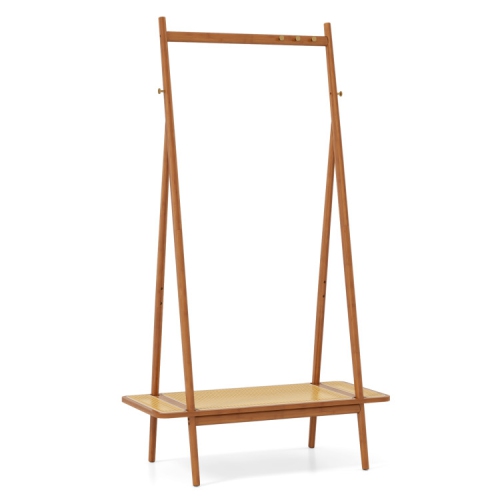
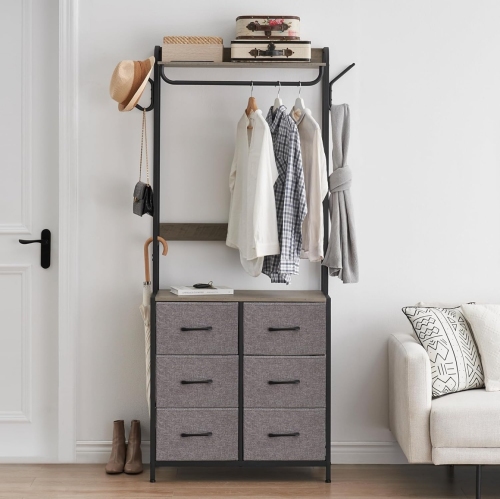
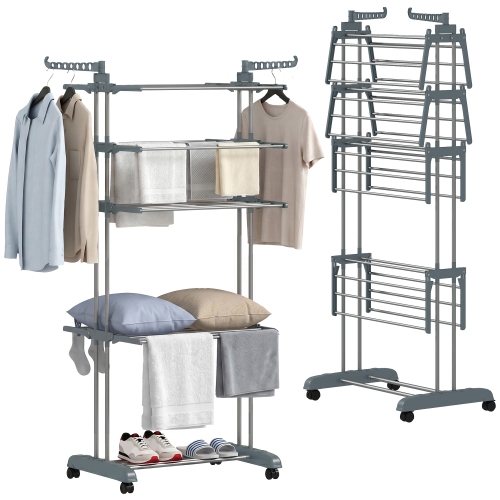
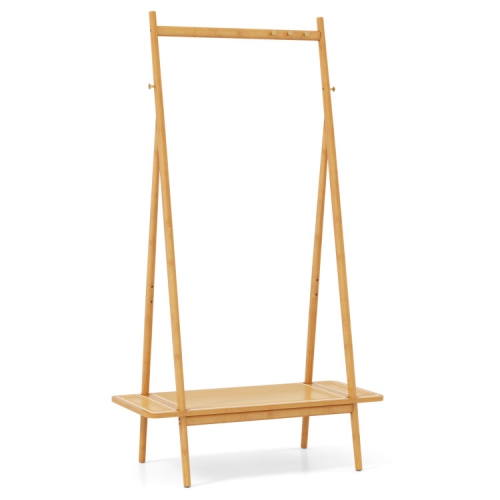
Extra hanging space that moves where you need it
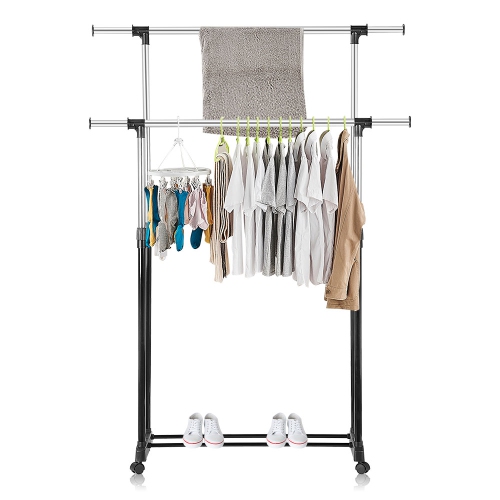
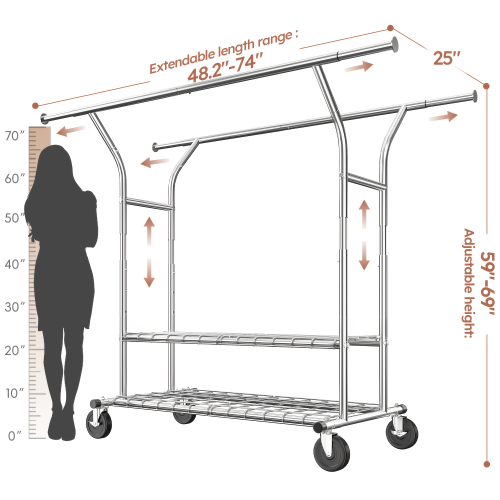
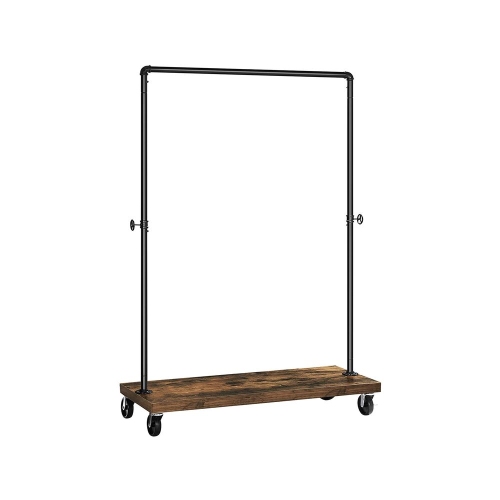
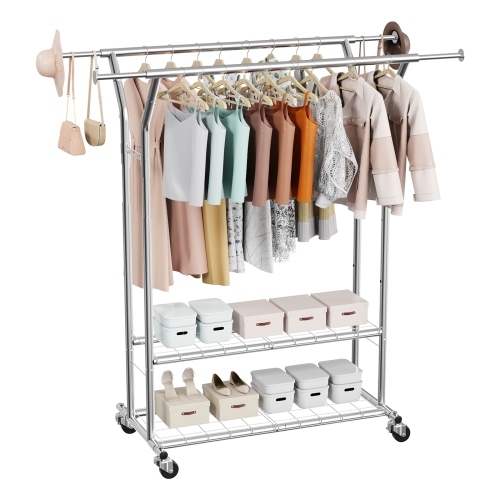
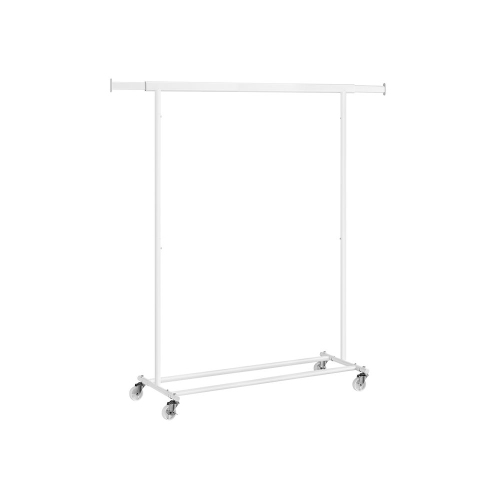
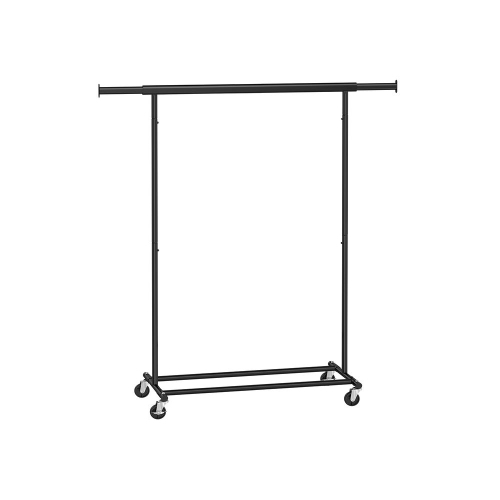
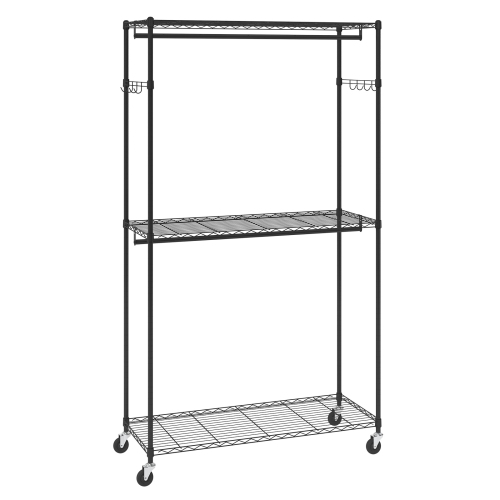
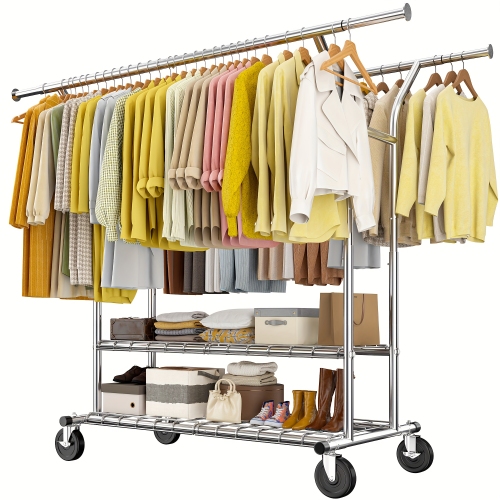
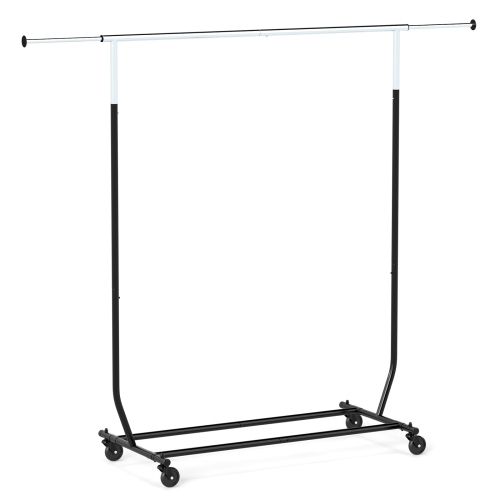
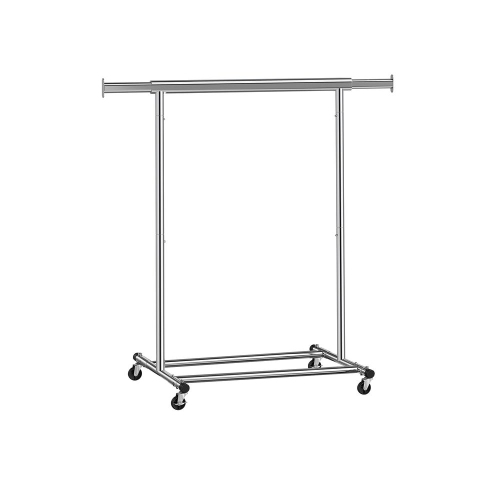
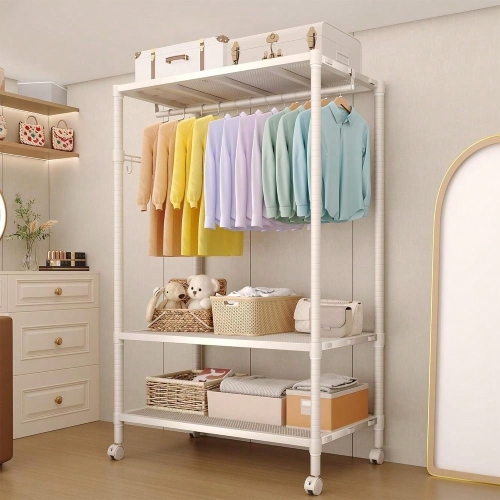
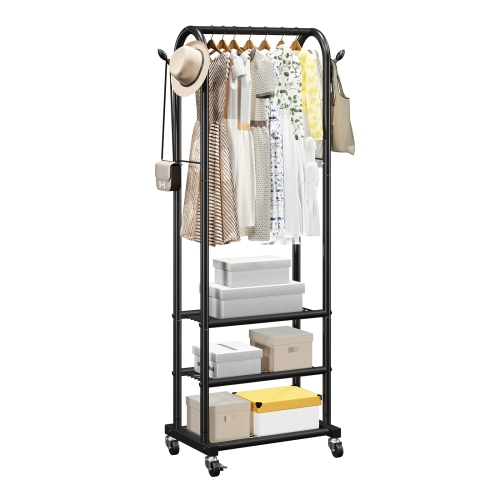
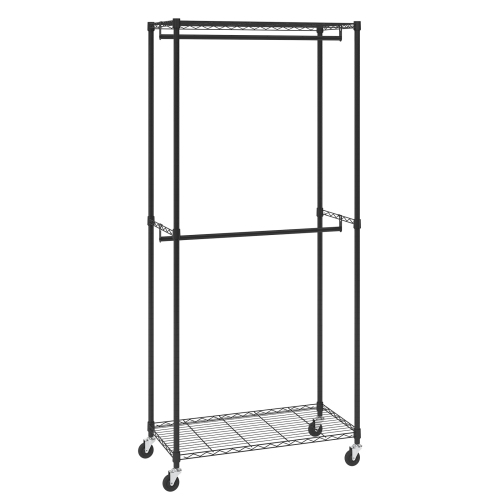
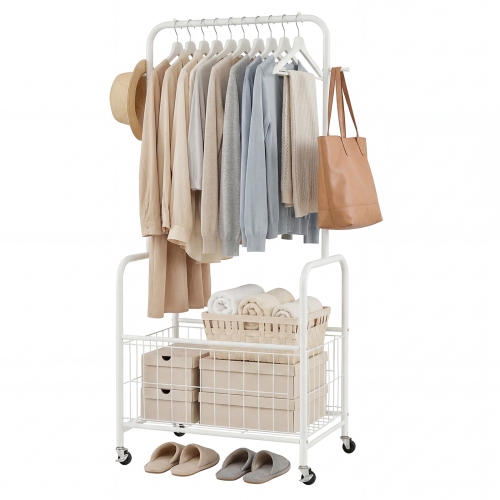
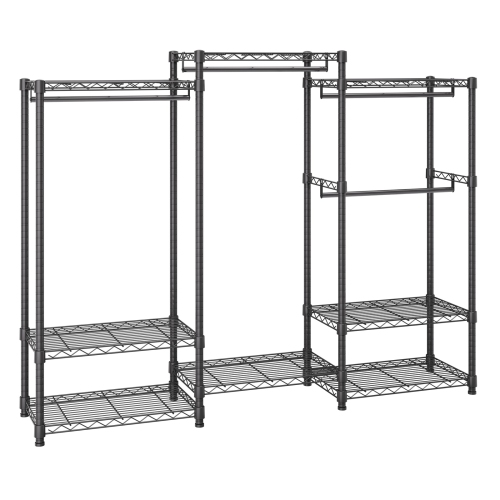
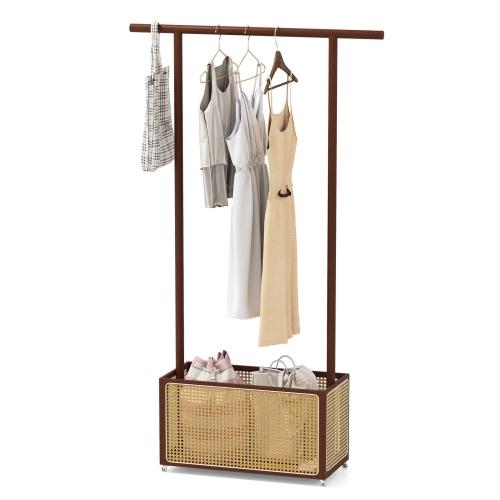
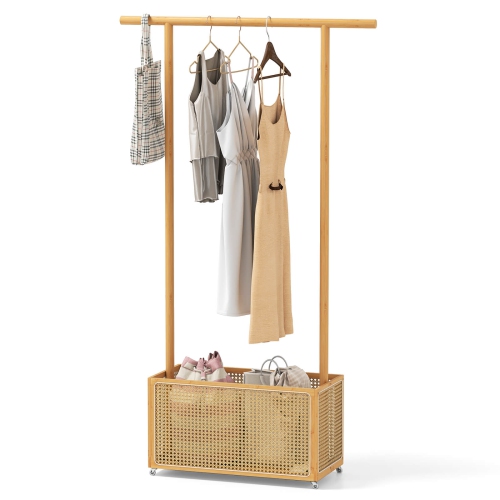
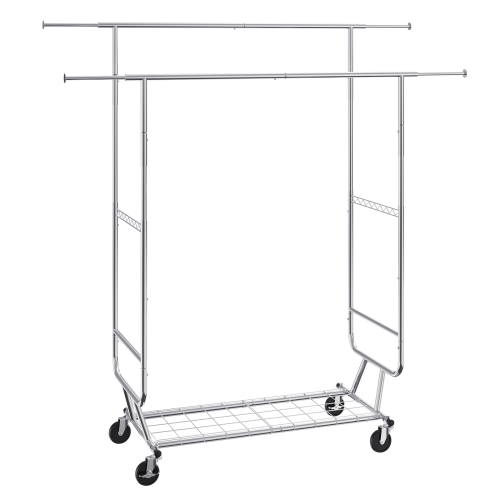
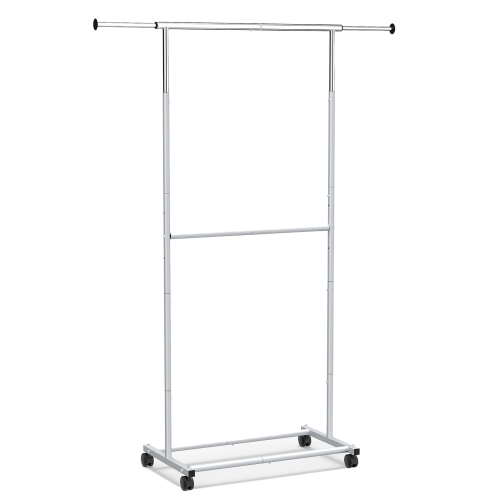
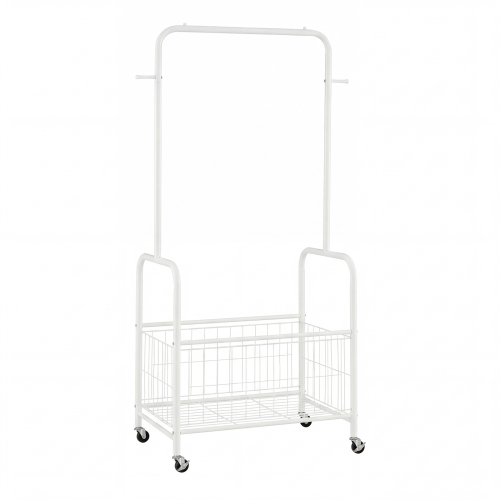
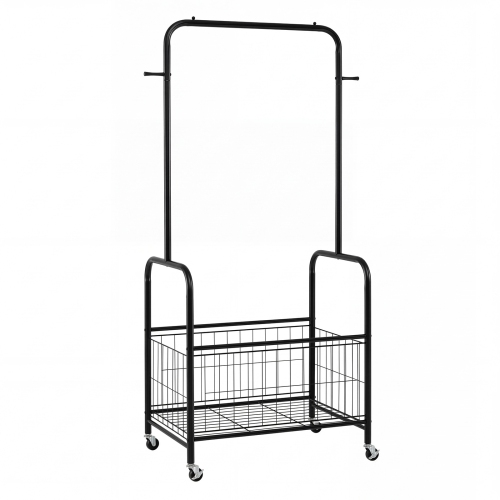
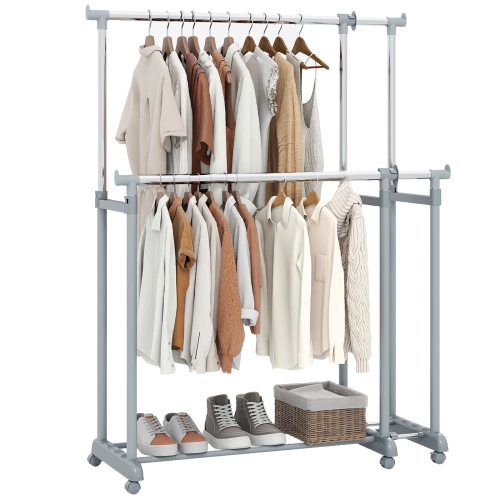
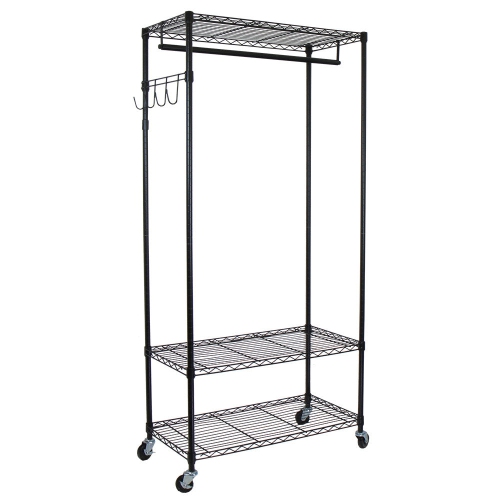
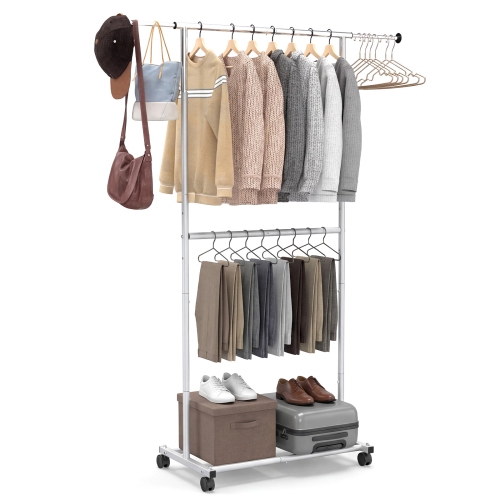
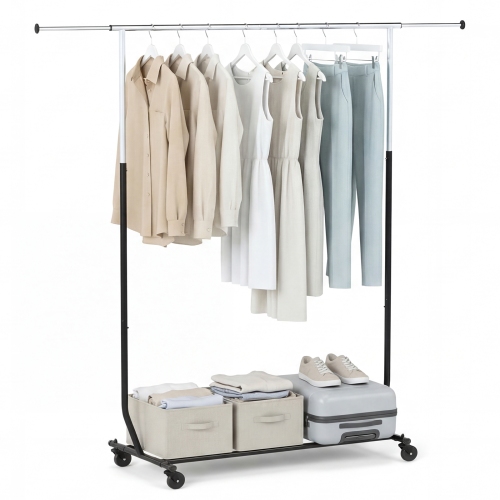
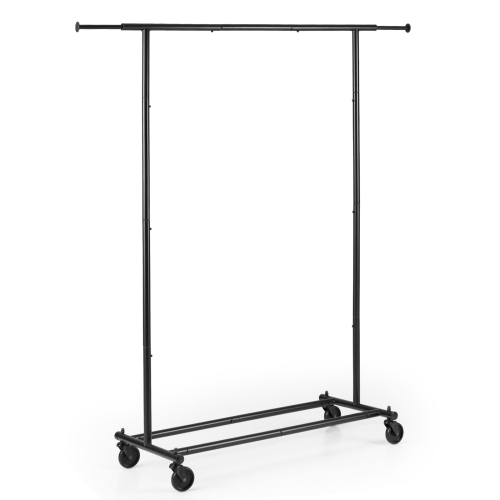
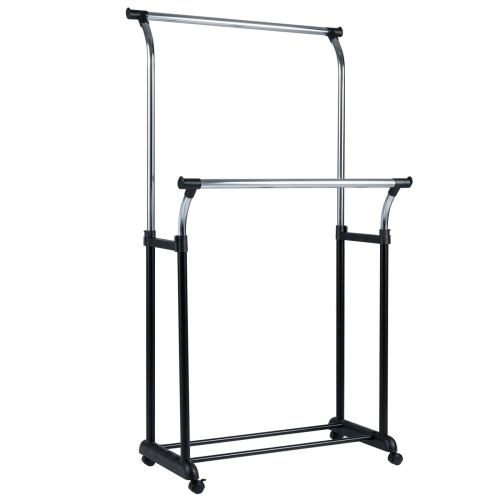
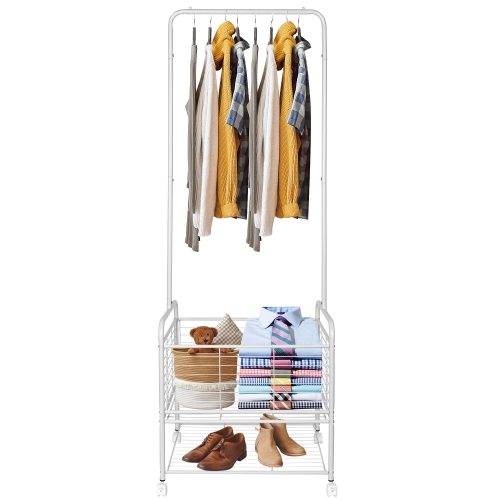
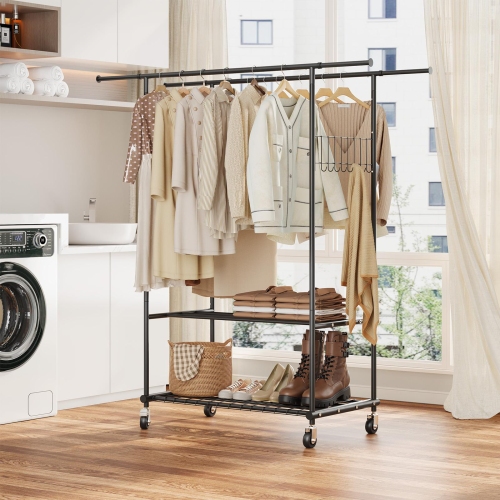
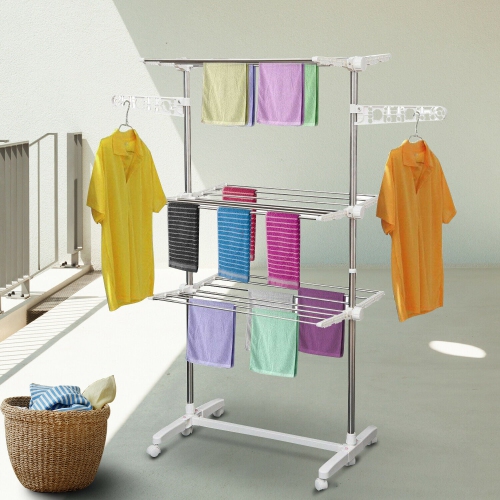
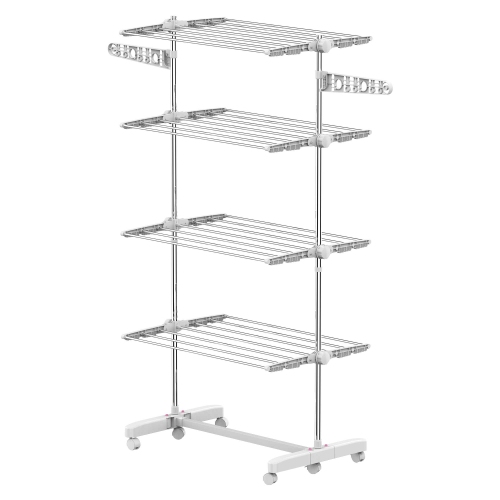
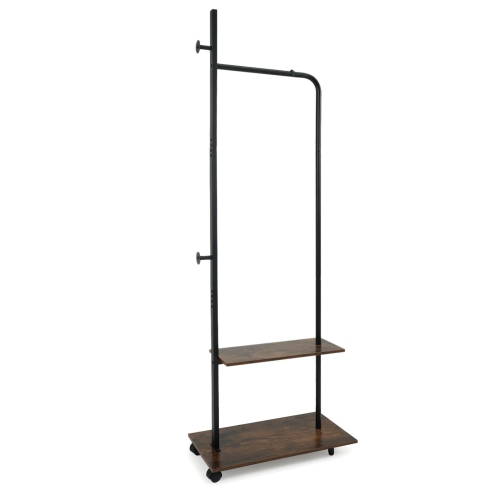
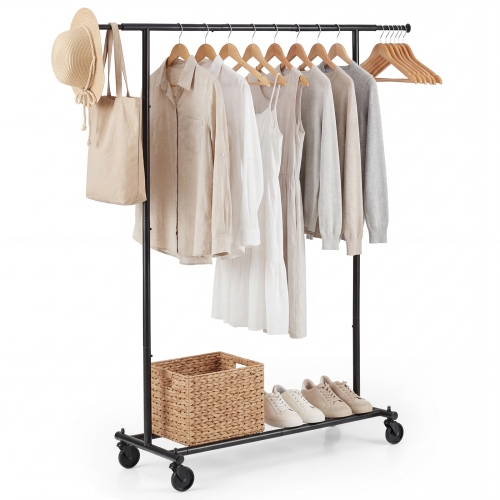
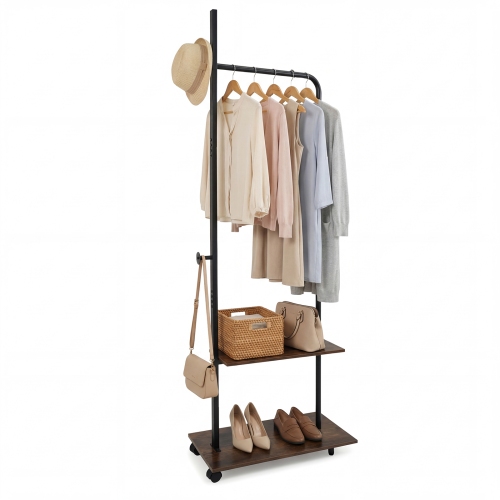
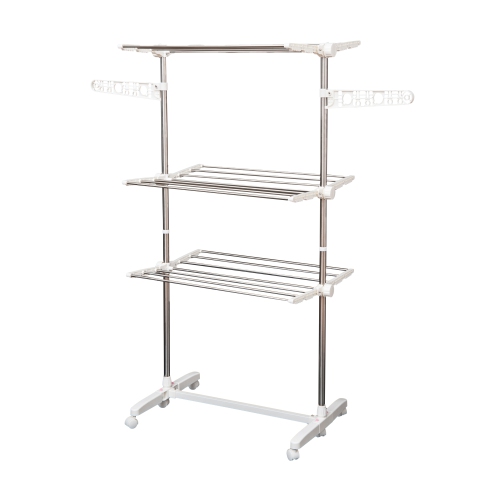
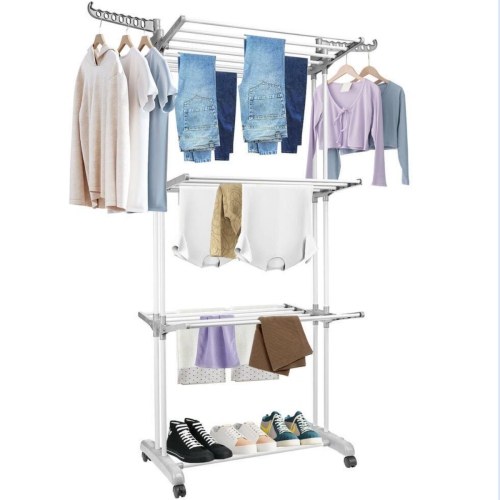
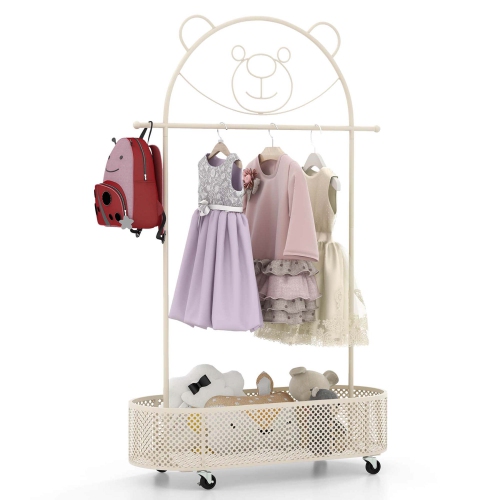
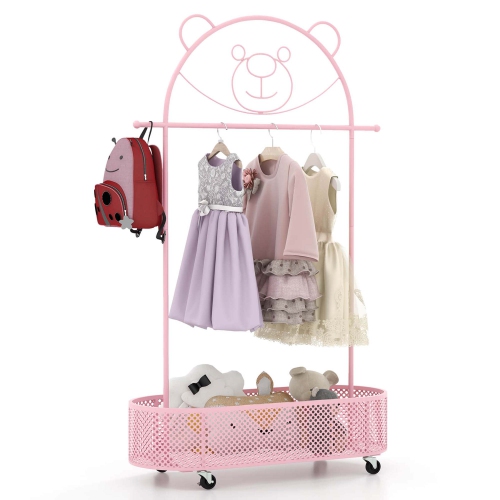
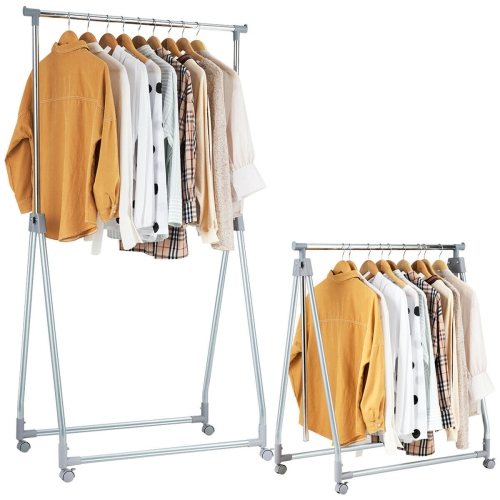
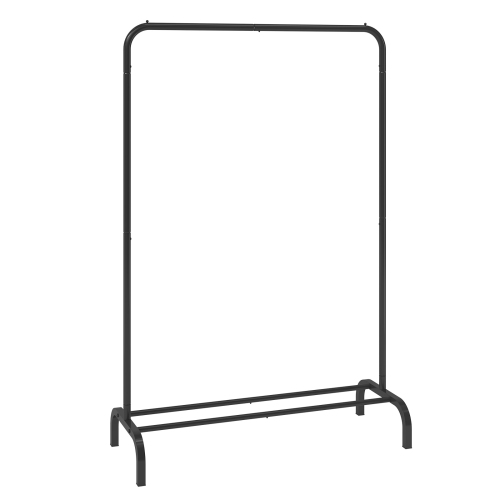
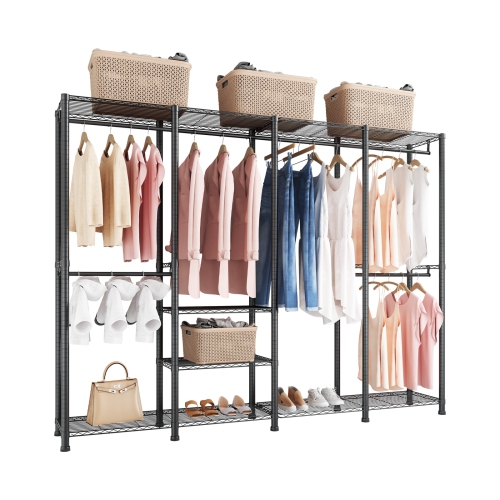
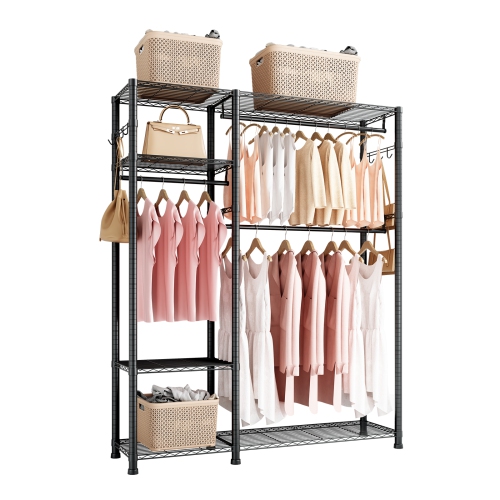
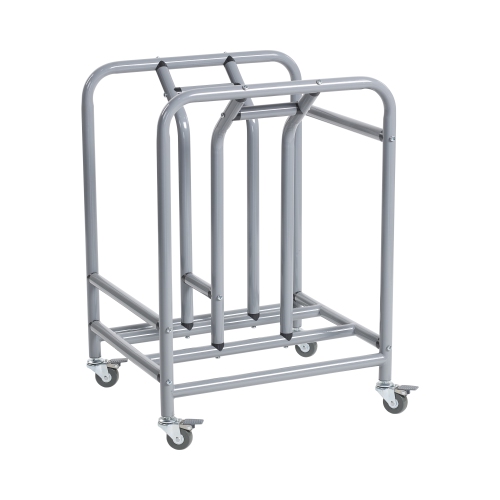
Rolling garment racks are freestanding clothing racks with wheels that let hanging storage move from one part of a room to another. They provide an extra rail where a closet is missing, crowded, or inconvenient, keeping shirts, jackets, trousers, and dresses visible and within reach. In a bedroom, a rack can hold frequently worn outfits beside a dresser; in a laundry area, it can keep freshly pressed clothes hanging until they are put away. The main differences between rolling clothing racks are their frame construction, hanging layout, weight capacity, wheel design, and additional storage features. Single-rail racks leave more uninterrupted space beneath the hanging bar, making them useful for longer garments when the rail height allows. Double-rail designs provide separate hanging areas for shorter clothing, although the spacing between rails affects how comfortably garments fit without brushing against one another. Adjustable-height rails offer flexibility for different clothing lengths, while extendable rails add hanging space but require extra clearance at either end. Lower shelves can keep shoes, storage baskets, or folded clothing off the floor, and side hooks may provide a place for bags or accessories when included in the design. A rack’s listed dimensions describe the frame, but its usable footprint also includes the clothing hanging from it. Wide hangers, jacket shoulders, and sleeves can project beyond the base, particularly on narrow models. That distinction matters beside a bed, along a hallway, or near a closet door that needs room to swing open. The distance beneath the rail is equally important: a long dress needs enough clearance to hang without gathering on a shelf or dragging across the floor. An open rack also becomes part of the room’s appearance. A simple metal frame can blend into a workspace, while wood accents or a softer finish may suit a bedroom. Keeping some space between hangers makes clothing easier to remove and allows the rack to function as accessible storage rather than a tightly packed replacement for every closet in the home.
Materials and construction determine how well a rolling garment rack handles its intended load. Steel is commonly used for sturdy frames, while aluminium can reduce the weight of a rack that needs to be repositioned often. Wood components may add warmth to the design, though the strength of the complete rack still depends on its joints, supports, and overall construction. Painted, powder-coated, and plated metal finishes offer different looks and care requirements; smooth surfaces around the hanging rail help prevent snagging when hangers slide along it. Secure connections, well-supported rails, and a stable base matter as much as the thickness of the visible tubing. A rack intended for a few lightweight shirts has different demands from one carrying jackets, denim, and several garment bags. The manufacturer’s stated weight capacity is the relevant limit, and separate limits may apply to individual rails, shelves, or extension sections. A total capacity should not be treated as permission to place the entire load on one part of the rack. Spreading garments across the rail rather than clustering heavy pieces at one end helps maintain balance, while bags and other accessories should only hang from points designed to support them. Wheels make the rack portable, but their construction affects how practical that portability feels. Swivel casters allow changes of direction in tight spaces, and locking casters can hold the rack in position while clothing is added or removed. Where specified, 360-degree swivel wheels help a rack turn without needing to lift the frame. Larger wheels may move more easily across carpet or small transitions, although flooring compatibility and the permitted load still need to match the intended use. A fully loaded rack is harder to manoeuvre than an empty one, especially through doorways or across thresholds. Wheel locks should be released before moving it and engaged once it is positioned. Loose joints, uneven floors, and clothing that catches beneath a caster can undermine otherwise convenient everyday movement.
Rolling garment racks suit more than overflow clothing storage. Someone planning outfits for a busy workweek can separate shirts and trousers from the rest of a wardrobe, with shoes arranged on a lower shelf if the rack includes one. In a shared home, a portable rail can create a defined space for one person’s clothing without adding a permanent fixture. Students and people setting up a first apartment may appreciate a practical rack as a housewarming gift, particularly when closet space is limited. Sewing rooms, photography studios, and dressing areas can use mobile racks to keep finished garments or coordinated outfits together, while a guest room can gain temporary hanging space without a wall-mounted installation. These uses depend on selecting a frame and capacity appropriate to the clothing involved, rather than assuming every wheeled rack is designed for commercial loads. For storage that needs to disappear between uses, Folding Clothes Racks offer a related option where a collapsible design is the priority; wheels and folding mechanisms are separate features, so one does not necessarily imply the other. Everyday organization also affects how useful an open rack remains. Consistent hangers reduce tangling, garment bags help protect less frequently worn pieces from dust, and baskets can contain small accessories on a suitable shelf. Garments generally hang best when they have room rather than being compressed tightly together. Care is straightforward but should follow the instructions for the frame’s materials and finish. Dust can be removed with a soft cloth, and suitable surfaces can be wiped gently and dried thoroughly. Abrasive cleaners may damage coatings, while moisture left around joints can affect metal components. Hair and threads caught around wheel axles should be removed to keep casters turning freely. Fasteners may need checking after assembly and occasional repositioning, particularly if the rack begins to wobble. Stable placement, a clear route for movement, and sensible loading help a rolling garment rack remain a useful part of a room’s storage without getting in the way of daily routines.
Top selling and popular products
-
 Your price for this item is $95.99
-
 Your price for this item is $84.99
-
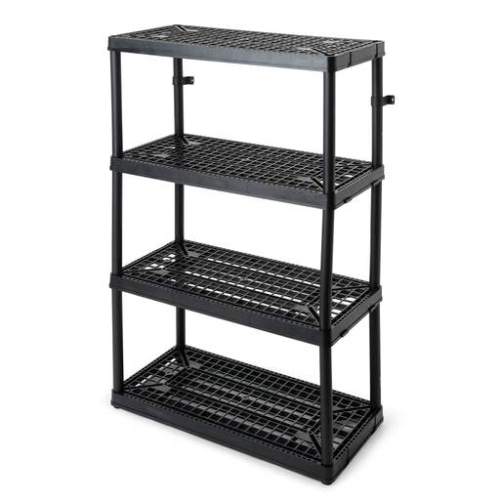 Your price for this item is $164.99
-
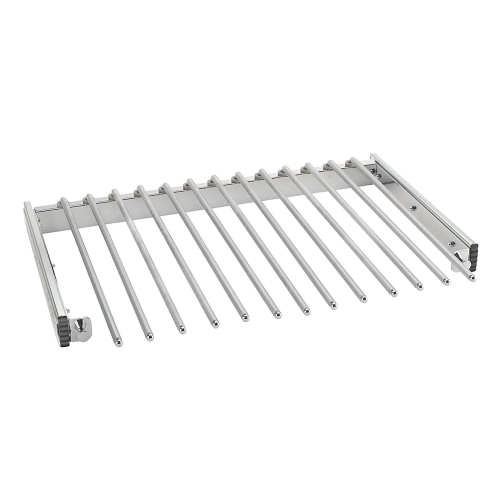 Your price for this item is $271.99
-
 Your price for this item is $144.99
-
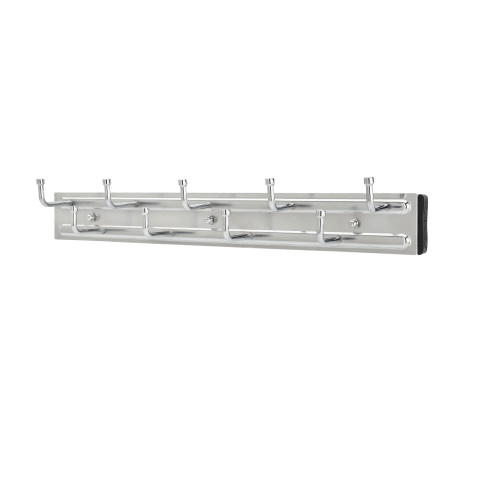 Your price for this item is $82.99
-
 Your price for this item is $88.99
-
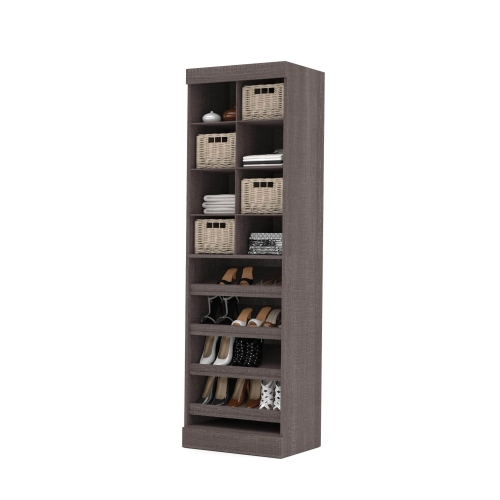 Your price for this item is $689.99
Discover more categories related to Rolling Garment Racks
Top Collections:
Best Black Friday Deals This Year, Best Black Friday Deals On Electronics, Kindle Devices, Dyson Airwrap, Best Cameras for Sports Photography, Best Budget Office Chairs, Canon G7X Cameras, PS5 Pro Consoles, Best Black Friday Deals On Apple Products, XBOX One S Consoles
Some products may be subject to Environmental Handling Fees
(EHF) depending on your province.
Learn more about EHFs.