Gasoline Storage Tanks for Farms
Gasoline Storage Tanks for Farms are essential for maintaining a steady and safe fuel supply to keep agricultural operations running smoothly. Designed to meet the unique needs of farm environments, these tanks offer reliable storage solutions for gasoline, making it easier to refuel equipment and vehicles right on site. Explore a range of options tailored to support efficient fuel management and help maximize productivity across your farming activities.
Sort






Why gasoline compatibility matters beyond the tank itself
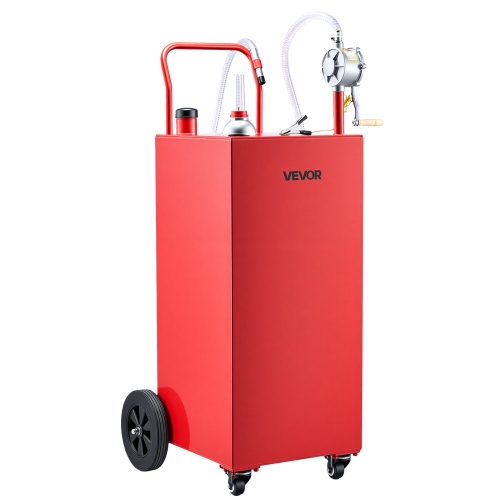
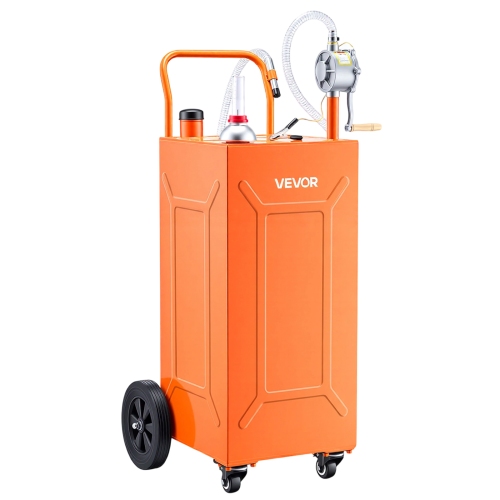
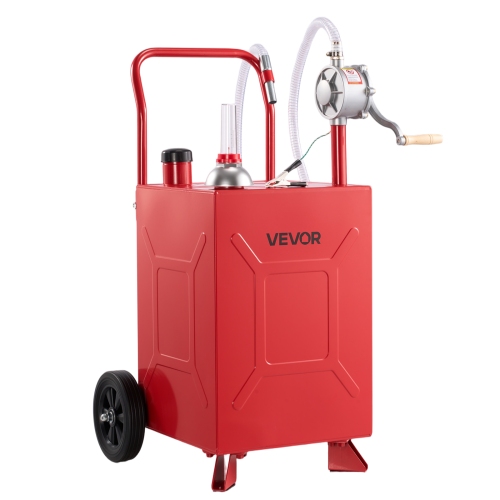
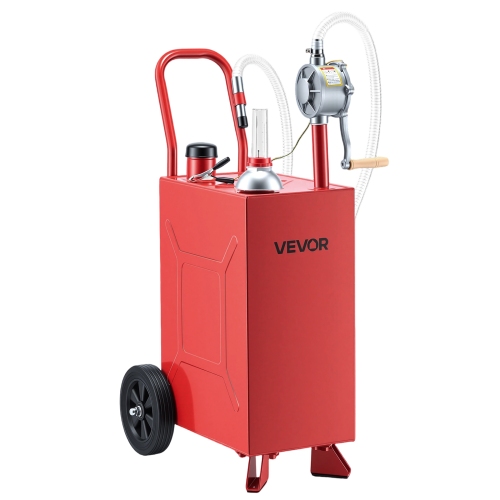
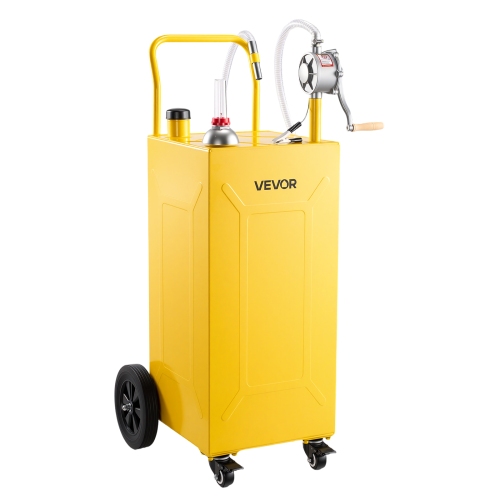
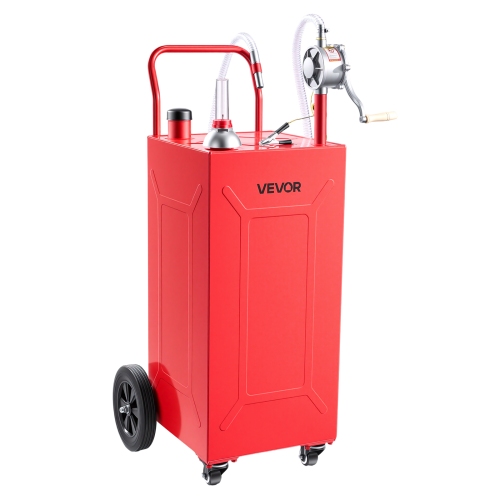
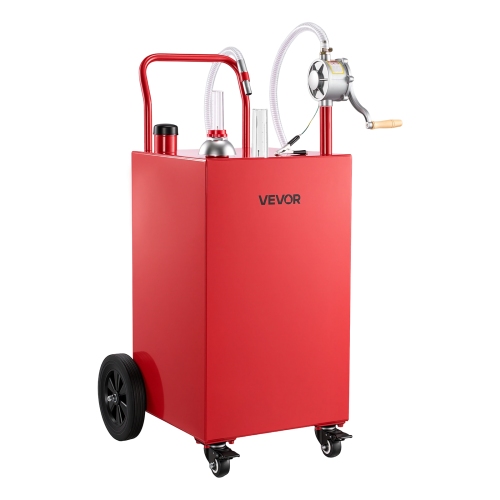
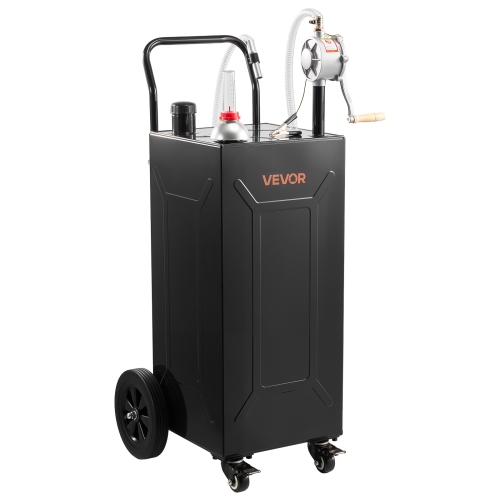
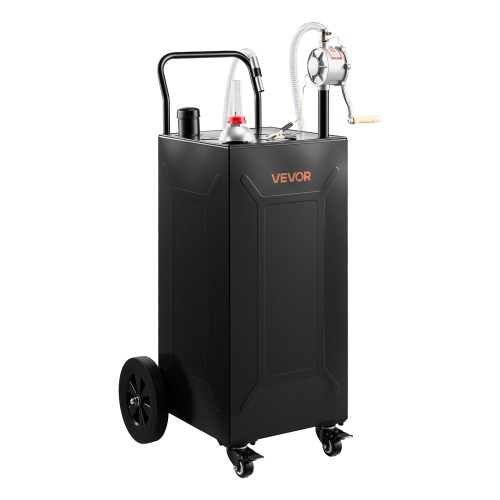
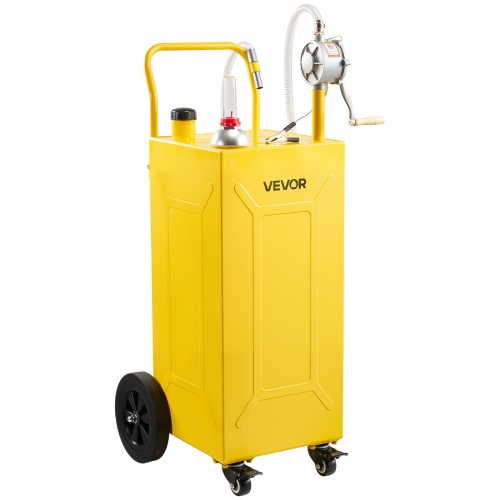
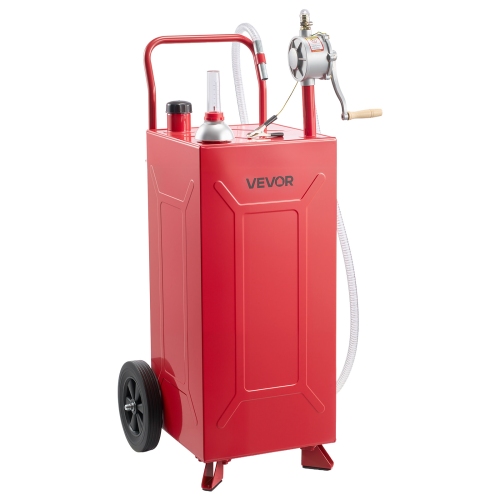
Gasoline storage tanks for farms hold fuel for gasoline-powered equipment, from utility vehicles and ride-on mowers to pumps and small engines used around outbuildings and work areas. Because gasoline produces flammable vapour, these tanks require construction, fittings, venting, and dispensing equipment specifically suited to gasoline, along with installation that meets applicable requirements. A tank intended only for diesel, heating oil, or water is not an interchangeable substitute. On a farm with several types of machinery, clearly identified fuel storage helps keep gasoline separate from other fuels and reduces the chance of an incorrect fill. The most useful capacity depends on actual consumption, delivery arrangements, and how quickly the fuel will be used, rather than simply choosing the largest tank that fits the yard. A property running a few small engines has different needs from an operation refuelling several gasoline-powered utility vehicles throughout the working day. Excess capacity can leave fuel sitting longer than intended, while insufficient capacity can make refuelling unnecessarily disruptive. The stated tank capacity also differs from its permitted working fill level, since space must remain for fuel expansion as specified by the manufacturer. Horizontal and vertical configurations offer different footprints, but their suitability also depends on the supporting base, access to connections, and room for inspection. A compact footprint is only useful when the fill point, dispensing equipment, and service areas remain accessible. Fixed storage tanks and mobile fuel tanks serve different purposes: a stationary tank is not automatically suitable for transport, and a transport tank is not automatically suitable as a permanent installation. Compatibility with the gasoline being stored, including its ethanol content, extends beyond the tank body to seals, hoses, gaskets, and other wetted components. For farm owners, grounds crews, and equipment operators, these distinctions help define a storage setup that suits the work without introducing avoidable complications.
Construction quality matters because a farm fuel tank is a complete storage system, not just a vessel with a pump attached. Steel is a common material for bulk gasoline tanks, with protective finishes helping resist exterior corrosion and clearly documented construction standards establishing the tank’s intended service. Wall condition, weld quality, secure supports, and accessible inspection points all contribute to long-term durability. An exterior finish does not replace the need for sound tank construction, and surface appearance alone cannot establish whether a vessel is suitable for gasoline. Single-wall and double-wall designs differ in how they address containment. A single-wall tank may require separate secondary containment, while a double-wall tank incorporates an additional barrier; the accepted arrangement depends on the tank design and applicable rules. Where provided, interstitial monitoring helps identify a problem between the walls. Containment is distinct from ventilation, and neither feature substitutes for the other. Normal venting, emergency venting where required, and overfill controls each serve a separate purpose in a properly designed installation. A secure fill connection and a readable level indicator can make routine deliveries easier to manage without relying on guesswork. Dispensing components deserve the same attention as the tank itself. Pumps, meters, filters, hoses, and nozzles need ratings that match gasoline service, the intended flow, and the complete system configuration. A pump described as suitable for fuel transfer may still be intended only for diesel, so its documented gasoline compatibility is essential. Electrical equipment must also suit the installation and any applicable hazardous-location requirements. Bonding and grounding provisions, where required, help manage static ignition hazards during fuel transfer. A lockable dispensing point can restrict unauthorized access, while supported hoses and orderly nozzle storage reduce damage from vehicle movement and daily handling. For a yard where equipment returns repeatedly to one refuelling area, durable fittings, clear controls, and a tidy hose arrangement can matter as much as tank volume.
The location and upkeep of gasoline storage tanks for farms influence how comfortably the system fits into everyday operations. A suitable installation provides stable support, access for delivery and servicing, and separation from buildings, ignition sources, property boundaries, and vehicle traffic as required locally. Positioning a tank beside a convenient doorway or inside an ordinary equipment shed does not make that location acceptable for gasoline storage. Provincial or territorial requirements, municipal rules, fire codes, and the conditions attached to a particular tank or installation can all affect what is permitted. Farm use alone should not be assumed to create an exemption. Depending on the location and system, approvals, inspections, or installation by qualified professionals may be necessary. Clear fuel identification, appropriate warning signs, and protection against accidental vehicle impact help make the storage area easier to recognize and manage. Routine care includes attention to corrosion, staining, damaged hoses, loose fittings, unreadable labels, and changes in how the dispensing system operates. Water or sediment can affect fuel quality and equipment performance, making compatible filtration and maintenance access useful considerations. Fuel condition also matters: gasoline does not retain its properties indefinitely, and storage life depends on its formulation and handling conditions. Any treatment must be suitable for the fuel and equipment, rather than treated as a substitute for sensible turnover. Repairs, internal cleaning, and changes to tank fittings require qualified assessment because an apparently empty tank can still contain hazardous vapour. For smaller refuelling tasks away from a fixed installation, Portable Gasoline Storage Containers serve a different role, with their own capacity limits, closure designs, handling requirements, and transport considerations. They do not replace bulk storage where a properly installed tank is needed. Whether fuel supports a small acreage or a larger agricultural operation, the strongest fit comes from matching the tank’s approved purpose, construction, dispensing system, and maintenance needs to the equipment it will actually serve.
Top selling and popular products
-
 Your price for this item is $15.97
-
 Your price for this item is $16.97
-
 Your price for this item is $18.96
-
 Your price for this item is $16.96
-
 Your price for this item is $36.67
-
 Your price for this item is $37.99
-
 Your price for this item is $45.53
-
 Your price for this item is $37.83
Discover more categories related to Gasoline Storage Tanks for Farms


Top Collections:
Pokemon Centers, Best Cameras for Sports Photography, Kindle Devices, Samsung Galaxy Phones, Canon G7X Cameras, Pokémon 30th Celebration Cards, Refurbished Apple Laptops, iPhone 15 Apple, Laptops for Students, Budget Smartphones
Some products may be subject to Environmental Handling Fees
(EHF) depending on your province.
Learn more about EHFs.