Portable Gasoline Storage Containers
Portable Gasoline Storage Containers offer a convenient solution for safely transporting and storing fuel wherever you need it. Ideal for use at home, on the road, or during outdoor adventures, these containers are designed to help make refueling equipment, vehicles, or generators easier and more efficient. Explore a range of sizes and styles to find the right Portable Gasoline Storage Containers to match your needs and keep your fuel supply ready when you need it most.
Sort



Why gas can handling matters as much as capacity
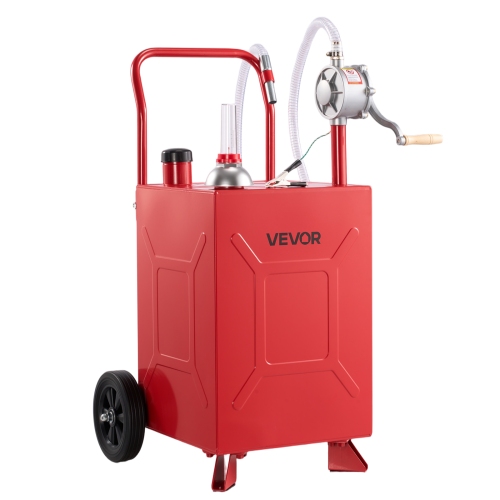
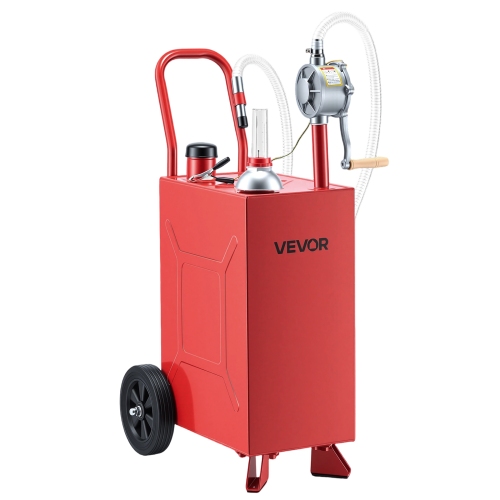
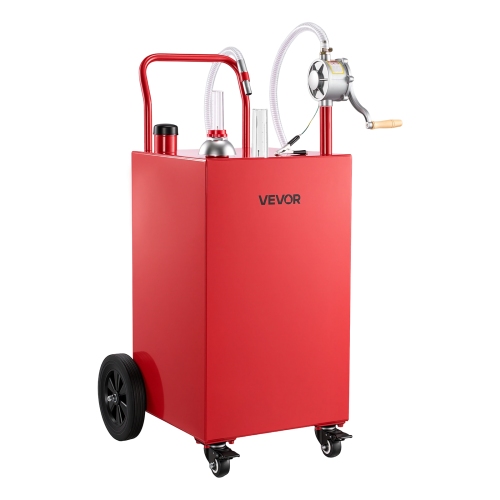
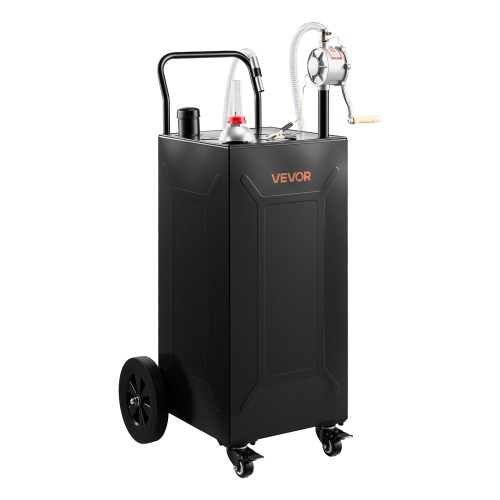
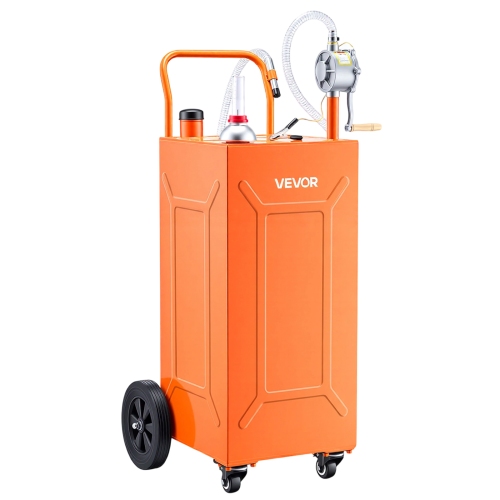
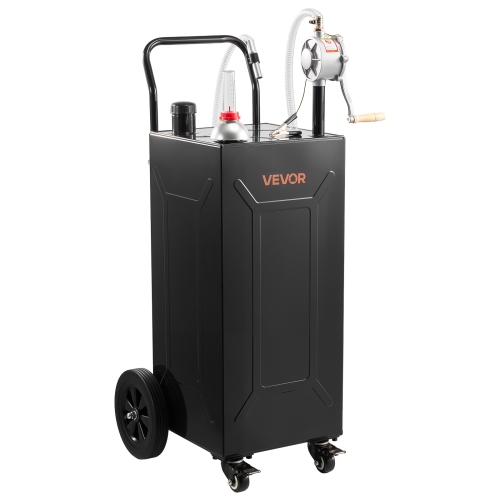
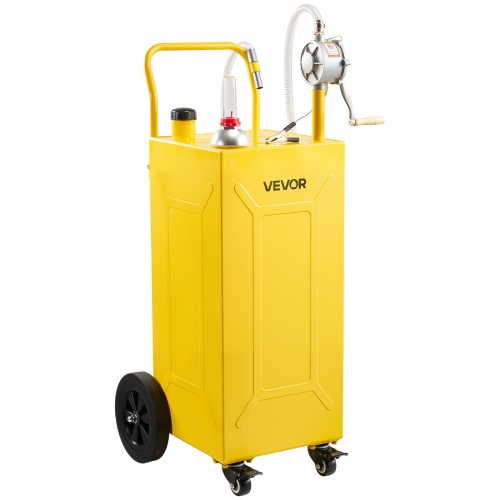
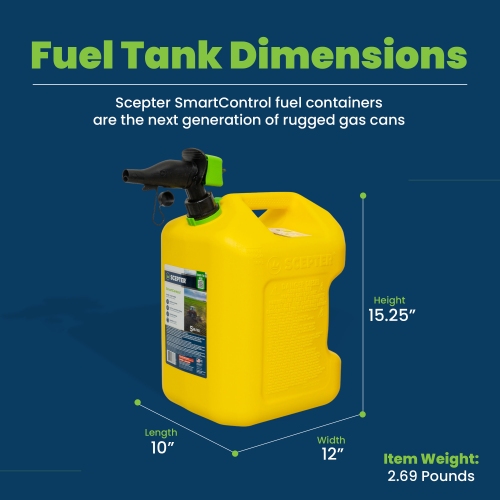
Portable gasoline storage containers are purpose-built vessels for holding, carrying, and dispensing gasoline for compatible engines and equipment. Common formats include handheld gas cans, low-profile containers with dedicated mounting systems, and wheeled fuel caddies that move larger quantities without requiring the entire load to be carried. Their usefulness depends on more than capacity: the handle position, opening size, spout length, closure design, and overall shape all affect how comfortably fuel can be moved from storage to a tank. For a homeowner filling a mower or a contractor supplying portable equipment, a manageable container with a controlled pour can be more practical than a larger vessel that becomes awkward when full. Capacities are commonly expressed in litres, although some labels also include gallons; checking the litre measurement avoids confusion between US and imperial gallons. A smaller handheld can may suit occasional top-ups, while a larger container can reduce repeated trips when several machines need fuel. Larger capacity also adds weight, so consider the full load rather than judging by the empty container. A broad base can help a can sit securely on a suitable surface, while a second grip can support a steadier two-handed pour. Compact shapes may fit designated storage spaces more easily, but they still need sufficient clearance to remain upright and allow access to their closures. Gasoline containers are commonly red, yet colour alone does not establish suitability: the label must identify the container as intended for gasoline. Containers made for water, food, or general household storage are not substitutes, even if their lids appear to seal tightly. For Canadian use, look for markings showing compliance with applicable fuel-container requirements and check any provincial, municipal, workplace, or transport rules that apply. The most useful choice is a container matched to the fuel, the equipment, the amount needed, and the person who will lift and pour it, rather than simply the largest size that fits in a vehicle.
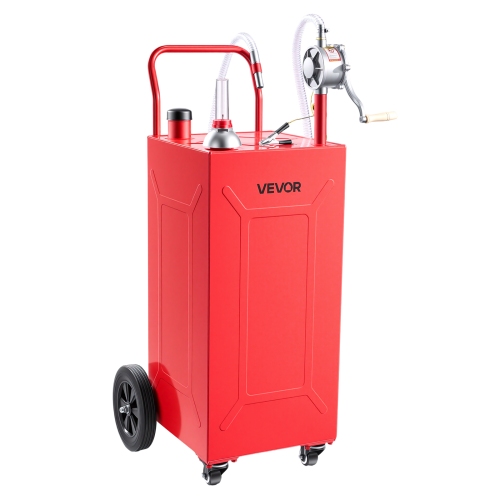
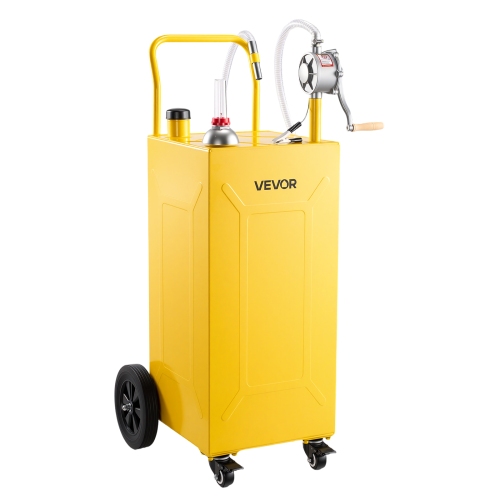
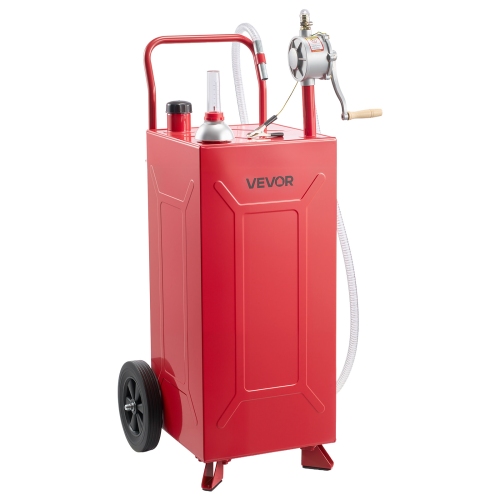
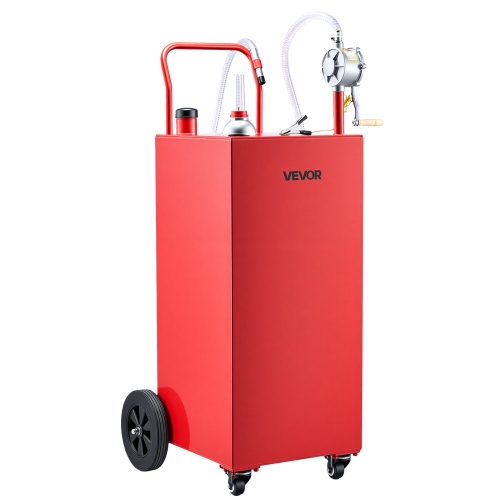
Materials and dispensing hardware make a noticeable difference in everyday handling. Gasoline-rated high-density polyethylene, often called HDPE, is widely used because it is relatively lightweight and does not rust. Metal fuel cans offer another construction option, with durability that depends on the metal, finish, seams, and closure components. Neither material removes the need for inspection: plastic can develop cracks or distortion, while metal can suffer dents or corrosion that compromise its integrity. Seals, gaskets, and spouts must also be compatible with gasoline, including the ethanol blend stated on the fuel label. A container rated for one fuel or blend should not be assumed suitable for every alternative. Handles should provide enough room for a secure grip without forcing the wrist into an awkward position. This matters when reaching a recessed filler neck or holding a can above a small engine while controlling the flow. A long or flexible spout can improve access, but it still needs to suit the receiving tank and stay firmly attached. Automatic shut-off or spill-resistant mechanisms may help control dispensing, although their operation varies and they cannot replace attention during filling. Caps with retaining straps can be convenient, and designs with fewer loose pieces can simplify keeping the complete assembly together. Larger wheeled fuel caddies bring different considerations, including wheel size, balance, hose storage, and whether the dispensing system uses gravity or a compatible pump. A smooth paved route presents different handling demands from gravel, steps, or a narrow doorway; wheels do not make a heavy load suitable for every route. Low-profile, mountable containers require mounting hardware specifically designed for the container and the intended vehicle application. For equipment owners comparing fuel-carrying options, Portable Gas Tanks for Generators focuses on a related use where capacity, manageable handling, and access to the filler opening are especially relevant. A portable storage can is not automatically an auxiliary supply tank, and it should never be connected directly to an engine unless the equipment manufacturer expressly permits that arrangement with compatible components.
Careful storage and routine care help preserve the reliability of a portable gasoline container. Before each use, check the body, seams, handle, cap, gasket, and spout for damage, looseness, or signs of leakage. A persistent fuel smell around a closed container calls for investigation, not an improvised repair with tape or household adhesive. Replacement closures and dispensing parts should be approved for the container rather than selected only because their threads appear to fit. Keep labels legible, and clearly distinguish straight gasoline from any premixed two-stroke fuel so that the wrong contents do not reach an engine. Where fuel mixtures are involved, follow the equipment manufacturer's specified ratio and use a container suitable for that mixture. During filling at a service station, place an approved portable container on the ground rather than leaving it inside a vehicle or on a truck bed. Follow the station's instructions, keep the dispensing nozzle in contact with the container's opening as directed, and never exceed the marked fill limit. That space above the fuel is intentional, not unused capacity to top off. Close the container securely after filling and keep its exterior free of spilled fuel. For transport, secure it upright against movement, follow applicable quantity and vehicle restrictions, and unload it promptly rather than treating a vehicle as a storage location. Store gasoline only where local fire rules permit, away from living spaces, ignition sources, and access by children or pets; a tightly closed cap does not make an unsuitable location safe. When refuelling equipment, stop the engine and allow it to cool according to its manual, and never add gasoline to a running generator or other operating engine. Fuel also changes during storage, so the container's condition is only part of keeping a dependable supply. Follow fuel and equipment guidance on storage duration and any compatible stabilizer, and use an approved disposal service for unwanted gasoline rather than pouring it into drains or onto the ground. With the right capacity, sound closures, suitable materials, and consistent handling, portable gas cans and fuel caddies can make routine equipment refuelling more controlled and convenient.
Top selling and popular products
-
 Your price for this item is $15.97
-
 Your price for this item is $16.97
-
 Your price for this item is $18.96
-
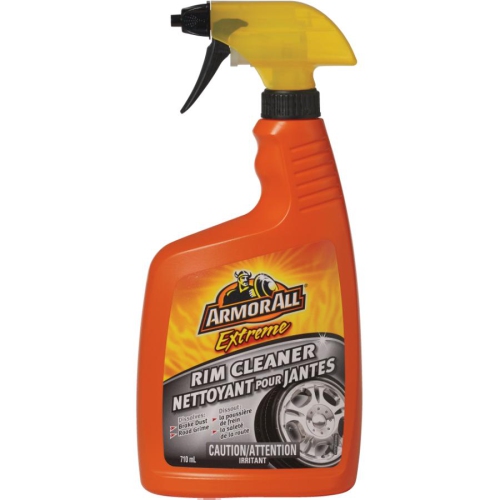 Your price for this item is $16.96
-
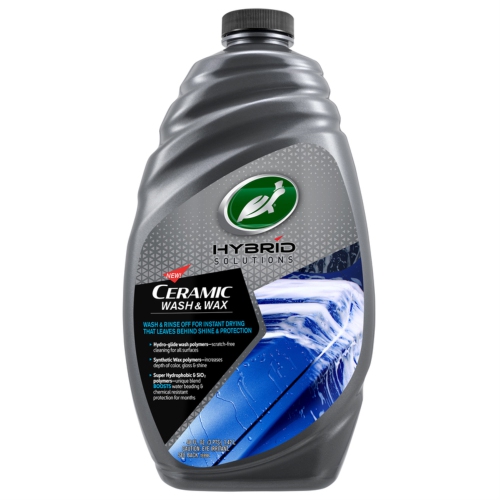 Your price for this item is $36.67
-
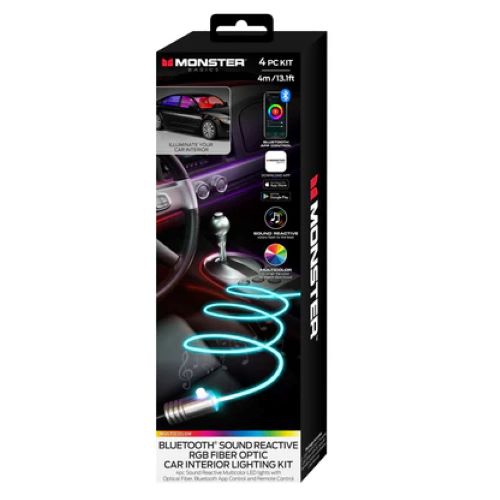 Your price for this item is $37.99
-
 Your price for this item is $45.53
-
 Your price for this item is $37.83
Discover more categories related to Portable Gasoline Storage Containers
Top Collections:
Pokemon Centers, Best Cameras for Sports Photography, Kindle Devices, Samsung Galaxy Phones, Canon G7X Cameras, Pokémon 30th Celebration Cards, Refurbished Apple Laptops, iPhone 15 Apple, Laptops for Students, Budget Smartphones
Some products may be subject to Environmental Handling Fees
(EHF) depending on your province.
Learn more about EHFs.