Gazebo With Net
Transform your outdoor space into a serene retreat with a gazebo featuring a net. Whether you're hosting a summer barbecue or simply enjoying a peaceful afternoon, these versatile structures provide the perfect blend of style and functionality. The netting offers an added layer of protection against insects, ensuring comfort as you relax or entertain guests. With various designs to complement any backyard aesthetic, a gazebo with netting can enhance your garden, patio, or deck, making it an inviting spot for all your outdoor activities. Discover how this elegant addition can elevate your home’s exterior and create a cozy haven right in your own backyard.
Sort
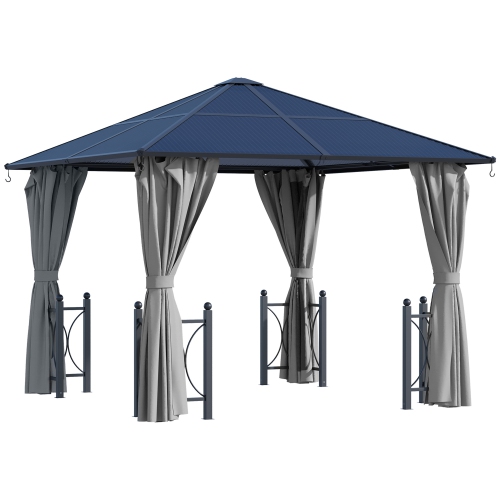
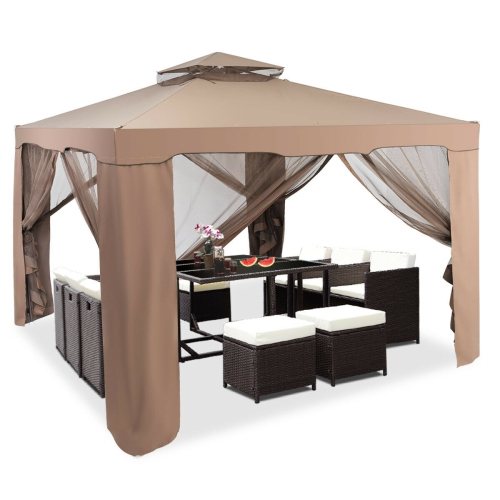
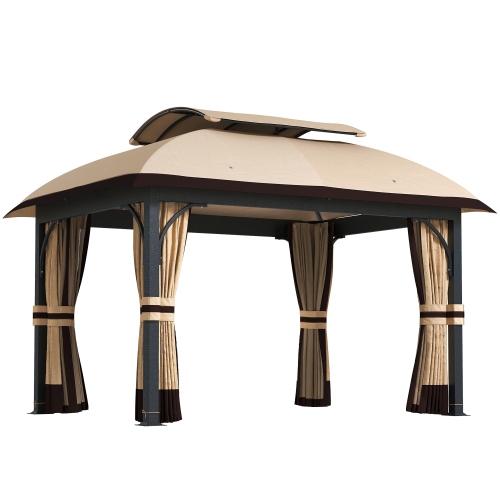
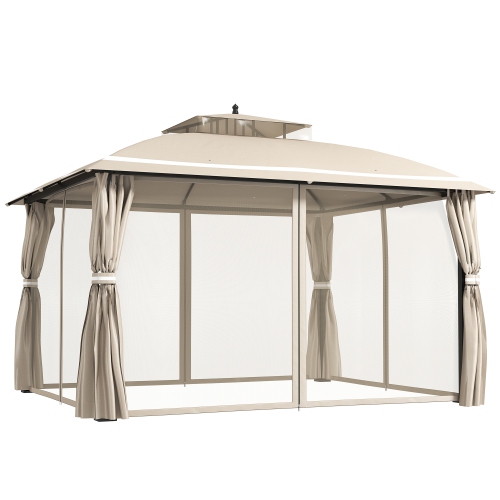

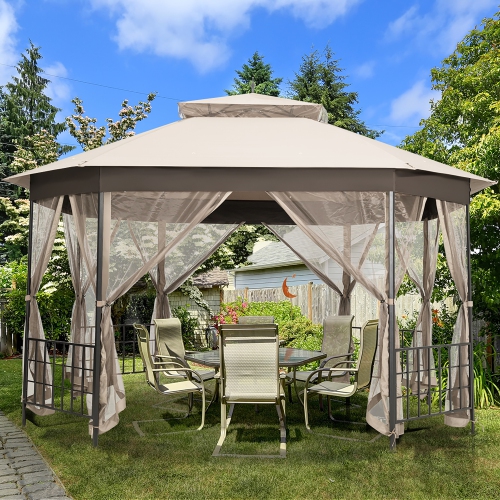
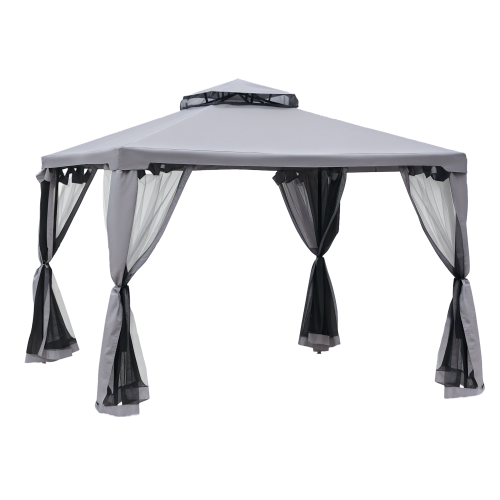
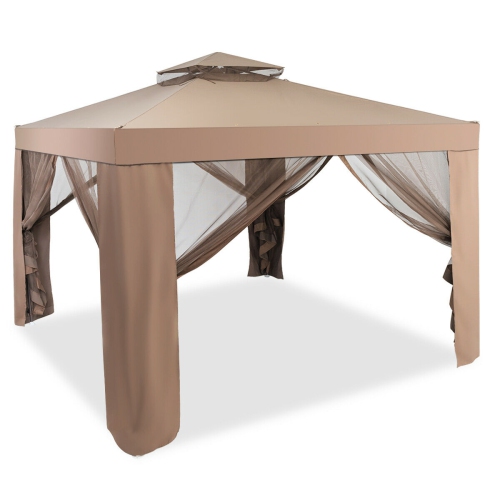
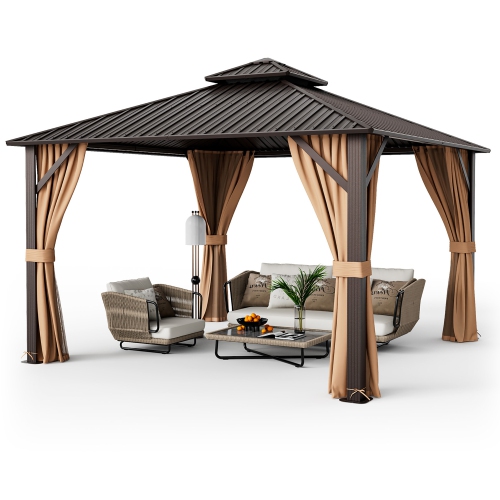
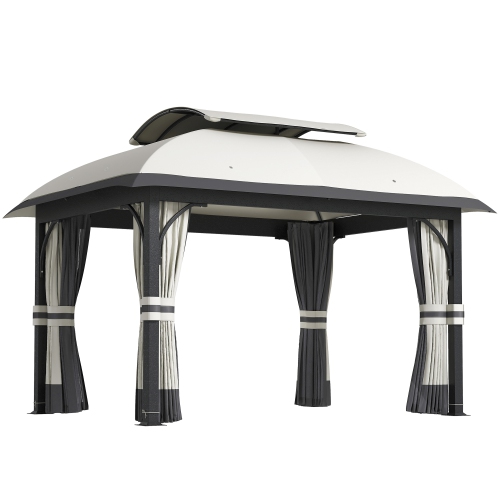
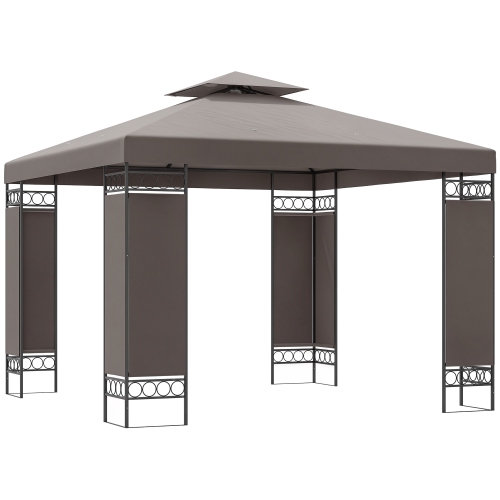
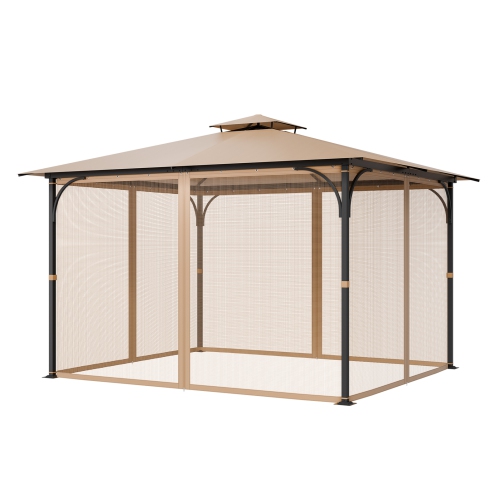
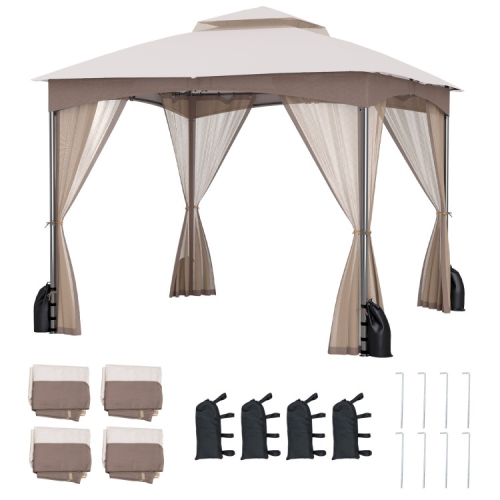
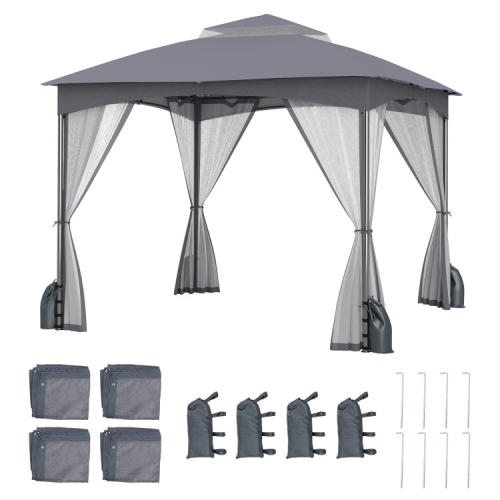
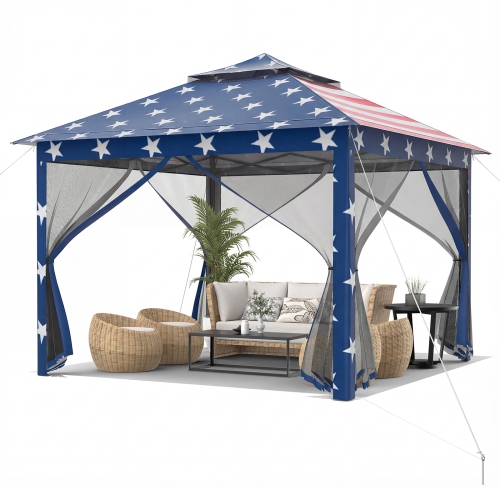
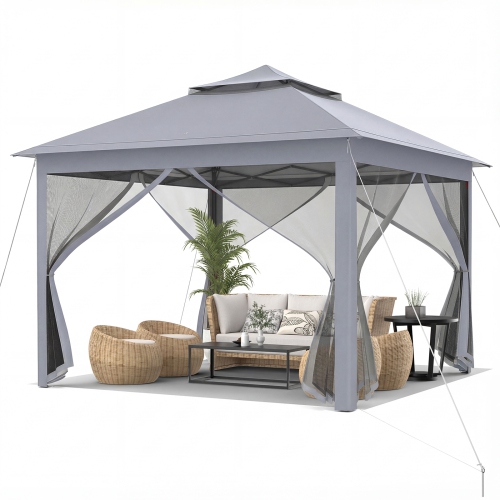
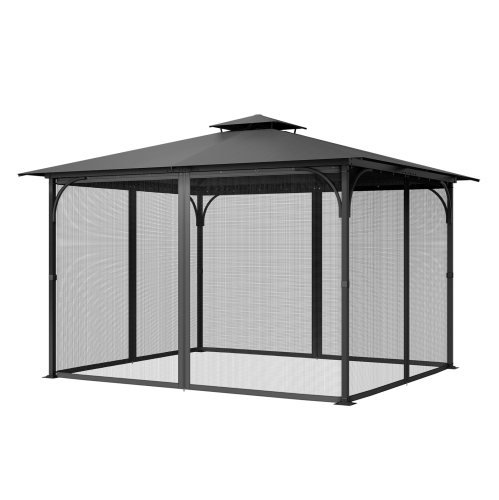
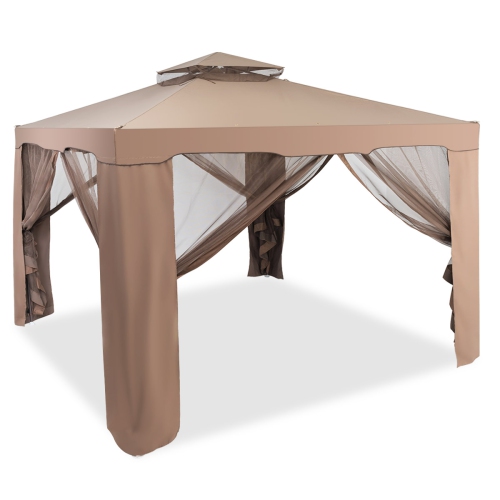
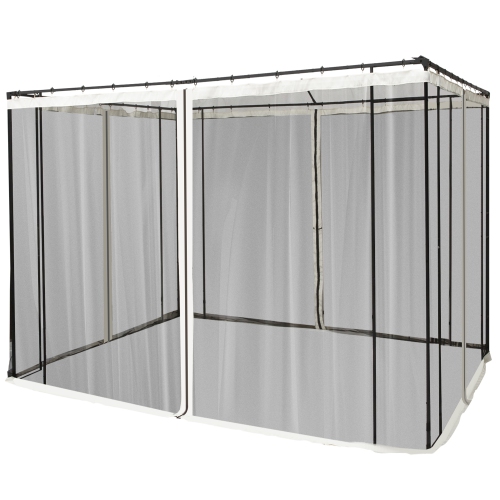
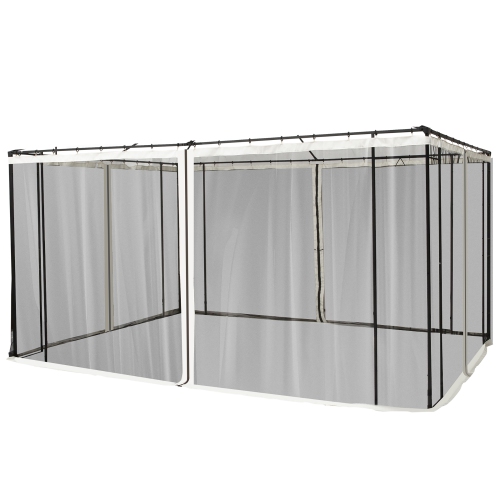
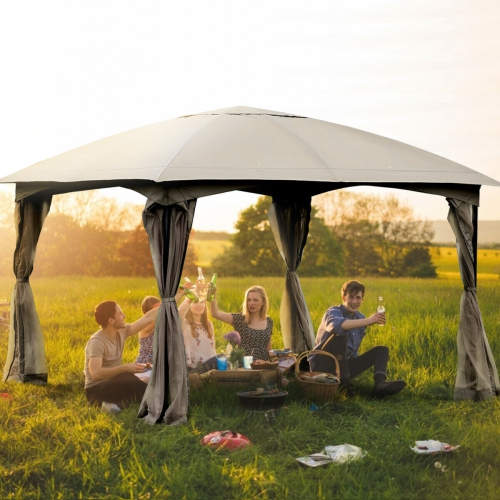
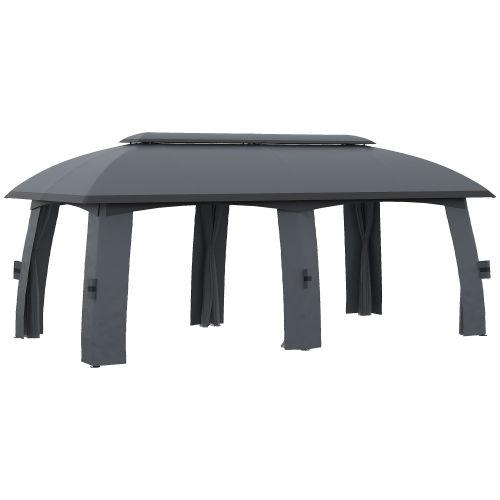
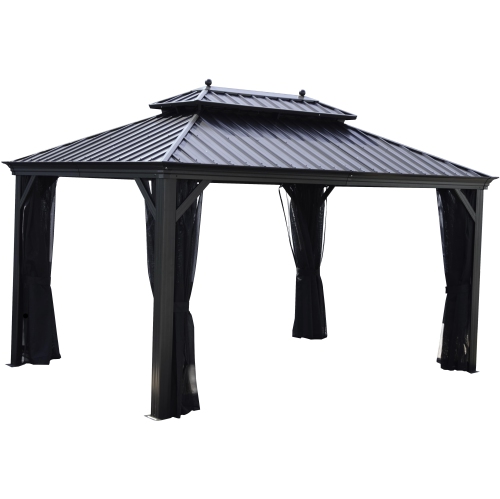


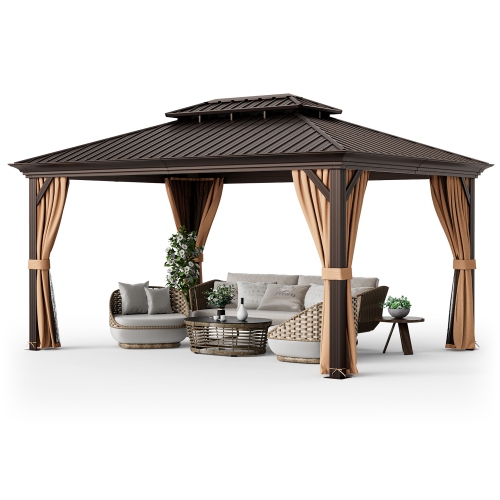
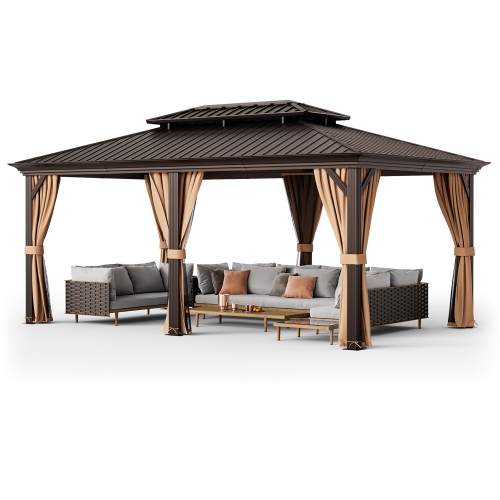
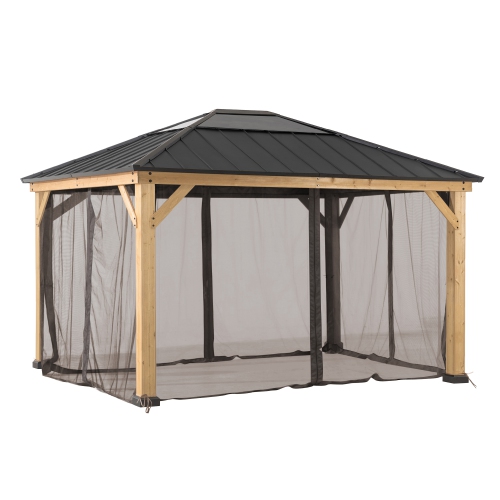
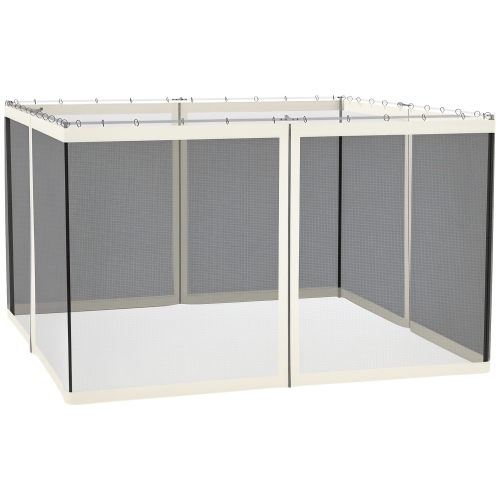
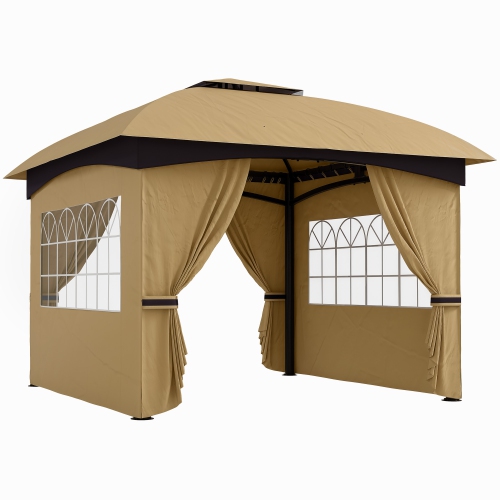
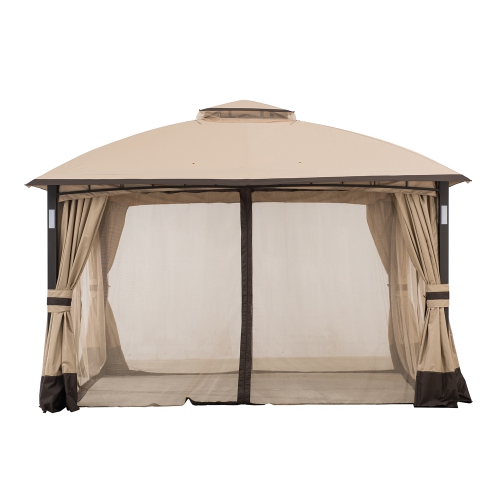
Outdoor dining with fewer insects and open views
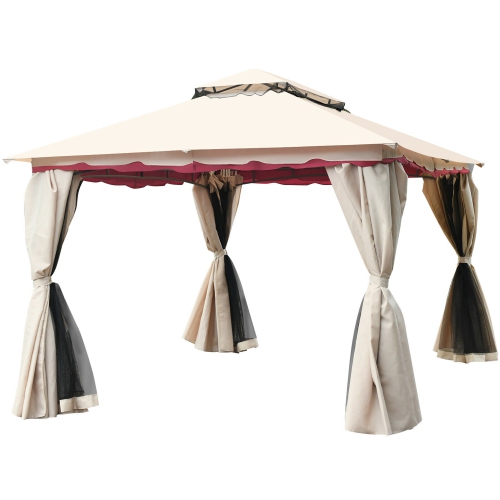
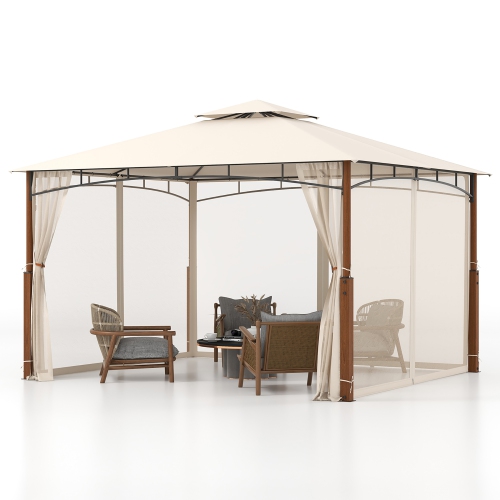
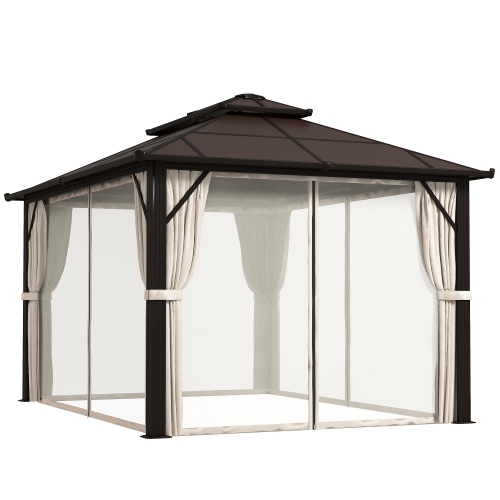
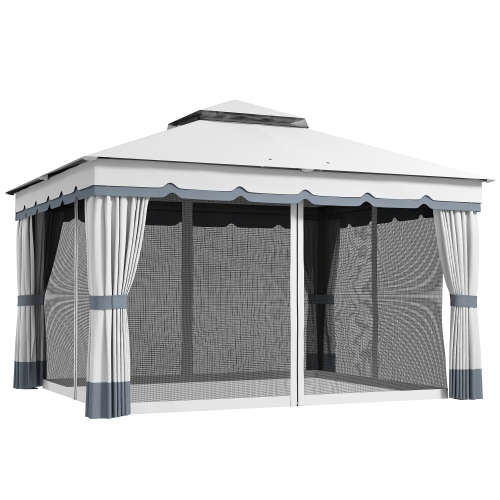
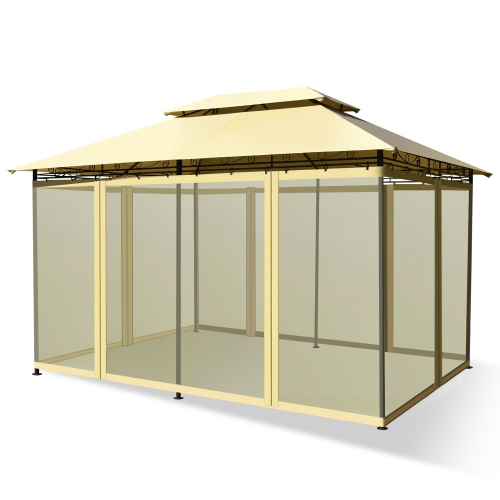
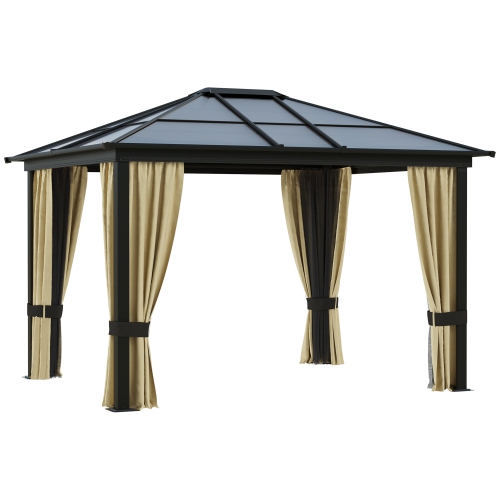
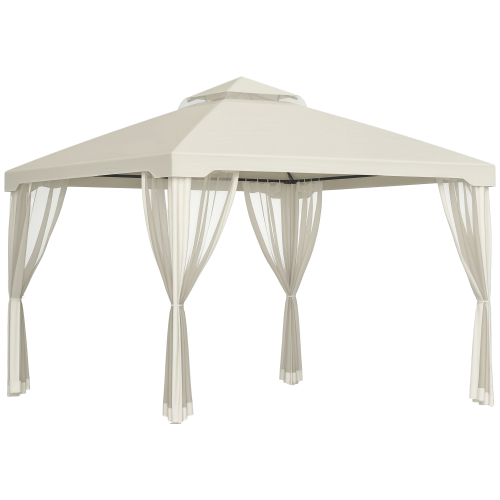
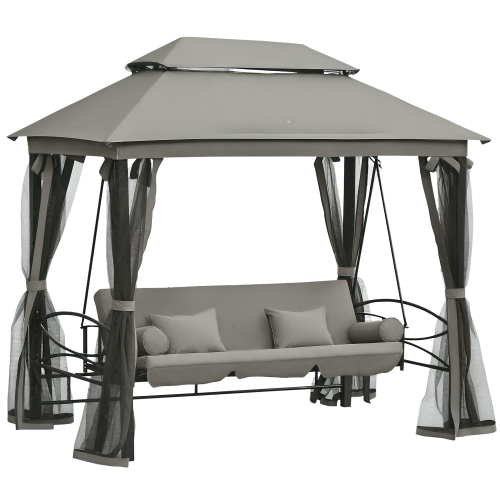
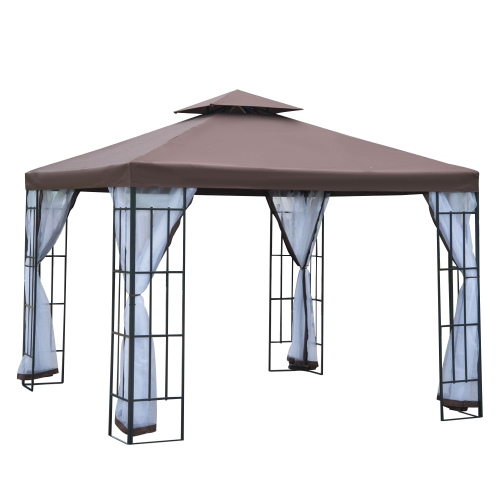
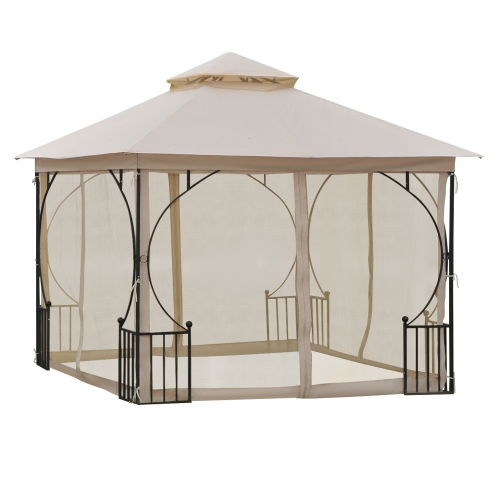
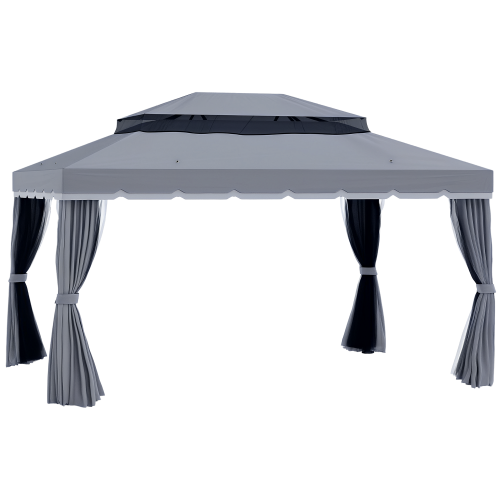
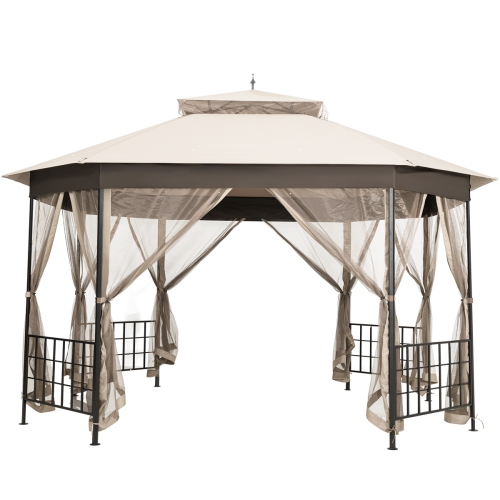
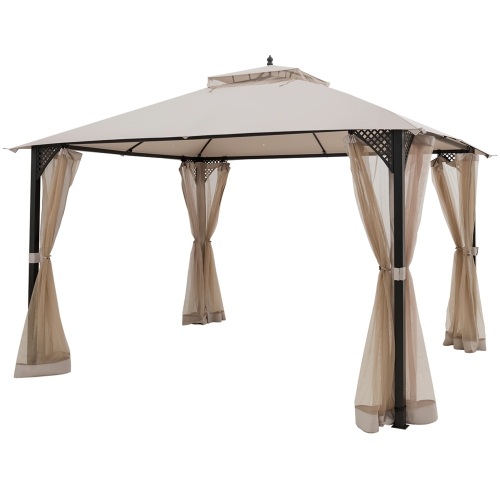
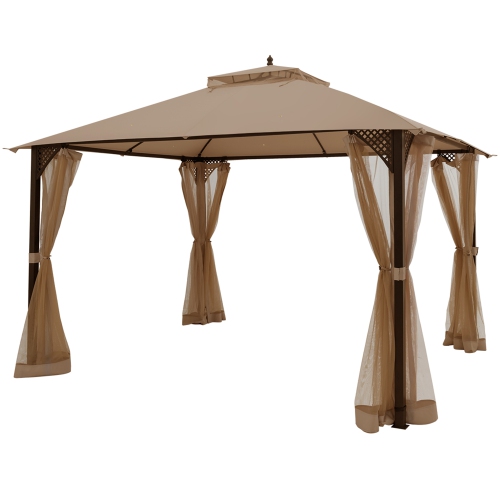
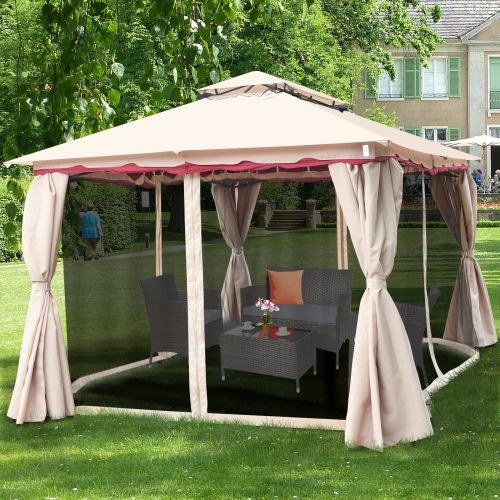
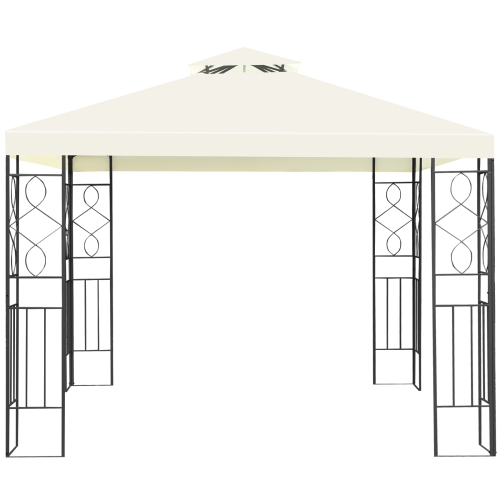
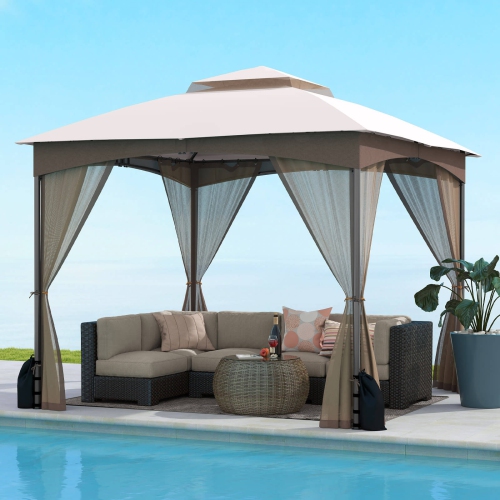
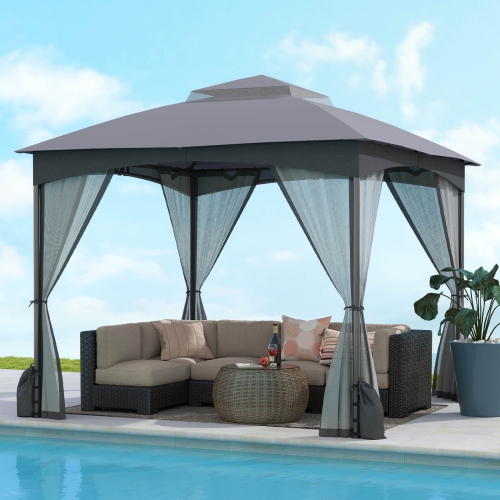
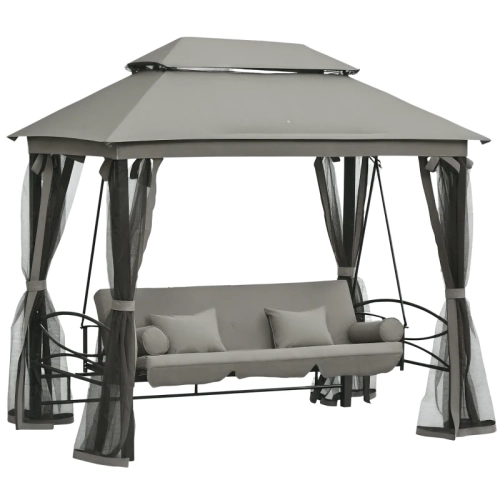
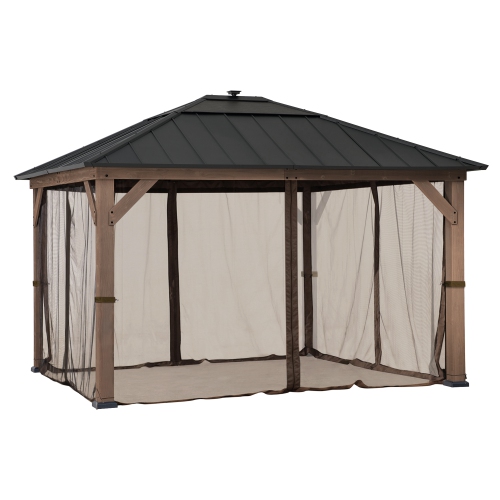
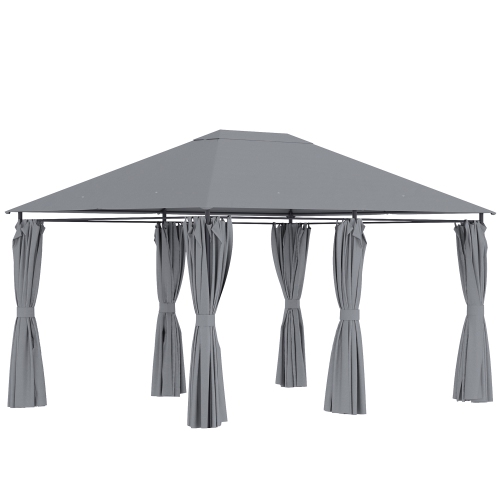
A gazebo with netting is a roofed outdoor structure with mesh panels around its sides, creating a sheltered place to sit, dine, or gather while helping keep mosquitoes, flies, and other insects outside. Unlike an open-sided gazebo, it can form an enclosed seating area when the panels are fully drawn and zipped shut. The mesh allows air to circulate and preserves views of the garden, making it useful for a patio dining table, a pair of lounge chairs, or a larger outdoor conversation set. Netting works best when it closes neatly at the corners and entrances, with minimal gaps along the ground; it reduces insect entry rather than guaranteeing a completely insect-free space. Zippered openings provide access, while tiebacks let the panels rest against the posts when an open layout suits the occasion. For a household that enjoys eating outdoors, this can mean fewer interruptions around the dinner table. For someone who likes reading outside, it offers a defined retreat without separating the seating area from its surroundings. Mesh should not be confused with a privacy curtain, since it generally remains easy to see through and does little to stop wind-driven rain. Gazebos that combine netting with separate solid curtains offer more control over visibility and exposure, particularly when the two layers run on independent tracks. For a more enclosed look, Gazebo With Curtains brings that style into focus. A netted gazebo is especially well suited to spaces where airflow and insect protection matter more than seclusion. Its appearance also helps define how the area feels: a slim metal frame can sit comfortably beside contemporary patio furniture, while a wood-framed design adds warmth near a garden or stone terrace. Neutral roof and mesh colours are easy to coordinate with seat cushions, outdoor rugs, and existing finishes, allowing the structure to feel like part of the yard rather than a separate addition.
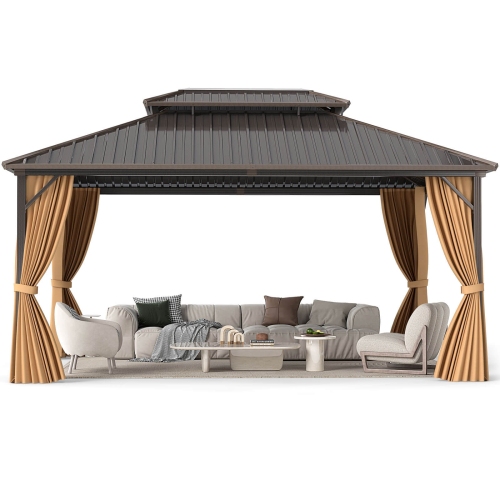
Roof and frame materials influence a gazebo’s upkeep, weight, and suitability for its intended setting. Soft-top gazebos use a fabric canopy, often polyester, stretched over a supporting frame. They can suit a less permanent patio arrangement, though the canopy’s water resistance, UV protection, and care requirements depend on its fabric and treatment. Water-resistant fabric is not necessarily waterproof, and a canopy needs proper tension and drainage to avoid pooling. Hardtop gazebos use rigid roof panels, commonly metal or polycarbonate, for a more substantial overhead covering. Metal panels typically provide opaque shade, while some polycarbonate panels admit filtered light; the amount of light and heat beneath the roof varies with panel construction and colour. A hard roof alone does not establish that a gazebo can remain assembled through a Canadian winter. Wind and snow-load ratings, anchoring requirements, and the manufacturer’s instructions determine the conditions it is designed to handle. Vented or double-tiered roofs can encourage air movement beneath the canopy, but they do not replace secure anchoring or adherence to stated limits. Frame choices deserve similar attention. Aluminium is relatively lightweight and resists rust, while steel provides a sturdy framework but relies on protective finishes to limit corrosion. Scratches and exposed fasteners can need attention over time. Wood brings a different texture and may require sealing or staining according to the manufacturer’s care instructions. The netting itself should have secure seams, smoothly operating zippers, and attachment points that keep the panels supported without excessive strain. A finer mesh may help block smaller insects, although mesh density also affects airflow and visibility. Removable panels simplify cleaning and storage, and compatible replacement netting can help extend the structure’s useful life if a panel tears. Where netting is an optional accessory rather than part of the gazebo package, matching the exact frame dimensions and attachment system matters more than matching the nominal gazebo size alone.
Fit involves more than finding a roof size that looks right on a patio. An 8-foot by 8-foot, 10-foot by 10-foot, or 12-foot by 12-foot description may refer to the overall roof footprint rather than the clear space between the posts. Roof overhangs, corner brackets, and the placement of netting tracks can all change how much usable room remains underneath. A dining layout needs space for chairs to pull back without catching the mesh, while a lounge arrangement needs a clear route between seats and the zippered entrance. Leaving furniture slightly away from the perimeter also helps prevent cushions, chair arms, and table corners from rubbing against the panels. Measure the intended location with nearby steps, doors, fences, branches, and rooflines in mind, and check both the entry height and overhead clearance. The base should be level and suitable for the specified anchoring method; grass, paving stones, concrete, and timber decking each present different installation needs. A gazebo placed on a deck also needs a suitable supporting structure and an attachment method appropriate to that deck. Property rules, utility locations, and any applicable local permit requirements are worth confirming before installation. Assembly can involve long roof pieces and overhead fastening, so adequate working space and the number of adults specified in the instructions help the process go smoothly. Once assembled, everyday care is generally straightforward: remove leaves and debris, inspect fasteners and anchors, and clean mesh gently using the approved method. Let fabric components dry fully before storing them to help prevent mildew, and avoid forcing a zipper when the panel is caught or pulled too tightly. Follow the stated requirements for removing soft canopies or netting during strong winds, snow, or extended periods without use. Keep barbecues, fire pits, and patio heaters outside the enclosure unless both the appliance and gazebo manufacturers expressly permit the arrangement and specify safe clearances. With enough room to move, properly fitted mesh, and care matched to its materials, a gazebo with netting can turn an outdoor seating area into a comfortable setting for shared meals and quiet downtime.
Roof and frame materials influence a gazebo’s upkeep, weight, and suitability for its intended setting. Soft-top gazebos use a fabric canopy, often polyester, stretched over a supporting frame. They can suit a less permanent patio arrangement, though the canopy’s water resistance, UV protection, and care requirements depend on its fabric and treatment. Water-resistant fabric is not necessarily waterproof, and a canopy needs proper tension and drainage to avoid pooling. Hardtop gazebos use rigid roof panels, commonly metal or polycarbonate, for a more substantial overhead covering. Metal panels typically provide opaque shade, while some polycarbonate panels admit filtered light; the amount of light and heat beneath the roof varies with panel construction and colour. A hard roof alone does not establish that a gazebo can remain assembled through a Canadian winter. Wind and snow-load ratings, anchoring requirements, and the manufacturer’s instructions determine the conditions it is designed to handle. Vented or double-tiered roofs can encourage air movement beneath the canopy, but they do not replace secure anchoring or adherence to stated limits. Frame choices deserve similar attention. Aluminium is relatively lightweight and resists rust, while steel provides a sturdy framework but relies on protective finishes to limit corrosion. Scratches and exposed fasteners can need attention over time. Wood brings a different texture and may require sealing or staining according to the manufacturer’s care instructions. The netting itself should have secure seams, smoothly operating zippers, and attachment points that keep the panels supported without excessive strain. A finer mesh may help block smaller insects, although mesh density also affects airflow and visibility. Removable panels simplify cleaning and storage, and compatible replacement netting can help extend the structure’s useful life if a panel tears. Where netting is an optional accessory rather than part of the gazebo package, matching the exact frame dimensions and attachment system matters more than matching the nominal gazebo size alone.
Fit involves more than finding a roof size that looks right on a patio. An 8-foot by 8-foot, 10-foot by 10-foot, or 12-foot by 12-foot description may refer to the overall roof footprint rather than the clear space between the posts. Roof overhangs, corner brackets, and the placement of netting tracks can all change how much usable room remains underneath. A dining layout needs space for chairs to pull back without catching the mesh, while a lounge arrangement needs a clear route between seats and the zippered entrance. Leaving furniture slightly away from the perimeter also helps prevent cushions, chair arms, and table corners from rubbing against the panels. Measure the intended location with nearby steps, doors, fences, branches, and rooflines in mind, and check both the entry height and overhead clearance. The base should be level and suitable for the specified anchoring method; grass, paving stones, concrete, and timber decking each present different installation needs. A gazebo placed on a deck also needs a suitable supporting structure and an attachment method appropriate to that deck. Property rules, utility locations, and any applicable local permit requirements are worth confirming before installation. Assembly can involve long roof pieces and overhead fastening, so adequate working space and the number of adults specified in the instructions help the process go smoothly. Once assembled, everyday care is generally straightforward: remove leaves and debris, inspect fasteners and anchors, and clean mesh gently using the approved method. Let fabric components dry fully before storing them to help prevent mildew, and avoid forcing a zipper when the panel is caught or pulled too tightly. Follow the stated requirements for removing soft canopies or netting during strong winds, snow, or extended periods without use. Keep barbecues, fire pits, and patio heaters outside the enclosure unless both the appliance and gazebo manufacturers expressly permit the arrangement and specify safe clearances. With enough room to move, properly fitted mesh, and care matched to its materials, a gazebo with netting can turn an outdoor seating area into a comfortable setting for shared meals and quiet downtime.
Top selling and popular products
-
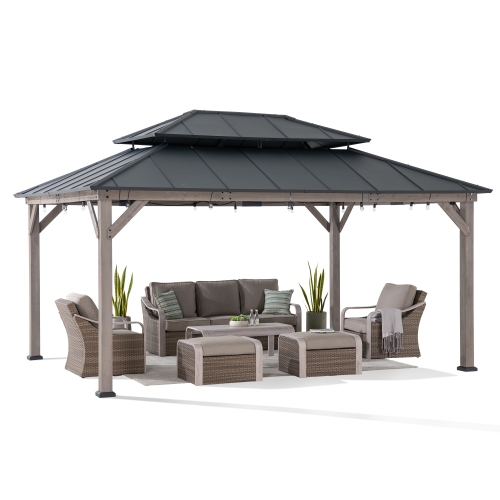 Your price for this item is $2197.99
 -
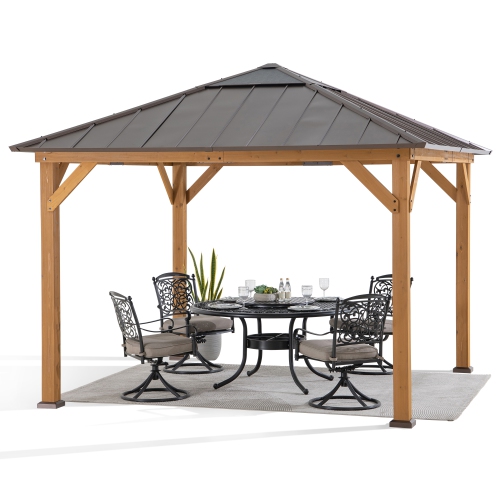 Your price for this item is $1479.99
 -
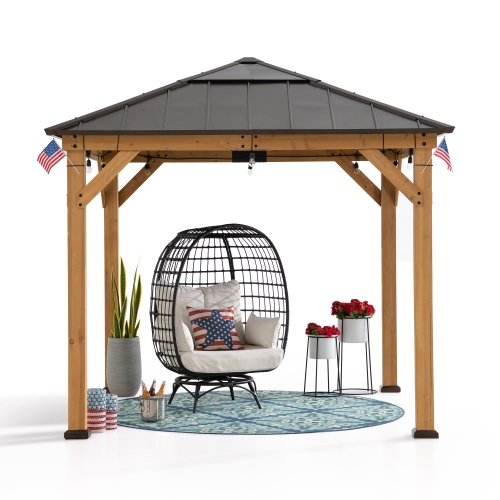 Your price for this item is $1598.99
 -
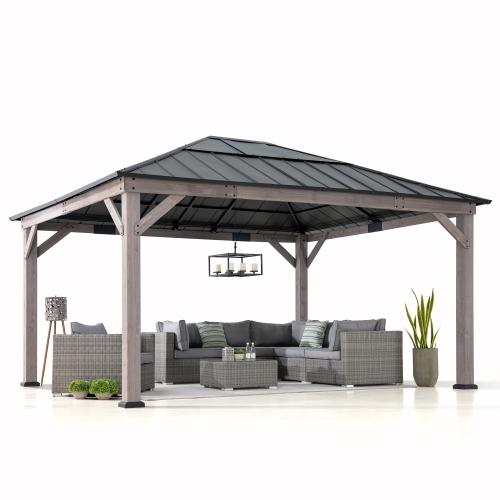 Your price for this item is $1794.99
 -
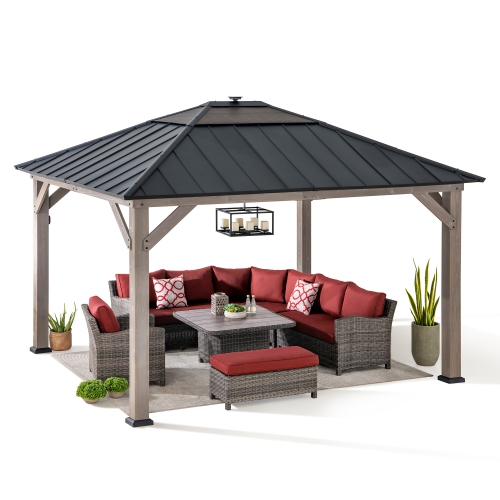 Your price for this item is $1843.99
 -
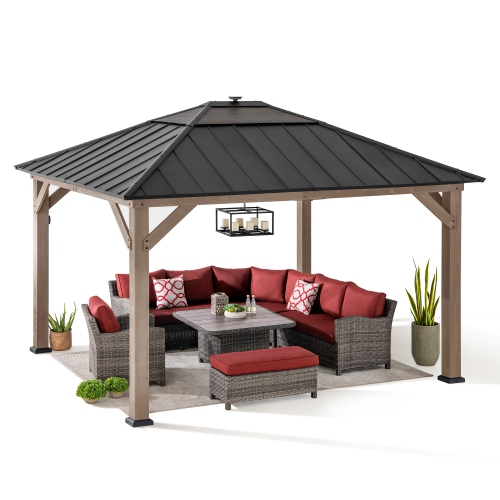 Your price for this item is $1843.99
 -
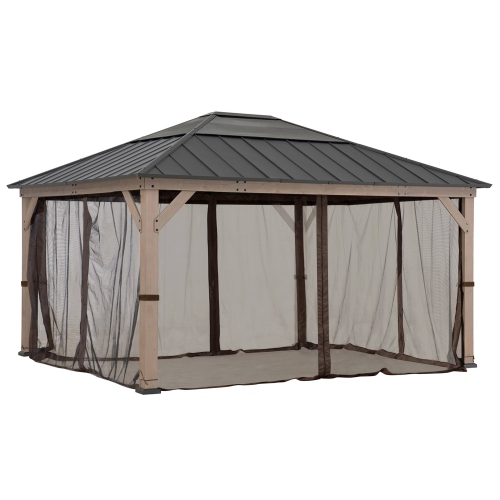 Your price for this item is $107.99
 -
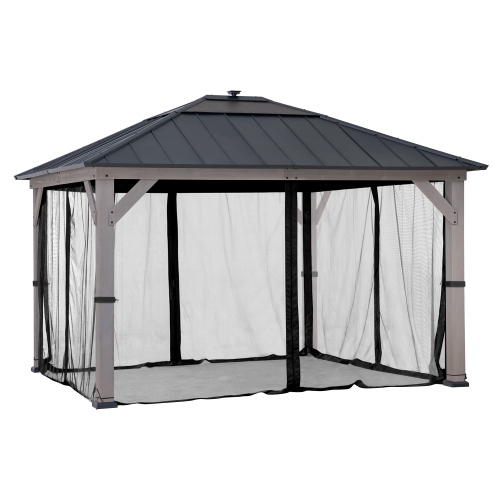 Your price for this item is $95.99
Discover more categories related to Gazebo With Net
Top Collections:
Pokemon Centers, Kindle Devices, Best Budget Office Chairs, Apple iPhones 16, Best Laptops for Writers, iPhone 15 Apple, Canon G7X Cameras, Refurbished Apple Laptops, Alarm Clock, Motorola Razr Phones
Some products may be subject to Environmental Handling Fees
(EHF) depending on your province.
Learn more about EHFs.