Gazebo With Netting
Create a tranquil outdoor oasis with our selection of gazebos with netting. Whether you're looking to enjoy a bug-free environment while relaxing in your backyard or hosting a summer gathering, these gazebos provide the perfect solution. With durable materials and easy assembly, you can elevate your outdoor space and make the most of the warm weather. Explore our range of gazebos with netting to find the ideal addition to your outdoor living area.
Sort
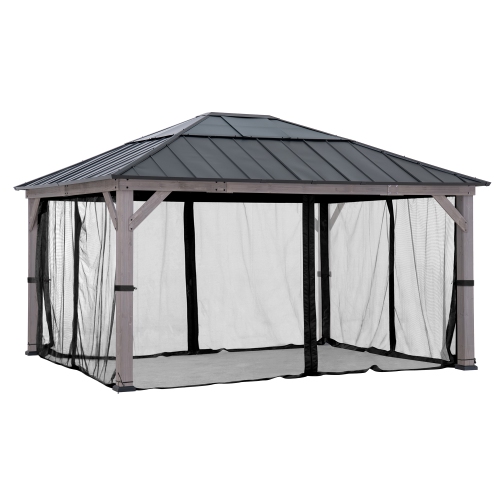
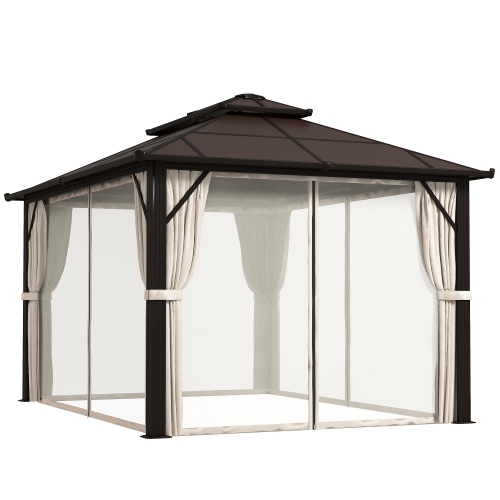
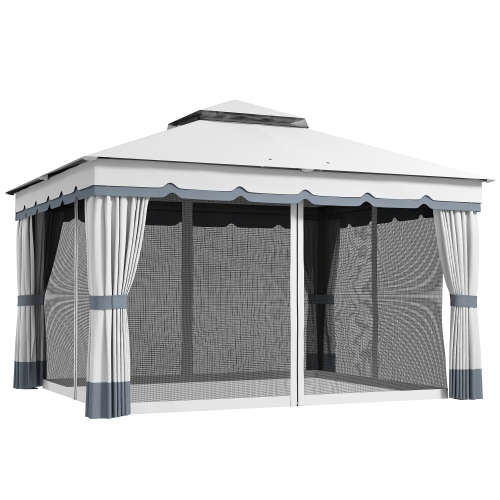
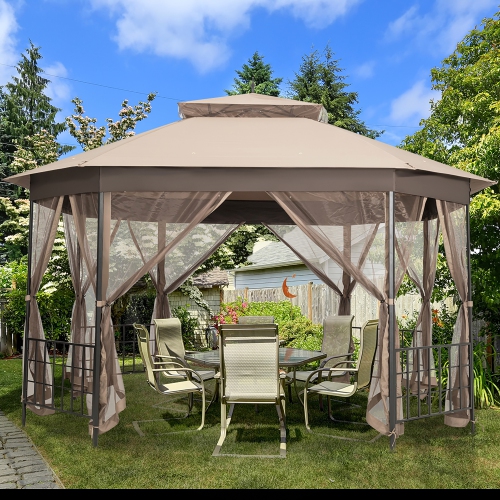
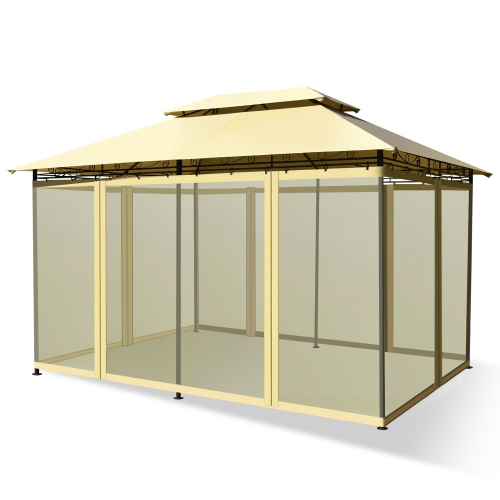
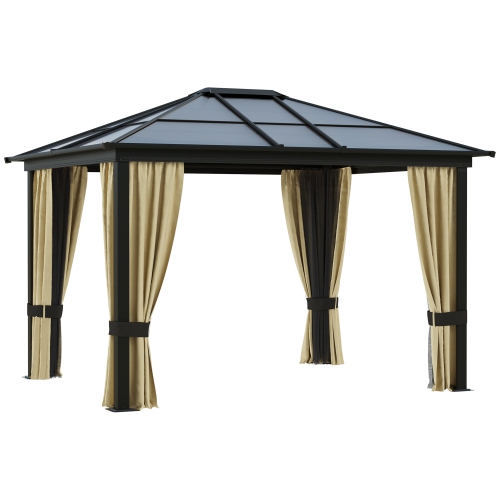
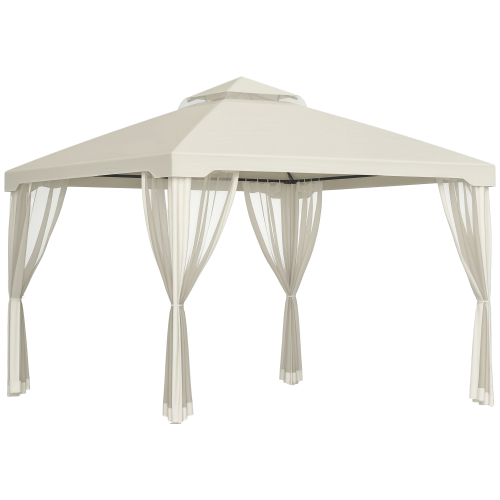
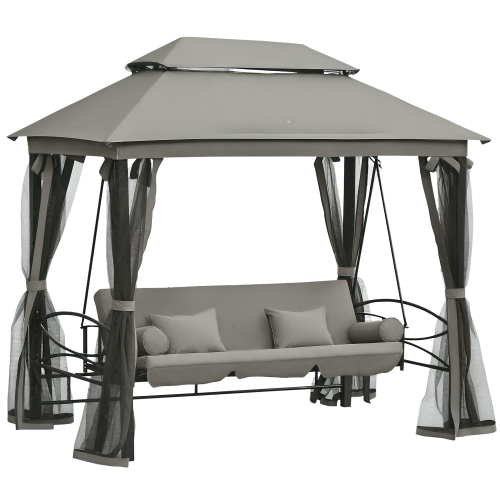
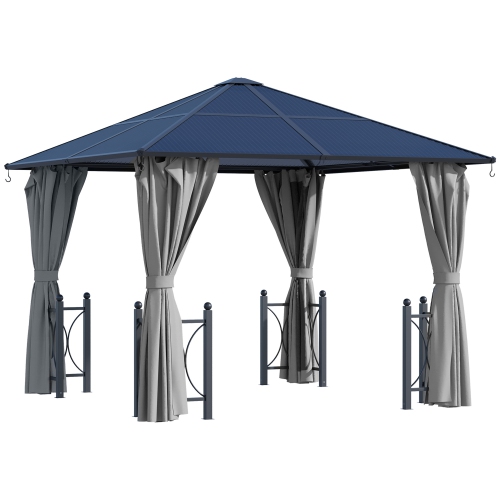
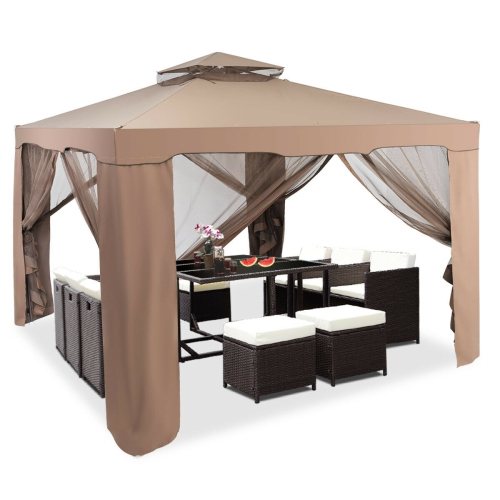
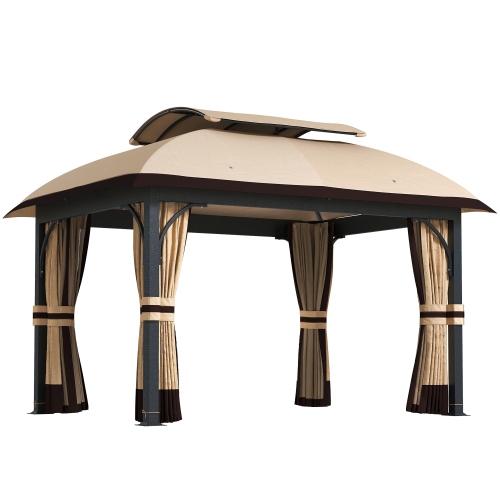
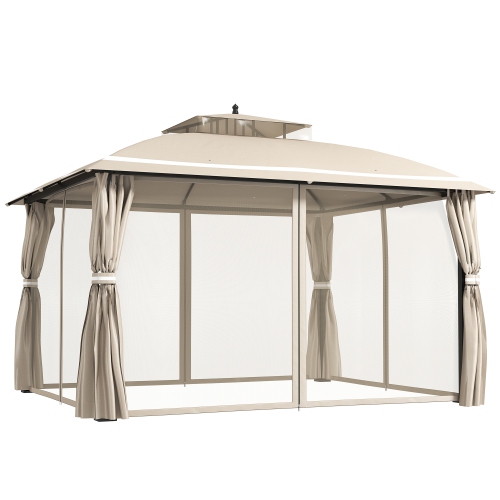
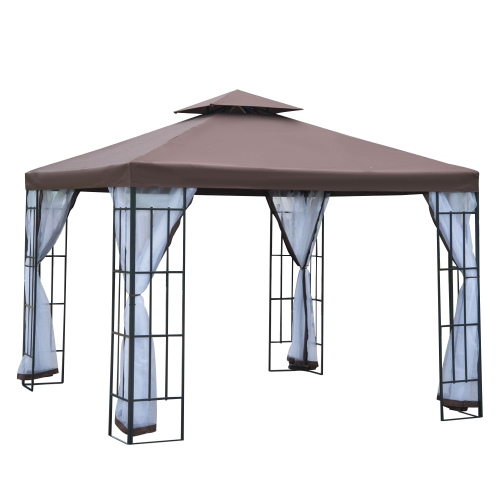
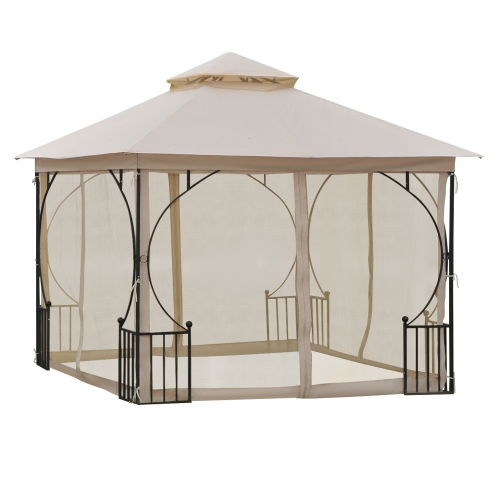
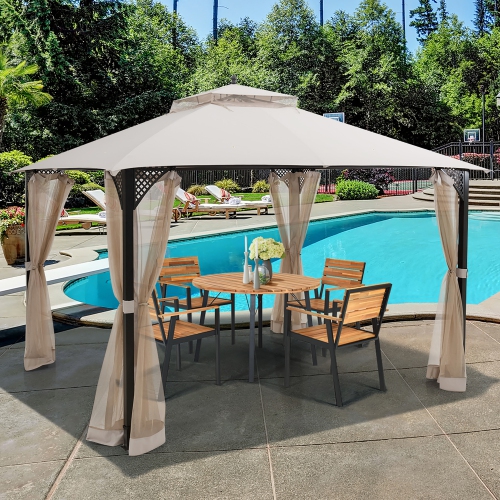

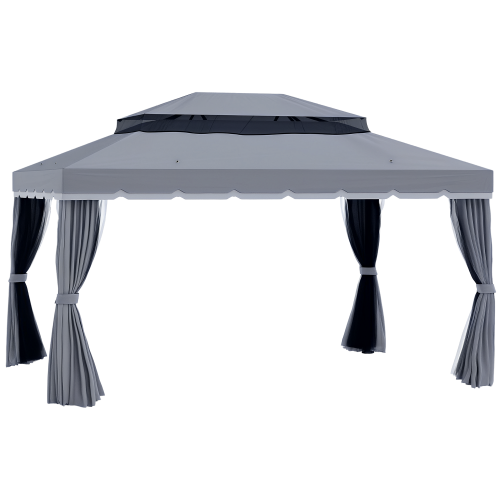
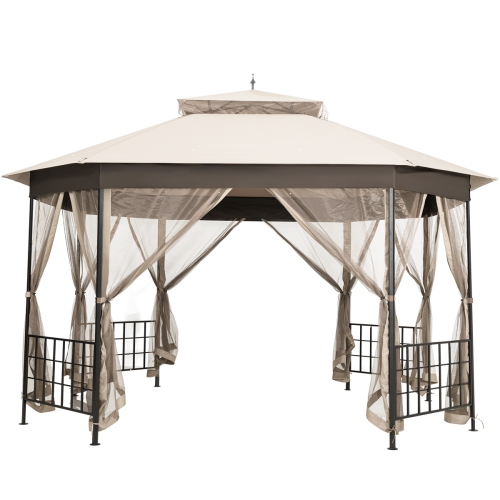
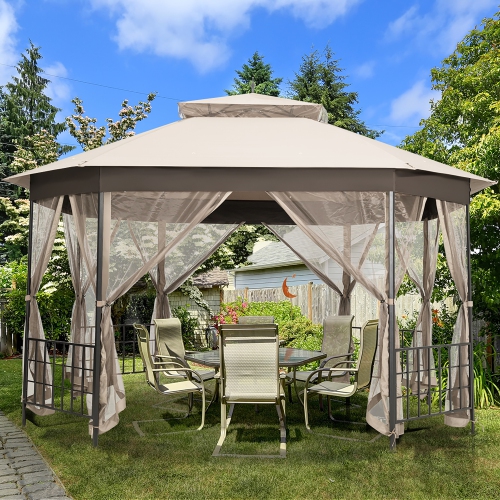
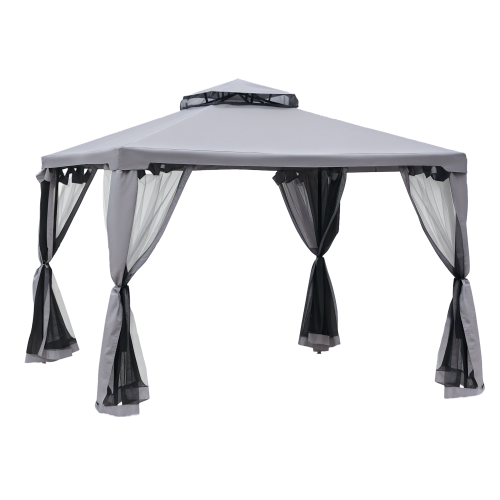
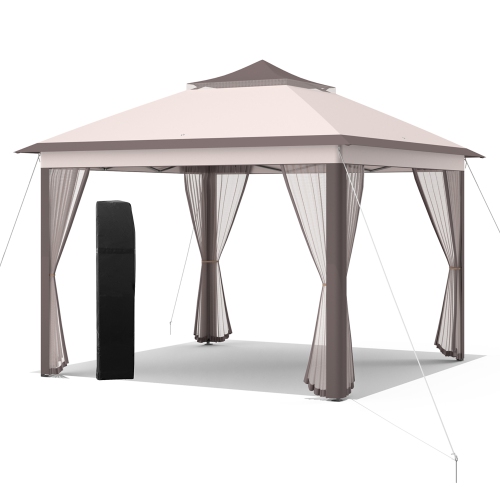
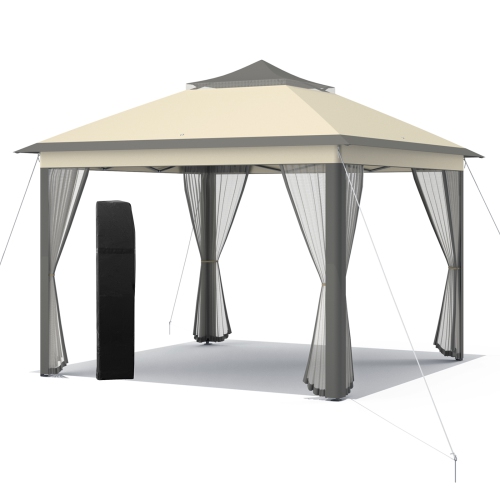
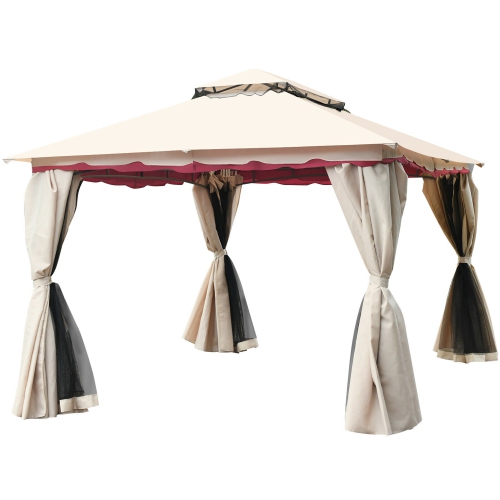
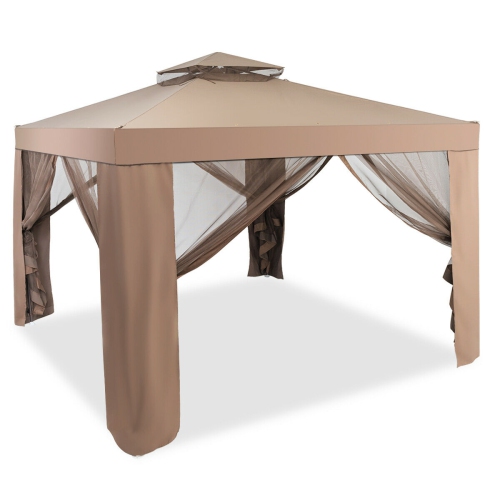
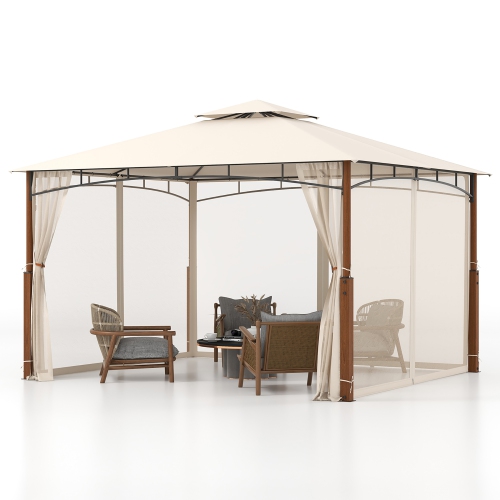
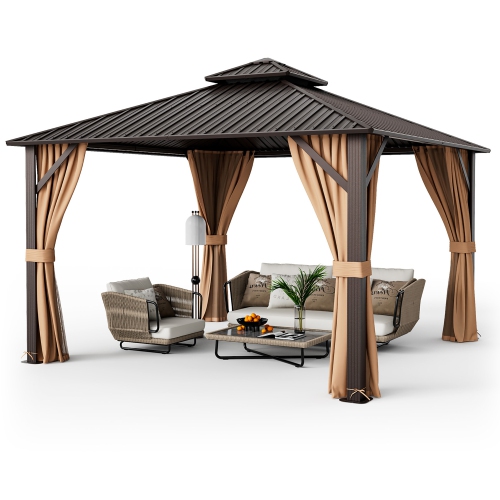
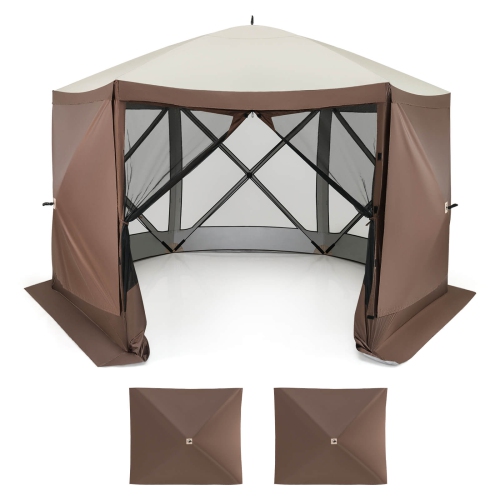
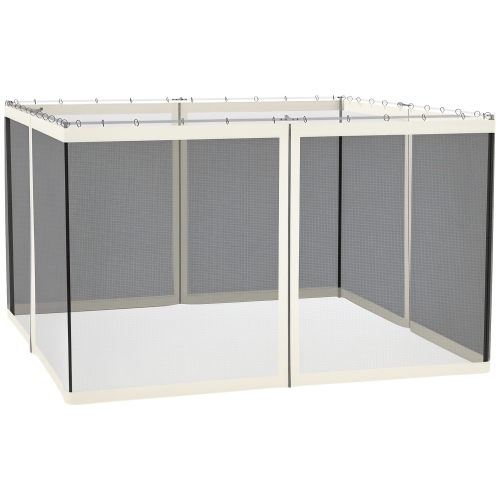
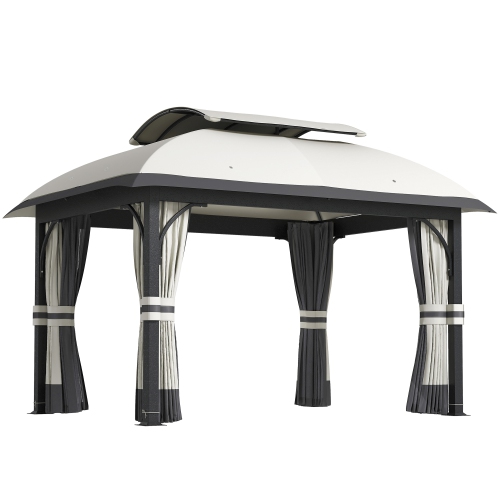
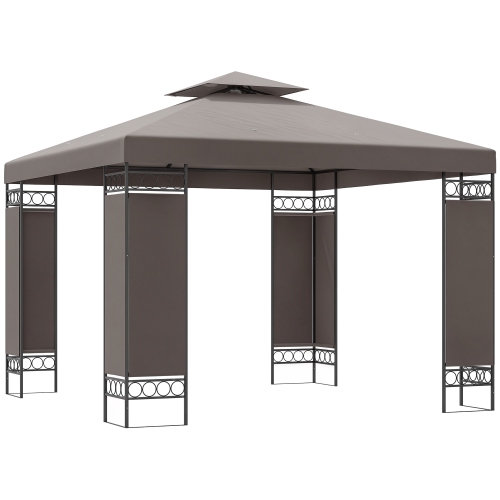
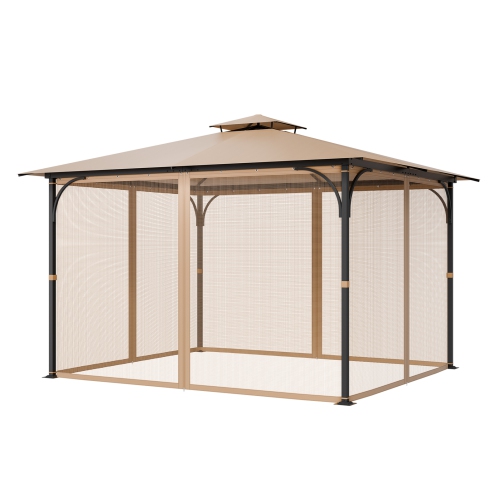
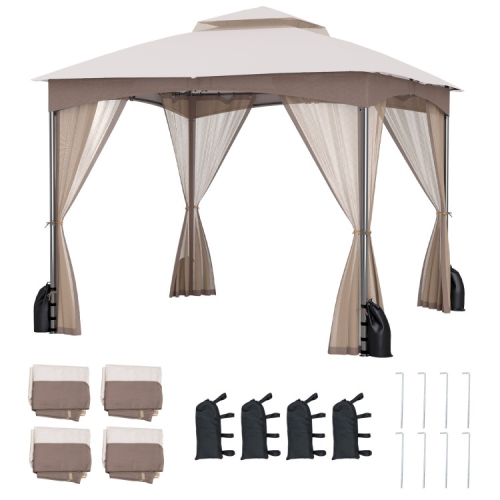
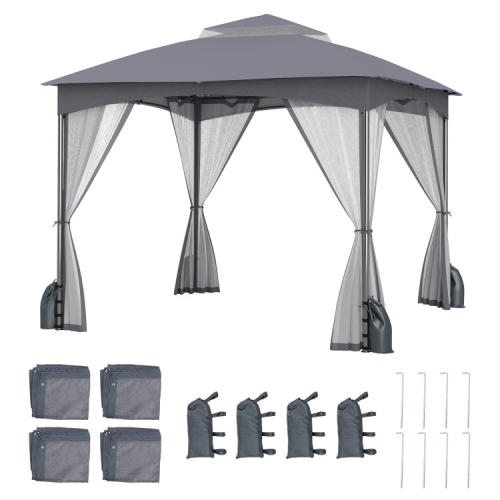
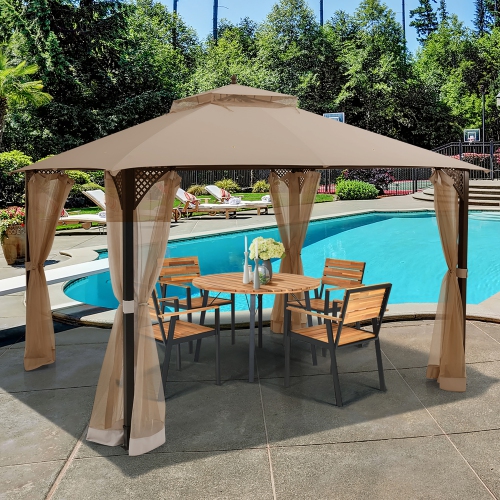
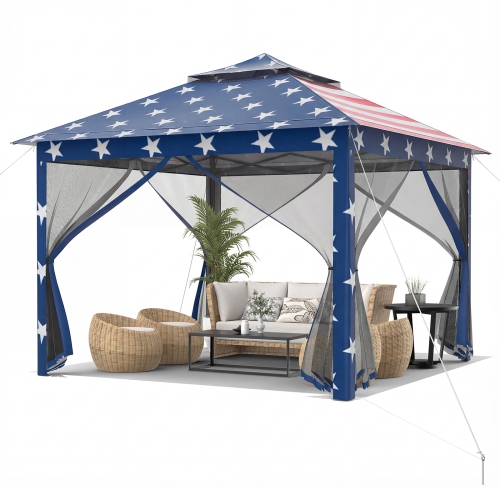
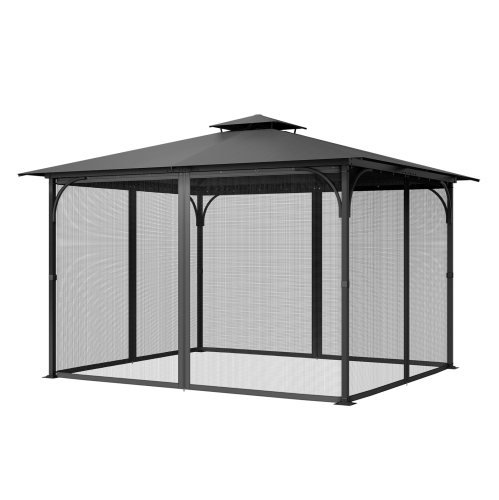
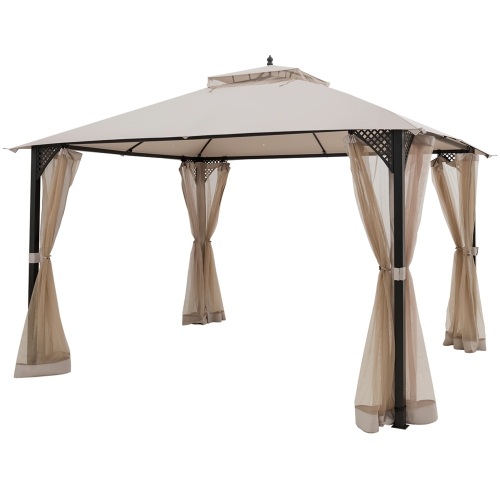
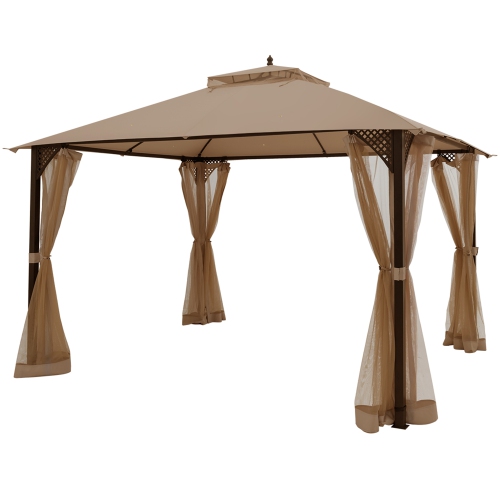
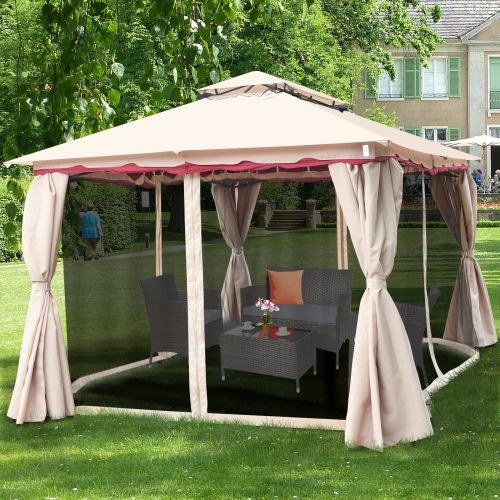
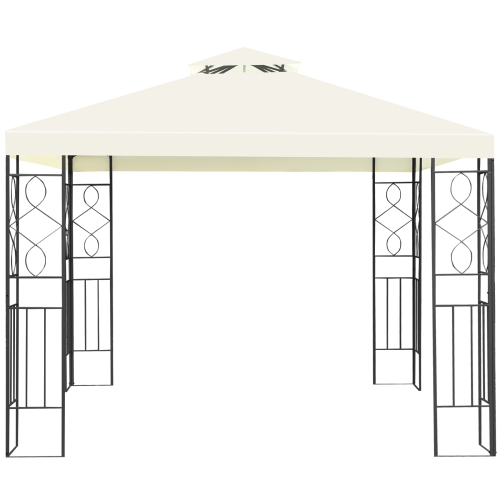
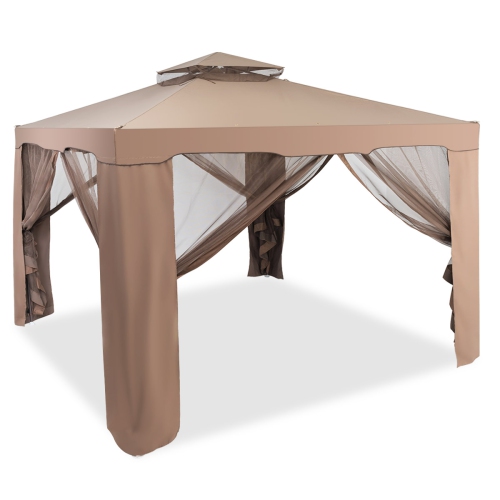
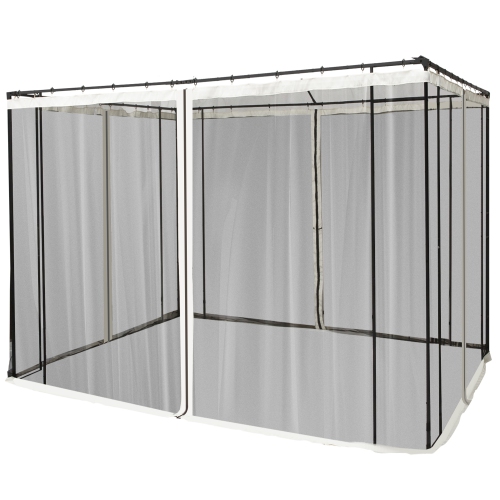
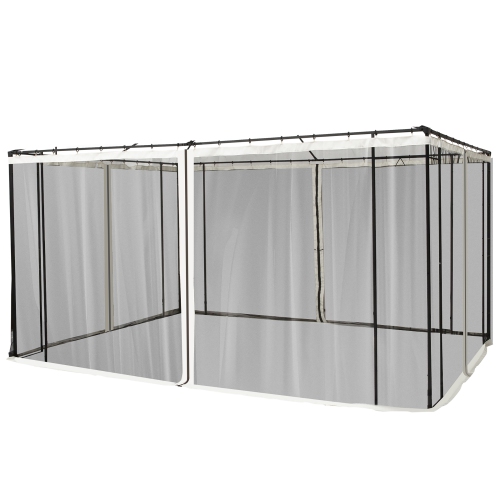
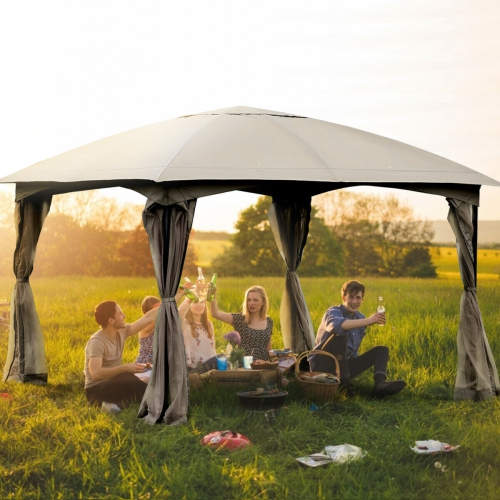
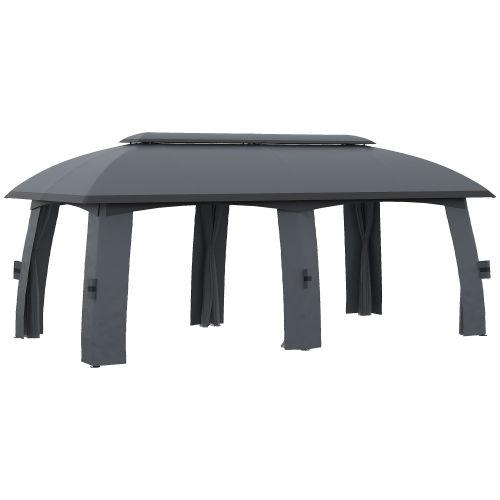
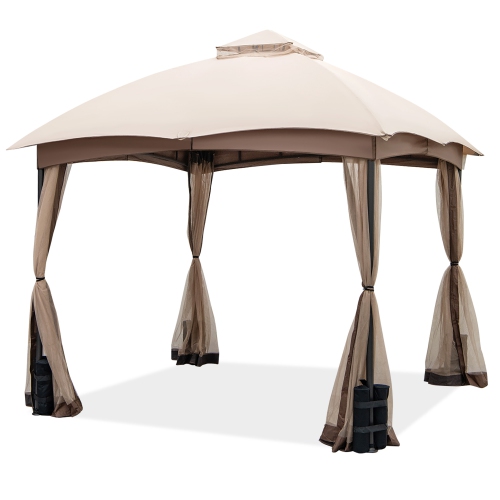
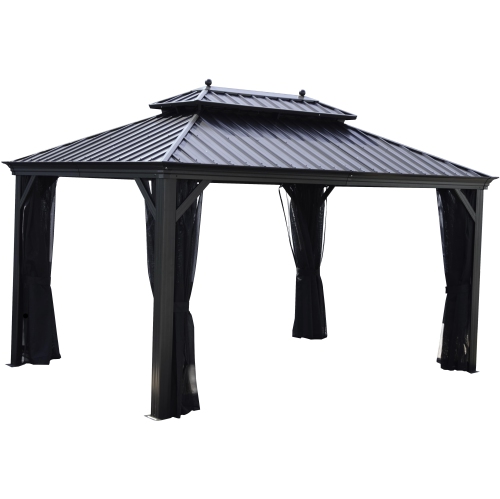


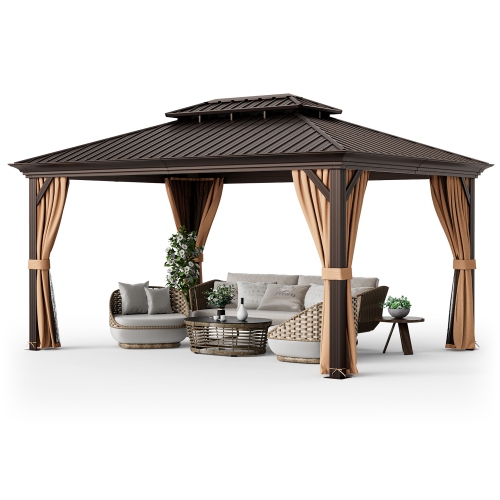
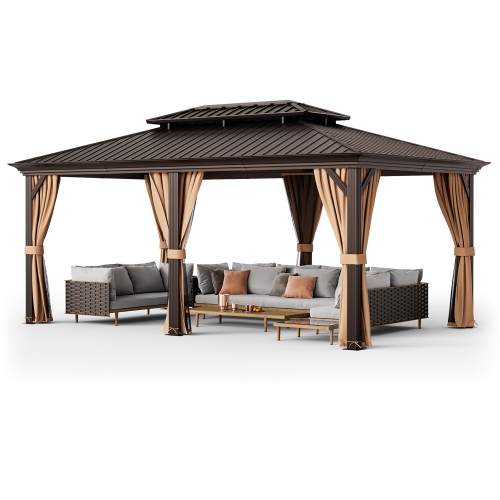
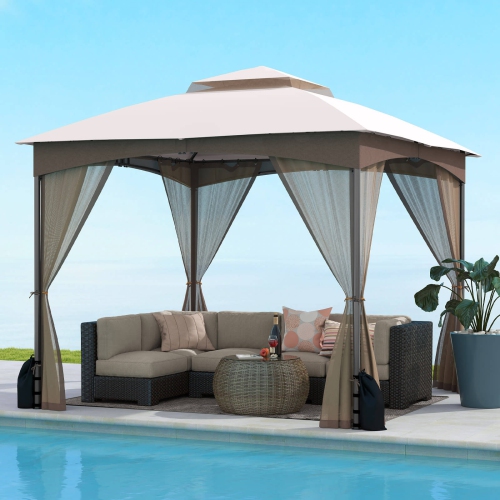
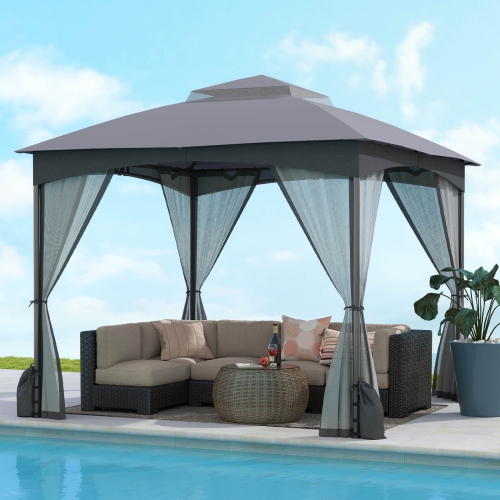
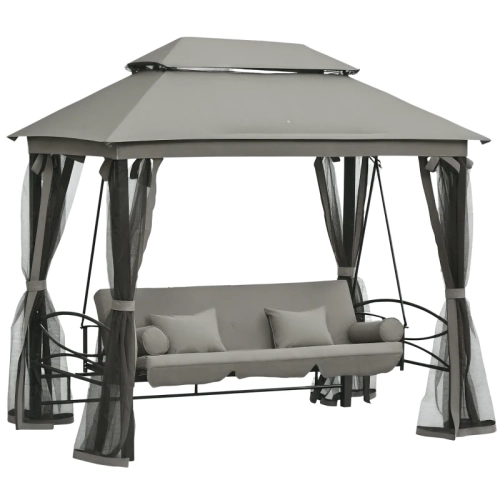
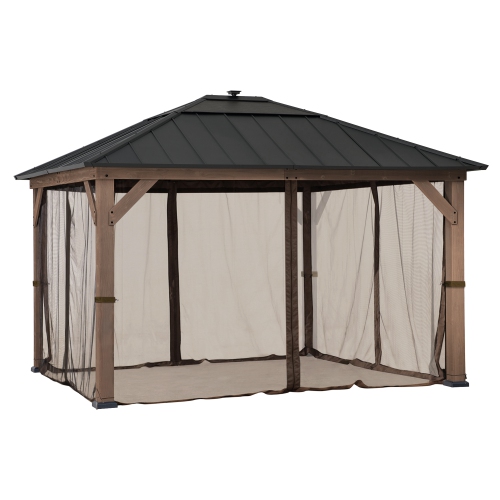
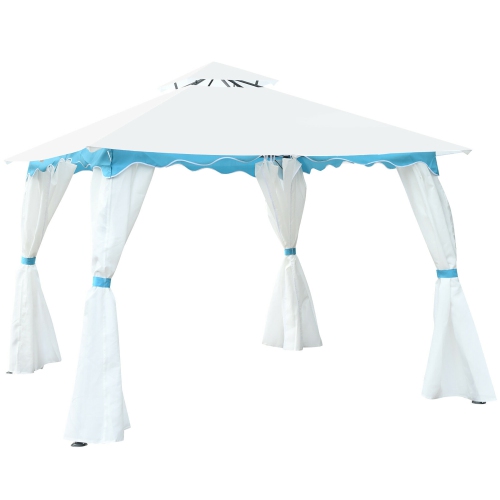
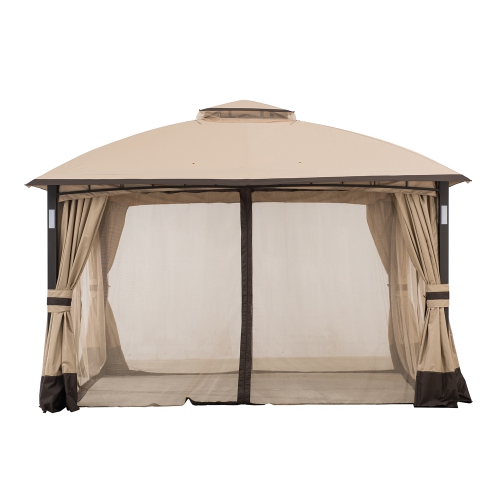
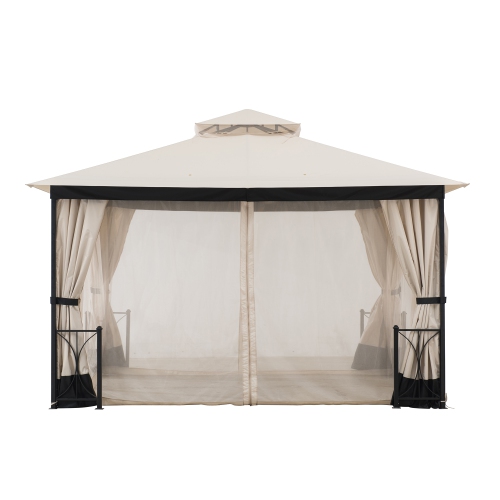
Outdoor dining with fewer insects and a garden view
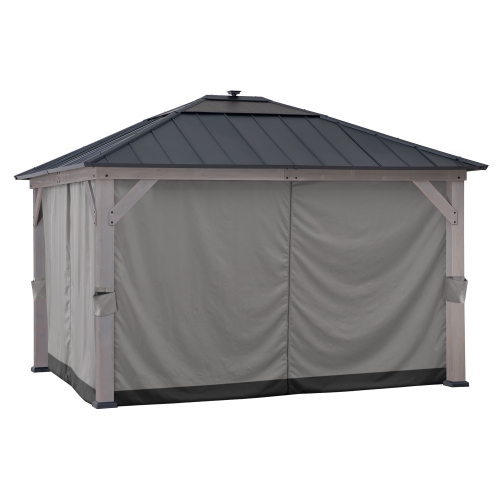
A gazebo with netting creates a sheltered outdoor seating or dining area with mesh panels that help keep mosquitoes, flies, and other insects away while allowing air to circulate. It offers a more enclosed setting than an open canopy without fully blocking the view of a garden, backyard, or patio. For a household that enjoys eating outside, the netting can make the difference between lingering over dinner and moving indoors early. Around a lounge set, it creates a comfortable place to read, chat, or watch children play nearby. The main choices are soft-top gazebos, which use a fabric canopy over a frame, and hardtop gazebos, which have rigid roof panels. Soft-top designs often suit occasional use or spaces where the canopy will be removed and stored according to the manufacturer’s directions. Hardtop designs can suit a more lasting outdoor setup, though a rigid roof alone does not establish suitability for snow, high winds, or year-round use. Those capabilities depend on the structure’s stated ratings, installation requirements, and maintenance instructions. Netting is also different from a solid curtain: mesh is intended mainly to reduce insect entry while preserving airflow, whereas curtains provide greater visual privacy and can soften direct sunlight from the sides. Neither should be treated as a sealed barrier against rain or wind. For a seating area where privacy matters as much as insect protection, a gazebo with curtains offers another way to define the space; some gazebo designs accommodate both mesh and solid panels on separate tracks. For netted designs, look at how the panels meet at the corners, close at the entrances, and hang near the ground. Fine mesh and secure closures help limit gaps, but no openable outdoor structure can guarantee an insect-free space. Closing the panels before settling in and keeping entrances zipped when not in use helps the netting do its job.
Size and layout determine how comfortably a gazebo fits into everyday outdoor life. Nominal dimensions may describe the roof span rather than the usable space between the posts, so both measurements matter. A roof that fits over a patio can still leave too little room beneath it for a table and chairs. Dining chairs need space to slide back, and a lounge arrangement needs clear walking routes around a coffee table, ottoman, or side table. Mesh panels should hang freely rather than catch on chair backs or rub against furniture corners. For a family dining area, an entrance aligned with the door to the house makes carrying plates outside easier; for a quiet seating nook, an opening facing the garden may feel more natural. Check entrance placement, clearance beneath the roof, and the total height, especially near eaves, branches, or an upper balcony. Square layouts often work well around compact conversation sets, while rectangular layouts can provide more length for a dining table or separate seating zones. The installation surface matters just as much as the footprint. A gazebo needs a level location and anchoring appropriate to both the structure and the surface beneath it, following the manufacturer’s instructions. A deck may require an assessment of its load capacity and suitable attachment points; a concrete patio requires compatible fasteners and adequate edge clearances. Stakes intended for soil are not interchangeable with deck or concrete anchors. Property setbacks, local permit requirements, and building or condominium rules may also affect placement. Leave access around the outside for cleaning, inspecting fasteners, and removing panels when necessary. For anyone furnishing a shared household space, the most useful arrangement is one that accommodates its regular users without crowding the entrance. Wide openings, manageable zippers, and unobstructed paths are worth considering for people carrying serving trays, moving a stroller, or using mobility aids. The gazebo should feel like a usable extension of the patio, not an obstacle squeezed onto it.
Materials and construction influence how a gazebo looks, feels, and holds up over time. Aluminium frames are generally lighter and resist rust, while steel frames can provide substantial support but rely on suitable finishes and care to limit corrosion. Scratches, joints, and fastener locations deserve attention because damaged coatings can expose the metal beneath. Wood-framed designs bring a different appearance and may need periodic refinishing, depending on the wood and protective treatment. Roof materials have their own characteristics: fabric canopies are flexible and removable on many designs, metal roofs provide opaque overhead cover, and some polycarbonate panels allow filtered light through. Water resistance, ultraviolet protection, roof load limits, and wind ratings should be checked in the specifications rather than assumed from the material alone. With netting, everyday usability often comes down to smaller details. Smooth-running zippers, reinforced edges, well-spaced attachment points, and tiebacks that hold panels clear of walkways all contribute to easier use. Separate roof vents may have their own mesh, which matters when assessing gaps above the main wall panels. Replacement netting must match more than the gazebo’s advertised size: panel height, track or hook style, post spacing, and entrance configuration can differ between structures with the same nominal footprint. Routine care usually includes removing loose debris, cleaning mesh gently with a suitable mild solution, and allowing fabric components to dry fully before storage, always following the care directions. Inspect seams and closures for tears, and check the frame and anchoring hardware periodically for looseness or wear. Where snow or strong winds are a concern, follow the stated limits and instructions for removing canopies, netting, or curtains; side panels can catch wind even when the frame is securely anchored. Keep barbecues, fire pits, and patio heaters outside unless the gazebo and appliance manufacturers explicitly permit the arrangement with the required clearances. With the right fit and care, a netted gazebo can support relaxed meals, family visits, and quiet time outside while keeping the space practical to maintain.
Size and layout determine how comfortably a gazebo fits into everyday outdoor life. Nominal dimensions may describe the roof span rather than the usable space between the posts, so both measurements matter. A roof that fits over a patio can still leave too little room beneath it for a table and chairs. Dining chairs need space to slide back, and a lounge arrangement needs clear walking routes around a coffee table, ottoman, or side table. Mesh panels should hang freely rather than catch on chair backs or rub against furniture corners. For a family dining area, an entrance aligned with the door to the house makes carrying plates outside easier; for a quiet seating nook, an opening facing the garden may feel more natural. Check entrance placement, clearance beneath the roof, and the total height, especially near eaves, branches, or an upper balcony. Square layouts often work well around compact conversation sets, while rectangular layouts can provide more length for a dining table or separate seating zones. The installation surface matters just as much as the footprint. A gazebo needs a level location and anchoring appropriate to both the structure and the surface beneath it, following the manufacturer’s instructions. A deck may require an assessment of its load capacity and suitable attachment points; a concrete patio requires compatible fasteners and adequate edge clearances. Stakes intended for soil are not interchangeable with deck or concrete anchors. Property setbacks, local permit requirements, and building or condominium rules may also affect placement. Leave access around the outside for cleaning, inspecting fasteners, and removing panels when necessary. For anyone furnishing a shared household space, the most useful arrangement is one that accommodates its regular users without crowding the entrance. Wide openings, manageable zippers, and unobstructed paths are worth considering for people carrying serving trays, moving a stroller, or using mobility aids. The gazebo should feel like a usable extension of the patio, not an obstacle squeezed onto it.
Materials and construction influence how a gazebo looks, feels, and holds up over time. Aluminium frames are generally lighter and resist rust, while steel frames can provide substantial support but rely on suitable finishes and care to limit corrosion. Scratches, joints, and fastener locations deserve attention because damaged coatings can expose the metal beneath. Wood-framed designs bring a different appearance and may need periodic refinishing, depending on the wood and protective treatment. Roof materials have their own characteristics: fabric canopies are flexible and removable on many designs, metal roofs provide opaque overhead cover, and some polycarbonate panels allow filtered light through. Water resistance, ultraviolet protection, roof load limits, and wind ratings should be checked in the specifications rather than assumed from the material alone. With netting, everyday usability often comes down to smaller details. Smooth-running zippers, reinforced edges, well-spaced attachment points, and tiebacks that hold panels clear of walkways all contribute to easier use. Separate roof vents may have their own mesh, which matters when assessing gaps above the main wall panels. Replacement netting must match more than the gazebo’s advertised size: panel height, track or hook style, post spacing, and entrance configuration can differ between structures with the same nominal footprint. Routine care usually includes removing loose debris, cleaning mesh gently with a suitable mild solution, and allowing fabric components to dry fully before storage, always following the care directions. Inspect seams and closures for tears, and check the frame and anchoring hardware periodically for looseness or wear. Where snow or strong winds are a concern, follow the stated limits and instructions for removing canopies, netting, or curtains; side panels can catch wind even when the frame is securely anchored. Keep barbecues, fire pits, and patio heaters outside unless the gazebo and appliance manufacturers explicitly permit the arrangement with the required clearances. With the right fit and care, a netted gazebo can support relaxed meals, family visits, and quiet time outside while keeping the space practical to maintain.
Top selling and popular products
-
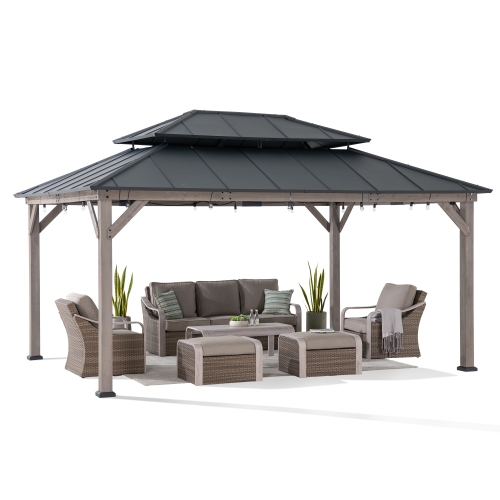 Your price for this item is $2197.99
 -
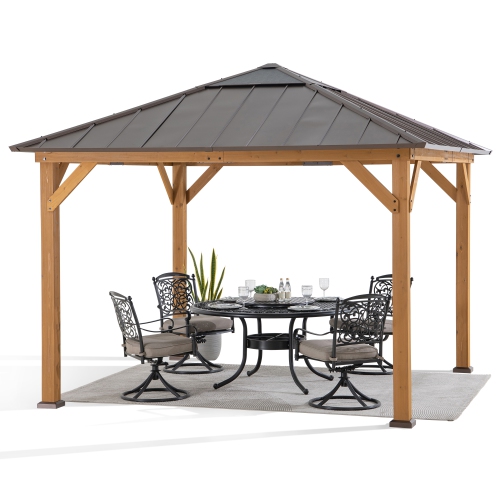 Your price for this item is $1479.99
 -
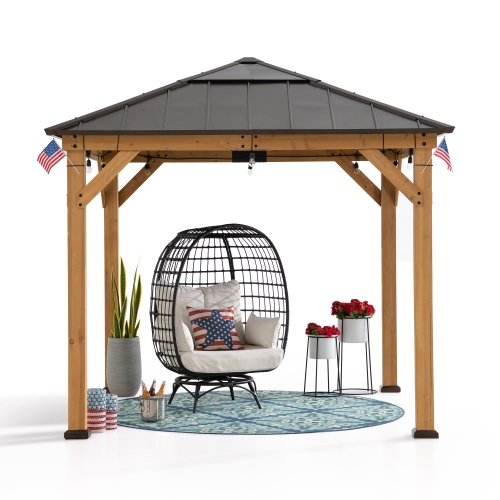 Your price for this item is $1598.99
 -
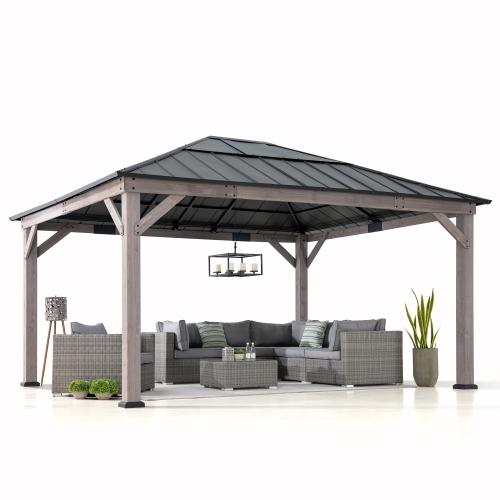 Your price for this item is $1794.99
 -
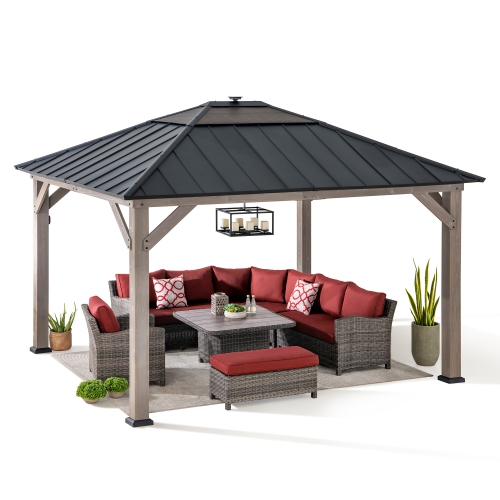 Your price for this item is $1843.99
 -
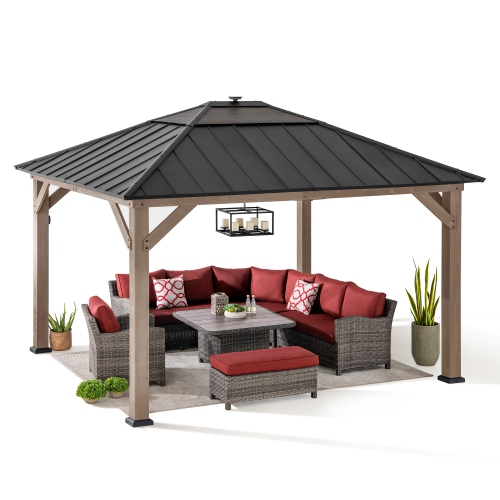 Your price for this item is $1843.99
 -
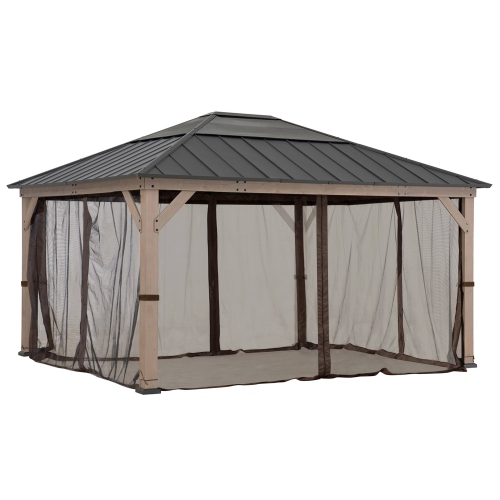 Your price for this item is $107.99
 -
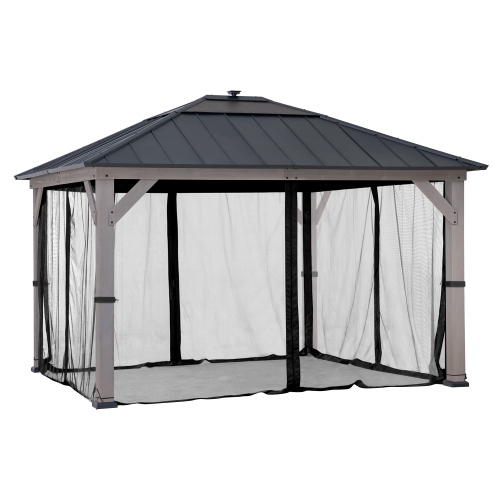 Your price for this item is $95.99
Discover more categories related to Gazebo With Netting
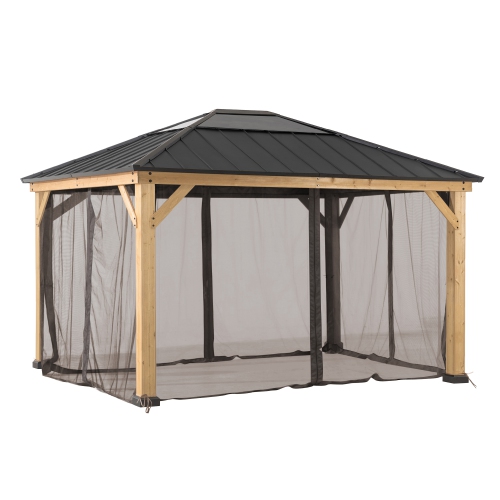
Top Collections:
Pokemon Centers, Kindle Devices, Best Budget Office Chairs, Apple iPhones 16, Best Laptops for Writers, iPhone 15 Apple, Canon G7X Cameras, Refurbished Apple Laptops, Alarm Clock, Motorola Razr Phones
Some products may be subject to Environmental Handling Fees
(EHF) depending on your province.
Learn more about EHFs.