Gifts for Beginner Bakers
Gifts for beginner bakers are the perfect way to inspire creativity and confidence in the kitchen. Thoughtfully chosen baking essentials can help new bakers explore recipes, learn new skills, and enjoy the process of making delicious treats at home. Whether you’re shopping for a friend, family member, or anyone eager to start their baking journey, you’ll find a variety of options designed to make every step enjoyable and rewarding. Discover gifts that encourage experimentation and bring out the joy of baking for beginners.
Sort






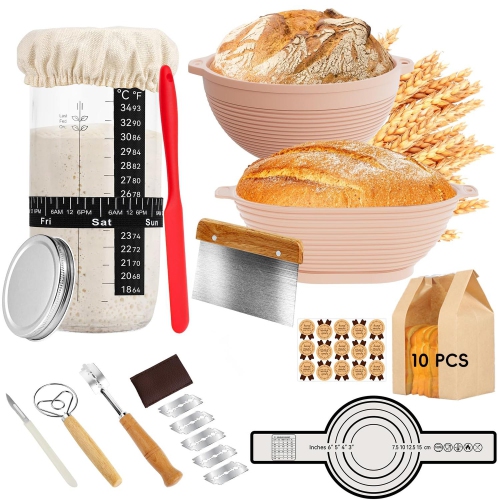


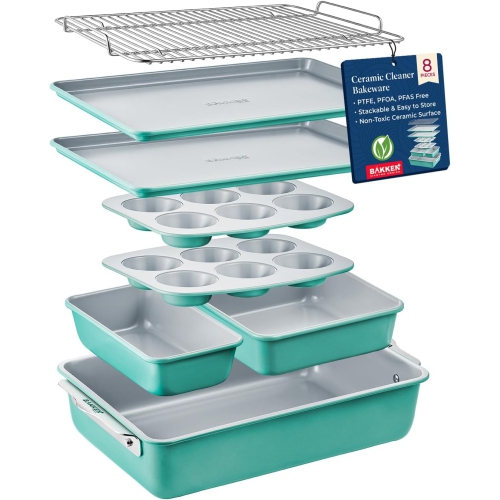
The right tools for a confident first batch
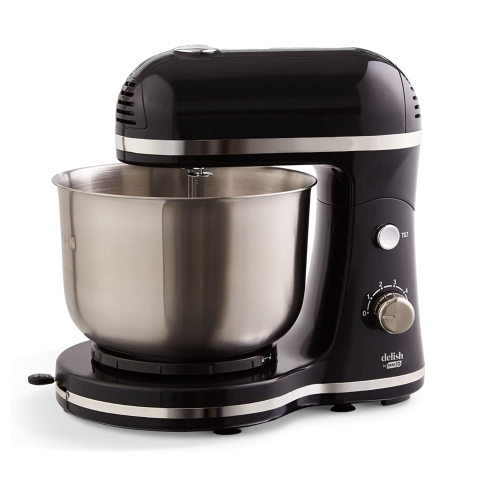
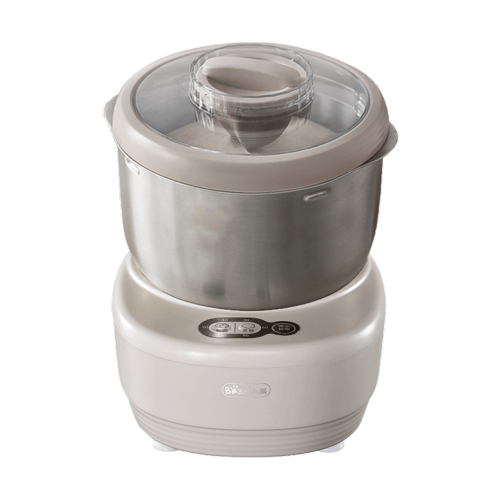
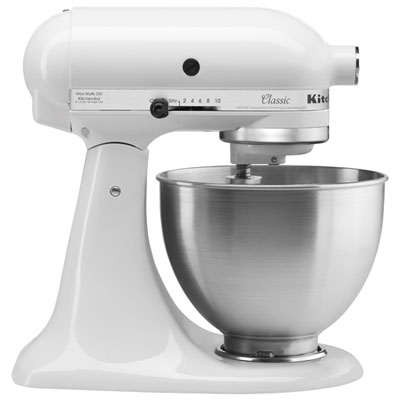
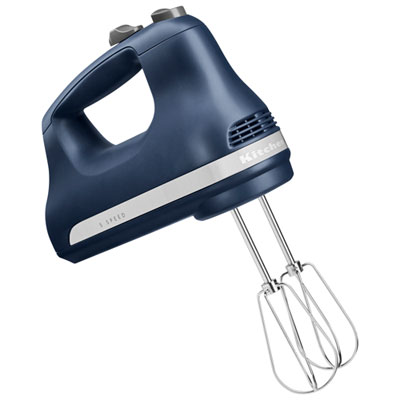
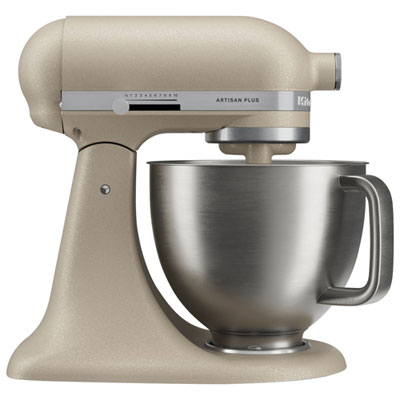
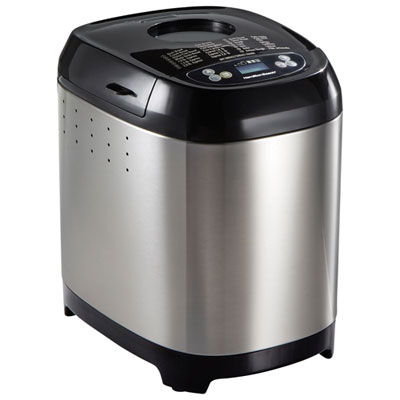
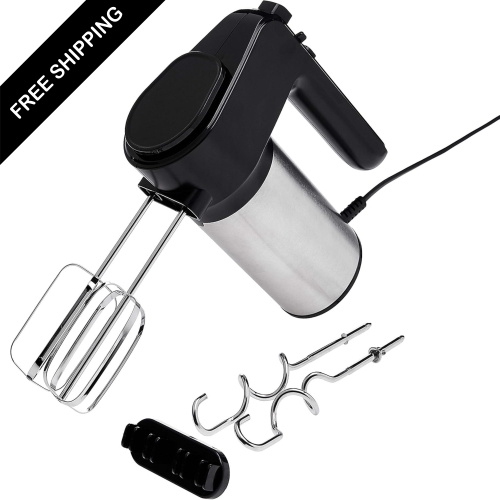
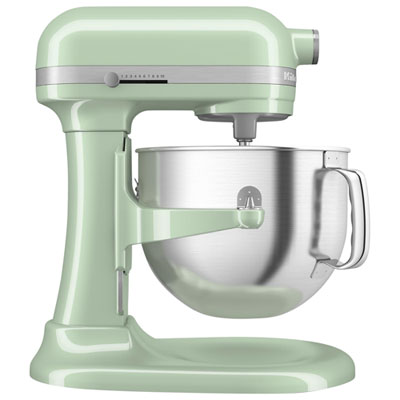
Gifts for beginner bakers are most useful when they combine practical tools, straightforward operation, and easy care. Reliable measuring equipment, comfortable utensils, and versatile bakeware can help someone feel more confident making a first batch of cookies or a simple birthday cake. For a new baker, the appeal often lies in being able to follow a familiar recipe without struggling with awkward handles, hard-to-read markings, or equipment that feels too complicated to use. Measuring cups and spoons with clear, lasting markings support recipes written by volume, while a kitchen scale can make it easier to measure flour accurately and repeat a successful result. Mixing bowls with a steady base give ingredients room to come together without sliding across the work surface. A flexible spatula helps scrape batter from the sides of a bowl, and a comfortable whisk is useful for combining dry ingredients or smoothing a simple glaze. These everyday categories suit a wide range of baking interests without requiring the recipient to settle on one speciality. Someone who loves muffins may appreciate the same basic preparation tools as someone learning to bake brownies, biscuits, or quick breads. Small appliances can also make thoughtful gifts when their size and functions match the recipient’s habits. A hand mixer is easier to store in many compact kitchens, while a stand mixer generally needs more space and may suit someone who expects to bake regularly or work with heavier mixtures. Straightforward controls, manageable weight, and parts that are easy to attach matter more to a beginner than a long list of unfamiliar settings. The best fit is equipment that makes ordinary baking tasks feel approachable, whether that means creaming ingredients for cookies, mixing a loaf batter, or whipping a topping for dessert. Tools that work across several recipes give a new baker room to practise, discover favourite flavours, and enjoy the satisfaction of sharing something homemade.
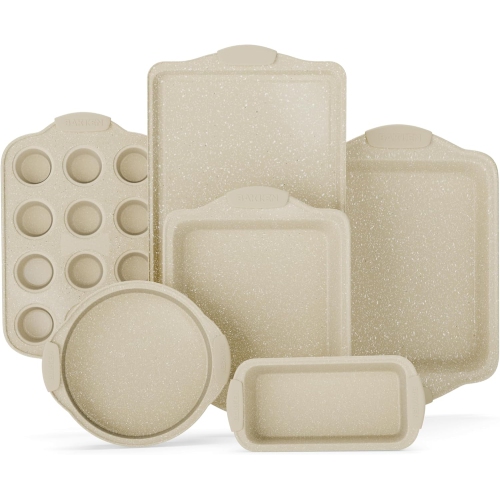
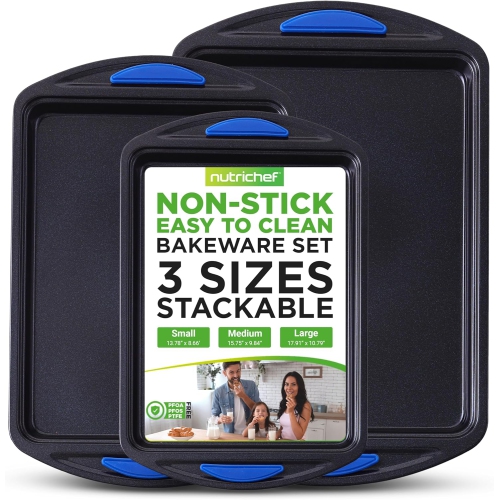
Materials and construction influence how baking equipment handles, performs, and holds up to repeated use. Stainless steel mixing bowls are generally lightweight and durable, while glass bowls offer a clear view of ingredients but can be heavier to lift and store. Silicone utensils can flex around the curves of a bowl and are often suitable for use with coated bakeware, provided their intended uses and heat limits are followed. A handle should feel secure rather than slippery, with a comfortable grip for repeated stirring or scraping. For baking pans, shape, depth, material, and surface finish all matter. A pan that closely matches the dimensions called for in a recipe gives a beginner one less variable to manage; changing the depth or size can affect how quickly the centre cooks. Lighter and darker metal finishes can also produce different browning results, so consistent bakeware can make repeat recipes easier to understand. Non-stick surfaces may simplify release and cleanup, but they still need care appropriate to their coating. Metal utensils, abrasive scrubbers, and cutting directly in a coated pan can cause damage. Dishwasher suitability varies, and following the manufacturer’s cleaning instructions helps protect finishes, handles, and other components. Smooth edges, sturdy seams, and bases that sit flat are useful signs to consider when comparing everyday bakeware. Cooling racks with a stable structure provide a place for fresh baking to rest, while oven mitts should offer secure coverage and remain dry during use. Storage matters just as much as performance: nesting bowls and stackable pans can be easier to accommodate than bulky pieces that require their own cupboard. Appliance dimensions should suit the available countertop space, with enough clearance for normal operation and access to removable parts. Weight is worth considering, too, especially if equipment will need to be lifted from a low shelf each time it is used. A gift that fits comfortably into the kitchen is more likely to become part of a regular baking routine.
A thoughtful baking gift reflects the recipient’s interests and the way they live, rather than assuming every beginner needs a fully equipped kitchen. Someone moving into a first apartment may value compact, multipurpose essentials, while a keen home cook trying baking for the first time may already own bowls and utensils but lack suitable bakeware. A person who enjoys making treats with family might appreciate tools with easy-to-read measurements and comfortable grips, with adult supervision wherever heat, sharp edges, or powered equipment are involved. For someone drawn to cake decorating, simple tools that support spreading, smoothing, and controlled piping can provide a satisfying introduction without demanding advanced techniques. A recipient who prefers bread may be more interested in equipment that supports measuring, mixing, and handling dough. These different interests help distinguish a personal gift from a collection of accessories that may never leave the drawer. Birthdays, housewarmings, and other celebrations are natural occasions for giving useful kitchen equipment, especially when the gift supports something the recipient has already expressed an interest in learning. Presentation can be personal without being elaborate: a coordinated selection of preparation and baking essentials feels purposeful when the pieces serve the same kinds of recipes. Colour and finish can also help equipment feel at home in an existing kitchen, although comfort, suitable dimensions, and clear care requirements remain important. For recipients with broader interests or some experience already, the Gifts for Bakers collection offers another way to explore the theme. Beginner-friendly equipment should leave room for progress, from a first tray of uneven cookies to a cake made confidently for a friend. Durable, versatile pieces can remain useful as skills develop, making the gift part of everyday baking rather than something reserved for an ambitious project. That lasting usefulness is often what makes practical baking gifts feel especially thoughtful.
Top selling and popular products
-
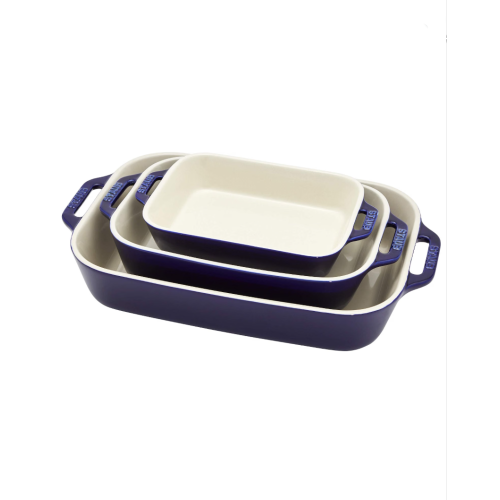 Your price for this item is $179.99
-
 Your price for this item is $129.99
-
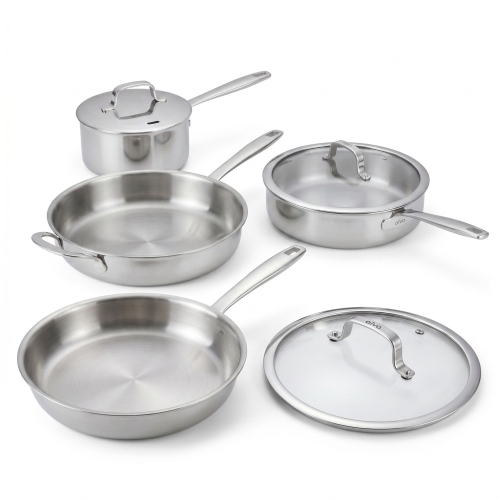 Your price for this item is $979
-
 Your price for this item is $129.99
-
 Your price for this item is $129.99
-
 Your price for this item is $199.99
-
 Your price for this item is $65.99
-
 Your price for this item is $46.99
Discover more categories related to Gifts for Beginner Bakers

Top Collections:
Best Black Friday Deals This Year, Best Black Friday Deals On Electronics, Kindle Devices, Pokemon Centers, Best Black Friday Deals On Apple Products, Best Cameras for Sports Photography, Dyson Airwrap, Pokémon 30th Celebration Cards, Apple iPhone 17 Pro, Canon G7X Cameras
Some products may be subject to Environmental Handling Fees
(EHF) depending on your province.
Learn more about EHFs.