Gifts for Young Bakers
Gifts for young bakers are a delightful way to inspire creativity and encourage budding culinary skills. Whether they’re just starting to explore the kitchen or already enjoy whipping up sweet treats, finding the perfect baking-themed gift can spark their imagination and make every baking session more enjoyable. From colorful tools to fun accessories, these options are sure to bring excitement and joy to any young baker’s kitchen adventures. Explore a variety of gifts for young bakers that will help them mix, measure, and decorate with confidence.
Sort
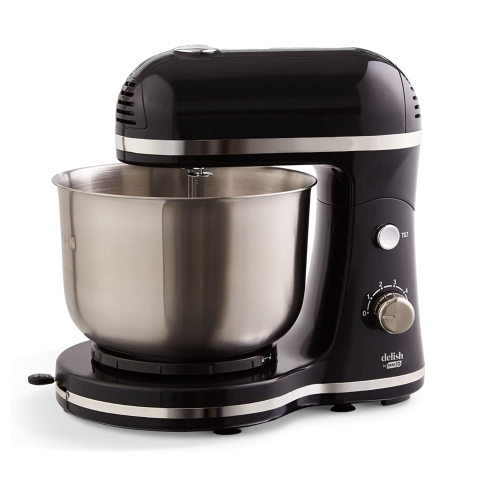

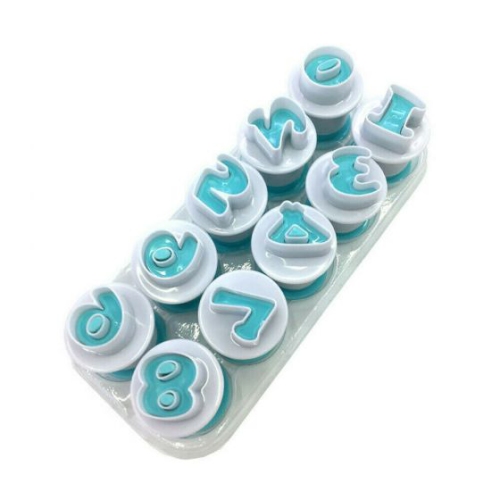
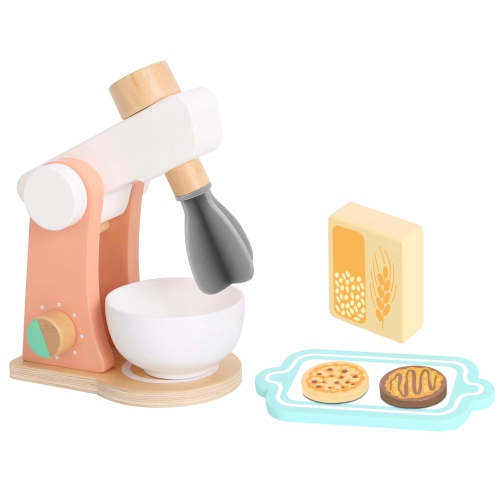
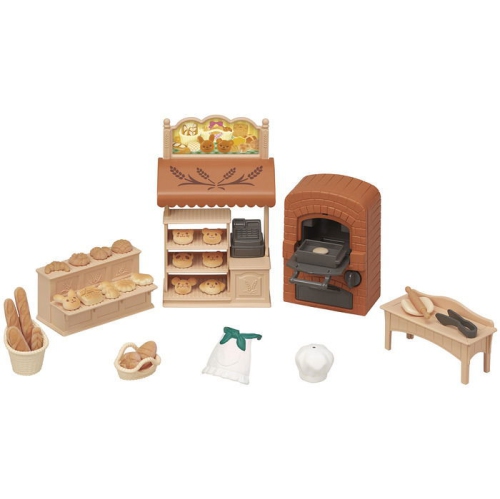



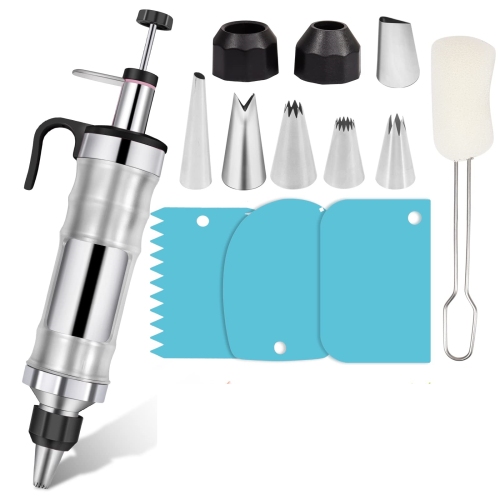

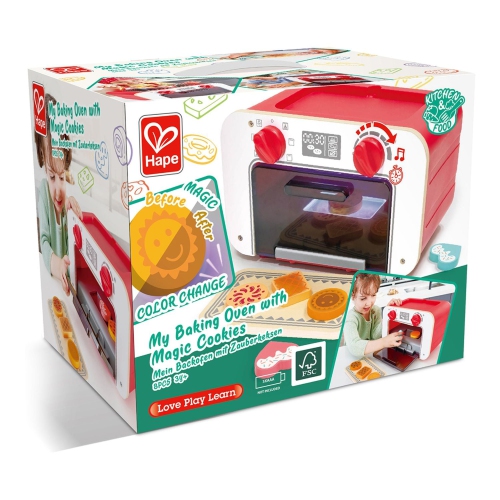


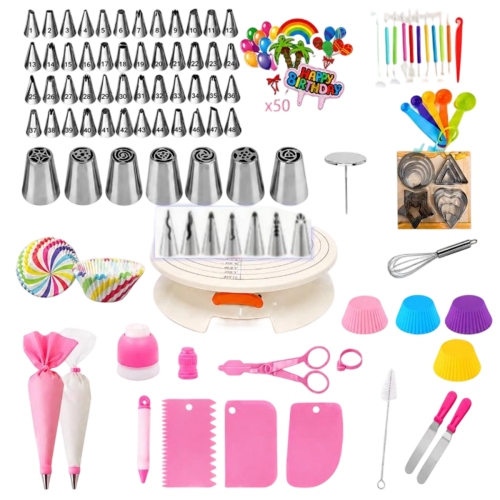
Small baking tasks with a big sense of achievement
Gifts for young bakers bring together hands-on creativity, useful kitchen skills, and the satisfaction of sharing something made from scratch. Age-appropriate baking tools, comfortable kitchen clothing, recipe books, and decorating accessories can help children take part in real baking alongside an adult. The most suitable choices reflect what a child can comfortably manage, rather than simply making adult equipment smaller. A younger beginner may enjoy stirring a soft mixture, pressing shapes into dough, or adding a finishing touch to cooled baking, while a more experienced child may be ready to measure ingredients, follow a sequence of instructions, and work towards a consistent result. These activities give familiar skills a practical purpose: counting becomes measuring, reading becomes following a recipe, and patience becomes waiting until a cake is ready to decorate. Clear measurement markings and easy-to-read instructions can make those connections easier to follow. Recipe books with photographs, straightforward language, and explanations of basic techniques are especially useful when a child is learning the difference between stirring, folding, and kneading. Recipes for both sweet and savoury baking leave room for different tastes and family preferences. The gift can also reflect the part of baking a child already enjoys, whether that is the feel of dough under their hands or arranging colourful details across a finished treat. For birthdays, personal milestones, or a gift from a relative who enjoys baking, practical equipment can become part of a shared activity rather than something used only once. A manageable task helps a child experience genuine progress, such as filling portions more evenly or rolling dough to a similar thickness. Those small achievements matter more than a polished finish. A slightly uneven biscuit or a cake with an enthusiastic layer of icing still offers a chance to practise, make decisions, and take pride in contributing something to the table. Space for a child’s own choices keeps the activity playful without losing its practical purpose.
Materials, size, and construction affect how comfortably baking equipment works in smaller hands. Food-contact tools should be intended for kitchen use, with care instructions that clearly explain washing requirements and any limits on heat exposure. Silicone can provide a flexible edge for scraping mixture from a bowl, while stainless steel offers a firm surface and generally stands up well to frequent washing. Wooden tools have a different feel and need care according to their finish, including thorough drying and avoiding prolonged soaking where directed. No material suits every task, and a soft grip or colourful finish does not by itself make a tool suitable for a child. Handle thickness, overall weight, and balance are worth considering together. A child should be able to hold a tool comfortably without stretching their fingers around an oversized grip or struggling to lift a heavy working end. Smaller equipment can offer better control, but it still needs enough capacity for its intended use; a tiny bowl that overflows during mixing can make a simple task frustrating. Smooth edges, secure joins, and stable bases are useful details, while loose components and small detachable decorations need particular attention around younger children. Kitchen clothing should allow easy movement, with adjustable features that fit comfortably and ties that can be secured away from the work area. An apron helps protect clothing from flour and splashes, but it is not protection against hot trays or liquids. Adult supervision remains essential, particularly around ovens, sharp edges, electrical equipment, and uncooked mixtures containing ingredients that should not be tasted raw. Heat-resistant accessories must be used within their stated limits, and adults should handle tasks beyond a child’s ability. Clear care labels also make everyday upkeep easier. Dishwasher suitability varies, even between tools made from similar materials, so following the manufacturer’s instructions helps preserve markings, finishes, and fitted parts. Equipment that is straightforward to wash and dry is easier to keep ready for the next baking session.
A thoughtful baking gift also fits the household where it will be used. Storage space, the family’s usual recipes, and the amount of adult help available all influence whether something becomes a favourite part of the kitchen routine. Compact equipment can be easier to store in a shared cupboard, while pieces that stack or nest may leave more room on a busy worktop. Durability matters most at the points that receive regular handling: handles should remain secure, measurement markings should stay legible with proper care, and storage should protect delicate edges from damage. Decorating accessories offer another kind of hands-on practice, helping young bakers explore pressure, spacing, and colour without needing to manage every stage of a recipe. A cooled cake or tray of biscuits gives them a surface for experimenting, with an adult nearby to help prepare the workspace and manage any small components. Where edible ingredients form part of a gift, dietary needs and allergen information deserve attention, including the needs of anyone who may share the finished baking. Pretend-play baking sets serve a different purpose from working kitchen equipment; toys should not be assumed suitable for food preparation or oven use unless the manufacturer explicitly states that intended use. For children moving from imaginative play into real baking, that distinction helps keep expectations clear. As their confidence grows, the wider Gifts for Bakers collection can offer a broader starting point for choosing gifts that match developing interests and abilities. The lasting appeal is often in the routine that grows around the gift: clearing a space, reading the recipe together, measuring carefully, and sharing the results. Equipment that feels comfortable, has a clear purpose, and suits the child’s level of independence supports that routine. It leaves room for flour-dusted hands, imperfect icing, and the pleasure of recognizing a familiar task that becomes a little easier each time.
Top selling and popular products
-
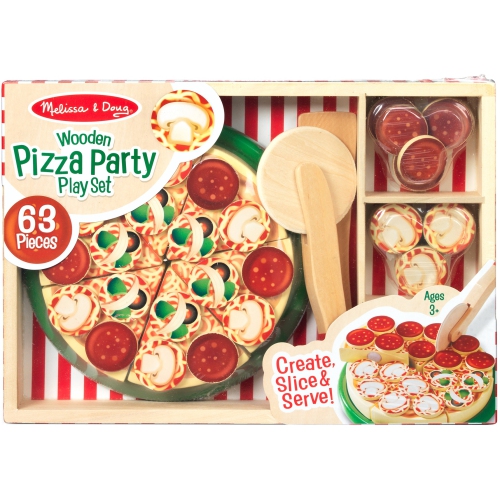 Your price for this item is $25
-
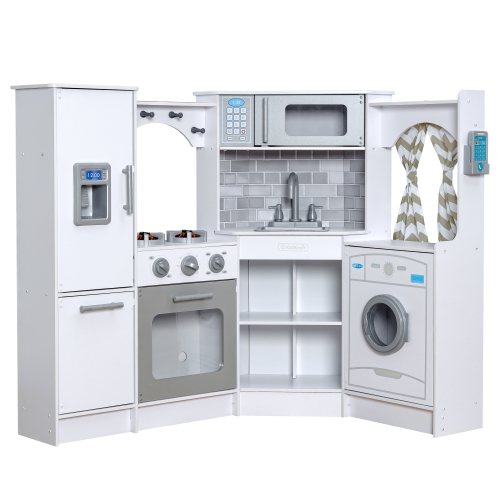 Your price for this item is $319.99
-
 Your price for this item is $319.99
-
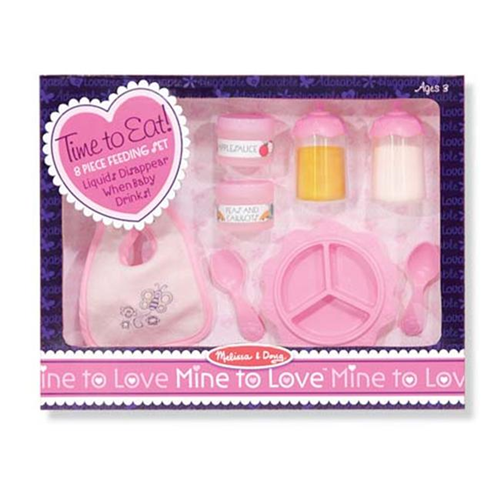 Your price for this item is $43.99
-
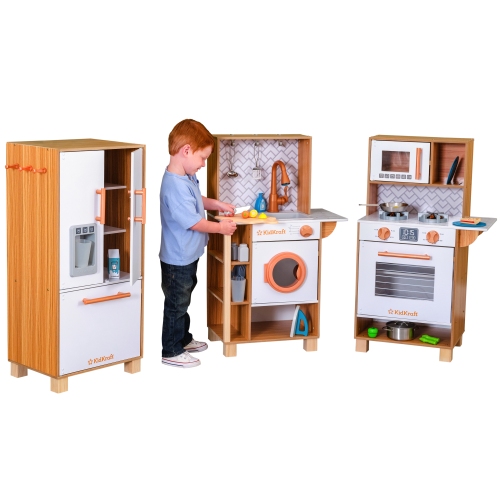 Your price for this item is $409.99
-
 Your price for this item is $35.99
-
 Your price for this item is $65.99
-
 Your price for this item is $53.99
Discover more categories related to Gifts for Young Bakers

Top Collections:
Best Black Friday Deals This Year, Best Black Friday Deals On Electronics, Kindle Devices, Pokemon Centers, Best Black Friday Deals On Apple Products, Best Cameras for Sports Photography, Dyson Airwrap, Pokémon 30th Celebration Cards, Apple iPhone 17 Pro, Canon G7X Cameras
Some products may be subject to Environmental Handling Fees
(EHF) depending on your province.
Learn more about EHFs.