Glass Surface Coffee Tables
Glass Surface Coffee Tables bring a touch of modern elegance to any living space, offering a sleek and versatile centerpiece for your home. These tables are designed to complement a wide range of decor styles, making them an ideal choice for both contemporary and classic interiors. With their clean lines and transparent surfaces, Glass Surface Coffee Tables create an open, airy feel while providing a practical spot for beverages, books, or decorative accents. Explore the selection to find the perfect piece that enhances your room’s ambiance and functionality.
Sort
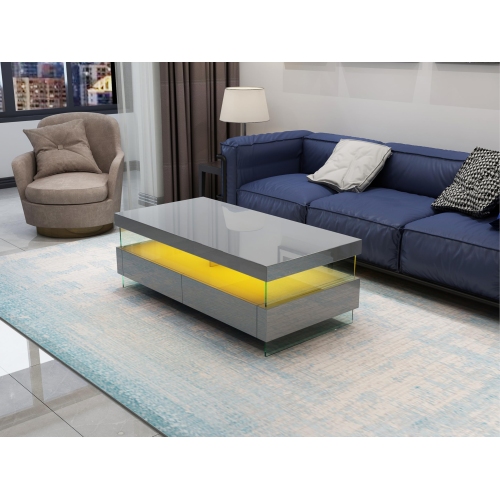
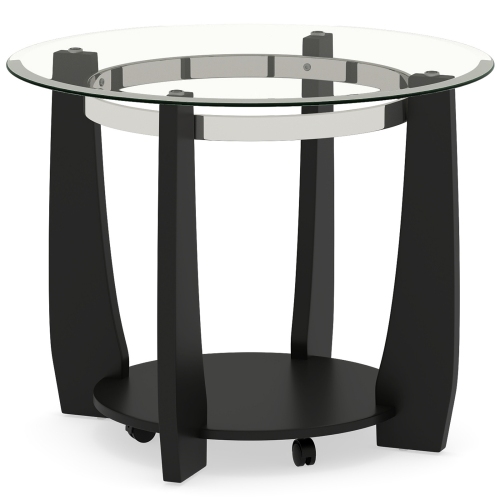
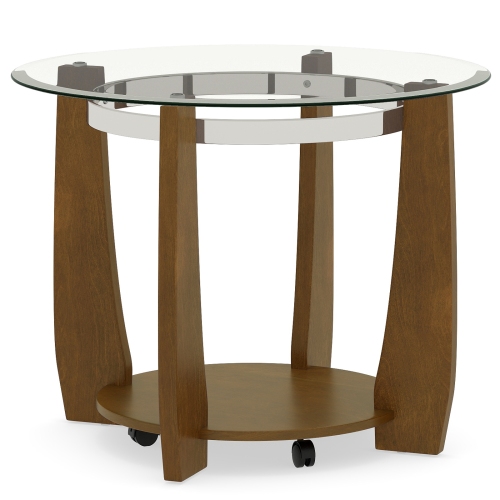
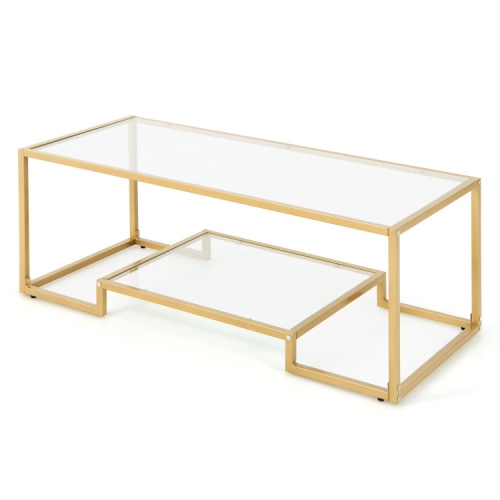
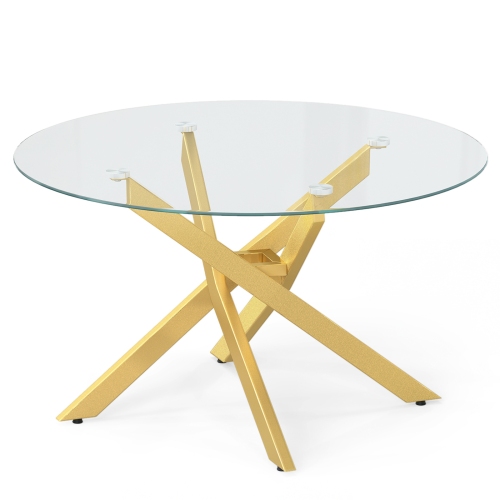
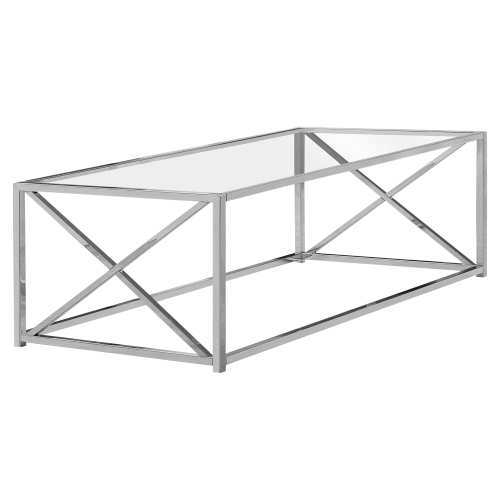
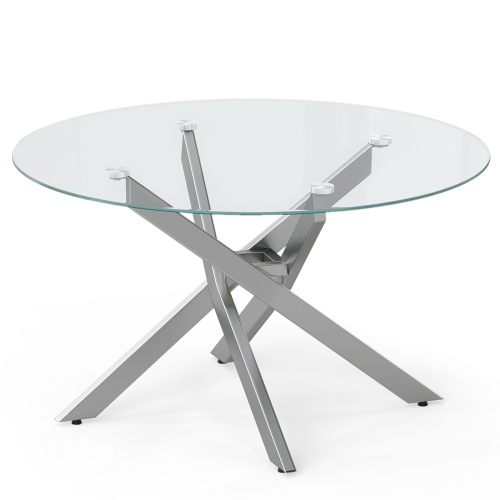
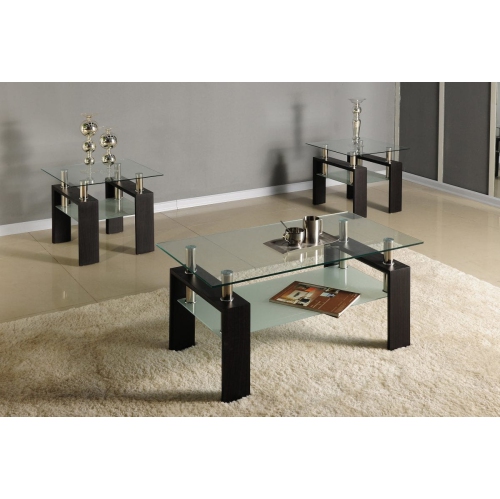
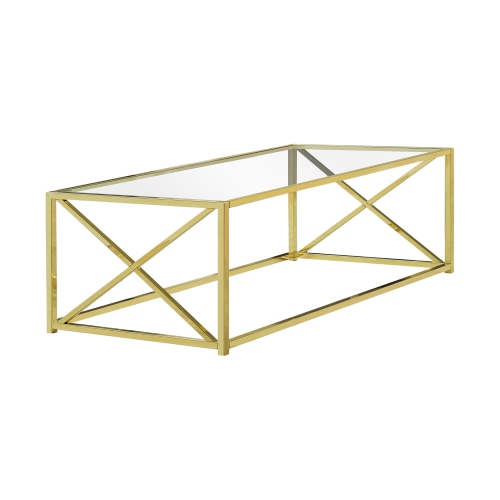
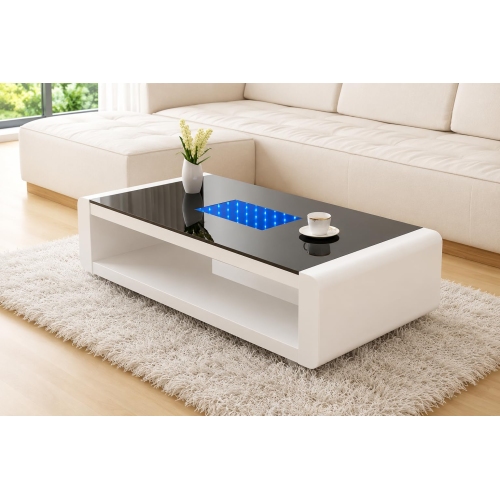
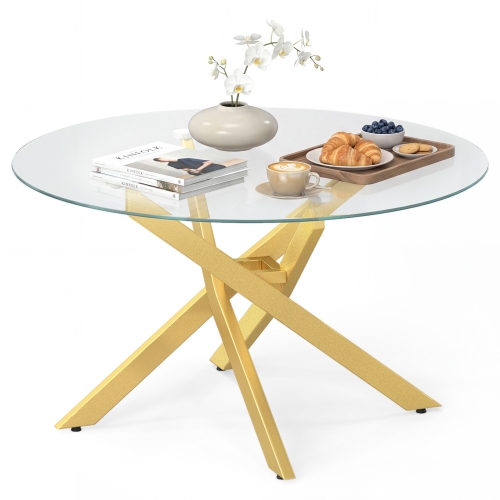
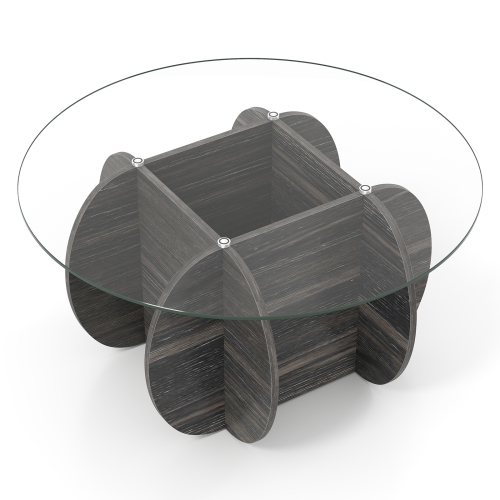
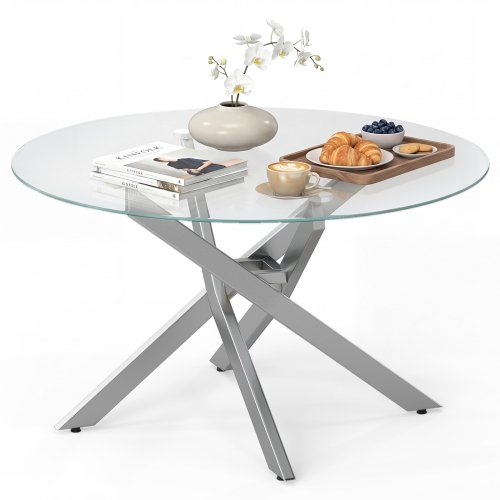
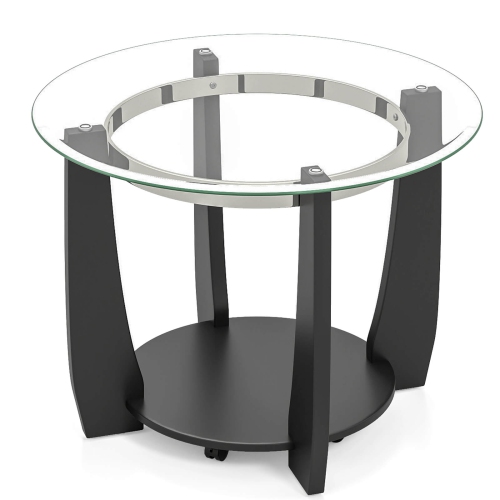
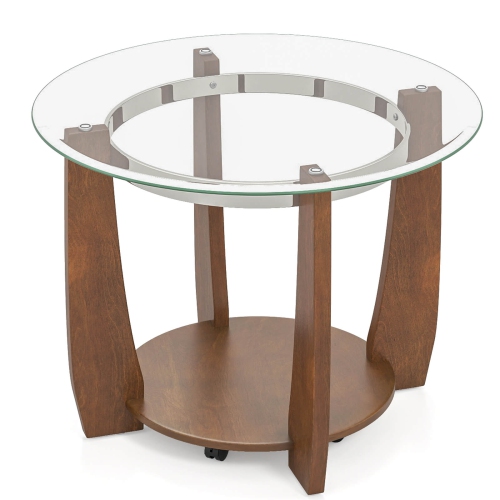
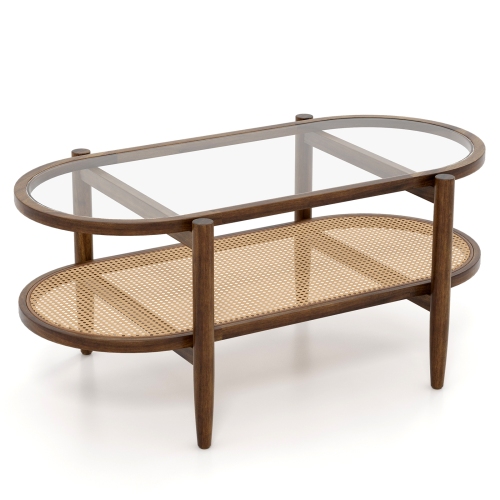
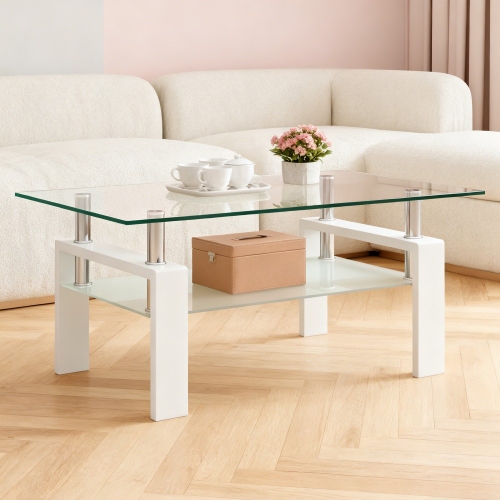
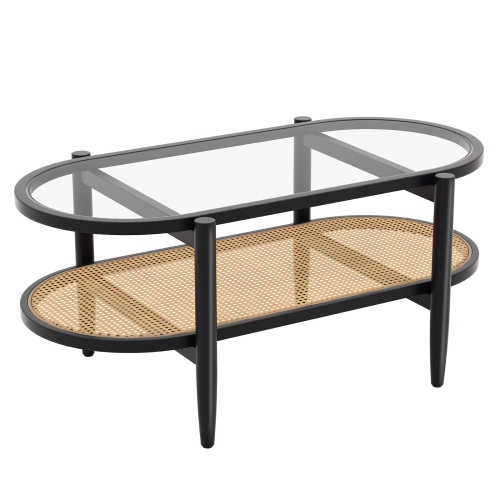
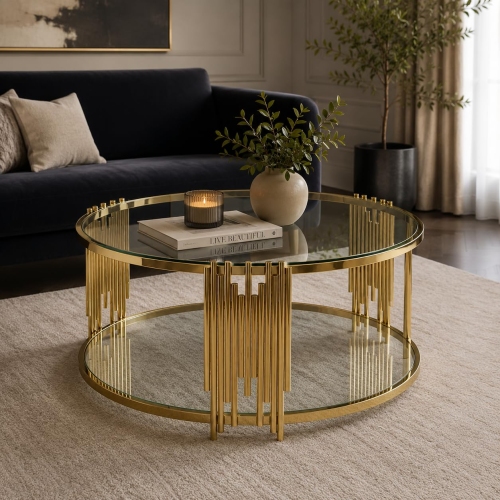
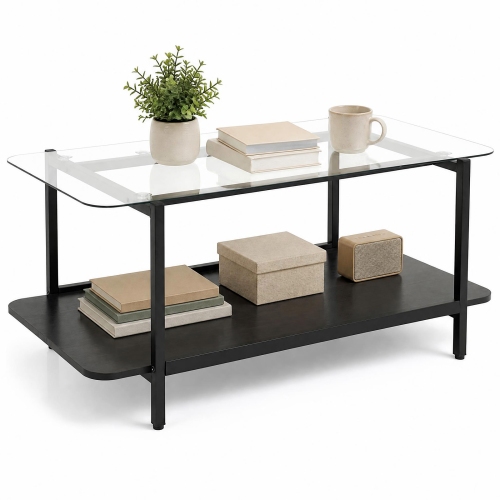
A clear top puts your room’s details on display
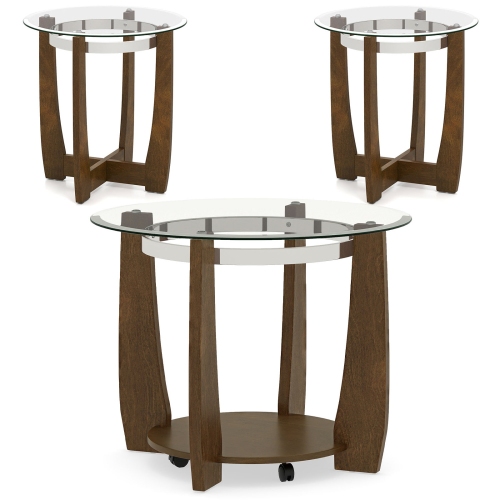
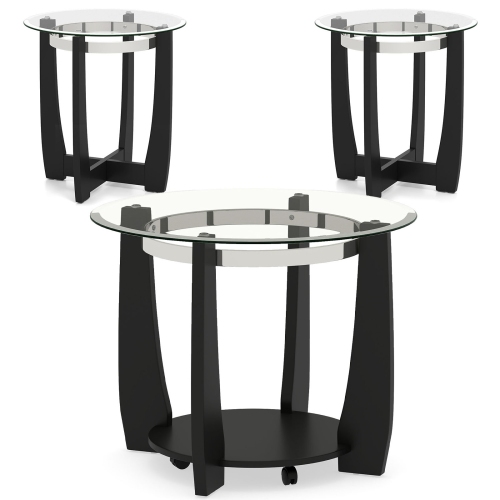
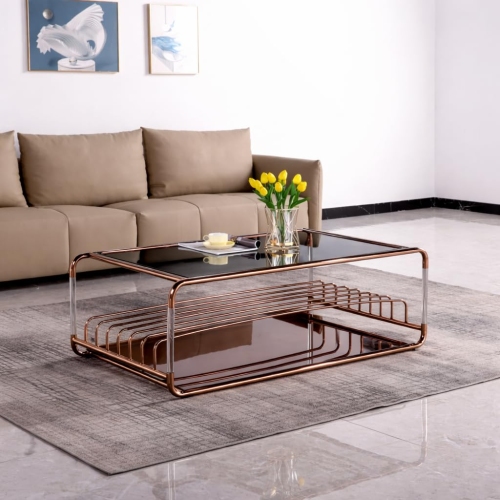
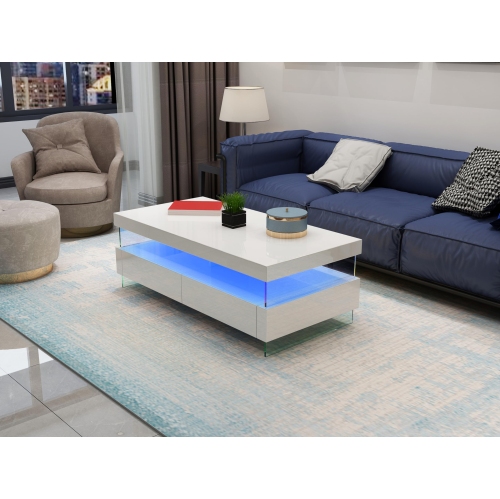
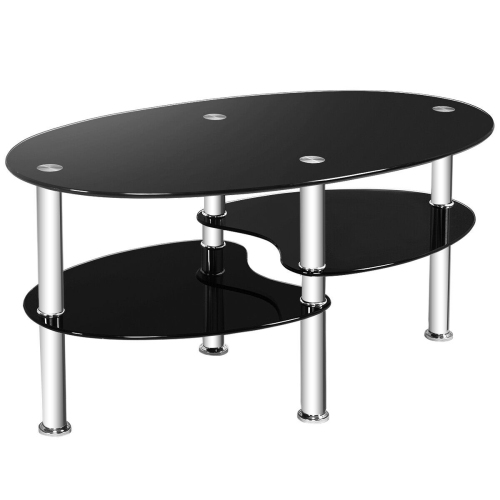
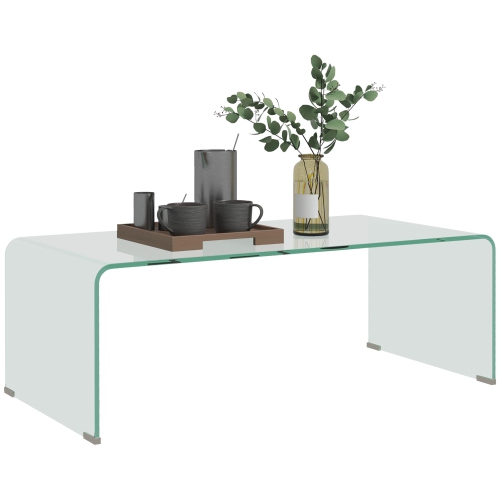
Glass surface coffee tables provide a practical place for drinks, books, and everyday essentials while keeping the centre of a living room visually open. A clear top allows the rug, flooring, and table base to remain visible, which can make a furnished room feel less crowded without removing useful surface space. The overall effect depends as much on the base as on the glass itself. Slender metal legs create a light outline, while a sculptural wood base adds warmth and becomes part of the room’s design. Black metal frames can complement darker furniture and industrial details; polished metal finishes introduce a brighter accent alongside upholstered seating. Wood brings visible grain and texture beneath the smooth surface, helping a glass-top table sit comfortably among bookcases, sideboards, and other timber furniture. Clear glass offers the most unobstructed view, while tinted or frosted glass changes how much of the base and anything beneath the tabletop can be seen. These finishes also affect the appearance of objects placed on top: a stack of pale books reads differently against smoked glass than against a transparent surface. Shape makes an equally noticeable difference. Rectangular glass coffee tables echo the proportions of a long sofa and provide separate areas for a serving tray and reading material. Square tables can suit broad seating arrangements, while round and oval tops soften the lines of a room filled with straight-edged furniture. Curved outlines also remove projecting corners from the tabletop, although the position and shape of the legs still matter. A glass surface is not limited to a minimalist setting, either. Paired with a woven rug, a textured sofa, and a wood frame, it can feel relaxed and layered; set above a geometric metal base, it takes on a more architectural character. The combination of transparency, frame material, and proportion determines whether the table blends into the seating area or becomes its focal point.
A comfortable fit starts with the relationship between the coffee table, the seats around it, and the paths people use through the room. A tabletop close to the height of the sofa cushions generally keeps a mug or remote within easy reach, while a noticeably higher or lower surface changes how someone must lean to use it. As a starting point, a table around two-thirds the length of a sofa often looks balanced, but a sectional, chaise, or pair of facing sofas may call for different proportions. Leaving roughly 35 to 45 cm between the table and seating can provide room for legs and comfortable access; busy walkways may need more space. Measuring the full footprint matters because an angled base or outward-reaching legs can extend beyond the glass. In a compact condo, a transparent top can preserve sightlines, but it does not reduce the actual floor space the table occupies. Round shapes can make circulation easier in some layouts, while an oval surface offers extra length without rectangular corners. Nesting designs can provide additional serving space when needed, provided the smaller table has somewhere practical to sit when pulled out. Storage changes how the table works from day to day. A lower shelf gives magazines, baskets, or a folded throw a place below the main surface, though those belongings remain visible through clear glass. For a surface that frames a deliberate arrangement underneath, Glass Display Coffee Tables bring attention to keepsakes, art books, or other objects rather than simply leaving them on the tabletop. Someone who enjoys hosting may value enough uninterrupted surface for a tray and several drinks, while a household that uses the living room for puzzles or board games may need a broader top and fewer decorative objects. These everyday habits help determine whether open space, concealed storage, or a display area will be most useful.
Construction and care are particularly important with glass furniture because the tabletop’s appearance does not tell the whole story about its strength. Tempered glass is stronger than comparable untreated glass and is designed to break into small fragments rather than long shards, but it can still break and cause injury. Rounded corners and polished edges can reduce sharp contact points; they do not make a table childproof. In homes with young children or active pets, the table’s stability, edge profile, and placement deserve as much attention as its style. Glass thickness alone is not a reliable measure of weight capacity: the span of the top, the support beneath it, and the way the components connect all affect performance. The manufacturer’s stated load limit applies to the table as constructed, and any shelf may have a separate limit. Even a substantial-looking glass table is not a seat, step, or play surface. Secure fittings and properly positioned supports help keep the top steady, while suitable floor protectors can reduce movement and protect the flooring beneath the legs. For routine cleaning, a soft, lint-free cloth and a cleaner approved for the glass and surrounding materials can remove fingerprints without abrasive scrubbing. Spraying cleaner onto the cloth rather than directly around joints helps control moisture near wood, metal fittings, and adhesives. Coasters and heat-resistant mats protect against drink marks and direct contact with hot containers, and lifting ceramics or decorative objects instead of sliding them helps limit scratches. Small felt pads beneath display pieces can offer another layer of protection when suitable for the surface. Chips, cracks, loose hardware, or a shifting top warrant prompt attention rather than continued use. With appropriate handling and a frame suited to the household’s routines, a glass coffee table can serve as a useful everyday surface while keeping the details beneath and around it in view.
Top selling and popular products
-
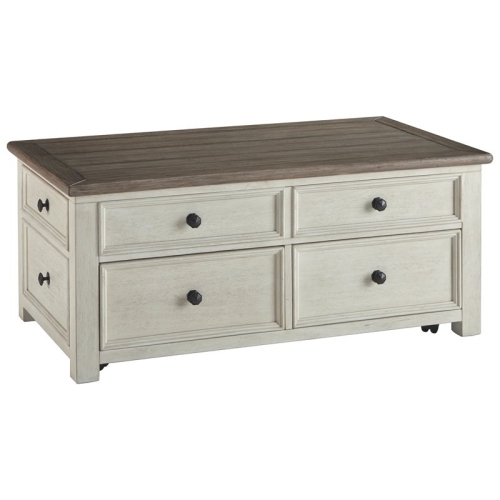 Your price for this item is $949
-
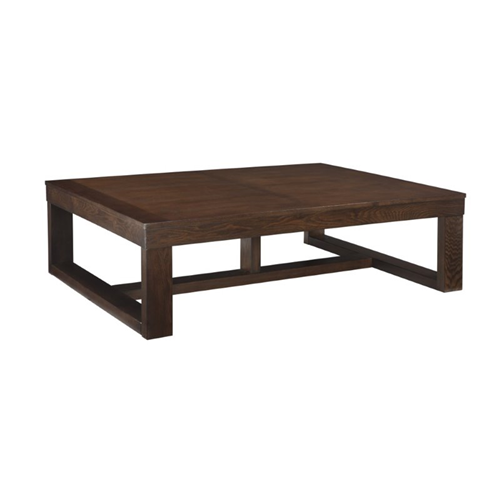 Your price for this item is $449
-
 Your price for this item is $649
-
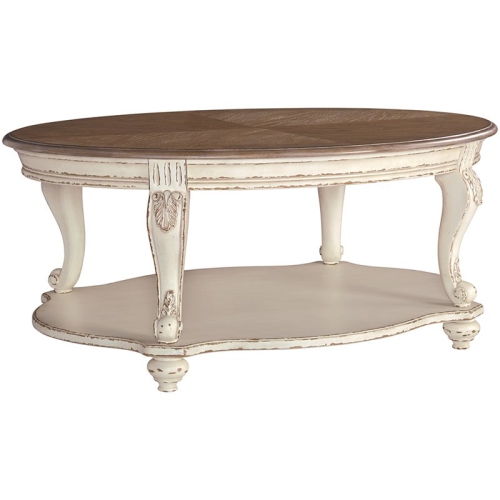 Your price for this item is $599
-
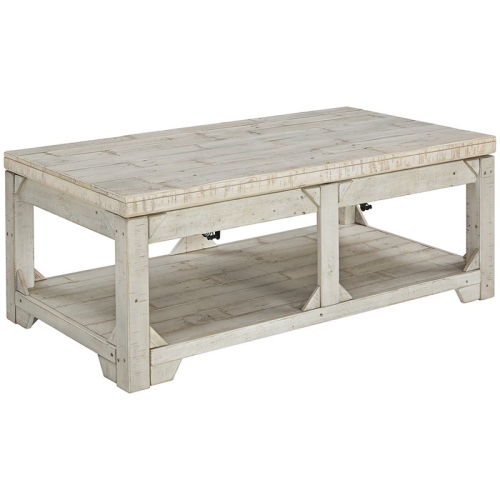 Your price for this item is $549
-
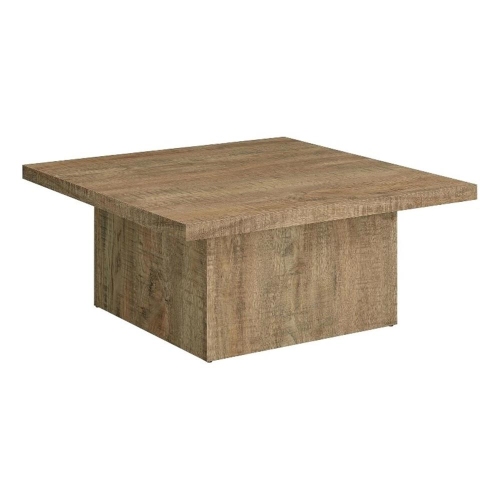 Your price for this item is $349.93
-
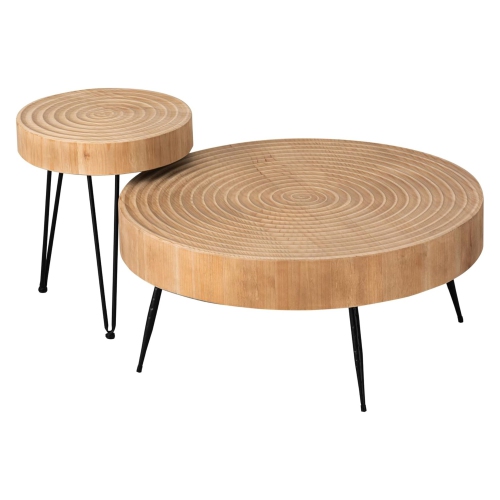 Your price for this item is $474.99
-
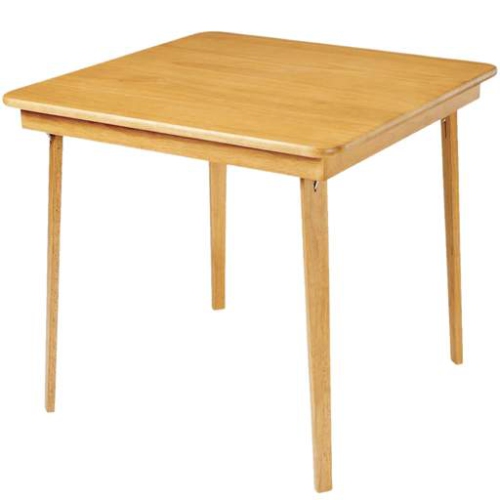 Your price for this item is $233.72
Discover more categories related to Glass Surface Coffee Tables
Top Collections:
Best Black Friday Deals This Year, Best Black Friday Deals On Electronics, Kindle Devices, Dyson Airwrap, Best Cameras for Sports Photography, Best Budget Office Chairs, Canon G7X Cameras, PS5 Pro Consoles, Best Black Friday Deals On Apple Products, XBOX One S Consoles
Some products may be subject to Environmental Handling Fees
(EHF) depending on your province.
Learn more about EHFs.