Glass Top Square Coffee Tables
Elevate your living space with a sophisticated and modern glass-top square coffee table. Perfectly blending style and functionality, these elegant pieces serve as the centerpiece of any room, offering a sleek surface for your essentials while enhancing the overall aesthetic. Whether you're hosting guests or enjoying a quiet evening at home, a glass-top square coffee table adds a touch of contemporary charm to your decor. Discover the perfect match for your home and create an inviting atmosphere with this timeless furniture staple.
Sort
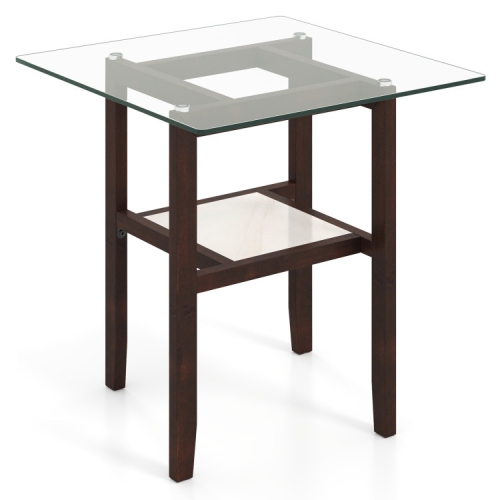
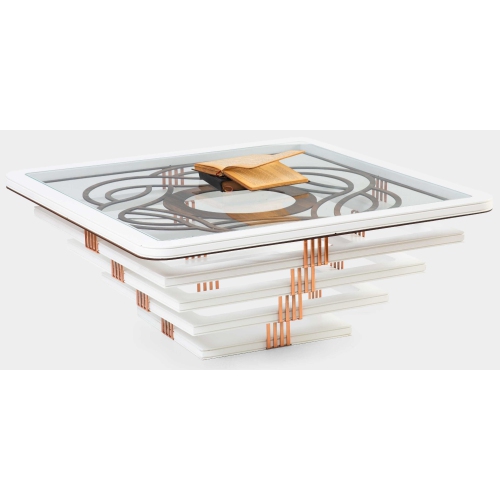


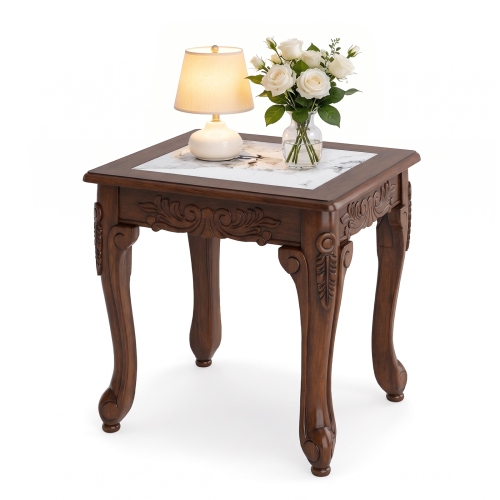

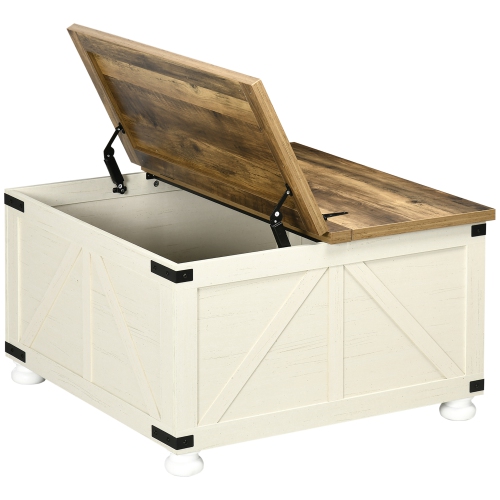
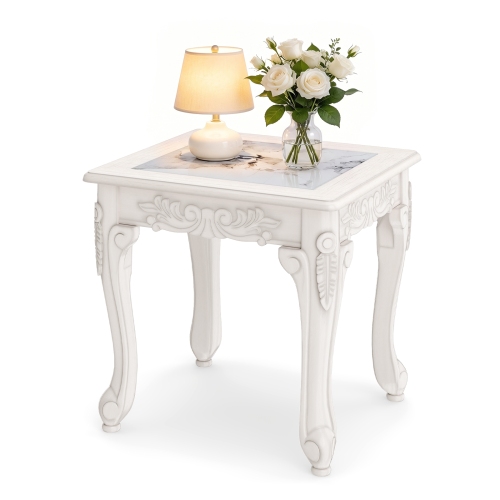
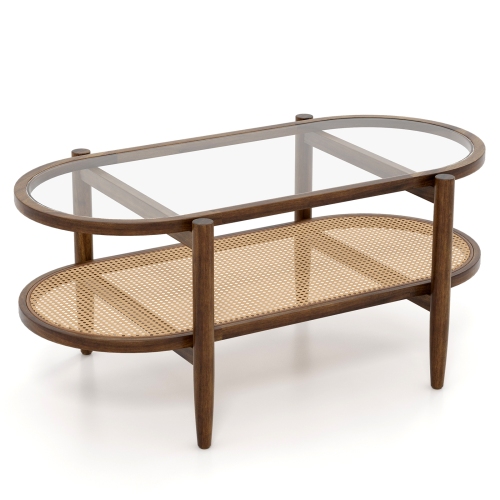
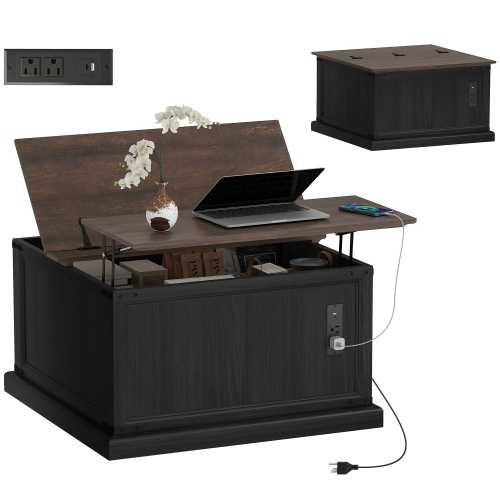
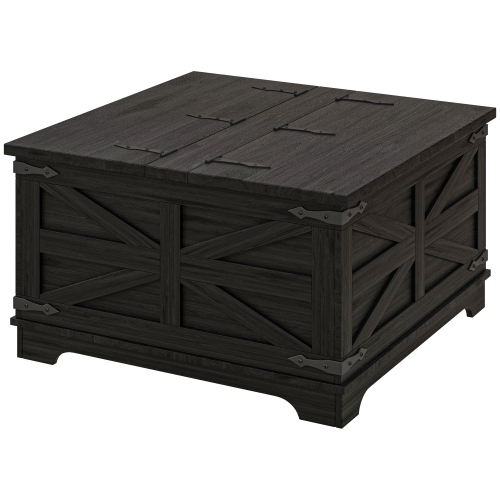
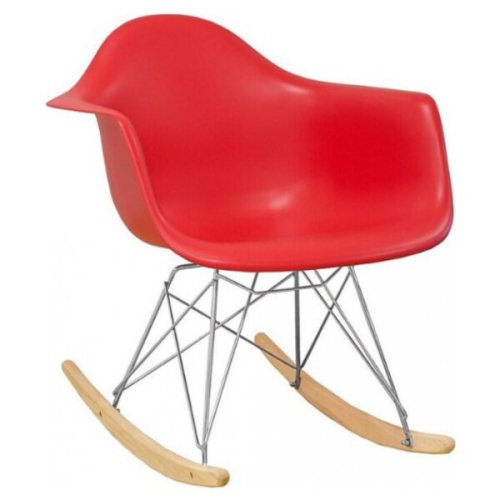
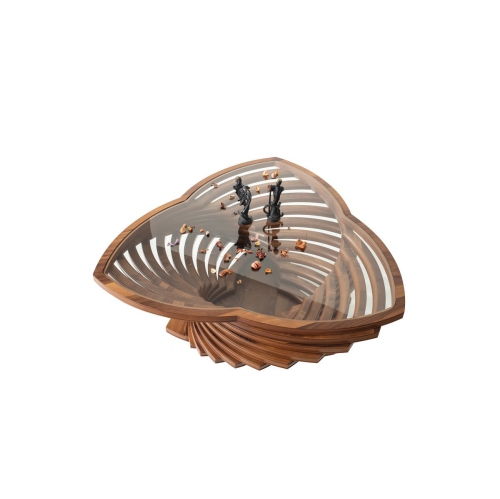
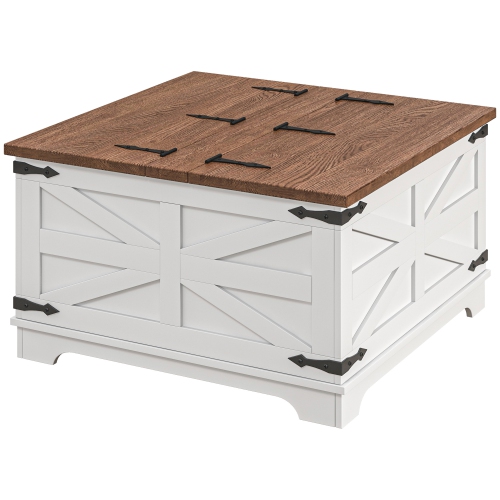
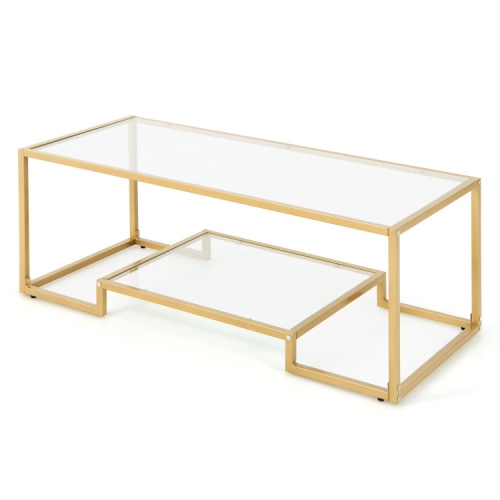
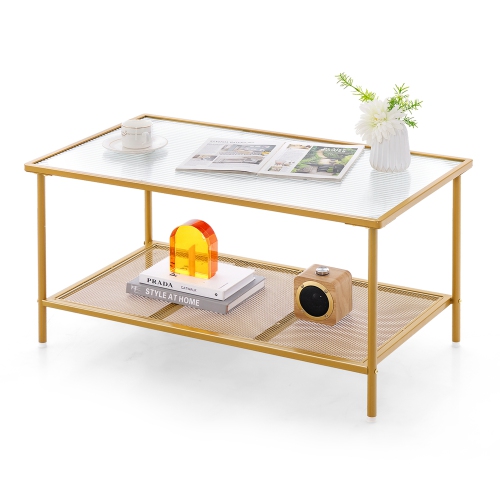
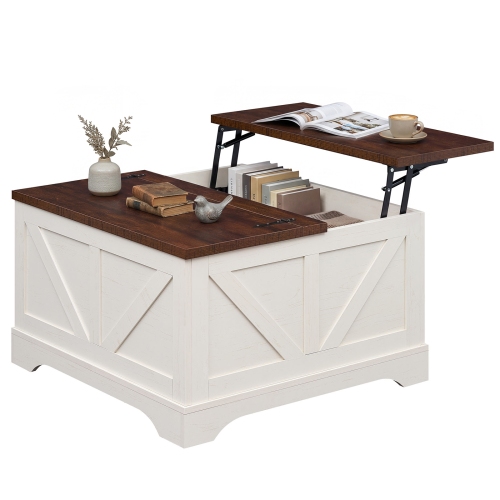
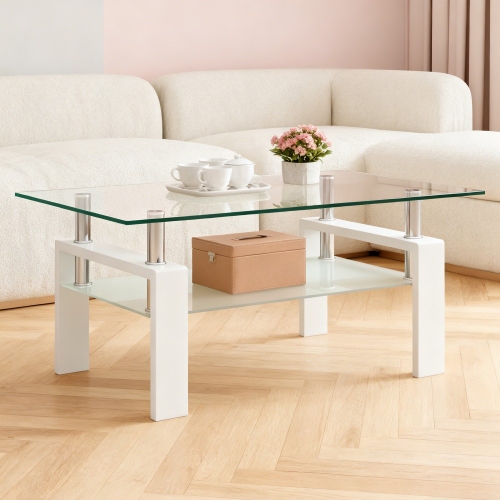
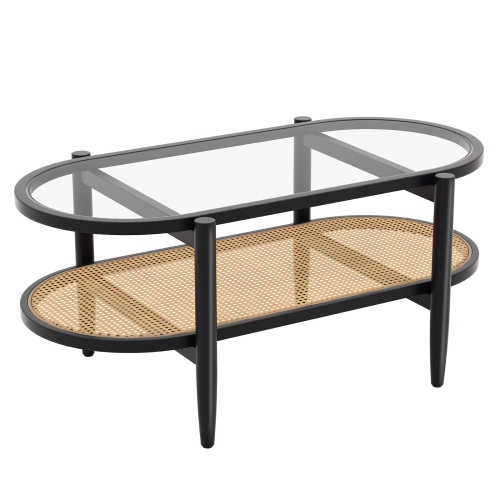

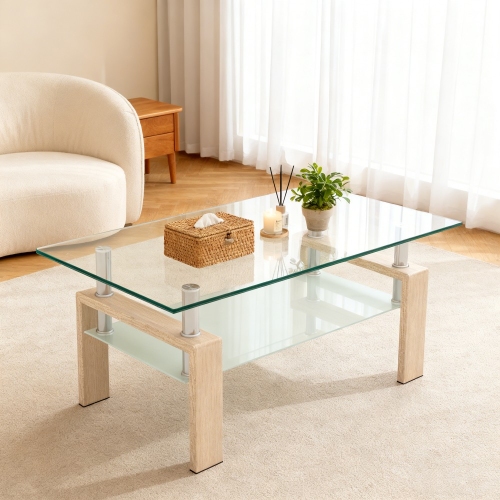

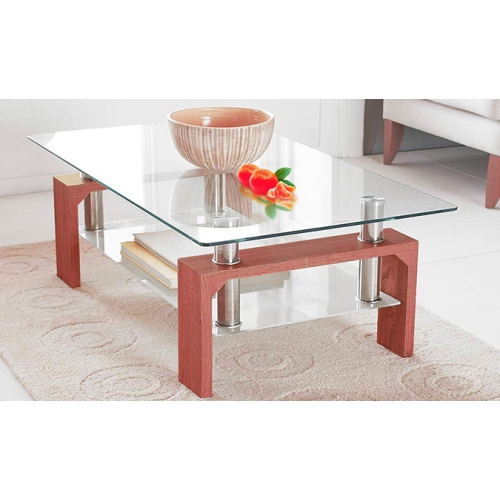
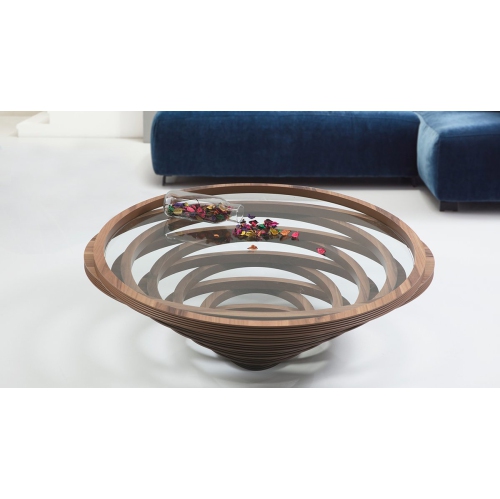
Glass tops let your room’s textures show through
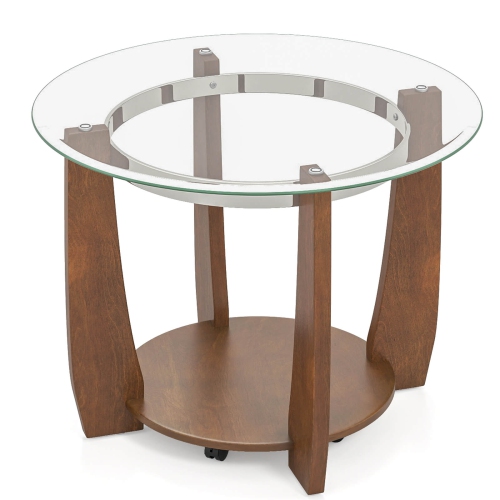
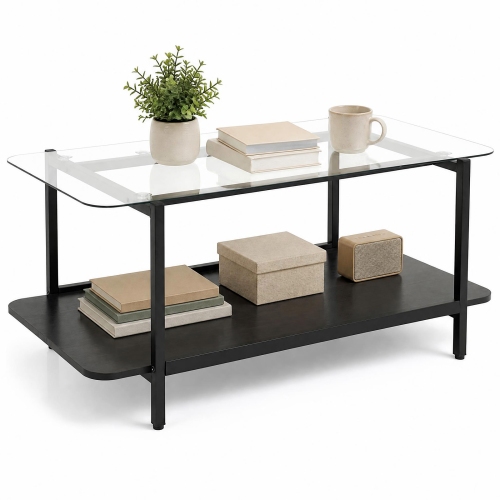
Glass-top square coffee tables combine a practical gathering surface with a clear view of the frame, rug, and floor beneath them. Their equal-length sides suit seating arrangements where people gather around a central point, while the transparent top can make the furniture feel less visually bulky than a solid tabletop of similar dimensions. That openness is especially useful beside a deep sectional or between substantial upholstered chairs, where another opaque surface might make the space look crowded. Clear glass puts the base on display, so its shape and finish become part of the room’s overall design. A slim black metal frame creates a defined outline, a warm wood base adds texture, and a brushed metallic finish catches the light without needing much additional decoration. Smoked or tinted glass introduces a different effect, softening the view through the tabletop and adding depth, although it may show dust or fingerprints differently from clear glass. The construction matters as much as the appearance. Tempered glass undergoes a treatment that increases its strength compared with ordinary glass and changes how it breaks, but it is not unbreakable or immune to scratches. Glass thickness, edge finishing, support placement, and the quality of the frame all contribute to how a table performs in everyday use; thickness alone does not establish its load capacity. Manufacturer specifications are the best reference for weight limits and care requirements. Beneath the top, wood can bring visible grain and a more substantial profile, while metal allows for slender legs, crossbars, or sculptural supports. Engineered wood may appear in shelves, drawers, or frame components, with surface finishes that influence cleaning and wear. A lower shelf adds a place for magazines or a remote-control tray, while a simple open base leaves more of the rug visible. Because the glass reveals what sits underneath, even the arrangement of a few books can become part of the table’s appearance rather than storage that disappears from view.
Fit depends on the entire footprint, not just whether the tabletop fits inside the room. A square coffee table works particularly well with an L-shaped sectional when the open space between the seats has similar proportions, or with a sofa and a pair of chairs arranged for conversation. In a long, narrow seating area, the same shape may extend too far into a walking route or leave someone at the end of the sofa with a longer reach. Measuring the space between the surrounding seats helps establish a useful starting point. Around 14 to 18 inches between the table and seating often provides comfortable reaching distance while leaving room for legs, though deeper seats, reclining mechanisms, and individual mobility needs can call for more clearance. Main walking routes generally need more space than the gap used to reach a drink. Table height also affects comfort: a top close to the height of the seat cushions, or slightly lower, tends to be convenient for setting down a mug without stretching. For a clearer sense of scale, marking the proposed outline on the floor with removable tape can reveal whether a square top would crowd an armchair or interrupt the route to a doorway. Check the base footprint as well, since angled legs or projecting supports may occupy space beyond what the top suggests. A transparent surface can look light while still being physically substantial, and square corners remain important around active children or busy household pathways. Polished or bevelled edges change the feel and appearance of the glass but do not remove the corners. Where a curved tabletop would better suit movement around the seating, Glass Top Round Coffee Tables offer a different shape to consider. The right fit leaves enough usable surface for everyday routines without making people turn sideways to pass. It also keeps the table within reach of the seats that use it most, rather than simply centring it on the rug.
Everyday use helps determine which details are worth prioritizing. For a living room used mainly for conversation, a straightforward glass surface may provide all the space needed for drinks, a small arrangement, and a book. A shared household that gathers for board games may benefit from a broader unobstructed top, while someone who likes a tidy surface may prefer a drawer or lower shelf for small essentials. Storage has its own practical limits: a shelf positioned close beneath the glass can restrict taller objects, and an open shelf does not conceal clutter. Glass also makes crumbs, fingerprints, and rings more noticeable, so easy access to the top and underside is useful. Routine care usually involves a clean, soft microfibre cloth and a cleaner approved for the glass and any nearby finishes. Applying cleaner to the cloth rather than spraying across the whole table helps control where the liquid goes, particularly around wood joints, metal fittings, and edges. Dust or grit should be lifted away gently before wiping, and abrasive pads are best avoided. Coasters and suitable protective mats help separate the surface from rough ceramic bases, moisture, and hot serving dishes; felt pads beneath decorative objects can also reduce direct contact. The frame needs attention too, with care matched to its material and finish rather than treating the whole table as glass. Any chips, cracks, or loose supports warrant prompt assessment, and the tabletop should never serve as a seat or step. Assembly and lifting requirements deserve consideration before the table is moved into place, especially when a separate glass top needs two people to handle it safely. Once positioned, a square glass-top coffee table can anchor a seating area without hiding the textures around it. A patterned rug, the grain of a wood base, or a neatly stacked pair of books remains visible through the surface, giving the room depth while keeping its central table useful for daily life.
Top selling and popular products
-
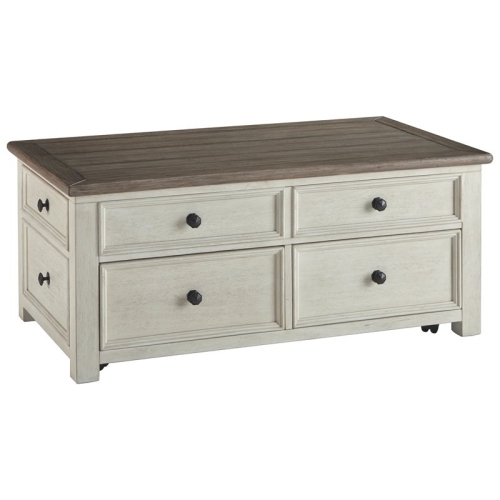 Your price for this item is $949
-
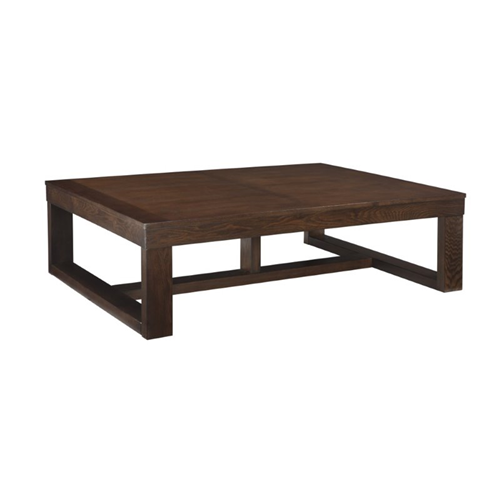 Your price for this item is $449
-
 Your price for this item is $649
-
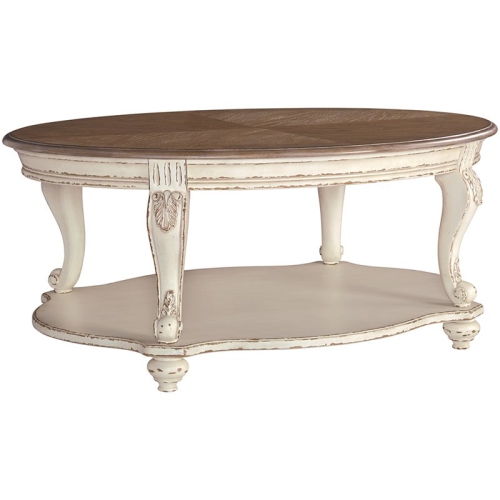 Your price for this item is $599
-
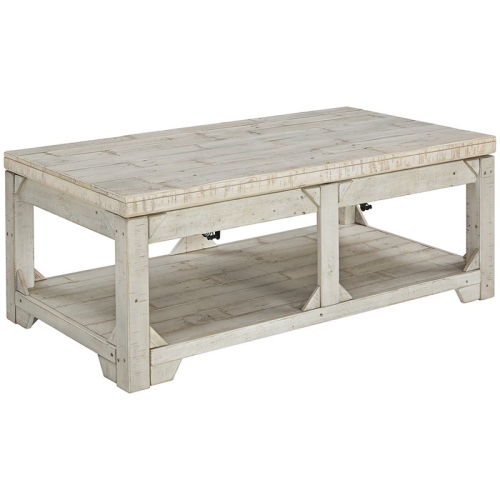 Your price for this item is $549
-
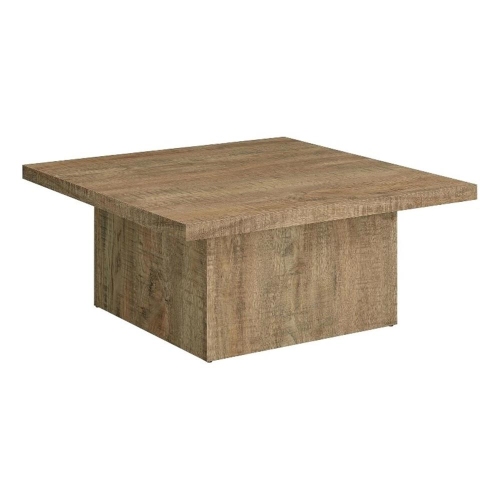 Your price for this item is $349.93
-
 Your price for this item is $474.99
-
 Your price for this item is $233.72
Discover more categories related to Glass Top Square Coffee Tables
Top Collections:
Best Black Friday Deals This Year, Best Black Friday Deals On Electronics, Kindle Devices, Dyson Airwrap, Best Cameras for Sports Photography, Best Budget Office Chairs, Canon G7X Cameras, PS5 Pro Consoles, Best Black Friday Deals On Apple Products, XBOX One S Consoles
Some products may be subject to Environmental Handling Fees
(EHF) depending on your province.
Learn more about EHFs.