Gray Wood Desks
Looking for a stylish and functional addition to your home office or workspace? Gray wood desks might be just what you need. Combining the timeless elegance of wood with the modern appeal of a sleek gray finish, these desks are perfect for adding a touch of sophistication to almost any room. Whether you're working from home, studying, or simply need a dedicated space for your computer and paperwork, a gray wood desk offers the perfect blend of style and functionality. Here are some great options available.
Sort

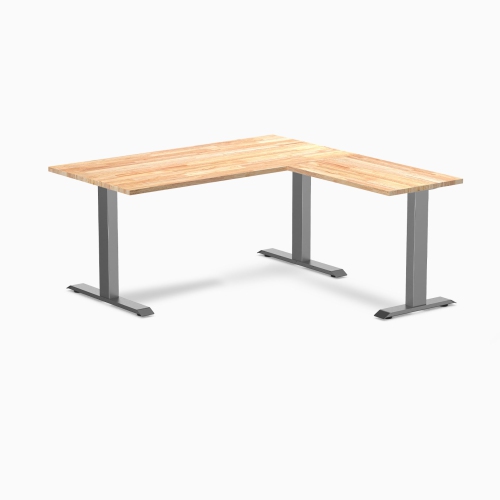
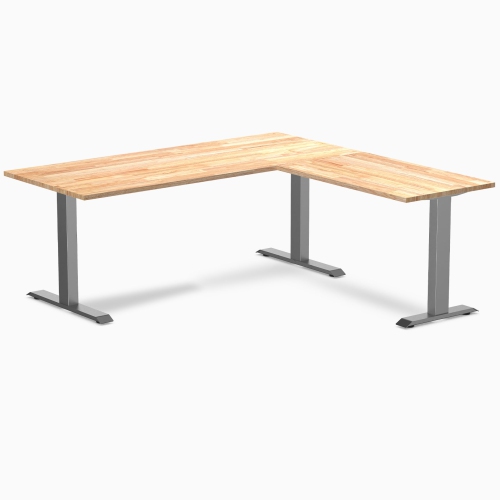
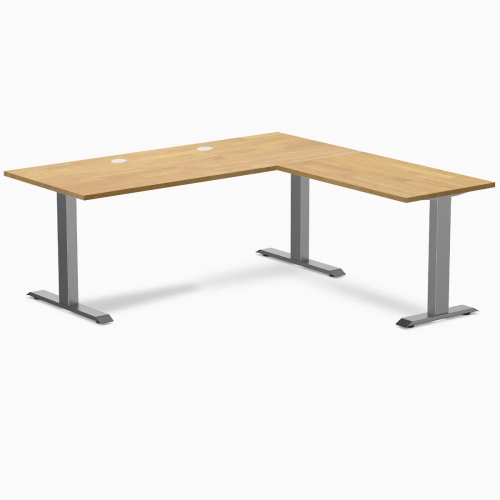
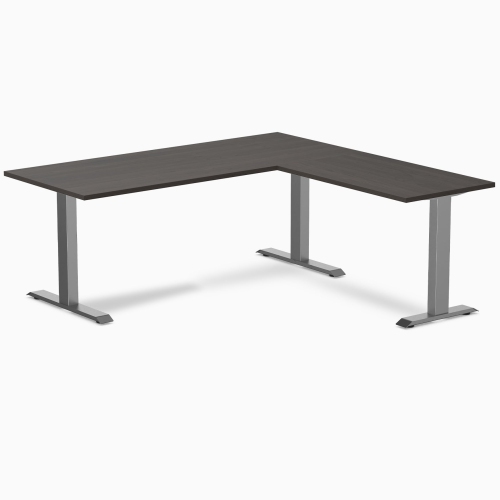
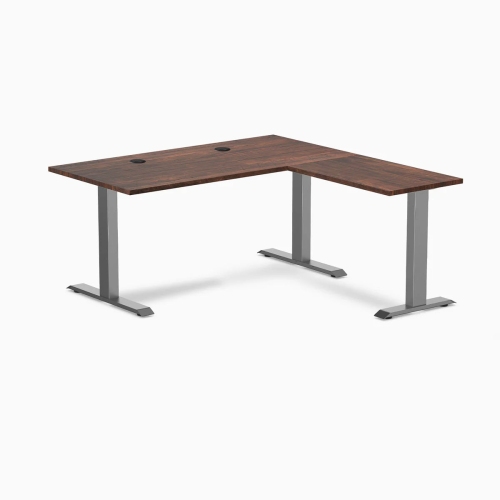
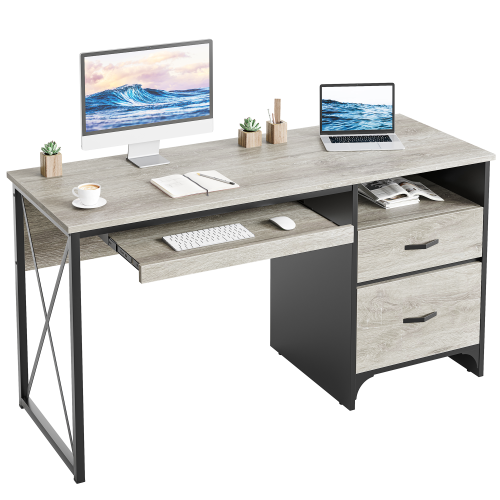
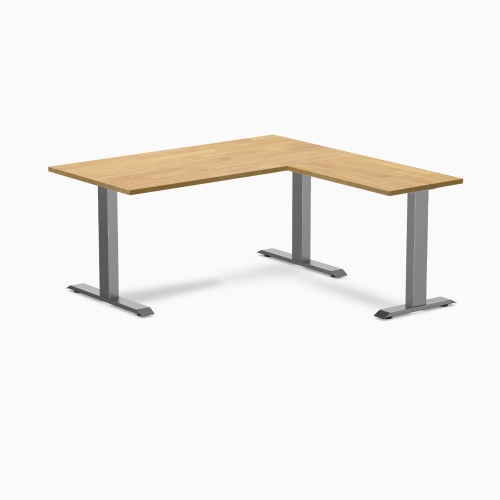
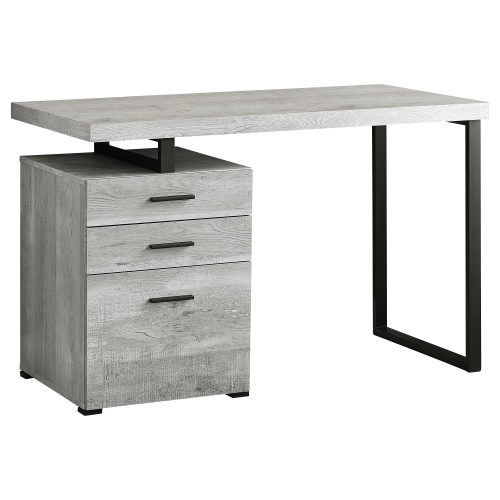


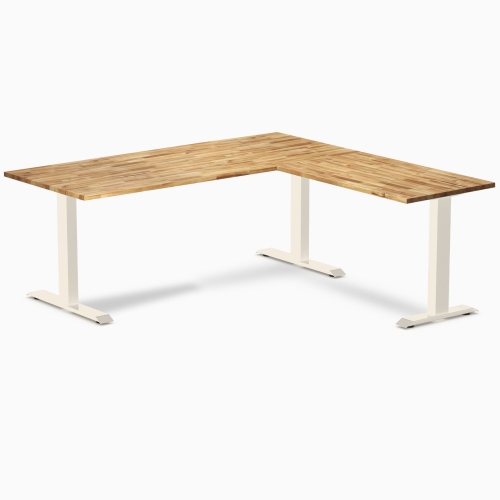
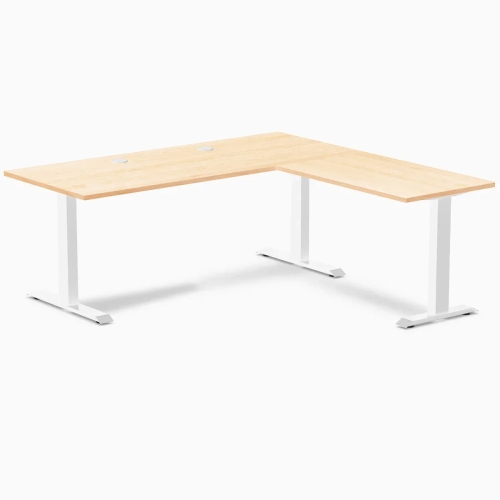
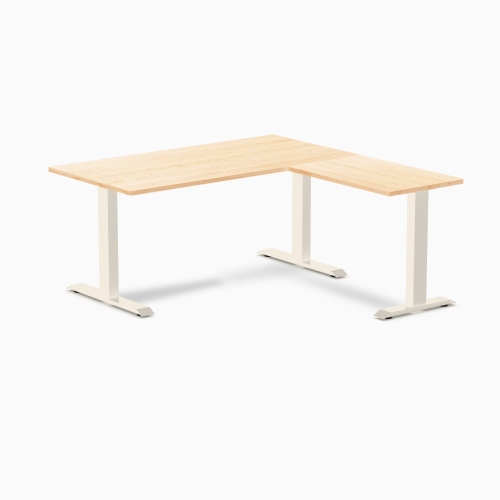
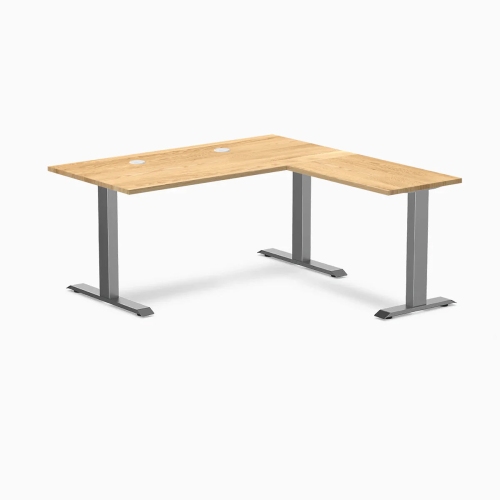
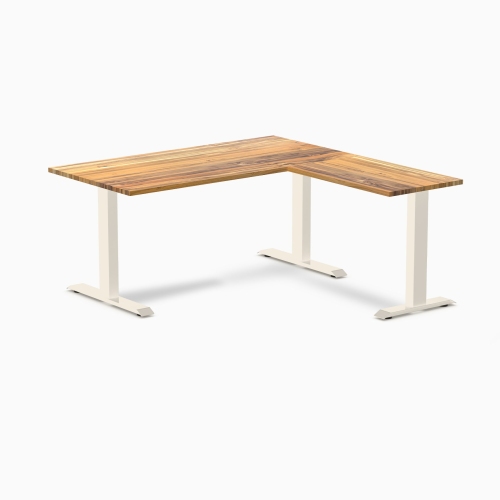
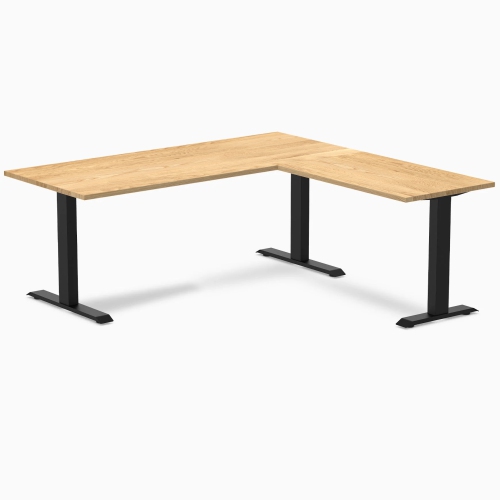
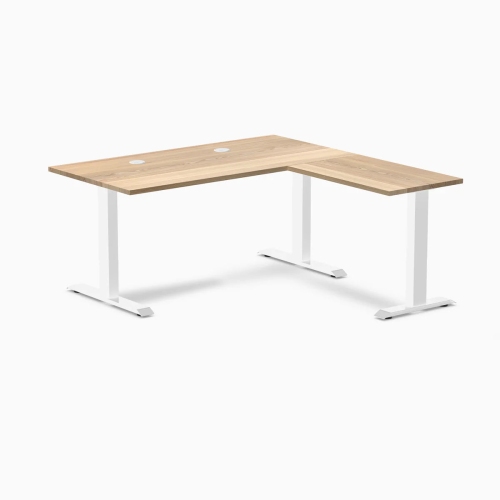
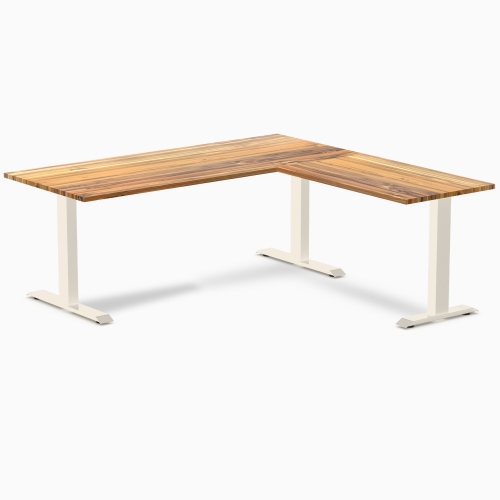
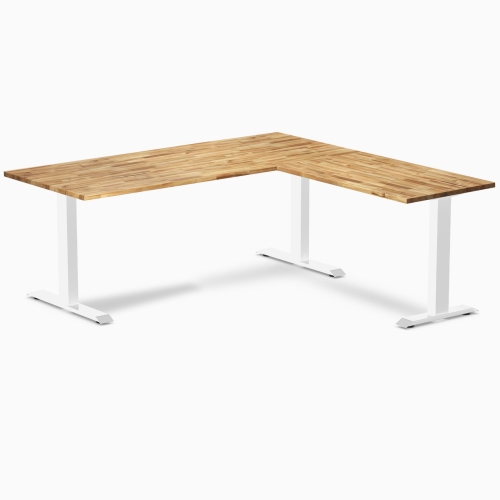
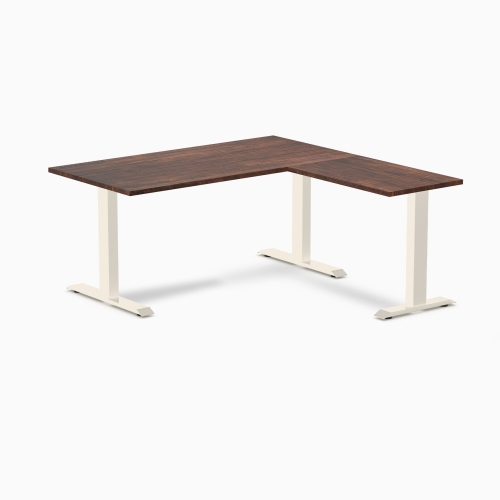
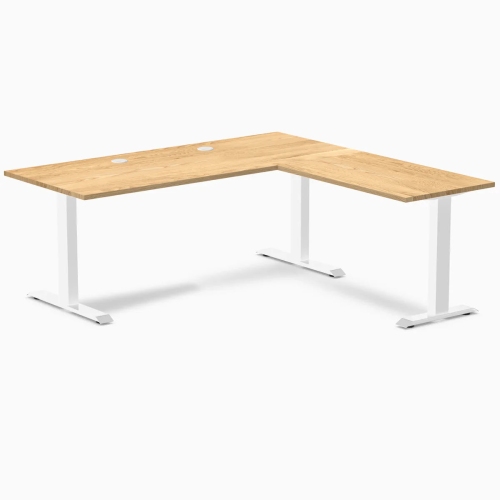
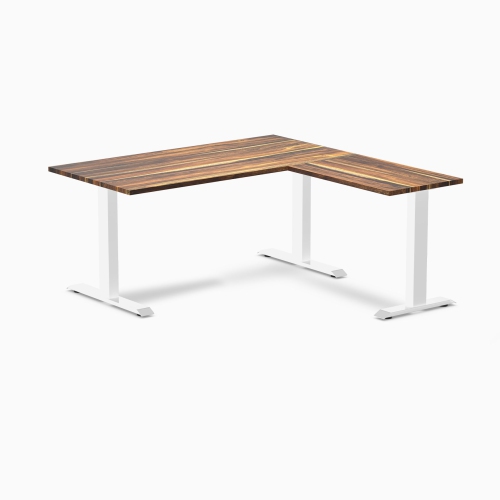
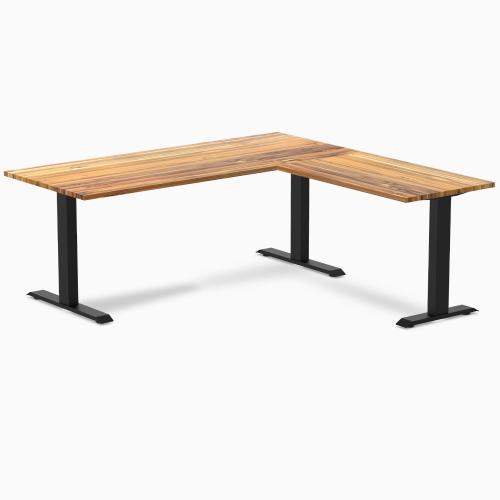
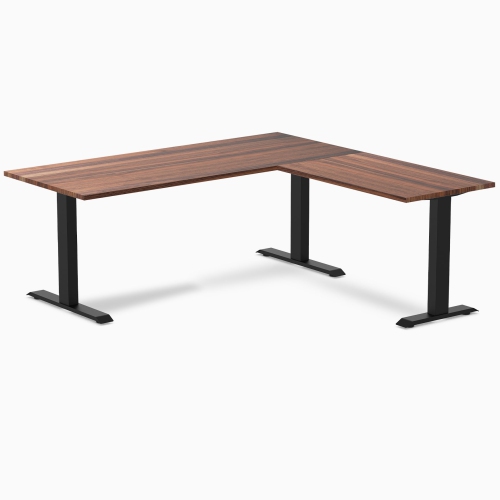
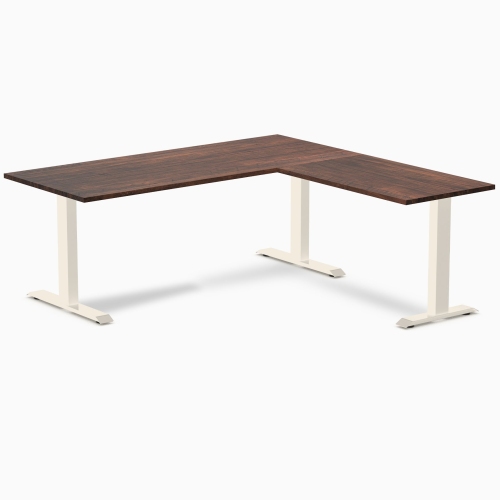
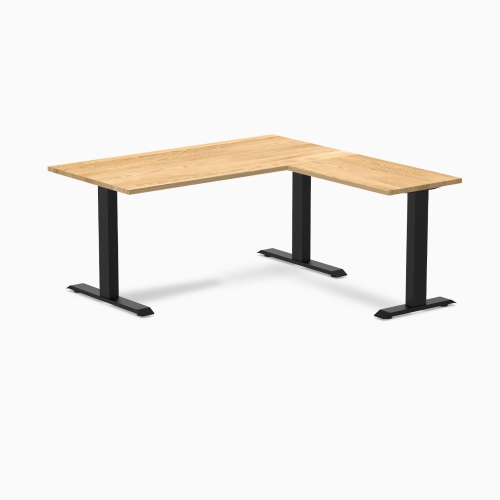
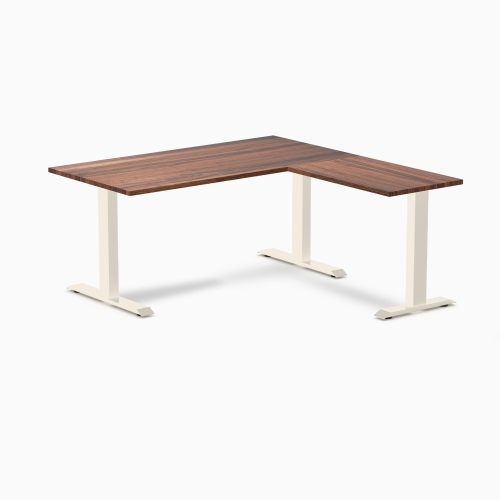
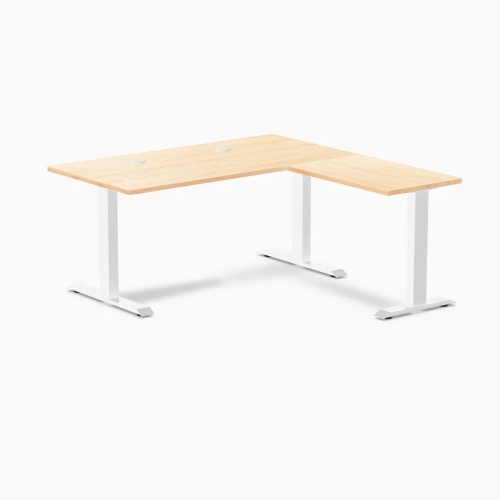
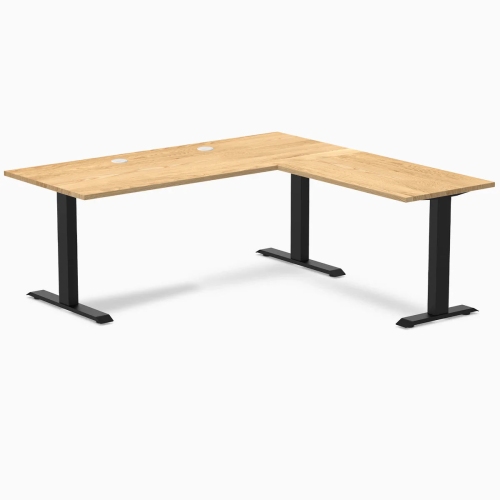
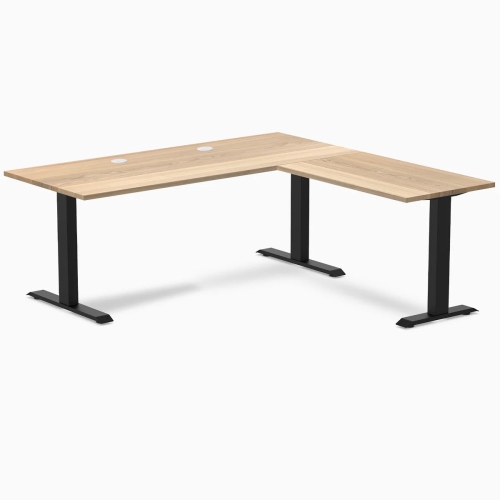
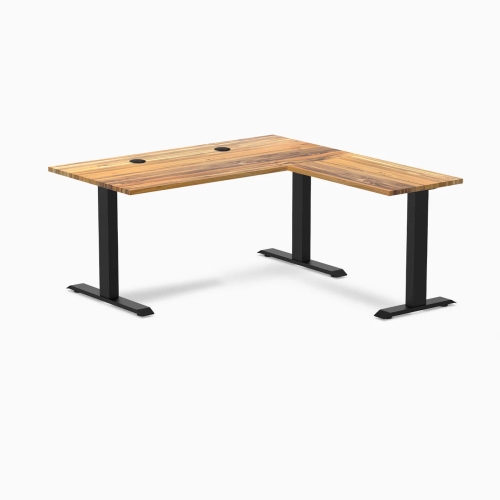
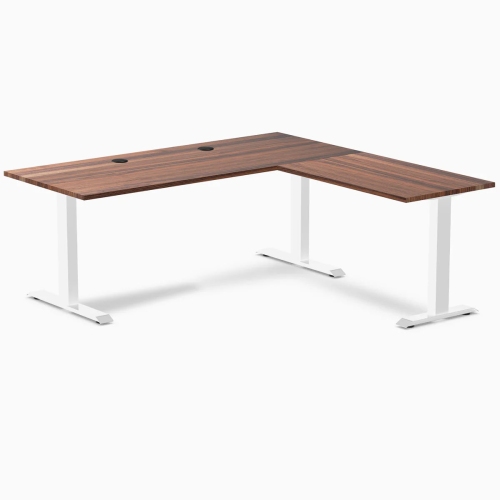
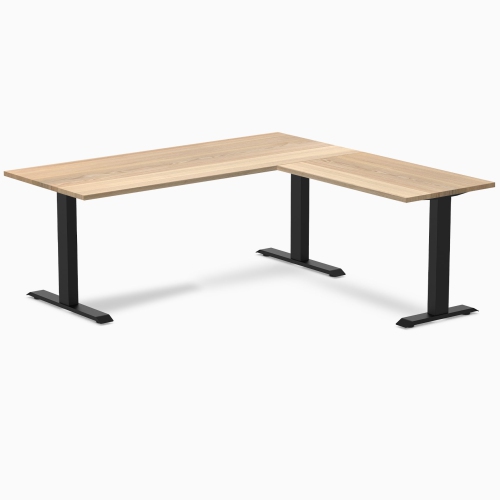
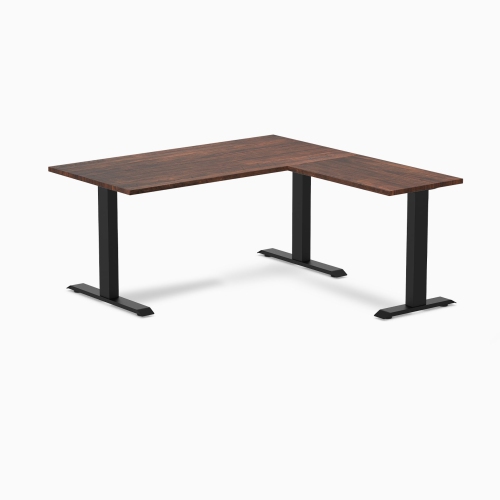
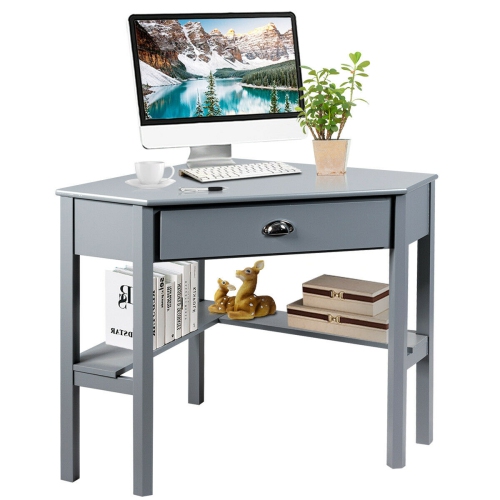
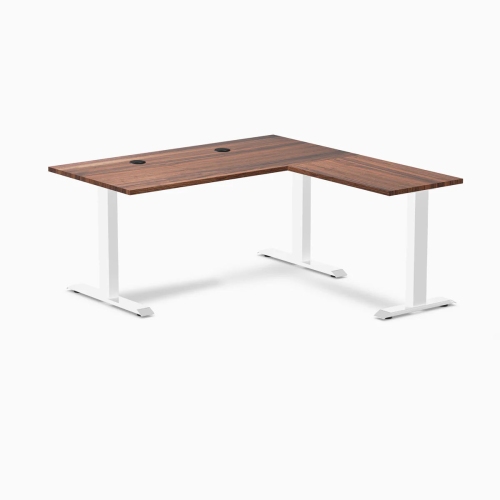
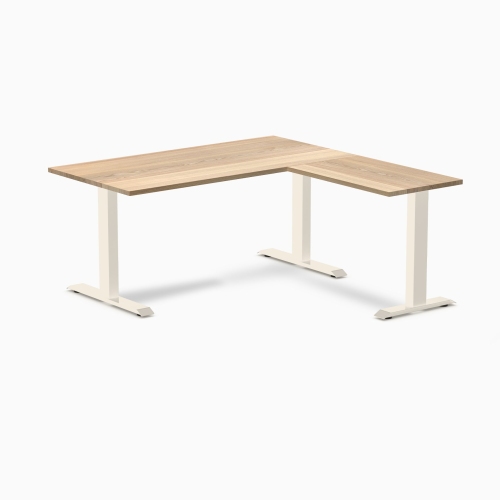
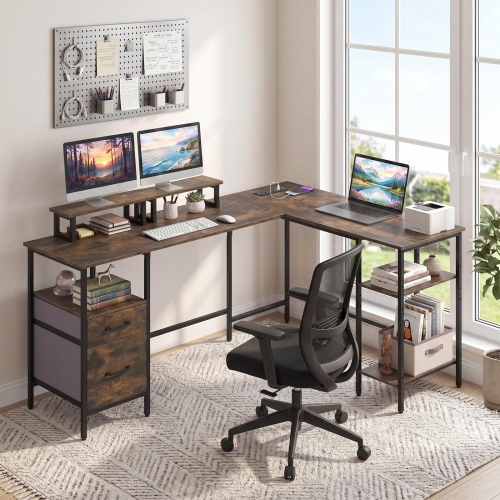
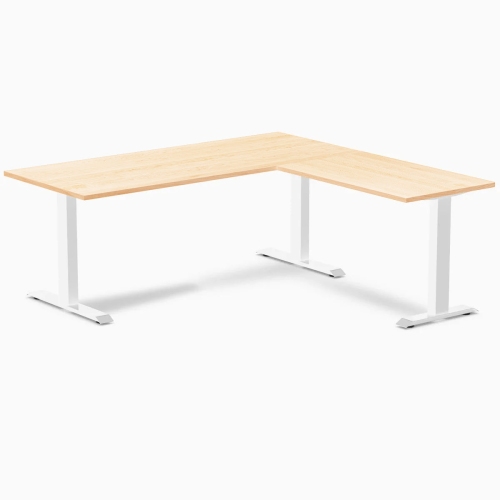
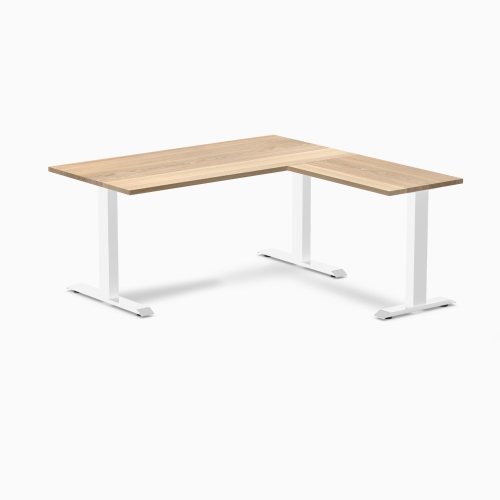
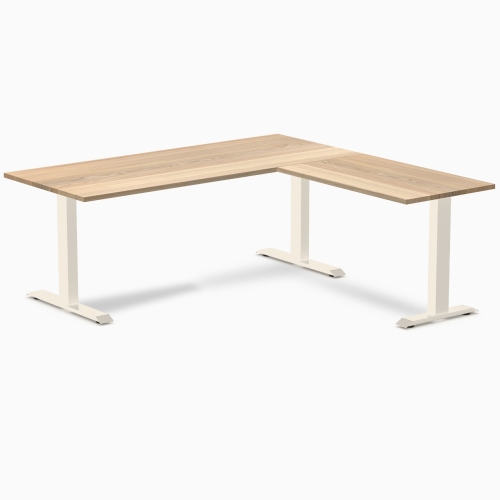
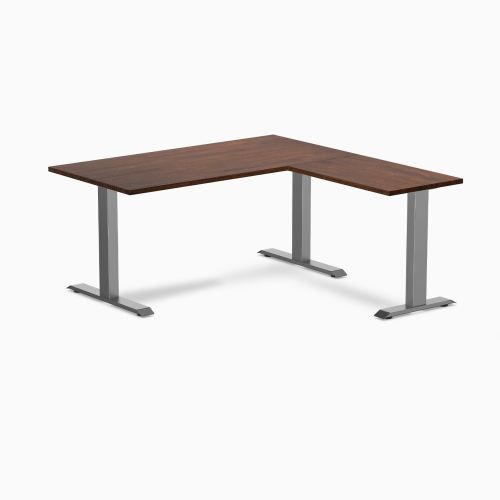
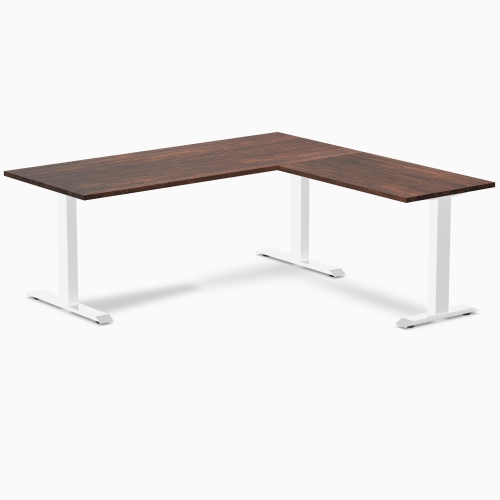
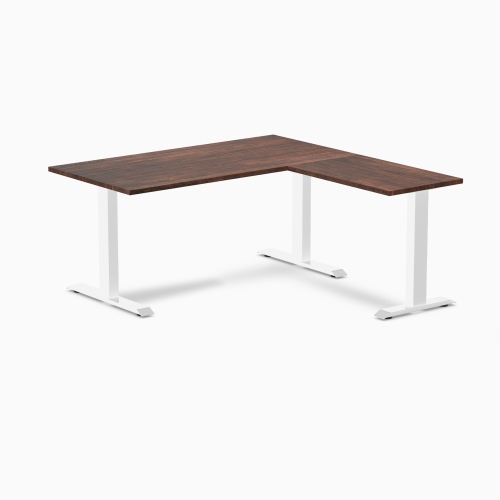
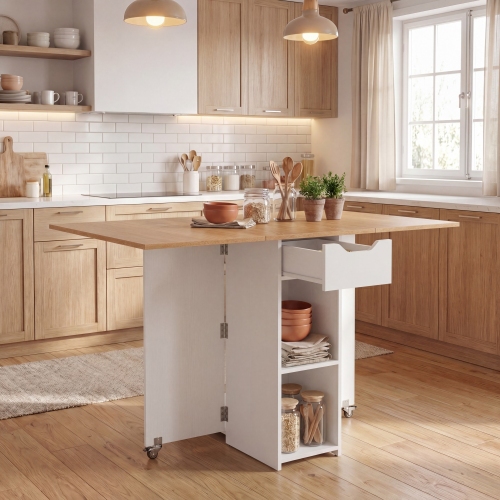
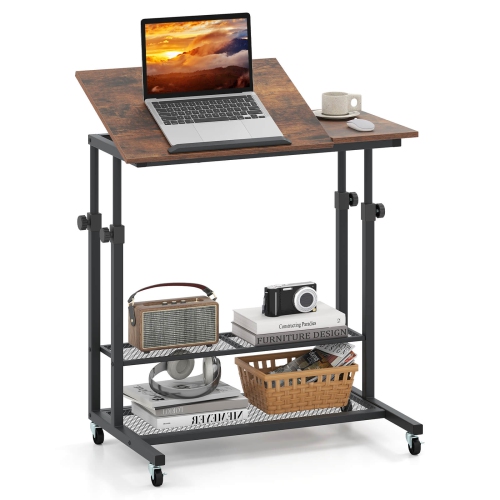


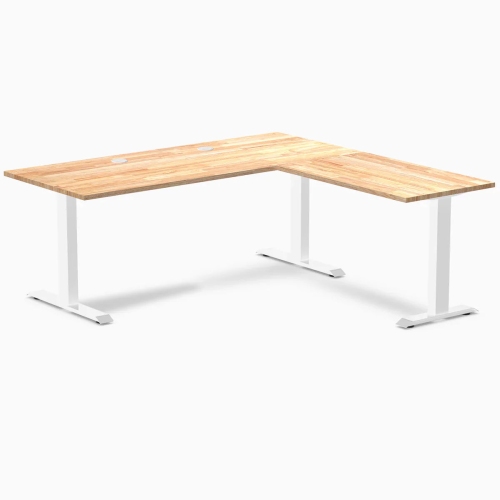
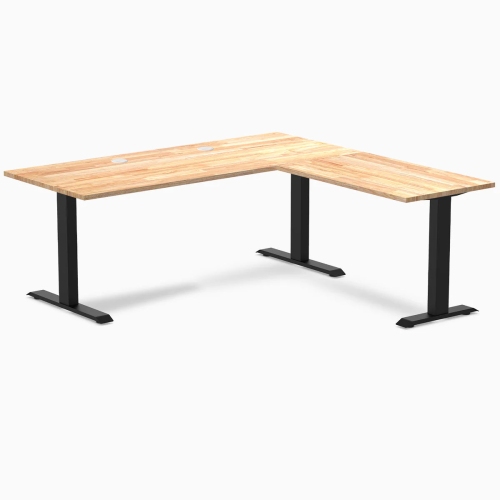
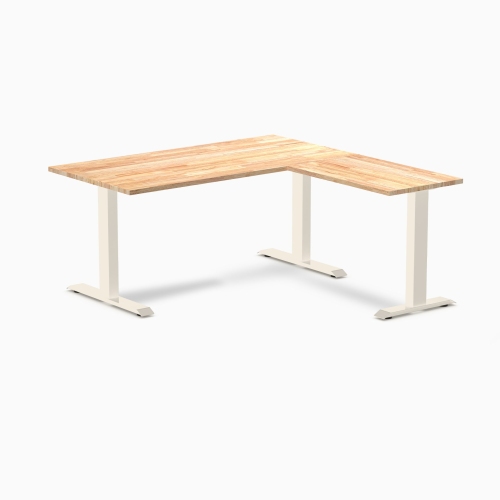
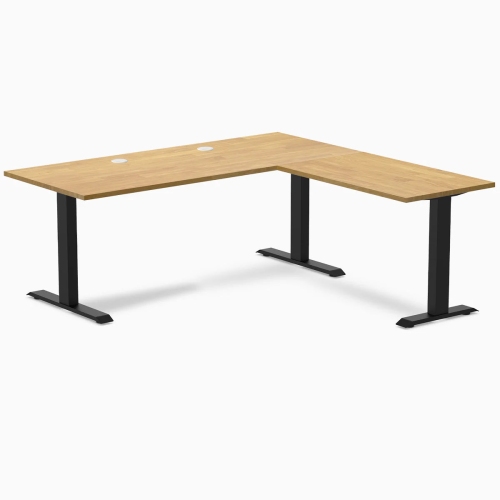


Why similar grey finishes can feel so different
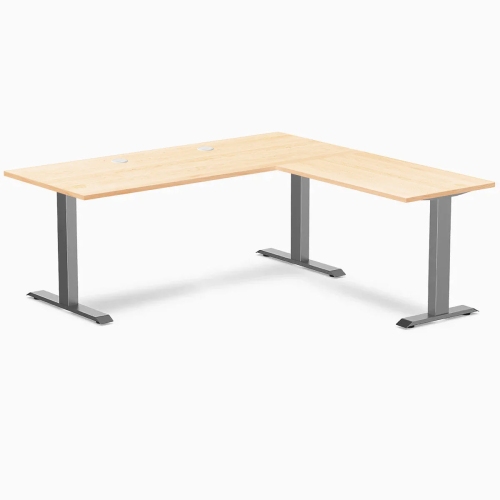
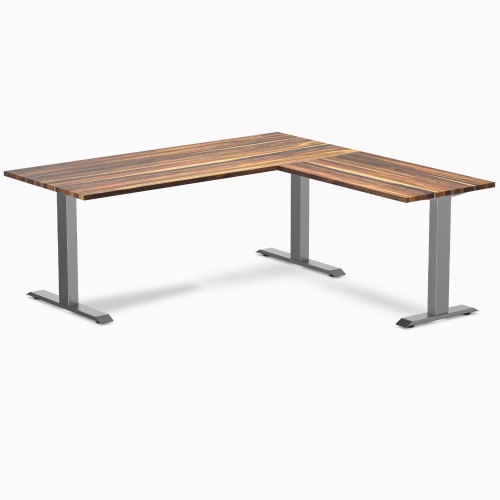
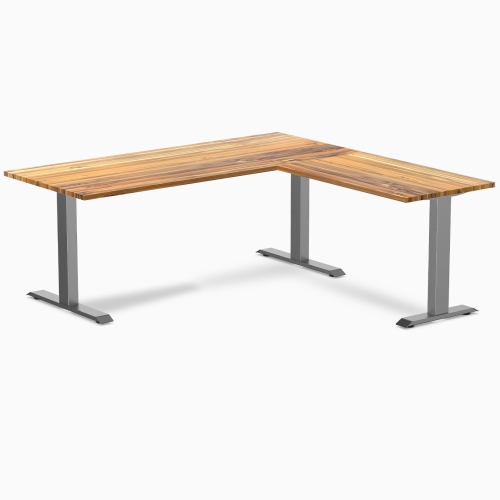
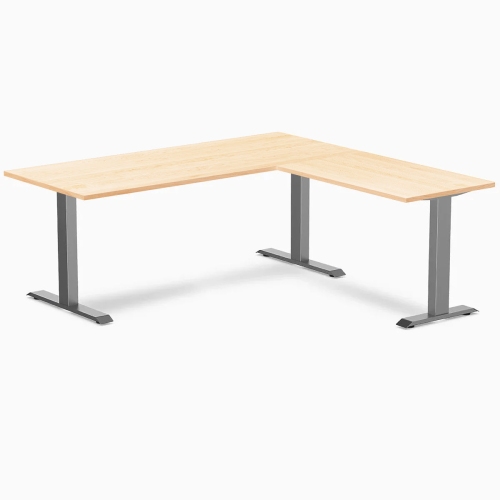
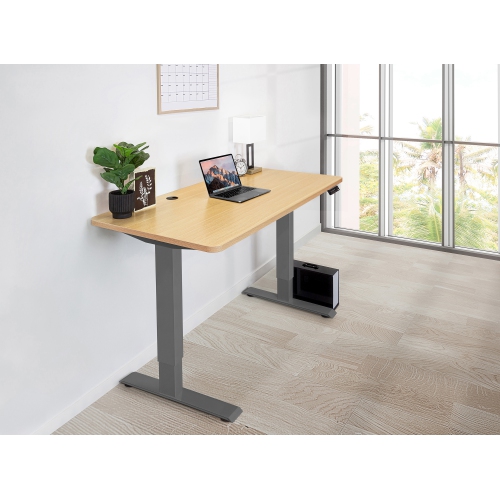
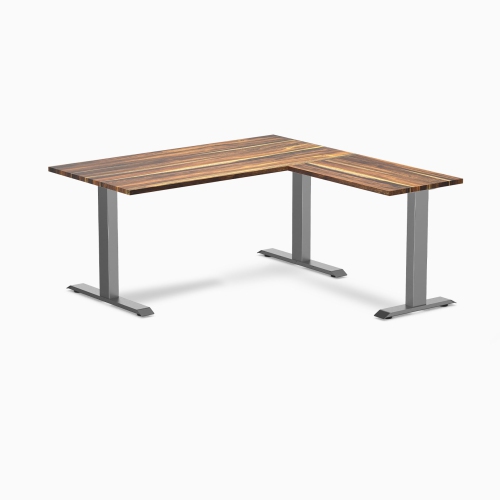
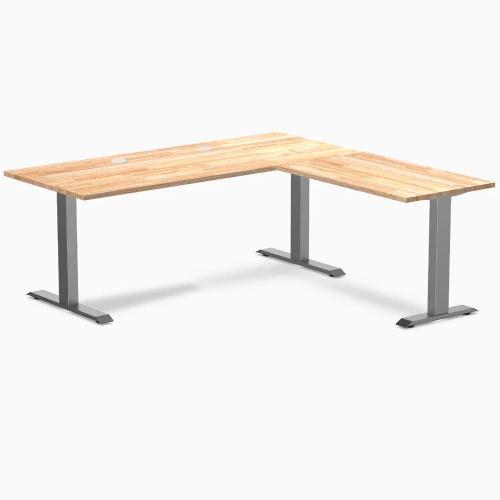
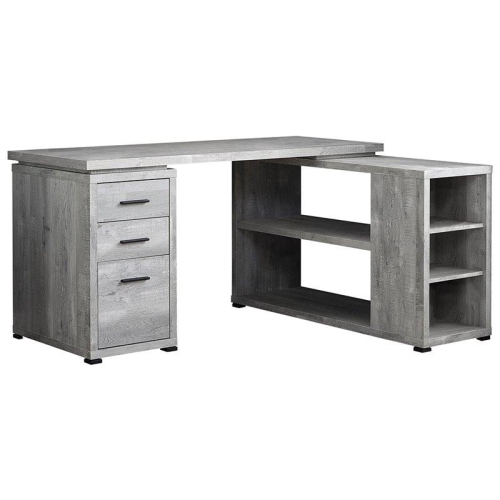
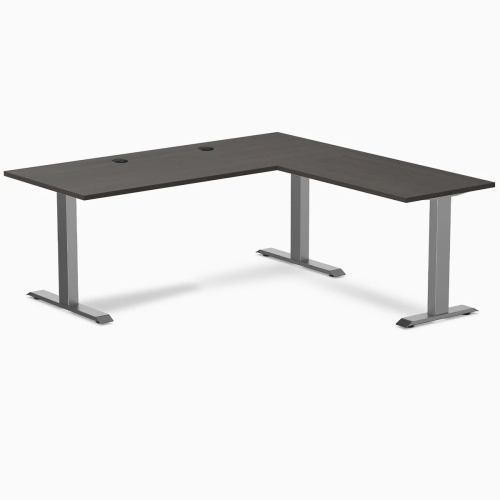
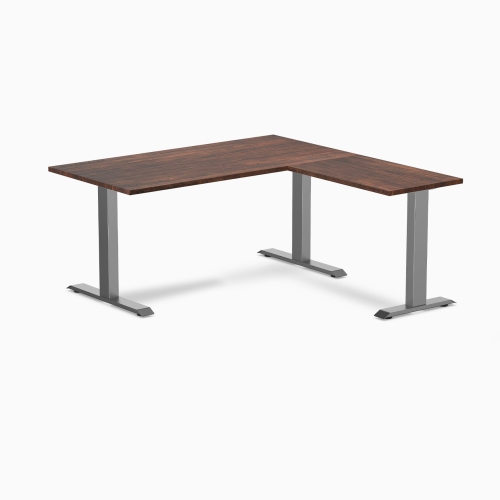
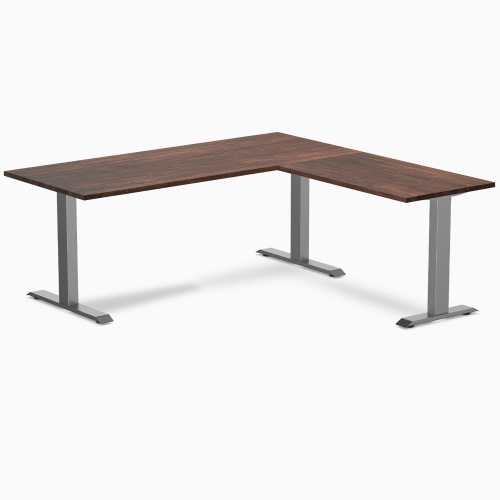
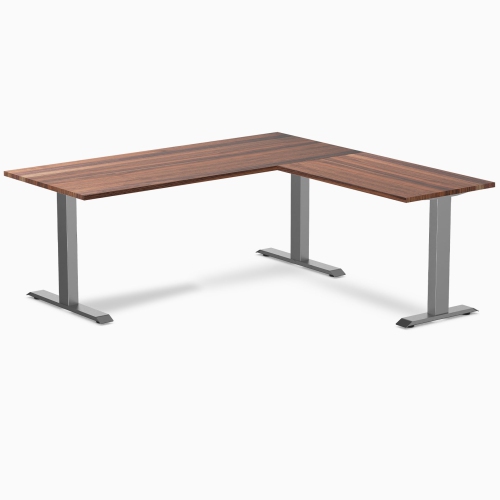
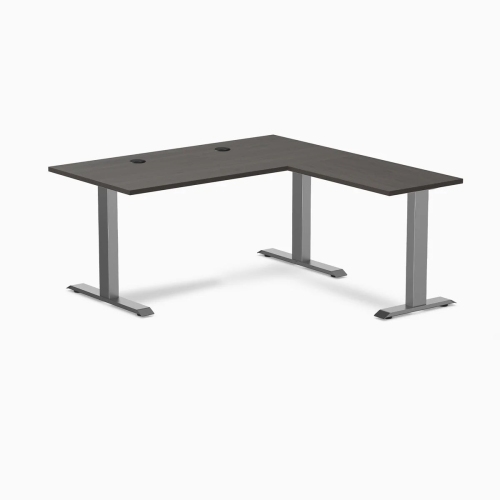
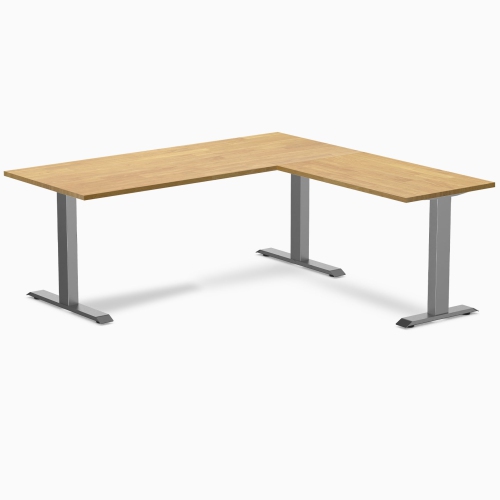
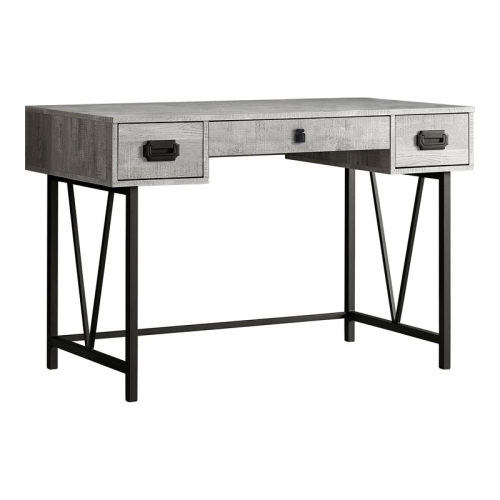
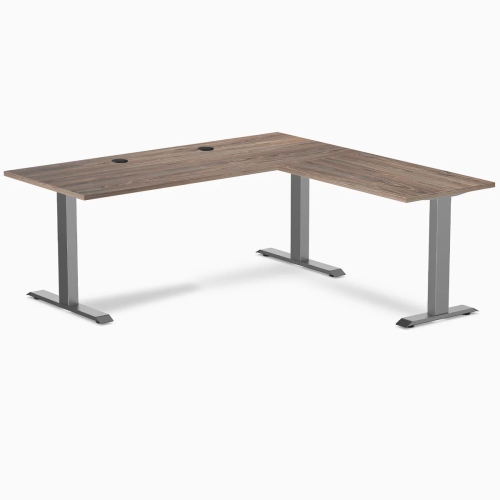
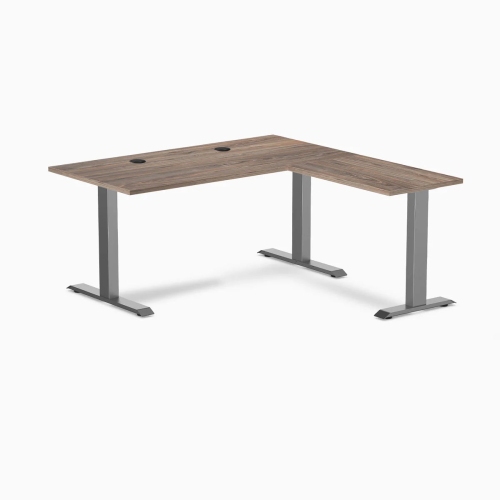
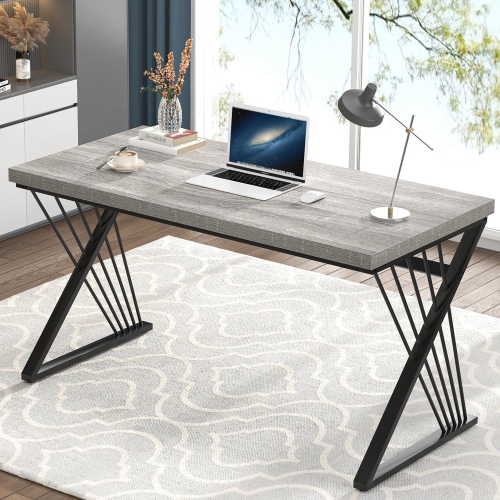
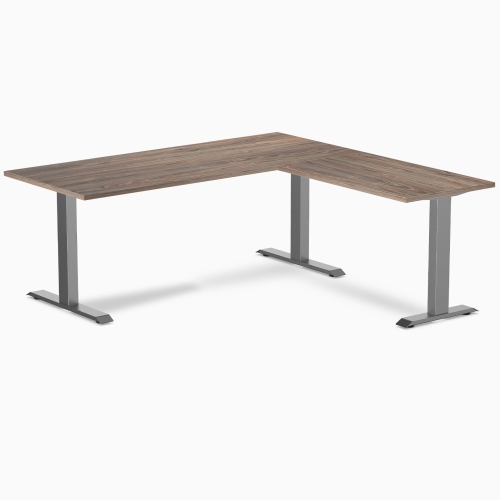
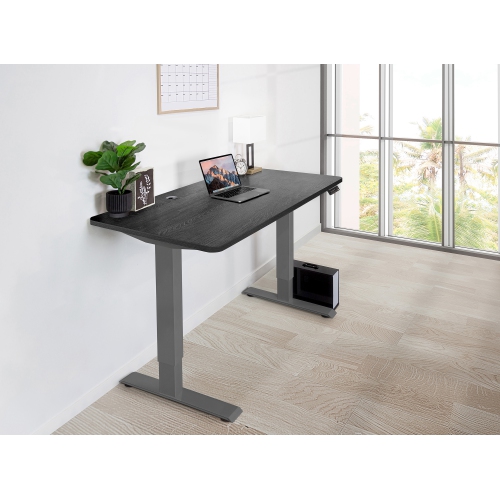
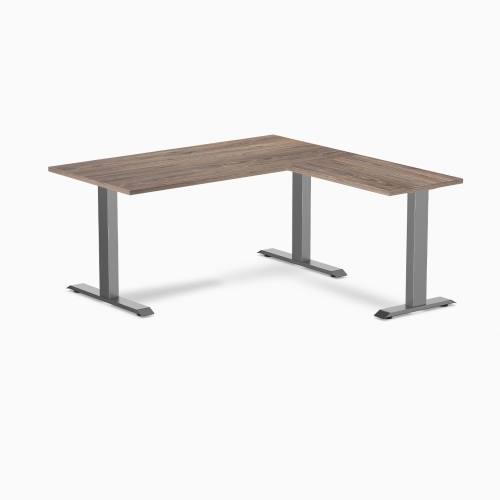
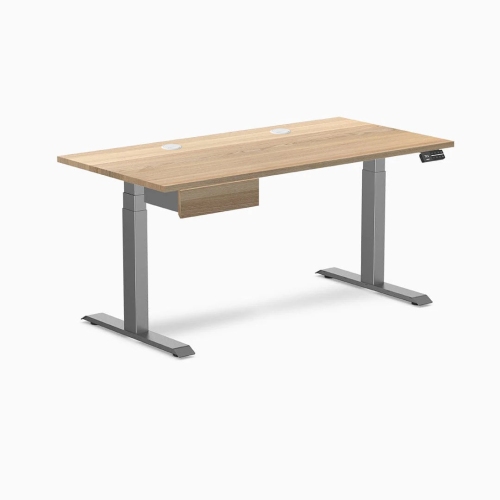
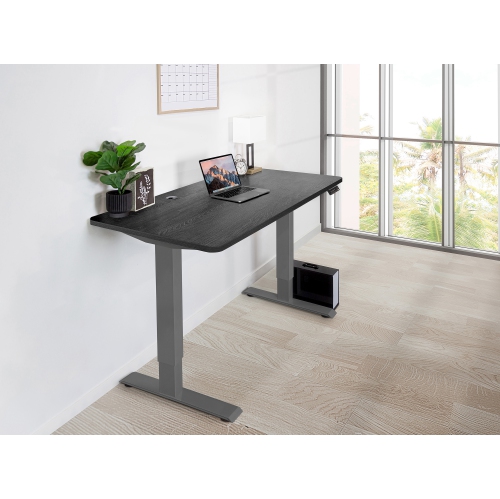
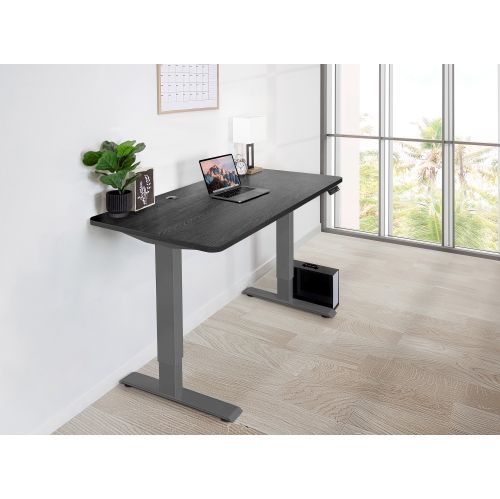
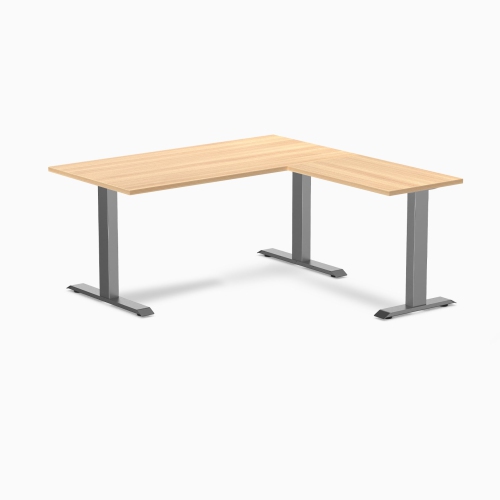
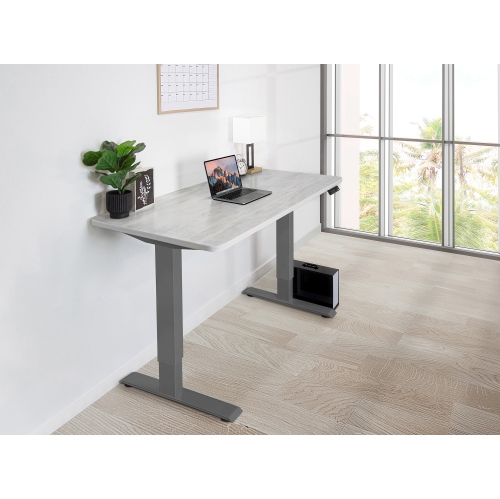
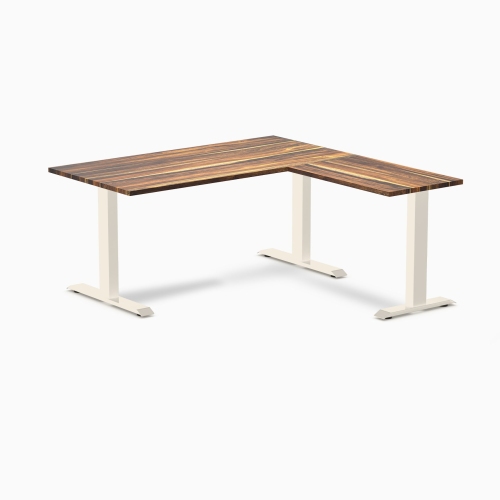
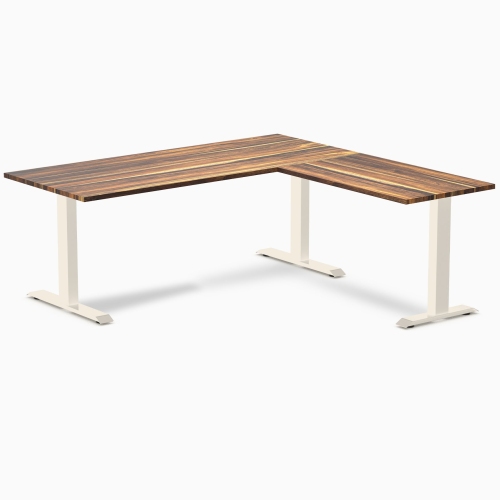
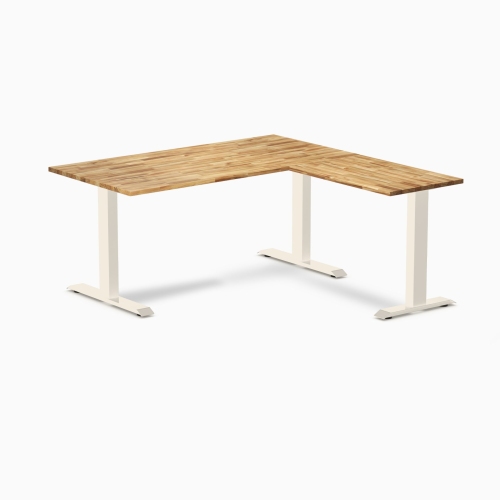
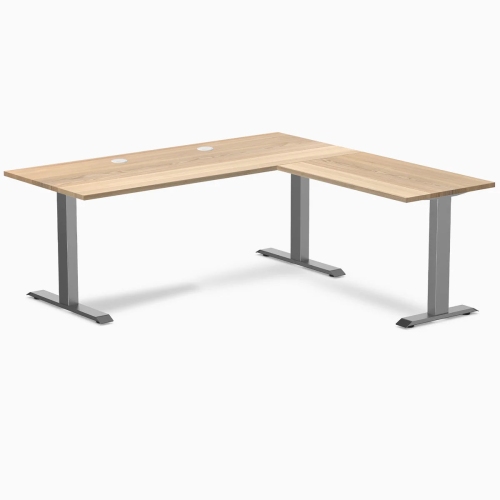
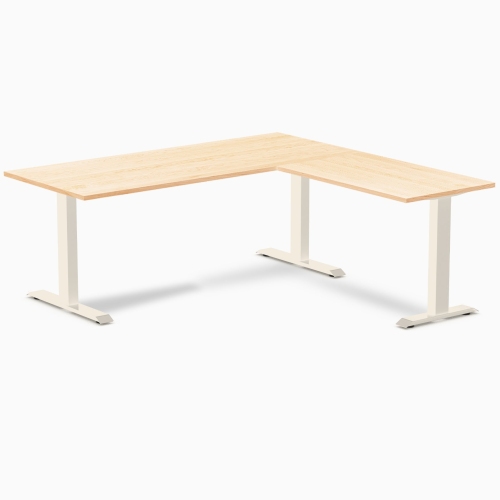
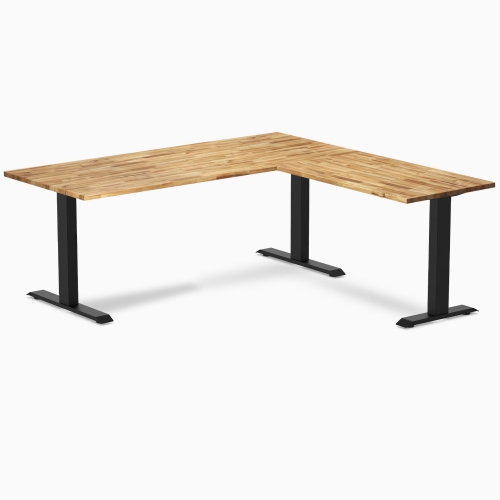
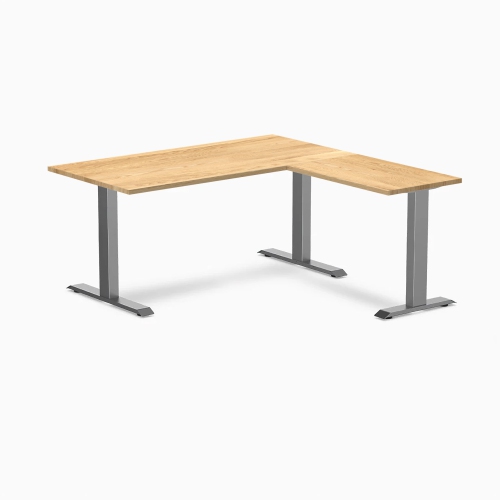
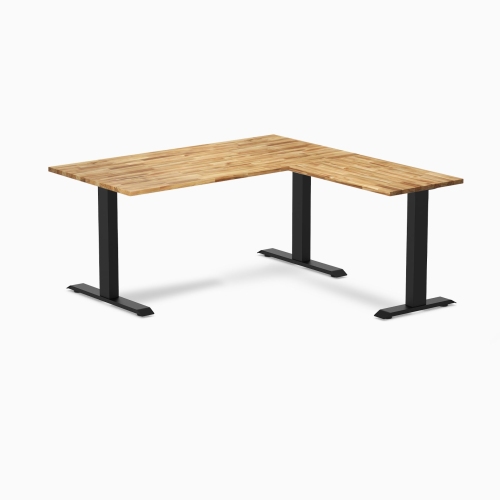
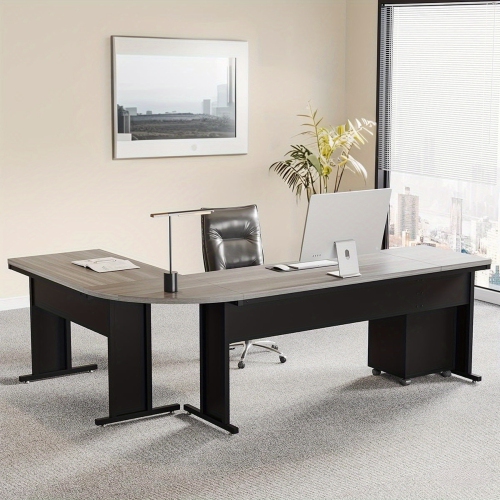
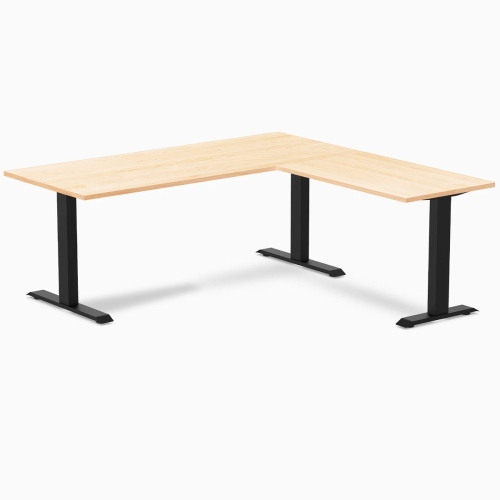
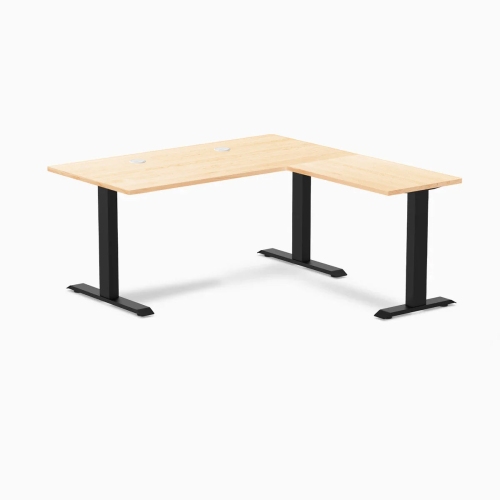
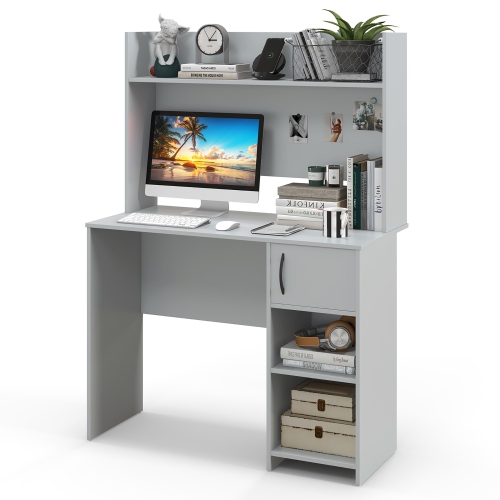
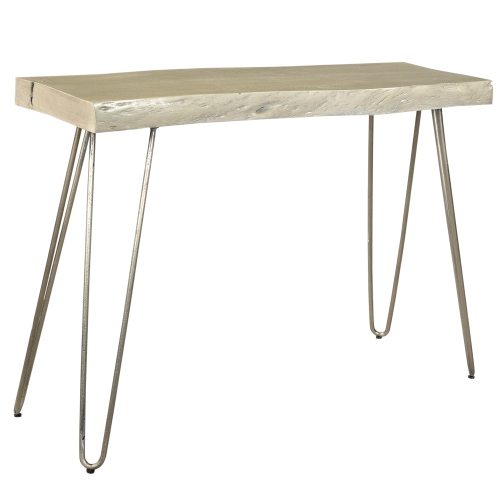
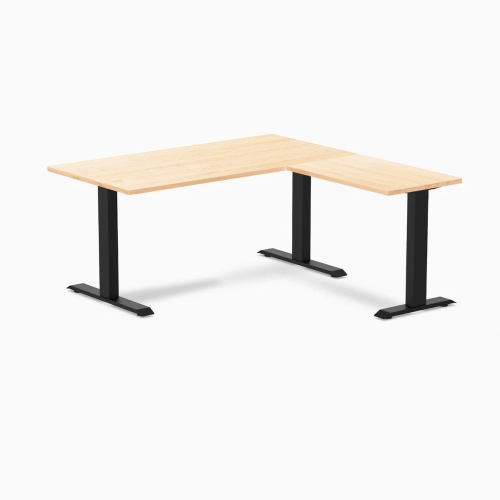
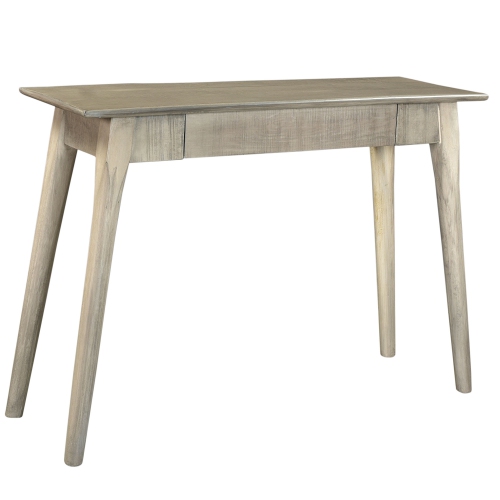
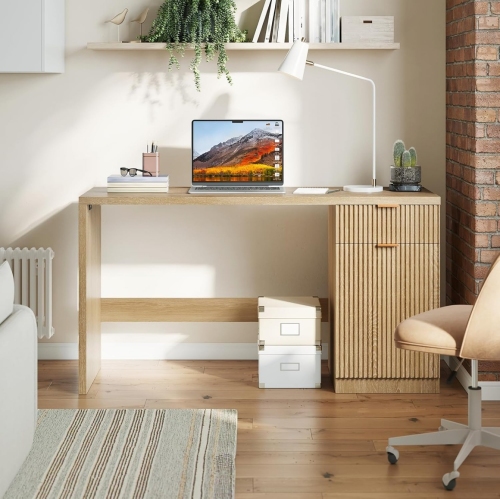
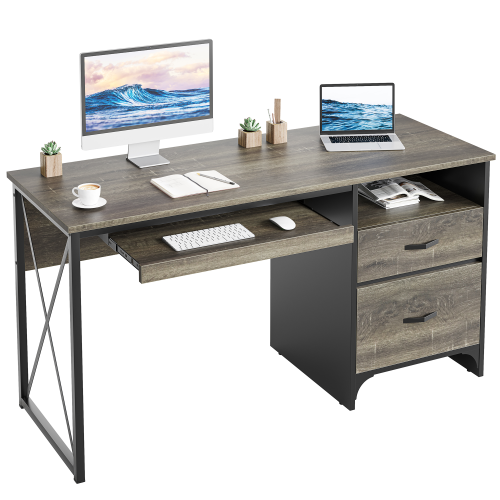
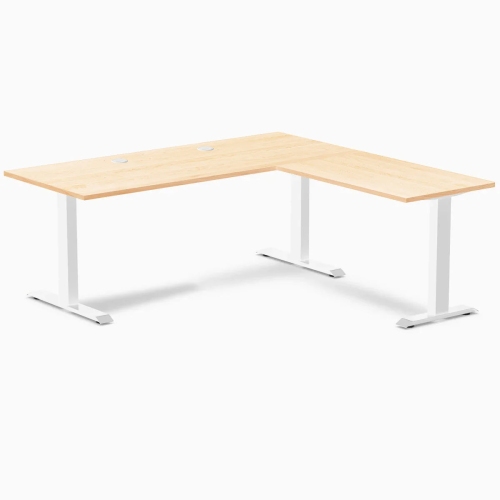
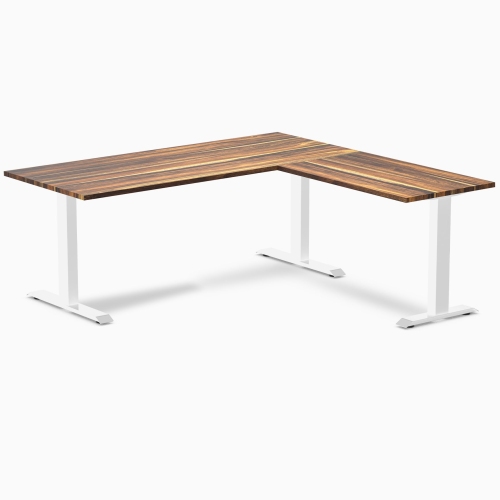
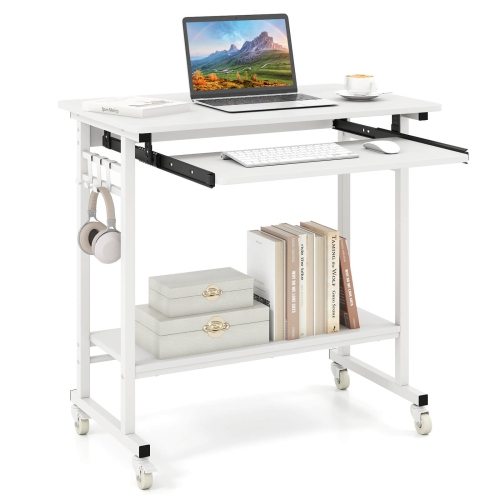
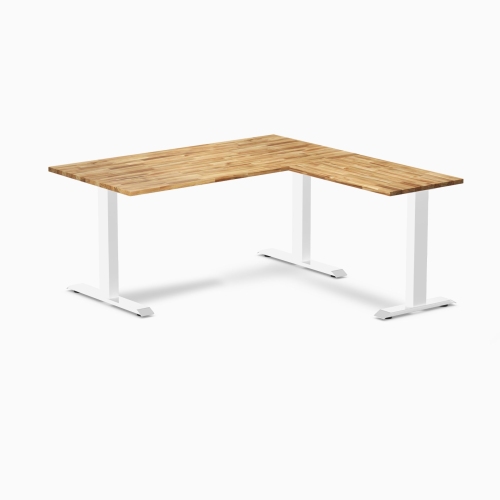
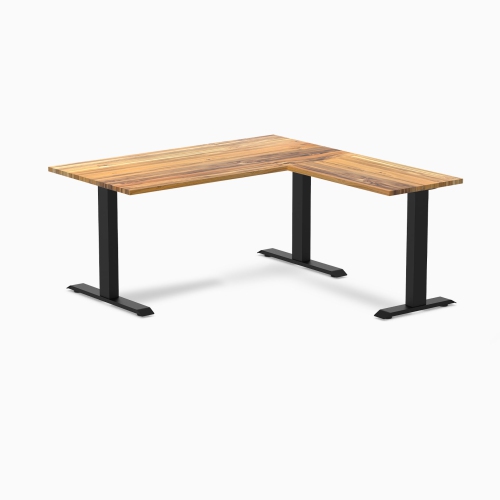
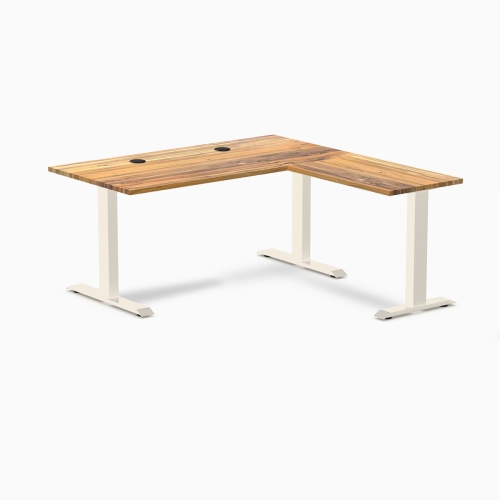
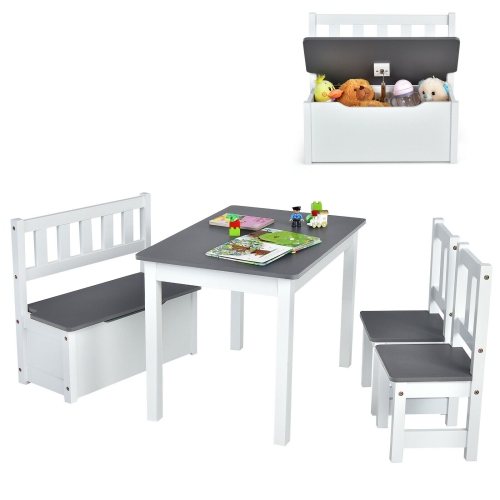
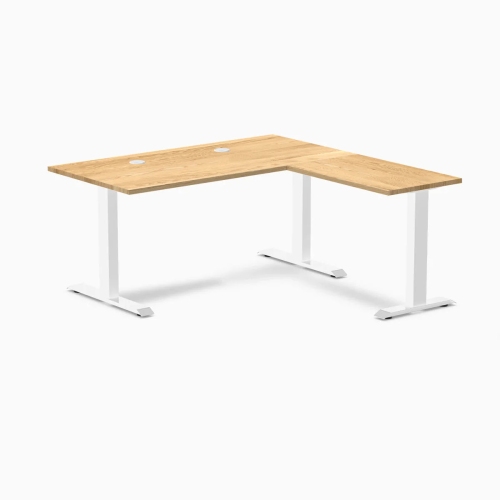
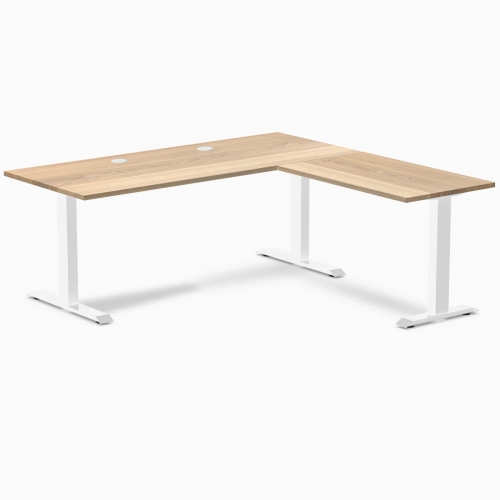
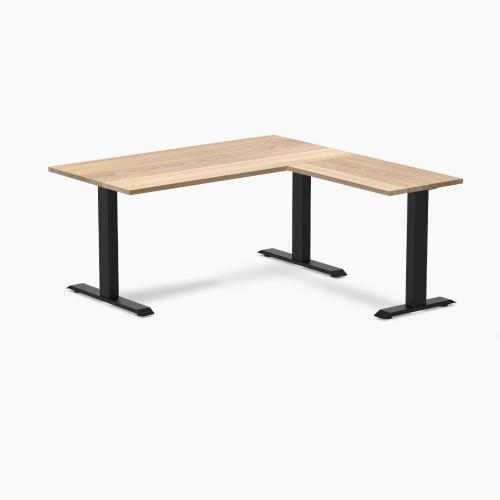
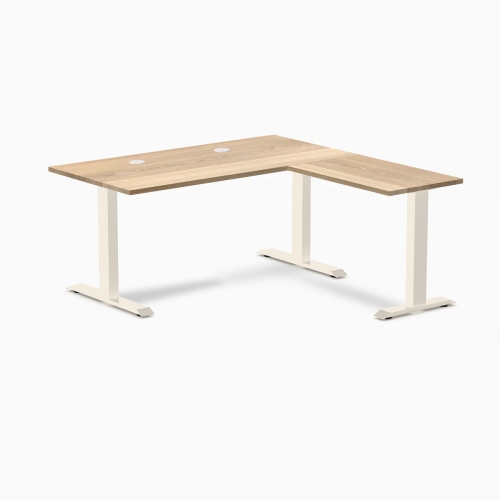
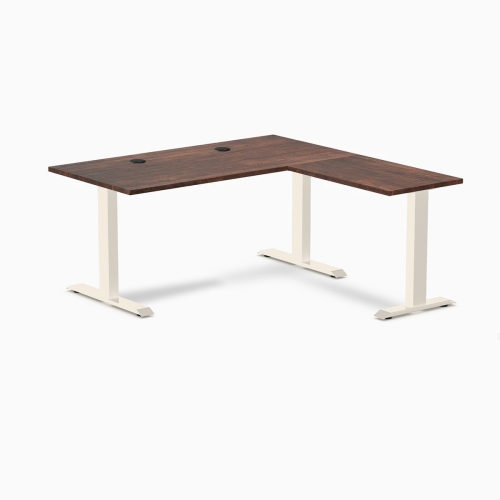
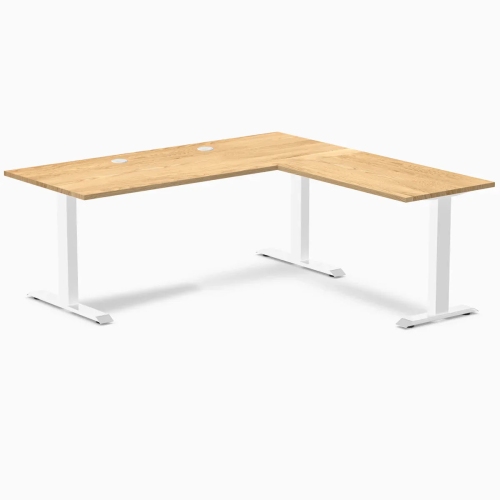
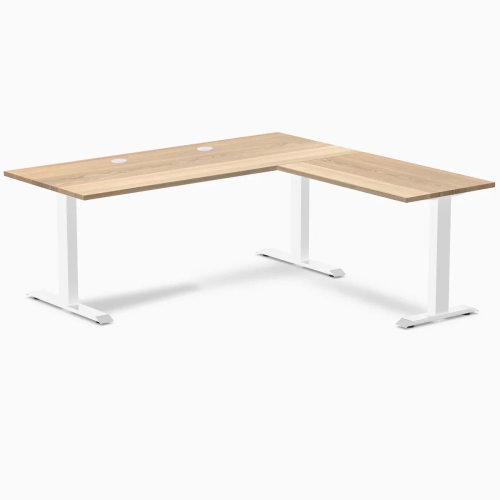
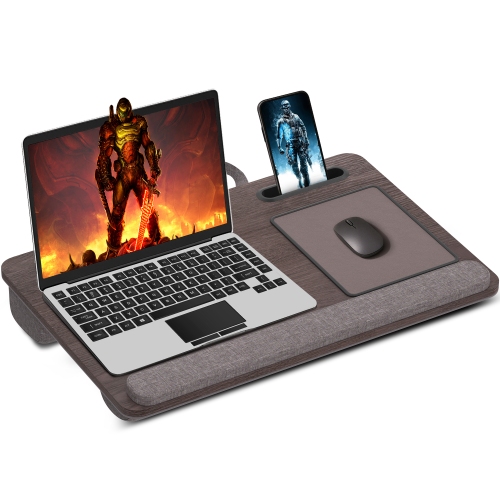
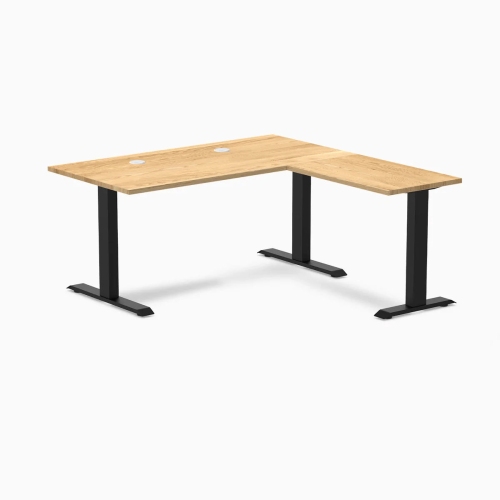
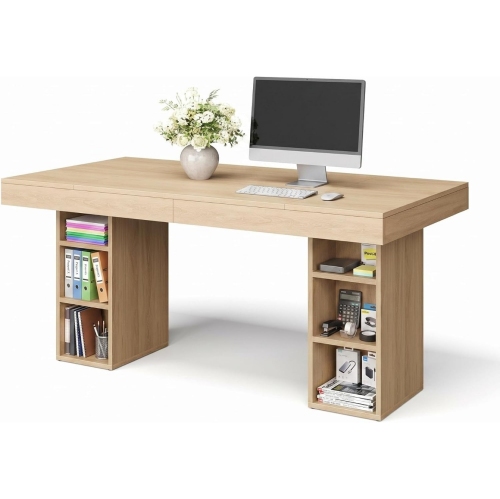
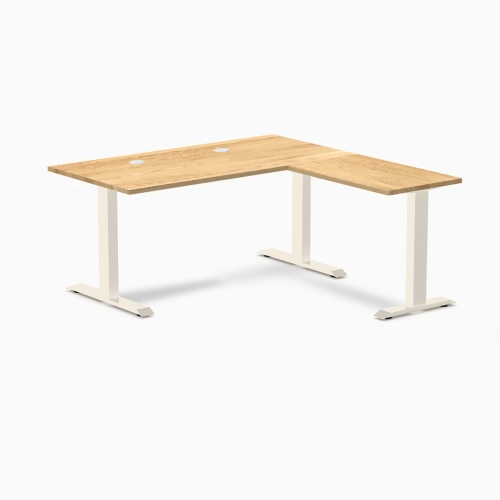
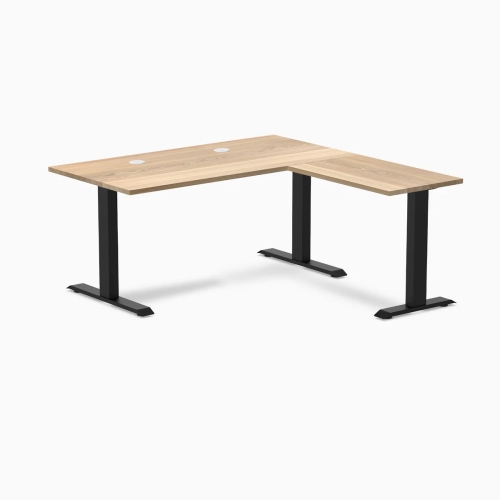
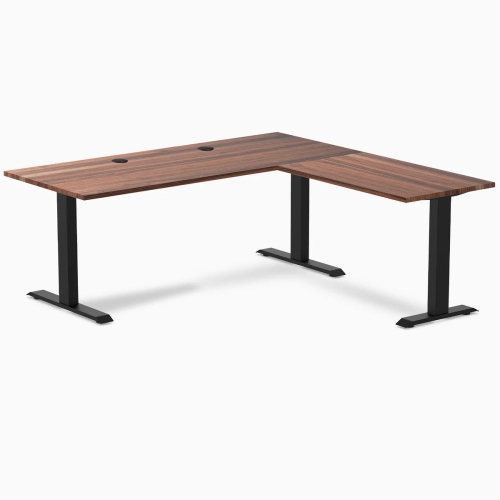
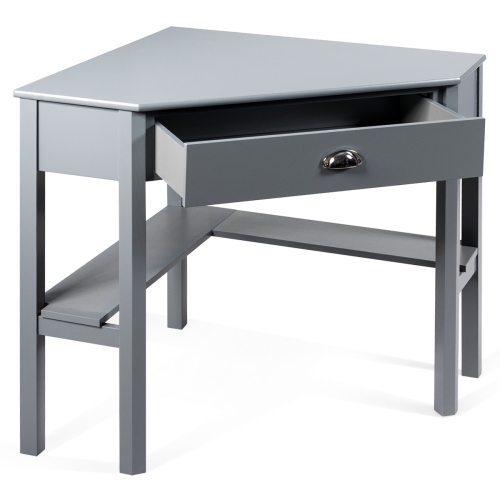
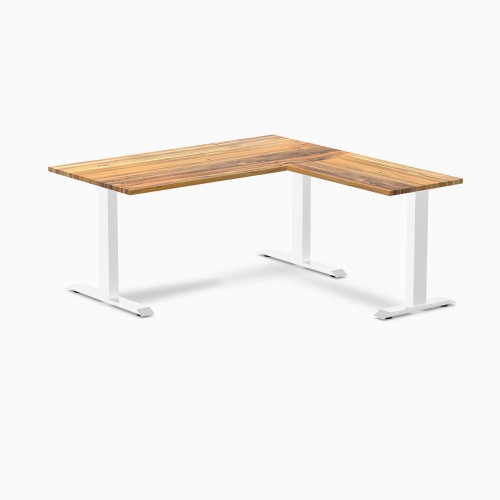
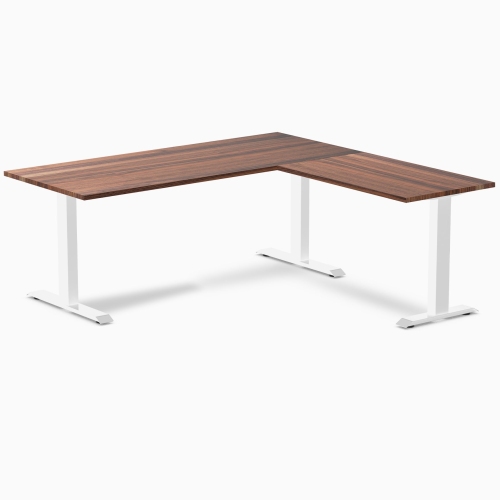
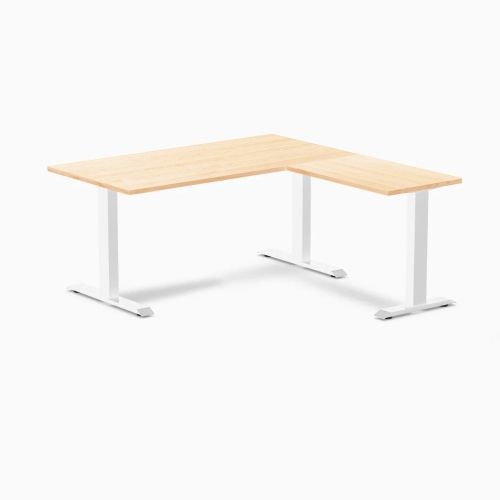
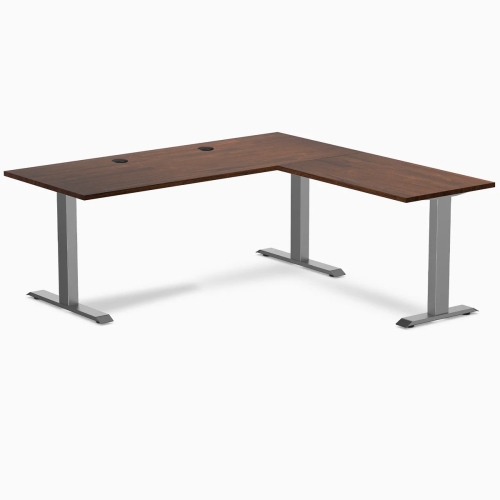
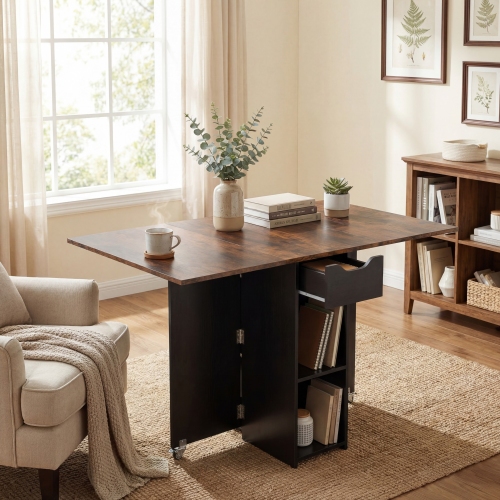
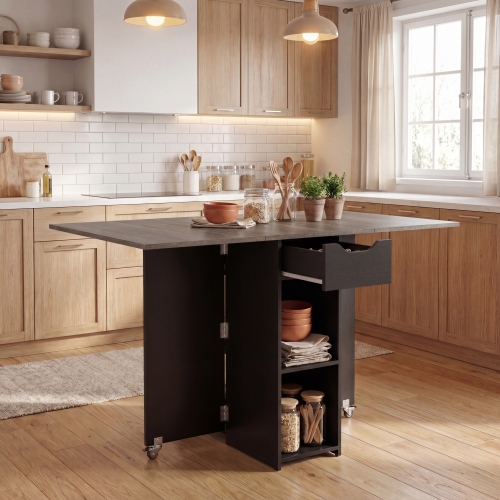
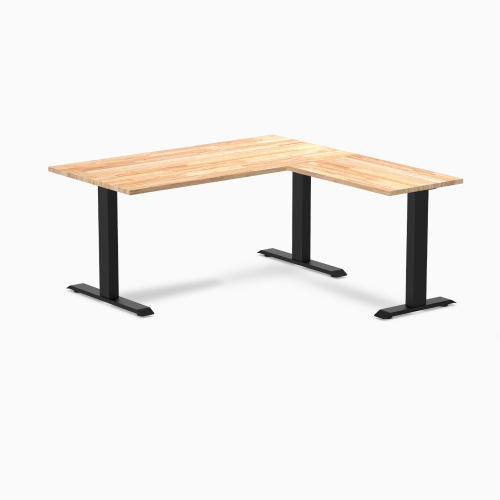
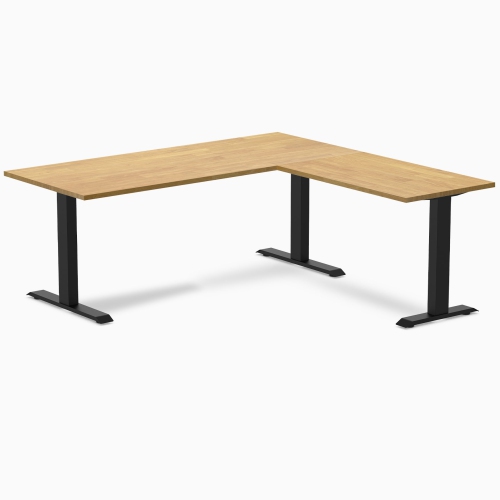
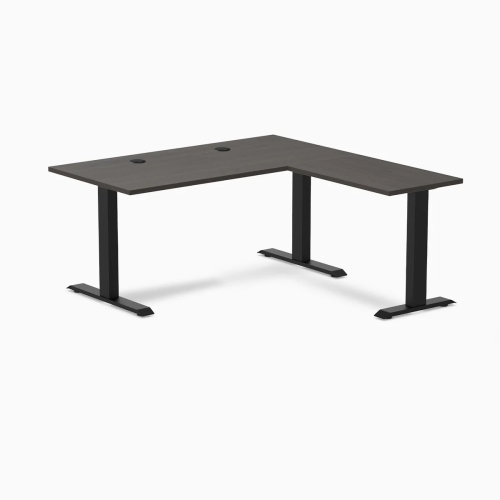
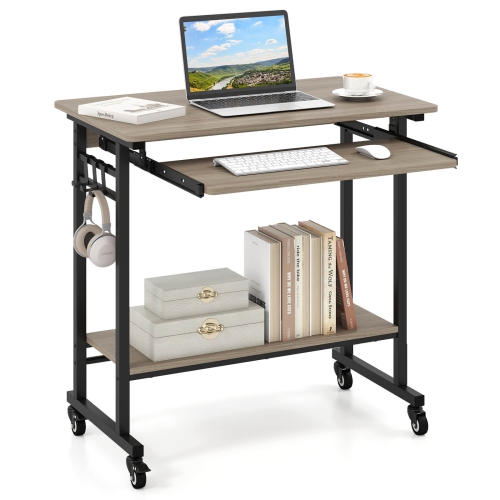
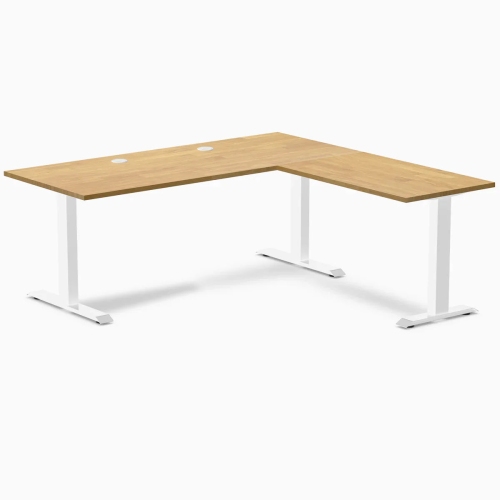
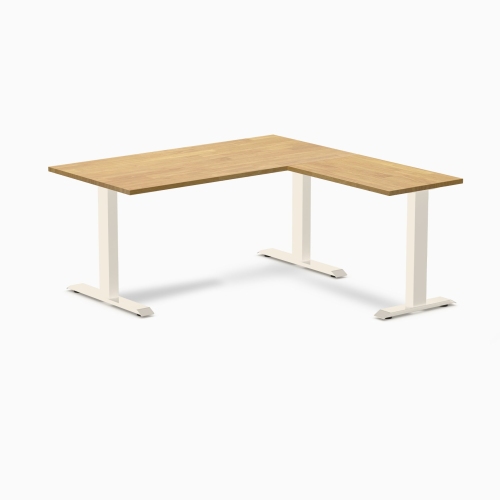
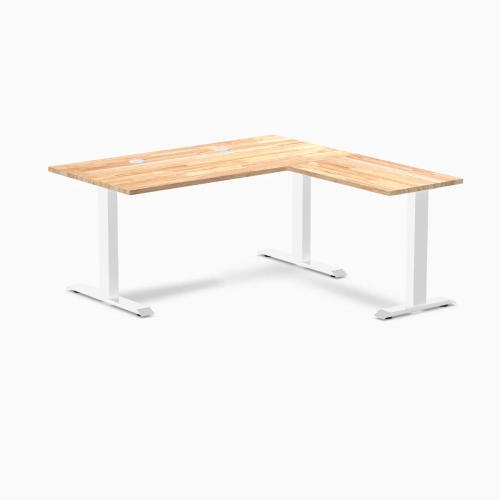
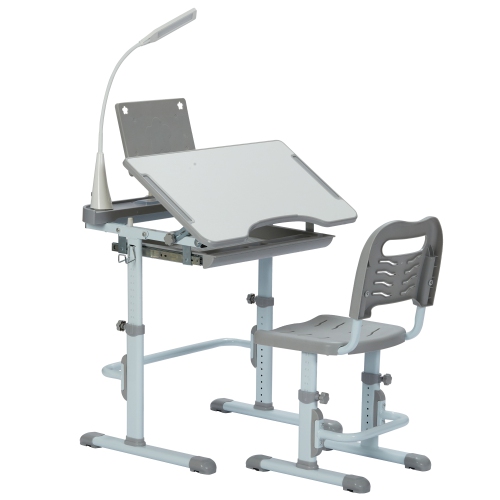
Grey wood desks bring the texture of a wood-look surface together with a neutral colour that works comfortably in many rooms. A pale grey finish can sit quietly against white walls and light flooring, while a deeper charcoal tone creates a more defined workspace beside a cream armchair or natural wood bookcase. Visible grain adds detail without the strong colour contrast of some darker brown finishes, making these desks useful in bedrooms, living areas, and dedicated home offices alike. Their character depends as much on the shape as the shade: a slim top with tapered legs feels different from a substantial desk with enclosed storage and broad side panels. Grey also varies in undertone. Some finishes lean towards warm beige, while others have a cooler, almost blue cast, so nearby flooring, upholstery, and cabinetry influence how the colour reads in a room. Material construction matters just as much as appearance. Solid wood can show natural variations in grain and may respond to changes in indoor humidity. Wood veneer places a thin layer of real wood over a supporting core, offering genuine grain with a different construction from solid timber. Engineered wood with a laminate or other decorative surface can provide a consistent grey wood effect, though resistance to scratches and moisture depends on the finish and construction. A painted surface may look smooth and uniform, while a washed finish allows more of the grain pattern to remain visible. These distinctions help explain why two desks in a similar shade can feel quite different in daily use. For someone writing by hand, a smooth surface provides a comfortable base for paper; a more pronounced texture may work better with a desk pad. Rounded corners, finished edges, and the feel of the front edge also deserve attention, especially where forearms rest during typing or where the desk sits along a frequently used path through the room.
The right fit involves more than finding enough wall space. Desktop depth affects the distance between a seated person and a monitor, while width determines whether a keyboard, notebook, and task lamp can remain in place without crowding one another. A compact desk can suit a laptop and a few essentials, but working with a separate monitor or spreading out reference material calls for a more generous surface. Measurements are most useful when they include the chair pulled back, nearby doors opened, and enough space to walk past without turning sideways. In a bedroom, that clearance might be the difference between an easy route to the wardrobe and a chair that needs constant repositioning. In a shared living area, a shallower profile can help keep the workspace visually contained, provided it still supports a comfortable working position. For a dedicated work area, Grey Wood Office Desks can provide a neutral starting point for arranging seating, lighting, and storage. The space beneath the desktop matters too: drawers, crossbars, and storage pedestals can reduce room for knees or prevent a chair from sliding fully underneath. Desktop height should work with the intended chair so shoulders can remain relaxed and feet supported, rather than requiring the user to reach upwards or hunch forwards. A keyboard tray changes that relationship and needs enough room for both typing and mouse movement if both are intended to sit there. Storage is most useful when it matches what actually needs a home. Shallow drawers keep pens, charging leads, and stationery close at hand, while deeper compartments may accommodate larger supplies. File storage should be checked for the required paper format rather than assumed to fit every folder. Open shelving makes frequently used materials easy to reach, though it leaves them visible. Cable openings and accessible routes behind the desk can help keep power leads away from feet, while allowing enough slack to move a laptop or adjust a monitor.
Durability comes from the whole desk, not just the thickness of the top. Secure joints, suitable support across the span, and well-fitted hardware all contribute to a stable surface for typing, drawing, or studying. A long desktop carrying a monitor and other equipment needs support appropriate to its load, and any stated weight limits should account for everything placed on it. Monitor arms introduce another consideration: a clamp needs a compatible edge and enough clearance underneath, and not every desktop material is suitable for concentrated clamping pressure. Drawers should move smoothly without catching, and handles should be comfortable to use from a seated position. For shared households, adjustable feet can help address minor floor unevenness, while suitable furniture pads can reduce scuffing when the desk needs to move. Daily care is usually straightforward, but the finish should determine the cleaning method. A soft cloth removes dust without unnecessary abrasion; spills are best wiped up promptly so liquid does not sit around seams, edges, or hardware. Excess water and harsh cleaning products can damage some surfaces, and wood polish is not appropriate for every painted or laminated finish. Following the care directions helps preserve the intended appearance. A coaster under a drink, a protective pad beneath writing materials, and lifting equipment rather than dragging it can limit everyday marks. These practical details matter whether the desk supports full workdays, evening coursework, household paperwork, or occasional creative projects. A student may value room for textbooks beside a laptop, while someone handling family administration may prefer accessible drawers and a clear surface for sorting documents. For a shared workspace, keeping personal supplies in separate organizers makes switching users easier. With a suitable footprint, comfortable proportions, and construction matched to its purpose, a grey wood desk can feel like a considered part of the room rather than a temporary place to set down a computer.
Top selling and popular products
-
 Your price for this item is $97.99
-
 Your price for this item is $89.99
-
 Your price for this item is $84.99
-
 Your price for this item is $97.99
-
 Your price for this item is $649
-
 Your price for this item is $749
-
 Your price for this item is $649
-
 Your price for this item is $749
Discover more categories related to Gray Wood Desks
Top Collections:
Best Black Friday Deals This Year, Best Black Friday Deals On Electronics, Kindle Devices, Pokemon Centers, Best Black Friday Deals On Apple Products, Best Cameras for Sports Photography, Dyson Airwrap, Pokémon 30th Celebration Cards, Apple iPhone 17 Pro, Canon G7X Cameras
Some products may be subject to Environmental Handling Fees
(EHF) depending on your province.
Learn more about EHFs.