Grey Wood Office Desks
Looking to upgrade your office space with a touch of sophistication? Our gray wood office desks offer the perfect blend of style and functionality. Whether you're working from home or in a professional setting, these sleek and modern desks are designed to enhance productivity while adding a contemporary flair to any workspace. With their versatile gray wood finish, these desks effortlessly complement any existing decor, making them a great addition to both traditional and modern office setups.
Sort
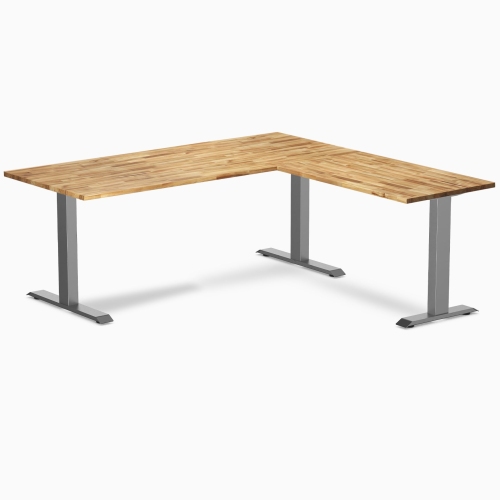
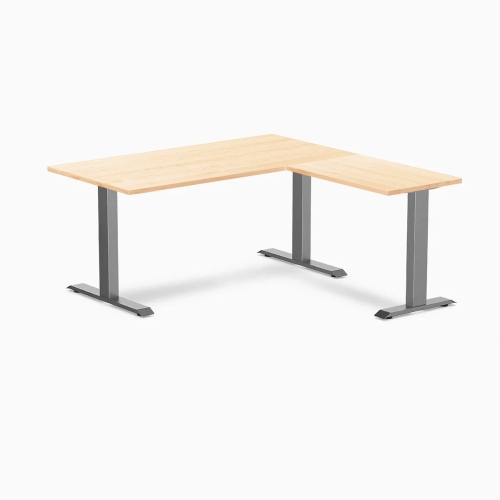
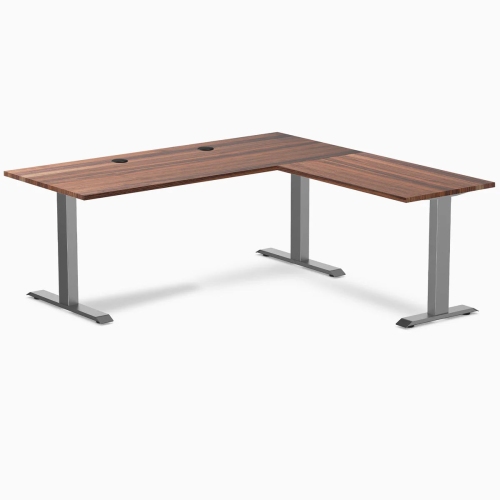
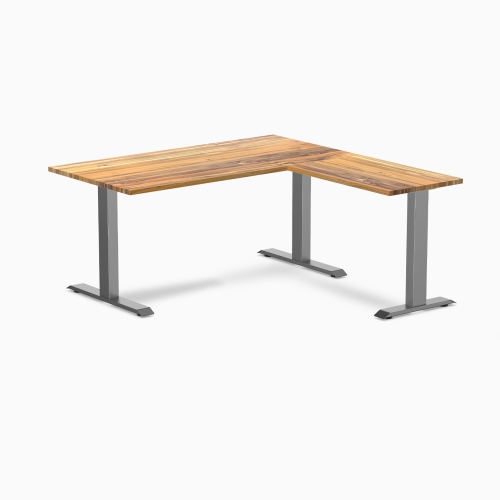
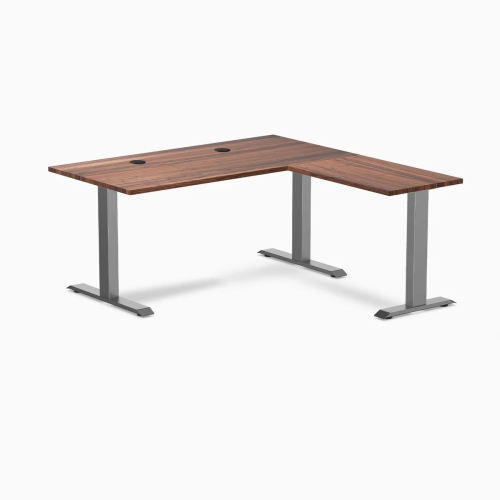
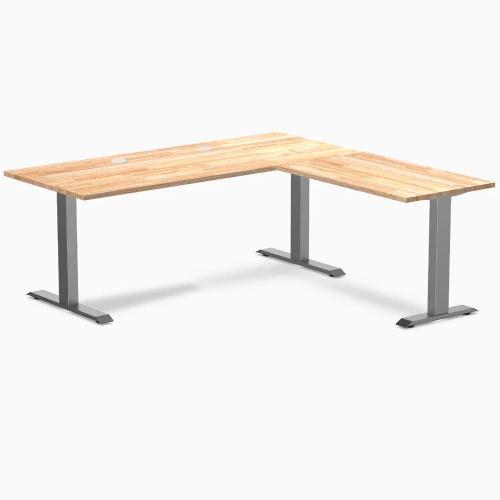
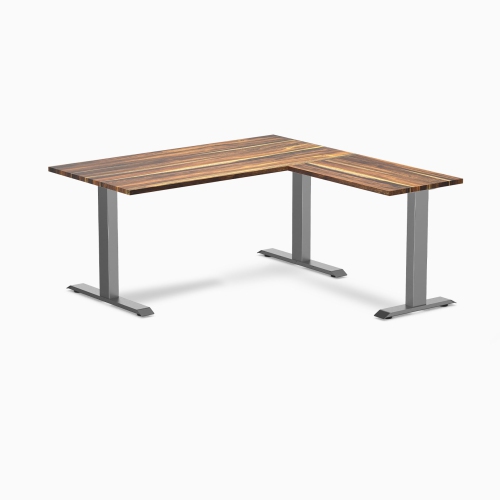
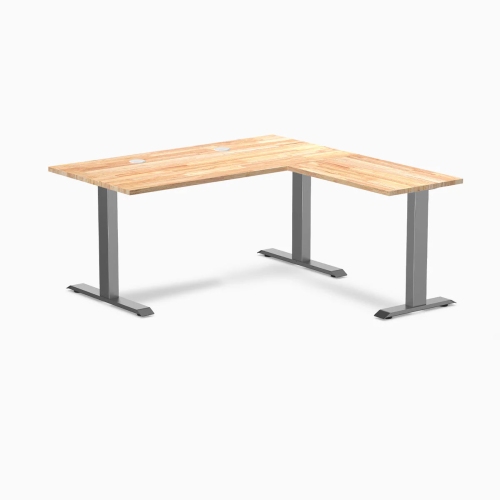
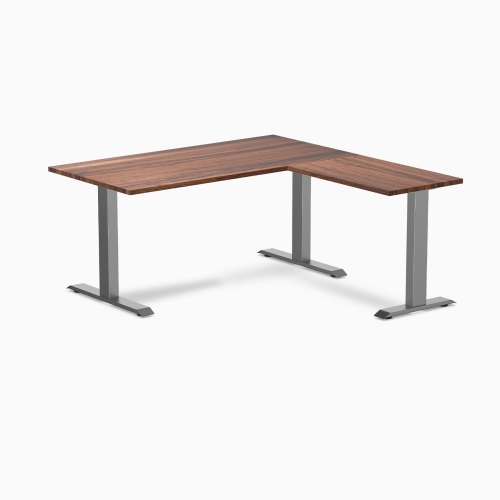
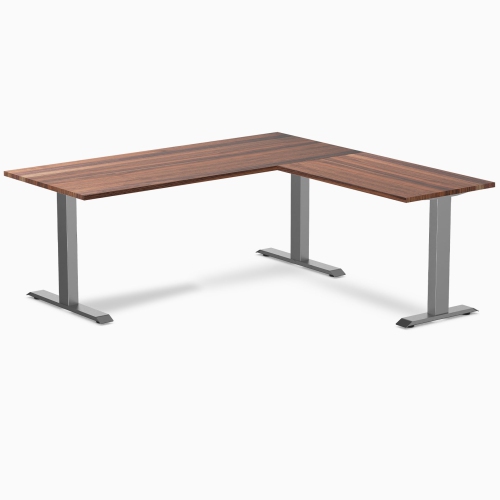

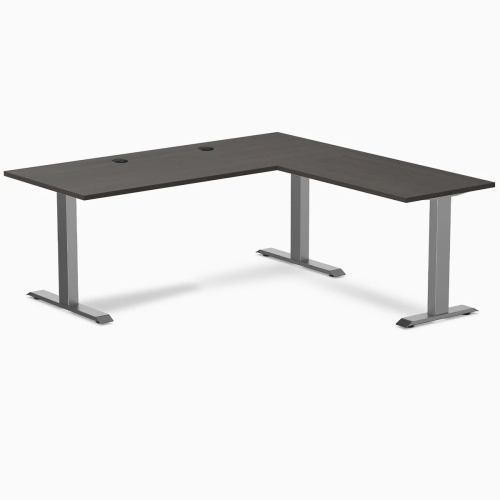
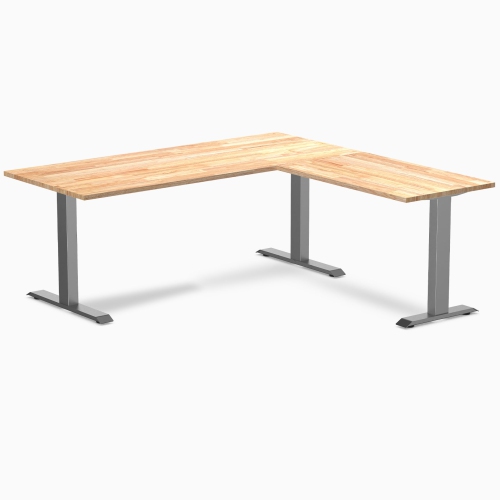
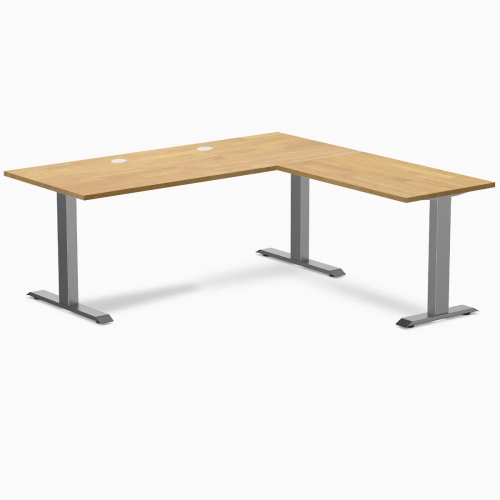
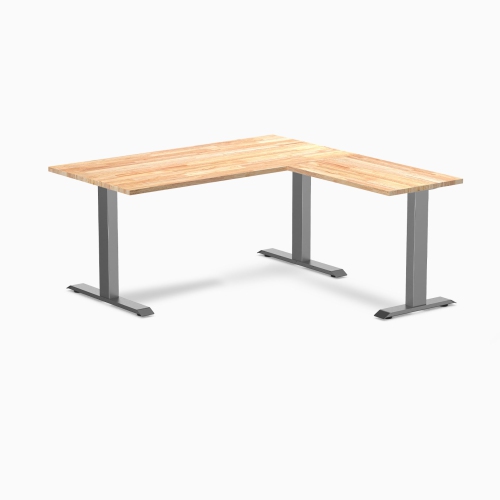
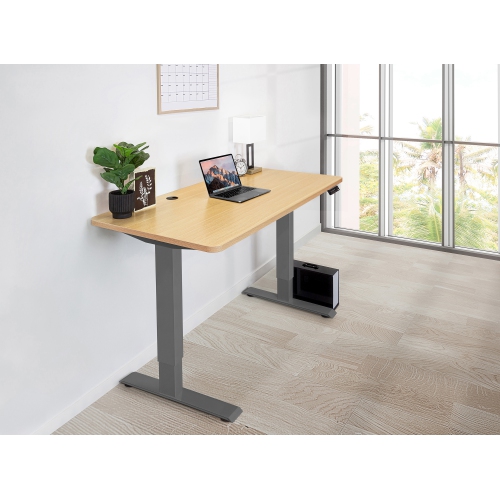
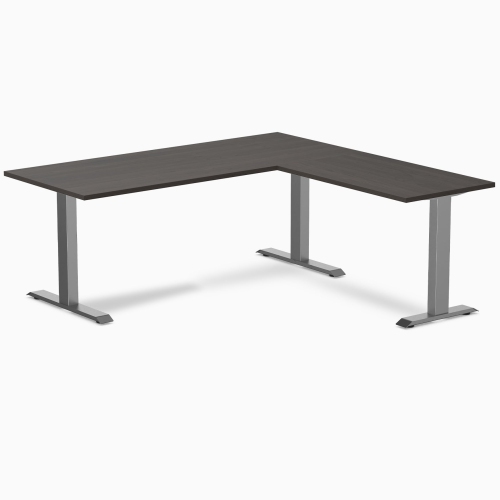
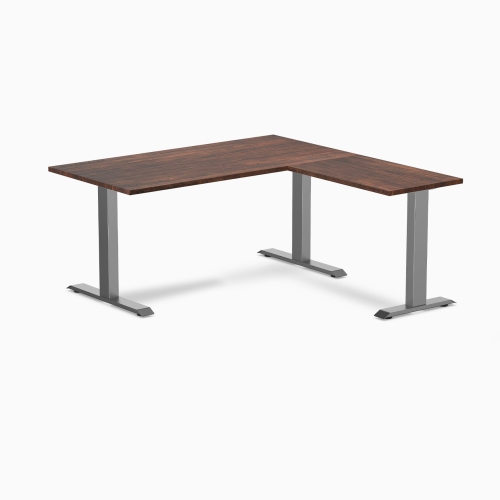
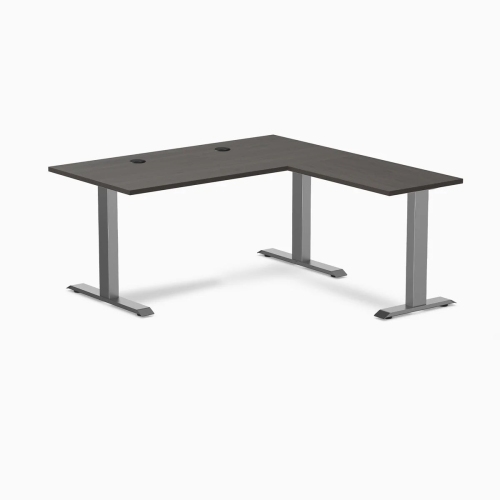
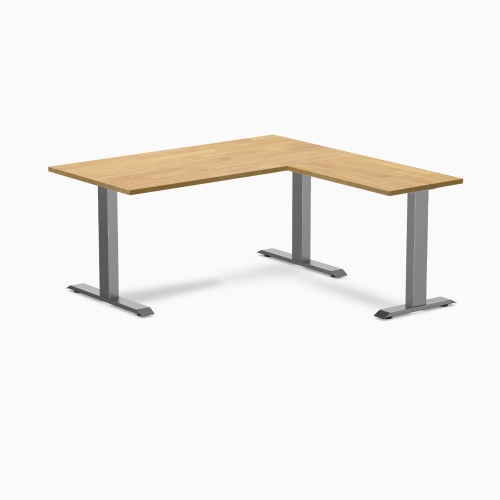
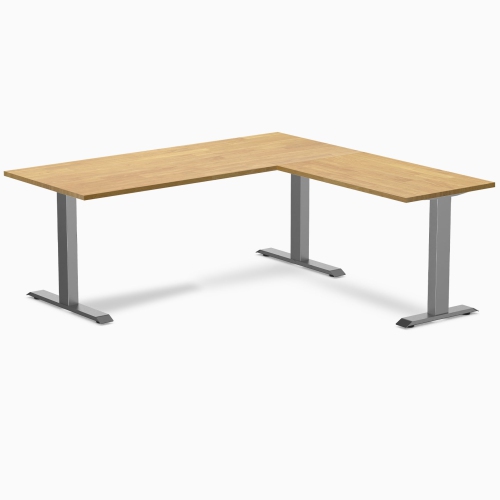

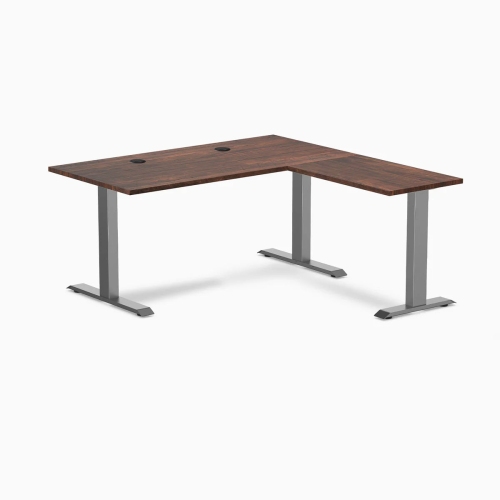
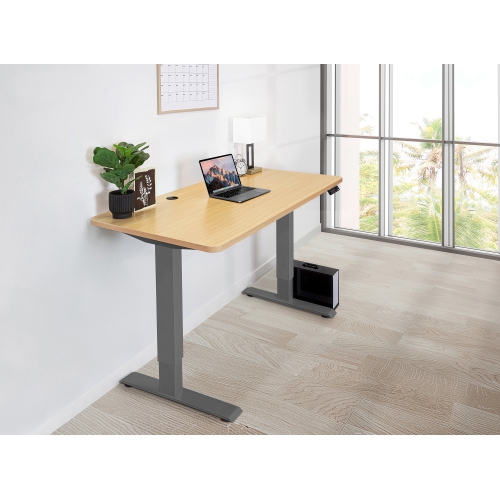
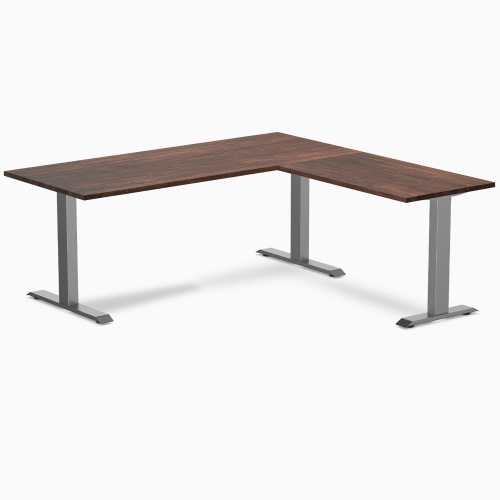
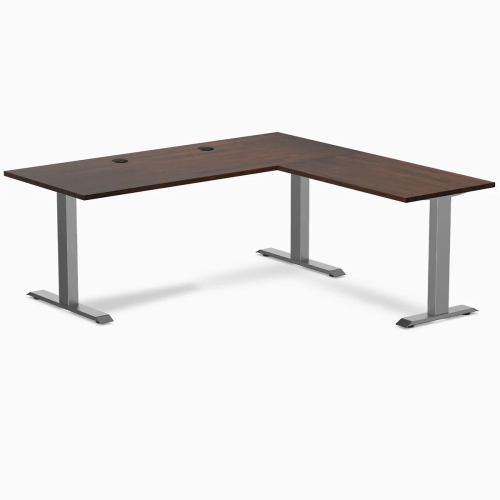
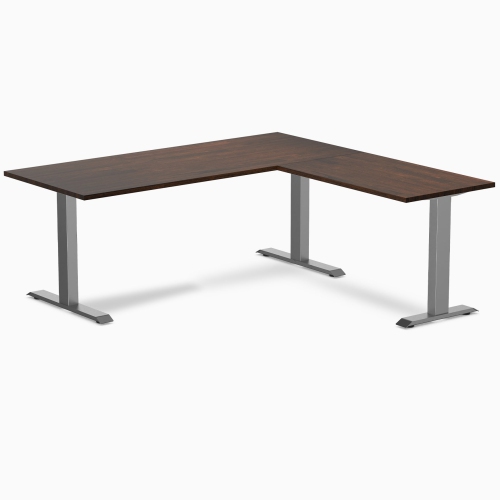
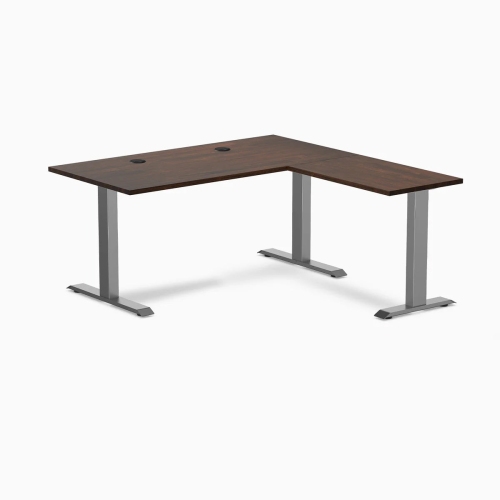
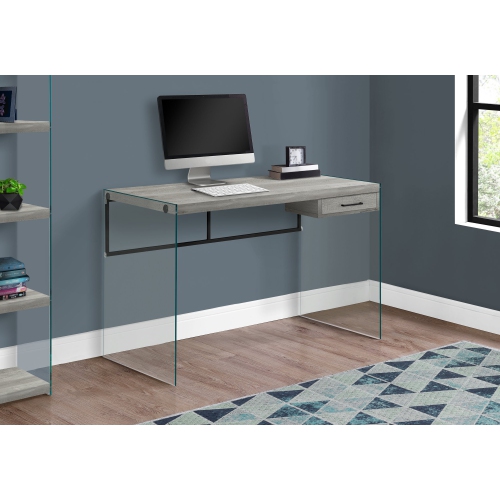
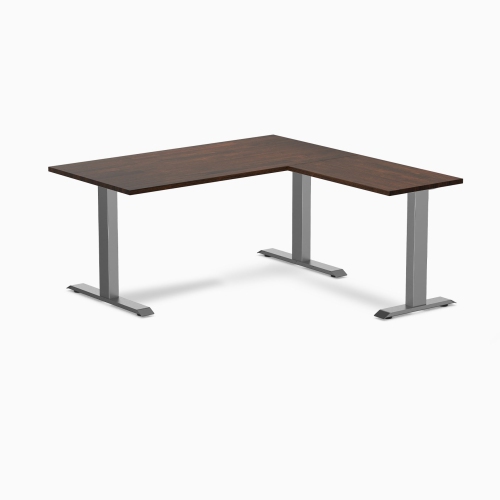
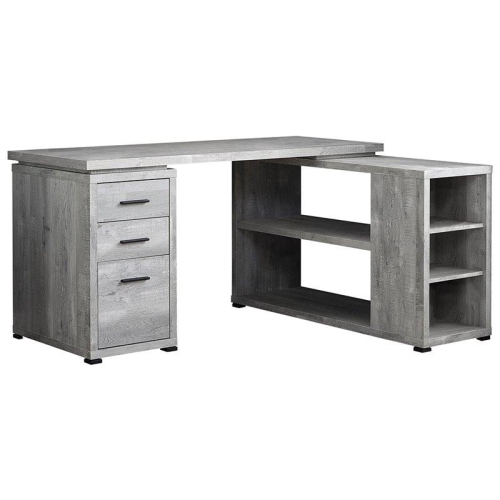
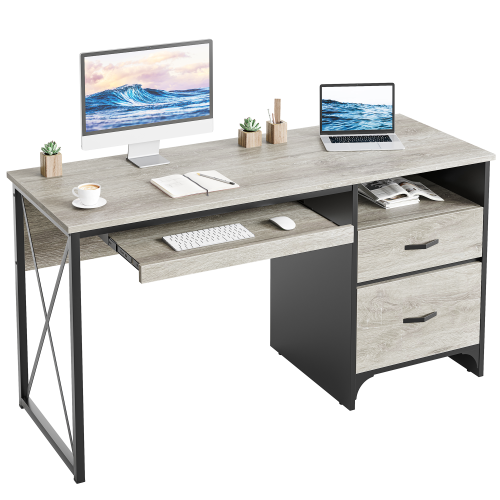
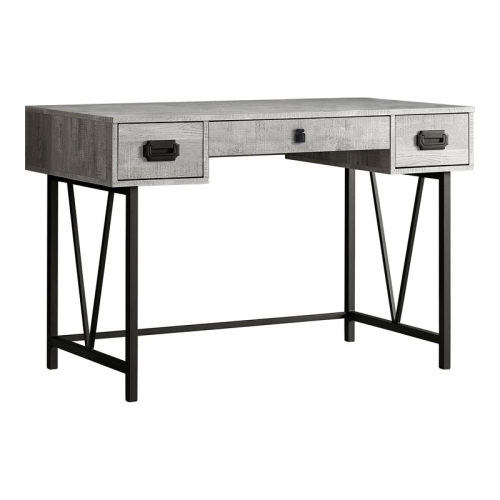


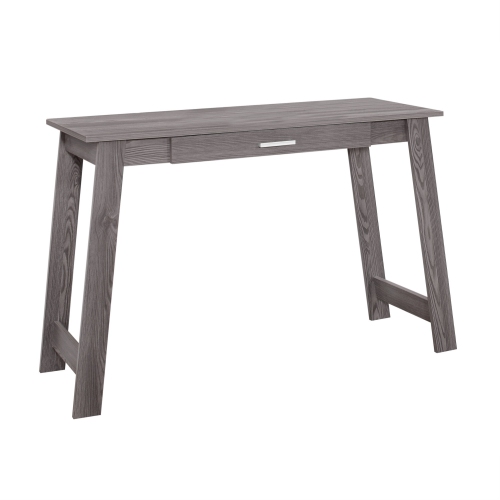
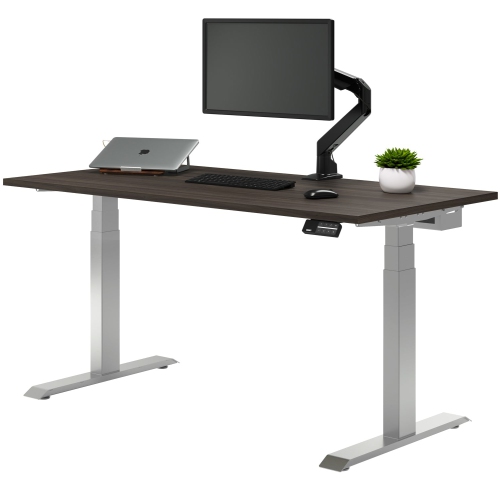
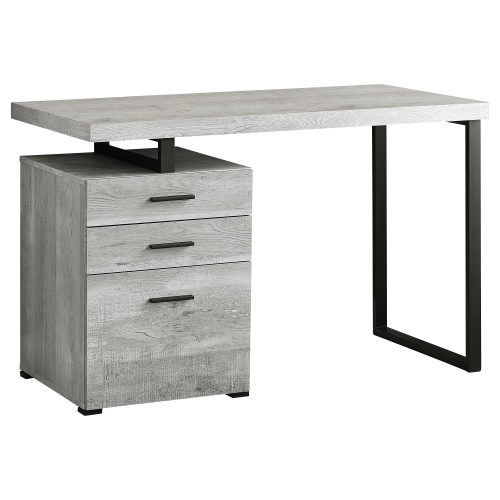
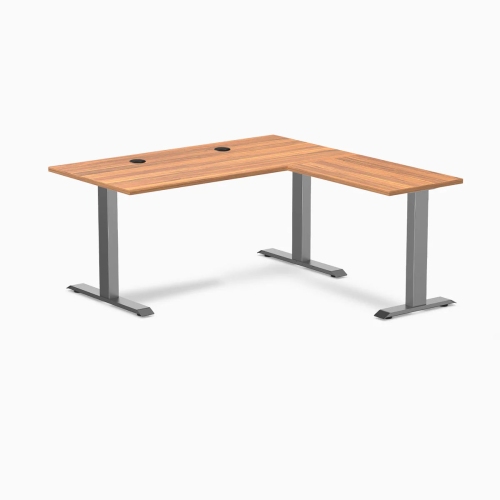
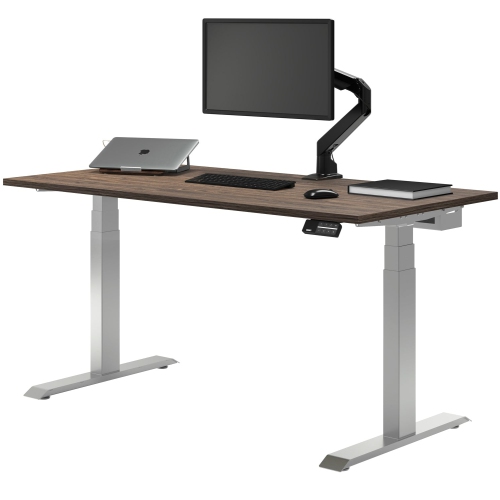
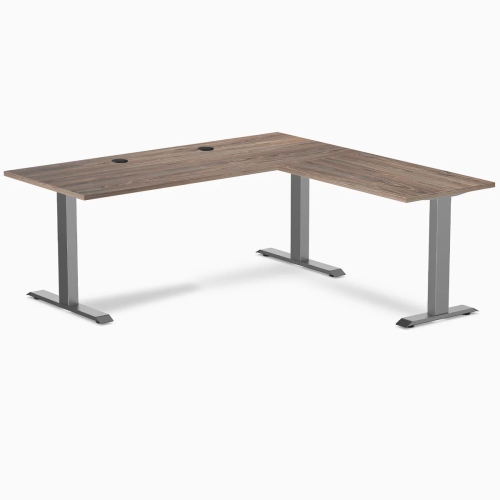
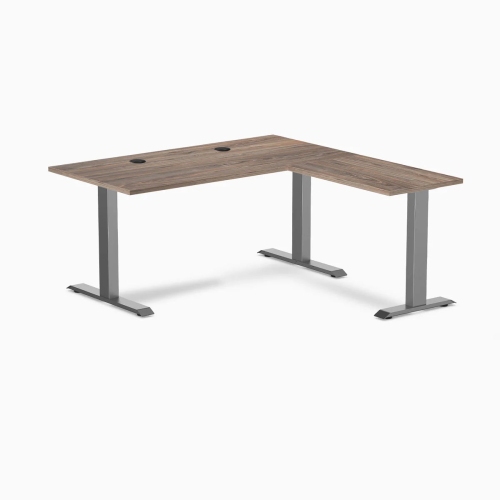
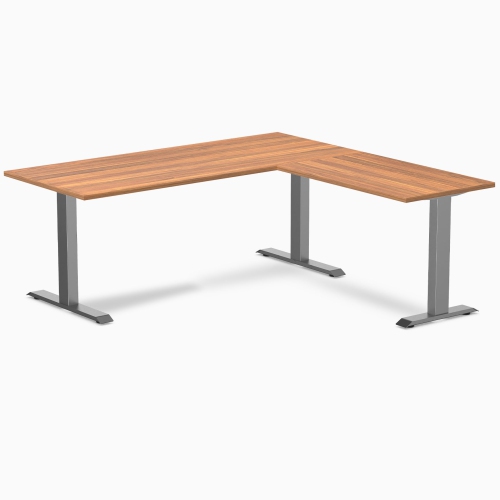
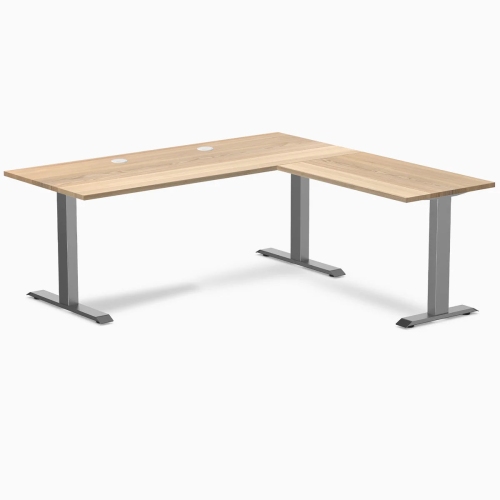
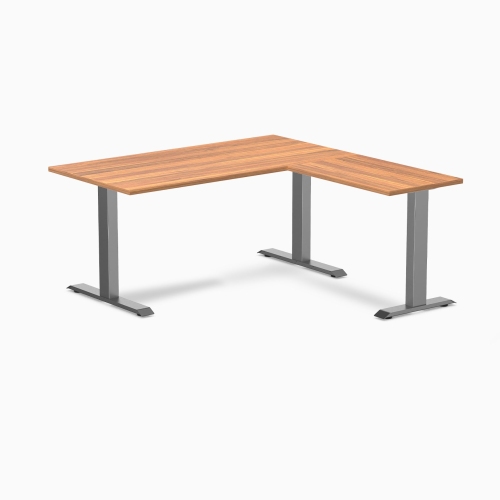
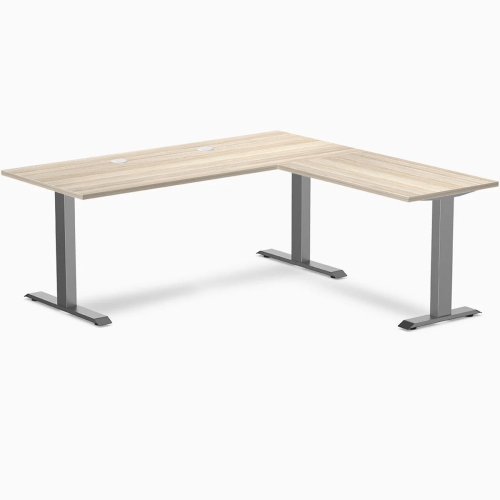
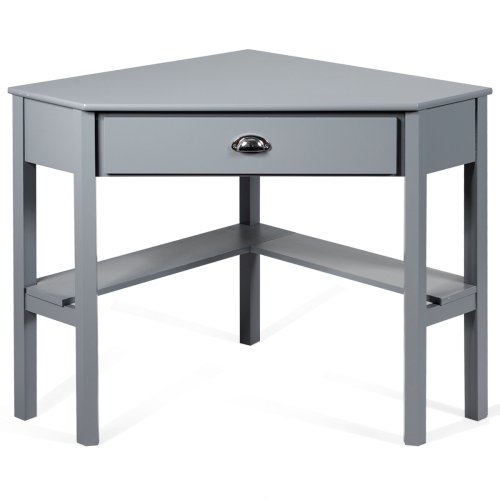
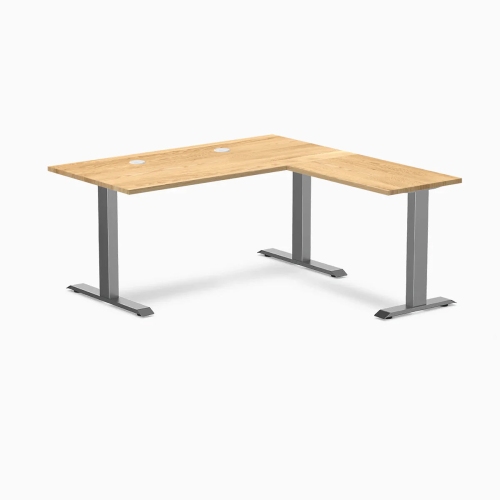
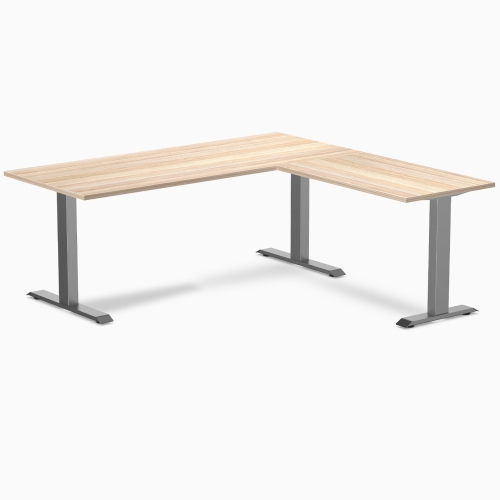
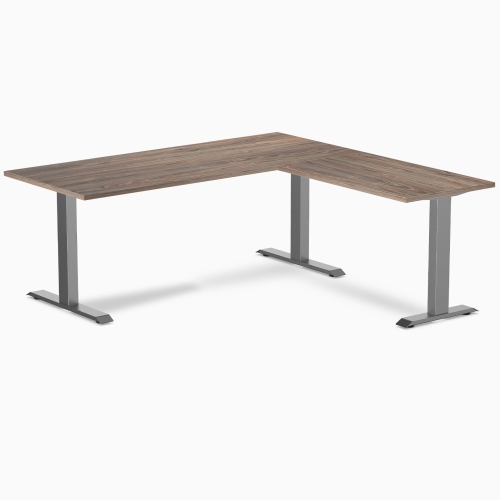
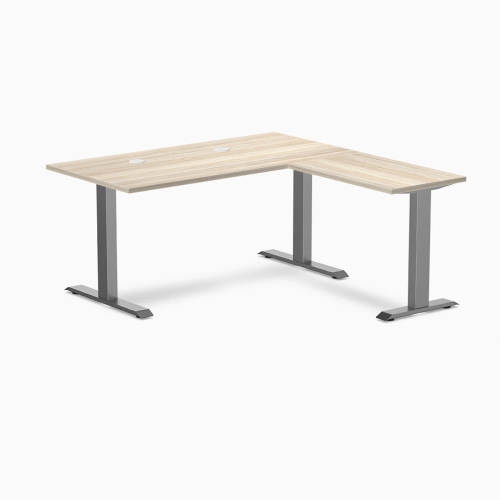
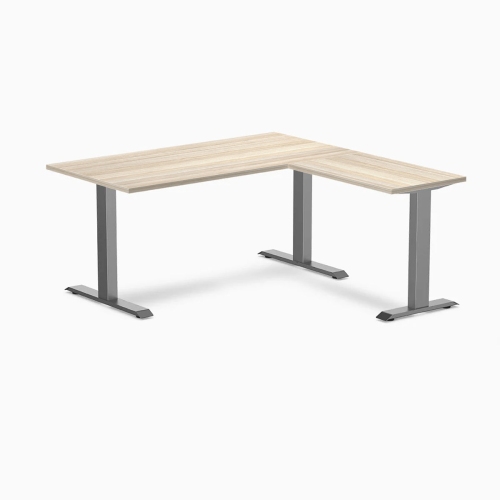
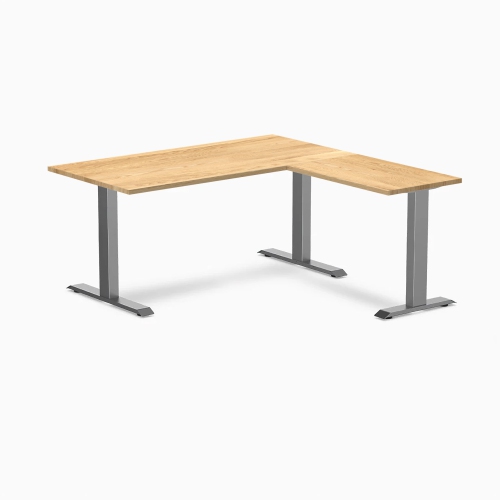
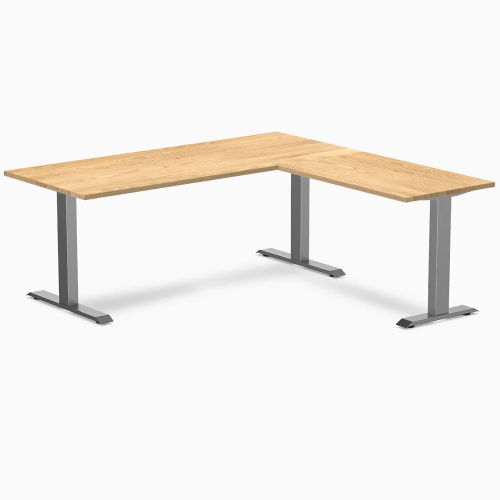
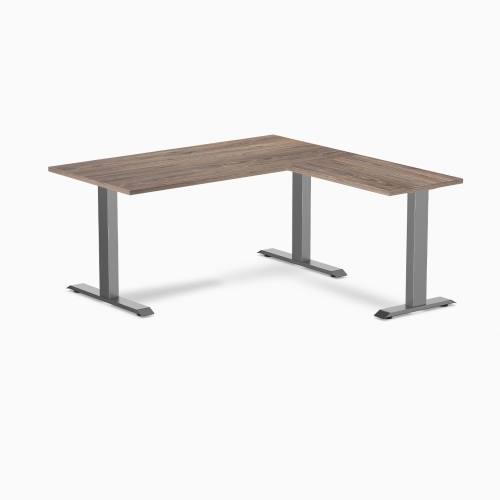
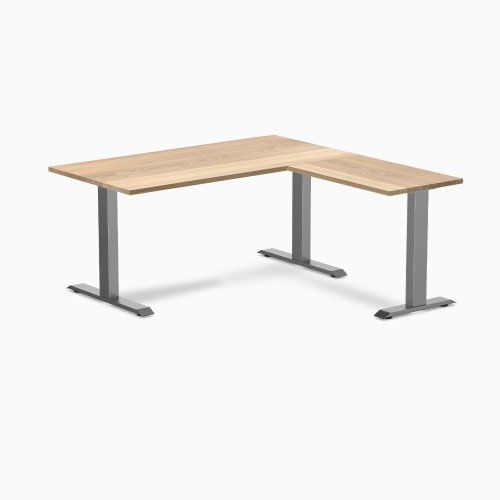
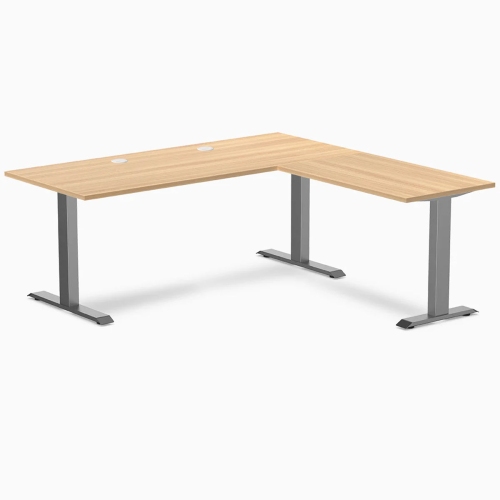
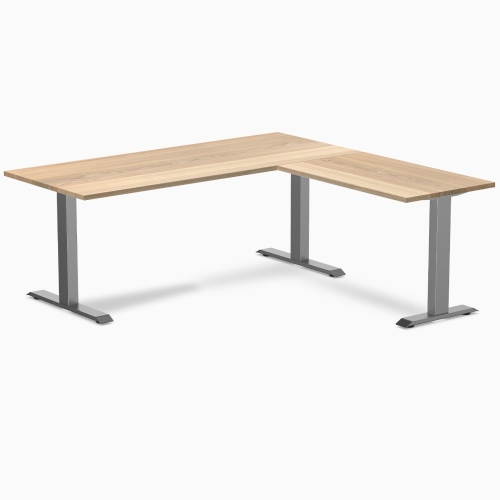
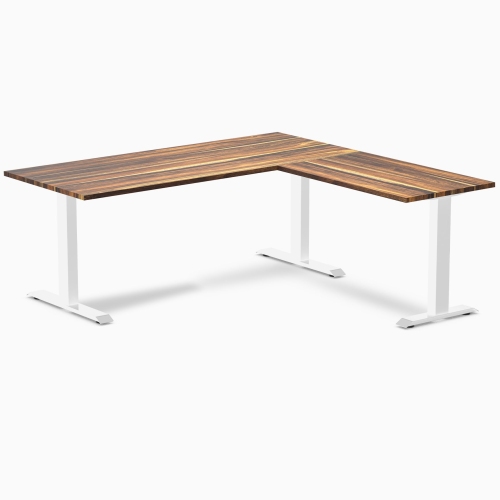
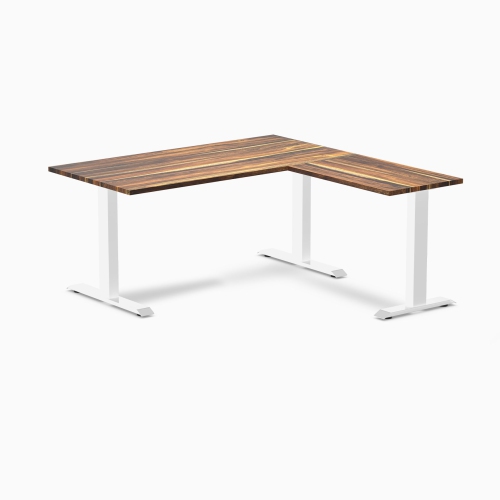

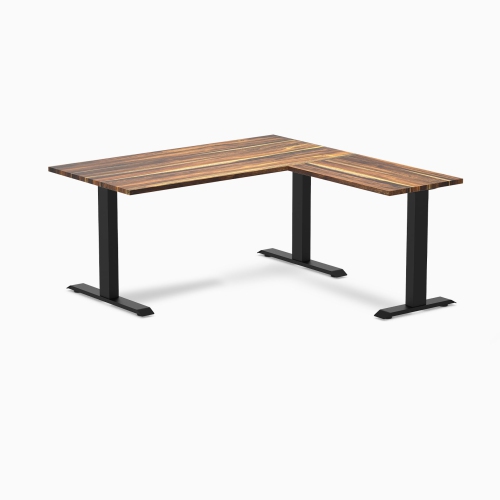
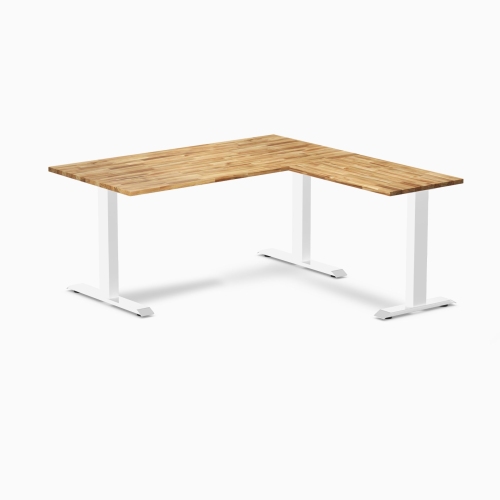
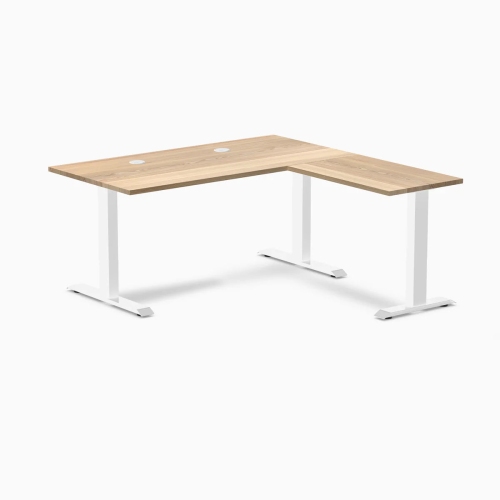
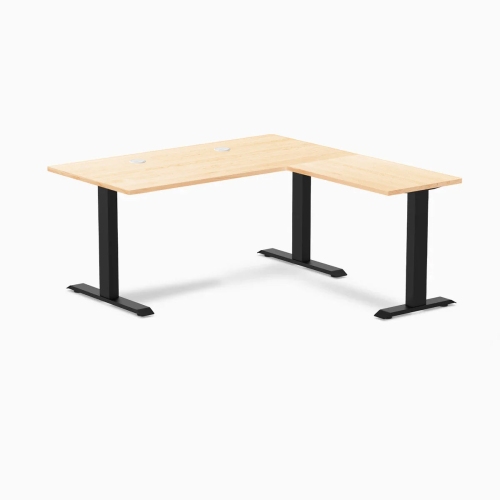
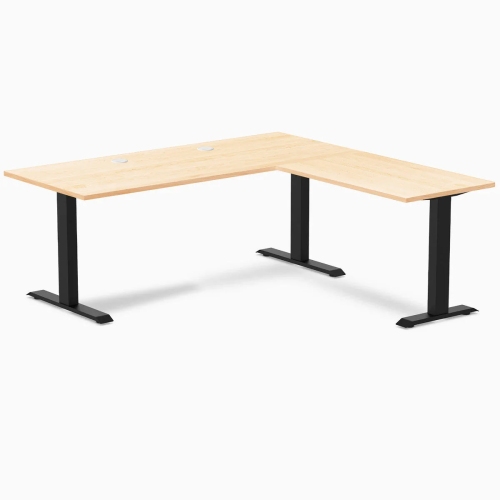

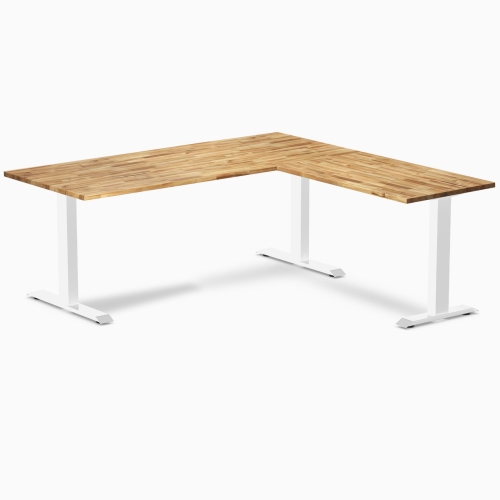
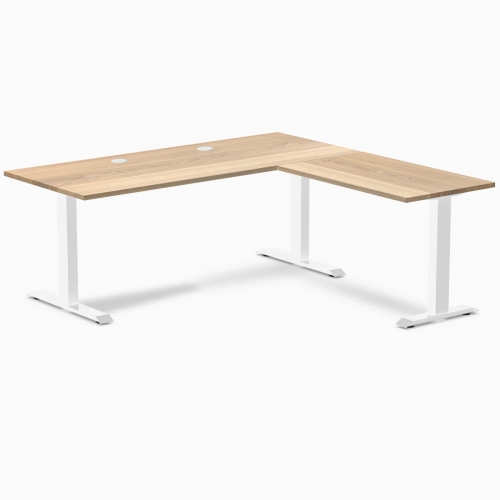
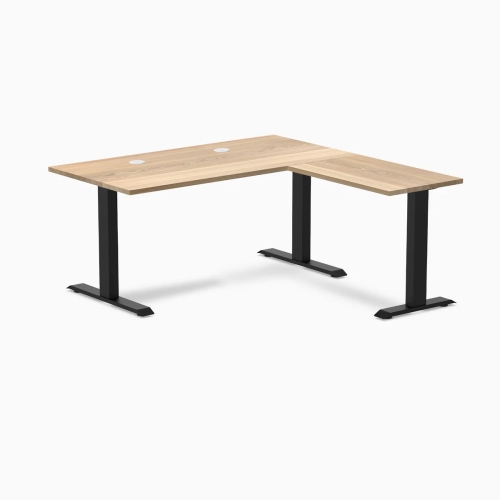
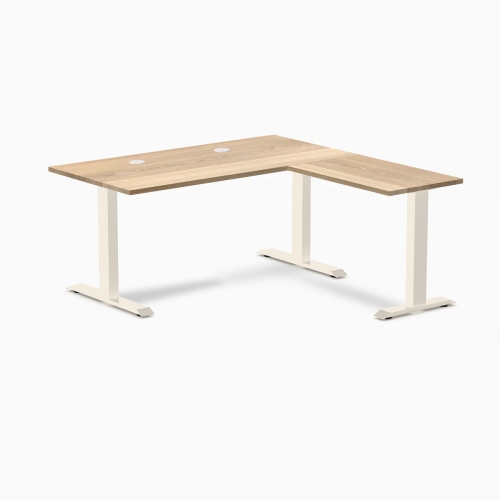
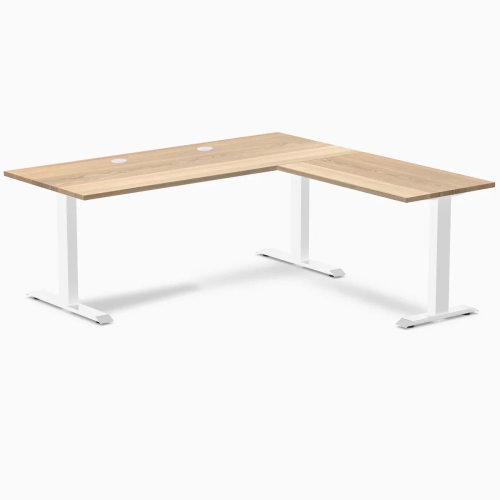
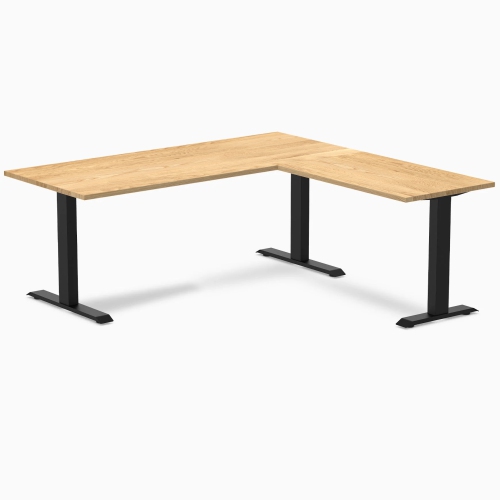
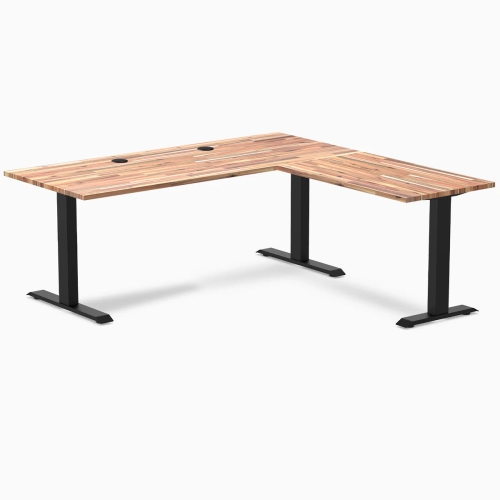
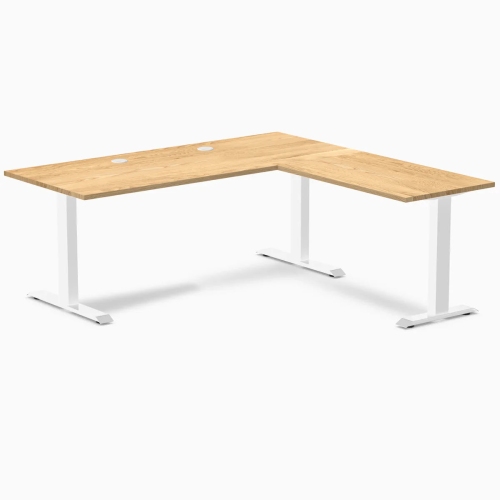
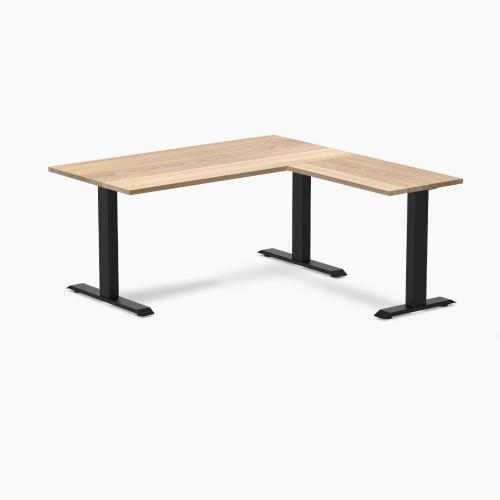
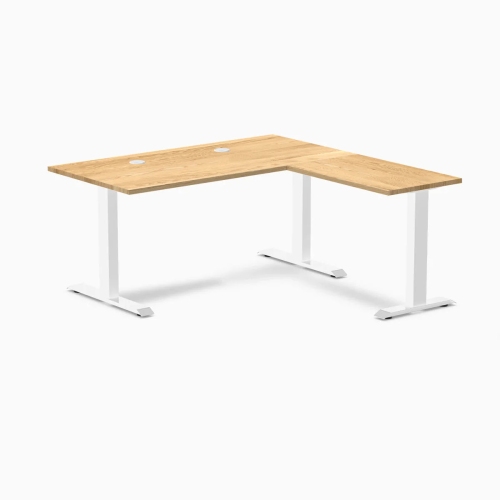
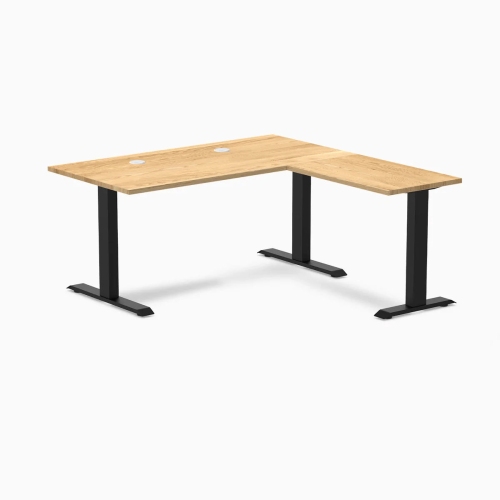
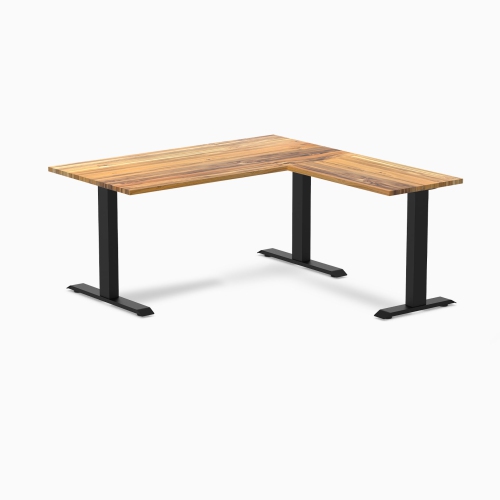
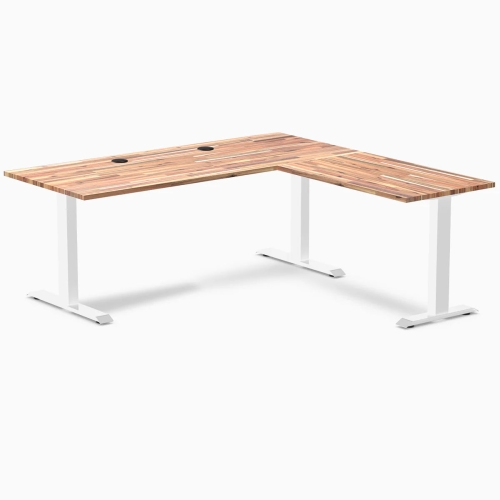
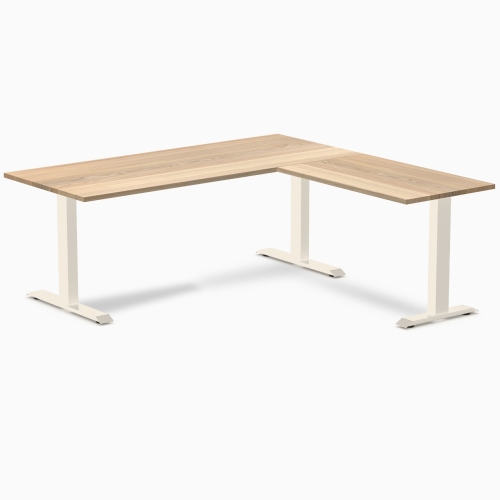
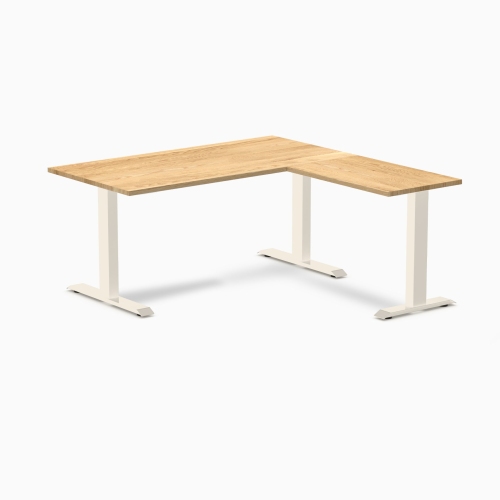
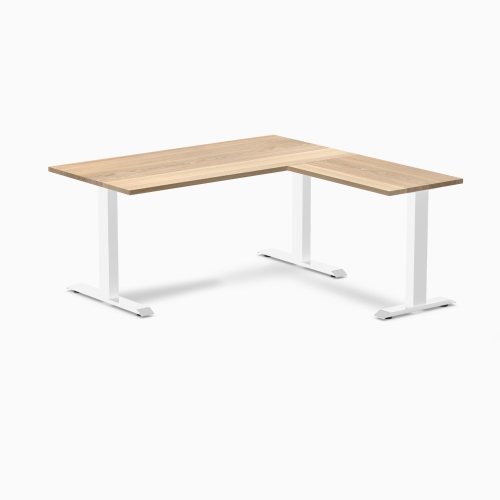
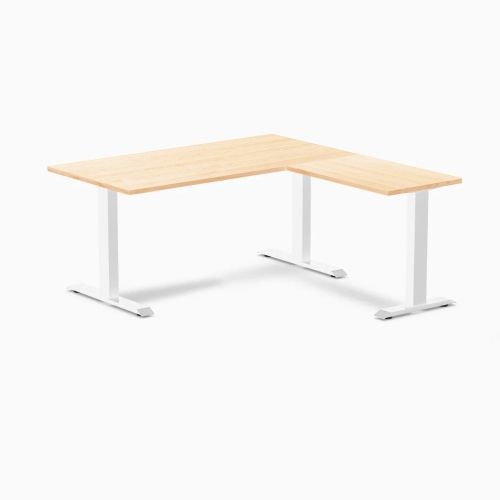
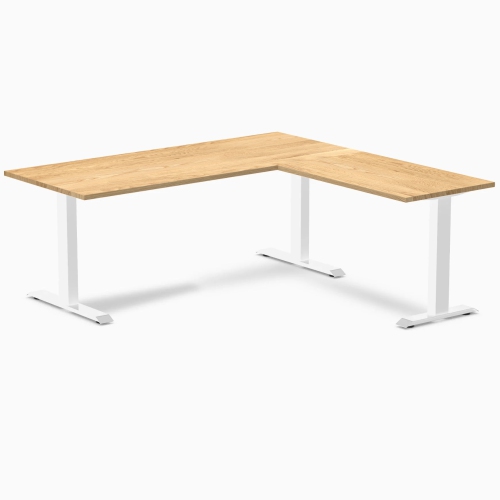
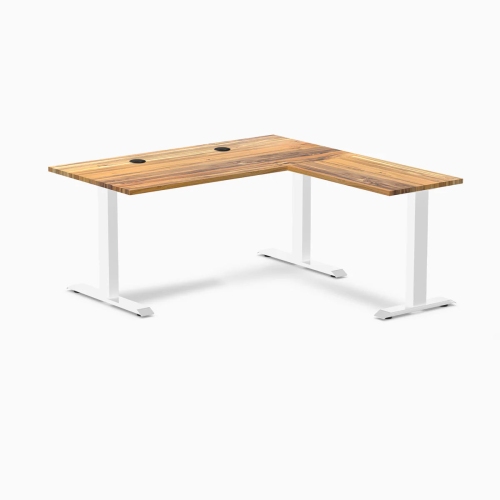
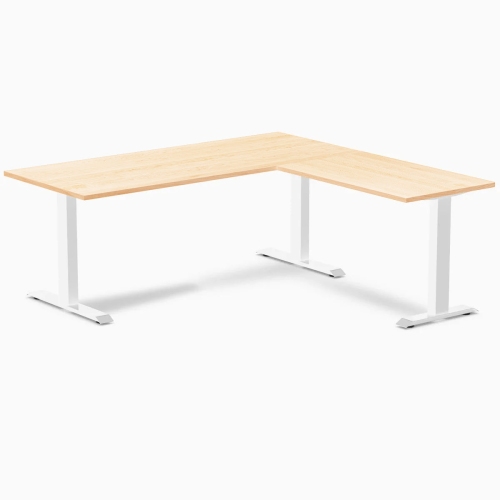
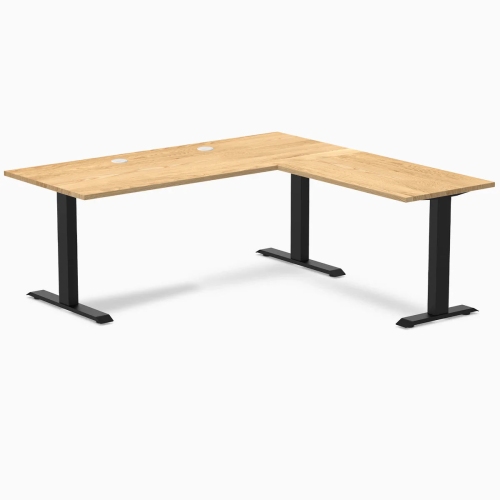
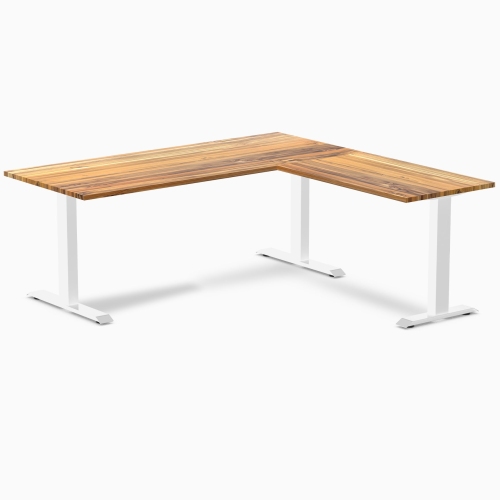
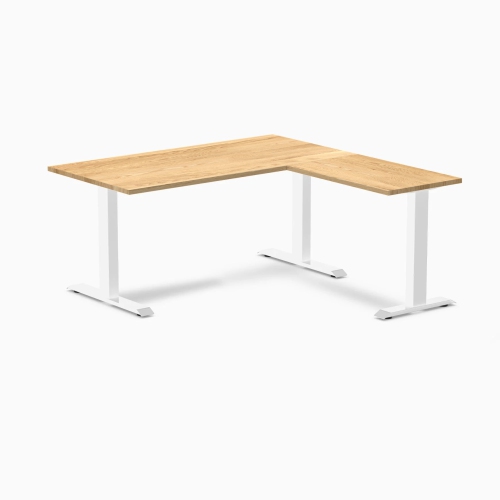
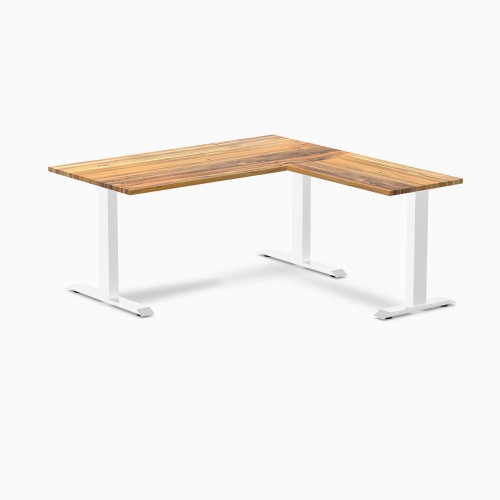
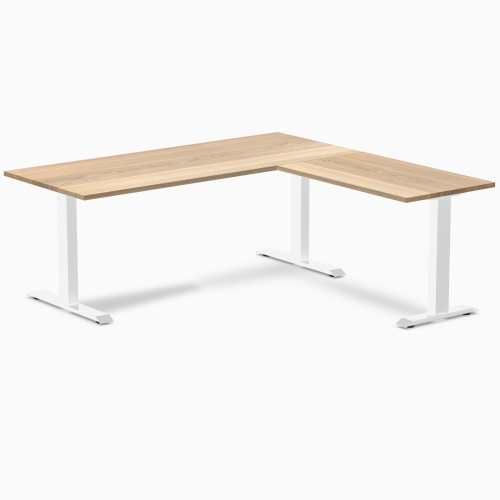
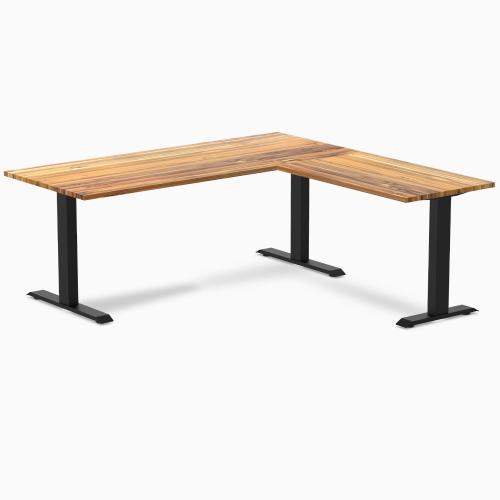
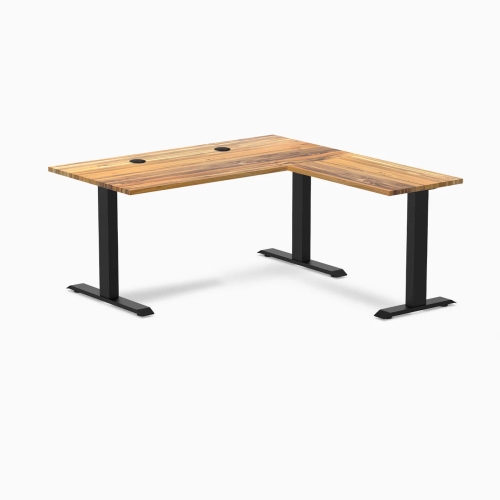

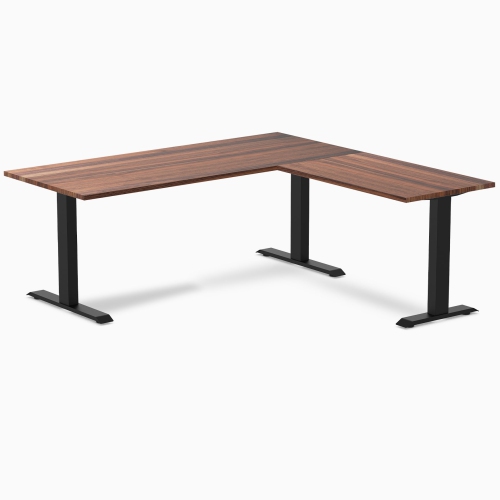
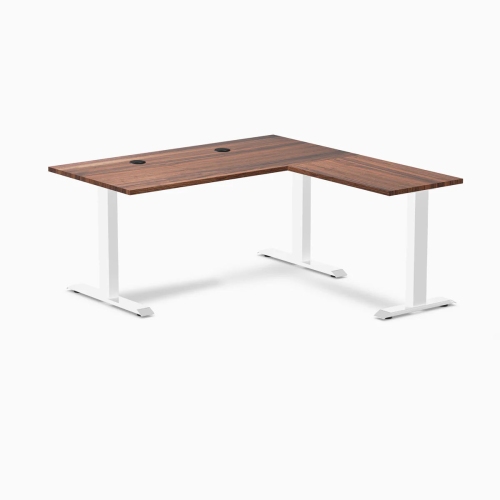
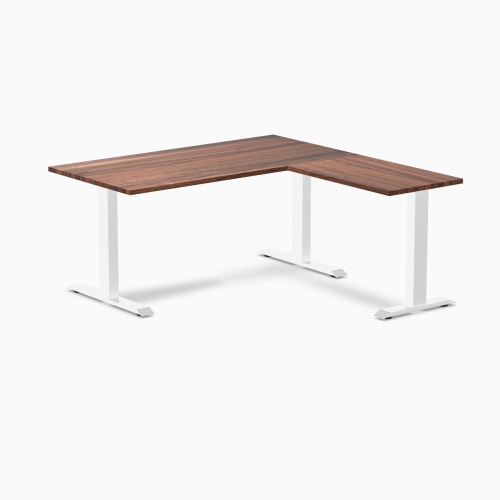
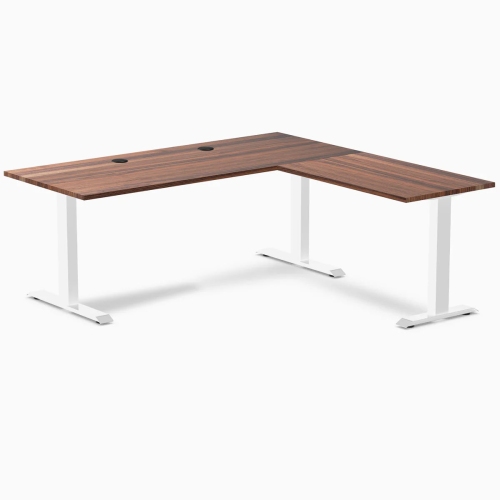
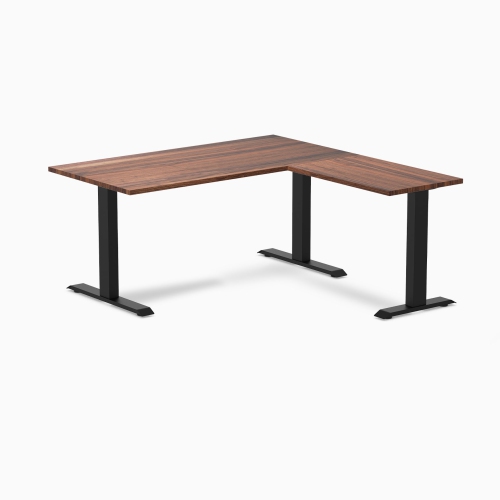
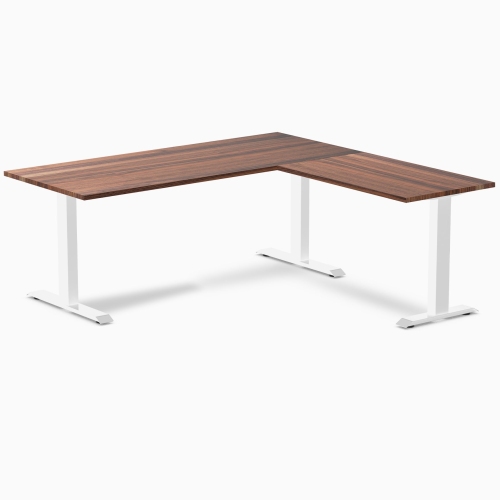
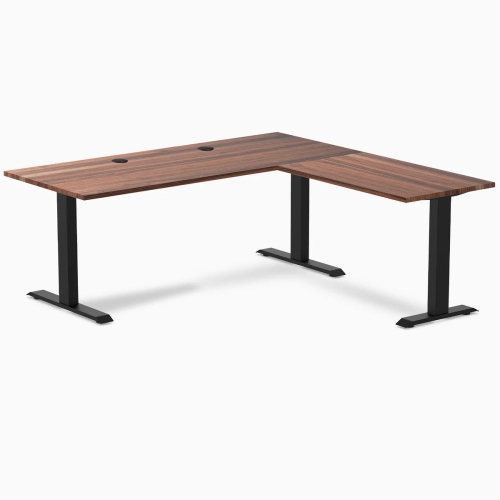
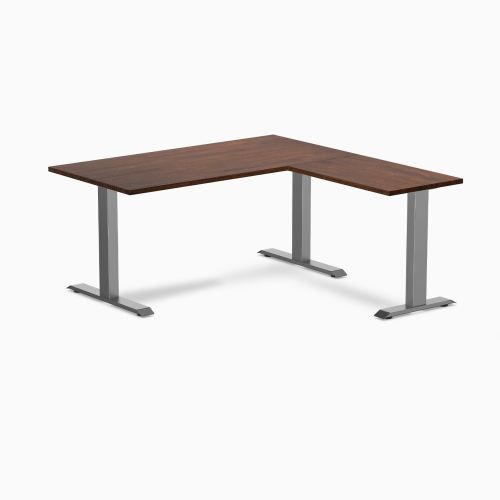
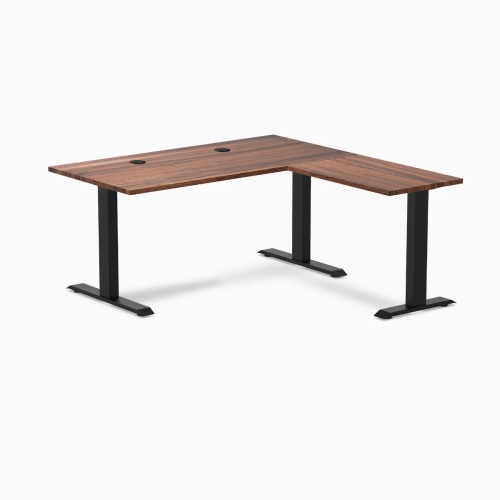

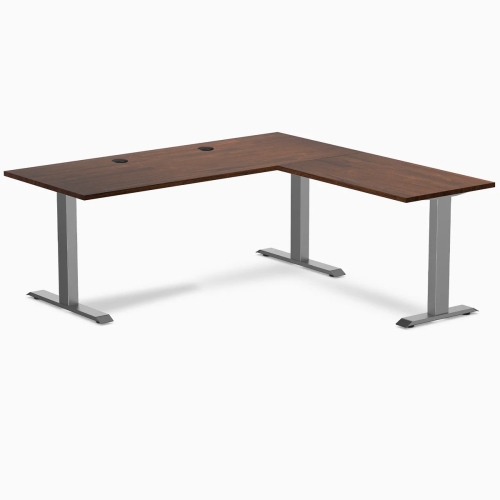
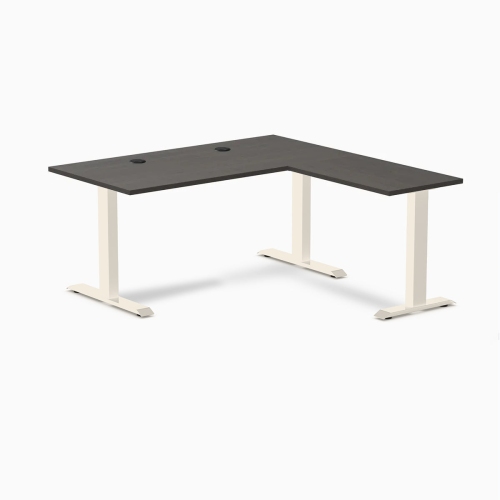
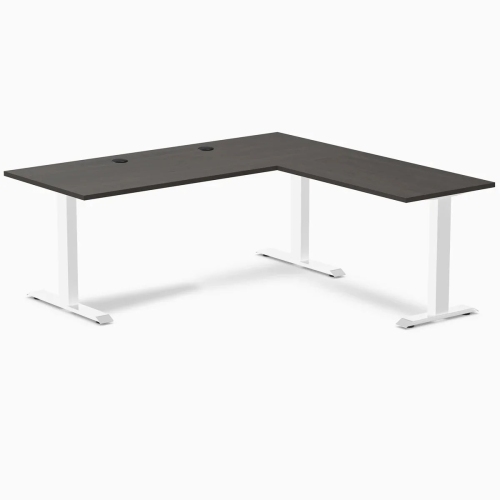
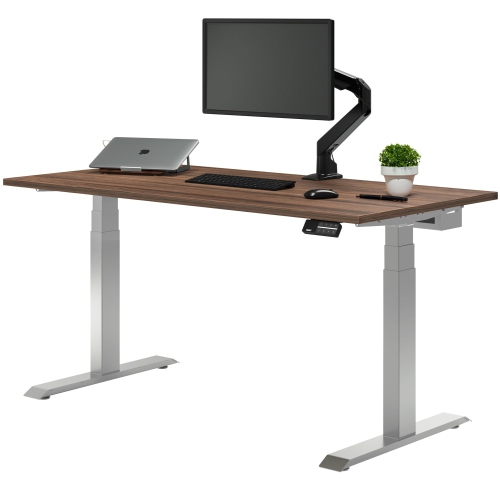
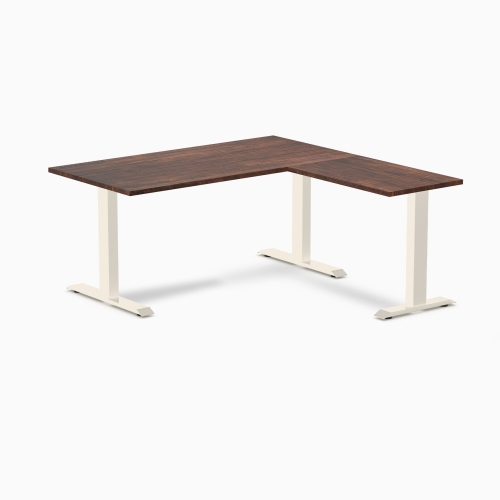
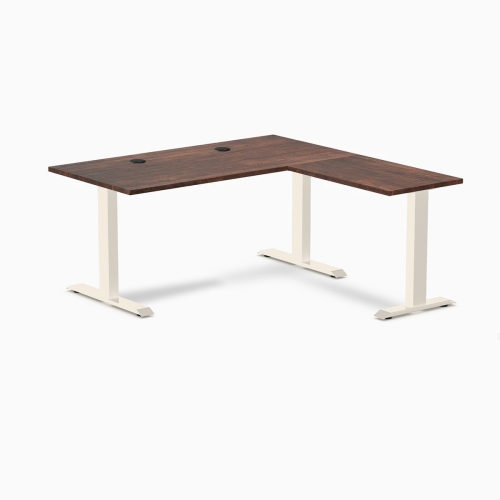
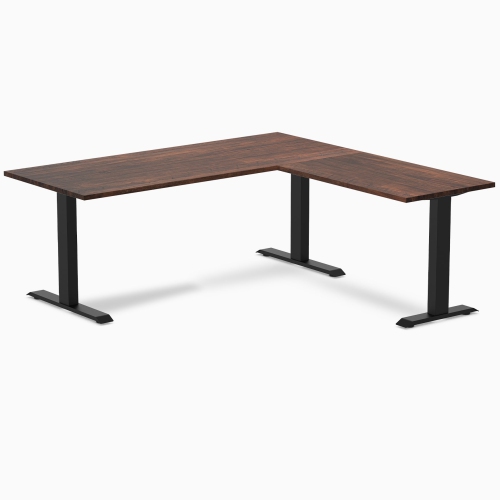
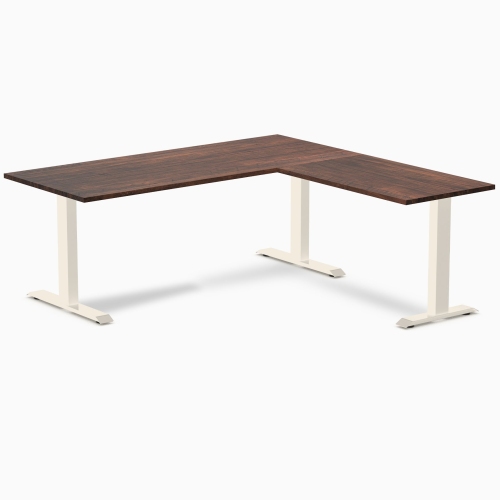
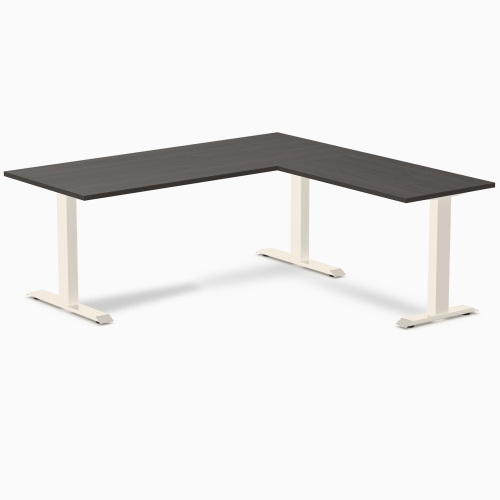
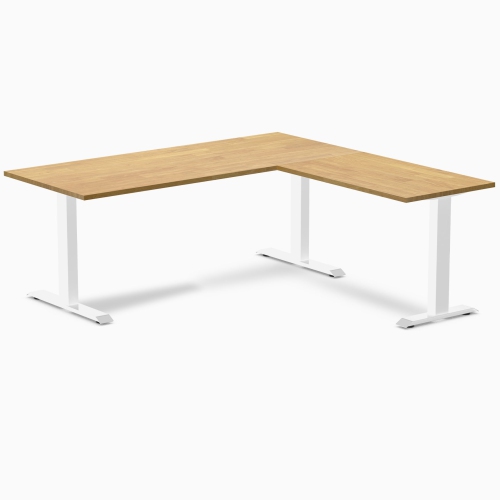
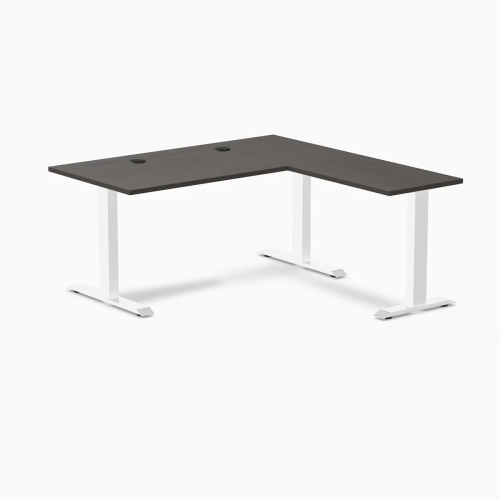
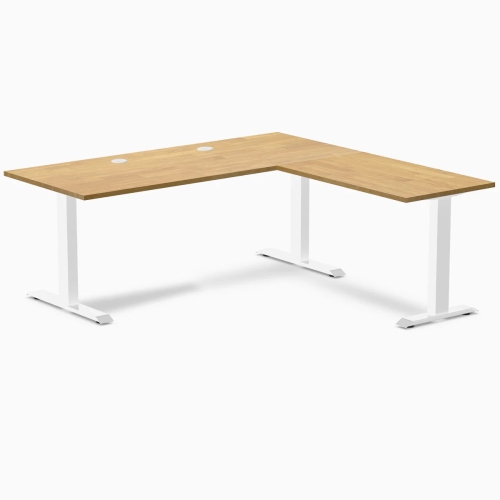
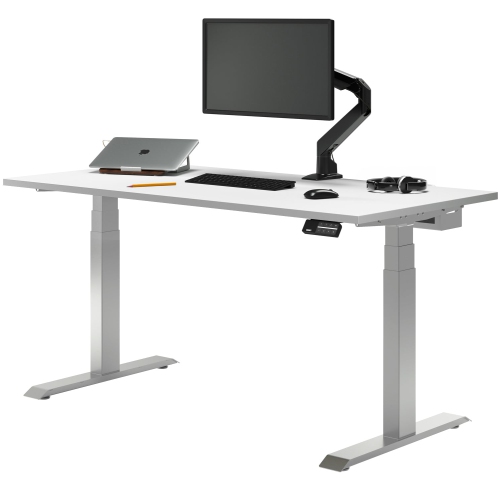
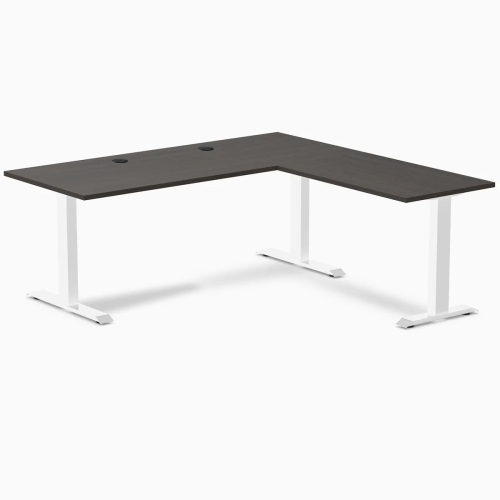
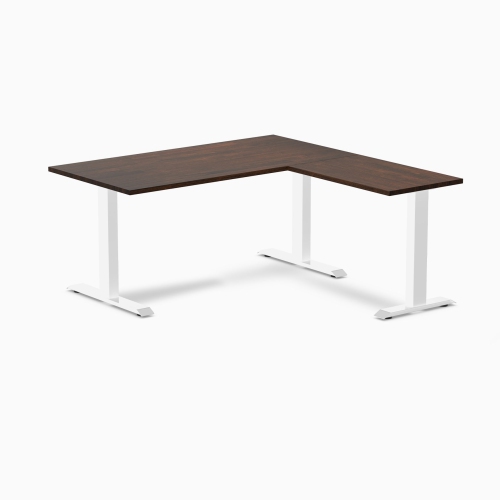
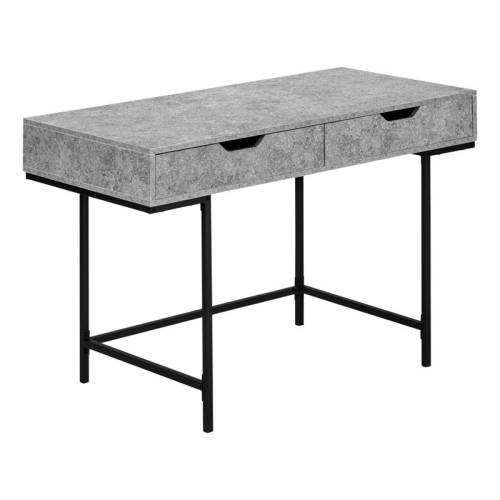
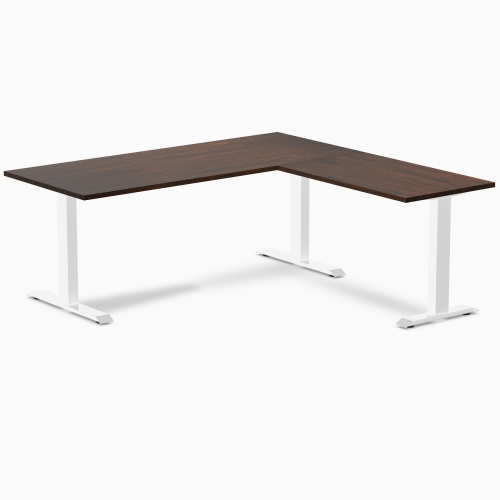
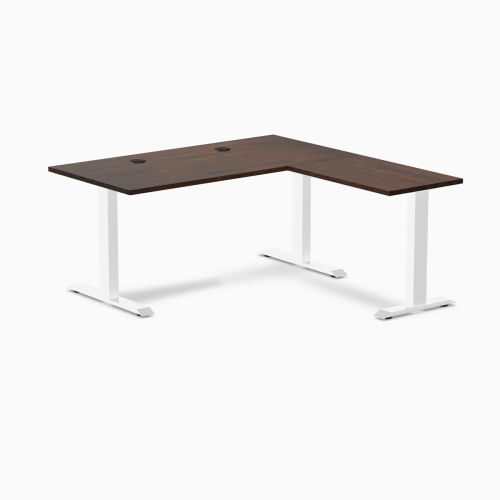
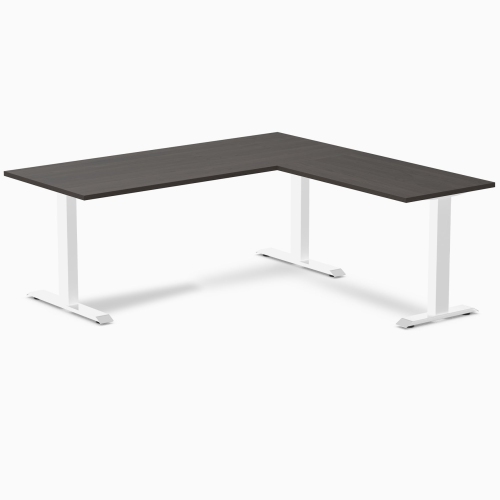
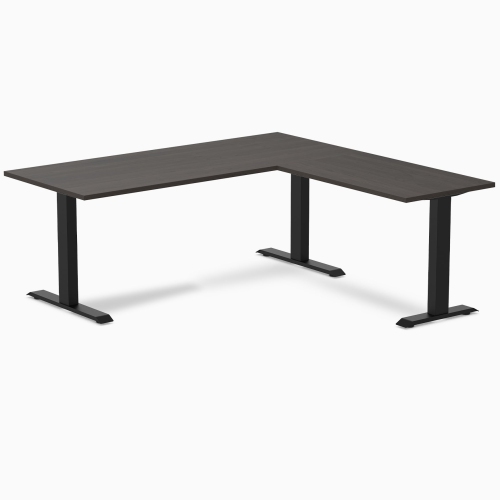

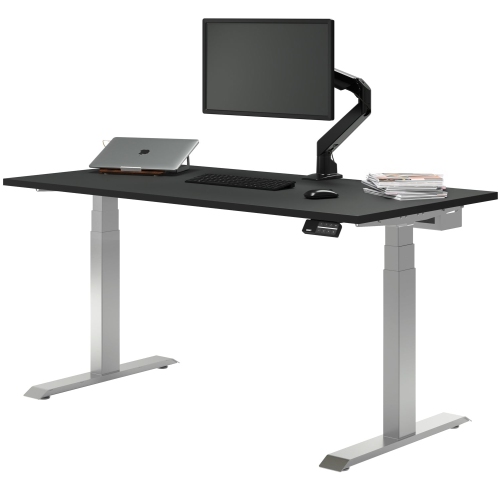
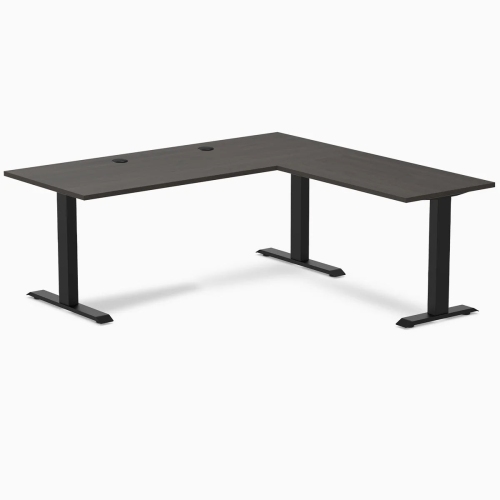
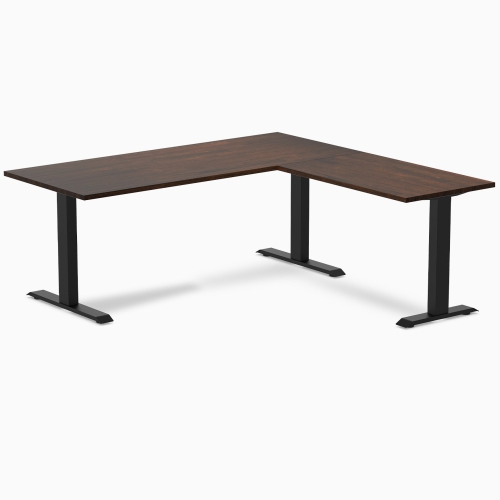
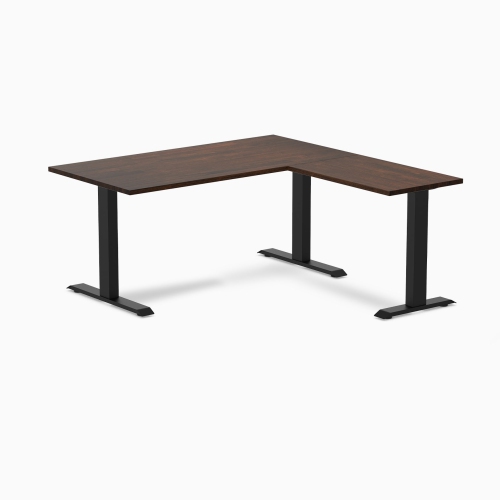
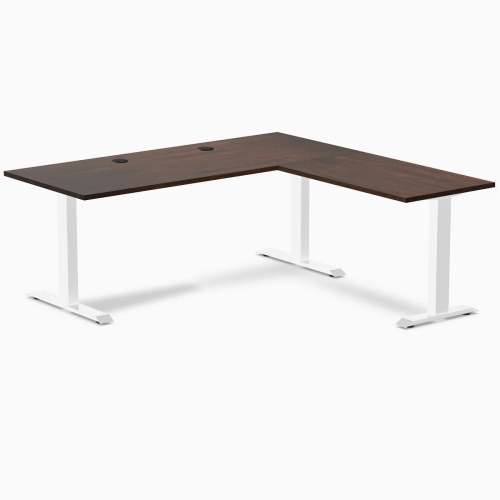
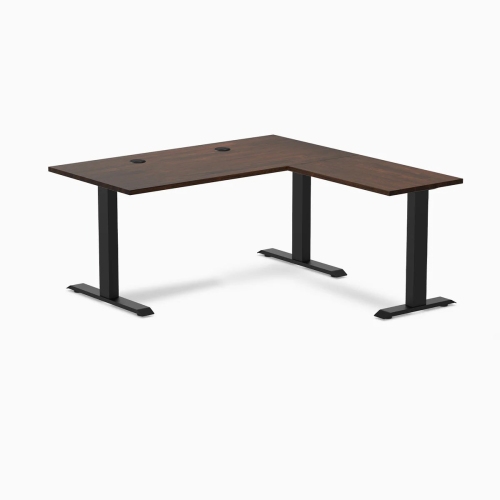
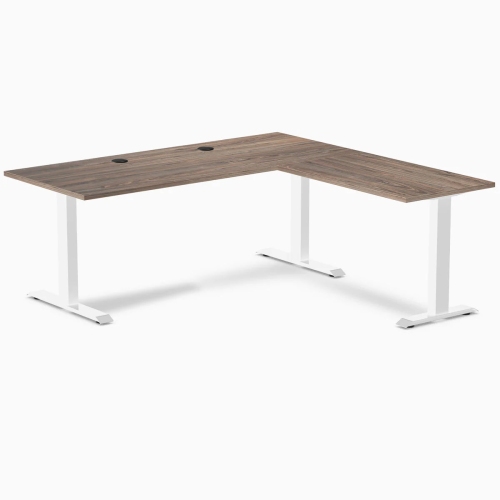
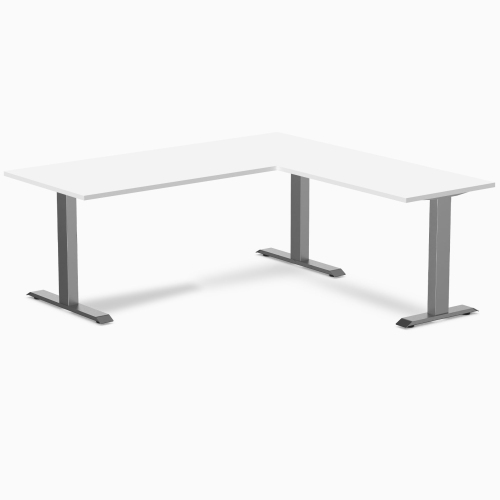
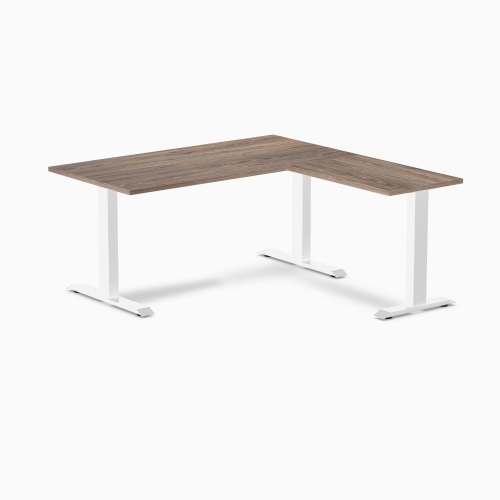
Why grey undertones and desk proportions matter
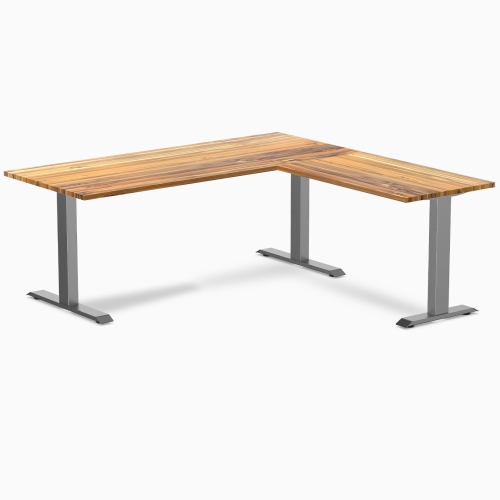
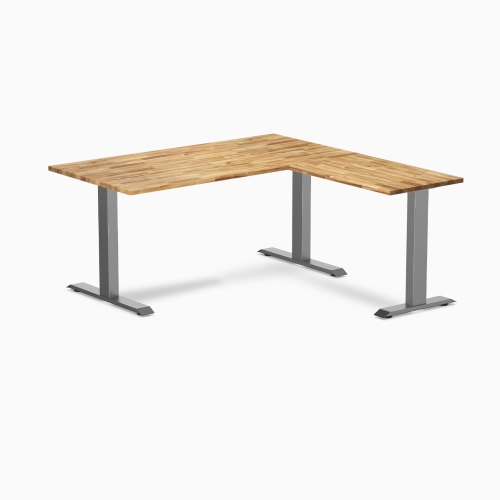
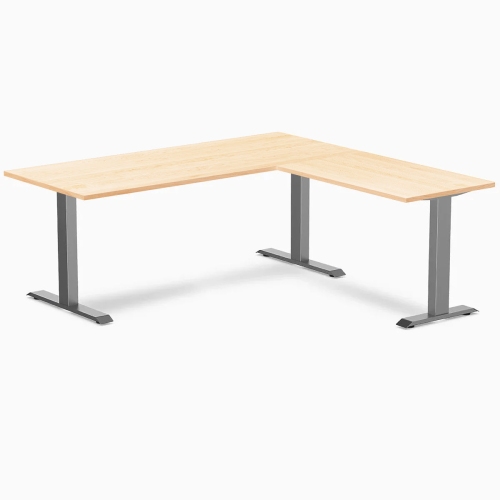
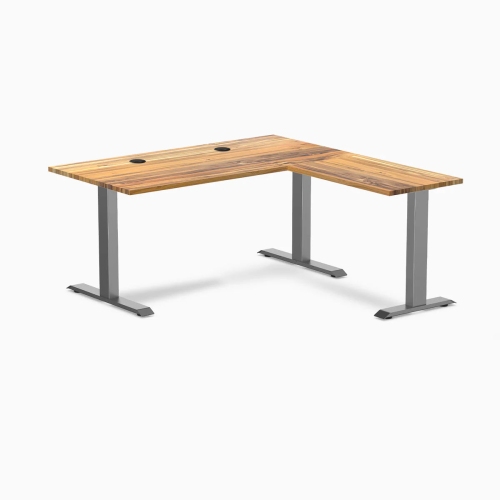
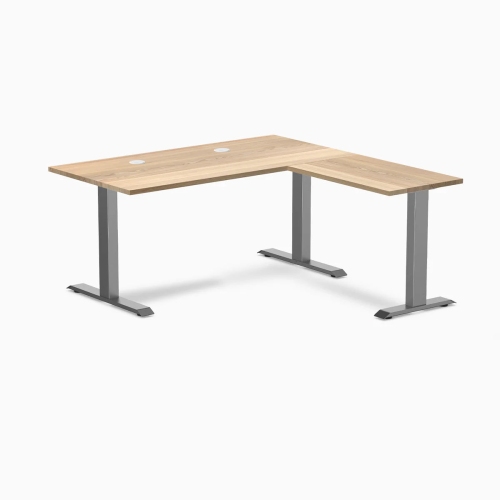
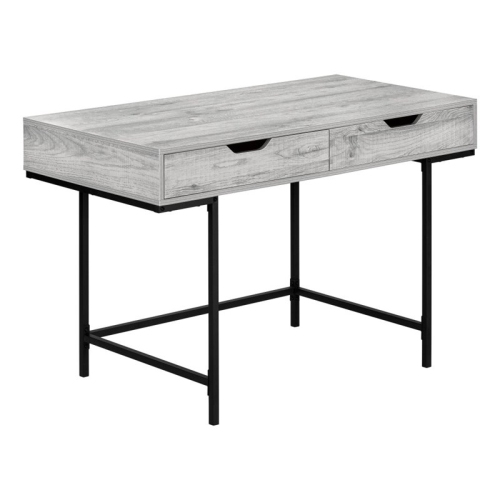
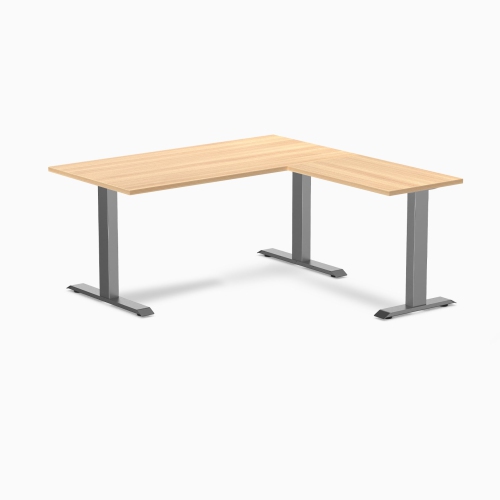
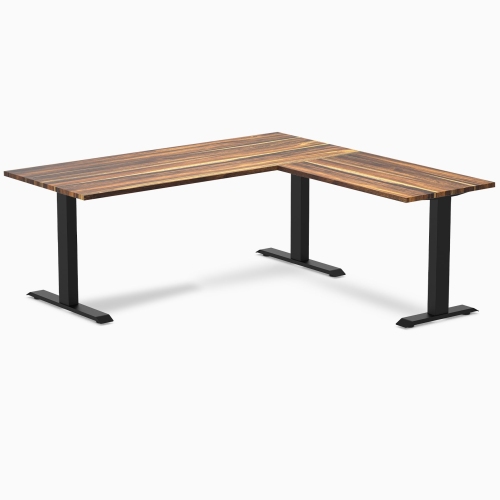
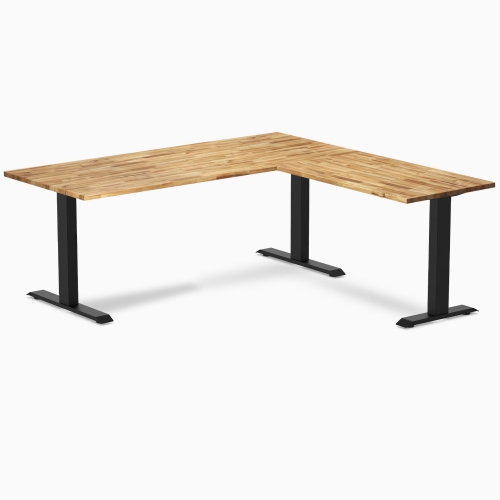
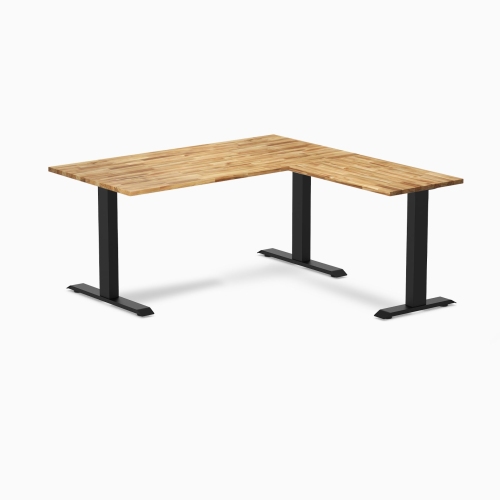
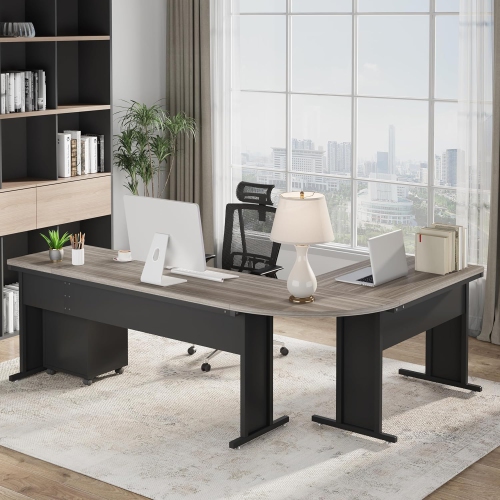
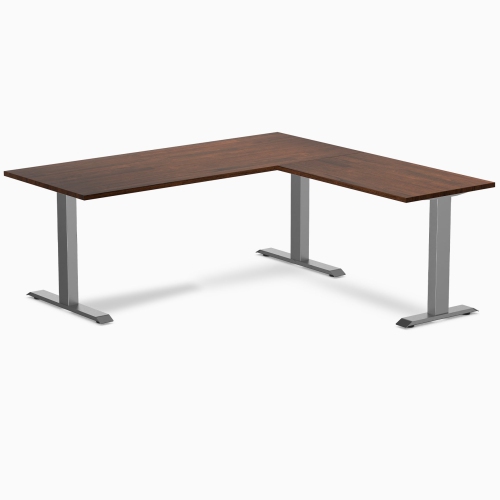
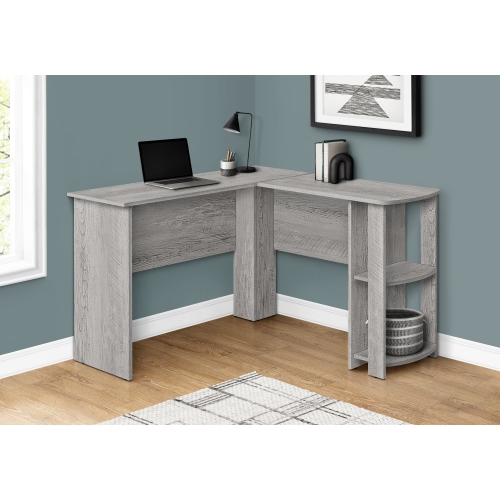
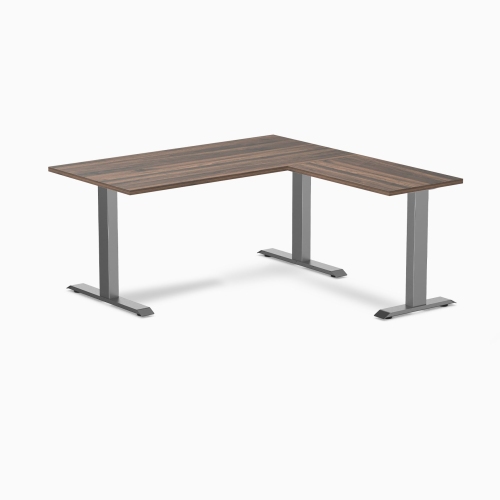
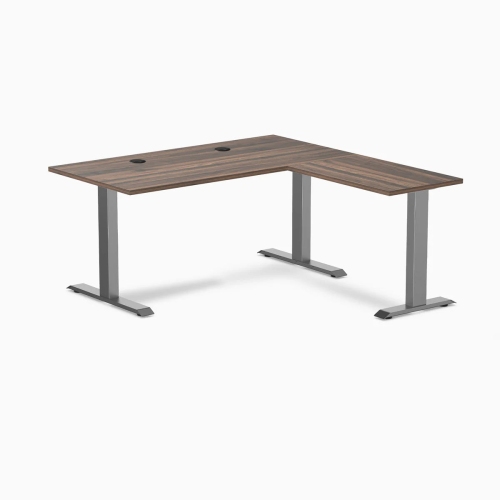
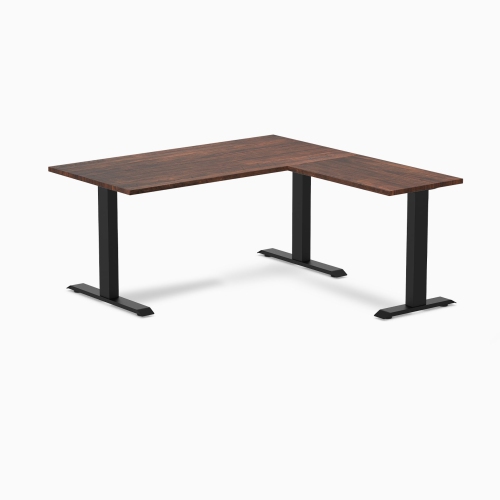
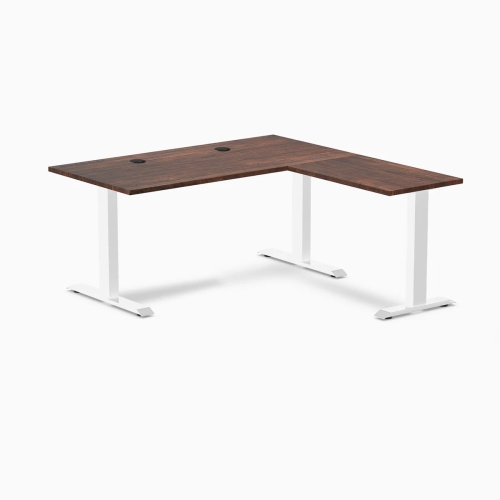
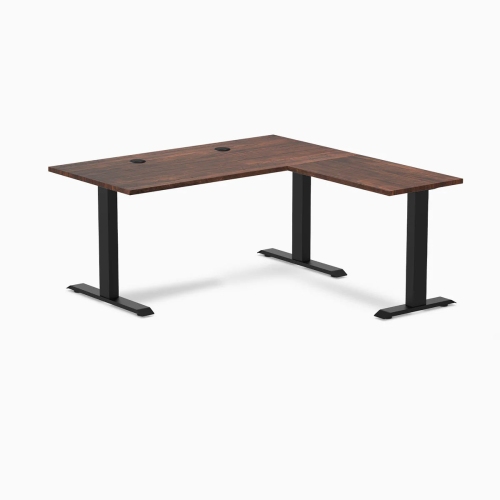
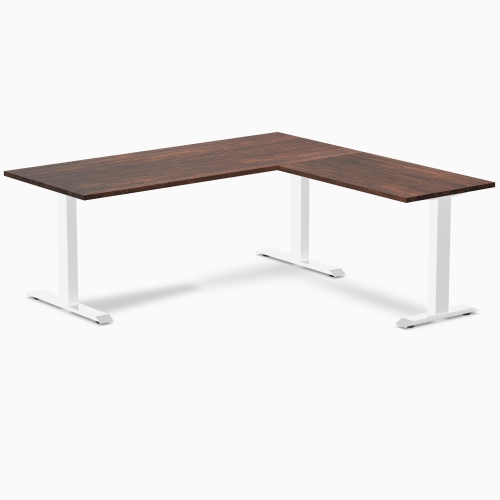
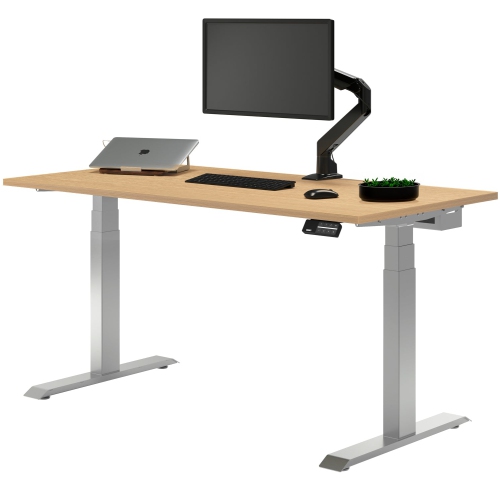
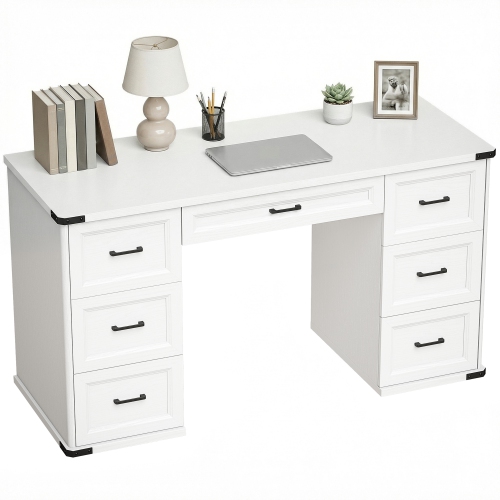
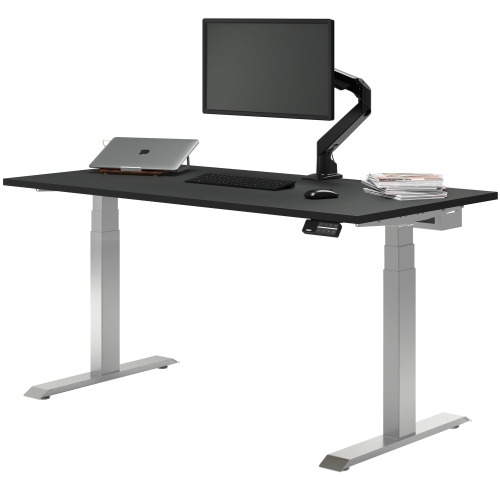
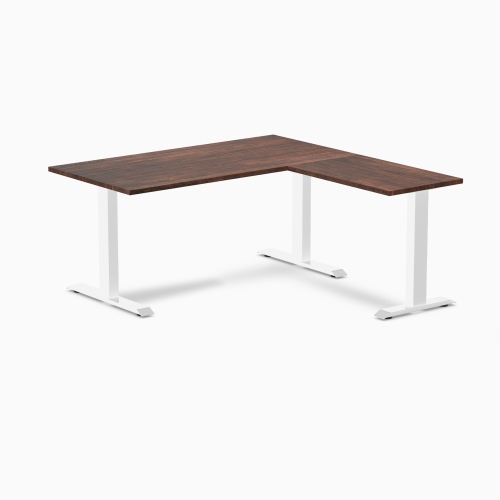
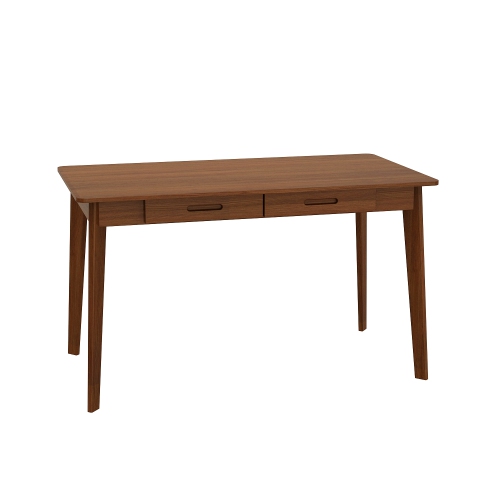
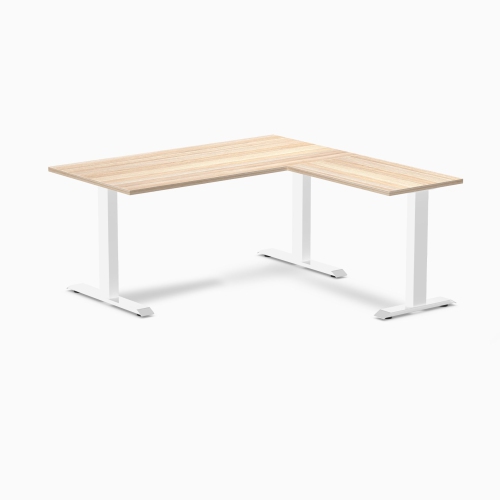
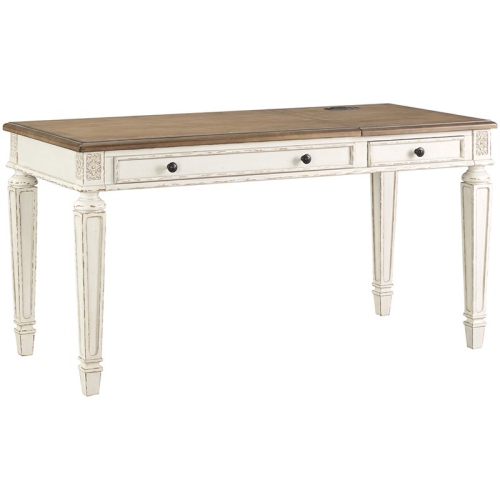
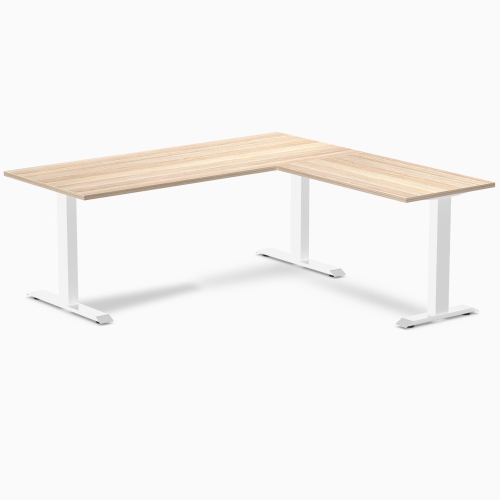
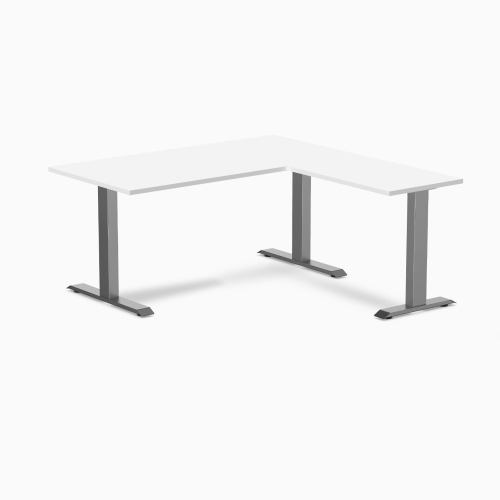
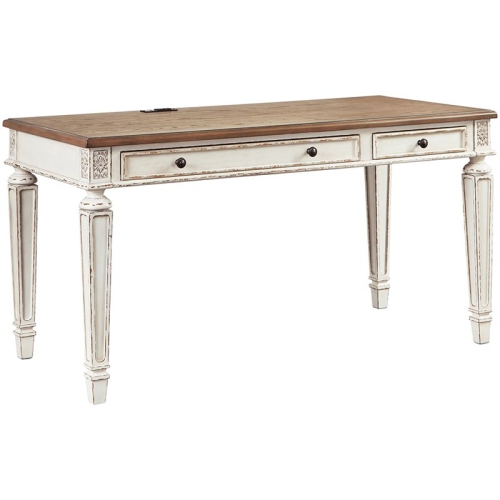
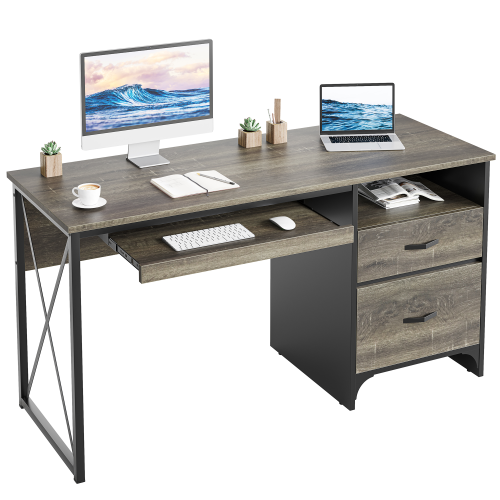
Grey wood office desks combine the familiar texture of wood with a neutral finish that works across home offices, shared work areas, and study spaces. Grey can look softly weathered, warm and brown-toned, or crisp with a charcoal cast, so the finish has as much influence on a room as the desk’s shape. A pale grey surface can sit comfortably alongside white shelving and light upholstery, while deeper tones pair naturally with black monitor frames, metal drawer pulls, and darker flooring. Visible grain adds variation without the strong colour contrast of some natural wood finishes. The term “grey wood” can describe several constructions: solid wood with a grey stain, a wood veneer over a supporting core, or engineered wood finished with a printed woodgrain surface. These distinctions matter because they affect weight, surface texture, care, and how a desk responds to everyday wear. Solid wood can show natural differences in grain and may respond to changes in indoor humidity. Veneer offers a real wood surface over another material, while laminate and other applied finishes can provide a consistent appearance; their resistance to scratches, moisture, and wear depends on the construction and finish. Style varies just as much. Straight legs and an uncluttered top suit a simple workstation, while panelled sides, substantial drawer units, or a trestle base create a more substantial furniture presence. Grey wood paired with a metal frame can bring a more industrial character to a room without requiring every furnishing to match. The related Gray Wood Desks collection offers another place to explore this colour and wood-look combination. Across these styles, a desk feels most cohesive when its undertone, proportions, and hardware relate to the surrounding furniture rather than matching every piece exactly. In a living area, for example, a grey finish with a brown undertone can connect a workstation to an oak bookcase, while a cooler grey can echo nearby black-and-white furnishings.
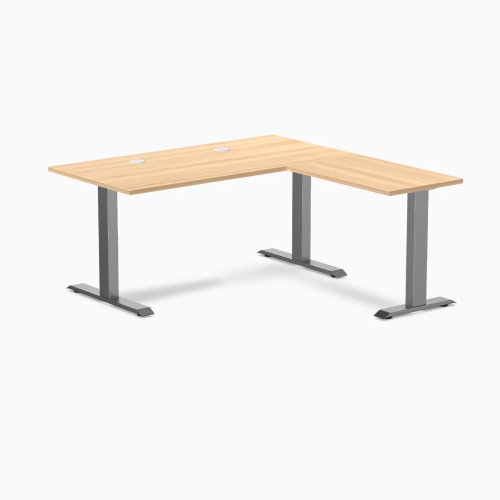
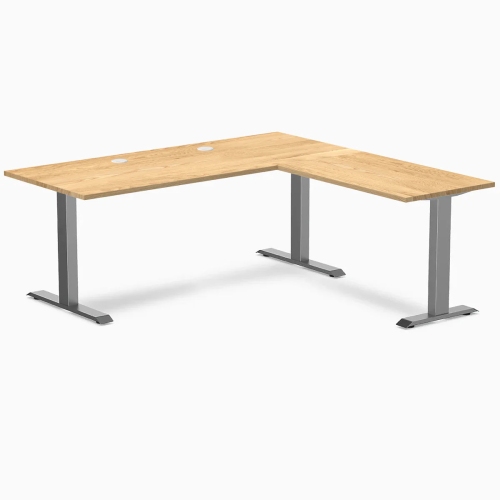
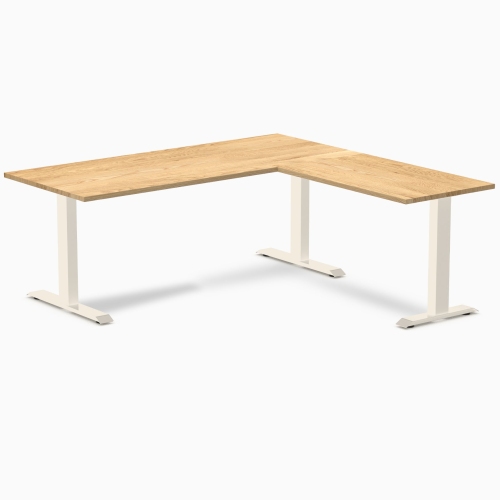
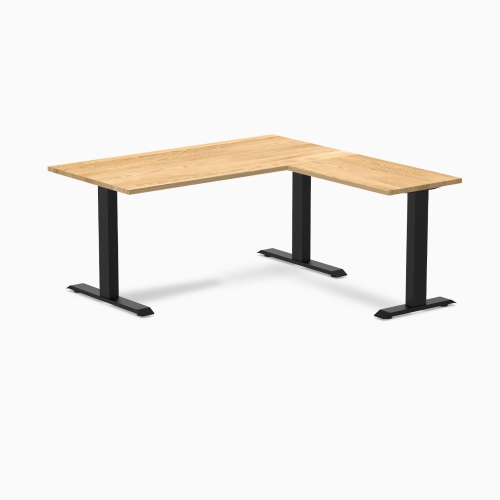
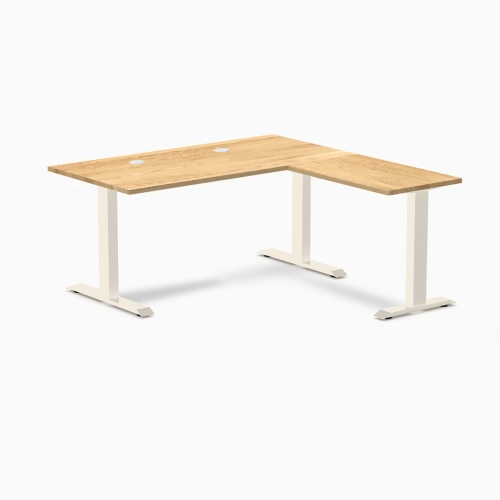
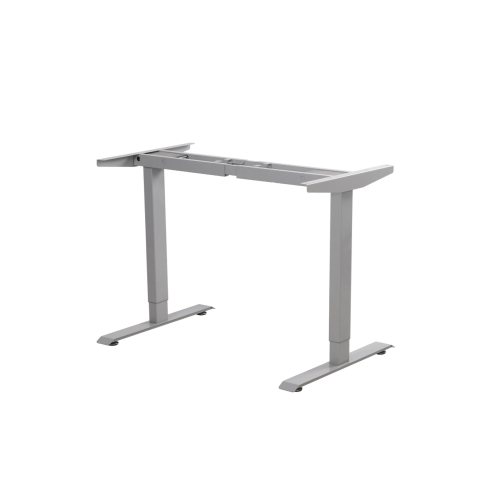
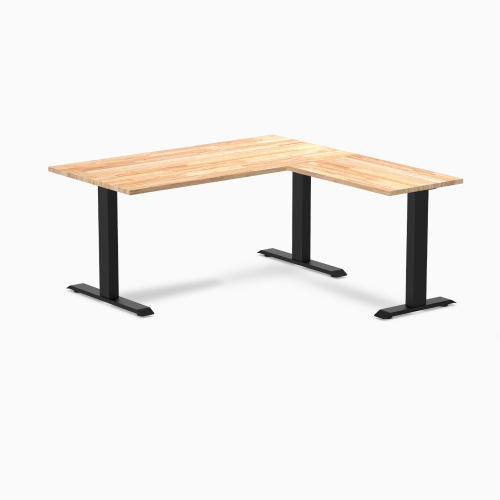
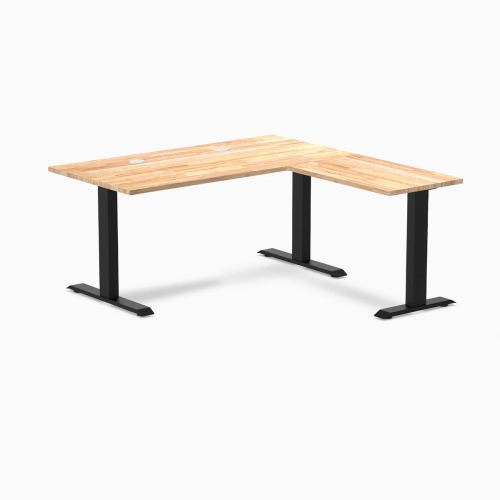
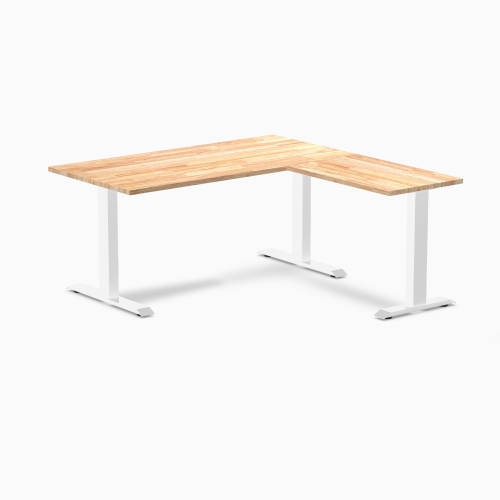
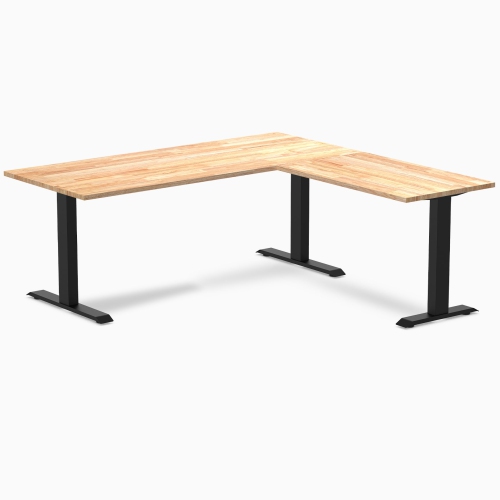
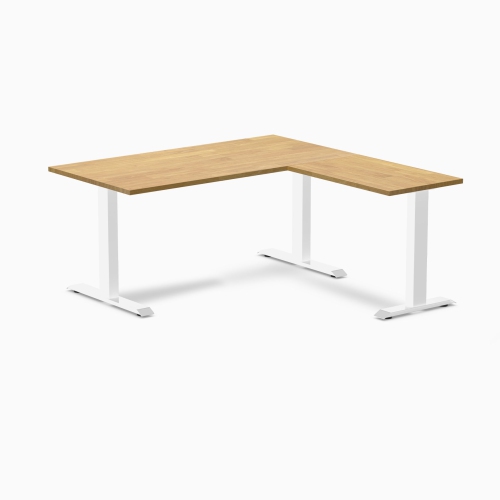
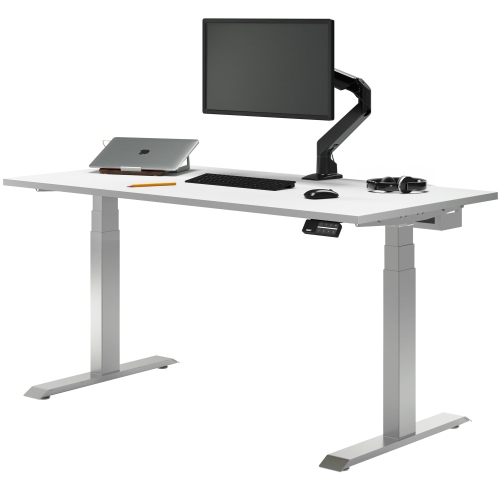
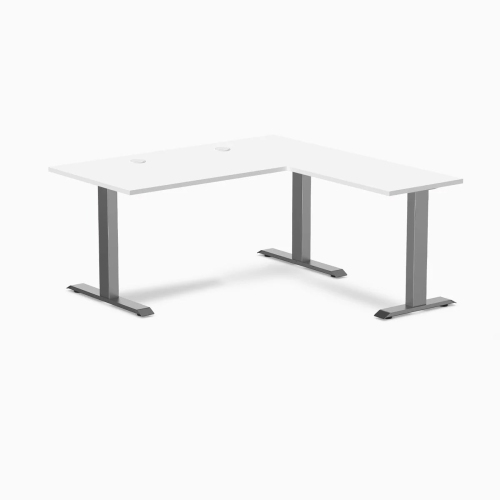
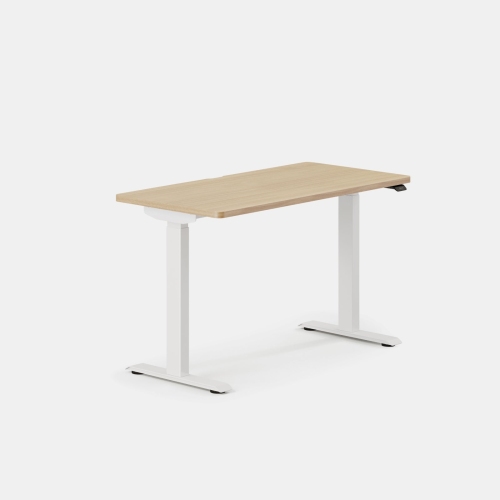
The right fit depends on both the room and the work taking place at the desk. A compact writing desk can provide enough surface for a laptop, notebook, and lamp, whereas a workstation with a separate keyboard, two monitors, and reference materials needs more usable width and depth. Depth is particularly important: a shallow top can leave a screen too close or push the keyboard towards the front edge, even when the desk looks generous from side to side. Space beneath the top matters too. Drawers, support rails, and side cabinets can reduce legroom, and the chair needs enough clearance to move in close without its armrests catching. Desk height and chair adjustment work together to support a relaxed position, with feet supported and shoulders resting naturally rather than raised towards the keyboard. An adjustable-height design offers more flexibility, but its stated height range, lifting capacity, and stability deserve attention, especially with heavier equipment. In a smaller room, a straight desk against a wall can leave a clear route through the space. An L-shaped layout provides separate zones for computer work and paperwork, although its return needs to fit the room’s orientation and allow access to drawers and nearby doors. A desk placed away from the wall also benefits from a finished back, since exposed panels and cables become more noticeable. Cable openings, a rear cable tray, or clearance behind the desktop can help keep charging leads and monitor cords away from the main work surface. For monitor arms and clamp-on accessories, desktop thickness, edge shape, and the manufacturer’s load guidance are more useful than appearance alone. A hollow or heavily bevelled top may not suit the same fittings as a thicker, flat-edged surface. Measuring the route into the room, including doorways and stair turns, also helps avoid a difficult delivery or assembly day. Together, these details determine whether a desk functions comfortably for an occasional email session, a full workday, or several hours of focused study.
Storage and maintenance shape how grey wood office desks hold up in daily use. Shallow drawers keep pens, charging cables, and small stationery close at hand, while deeper compartments can accommodate larger supplies; a drawer should only be treated as file storage when its dimensions and hardware support that purpose. Open shelves make frequently used books easy to reach, but their placement should leave room for knees and chair movement. A cabinet can keep paperwork out of sight in a shared living space, where the desk remains visible after work ends. For students, a clear central surface supports switching between a laptop and handwritten notes. For remote workers, keeping meeting equipment within reach can reduce the need to rearrange the desktop throughout the day. Durability depends on more than the thickness of the top: frame bracing, secure fasteners, drawer runners, edge protection, and even contact with the floor all contribute to a stable desk. Adjustable feet can help compensate for a slightly uneven floor, while following assembly instructions and checking connections periodically can prevent small movements from becoming persistent wobbling. Care should follow the finish manufacturer’s directions. A soft cloth is generally suitable for removing dust, and spills deserve prompt attention, particularly around seams and exposed edges where moisture can reach the underlying material. Excess water, abrasive pads, and unsuitable cleaners can damage finishes, so a barely damp cloth followed by drying is often preferable when permitted by the care instructions. A desk mat can protect the main writing area from pen pressure and repeated mouse movement, while coasters help limit marks from drinks. Felt pads beneath accessories can reduce scuffing when equipment is moved. With a suitable layout and straightforward upkeep, a grey wood desk can serve as a dedicated office workstation, a study surface in a bedroom, or a neatly integrated place to handle household paperwork.
Top selling and popular products
-
 Your price for this item is $97.99
-
 Your price for this item is $89.99
-
 Your price for this item is $84.99
-
 Your price for this item is $97.99
-
 Your price for this item is $649
-
 Your price for this item is $749
-
 Your price for this item is $649
-
 Your price for this item is $749
Discover more categories related to Grey Wood Office Desks
Top Collections:
Best Black Friday Deals This Year, Best Black Friday Deals On Electronics, Kindle Devices, Pokemon Centers, Best Black Friday Deals On Apple Products, Best Cameras for Sports Photography, Dyson Airwrap, Pokémon 30th Celebration Cards, Apple iPhone 17 Pro, Canon G7X Cameras
Some products may be subject to Environmental Handling Fees
(EHF) depending on your province.
Learn more about EHFs.